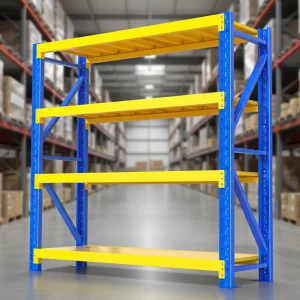
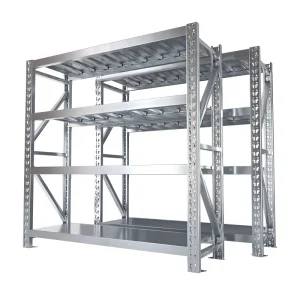
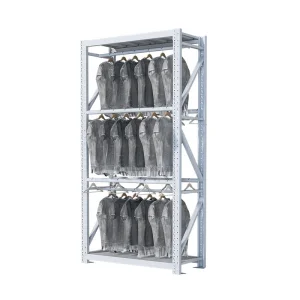
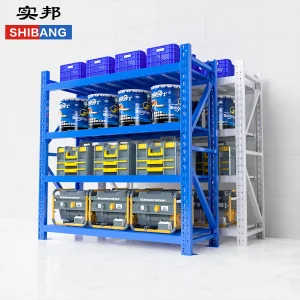
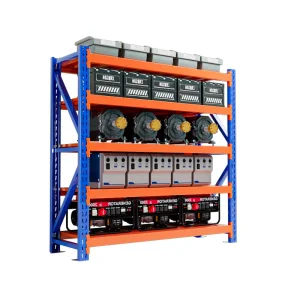
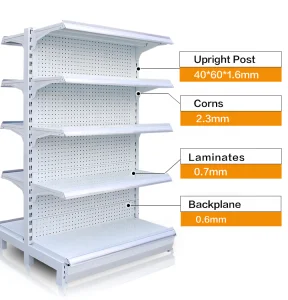
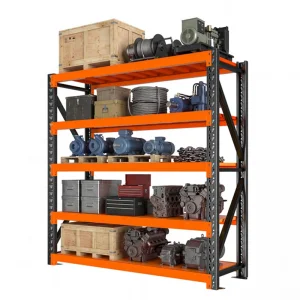
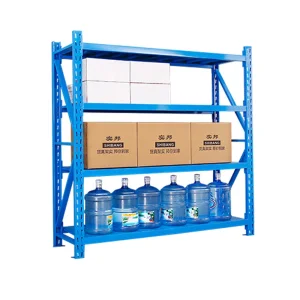
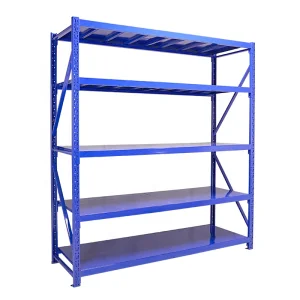
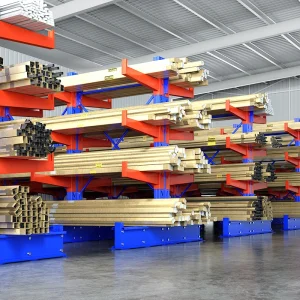
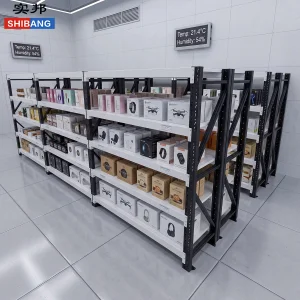
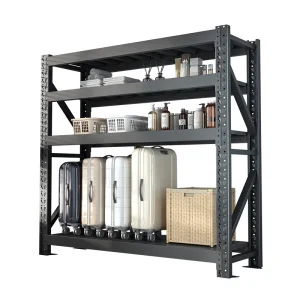
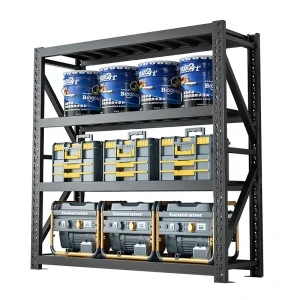
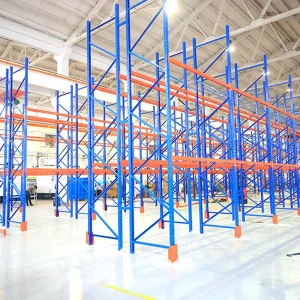
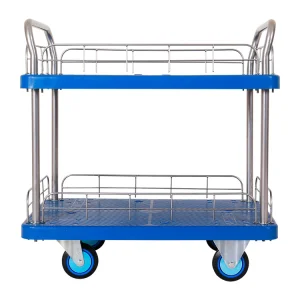
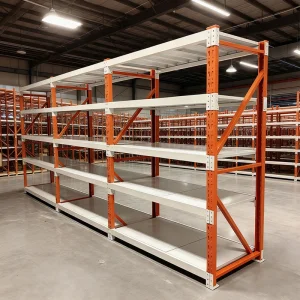
Engineered to comply with EN safety norms, our initial line-up addresses rapid-access demands across warehouse and retail networks.
Austria serves as a vital arterial link within the Central European logistics network, connecting Western industrial powerhouses with growing Eastern European markets. Standardized logistics infrastructure in major regions—such as Vienna, Graz, Linz, and Innsbruck—demands industrial-grade racking solutions that optimize vertical spatial efficiency while strictly adhering to European structural norms. Industry 4.0 integrations and automated warehousing setups are rapidly shifting the benchmark for structural storage integrity.
With land development costs rising across major industrial zones, Austrian firms are transitioning from traditional low-tier shelving to dense, high-bay configurations. These environments require rack structures engineered with tight tolerance profiles to seamlessly align with Automated Guided Vehicles (AGVs) and complex stacker crane interfaces. Our systems offer the necessary rigidity and spatial precision required for such automated systems.
Austrian state occupational safety standards mandate rigid structural calculations. Racking profiles must be qualified to resist not only static product loads but also localized structural dynamics.
We deploy cold-rolled steel profiling to construct modular racks optimized for varying pallet profiles and load geometries.
We use premium cold-rolled steel with precise material gauge controls, offering a high strength-to-weight ratio that optimizes load-bearing performance.
Tapered connector pins engage tightly under load, minimizing system sway and ensuring structural integrity without requiring complex field assembly.
Multi-stage chemical pre-treatments followed by electrostatic thermo-hardened powder coating yield robust scratch-resistant and moisture-resistant finishes.
Established in 2015, Shenzhen Shibang Storage Rack Co., Ltd. is an industrial-scale manufacturing enterprise specializing in high-performance storage structures and complex warehouse optimization systems. Operating out of a modernized 32,000 square meter plant, we manage every phase of manufacturing—from cold-roll form design to automated robotic welding and quality-assurance stress testing.
Our R&D team consists of 18 senior engineers, supported by 35 dedicated QC professionals. We implement rigorous testing protocols, including raw steel tensile tests, ultrasonic weld inspections, static load evaluations, and salt-spray corrosion chamber exposures to meet international safety criteria. By integrating premium raw material chains and automated machinery, we deliver structural components engineered for longevity and compliance.
Our systematic manufacturing sequence ensures that every upright frame and beam connector meets exact structural specifications.
Finite Element Analysis simulations model static load, seismic force distributions, and structural deflection thresholds to optimize profile layouts.
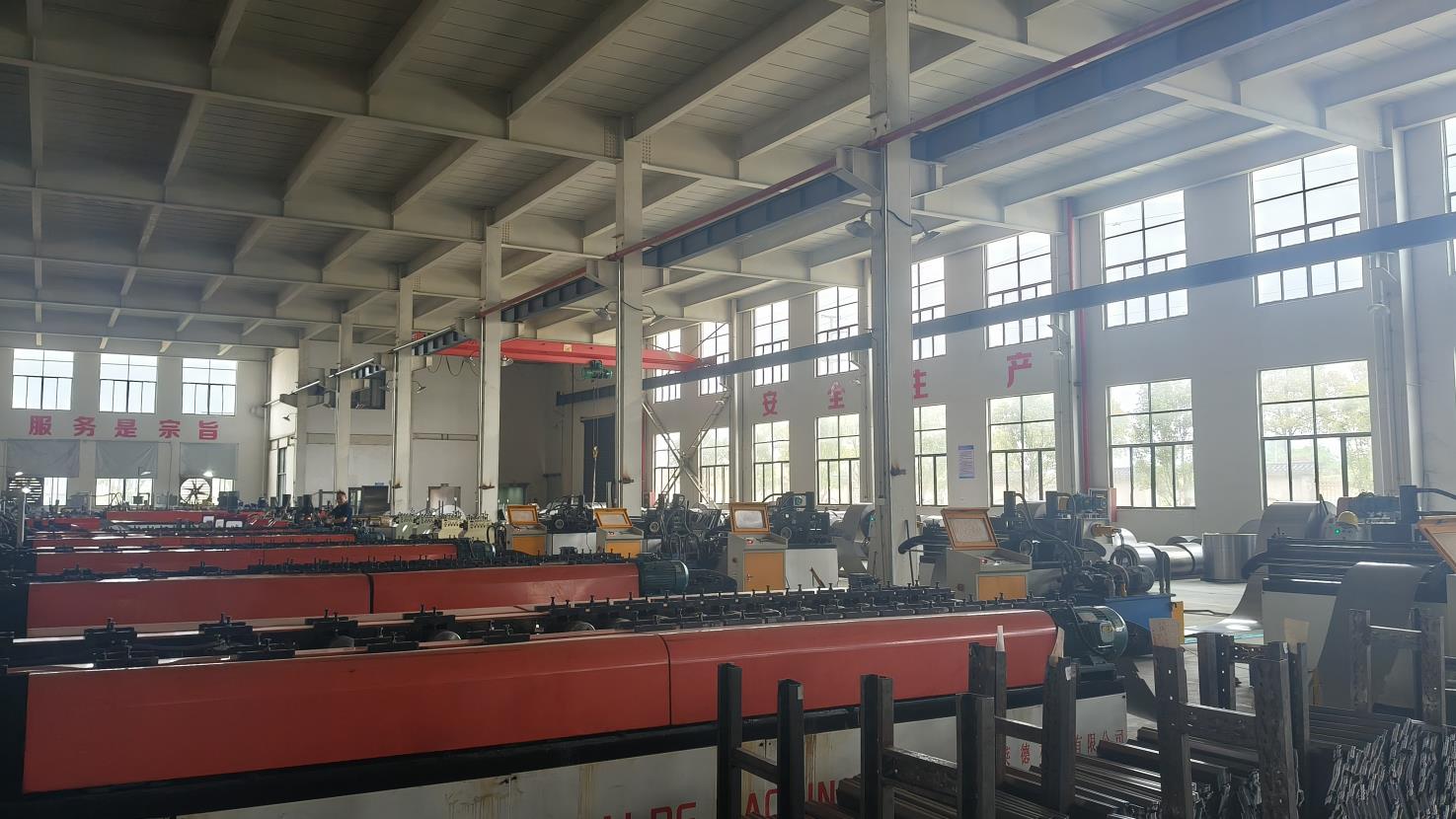
Raw coil steel passes through automated multi-station cold rolling systems to shape high-density profiles with consistent dimensions.
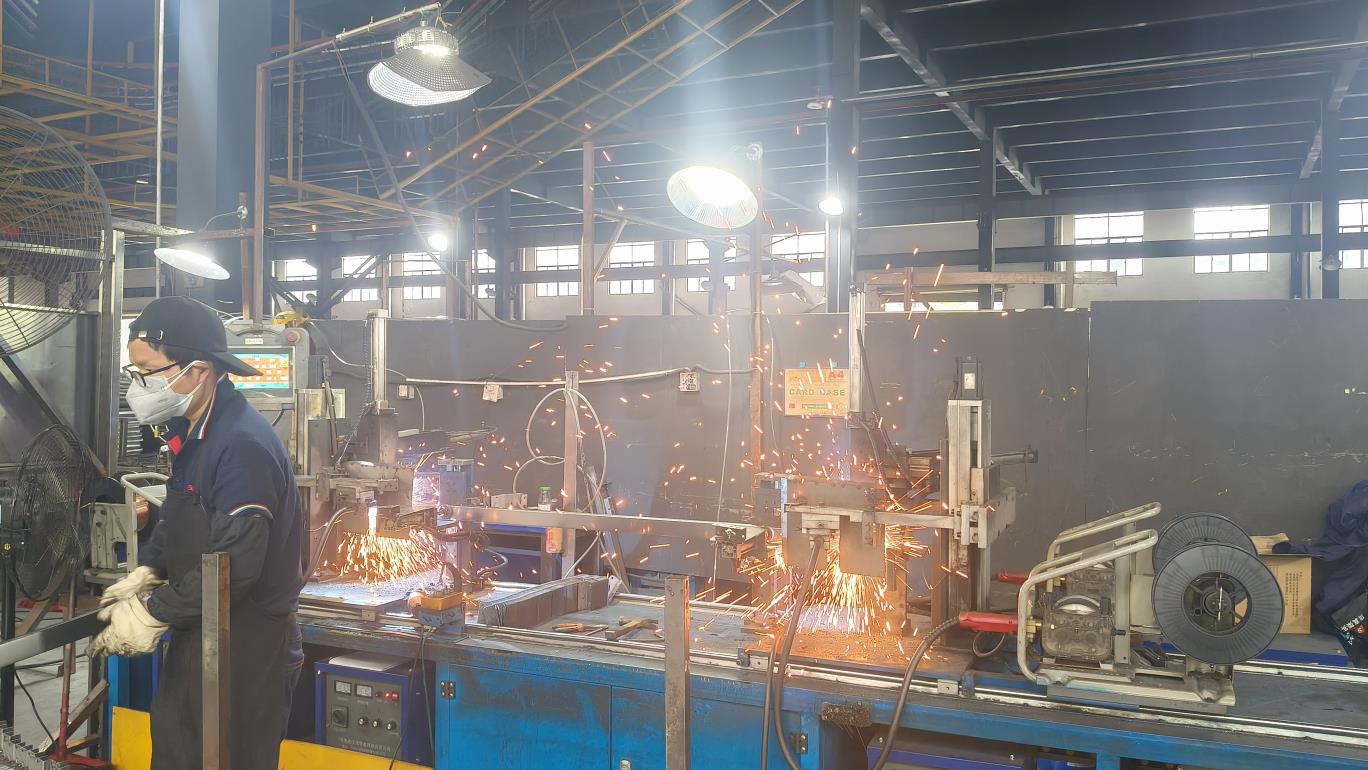
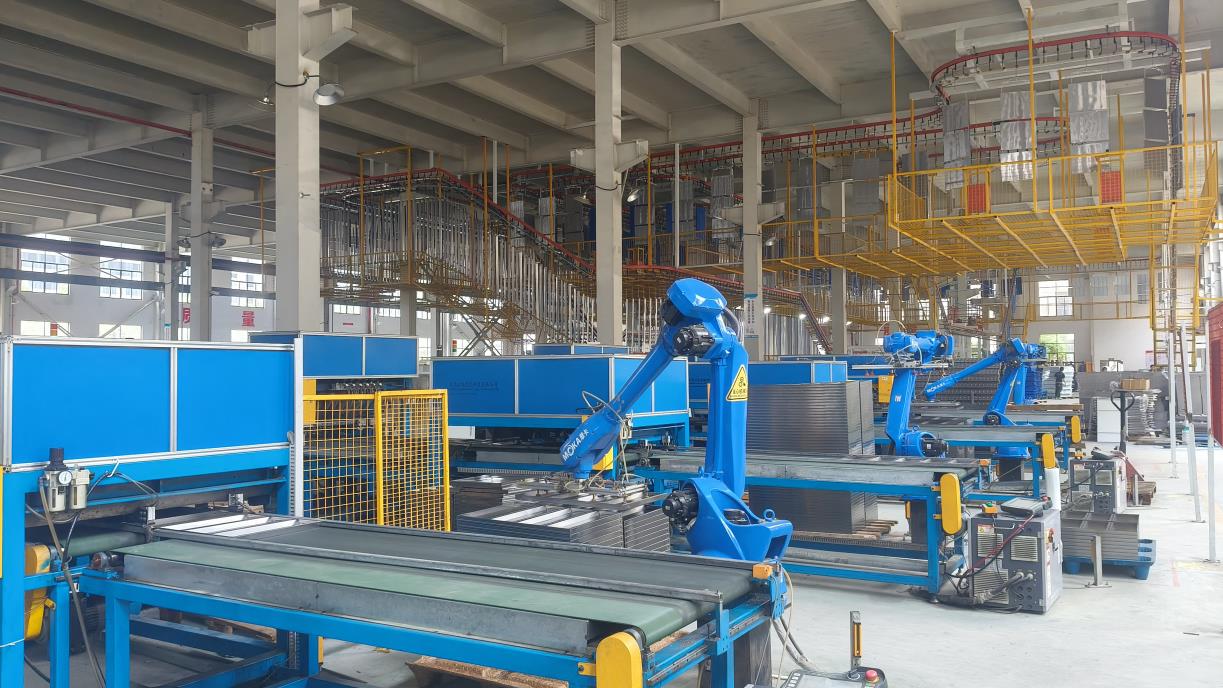
Structural connector plates are welded to uprights using automated robotic arms to ensure uniform weld penetration and clean joints.
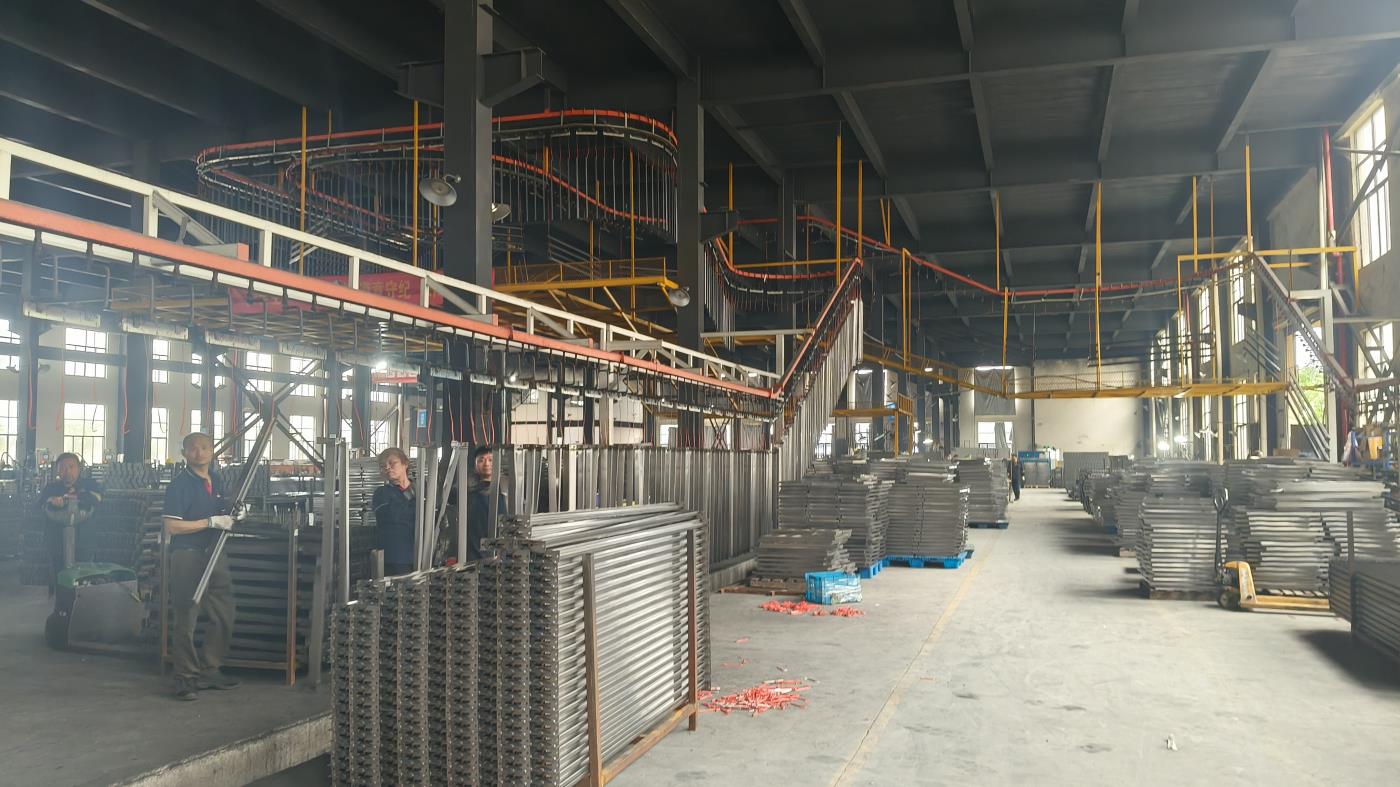
Substrates undergo dynamic acid-pickling and phosphating, followed by electrostatic powder deposition and high-temperature curing.
Visual documentation of our manufacturing floor, showcasing automated fabrication, quality control checkpoints, and logistics operations.
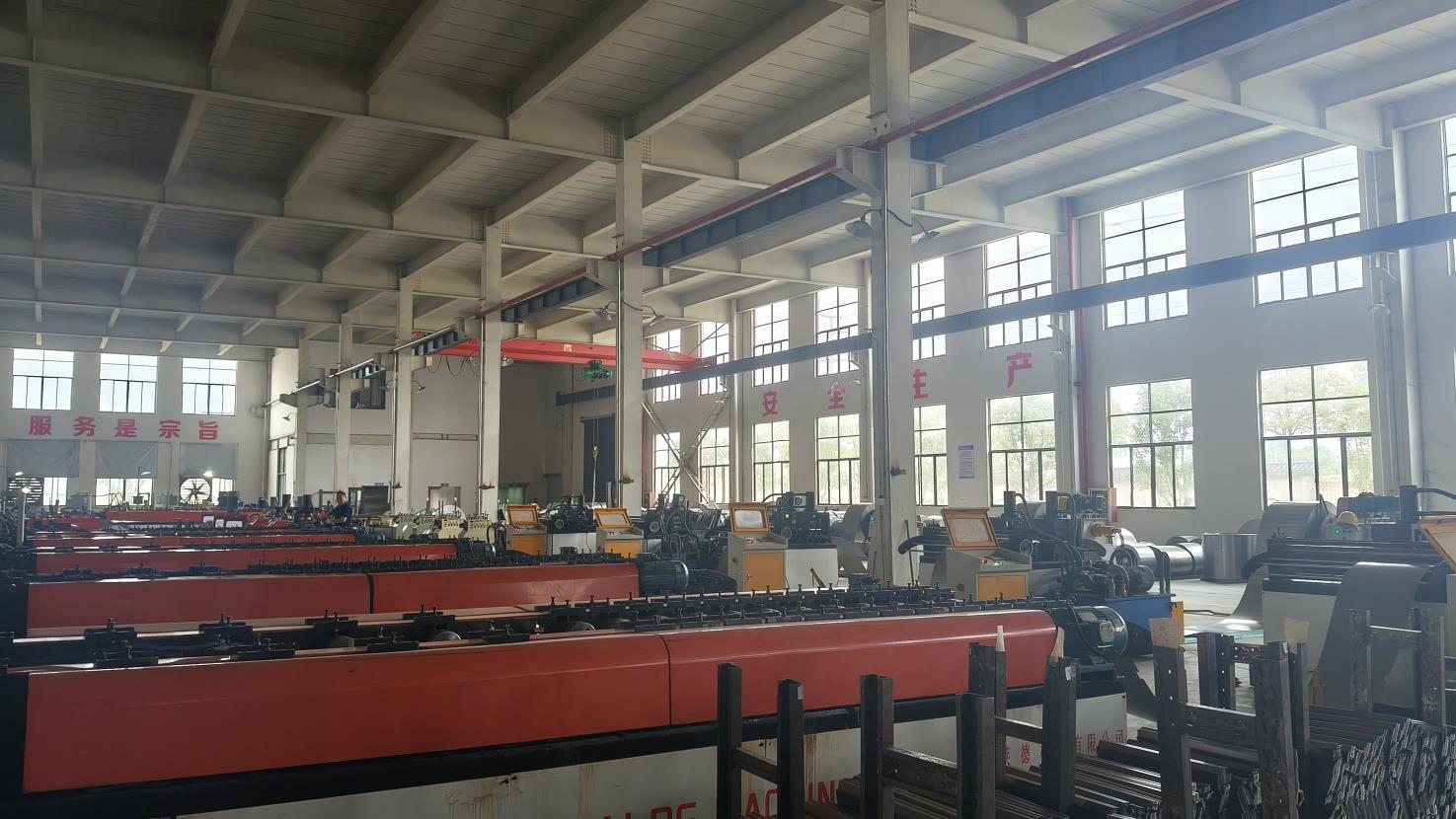
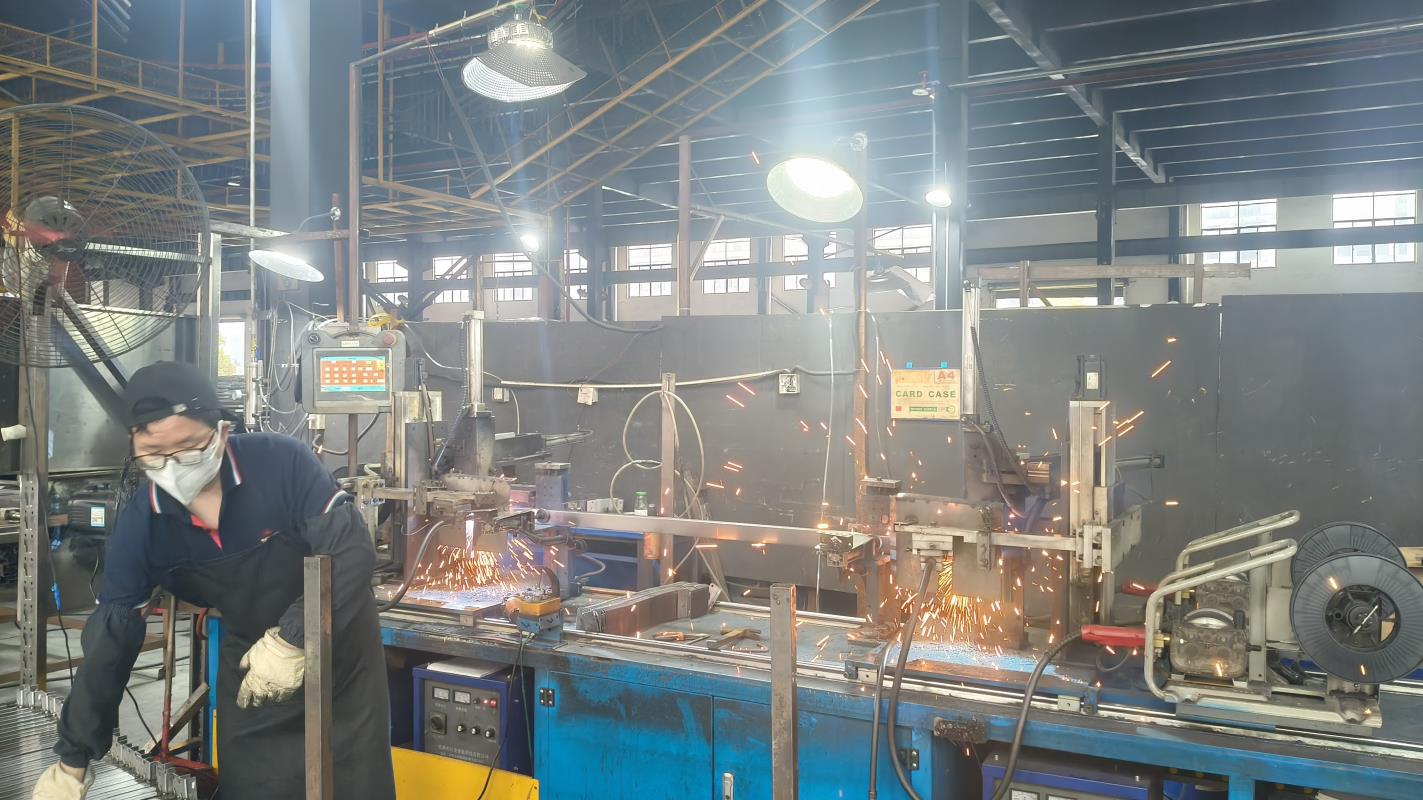
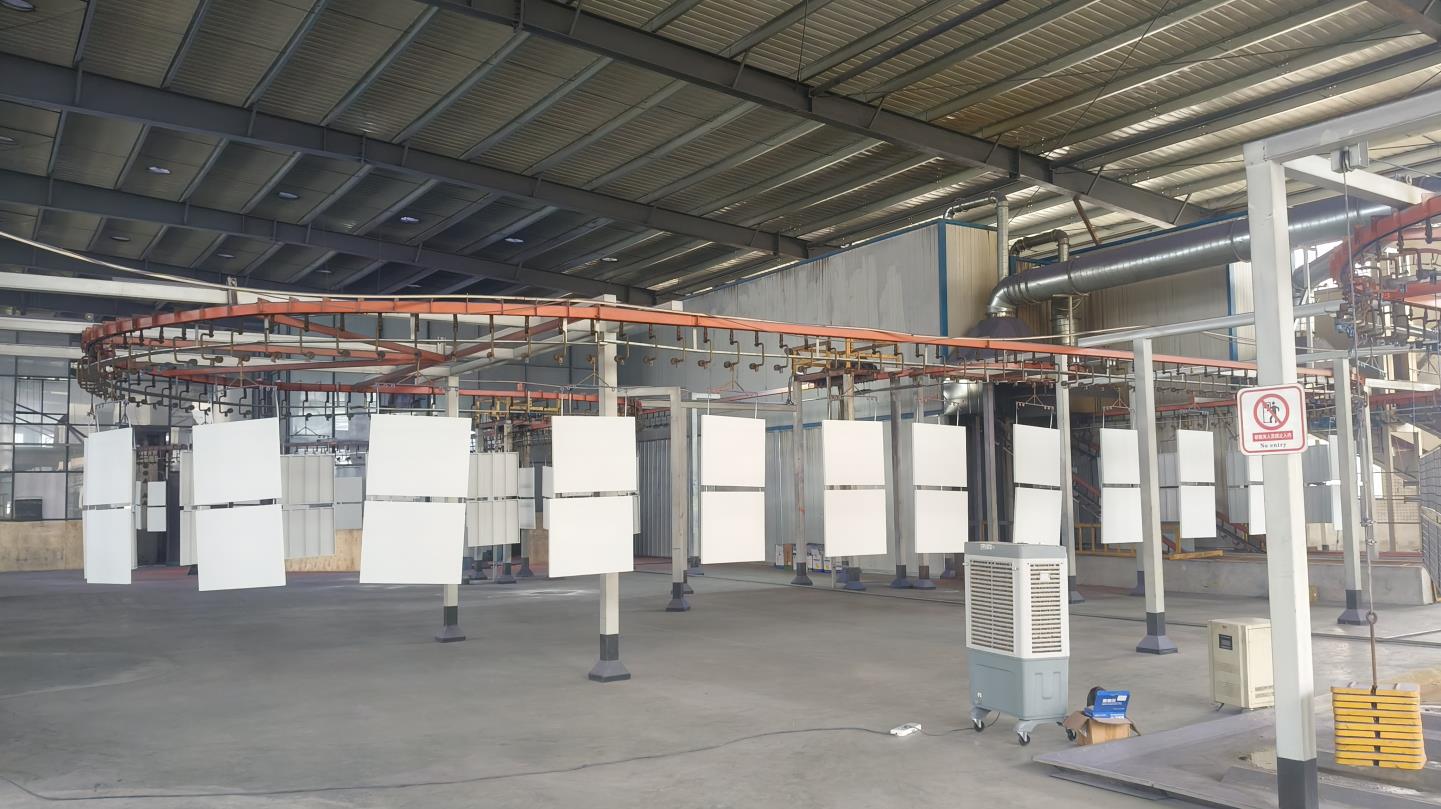
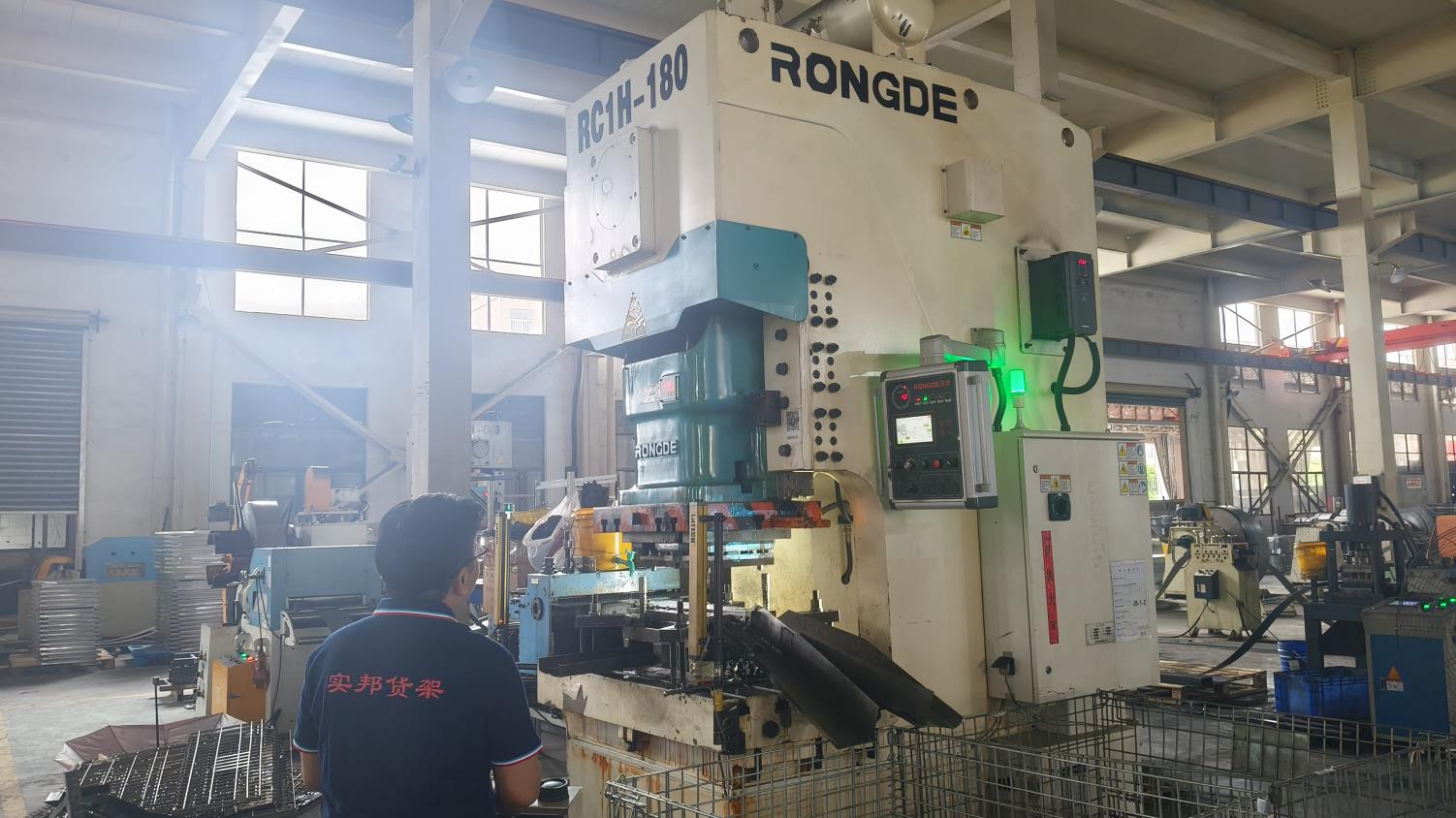
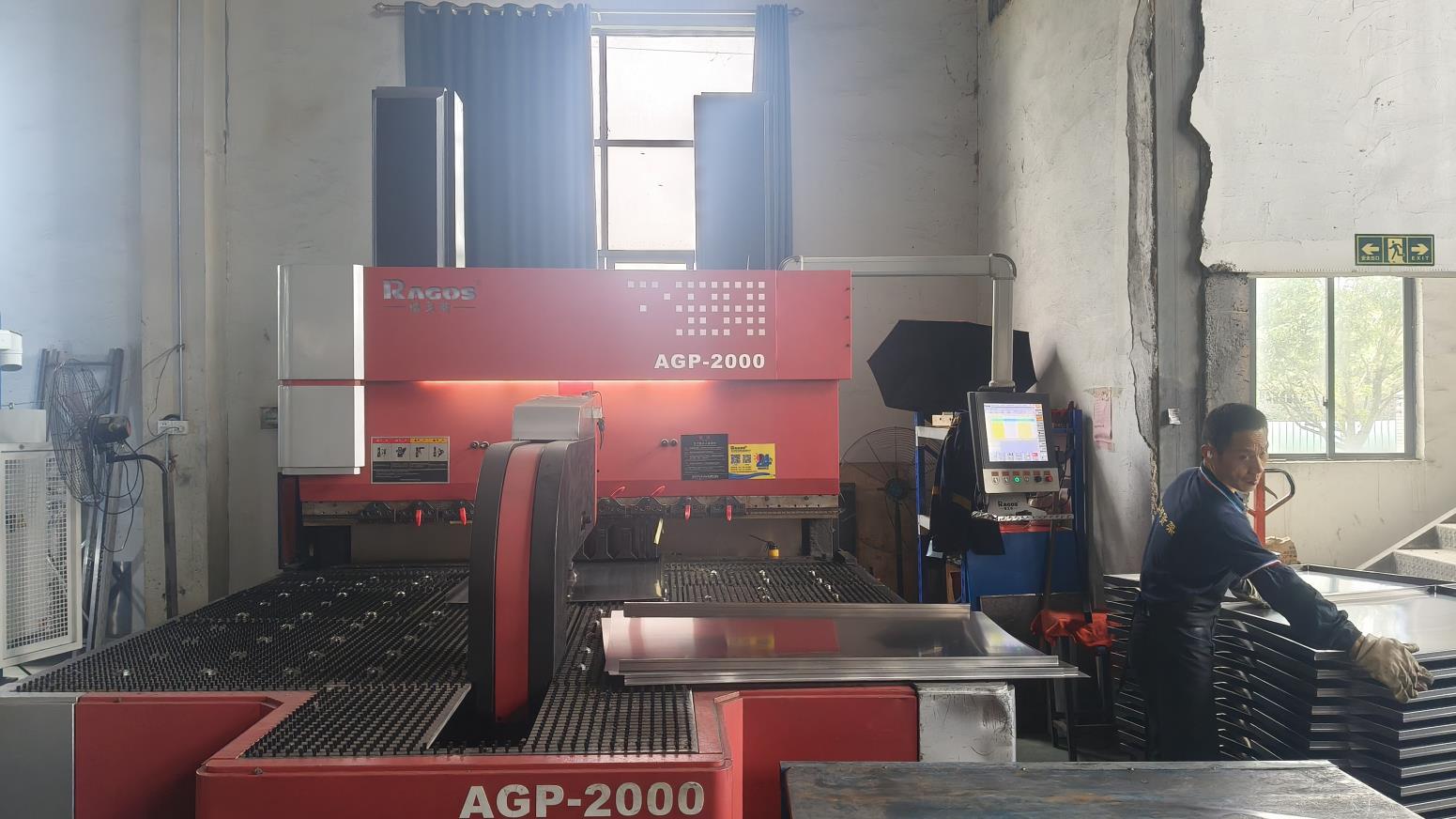
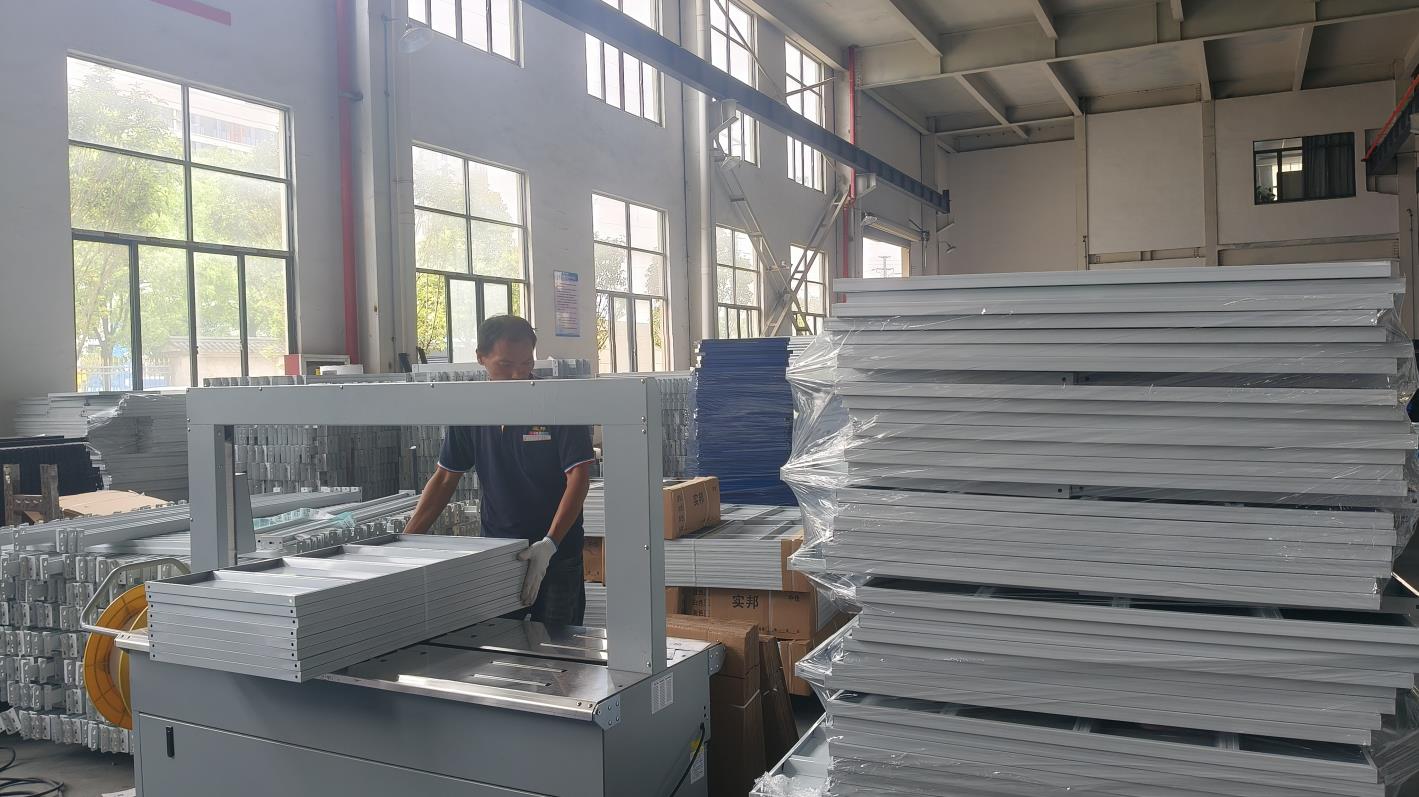
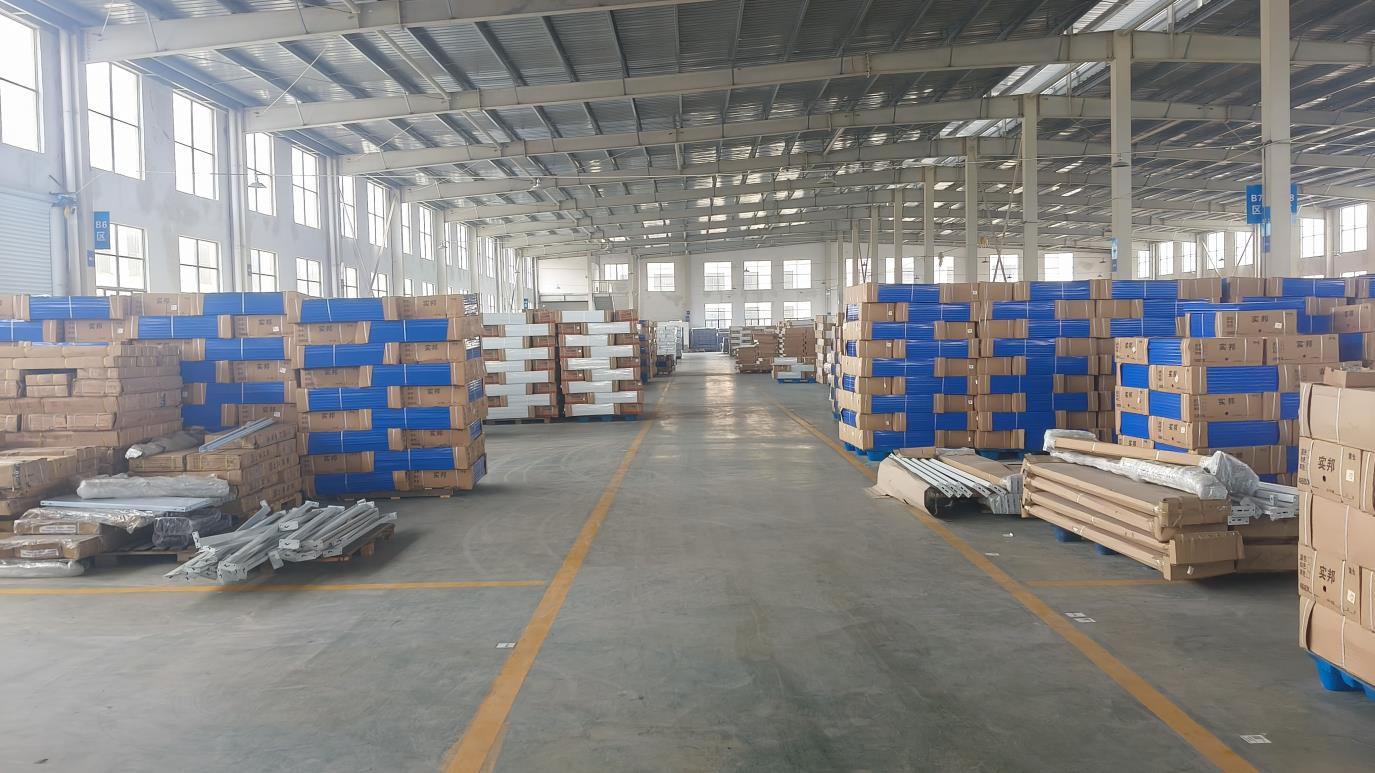
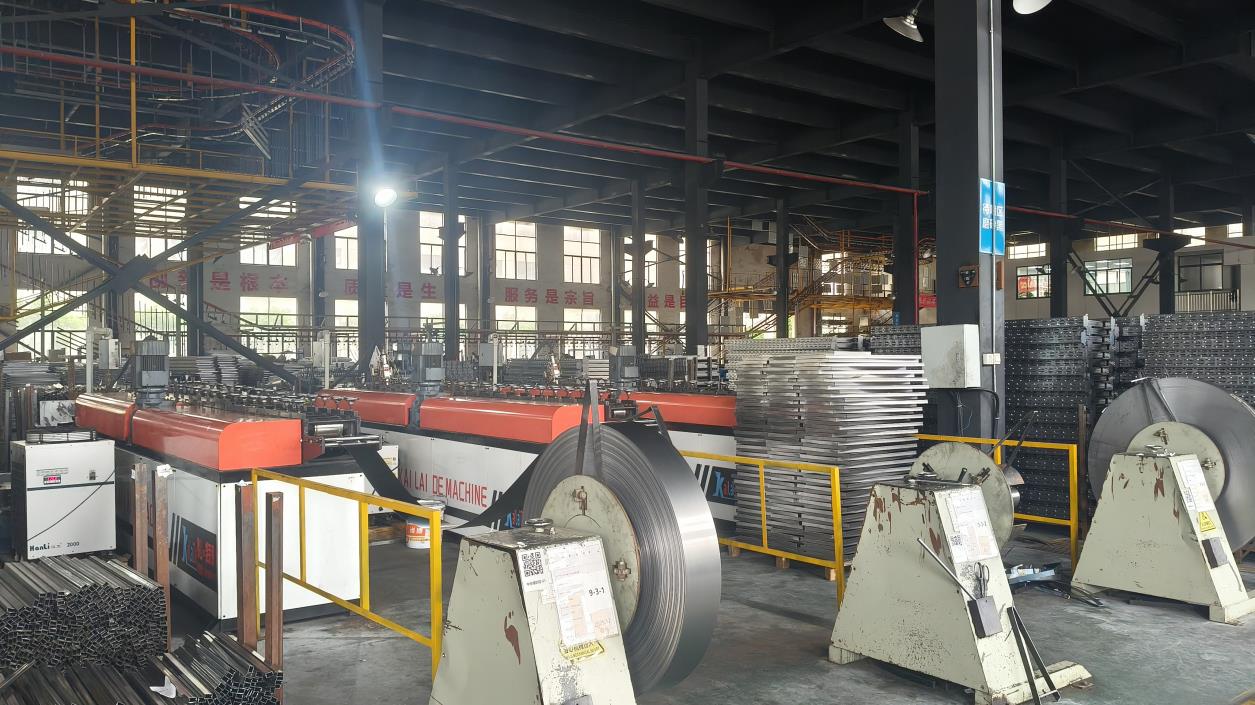
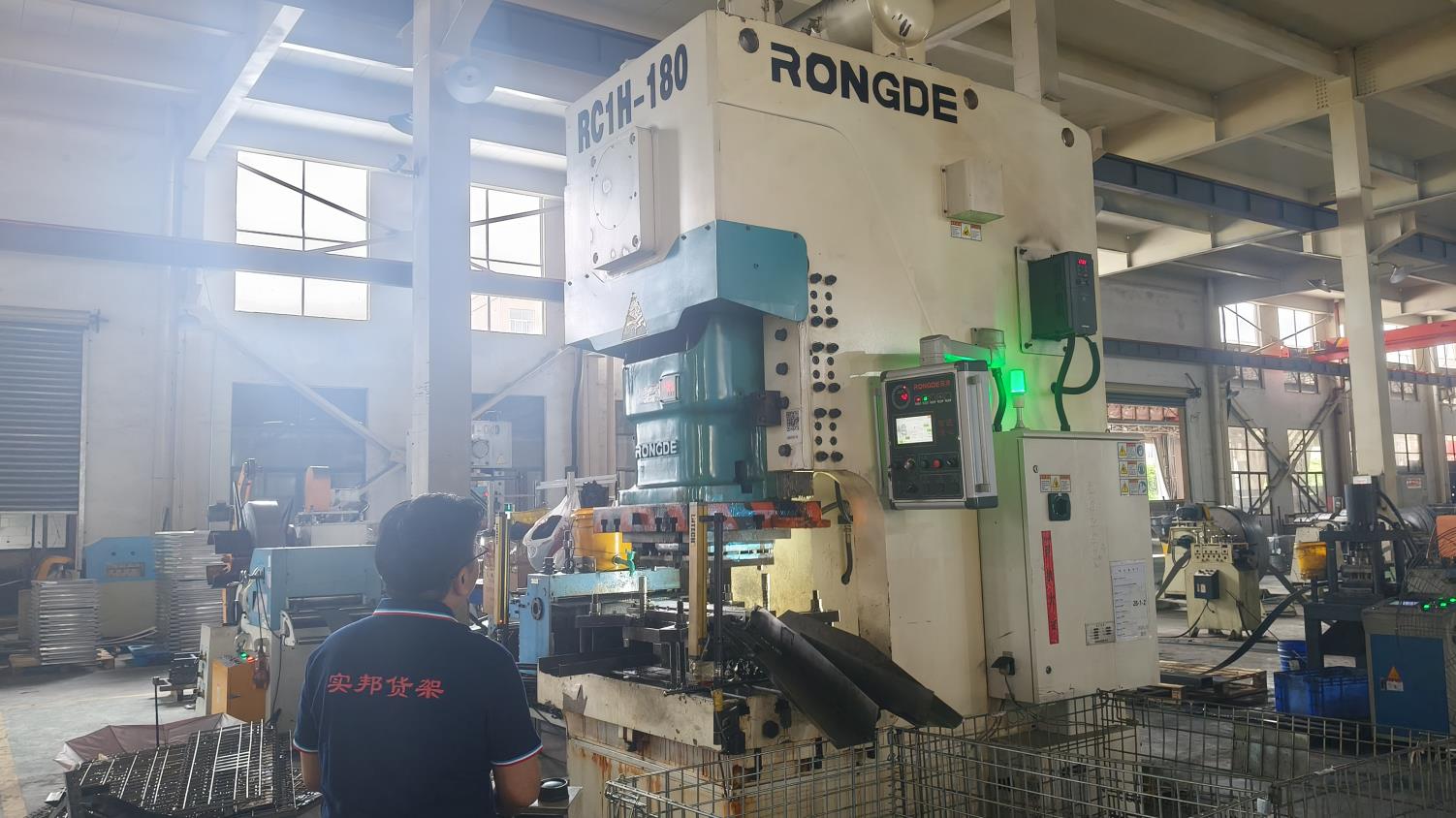
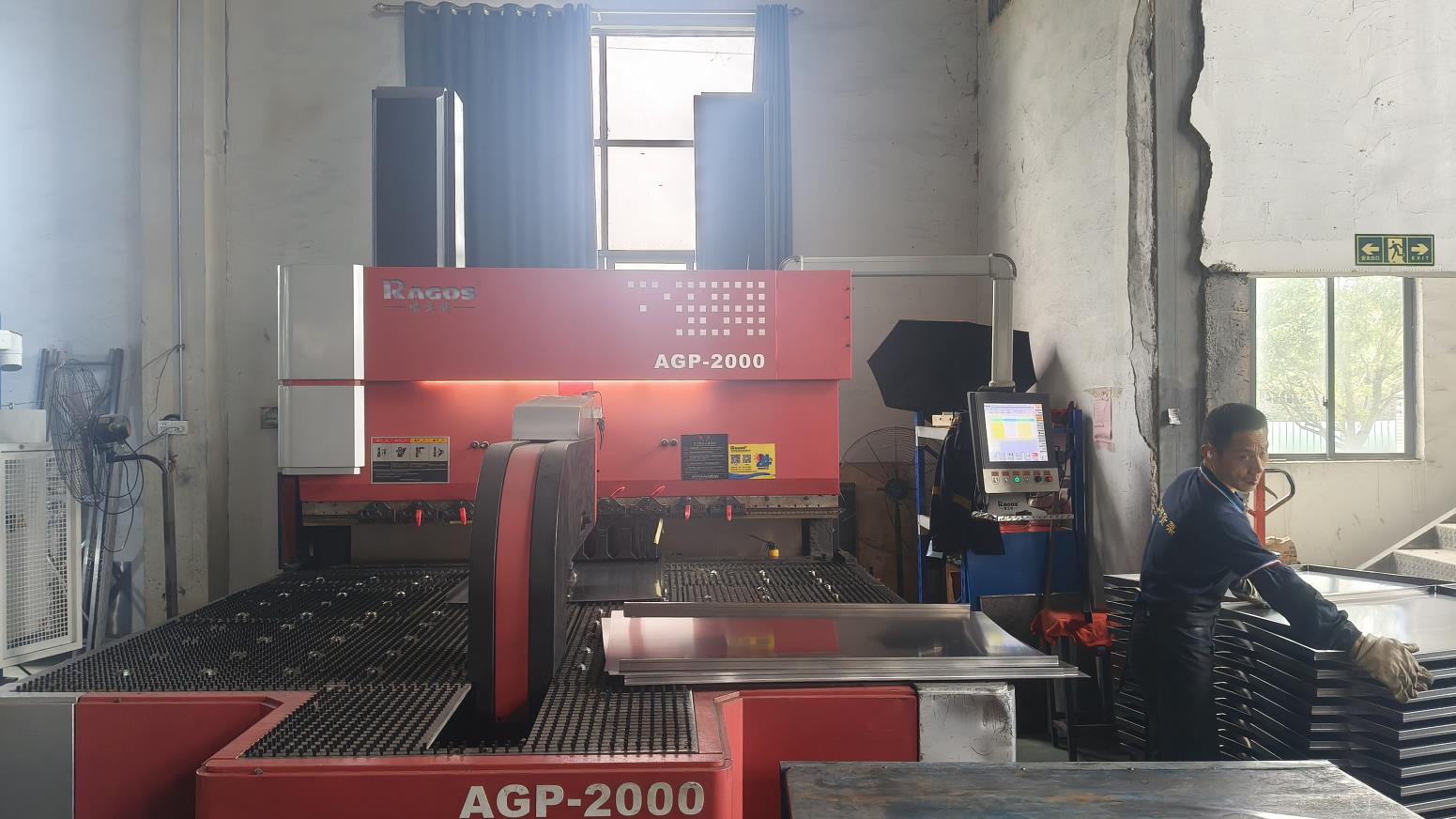
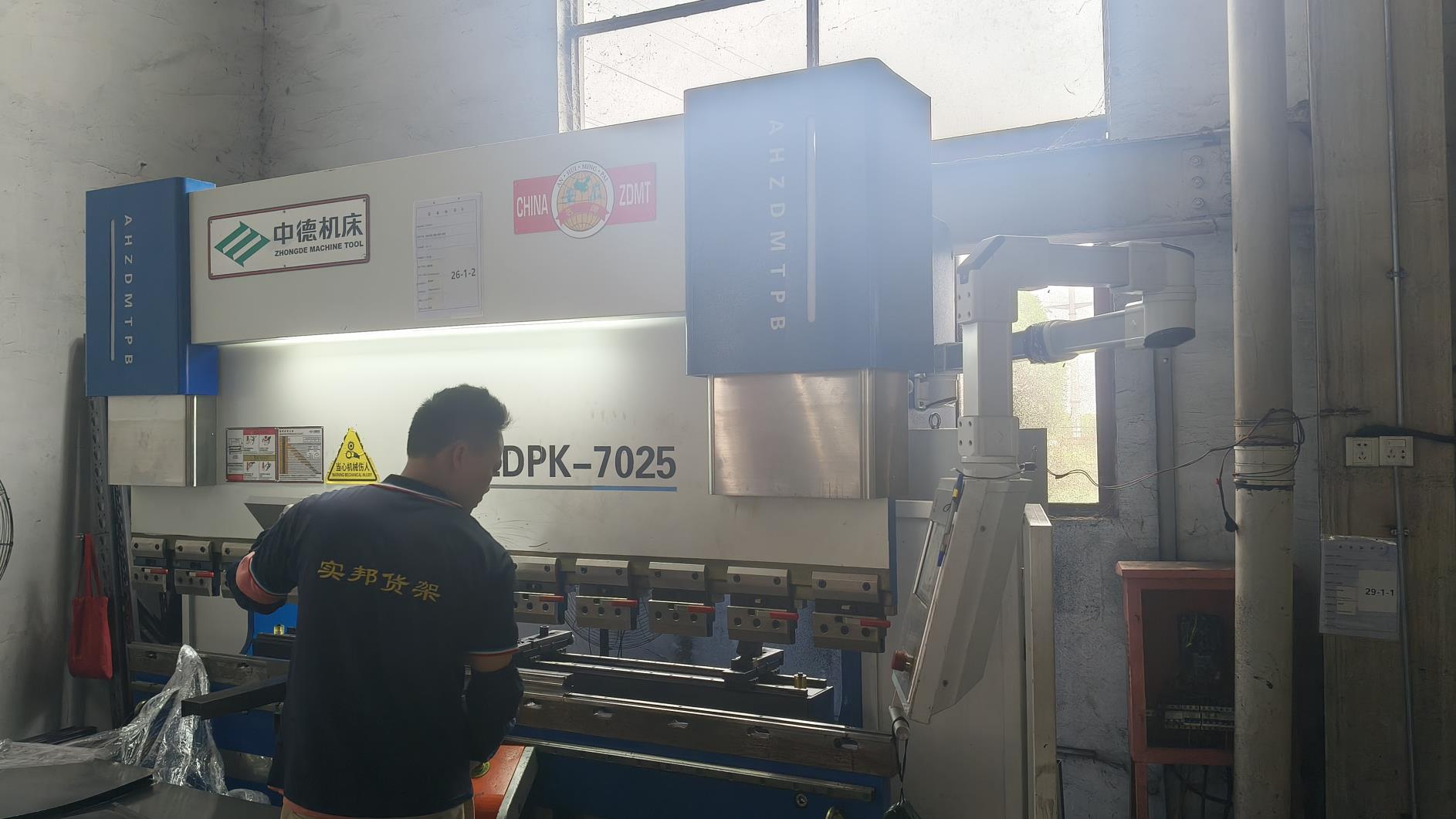
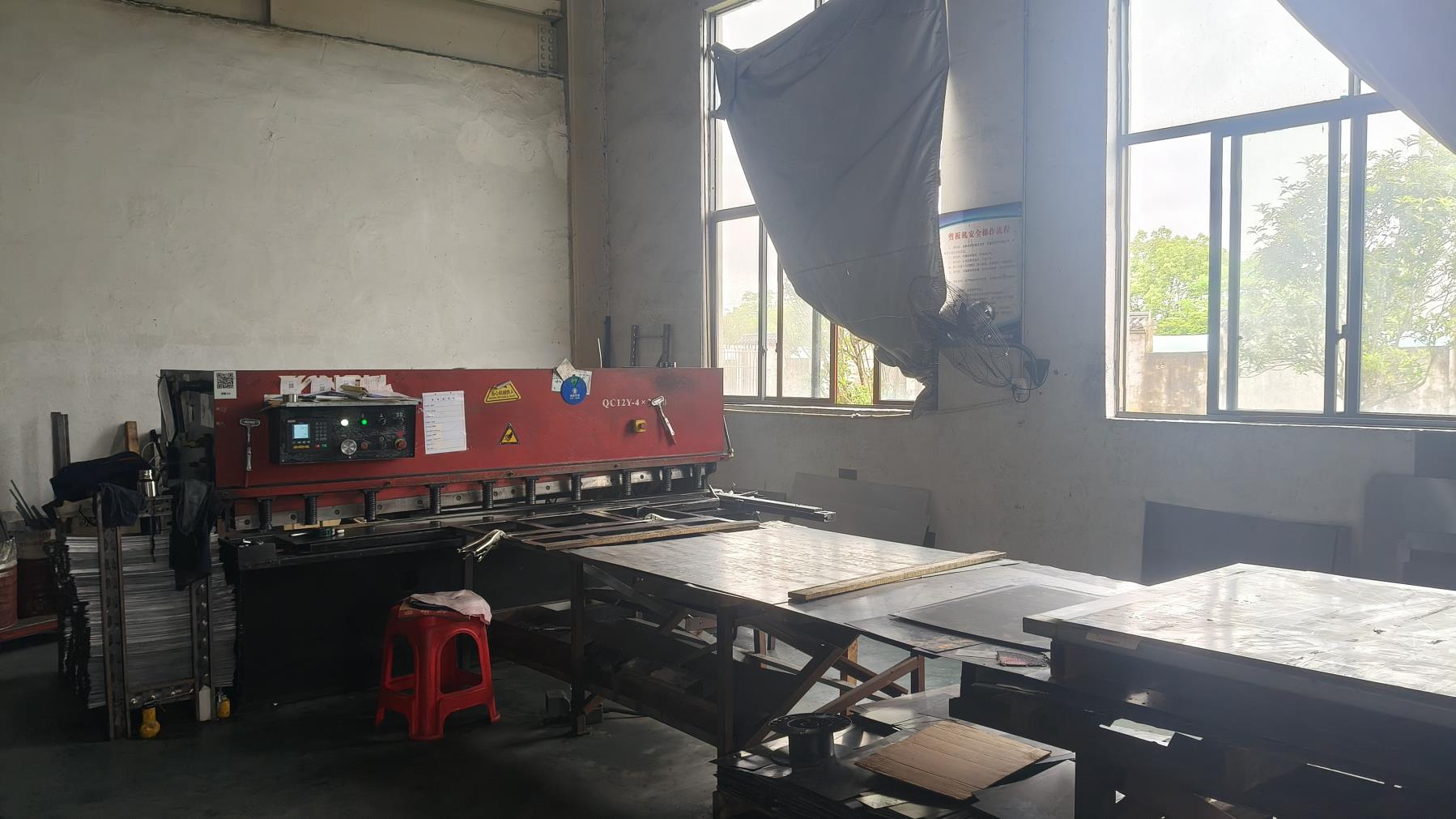
A complete system portfolio designed for manufacturing plants, automotive garages, e-commerce warehouses, and retail operations.
Technical specifications, compliance guidelines, and procurement queries answered by our structural engineering division.
Yes. All structural designs and load-bearing components are engineered in compliance with EN 15512 (static steel storage systems) and align with ÖNORM EN 15635 standards. We provide complete load tables, calculation reports, and safety signage for installation audits.
We fabricate components primarily from high-grade structural steel (typically S235JR and S355JR compliance grades). Surface treatment options include hot-dip galvanizing for cold storage or outdoor facilities and electrostatic epoxy powder coatings for dry distribution environments.
Yes. Certain southern regions of Austria, such as Carinthia and Styria, require seismic considerations. Our R&D engineering team calculates horizontal force vectors using Finite Element Analysis (FEA) to customize baseplate configurations, frame bracing, and connection welds accordingly.
Standard fabrication and custom sizing cycles range from 20 to 30 business days. We coordinate transit through international container shipping options, delivering components directly to your facility in Austria complete with CE declarations and assembly guides.
Contact our engineering desk for structural load calculations, custom profile drawings, and volume pricing estimates tailored to your project requirements.
Send Inquiry Now Shibang Steel