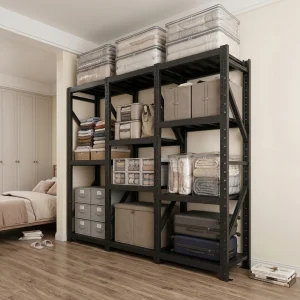
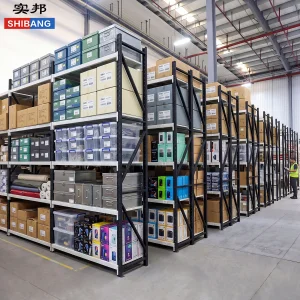
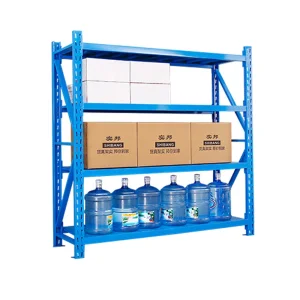
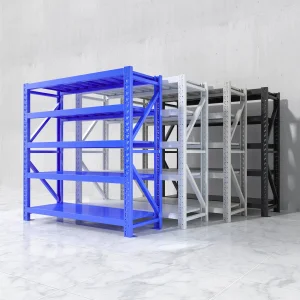
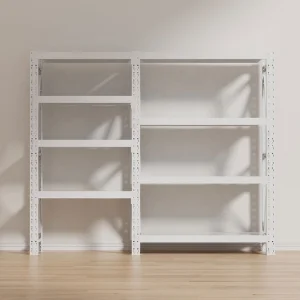
Engineered with premium cold-rolled steel and corrosion-resistant powder coatings for ultimate structural integrity.
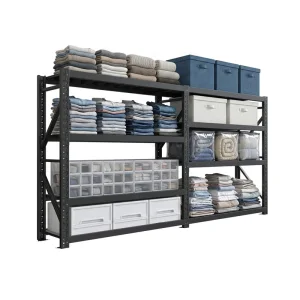
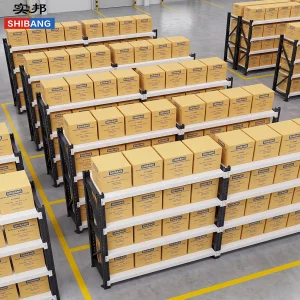
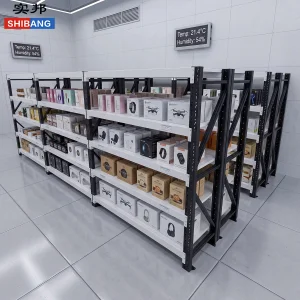
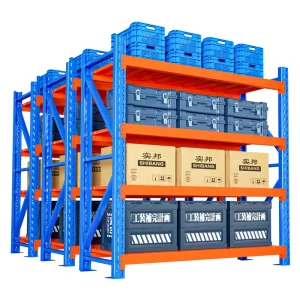
A technical assessment of medium-duty storage dynamics, seismic resilience, and modern warehouse space optimization.
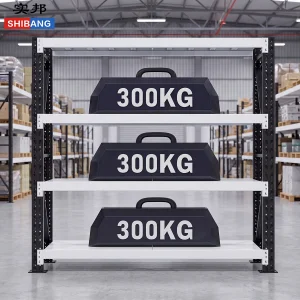
In modern industrial storage, the 300KG load-per-shelf class (often referred to as medium-duty or long-span racking) represents the ideal equilibrium between mechanical efficiency, load-bearing security, and cost performance. Historically, warehouses had to choose between lightweight retail shelves (under 100KG load capacity) and heavy-duty pallet racks (exceeding 1000KG). The emergence of the 300KG classification bridge is a direct result of changes in supply chain inventory management, particularly the rise of decentralized shipping, e-commerce micro-fulfillment, and modular parts storage.
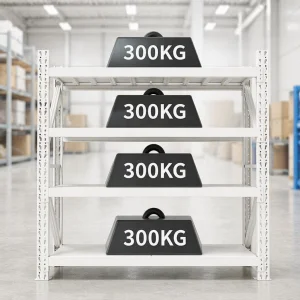
From a mechanical perspective, designing a shelving unit for a 300KG uniformly distributed load (UDL) requires advanced CAD modeling to calculate the bending moment of the beams and the buckling coefficient of the upright steel columns. Without proper engineering, standard metal shelving fails under point-loading stress, leading to structural collapse. Shenzhen Shibang Storage Rack Co., Ltd. builds units that achieve an ultimate limit state safety factor of 1.5, meaning each layer is engineered to withstand up to 450KG under static testing conditions without structural compromise.
Technical Insight: By shifting from standard hot-rolled steel to precision cold-rolled high-strength steel (SPCC/Q235), our engineering department reduces total rack weight by 15% while increasing buckling capacity by 22%.
Global logistics managers, 3PL providers, and industrial distributors face consistent pressure to improve space utilization (cubic volume efficiency) while maintaining worker safety. Procurement parameters for medium-duty racking systems focus heavily on three major aspects:
For large-scale facilities, selecting a storage exporter goes beyond product cost. It involves sourcing from a manufacturer with a reliable raw material network. With a database of over 800 supply chain partners, Shibang guarantees that steel pricing remains stable and shipping lead times are insulated against global commodity volatility.
Our dedicated 35-person quality control division subjects all racking systems to testing protocols that mimic real-world wear:
Checking yield stress thresholds to ensure maximum deflection matches international structural regulations.
A 500-hour exposure chamber verification ensuring the powder coating resists rust even in offshore shipping locations.
Verifying real-world shelf capacity with uniform and off-center loads to prevent localized deformation.
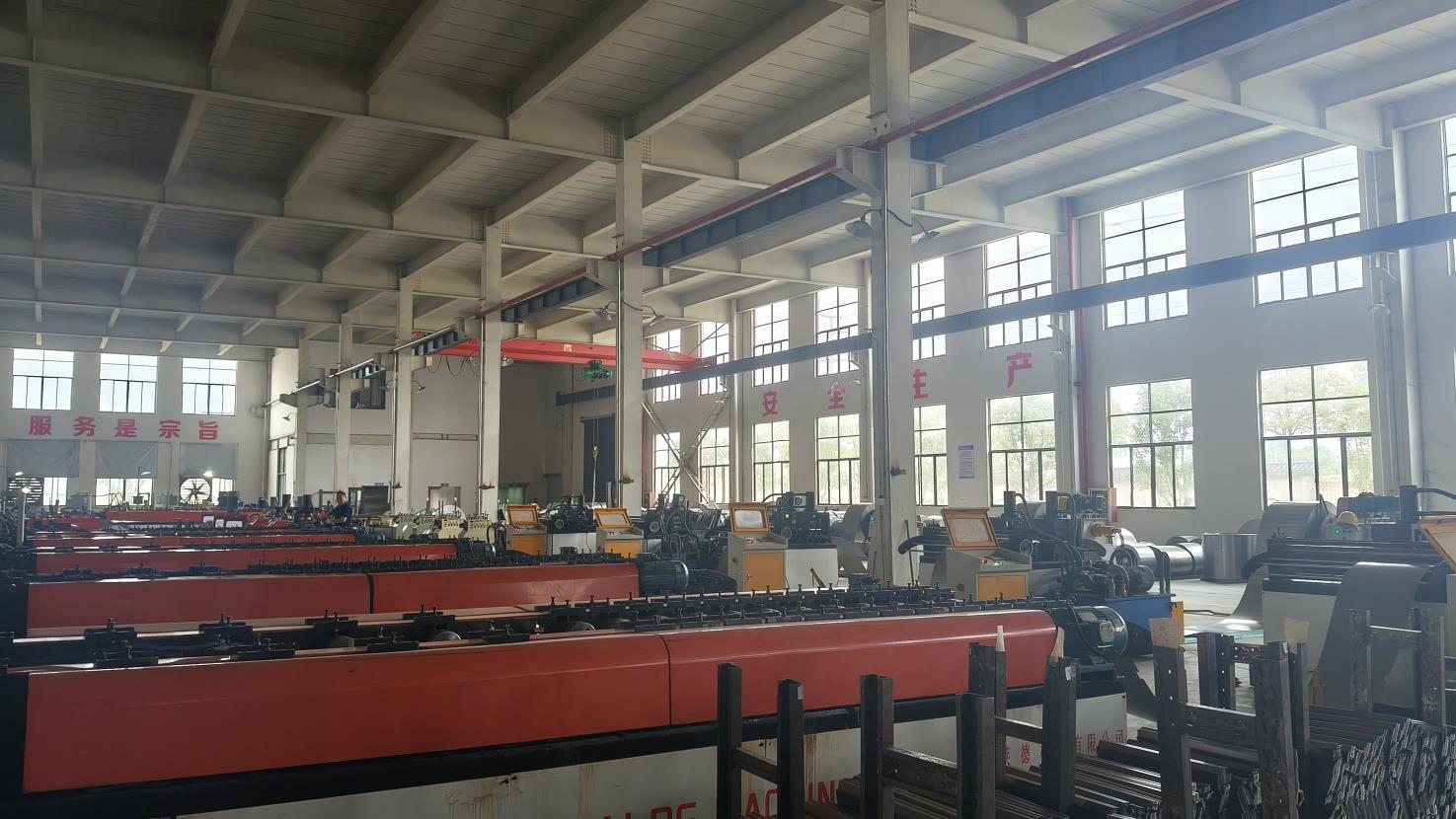
Exploring the technology that drives precision fabrication, robotic processing, and scalability at our 32,000 m² factory.
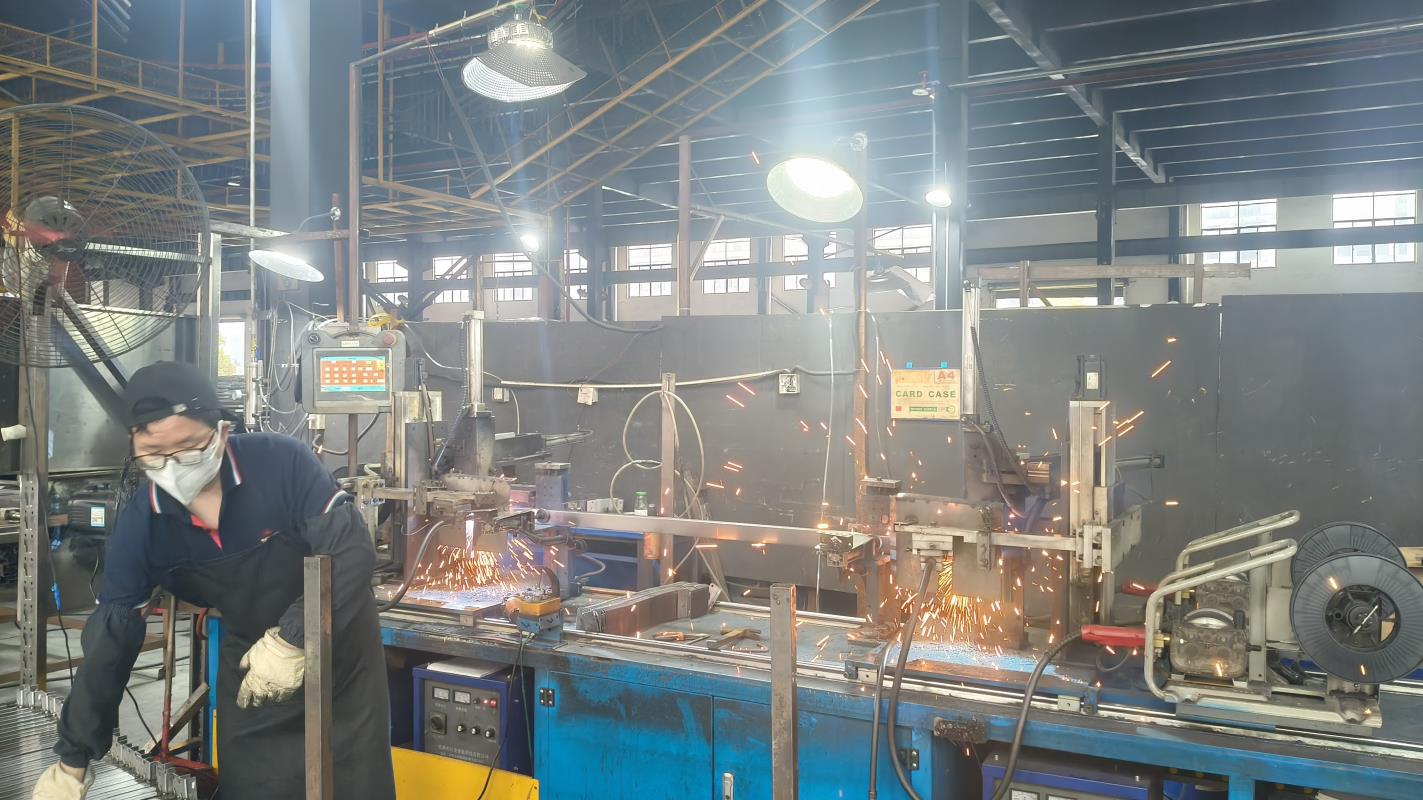
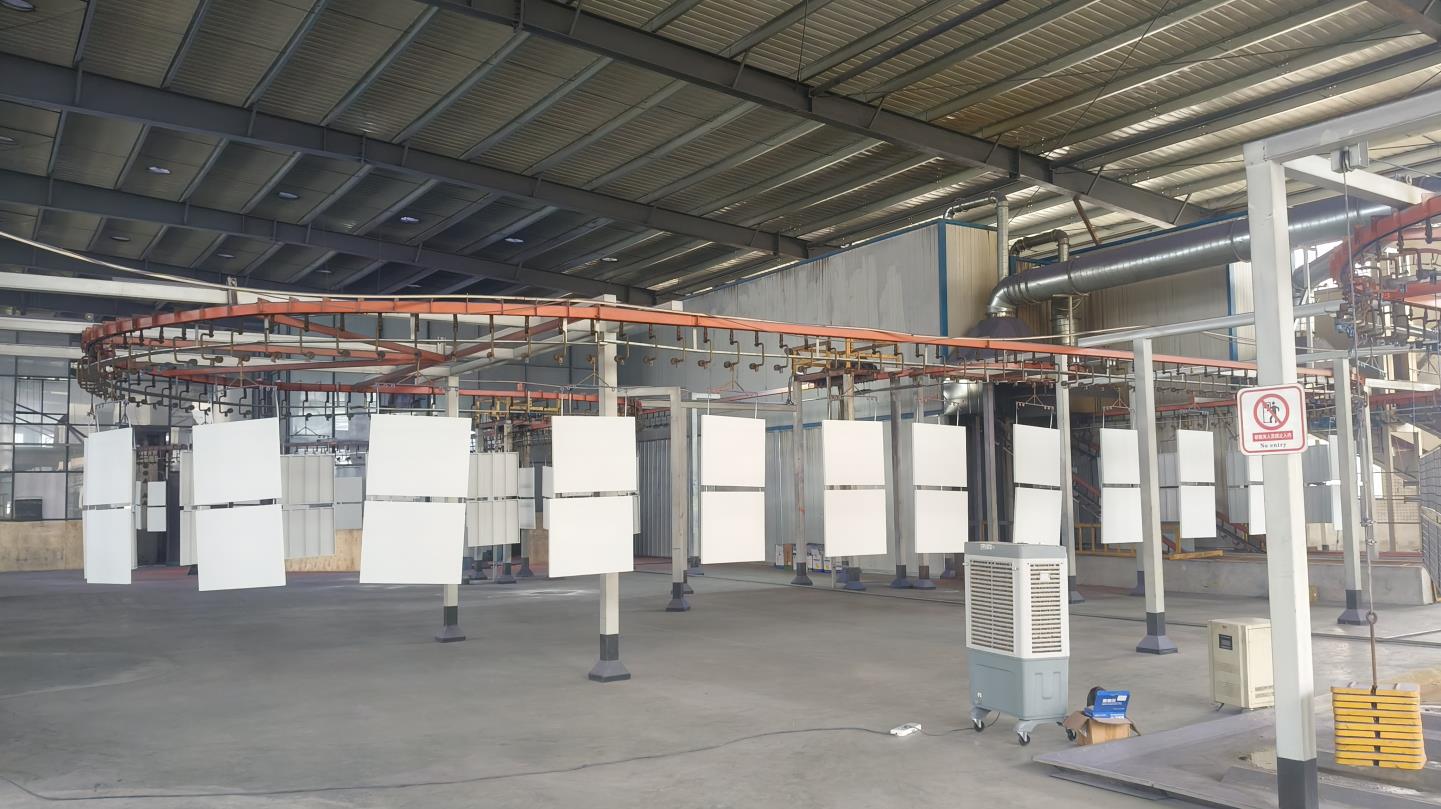
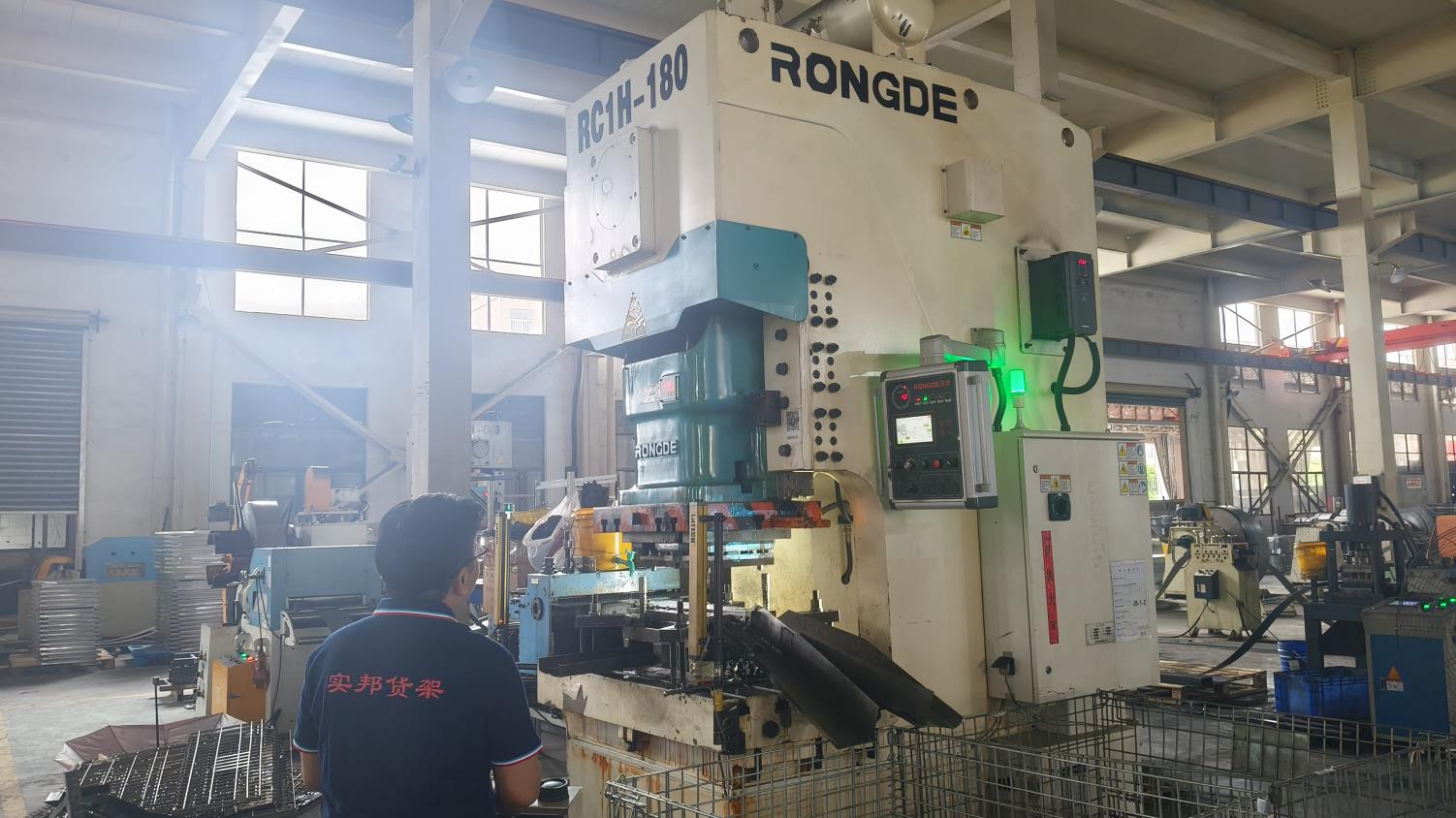
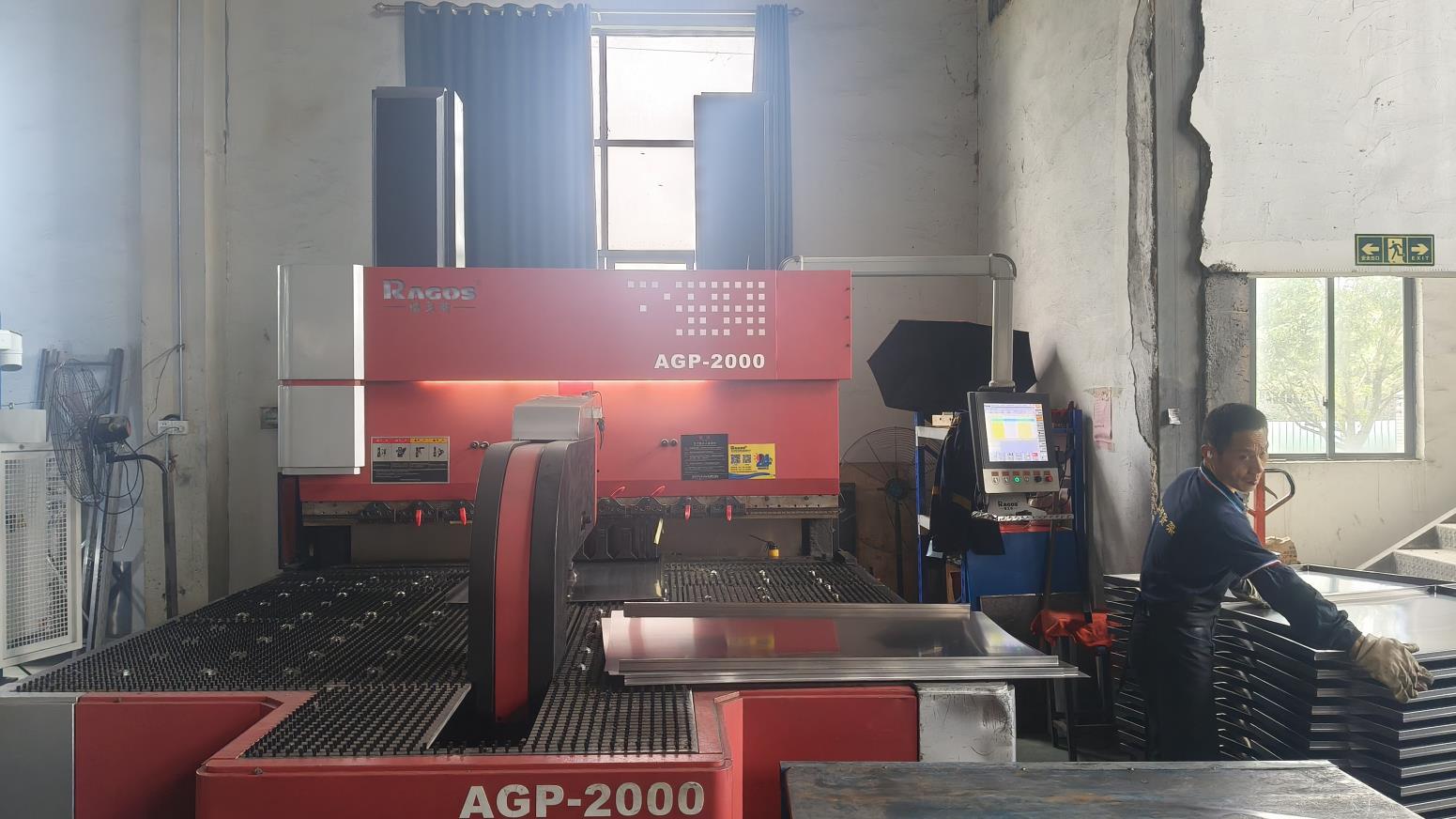
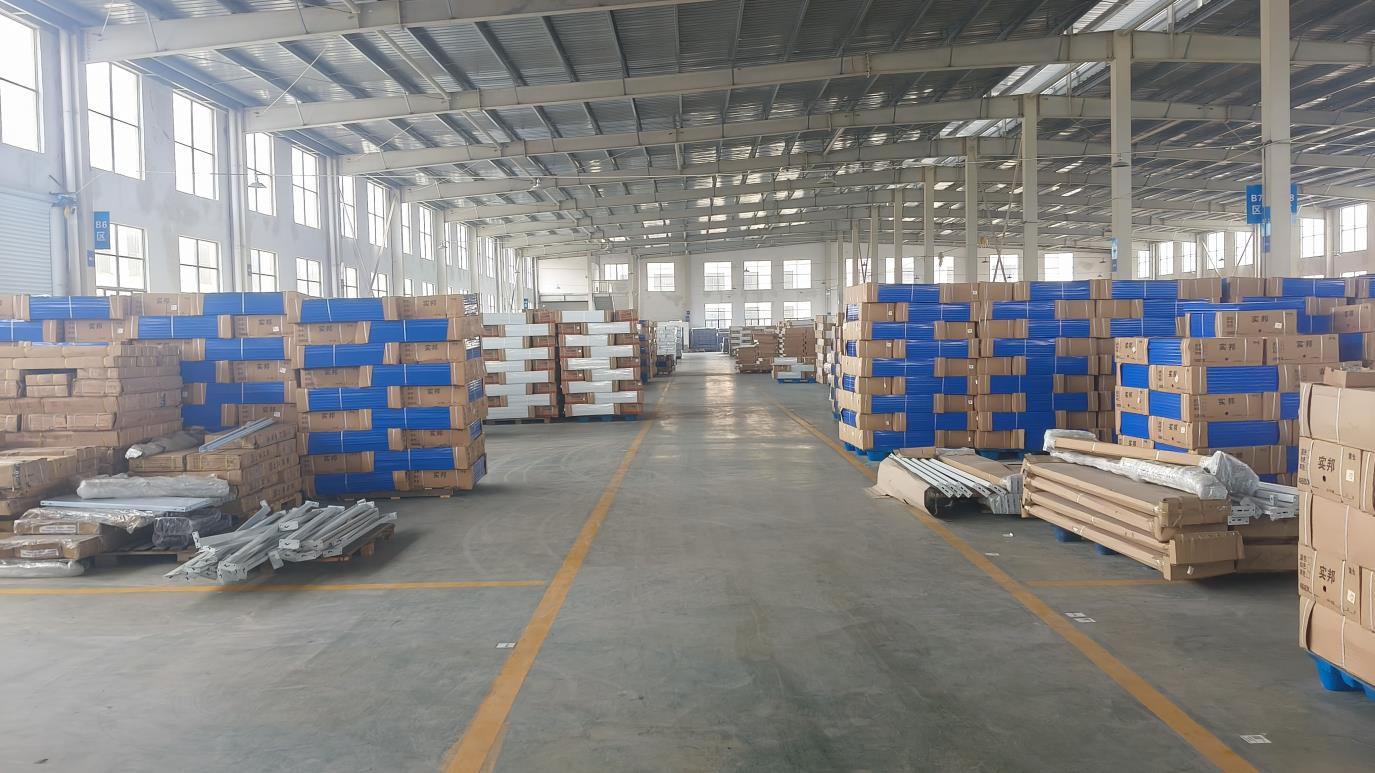
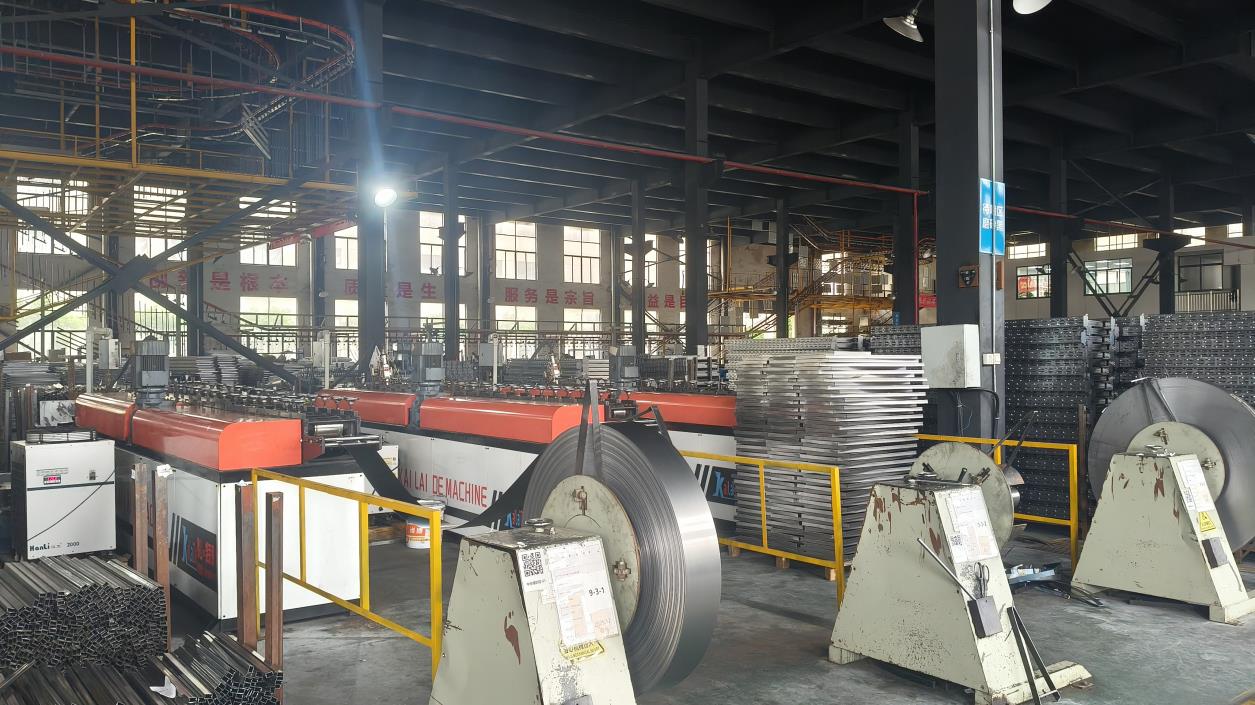
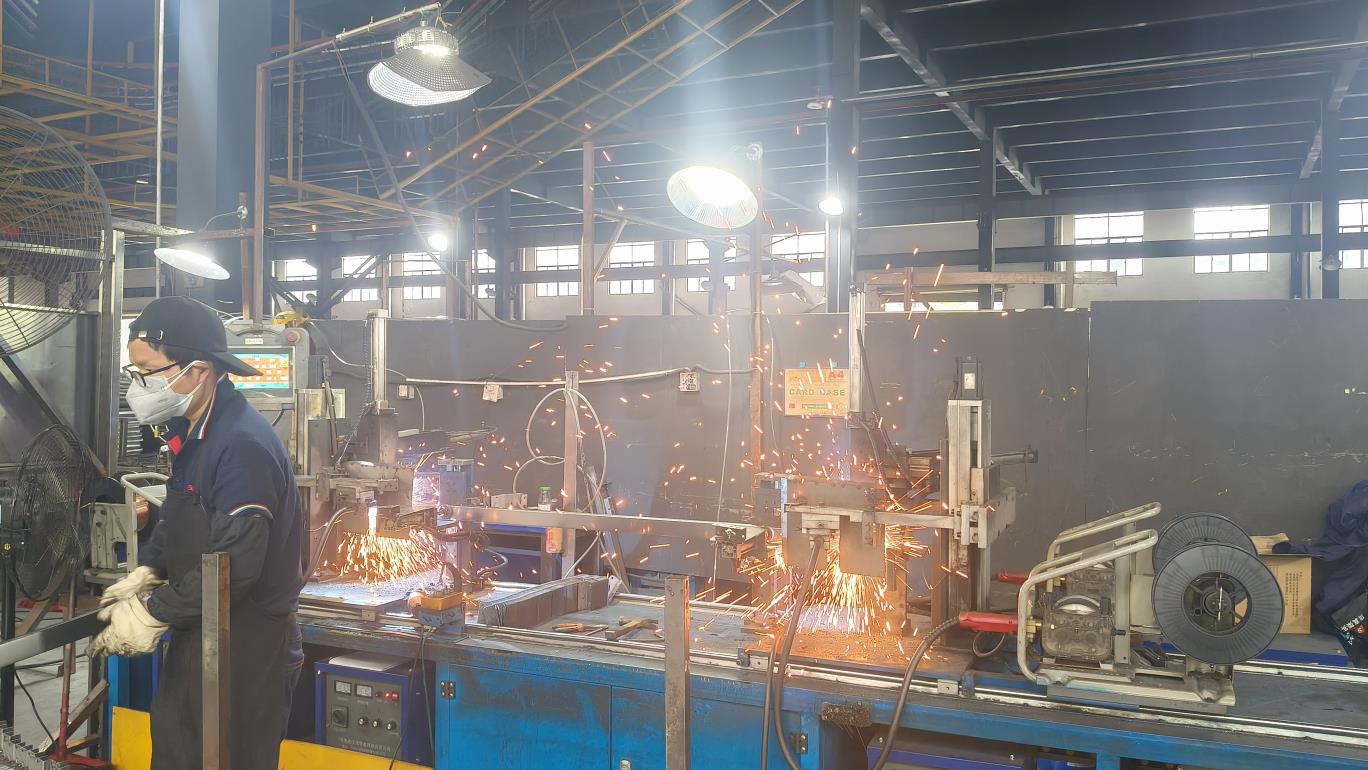
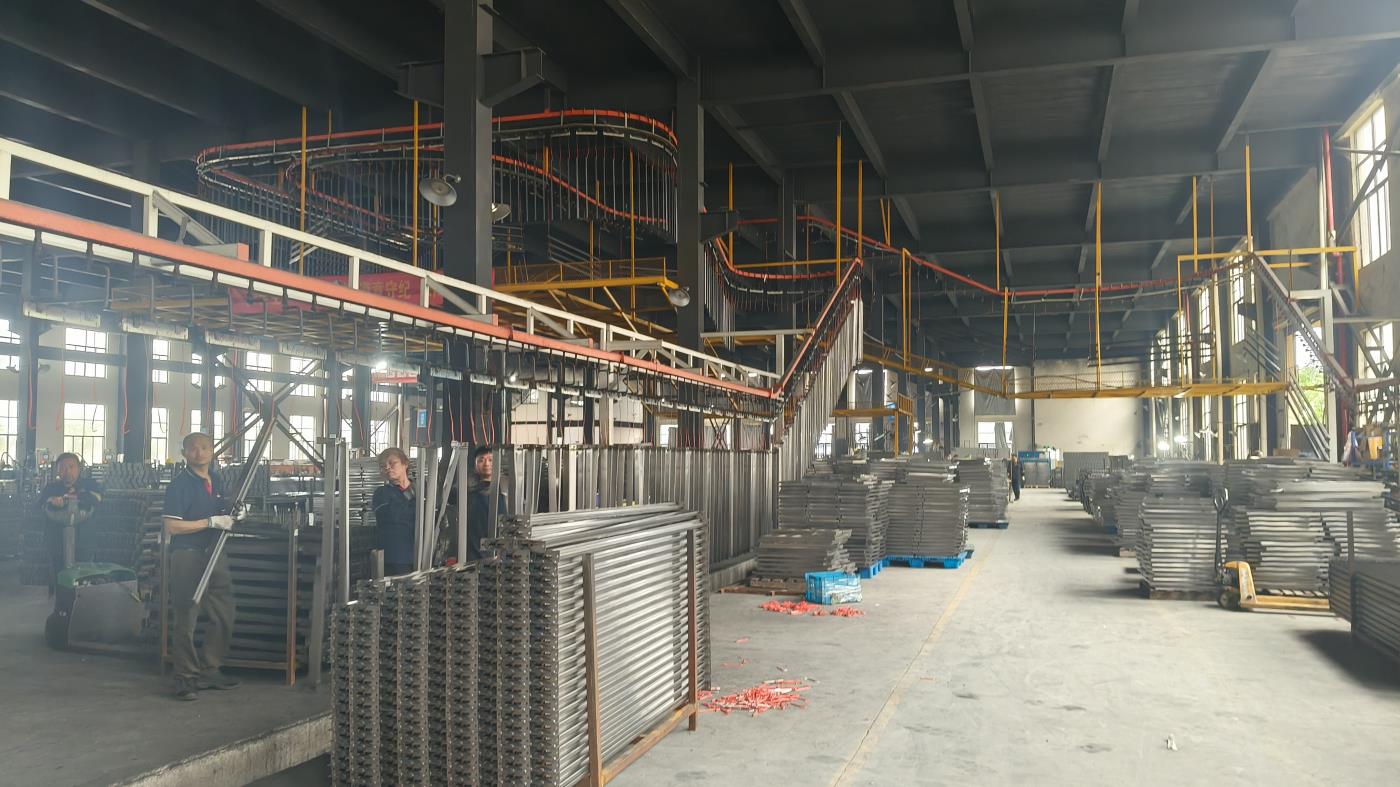
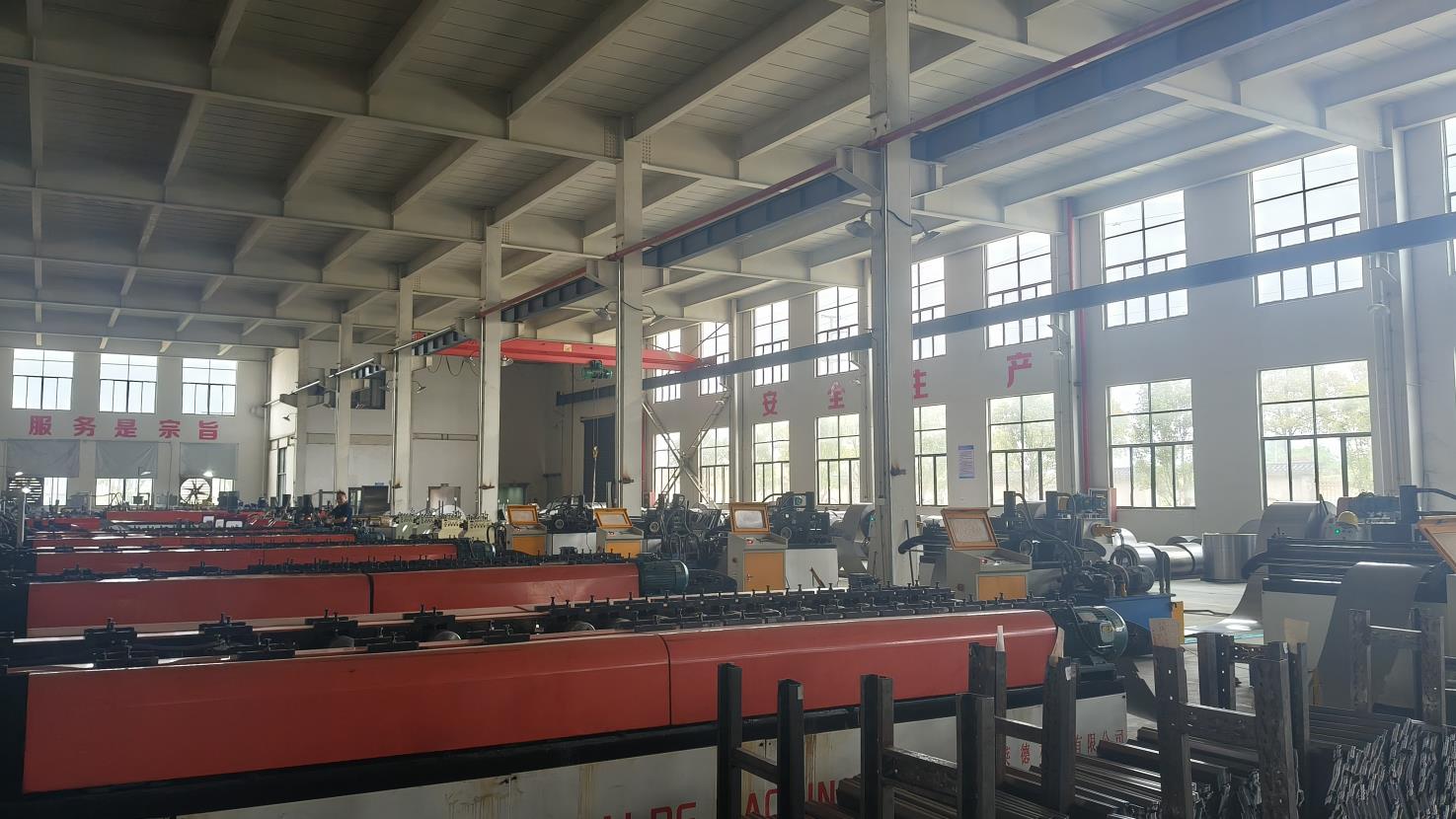
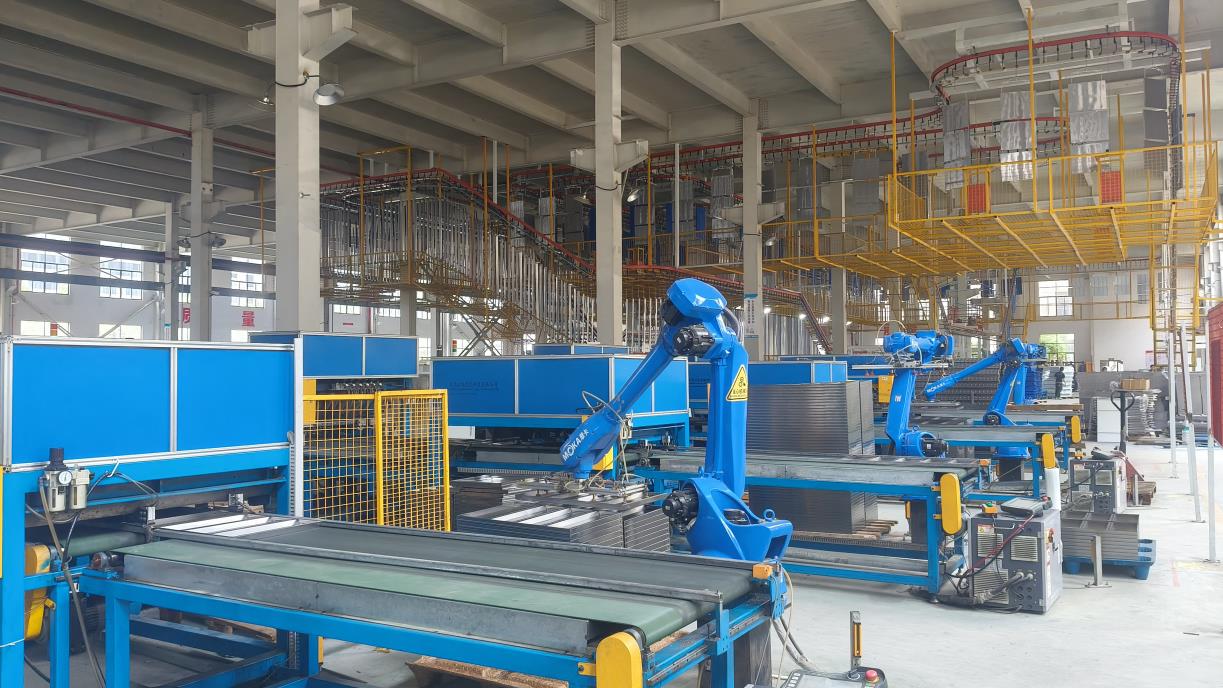
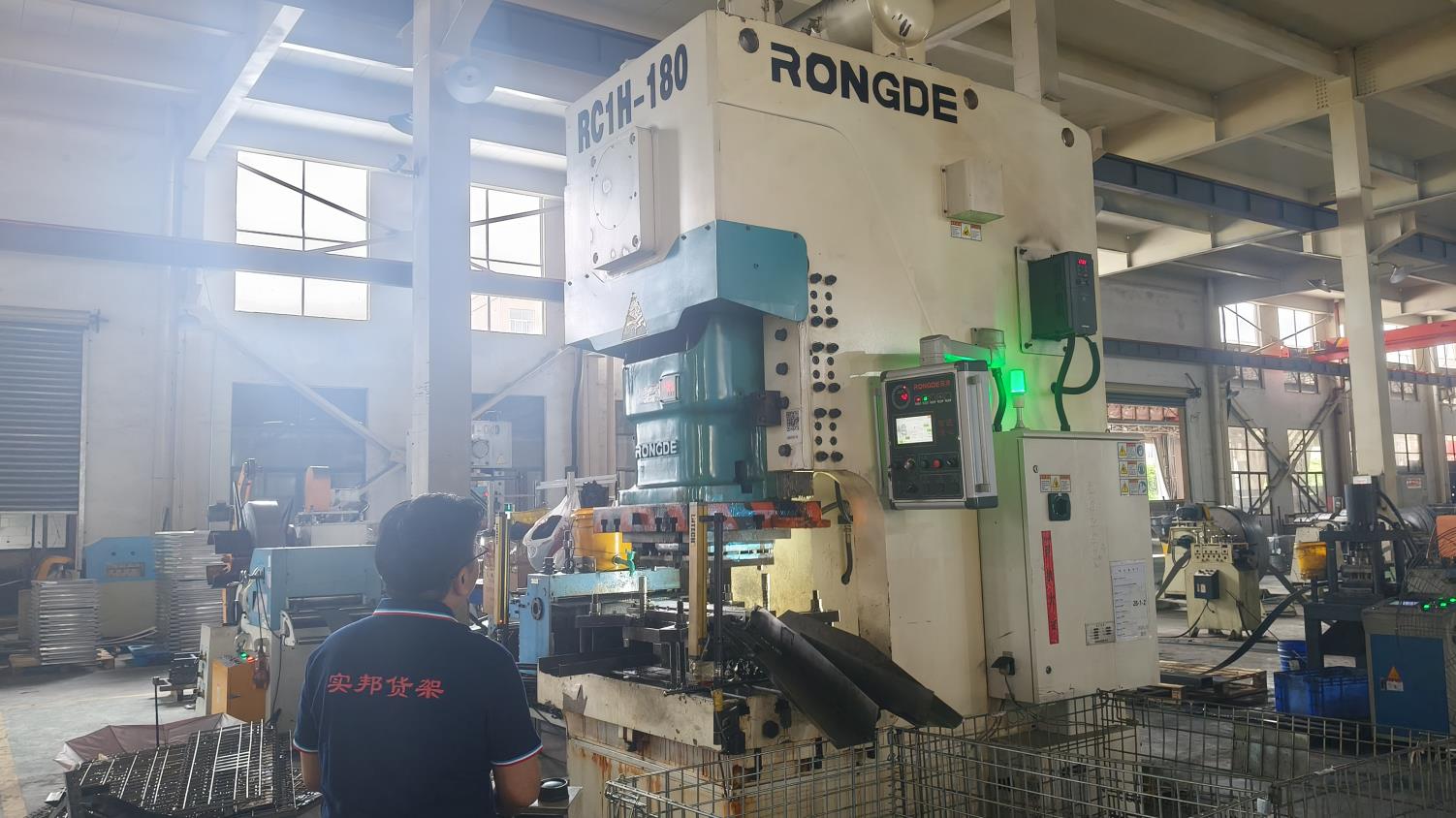
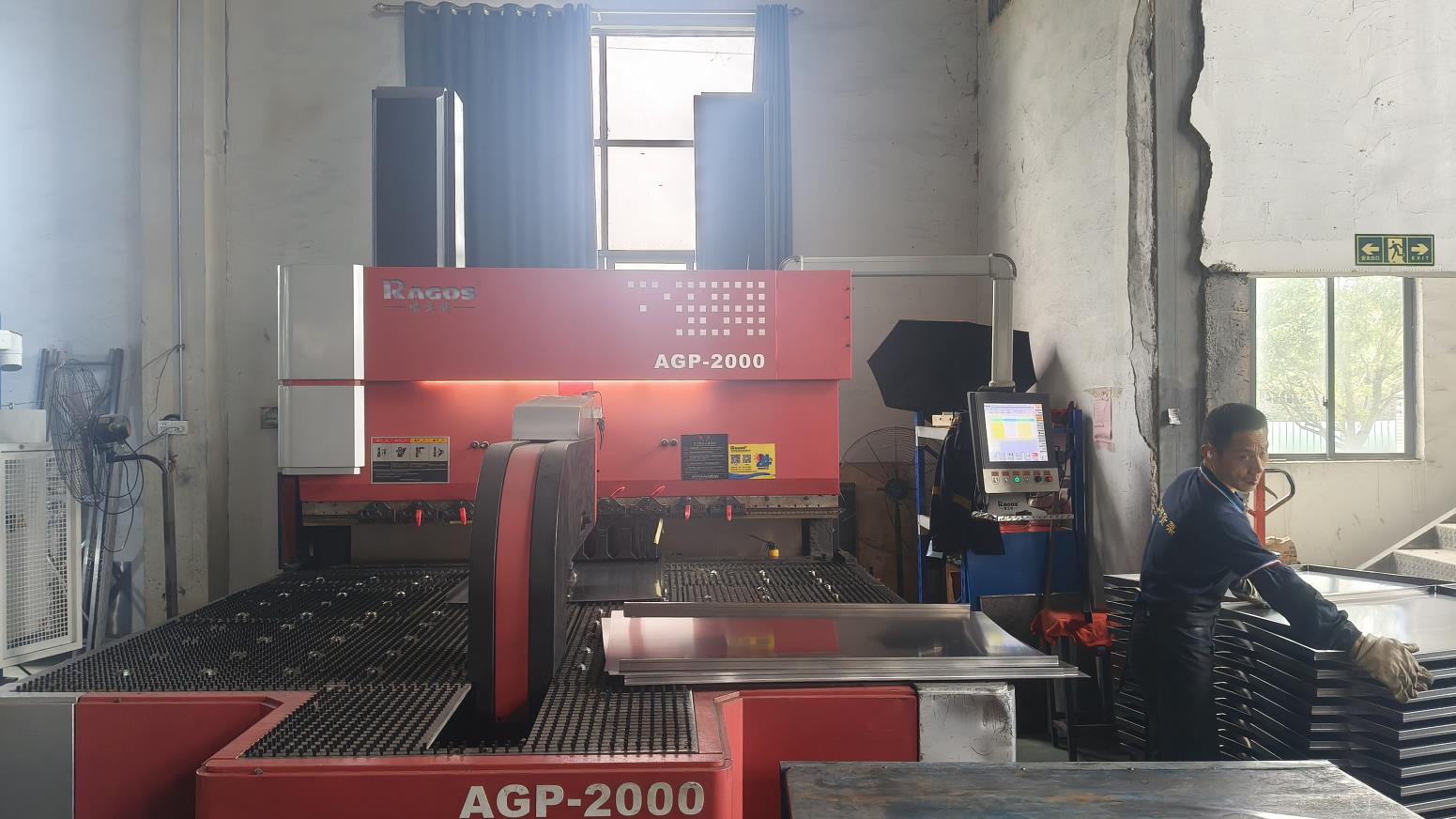
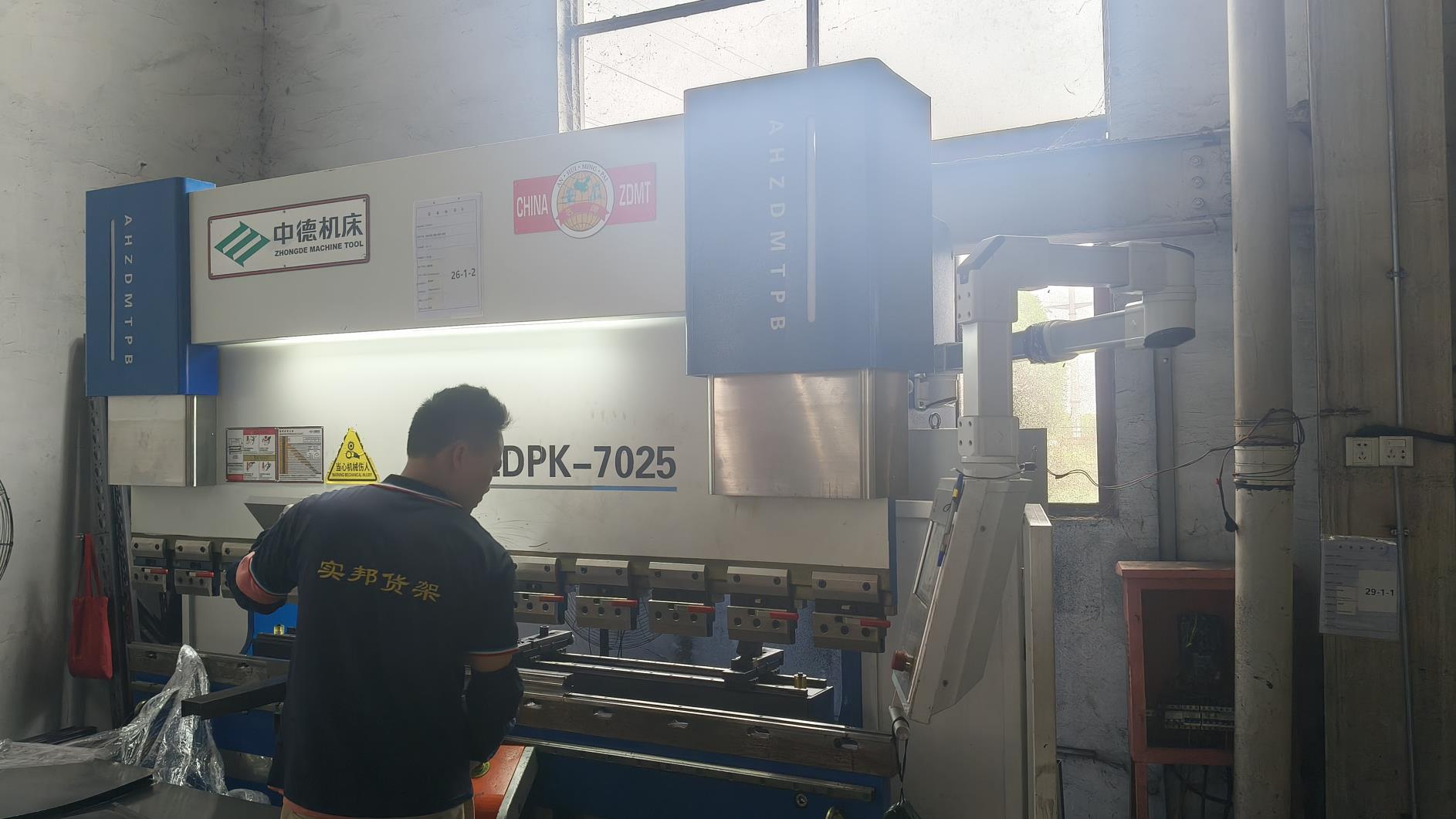
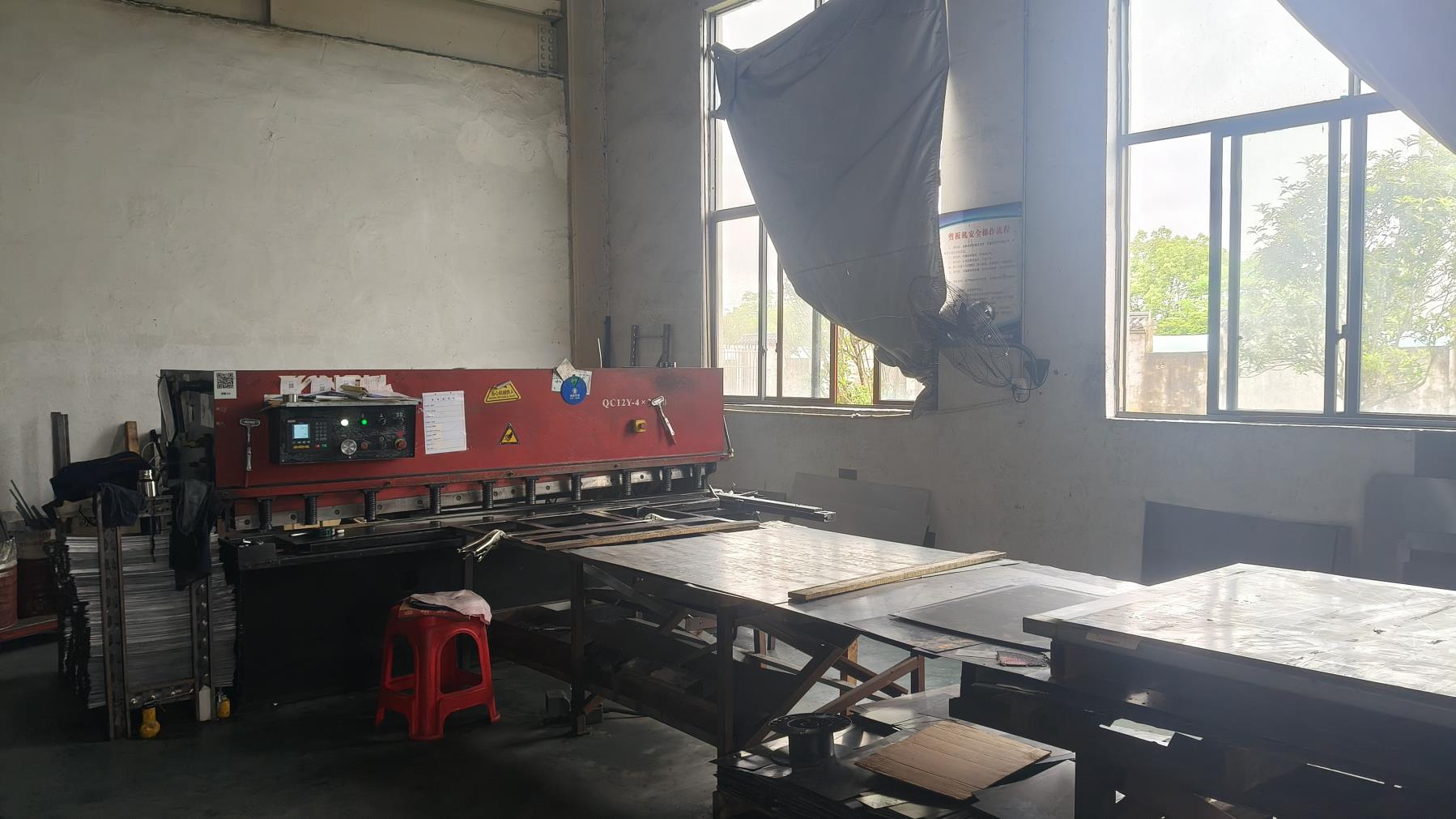
The manufacturing ecosystem in Shenzhen has evolved from assembly line production to an automated, data-driven environment. At Shenzhen Shibang Storage Rack Co., Ltd., our production facility operates on integrated CNC machining centers, automated roll-forming lines, and robotic electrostatic coating configurations. This high level of automation ensures consistent component thickness, precision hole spacing, and reliable load distributions across every batch.
By automating the cold roll-forming process, we minimize residual structural stresses within the upright columns. CNC-controlled punching processes ensure that every connector point maintains alignment tolerances within 0.1mm. This precise alignment simplifies on-site assembly, allowing teams to install boltless shelving systems without requiring skilled structural assembly crews.
Adapting medium-duty racking to fit regional fire safety codes, environmental conditions, and material-handling methods.
Shenzhen Shibang Storage Rack Co., Ltd. designs and manufactures storage systems that can be customized to meet specific site dimensions and structural requirements. Our team of 18 senior design engineers optimizes racking layouts to maximize storage capacity while maintaining safety compliance.
Depending on the storage environment, we provide epoxy powder coating in custom RAL colors for indoor locations, or hot-dip galvanizing for cold storage facilities and high-humidity chemical environments.
We adjust steel wall thickness between 1.5mm and 2.5mm to meet specific structural demands, optimizing load ratings while managing production material costs.
Options include solid steel plates, perforated steel shelves for fire sprinkler penetration, or wire mesh decks for high-airflow settings.
Systems can be configured with structural components such as safety mesh backings, side barriers, aisle dividers, and labeling plates to improve inventory control and protection.
During the design phase, our engineers run structural simulations to analyze load limits, wind loads (for outdoor installations), and seismic dynamics. This step ensures that final configurations maintain stability and load performance under typical operation.
Addressing core mechanical, regulatory, and logistics questions from professional procurement teams and structural engineers.
The load capacity of 300KG refers to a Uniformly Distributed Load (UDL). This means that to maintain structural integrity, the inventory must be distributed evenly across the entire surface of the shelf tier. Placing a single, concentrated 300KG point-load in the center of a shelf can cause localized bending, exceeding the yield point of the steel and potentially deforming the support beams.
Our quality control protocols comply with CE certification requirements and standard manufacturing protocols. We perform tensile tests on incoming steel coils to verify material consistency. Completed rack assemblies undergo static overload tests at 1.5 times the rated load limit (450KG) for 48 hours to measure vertical deflection. We ensure that deflection ratios remain within L/200, preventing permanent structural deformation.
Boltless racking systems utilize interlocking connectors (such as rivet or butterfly-clip styles) to secure support beams to upright posts. This design allows for tool-free assembly, which can reduce labor costs during installation and layout changes. Bolted connections are typically preferred for high-bay racking systems or zones with seismic requirements, as they provide additional resistance to joint rotation.
Yes. For cold storage and high-humidity facilities, we recommend selecting hot-dip galvanized steel surfaces or specialized outdoor-rated powder coatings. These treatments protect the underlying steel from condensation, acidic environments, and oxidation, preventing rust formation and maintaining load-bearing capacity.
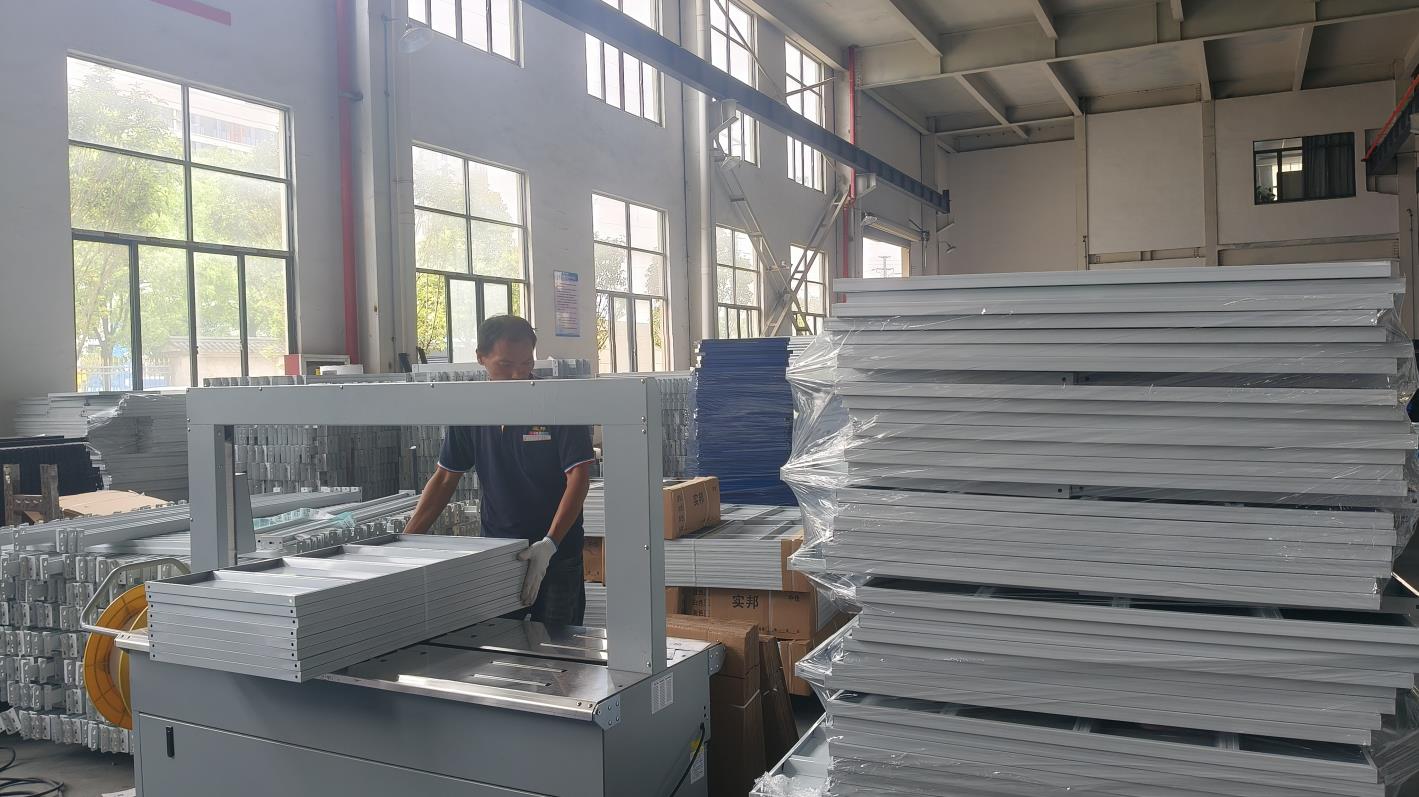
To prevent shipping damage, all steel components are packed using protective cardboard edge guards, heavy-duty stretch wrapping, and secure strap positioning. Upright frames and beams are shipped in flat-pack configurations on heavy-duty wooden pallets, which helps maximize container volume and reduce international shipping costs.
Explore our industrial-grade storage units designed for workshops, fulfillment centers, and heavy-duty garage applications.
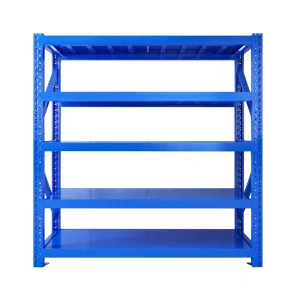
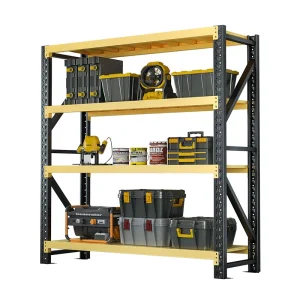
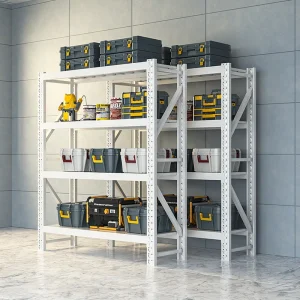
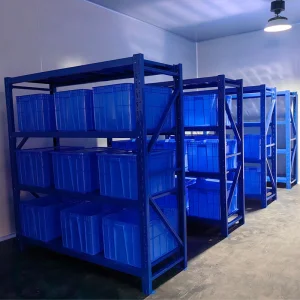
 Shibang Steel