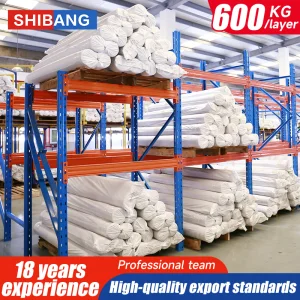
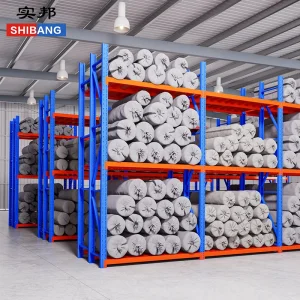
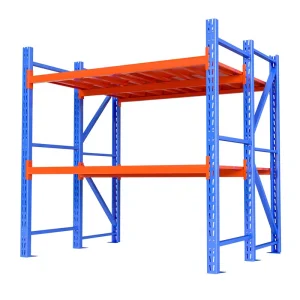
Select industrial-grade racking frameworks specifically engineered to support variable load distribution profiles, offering exceptional corrosion resistance and mechanical integrity.
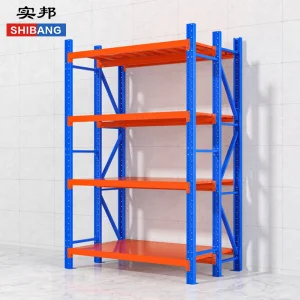
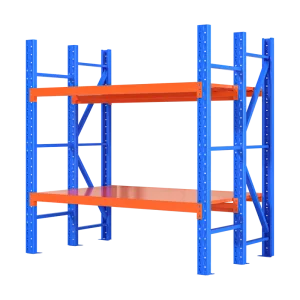
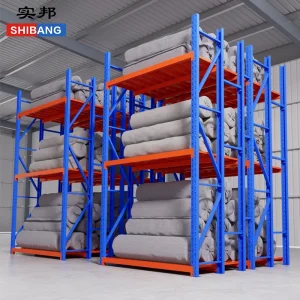
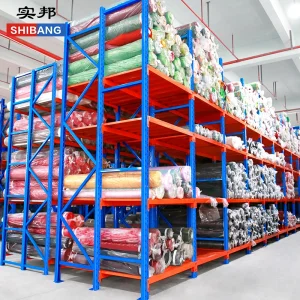
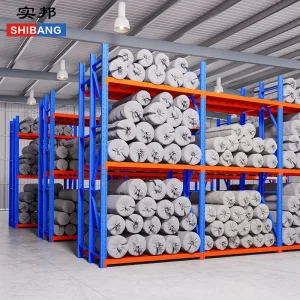
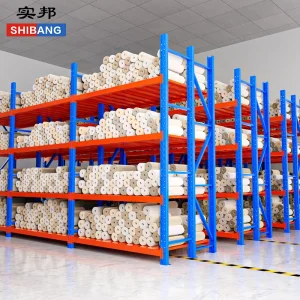
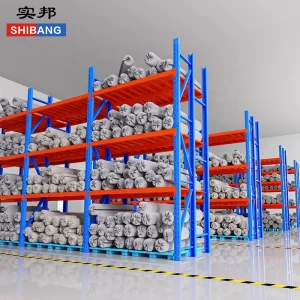
The global textile manufacturing sector, valued at over $1.5 trillion, demands state-of-the-art intralogistics configurations. Fabric rolls—often classified under non-standard, cylindrical, and high-density loads—present unique warehousing challenges. Unlike standard box-packaged products, textile rolls are susceptible to physical deformation, localized compression, fiber stress, and degradation from ambient humidity.
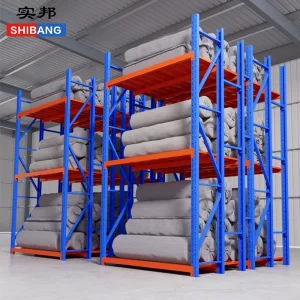
Modern textile supply chains operating between primary manufacturing hubs (e.g., APAC, Southeast Asia) and final markets (e.g., North America, Europe) require scalable rack solutions. Standard racking methods often lead to high rate of material damage, with fabric deformation causing downstream cutting errors. Industrial fabric shelves utilize curved support cradles, customized boltless beams, and vertical stacking grids to optimize vertical clearance while preventing flat-spotting of fabric rolls.
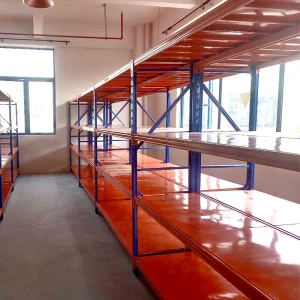
Utilizes high-tensile Q235B cold-rolled steel profiles for uniform load capacity without structural deflection.
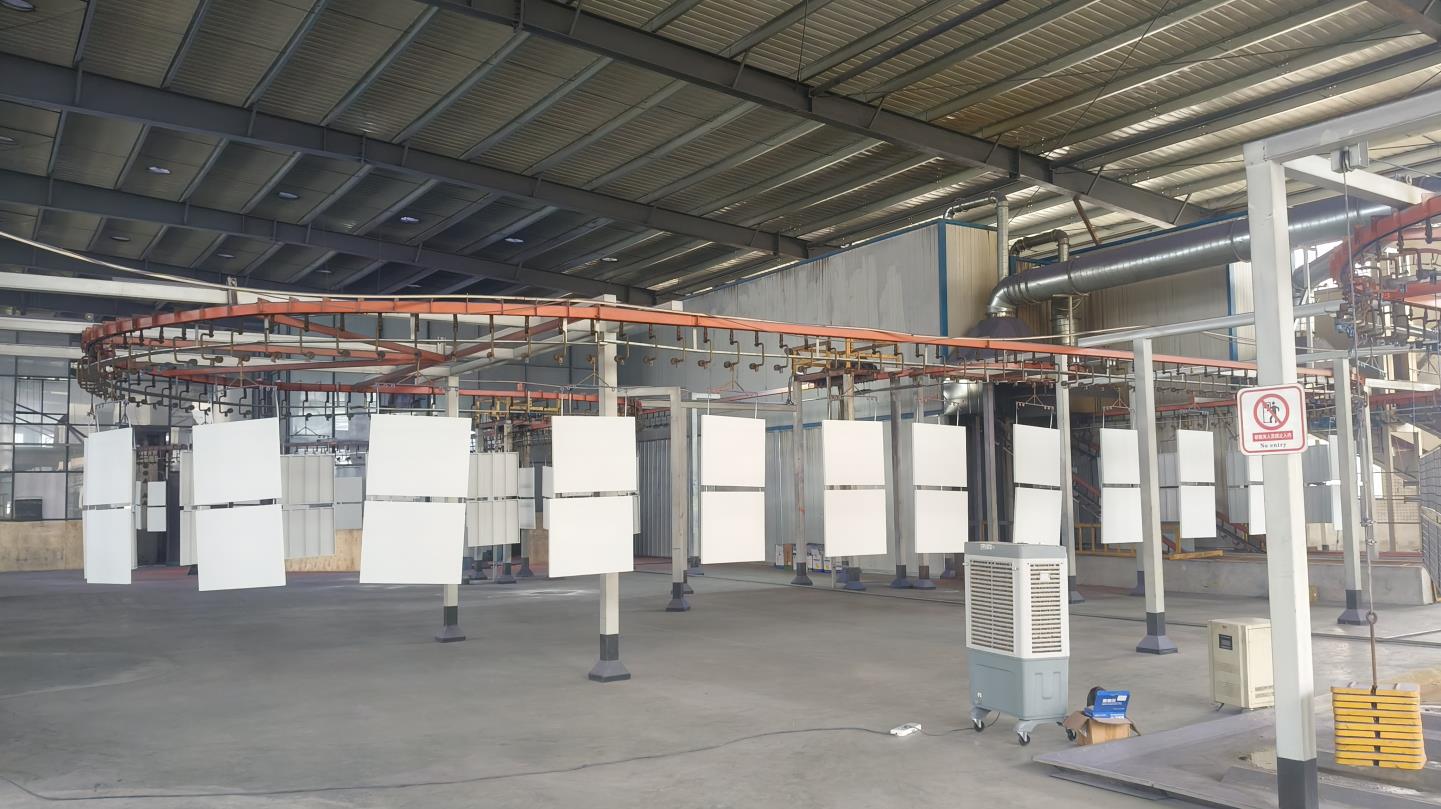
Surface treatments strictly comply with ISO 12944 standards using eco-friendly electrostatic powder-coating.
Adjustable pitch profiles allow prompt structural modifications based on seasonal SKU inventory variations.
"For modern 3PL providers handling high-turnover textile inventories, storage solutions must maximize vertical volume while facilitating selective picking. Structural integrity is not negotiable when load limits range from 400kg to over 1500kg per layer."
Developing industrial racking systems for fabric rolls requires deep understanding of structural load limits and mechanical dynamics. Key technical considerations include:
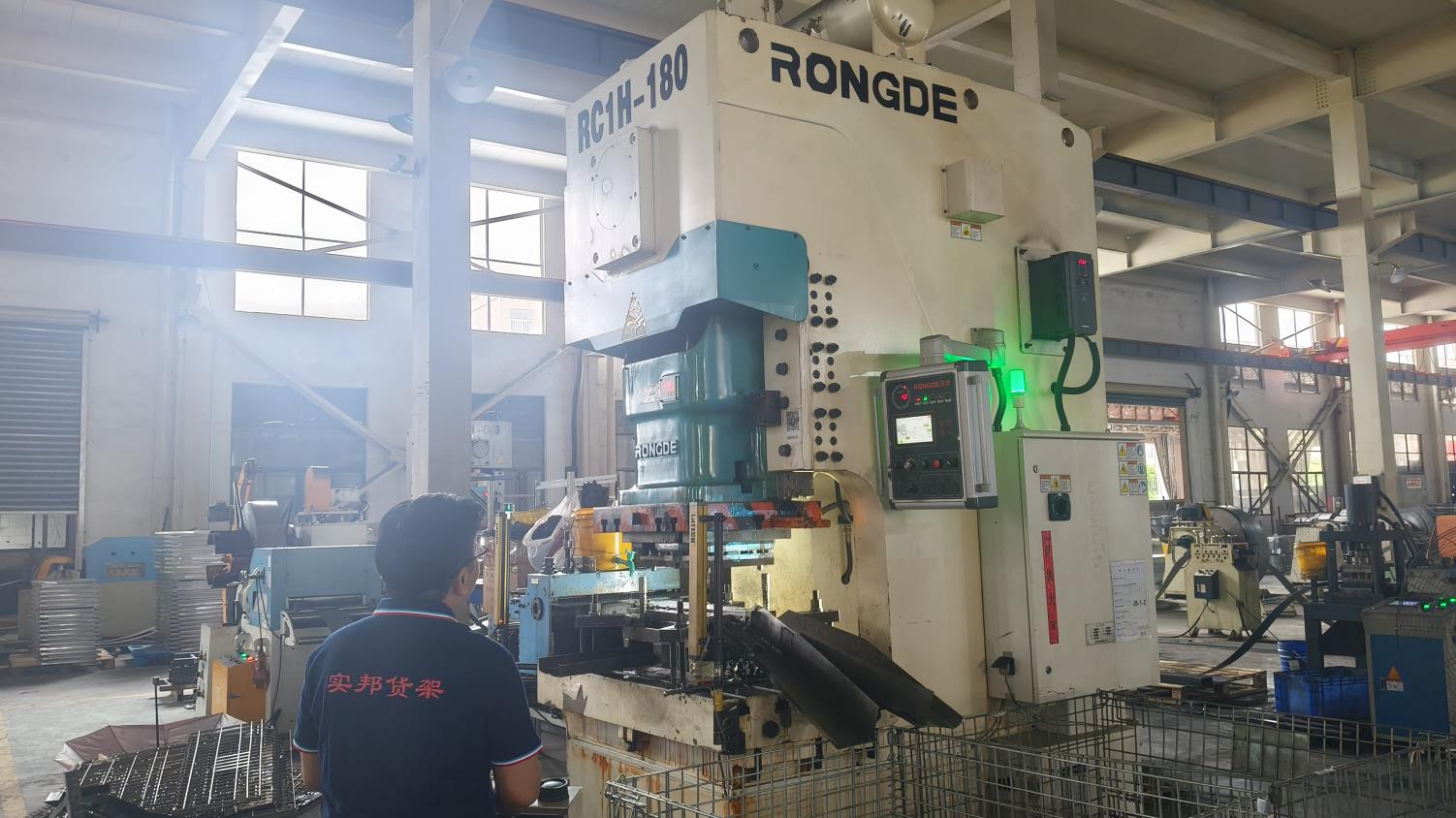
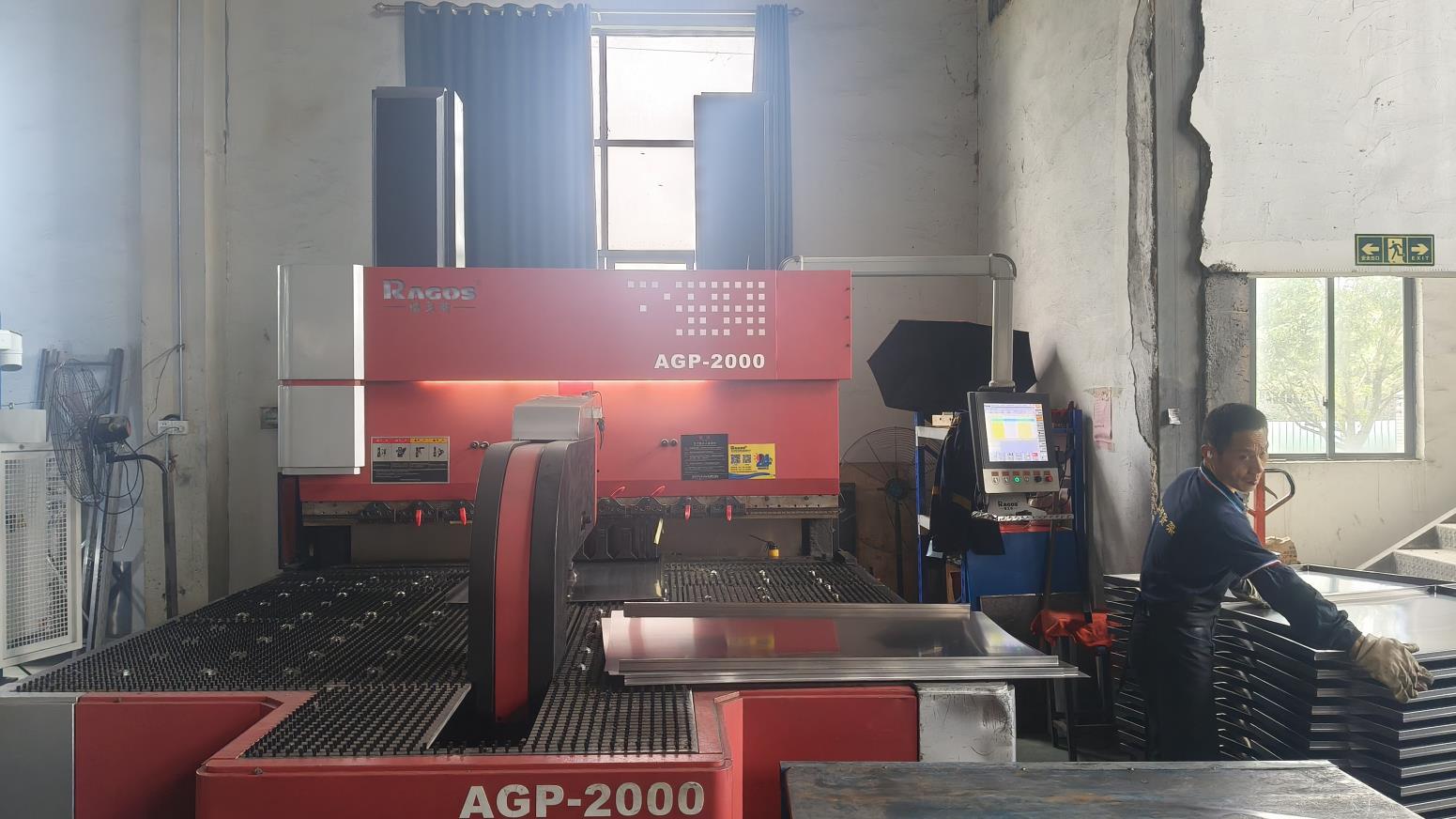
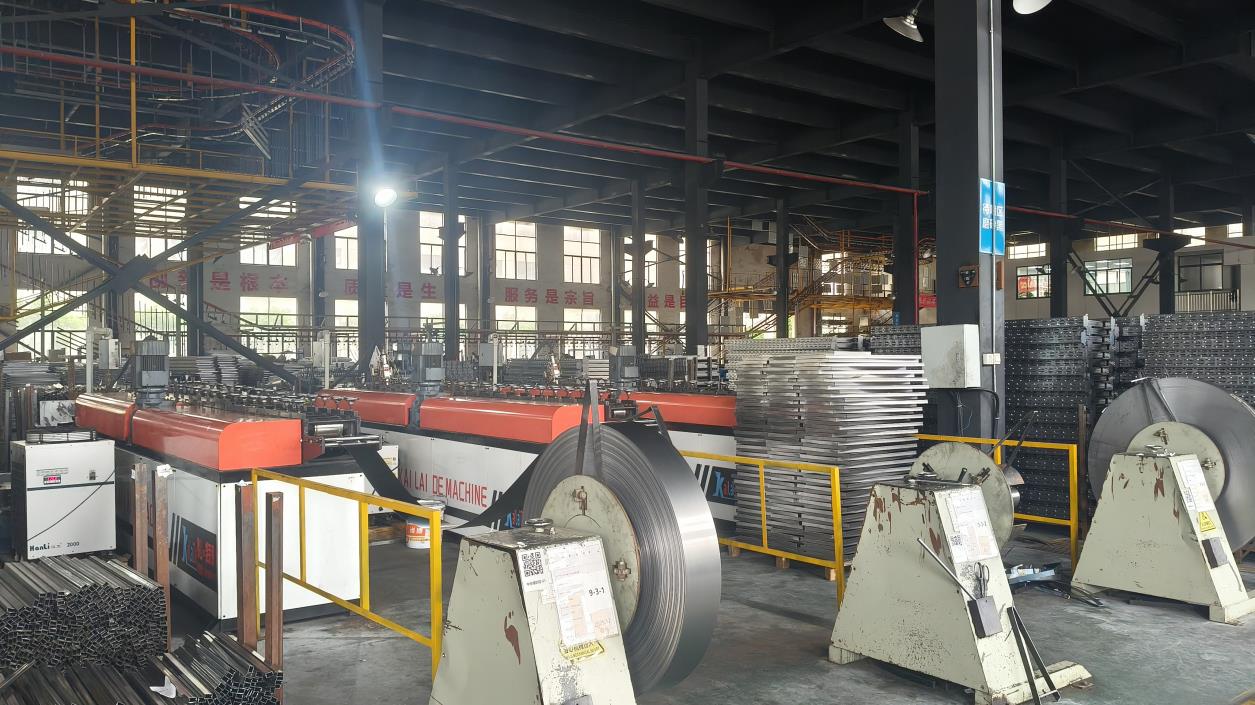
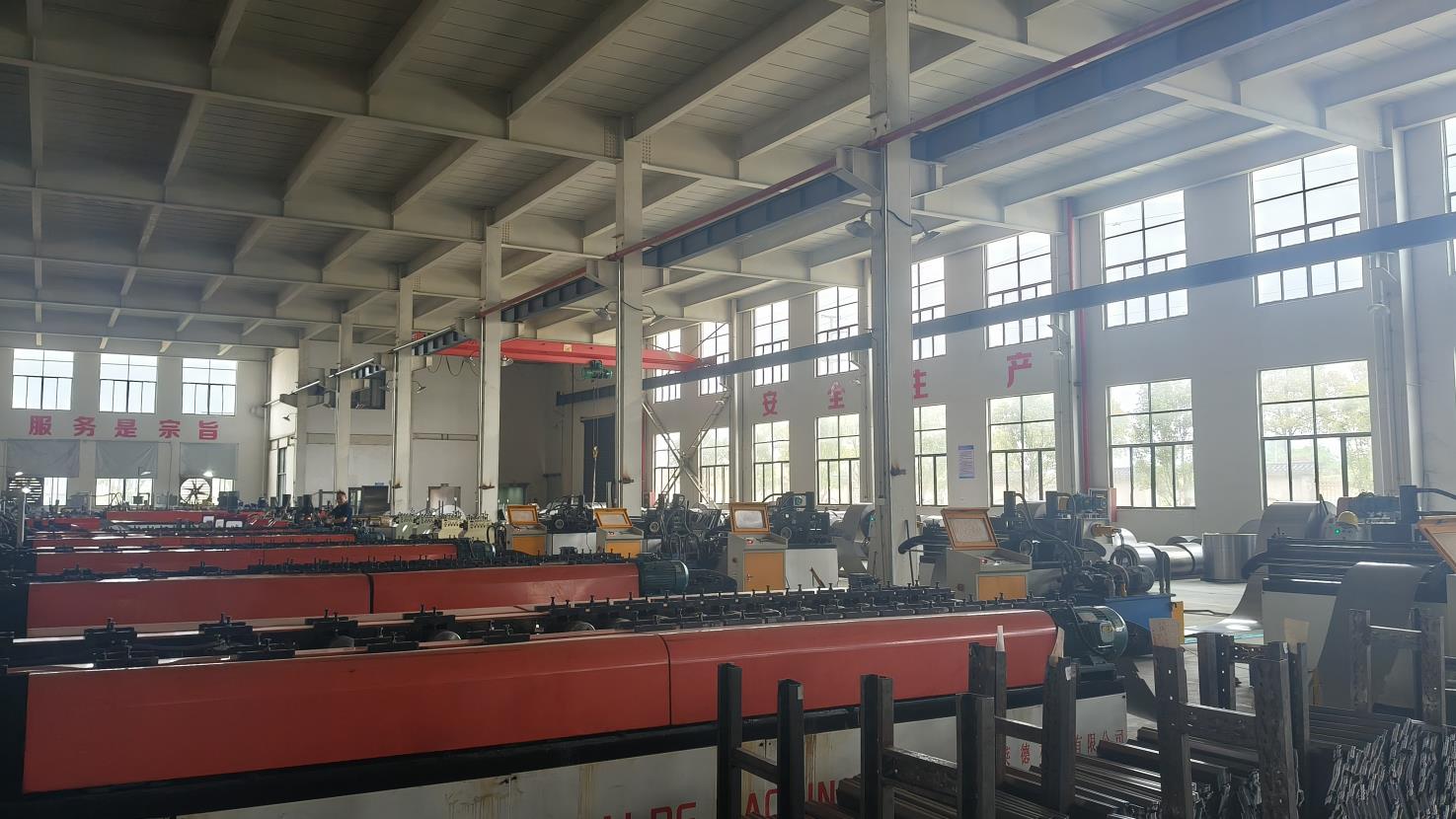
We source high-grade Q235B and Q345B steel alloys. The structural components undergo precise multi-stage roll-forming to ensure uniform material density. Cold-rolled structural columns exhibit superior yield strength tolerances, ensuring long-term resistance to metal fatigue even when supporting continuous maximum load weight.
Our R&D team executes advanced FEA simulation models to analyze upright deflection ratios under dynamic stress (e.g., forklift impacts or high-speed retrievals). The beam connections use 3 to 5-claw connectors equipped with safety locks to eliminate beam displacement risks.
Traditional storage racks use flat steel decking, which can cause material flat-spotting on high-end fabrics. To prevent this, we design custom-radius steel cradles that support fabric rolls on their central shafts or distribute surface pressure evenly across the roll diameter. This prevents fiber distortion and reduces material rejection rates.
Environmental conditions vary significantly across international supply chains, requiring dedicated racking adaptations:
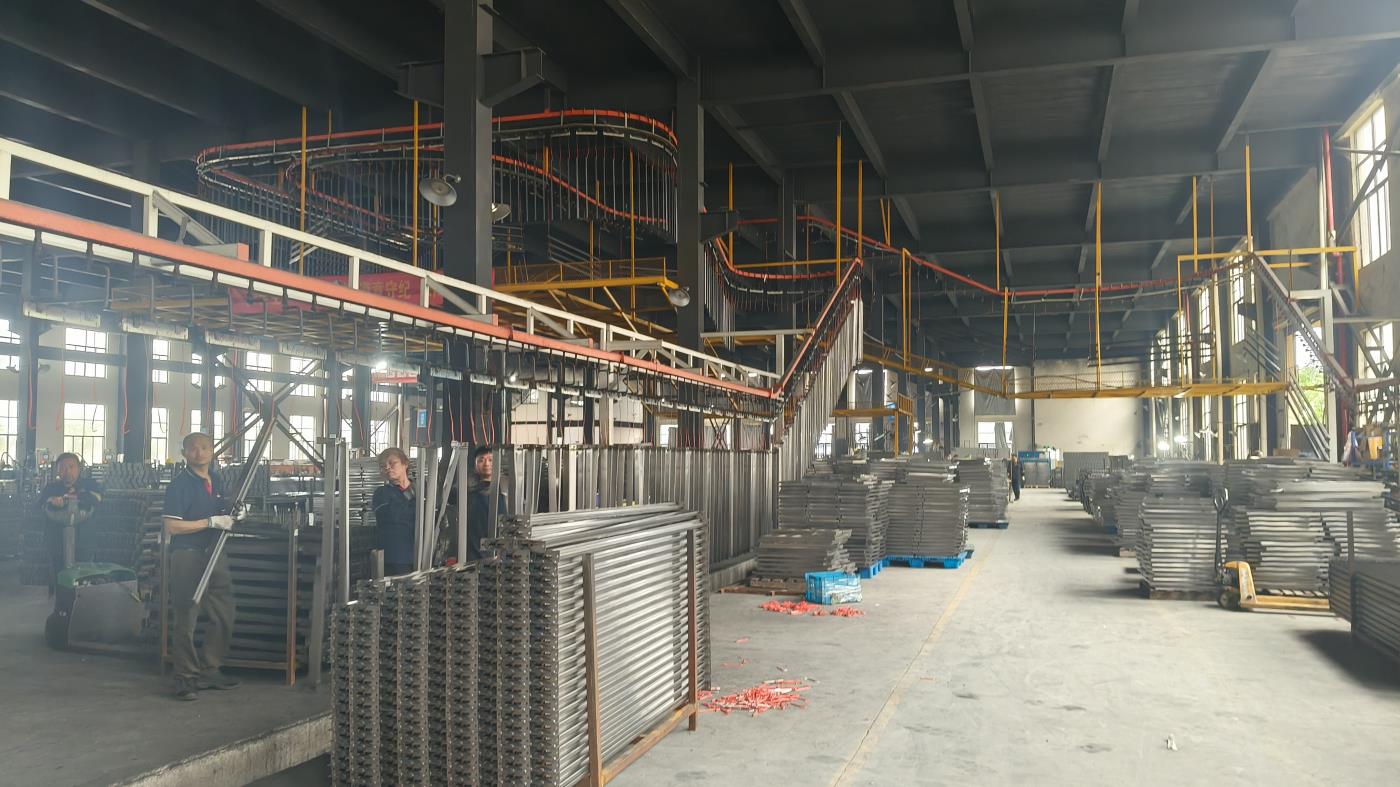
In manufacturing hubs across Southeast Asia and coastal South America, humidity levels often exceed 85%. Standard carbon steel is highly susceptible to rust in these conditions. We provide hot-dip galvanized and multi-layered powder-coated surfaces. Our paint coatings pass 500-hour salt spray testing, preventing oxidation at weld lines and cut edges.
For installations in earthquake-prone regions, baseplate dimensions and anchoring layouts are calculated using local seismic coefficient guidelines. We customize heavier frame bracing, larger structural baseplates, and dual-anchoring configurations to withstand lateral forces.
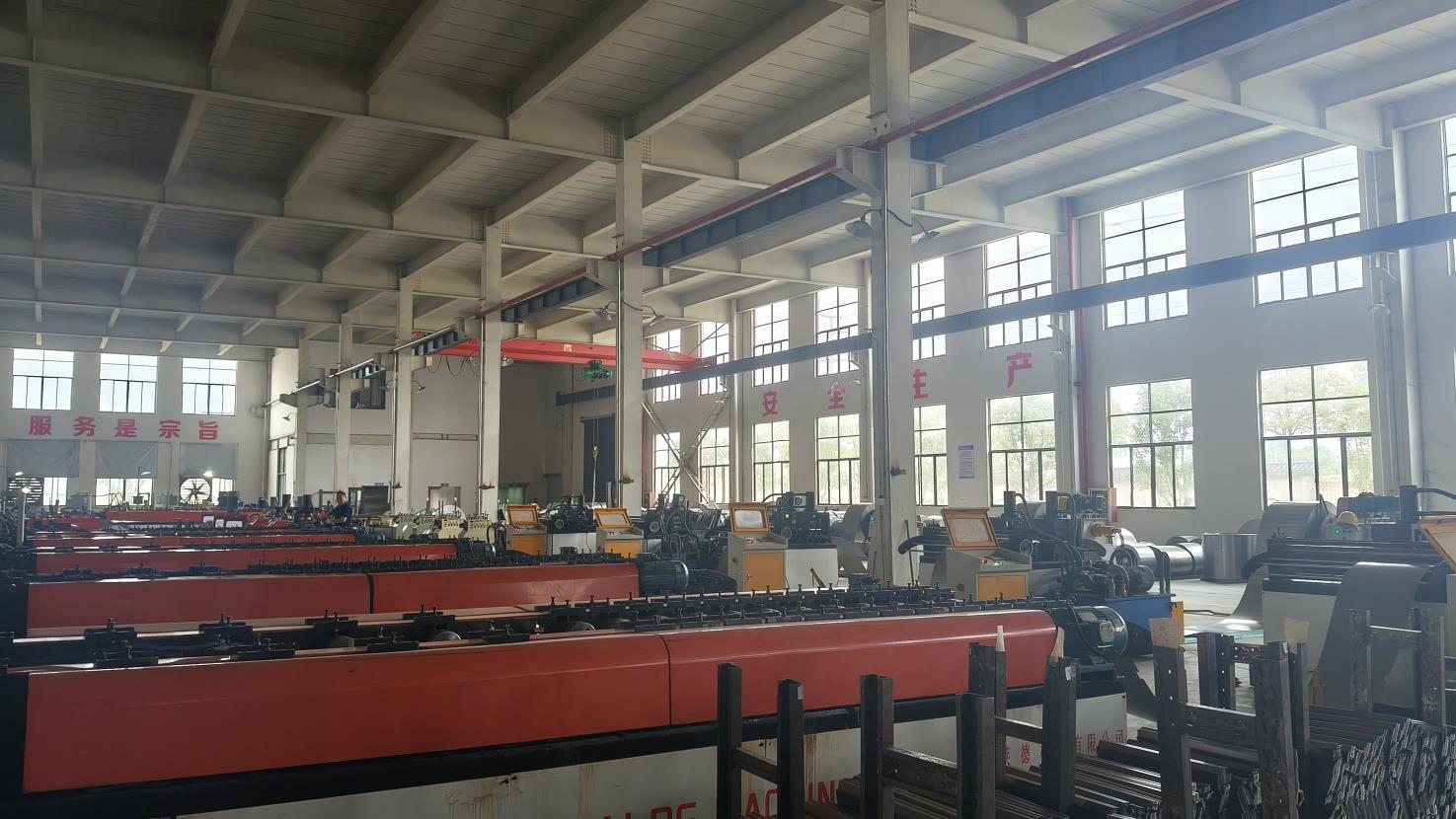
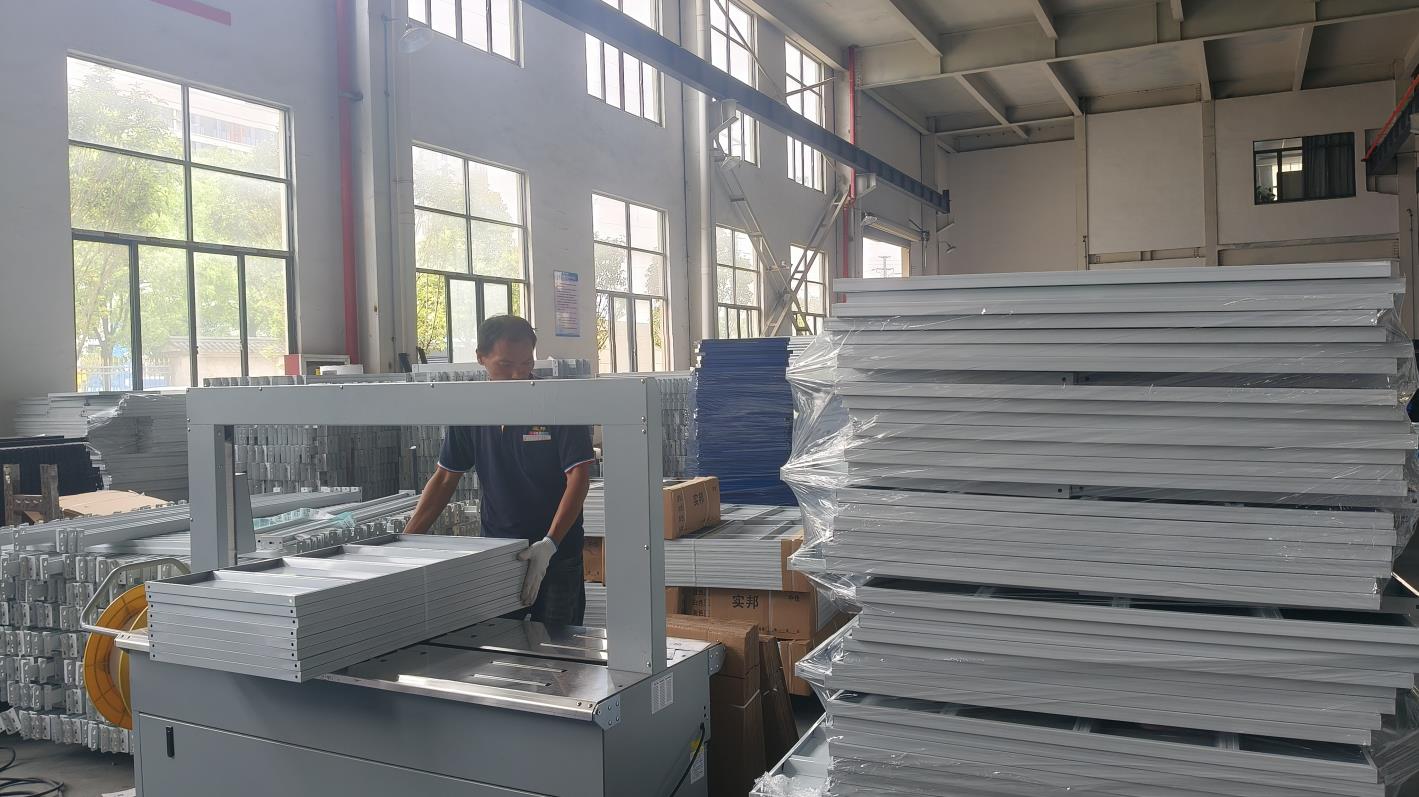
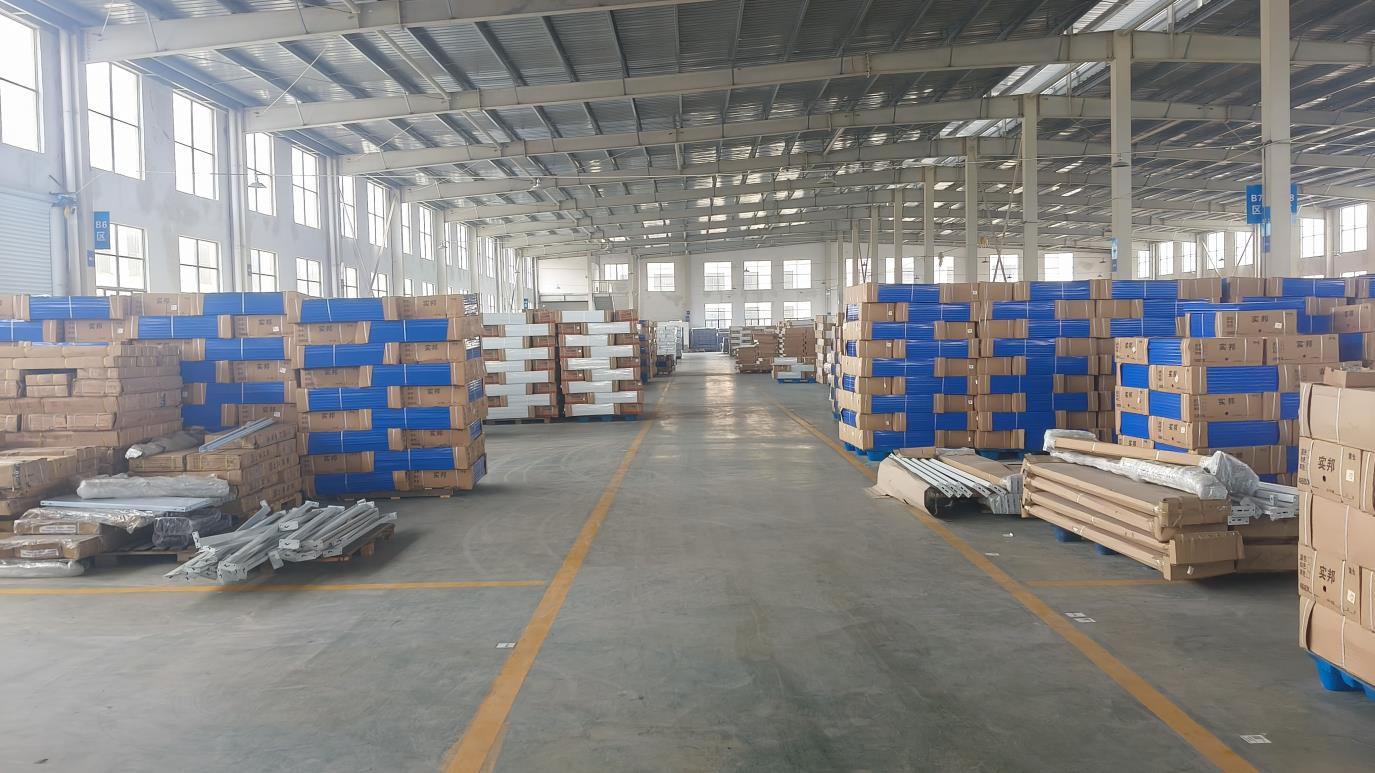
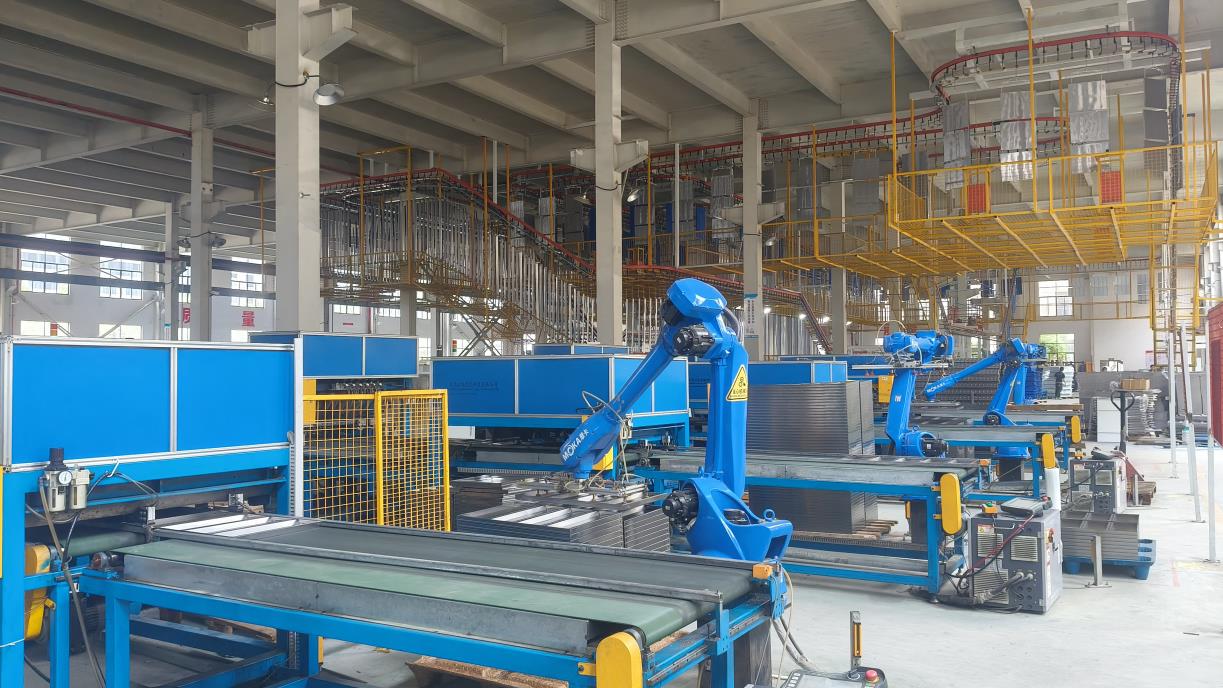
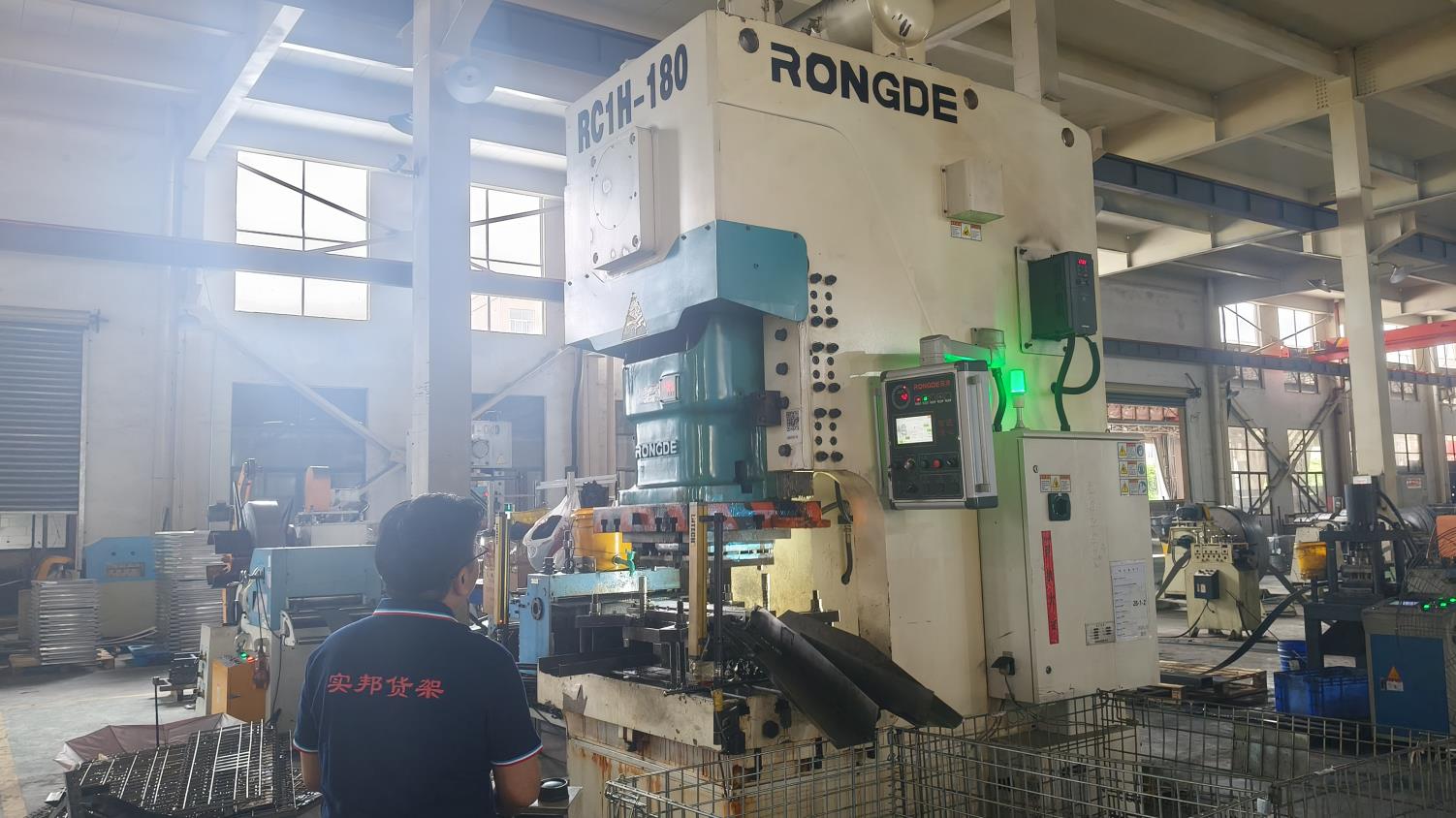
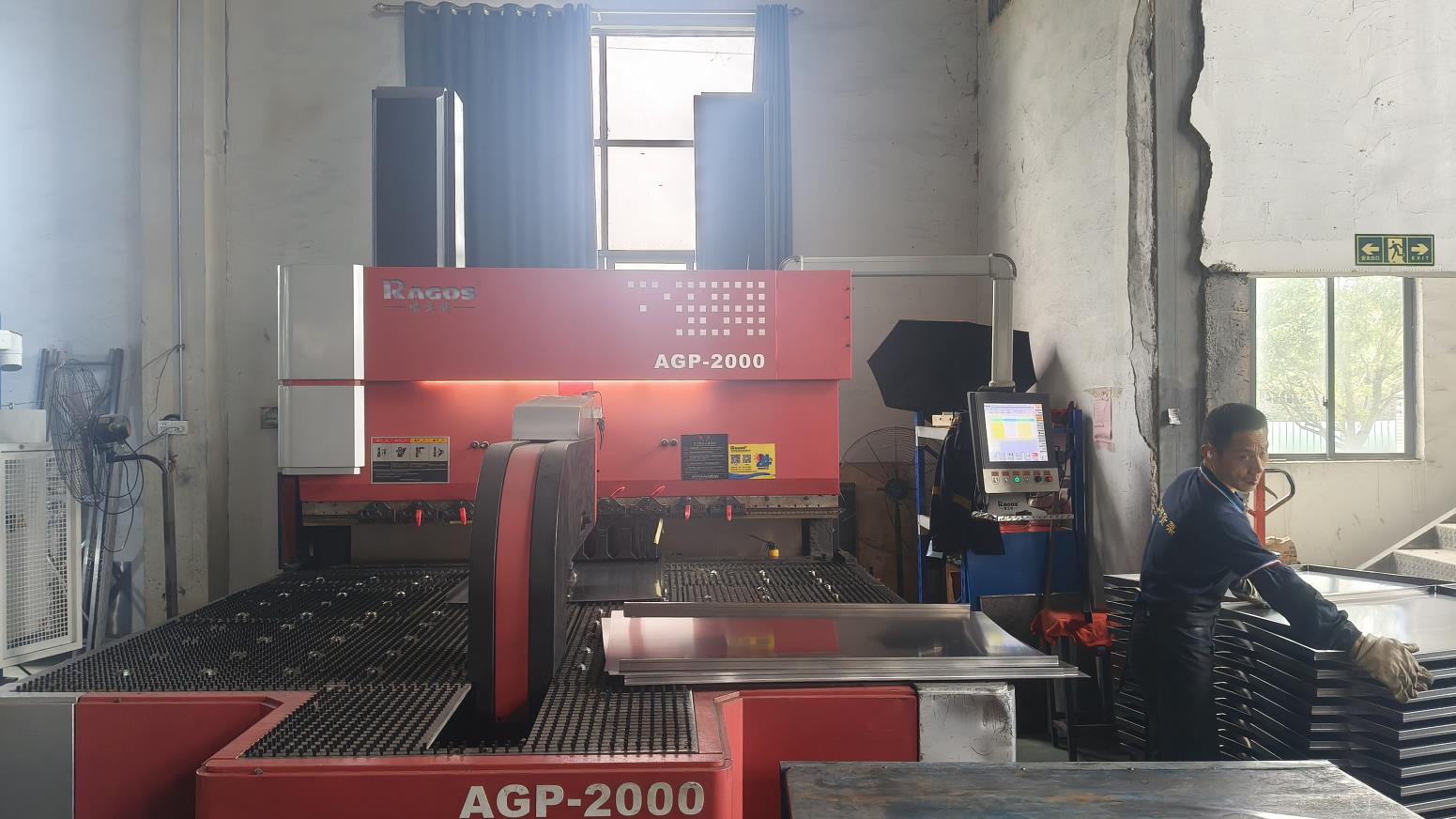
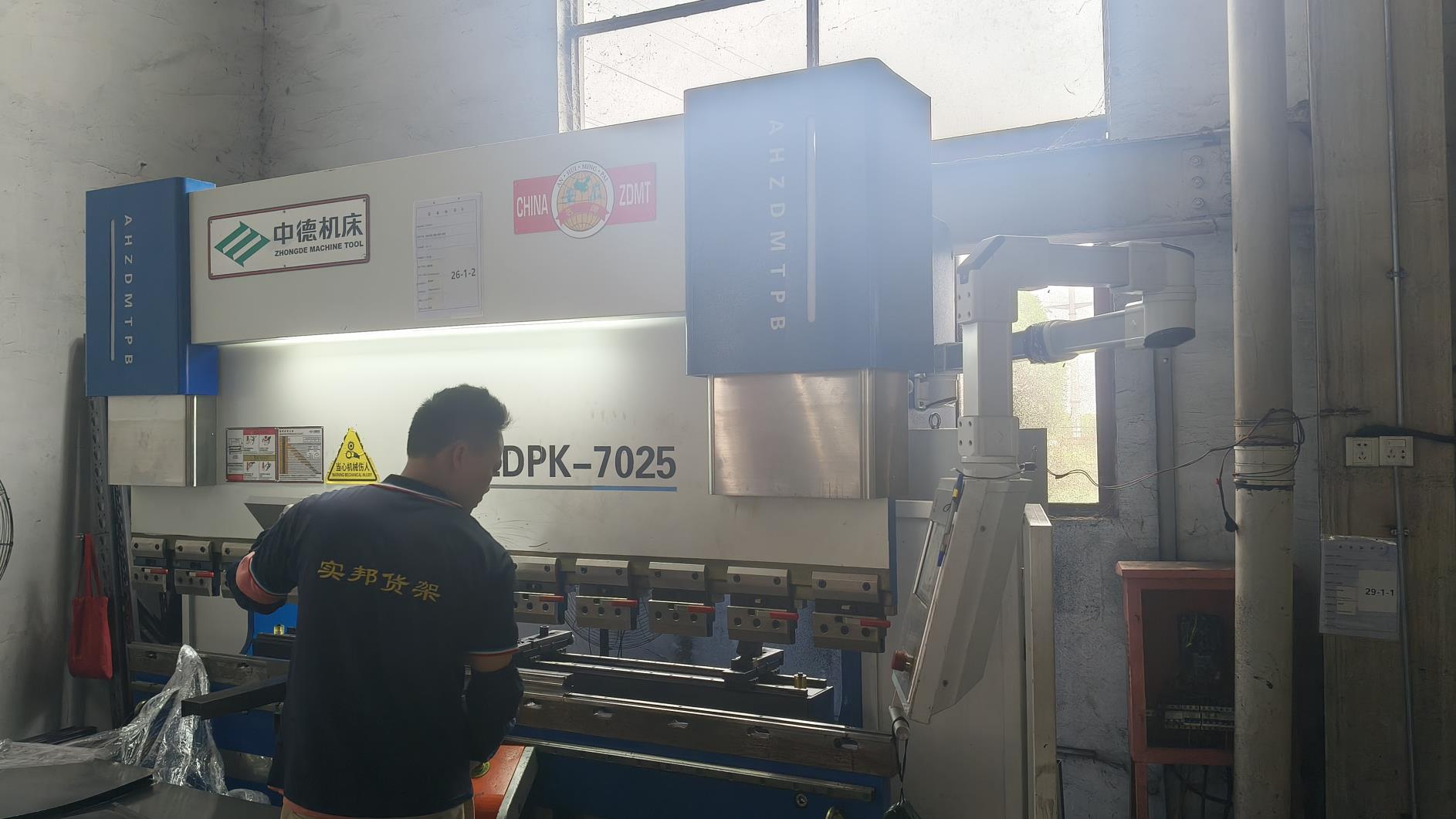
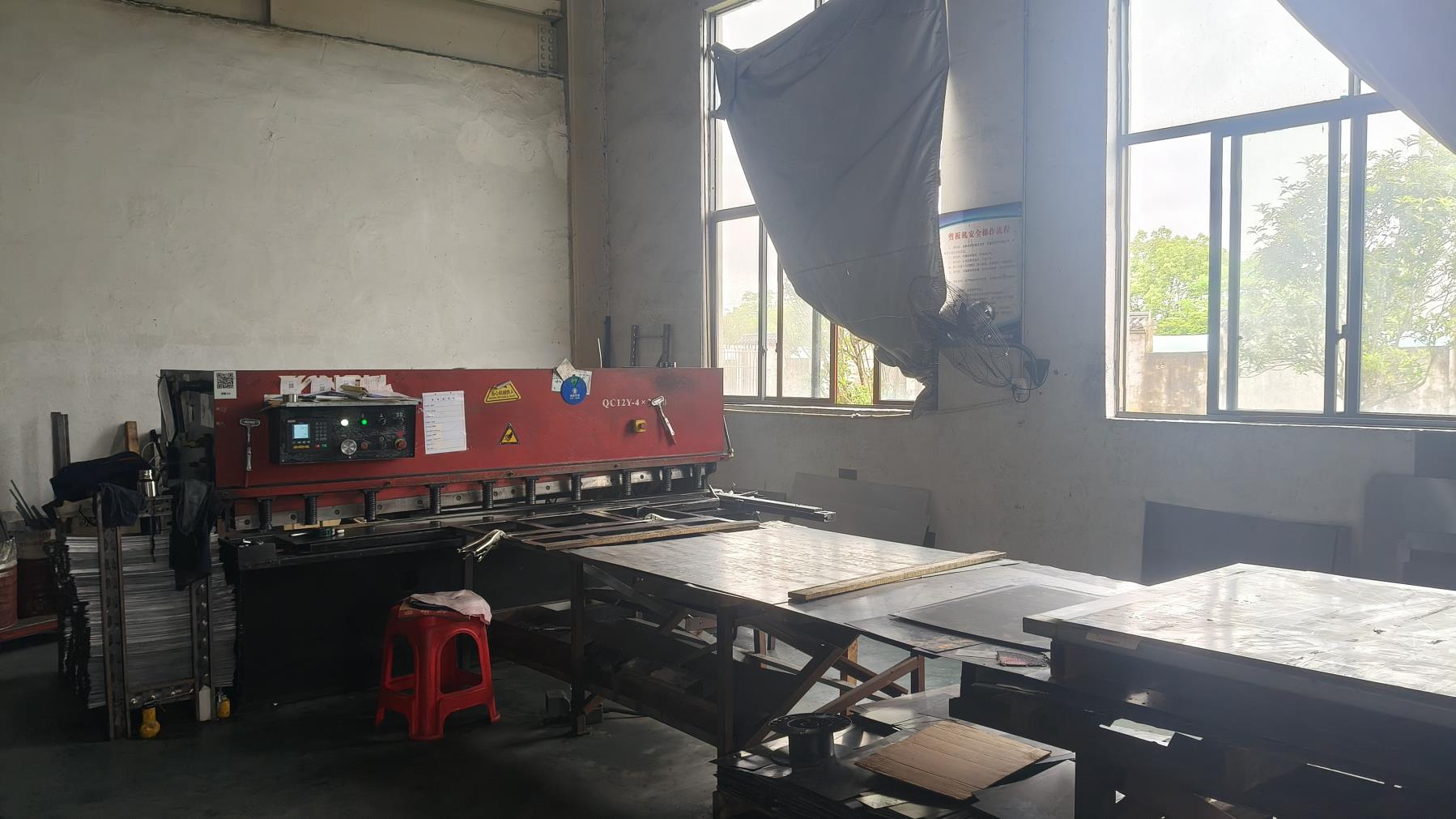
Established in 2015, Shenzhen Shibang Storage Rack Co., Ltd. is a leading manufacturer specializing in industrial racking systems and customized warehouse storage solutions. Operating from a modern production facility spanning 32,000 square meters, we integrate structural design, precision manufacturing, and international trade to serve a diverse global client base.
With over 12 years of industry expertise and 8 years of dedicated export experience, our products are distributed across North America, Europe, Australia, and Southeast Asia, generating over $18 million in annual export revenue. We primarily partner with industrial distributors, third-party logistics (3PL) providers, e-commerce fulfillment centers, and large-scale manufacturing enterprises. Supported by a robust network of over 800 supply chain partners, we ensure consistent raw material quality and efficient production timelines.
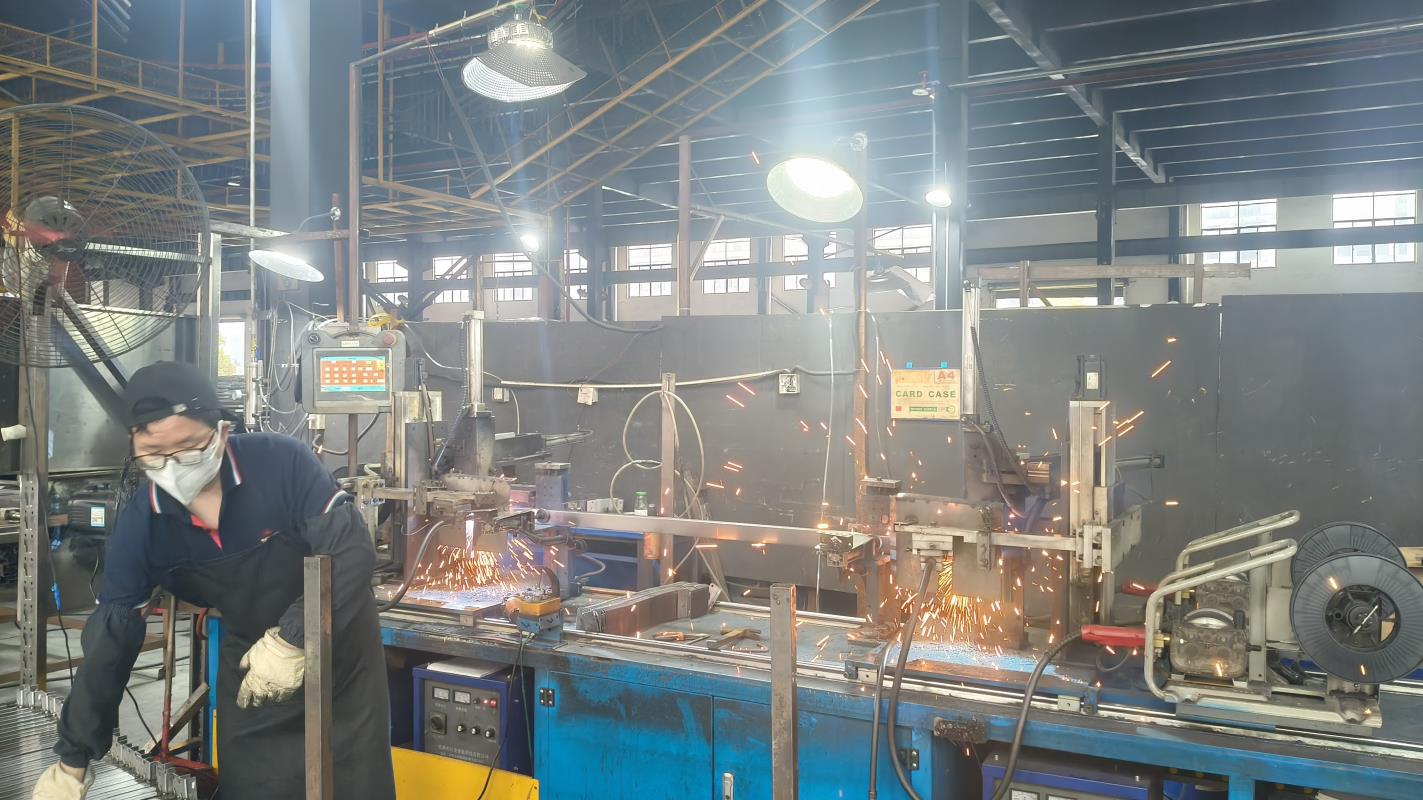
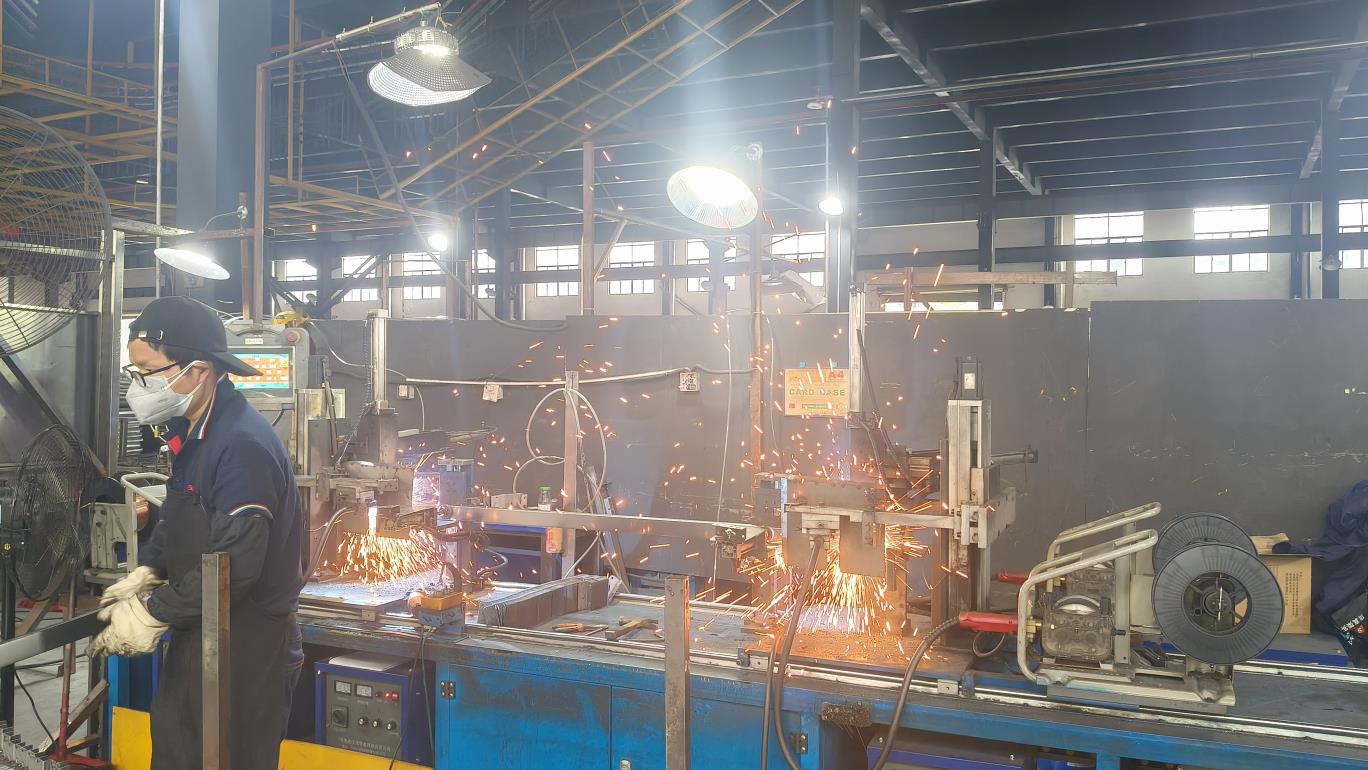
Quality control and technological innovation form the core of our operations. Our dynamic R&D team consists of 18 senior engineers, supported by 35 dedicated QC professionals. We implement rigorous product inspection protocols—including raw steel tensile testing, automated ultrasonic weld checking, static and dynamic load testing, and powder-coating salt spray endurance tests—ensuring compliance with international safety and durability standards. In the past year alone, our R&D unit successfully introduced 45 new product designs and structural optimizations.
We offer full structural customization options, providing tailored loading capacities, height configurations, beam profiles, and surface finishes (powder coating and hot-dip galvanizing) to meet exact warehouse specifications. Guided by engineering precision and trade reliability, Shenzhen Shibang Storage Rack Co., Ltd. continues to deliver safe, scalable, and optimized storage solutions for modern global supply chains.
Managing high-volume textile warehousing requires a holistic structural approach. We support facilities in integrating three primary storage configurations:
Recommended for seasonal fabrics subject to rapid market demand shifts. Utilizing dynamic gravity flow lanes or custom selective pallet racks ensures that older production batches are retrieved first, avoiding fabric degradation from long-term storage.
Our precision tolerance controls ensure our racks interface seamlessly with automated shuttle systems and laser-guided cranes. Standard beam-to-frame tolerances are maintained within +/- 1mm, guaranteeing safe crane operation.
For facilities requiring temporary or modular layout configurations, our stackable rack structures provide excellent flexibility. When not in use, these frames stack compactly, freeing up floor space for alternative operations.
Answers to common structural design and procurement questions for industrial fabric storage systems.
Explore additional options designed for high-density, multi-layer fabric and textile roll warehousing applications.
 Shibang Steel