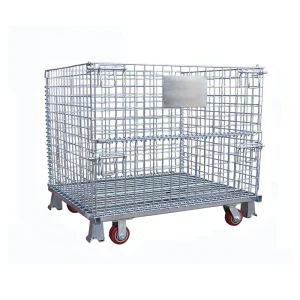
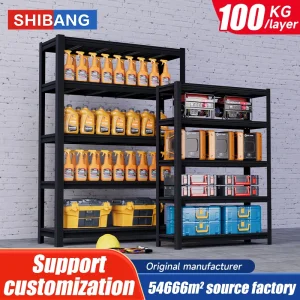
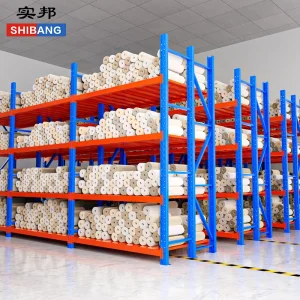
Premium logistics containers engineered for stackability, durability, and space optimization across modern industrial warehousing systems.
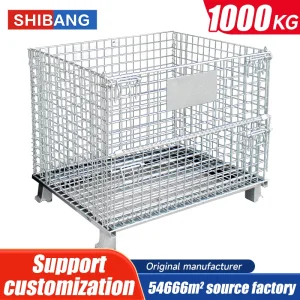
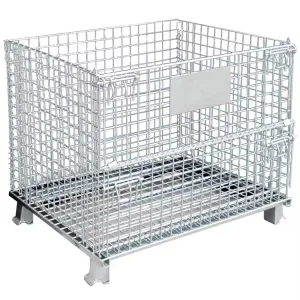
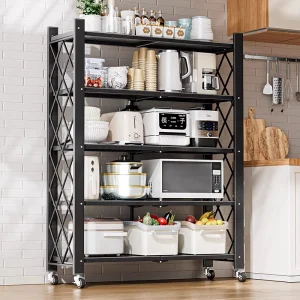
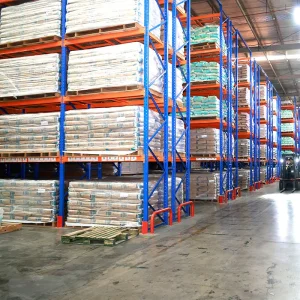
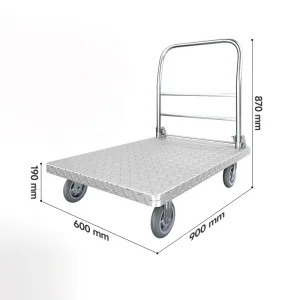
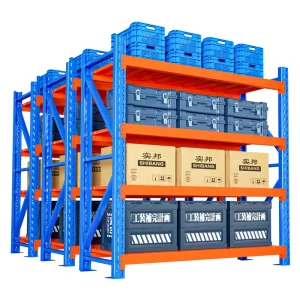
As global supply chains transition toward maximum density and automation, material handling equipment has shifted from basic storage tools to high-performance operational assets. The modern industrial storage cage—also known as a wire mesh container or collapsible steel pallet box—stands at the center of this logistics evolution. Integrating seamlessly with high-bay racking systems, AS/RS automated retrievals, and standard forklifts, these heavy-duty units solve the classic industrial trilemma: space utilization, product visibility, and structural safety.
Globally, sectors ranging from automotive manufacturing to third-party logistics (3PL) face mounting pressure to eliminate wooden packaging and single-use cartons. Rigid wood structures lack longevity and pose severe chemical and physical risks to workers and automated conveyor systems. Conversely, zinc-plated and hot-dip galvanized steel wire containers offer structural durability, maintaining load ratings exceeding 1,500 kilograms per unit while supporting vertical stacks up to four levels deep.
A premier global manufacturing leader integrating high-capacity automation, engineering-grade customization, and international compliance.
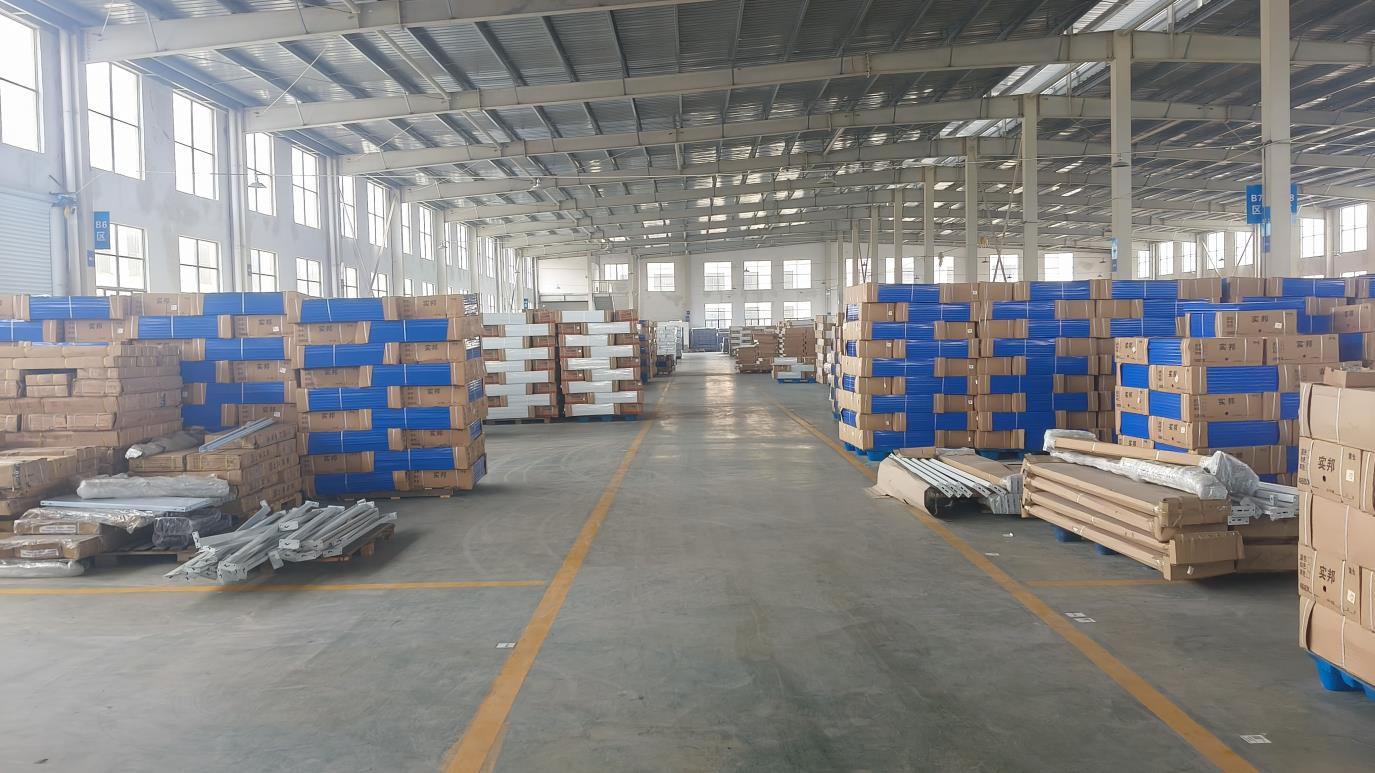
Established in 2015, Shenzhen Shibang Storage Rack Co., Ltd. is a leading manufacturer specializing in industrial racking systems and customized warehouse storage solutions. Operating from a modern production facility spanning 32,000 square meters, we integrate structural design, precision manufacturing, and international trade to serve a diverse global client base.
With over 12 years of industry expertise and 8 years of dedicated export experience, our products are distributed across North America, Europe, Australia, and Southeast Asia, generating over $18 million in annual export revenue. We primarily partner with industrial distributors, third-party logistics (3PL) providers, e-commerce fulfillment centers, and large-scale manufacturing enterprises. Supported by a robust network of over 800 supply chain partners, we ensure consistent raw material quality and efficient production timelines.
Quality control and technological innovation form the core of our operations. Our dynamic R&D team consists of 18 senior engineers, supported by 35 dedicated QC professionals. We implement rigorous product inspection protocols—including raw steel tensile testing, automated ultrasonic weld checking, static and dynamic load testing, and powder-coating salt spray endurance tests—ensuring compliance with international safety and durability standards. In the past year alone, our R&D unit successfully introduced 45 new product designs and structural optimizations.
We offer full structural customization options, providing tailored loading capacities, height configurations, beam profiles, and surface finishes (powder coating and hot-dip galvanizing) to meet exact warehouse specifications. Guided by engineering precision and trade reliability, Shenzhen Shibang Storage Rack Co., Ltd. continues to deliver safe, scalable, and optimized storage solutions for modern global supply chains.
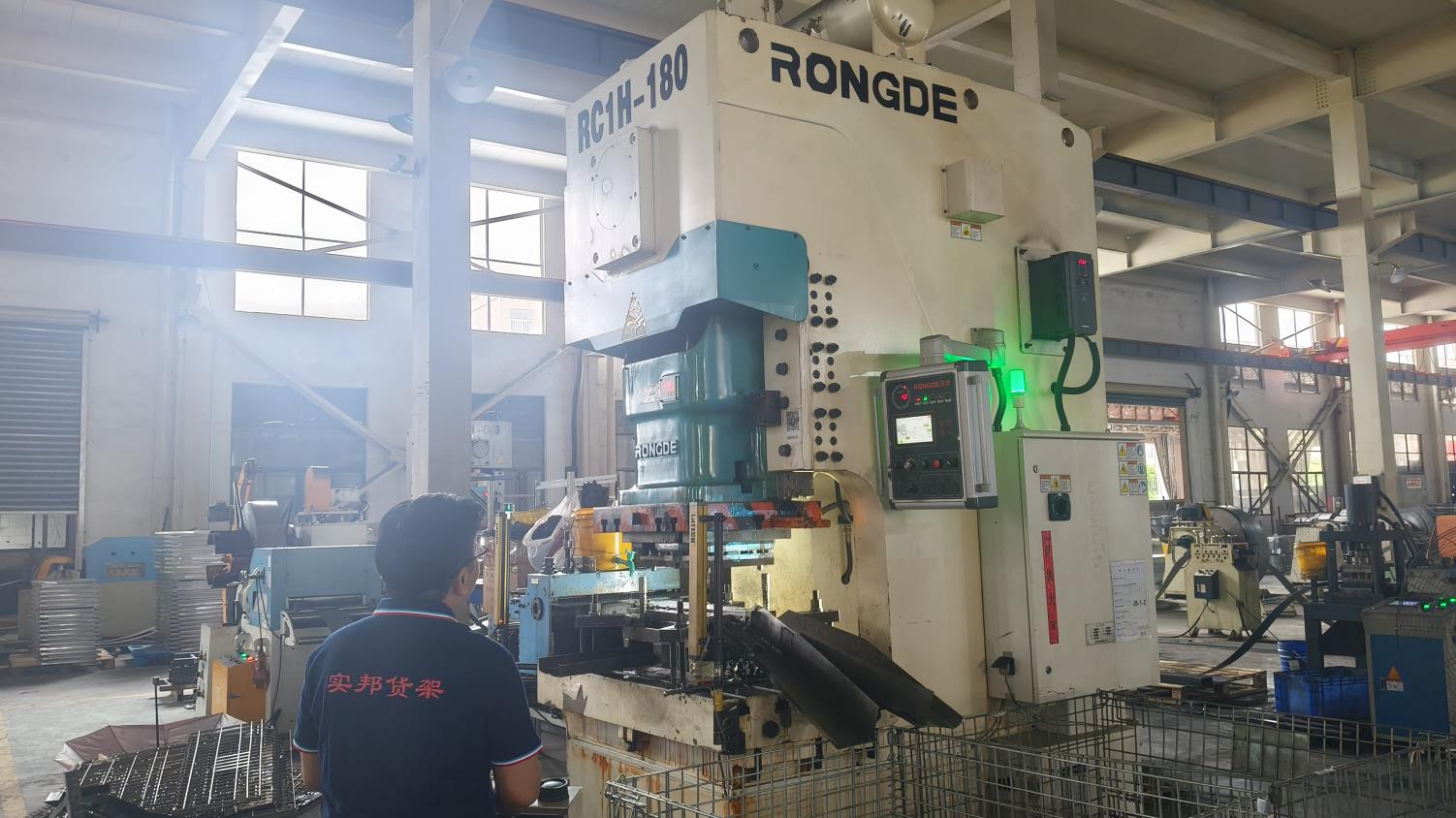
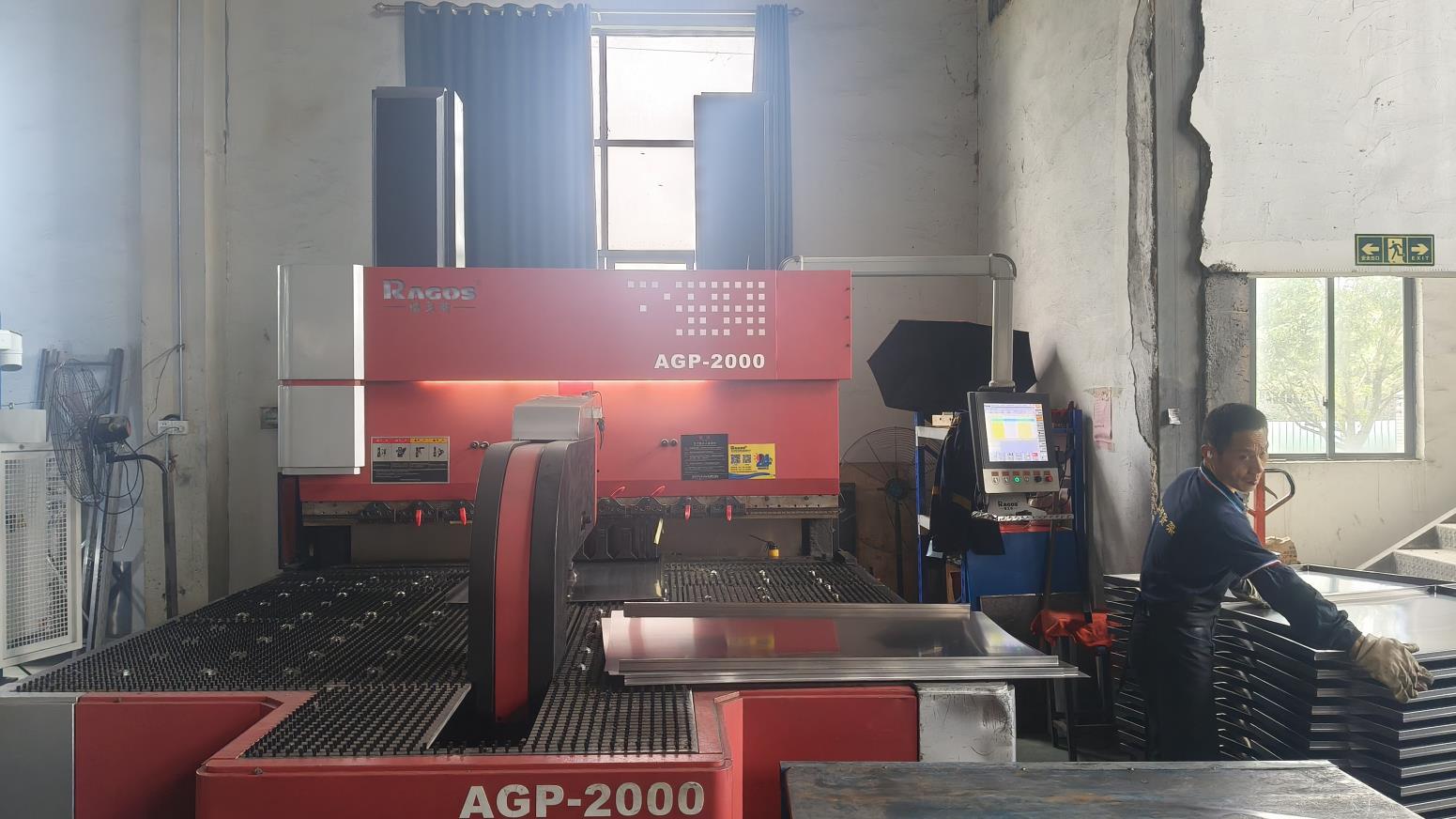
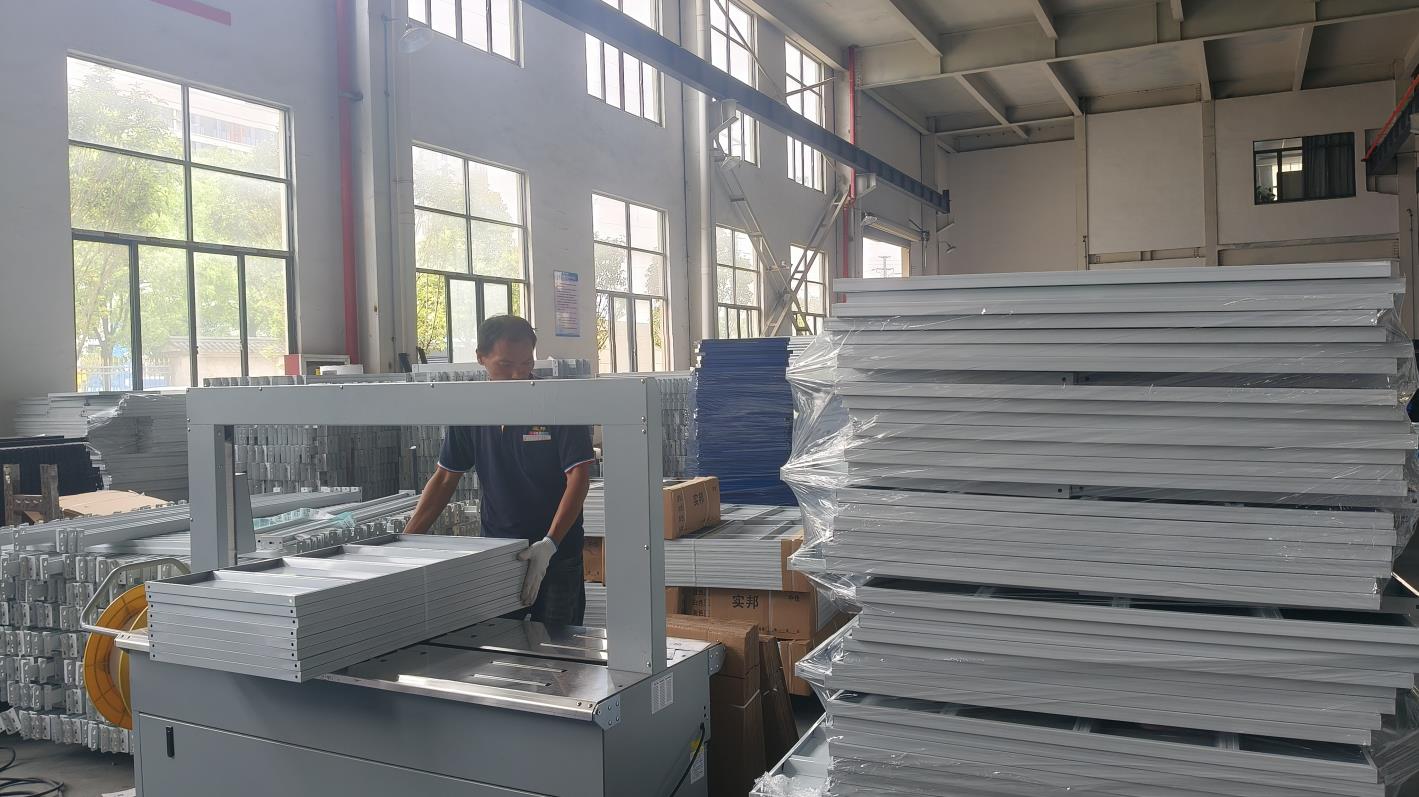
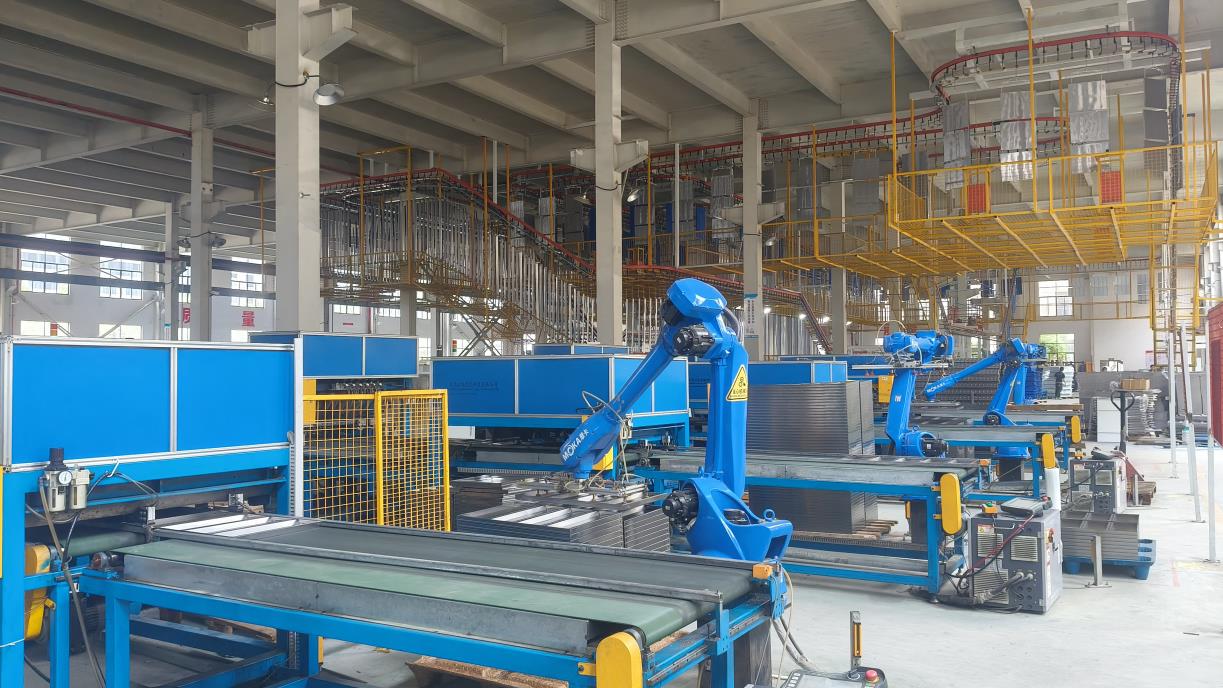
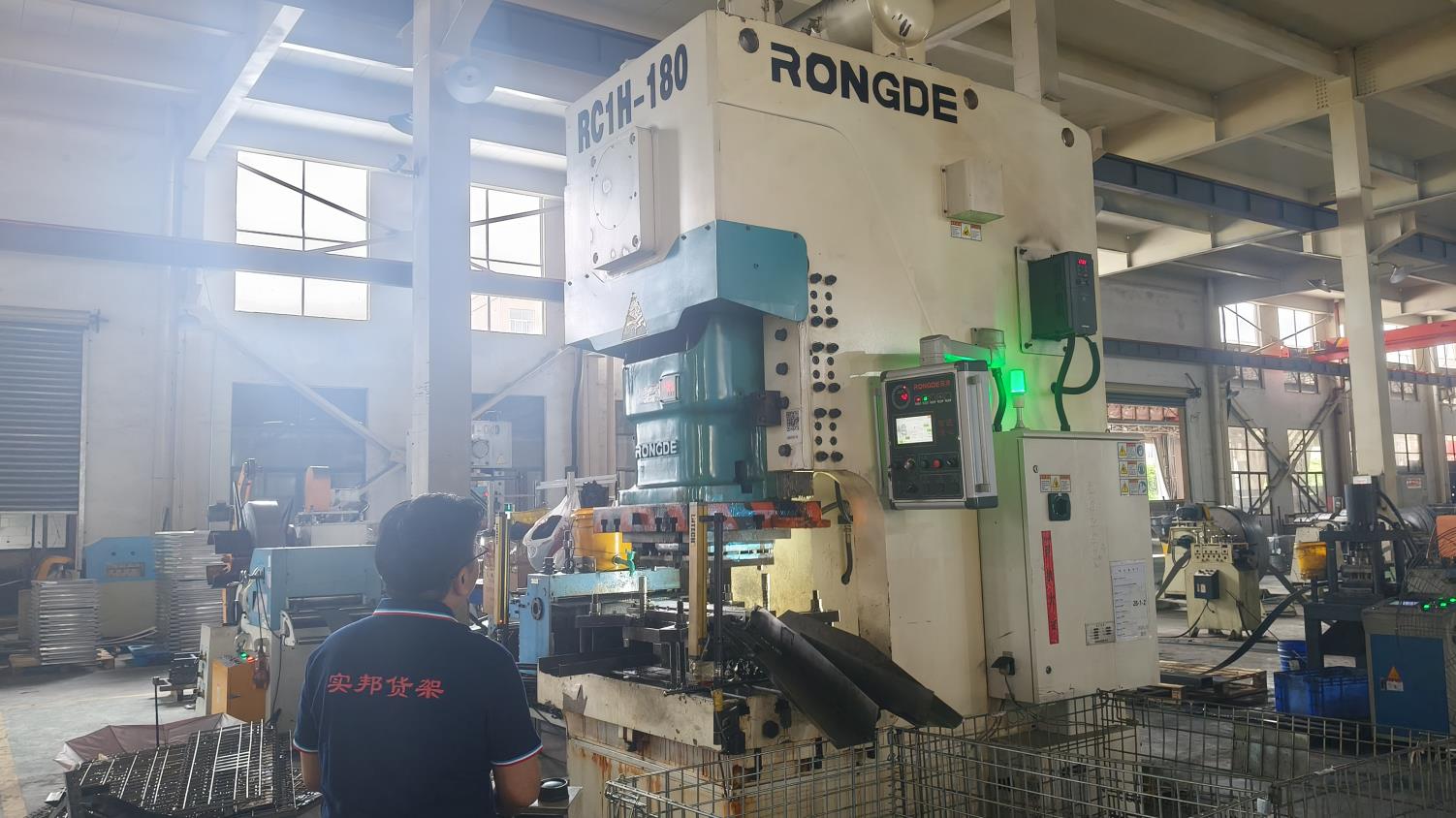
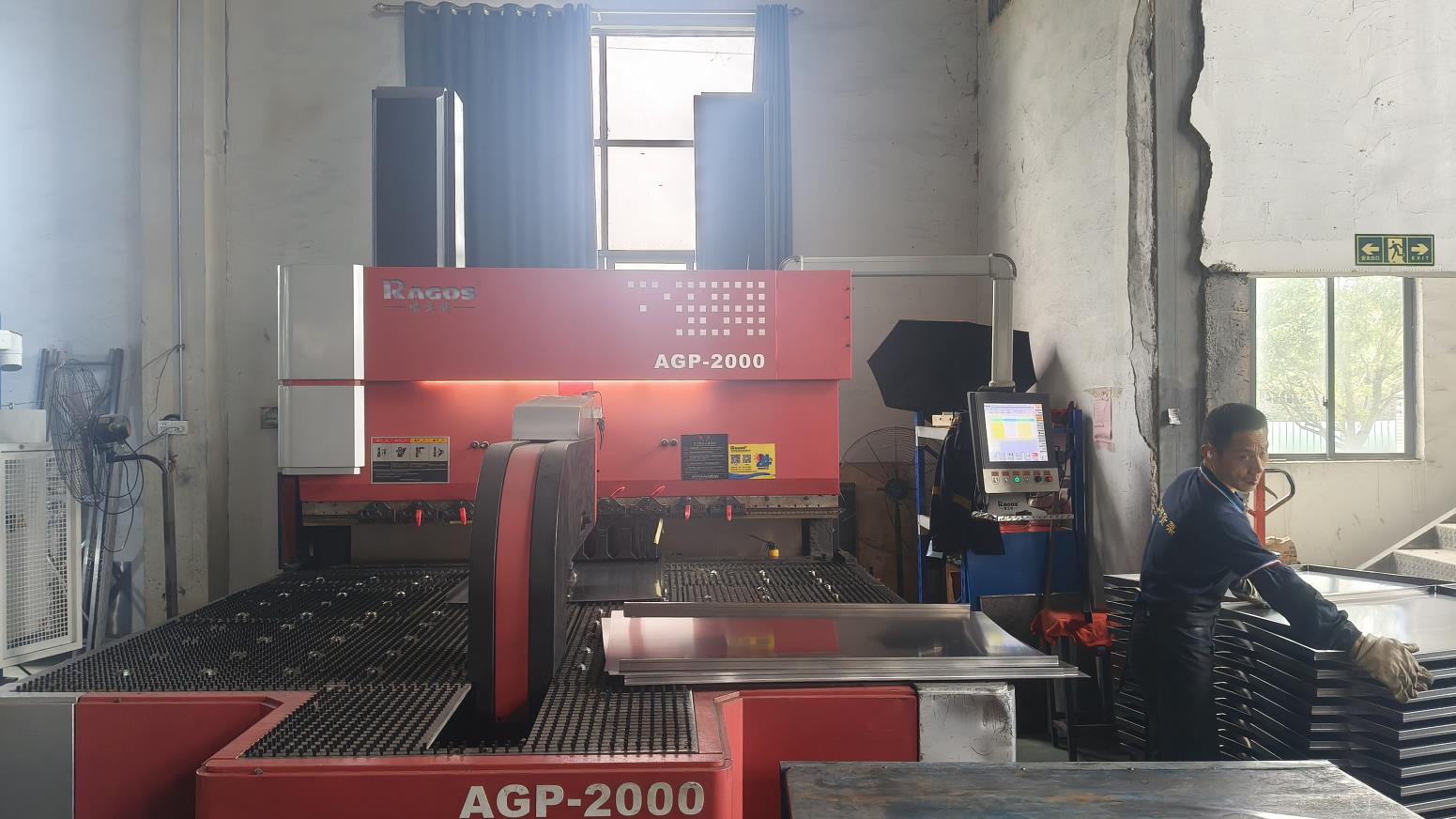
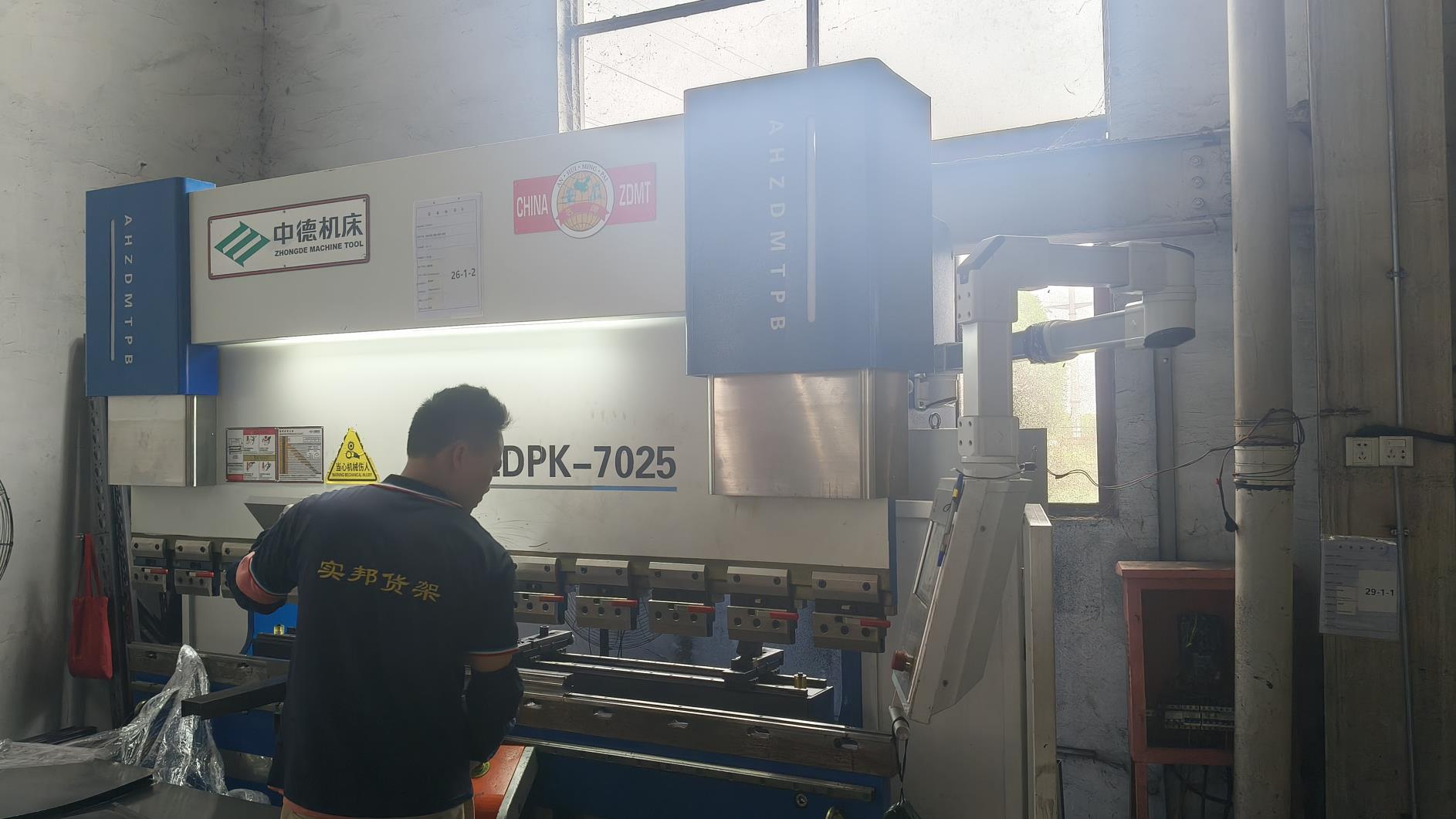
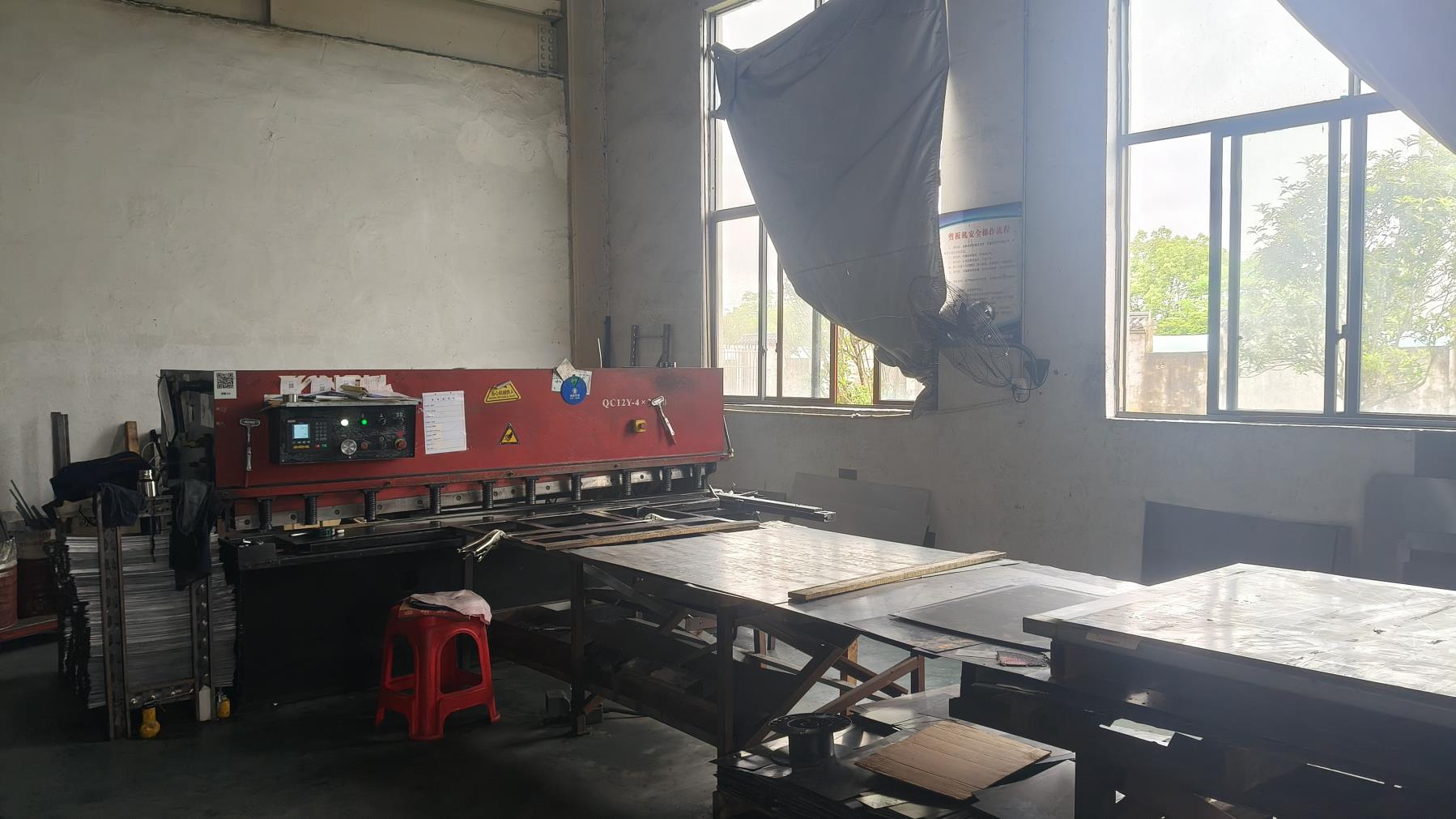
Underpinning our manufacturing scale is an advanced array of automated machinery, ensuring geometric consistency and structural safety.
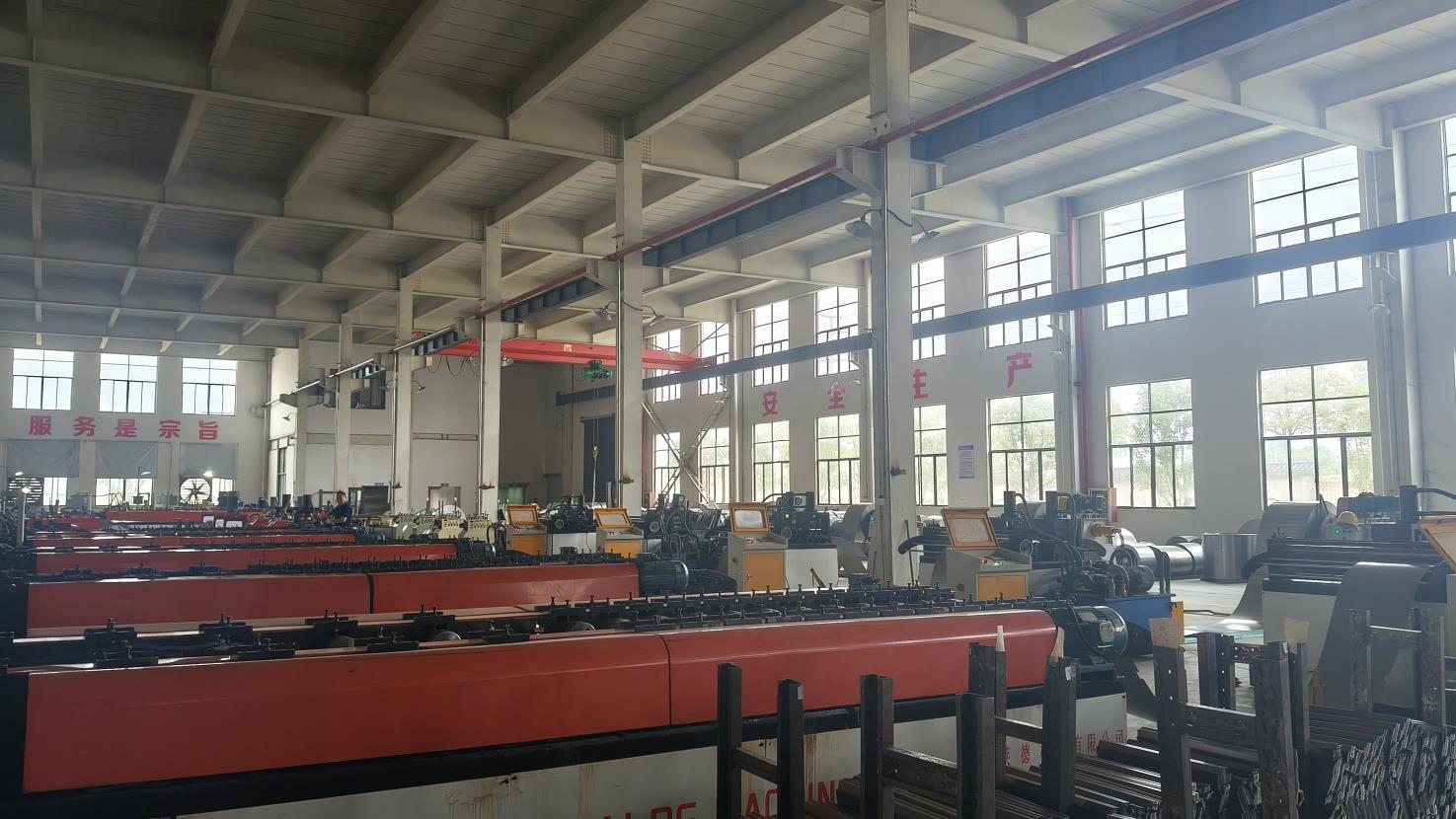
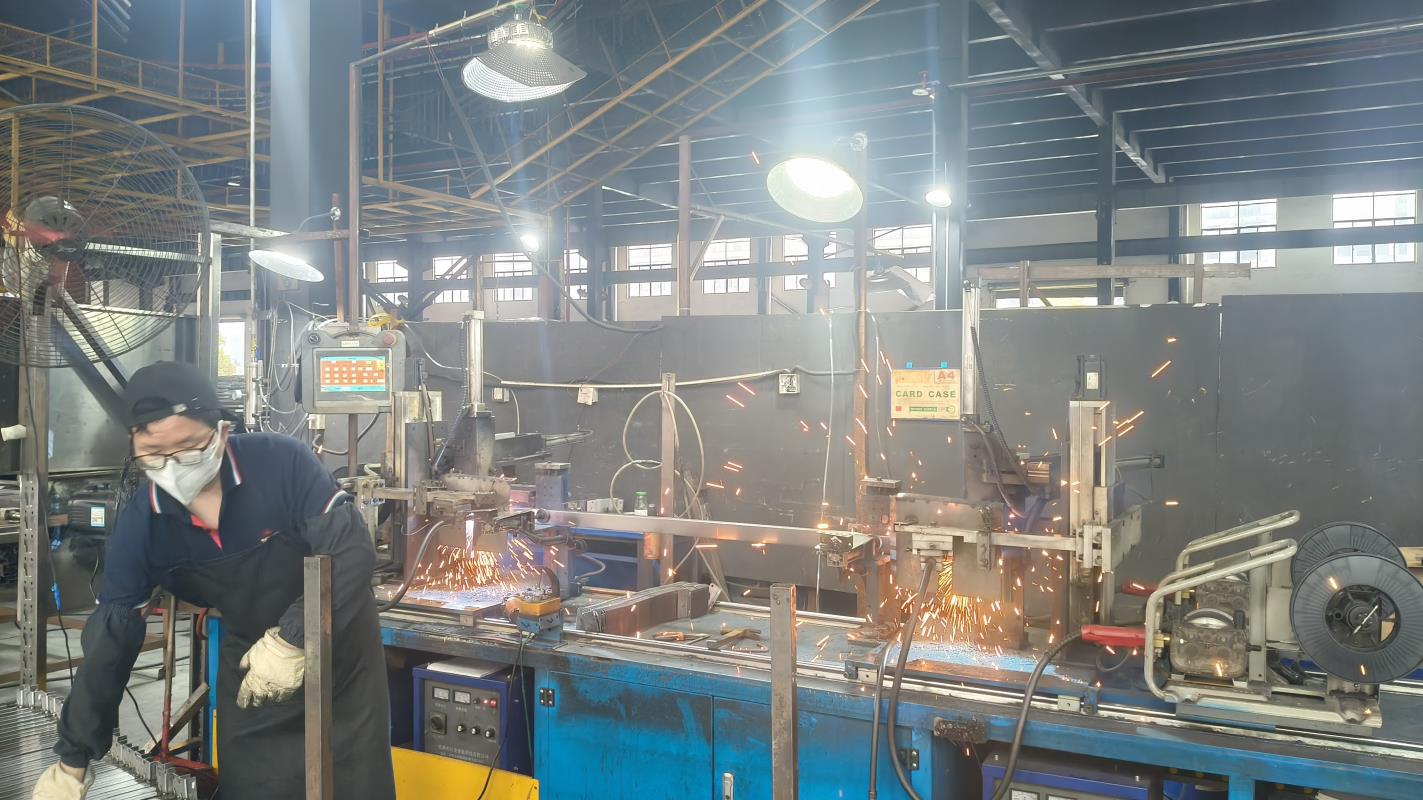
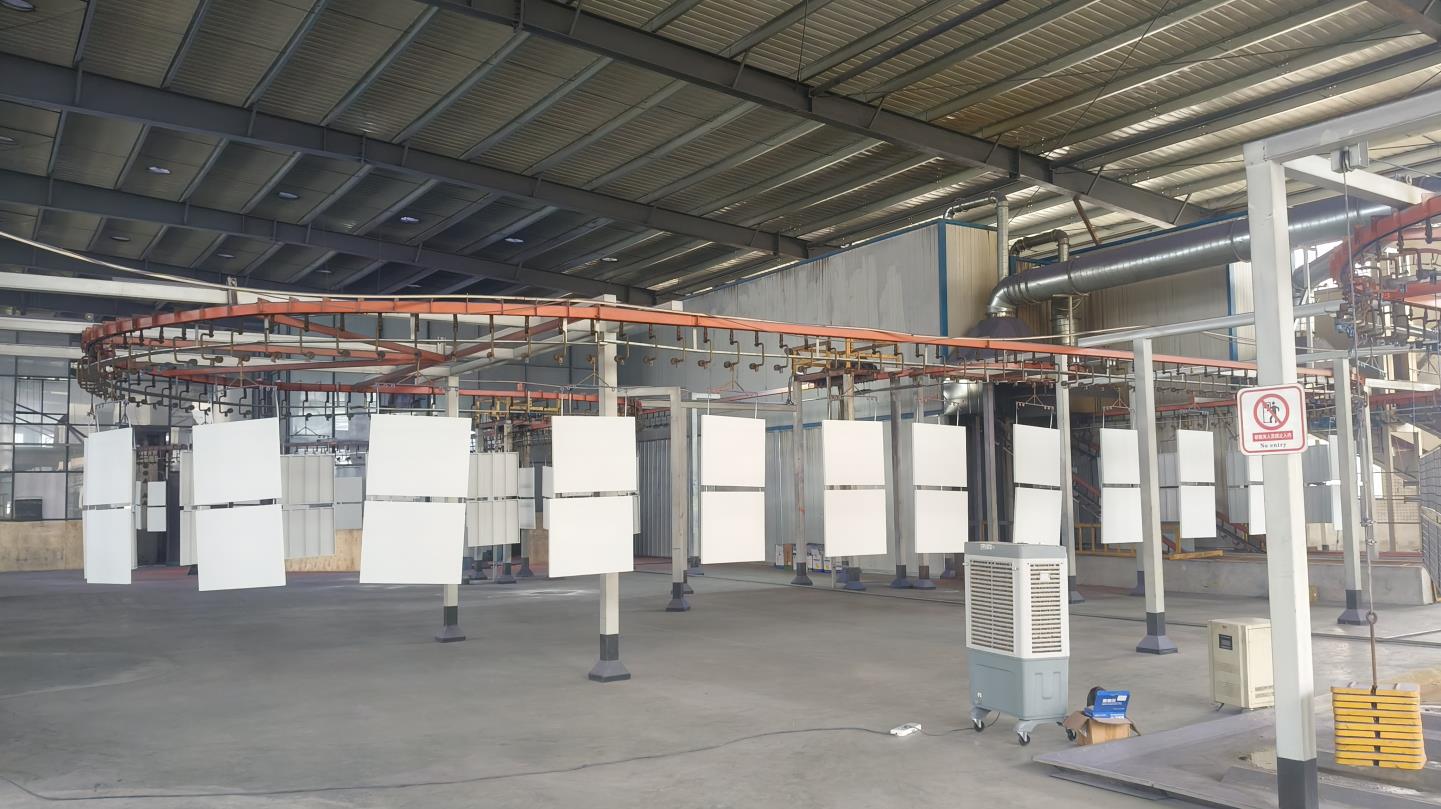
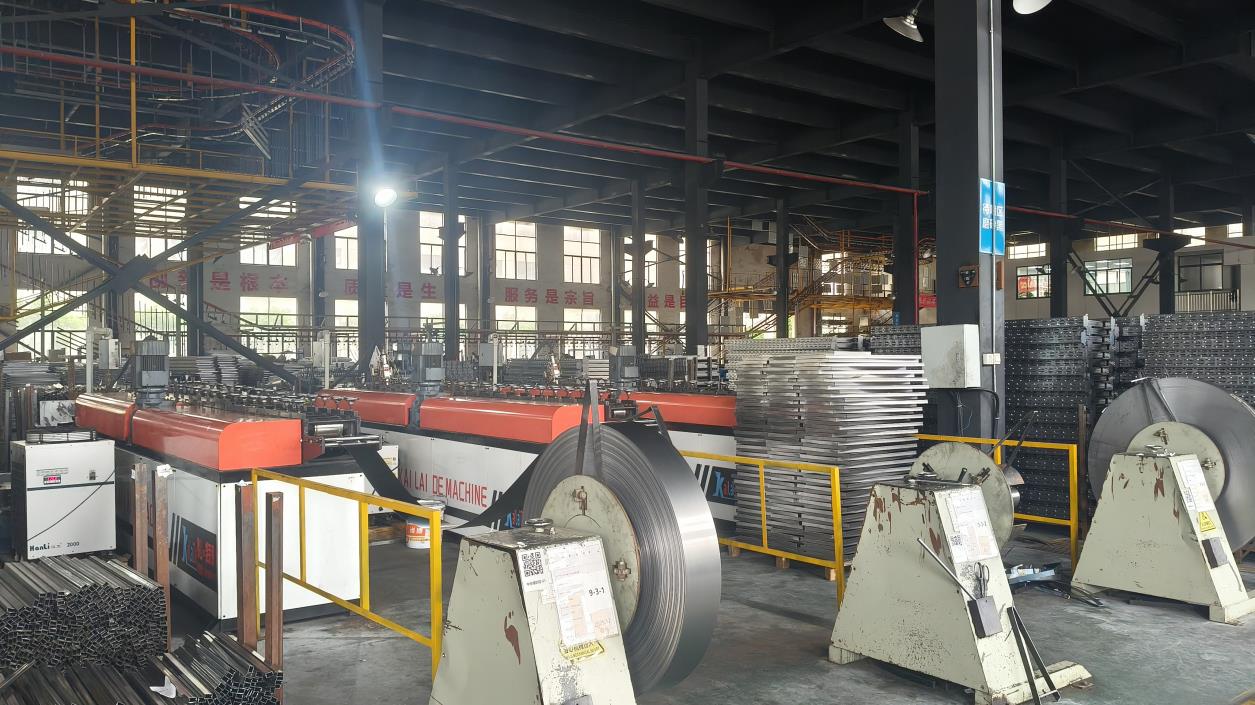
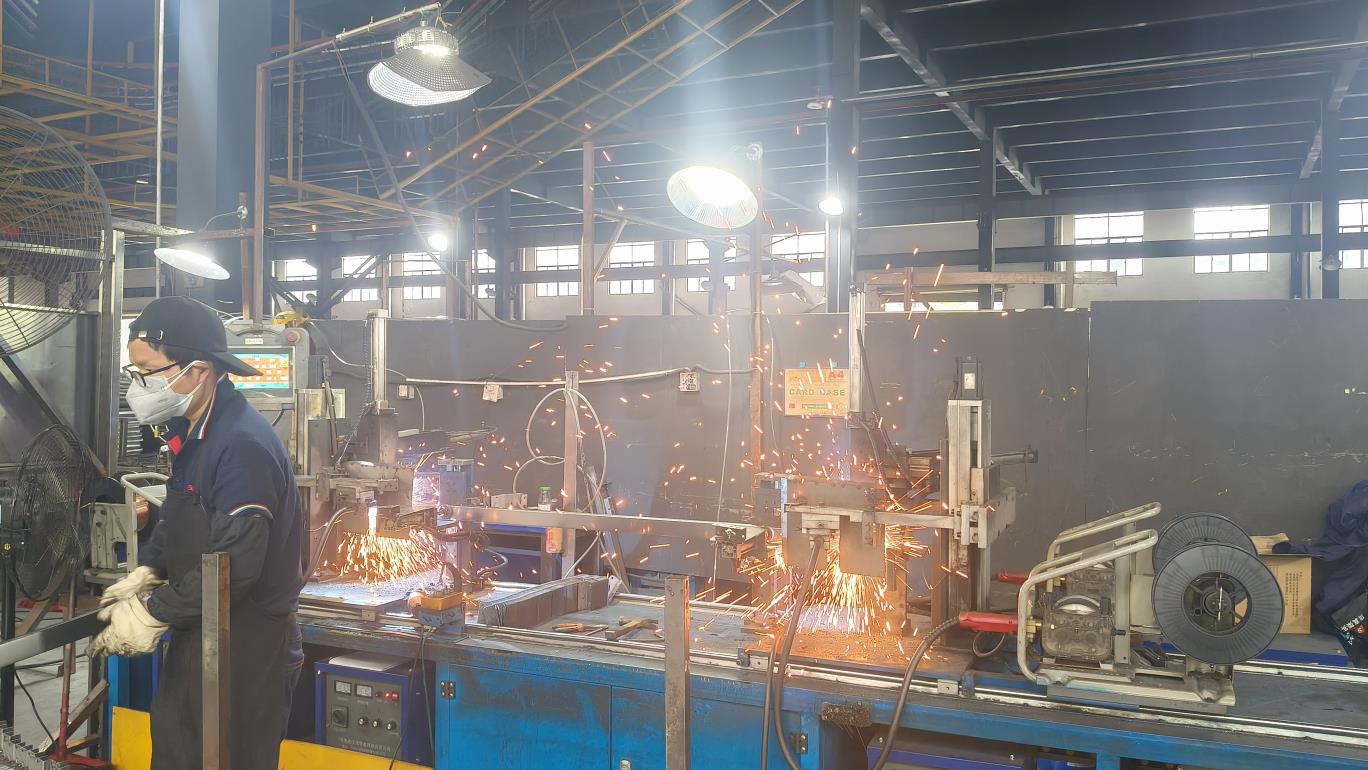
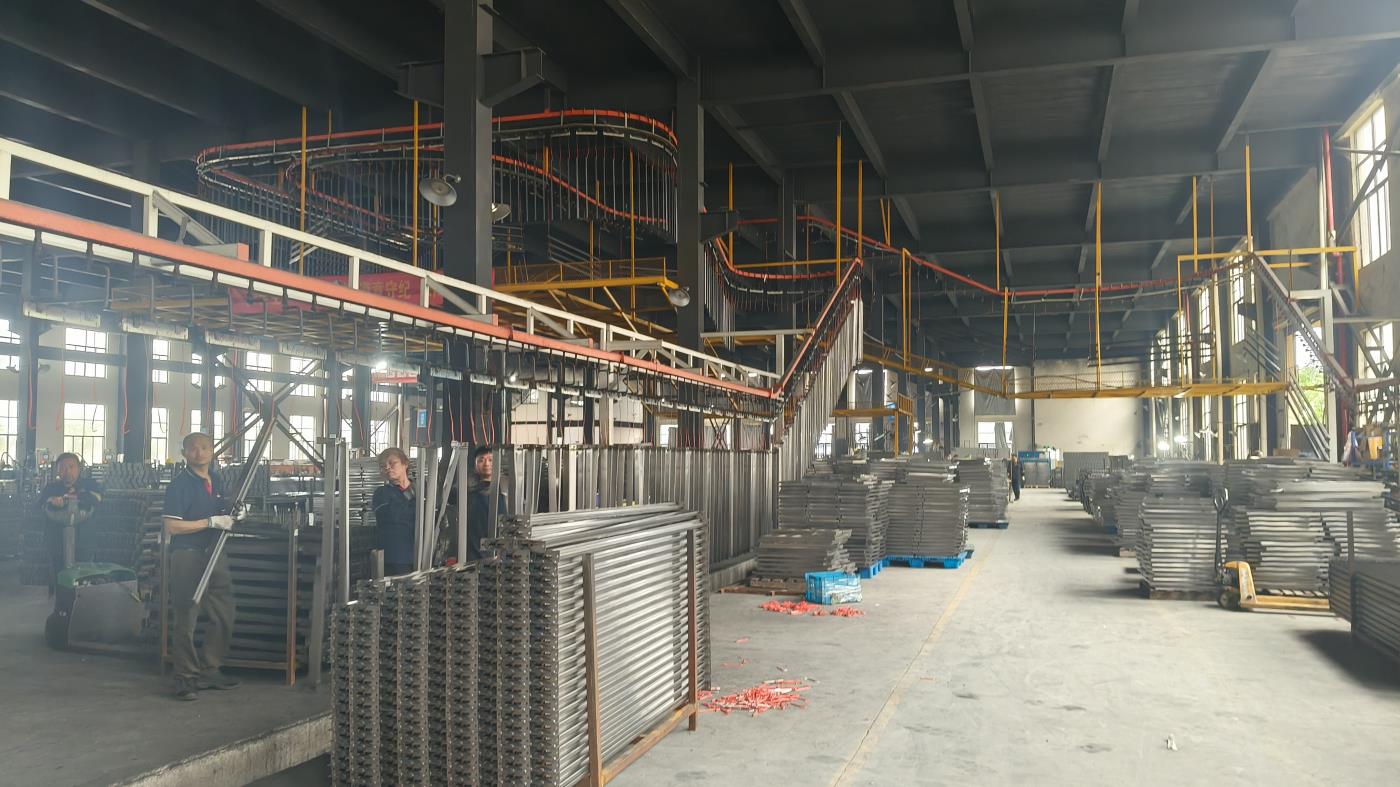
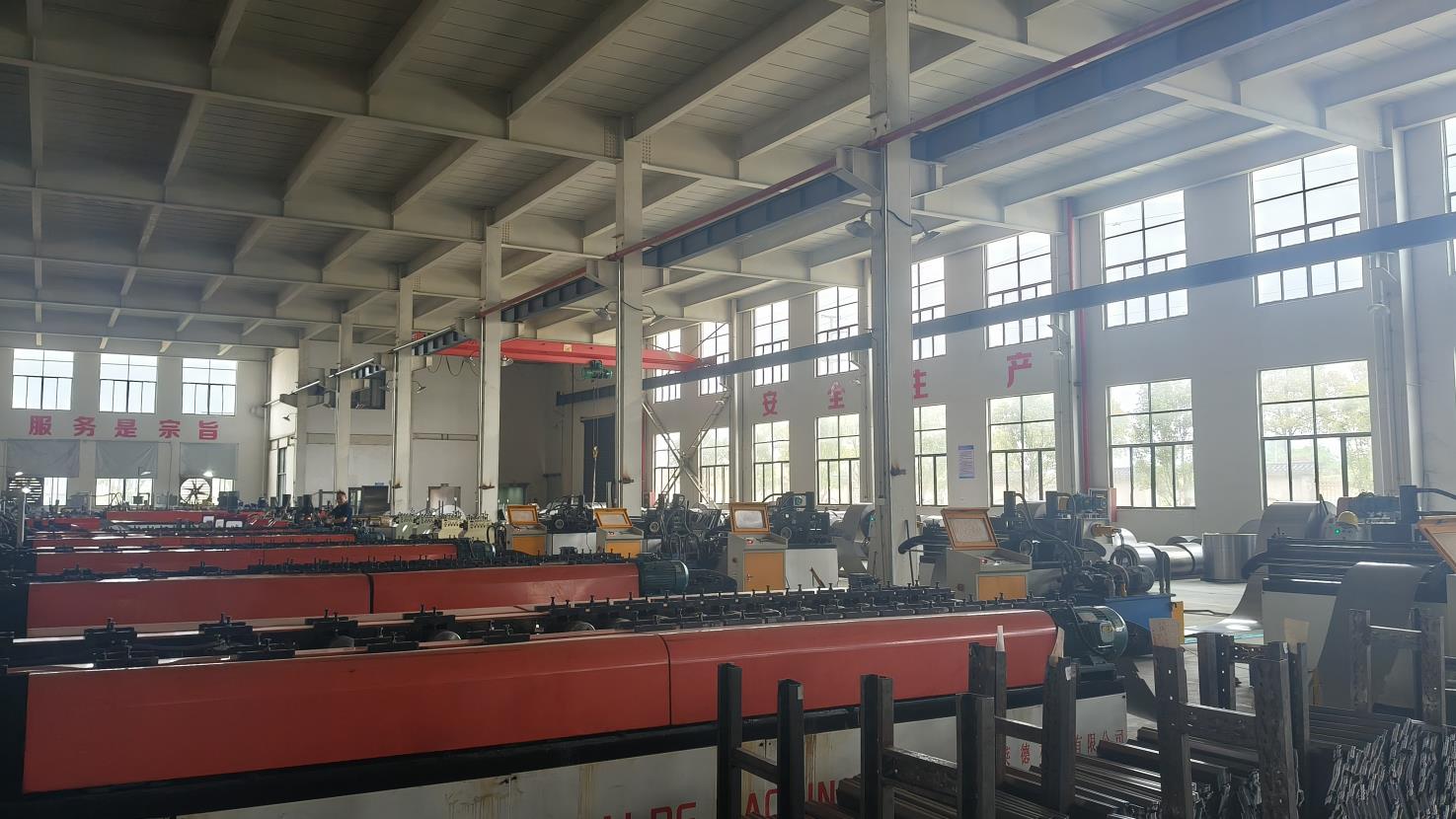
Why international procurement officers turn to Chinese industrial ecosystems to secure economic, capacity, and customization advantages.
In the procurement of industrial storage containers and heavy-duty steel shelving, cost control cannot come at the expense of safety. Chinese exporters—particularly those positioned in heavy industrial corridors such as Shenzhen and Guangdong—leverage localized supply chains that integrate primary steel processing, robotic cold-forming, automated multi-point welding, and electrolytic galvanizing lines in single, integrated regions. This geographic density drastically reduces transportation bottlenecks, allowing Shibang to source mill-certified structural steel coils and process them into finished, load-bearing wire containers with minimal material hand-offs.
Furthermore, Chinese factories have evolved past low-cost assembly lines to become leaders in industrial automation. Incorporating Japanese and European robotic welding arms ensures clean weld junctions, preventing wire decoupling under mechanical strain. Automated bending and forming machines process heavy structural sheets (up to 4.0mm thickness) with dimensional tolerances under ±0.5mm, ensuring that modular storage units lock together securely when stacked. This precision is vital for large fulfillment centers operating automated guided vehicles (AGVs) or shuttle systems, where any dimensional deviation can lead to system failures.
| Feature / Parameter | Standard Wire Mesh Cages | Shibang Heavy-Duty Custom Containers | Traditional Wooden Pallets / Crates |
|---|---|---|---|
| Load Capacity (Dynamic) | 500 kg – 800 kg | 1,000 kg – 1,500 kg | 200 kg – 500 kg (unreliable) |
| Structural Lifespan | 2–5 Years | 8–12+ Years (Hot-dip Galvanized) | Less than 1 Year |
| Collapsibility Ratio | 3:1 | 4:1 (Highly optimized design) | Fixed / Non-collapsible |
| Fire Hazard Safety | Non-combustible | Non-combustible (Zero fuel load) | Highly combustible (Increases insurance cost) |
| Material Traceability | Variable | Mill Test Certificate (MTC) Q235 Steel | Untraceable organic timber |
Tailoring structural storage profiles to meet distinct logistical and geographical environments globally.
Automotive supply chains require zero tolerance for component scratching, rust, or impact damage. Shibang’s customized mesh containers feature inner plastic lining options (corrugated PP sheets) alongside heavy-duty polyurethane caster bases. This allows operators to tow multiple units containing heavy cast engine mounts or transmission boxes across the factory floor, directly linking assembly lines with component staging zones.
With high SKU rotation rates, fulfillment centers require high visual inventory visibility to optimize packing workflows. The wire mesh structure enables scanning devices and warehouse staff to verify products inside cages from distances of over 10 meters without opening the unit. Half-drop gates allow operators to pull items while cages remain vertically stacked.
Under sub-zero temperatures (down to -40°C), traditional carbon steel becomes brittle, and standard powder coatings crack, exposing raw iron to moisture and accelerating rust. Shibang handles this using hot-dip galvanized wire baskets. By immersing the clean steel structure in a bath of molten zinc at approximately 450°C (840°F), we form a multi-layered zinc-iron alloy coating. This metallurgical bond provides robust cathodic protection, ensuring rust-free service for over a decade in high-moisture freezing chambers.
In agriculture, crop storage requires continuous ventilation to prevent mold, decay, and moisture buildup. The open grid design of our wire mesh cages allows for constant airflow, preserving raw agricultural goods during transit. For retail display and stockroom logistics, collapsible caster-mounted bins streamline stock replenishment, reducing double-handling from distribution centers to the retail floor.
A professional buyer's checklist for evaluating raw materials, structural engineering, and future-proofing warehouse infrastructure.
Procuring material handling equipment requires a balance of short-term cost efficiency and long-term durability. Quality issues like sagging bases, weld detachment, and coating failure often appear 6 to 12 months post-deployment. To avoid these issues, B2B procurement managers should evaluate three primary engineering parameters:
Wire thickness determines structural load rating. Industrial cages typically feature wire diameters from 4.8mm to 6.2mm. Standard meshes range from 50x50mm to 100x100mm. Selecting the correct ratio of mesh grid size to wire diameter ensures maximum load distribution and prevents point-load deformities.
The primary point of failure under load is the bottom channel. Standard containers feature cold-rolled U-channels welded to the bottom grid. Heavy-duty applications require structural channels with thickness exceeding 2.0mm. This reinforces the base, preventing structural deflection when stacked under load.
Safe vertical stacking relies on heavy-duty stacking feet. The feet must be flared and engineered with self-centering geometries to ensure secure stacking up to four units high, even under slight structural shifts.
Looking ahead, storage cages are evolving to integrate with automated warehouses. Standard metal storage units are now designed to support RFID transponders and IoT tracking devices, giving supply chain managers real-time inventory visibility. Additionally, manufacturers are engineering cages with standardized base dimensions to ensure compatibility with automatic conveyor rollers and automated forklift systems.
Technical and logistical insights to assist global buyers in streamlining customization and sourcing decisions.
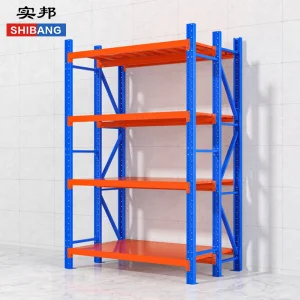
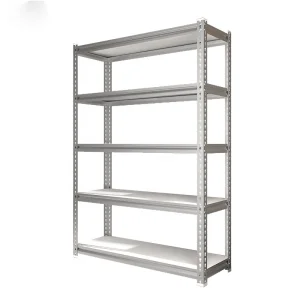
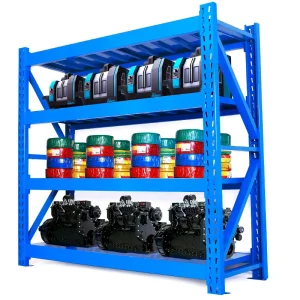
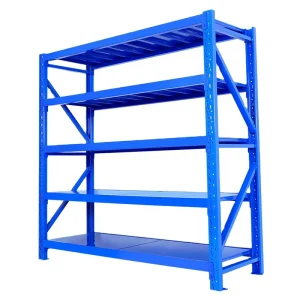
Commercial-grade shelving and high-capacity storage racks designed to maximize vertical warehouse space and improve picking efficiency.
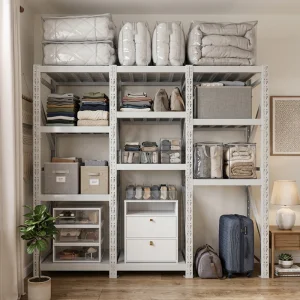
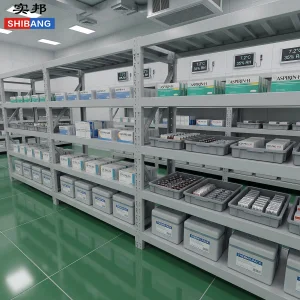
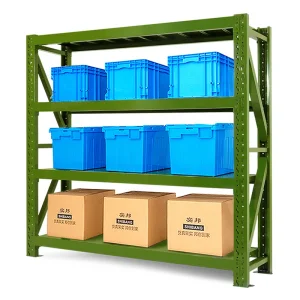
 Shibang Steel