Explore our core range of heavy-duty industrial racking configurations, accessories, and dynamic storage designs optimized for maximum space utilization.
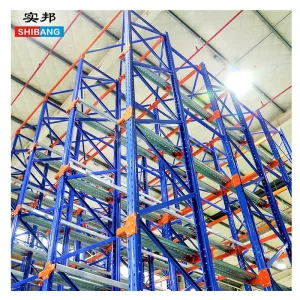
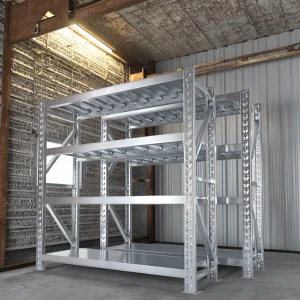
Analyzing the shift from static selective storage to automated shuttle systems in modern industrial networks.
In the contemporary logistical landscape, land constraints, rising warehouse footprints, and skyrocketing labor costs are driving a global transformation. Traditional selective pallet racking, while flexible, fails to optimize vertical and volumetric space efficiency. This has catalyzed the rapid integration of semi-automated and automated systems—foremost among which is the Pallet Rack Radio Shuttle System.
Globally, the radio shuttle rack market has experienced double-digit compound annual growth (CAGR). Industries such as Cold Chain Distribution, Third-Party Logistics (3PL), Food and Beverage processing, and Fast-Moving Consumer Goods (FMCG) have transitioned away from standard drive-in systems. Drive-in systems, while dense, present significant operational limitations, such as forklift damage hazards, slow material retrieval, and rigid LIFO (Last-In, First-Out) operations. In contrast, Pallet Shuttle Technology decouples forklift positioning from high-density storage tunnels, allowing the shuttle runner to handle deep-lane positioning with zero forklift penetration.
Information Gain Insight: The structural efficiency of a Radio Shuttle Rack lies in its structural safety index. By preventing forklifts from physically entering the storage lanes, structural upright wear is reduced by over 90% compared to traditional drive-in racking. This dramatically extends the system's operational lifespan while ensuring a much safer environment for facility personnel.
Today's warehousing environment requires agility. The next-generation shuttle racking systems are moving toward seamless integration with Warehouse Management Systems (WMS) and Warehouse Control Systems (WCS). We are observing several major industrial trends:
A trusted manufacturer specializing in industrial racking systems and customized warehouse storage solutions.
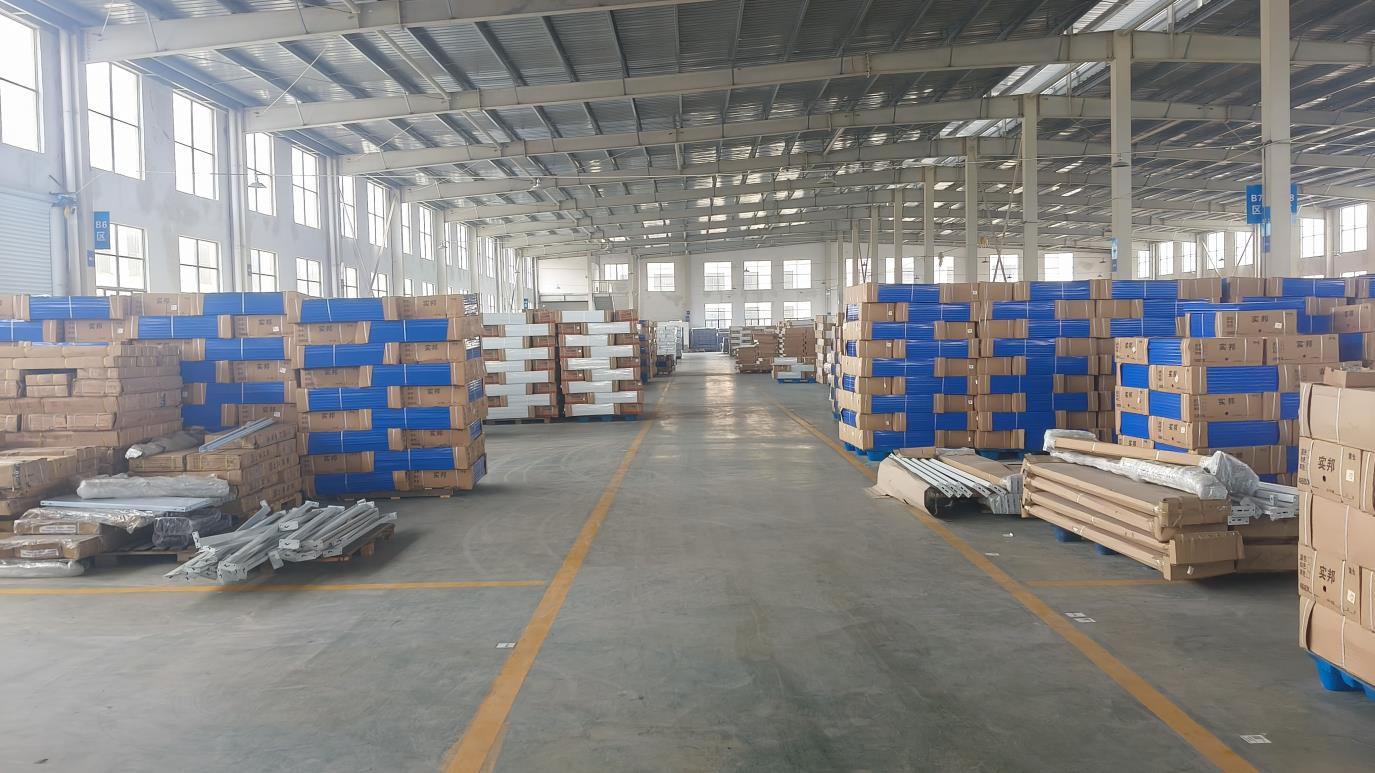
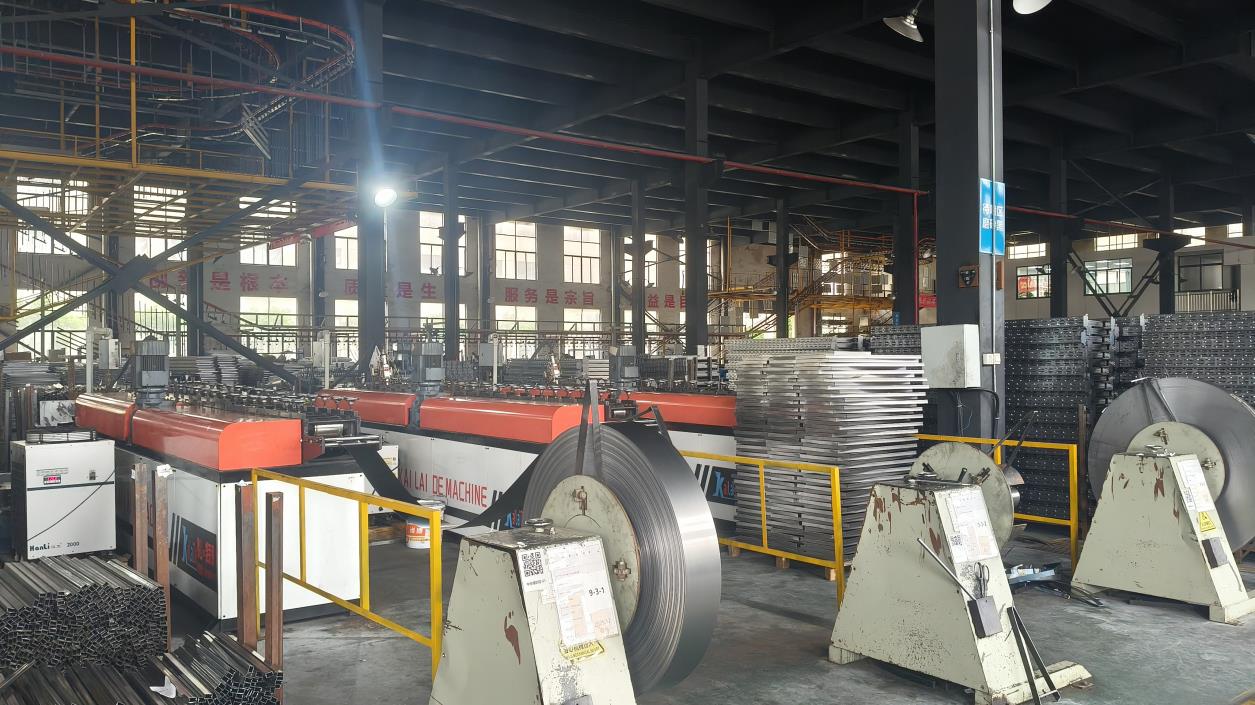
Established in 2015, Shenzhen Shibang Storage Rack Co., Ltd. is a leading manufacturer specializing in industrial racking systems and customized warehouse storage solutions. Operating from a modern production facility spanning 32,000 square meters, we integrate structural design, precision manufacturing, and international trade to serve a diverse global client base.
With over 12 years of industry expertise and 8 years of dedicated export experience, our products are distributed across North America, Europe, Australia, and Southeast Asia. We primarily partner with industrial distributors, third-party logistics (3PL) providers, e-commerce fulfillment centers, and large-scale manufacturing enterprises. Supported by a robust network of over 800 supply chain partners, we ensure consistent raw material quality and efficient production timelines.
Quality control and technological innovation form the core of our operations. Our dynamic R&D team consists of 18 senior engineers, supported by 35 dedicated QC professionals. We implement rigorous product inspection protocols—including raw steel tensile testing, automated ultrasonic weld checking, static and dynamic load testing, and powder-coating salt spray endurance tests—ensuring compliance with international safety and durability standards. In the past year alone, our R&D unit successfully introduced 45 new product designs and structural optimizations.
We offer full structural customization options, providing tailored loading capacities, height configurations, beam profiles, and surface finishes (powder coating and hot-dip galvanizing) to meet exact warehouse specifications. Guided by engineering precision and trade reliability, Shenzhen Shibang Storage Rack Co., Ltd. continues to deliver safe, scalable, and optimized storage solutions for modern global supply chains.
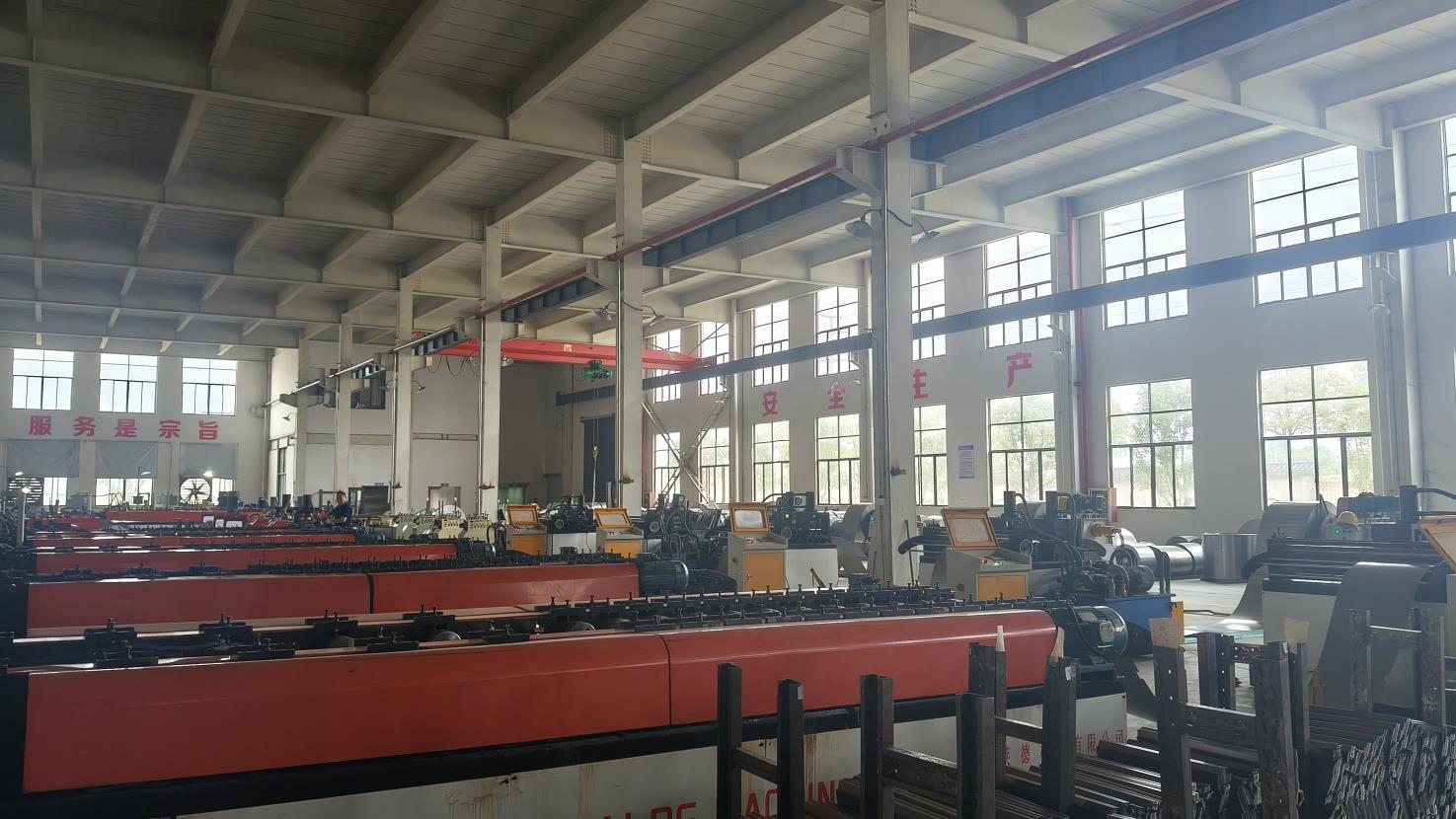
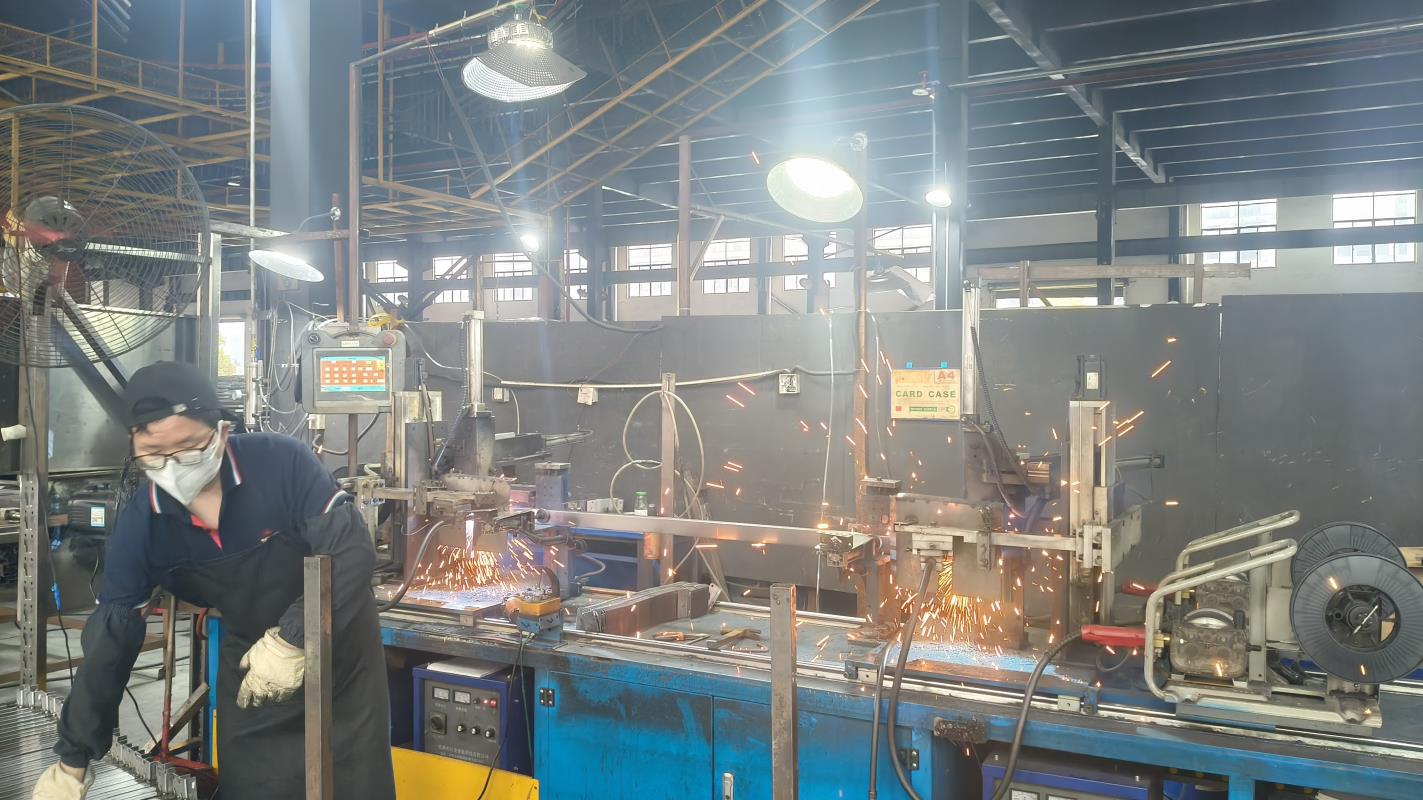
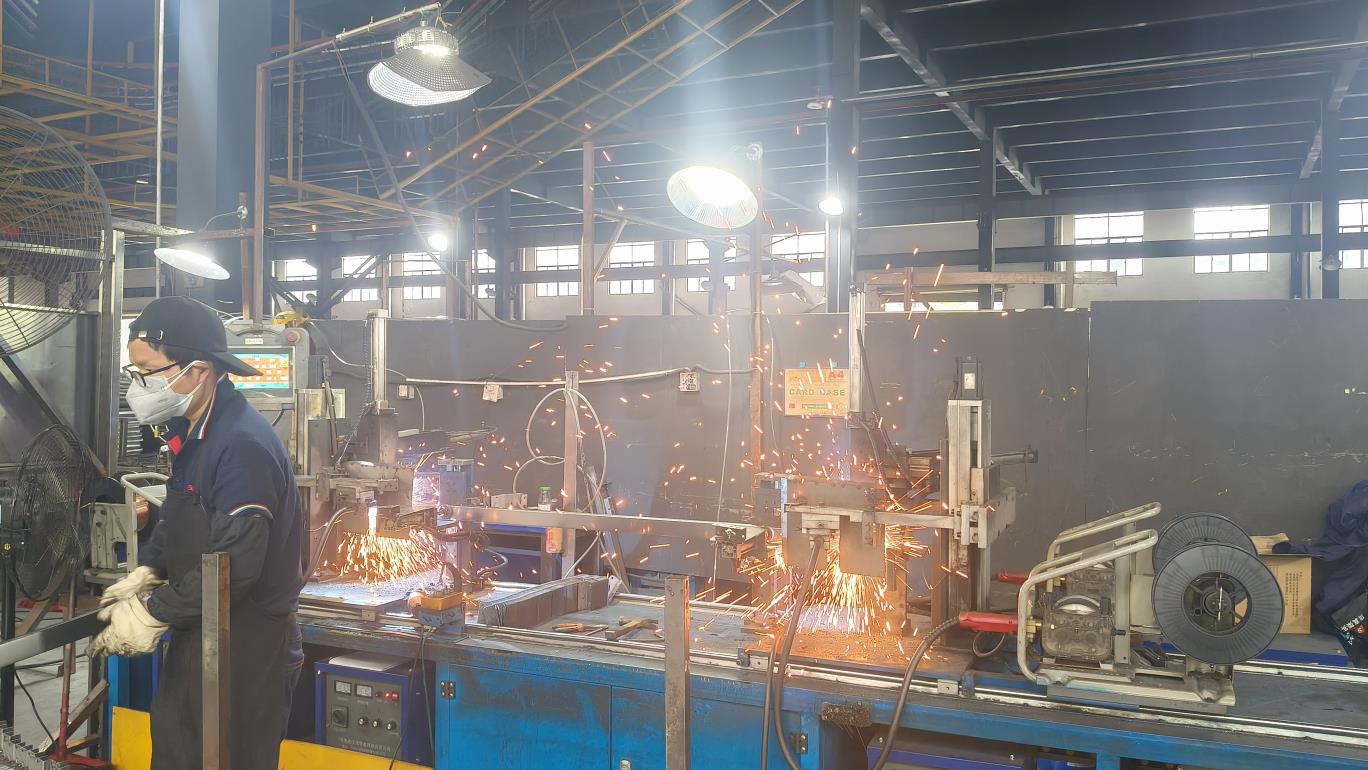
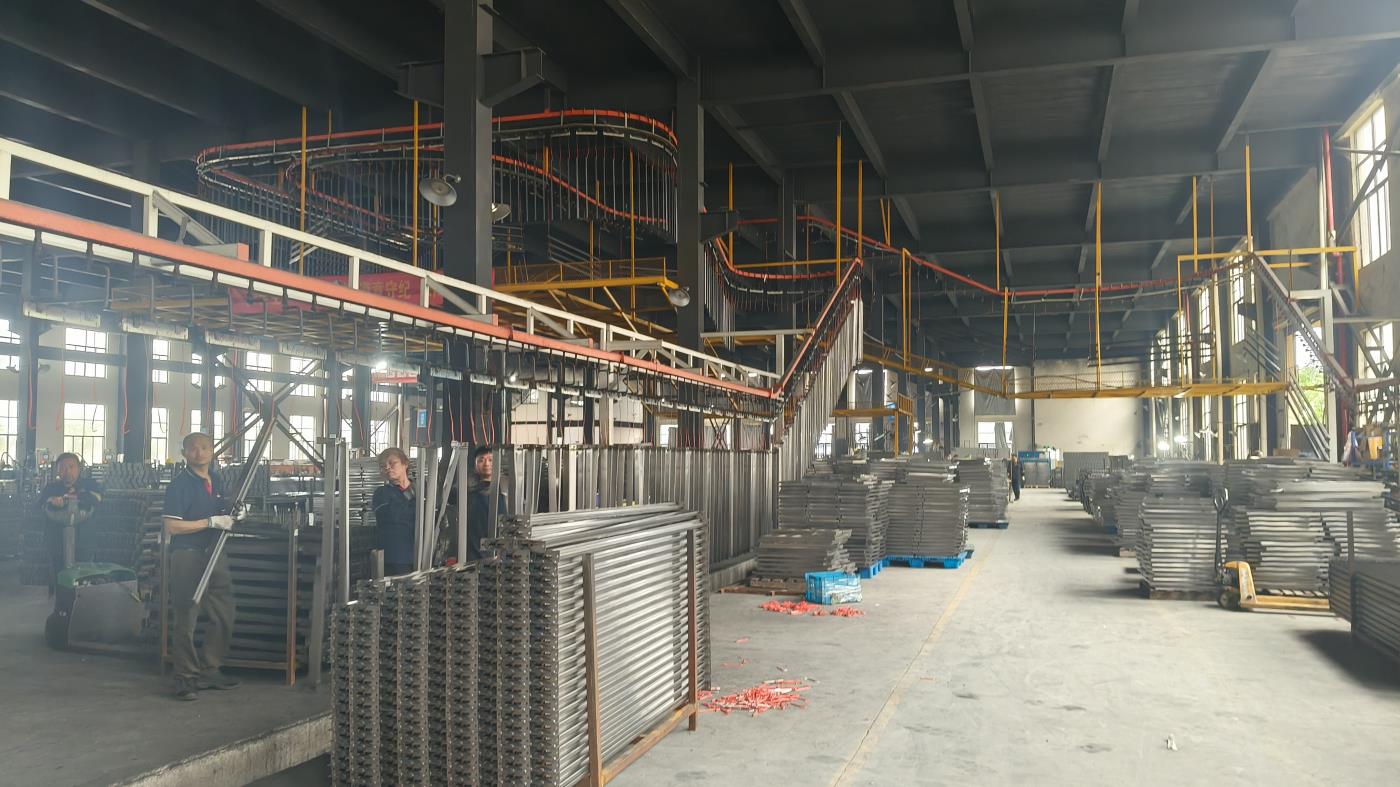
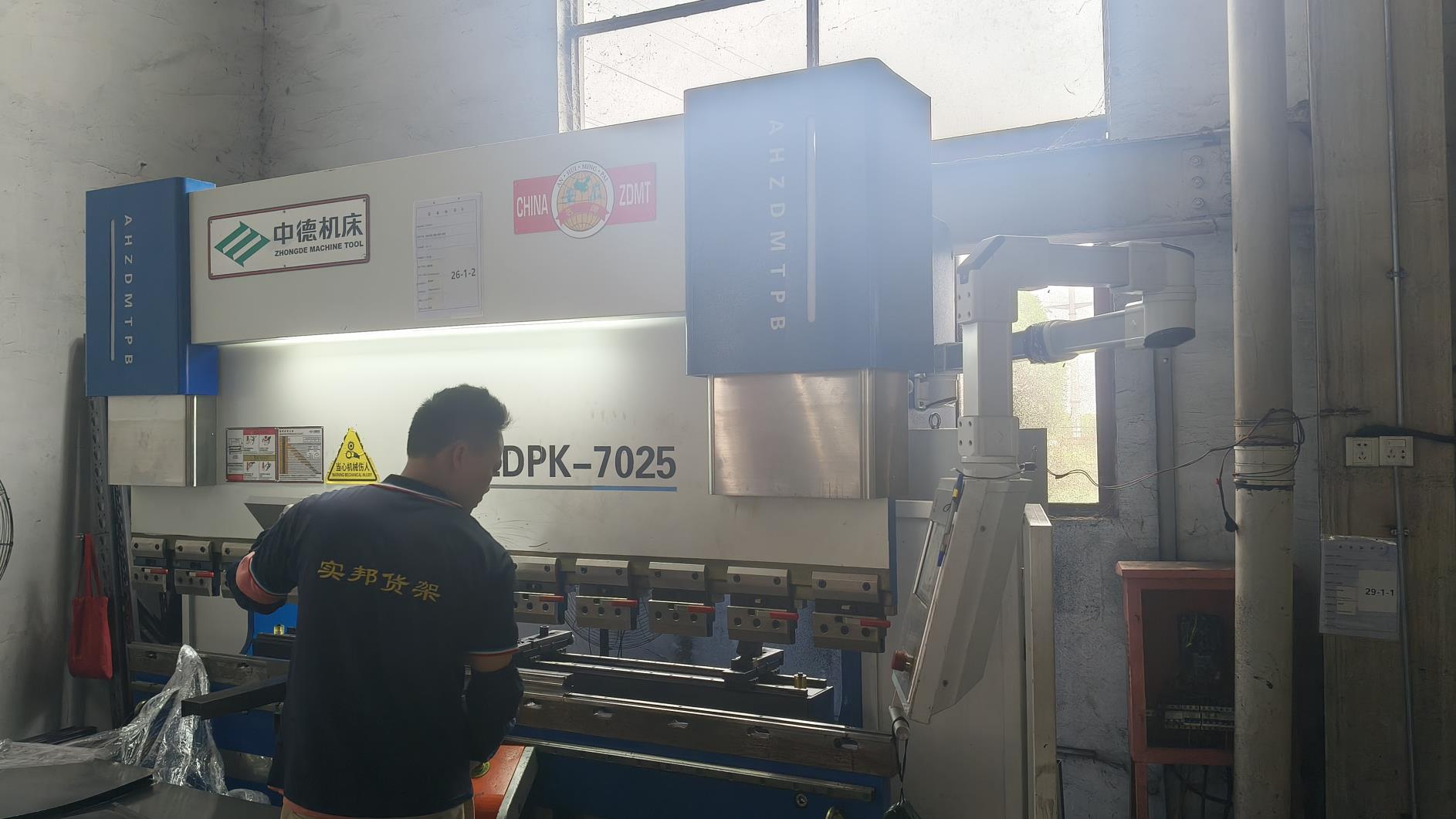
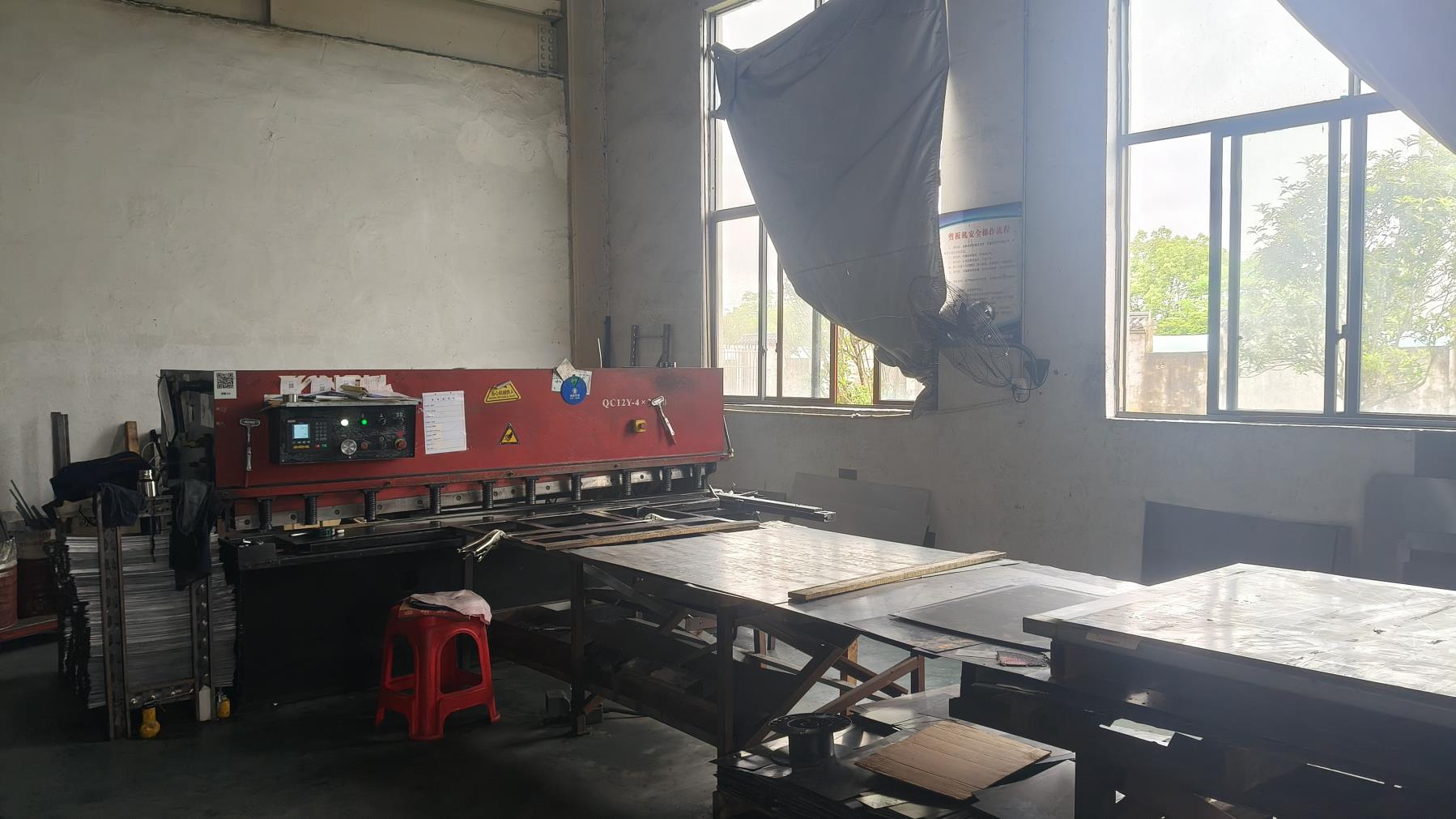
A closer look inside our 32,000 square meter factory floor, highlighting automated forming, bonding, painting, and quality assurance stations.
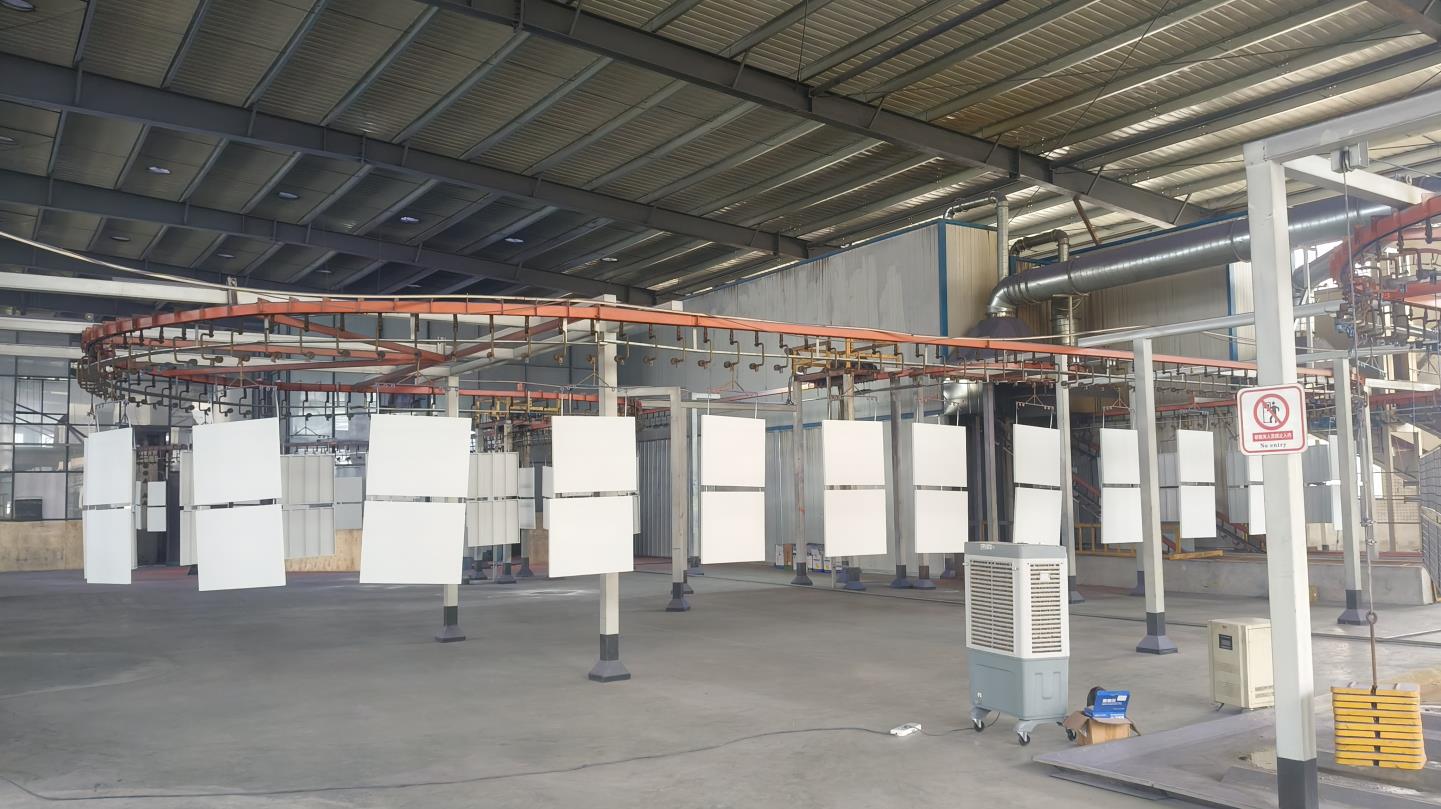
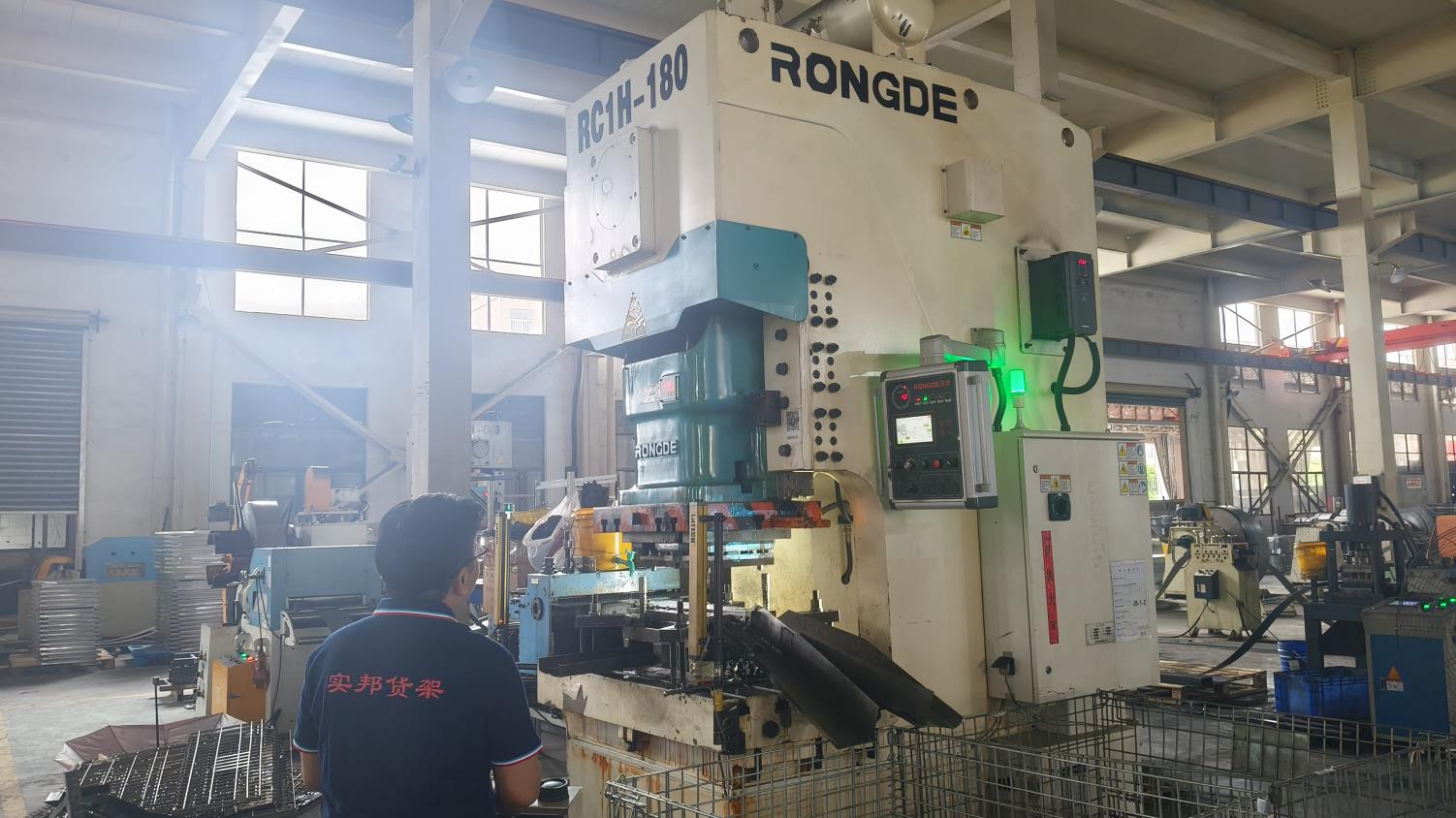
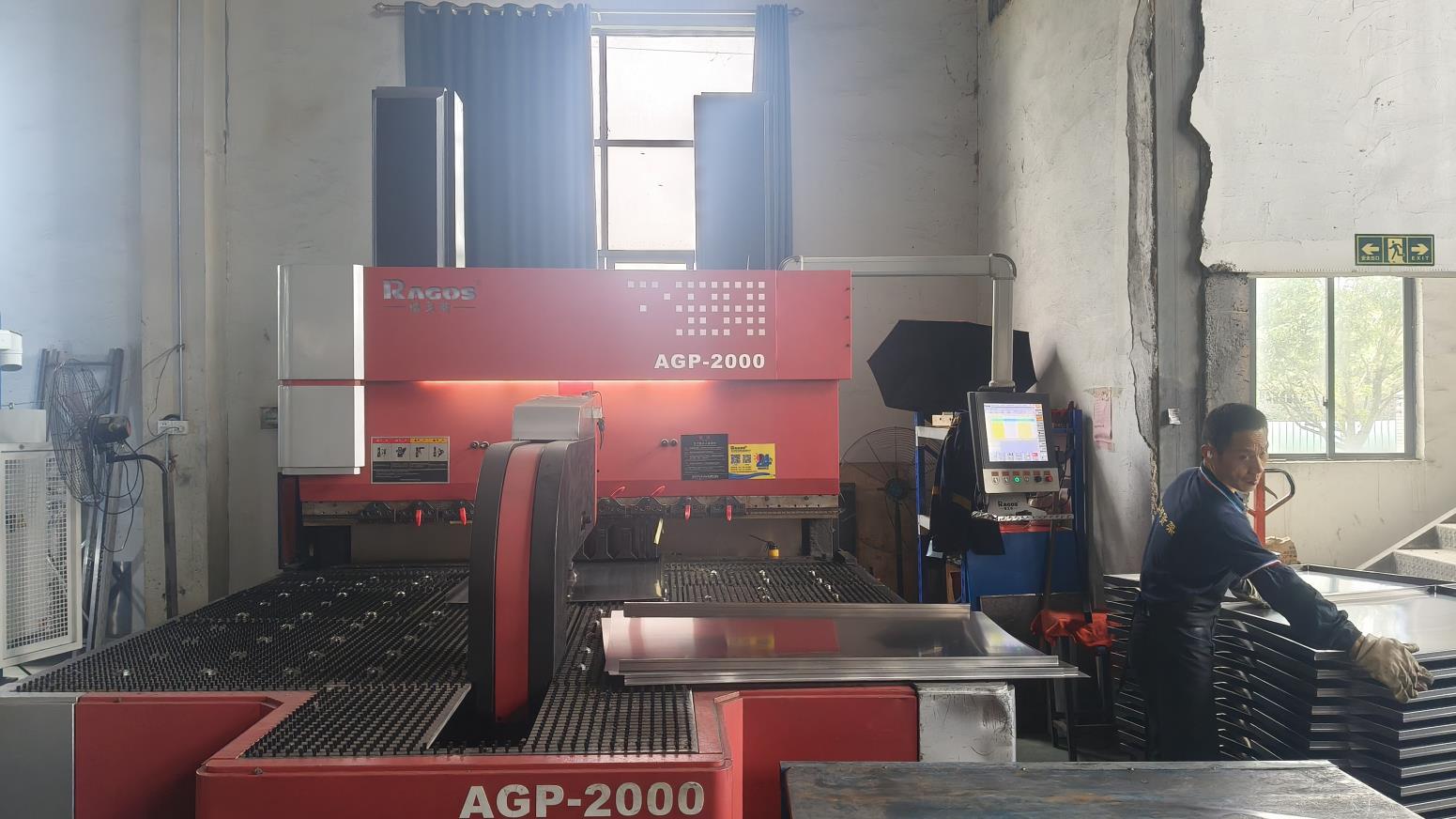
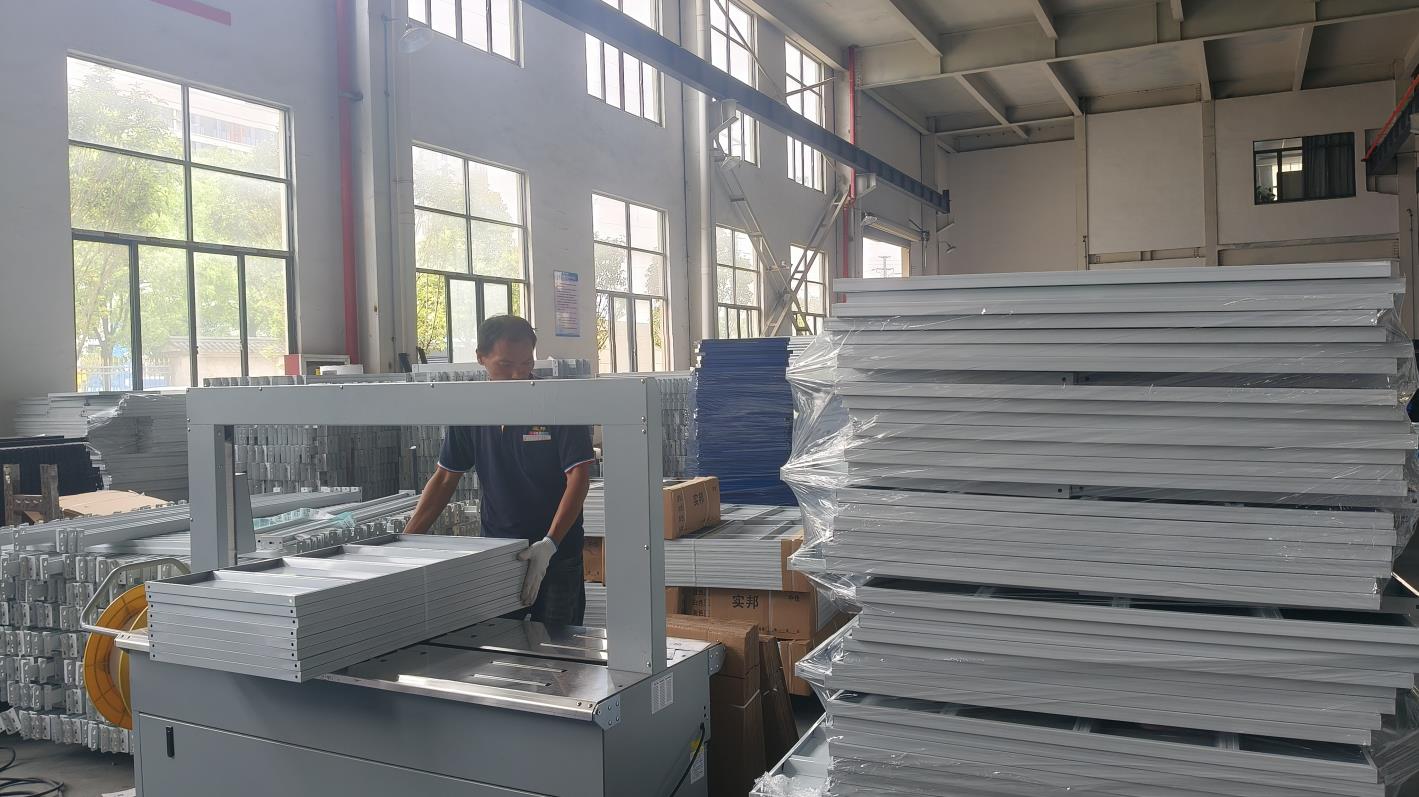
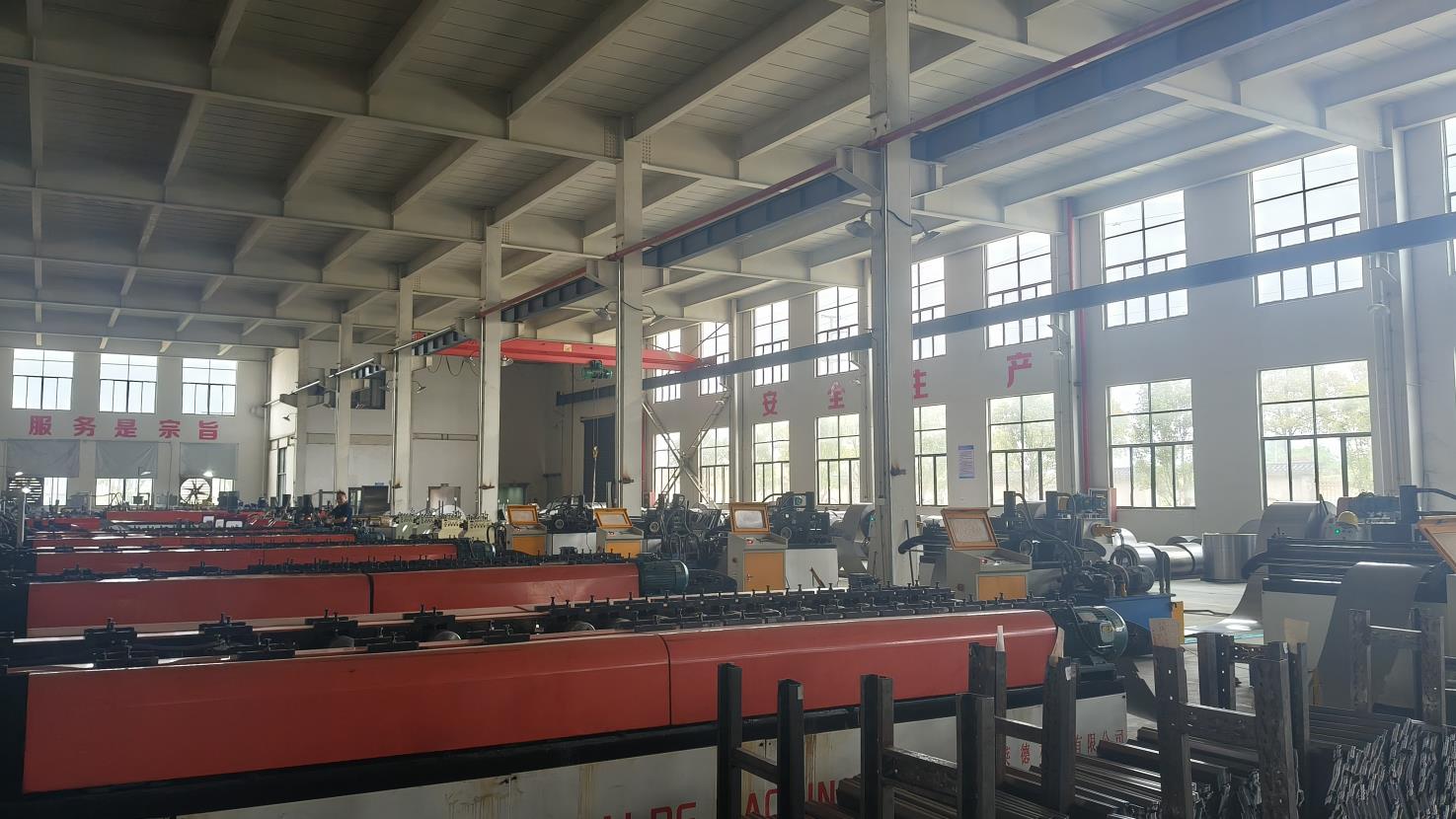
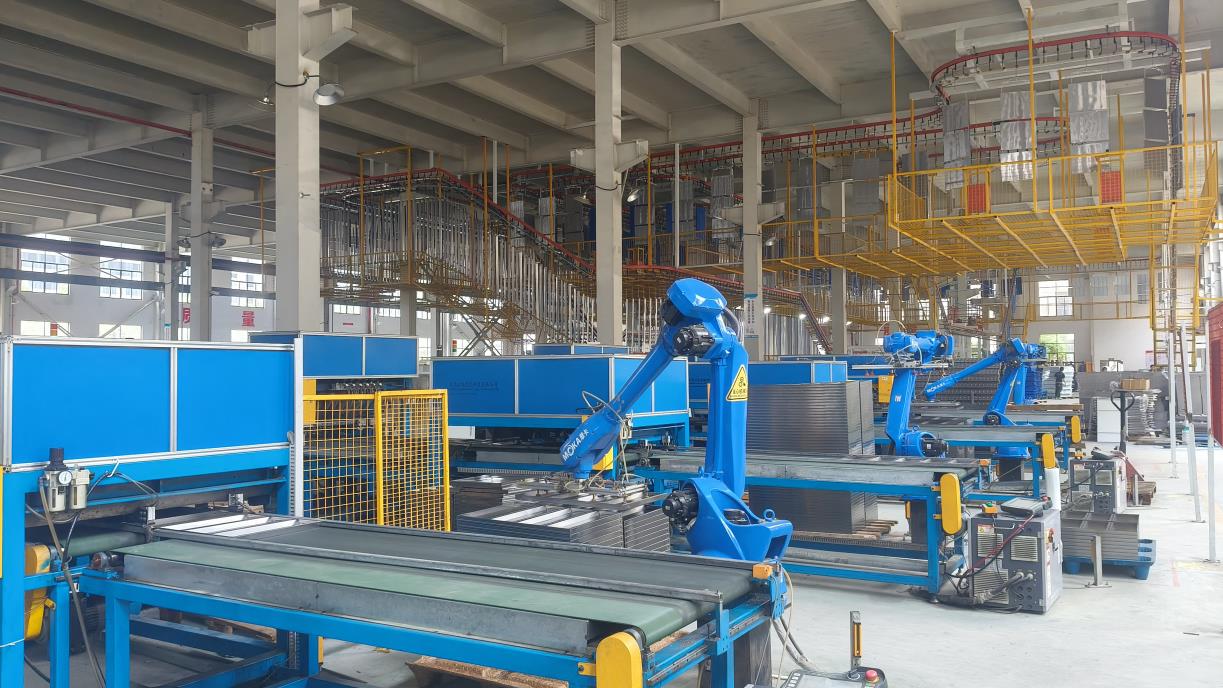
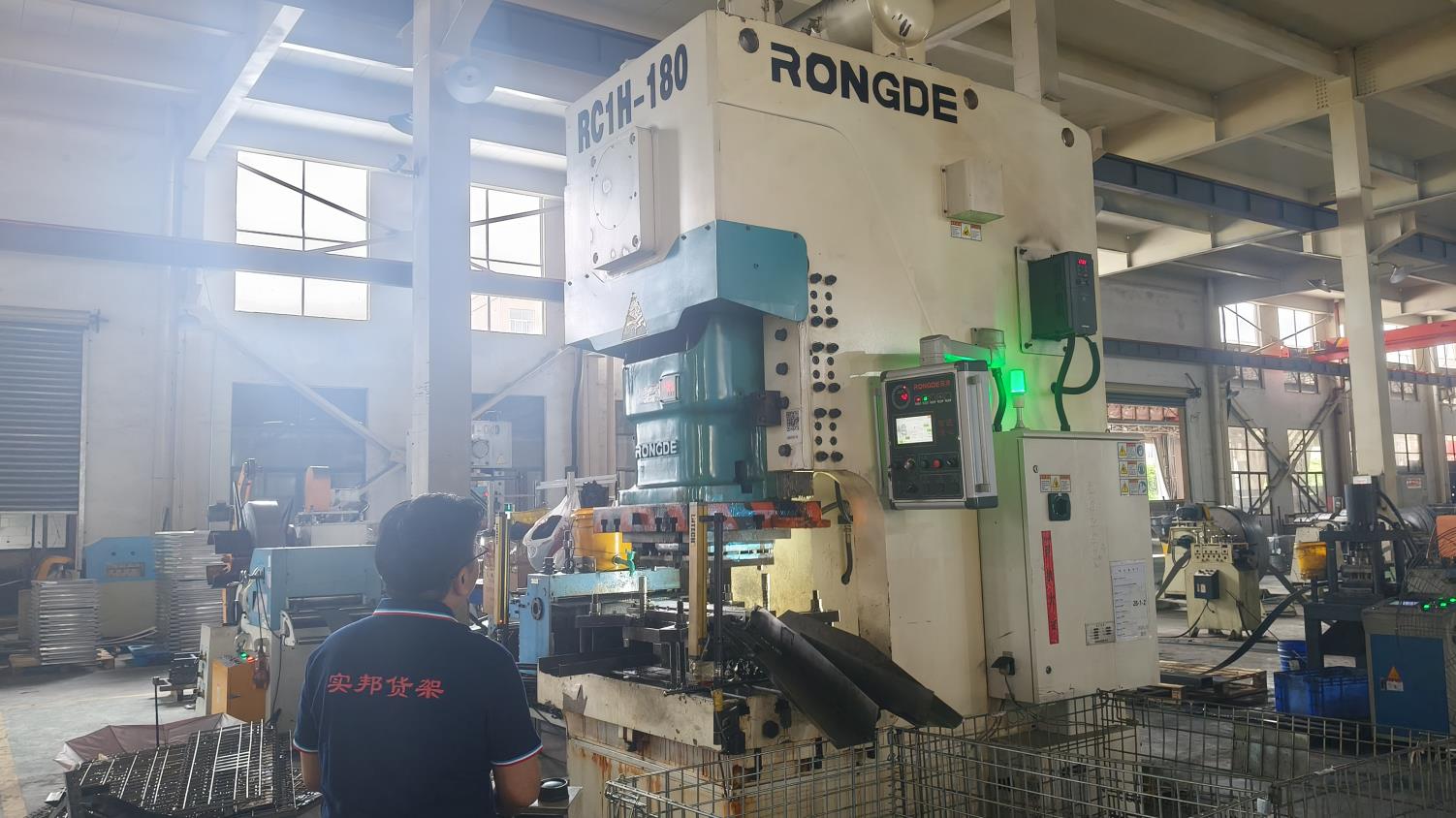
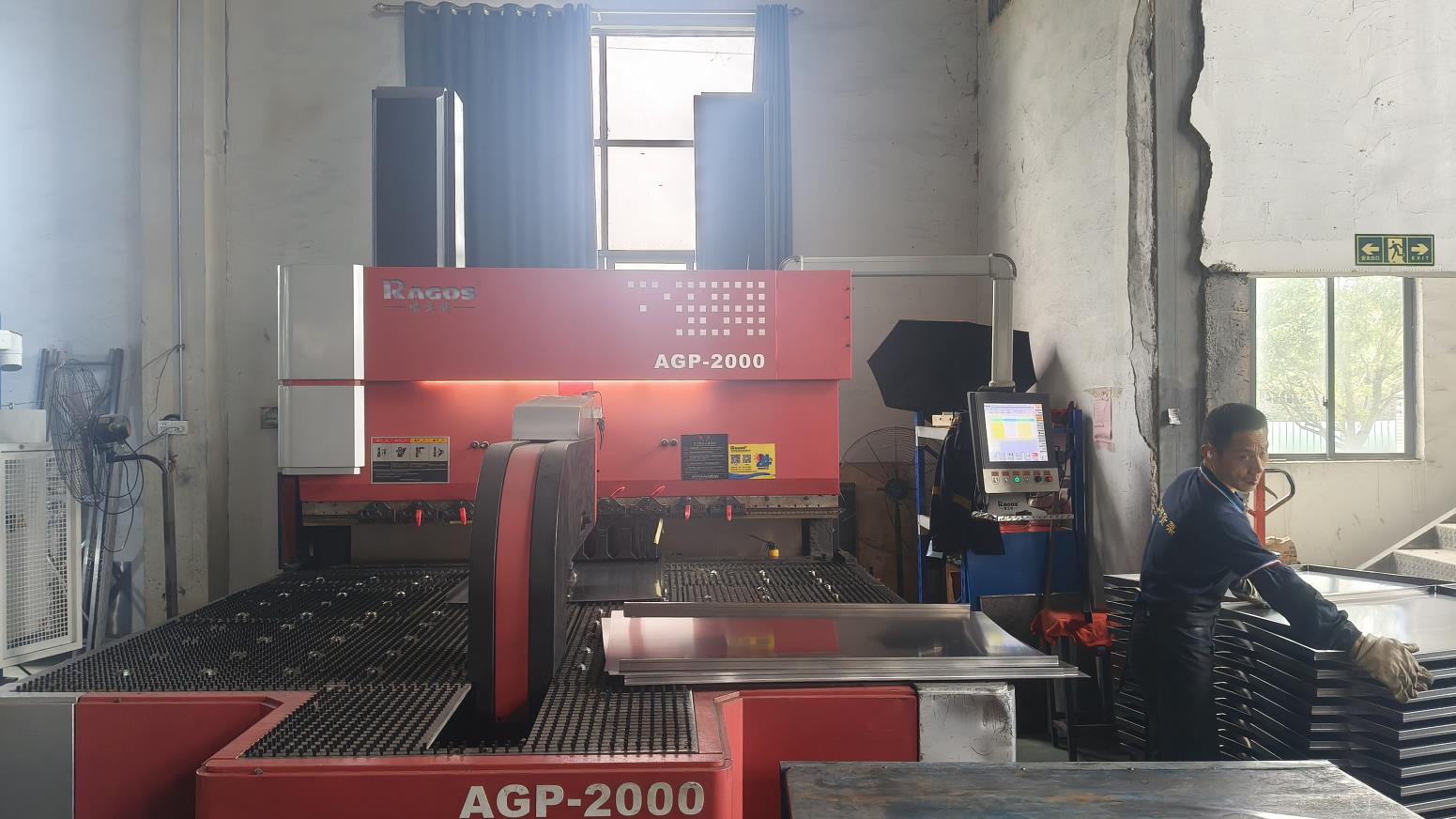
Understanding the difference in performance metrics between high-density racking methodologies.
Selecting the right structural rack solution requires balancing density, throughput, capital expenditure (CAPEX), and operational complexity. The table below provides a detailed structural comparison between selective, drive-in, radio shuttle, and AS/RS (Automated Storage and Retrieval Systems).
| Parameters | Selective Pallet Rack | Drive-In Racking | Radio Shuttle Rack | AS/RS (Automated) |
|---|---|---|---|---|
| Storage Density | Low (1x deep) | High (up to 10x deep) | Excellent (up to 50m deep) | Maximum |
| Selectivity | 100% (Immediate access) | Low (LIFO only) | Moderate (LIFO or FIFO) | High (Dynamic placement) |
| Throughput Speed | High (limited by truck count) | Very Slow | Fast (decoupled cycle times) | Ultra-Fast (continuous) |
| Structural Wear Risk | Low | High (Forklift entry impact) | Very Low (No entry required) | Minimal (Precise track movement) |
| CAPEX ROI Period | N/A (Baseline cost) | Short-term but high upkeep | 18–24 Months (Optimal) | 36–60 Months (Heavy initial investment) |
Shenzhen Shibang ensures safety through rigorous sourcing and engineering protocols. All structural uprights and beams are manufactured from certified high-tensile Q235 and Q355 steel. This raw material undergoes standard tensile strength and yield performance tests before entry into production.
To eliminate the risk of cold-joining defects and fatigue fractures under high static load pressures, Shibang employs state-of-the-art robotic welding configurations. Every batch undergoes ultrasonic testing of the critical weld seams. Additionally, a specialized salt spray test chamber processes powder-coated samples for over 500 hours to ensure exceptional corrosion resistance in sub-zero applications, such as industrial cold rooms and blast-freezing facilities.
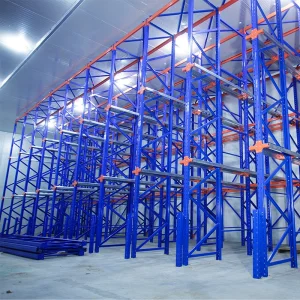
Leverages automated shuttle runner tracks to enable ultra-dense deep storage lanes. Tunnels can span up to 50 meters deep, eliminating standard access aisles.
Decouples heavy forklifts from racking frames, eliminating the risk of structural collapse due to operator collisions.
Boosts picking speeds, reduces labor overhead, and dramatically lowers energy costs by maximizing storage volume, especially in temperature-controlled warehouses.
How dynamic pallet shuttle configurations resolve the complex logistical challenges of major industries.
In sub-zero environments, every cubic meter of storage carries substantial refrigeration costs. Standard selective systems yield low density, while traditional drive-in systems cause forklift operators to spend excess time inside freezing zones, reducing labor productivity and battery lifespan. Shibang's customized Cold Room Shuttle Racking is engineered to operate in temperatures down to -30°C. Specialized low-temperature lubricants, condensation-resistant electrical enclosures, and high-tensile steel components ensure reliable performance, maximizing cold storage capacity and reducing thermal leakage by up to 40%.
Third-Party Logistics (3PL) providers manage diverse inventory requirements, with SKU flows switching between FIFO (First-In, First-Out) and LIFO (Last-In, First-Out) based on active contracts. Shibang's dual-mode radio shuttle rack platforms allow flexible programming. Operates as FIFO for batch perishable shipments, and switches to LIFO for long-duration bulk products, allowing operators to scale operations without remodeling physical structures.
In high-tonnage environments, storage systems must handle intense loads and high throughput with zero structural deflection. With individual pallet weights exceeding 1,500 kg, our robust structural steel designs ensure maximum stability. Automated shuttles transport heavy steel bins or pallets smoothly along precision-cold-rolled shuttle guide rails, ensuring high throughput speeds and reduced wear on warehouse equipment.
In-depth, technical insights addressing the structural, financial, and logistical concerns of procurement managers.
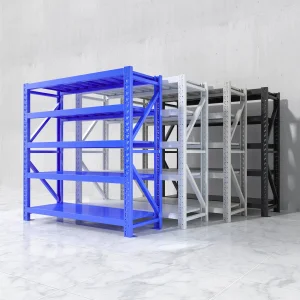
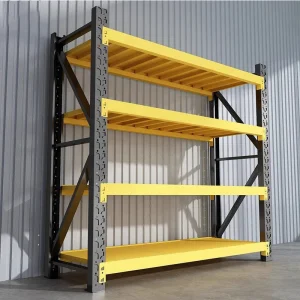
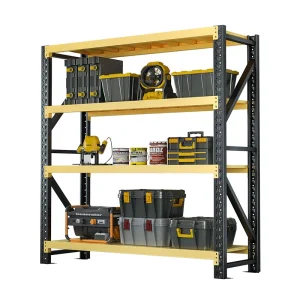
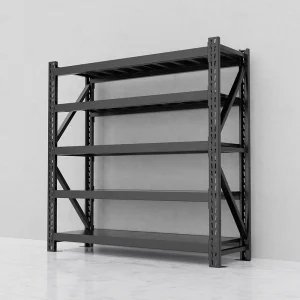
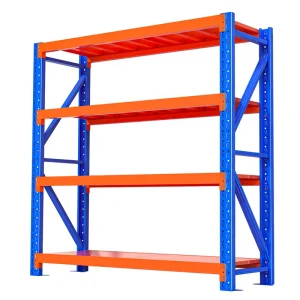
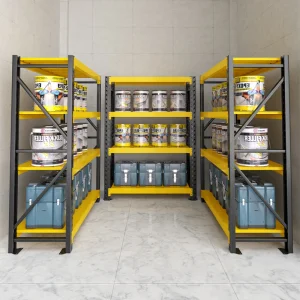
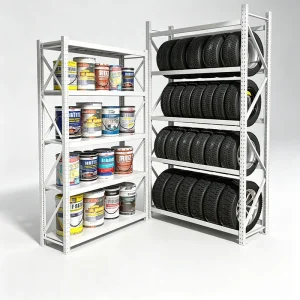
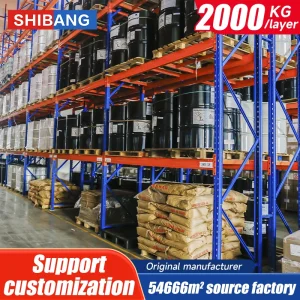
Complete your facility upgrade with our versatile selection of adjustable racking, heavy-duty shelving, and warehouse organization accessories.
 Shibang Steel