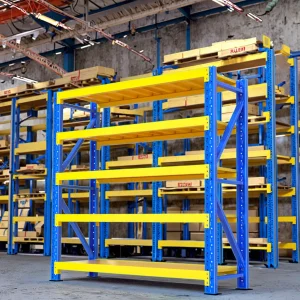
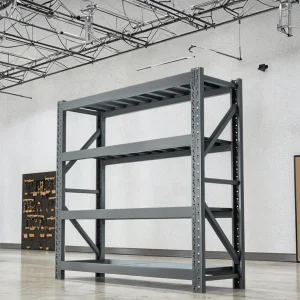
400KG Load Factory & Suppliers for the San Francisco Market

Premium Seismic-Certified Heavy-Duty Racking and Industrial Shelving Engineered to Elevate Bay Area Supply Chains and Warehousing Safety

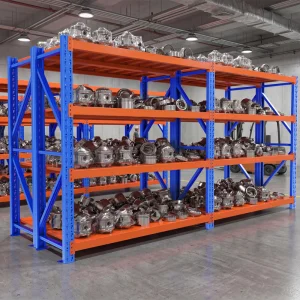
San Francisco High-Capacity Industrial Racking

Engineered for dynamic load profiles, modular flexibility, and rapid assembly in high-cost Bay Area industrial environments.
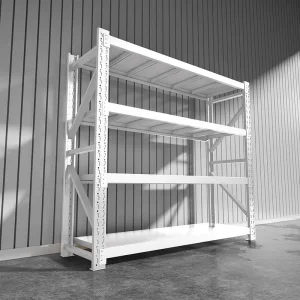
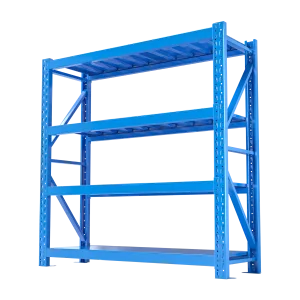
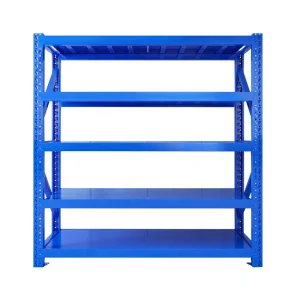
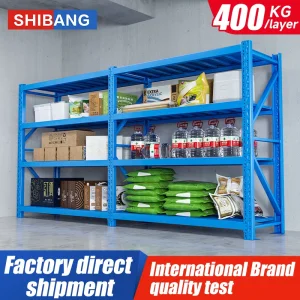
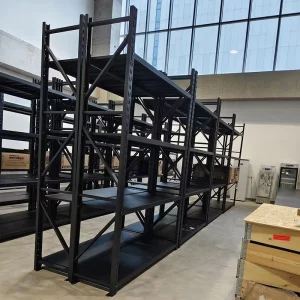
San Francisco 400KG Boltless Shelving

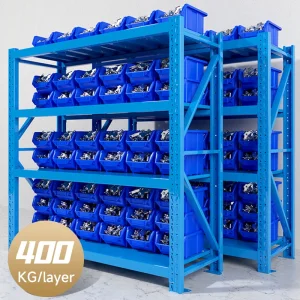
San Francisco Hub 400KG Boltless Shelving Unit for High-Density Warehousing

Technical Details
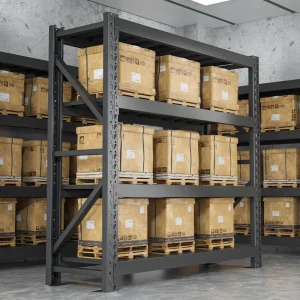
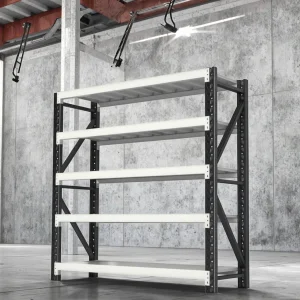
Bay Area Longspan Shelving

Bay Area Coastal Grade Longspan Shelving with Anti-Corrosion Finish

Technical Details
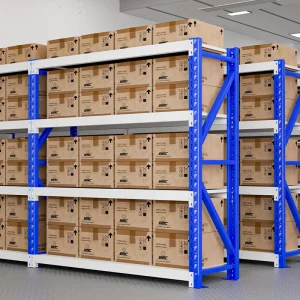
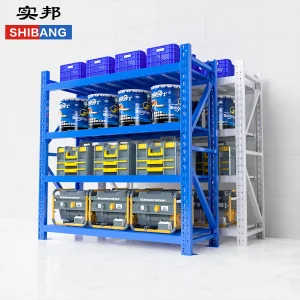
Industrial Storage Racks

San Jose & SF Industrial Steel Longspan Storage Racks with Marine-Grade Coating

Technical Details
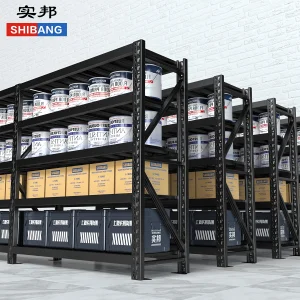
OEM Heavy Duty Boltless Storage

Silicon Valley Tech-Hardware Boltless Storage Shelf - CE & RMI Compliant

Technical Details

Industrial Whitepaper: 400KG Storage Systems for the SF Bay Area

1. The San Francisco Bay Area Industrial Dynamics

The San Francisco Bay Area, encompassing high-density urban industrial pockets from South San Francisco to Oakland and San Jose, presents unique logistical challenges. Unlike traditional, sprawling agricultural or rural distribution centers, Bay Area warehousing operates within tight space constraints. With real estate pricing at premium rates, high-density vertical utilization has transitioned from a structural choice to an economic necessity.

Industrial zones in Richmond, Hayward, Union City, and San Leandro support crucial third-party logistics (3PL) nodes, biotechnology cleanrooms, aerospace components warehousing, and high-tech manufacturing staging. Storing heavy machinery assemblies, battery packs, micro-fulfillment inventory, and medical electronics demands systems built to handle intermediate heavy loads—specifically calibrated at the 400KG load-bearing benchmark per level. This capacity represents the golden threshold, bridging the gap between lightweight retail racks and cost-prohibitive structural pallet systems.

2. The Critical Aspect of Seismic Engineering in California

San Francisco sits at the intersection of active geological strike-slip systems, primarily the San Andreas and Hayward faults. In accordance with the California Building Code (CBC) Chapter 16 and ASCE 7 (Minimum Design Loads and Associated Criteria for Buildings and Other Structures), any storage racking system deployed in this area must possess seismic engineering verification. Under-engineered units constitute severe occupational hazards during lateral ground movement events.

A compliant 400KG racking system destined for the San Francisco market is defined by key mechanical features:

  • Oversized Baseplates: Heavy-duty footplates fabricated from structural carbon steel allow distribution of dynamic force vectors over a larger floor contact area, facilitating proper anchorage using Hilti or wedge anchors.
  • Structural Grade Q235 Steel: High tensile and yield strengths ($F_y \ge 235\text{ MPa}$) allow elastic deformation recovery without immediate catastrophic structural failure under seismic shearing waves.
  • Beam-to-Upright Locking Assemblies: Rigid, heavy-duty safety pins or specialized wedge interfaces prevent disengagement during violent vertical displacement.

3. Environmental Challenges: Marine Corrosion Mitigation

San Francisco’s proximity to the Pacific Ocean and San Francisco Bay exposes structural steel components to coastal microclimates characterized by persistent fog and elevated atmospheric salinity. Standard carbon steel corrodes rapidly under these conditions, leading to oxidization, structural scaling, and compromised load-bearing safety margins.

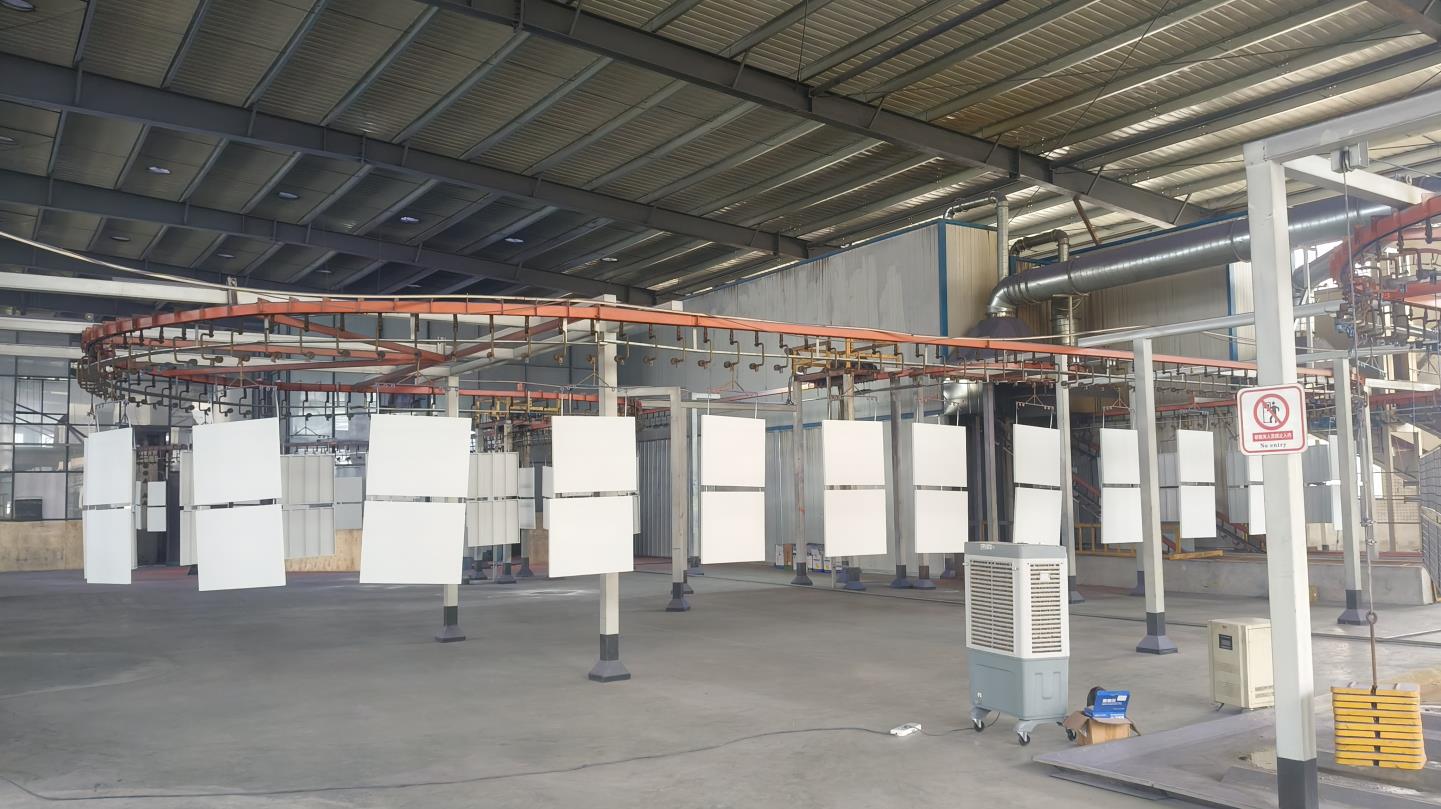
To counteract chemical degradation, our factory utilizes high-grade, automated electrostatic powder coating technologies alongside optional hot-dip galvanization (HDG). The thermosetting epoxy-polyester coatings are cured at 200°C to form a non-porous, highly resilient polymer matrix that blocks moisture and chloride ions. All raw parts undergo an intensive multi-stage chemical pretreatment, including degreasing, acid pickling, and zinc phosphating, to ensure optimal powder adhesion.

32,000㎡
Production Facility
12+ Yrs
Manufacturing Experience
800+
Supply Chain Partners
45+
Annual R&D Designs

Shenzhen Shibang Storage Rack Co., Ltd.

Unifying Structural Integrity, Precision Engineering, and Global Supply Chain Excellence.

Established in 2015, Shenzhen Shibang Storage Rack Co., Ltd. is a leading manufacturer specializing in industrial racking systems and customized warehouse storage solutions. Operating from a modern production facility spanning 32,000 square meters, we integrate structural design, precision manufacturing, and international trade to serve a diverse global client base.

With over 12 years of industry expertise and 8 years of dedicated export experience, our products are distributed across North America, Europe, Australia, and Southeast Asia, generating over $18 million in annual export revenue. We primarily partner with industrial distributors, third-party logistics (3PL) providers, e-commerce fulfillment centers, and large-scale manufacturing enterprises. Supported by a robust network of over 800 supply chain partners, we ensure consistent raw material quality and efficient production timelines.

Quality control and technological innovation form the core of our operations. Our dynamic R&D team consists of 18 senior engineers, supported by 35 dedicated QC professionals. We implement rigorous product inspection protocols—including raw steel tensile testing, automated ultrasonic weld checking, static and dynamic load testing, and powder-coating salt spray endurance tests—ensuring compliance with international safety and durability standards. In the past year alone, our R&D unit successfully introduced 45 new product designs and structural optimizations.

We offer full structural customization options, providing tailored loading capacities, height configurations, beam profiles, and surface finishes (powder coating and hot-dip galvanizing) to meet exact warehouse specifications. Guided by engineering precision and trade reliability, Shenzhen Shibang Storage Rack Co., Ltd. continues to deliver safe, scalable, and optimized storage solutions for modern global supply chains.
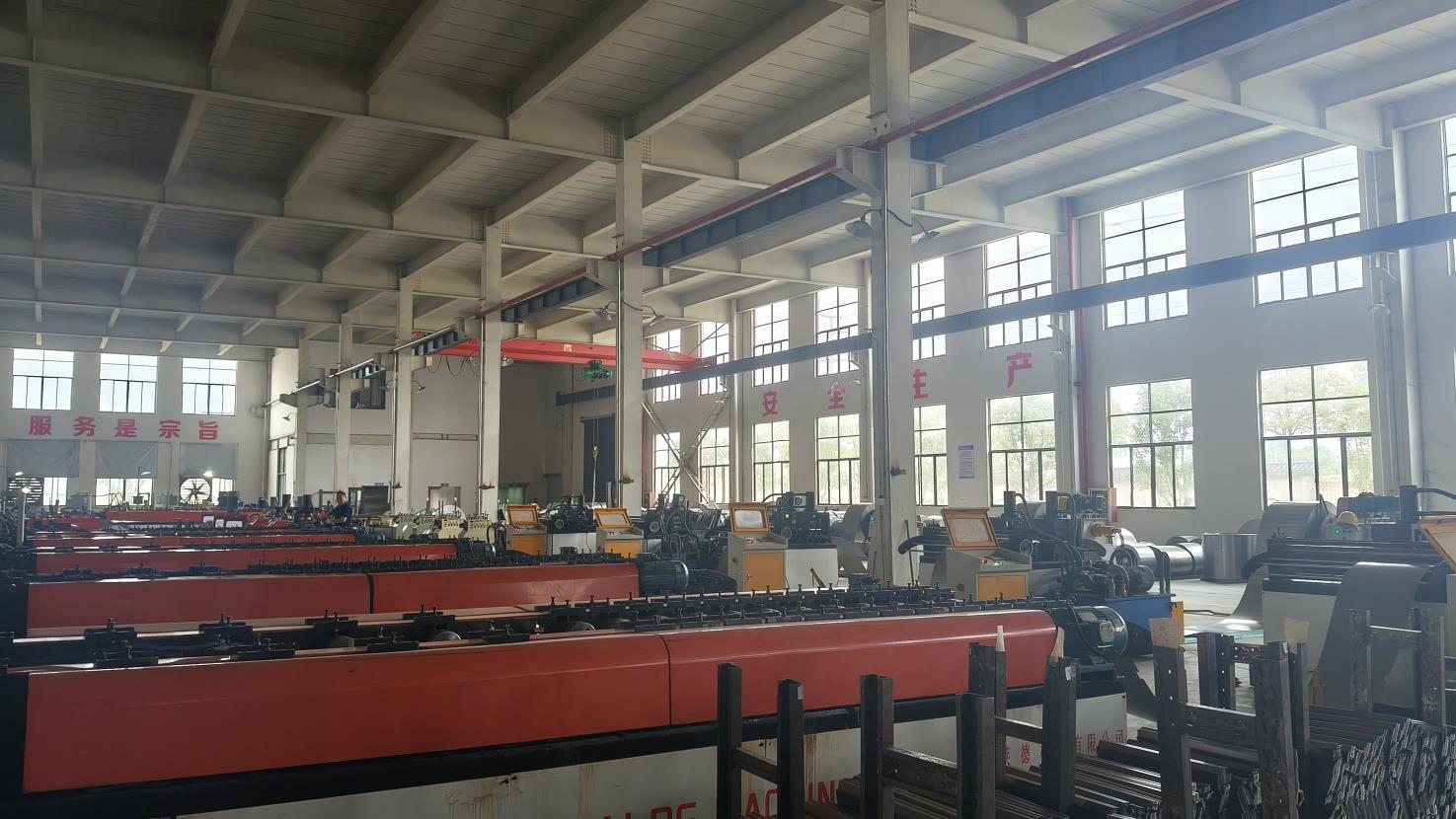
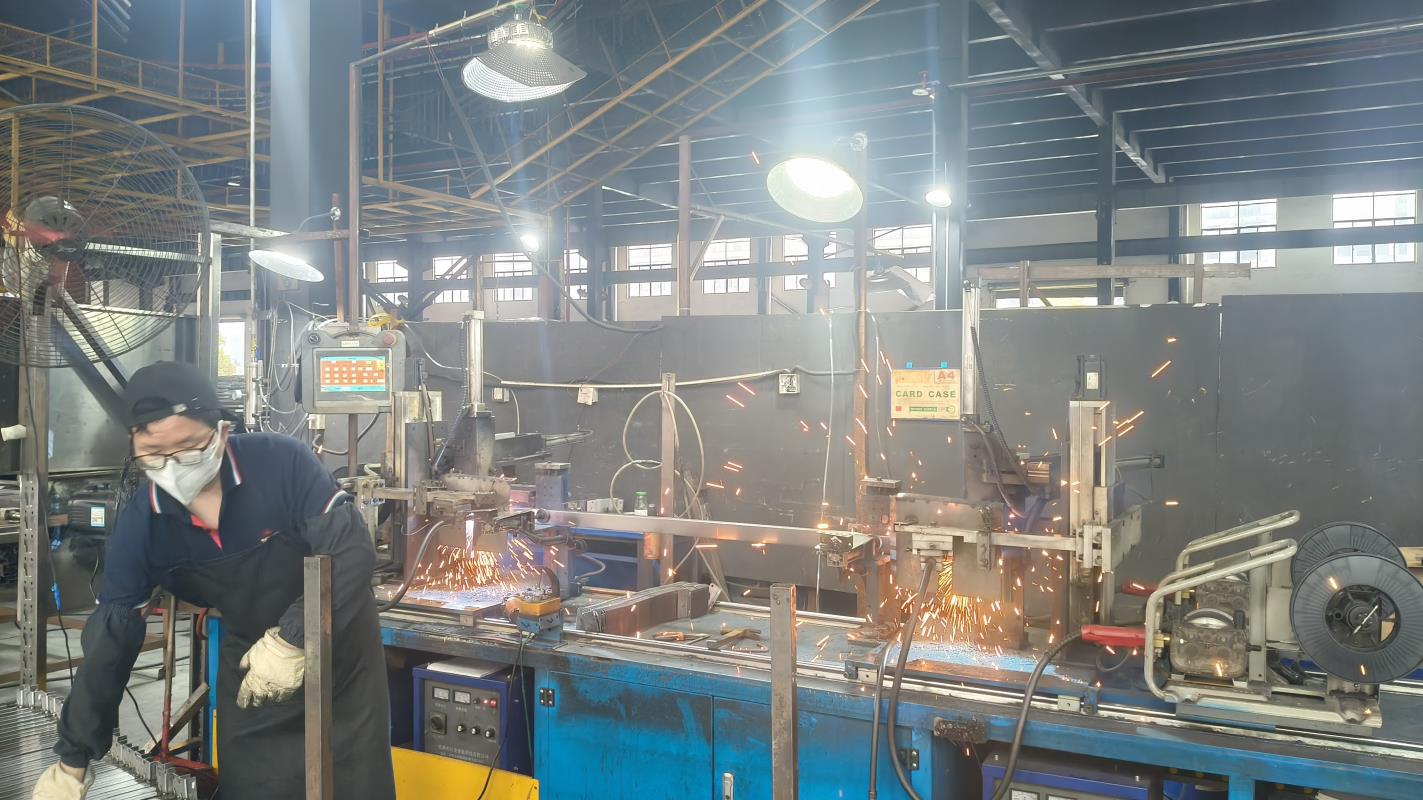
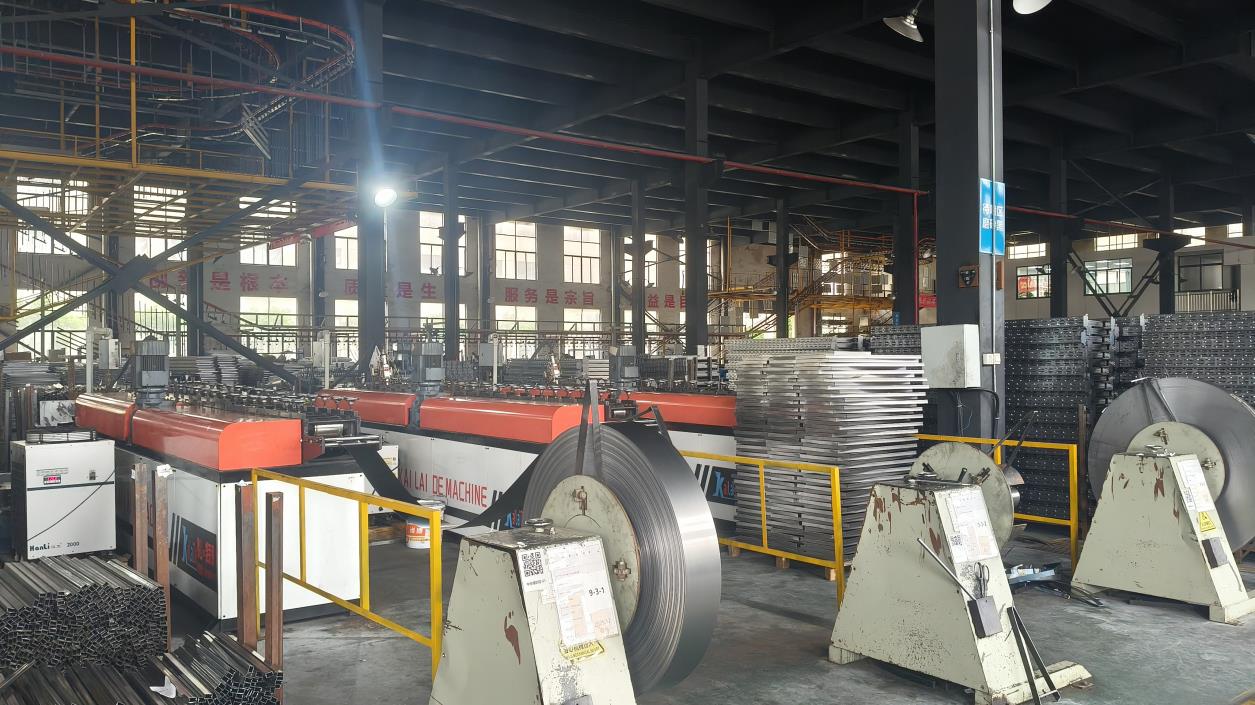
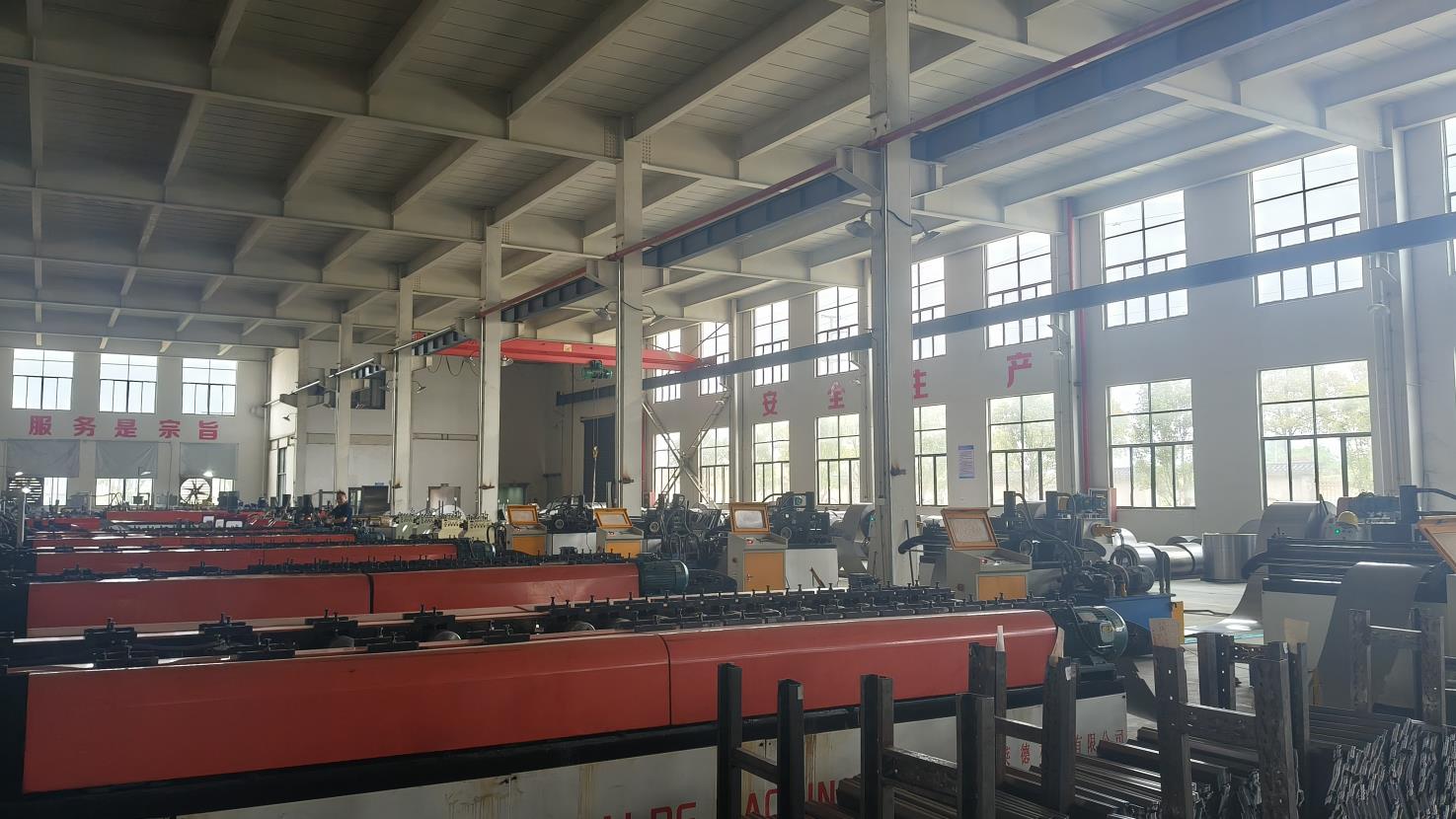
Forming
Forming
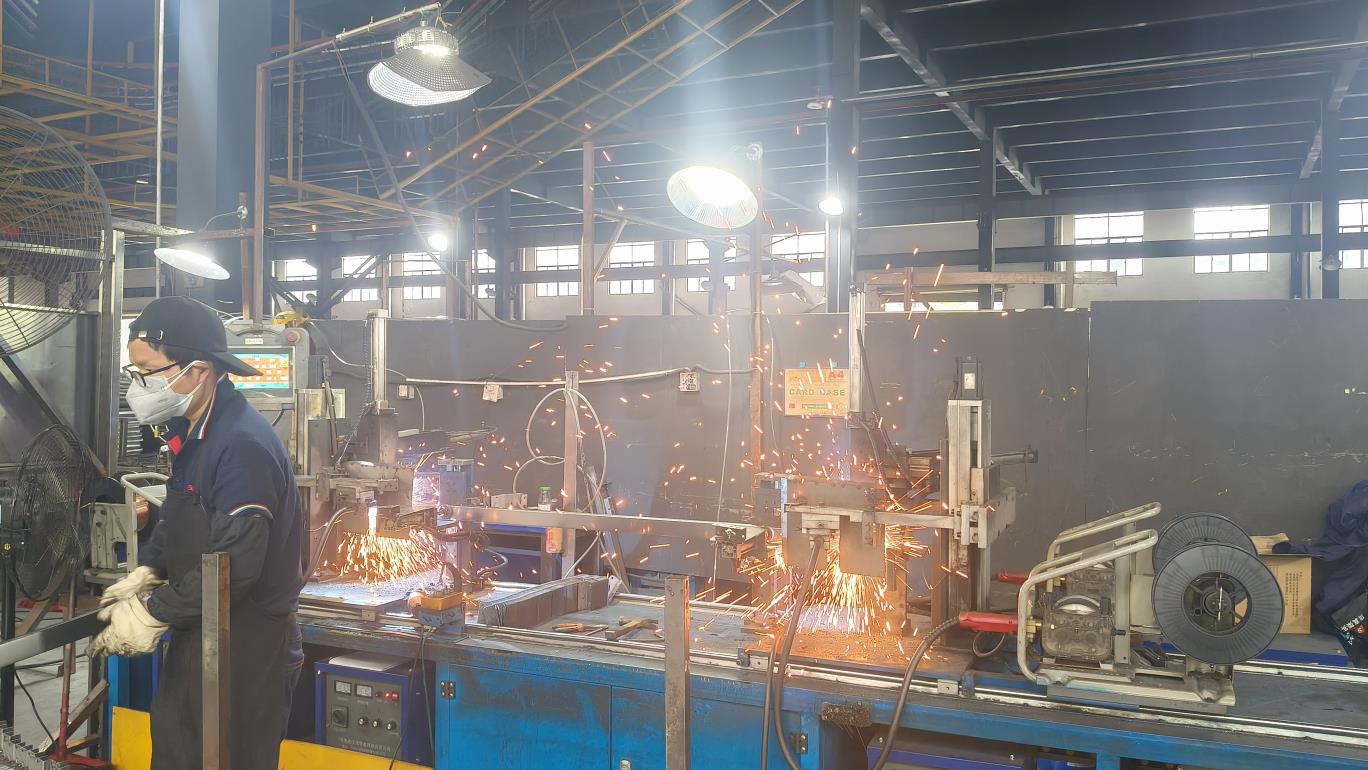
Bonding
Bonding
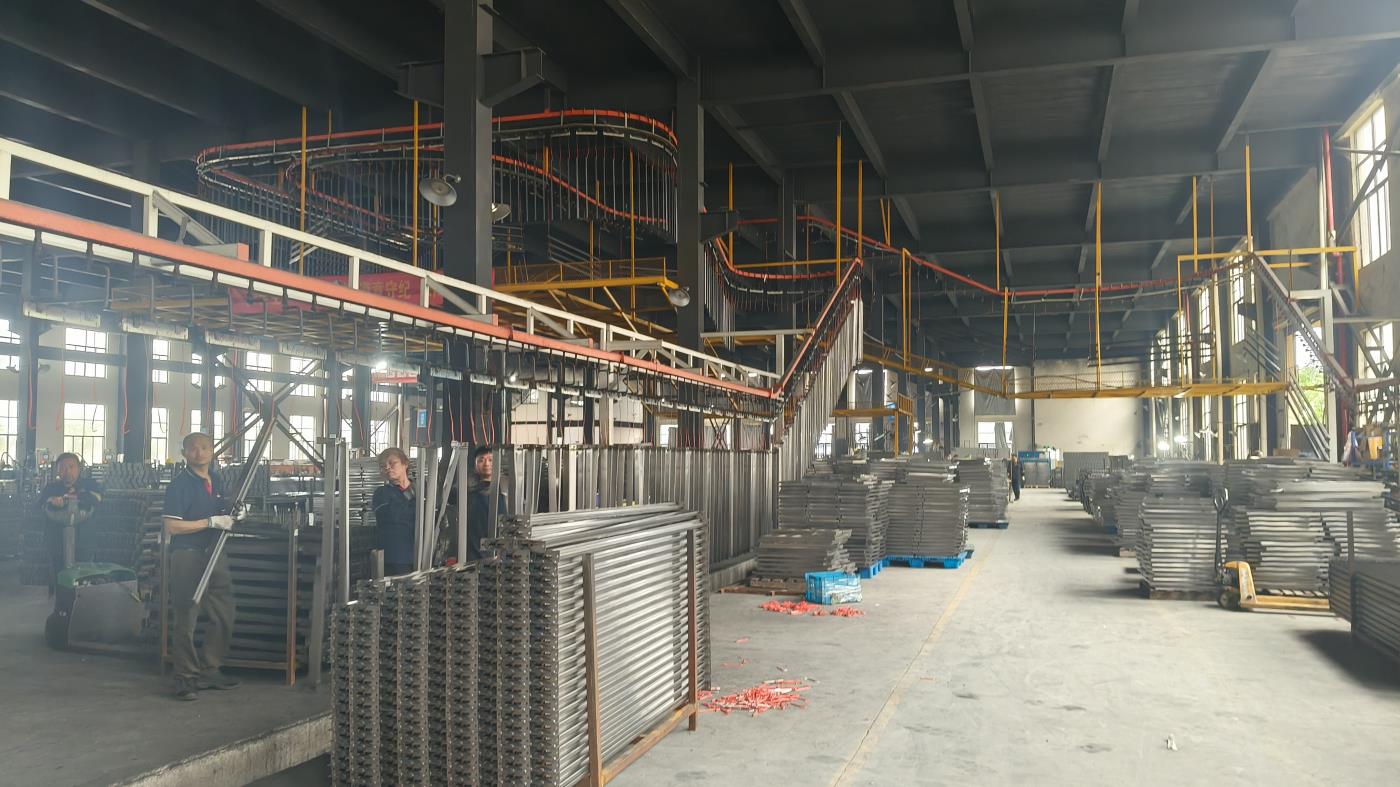
Spray painting
Spray painting
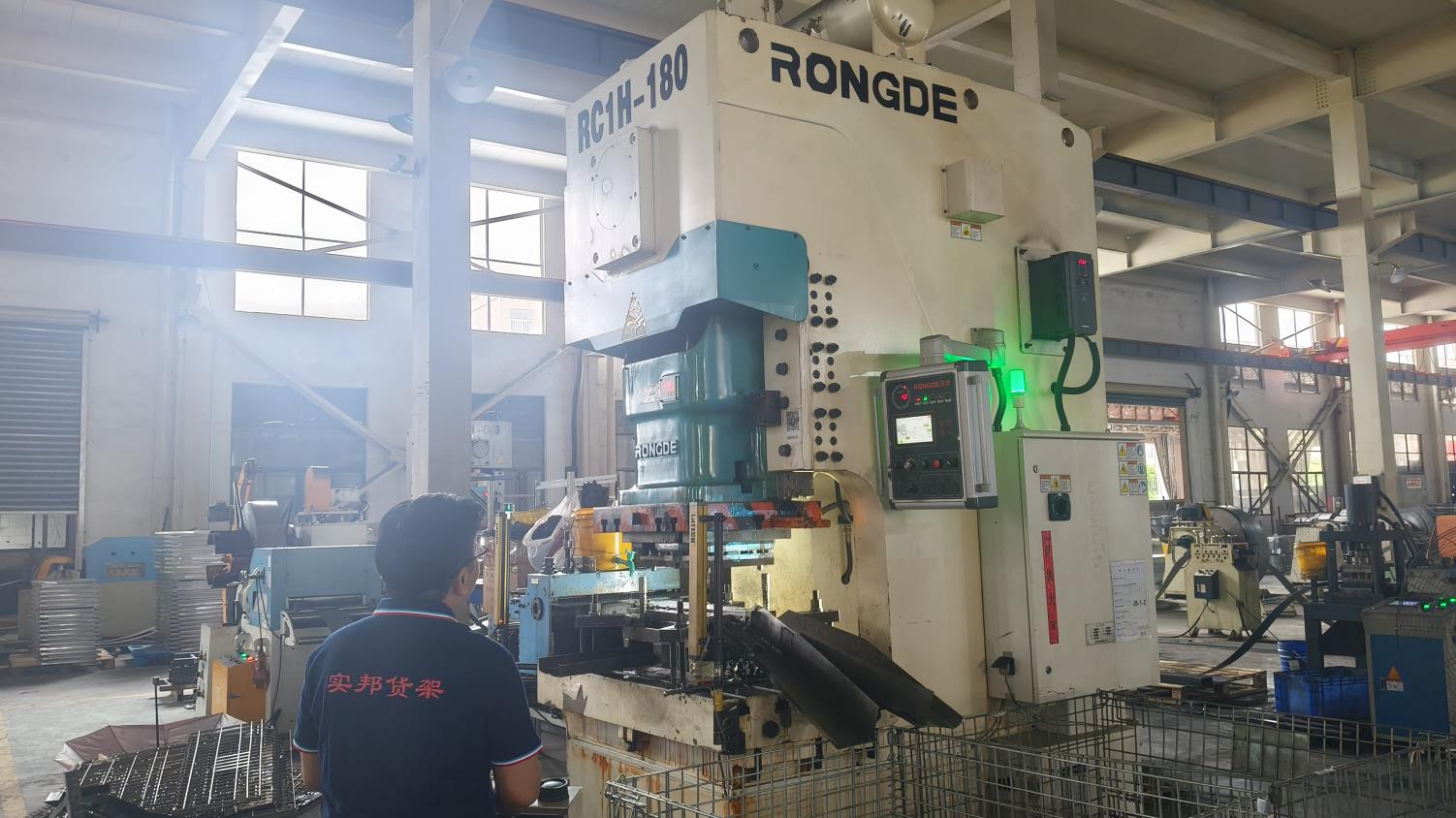
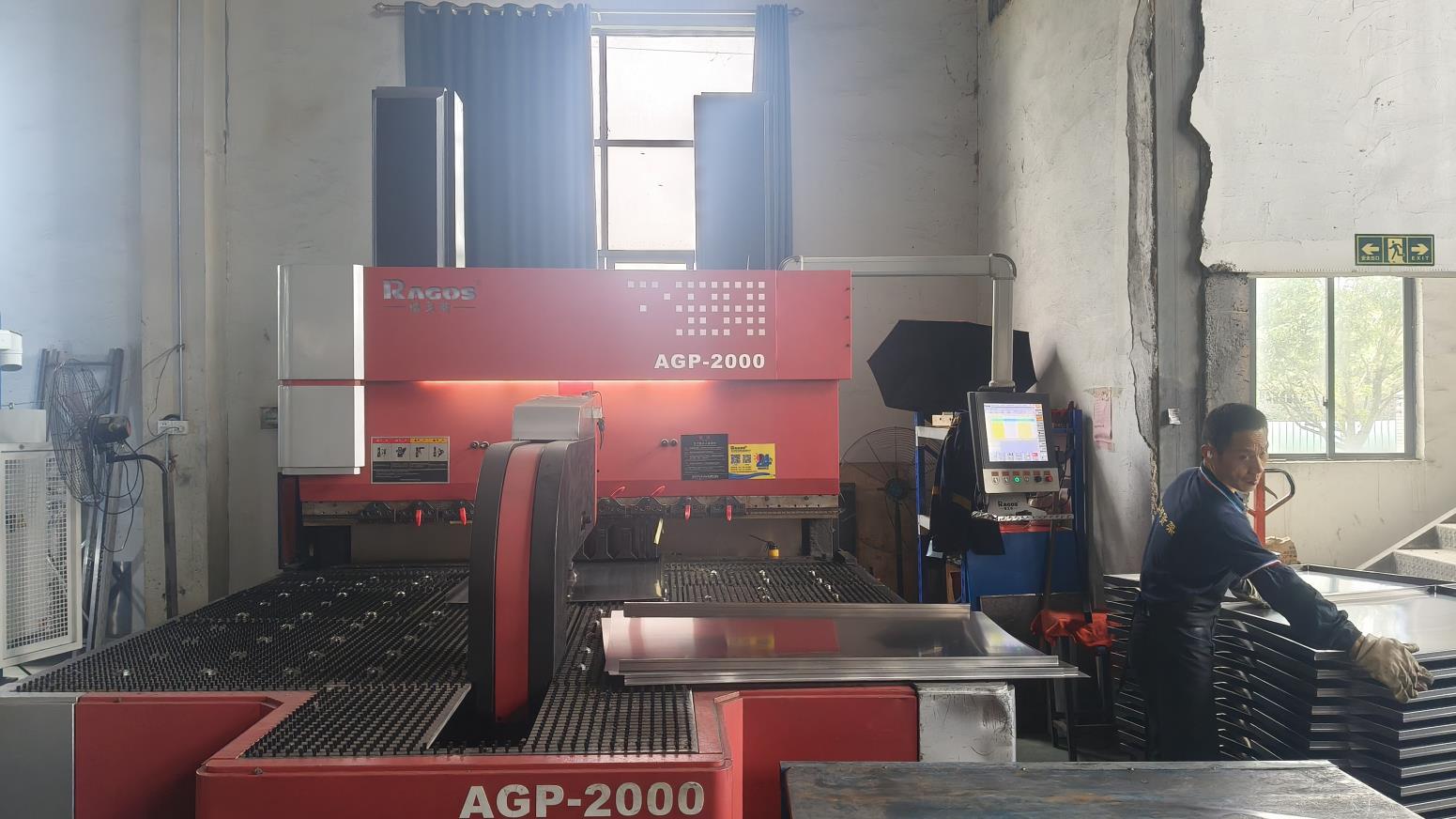
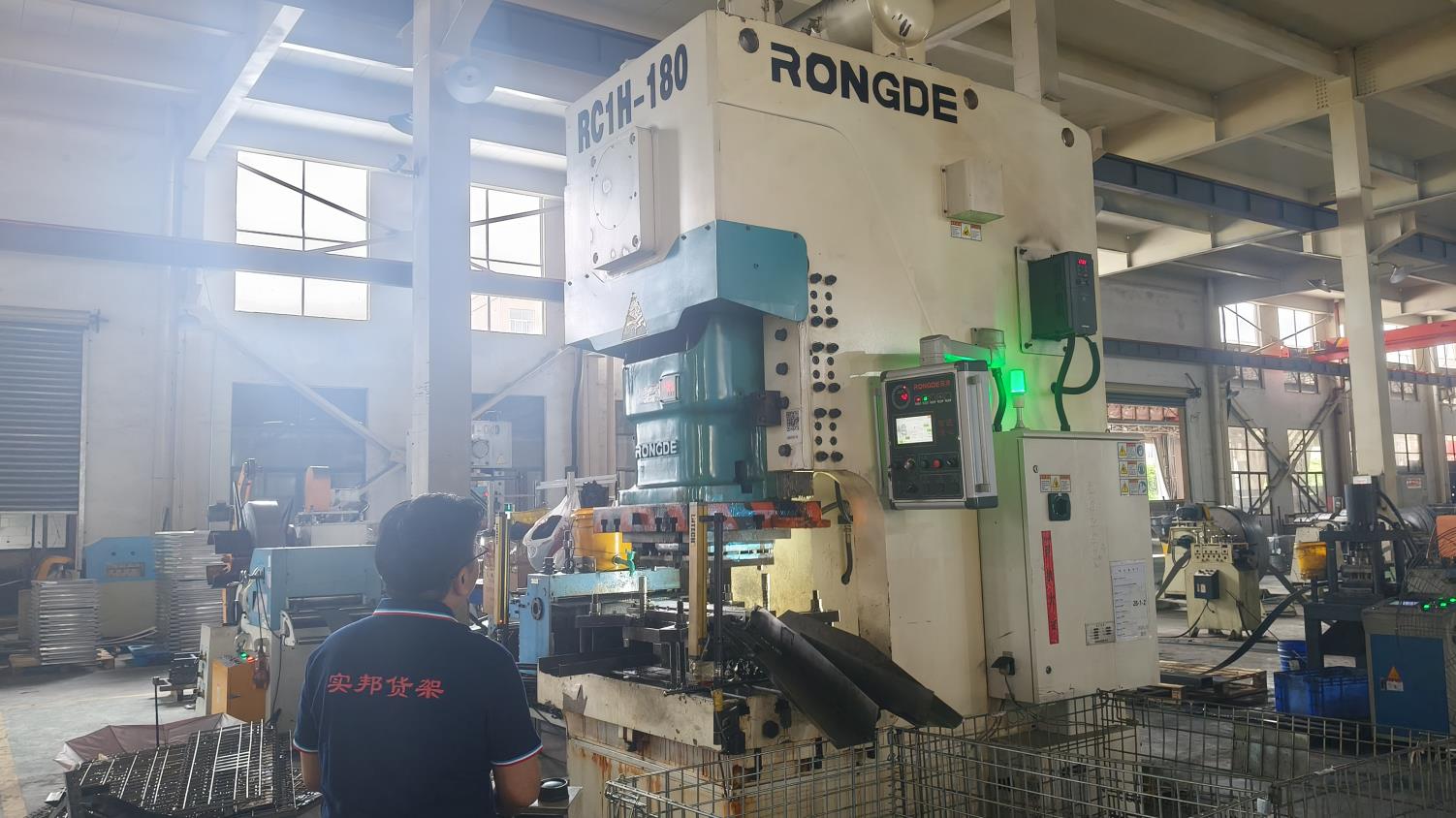
Punching
Punching
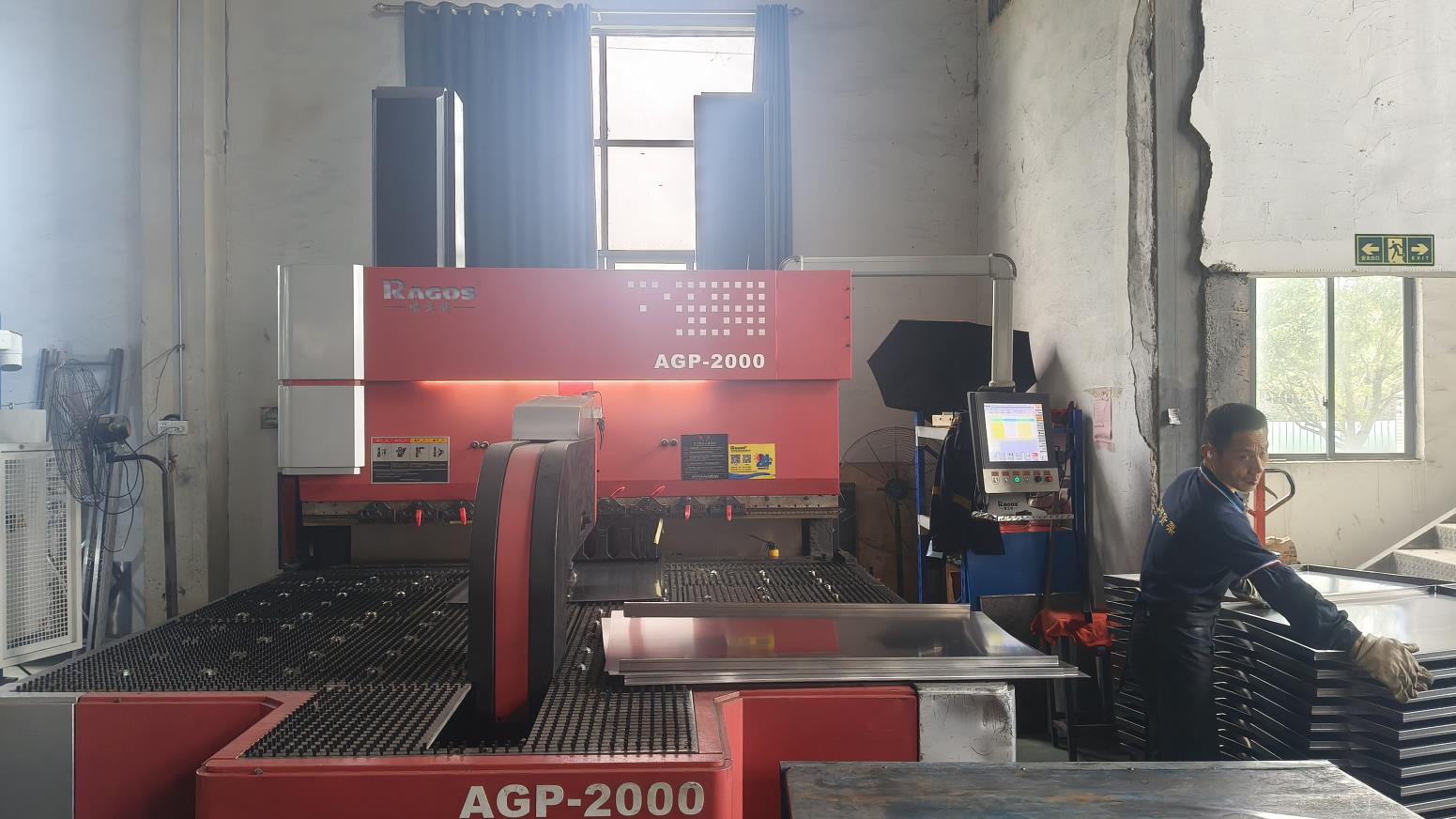
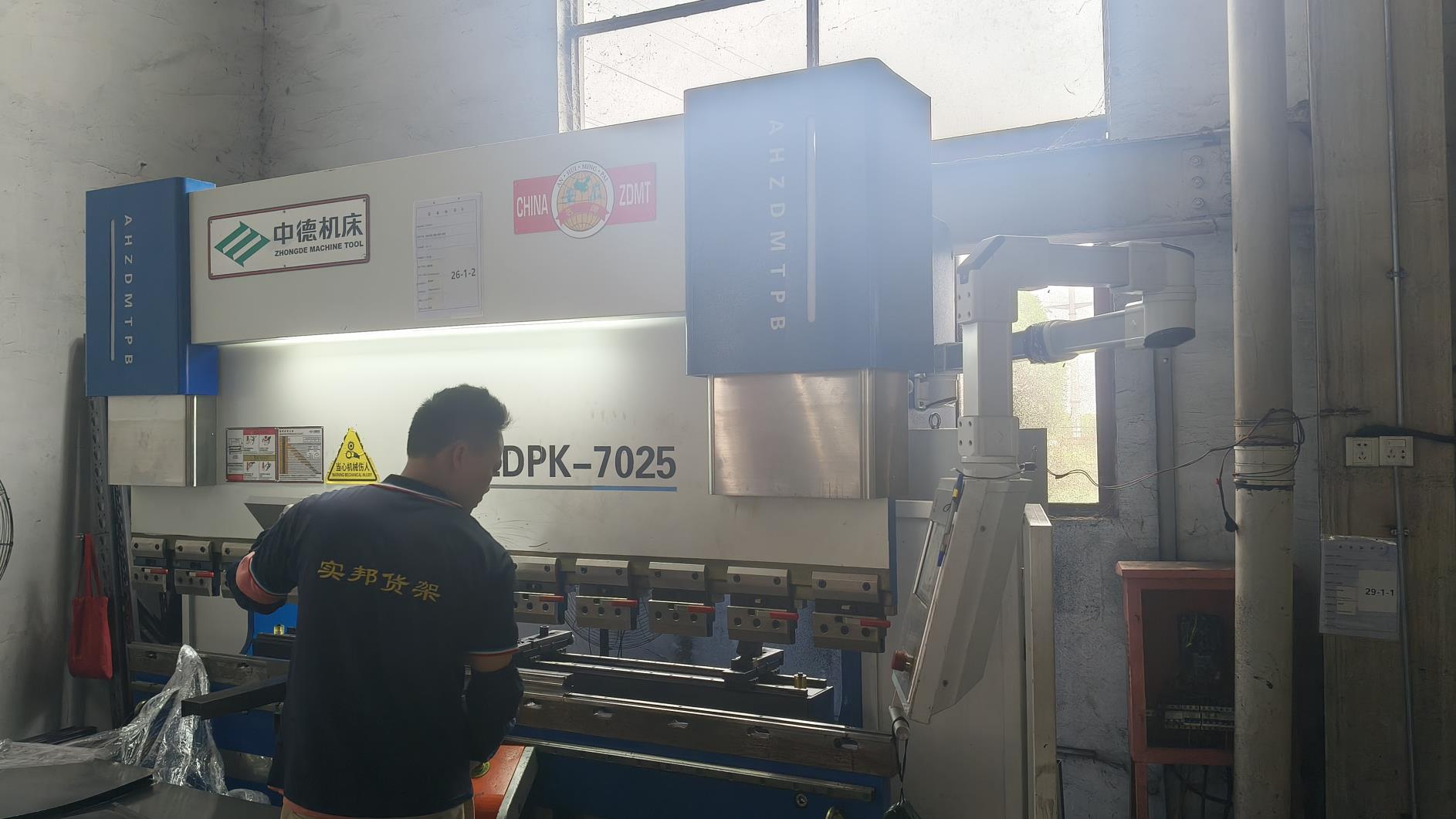
Bending
Bending
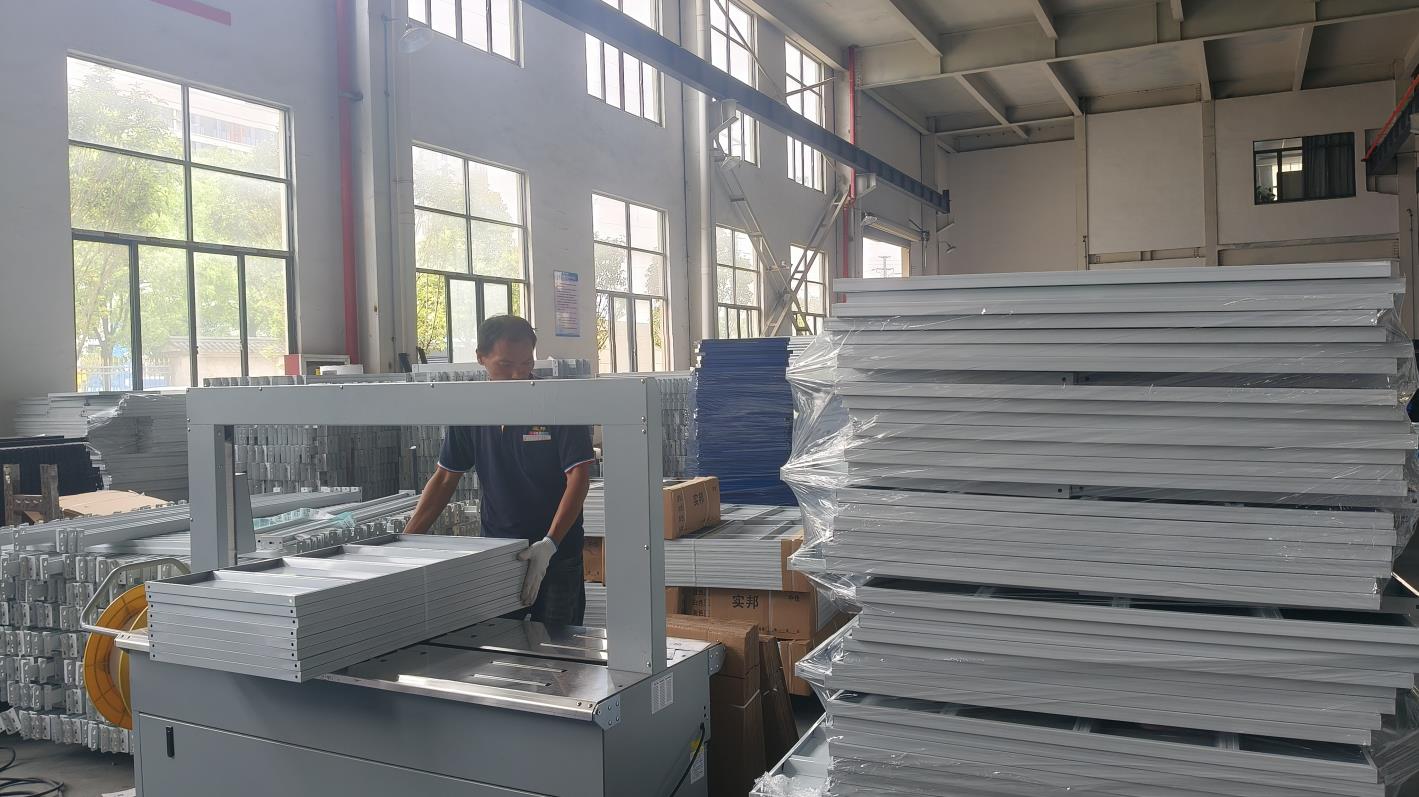
Packaging
Packaging
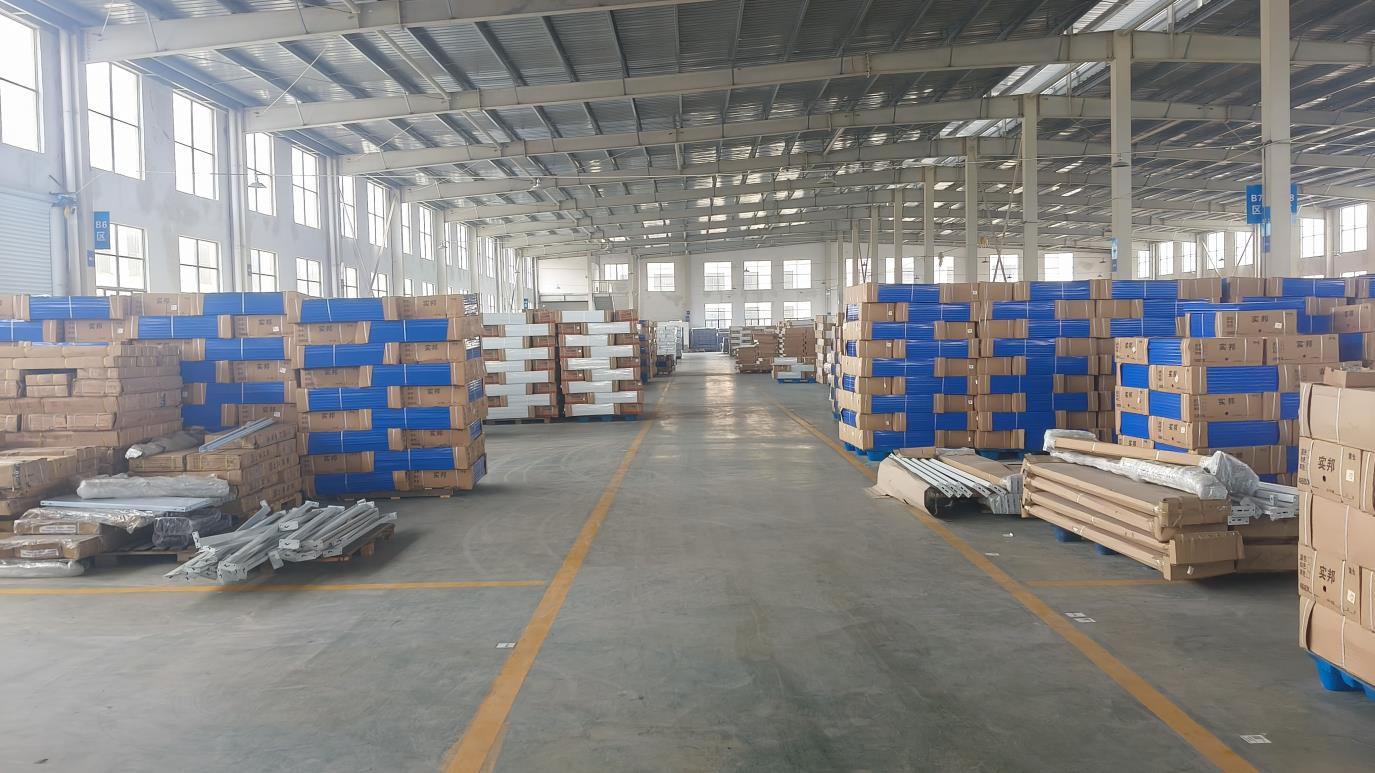
Warehouse
Warehouse
Forming machine
Forming machine
Bonding machine
Bonding machine
Spray painting line
Spray painting line
Fully automatic forming machine
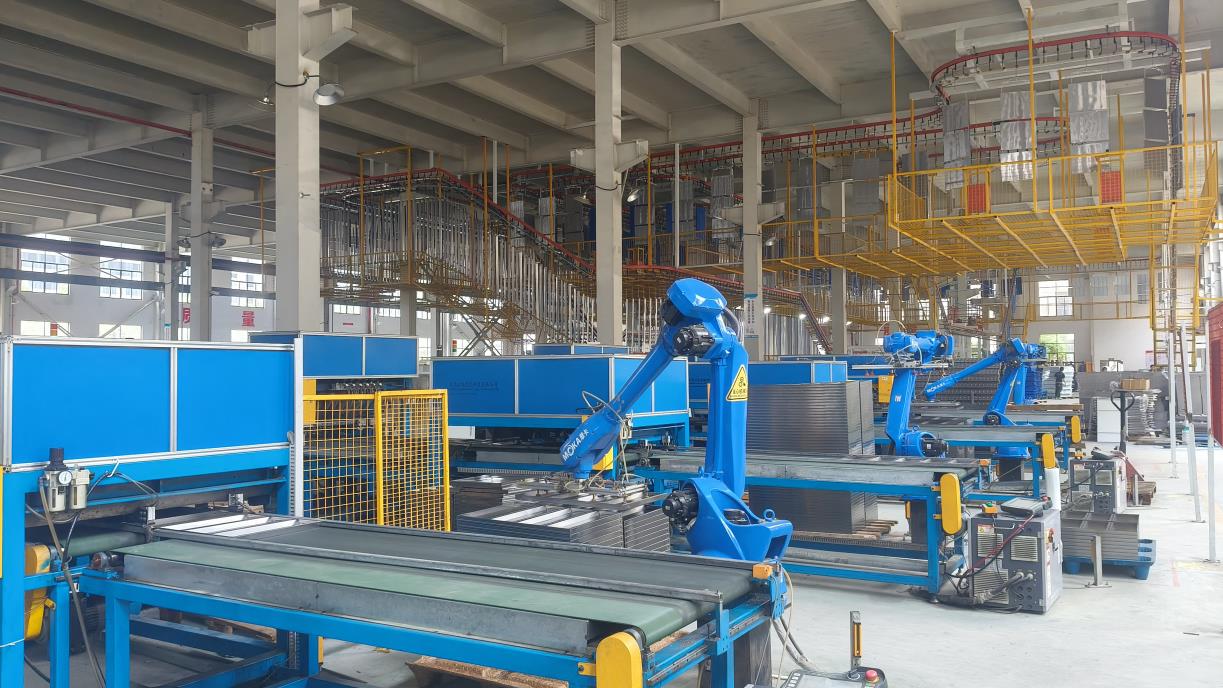
Mechanical arm
Mechanical arm
Punching machine
Punching machine
Fully automatic bending machine
Automatic semi-automatic bending machine
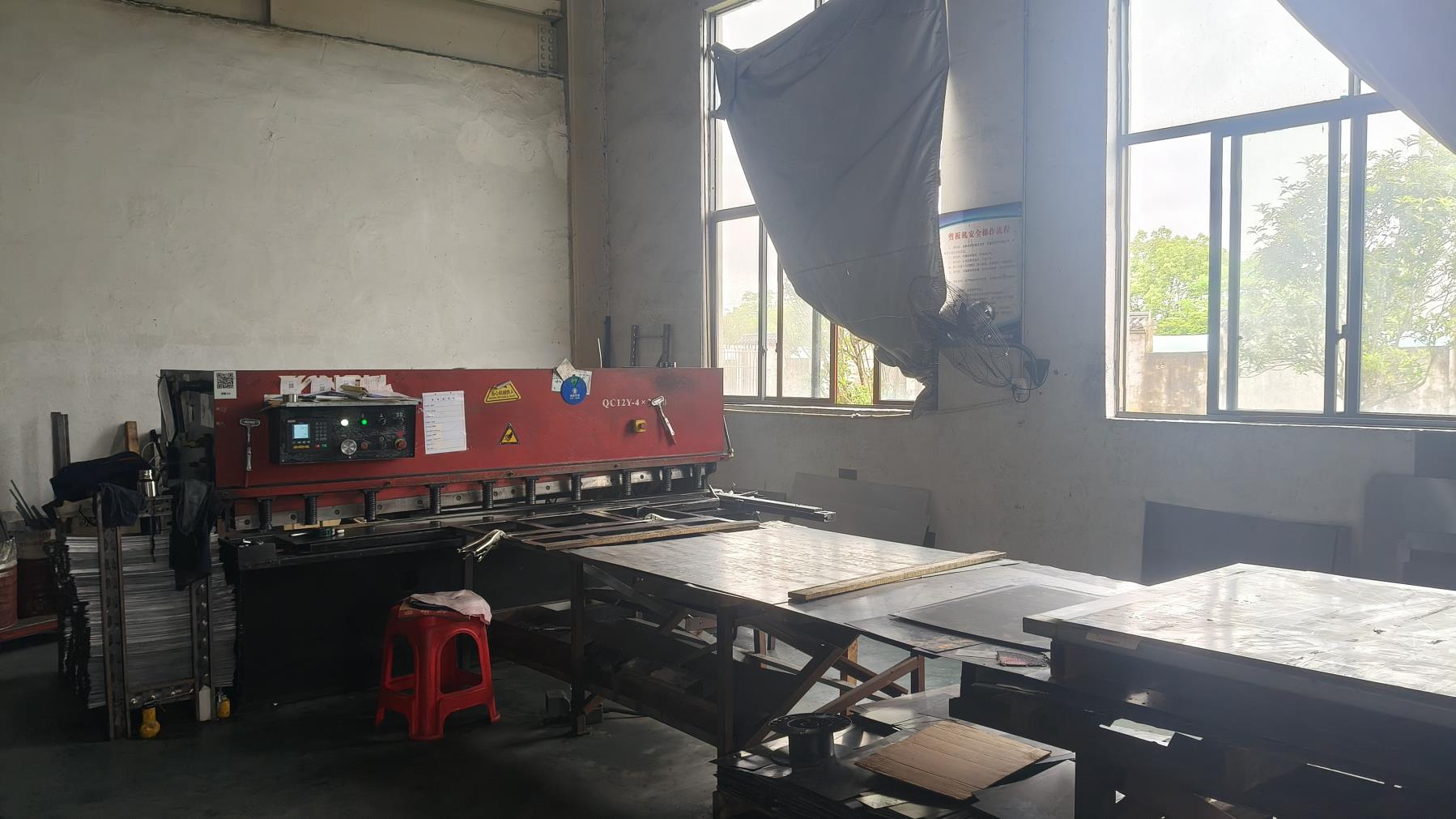
Plate shearing machine

Engineering Specifications & Compliance Matrices

1. Finite Element Analysis (FEA) and Structural Calibration

Before entering physical fabrication, every racking configuration undergoes rigorous virtual stress modeling. Using advanced finite element analysis (FEA) software, our engineering department models static, dynamic, and seismic forces at a modular scale. Stress distributions along high-torque nodes, weld lines, and column connector punch holes are examined to identify potential elastic deformation limits.

Through this analysis, beam dimensions, steel thickness, and hook profiles are adjusted dynamically. This engineering phase ensures that under the full 400KG load capacity per layer, safety factors conform to ANSI/RMI MH16.1 parameters, maintaining structural stability well above nominal operational loads.

2. Multi-Stage Quality Assurance Protocols

Our quality management system, certified to ISO 9001:2015, relies on strict operational controls at each manufacturing stage:

  • Raw Material Control: Verification of hot and cold-rolled carbon steel coils to certify yield and tensile strengths.
  • Dimensional Testing: Verification of upright punch pitches, roll-formed profile geometry, and squareness tolerances using digital calipers.
  • Weld Integrity Testing: Ultrasonic inspection of connector welds to check for interior voids or slag inclusions.
  • Surface Inspection: Coating thickness measurement using magnetic induction gauges (targeting 60-80 microns) alongside salt-spray chambers to verify corrosion resistance.

Heavy Duty Racking Systems Catalog

Explore our CE-certified, load-tested range of storage racks engineered for industrial facilities in California and global markets.
Corrosion Protection Shelving

SF Bay Biotech Cleanroom Steel Racking System with Corrosion Shield

Technical Details
Heavy Duty Shelving

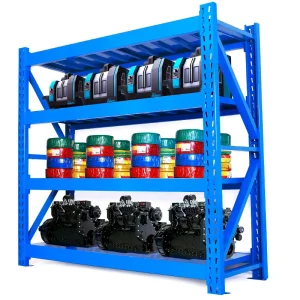
California High-Load Steel Storage Racks 400KG Heavy Duty Shelving

Technical Details
Industrial Shelving

Peninsula Logistics Industrial Heavy Duty Metal Shelf 400KG Capacity

Technical Details
Adjustable Shelves

Q235 High-Tensile Structural Steel Boltless Heavy Duty Metal Shelving

Technical Details
Warehouse Storage Racks

Multi-Tier Heavy Duty Metal Industrial Storage Racks for SF Port Terminals

Technical Details
Steel Racks Storage

Seismic-Braced Adjustable Heavy Duty Steel Racks Storage Shelving System

Technical Details
Adjustable Steel Storage Rack

Heavy Duty Adjustable Steel Storage Rack for South San Francisco Cold Storage

Technical Details
Metal Shelving Rack

Heavy Duty Metal Shelving Rack and High-Density Goods Shelf System

Technical Details
Steel Shelving Racking System

Multi-Layer 400KG Load Steel Shelving Racking System for Oakland Logistics

Technical Details
Rivet Metal Shelf

San Francisco Heavy-Duty Boltless Rivet Metal Shelf 400KG Capacity

Technical Details
Adjustable Express Storage

Adjustable Longspan Warehouse Rack 400KG Capacity for Bay Area 3PLs

Technical Details
Store Adjustable Shelves

CE Certified Heavy Duty Warehouse Storage Rack for San Francisco Logistics

Technical Details

Technical & Sourcing FAQs

Answers to key engineering, regulatory, and logistics queries for industrial buyers.

Do your 400KG racking systems comply with California seismic design requirements?
Yes. We design and manufacture our heavy-duty racking systems using structural carbon steel (Q235 grade) conforming to ANSI/RMI MH16.1 specifications. For facilities in San Francisco and the wider Bay Area, we provide engineering drawings, calculations for dynamic lateral loading parameters, and customized baseplates to facilitate seismic anchoring.
What surface treatment is best for humid and salt-fog conditions in South San Francisco?
For environments subject to bay or ocean mist, we recommend our hot-dip galvanized (HDG) coating or our specialized multi-stage epoxy-polyester powder coating. The powder coating is applied electrostatically at a cured thickness of 60 to 80 microns, providing excellent protection against corrosion, scratching, and industrial wear.
What is the standard transit time and port of arrival for San Francisco logistics?
Shipments depart directly from Shenzhen (Yantian Port) and arrive at the Port of Oakland, which serves as the primary maritime gateway for the Bay Area. Total transit time, including terminal staging and ocean carriage, typically ranges from 18 to 25 days, followed by quick customs dispatch to local warehouses.
Can we customize loading capacities, bay lengths, and height configurations?
Yes. Supported by our 18 senior engineers, we offer full design customization. We adjust column thickness, profile depth, beam length, and shelf materials (steel deck plates vs. wire decking) to match your load parameters, warehouse dimensions, and forklift reach height.
How does Shenzhen Shibang guarantee product load capacities?
Every batch of racking undergoes static load testing at our facility, where shelves are loaded to 1.5 times their rated capacity to verify safety margins. Our QA team also conducts steel tensile tests, weld inspections, and coating adhesion tests, providing full material certification reports prior to container loading.
How can I obtain building permit documentation for racking in San Francisco?
We provide dimensional drawings, material yield strength specifications, and weld certificates. For projects requiring local structural engineering stamps, these documents serve as the baseline input for local structural analysis, helping to streamline the permit review process.