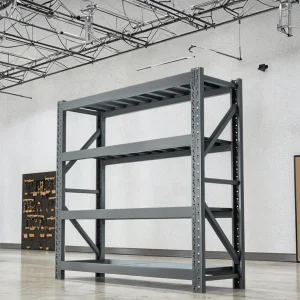
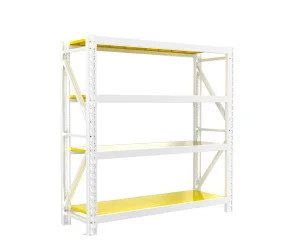
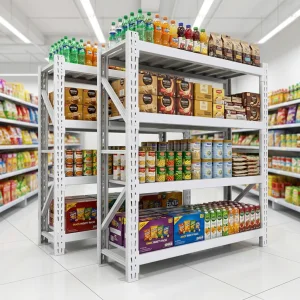
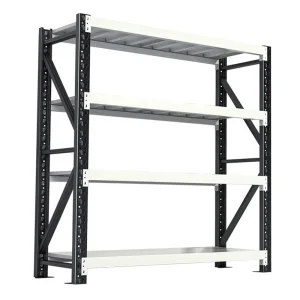
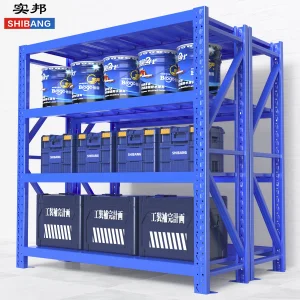
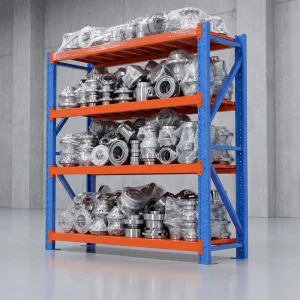
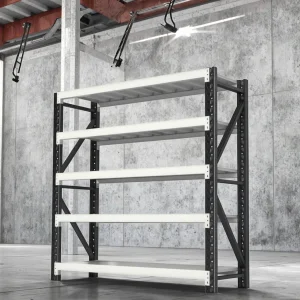
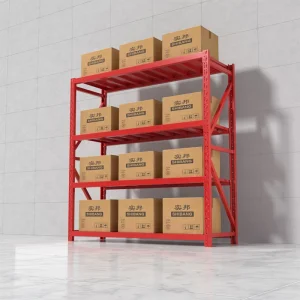
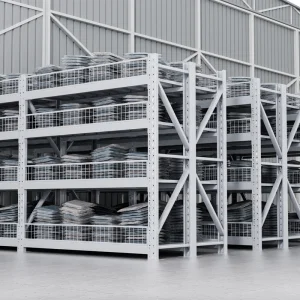
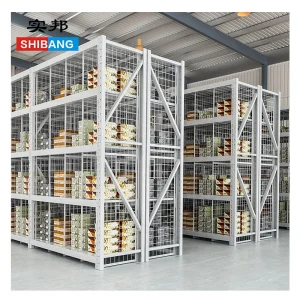
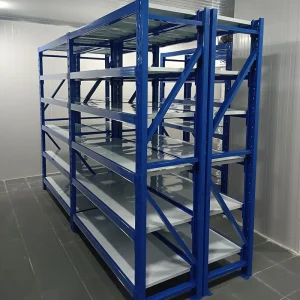
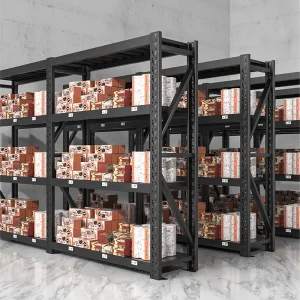
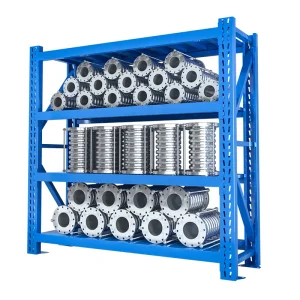
Engineered for high structural stability, optimal load capacities, and verified under stringent international safety compliance certifications.
Evaluating structural engineering breakthroughs, automation adaptation, and safety innovations shaping the modern supply chain.
In the modern, fast-paced world of logistics, warehouses are no longer static storage units; they are dynamic, high-velocity distribution nodes. The exponential rise of e-commerce, combined with global supply chain shifts, has compelled facilities to operate with shorter turnaround cycles and higher throughput. In these environments, heavy-duty machinery—particularly automated guided vehicles (AGVs), reach trucks, and standard counterbalanced forklifts—runs continuously. Consequently, the likelihood of structural impact on storage systems has dramatically increased. This risk profile has catapulted high-impact warehouse racks (commonly referred to as Impact Racks or heavy-duty crash-resilient racking systems) into a major focus for engineering safety and operations procurement managers globally.
The contemporary technical design of impact racks leverages state-of-the-art metallurgy and mechanical engineering principles. Manufacturers are shifting away from traditional low-strength carbon steel profiles to high-strength low-alloy structural steels (such as Q355B or grade 50 steel) that deliver elevated yield strengths without increasing total steel volume. Concurrently, the integration of advanced protective design elements has become standard. Modern systems do not just support static vertical loads; they dynamically absorb and redistribute unexpected horizontal impact energy through integrated deformation zones, heavy-gauge base plates, and heavy-duty, bolt-on columnar guards.
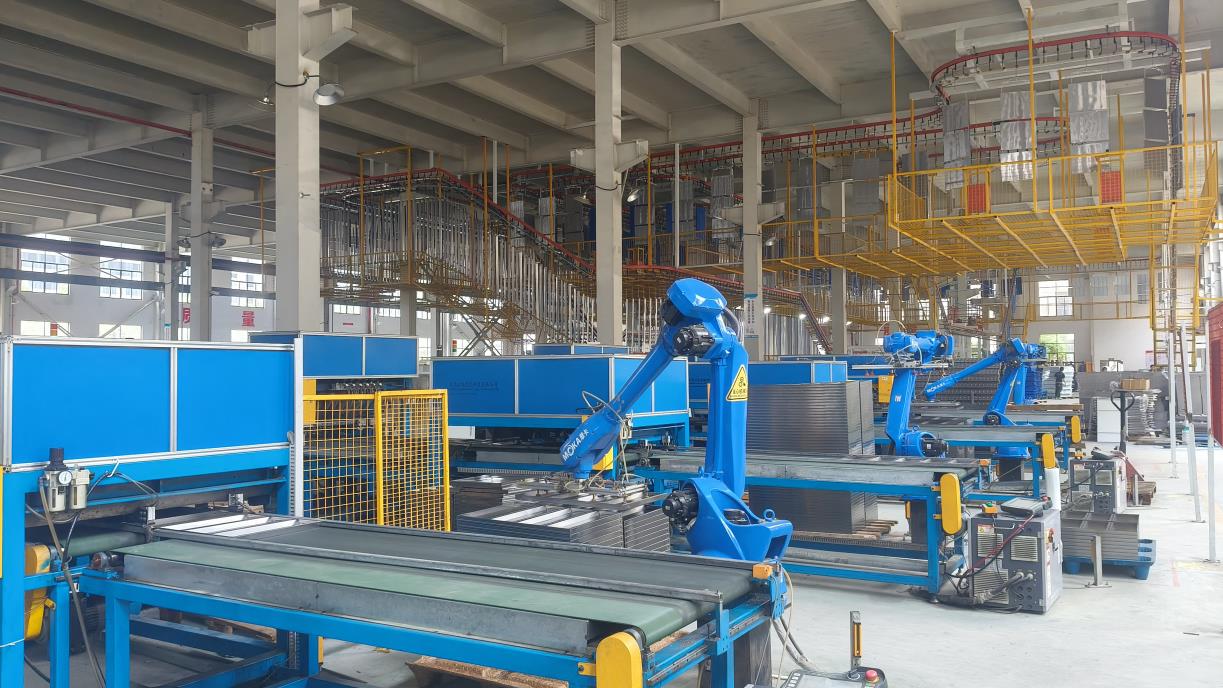
Furthermore, structural optimization is now deeply intertwined with warehouse automation trends. As automated storage and retrieval systems (AS/RS) are deployed to optimize cubic storage density, tolerances for racking deflection have dropped to millimeter-level margins. Modern high-impact racks are engineered using finite element analysis (FEA) software to simulate continuous operational stress and forklift-impact dynamics. This ensures structural elasticity under localized load concentrations, minimizing the risk of cumulative rack fatigue and preventing catastrophic structural failures.
Critical metrics and safety standard benchmarks that industrial distributors and 3PL providers must specify during procurement.
When global supply chains, e-commerce giants, and third-party logistics (3PL) providers source heavy-duty warehouse racking equipment from China, compliance with international safety and performance criteria is non-negotiable. Procurement specialists must navigate local regional standards while managing total cost of ownership (TCO) constraints. In North America, the gold standard is the Rack Manufacturers Institute (RMI) Specification ANSI MH16.1. In Europe, the equivalent standard is EN 15512 (Steel Static Storage Systems). In Australia, AS 4084 regulates storage racking safety. These strict standards dictate everything from load capacities, structural deflection, and bolt torque requirements to material traceability and raw steel chemistry.
To assist technical procurement teams, the table below outlines the core parameters required for industrial-grade, seismic-resistant heavy-duty warehouse storage racks:
| Performance Indicator | Technical Benchmark Range | Compliance Standards Met |
|---|---|---|
| Load Capacity Per Level | 300 kg to over 4,000 kg (customized configurations) | ANSI MH16.1, EN 15512 |
| Steel Grade | Q235B, Q355B Hot-Rolled / Cold-Rolled Carbon Steel | ASTM A1011 / A1011M |
| Powder Coating Thickness | 60 to 90 Microns, High-Durability Polyester Powder | ISO 2409, ASTM D3359 |
| Salt Spray Resistance | Minimum 500 hours (for harsh, high-moisture environments) | ASTM B117, ISO 9227 |
| Welding Certification | Automated ultrasonic check, full penetration welding | AWS D1.1 (American Welding Society) |
| Seismic Performance | Designed for Seismic Risk Zones 1 through 4 | IBC (International Building Code) |
“Enterprise-level buyers must treat rack structural integrity as a critical element of workplace safety. Selecting a manufacturer with verifiable third-party testing in raw steel tensile properties and weld penetration guarantees long-term operational resilience and prevents costly business disruptions.”
An elite Chinese manufacturer setting the standard for structural safety, customization capacity, and international supply chain reliability.
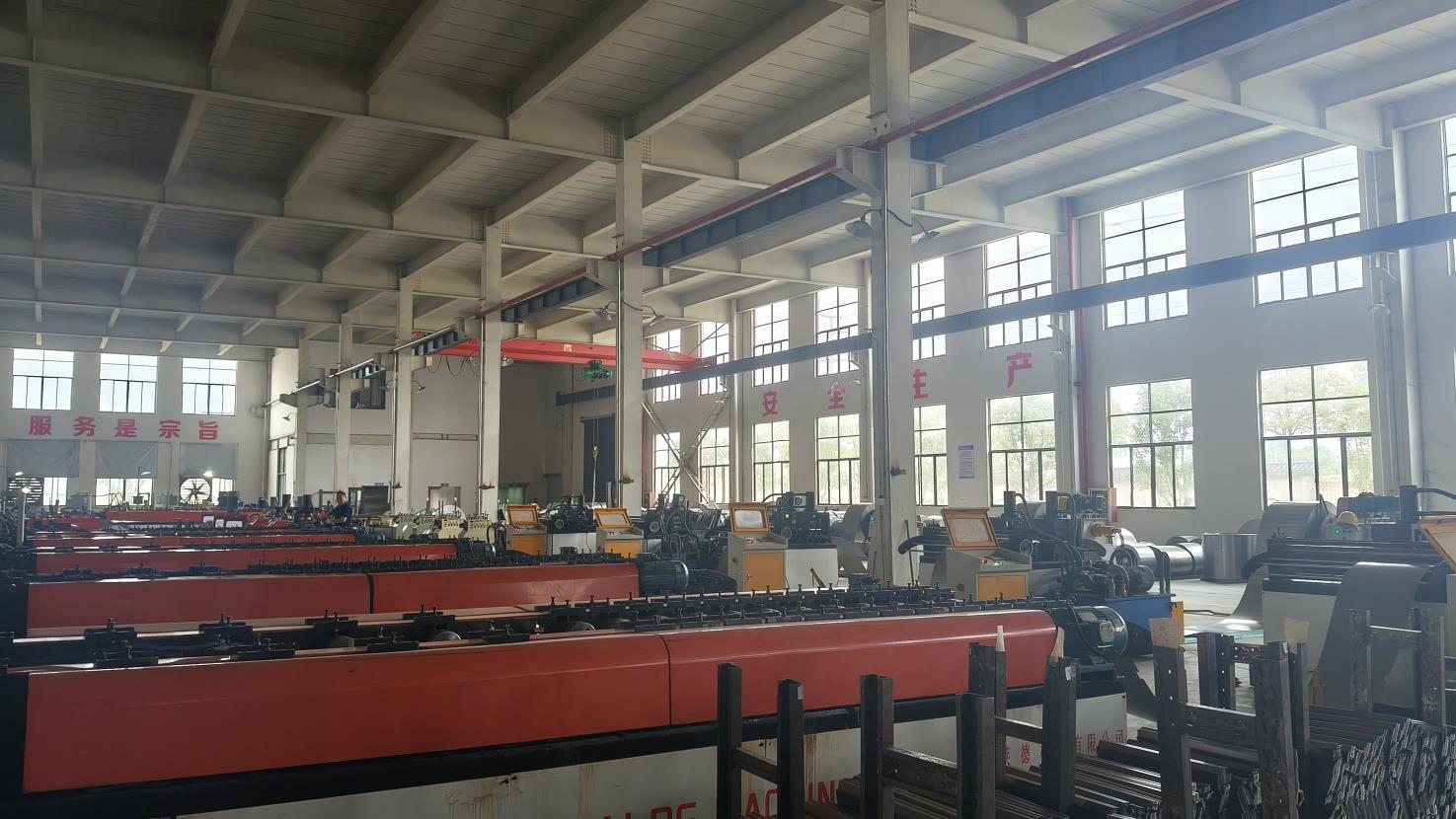
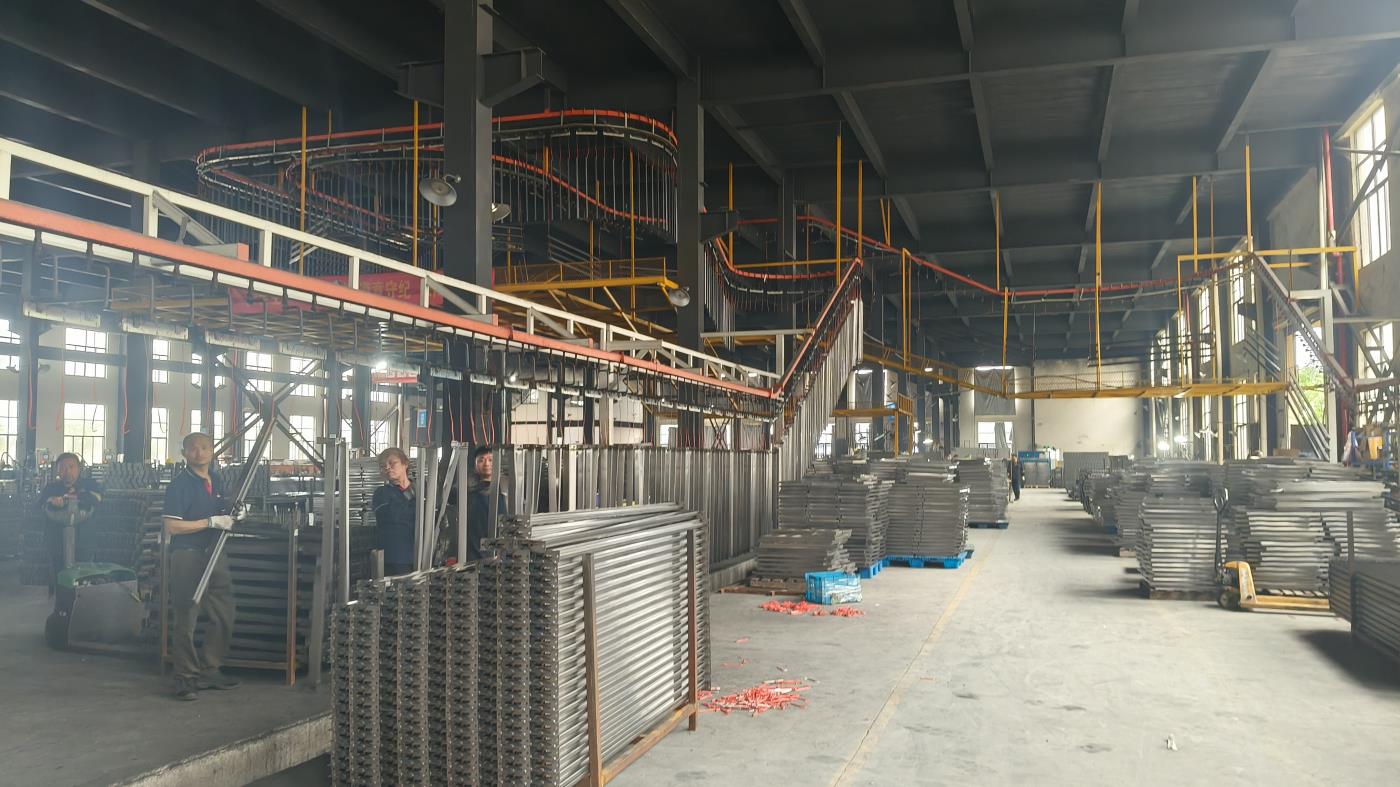
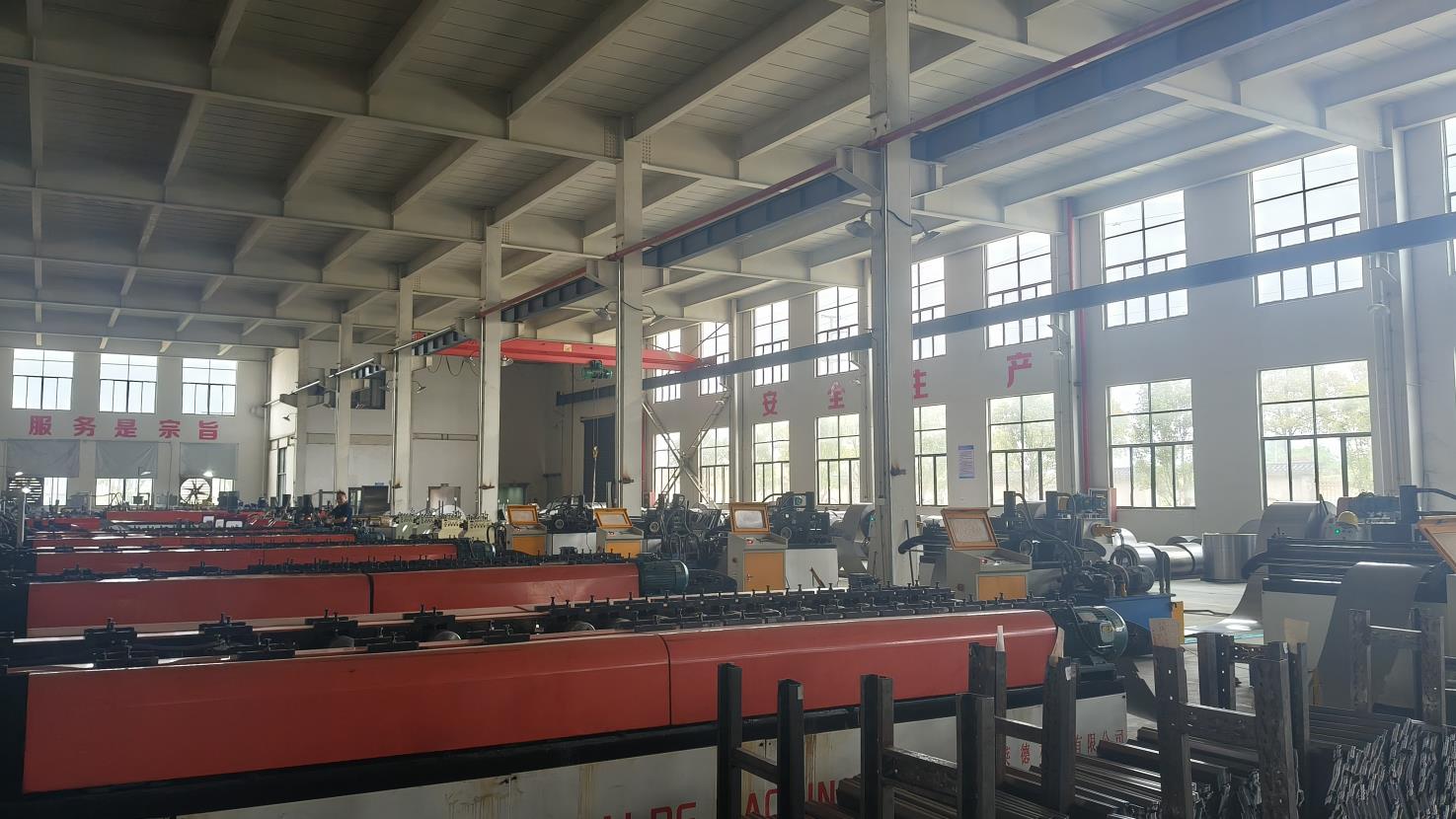
Established in 2015, Shenzhen Shibang Storage Rack Co., Ltd. is a leading manufacturer specializing in industrial racking systems and customized warehouse storage solutions. Operating from a modern production facility spanning 32,000 square meters, we integrate structural design, precision manufacturing, and international trade to serve a diverse global client base.
With over 12 years of industry expertise and 8 years of dedicated export experience, our products are distributed across North America, Europe, Australia, and Southeast Asia, generating over $18 million in annual export revenue. We primarily partner with industrial distributors, third-party logistics (3PL) providers, e-commerce fulfillment centers, and large-scale manufacturing enterprises. Supported by a robust network of over 800 supply chain partners, we ensure consistent raw material quality and efficient production timelines.
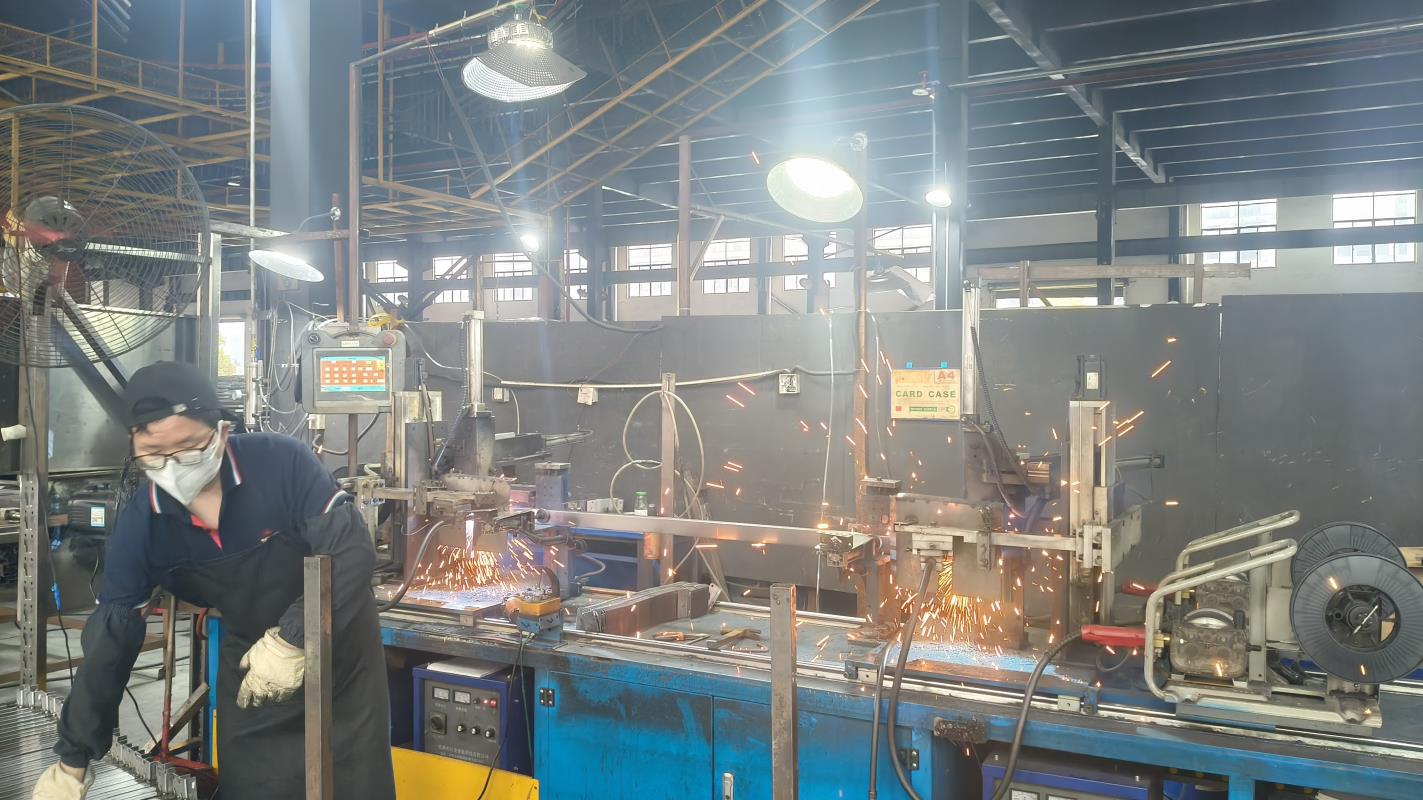
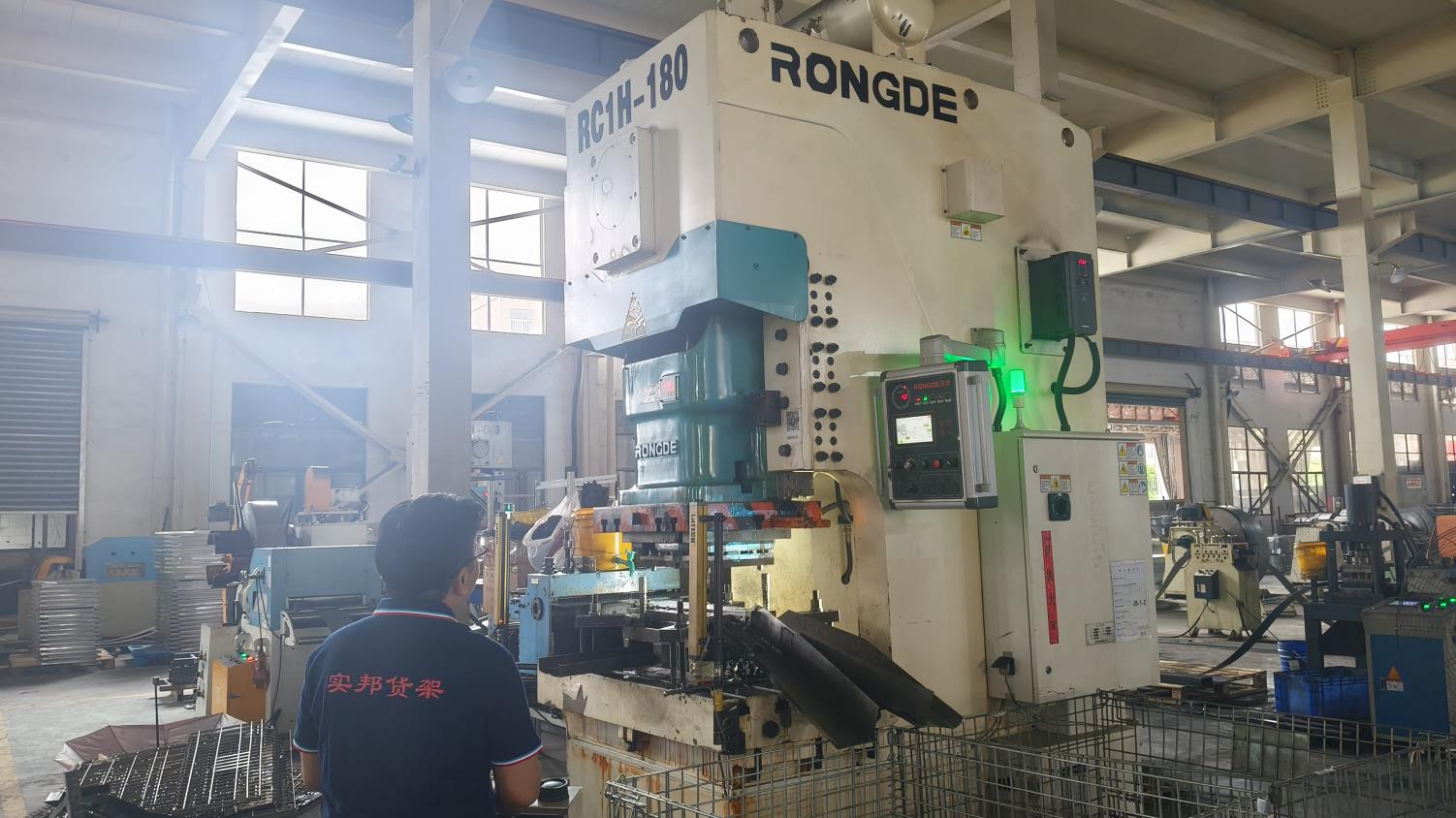
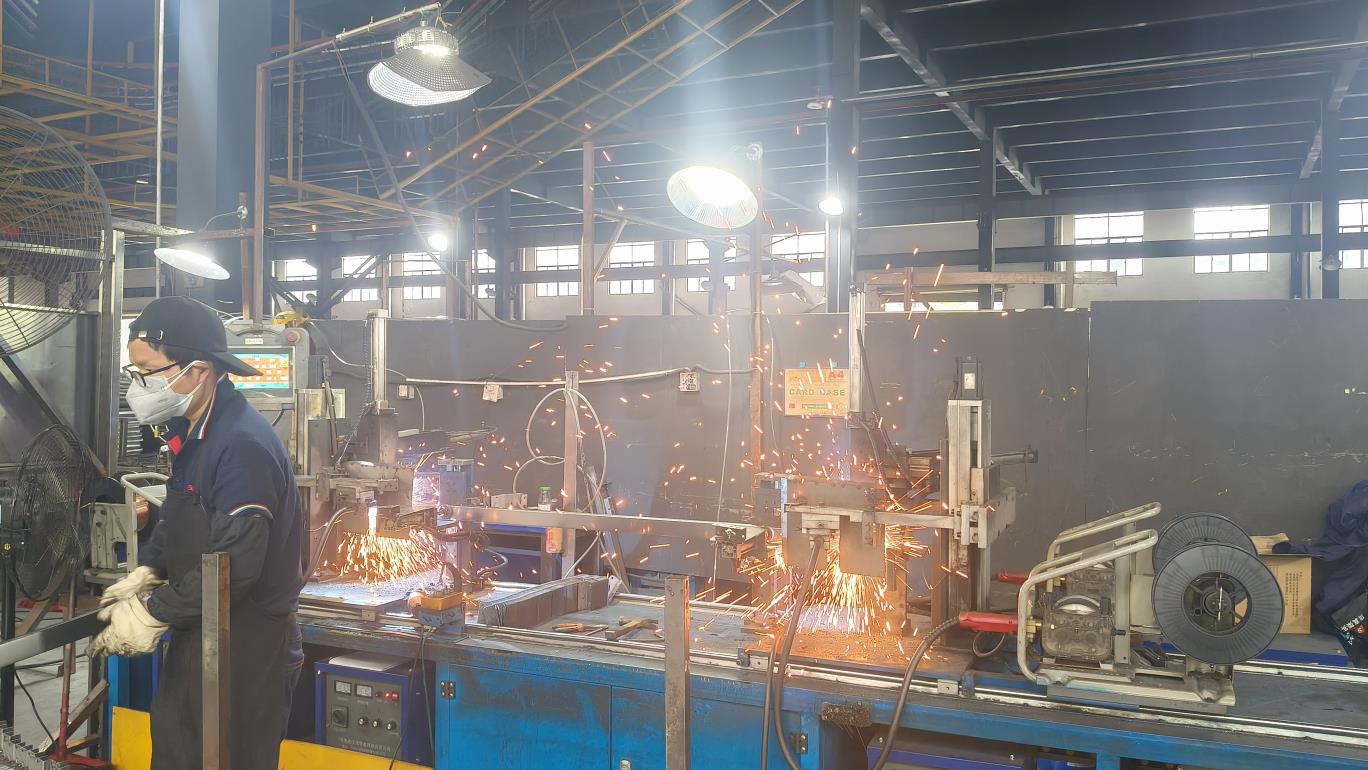
Quality control and technological innovation form the core of our operations. Our dynamic R&D team consists of 18 senior engineers, supported by 35 dedicated QC professionals. We implement rigorous product inspection protocols—including raw steel tensile testing, automated ultrasonic weld checking, static and dynamic load testing, and powder-coating salt spray endurance tests—ensuring compliance with international safety and durability standards. In the past year alone, our R&D unit successfully introduced 45 new product designs and structural optimizations.
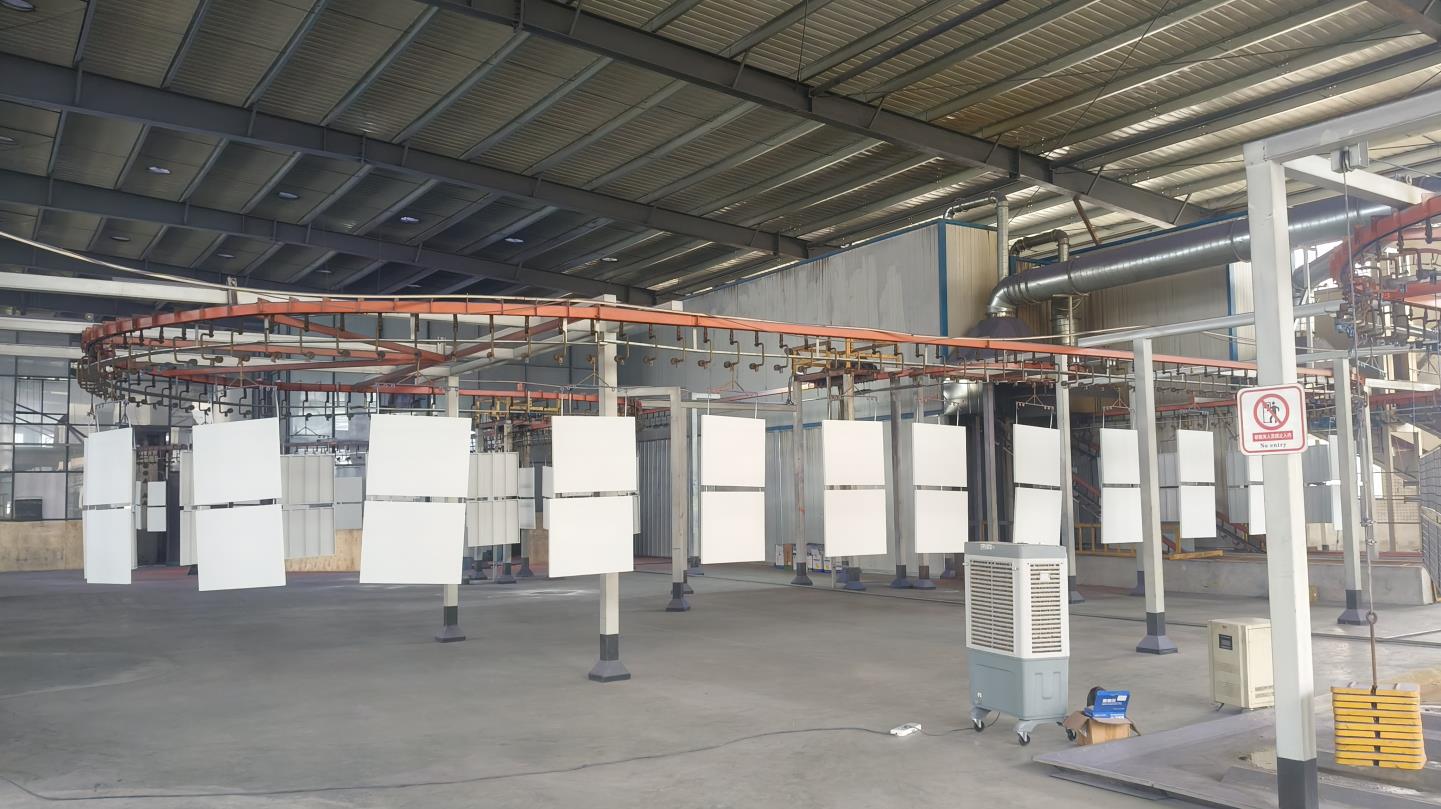
We offer full structural customization options, providing tailored loading capacities, height configurations, beam profiles, and surface finishes (powder coating and hot-dip galvanizing) to meet exact warehouse specifications. Guided by engineering precision and trade reliability, Shenzhen Shibang Storage Rack Co., Ltd. continues to deliver safe, scalable, and optimized storage solutions for modern global supply chains.
A comprehensive visual walkthrough of our high-precision fabrication, automated metal forming, and quality assurance processes.
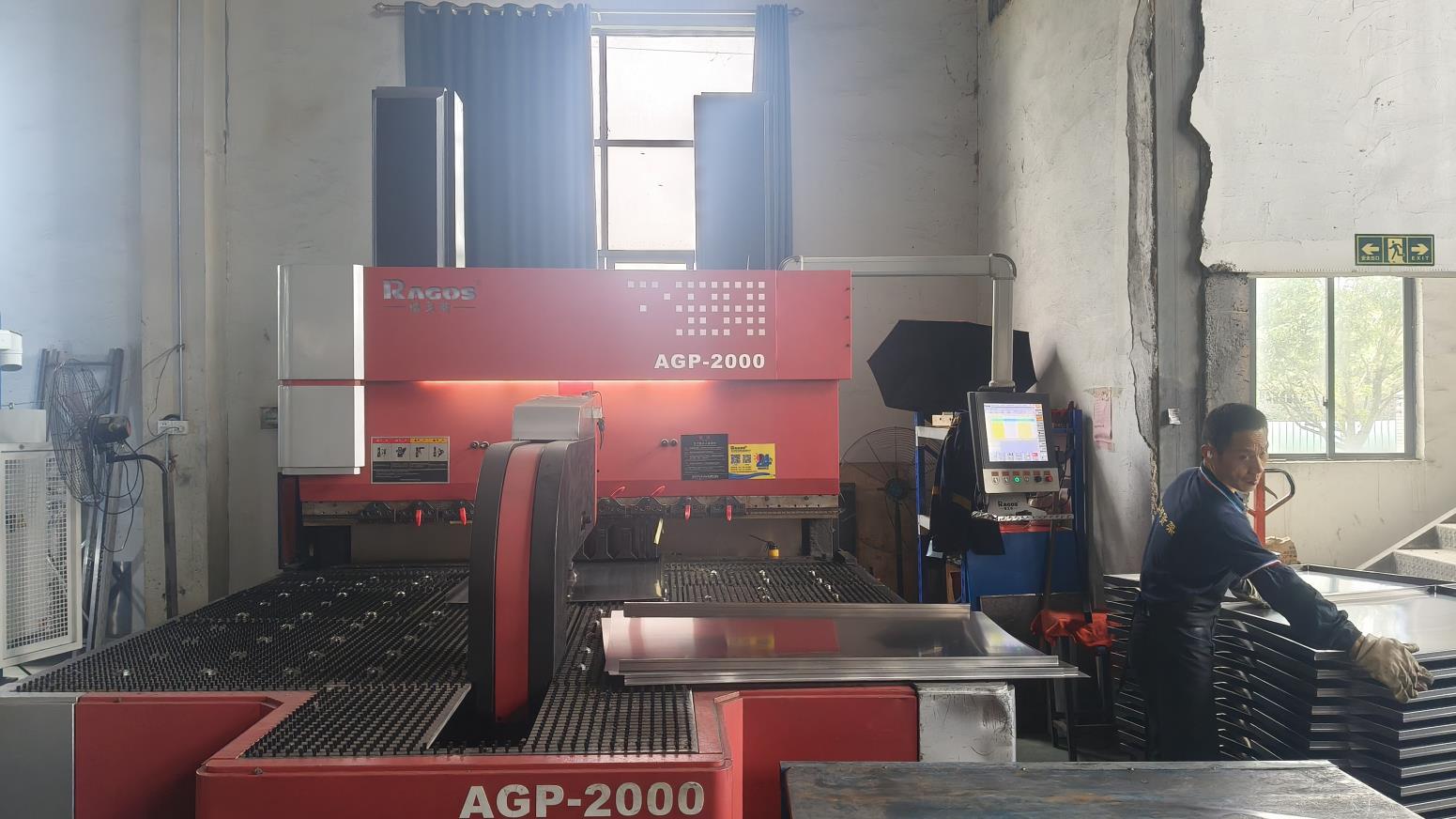
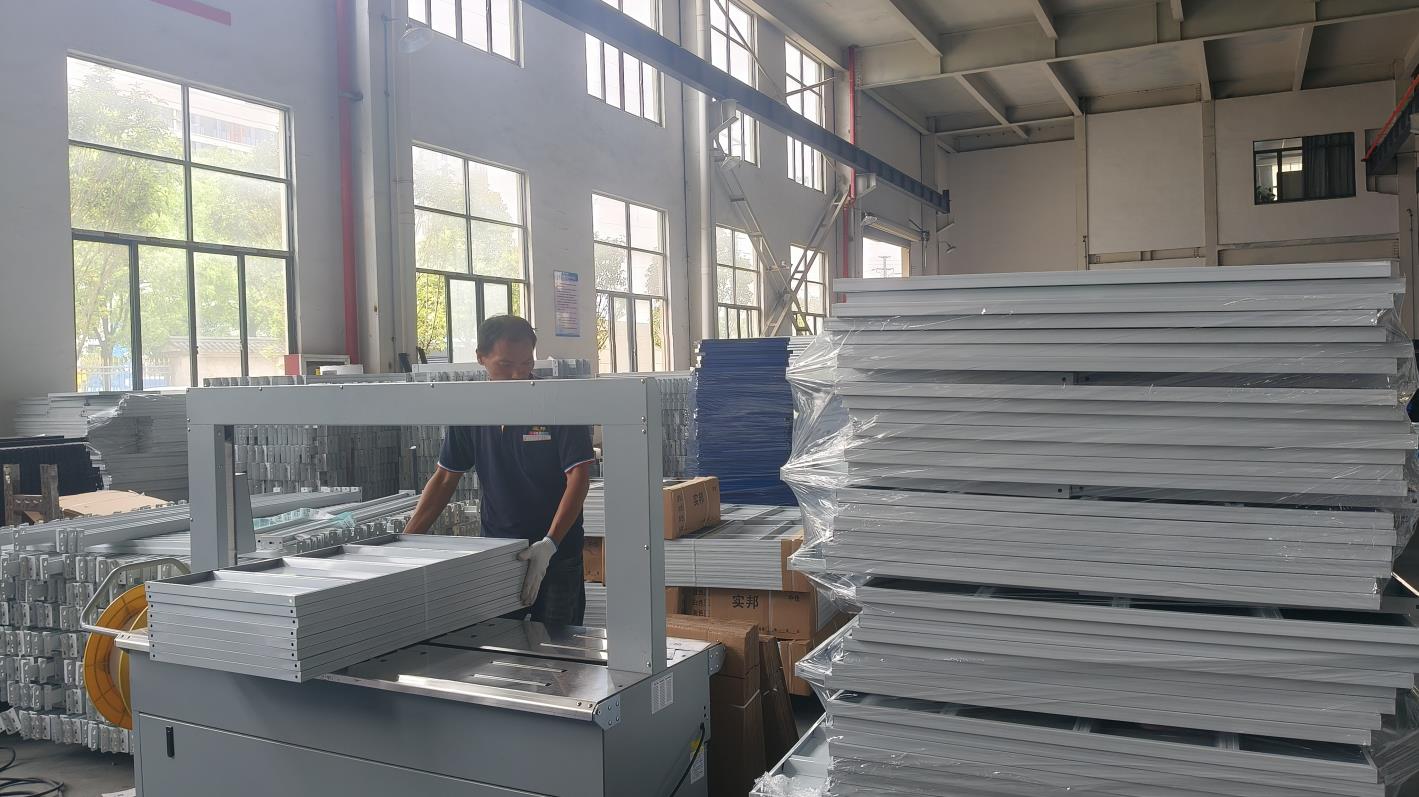
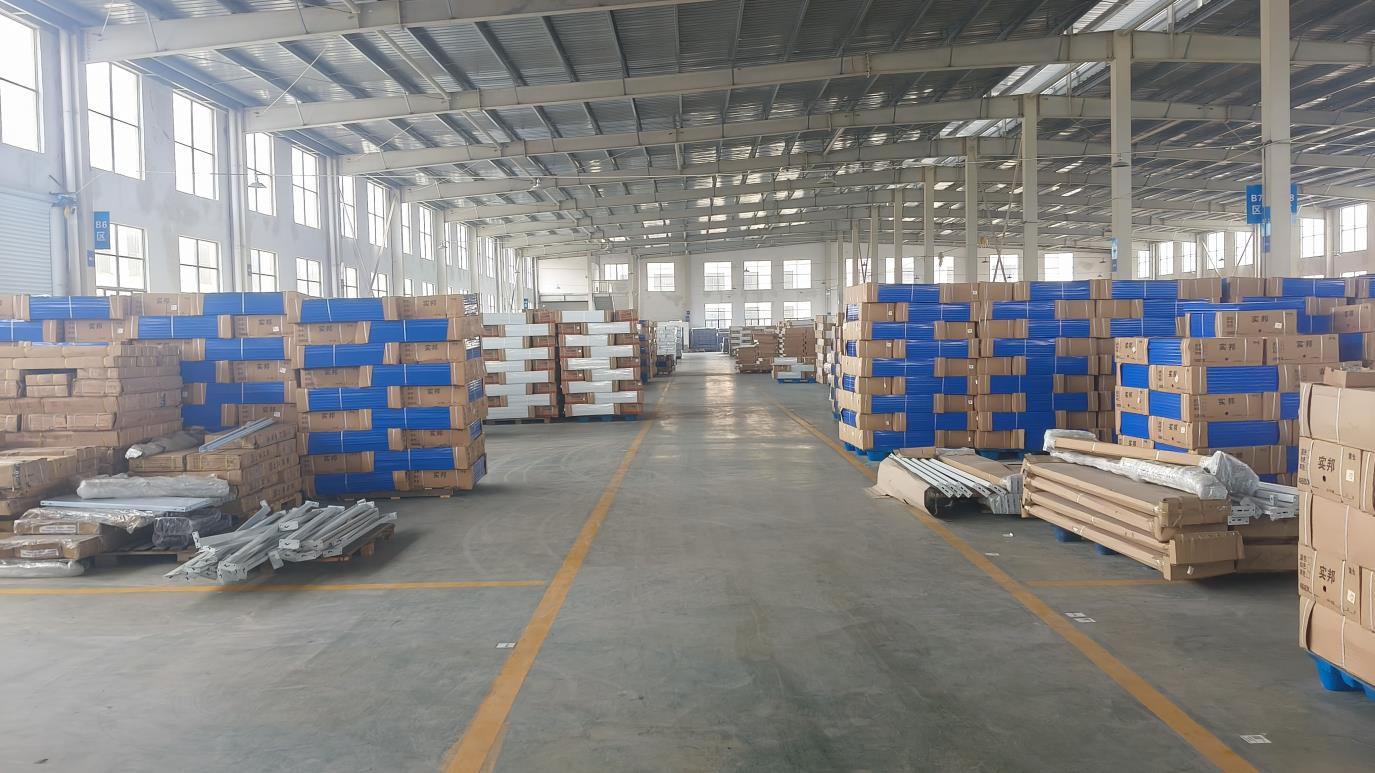
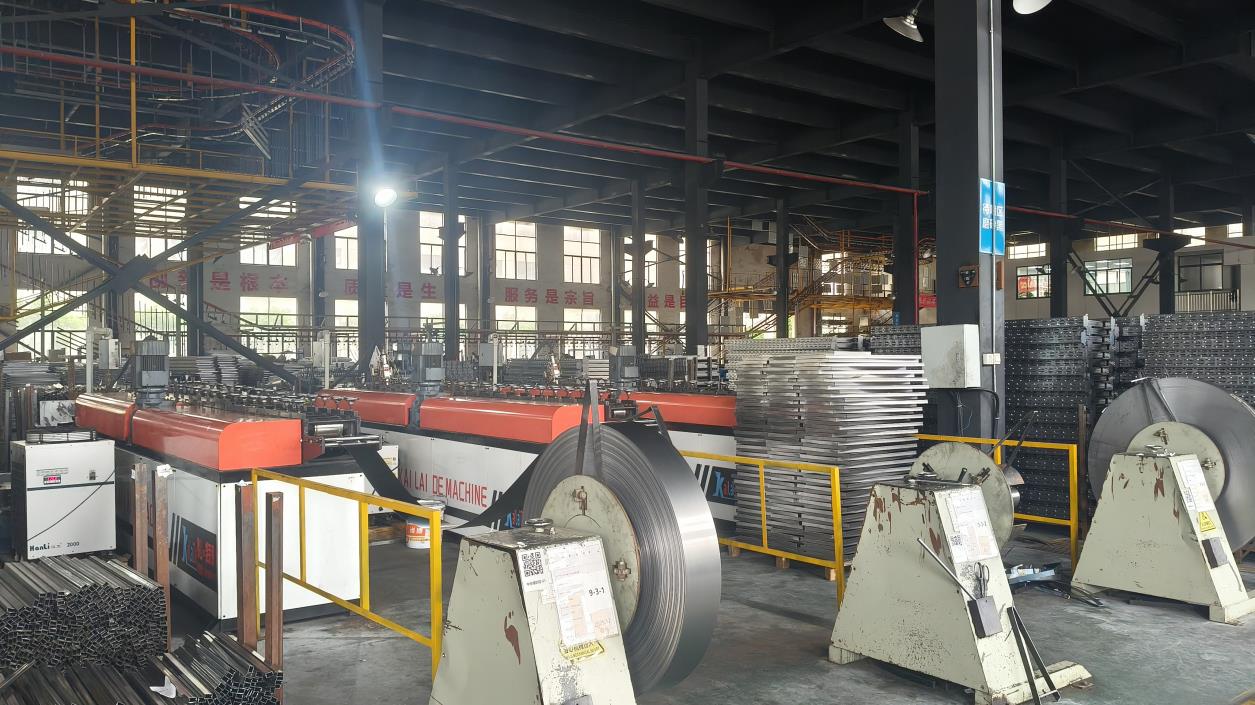
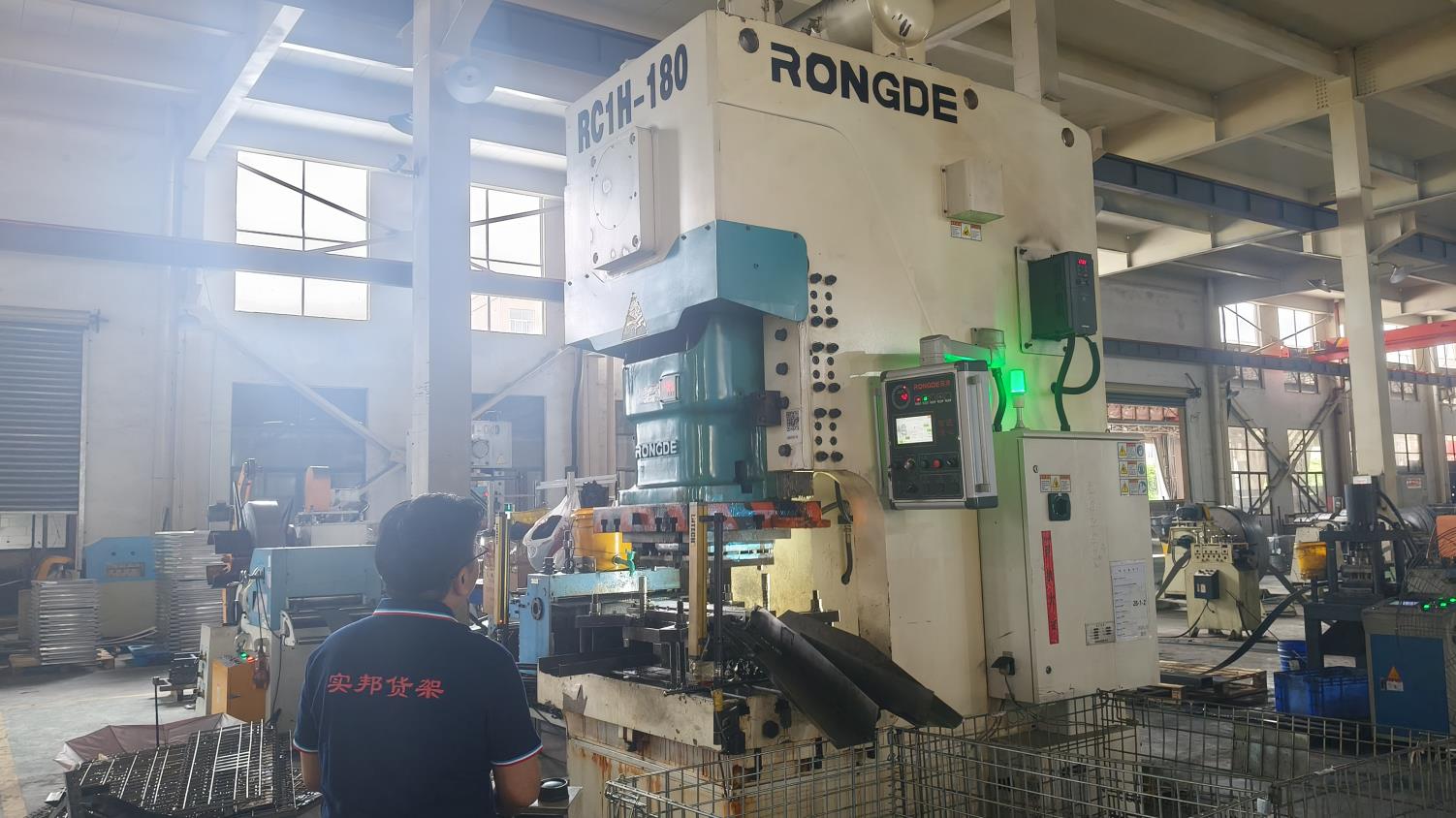
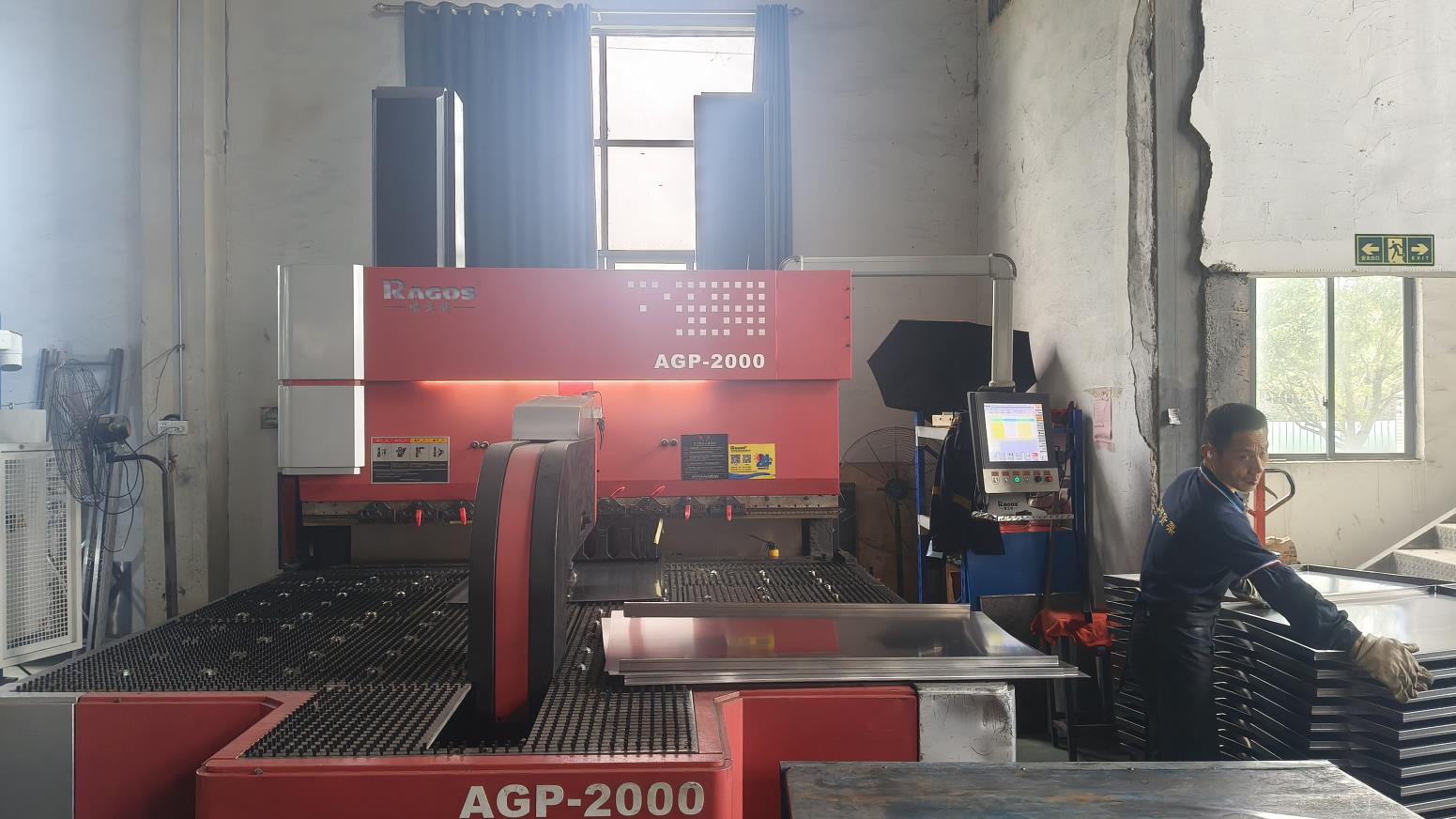
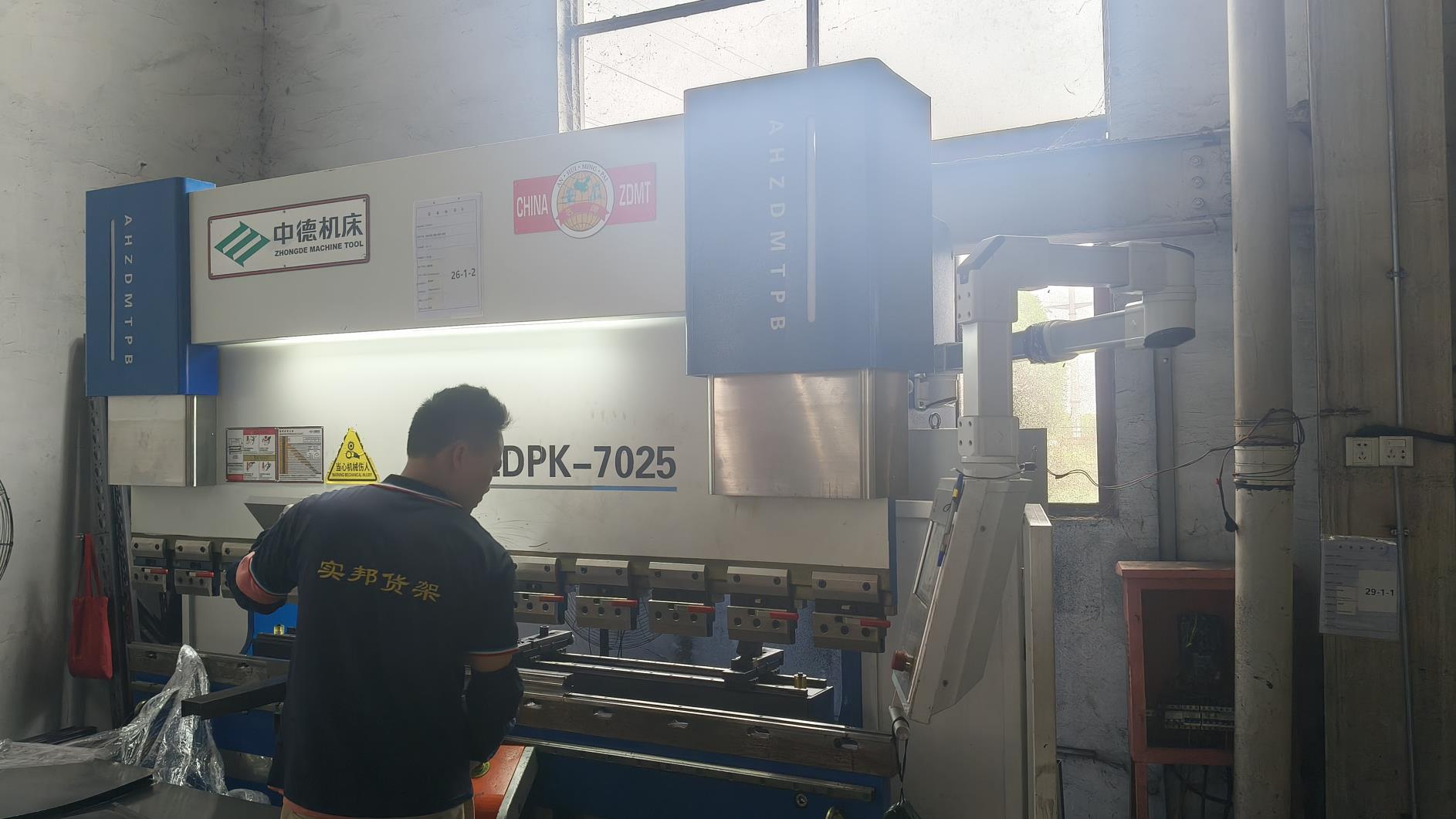
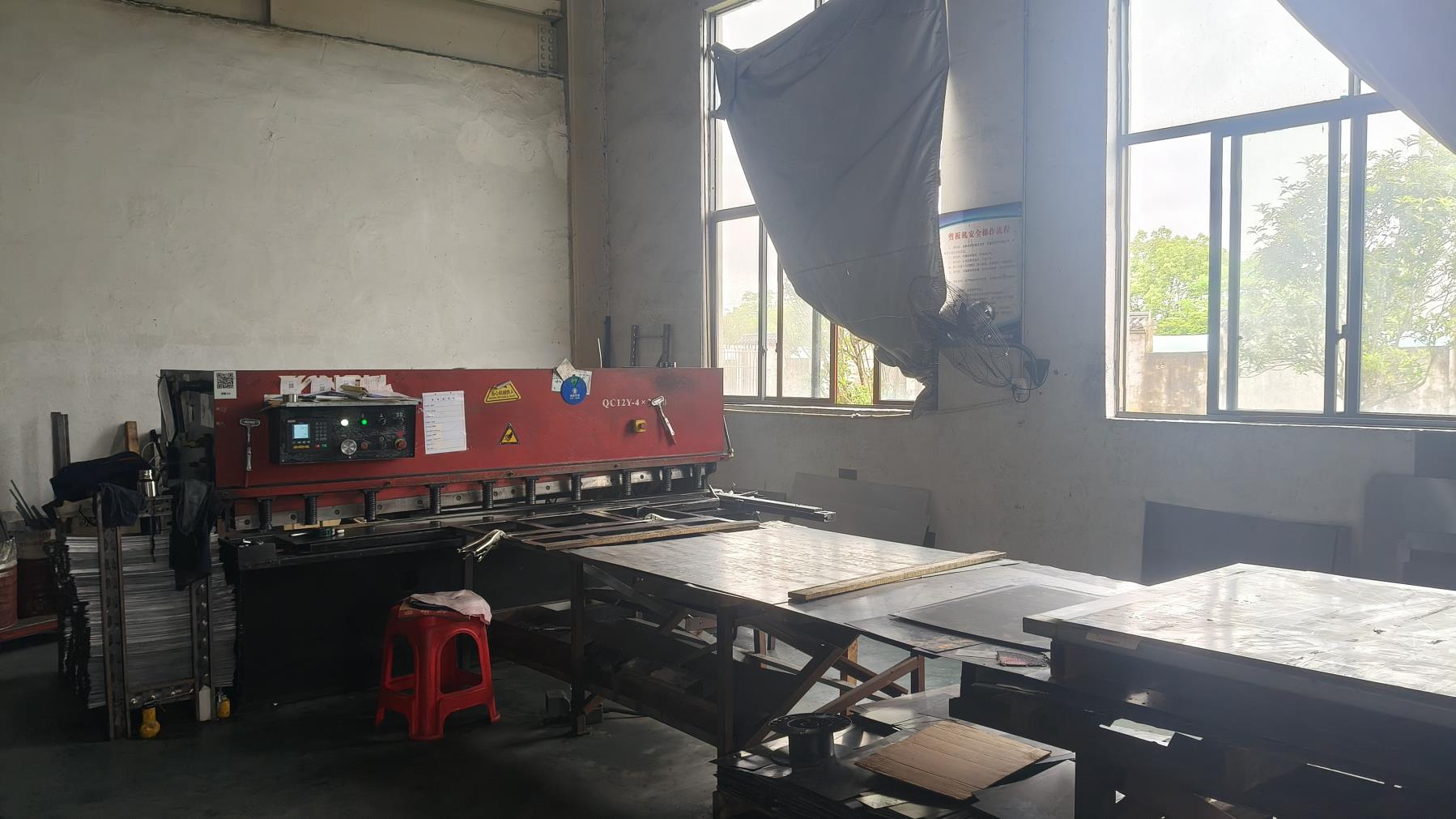
How customized racking configurations solve dynamic supply chain bottlenecks across distinct operating sectors.
Standardized storage designs often fail when confronted with specialized operational requirements. For example, Third-Party Logistics (3PL) operations require highly adaptable storage platforms to store a wide range of pallet sizes. Conversely, E-commerce Fulfillment Centers prioritize rapid access to individual stock keeping units (SKUs). Industrial Cold Storage facilities operate in high-density, low-temperature zones where space efficiency is vital. Shibang tailors structural system dimensions and safety profiles to match these distinct operational requirements:
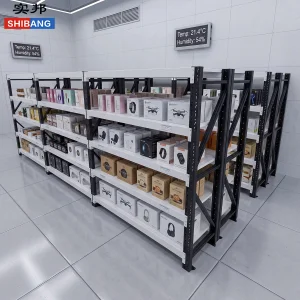
Third-party logistics spaces must balance volumetric utilization with quick access. By utilizing double-deep or heavy-duty selective steel pallet racking, companies can increase storage space by up to 40% compared to traditional single-tier systems. Shibang integrates custom beam lengths, robust column protectors, and structural diagonal bracing to support dense load patterns while maintaining access points for reach trucks.
In high-speed sorting warehouses, mezzanine systems utilize overhead vertical space for manual pick shelves. These hybrid designs integrate heavy-duty racking frames as the primary floor supports. This approach allows facilities to expand pick locations, sorting lines, and pack-out stations within the existing warehouse footprint, bypassing costly building expansions.
In sub-zero environments, raw steel becomes brittle and susceptible to fatigue crack propagation. To mitigate this risk, Shibang utilizes hot-rolled structural steel profiles that maintain excellent ductility down to -25°C. These profiles are treated with hot-dip galvanized or specialized cold-resistant powder finishes. This prevents rust formation caused by temperature changes, ensuring structural reliability in harsh conditions.
Ensuring compliance, providing engineering support, and aligning with future technological advancements.
Sourcing customized steel structures from overseas requires clear engineering validation and robust local support. Shibang bridges this gap by providing full structural analysis calculations, seismic load simulations, and detail drawings. This comprehensive documentation streamlines the local structural engineering approval and building permit processes.
Additionally, we work closely with localized installation teams across North America and Europe. This collaborative approach ensures that our racking systems are installed in strict accordance with original engineering specifications, local structural codes, and work safety standards.
Looking ahead, Shibang is focused on implementing the following technical innovations:
Common questions regarding structural integrity, safety certifications, custom options, and logistical operations.
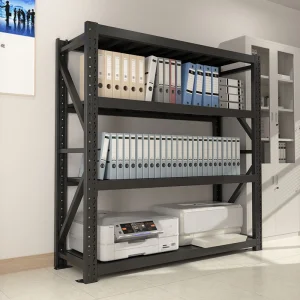
Heavy-duty, medium-duty, and adjustable boltless racks engineered for commercial, industrial, and garage workspaces.
 Shibang Steel