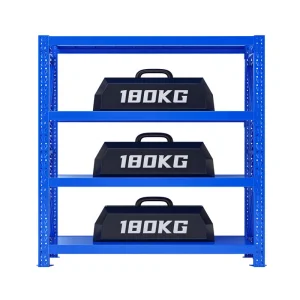
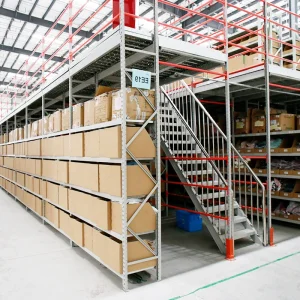
Engineered for maximum space utilization, static load safety, and dynamic material movement in industrial logistics hubs.
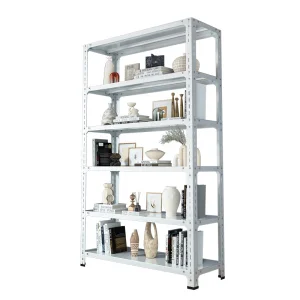
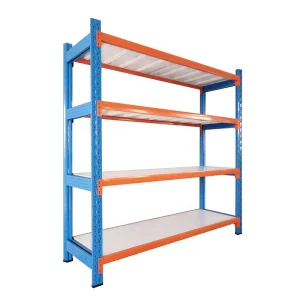
How industrial storage systems and heavy-duty trolleys drive corporate profitability and micro-fulfillment efficiency.
In the era of hyper-optimized supply chains, the physical storage infrastructure remains the primary bottleneck for operational throughput. Storage trolleys and modular heavy-duty racking systems are no longer passive steel components; they are active facilitators of the material flow. Modern global distribution models require highly agile systems that mitigate pick times, eliminate workplace hazards, and scale rapidly to handle fluctuating SKU densities.
This industrial whitepaper dives deep into the technical specifications, fabrication methodologies, and selection criteria that procurement teams and 3PL project directors must prioritize. From Q235B cold rolled steel yield metrics to compliant electrostatic powder coating performance, we provide technical insights to guide your sourcing strategies.
Key technical parameters that separate world-class manufacturers from typical structural steel workshops.
Premium storage trolleys and racking systems utilize certified carbon structural steel, predominantly Q235B and Q355B. These steel types boast optimal yield strength (235 MPa and 355 MPa respectively), ensuring structural compliance under severe static loads and dynamic impact scenarios.
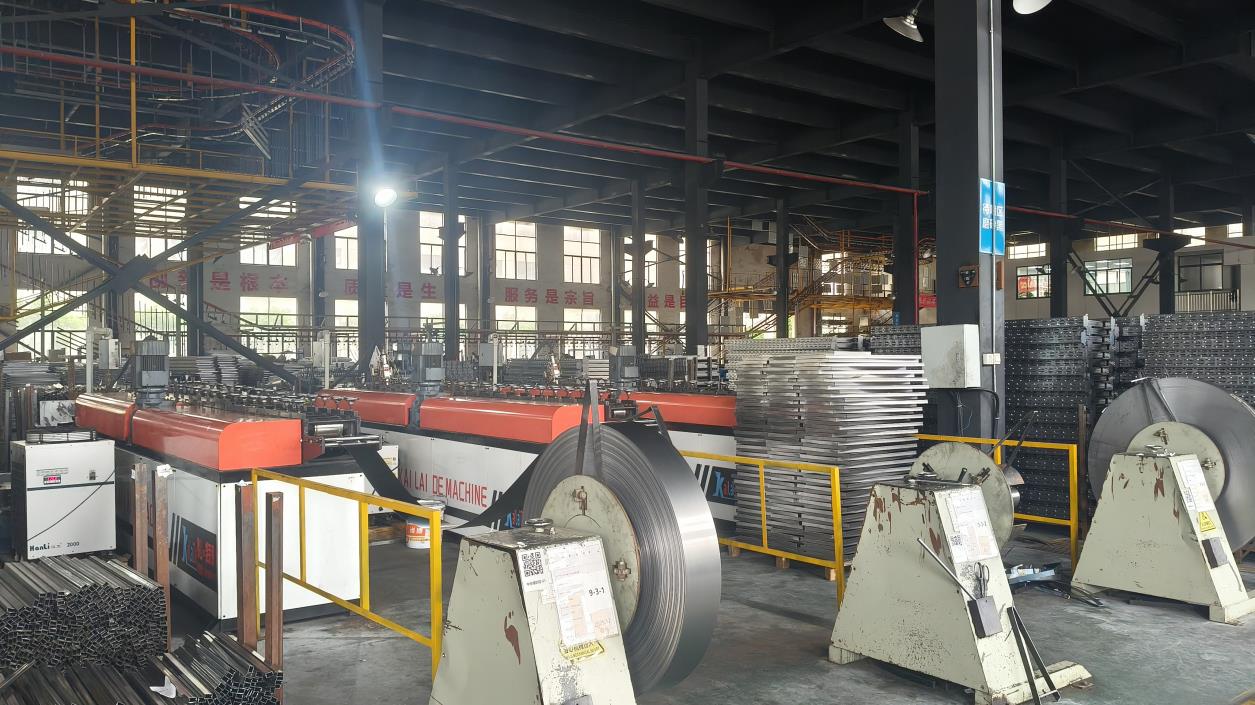
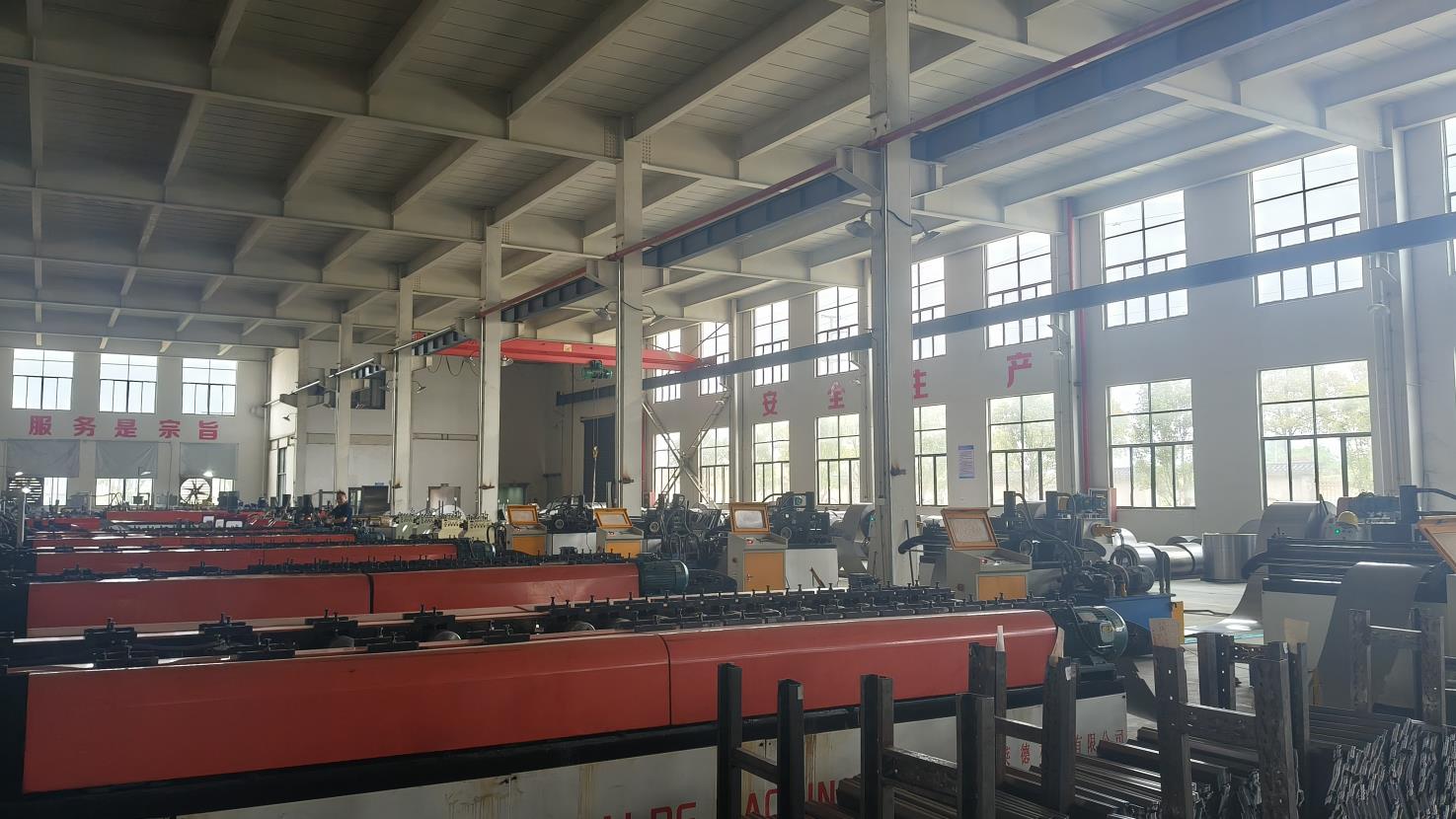
High-precision cold roll forming machines shape upright profiles with minimal dimensional deviation. Paired with computerized pneumatic punching setups, this guarantees that shelf connectors and beam adjustability profiles line up with sub-millimeter tolerances.
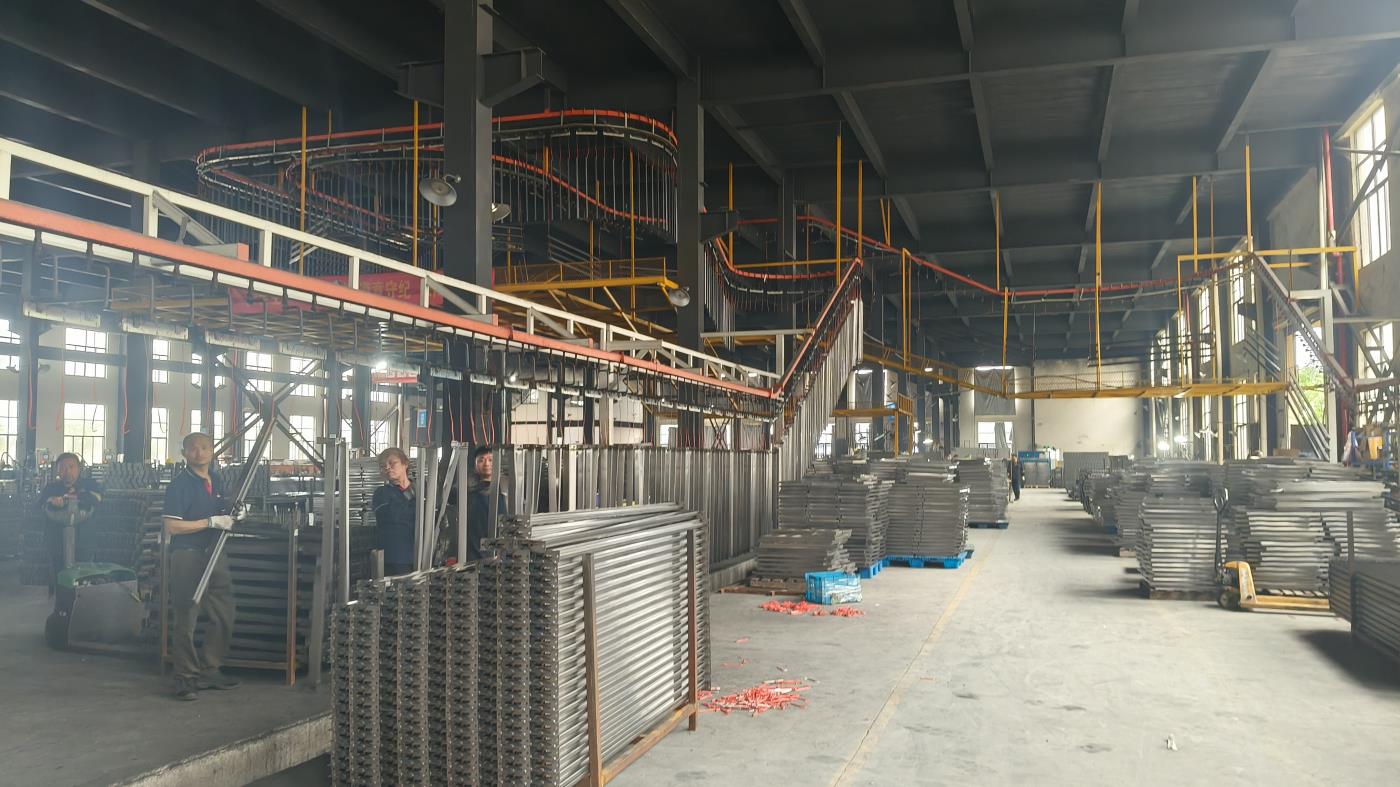
Industrial environments subject steel to humidity, chemical cleaners, and mechanical scrapes. Top-tier factories apply multi-stage chemical pretreatment, followed by automated electrostatic powder coating or hot-dip galvanizing, to satisfy extreme salt spray testing standards.
A premier Chinese manufacturing force delivering globally certified material handling and warehouse storage systems.
Established in 2015, Shenzhen Shibang Storage Rack Co., Ltd. stands as an industry-leading manufacturer specializing in heavy-duty industrial racking systems, intelligent storage trolleys, and customized warehouse solutions. Operating from a modern production facility spanning 32,000 square meters, we integrate structural design, precision manufacturing, and international trade to serve a diverse global client base.
With over 12 years of industry expertise and 8 years of dedicated export experience, our products are distributed across North America, Europe, Australia, and Southeast Asia, generating over $18 million in annual export revenue. We primarily partner with industrial distributors, third-party logistics (3PL) providers, e-commerce fulfillment centers, and large-scale manufacturing enterprises. Supported by a robust network of over 800 supply chain partners, we ensure consistent raw material quality and efficient production timelines.
Quality control and technological innovation form the core of our operations. Our dynamic R&D team consists of 18 senior engineers, supported by 35 dedicated QC professionals. We implement rigorous product inspection protocols—including raw steel tensile testing, automated ultrasonic weld checking, static and dynamic load testing, and powder-coating salt spray endurance tests—ensuring compliance with international safety and durability standards. In the past year alone, our R&D unit successfully introduced 45 new product designs and structural optimizations.
We offer full structural customization options, providing tailored loading capacities, height configurations, beam profiles, and surface finishes (powder coating and hot-dip galvanizing) to meet exact warehouse specifications. Guided by engineering precision and trade reliability, Shenzhen Shibang Storage Rack Co., Ltd. continues to deliver safe, scalable, and optimized storage solutions for modern global supply chains.
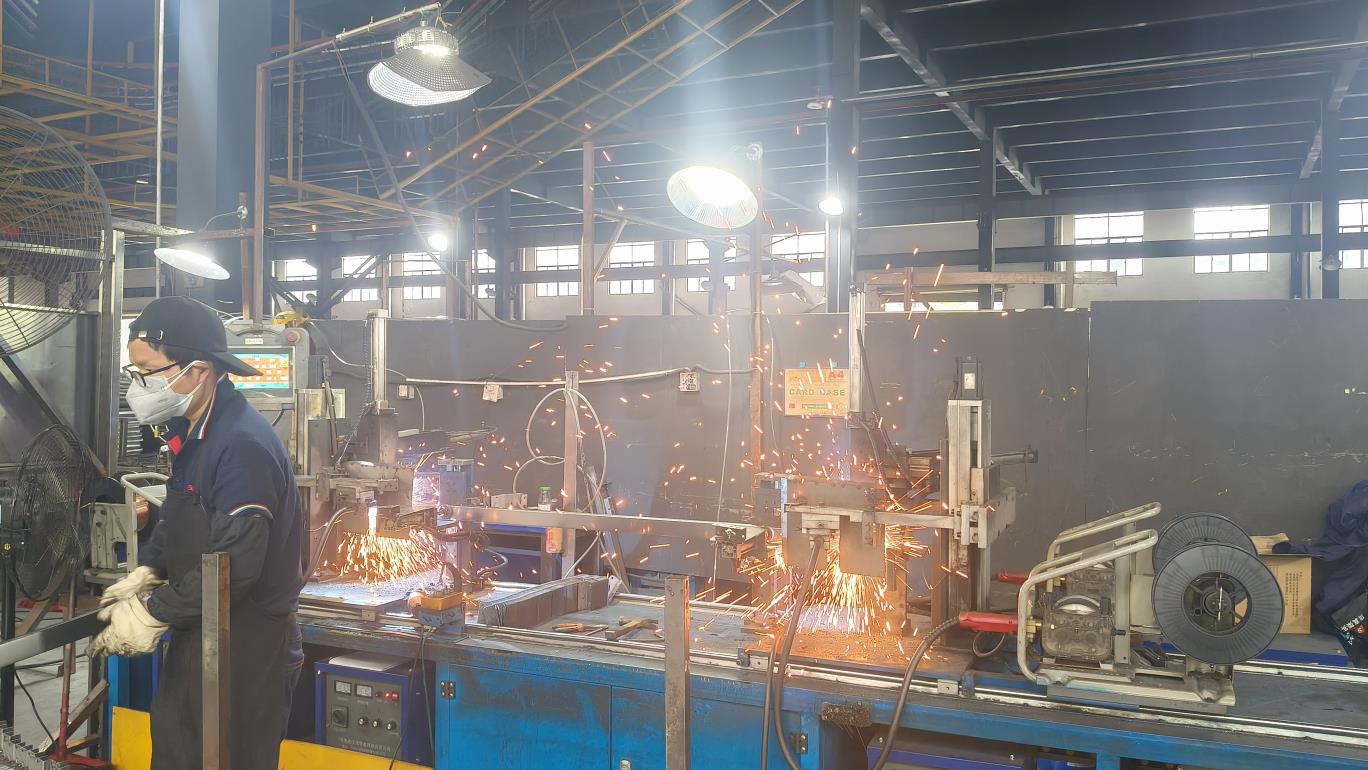
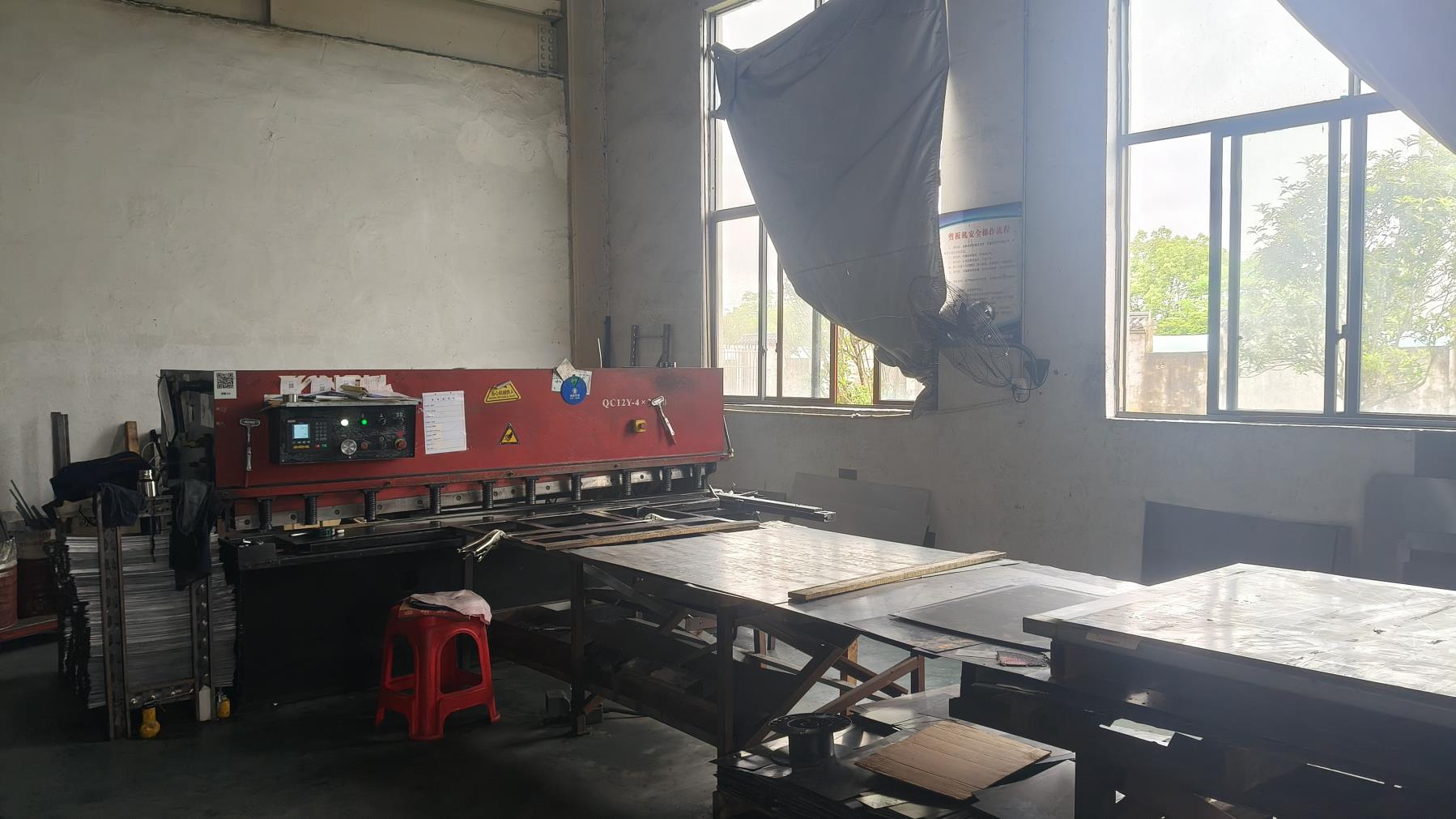
Explore our state-of-the-art machinery and manufacturing processes, securing consistency and load-bearing integrity across all product lines.
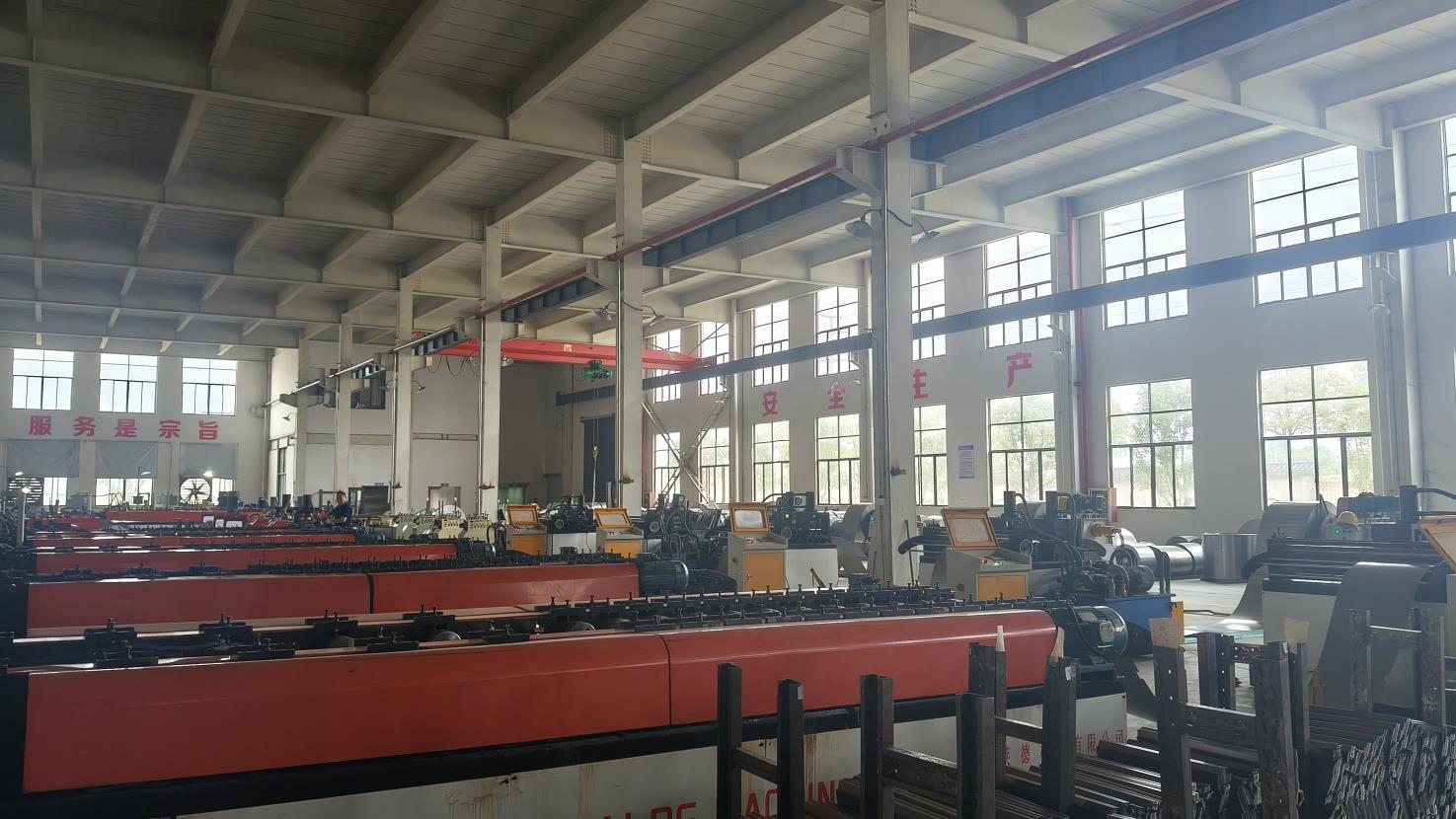
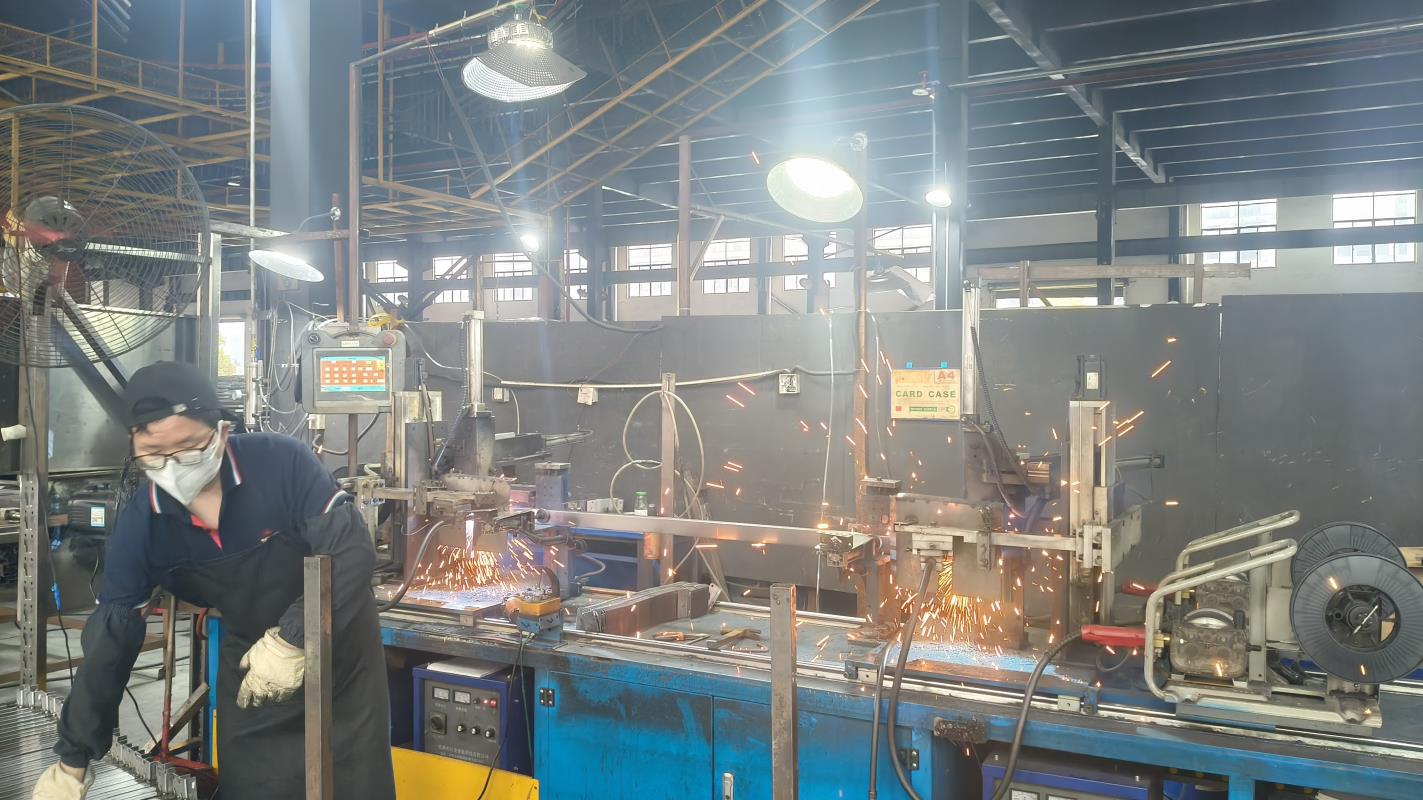
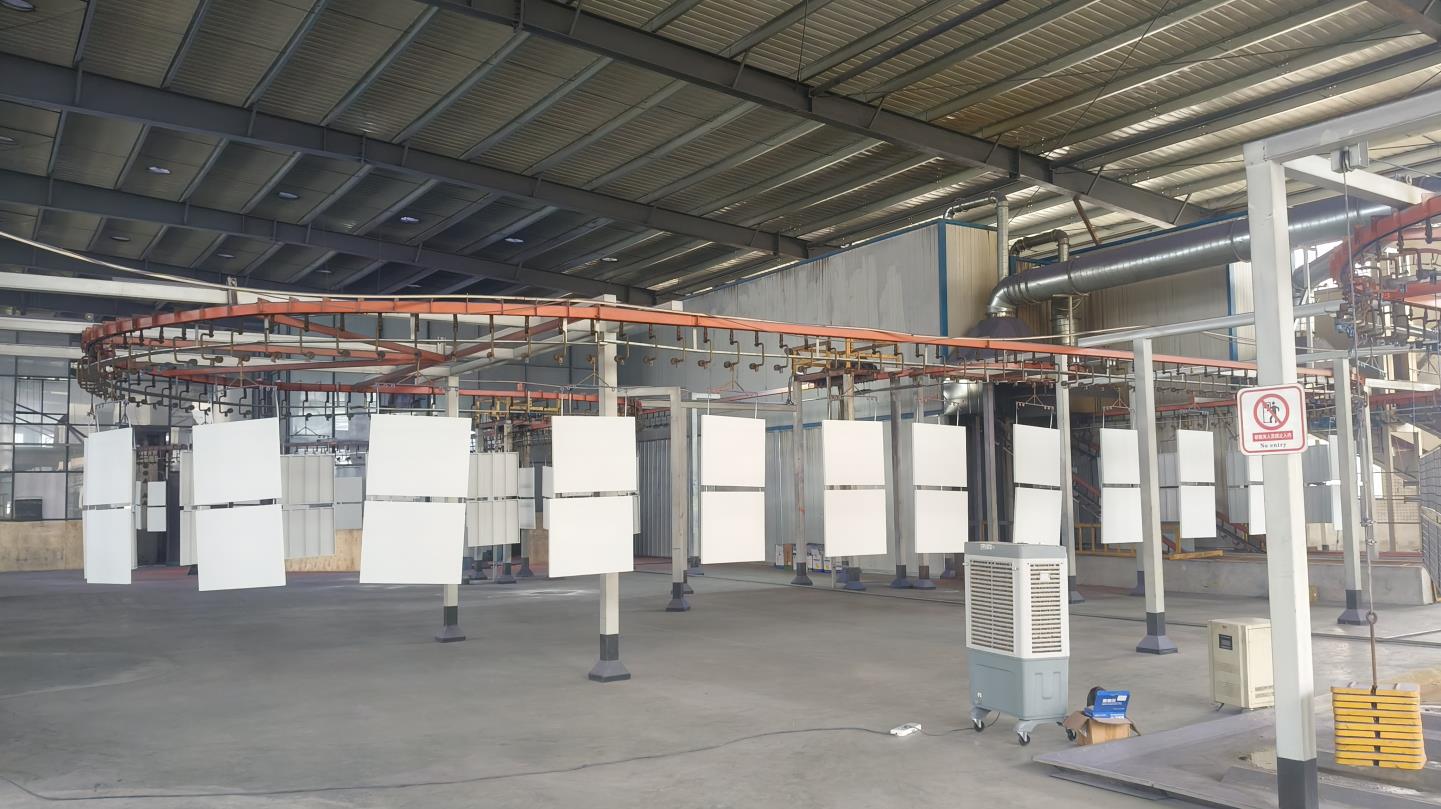
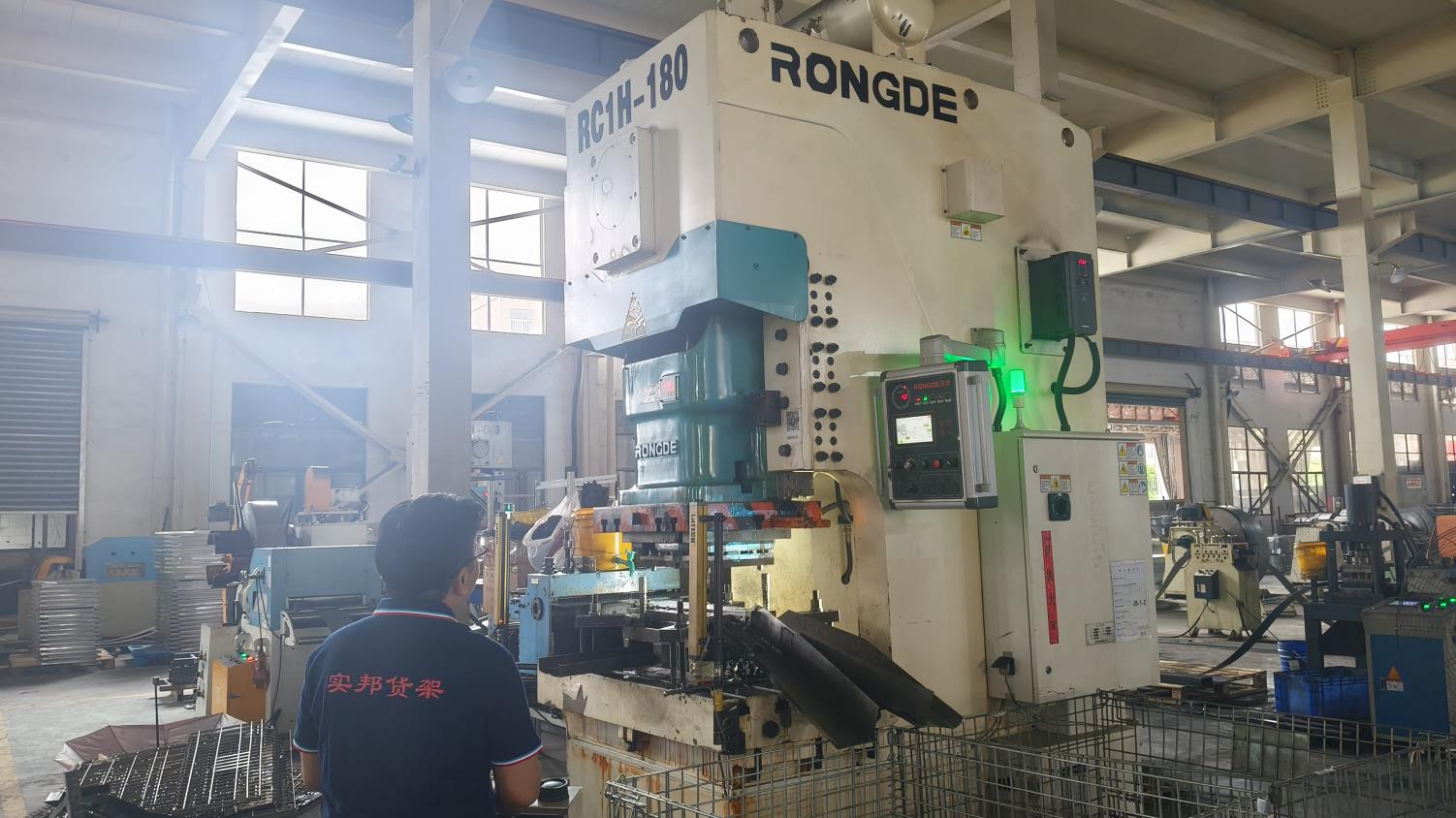
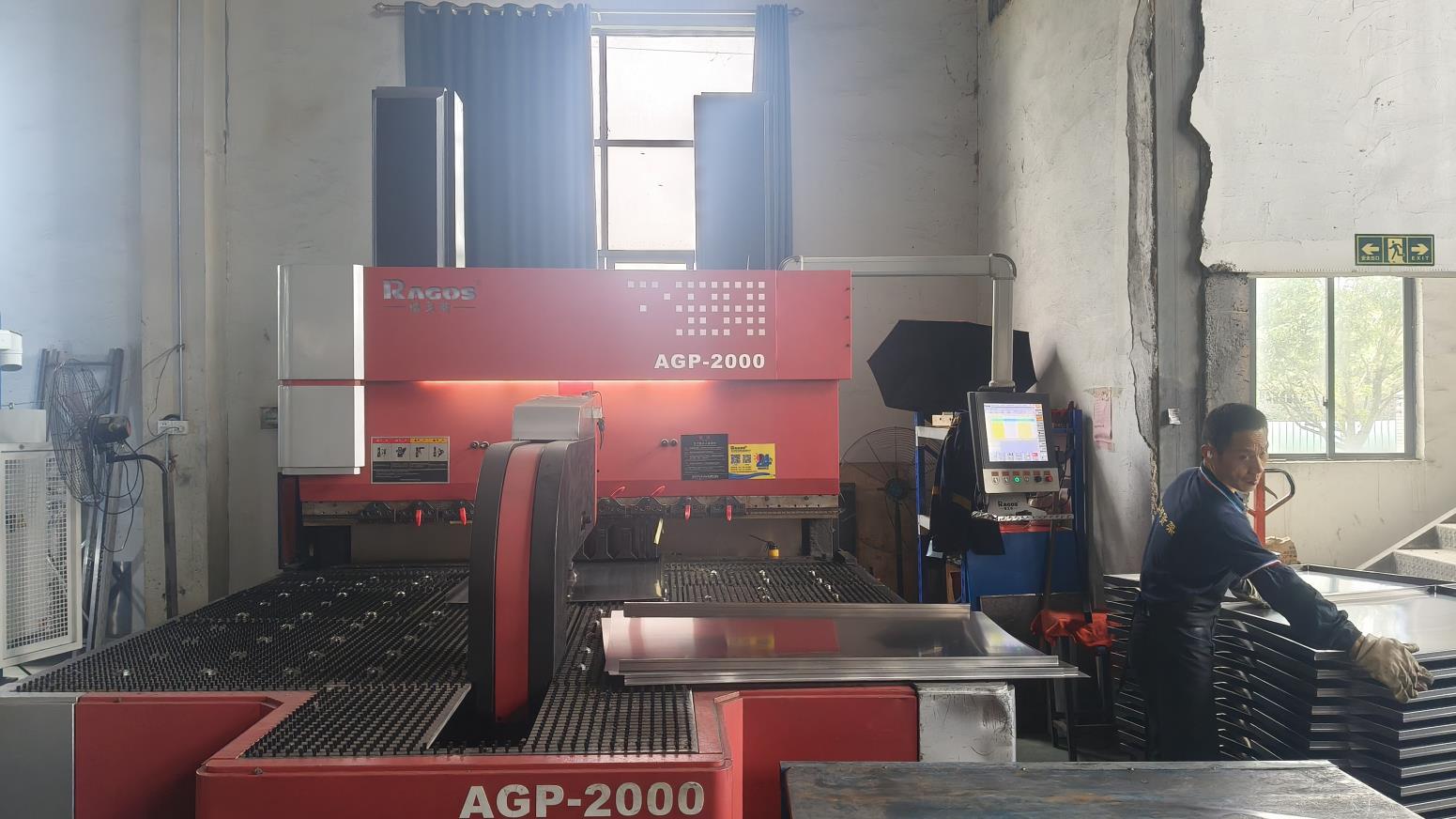
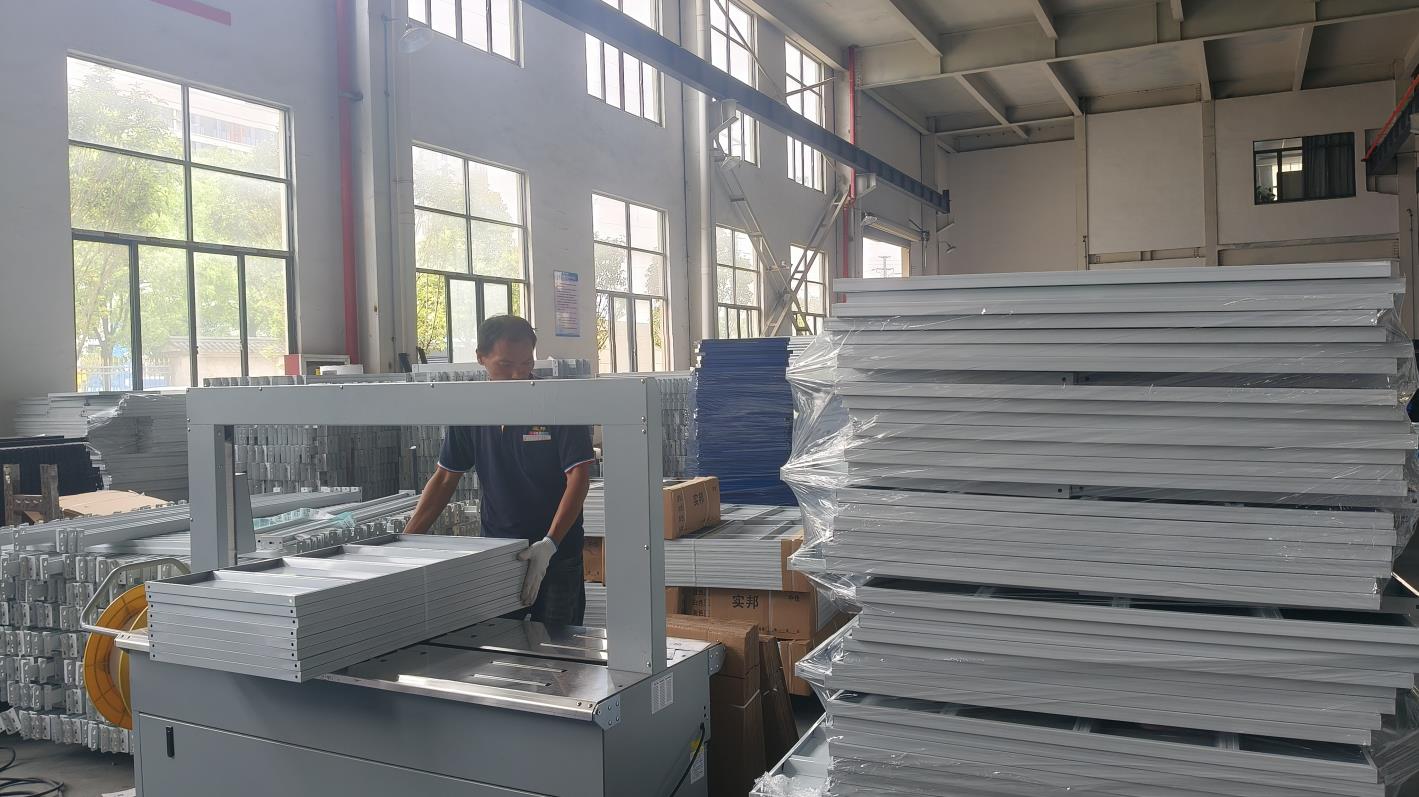
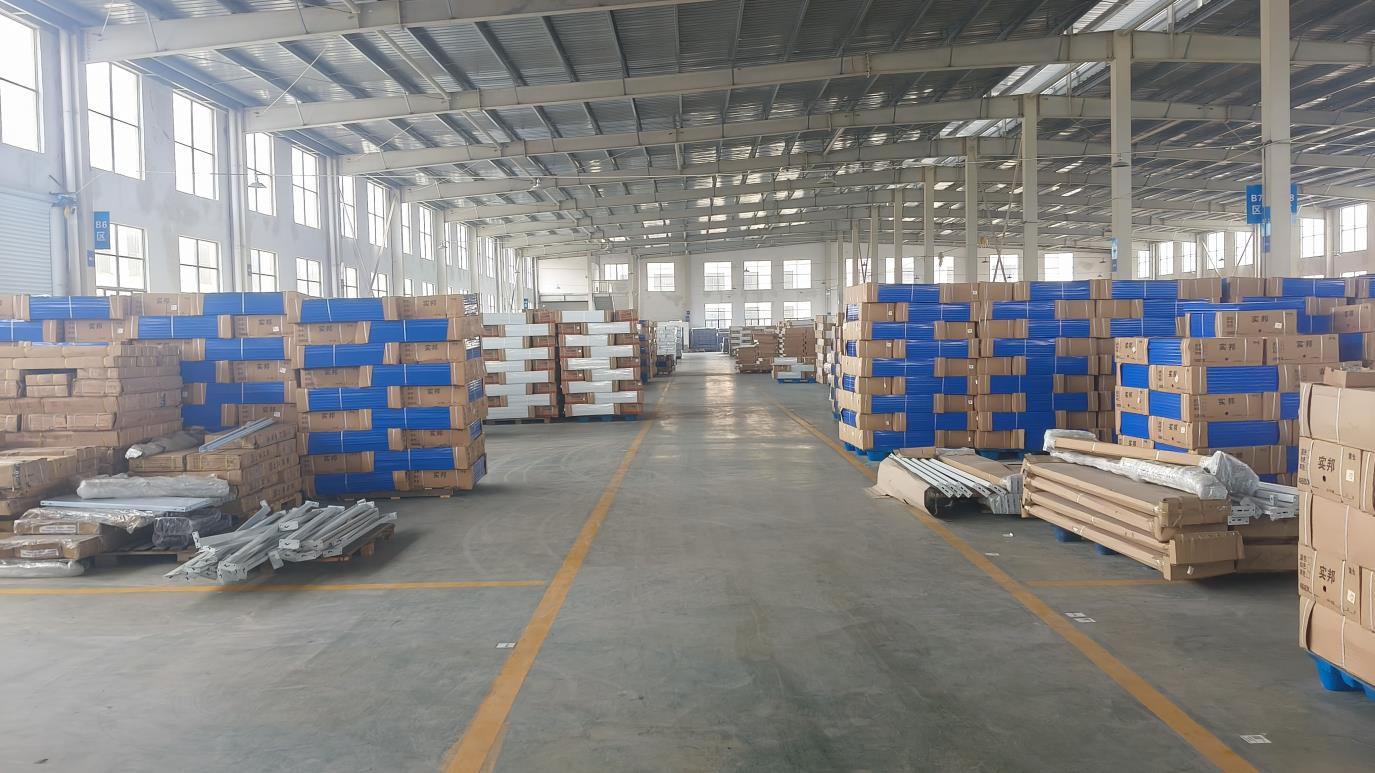
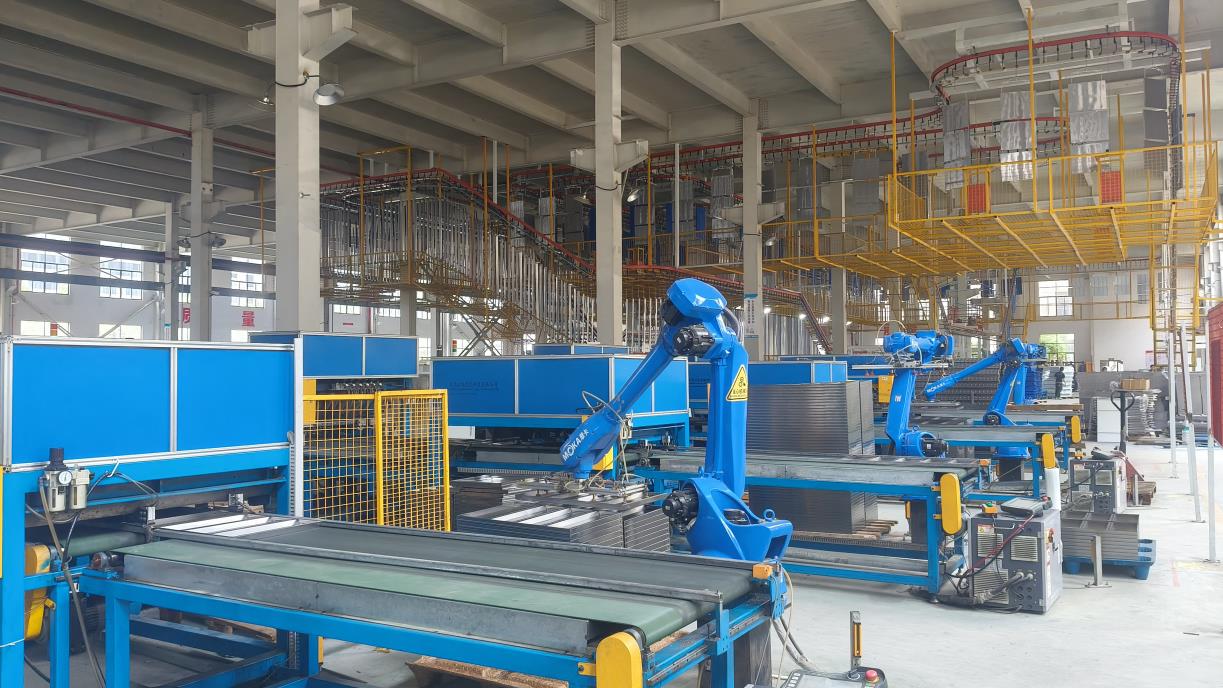
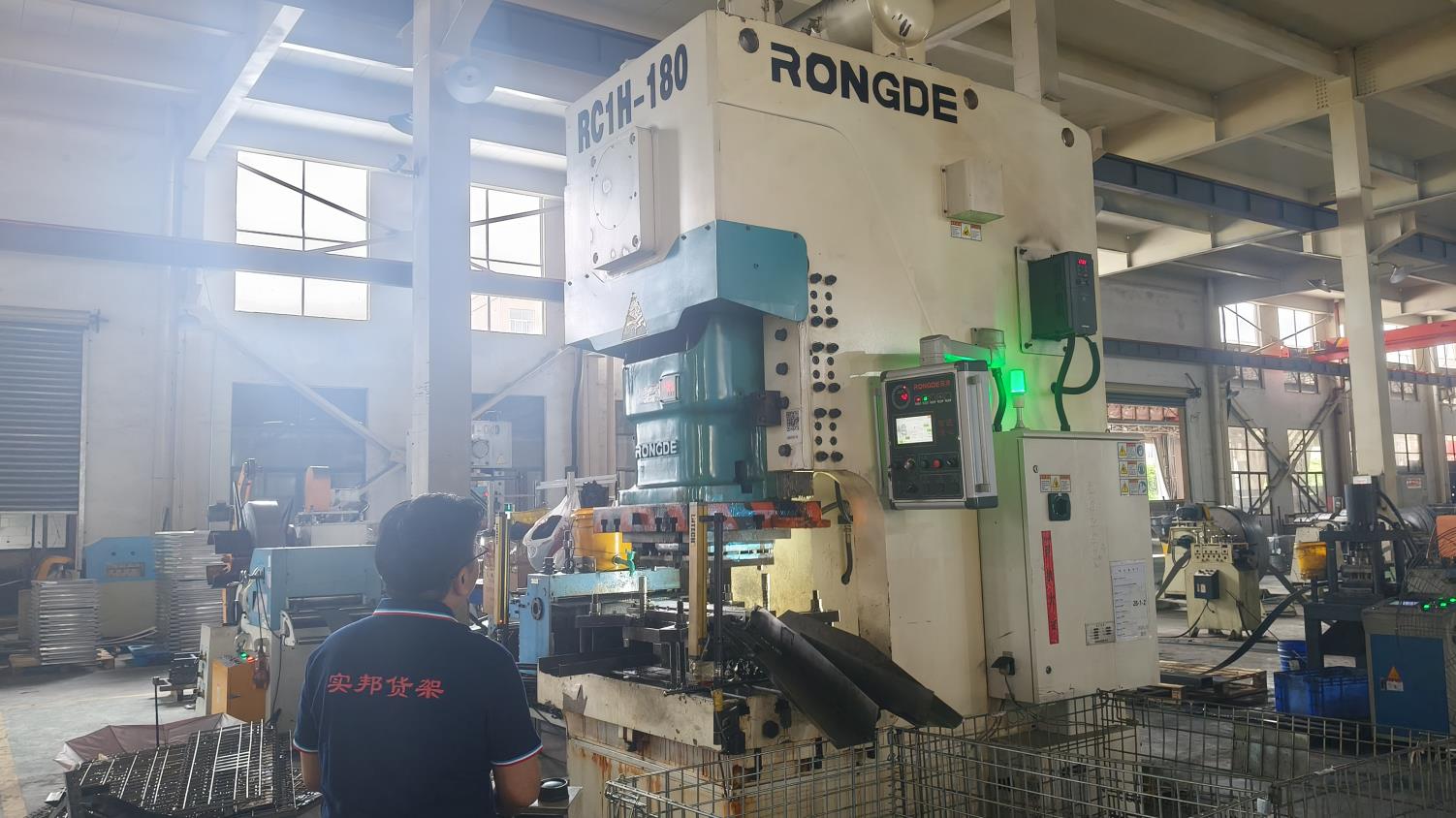
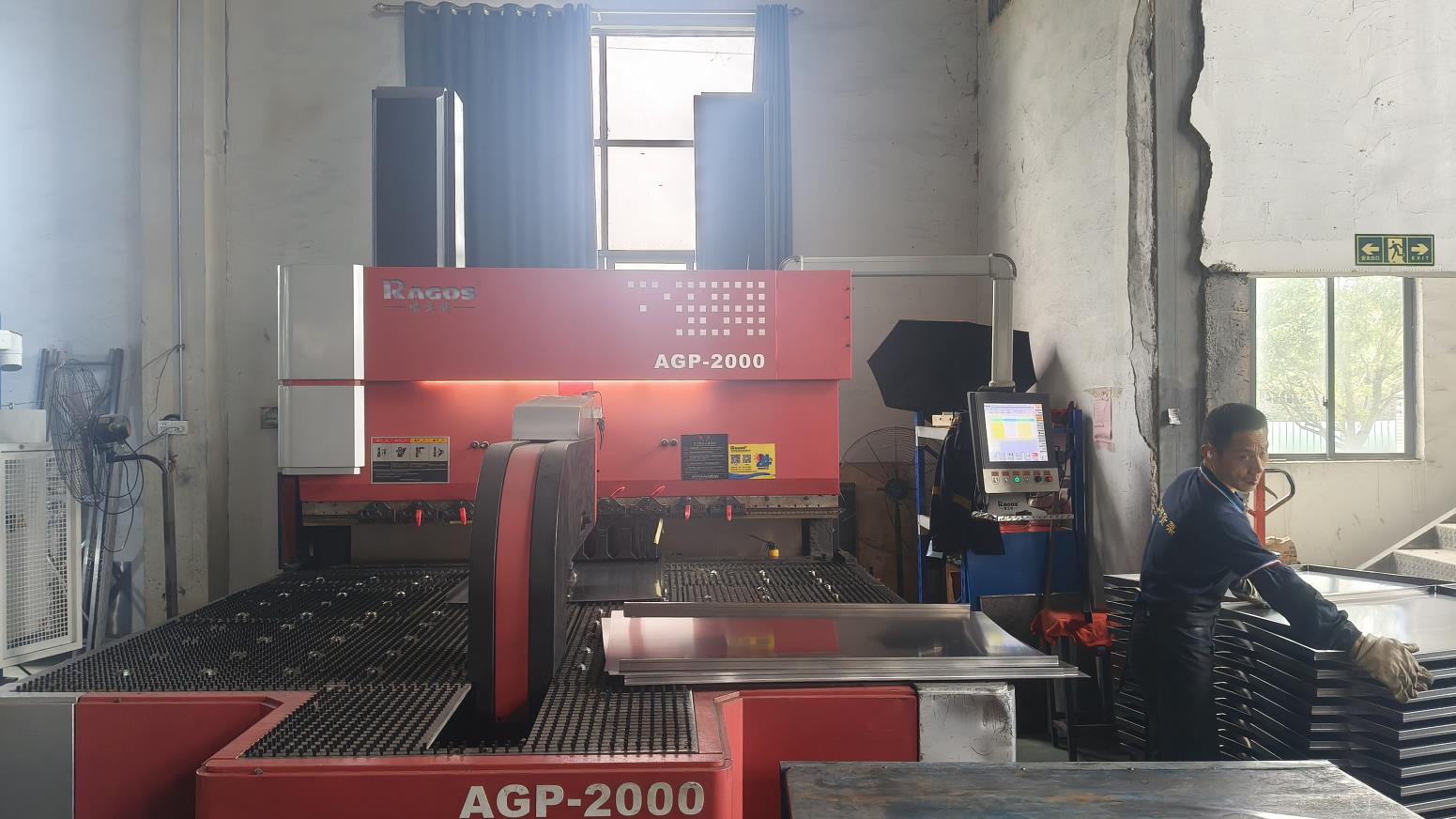
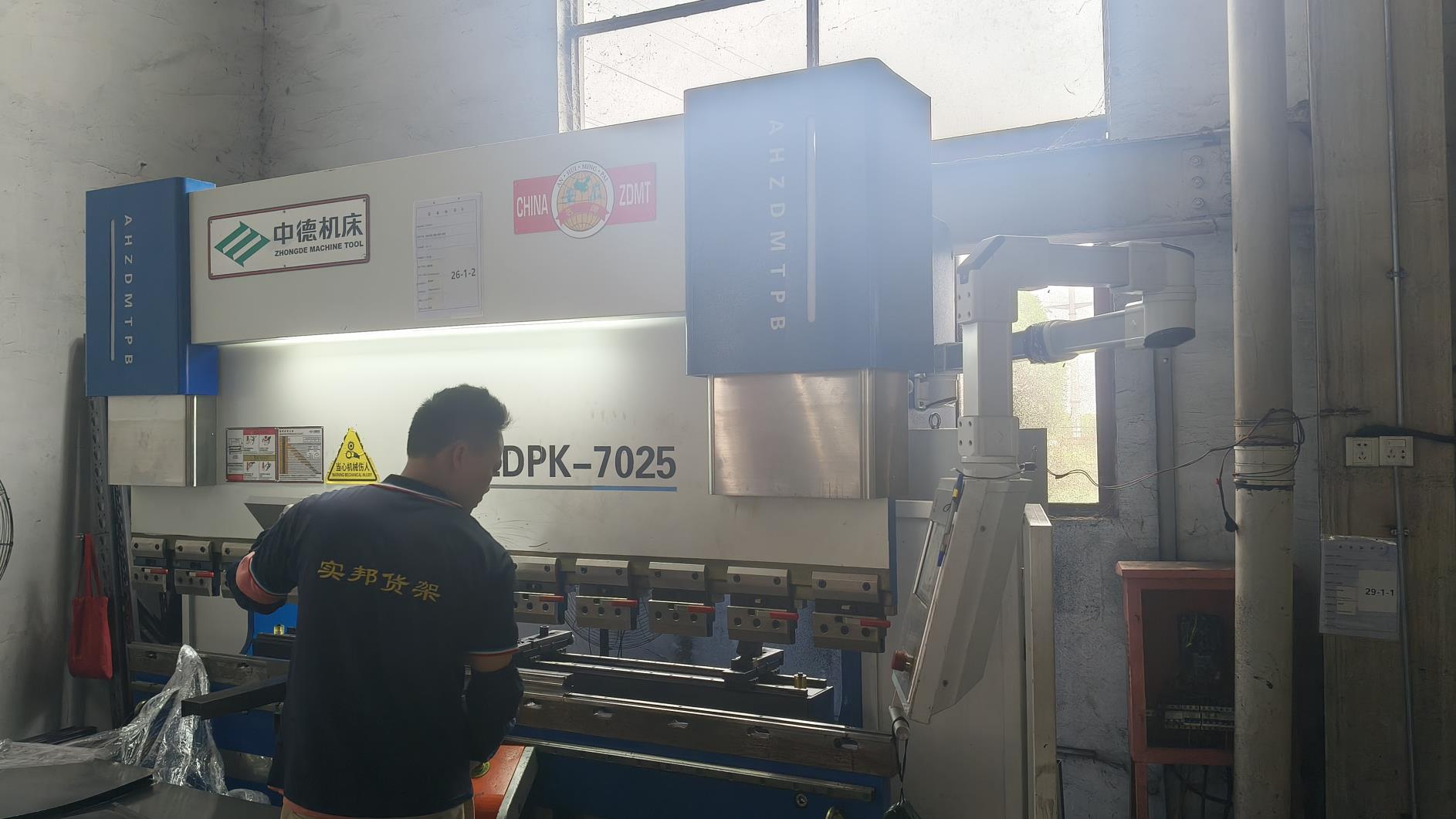
Why manufacturing hubs in South China offer unmatched trade efficiencies, structural quality, and logistical capabilities.
Shenzhen's geographic location grants direct access to China's leading metallurgical raw material pipelines. By establishing partnerships with massive domestic steel mills, we secure batch-consistent Q235B and Q355B hot-rolled coils at locked-in baseline pricing, insulating customers from steel market volatility.
Leveraging robotic arms for structural welding and fully integrated cold roll forming mills dramatically reduces labor cycles. This level of automation yields geometric accuracy across high-volume production, ensuring that parts align easily during site installations.
Proximity to massive ocean ports like Shenzhen and Guangzhou optimizes container stuffing workflows and slashes ocean transit times. By partnering with leading freight forwarders, we streamline custom clearances and deliver predictable delivery schedules to our global clients.
Understanding regional structural design requirements and certifications for industrial racking and trolleys.
Global warehouse operators must comply with strict occupational health and safety rules. The structural design of any storage rack or heavy-duty logistics trolley must adhere to localized engineering standards. At Shenzhen Shibang, we design and validate our products to meet the following parameters:
Specifies design codes for static steel pallet racking systems across the European Union, prioritizing dynamic load coefficients and stability margins.
The Australian standard for steel storage racking. Strict testing guarantees performance under seismic forces and typical warehouse collisions.
Governs structural design requirements for industrial steel storage racks, ensuring safety and load limits are clearly calculated.
The baseline quality management standard governing our entire factory from raw material receipt through final QA and loading.
How our storage racking and trolley configurations solve practical workflow bottlenecks across major industries.
High-velocity micro-fulfillment operations require modular multi-tier shelving units and agile picking trolleys. Standardized shelving layouts speed up inventory cycling, while customized boltless racks optimize vertical clearance to match changing order profiles.
Sub-zero warehouses require drive-in racking and mobile trolleys built to withstand low-temperature steel embrittlement. Shibang utilizes low-temperature structural steel alloys and corrosion-resistant powder coatings to prevent rust and structural deterioration in humid, freezing environments.
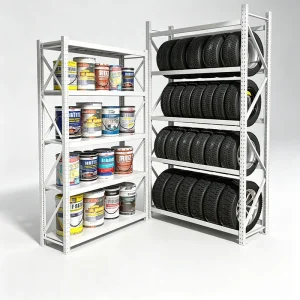
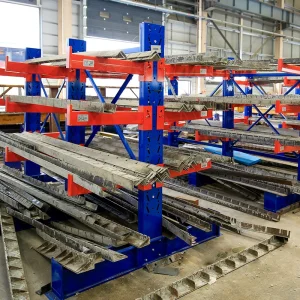
Heavy, irregular items like tires and engine parts require specialized load-bearing solutions. Our custom multi-purpose tire racks and heavy-duty cantilever structures provide safe storage, simplified forklift access, and a reduced footprint.
Answers to critical technical and logistical questions from industrial procurement managers.
Q235B and Q355B are carbon structural steel grades defined under China's GB/T 700 and GB/T 1591 standards. Q235B has a yield strength of 235 MPa and is widely used for light-to-medium-duty storage. Q355B, with a yield strength of 355 MPa, is preferred for heavy-duty industrial pallet racking systems. It provides higher load-bearing capacity with thinner profile walls, which reduces overall steel weight while maintaining structural safety.
Our design engineering team uses Finite Element Analysis (FEA) to simulate load distributions under static and dynamic stress conditions. After fabrication, we run physical tests on our 300-ton hydraulic compression test rig, applying up to 1.5 times the rated load capacity to verify safety margins and deflection limits.
For indoor, temperature-controlled facilities, our electrostatic powder coating provides strong impact resistance and corrosion protection. In high-humidity, outdoor, or sub-zero environments, we recommend hot-dip galvanizing (HDG) per ISO 1461 standards. HDG forms a zinc-iron alloy layer that prevents rust even if the steel gets scratched during forklift operations.
Yes, we offer design optimization for Automated Guided Vehicles (AGV) and Autonomous Mobile Robots (AMR). This includes adding robotic towing hitches, precision locating tabs, flat steel bottom plates for automated lifting units, and low-rolling-resistance polyurethane wheels to maximize battery life.
Manual welding can lead to heat distortion and weld gaps. Robotic arm welding ensures consistent heat input and joint geometry, which prevents cracking. Automated roll forming machinery maintains dimensional tolerances within ±0.5mm, ensuring smooth bolt alignment during onsite racking assembly.
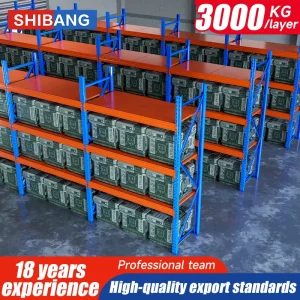
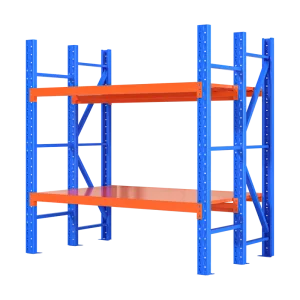
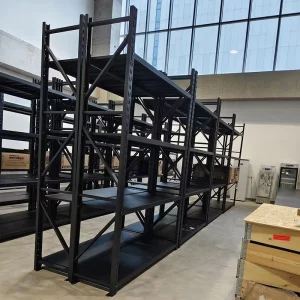
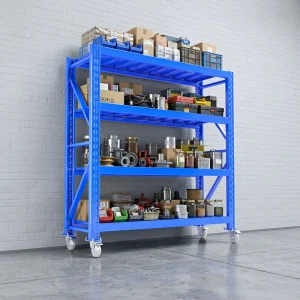
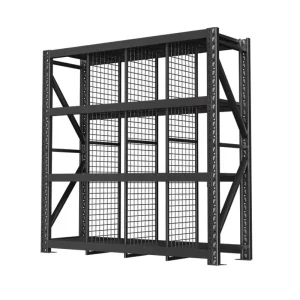
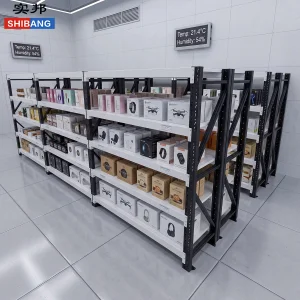
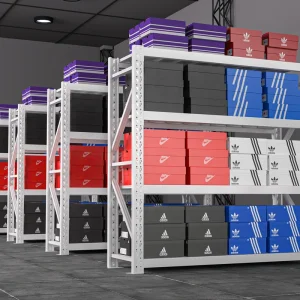
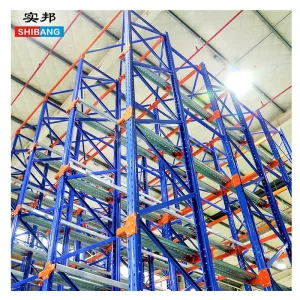
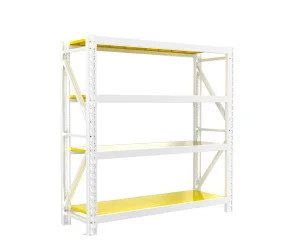
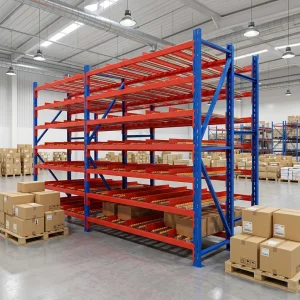
Select from our industrial-grade storage rack systems, engineered for long lifespans in high-throughput environments.
 Shibang Steel