Explore our top engineered warehouse storage infrastructure and heavy-duty load-carrying components designed for optimized workflows.
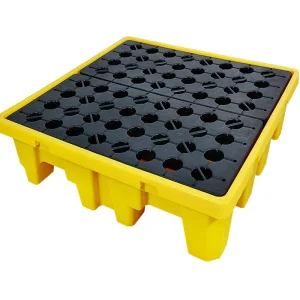
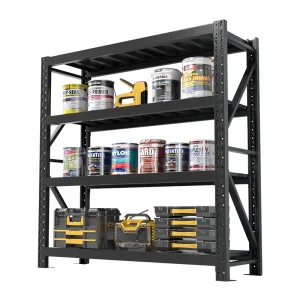
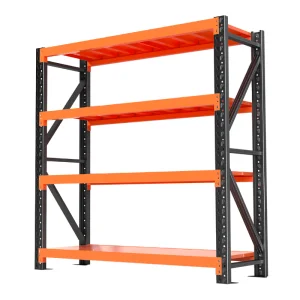
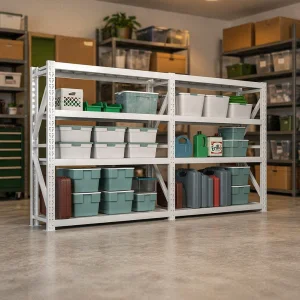
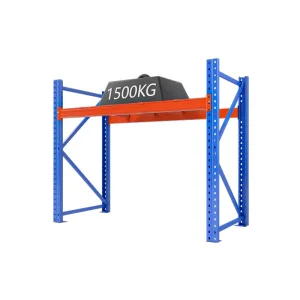
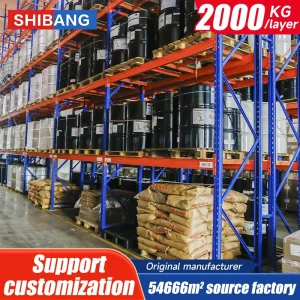
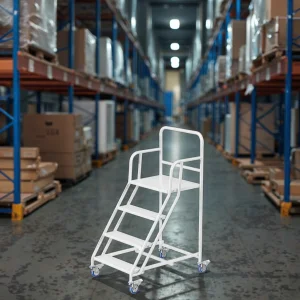
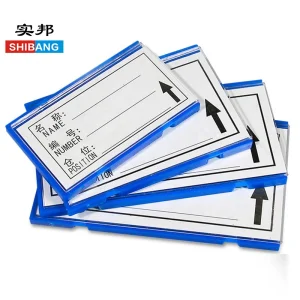
In modern industrial commerce, logistics throughput and material handling efficiency serve as the backbone of global commerce. Industrial carts, trolleys, and structural storage configurations form the foundational links of intra-logistics operations. Whether in automated retail distribution networks or heavy manufacturing zones, the performance parameters of manual and semi-automated cart systems directly influence overall supply chain velocity.
With global supply chains transitioning to just-in-time (JIT) fulfillment paradigms, the demands on handling equipment are escalating. Modern operations prioritize structural longevity, ergonomic weight distributions, and precision rolling systems that minimize human fatigue while maximizing dynamic weight thresholds. Selecting high-grade manufacturing partners is no longer merely a procurement task, but a strategic operational decision.
Engineered structures leveraging high-tensile Q235 steel or modular composites, offering elevated load-to-weight ratios for safe operational capacity thresholds.
Integrated heavy-duty casters featuring precision ball bearings to drastically reduce rolling resistance during initial thrust and continuous motion.
Seamless compatibility with stationary warehouse rack footprints, enabling standard cross-docking maneuvers without load transfer delays.
Enterprise procurement professionals look beyond basic unit cost considerations. In international tenders for industrial material handling systems, key valuation metrics span multi-year lifecycle costs, compliance certificates (including CE, ANSI MH28.3, and ISO 9001:2015), and vendor-backed engineering support. Heavy industrial environments require structural components that resist mechanical damage, environmental degradation, and chemical wear.
Additionally, modern supply chain procurement focuses on multi-scenario adaptability. A fleet of industrial carts must interface smoothly with automated warehouse management systems (WMS). For long-term reliability, procurement agents rely on strict raw material verification processes, such as mill test reports for structural steel and independent load testing protocols.
| Procurement Parameter | Standard Requirement | Advanced Industry Benchmark | Operational Impact |
|---|---|---|---|
| Steel Grade Quality | Standard Carbon Steel (Q195) | High-Tensile Q235B Cold-Rolled Steel | Higher load capacities without material deformation. |
| Surface Finishing | Standard Wet Paint Coating | Thermosetting Powder Coat / Hot-Dip Galvanizing | Corrosion resistance and longer service life. |
| Bearing Configurations | Sleeve Bearings | Double-Shielded Precision Ball Bearings | Reduced rolling resistance, protecting worker ergonomics. |
| Load Capacity Testing | Theoretical Static Load Rating | Static & Dynamic Load Testing at 1.5x Safety Limit | Safety compliance and reduced liability exposure. |
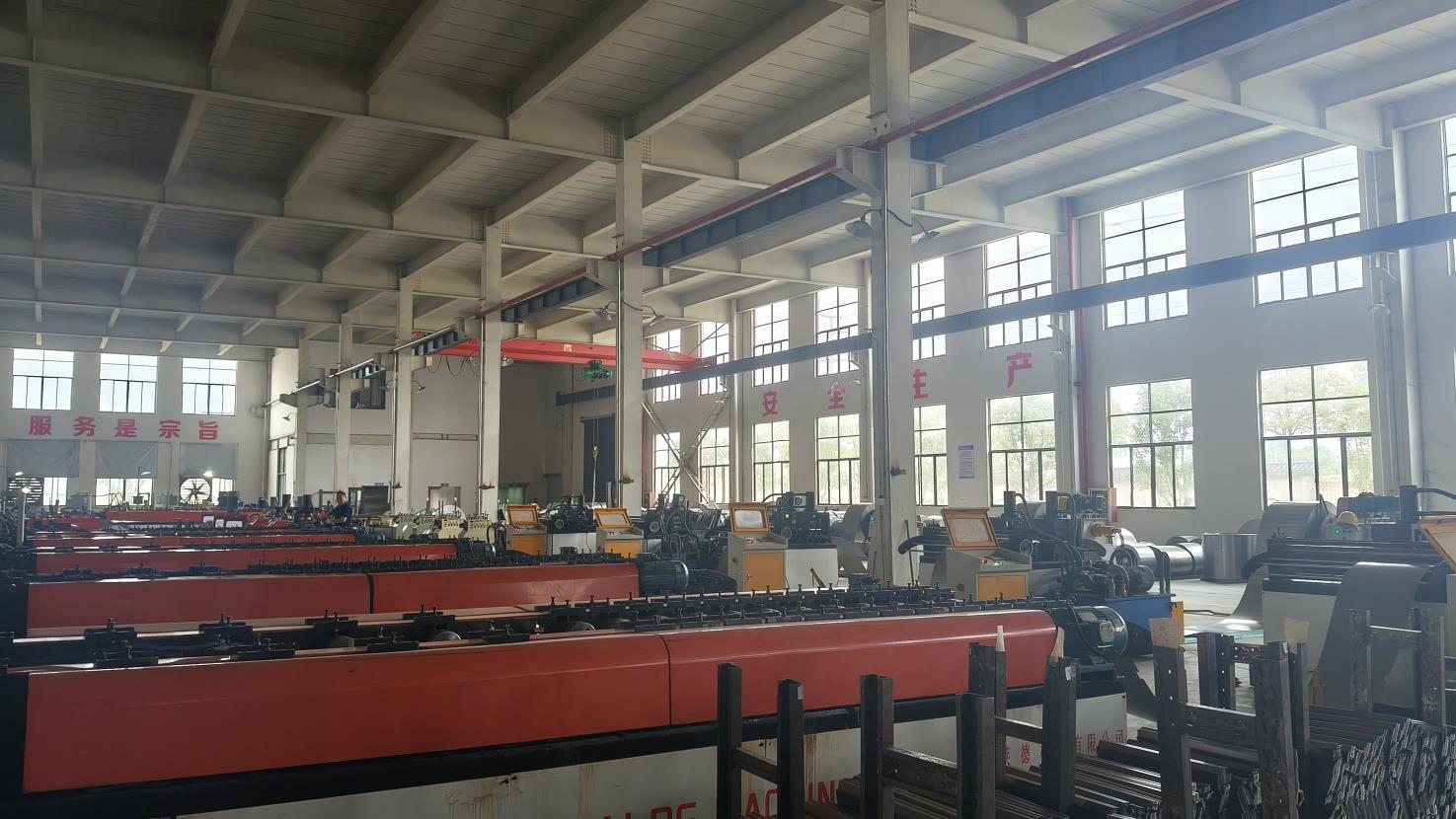
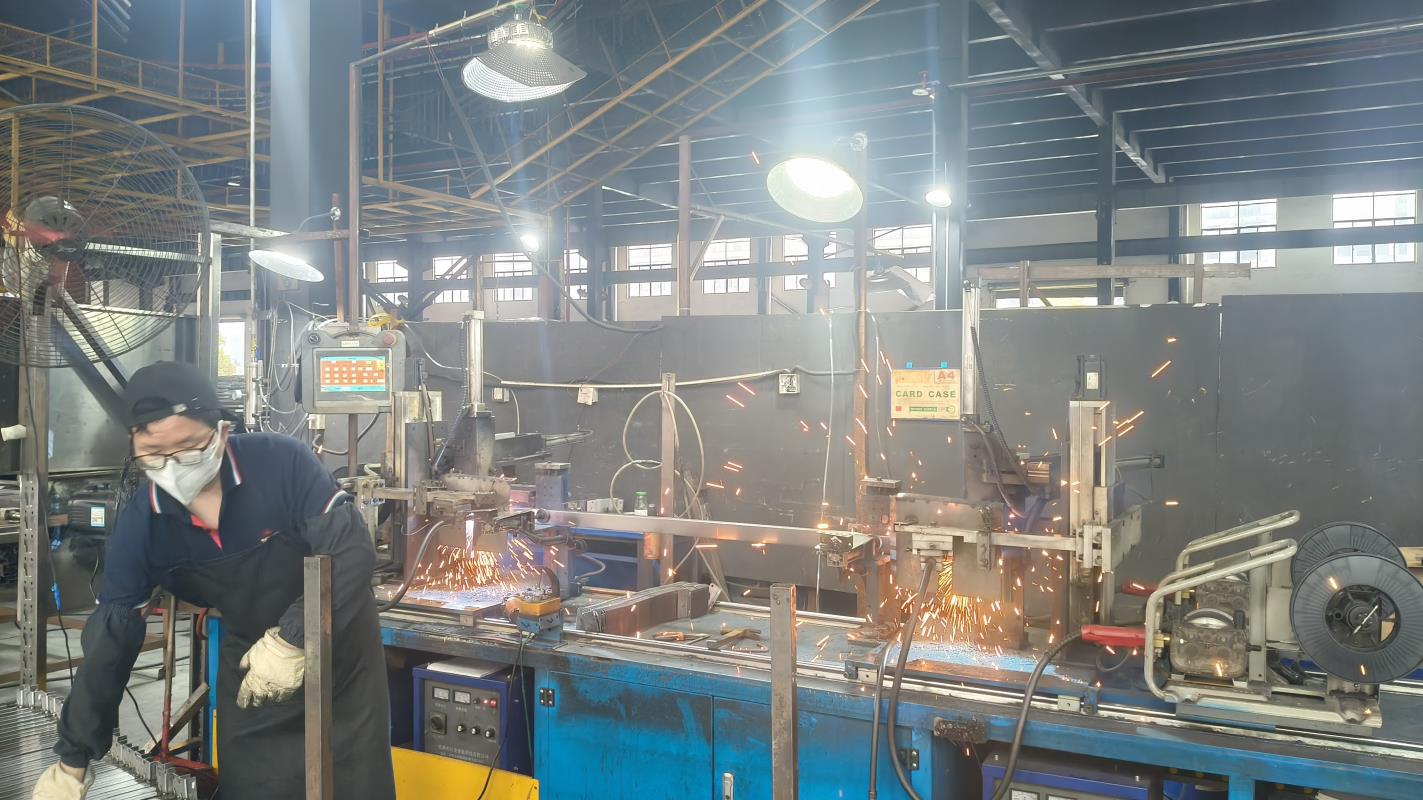
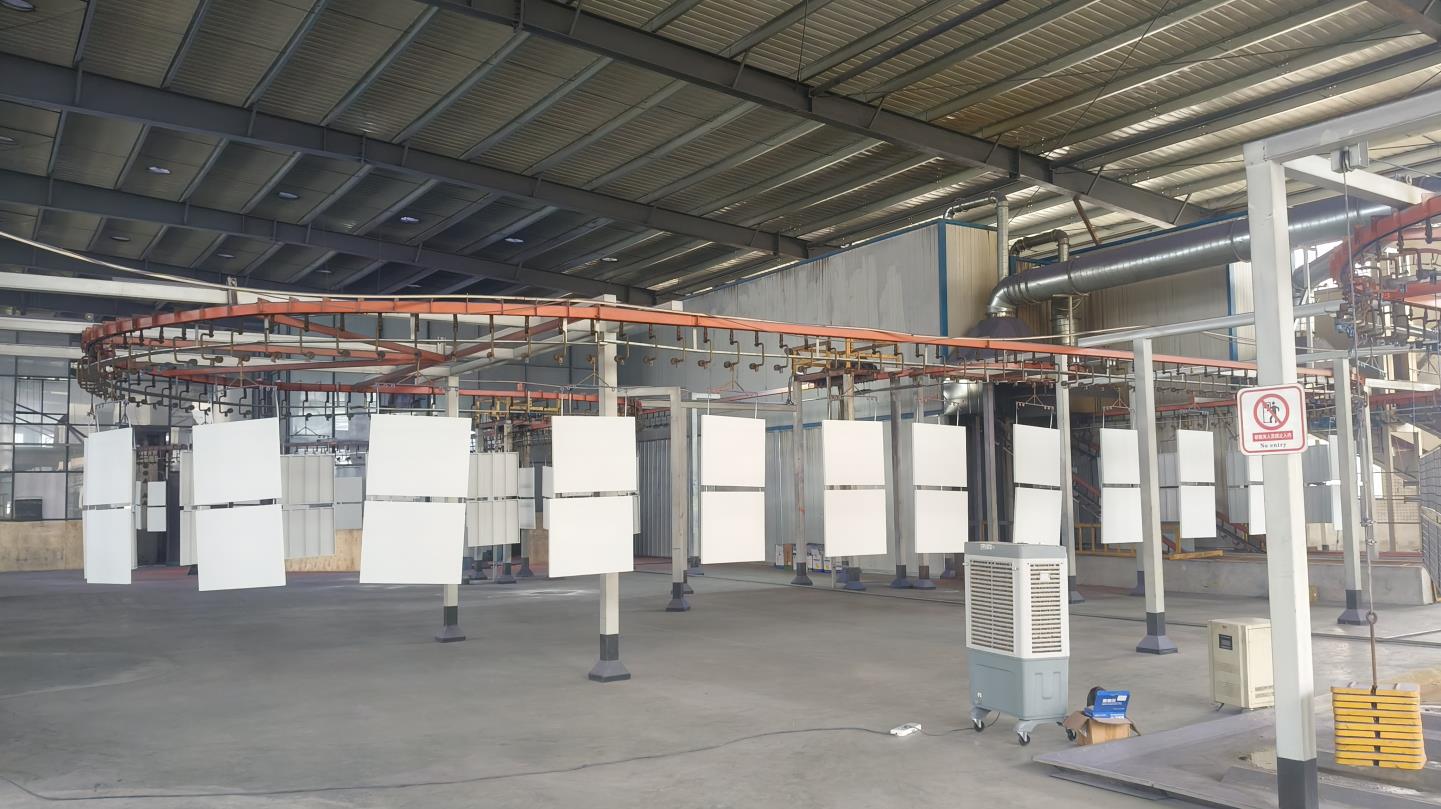
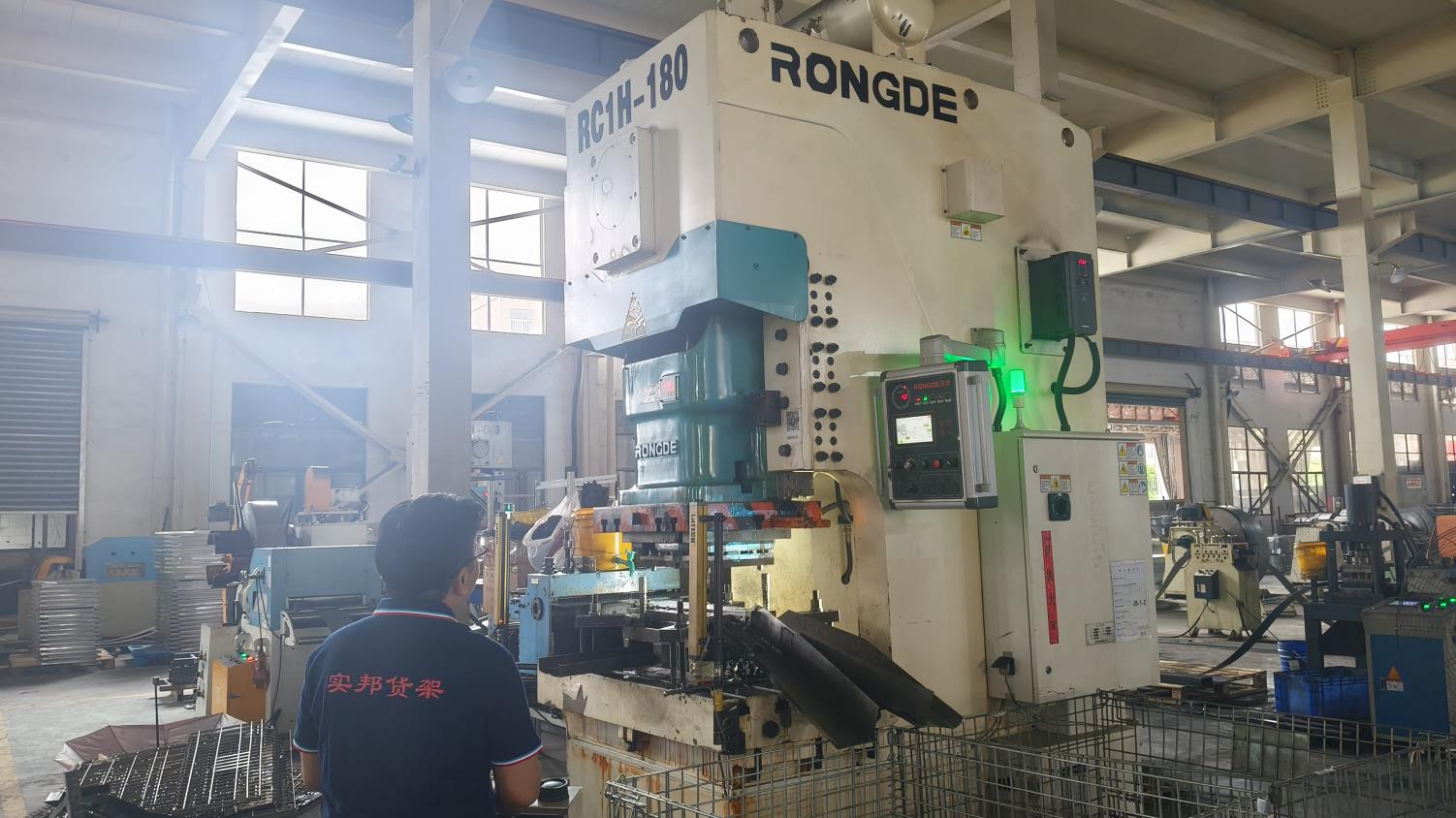
China's industrial manufacturing sector has evolved from high-volume assembly to automated, precision-engineered fabrication. Under the Factory 4.0 framework, modern facilities integrate automatic roll-forming, robotic welding arrays, and intelligent electrostatic coating systems. This shift ensures consistent tolerances and structural integrity across large production runs.
This automated ecosystem also offers remarkable supply chain resilience. High-capacity mills, localized raw material sourcing, and efficient domestic freight networks protect production timelines from global raw material shocks. Consequently, global buyers secure shorter lead times, robust customization capabilities, and stable pricing profiles even amidst volatile market cycles.
Established in 2015, Shenzhen Shibang Storage Rack Co., Ltd. is a leading manufacturer specializing in industrial racking systems and customized warehouse storage solutions. Operating from a modern production facility spanning 32,000 square meters, we integrate structural design, precision manufacturing, and international trade to serve a diverse global client base.
With over 12 years of industry expertise and 8 years of dedicated export experience, our products are distributed across North America, Europe, Australia, and Southeast Asia, generating over $18 million in annual export revenue. We primarily partner with industrial distributors, third-party logistics (3PL) providers, e-commerce fulfillment centers, and large-scale manufacturing enterprises. Supported by a robust network of over 800 supply chain partners, we ensure consistent raw material quality and efficient production timelines.
Quality control and technological innovation form the core of our operations. Our dynamic R&D team consists of 18 senior engineers, supported by 35 dedicated QC professionals. We implement rigorous product inspection protocols—including raw steel tensile testing, automated ultrasonic weld checking, static and dynamic load testing, and powder-coating salt spray endurance tests—ensuring compliance with international safety and durability standards. In the past year alone, our R&D unit successfully introduced 45 new product designs and structural optimizations.
We offer full structural customization options, providing tailored loading capacities, height configurations, beam profiles, and surface finishes (powder coating and hot-dip galvanizing) to meet exact warehouse specifications. Guided by engineering precision and trade reliability, Shenzhen Shibang Storage Rack Co., Ltd. continues to deliver safe, scalable, and optimized storage solutions for modern global supply chains.
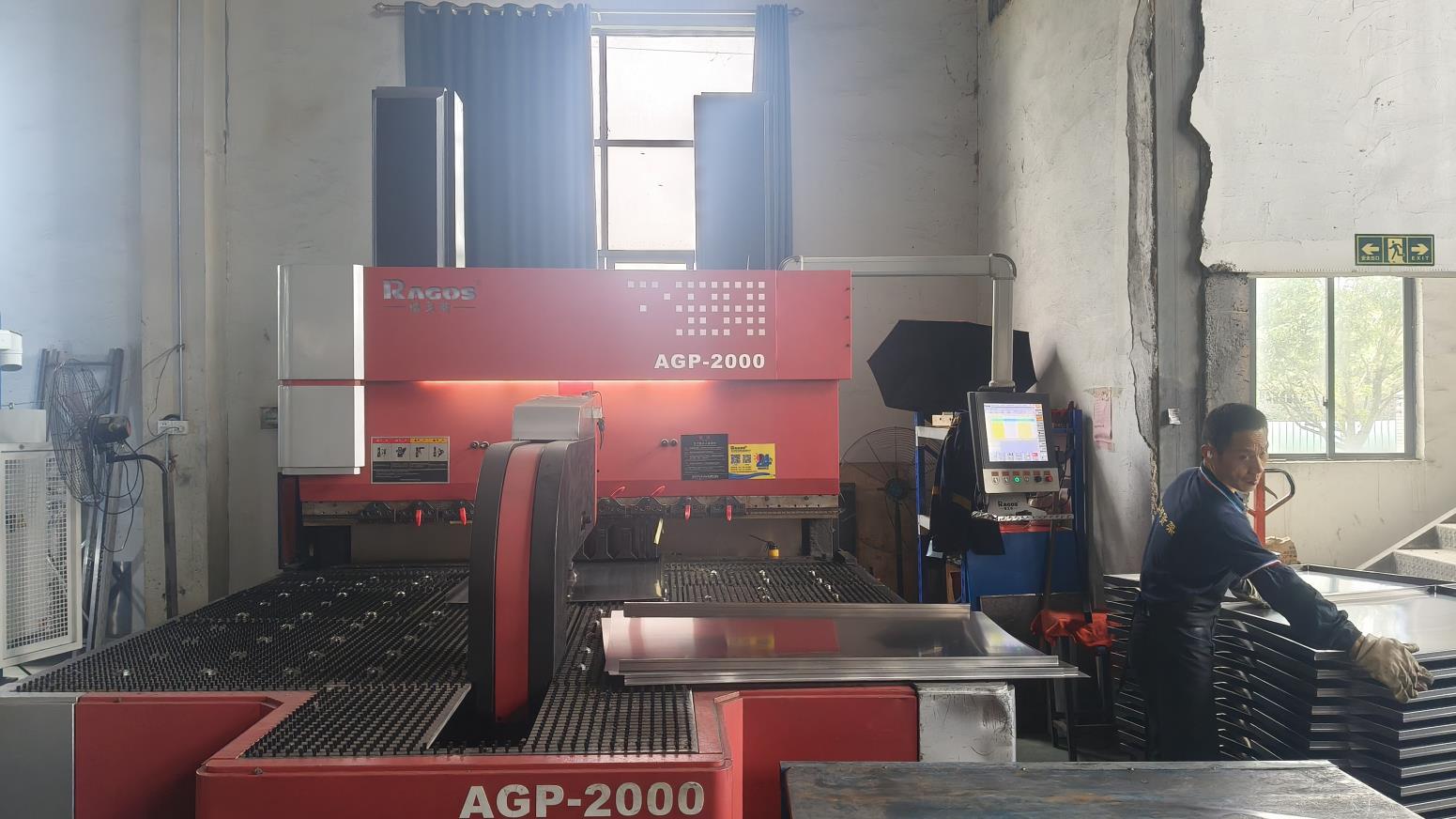
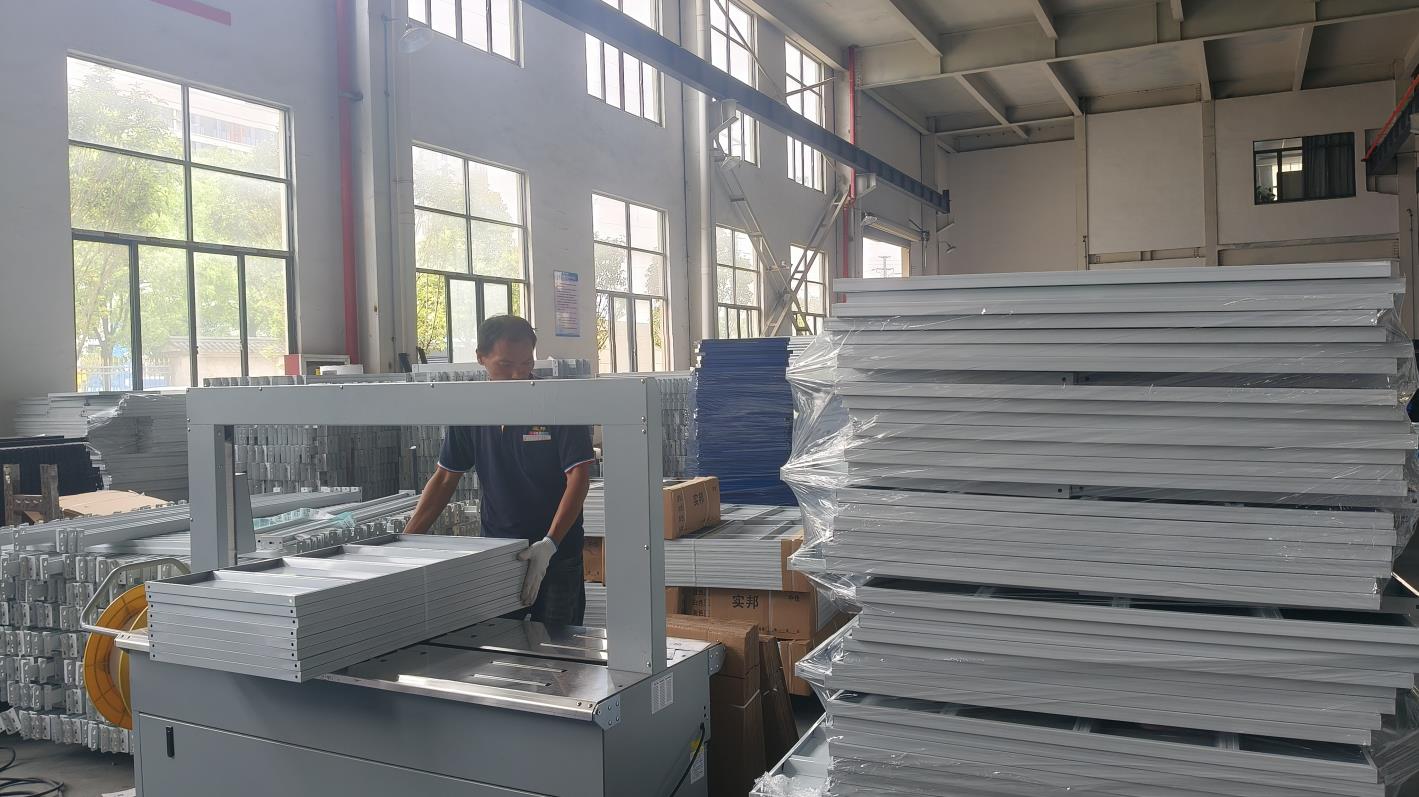
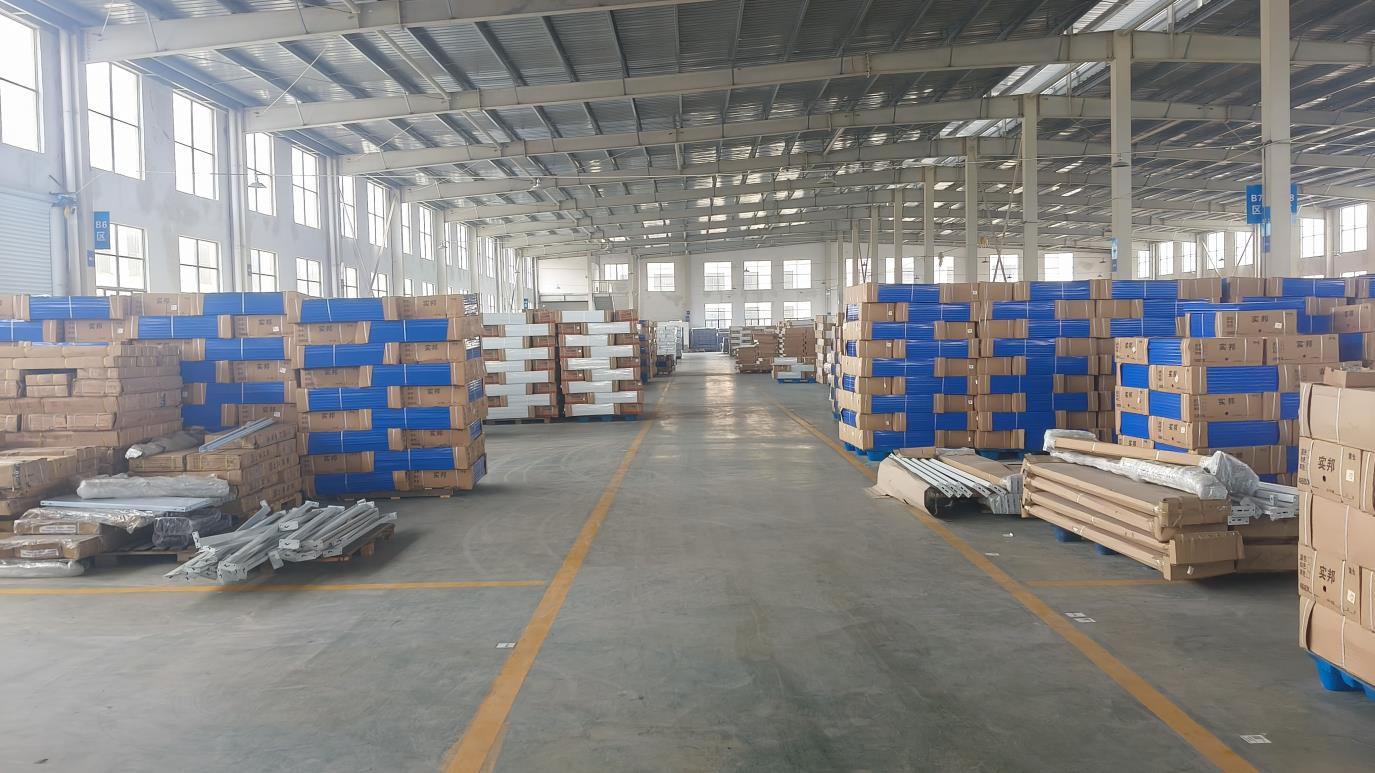
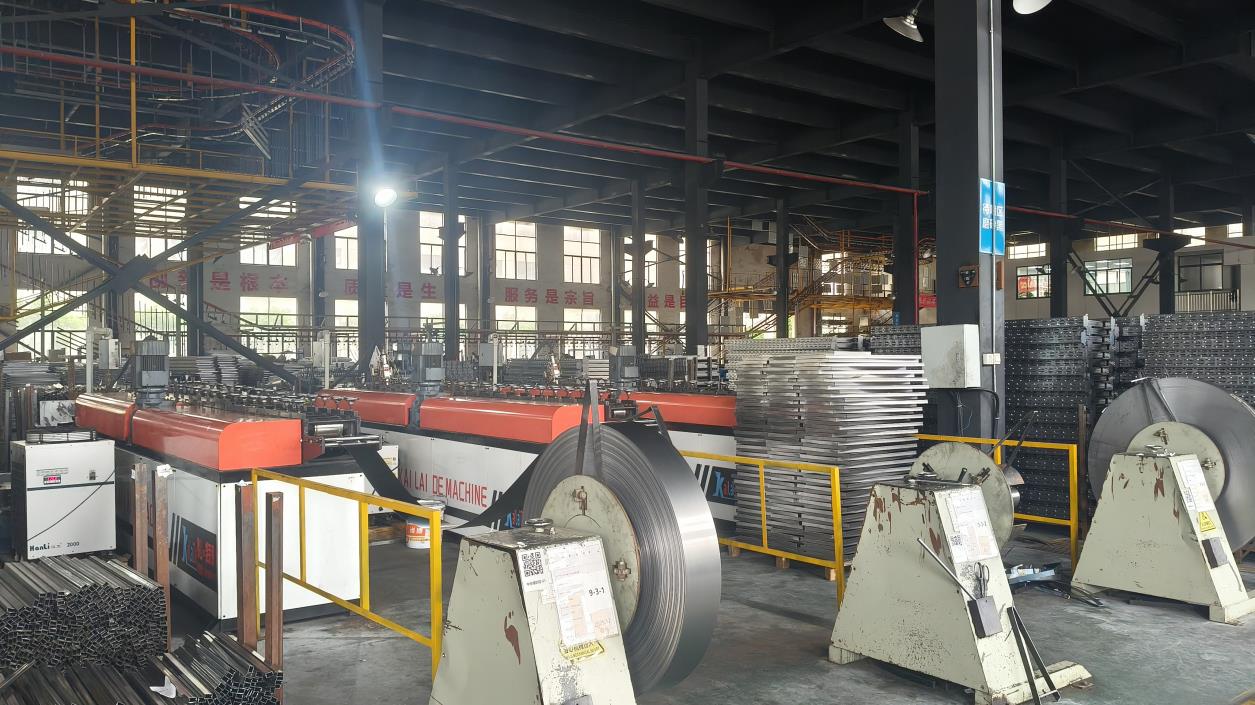
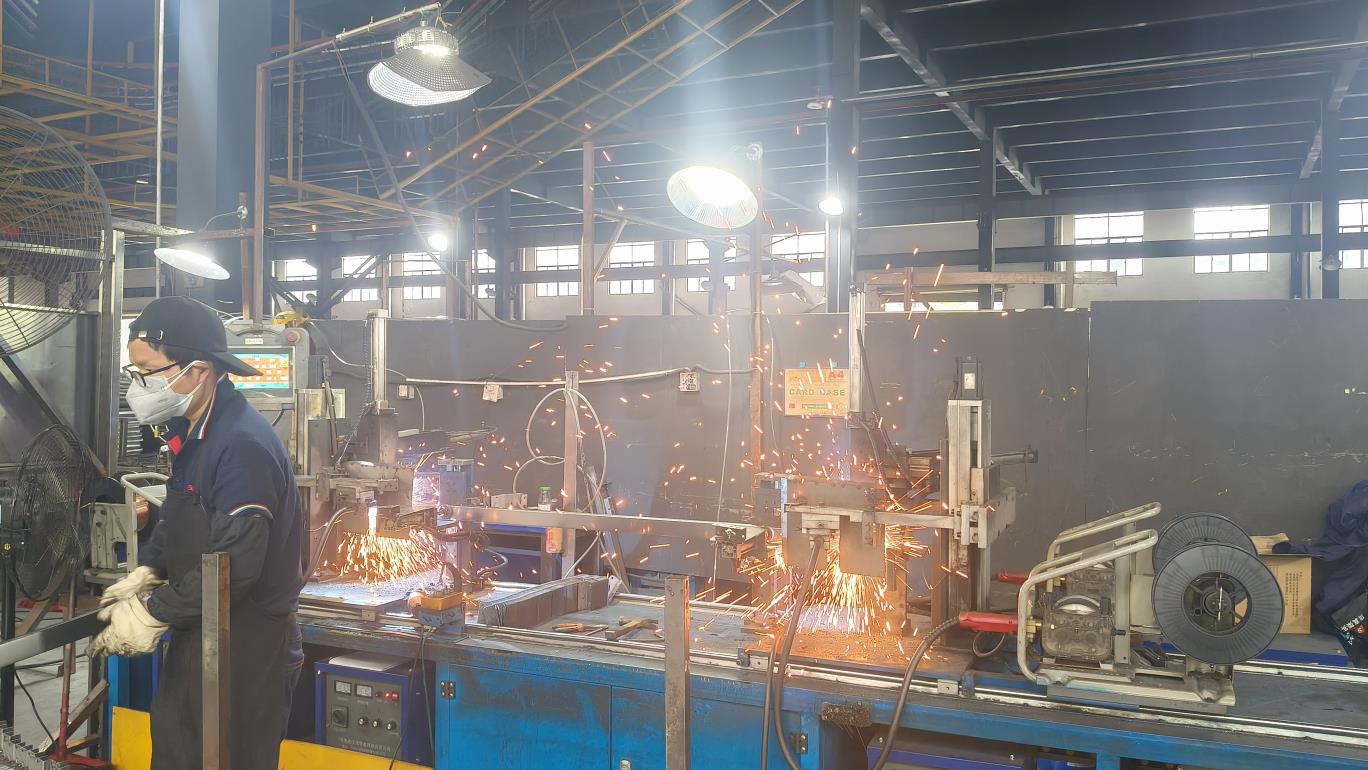
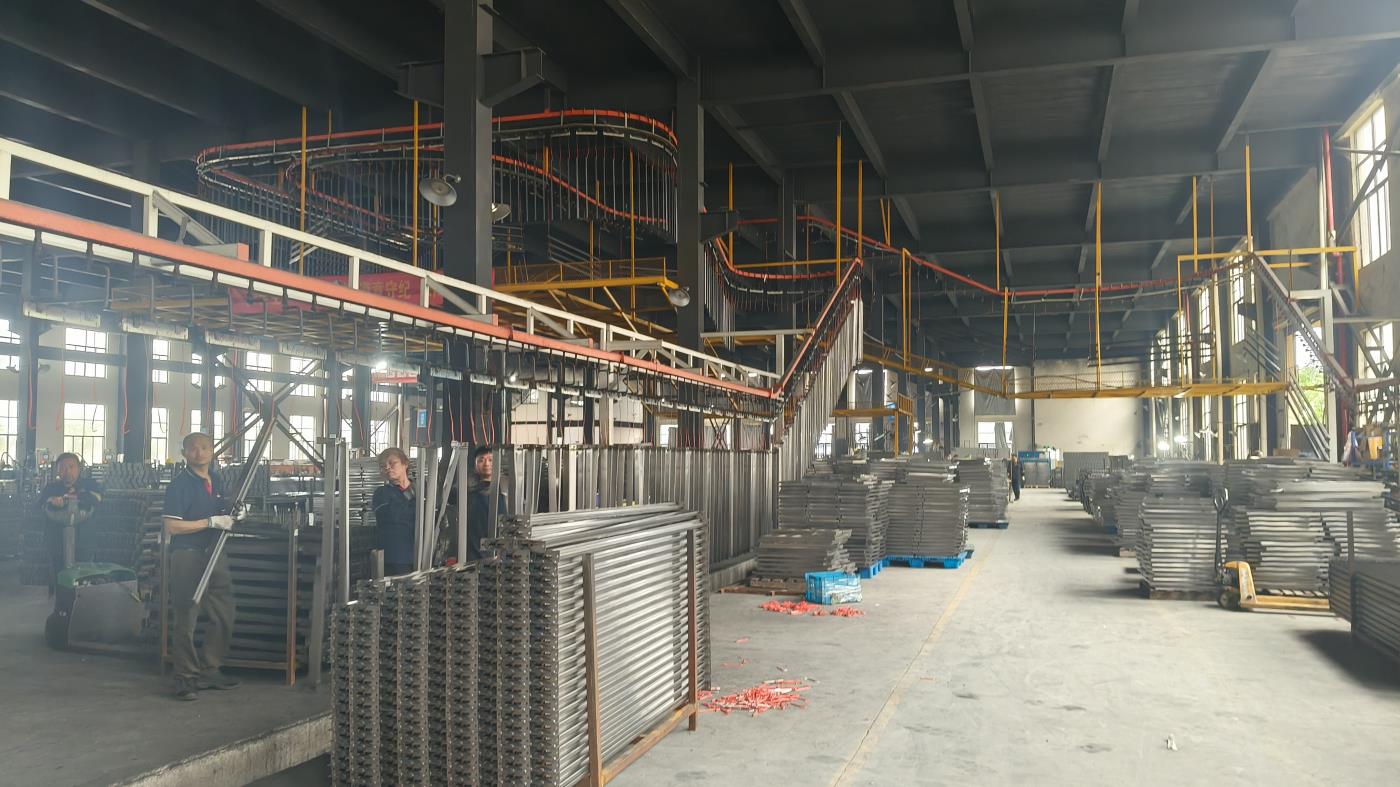
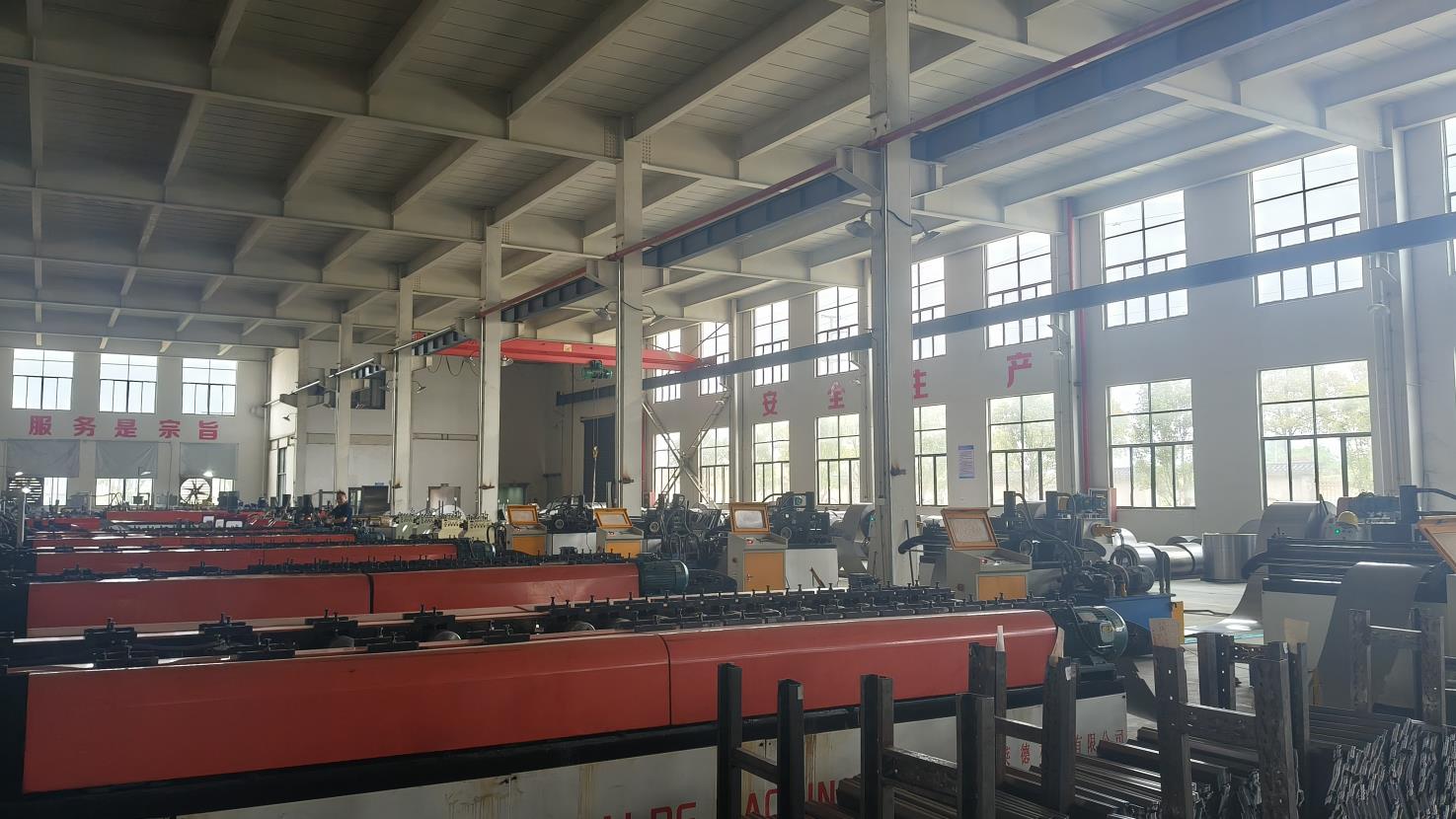
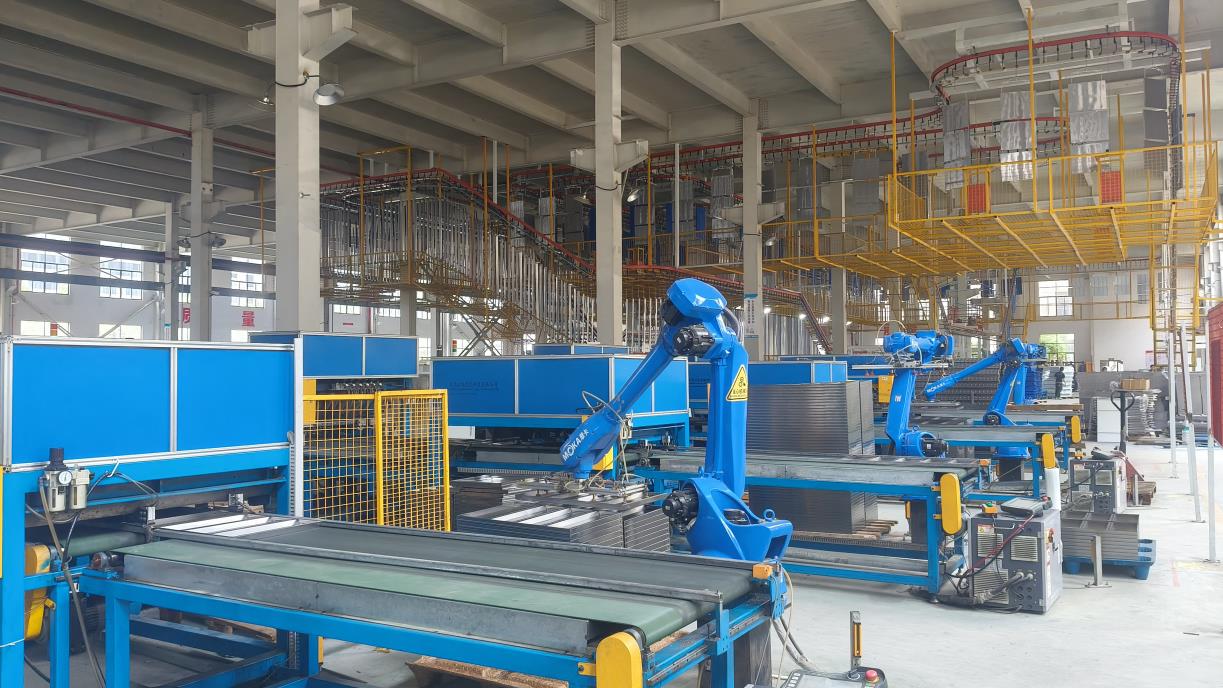
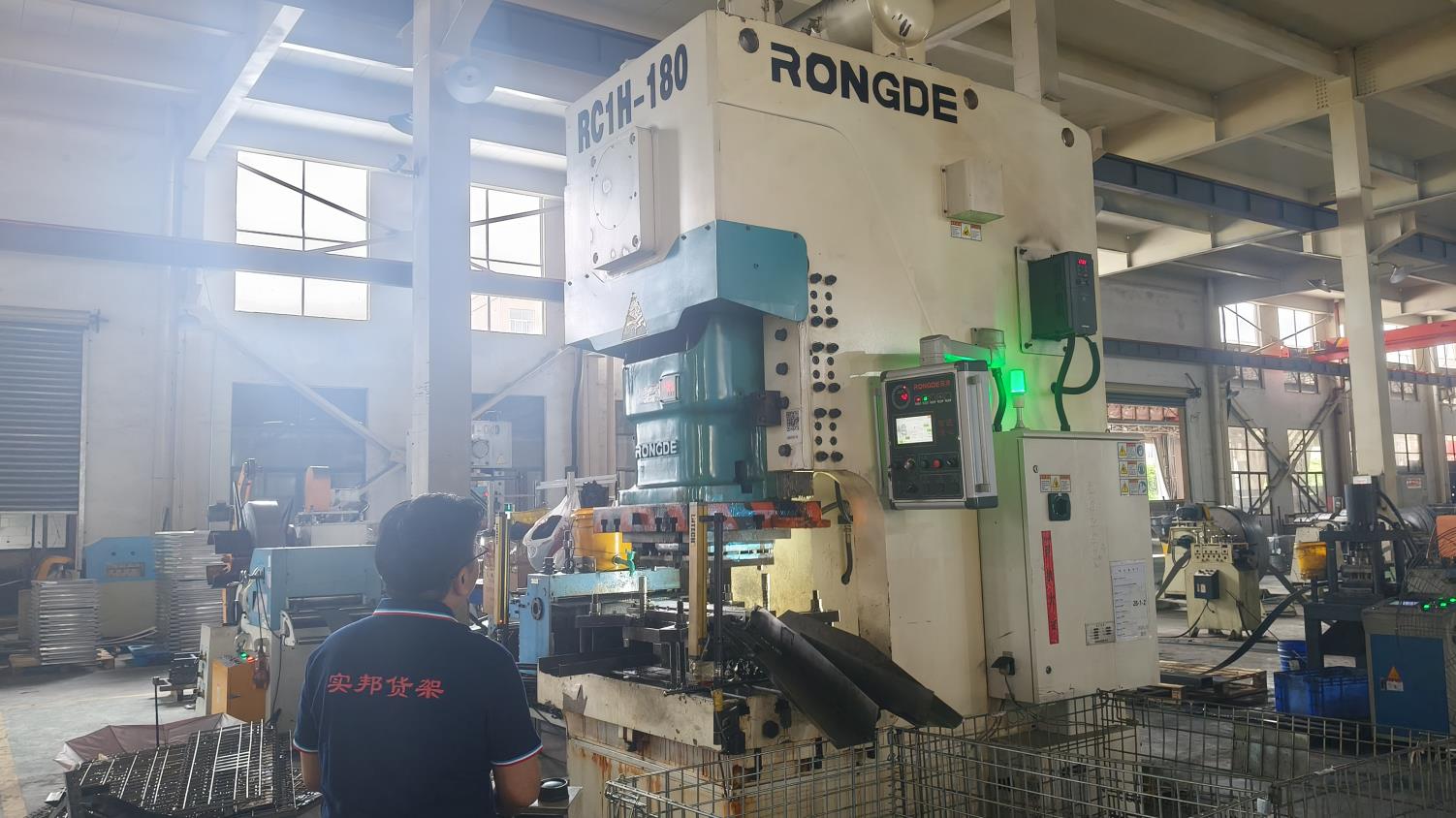
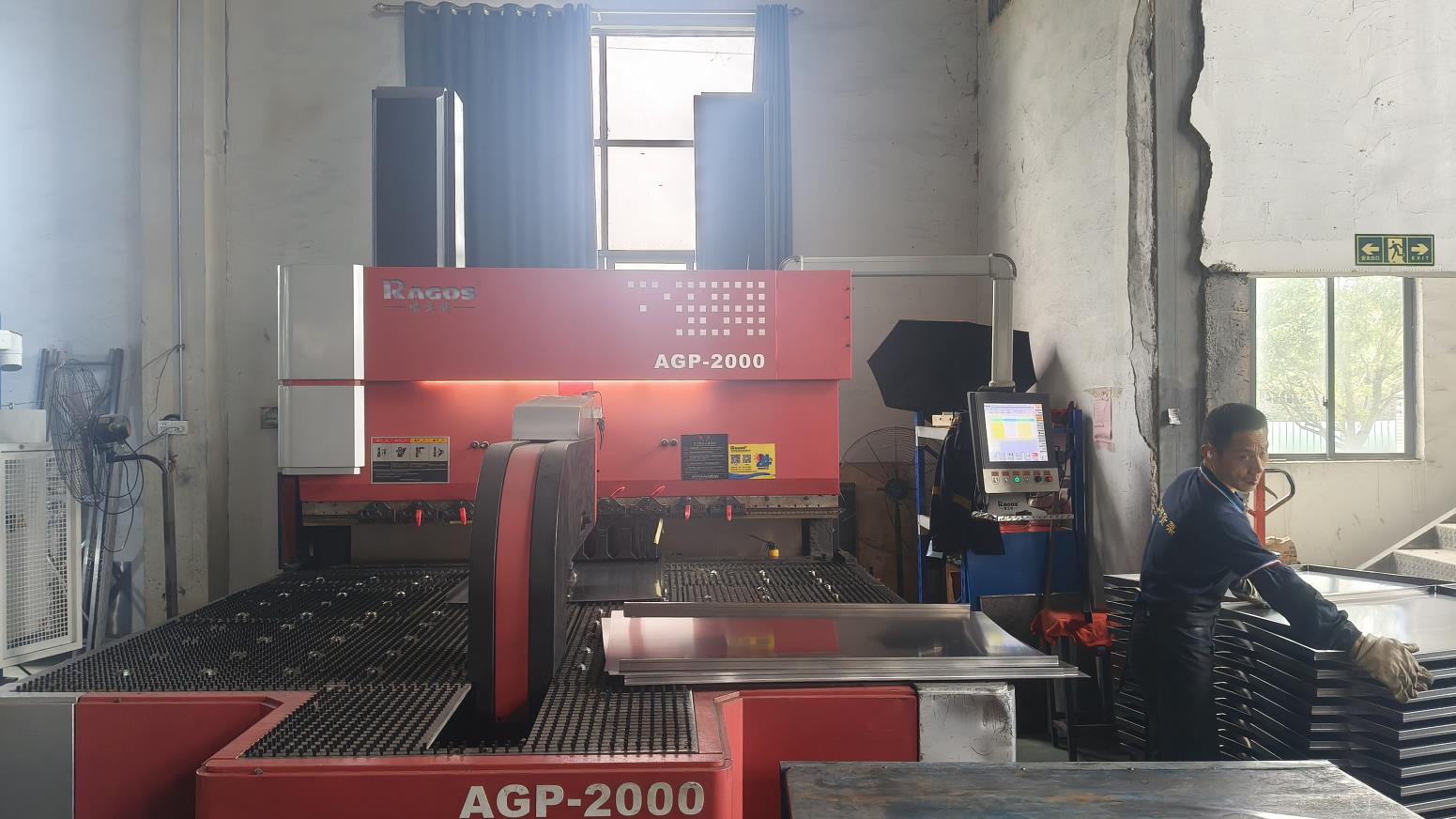
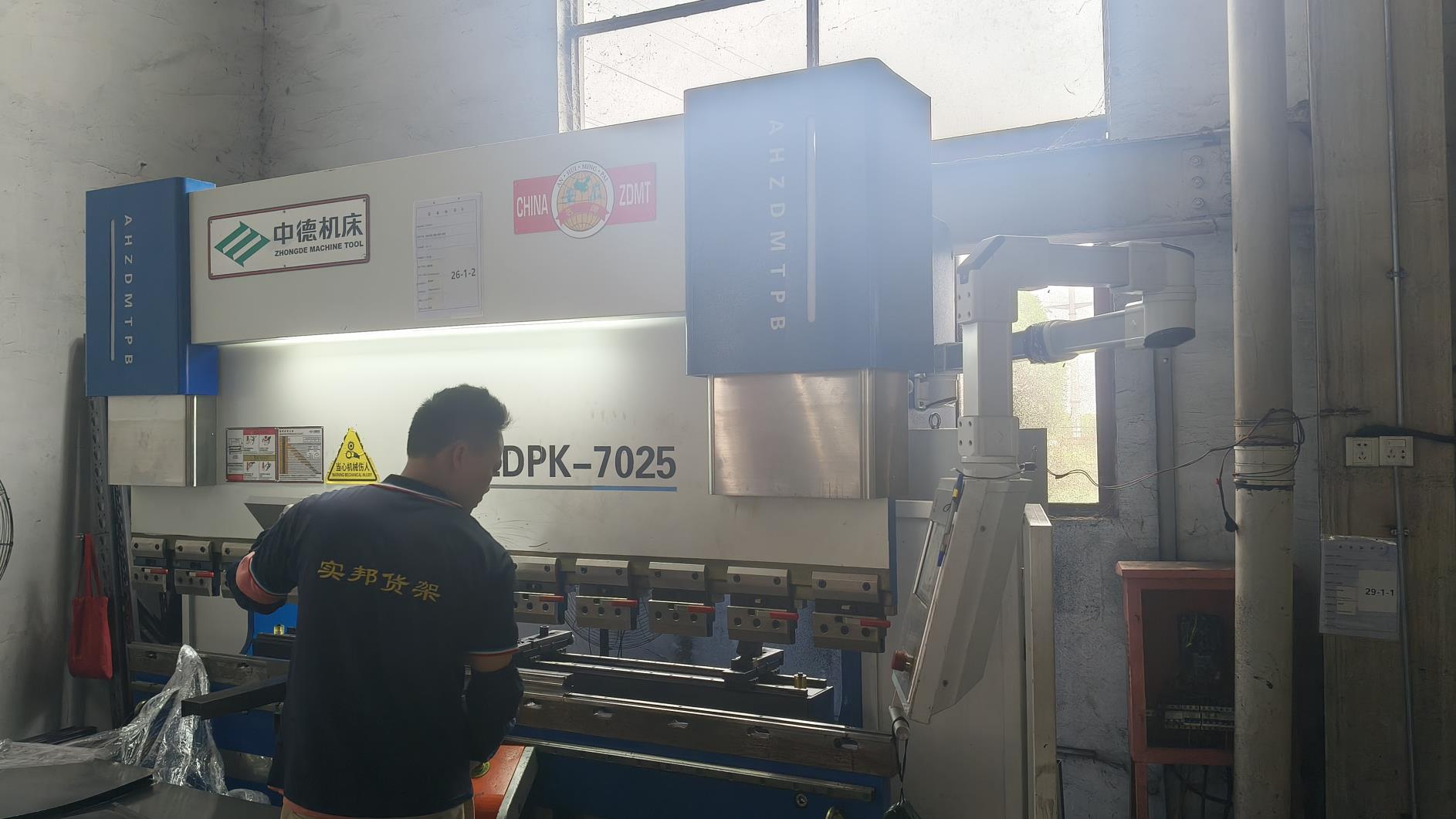
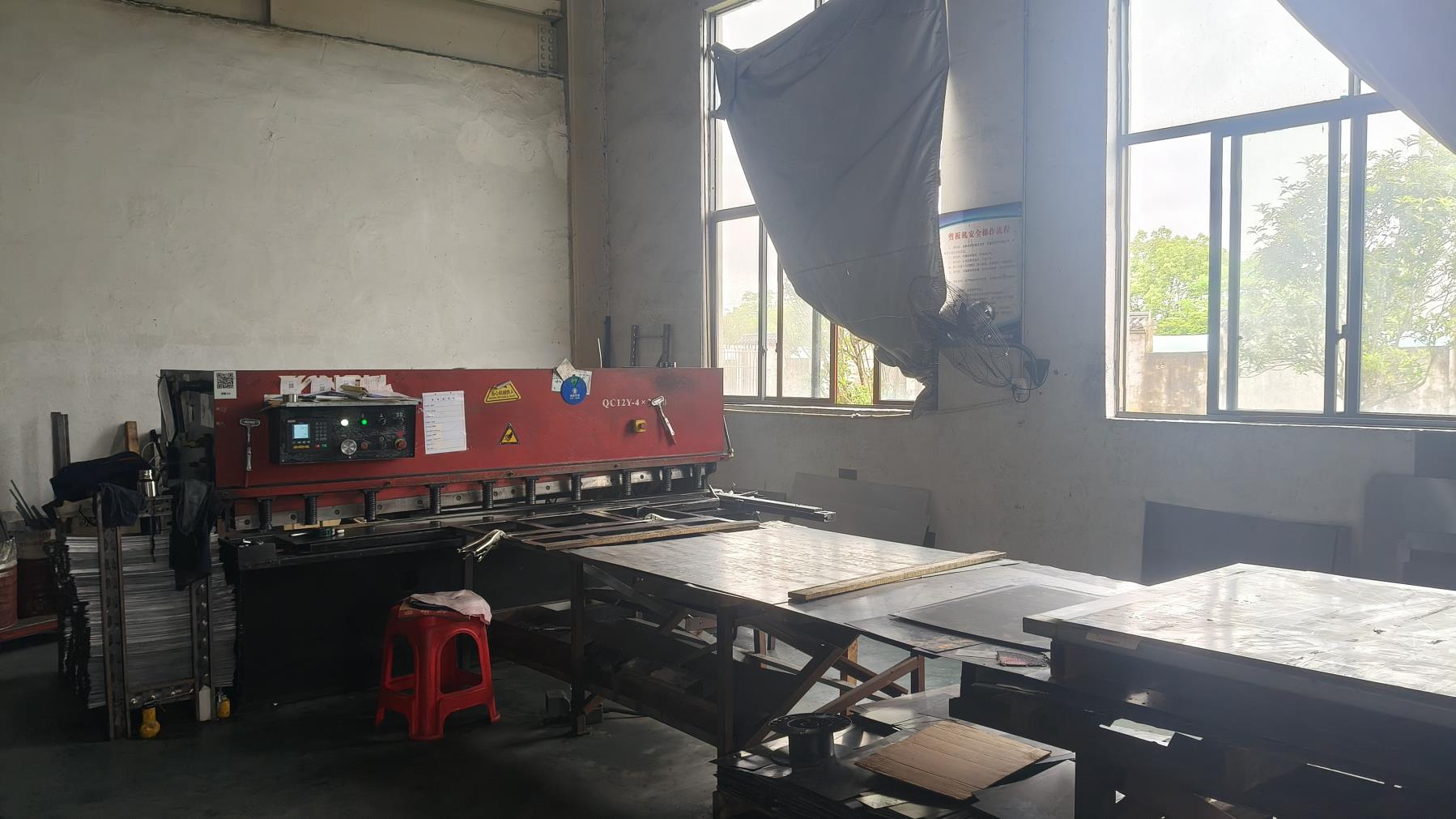
Different industrial sectors require tailored material handling configurations to address unique operational stresses.
High-volume order profiling demands mobile workstations and multi-tier utility trolleys that allow batch pick-and-pack operations. Integrating structured labels and barcode-tag holders directly onto carts speeds up sorting processes, reduces picking errors, and enhances overall worker output.
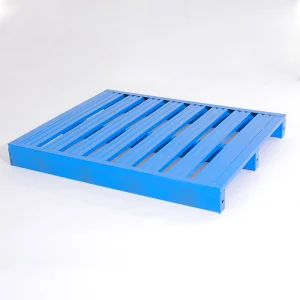
Moving semi-finished goods through assembly cells requires robust industrial racks and heavy-duty steel pallets. Because components are heavy, these systems must feature dynamic load ratings of 1,000kg to 1,500kg, structural roll-formed profiles, and custom guidance tracks for safety.
Cold storage units require materials that resist moisture and low-temperature brittleness. Double-sided galvanized steel structures, corrosion-protected finishes, and heavy-duty plastic assemblies perform well down to -30°C, preventing surface degradation and structural failures.
The industrial material handling sector is transitioning from purely mechanical configurations to intelligent, connected systems. This shift is driven by the integration of IoT sensors, RFID asset tags, and automated tugger systems. Fleet managers can now monitor cart utilization rates, analyze movement patterns, and predict wheel or bearing maintenance needs before structural failures occur.
At the same time, safety design is evolving. Modern manual carts and mobile platforms are adopting advanced ergonomics, such as gas-spring lift assistance and automatic parking brakes that engage when handles are released. These small, user-focused design upgrades help reduce worker injury claims and support safer, more efficient operations.
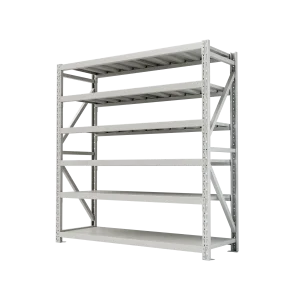
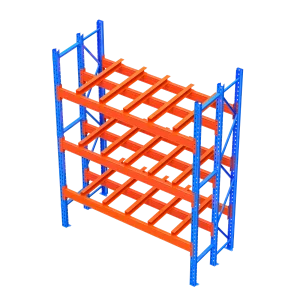
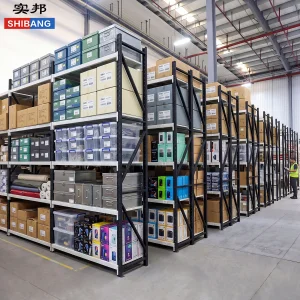
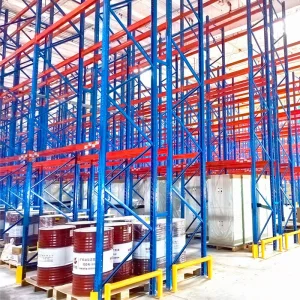
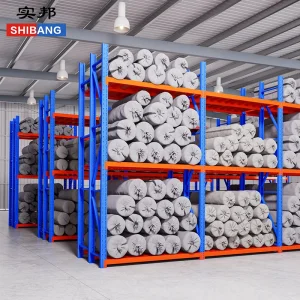
Explore our line of modular warehouse stacking shelves, safety platforms, and customizable industrial rack systems.

Critical questions answered for international supply chain managers and logistics directors.
 Shibang Steel