High-capacity structural systems designed for optimized warehouse performance and loading safety
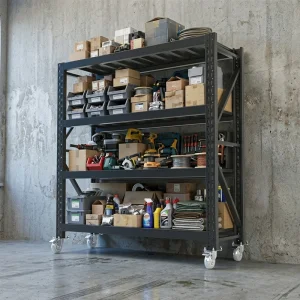
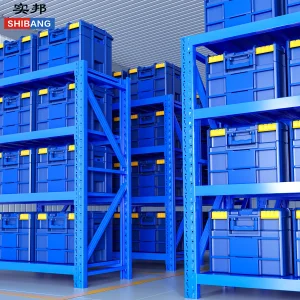
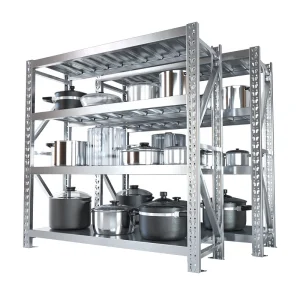
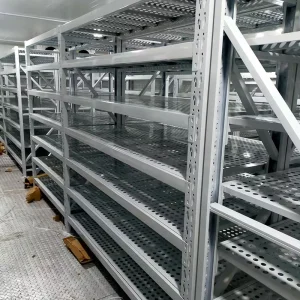
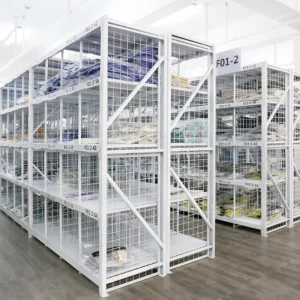
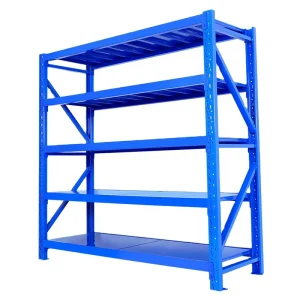
In the era of rapid fulfillment, high-volume inventory cycles, and rising real estate costs, traditional static warehouse storage systems are no longer sufficient. Live Storage Racks, commonly referred to as gravity flow racking systems, have transitioned from a specialized niche solution to an essential infrastructure standard for top-performing global supply chains. Operating on the First-In, First-Out (FIFO) loading principle, these systems leverage gravitational forces via inclined wheel or roller tracks. This layout ensures automatic stock replenishment at the pick face, virtually eliminating manual stock-rotation times and minimizing operational travel distance.
As international supply chains shift from just-in-time replenishment models to highly dynamic buffers, the demands placed on live storage structures have increased significantly. Contemporary setups require precise inclination engineering, highly durable impact zones, dynamic braking systems, and seamless integration with Automated Guided Vehicles (AGVs) and Warehouse Management Systems (WMS). Choosing a qualified OEM/ODM manufacturer with advanced custom structural engineering capabilities is crucial for securing safe, reliable, and high-performance warehousing investments.
Strategic Value: Implementing a high-density gravity flow live storage system can reduce floor space requirements by up to 50% while improving warehouse picking speeds by more than 35% compared to conventional selective pallet racking setups.
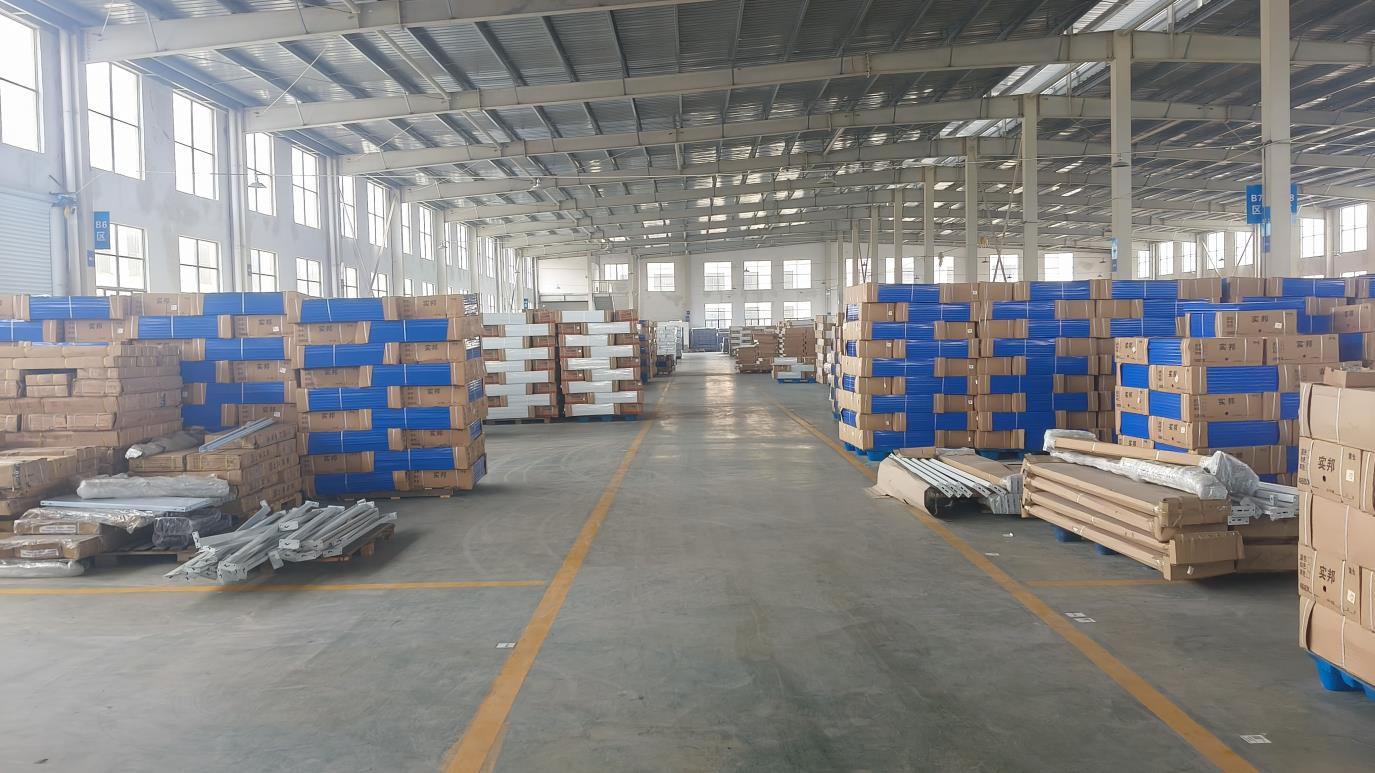
Established in 2015, Shenzhen Shibang Storage Rack Co., Ltd. is a leading manufacturer specializing in industrial racking systems and customized warehouse storage solutions. Operating from a modern production facility spanning 32,000 square meters, we integrate structural design, precision manufacturing, and international trade to serve a diverse global client base.
With over 12 years of industry expertise and 8 years of dedicated export experience, our products are distributed across North America, Europe, Australia, and Southeast Asia, generating over $18 million in annual export revenue. We primarily partner with industrial distributors, third-party logistics (3PL) providers, e-commerce fulfillment centers, and large-scale manufacturing enterprises. Supported by a robust network of over 800 supply chain partners, we ensure consistent raw material quality and efficient production timelines.
Quality control and technological innovation form the core of our operations. Our dynamic R&D team consists of 18 senior engineers, supported by 35 dedicated QC professionals. We implement rigorous product inspection protocols—including raw steel tensile testing, automated ultrasonic weld checking, static and dynamic load testing, and powder-coating salt spray endurance tests—ensuring compliance with international safety and durability standards. In the past year alone, our R&D unit successfully introduced 45 new product designs and structural optimizations.
We offer full structural customization options, providing tailored loading capacities, height configurations, beam profiles, and surface finishes (powder coating and hot-dip galvanizing) to meet exact warehouse specifications. Guided by engineering precision and trade reliability, Shenzhen Shibang Storage Rack Co., Ltd. continues to deliver safe, scalable, and optimized storage solutions for modern global supply chains.
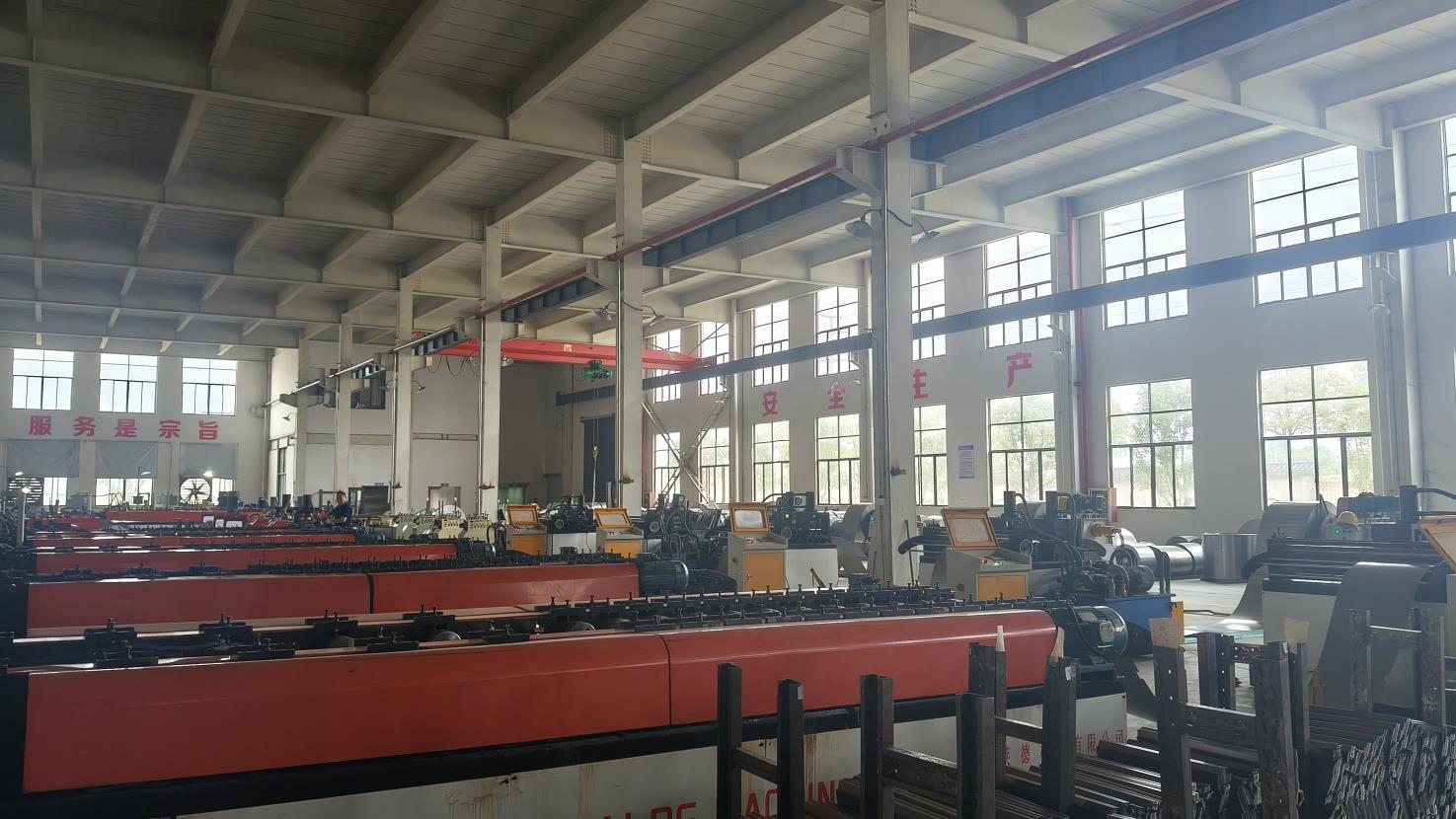
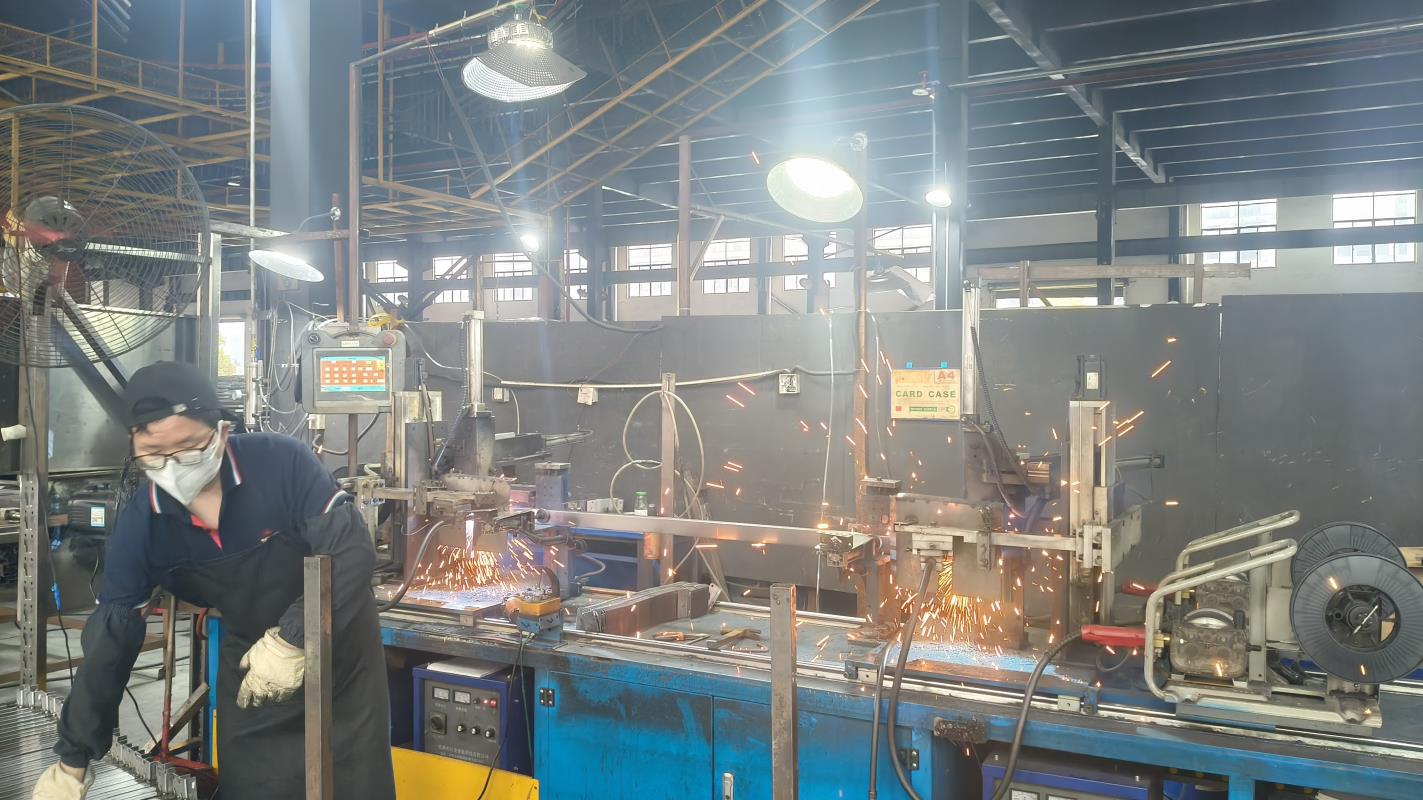
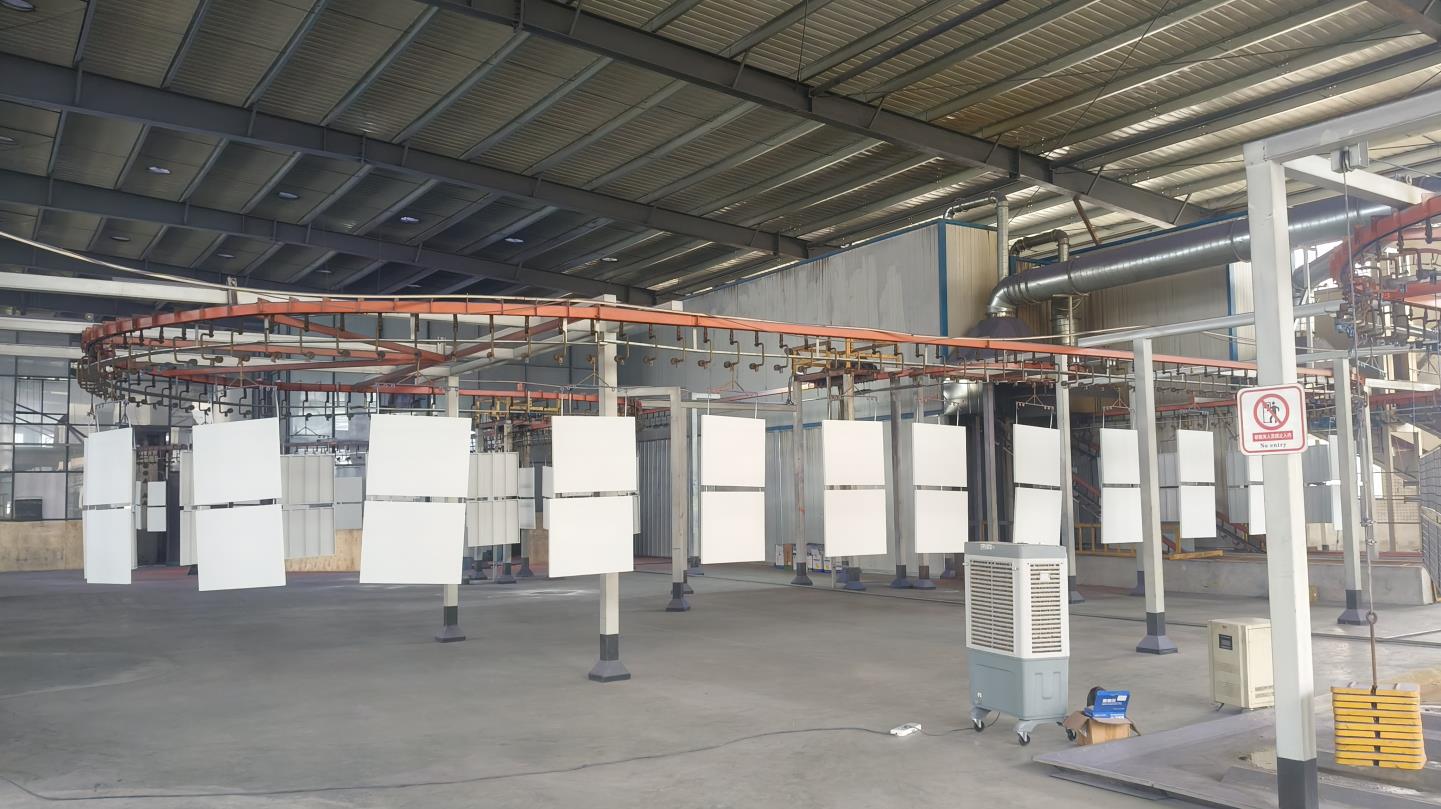
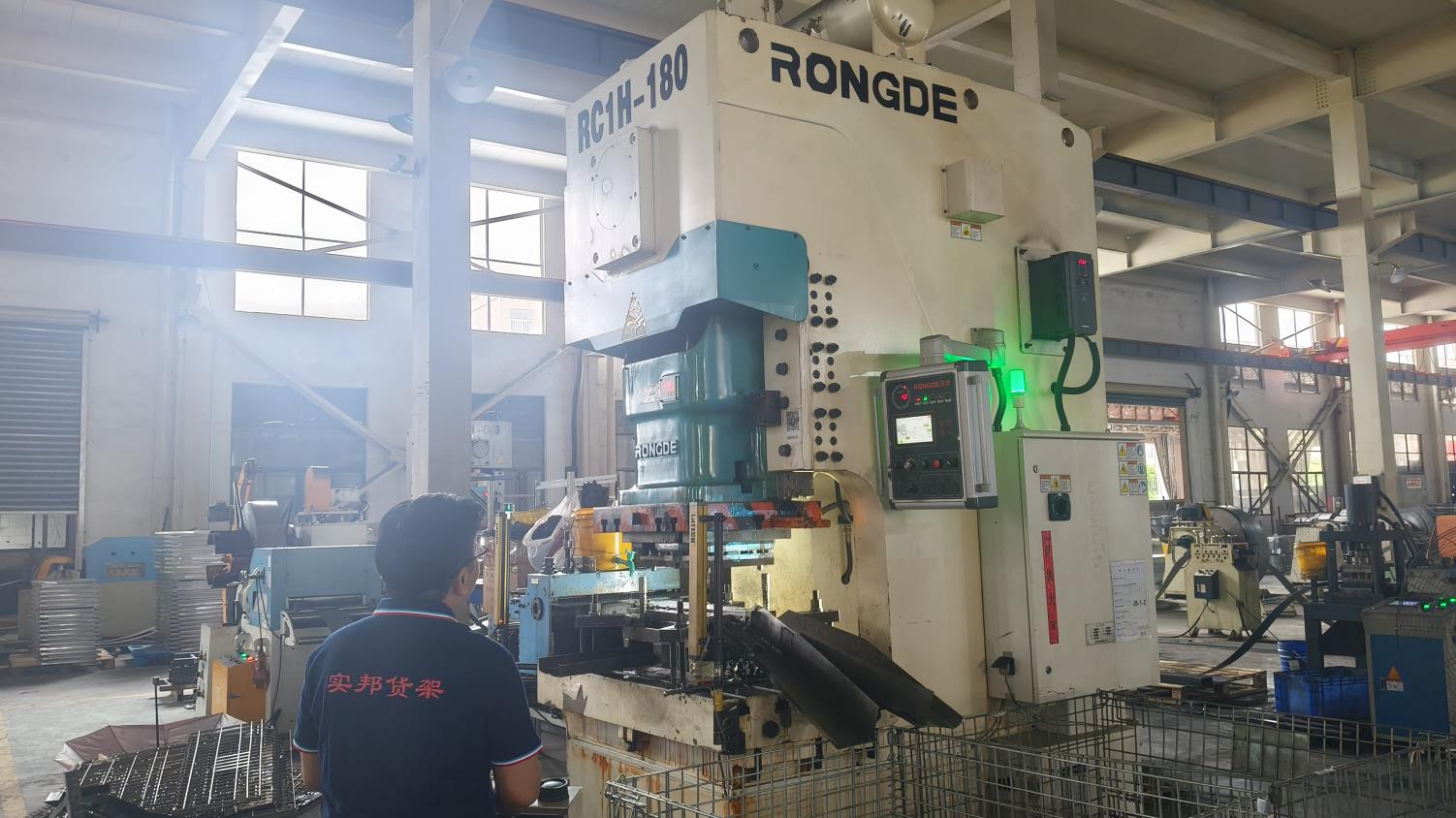
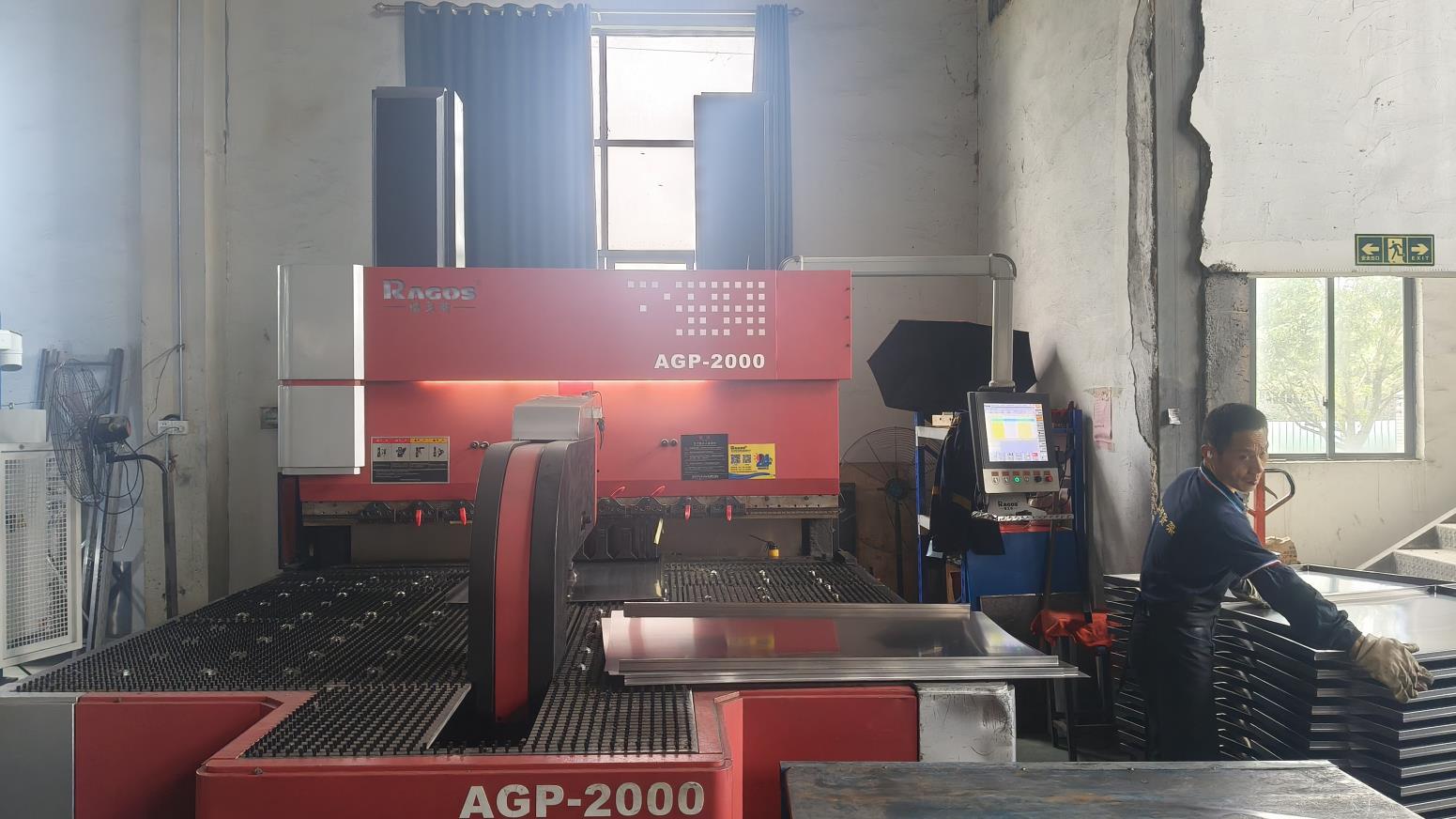
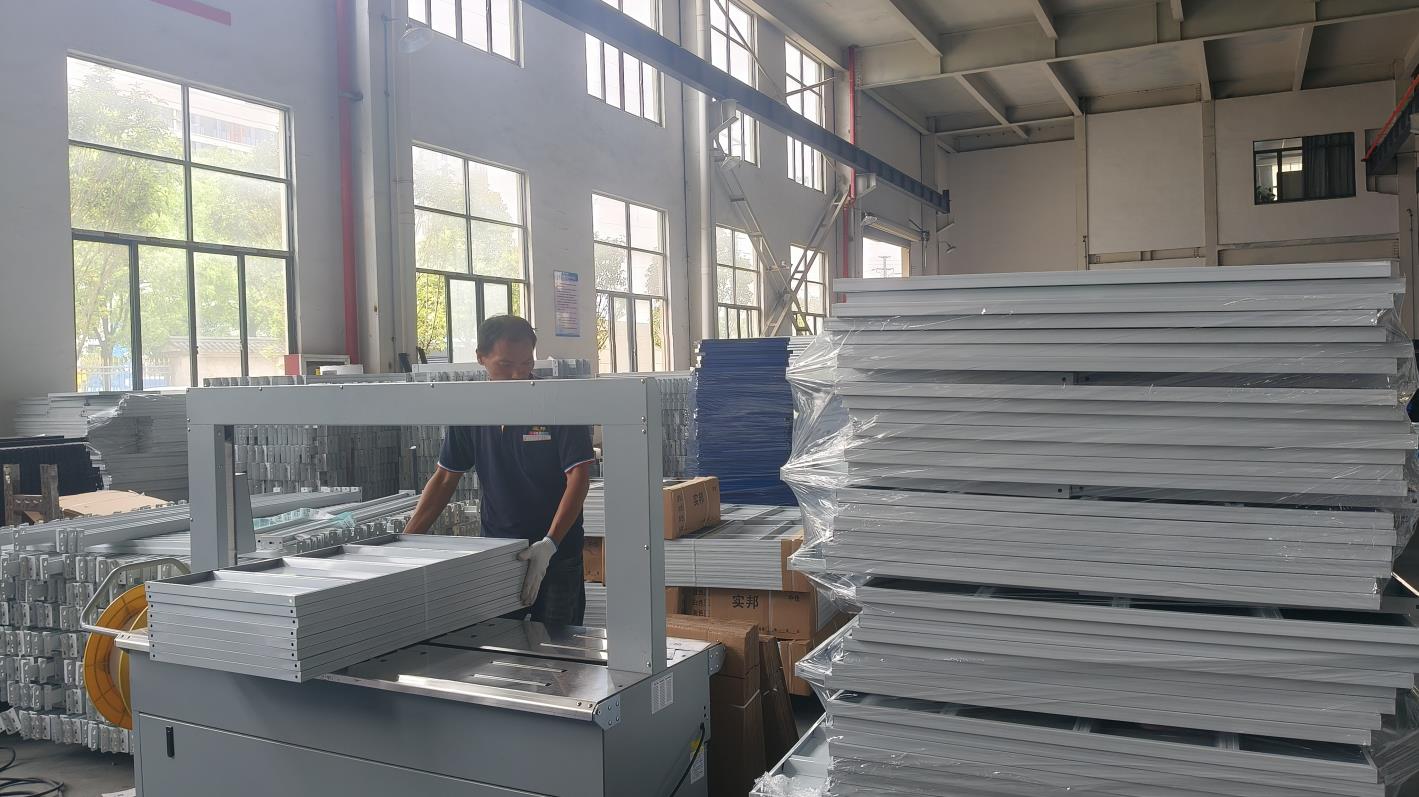
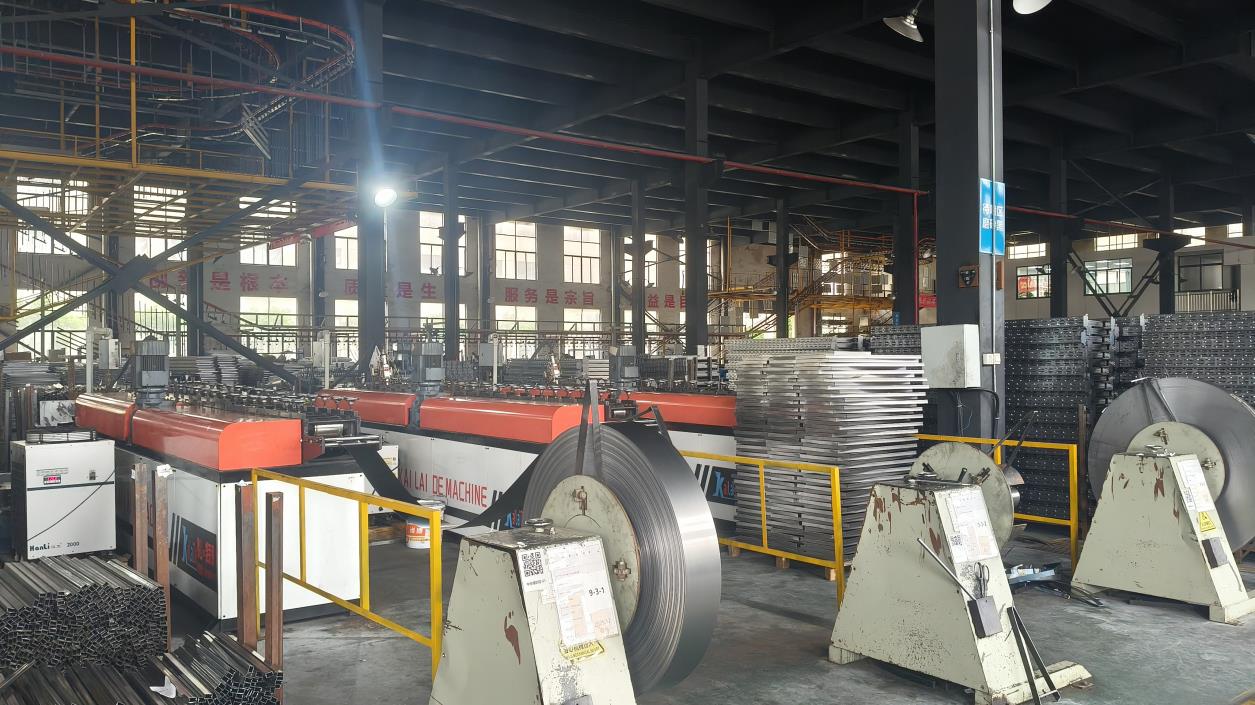
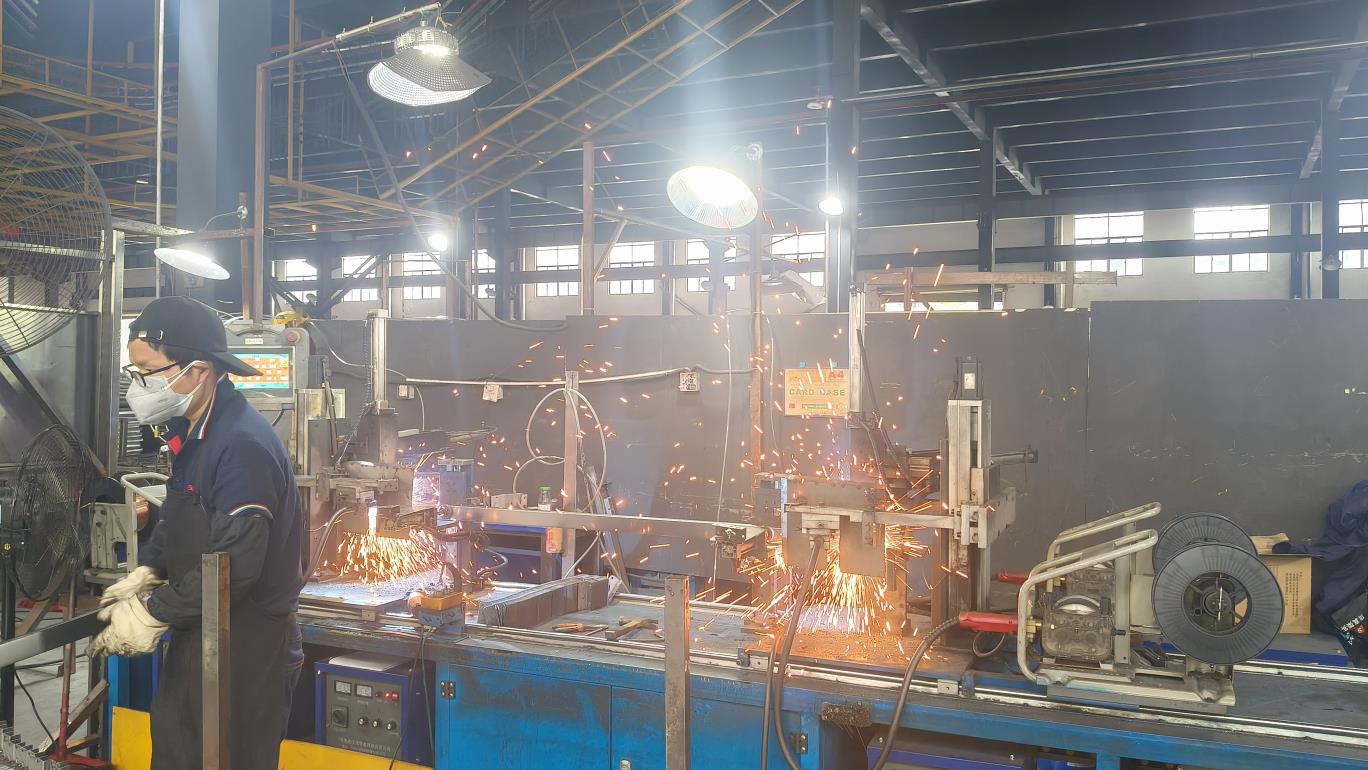
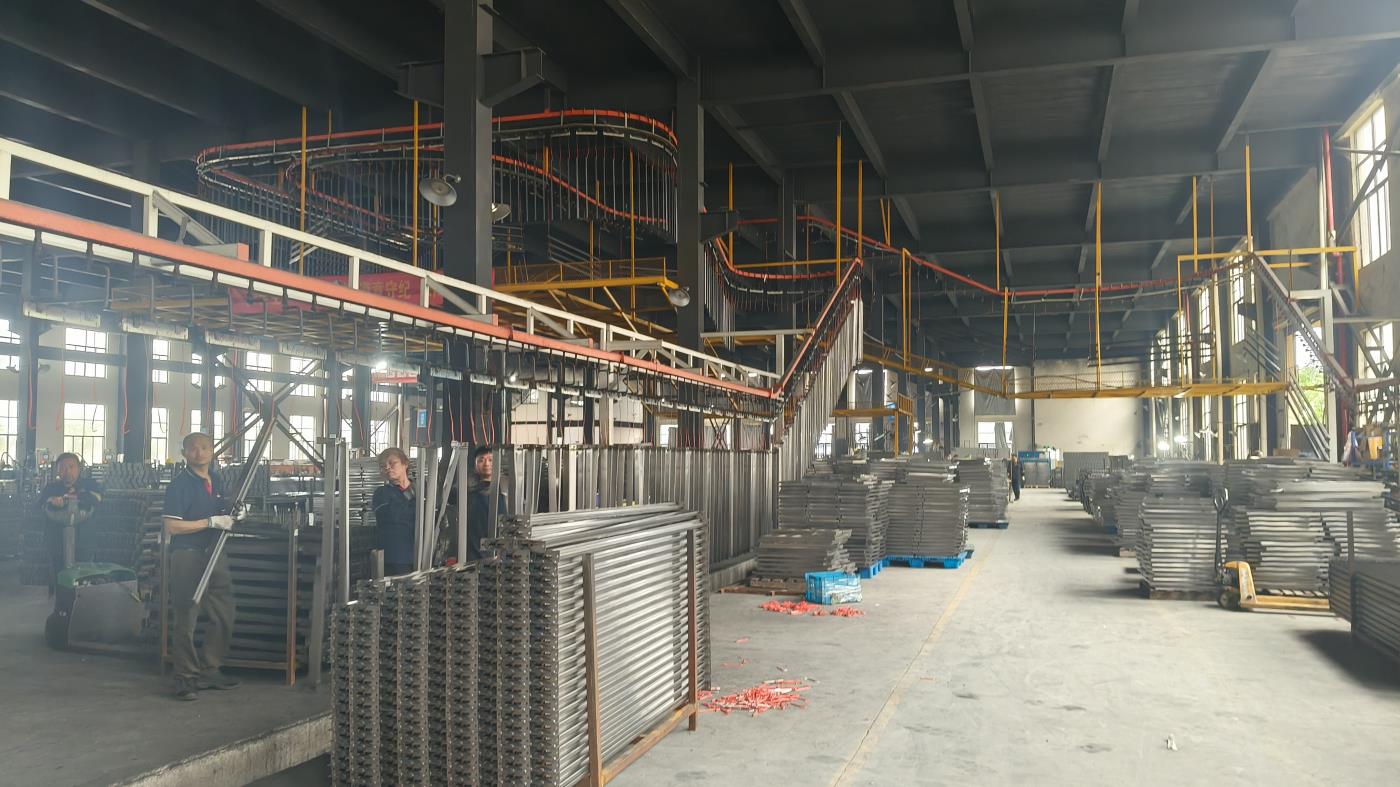
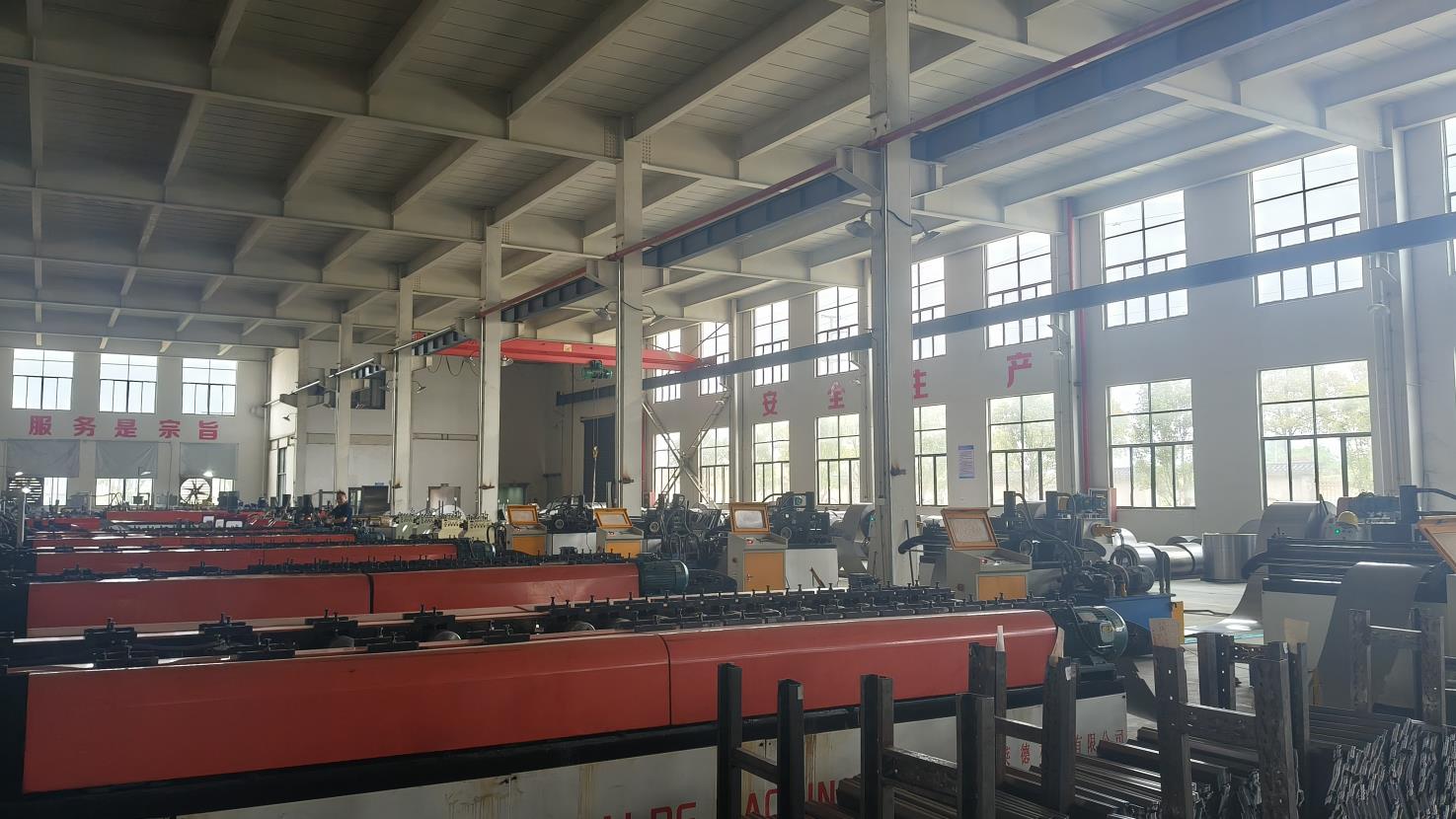
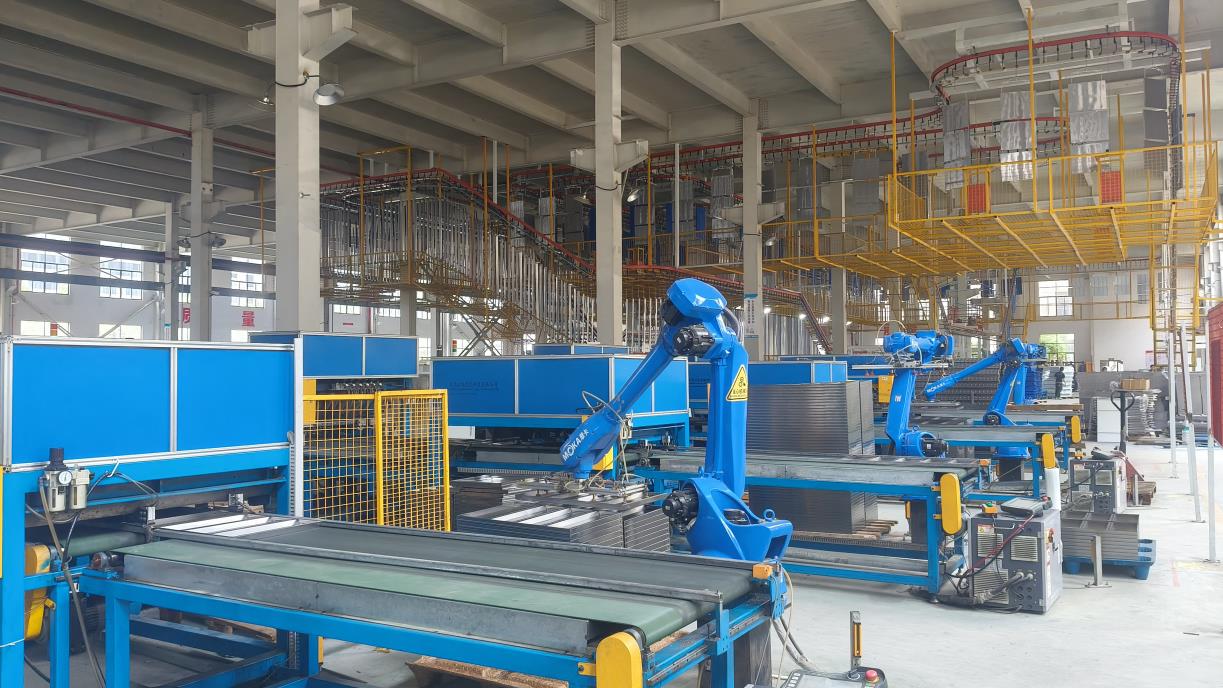
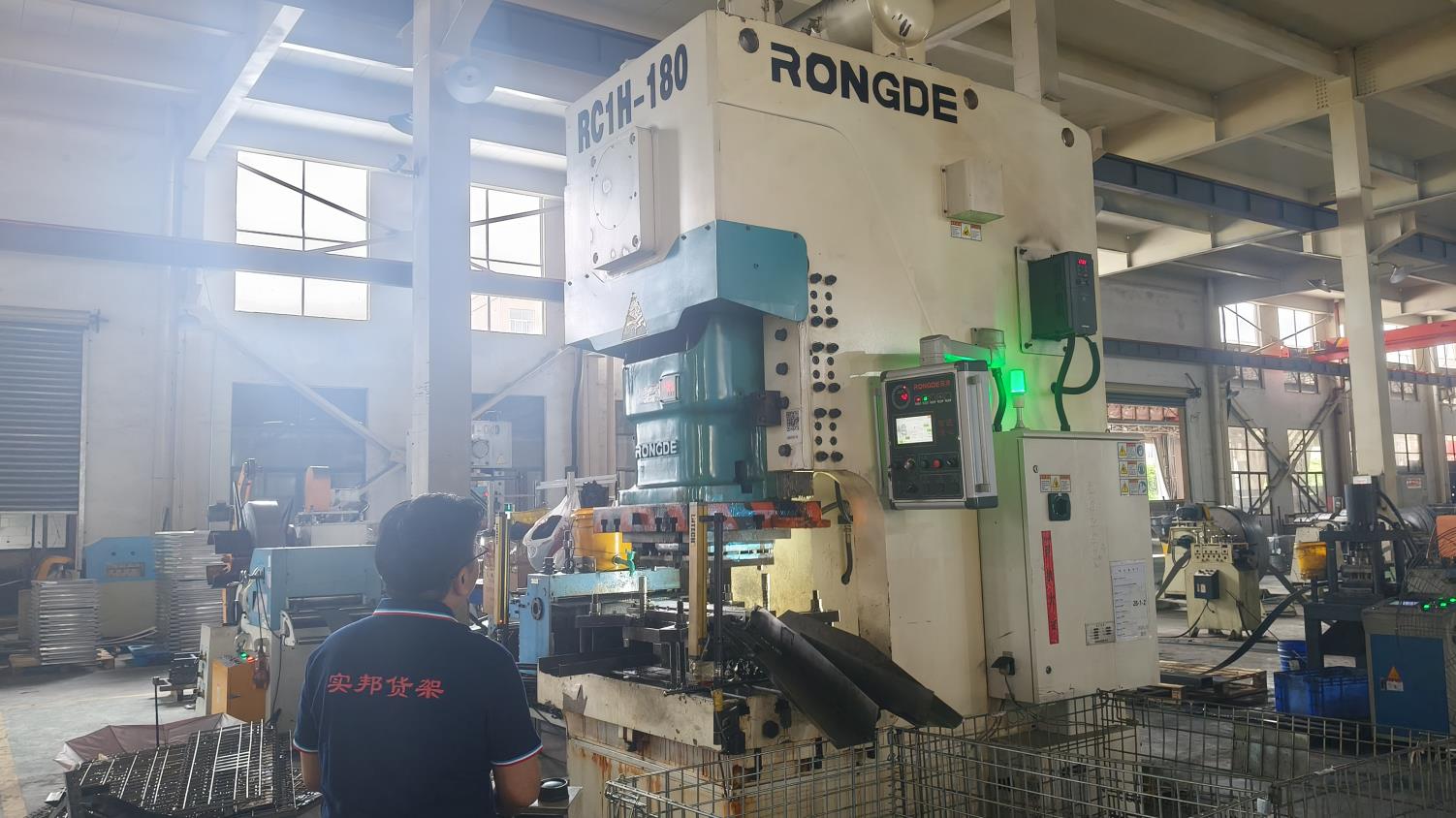
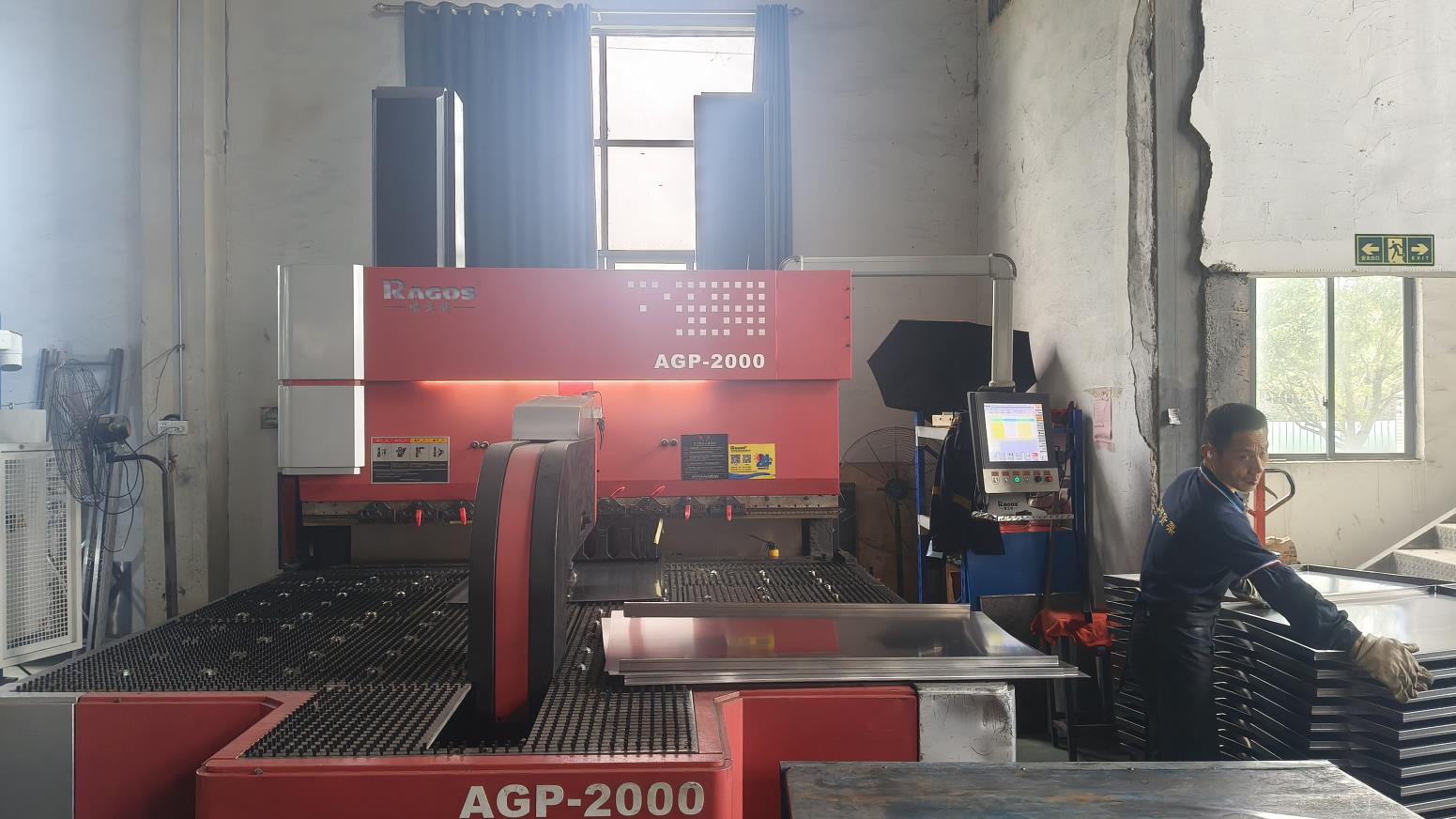
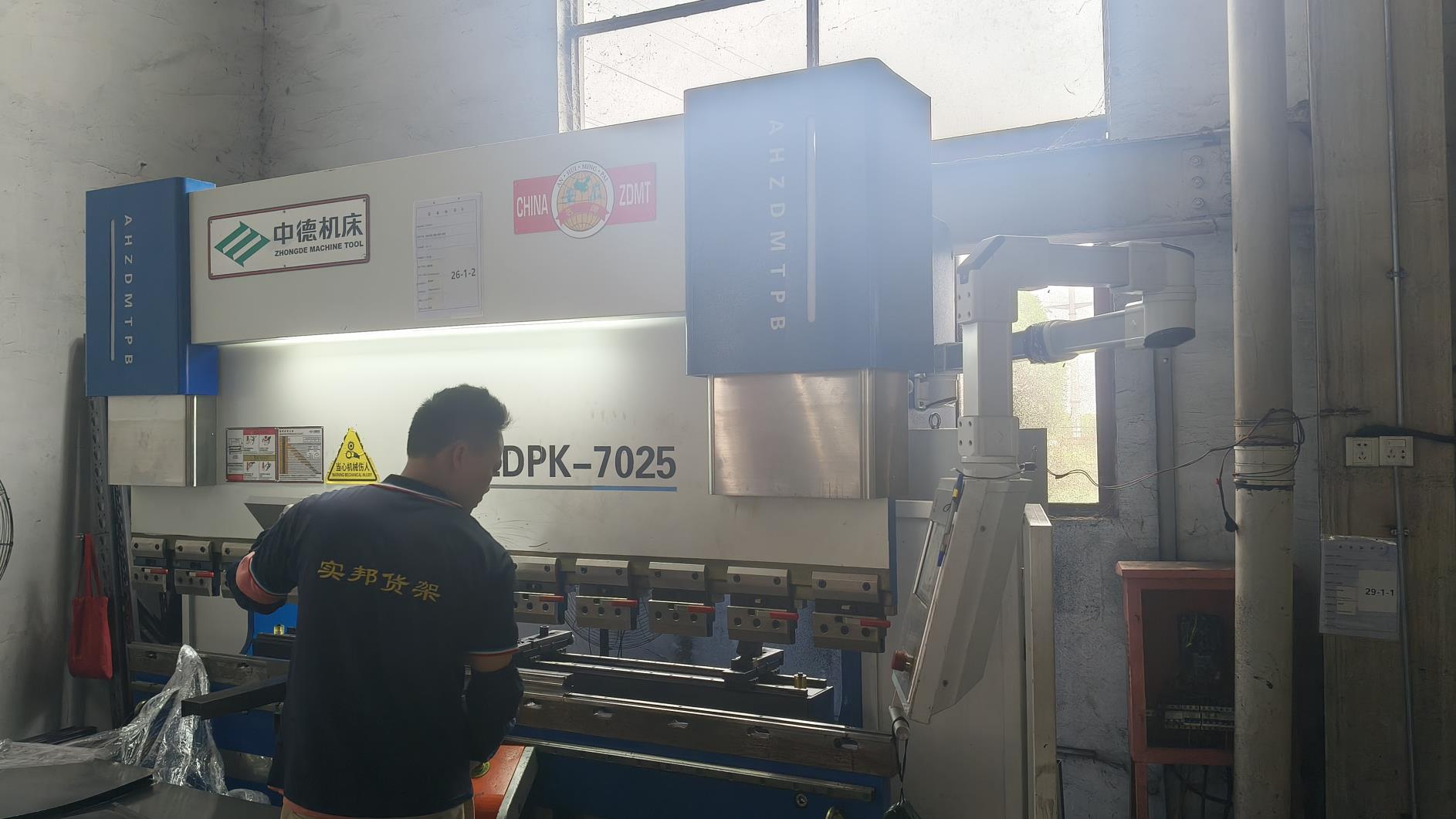
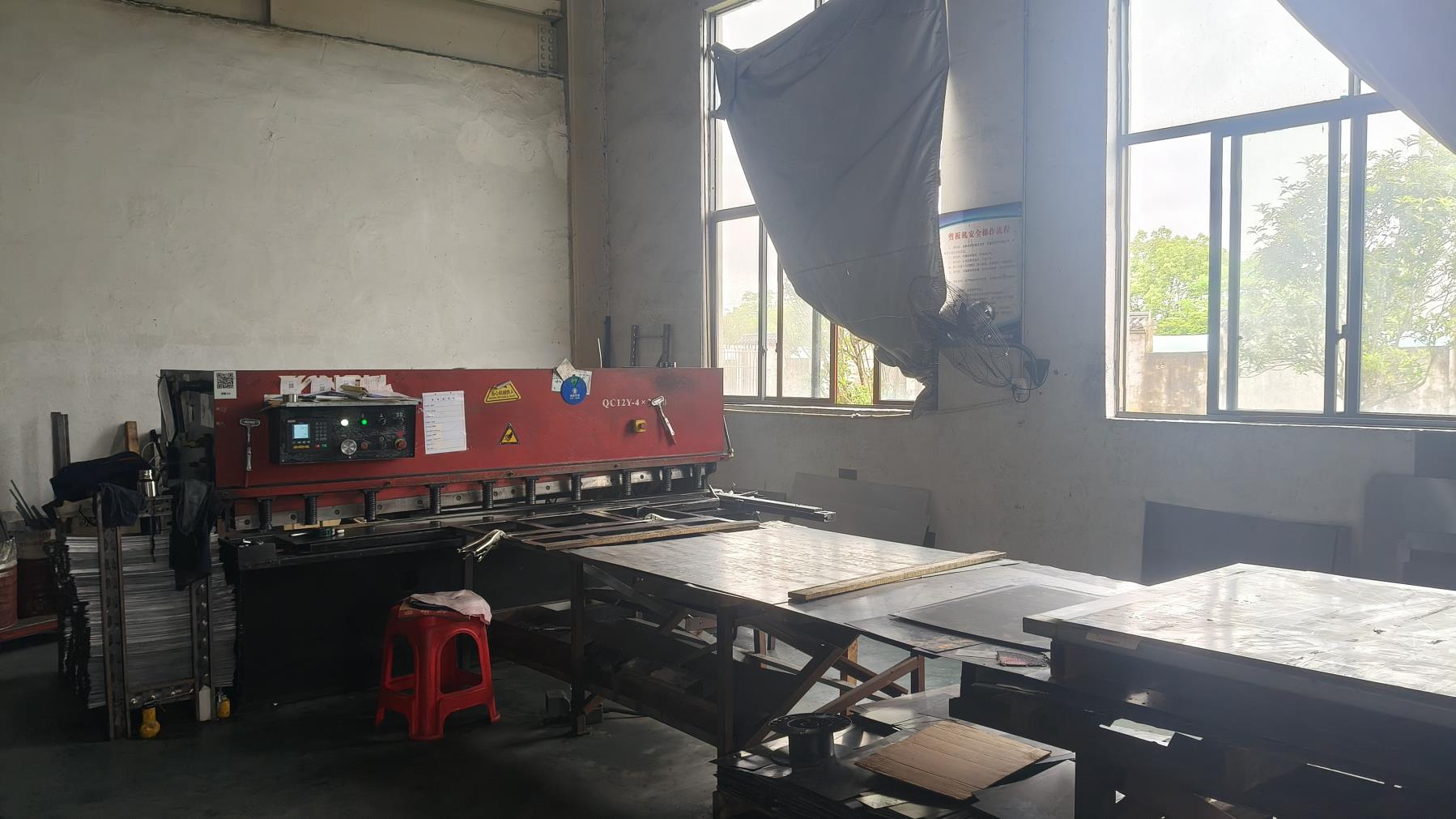
Our facility features high-precision machinery, automated powder coating systems, and advanced structural forming lines. Below is an overview of our main production workflows and machinery, illustrating the structural stability and precision engineering built into every rack we manufacture:
Industrial procurement directors and project managers face critical challenges when specifying live storage systems. Unlike static selective shelving, dynamic systems incorporate moving parts, precise mechanical slopes, and variable speeds. Miscalculations in roller pitch or base frame angles can result in hung-up pallets or unsafe descent speeds, introducing significant operational risks. Sourcing teams must prioritize manufacturers who provide comprehensive structural calculation sheets based on Finite Element Analysis (FEA) alongside localized seismic zone designs.
Another common challenge is compatibility with diverse pallet types. Standard wooden GMA pallets, plastic pallets, and metal skids each exhibit unique rolling dynamics. To address this, Shibang engineered-gravity lanes feature customized split-roller paths and dual-direction speed controllers, which prevent pallet drift and maintain a controlled descent rate regardless of varying weight loads.
When deploying systems across North America, Europe, or Australia, compliance with localized building codes and safety regulations is mandatory. At Shibang, our design engineering complies with RMI (Rack Manufacturers Institute) guidelines, FEM 10.2.02 European logistics standards, and Australian standard AS4084-2012. We conduct in-house structural simulations to verify that our assemblies can withstand seismic loads in active zones.
We also address corrosion protection, particularly for cold-chain storage and high-humidity chemical storage facilities. Shibang provides advanced surface-treatment options, including electrostatic thermosetting epoxy powder coatings and hot-dip galvanizing compliant with ISO 1461. This ensures long-term resistance to rust and degradation, maintaining structural integrity across demanding industrial environments.
The future of live storage systems centers on smart integration. We are investing in the development of intelligent speed-controlling rollers embedded with low-power sensor arrays. These sensors monitor descent velocity and track status in real-time, sending data back to a centralized WMS. By identifying potential lane disruptions before they cause stoppages, these systems support predictive maintenance strategies and enhance overall warehouse safety.
Additionally, our dynamic pick-faces are engineered to interface directly with automated robotic picking arms and AGV transport vehicles. Featuring optical sensors and heavy-duty, self-centering guide entries, our live storage lines facilitate seamless handoffs between gravity-based lanes and high-speed robotic picking configurations.
Most pallet live storage lanes are engineered with a slope gradient between 3% and 4%. The precise angle depends on variables such as pallet material, total weight profile, and roller track configurations. Our R&D team customizes this gradient during design testing to guarantee consistent flow speeds and eliminate hanging pallets.
To manage kinetic energy in longer flow runs, we integrate indirect-drive centrifugal speed controllers within the roller track. These dynamic brakes limit maximum pallet speeds to under 0.25 meters per second, ensuring smooth deceleration and protecting structural components from high-velocity impacts.
Yes, our designs are optimized for temperatures down to -30°C. For cold storage configurations, we utilize low-temperature lubricants inside the roller bearings, high-durability seals, and specialized galvanized steel profiles. This setup prevents operational freezing and safeguards structural strength over extended runs.
We offer both electrostatic epoxy powder coating (with average film thickness exceeding 70 microns) and hot-dip galvanizing (complying with ASTM A123 standards). Hot-dip galvanizing provides robust dual-surface protection, making it ideal for high-salinity marine environments and heavy chemical manufacturing zones.
Our standard lead time ranges from 25 to 35 days, starting from technical design sign-off to container loading. Working with our supply chain network of over 800 certified partners allows us to scale production up or down, helping us maintain consistent schedules even during peak season demand.
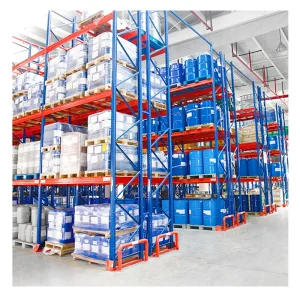
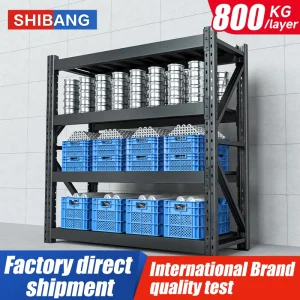
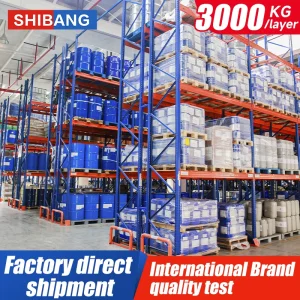
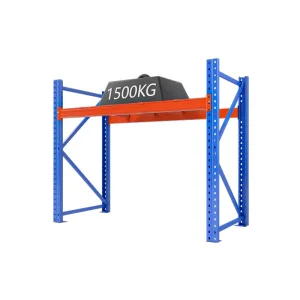
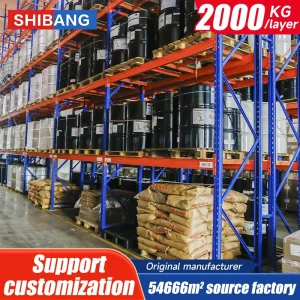
Engineered for high load-bearing demands and maximum spatial density
 Shibang Steel