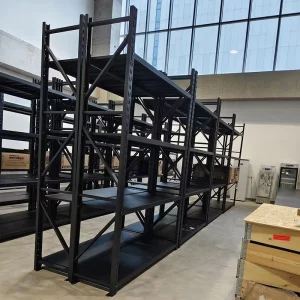
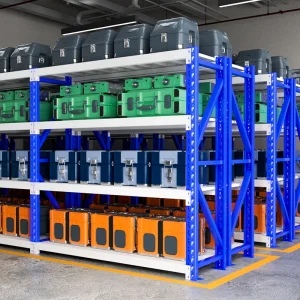
Explore our top-tier selection of industrial storage structures, including heavy-duty warehouse racking, boltless adjustable configurations, and custom steel-composite hybrid units designed for high-density logistics.
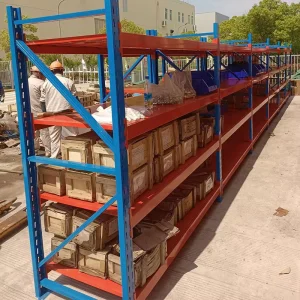
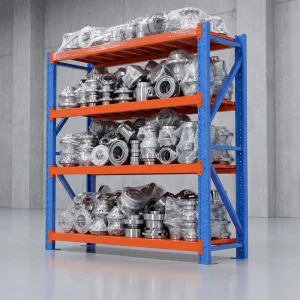
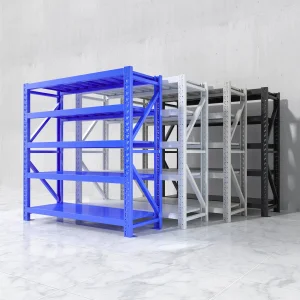
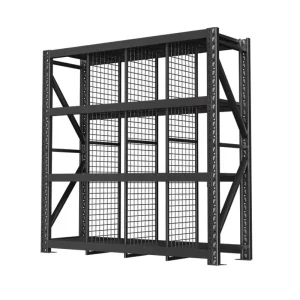
An authoritative technical analysis of structural composite materials, steel hybridization, and load-bearing dynamics in modern supply chain warehousing systems.
Modern global logistics networks demand higher spatial efficiency, extreme safety paradigms, and enhanced resistance to structural degradation. Traditionally, structural steel storage racks dominated warehouses. However, the rise of specialized industrial operations—such as cold-chain logistics, hazardous chemical storage, and automated retrieval systems (AS/RS)—has exposed the vulnerabilities of pure-carbon steel. Extreme temperature shifts accelerate micro-structural fatigue, and corrosive chemical vapors or humidity cause oxidative pitting, compromising structural calculation parameters.
This is where steel-composite hybrid structures represent a paradigm shift. By integrating high-strength fiberglass, carbon-fiber reinforced polymers (CFRP), or composite decking and structural supports with high-grade Q235B and Q355B hot-rolled steel, manufacturers like Shenzhen Shibang Storage Rack Co., Ltd. offer unparalleled system integrity. These composite materials provide a high strength-to-weight ratio, damp acoustic vibrations, isolate static charges, and display extreme chemical resistance, preventing structural buckling under sudden loading impacts.
According to Google's Search Quality Guidelines, authoritative depth on materials science—such as yield strengths (measured in MPa) and elastic deformation coefficients—establishes high topical authority. This page details these physical parameters to aid procurement officers and engineering teams in making informed, safety-compliant buying decisions.
How composite racking systems perform against traditional steel racking under heavy load pressures, corrosion tests, and thermal cycling environments.
| Performance Indicator | Traditional Mild Steel (Q235) | Advanced Alloy Steel (Q355) | Composite-Hybrid Systems (Shibang Custom) |
|---|---|---|---|
| Yield Strength (MPa) | 235 MPa | 355 MPa | 500+ MPa (Composite hybrid reinforced axes) |
| Corrosion Resistance (Salt Spray Test) | Poor (oxidation within 48-72 hours) | Moderate (with standard powder coating) | Outstanding (tested up to 500+ hours under salt spray) |
| Weight-to-Load Ratio | 1:5 | 1:8 | 1:12 (Lighter structural load, higher load capacity) |
| Dynamic Loading Tolerance | Standard deflection curves | Medium deflection limits | High energy absorption (minimal deflection recovery) |
| Cold Storage Adaptability (-40°C) | Brittle fracture risk | Requires specialized tempering | Excellent, retains flexibility and ductile strength |
The roadmap for heavy-duty industrial storage racks is shifting from passive iron frames to active, intelligent structures. Over the next decade, integration of IoT sensors inside composite rack uprights will enable real-time stress and deformation monitoring. If a forklift collides with an upright, or if a bay is overloaded beyond its structural design limit, strain gauges embedded in the composite matrix will send telemetry data directly to the Warehouse Management System (WMS).
Furthermore, the development of sustainable, eco-friendly composite matrices utilizing recycled polymer elements and bio-derived resins is gaining momentum. Shenzhen Shibang is actively investing in structural bio-composite formulations that reduce the carbon footprint of factory production while maintaining the rigorous yield strengths required by European (EN 15512) and North American (RMI) standards.
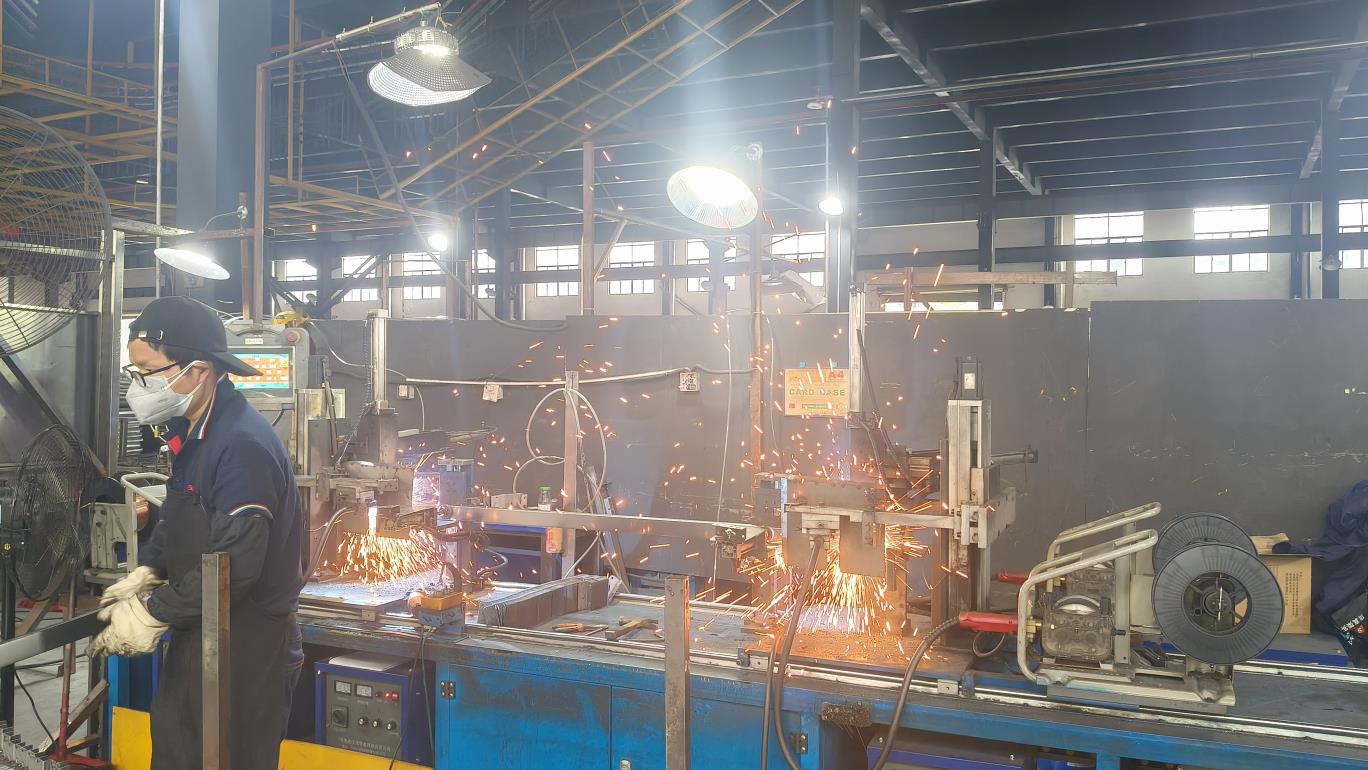
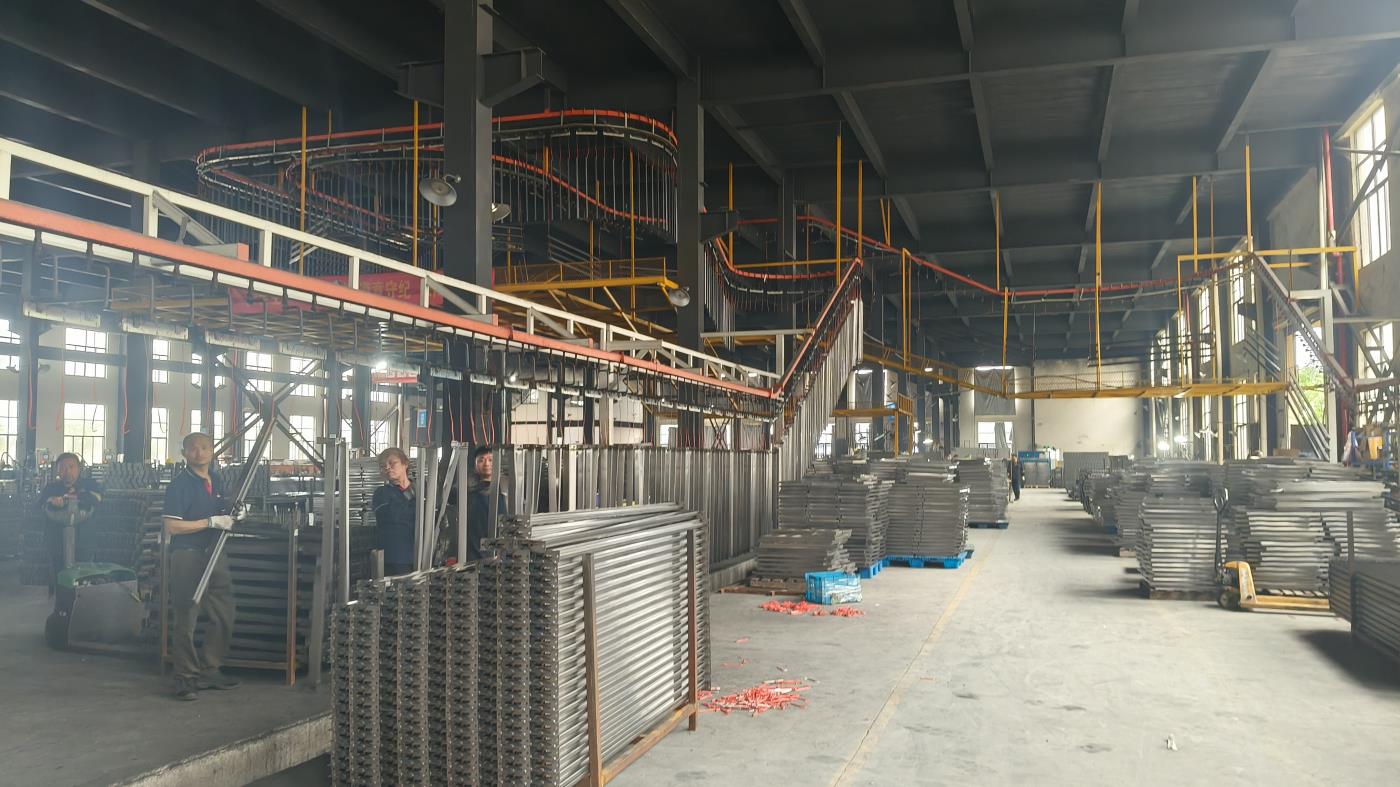
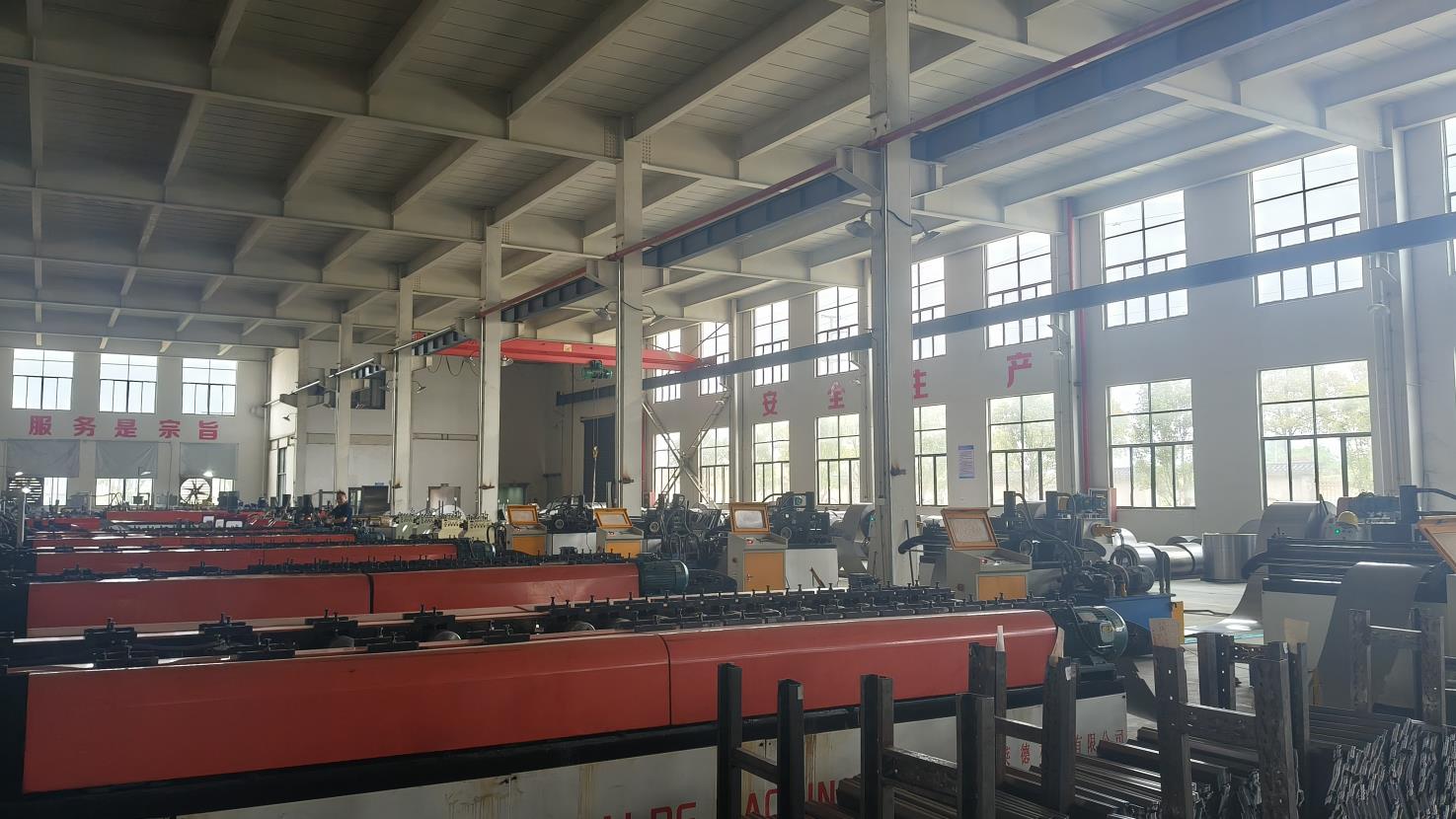
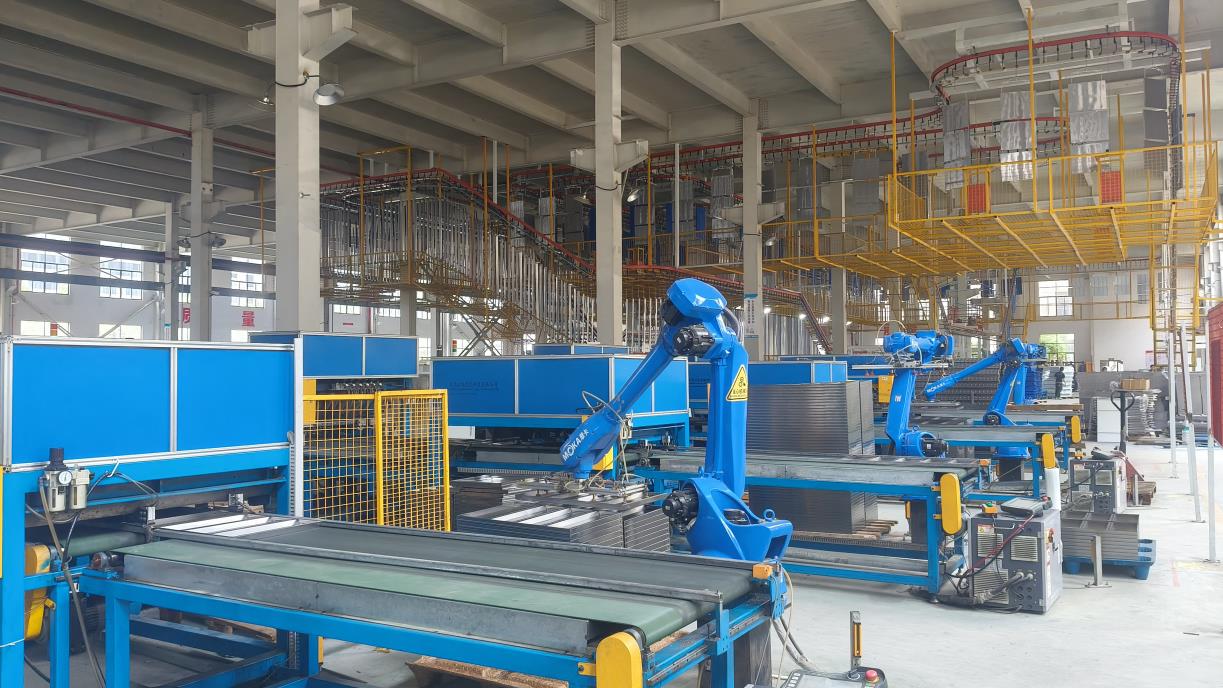
An inside look at our 32,000 square meter modern facility where structural components are engineered, formed, tested, and packaged for rapid worldwide dispatch.
Shenzhen Shibang Storage Rack Co., Ltd., established in 2015, integrates structural design, precision manufacturing, and international trade to serve a diverse global client base. With over 12 years of industry expertise and 8 years of dedicated export experience, our products are distributed across North America, Europe, Australia, and Southeast Asia, generating over $18 million in annual export revenue.
Supported by a robust network of over 800 supply chain partners, we ensure consistent raw material quality and efficient production timelines. Our dynamic R&D team consists of 18 senior engineers, supported by 35 dedicated QC professionals. We implement rigorous product inspection protocols—including raw steel tensile testing, automated ultrasonic weld checking, static and dynamic load testing, and powder-coating salt spray endurance tests—ensuring compliance with international safety and durability standards. In the past year alone, our R&D unit successfully introduced 45 new product designs and structural optimizations.
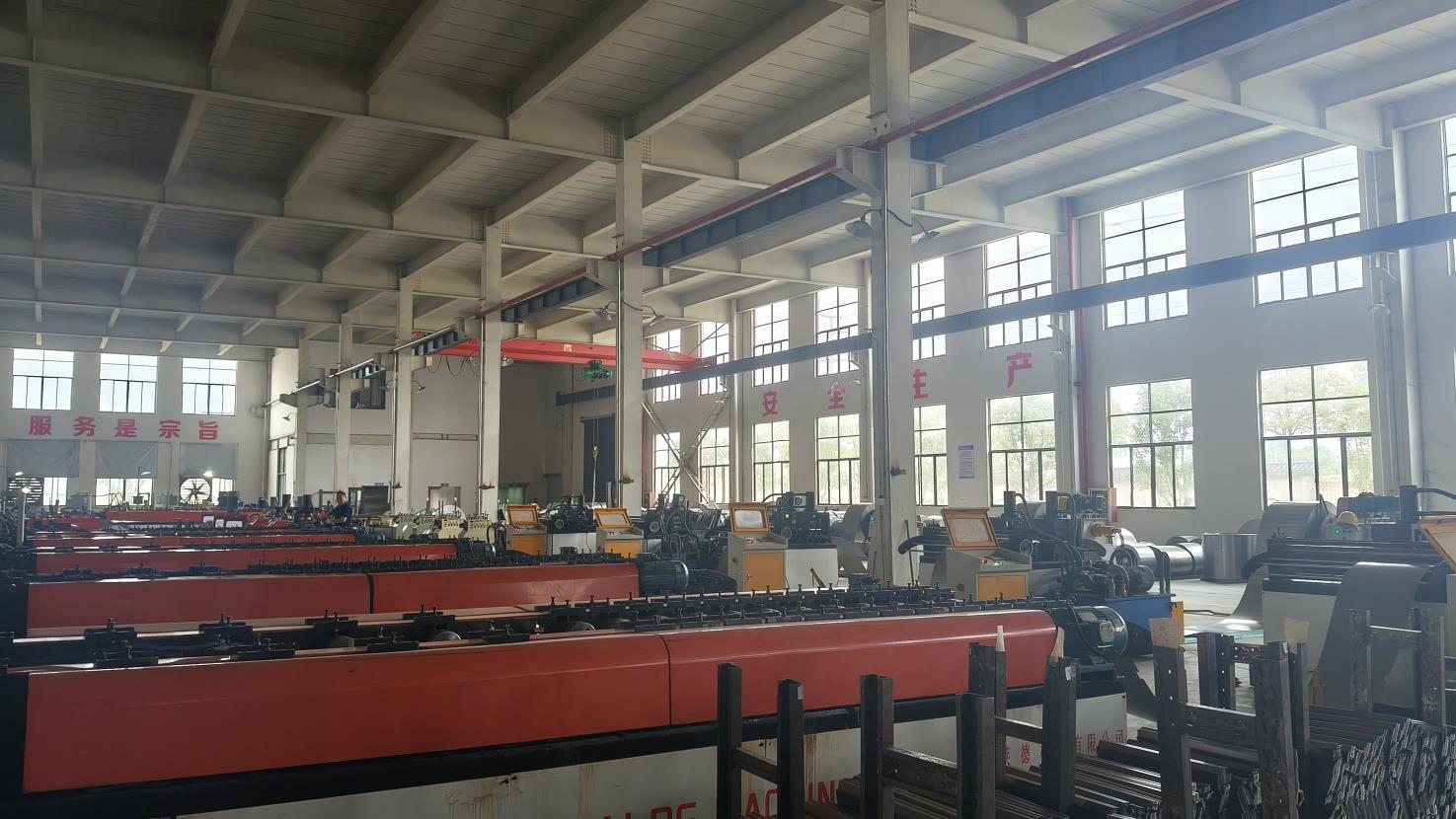
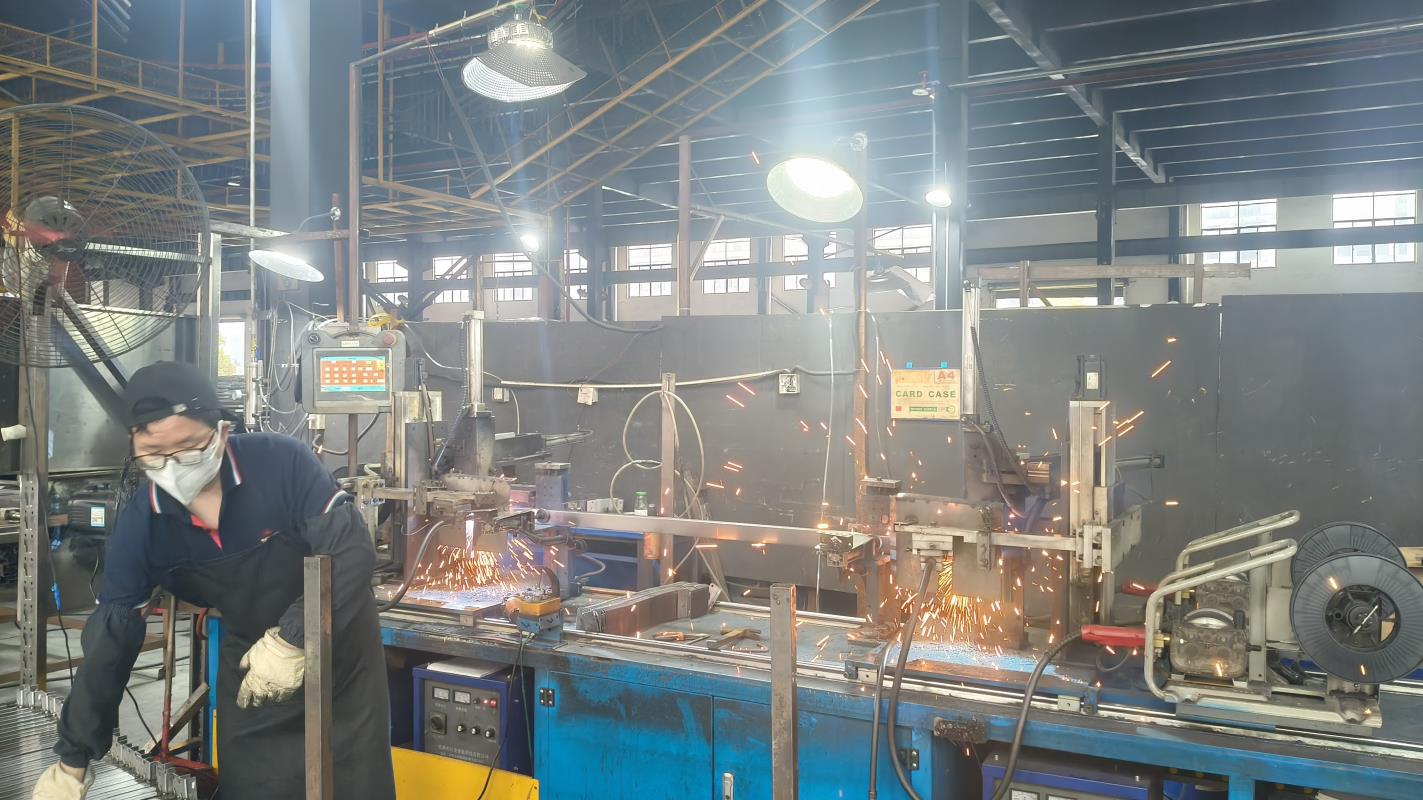
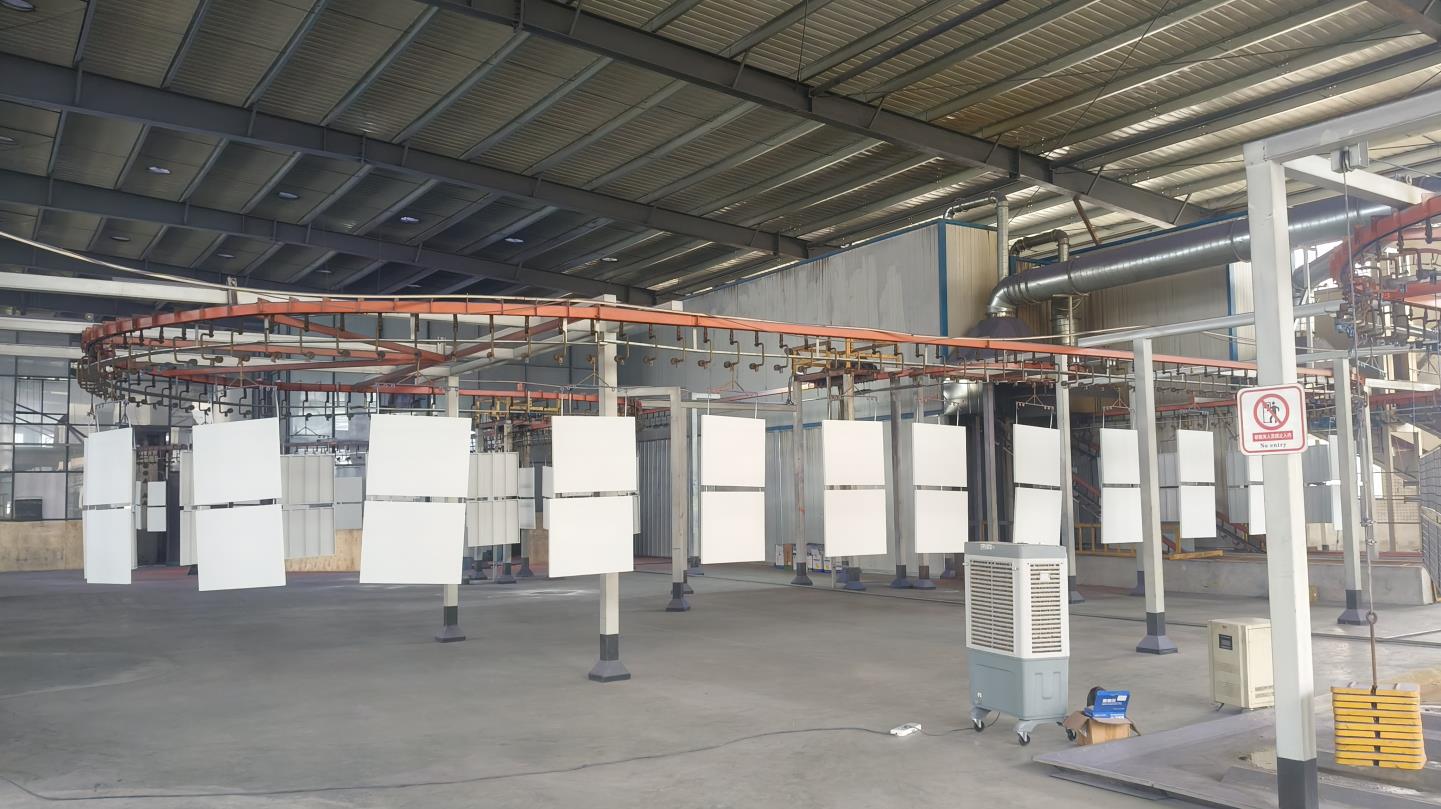
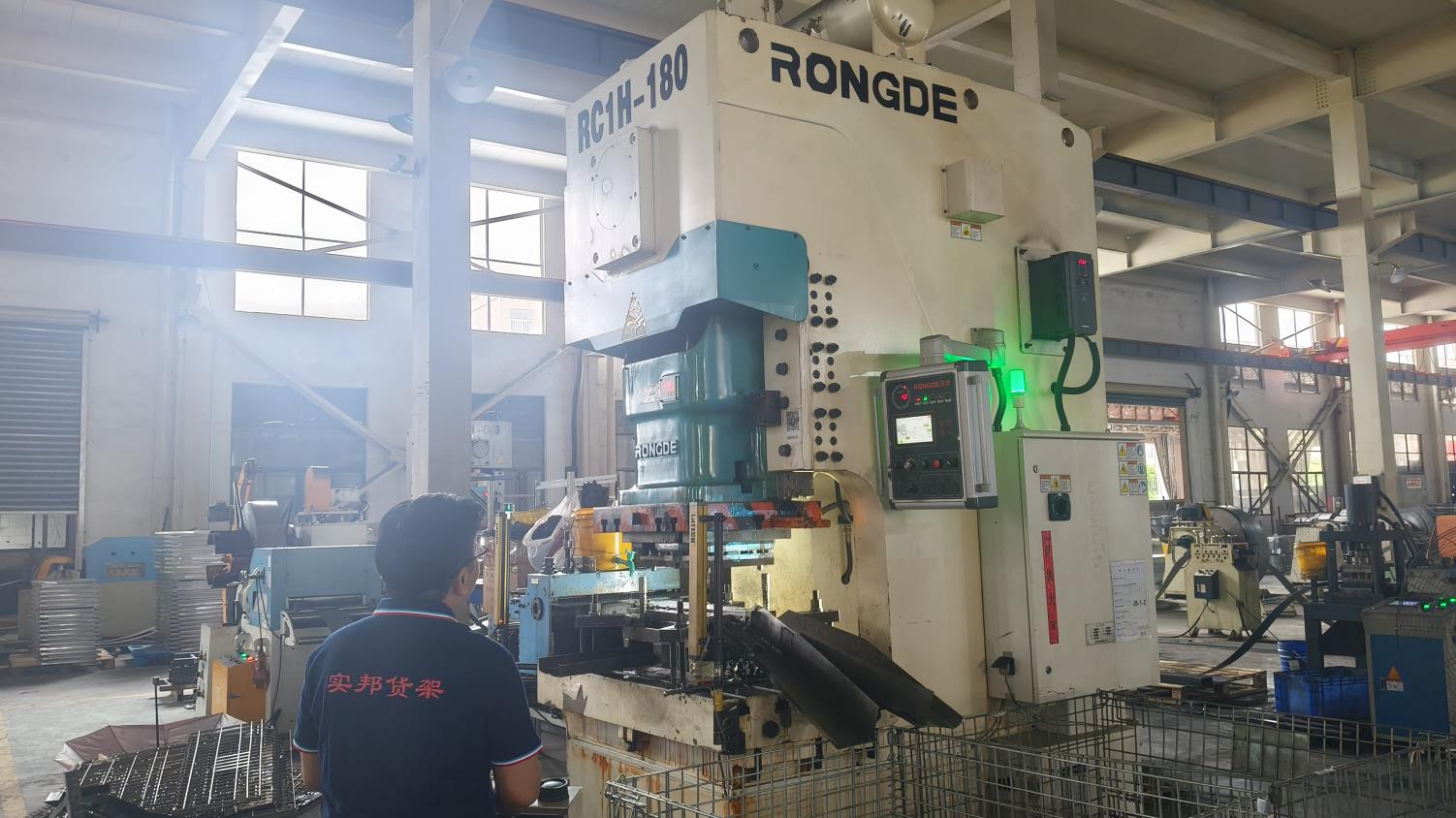
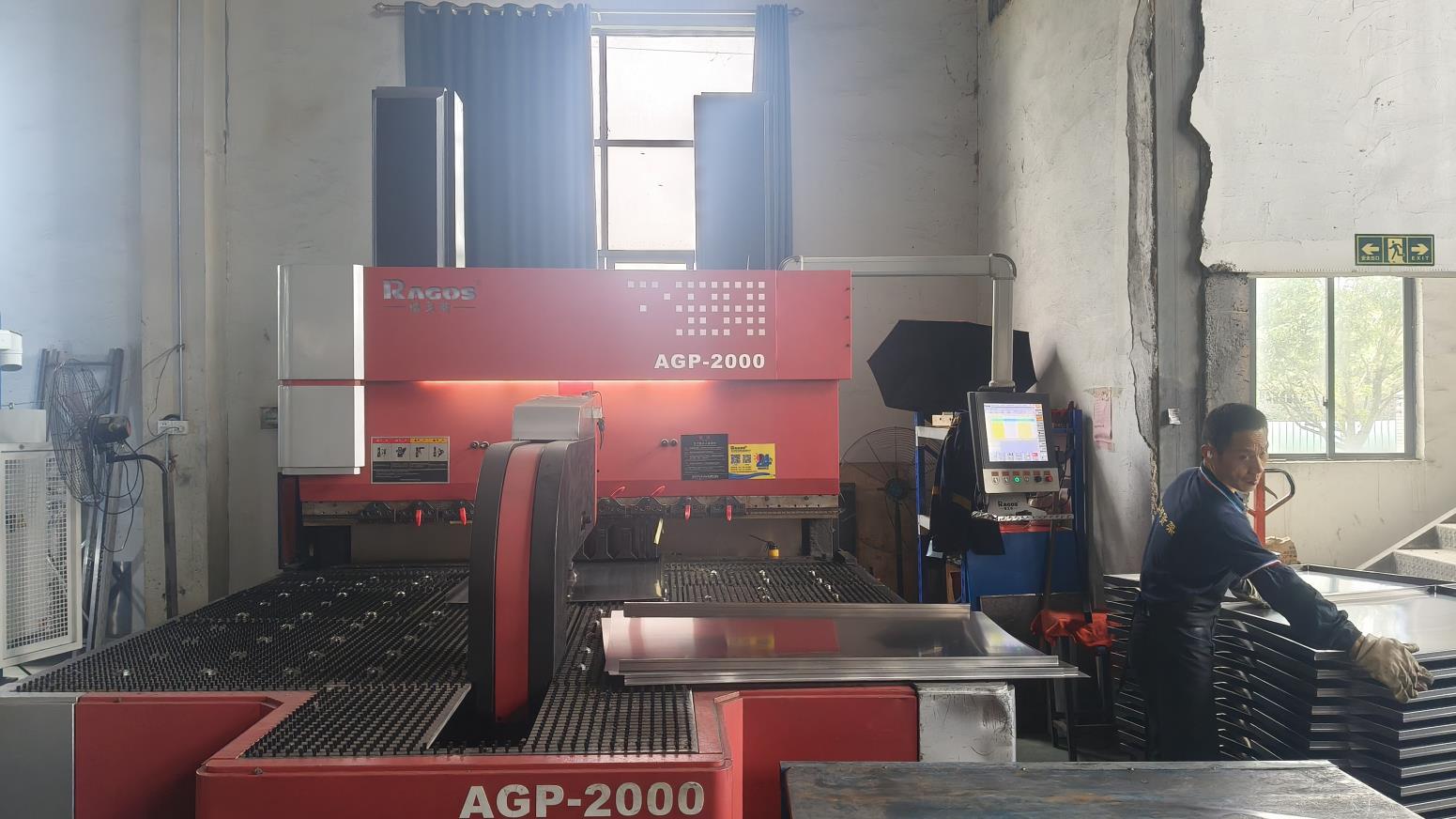
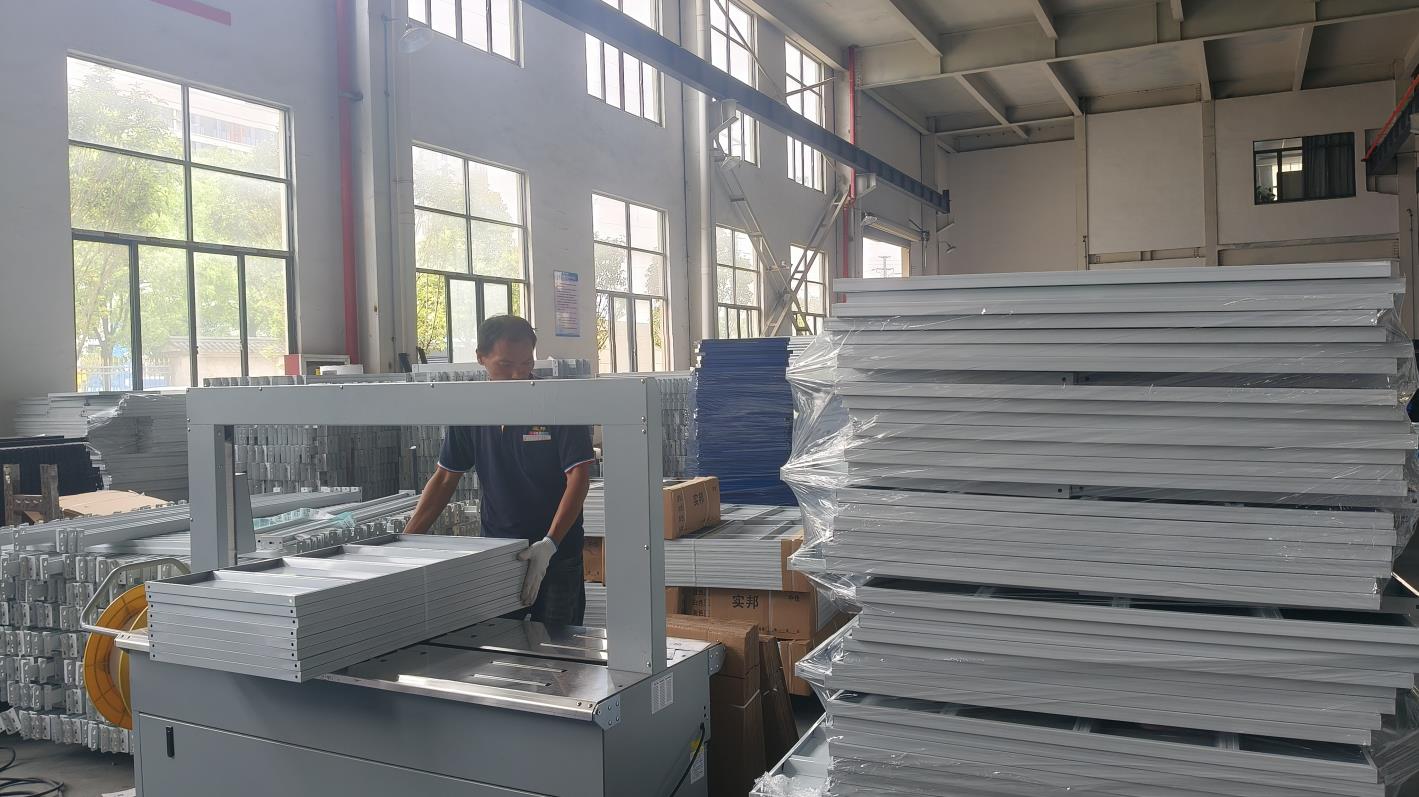
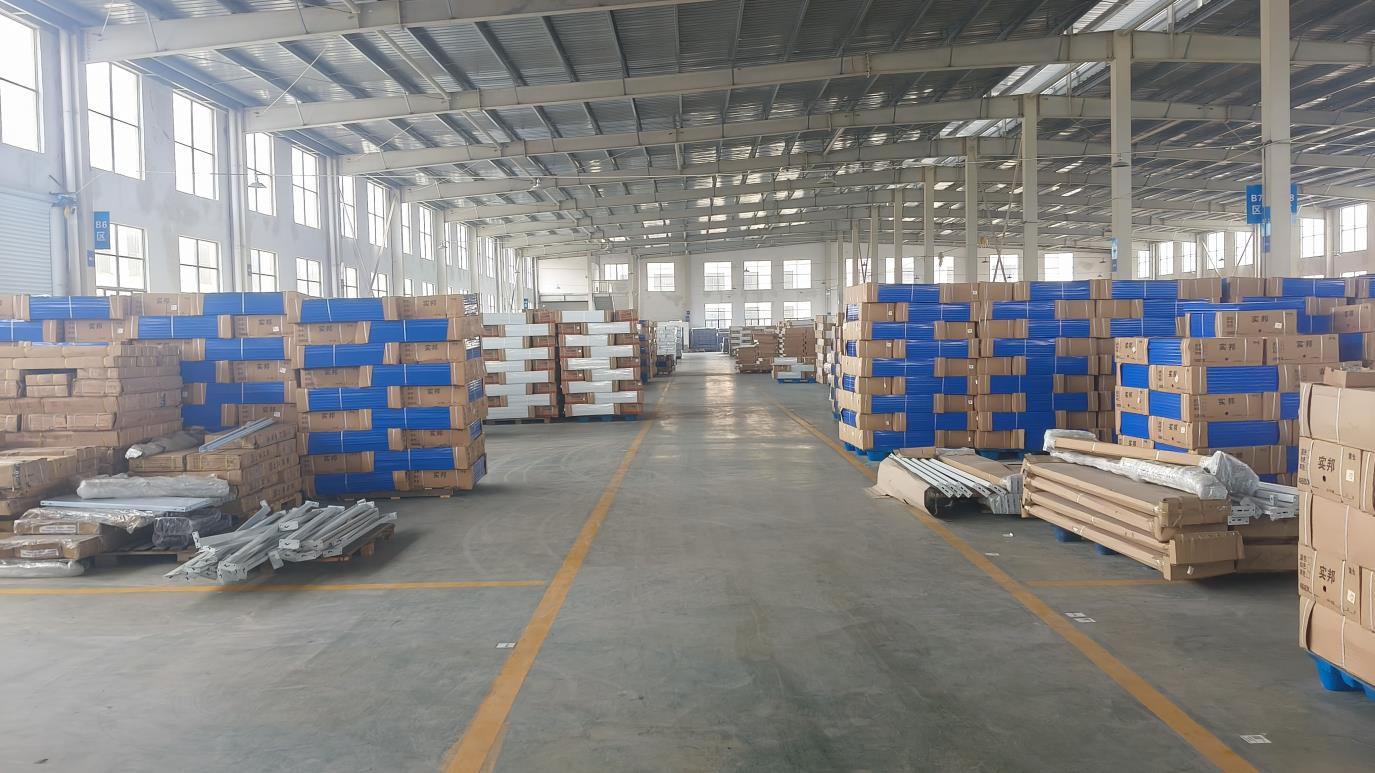
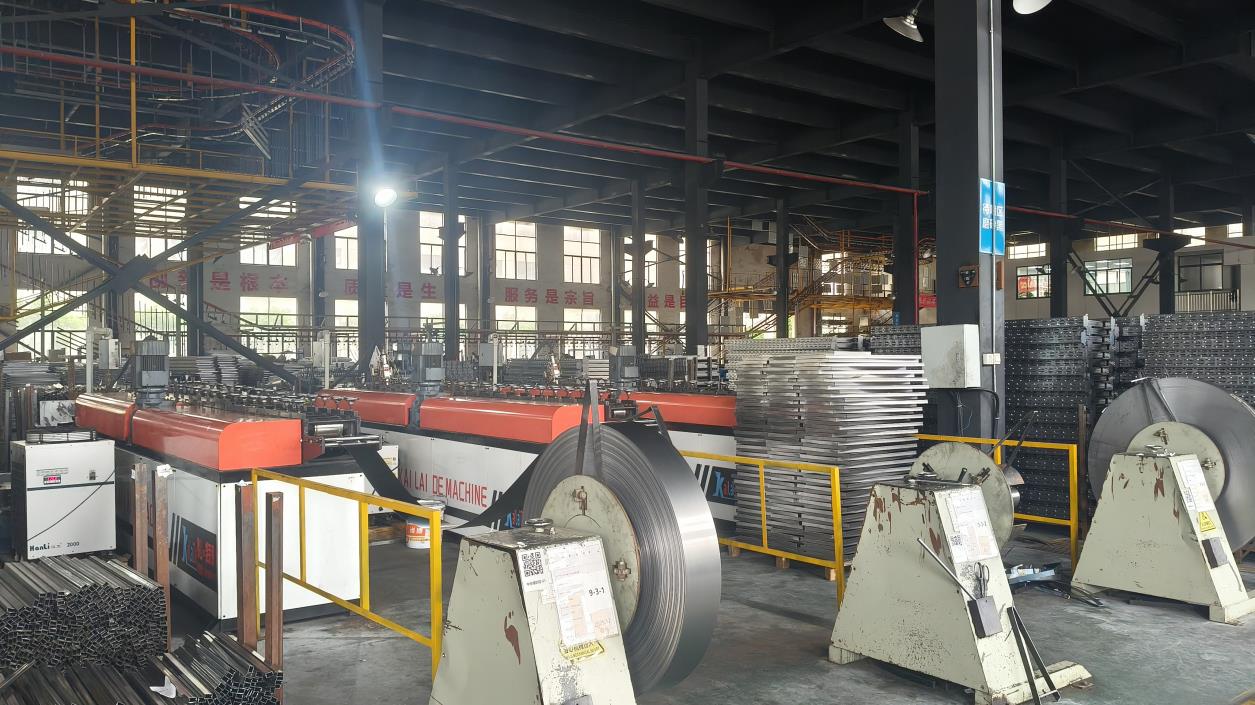
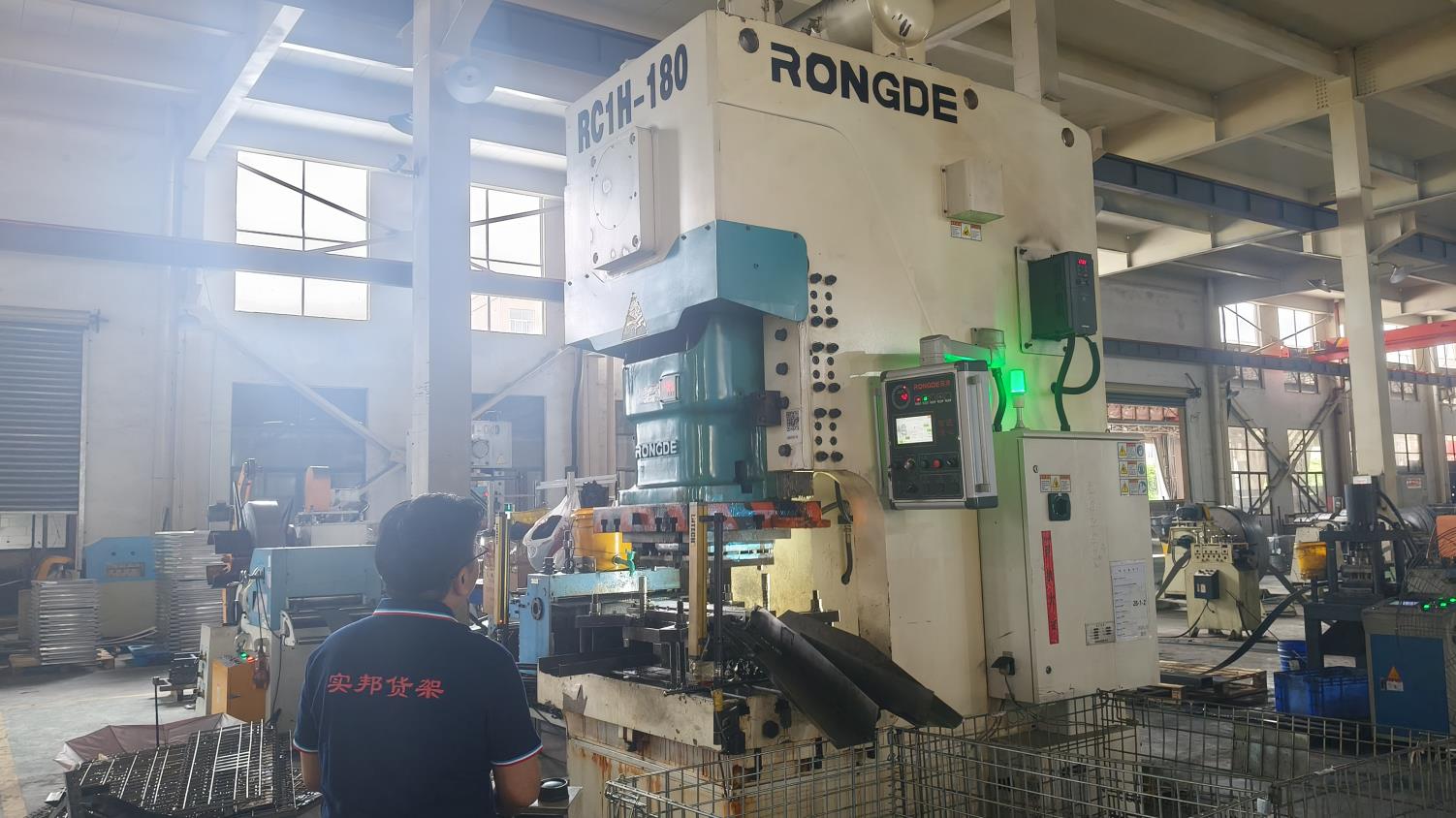
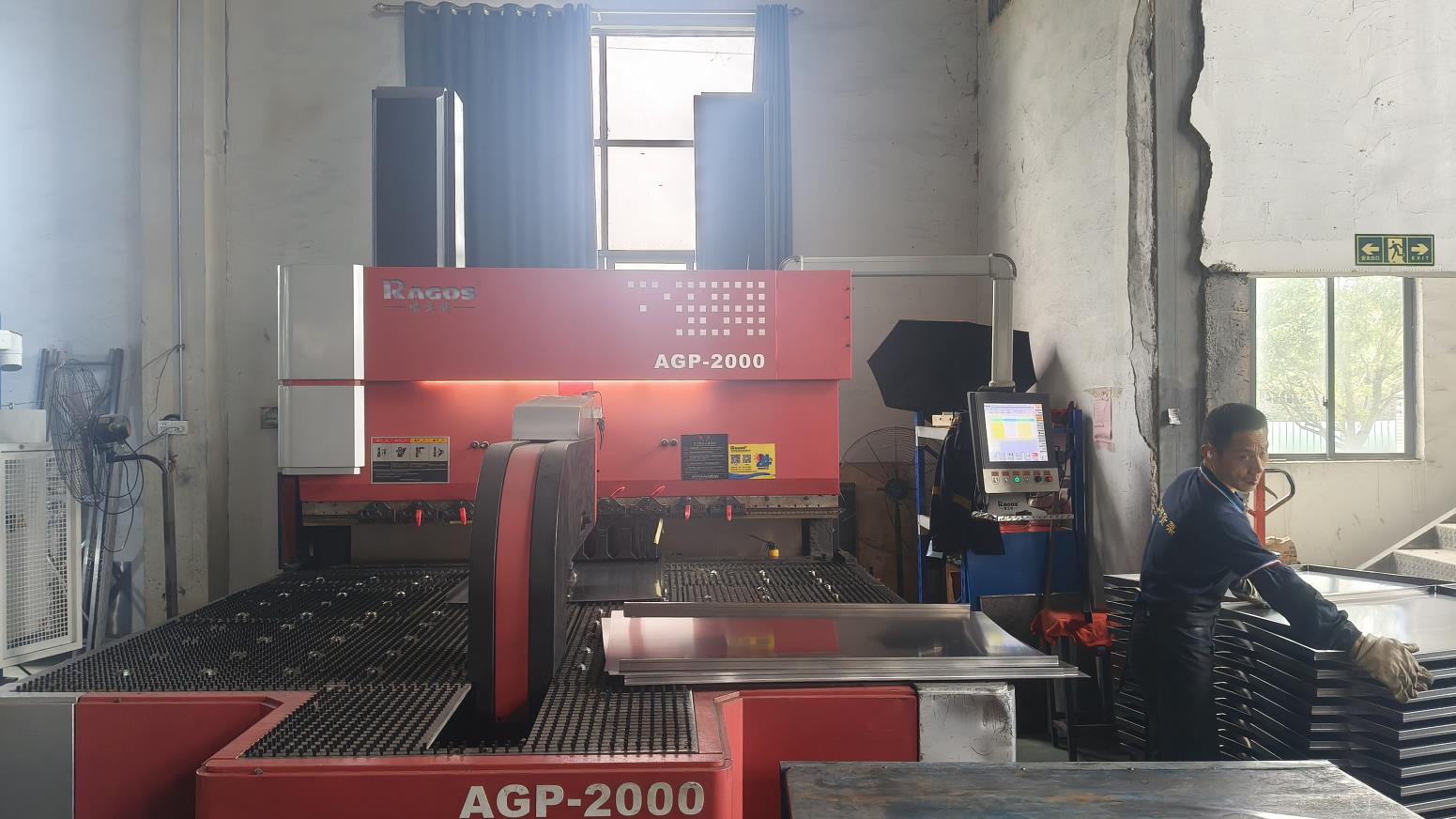
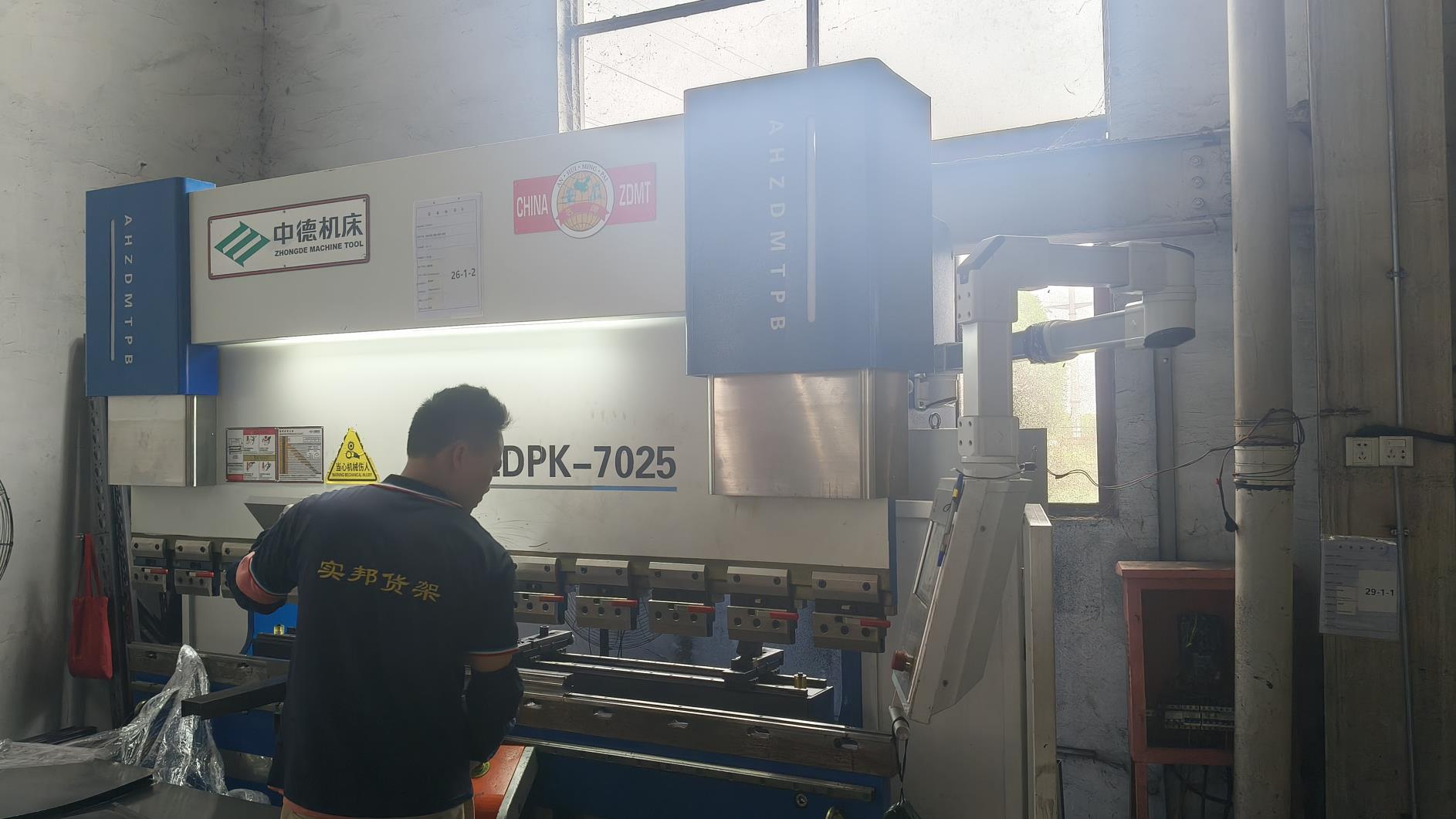
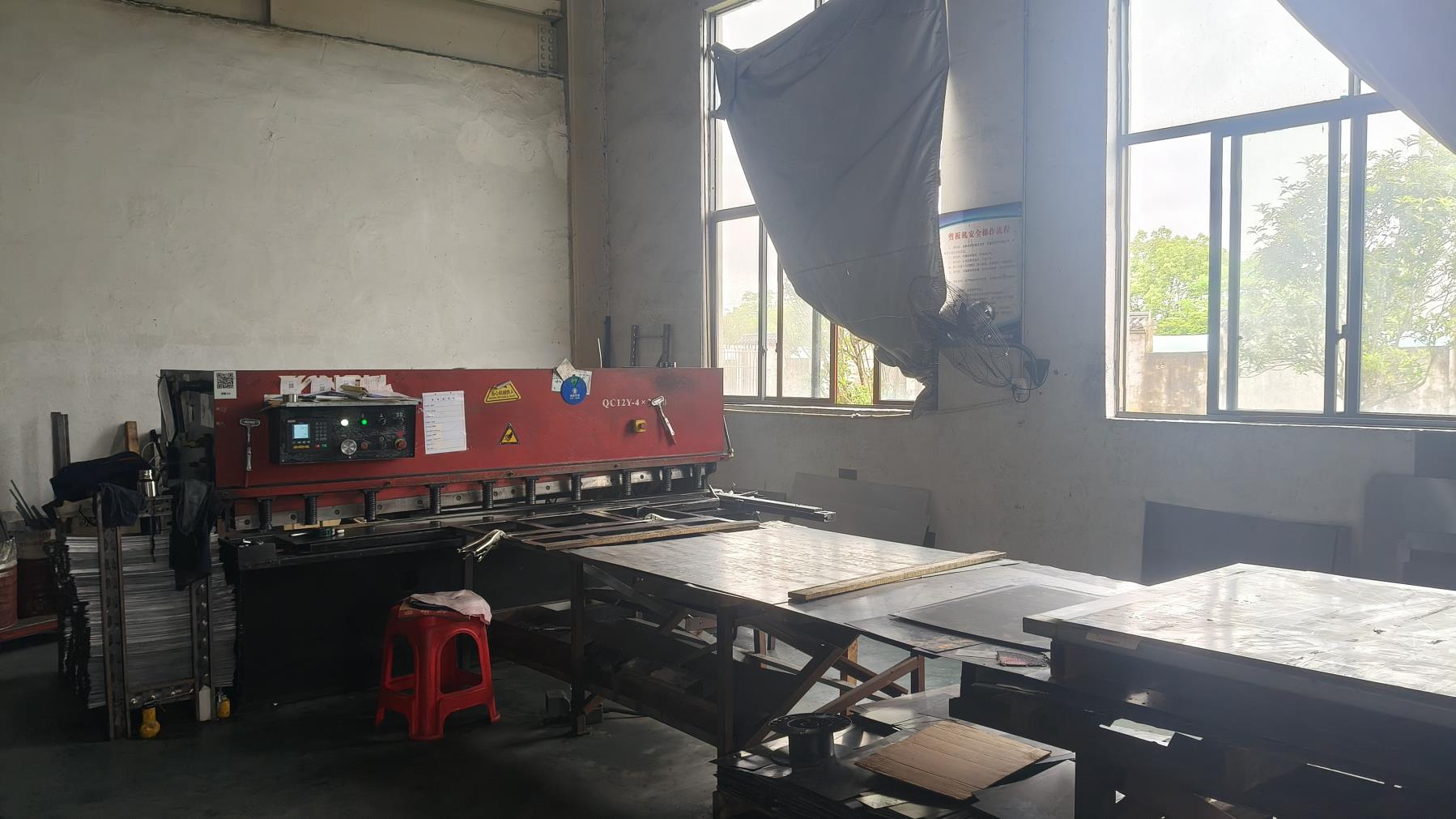
Custom structural design options, providing tailored loading capacities, height configurations, beam profiles, and surface finishes (powder coating and hot-dip galvanizing).
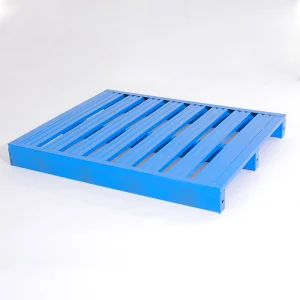
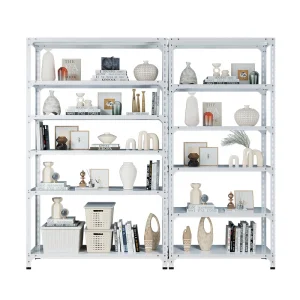
Every commercial logistics space poses unique architectural challenges. For instance, Third-Party Logistics (3PL) facilities prioritize adaptability. Their racks must support highly dynamic SKUs with adjustable shelf heights and multi-level split-sorting stations. E-commerce fulfillment operations demand high-density picking layouts, often utilizing multi-tier mezzanine floors that integrate steel pallet support arrays with boltless light-to-medium-duty storage systems.
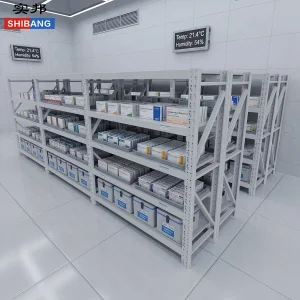
In contrast, agricultural cold stores or pharmaceutical distribution warehouses require structural systems that withstand severe thermal stress and humidity. Shenzhen Shibang provides hot-dip galvanized finishes and custom-formulated thermosetting epoxy powder coatings to prevent rust and maintain structural integrity. This prevents micro-fissure expansion in welded joints under temperature changes, ensuring safety and durability in cold storage environments.
Global shipping and supply chains demand adherence to localized standards. Shibang's manufacturing process complies with North American RMI standard ANSI MH16.1, European standard EN 15512, and Australian Standard AS 4084. These standards define load capacity ratings, seismic design rules, and safety factors. Shibang supports certification processes by providing structural calculation sheets and third-party laboratory reports for international procurement audits.
Key metrics and verification checklists for procurement officers sourcing industrial-grade storage racks from Chinese manufacturers.
Sourcing large-scale warehousing equipment involves structural calculation analysis, logistics risk management, and regulatory compliance. Enterprise buyers should evaluate the following structural criteria:
Answers to common structural engineering, procurement, and shipping questions for global warehouse operations.
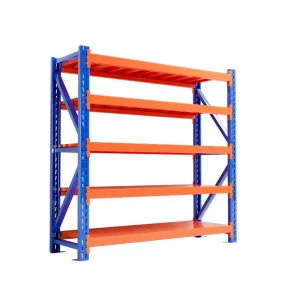
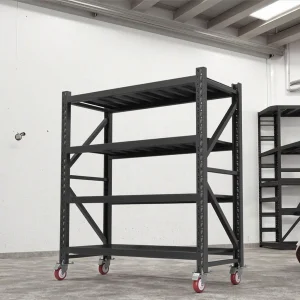
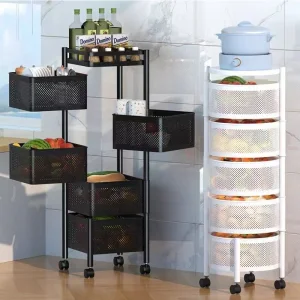
Further industrial catalog solutions including heavy-duty pallet systems, eco-friendly metal storage units, and rotating shelf systems designed to optimize warehouse floorspace.
 Shibang Steel