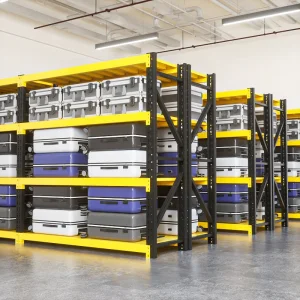
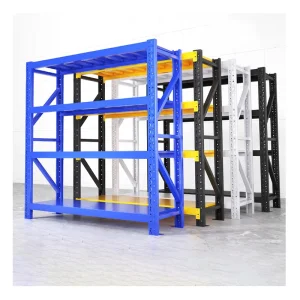
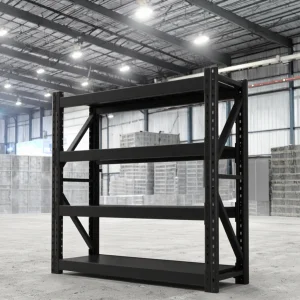
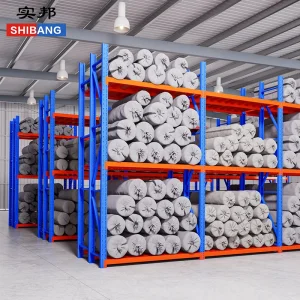
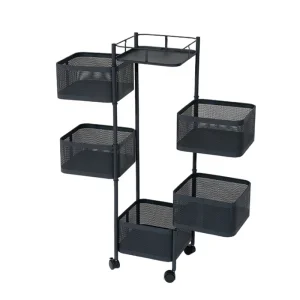
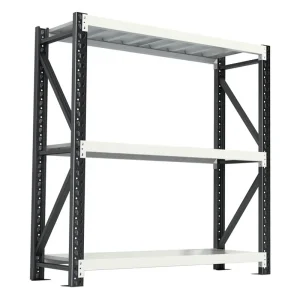
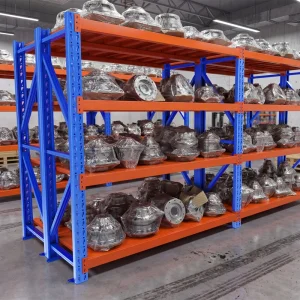
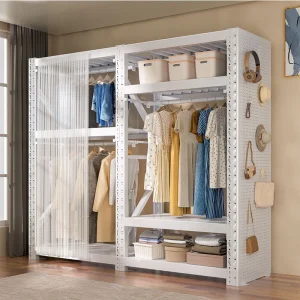
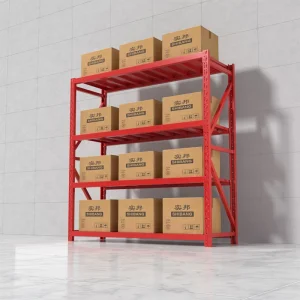
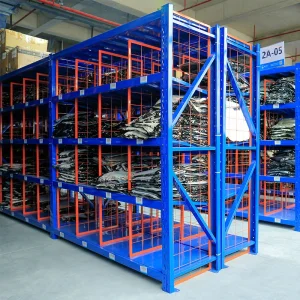
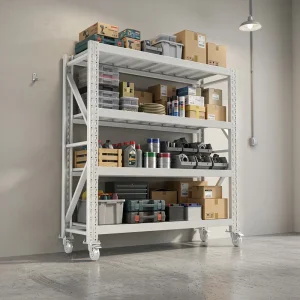
Explore our engineering-grade configurations optimized for dynamic load-bearing, stability, and automated picking integration.
For international procurement managers, supply chain directors, and system integrators, navigating the complex environment of industrial steel production is crucial. This whitepaper analyzes the mechanical metrics, supply chain configurations, and structural certifications that define market-leading storage systems, centering on the proven capabilities of Shenzhen Shibang Storage Rack Co., Ltd.
Established in 2015, Shenzhen Shibang Storage Rack Co., Ltd. represents the vanguard of China's advanced intralogistics manufacturing sector. Operating from a modern production facility spanning 32,000 square meters, Shibang integrates structural design, finite element analysis (FEA), precision roll-forming, and automated electrostatic powder coating. By positioning itself in the industrial manufacturing hub of southern China, Shibang combines access to premium steel mills with direct maritime export routes to service a global portfolio of clients across North America, Europe, Australia, and Southeast Asia.
China's prominence as a premier exporter of automated and heavy-duty shelving systems is built upon deep industrial specialization, massive vertical integration, and advanced structural engineering. Sourcing from top-tier Chinese manufacturers provides significant technical advantages:
Top Chinese factories utilize premium domestic structural steels like Q235B and Q355B (equivalent to ASTM A36 and ASTM A572). These grades deliver optimal yield and tensile strength, guaranteeing high dynamic and static safety margins under heavy loads.
Advanced factories feature continuous roll-forming lines integrated with CNC punching machines. This achieves dimensional tolerances of less than ±0.5mm over multi-meter spans, which is critical for smooth automated guided vehicle (AGV) and AS/RS operations.
Our electrostatic powder coating systems apply epoxy-polyester coatings cured between 180°C and 200°C. For aggressive conditions (cold stores or chemical facilities), hot-dip galvanizing provides robust resistance against oxidation and physical wear.
At Shenzhen Shibang, we integrate advanced manufacturing machinery to guarantee component reliability. Our process flow spans raw material preparation, precision fabrication, quality testing, and protective packaging. Below is our key production workflow and machinery lineup:
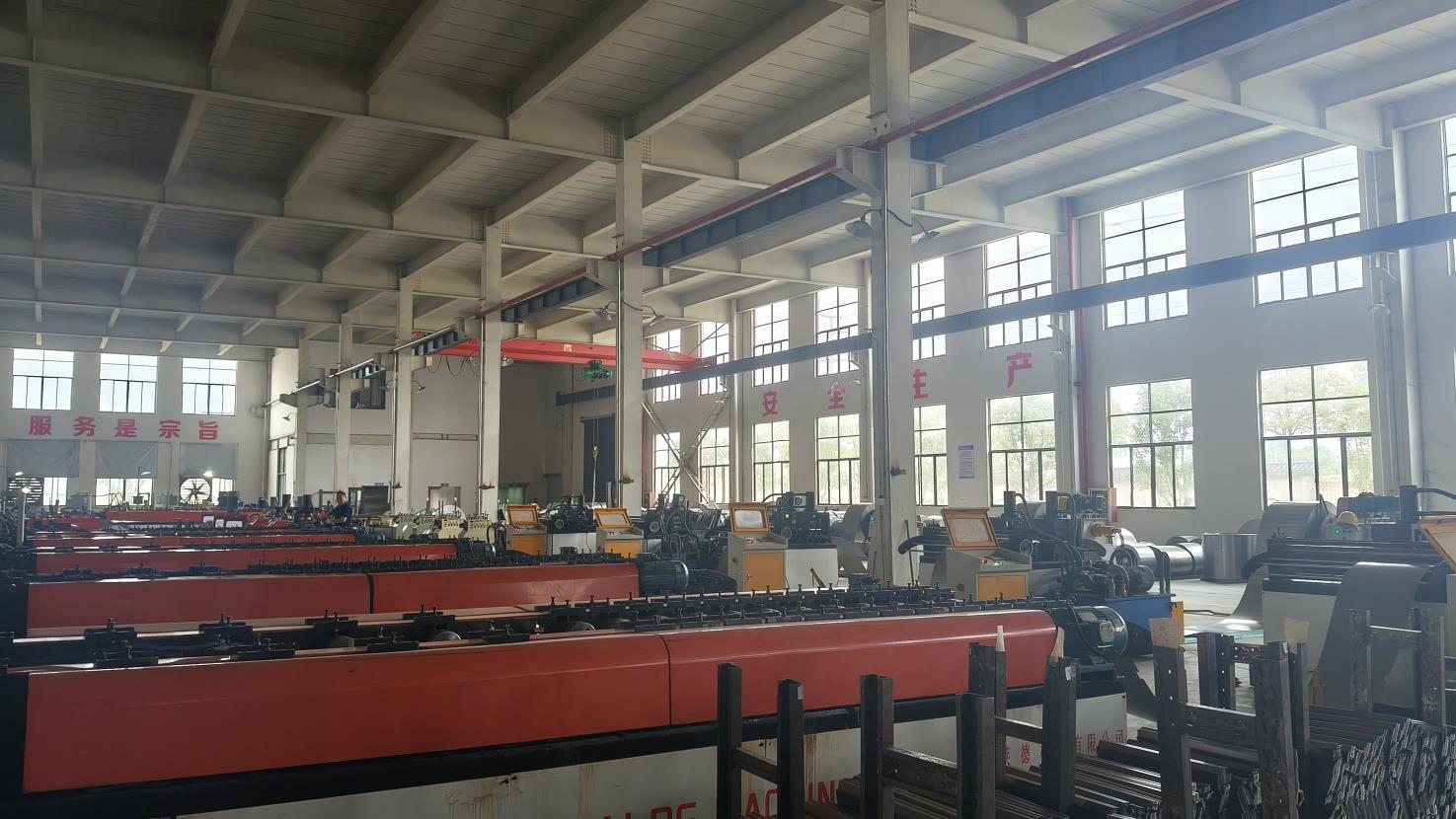
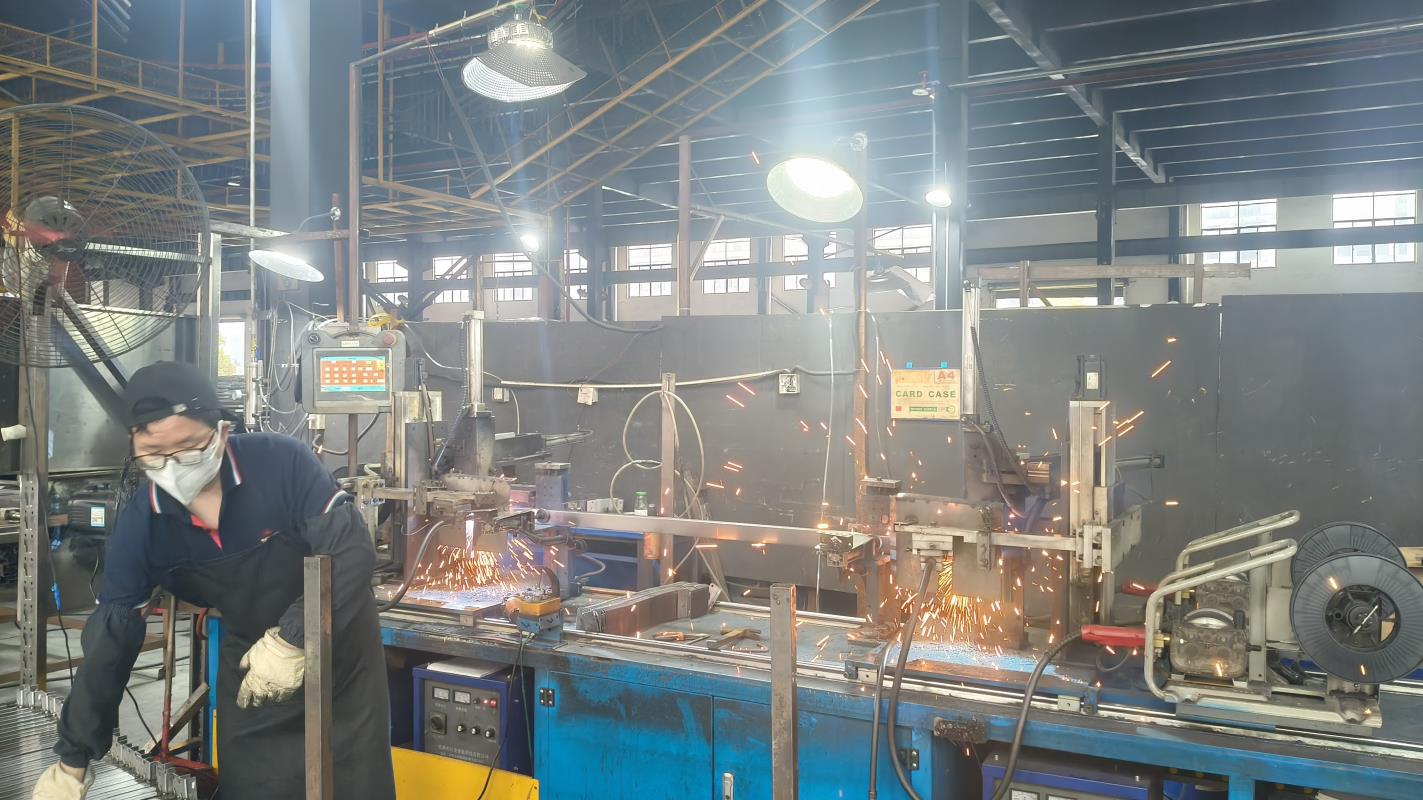
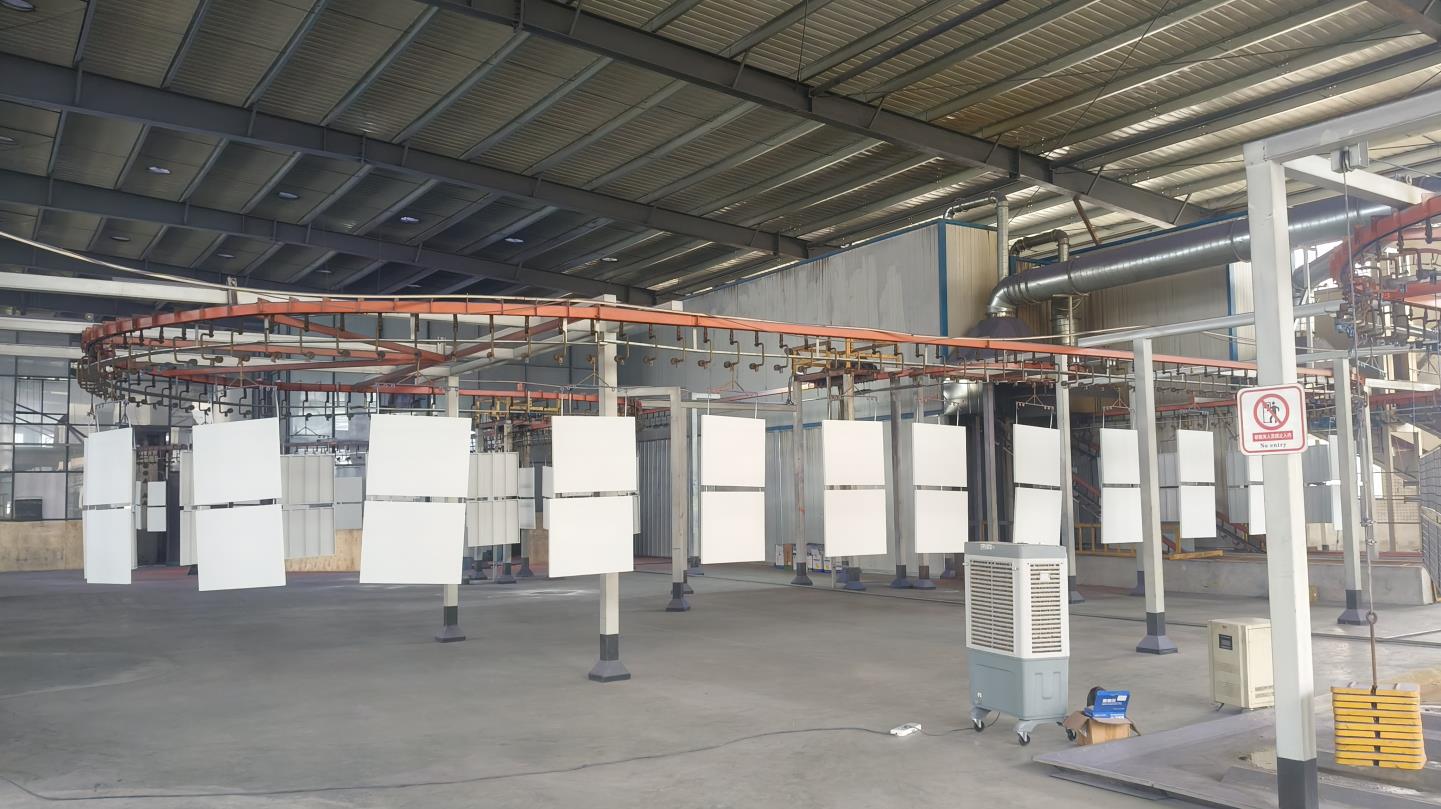
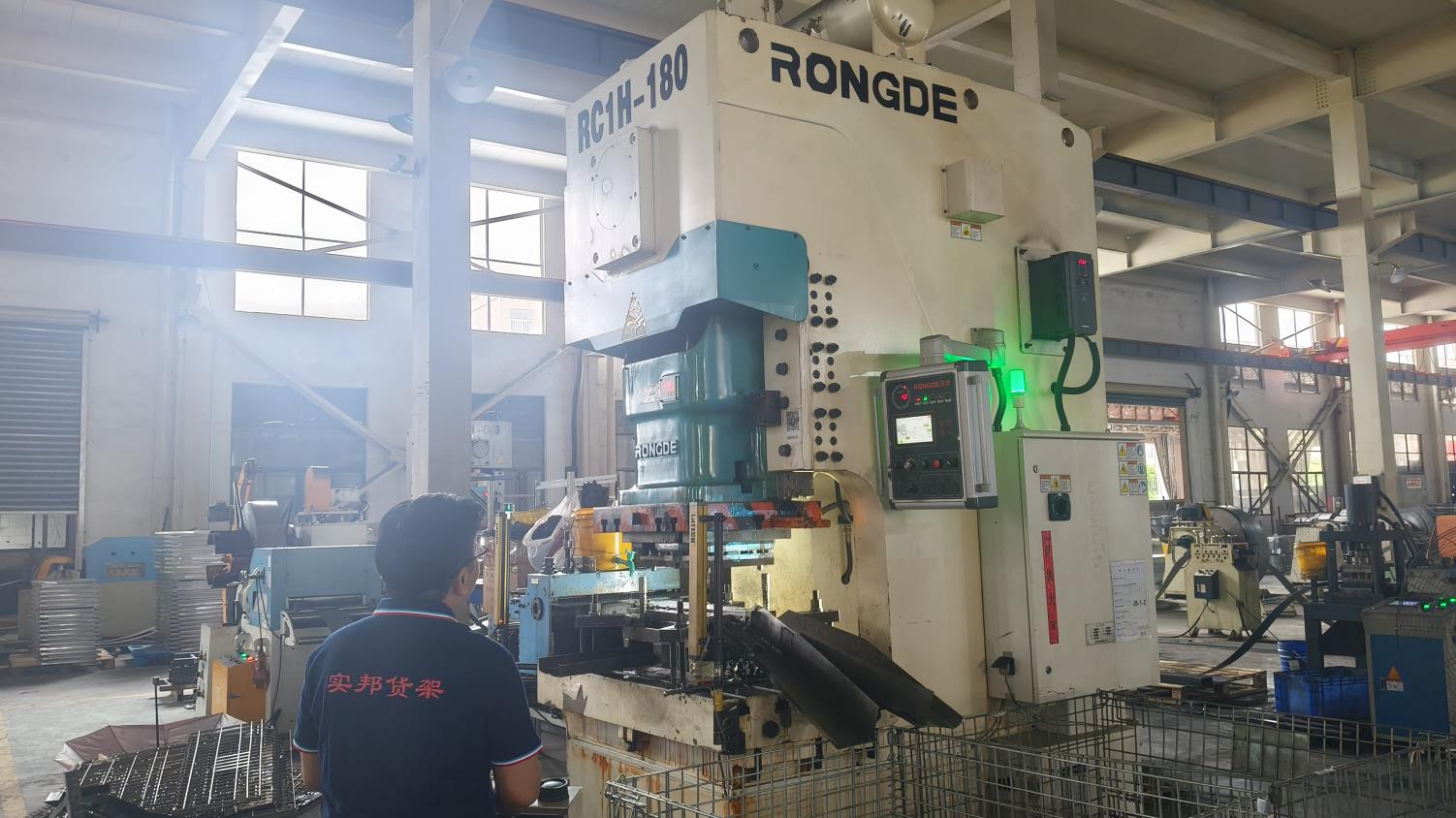
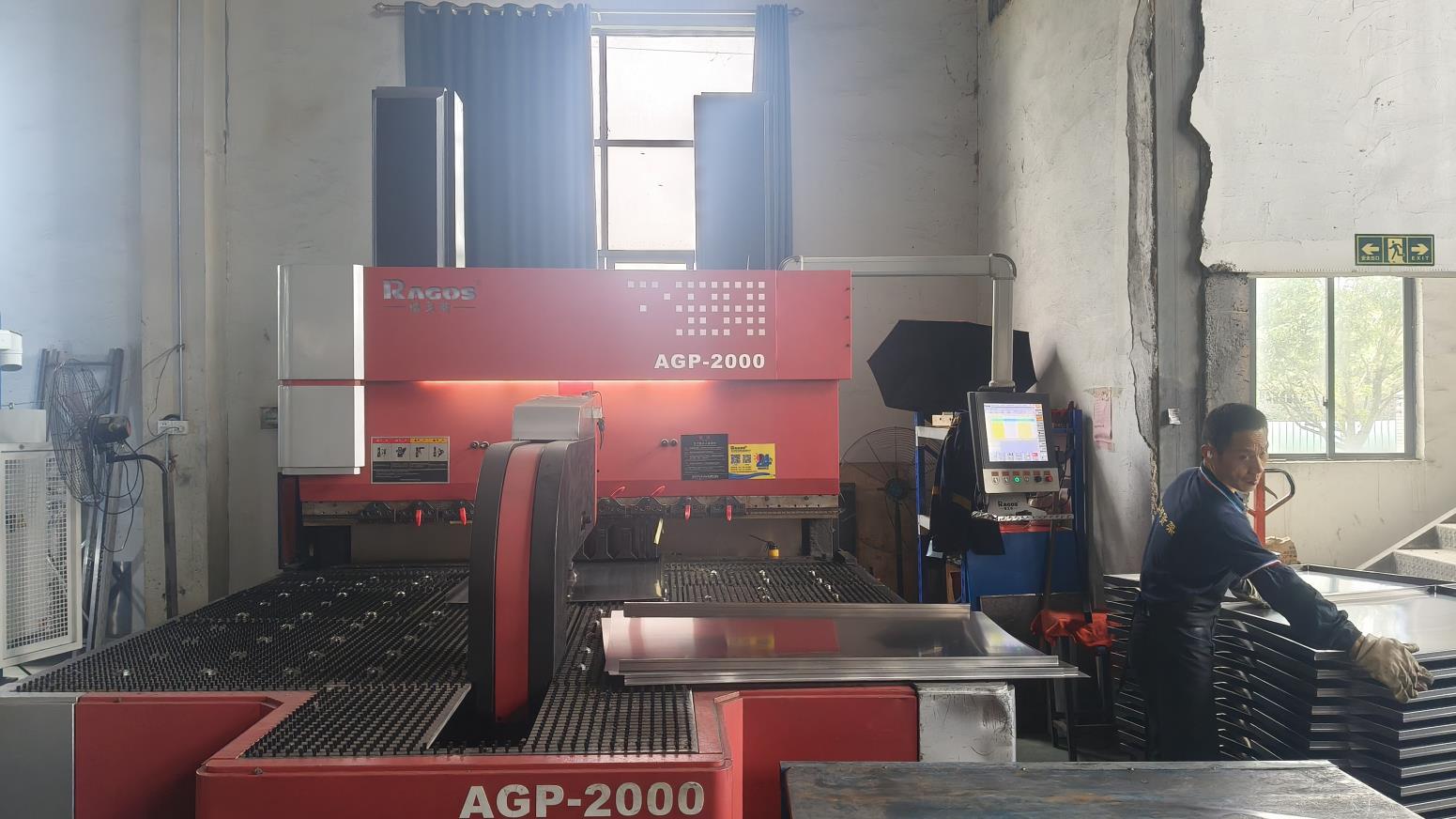
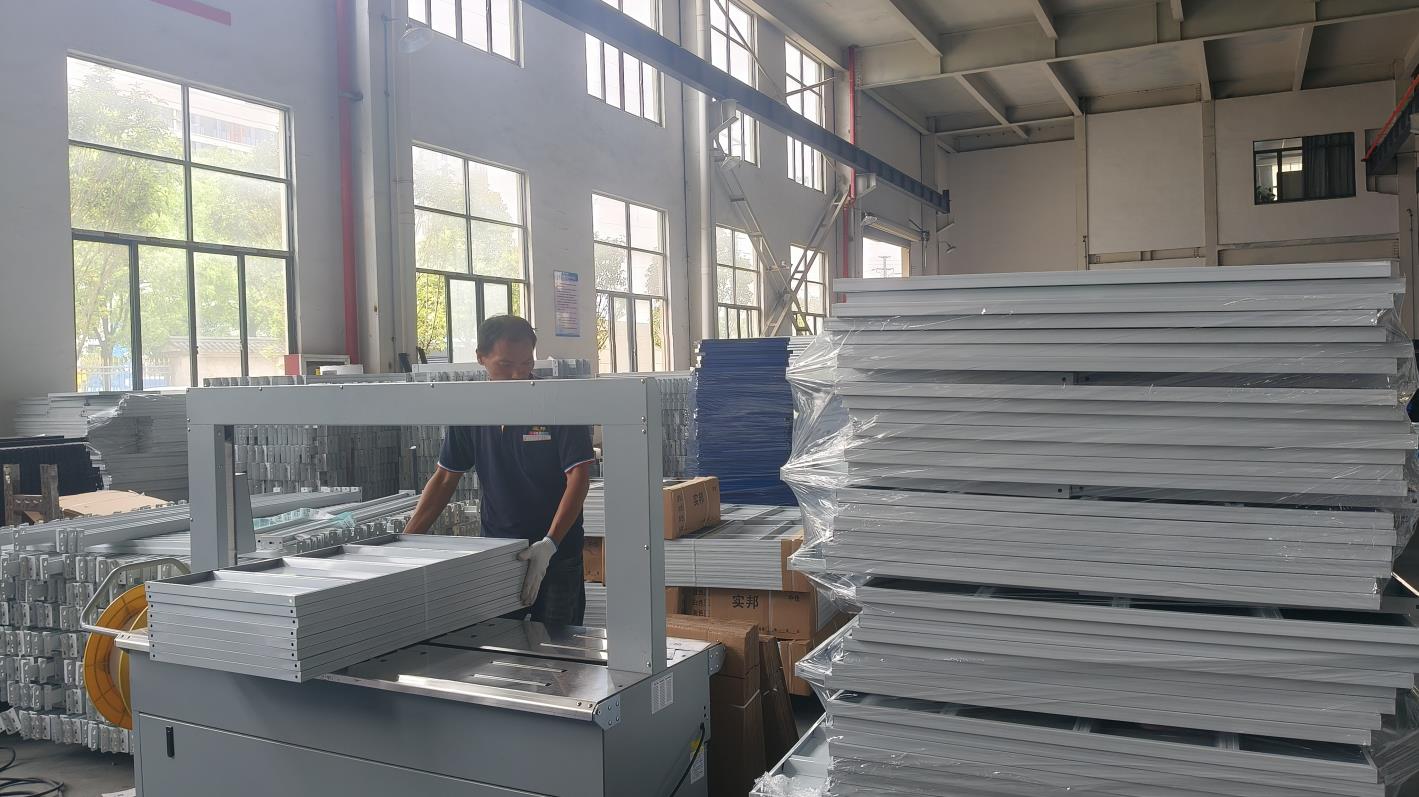
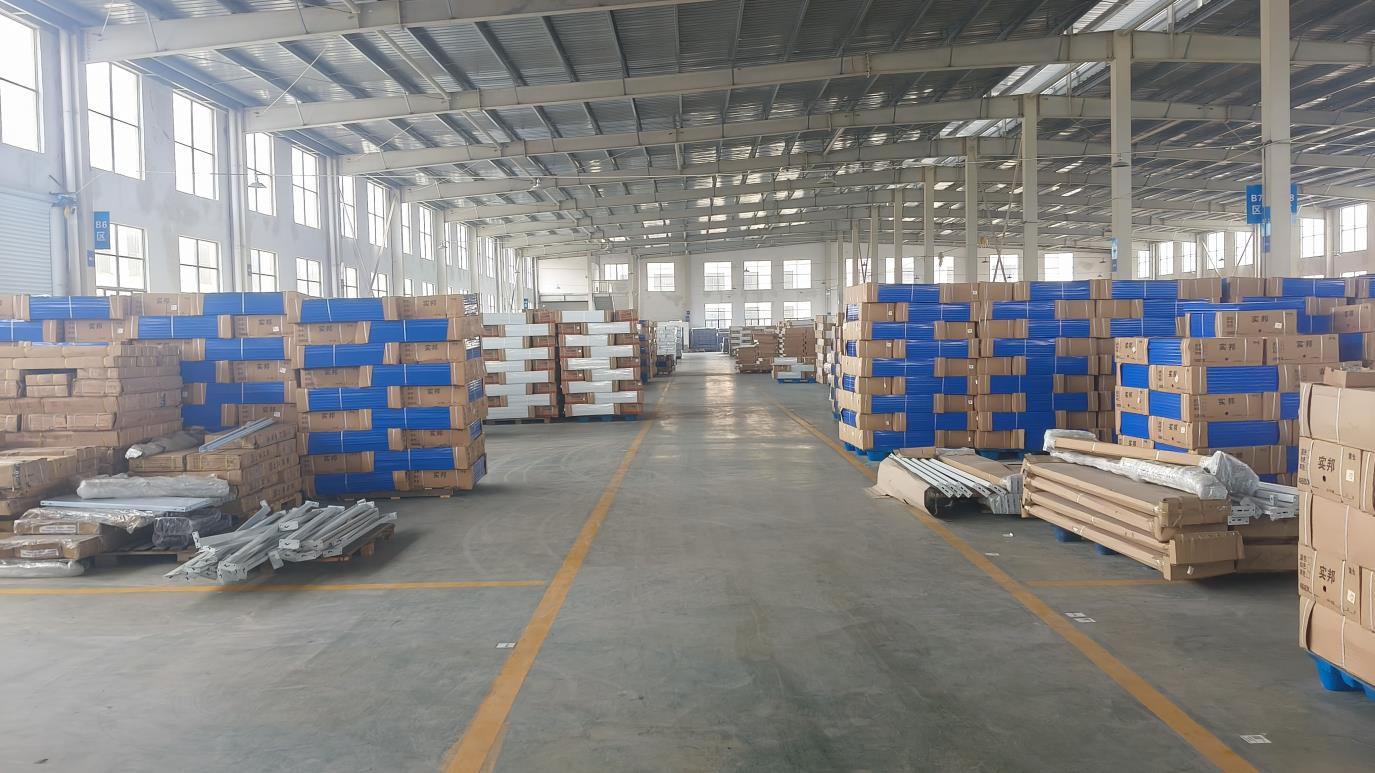
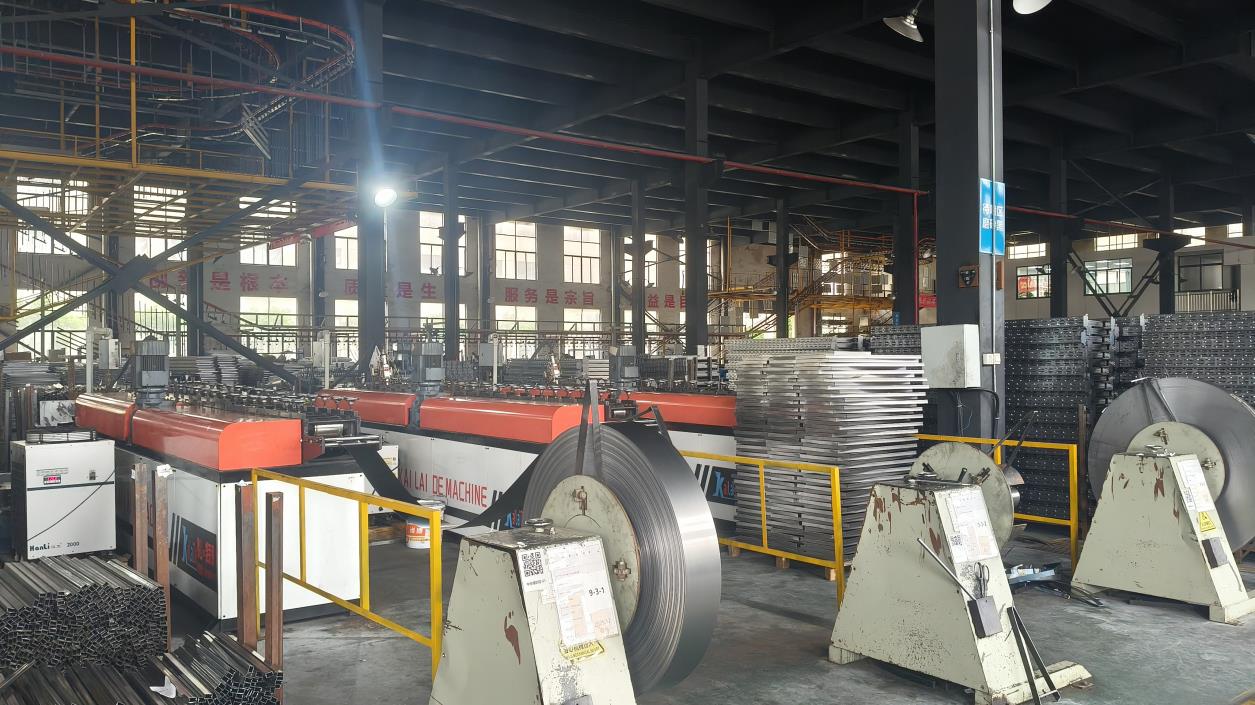
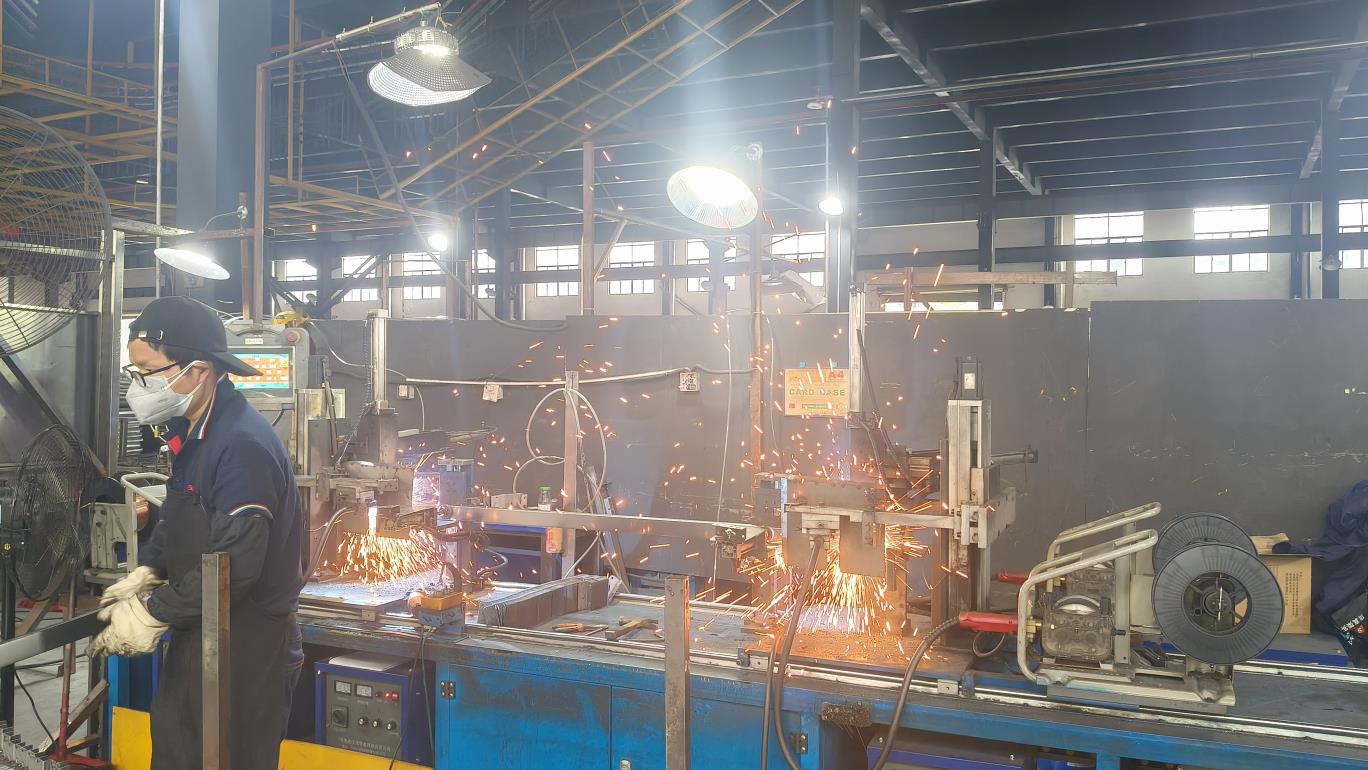
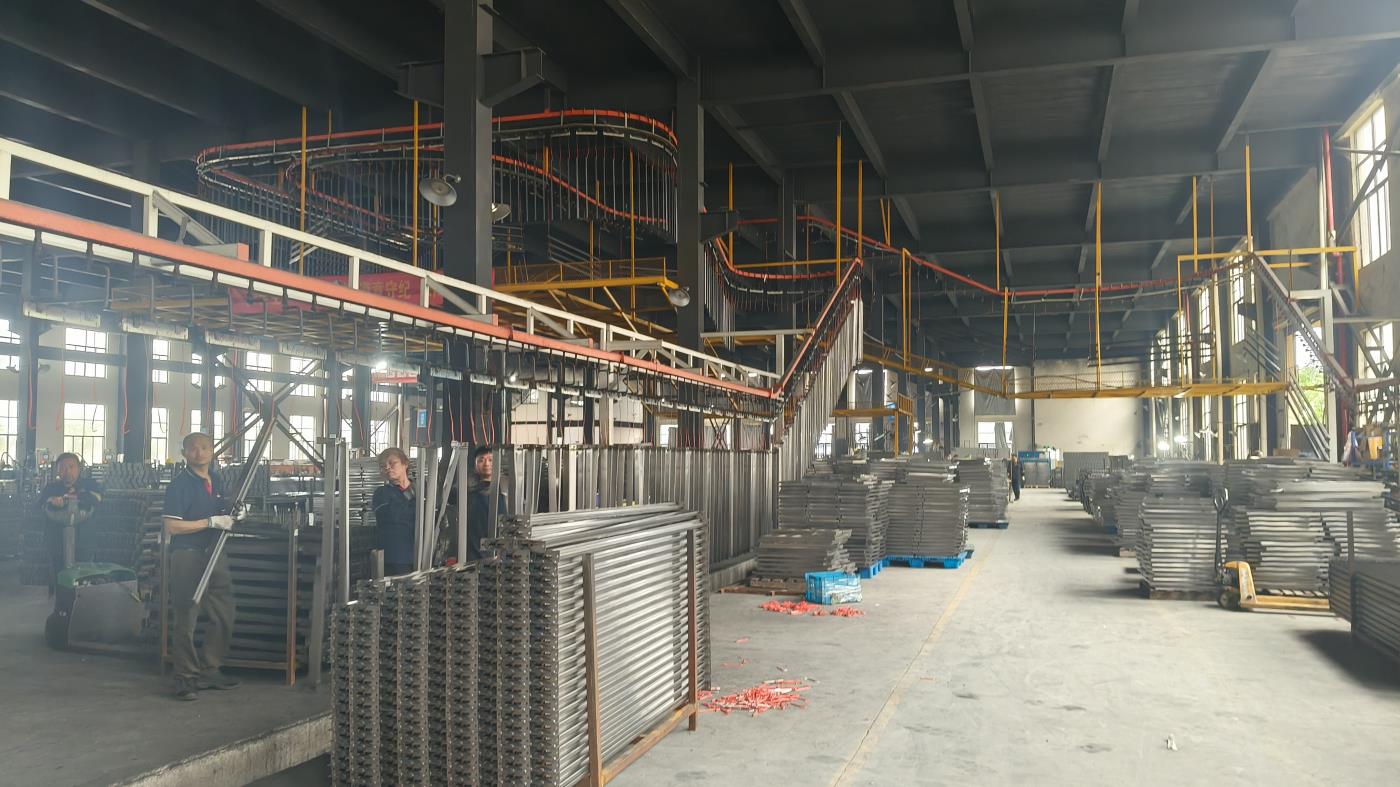
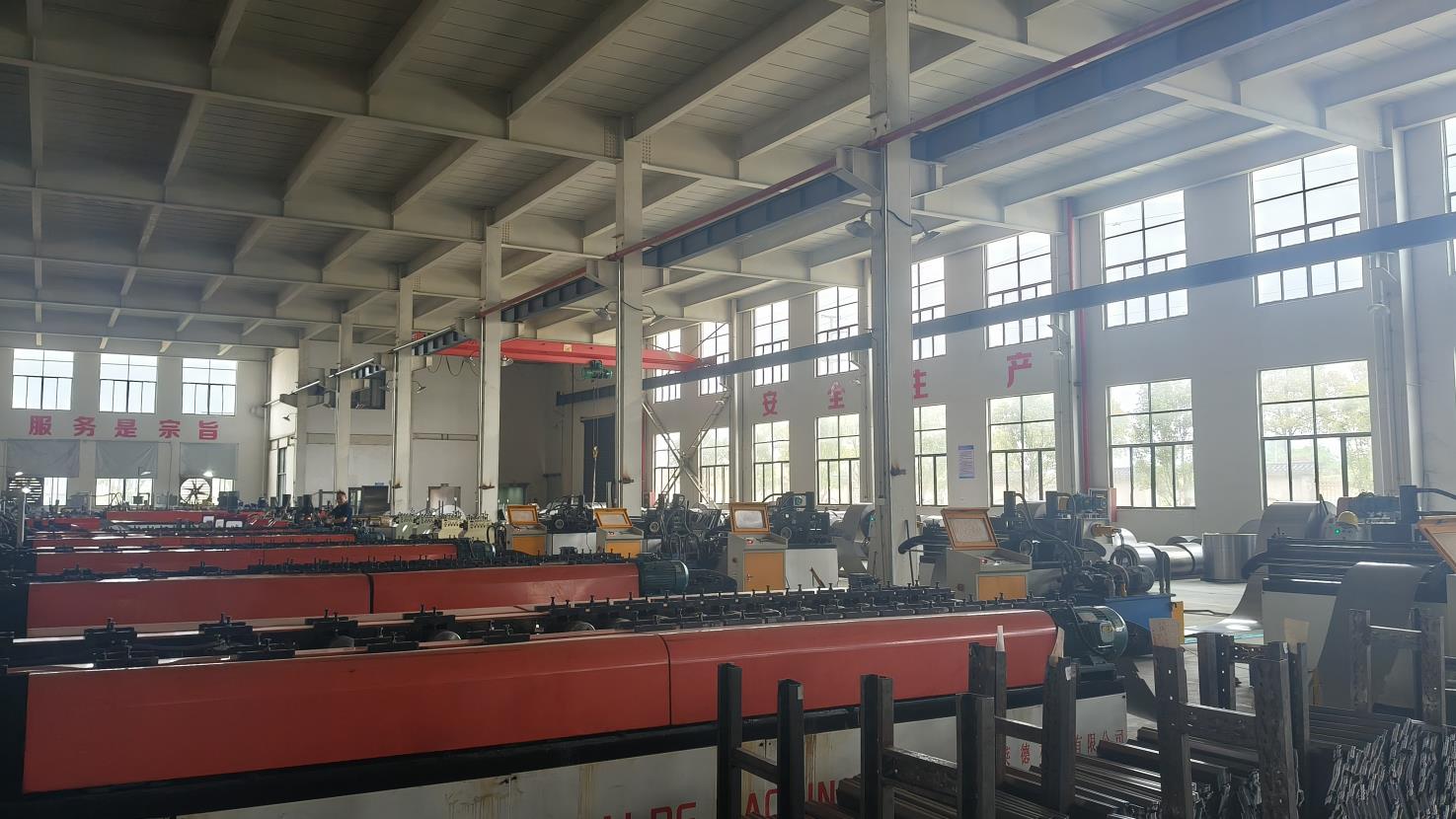
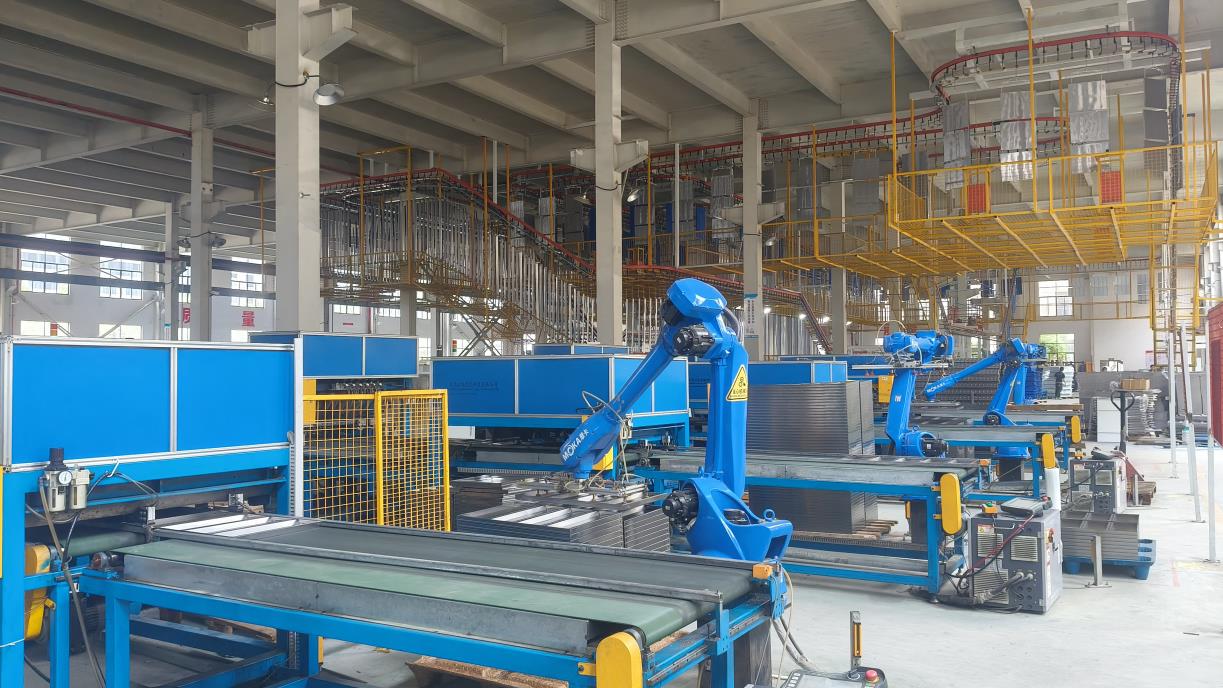
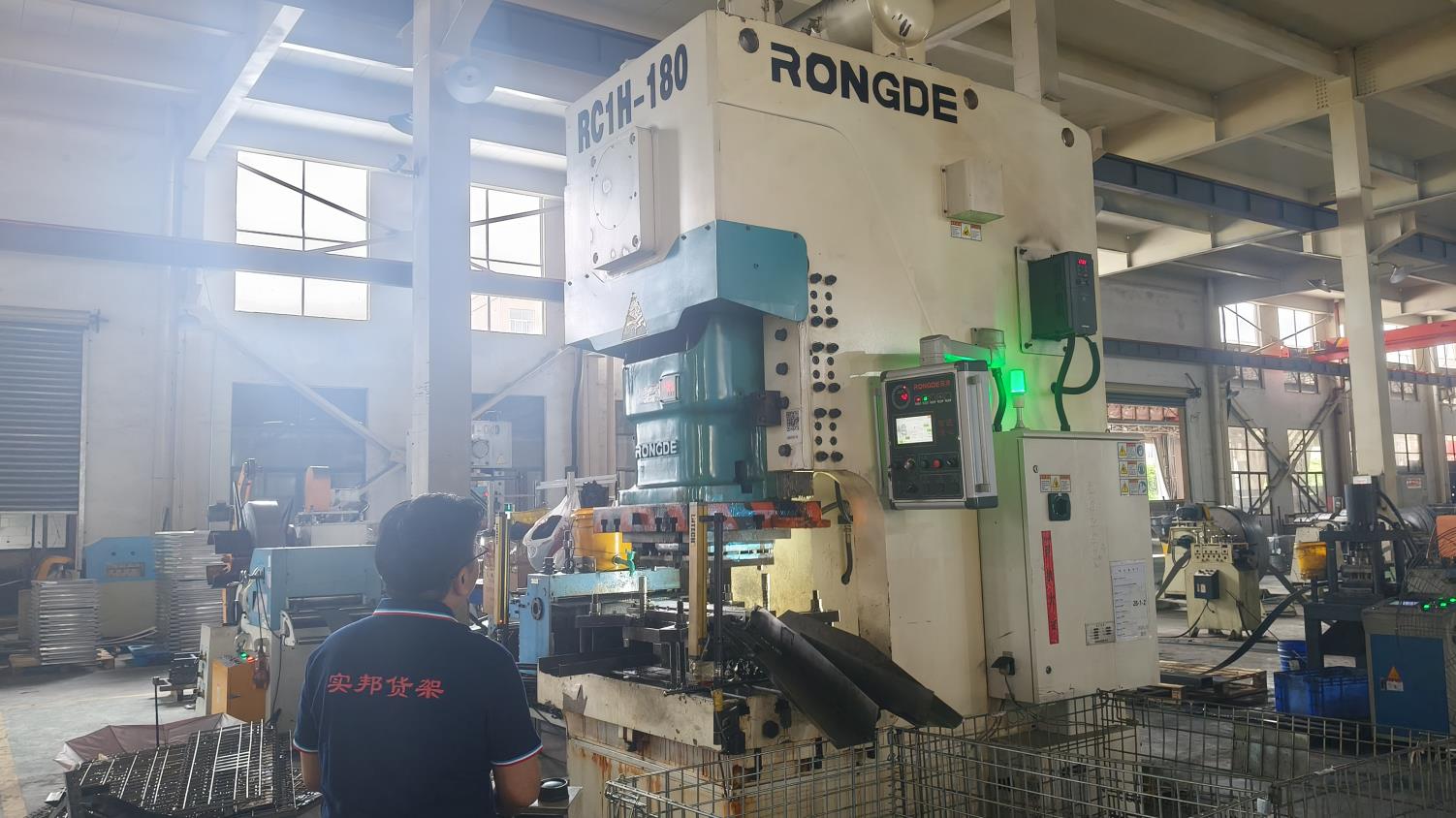
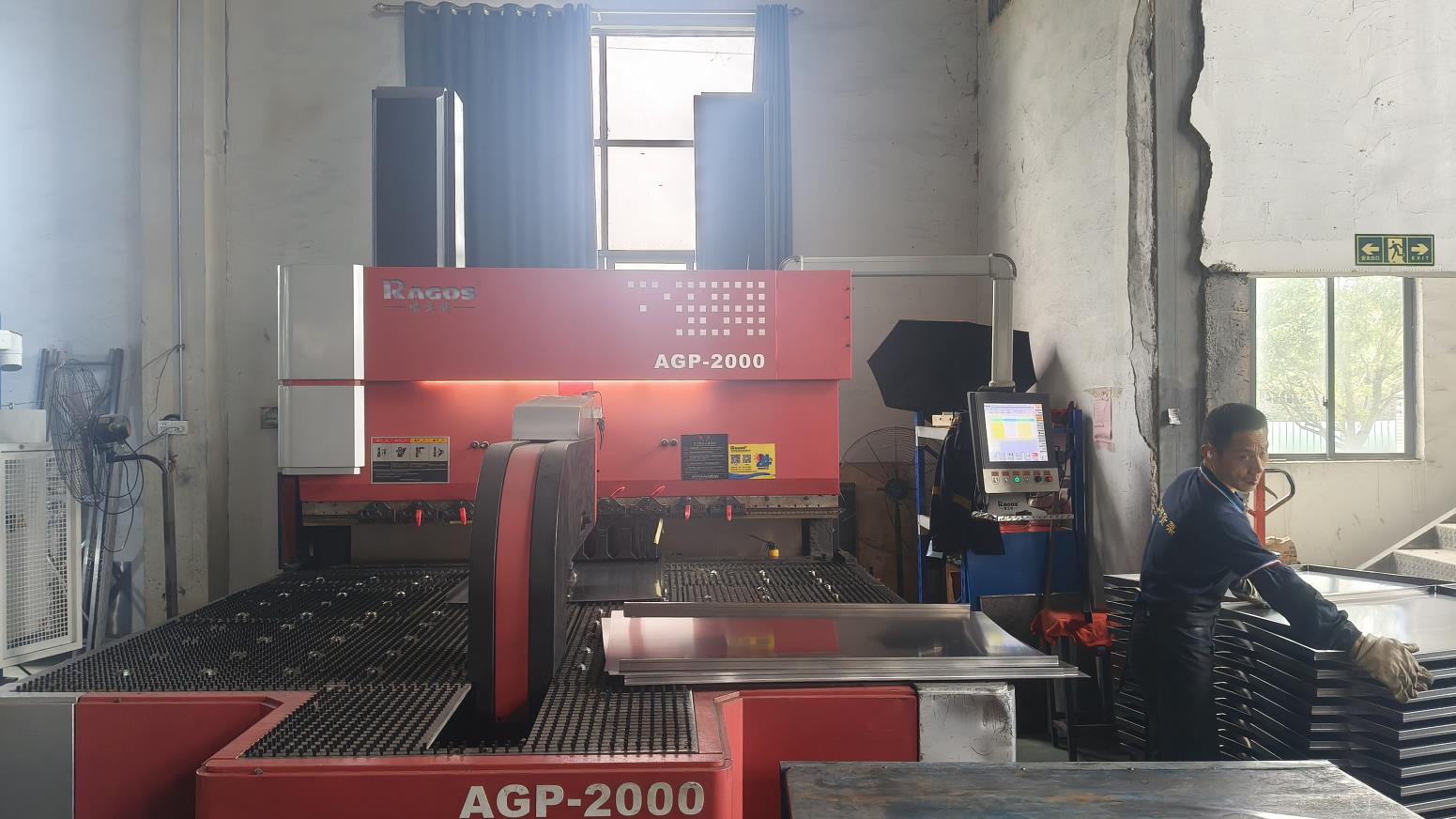
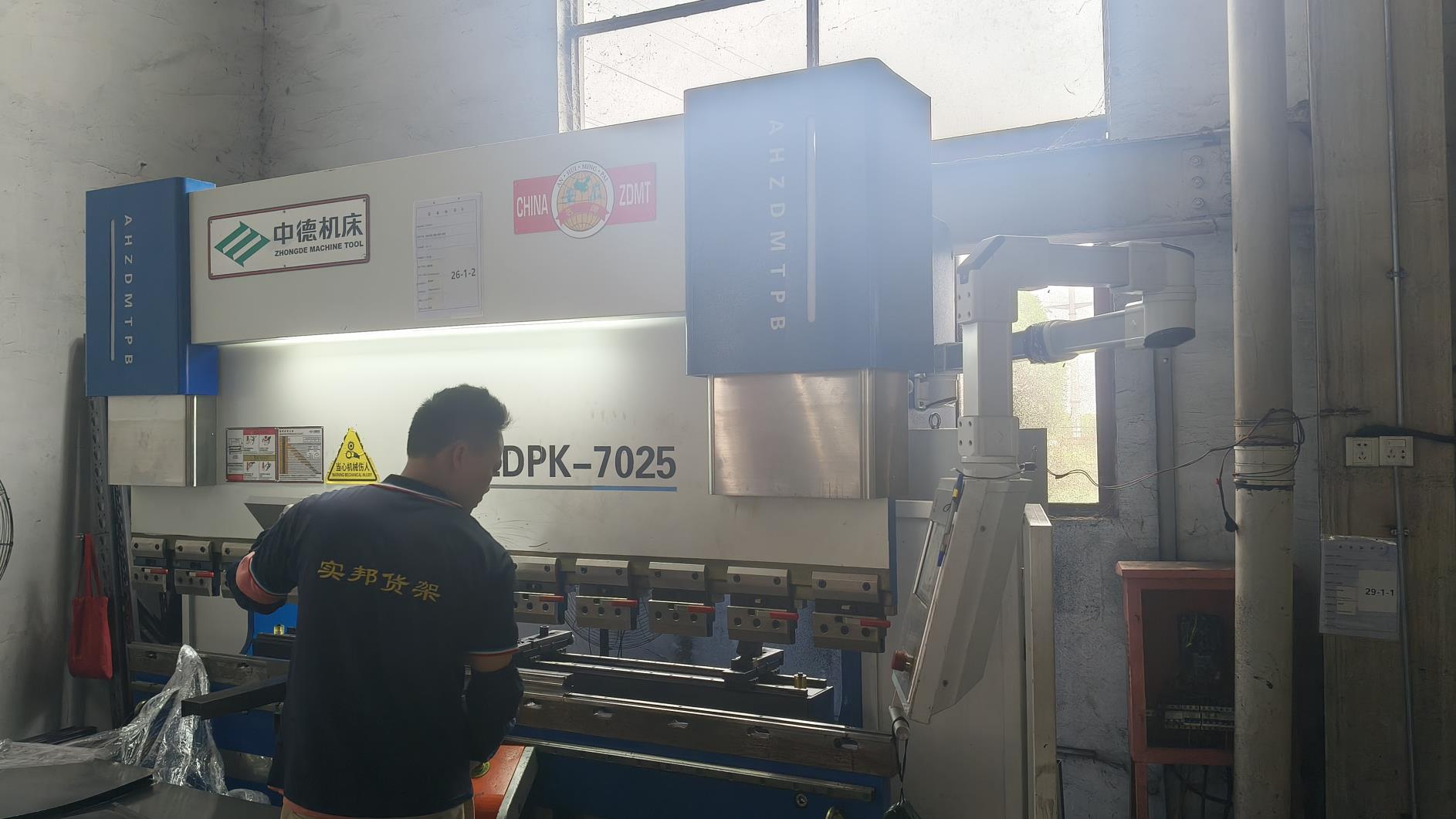
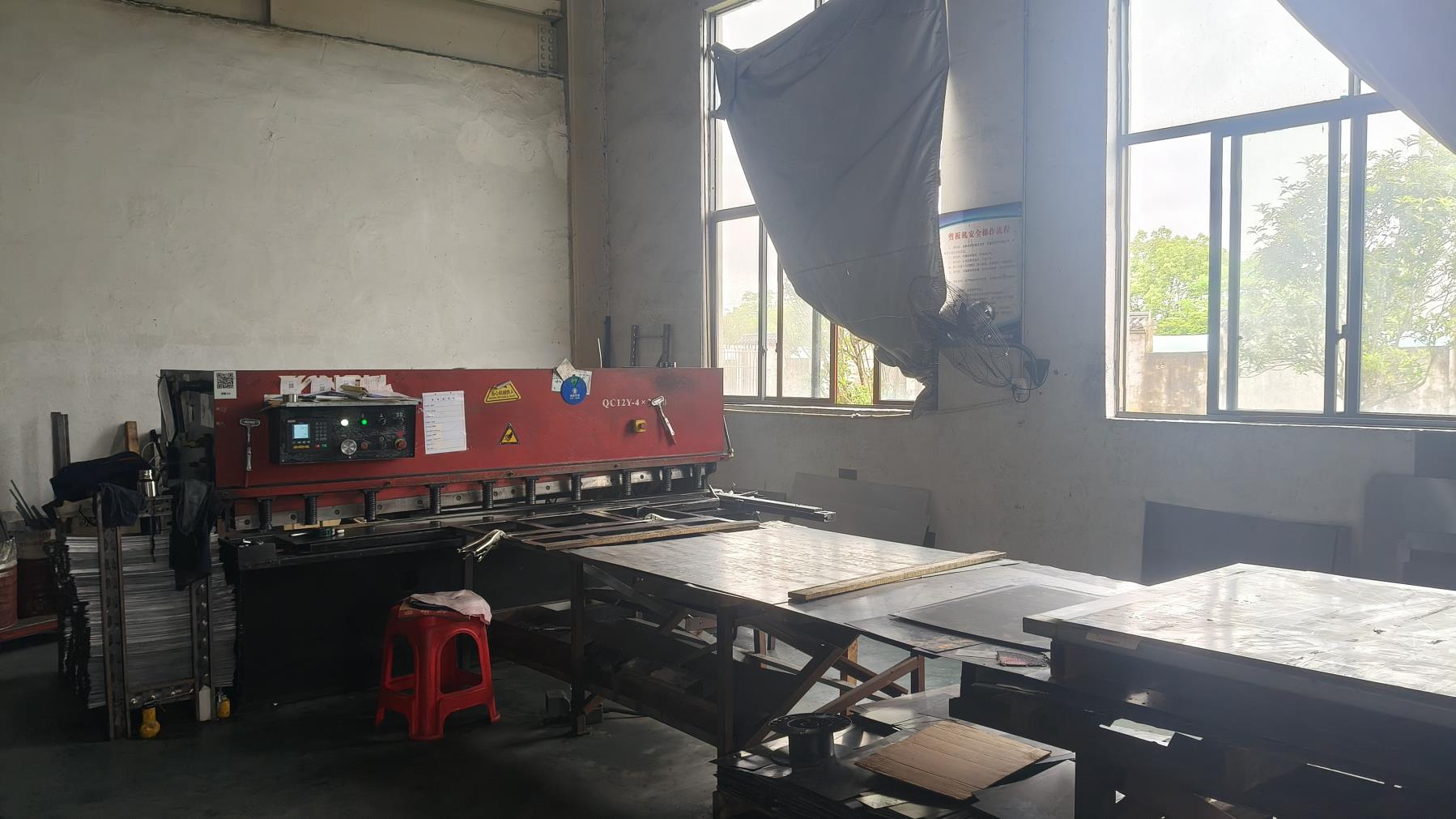
Quality control at Shenzhen Shibang is built upon strict testing standards and engineering diligence. Led by our R&D unit of 18 senior engineers and supported by a team of 35 dedicated QC professionals, we implement strict inspection protocols at every phase of production. In the past year alone, our engineering team introduced 45 new product designs and structural optimizations to address emerging challenges in automated warehousing.
Every inbound batch of steel coil undergoes tensile strength and yield stress validation to verify chemical composition limits and compliance with EN 10025 and ASTM design specifications before fabrication.
We subject assembled upright frames and beam arrays to direct hydraulic load tests. This measures deflection parameters, structural creep, and failure thresholds under 1.5x nominal load limits.
To ensure long-term durability, we verify our powder-coated components with ASTM B117 salt spray testing. This ensures reliable rust resistance in demanding temperature-controlled and humid environments.
Modern supply chains require dense, highly automated warehousing layouts. Standard manual static shelving is shifting toward semi-automated and fully automated high-density configurations, including:
Every warehousing vertical presents unique spatial challenges. Shibang designs target-oriented systems to maximize operational performance:
Challenge: High SKU variety, fast cycle times, and intense picking workloads.
Solution: Multi-tier mezzanine installations combined with light-duty and medium-duty boltless steel shelving. This configuration maximizes vertical height and organizes processing areas to streamline manual and AMR (Autonomous Mobile Robot) picking workflows.
Challenge: Extreme operating temperatures down to -30°C and high utility costs.
Solution: High-density mobile racking and drive-in systems using specialized low-temperature carbon steels. This configuration prevents low-temperature embrittlement and maximizes storage volume to reduce refrigeration costs.
Challenge: Bulky, high-weight loads such as dies, steel coils, and heavy components.
Solution: Heavy-duty roll-formed pallet racking and custom structural cantilever designs. Featuring loading capacities from 1,500kg up to 6,000kg per layer, these systems are equipped with safety locking pins and collision protection accessories.
Purchasing high-density industrial racking involves key compliance and logistical requirements. To ensure safety, structural integrity, and regulatory alignment, international procurement teams should prioritize the following parameters:
Racking structures must meet localized seismic and building codes. Shibang's custom designs can be tailored to comply with major international specifications, including:
Heavy steel profiles can be damaged during maritime transport. To mitigate corrosion and structural damage, Shibang implements export-grade packaging standards:
We primarily use Q235B and Q355B structural carbon steel. Q355B (equivalent to ASTM A572 Grade 50) features higher yield strength (355 MPa), making it suitable for uprights in high-density AS/RS systems and heavy-duty structural applications. Q235B is used for standard components, light-duty shelving, and bracing.
Automated storage systems require tight tolerances to prevent mechanical jams. Our CNC roll-forming lines maintain upright spacing tolerances within ±1mm and horizontal beam deflection within L/300 (where L is the span length). Our post-punching lines ensure uniform positioning of structural slots.
Yes, we provide full structural customization. We tailor vertical frames to heights exceeding 15 meters, adjust shelving depth to specific pallet dimensions, and configure beam profiles to support load capacities ranging from 100kg to 6,000kg per layer.
For cold stores and humid environments, we recommend either hot-dip galvanizing (complying with ISO 1461, with a minimum coating thickness of 60-80 microns) or our specialized exterior-grade epoxy powder coating. These treatments provide long-term rust resistance and prevent micro-cracking in temperatures down to -30°C.
Yes, our engineering team uses Finite Element Analysis (FEA) software to simulate structural behavior under seismic conditions. We calculate dynamic load capacities and customize base plate sizes, upright profiles, and bracing patterns to meet regional seismic safety standards.
Explore our customizable, boltless, and multi-functional storage solutions designed for quick assembly and adaptable layouts.
 Shibang Steel