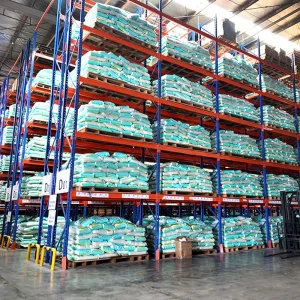
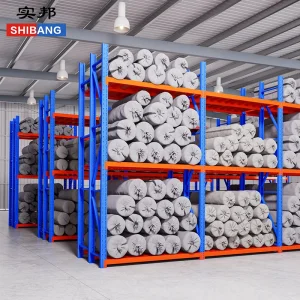
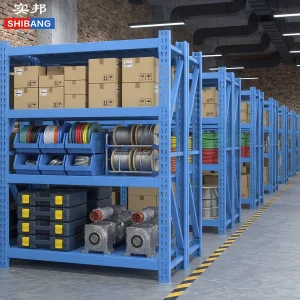
Engineered high-capacity structural storage designs customized for Eastern Massachusetts cold storage corridors, biotech hubs, and advanced marine cargo terminals.
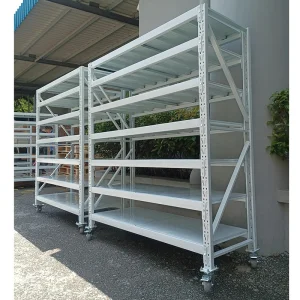
The industrial footprint of Boston and the broader New England region has undergone a structural transformation. Driven by the expansion of the Boston Conley Terminal and high-frequency eCommerce fulfillment clusters along Route 128 (I-95) and I-93 corridors, traditional low-density storage configurations are no longer viable. Today's commercial environment requires vertical storage systems capable of handling extreme structural load tolerances, meeting strict seismic codes (Massachusetts State Building Code 780 CMR), and optimizing space utilization efficiency.
Furthermore, Boston's dominance in the life sciences, medical technology, and pharmaceutical sectors creates a unique demand for cleanroom-compatible shelving, cold-storage-rated racking, and modular structural platforms. Heavy manufacturing, textile storage near historic mills, and food and beverage supply chains all require specialized load configurations. As a result, procuring high-grade storage systems from certified global manufacturers and exporters has become a critical strategic focus for procurement directors across New England.
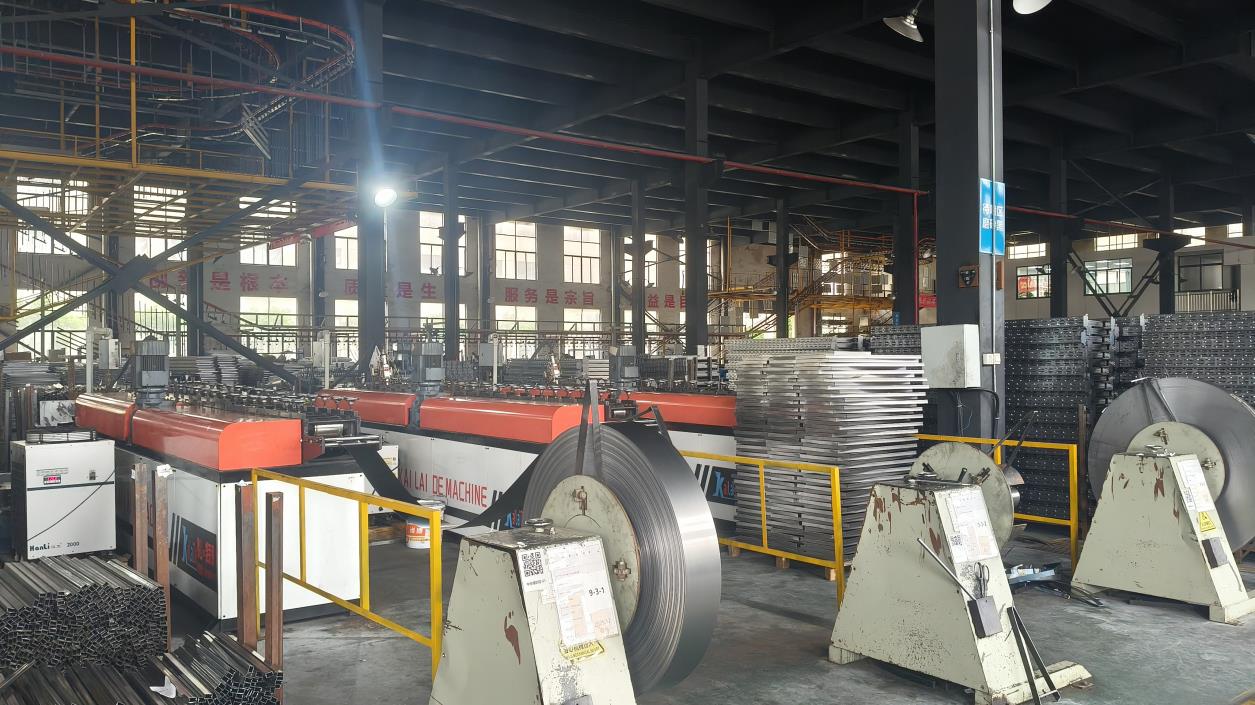
Request Boston Project EstimateOn a global scale, industrial storage systems are evolving from simple product holding spaces into dynamic nodes within automated supply chains. Key global trends show a shift toward integration with automated storage and retrieval systems (AS/RS), requiring manufacturing precision within millimeter tolerances. High-tensile steel alloys, automated continuous roll-forming techniques, and advanced powder-coating surface treatments are now industry standards. The global market is growing rapidly, driven by the demand for structural resilience and long-term durability in complex, high-throughput fulfillment centers.
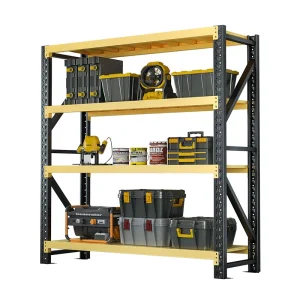
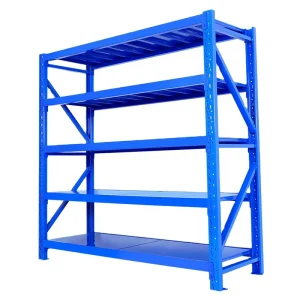
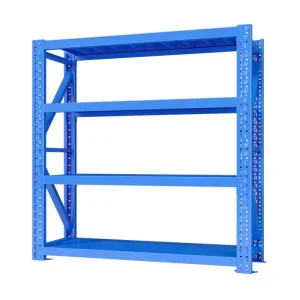
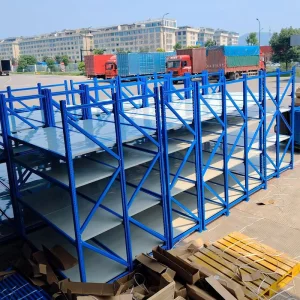
Adjustable high-load racking systems designed for rapid logistics operations and variable inventory profiles.
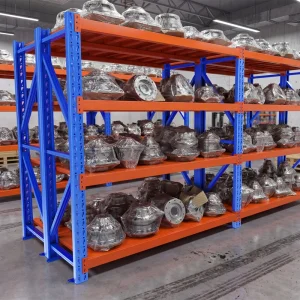
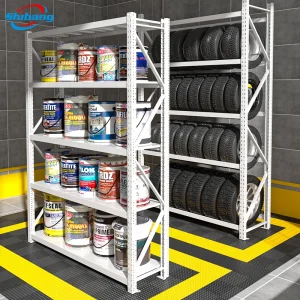
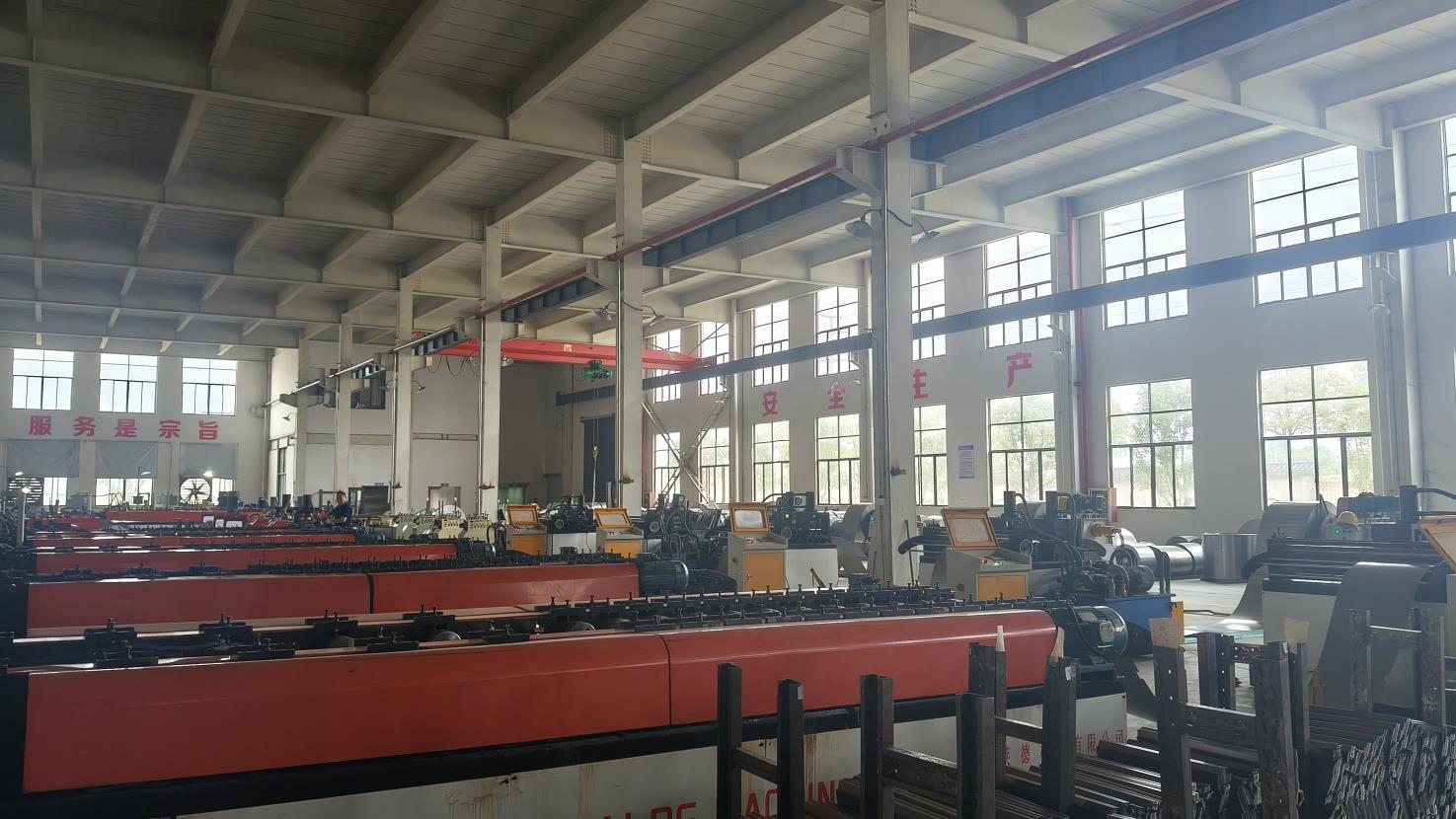
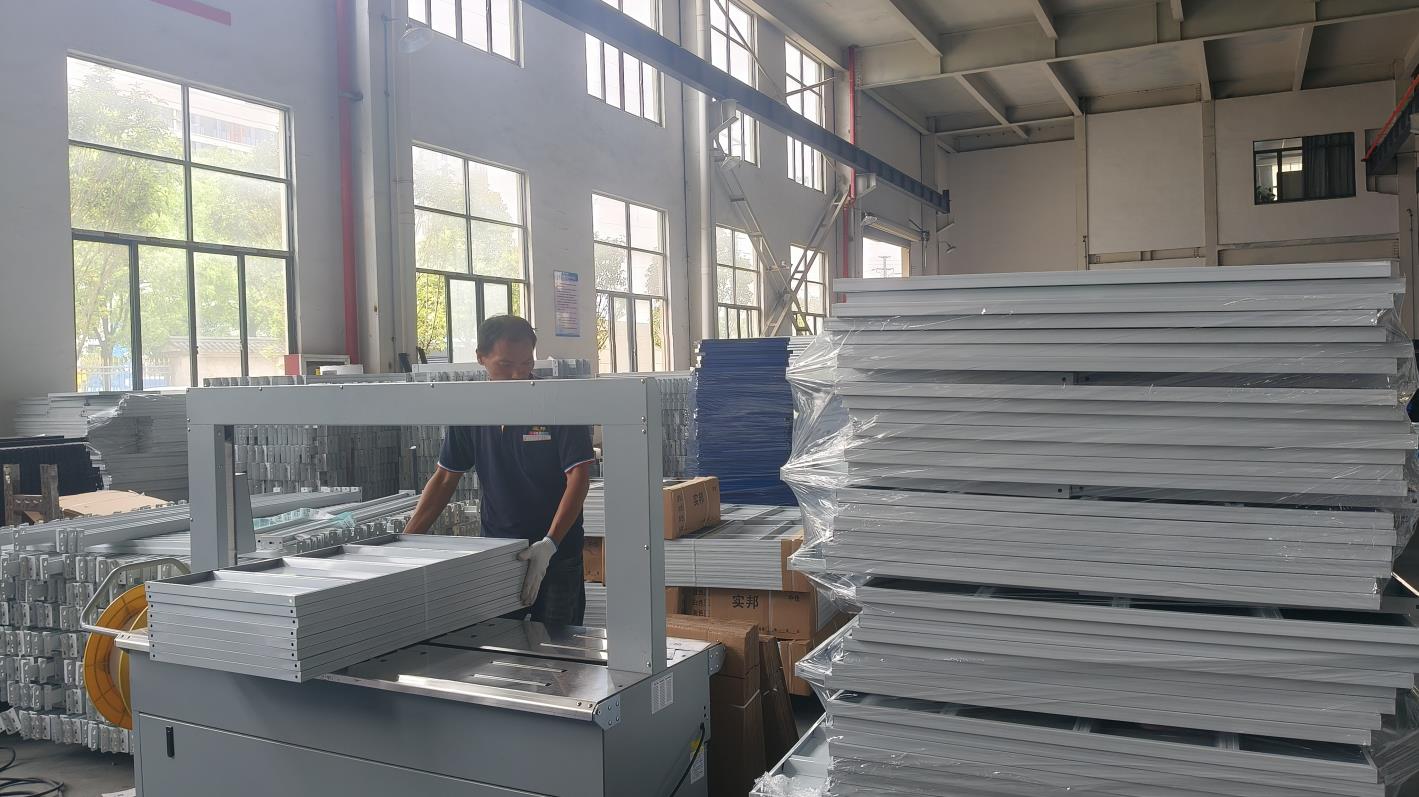
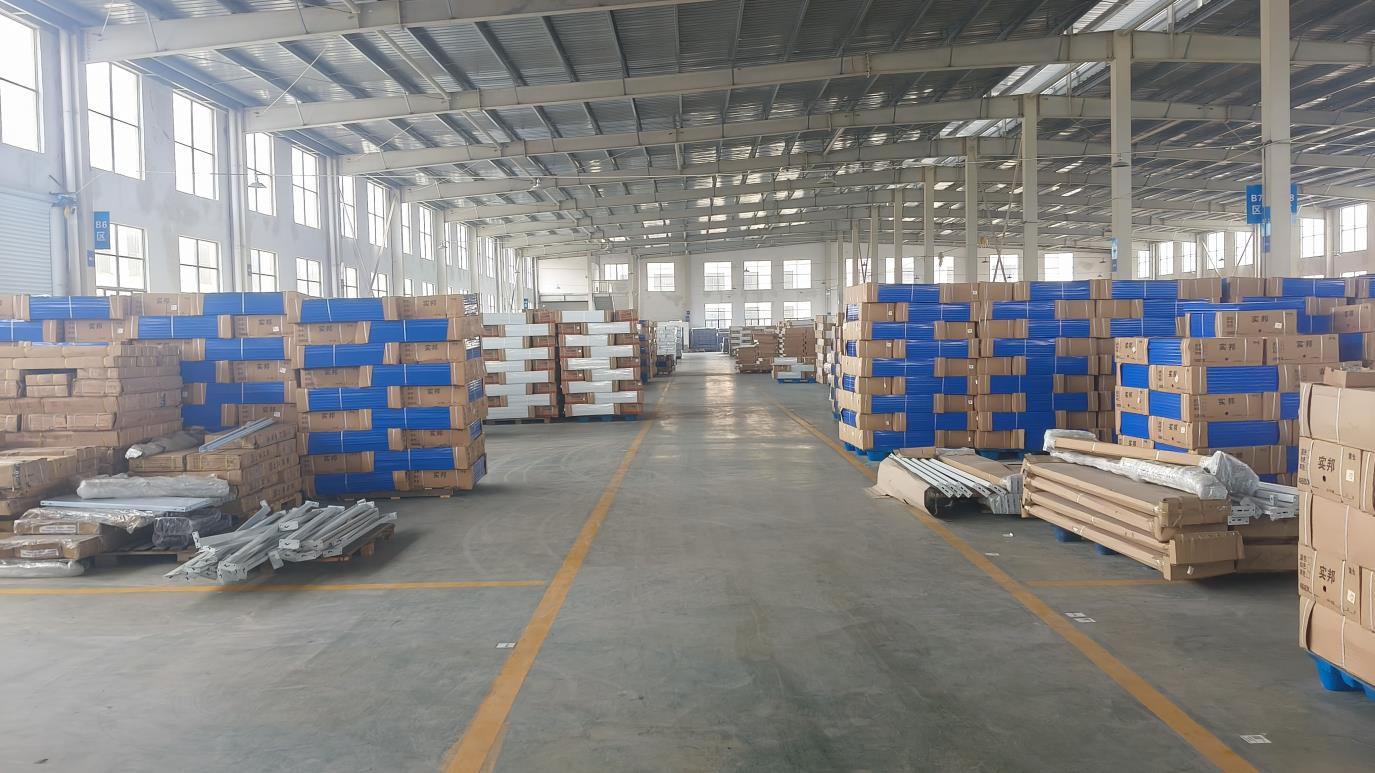
Established in 2015, Shenzhen Shibang Storage Rack Co., Ltd. is a leading manufacturer specializing in industrial racking systems and customized warehouse storage solutions. Operating from a modern production facility spanning 32,000 square meters, we integrate structural design, precision manufacturing, and international trade to serve a diverse global client base.
With over 12 years of industry expertise and 8 years of dedicated export experience, our products are distributed across North America, Europe, Australia, and Southeast Asia, generating over $18 million in annual export revenue. We primarily partner with industrial distributors, third-party logistics (3PL) providers, e-commerce fulfillment centers, and large-scale manufacturing enterprises. Supported by a robust network of over 800 supply chain partners, we ensure consistent raw material quality and efficient production timelines.
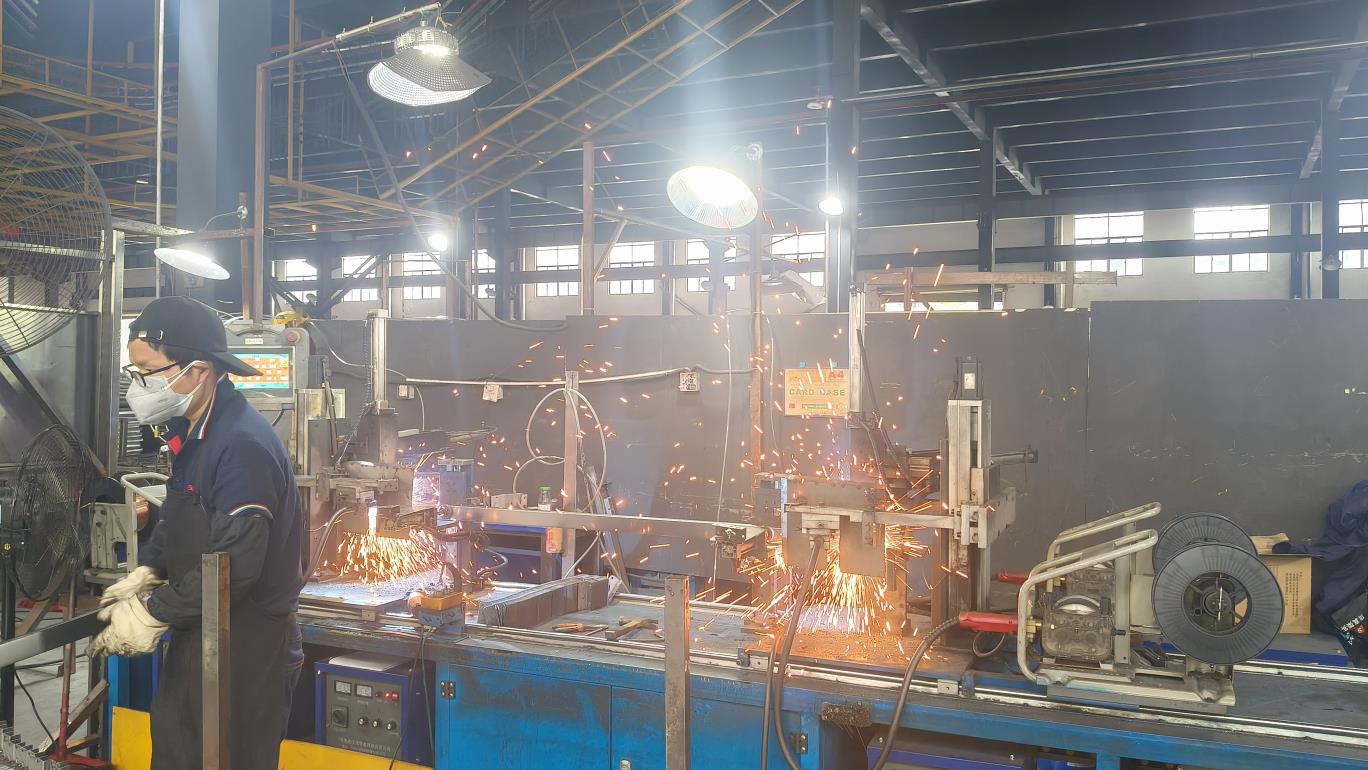
Quality control and technological innovation form the core of our operations. Our dynamic R&D team consists of 18 senior engineers, supported by 35 dedicated QC professionals. We implement rigorous product inspection protocols—including raw steel tensile testing, automated ultrasonic weld checking, static and dynamic load testing, and powder-coating salt spray endurance tests—ensuring compliance with international safety and durability standards. In the past year alone, our R&D unit successfully introduced 45 new product designs and structural optimizations.
We offer full structural customization options, providing tailored loading capacities, height configurations, beam profiles, and surface finishes (powder coating and hot-dip galvanizing) to meet exact warehouse specifications. Guided by engineering precision and trade reliability, Shenzhen Shibang Storage Rack Co., Ltd. continues to deliver safe, scalable, and optimized storage solutions for modern global supply chains.
Global sourcing managers look to Chinese manufacturing to bridge the gap between premium performance and cost efficiency. The cluster advantages of Shenzhen’s advanced supply chain allow Shibang to source raw Q235B and Q355 structural steel with certified testing records at scale. Coupled with automation, this reduces structural variance and improves lead times compared to domestic US fabricators.
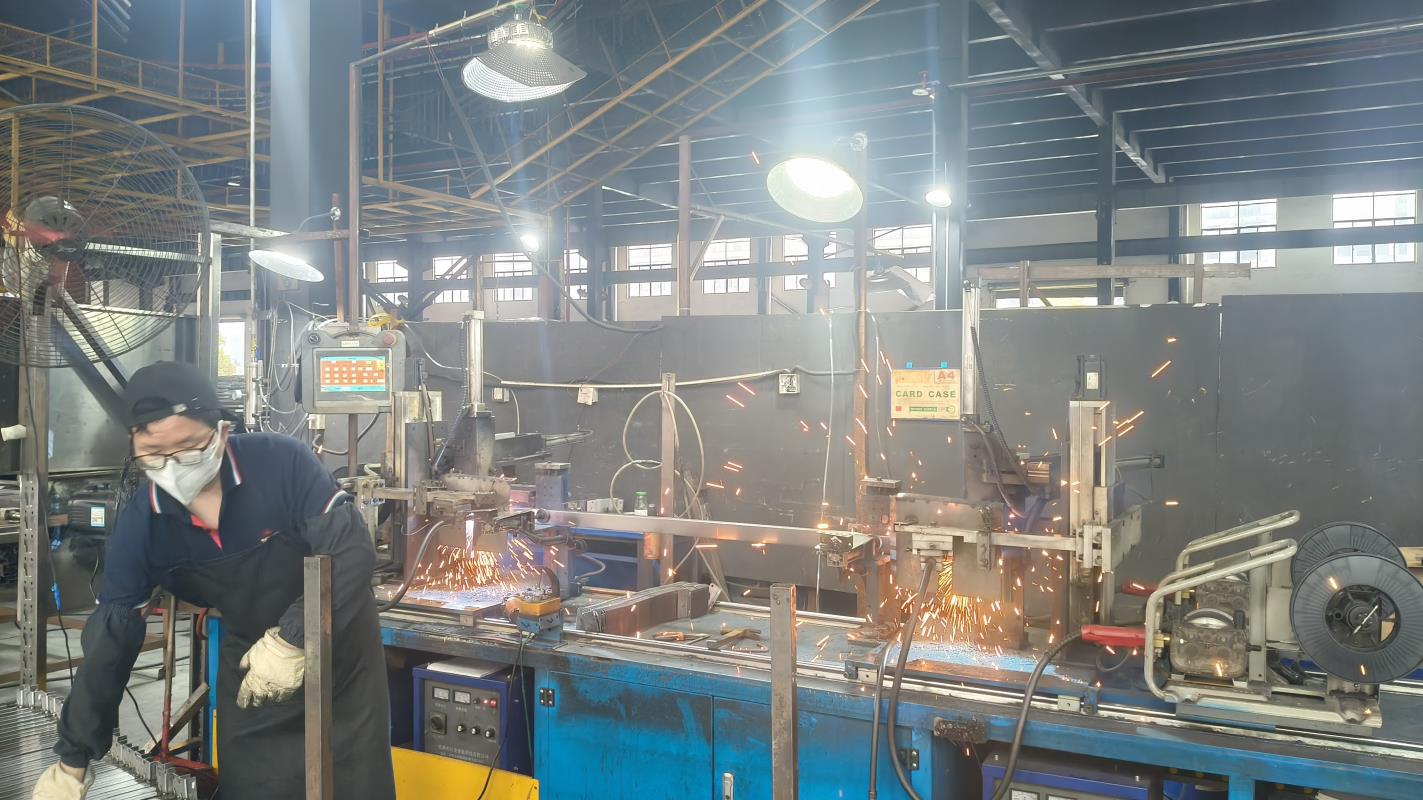
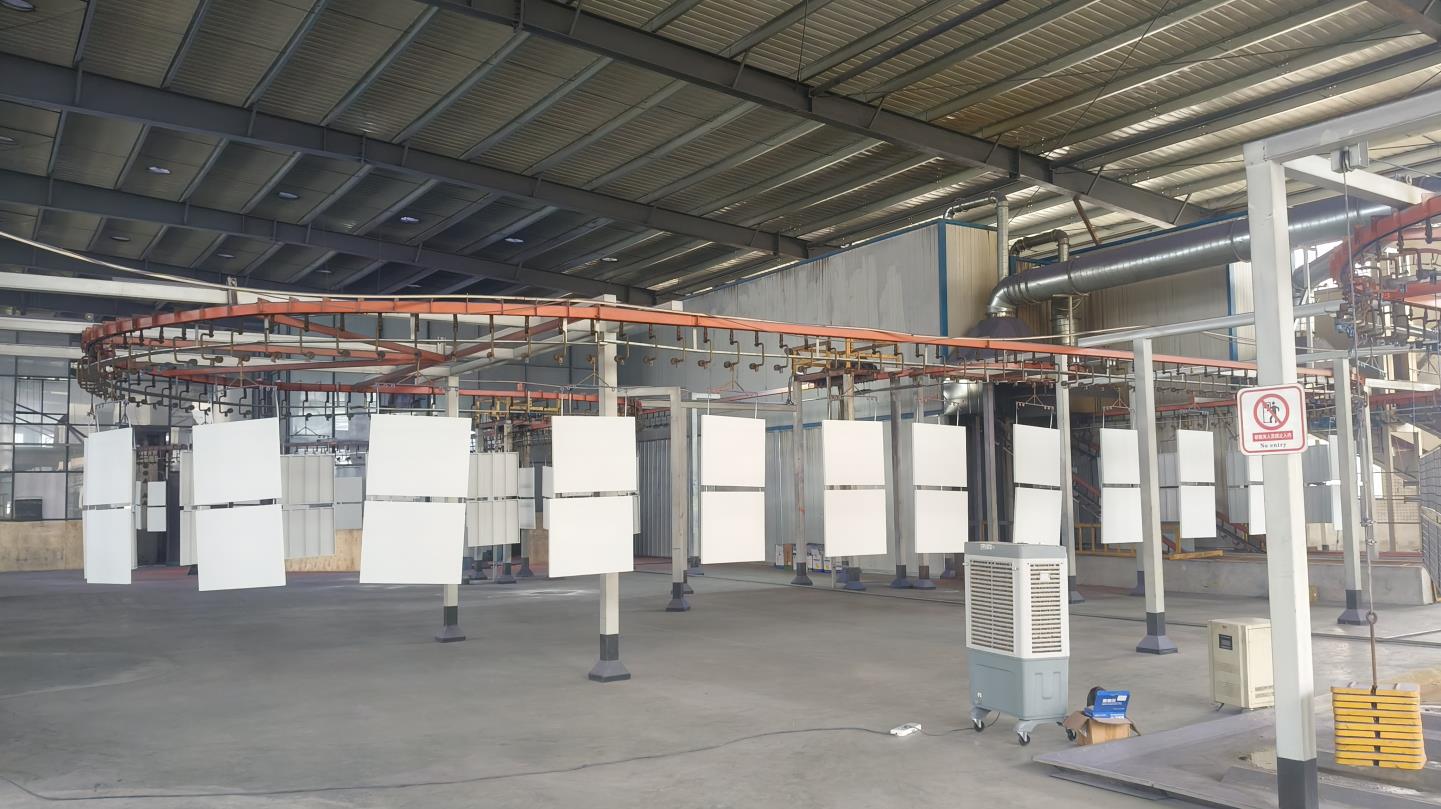
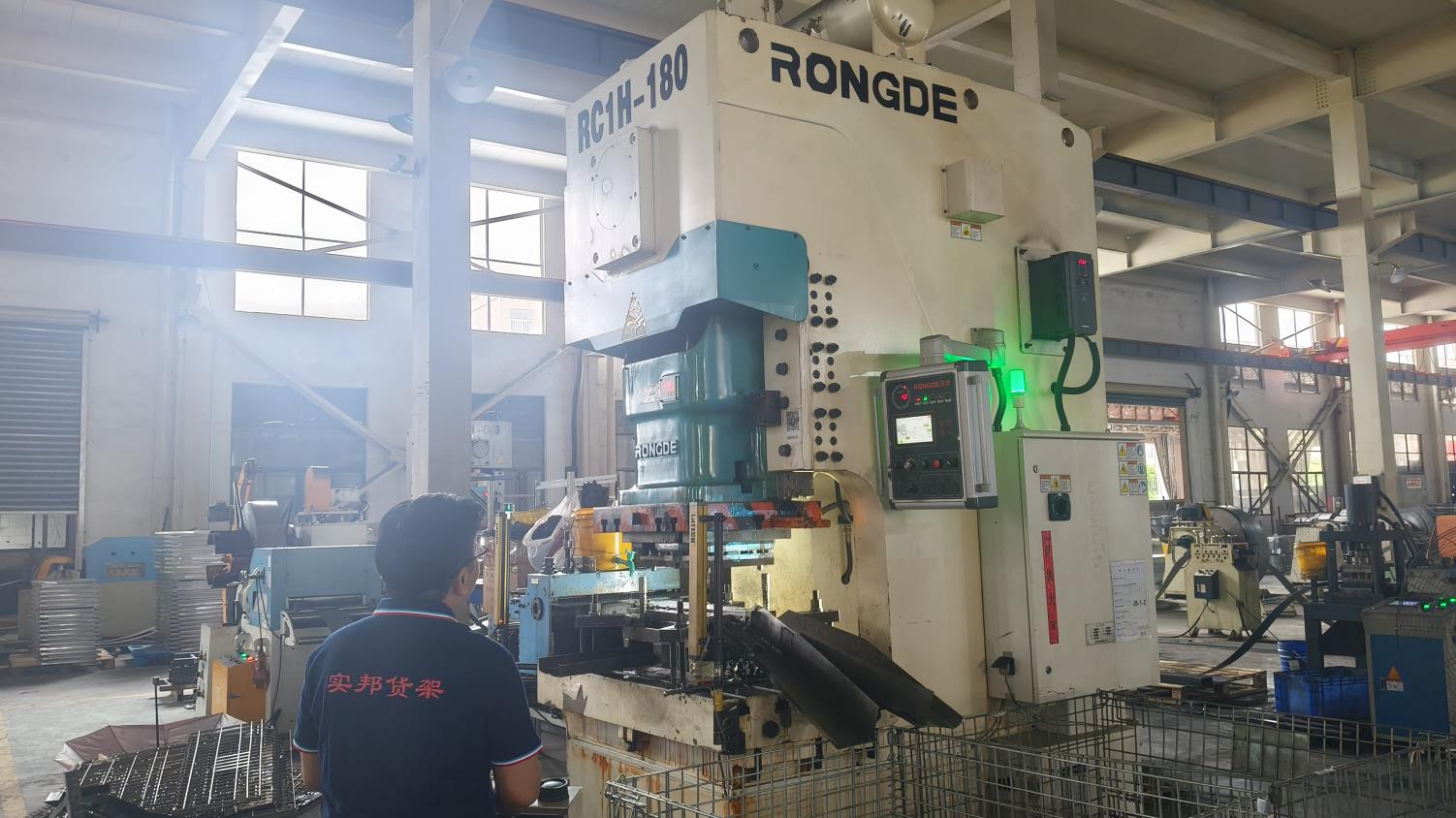
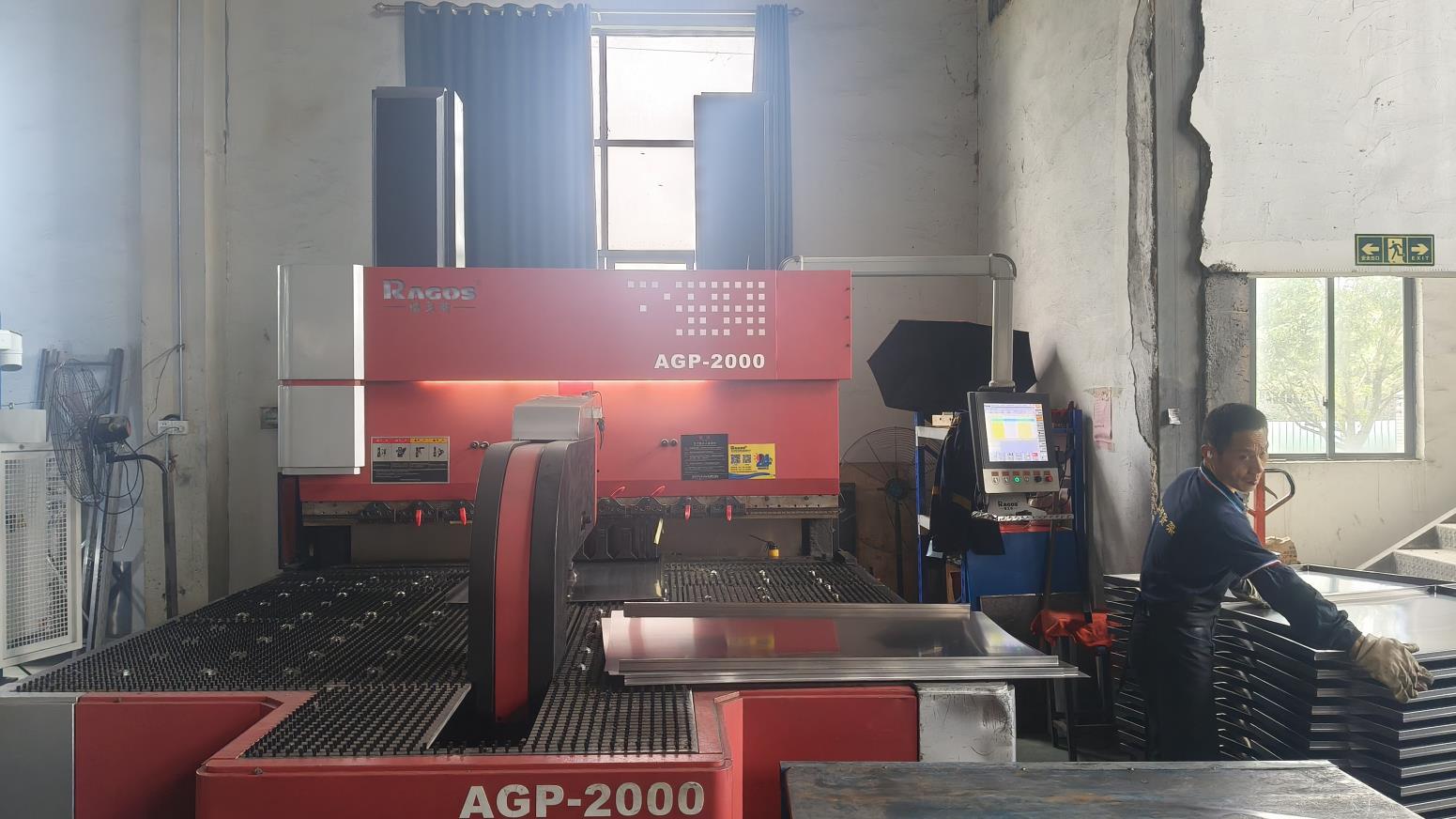
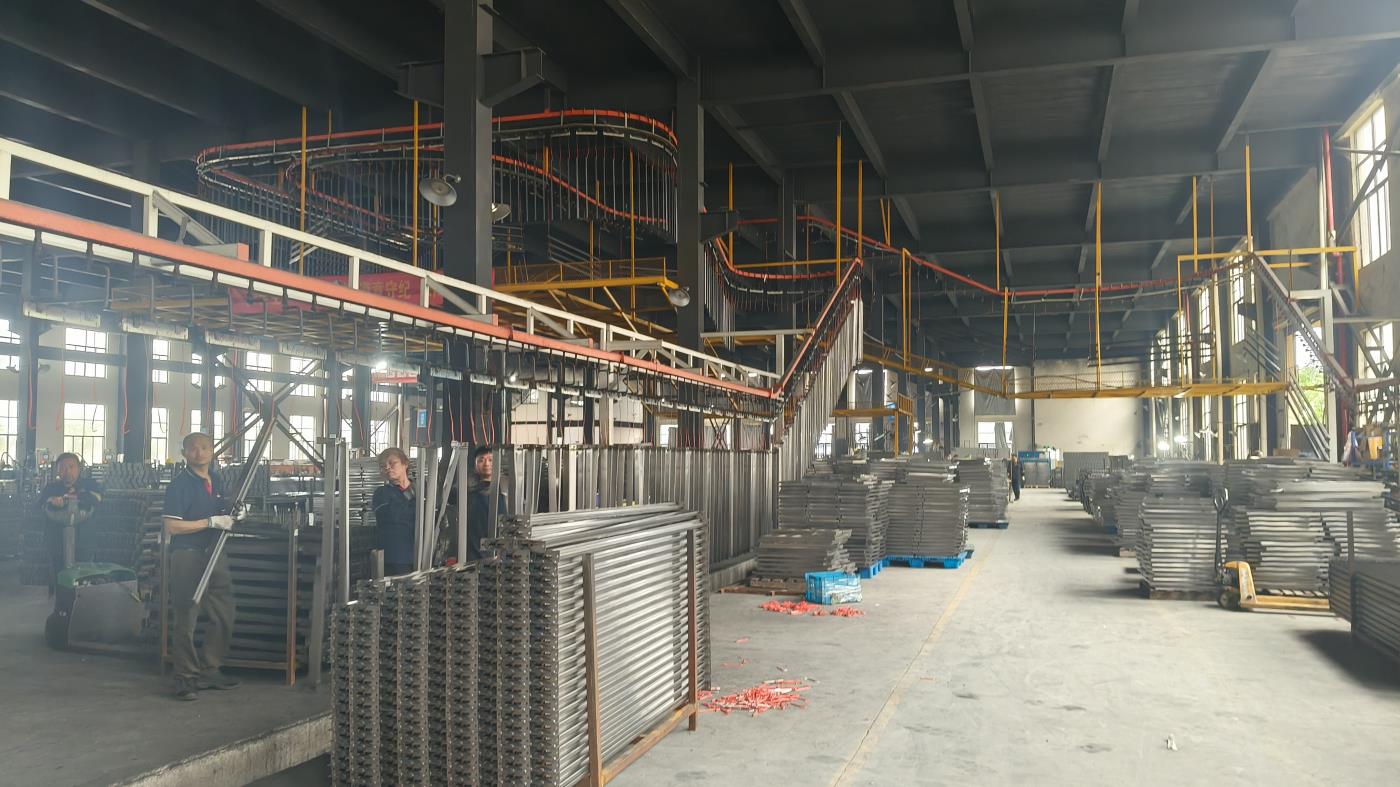
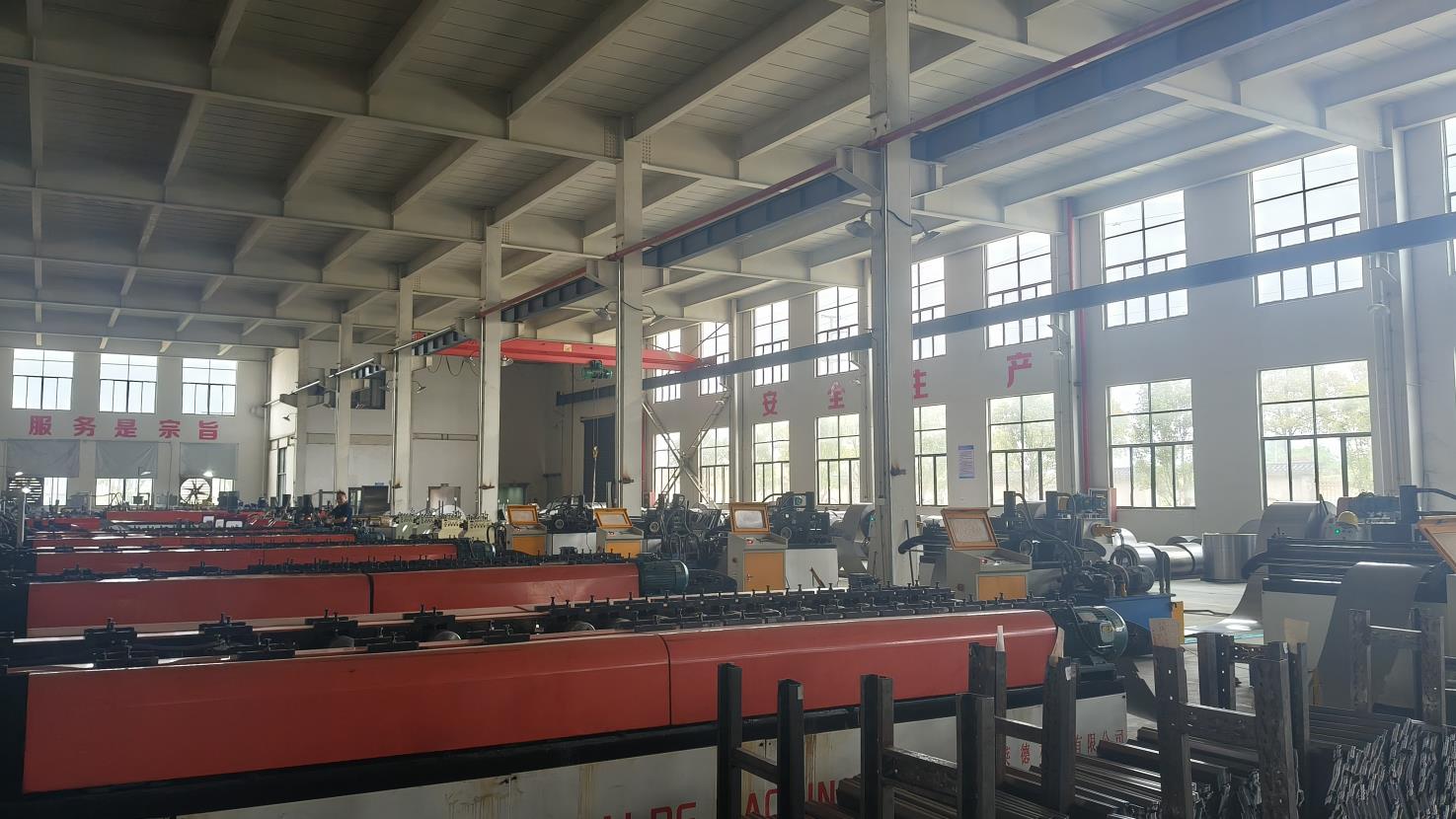
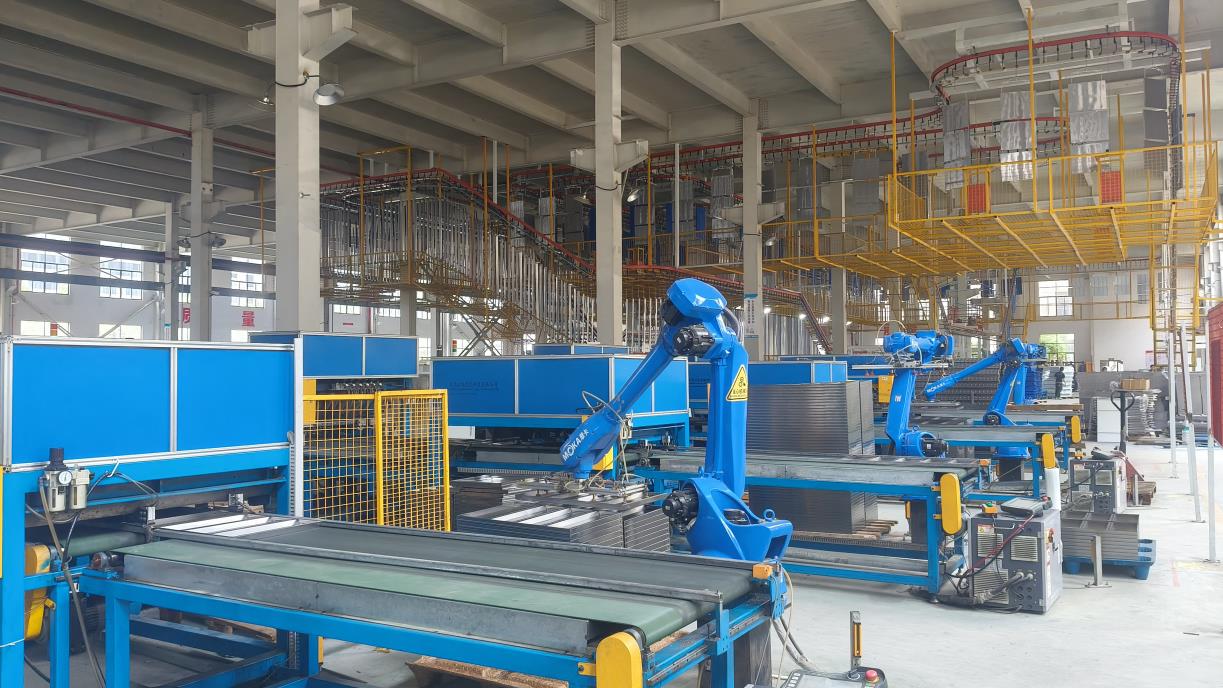
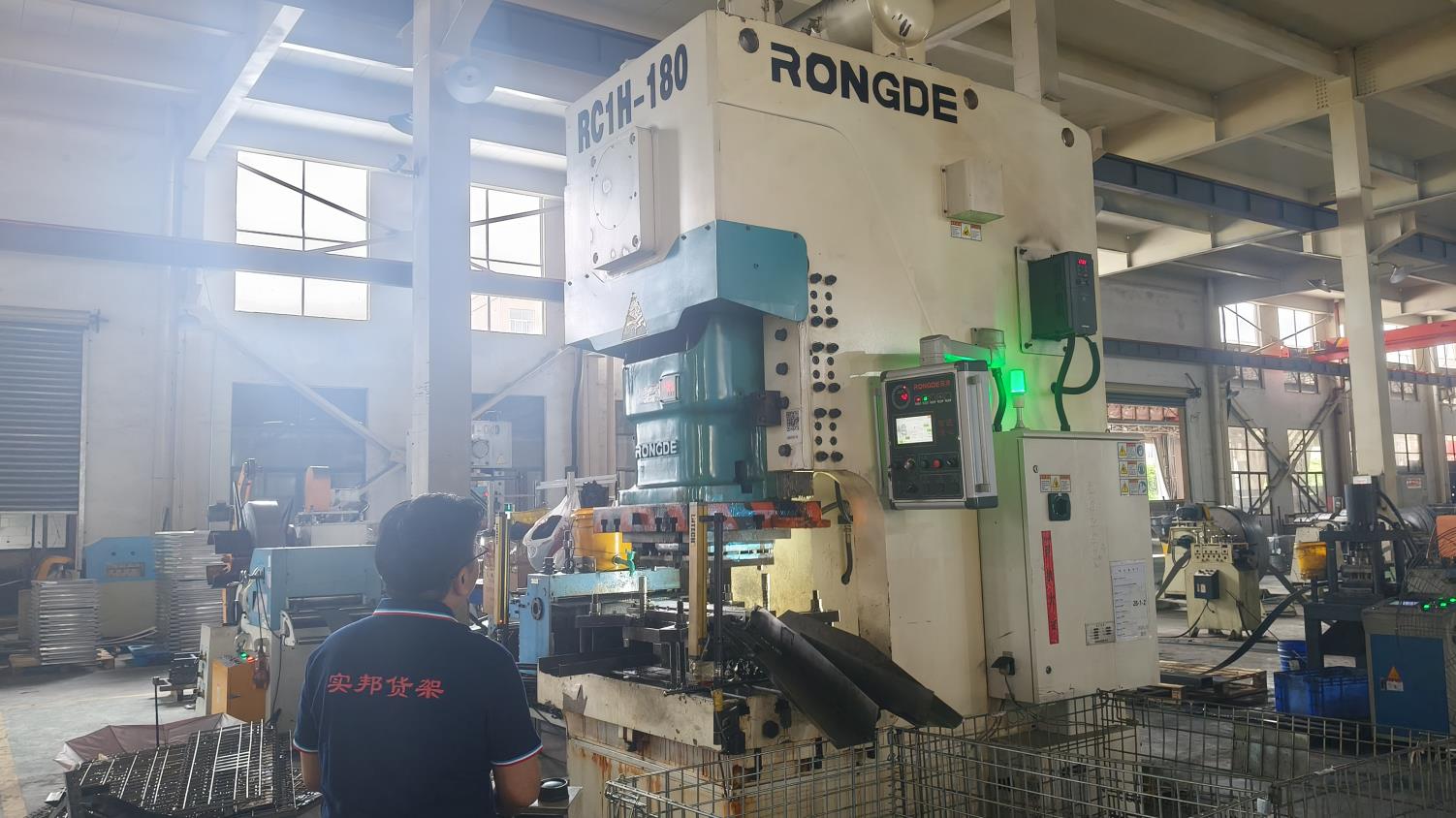
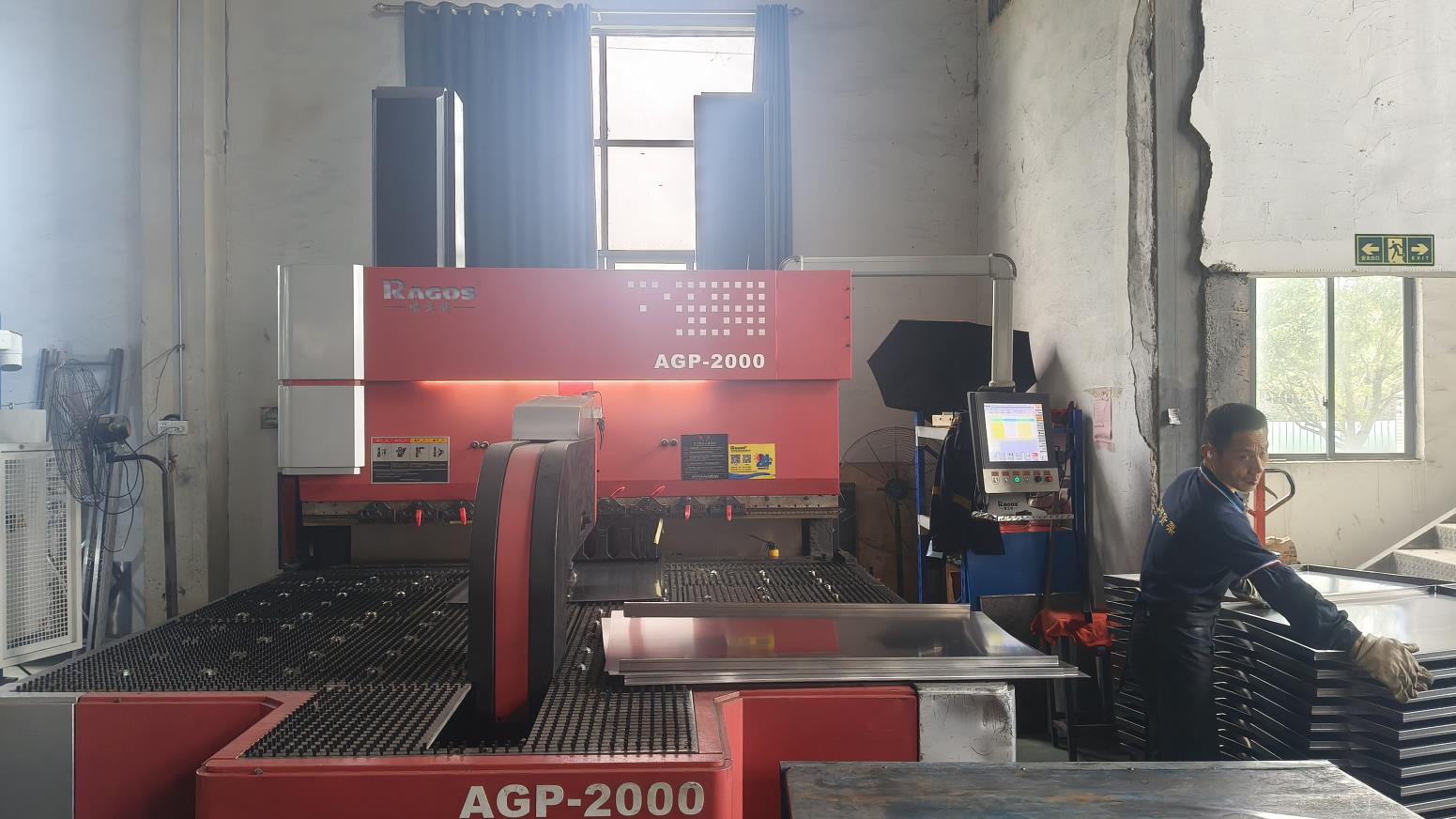
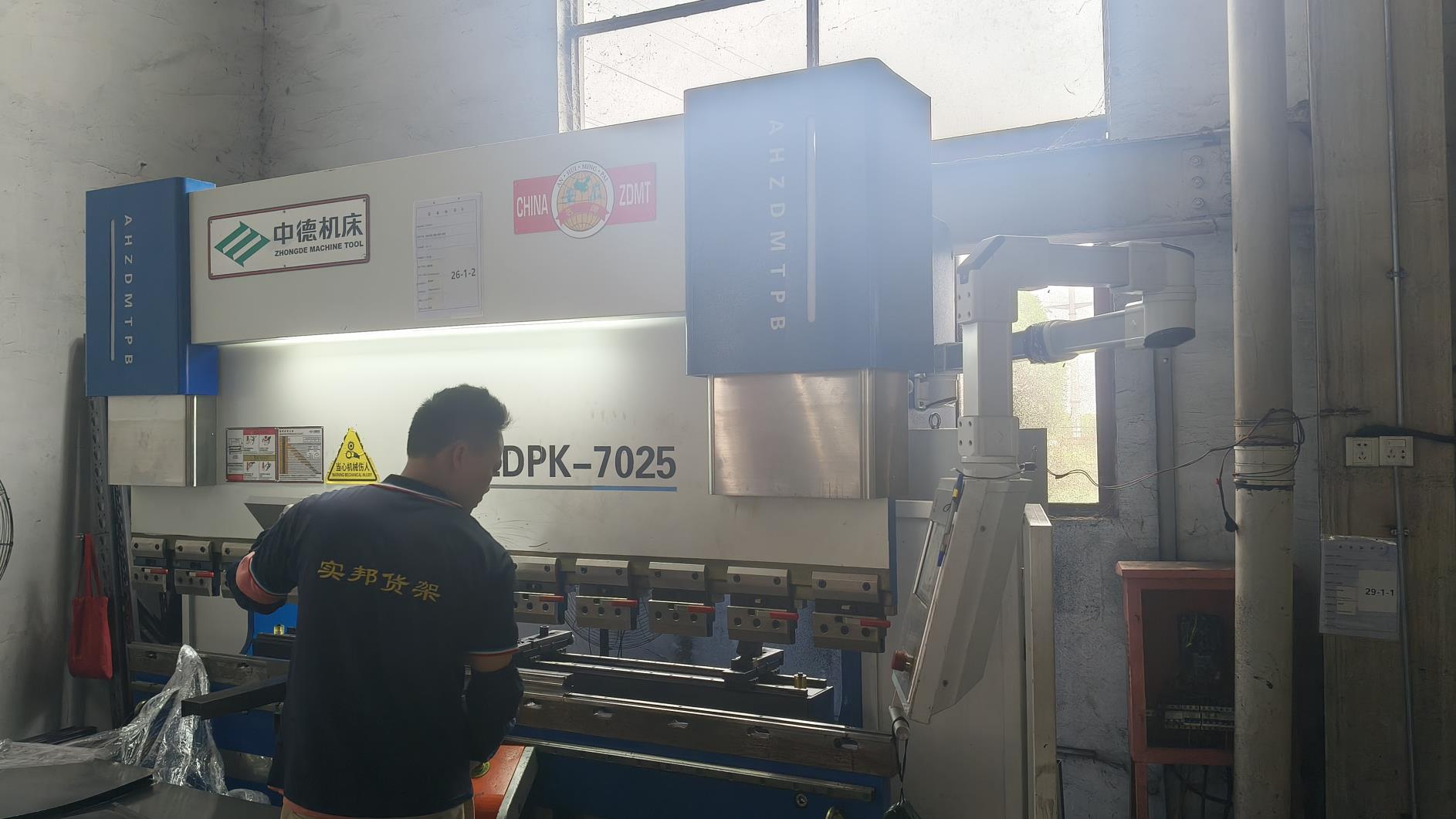
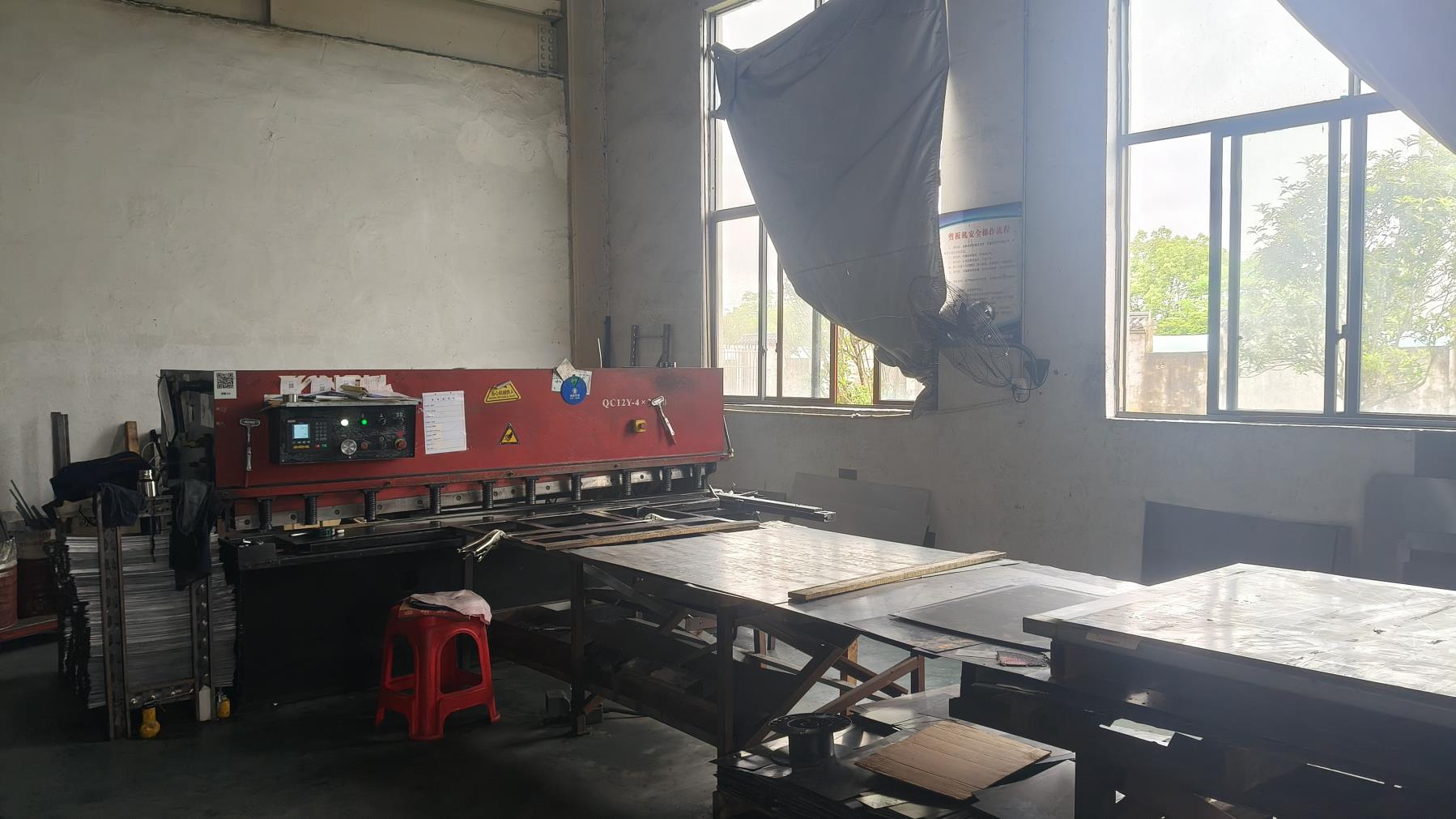
Evaluating the mechanics of structural integrity, space utilization, and safety compliance in modern warehousing.
Boston's maritime seafood processing and cold storage industries require storage systems that resist low-temperature structural embrittlement and high moisture levels. In these environments, ordinary carbon steel structures degrade quickly due to oxidation. Shibang solves this with hot-dip galvanized finishes (conforming to ASTM A123 standards) and grade 304 stainless steel wire mesh decking. These materials prevent ice buildup, maintain airflow, and handle heavy physical impact from forklifts down to temperatures of -40°C.
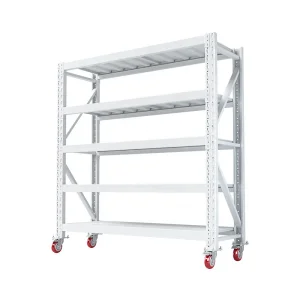
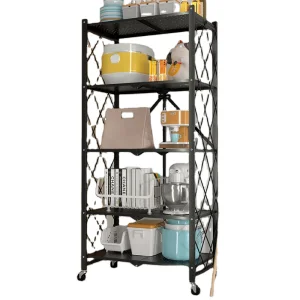
In research hubs like Cambridge and South Boston, laboratory spaces operate under strict environmental and cleanliness controls. Storage systems must minimize particulate emission, allow easy sanitization, and support flexible configurations. Shibang's boltless wire shelving and mobile cart systems provide adjustable slot intervals, anti-static (ESD) groundings, and non-marking medical-grade casters. This setup ensures lab technicians can safely store, retrieve, and transport delicate reagents, surgical apparatus, and micro-electronics.
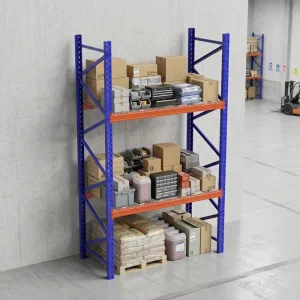
As suburban land costs rise across New England, third-party logistics (3PL) providers must maximize their vertical footprint. Designing deep lane selective pallet systems, carton flow tracks, and long-span steel shelving allows operations to transition from traditional flat floor layouts to vertical space. Precision calculations determine beam deflections under maximum loading, ensuring compliance with both RMI (Rack Manufacturers Institute) and local municipal fire codes (including integration with overhead sprinkler systems).
Ensure your offshore logistics partner meets local regulatory requirements and structural safety standards prior to export:
Addressing key engineering, logistics, and compliance queries from global procurement officers.
Q235 steel (yield strength ~235 MPa) is the standard carbon steel used for medium-duty shelving and standard light-to-medium pallet racks. Q355 steel (yield strength ~355 MPa) is a low-alloy, high-tensile steel designed for extreme heavy-duty structures, high-bay racking systems, and dynamic loads. Choosing Q355 allows for thinner, lighter profiles that support the same load, reducing overall structure weight and shipping costs.
We design our systems in accordance with RMI specifications. For clients in Boston and across New England, we calculate seismic performance based on local seismic coefficients and coordinate with local engineers to ensure our calculations align with the Massachusetts State Building Code (780 CMR). Additionally, we provide wire mesh decking options that satisfy NFPA 13 sprinkler penetration rules.
For temperatures down to -40°C, we recommend hot-dip galvanized (HDG) coating. HDG coats both the interior and exterior of structural profiles, preventing moisture penetration and rust. For dry cold storage, high-quality electrostatic powder coating with a rust-preventative primer is a cost-effective alternative.
Production typically takes 15 to 25 days depending on project size. Sea transit from Shenzhen port to the Port of Boston (Conley Terminal) generally takes 30 to 40 days. We optimize container loading to prevent in-transit movement, and we handle all export documentation to ensure efficient customs clearance.
Yes. Our team of 18 senior engineers designs layouts using CAD and SolidWorks. We accept DWG warehouse drawings, calculate load distributions, simulate configurations, and provide complete structural layouts. This service helps clients maximize their storage density and optimize material flow.
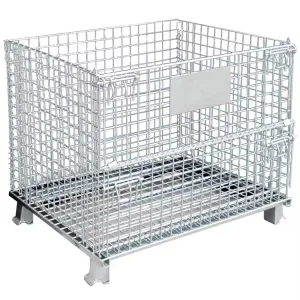
Heavy-duty racking, industrial wire cages, and adjustable storage units manufactured to international standards.
 Shibang Steel