Shibang Steel

B2B Whitepaper: Optimizing Cubical Space in Modern Supply Chains
An Analytical Overview of Manufacturing Quality, Structural Integrity, and Global Logistics Support
1. The Shift to High-Density "Storage Cube" Optimization
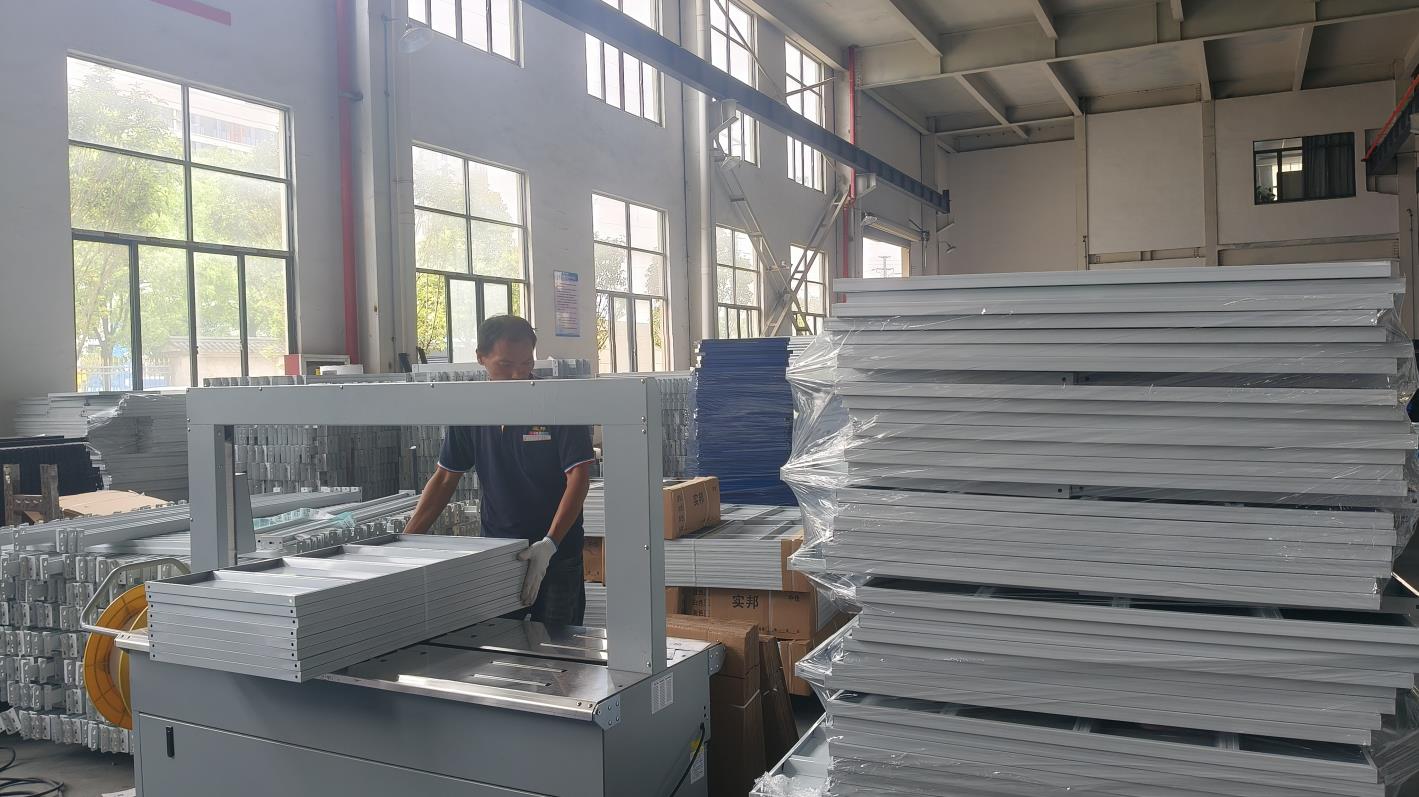
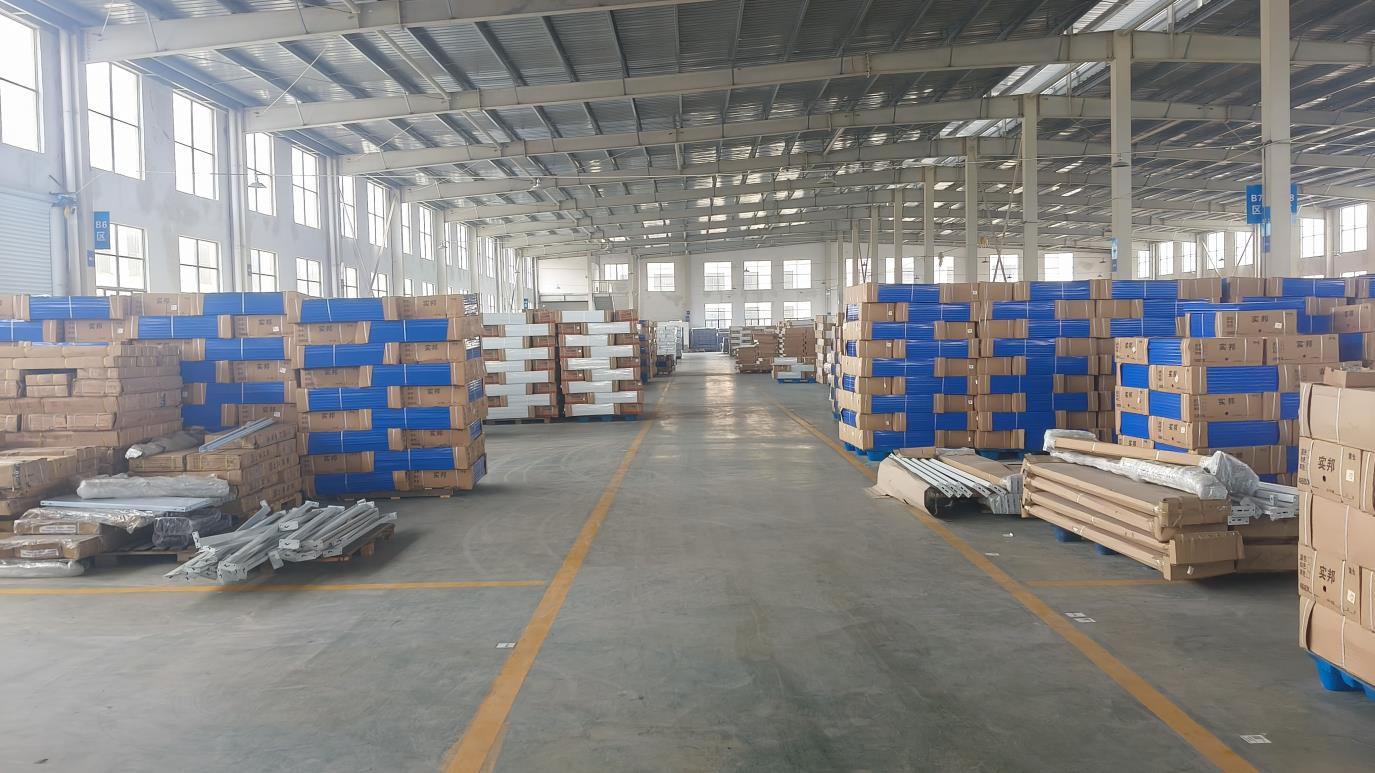
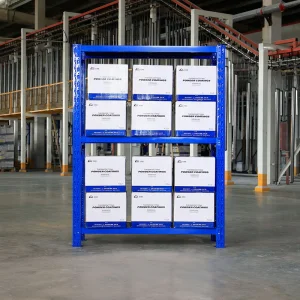
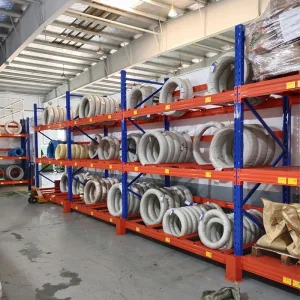
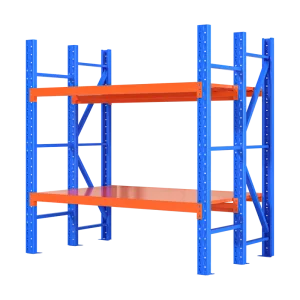
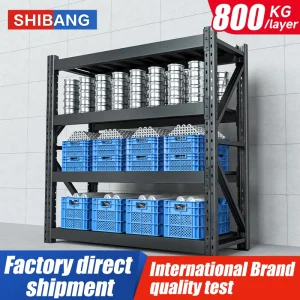
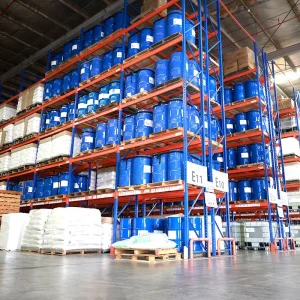
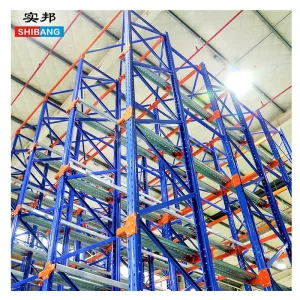
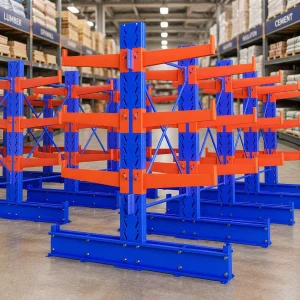
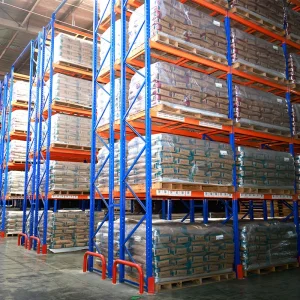
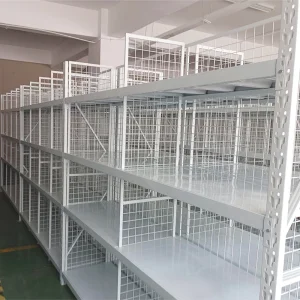
In B2B industrial engineering, "storage cubes" refer not to lightweight consumer storage, but to the highly structured, interlocking modular frame units that comprise dense pallet flow corridors, drive-in structures, and multi-tier wire mesh storage racks. Maximizing the structural volumetric capacity per cubic meter determines a warehouse's profitability. Our engineering approach optimizes spacing, deflection limits, and weight-to-volume ratios so that complex supply networks can scale their operations without needing costly expansion of physical buildings.
2. Technical Specifications & Material Science
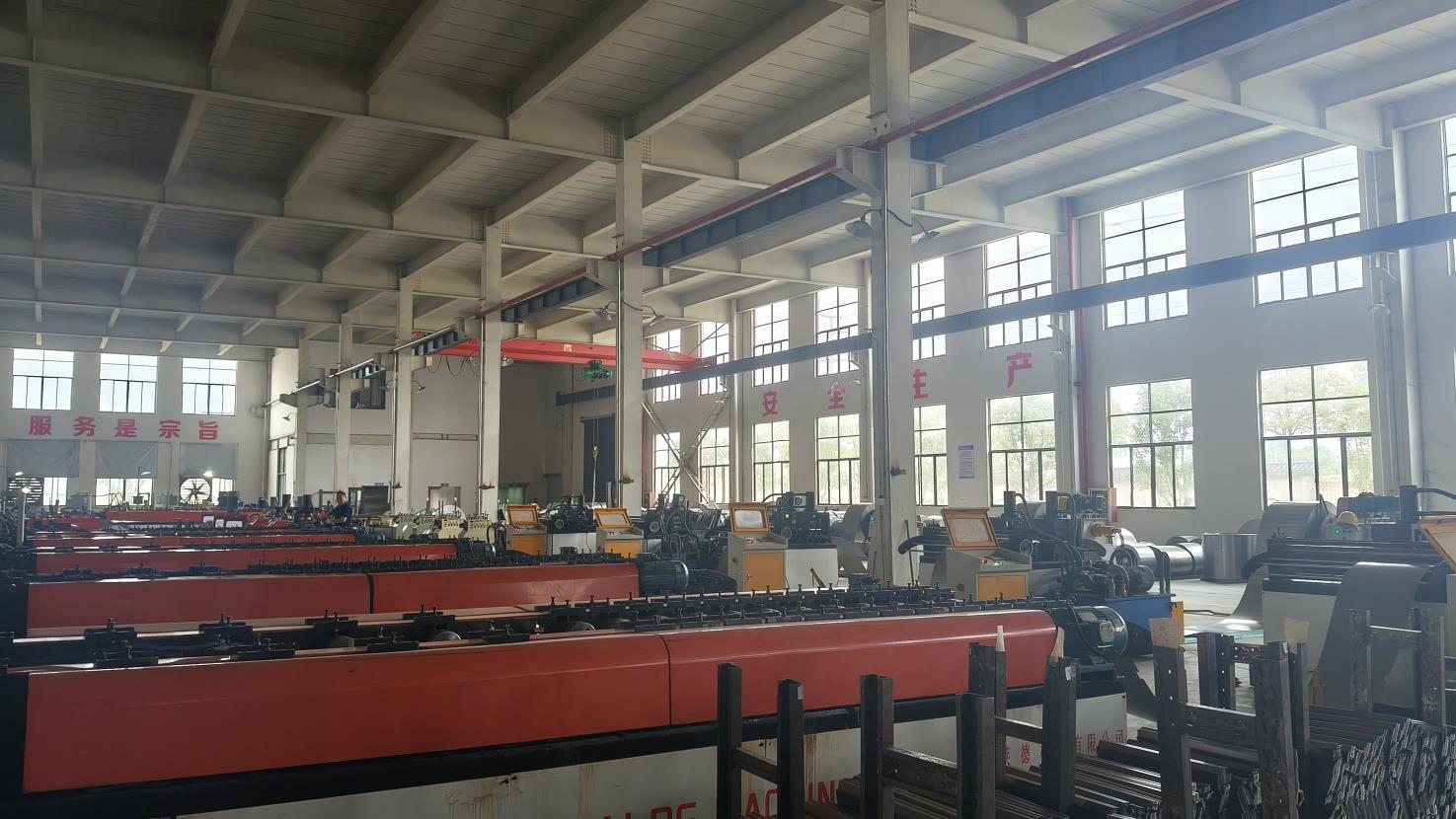
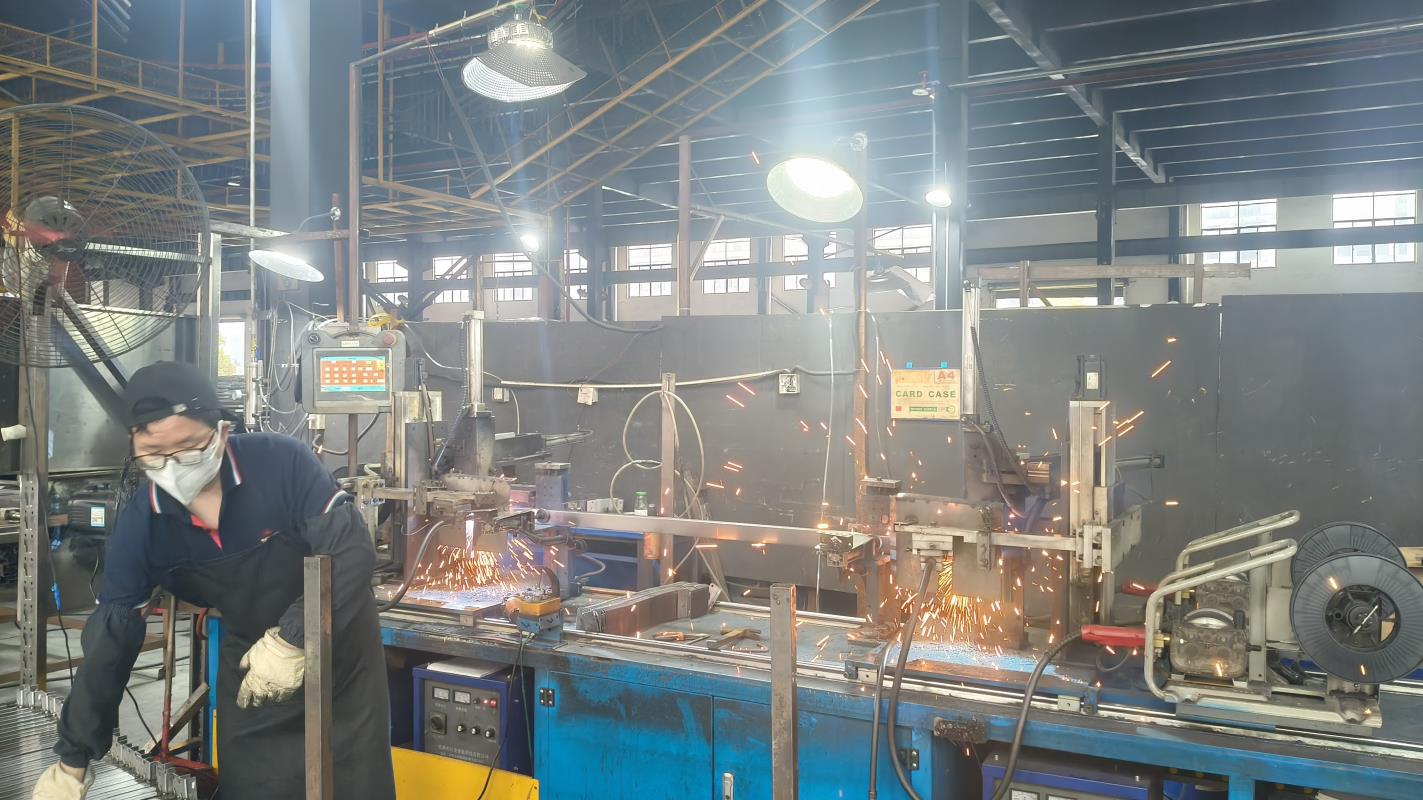
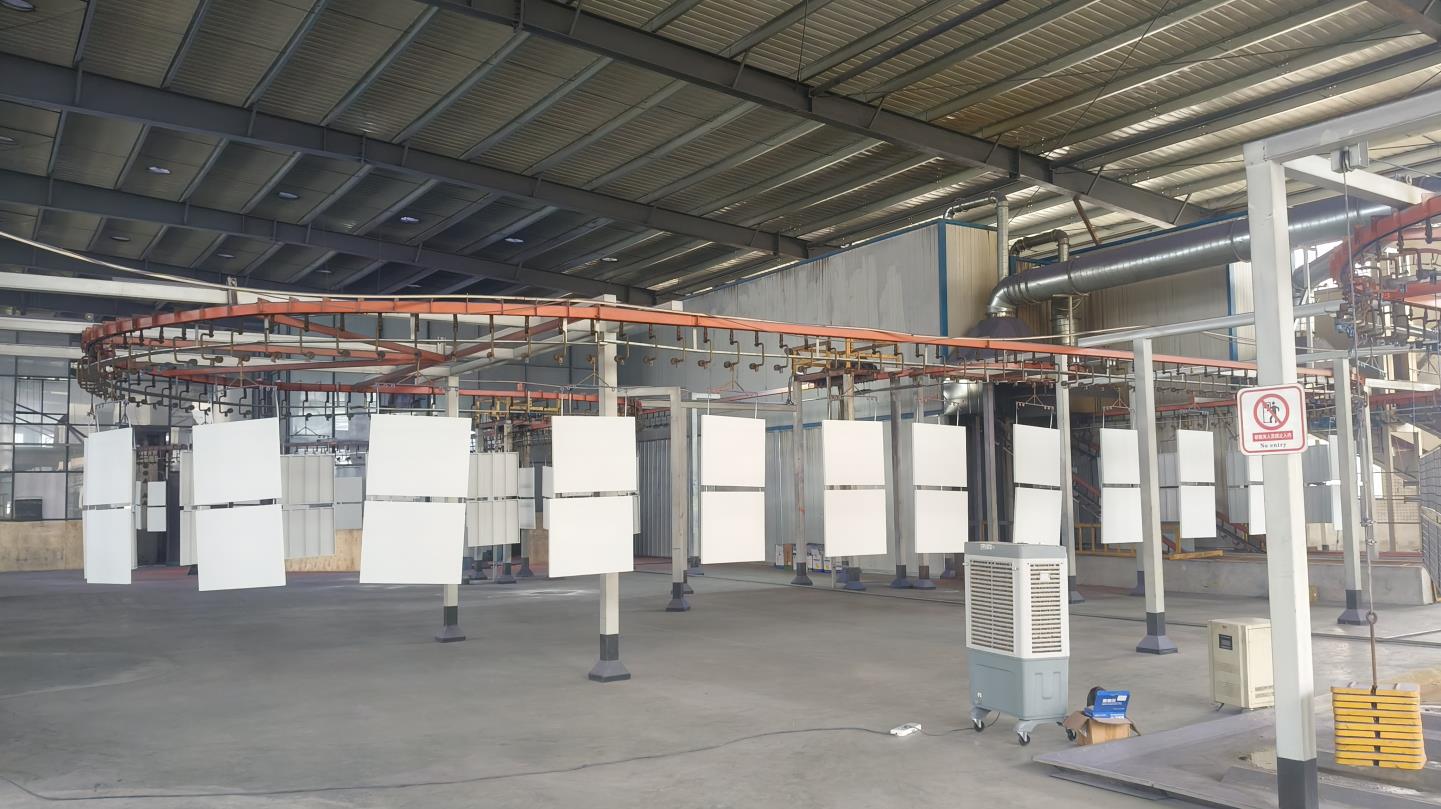
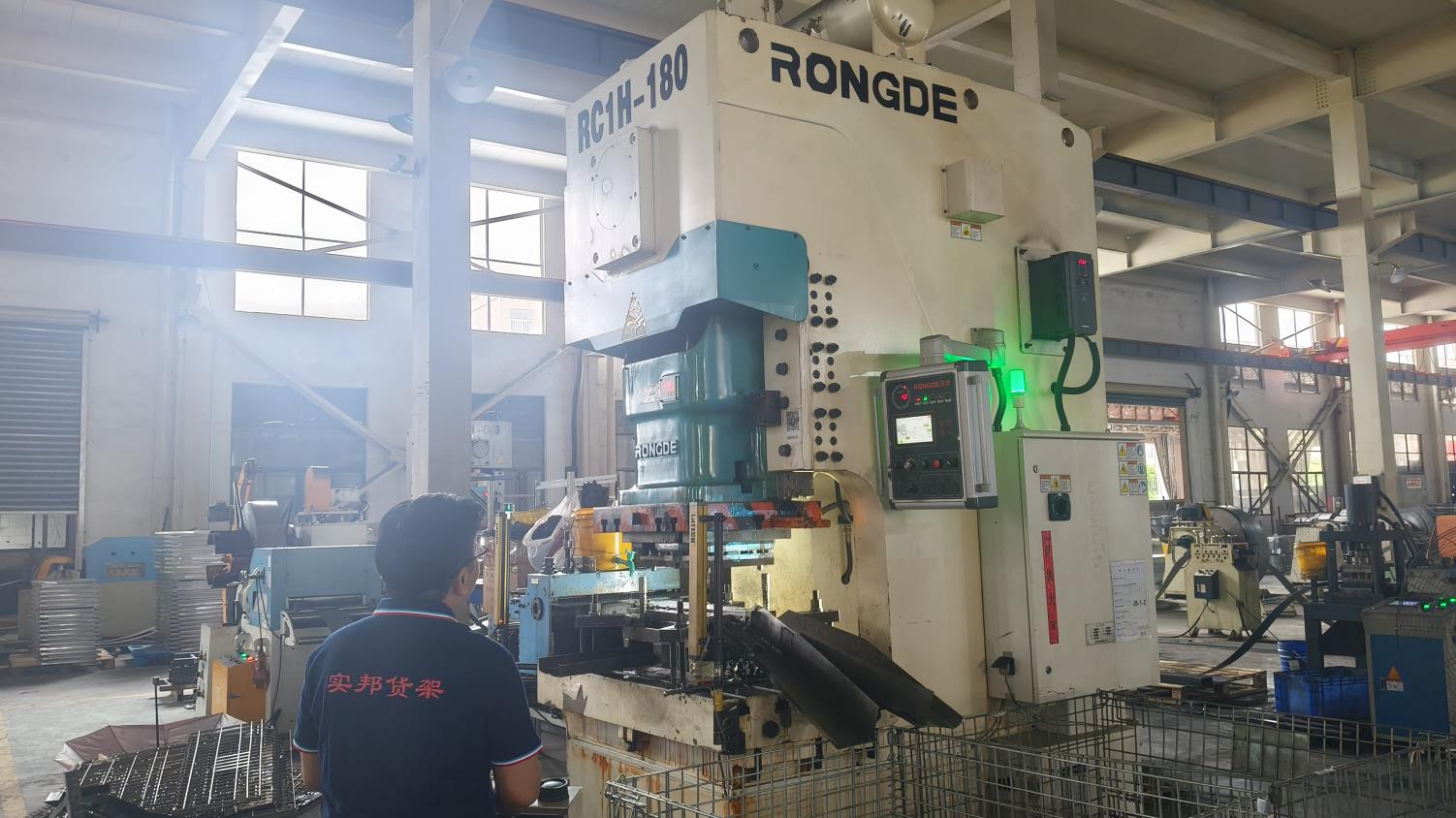
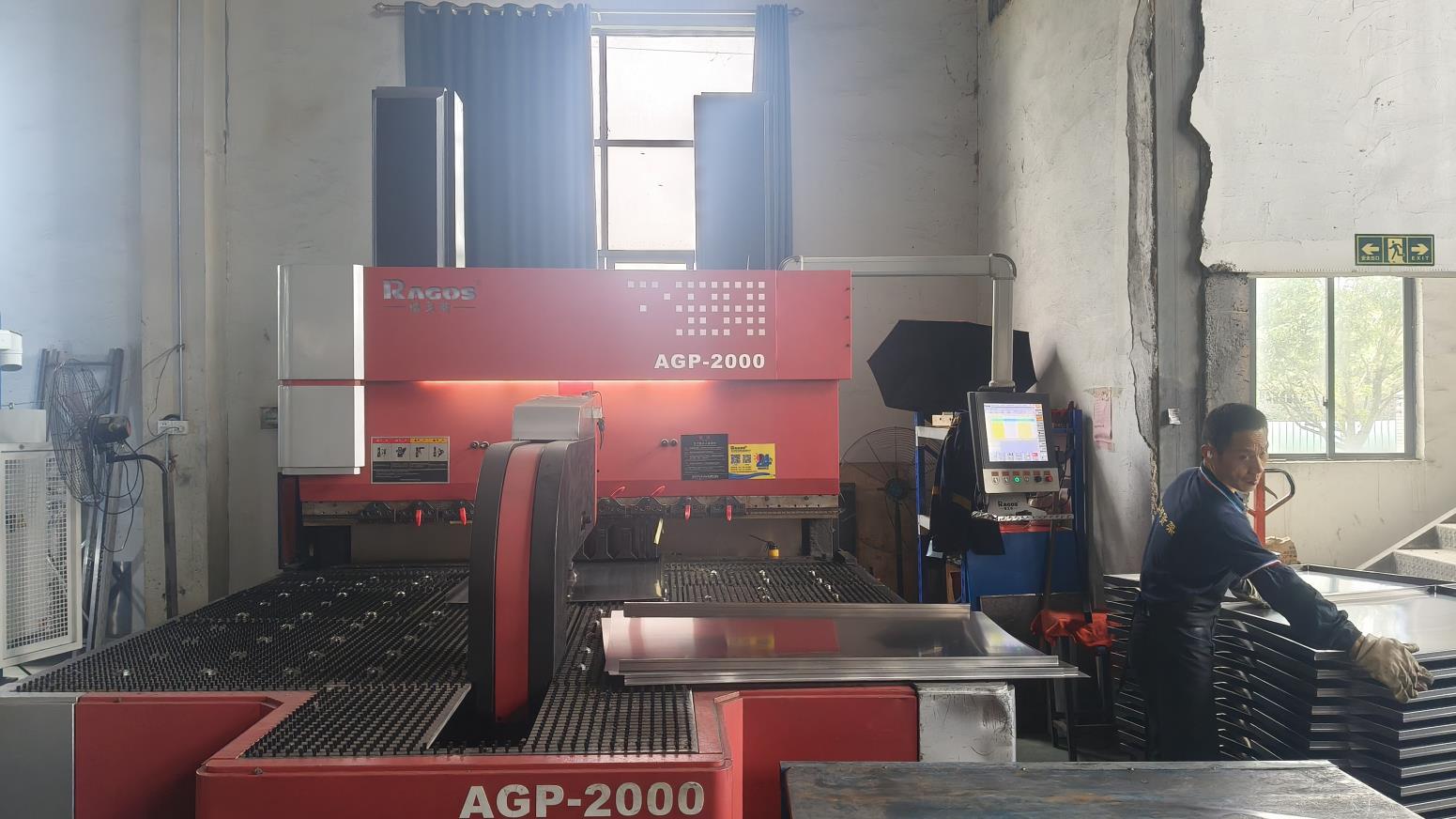
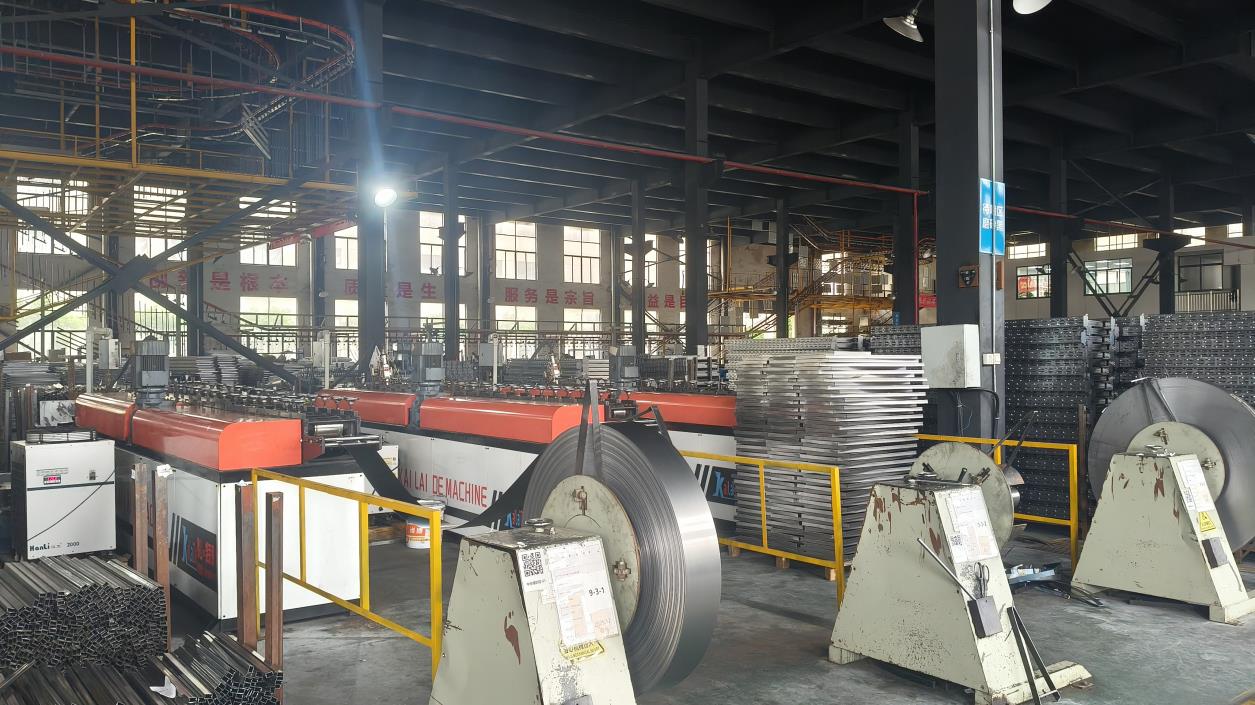
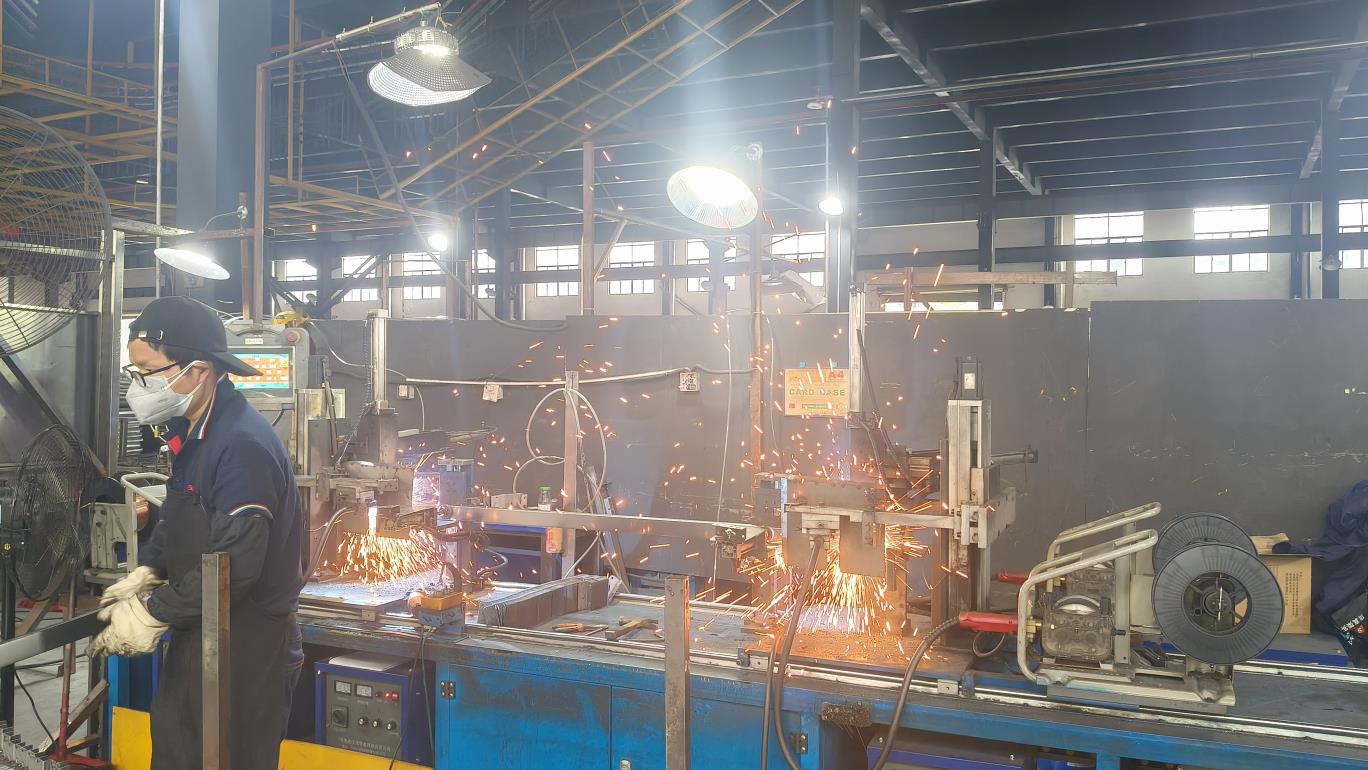
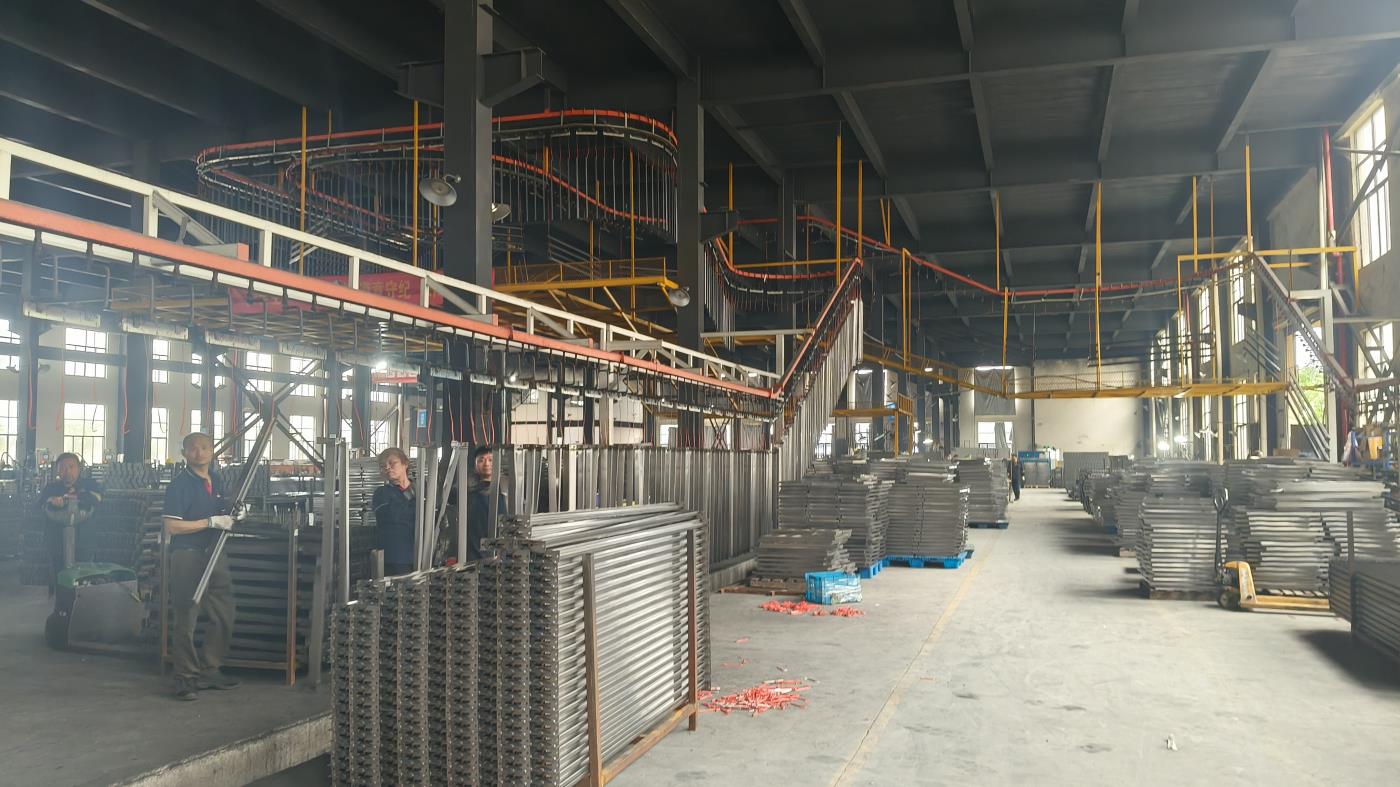
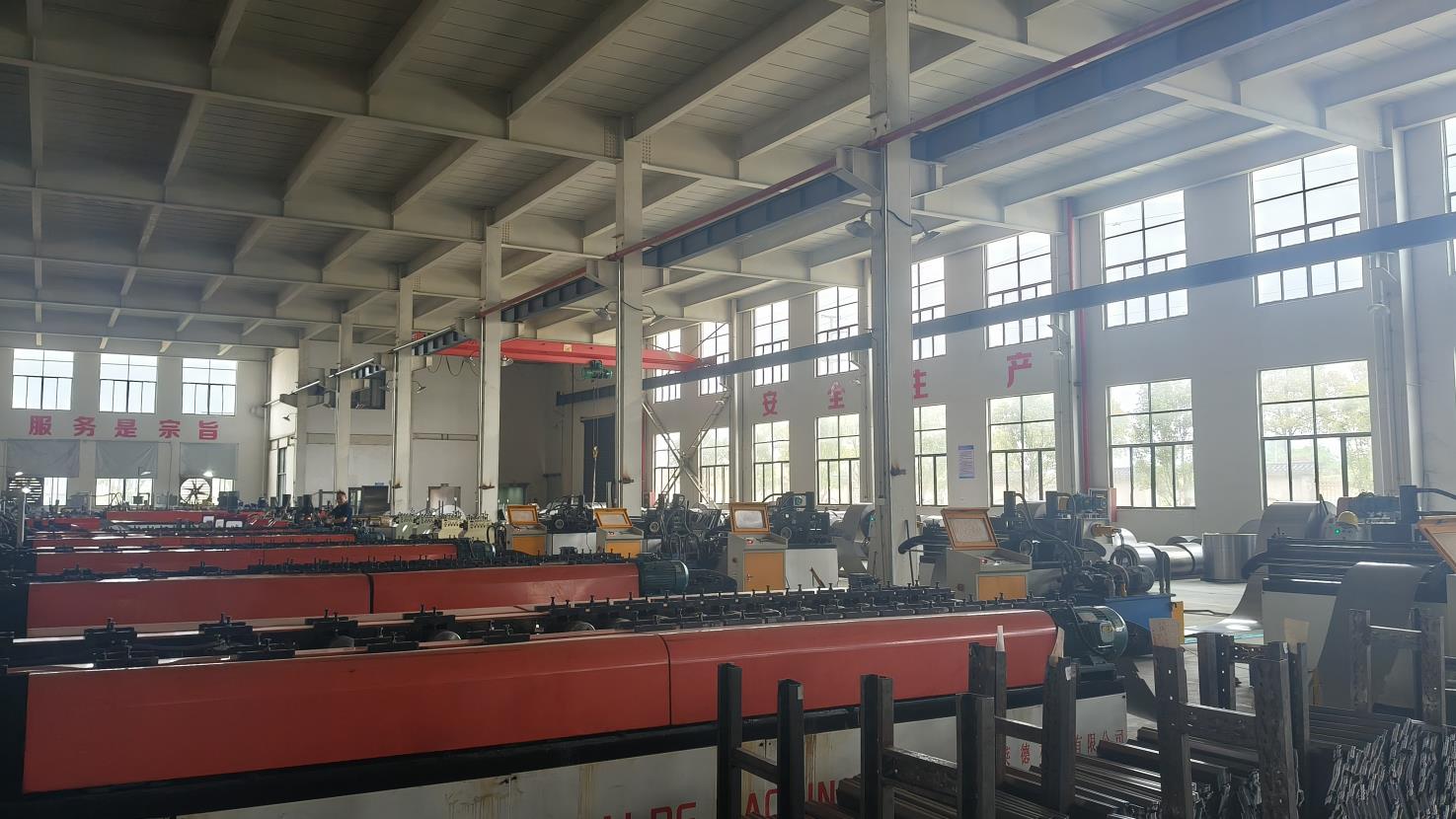
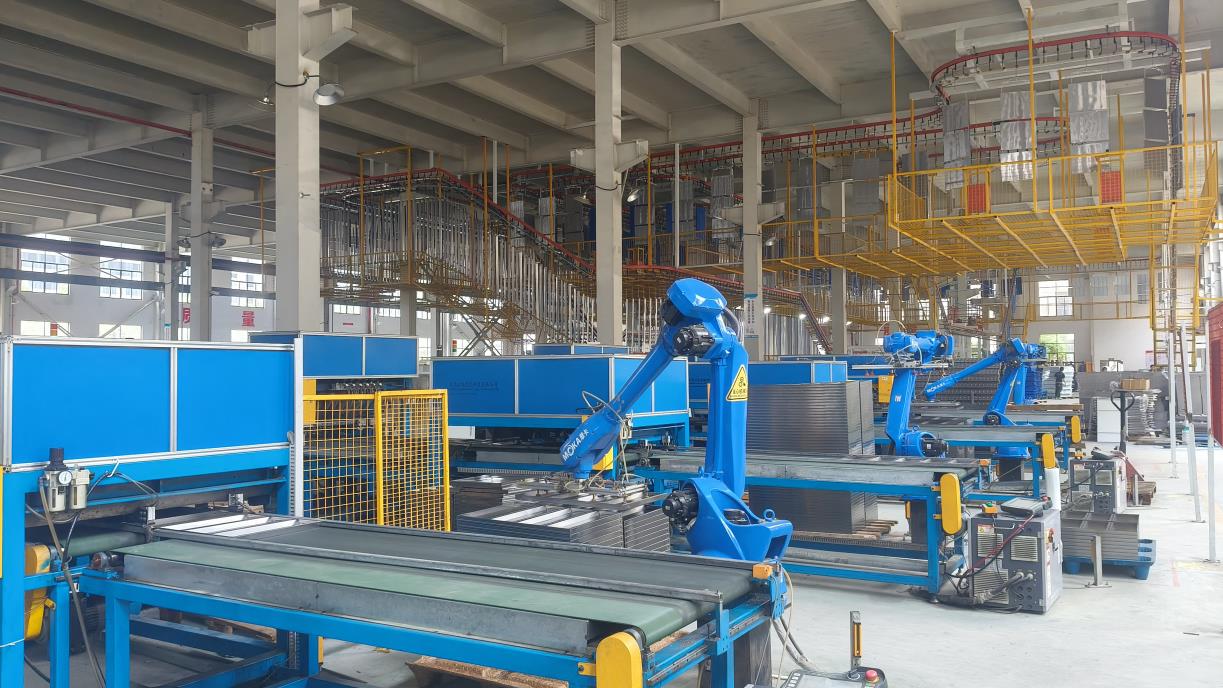
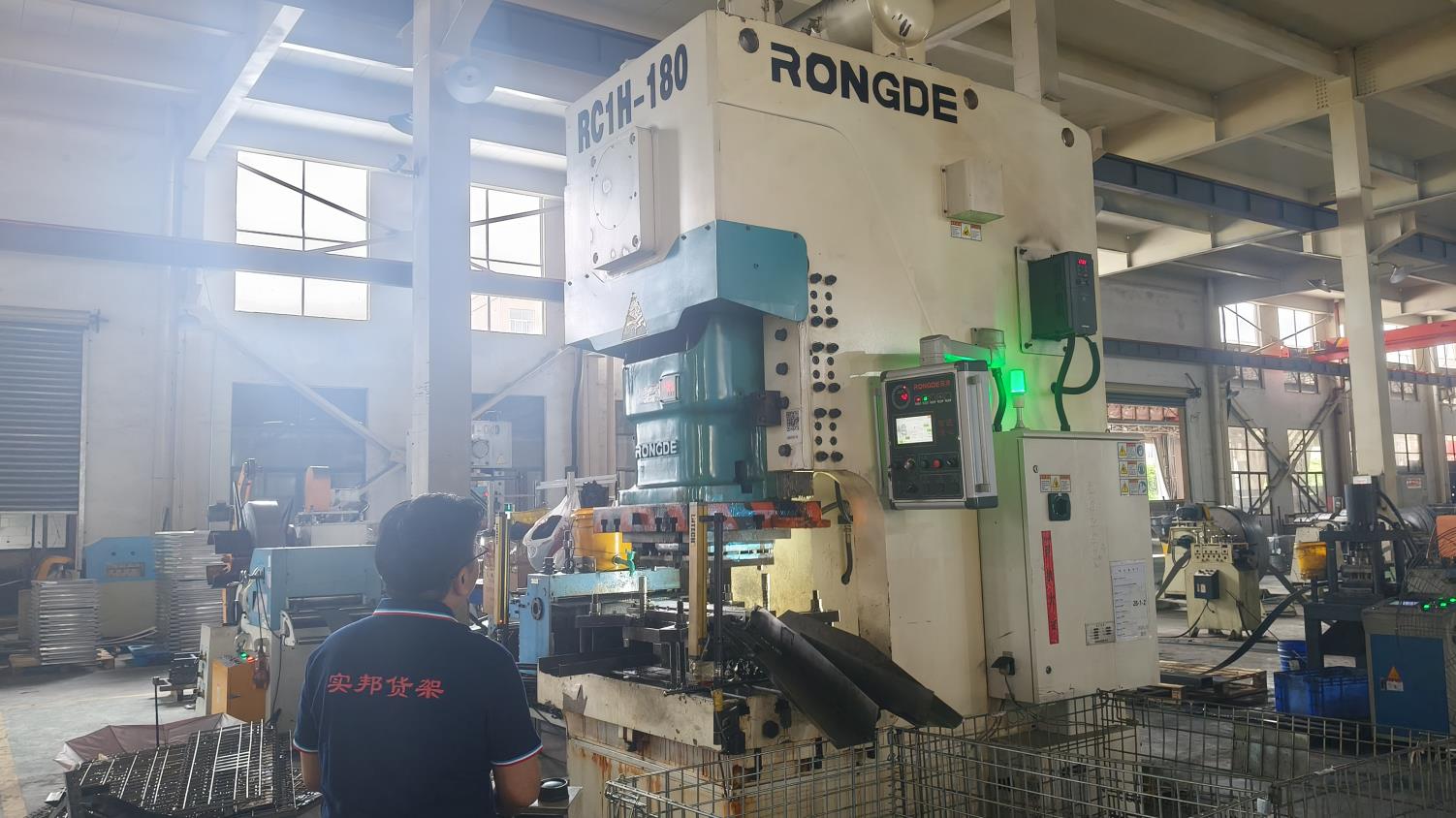
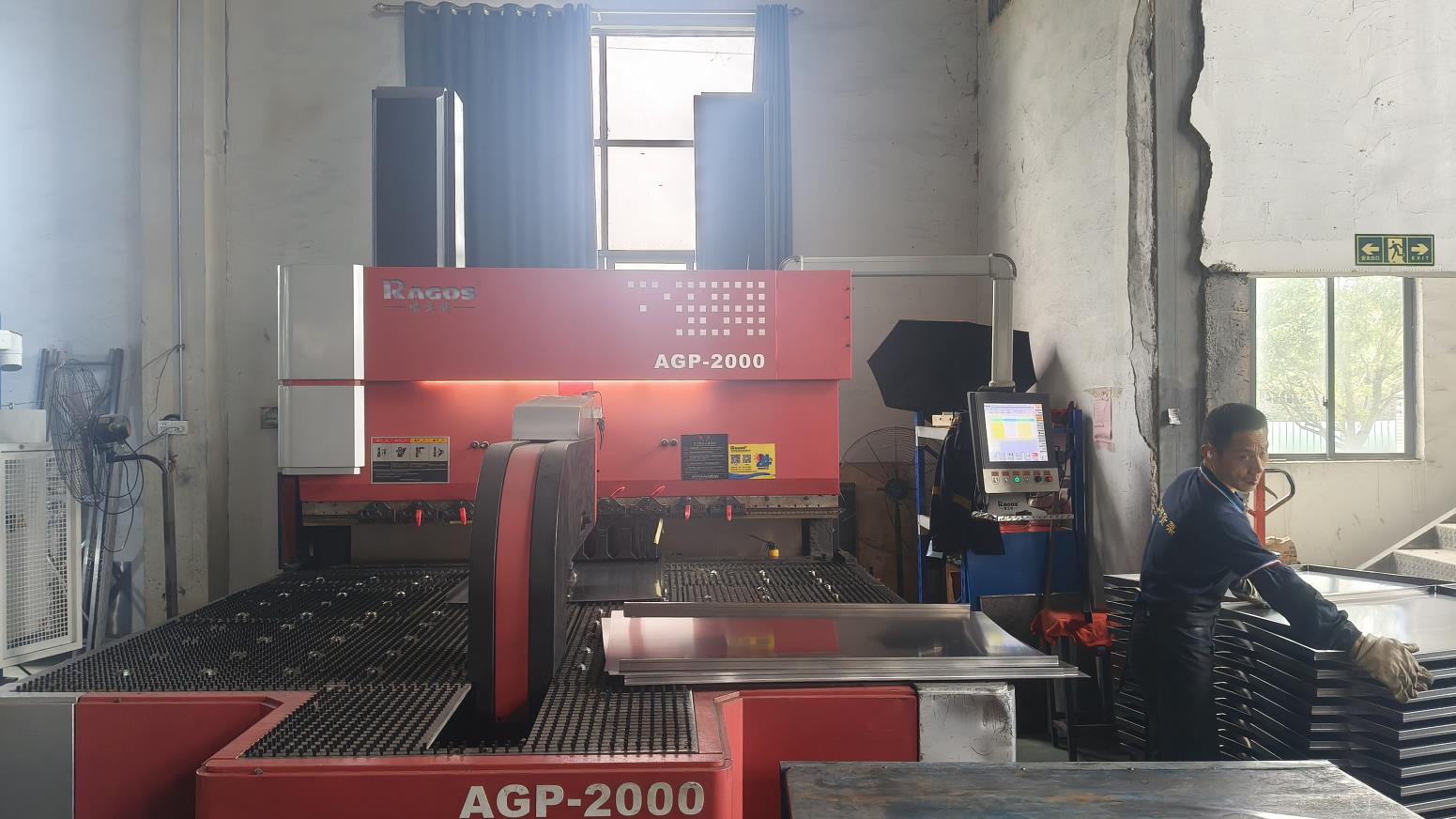
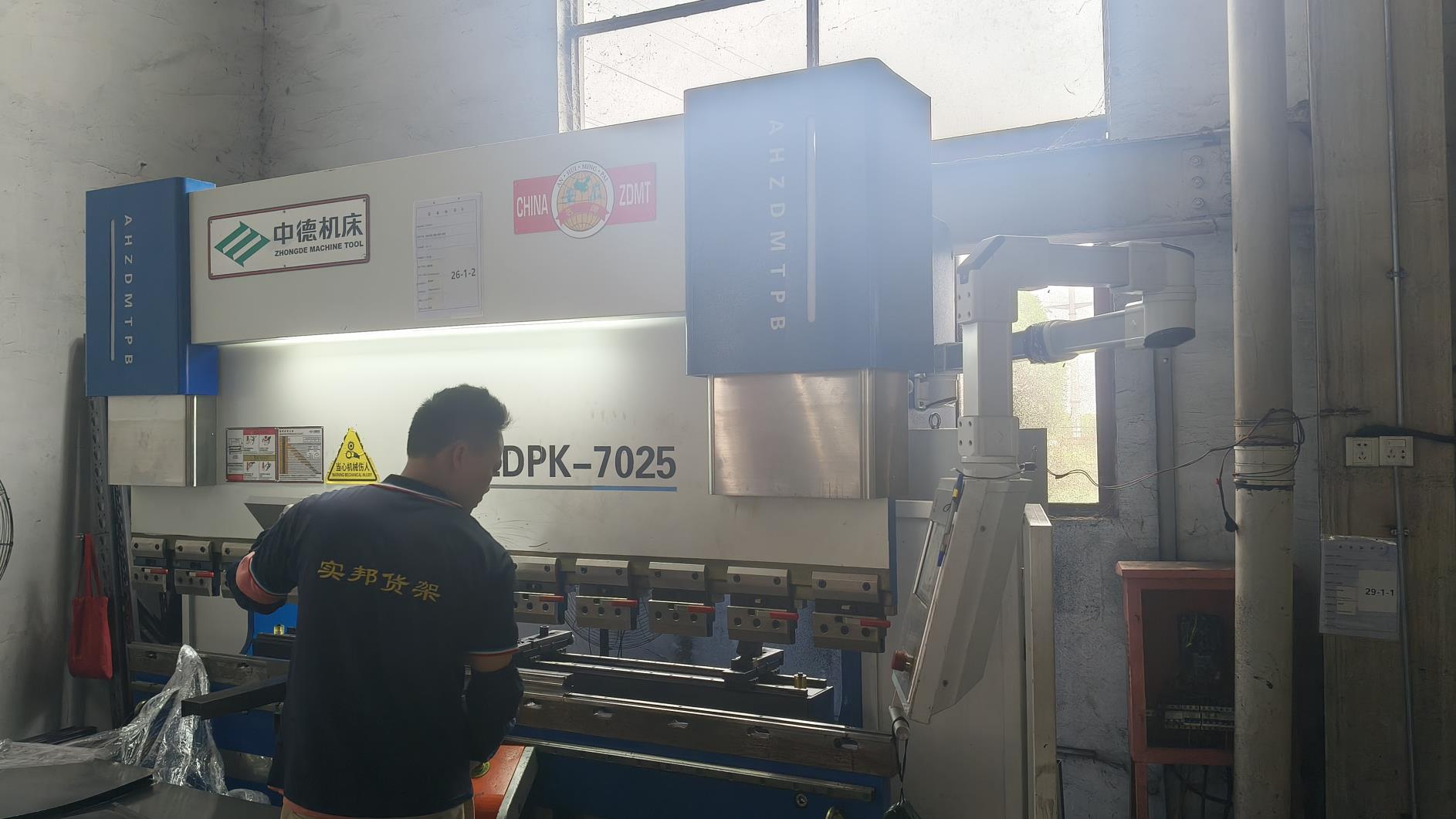
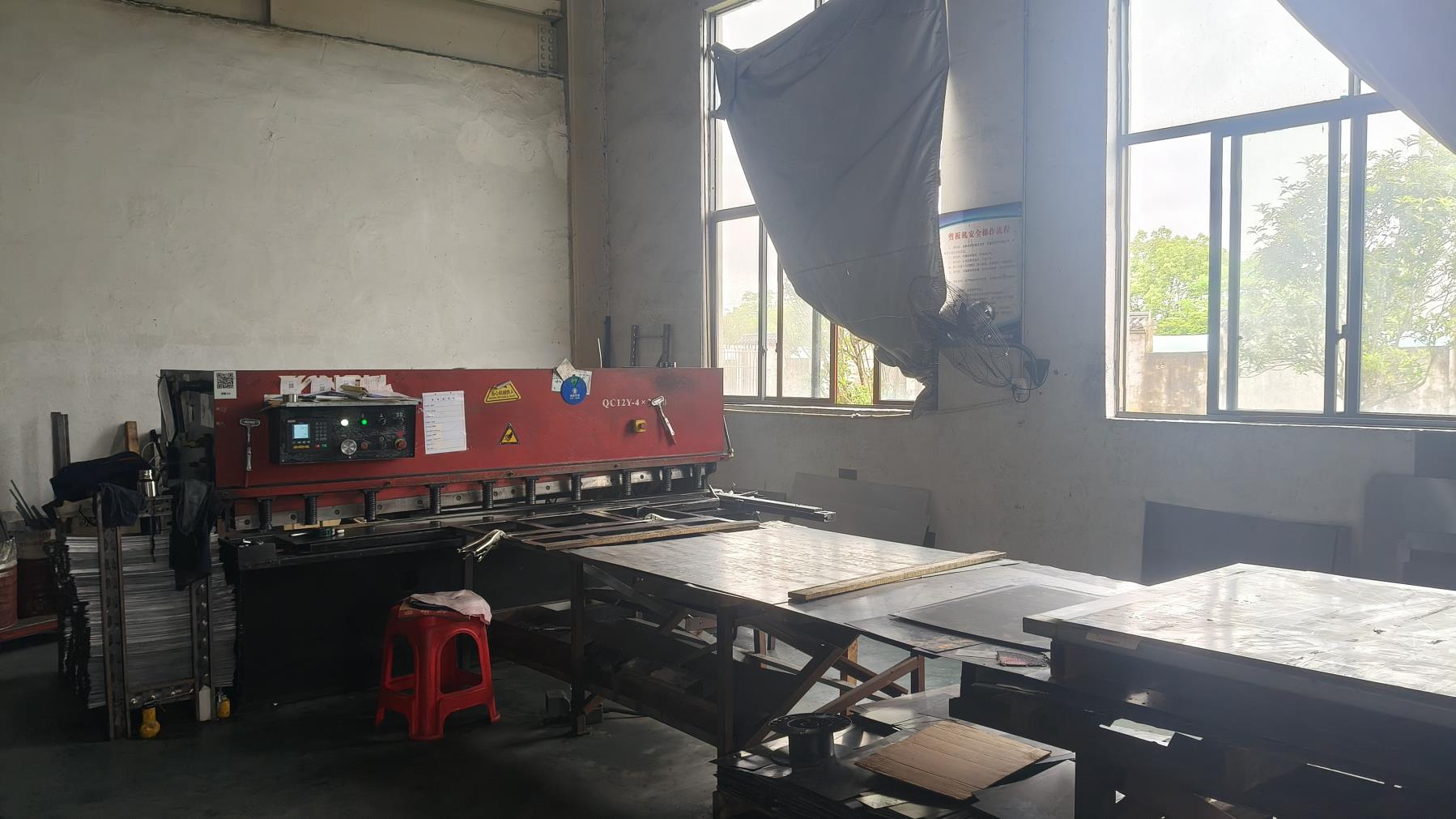
Choosing the correct grade of steel prevents failure in environments that hold thousands of kilograms per layer. Shenzhen Shibang uses premium cold-rolled Q235 and Q345 grade steel structures, treated with robotic powder coating and automated hot-dip galvanizing for anti-corrosive endurance in cold temperatures or high humidity.
| Steel Standard (China) | Comparable Grade (US/EU) | Tensile Strength (MPa) | Common Applications |
|---|---|---|---|
| Q235 High-Grade | ASTM A36 / S235JR | 370 - 500 | Standard pallet systems, wire-mesh grid shelving, medium-duty rack configurations |
| Q345 Low-Alloy | ASTM A572 / S355JR | 470 - 630 | Industrial cantilever arms, high-load automated storage, 1500KG+ per layer racks |
| Galvanized Cold-Rolled | ASTM A653 | Variable | Cold room drive-in storage, marine atmosphere environments |