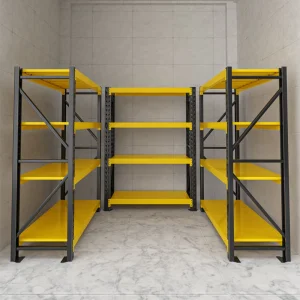
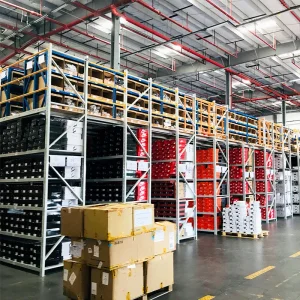
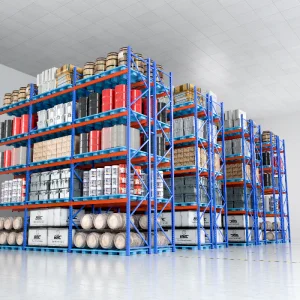
Engineered structural steel storage racks optimized for industrial warehouse logistics and high-capacity loading requirements.
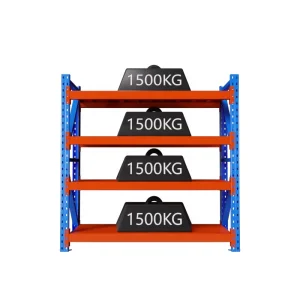
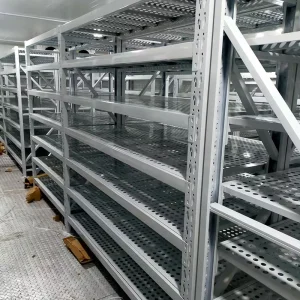
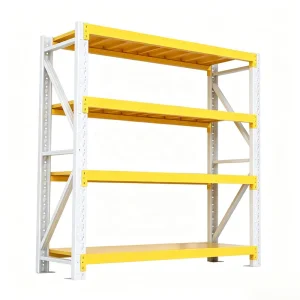
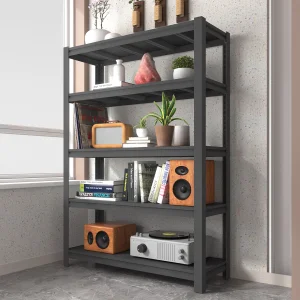
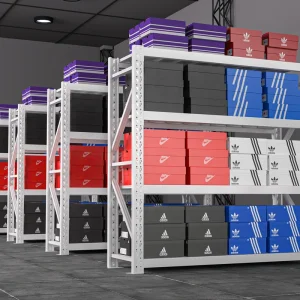
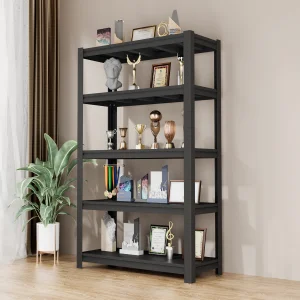
Analysis of macro-environmental storage challenges, material degradation factors, and global market growth vectors.
The global demand for industrial-grade outdoor shelving systems is experiencing unprecedented expansion, driven by the rapid growth of cold-chain logistics, offshore petrochemical hubs, agricultural distribution terminals, and modular construction depots. Unlike indoor warehousing installations, outdoor structural systems are exposed to harsh conditions, including UV radiation, temperature cycling, coastal salt spray, and dynamic wind loading. Standard structural carbon steels without advanced protective metallurgy degrade rapidly in these environments, presenting significant structural hazards and long-term financial liabilities.
According to industrial research, corrosion issues cost logistics and supply chain sectors billions annually. Consequently, global procurement mandates are shifting toward manufacturers that offer comprehensive E-E-A-T credentials—possessing not only basic fabrication capabilities but also metallurgical engineering departments. Modern outdoor storage projects require specialized treatments such as high-micron hot-dip galvanization (HDG) conforming to ISO 1461 standards or multi-layer zinc-rich powder coating systems capable of surviving salt spray exposures exceeding 1,000 hours.
"Structural safety, corrosion protection, and dynamic load tolerances define modern outdoor logistics storage. The shift toward automated storage and retrieval systems (ASRS) in semi-exposed environments requires tolerances down to the millimeter, making precision fabrication a critical differentiator."
In addition to metallurgical integrity, geographic location drives customization requirements. North American and European markets require compliance with structural standards such as the Rack Manufacturers Institute (RMI) specifications or Eurocode 3 (EN 1993) for steel structural designs. These standards mandate rigorous calculations for wind resistance, seismic loading, and snow accumulation. In Southeast Asia and Australia, monsoon resilience and extreme UV structural stability are the primary engineering focuses. The industry is moving away from generic configurations toward application-specific engineering designed to optimize storage density while ensuring safety in severe outdoor environments.
Validating structural durability through advanced testing, precision material design, and global compliance standards.
Established in 2015, Shenzhen Shibang Storage Rack Co., Ltd. is a leading manufacturer specializing in industrial racking systems and customized warehouse storage solutions. Operating from a modern production facility spanning 32,000 square meters, we integrate structural design, precision manufacturing, and international trade to serve a diverse global client base.
With over 12 years of industry expertise and 8 years of dedicated export experience, our products are distributed across North America, Europe, Australia, and Southeast Asia. We primarily partner with industrial distributors, third-party logistics (3PL) providers, e-commerce fulfillment centers, and large-scale manufacturing enterprises. Supported by a robust network of over 800 supply chain partners, we ensure consistent raw material quality and efficient production timelines.
Quality control and technological innovation form the core of our operations. Our dynamic R&D team consists of 18 senior engineers, supported by 35 dedicated QC professionals. We implement rigorous product inspection protocols—including raw steel tensile testing, automated ultrasonic weld checking, static and dynamic load testing, and powder-coating salt spray endurance tests—ensuring compliance with international safety and durability standards. In the past year alone, our R&D unit successfully introduced 45 new product designs and structural optimizations.
We offer full structural customization options, providing tailored loading capacities, height configurations, beam profiles, and surface finishes (powder coating and hot-dip galvanizing) to meet exact warehouse specifications. Guided by engineering precision and trade reliability, Shenzhen Shibang Storage Rack Co., Ltd. continues to deliver safe, scalable, and optimized storage solutions for modern global supply chains.
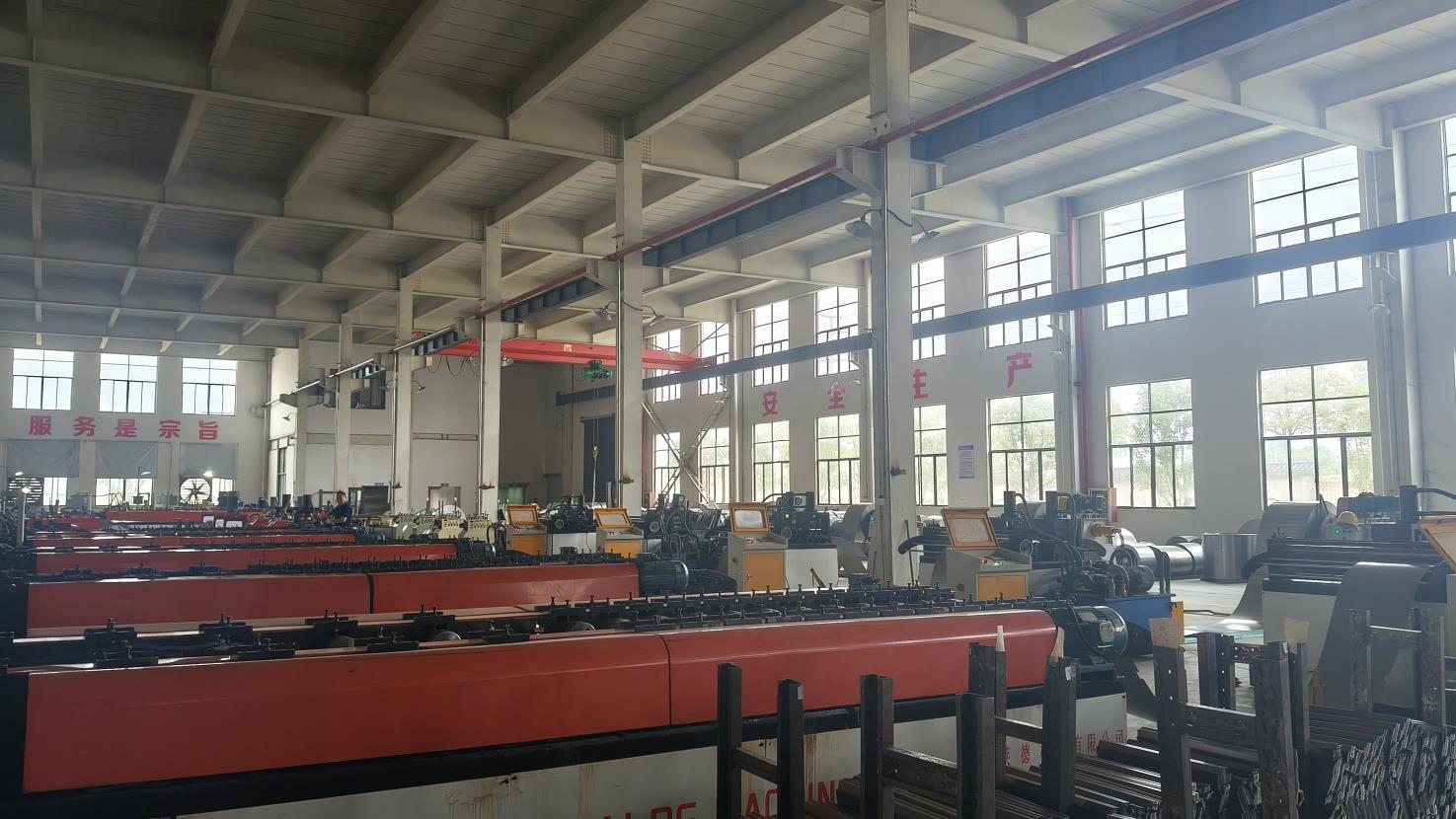
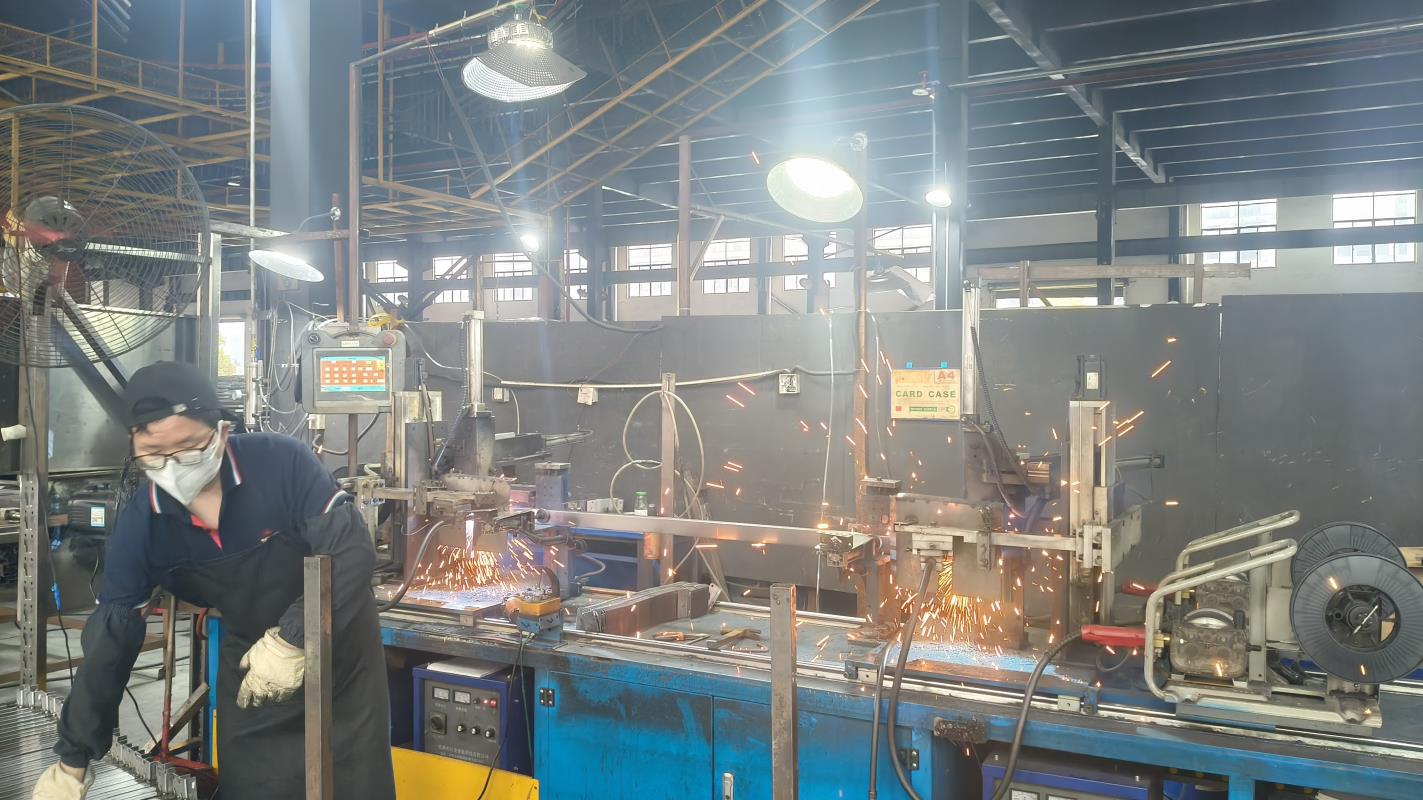
A tour of our modern production floor, featuring advanced automated forming, precision bending, and automated finishing lines.
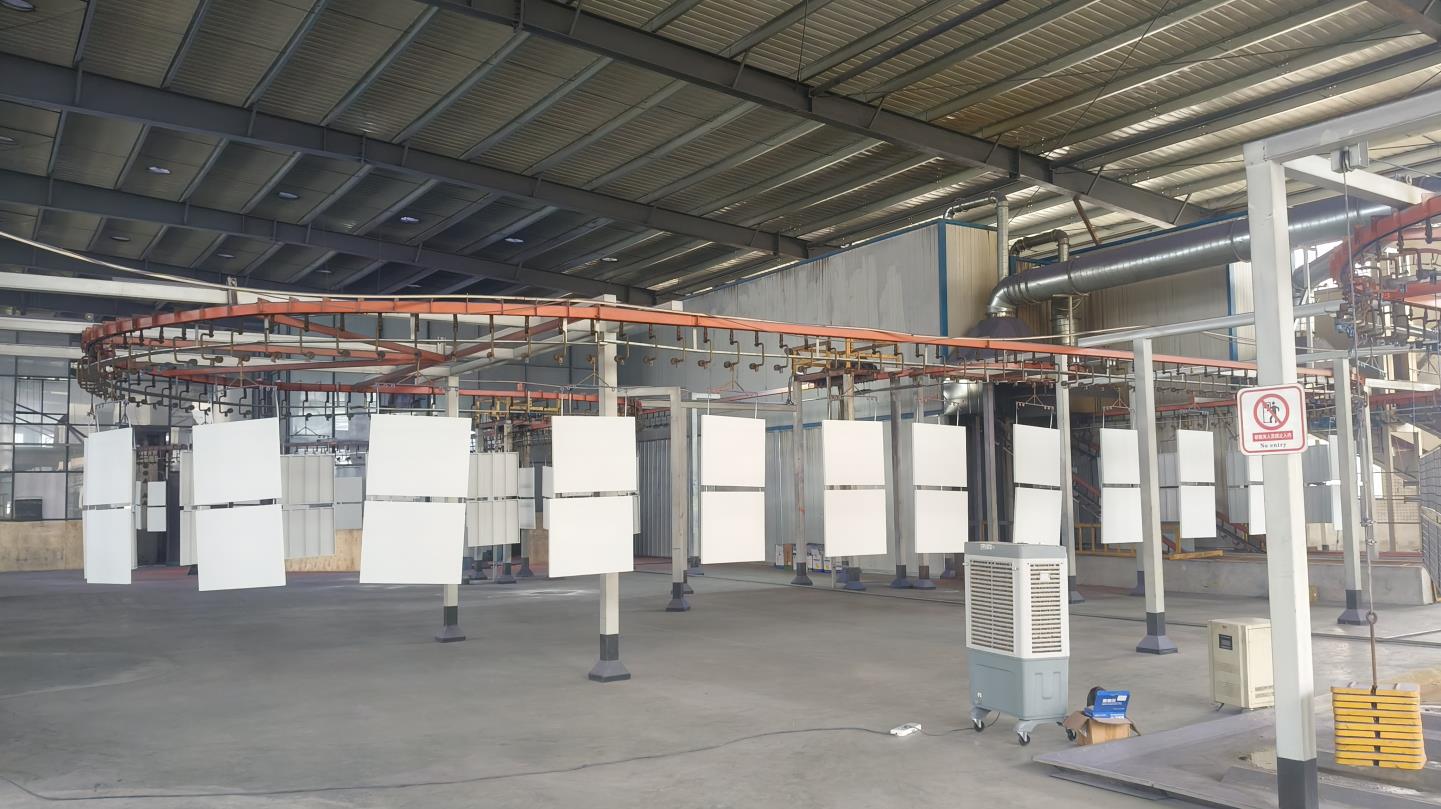
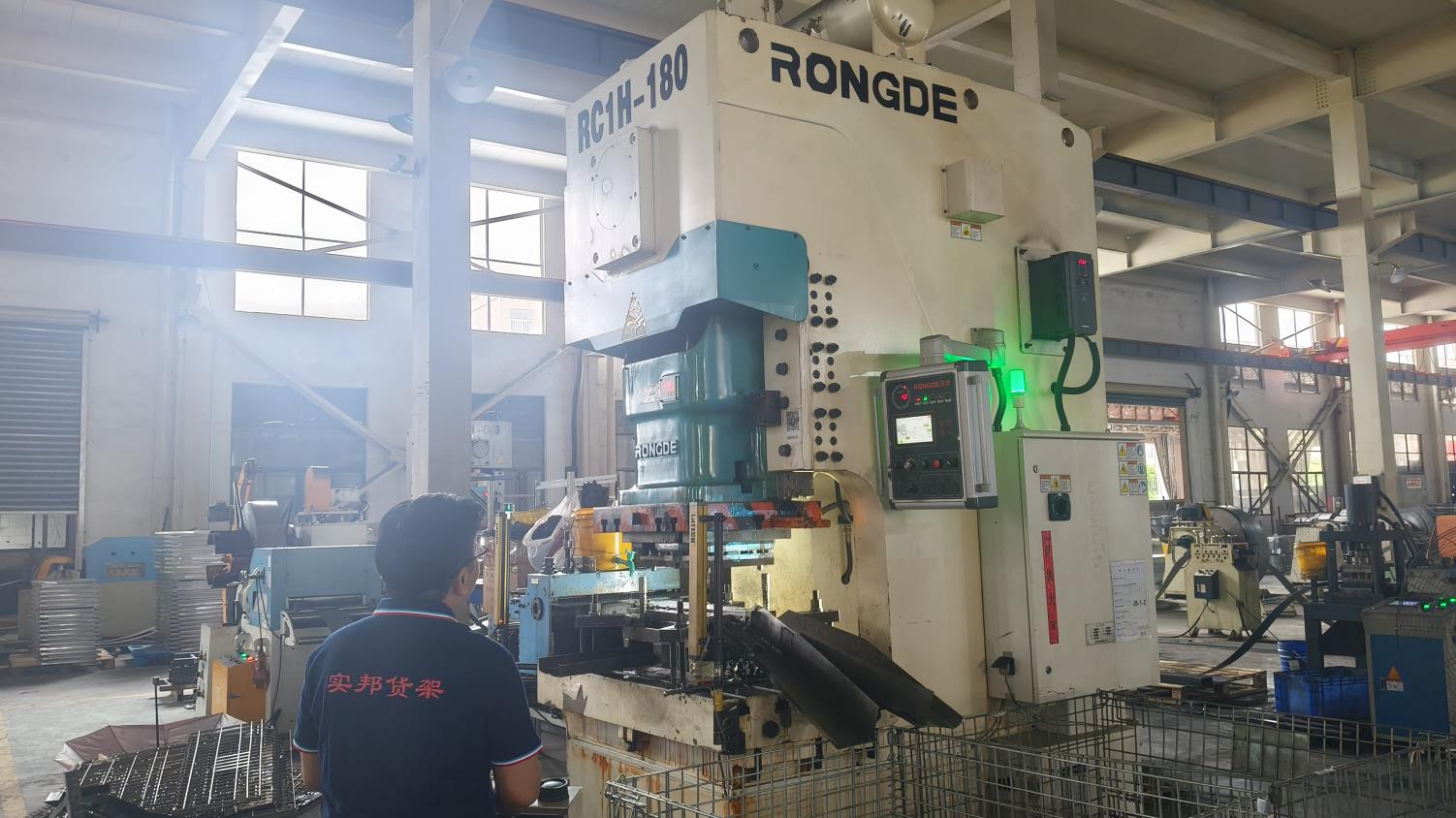
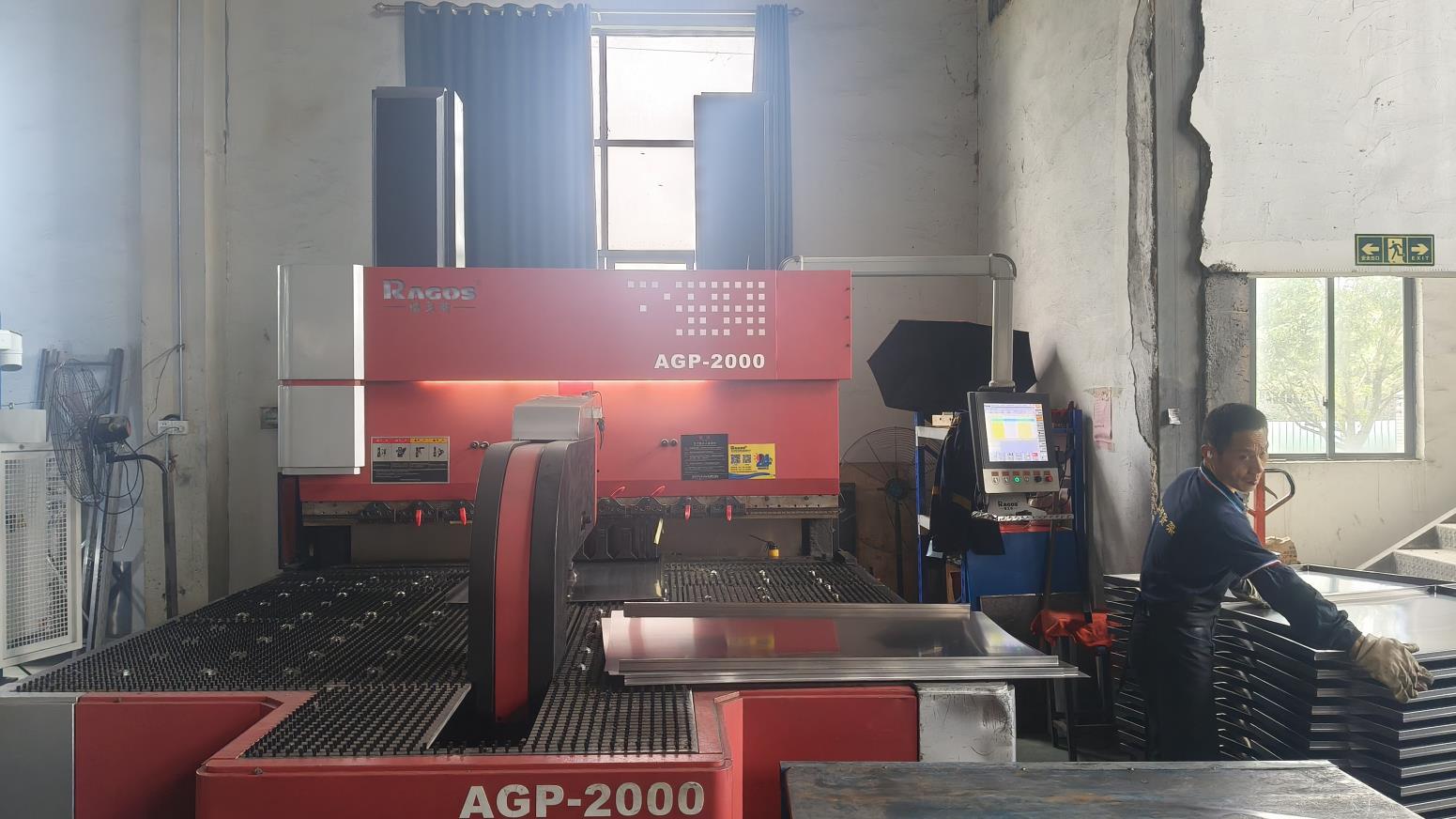
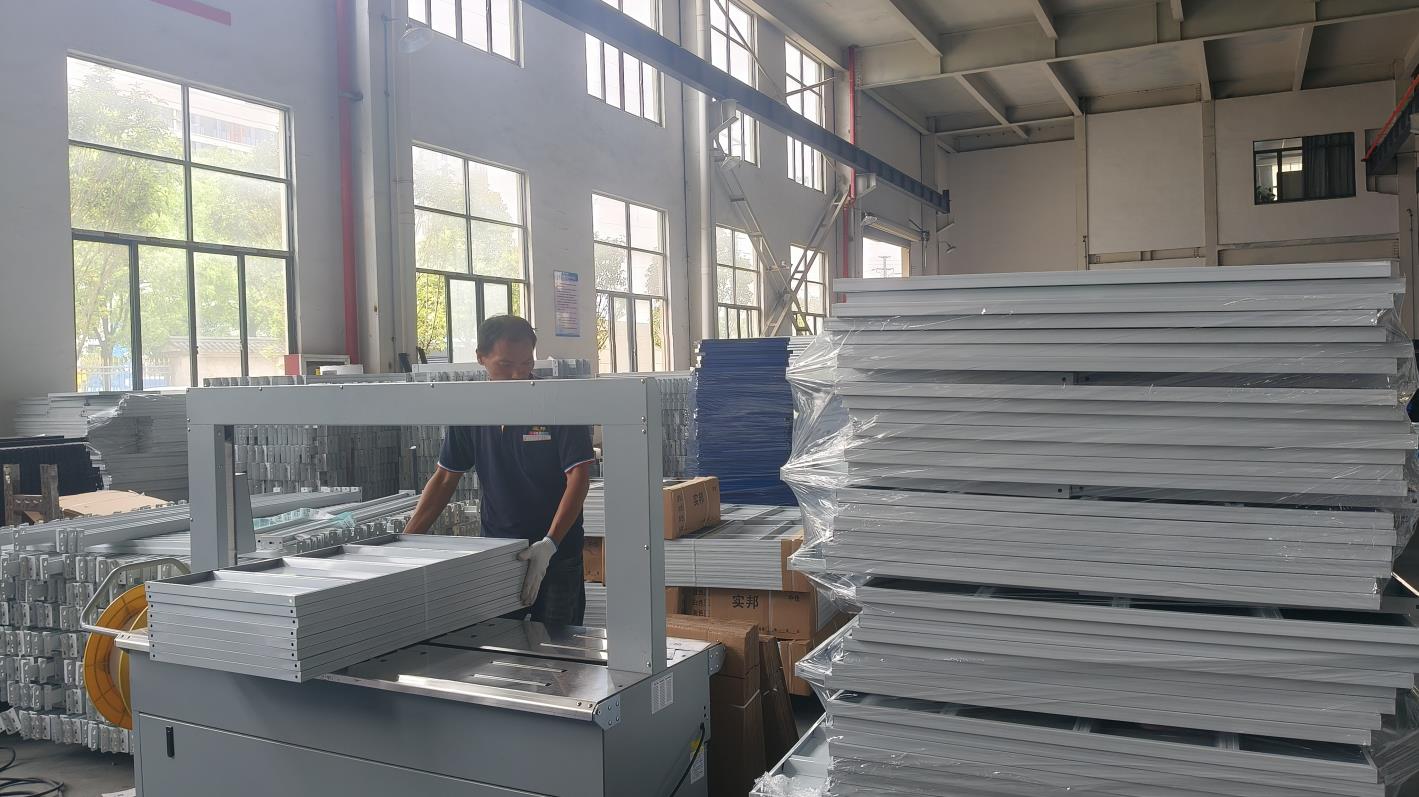
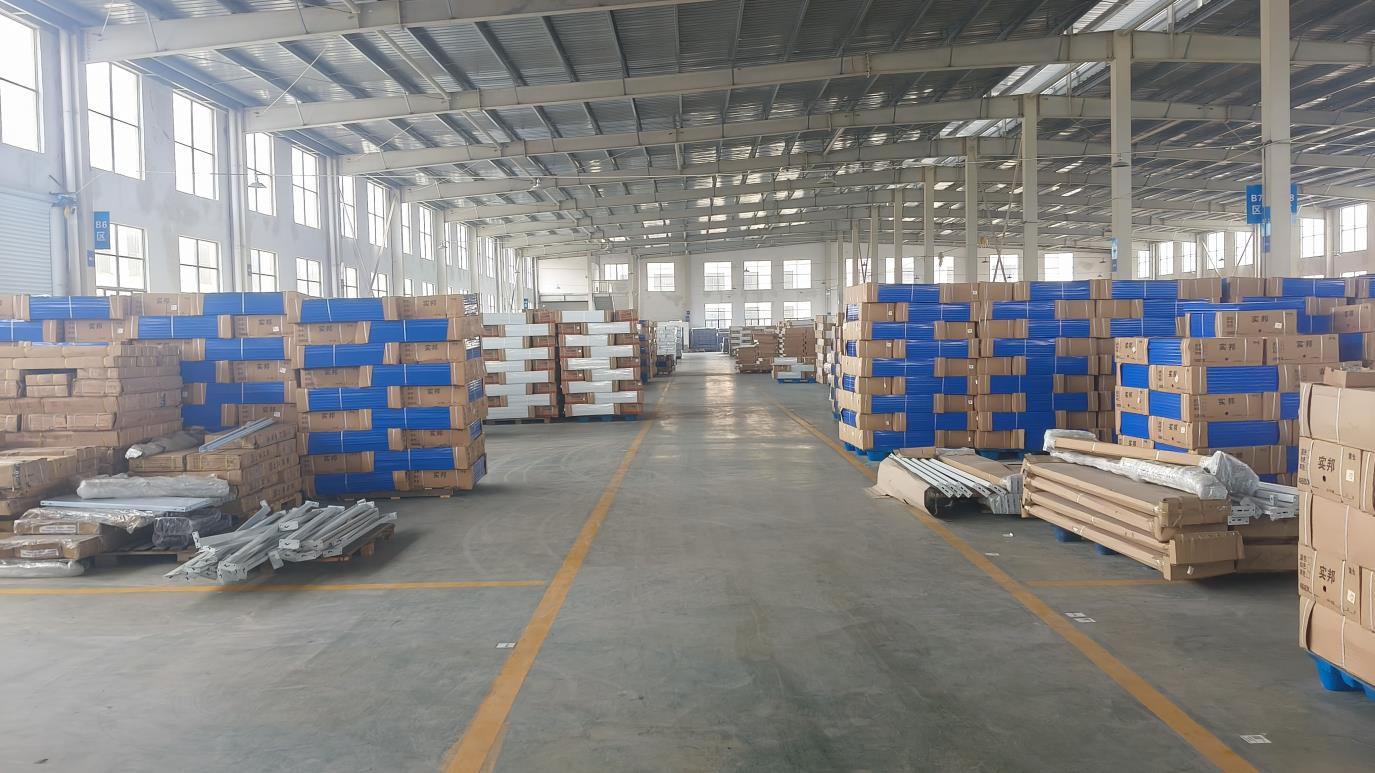
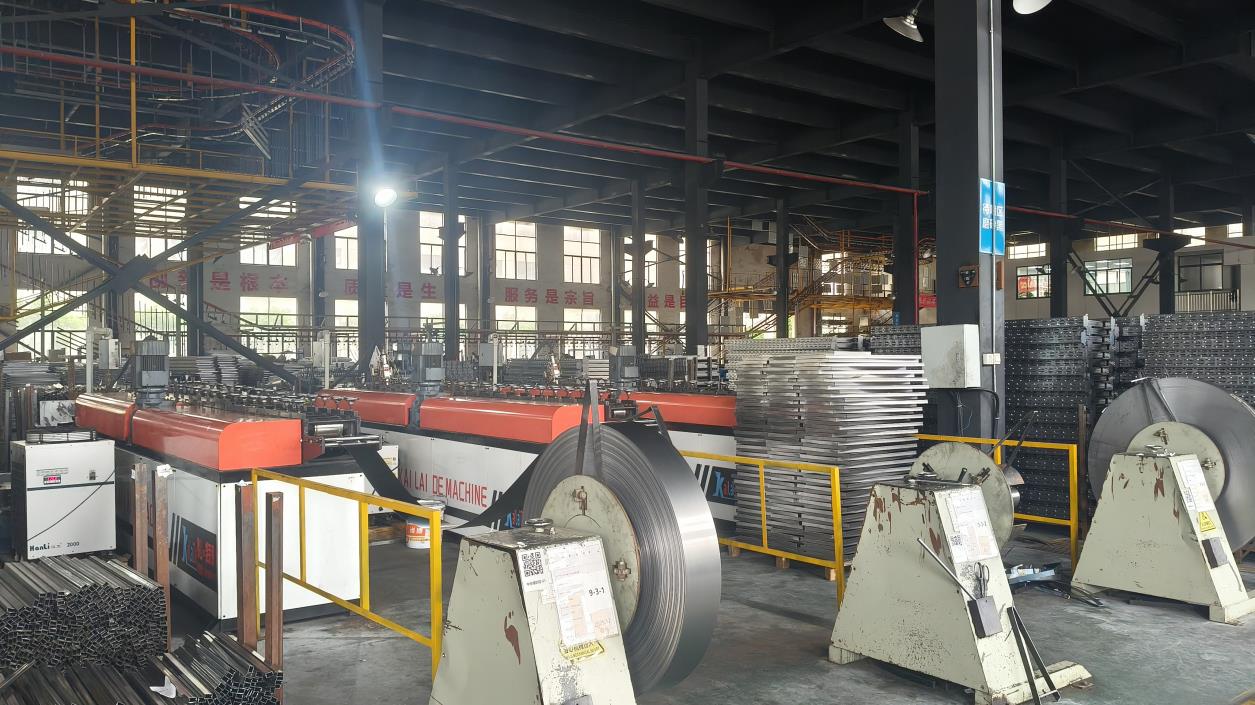
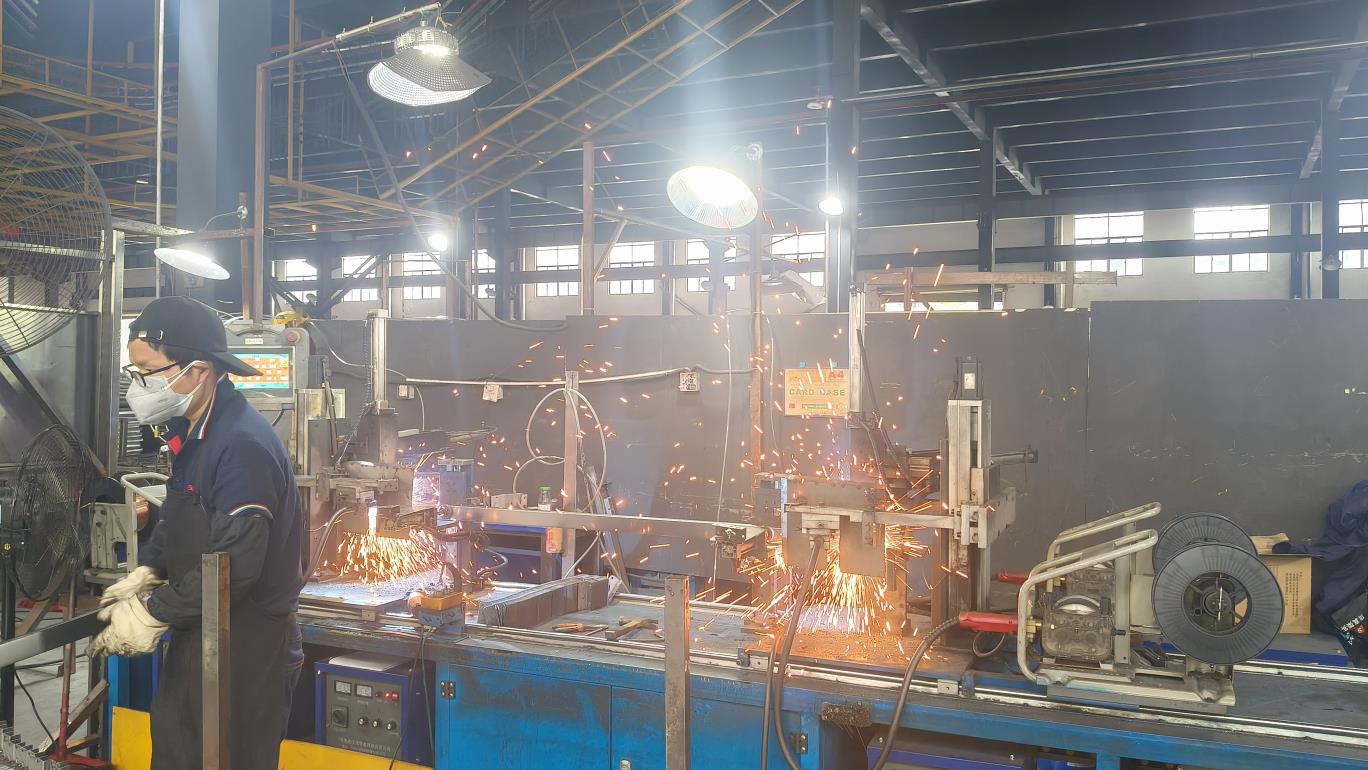
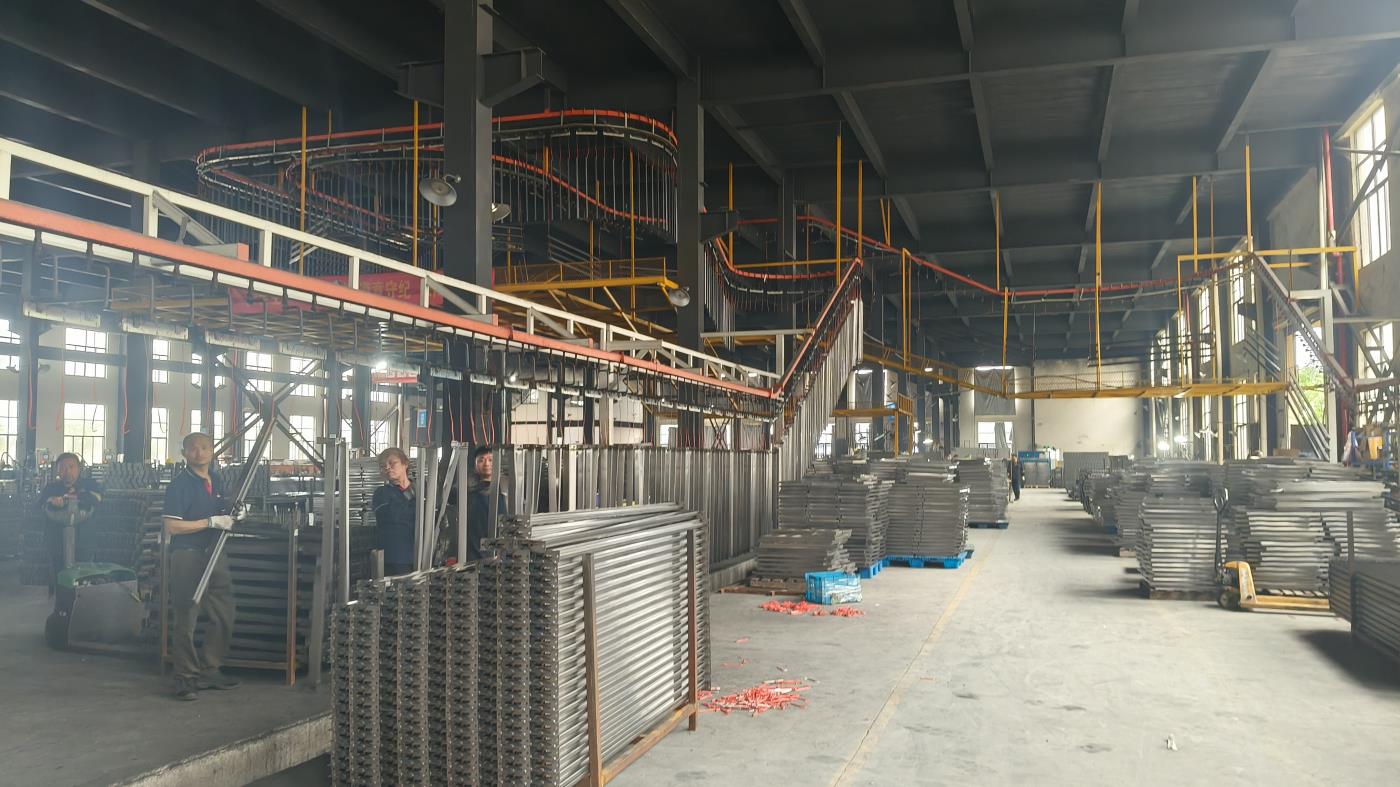
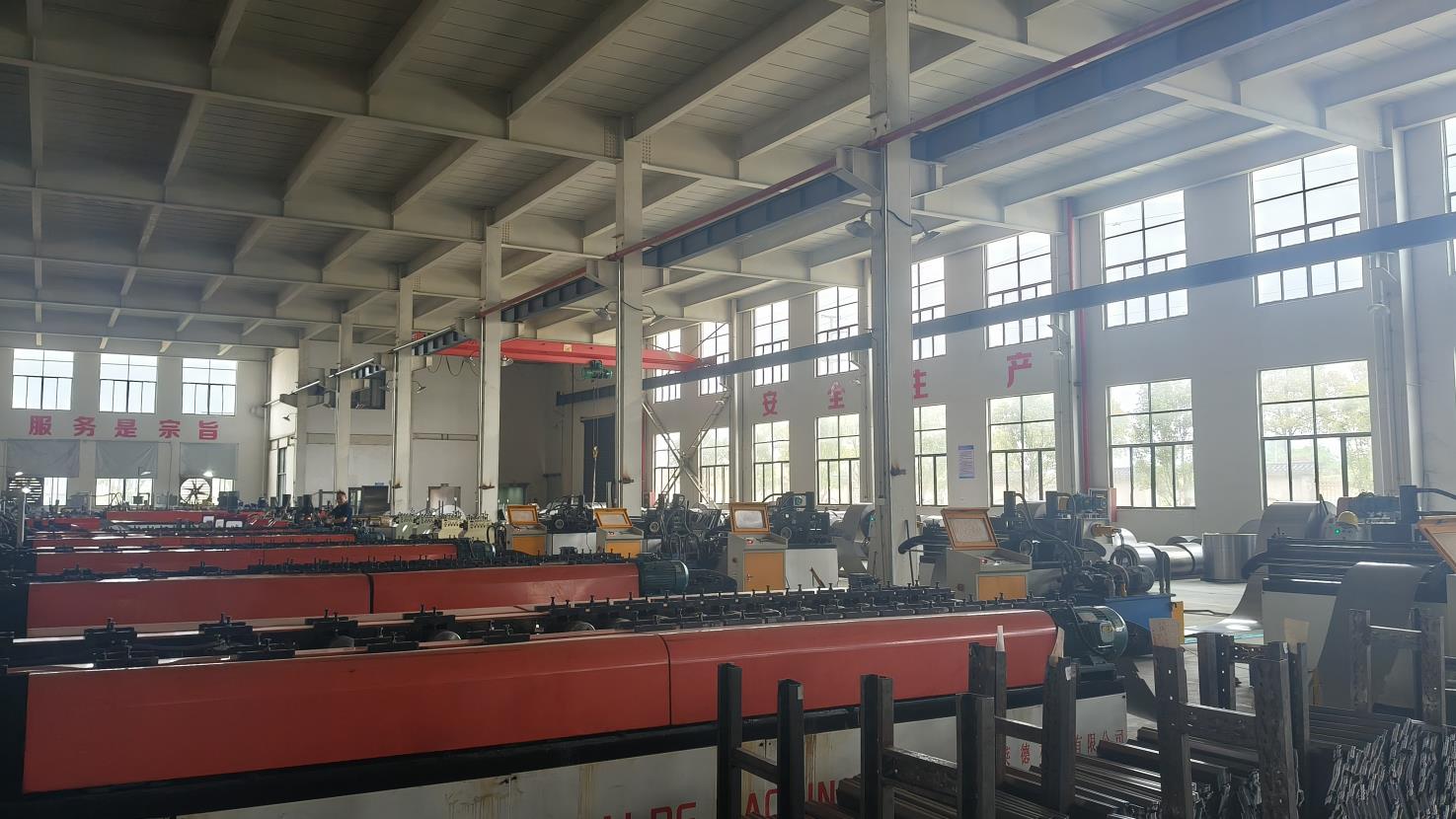
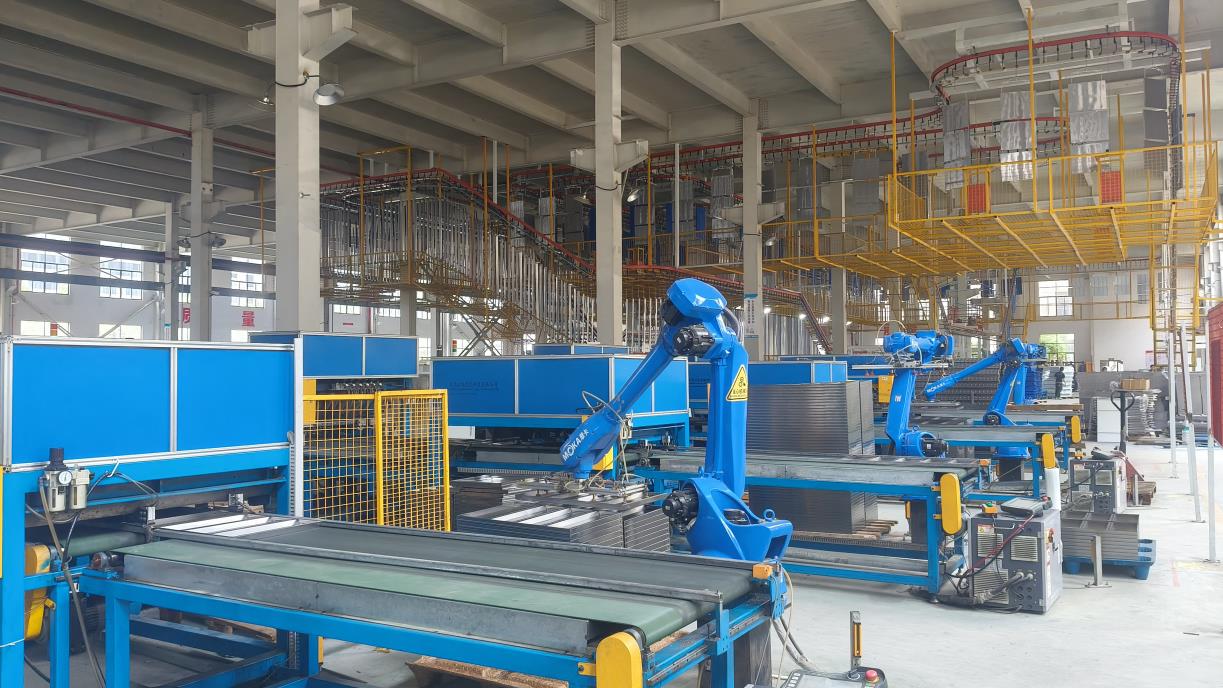
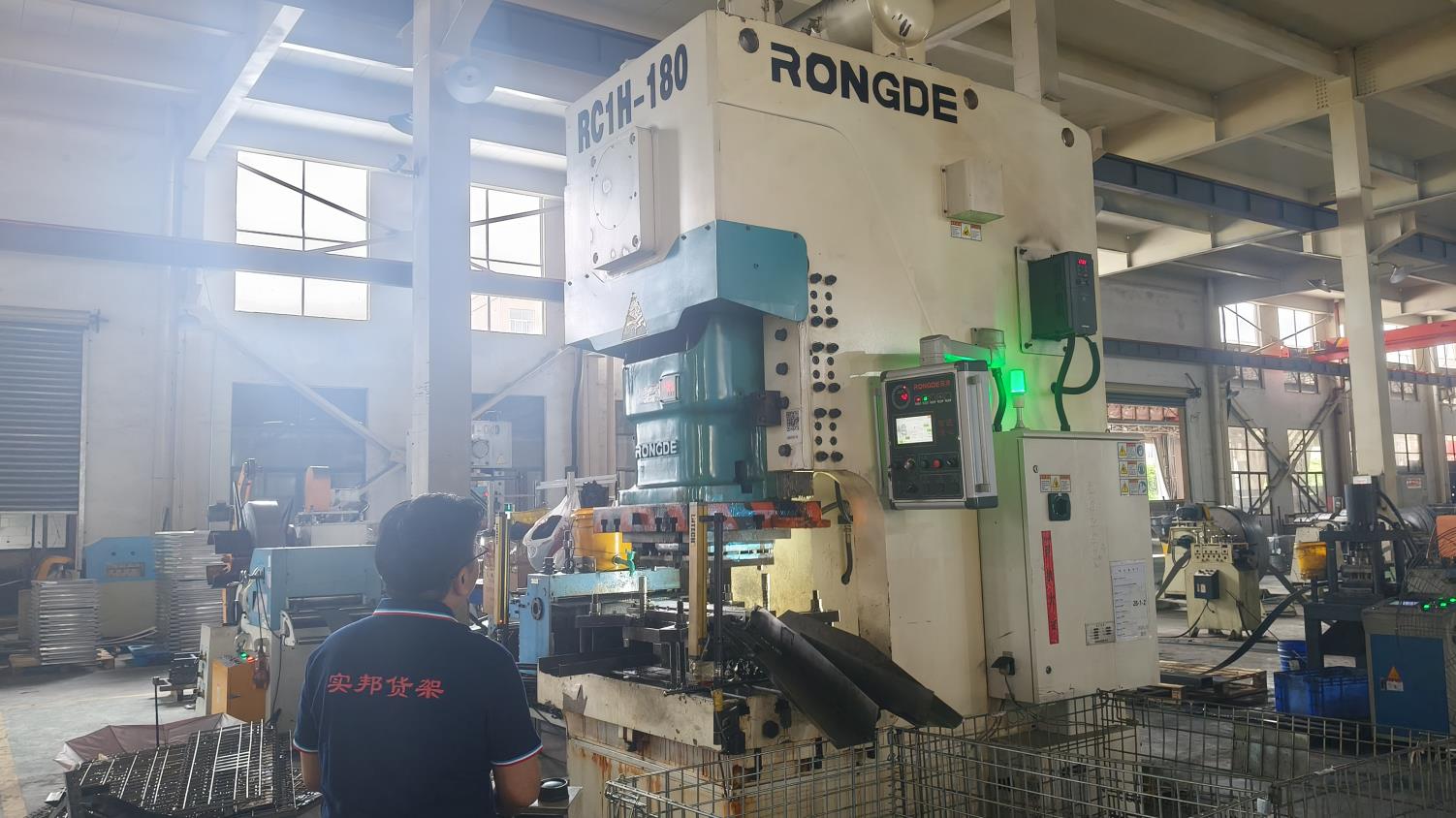
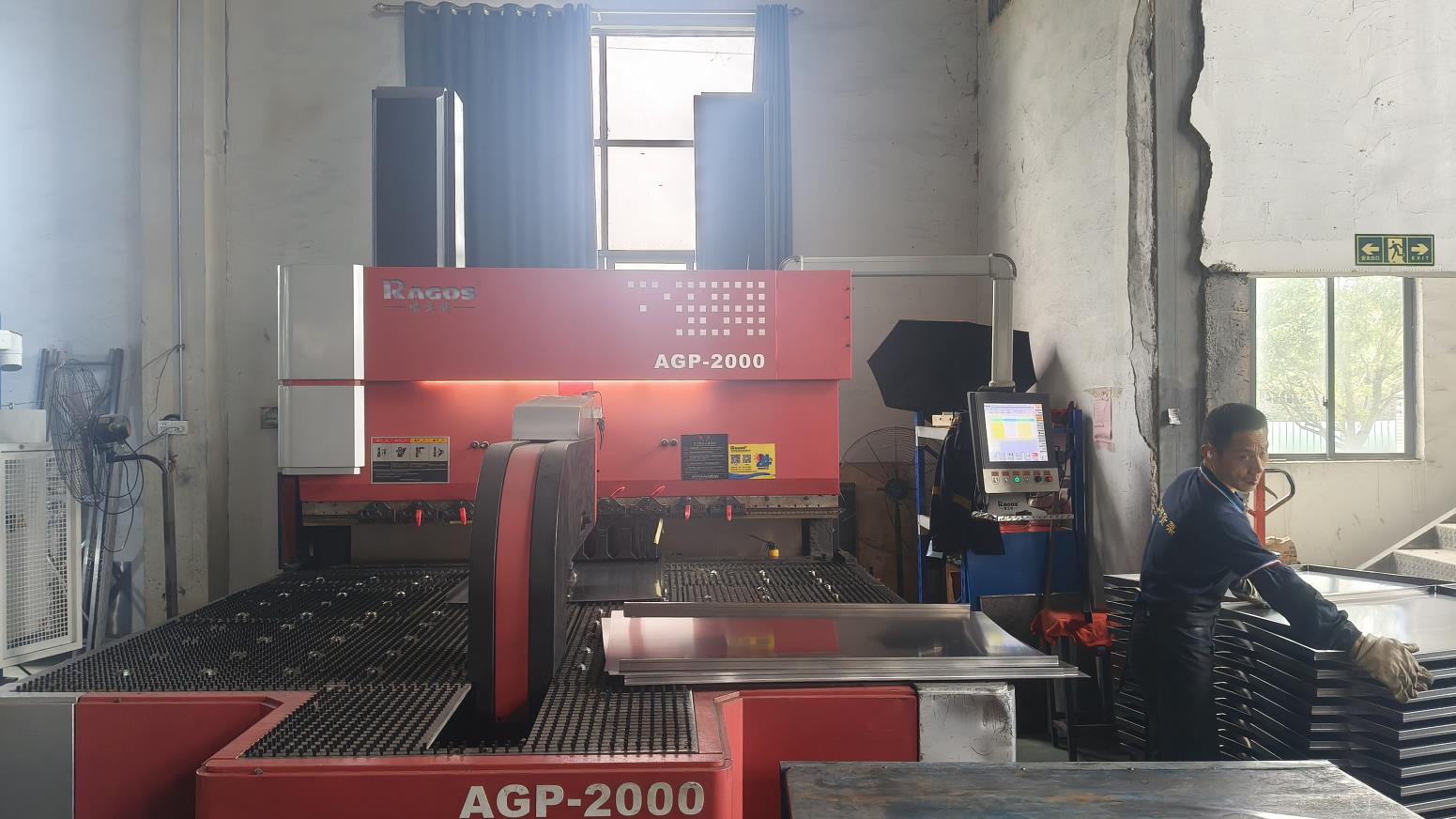
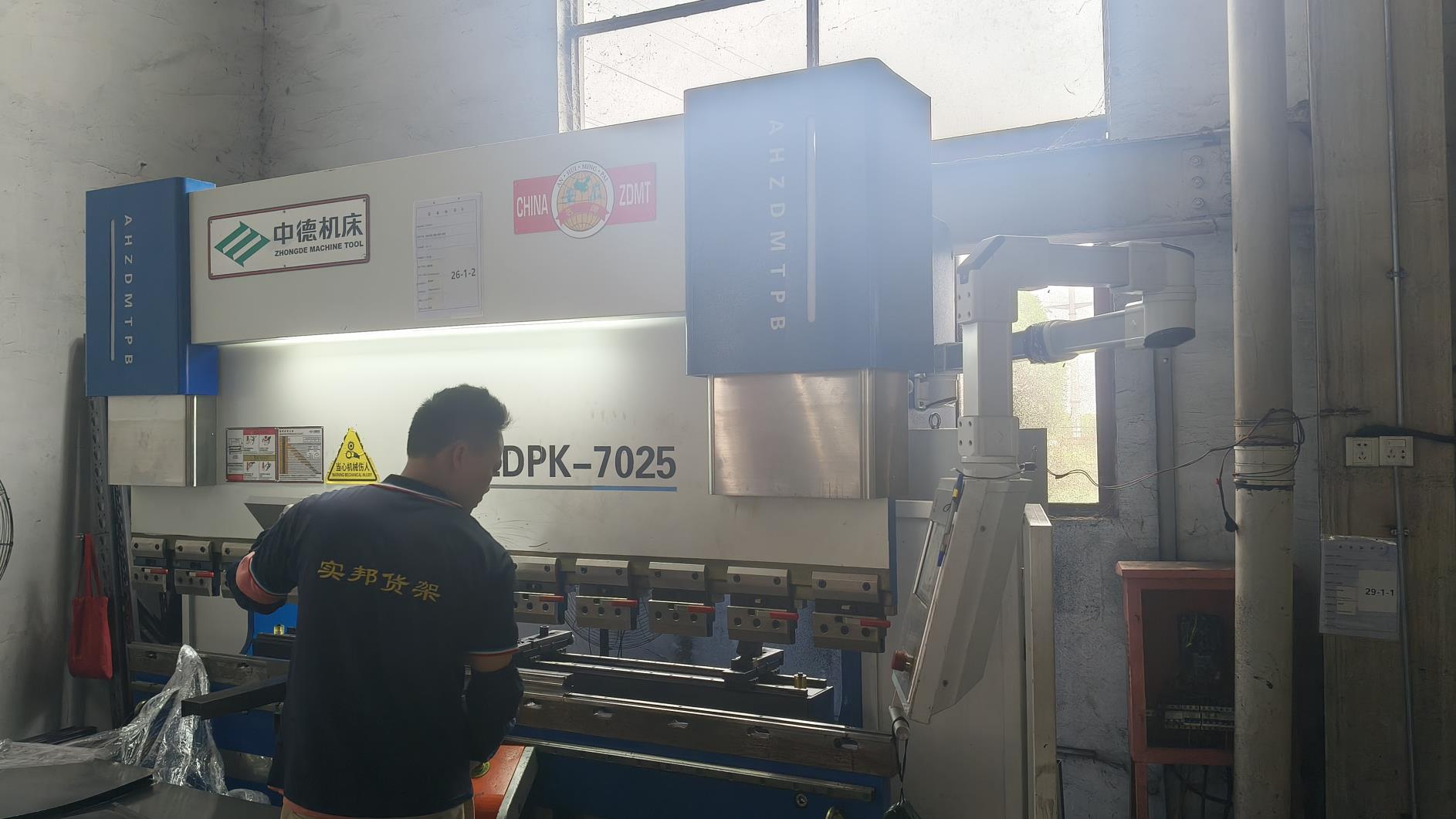
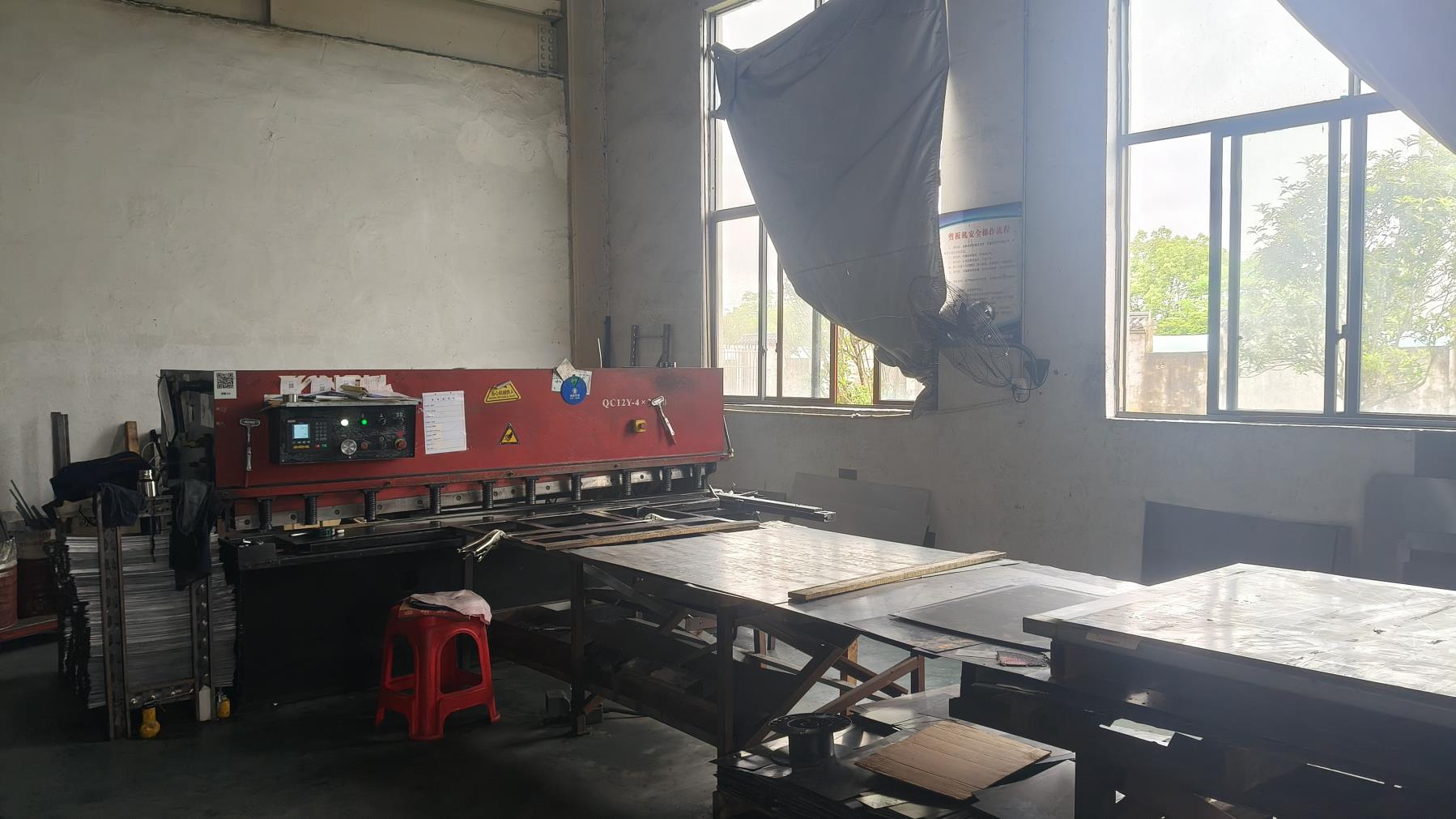
Custom configurations designed for specialized environmental exposures and load distributions.
High-salinity maritime zones require structural steel with exceptional corrosion protection. Our hot-dip galvanized racking profiles feature coatings thicker than 85 microns, protecting against chloride-induced pitting corrosion and maintaining structural load capacity over decades of coastal exposure.
Sub-zero environments can cause carbon steel to become brittle. We utilize structural steels such as Q345D, which are specifically alloyed and tested to maintain high impact toughness at temperatures as low as -40°C, ensuring structural integrity in blast freezers and cold storage facilities.
For seismic-prone regions and exposed open-air yards, our engineers design custom heavy-duty base plates, cross-bracing frameworks, and anchor bolt configurations that meet local RMI and IBC guidelines. These designs provide stable resistance against lateral shear forces and dynamic wind loads.
Key initiatives driving sustainable manufacturing, material science advances, and automated structural systems.
Integrating ultra-high-strength steel grades to reduce structural weight while maintaining high loading capacities, combined with chromium-free, eco-friendly surface passivation treatments.
Deploying real-time, AI-driven ultrasonic and laser welding inspection systems on the production line to ensure weld defect rates approach zero percent.
Developing integrated structural health monitoring using low-power strain gauge sensors. These sensors alert operators to real-time overload conditions, mechanical impacts, or foundation settling.
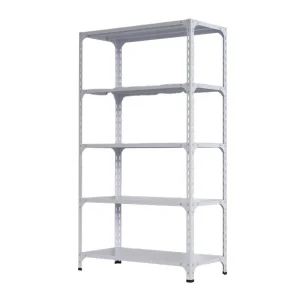
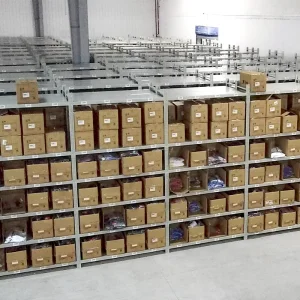
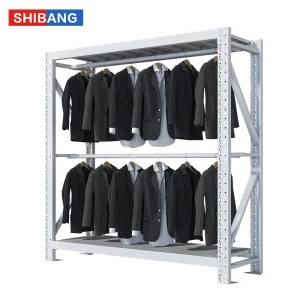
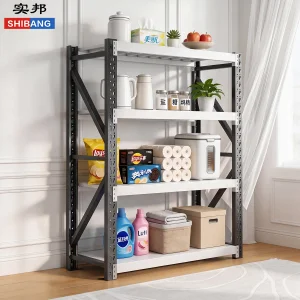
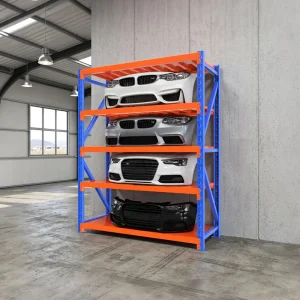
Further heavy-duty and light-duty shelving configurations built from high-tensile cold-rolled steel with corrosion-resistant finishes.
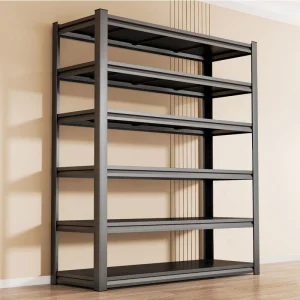
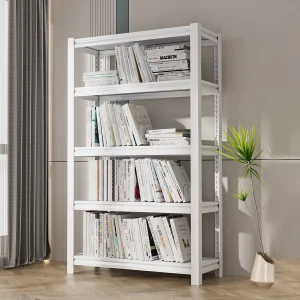
Comprehensive engineering insights clarifying structural design, loading calculations, and environmental specifications.
For coastal or high-humidity environments, we recommend Hot-Dip Galvanization (HDG). Our HDG process deposits a zinc layer of 85 microns or thicker (complying with ISO 1461), creating a metallurgical bond with the steel substrate. This offers dual-action protection: physical shielding and sacrificial cathodic protection. In less severe environments, multi-stage electrostatic thermosetting powder coatings with a zinc-rich primer can satisfy C3/C4 class corrosion protection needs.
Temperature variations cause thermal expansion and contraction, which can stress rigid connections and anchors. Additionally, sub-zero temperatures run the risk of low-temperature steel embrittlement. To address these issues, our engineers use structural carbon steels like Q345D, which undergo impact testing to guarantee ductility down to -40°C. We also incorporate expansion joints and slotted connection bolt systems to allow for minor thermal movements without compromising structural load ratings.
Depending on where the installation is located, compliance is verified against specific structural codes. For the US and Canada, racks must comply with the RMI (Rack Manufacturers Institute) guidelines and regional International Building Codes (IBC). European installations require design conformity under EN 15512 and Eurocode 3 (EN 1993). Shenzhen Shibang provides full engineering documentation, finite element analysis (FEA) reports, and structural calculations to simplify local engineering and building inspections.
We partner with major national steel mills and require Mill Test Certificates (MTC) for every batch of raw steel coil, validating mechanical properties (tensile strength, yield strength) and chemical composition. Our internal quality assurance program involves continuous inspection across forming, welding, and painting processes. We use automated ultrasonic weld testers, coating thickness gauges, and physical destructive testing to confirm that all finished products meet our strict engineering specifications.
 Shibang Steel