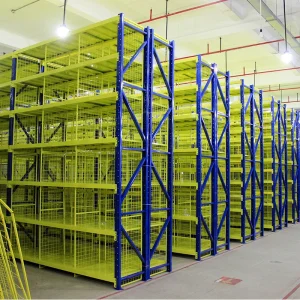
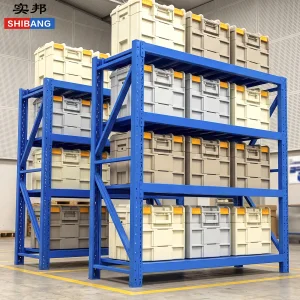
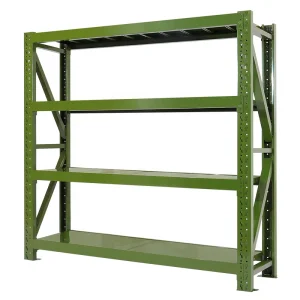
Explore our primary line of industrial steel racking and boltless shelving configurations, designed to maximize vertical warehouse space and comply with stringent loading capacities.
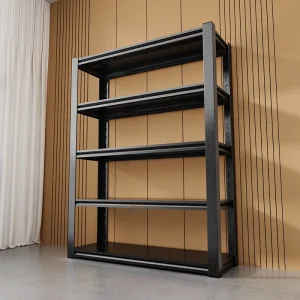
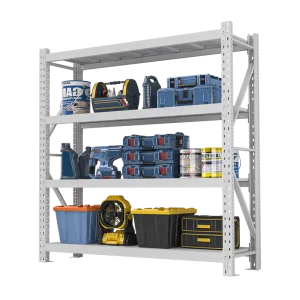
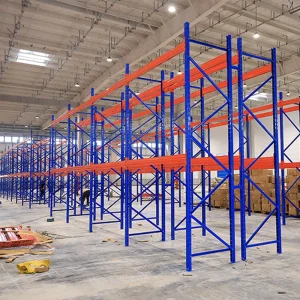
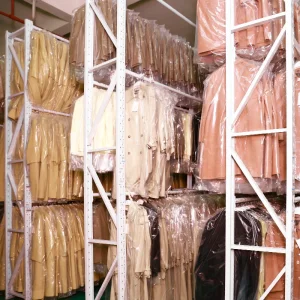
Modern supply chain optimization demands more than simple steel shelving; it requires dynamic structural engineering built to enhance space efficiency, process speed, and system durability. Industrial procurement officers at third-party logistics (3PL) providers, multi-channel e-commerce fulfillment centers, and heavy manufacturing hubs operate under strict capital expenditure controls. When acquiring high-volume industrial racking systems, their functional goals generally center on space optimization, product safety, inventory turnaround speeds, and regulatory compliance.
Critical procurement checklists extend past price points to include structural safety factors under seismic loads, ease of modification, durability of finishes against chemical corrosion, and mechanical deflection thresholds. Selecting the appropriate warehouse racking system directly impacts operational workflow safety, forklift transit speeds, and overall return on investment (ROI). In high-volume operations, failures in structural load calculation or low-grade steel selection can lead to catastrophic collapses, highlighting the necessity of purchasing from trusted, engineering-driven manufacturers.
Expert Insight: According to international warehousing safety studies, utilizing high-quality cold-rolled steel conforming to international standards like FEM 10.2.02 and RMI reduces structure-associated logistics accidents by up to 94% over a 10-year operational lifecycle.
China's industrial manufacturing hubs offer unmatched advantages in raw material sourcing and end-to-end production management. The close proximity to domestic deep-water ports and major raw steel producers enables manufacturers to secure premium-grade cold-rolled structural steel (such as Q235B and Q345B grades) at optimized base costs. This cost efficiency is directly passed down to international buyers without compromising physical material properties or architectural integrity.
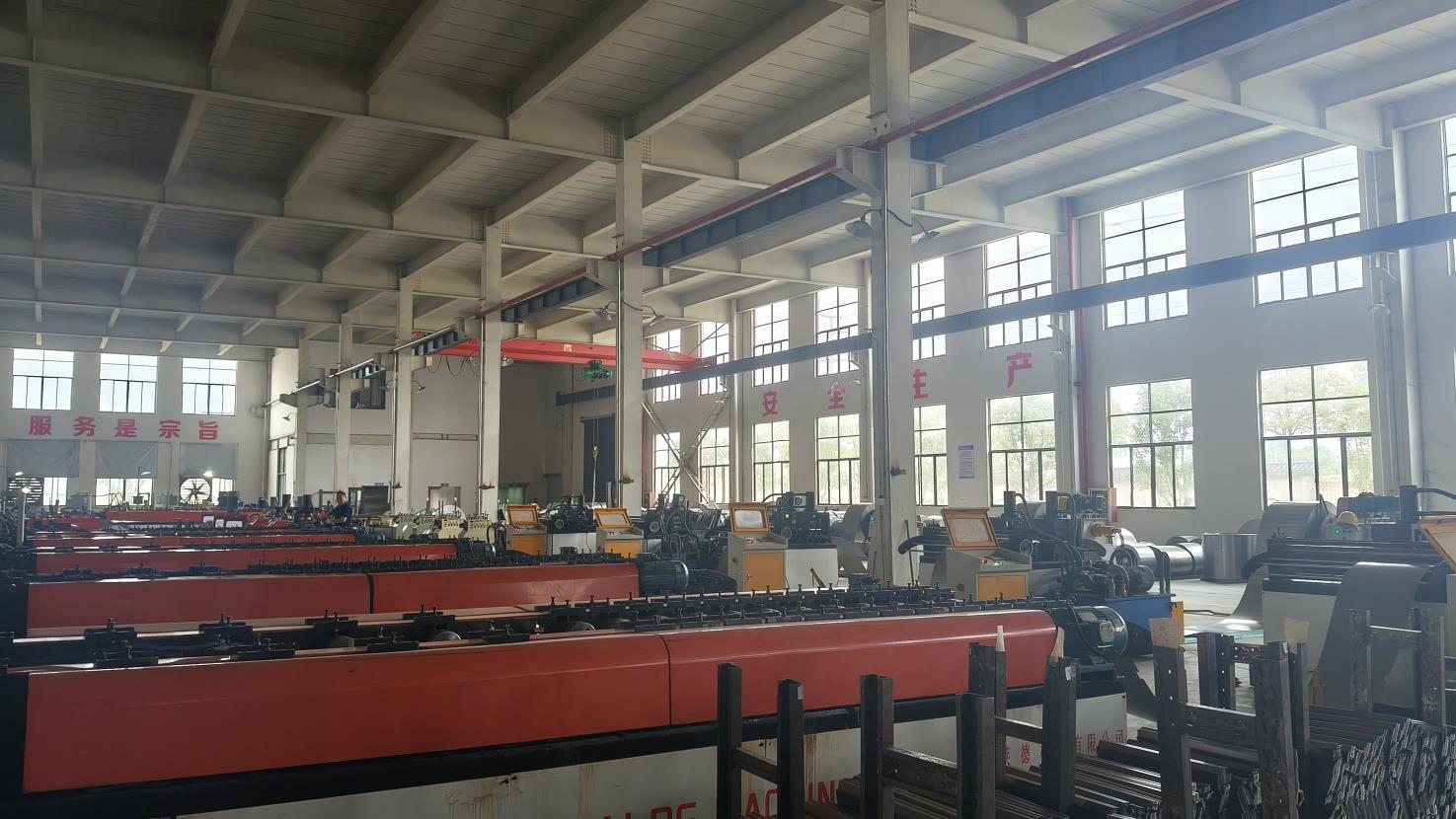
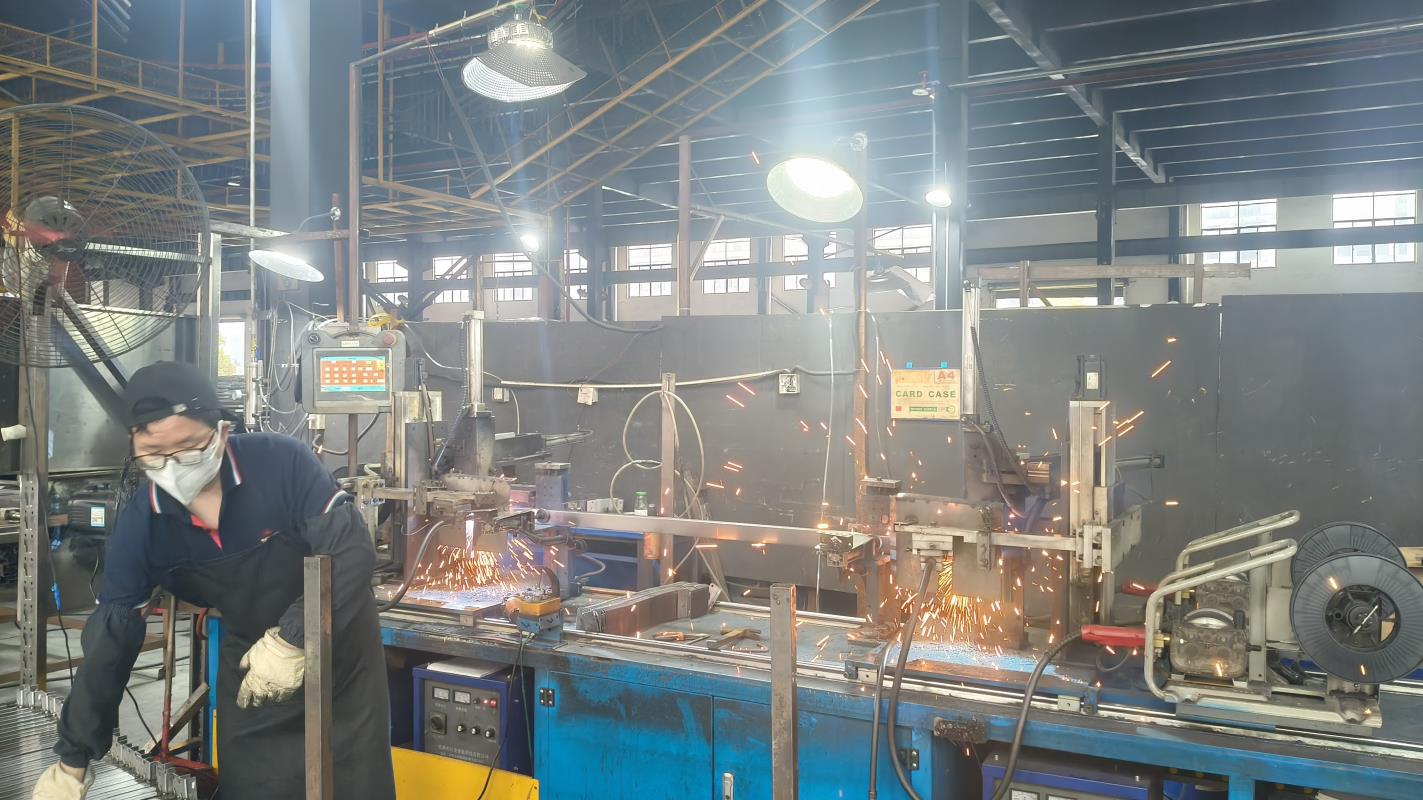
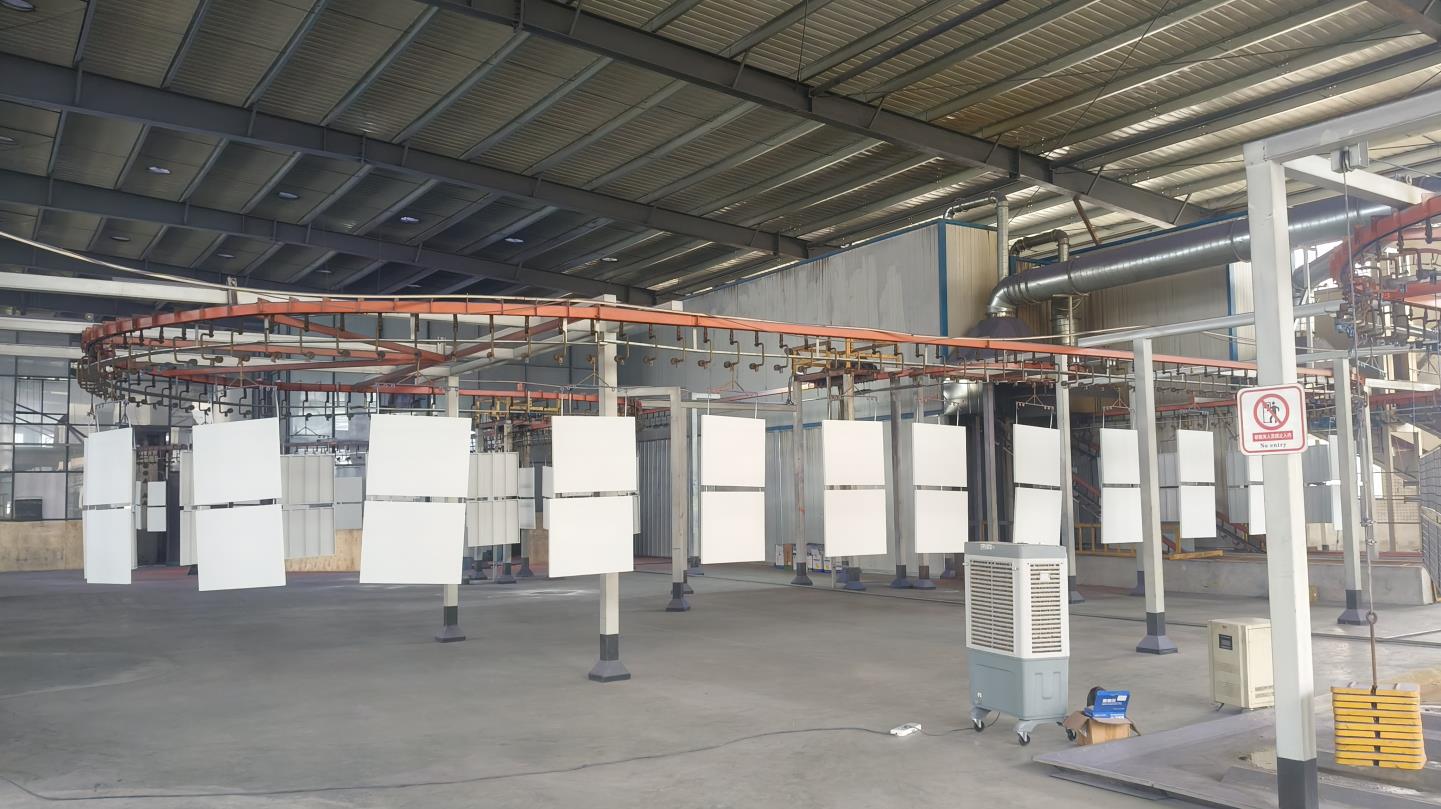
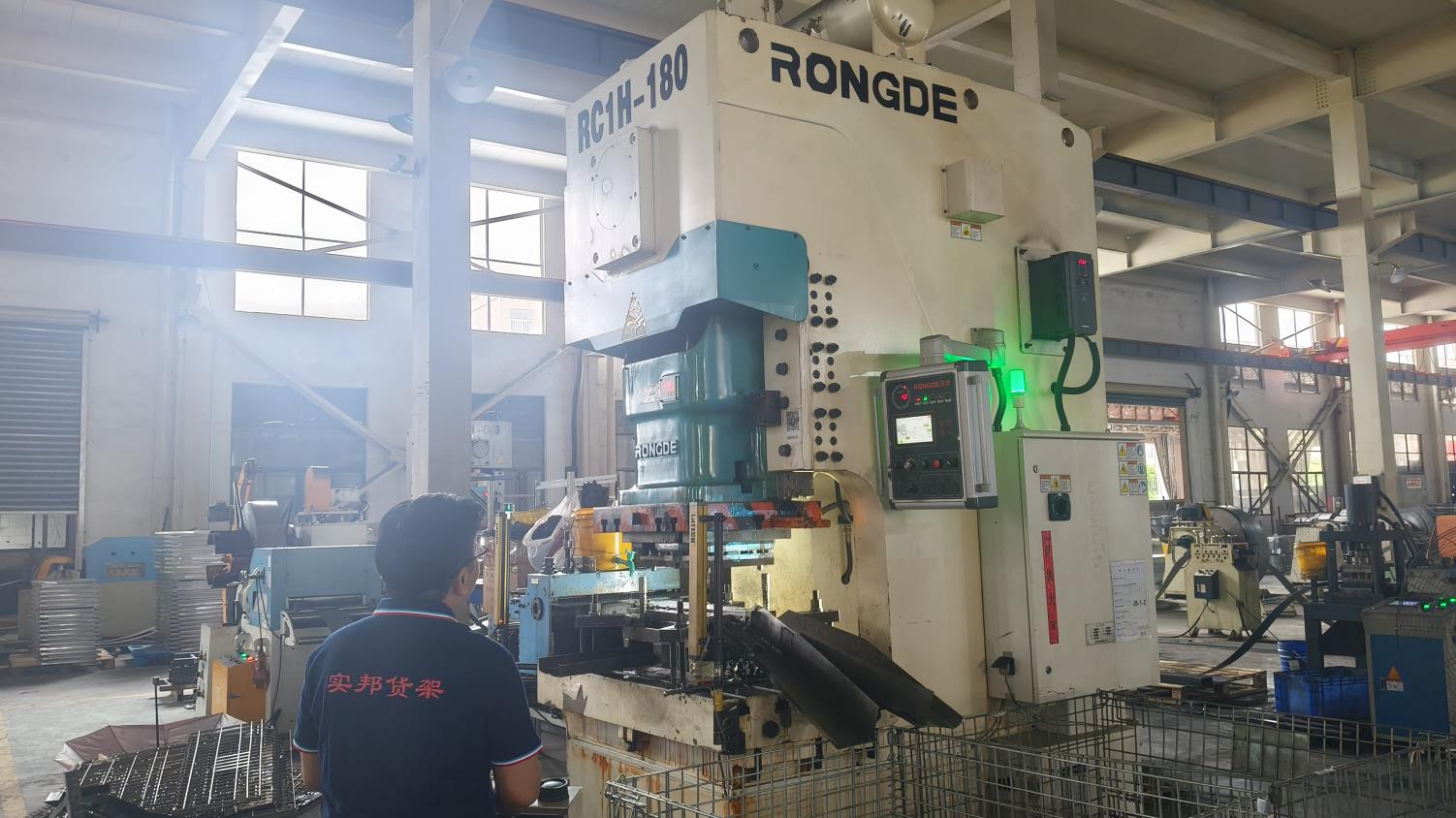
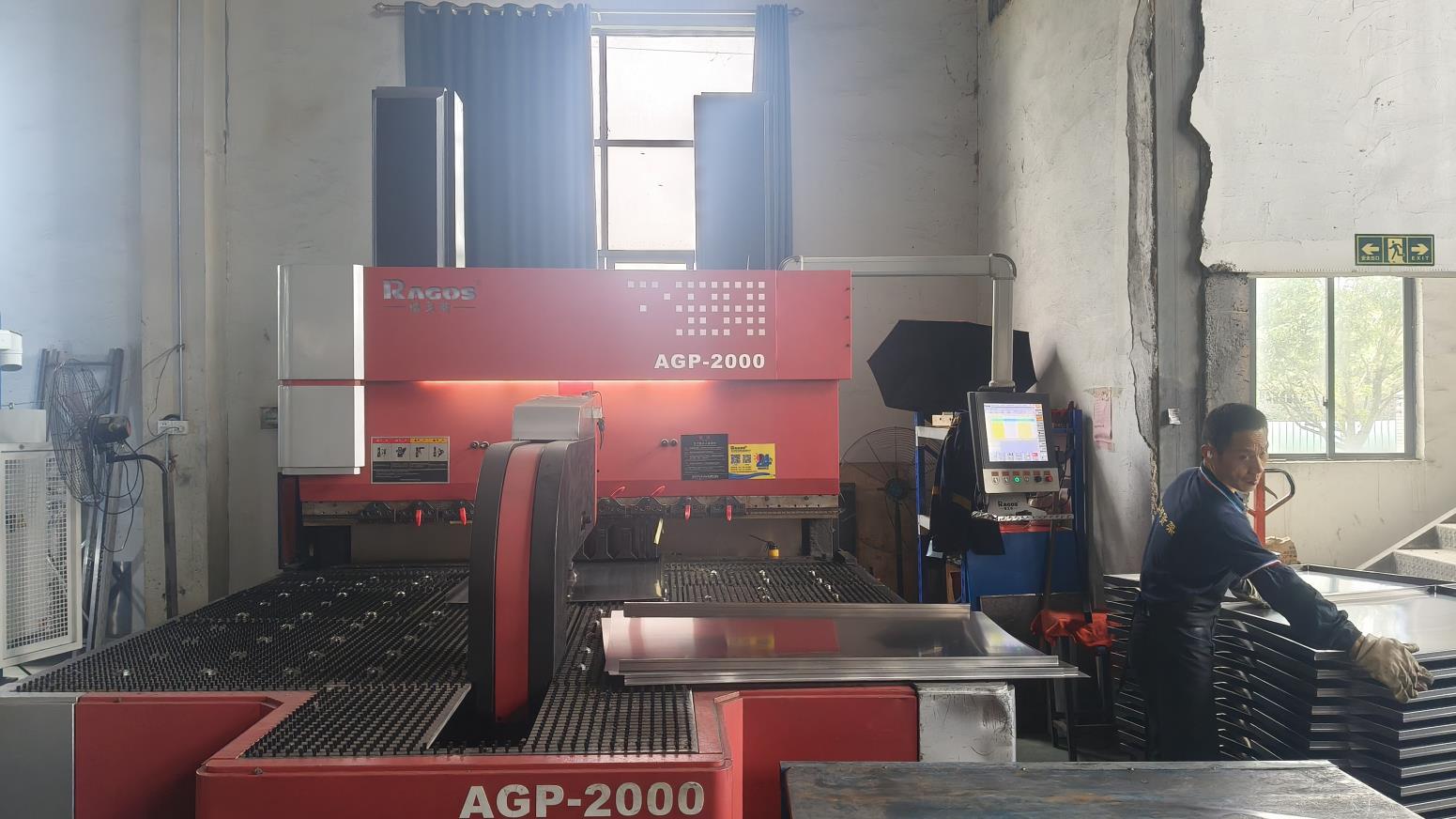
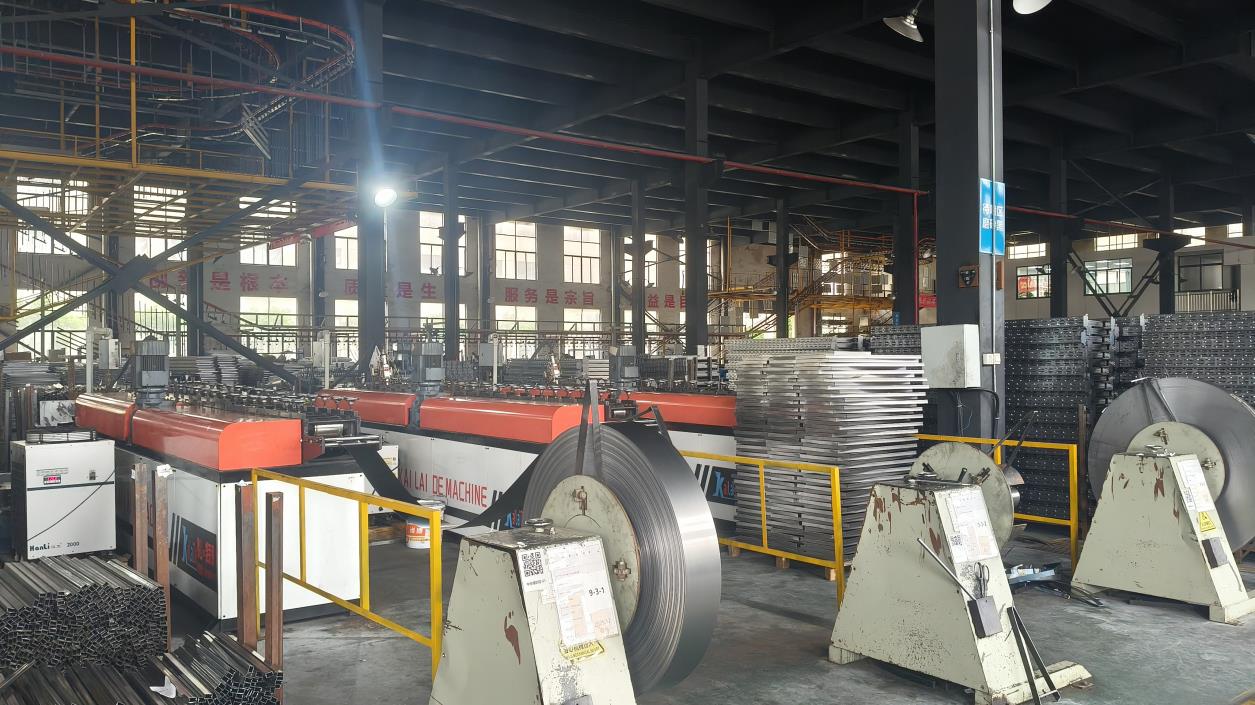
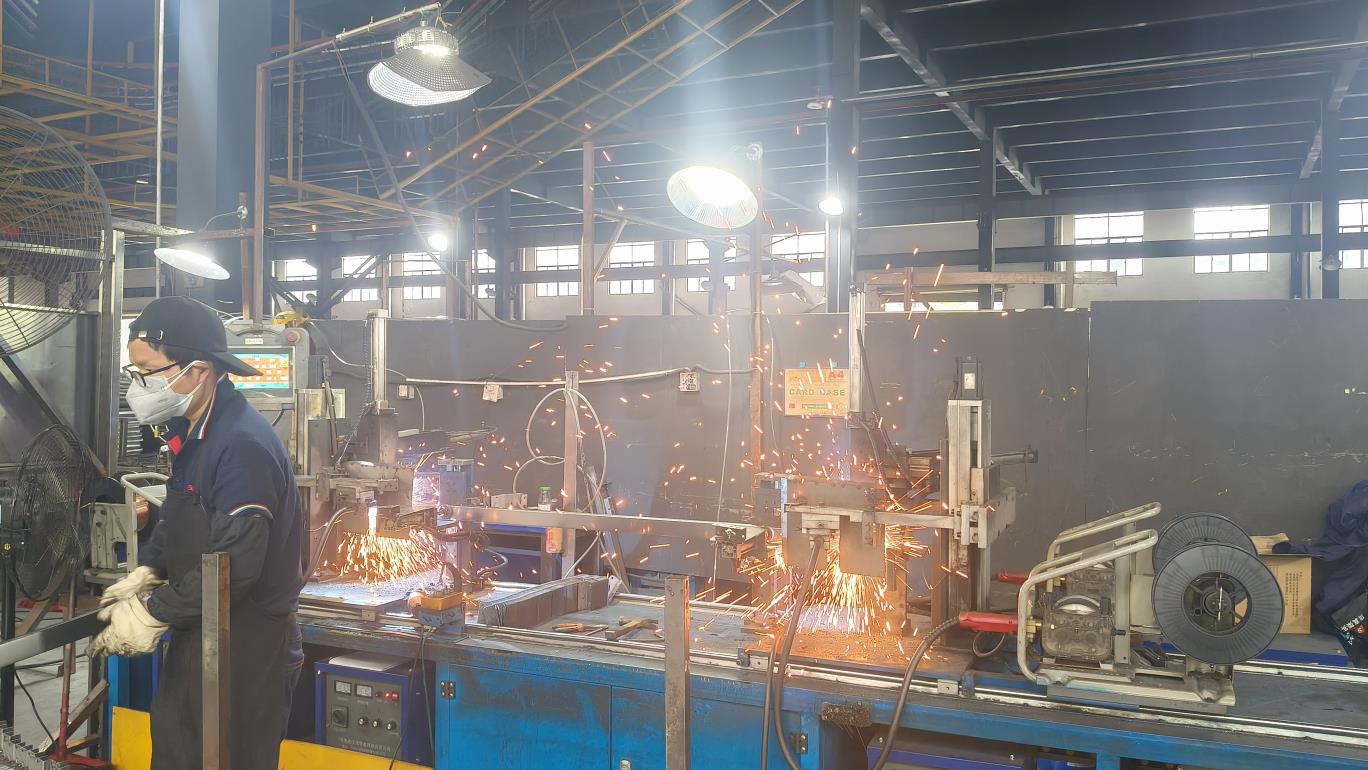
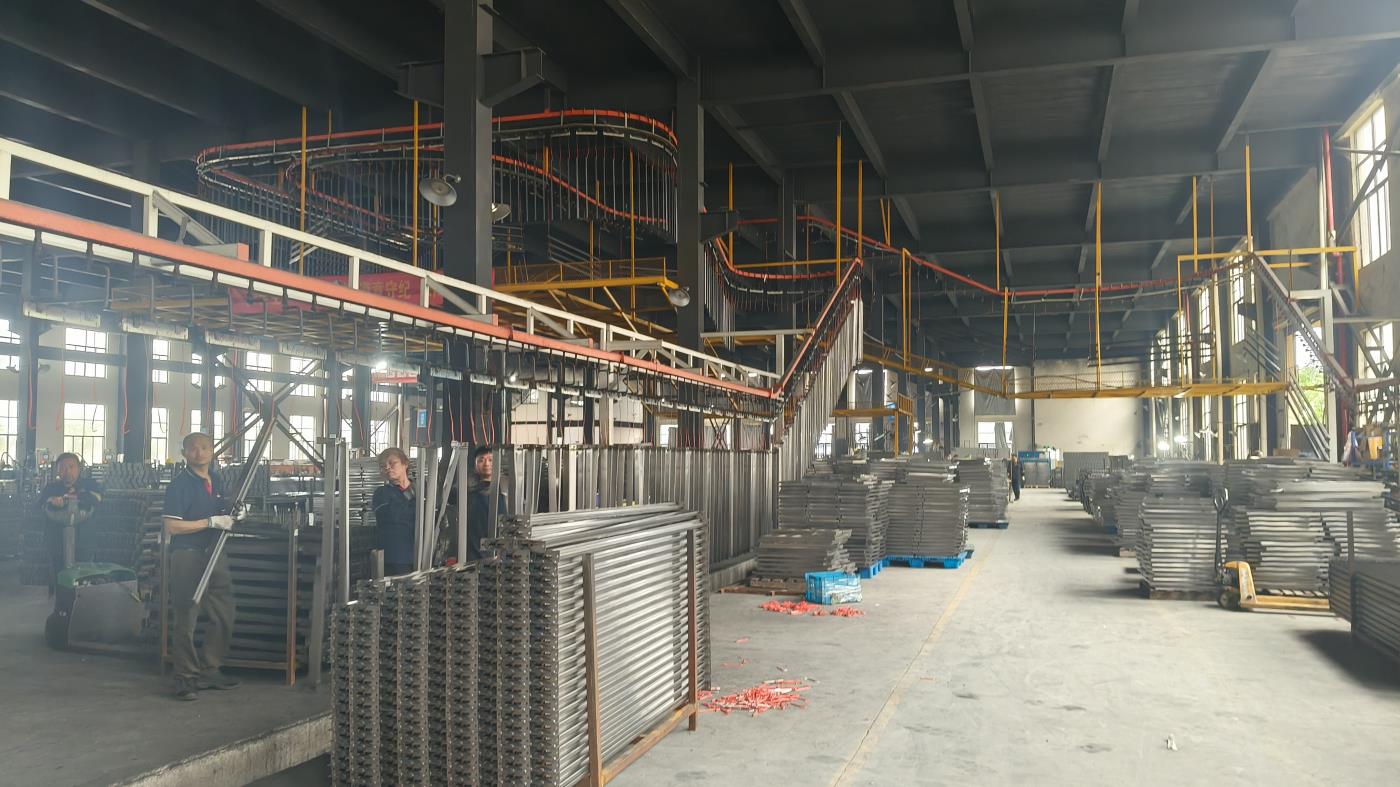
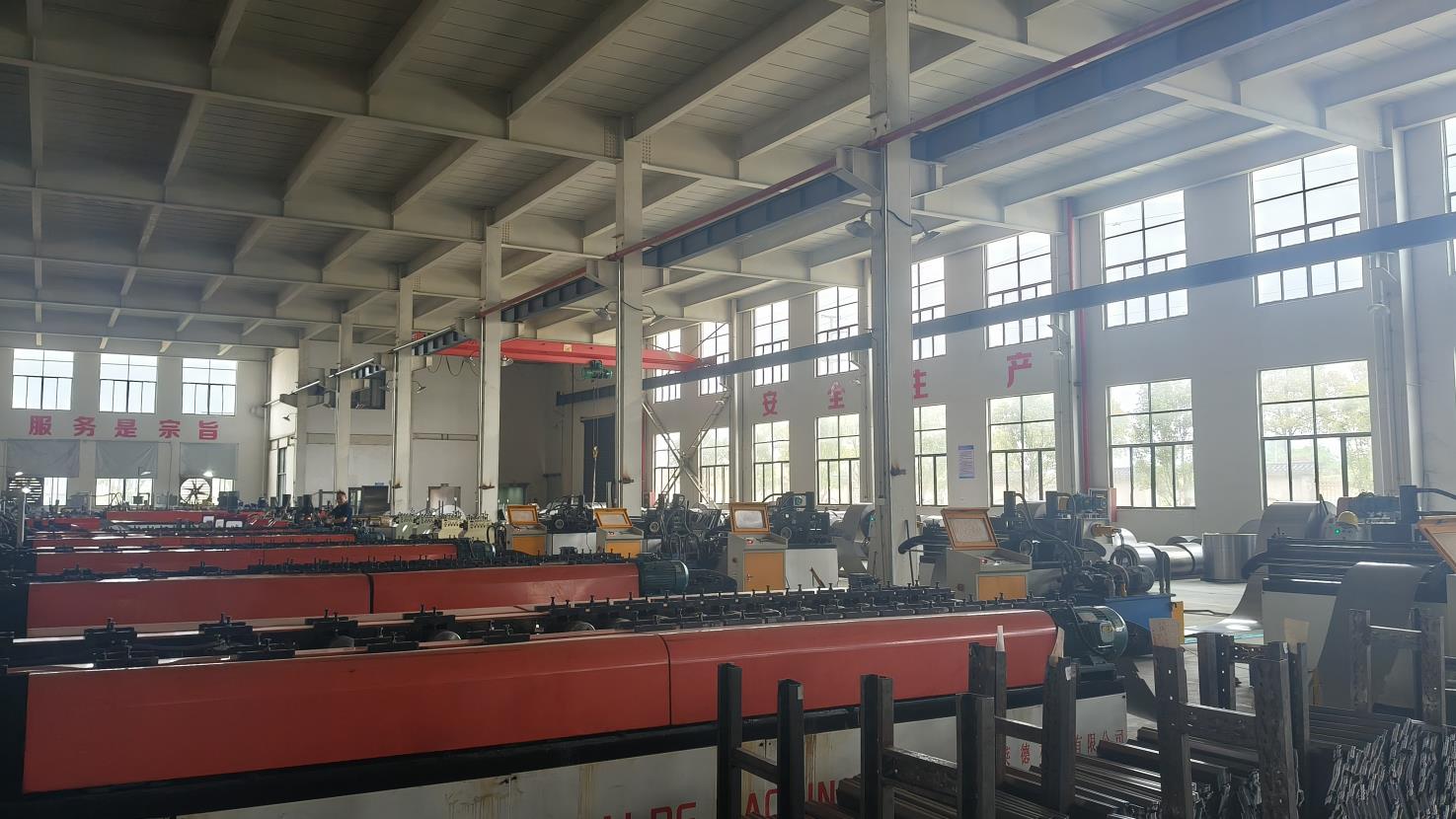
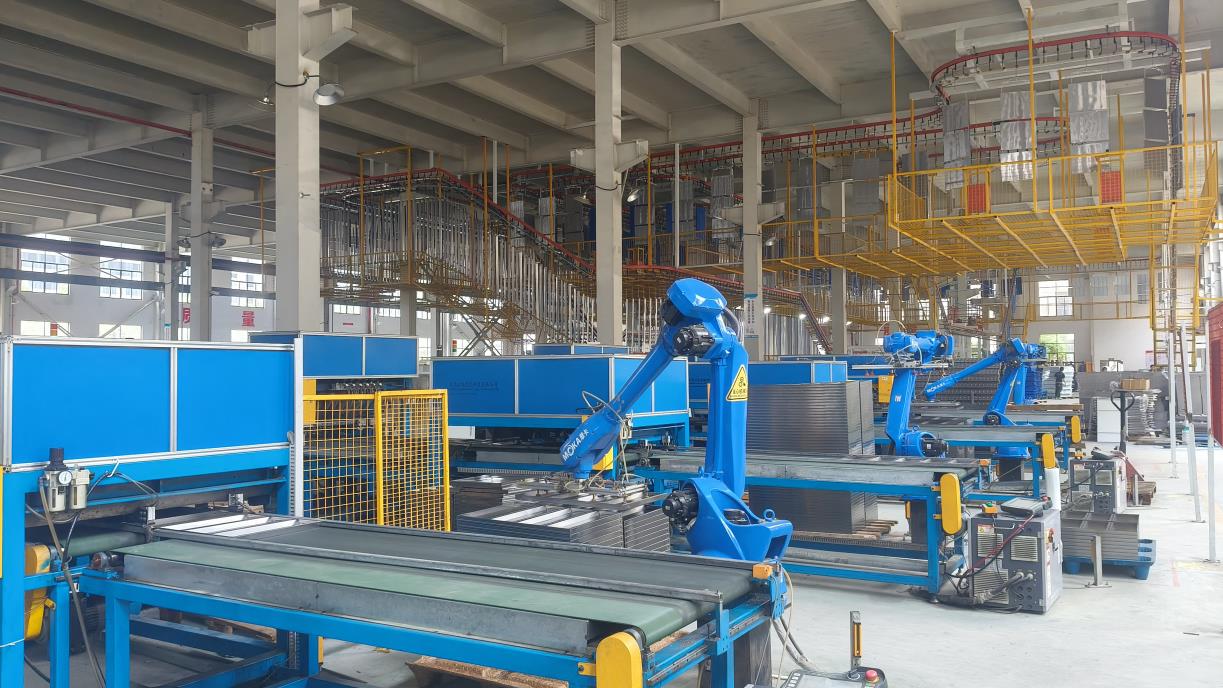
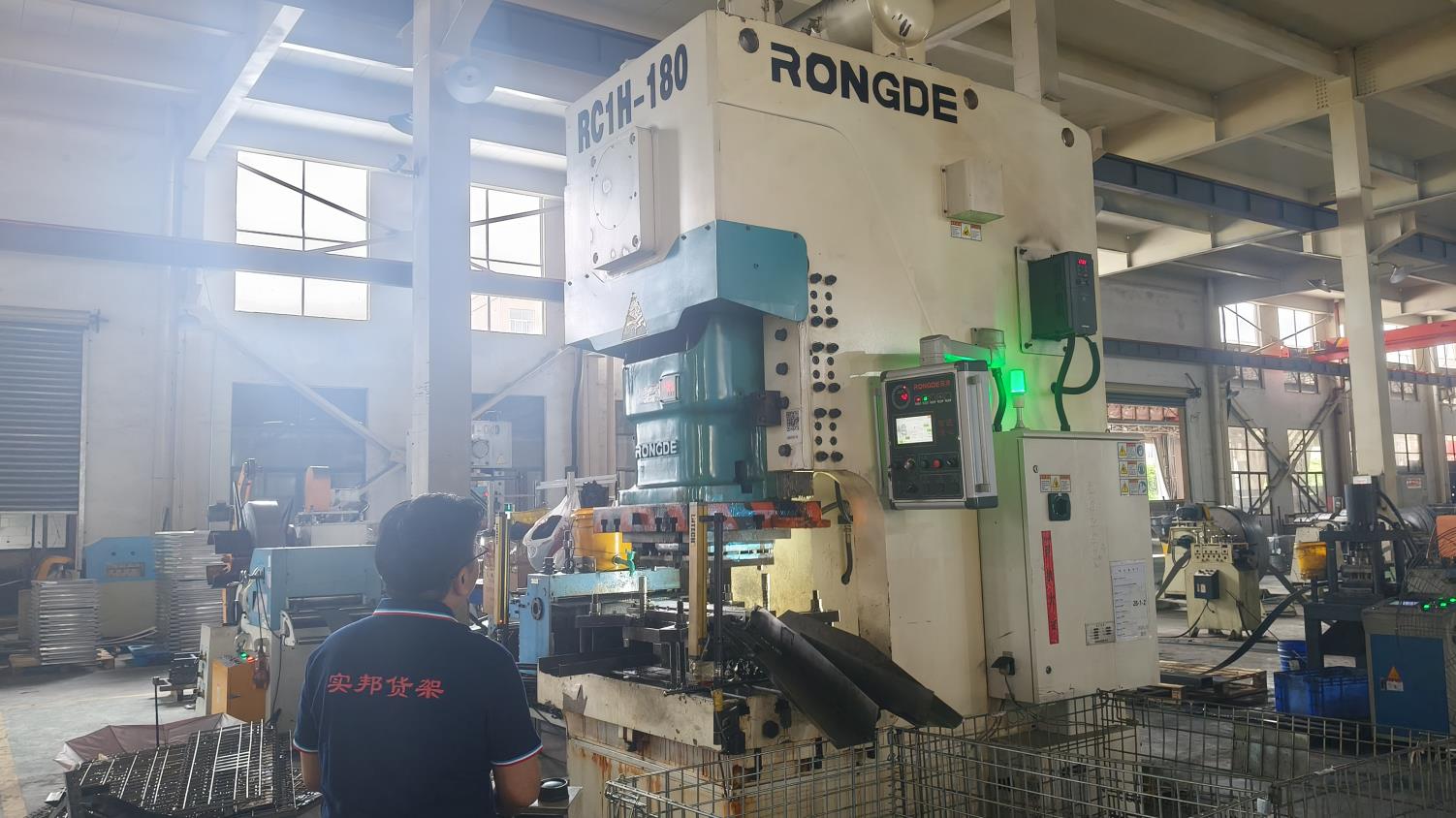
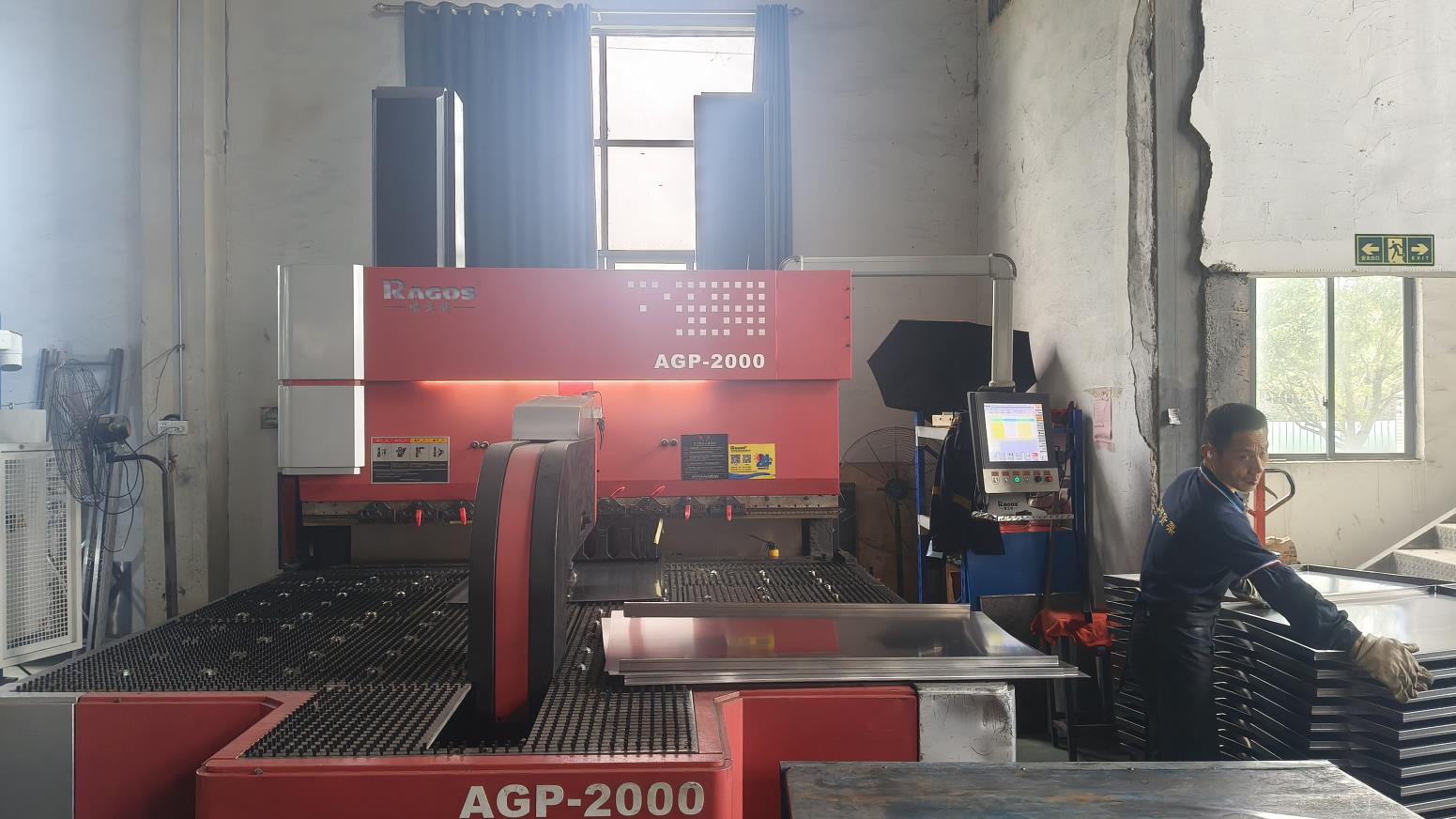
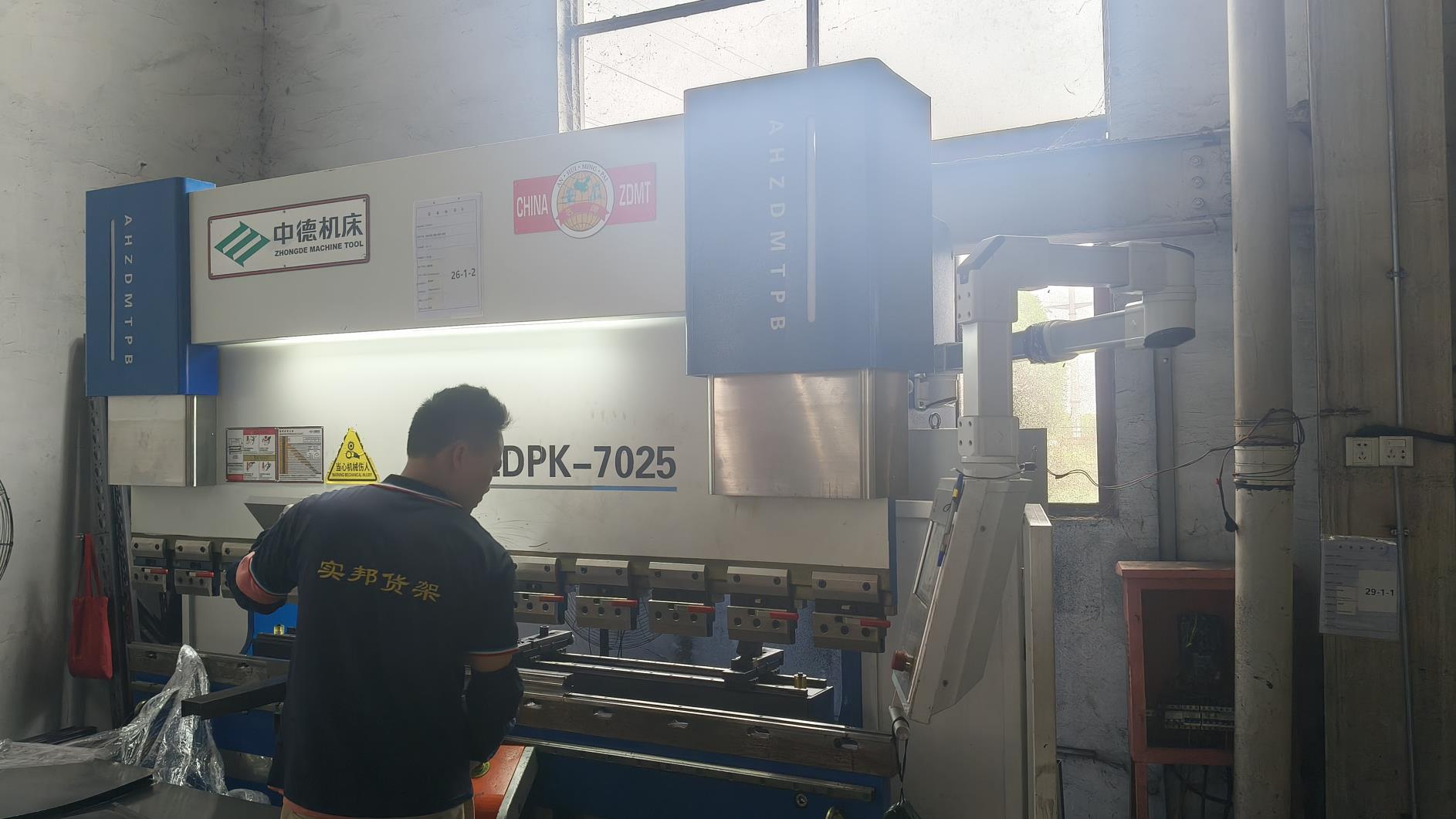
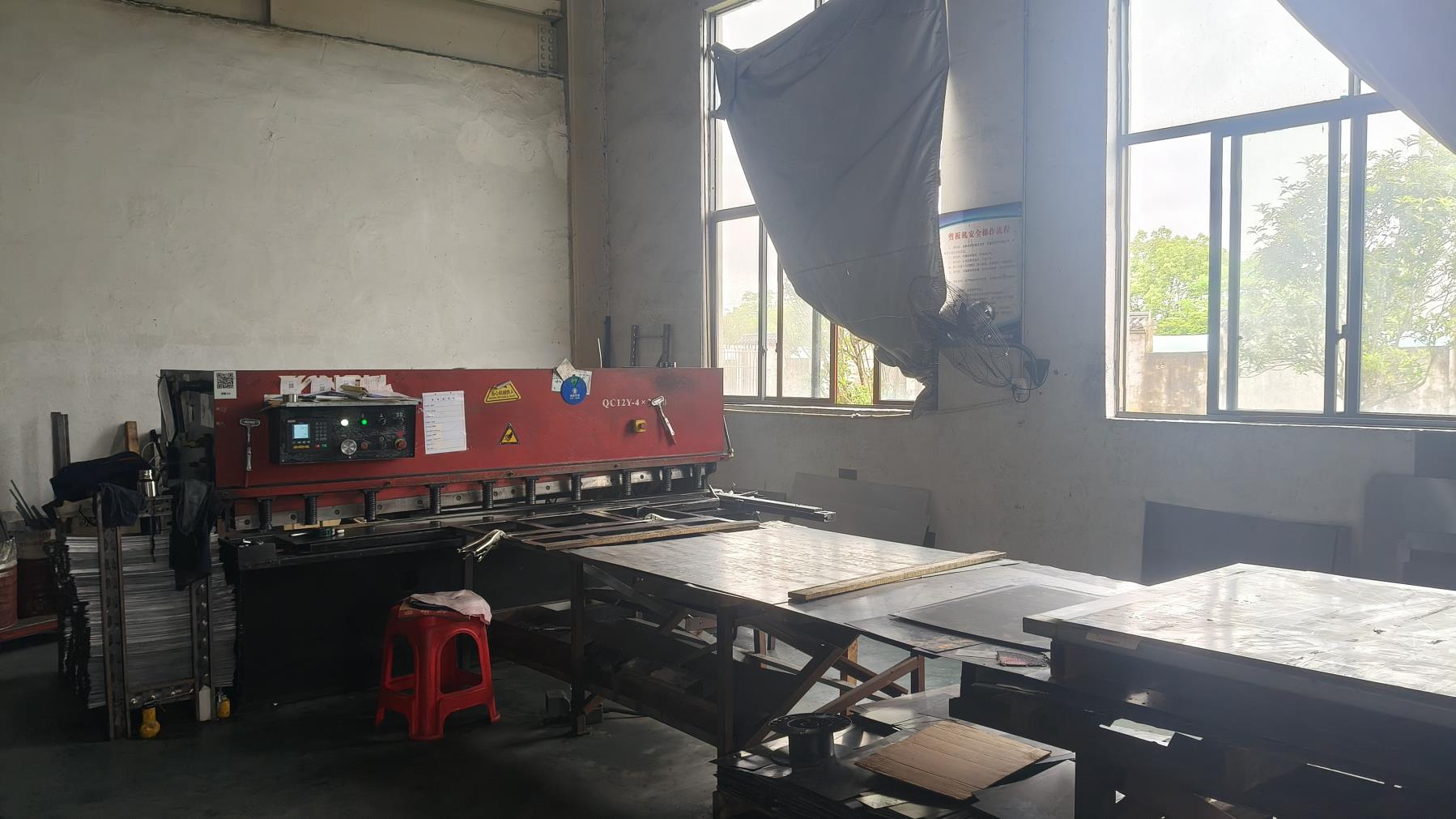
Furthermore, China's industrial racking ecosystem features fully automated processing infrastructure. The combination of precision multi-station forming mills, automated robotic welding cells, and electrostatic epoxy powder coating lines guarantees tight structural tolerances. Because parts undergo exact automated punching and robotic welding, structural assemblies feature perfect alignment. This minimizes on-site installation times and structural mismatches—issues common with decentralized or semi-manual steel fabrication facilities.
Established in 2015, Shenzhen Shibang Storage Rack Co., Ltd. is a leading manufacturer specializing in industrial racking systems and customized warehouse storage solutions. Operating from a modern production facility spanning 32,000 square meters, we integrate structural design, precision manufacturing, and international trade to serve a diverse global client base.
With over 12 years of industry expertise and 8 years of dedicated export experience, our products are distributed across North America, Europe, Australia, and Southeast Asia, generating over $18 million in annual export revenue. We primarily partner with industrial distributors, third-party logistics (3PL) providers, e-commerce fulfillment centers, and large-scale manufacturing enterprises. Supported by a robust network of over 800 supply chain partners, we ensure consistent raw material quality and efficient production timelines.
Quality control and technological innovation form the core of our operations. Our dynamic R&D team consists of 18 senior engineers, supported by 35 dedicated QC professionals. We implement rigorous product inspection protocols—including raw steel tensile testing, automated ultrasonic weld checking, static and dynamic load testing, and powder-coating salt spray endurance tests—ensuring compliance with international safety and durability standards. In the past year alone, our R&D unit successfully introduced 45 new product designs and structural optimizations.
We offer full structural customization options, providing tailored loading capacities, height configurations, beam profiles, and surface finishes (powder coating and hot-dip galvanizing) to meet exact warehouse specifications. Guided by engineering precision and trade reliability, Shenzhen Shibang Storage Rack Co., Ltd. continues to deliver safe, scalable, and optimized storage solutions for modern global supply chains.
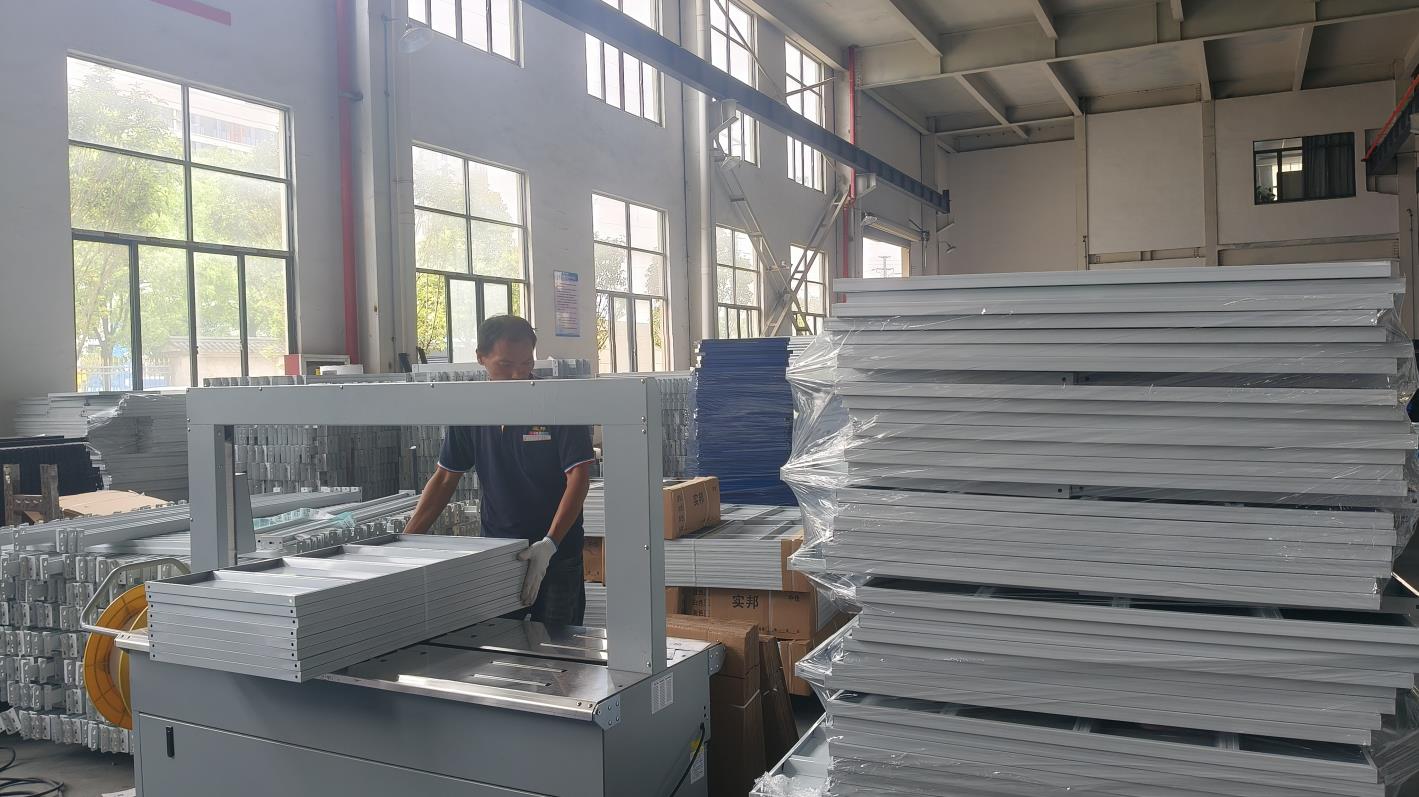
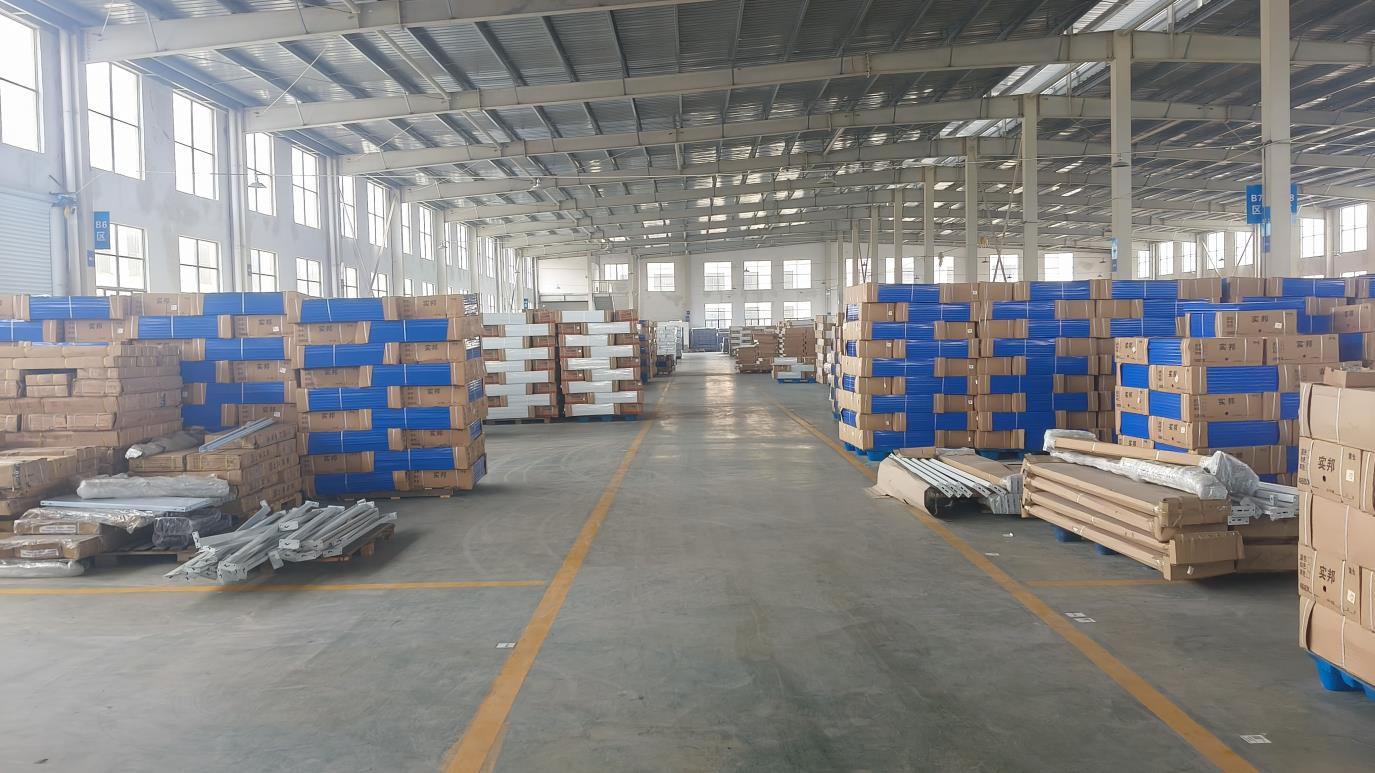
The manufacturing process at Shenzhen Shibang leverages CNC systems, automated material processing machinery, and strict assembly line controls. Below is a detailed view of our operational workflow and machinery systems:
The warehouse storage racking sector is undergoing a major technological transformation, moving from static pallet storage systems to dynamic, automated, and software-connected ecosystems. Key modern industry trends driving structural modifications include:
Warehouse racking designs must adapt to unique geographic environments, microclimates, and regional load compliance requirements. Different operational profiles dictate very distinct physical setups:
| Industry / Environment | Typical Racking Setup | Material Finish Choice | Critical Engineering Focus |
|---|---|---|---|
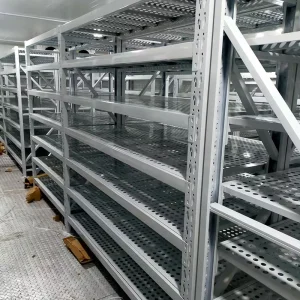
| Cold Storage Facilities (-30°C) | Drive-in or Mobile Pallet Racking | Hot-Dip Galvanized (HDG) Steel | Low-temperature steel ductility, anti-condensation rust prevention. |
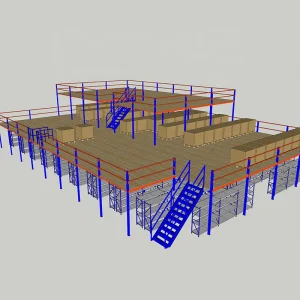
| E-commerce Fulfillment (Fast Turnaround) | Multi-Level Mezzanines & Multi-tier Shelving | Epoxy Powder Coated | Maximized vertical storage volume, safe foot-transit loading floors. |
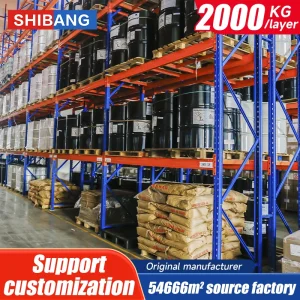
| Industrial Manufacturing Hubs | Heavy Duty Selective Pallet Racking | Epoxy Powder Coated (Heavy duty profile) | Forklift collision protection, structural safety factors, high load capacity. |
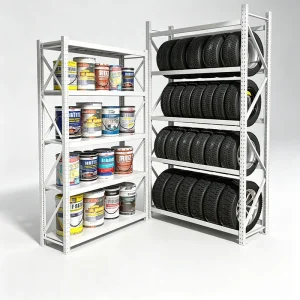
| Automotive & Tire Distribution | Customized Stackable Tire Racking | Electrostatic Powder Coated | Specialized cradles, safe multi-layer stacking. |
For example, in cold storage distribution centers, freezing temperatures can make low-grade structural steels brittle and prone to structural failure under heavy impacts. Shibang addresses this issue by selecting premium steel grades and applying hot-dip galvanized finishes. This prevents rust formation in high-moisture environments while maintaining structural elasticity and strength.
Sourcing materials internationally can sometimes present challenges regarding local code compliance. Shenzhen Shibang bridges this gap by designing products that meet local building safety regulations in our target export markets. Our structures are engineered to comply with ANSI/RMI MH16.1 in North America, EN 15512 across European countries, and AS4084-2012 within Australia.
We assist our client network through detailed engineering reviews. Our team evaluates warehouse layouts, analyzes subsoil conditions, and calculates seismic hazard coefficients to provide custom engineering blueprints. This technical support expedites local building permit approvals, reduces structural audit risks, and gives plant managers and developers confidence in their safety systems.
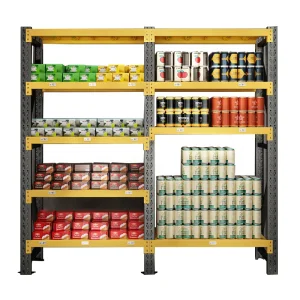
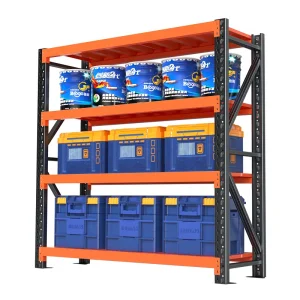
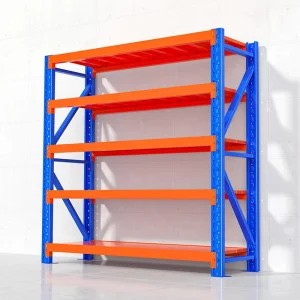
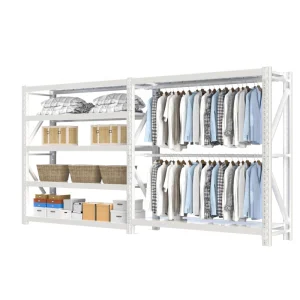
Discover our custom workshop shelves, multi-purpose tire racks, rivet shelving, and heavy-duty logistics options engineered for reliable organization.
 Shibang Steel