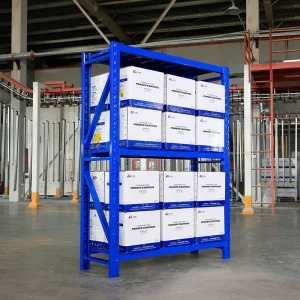
Engineered to maximize vertical efficiency and optimize factory floor footprints globally.
In modern industrial logistics, a warehouse layout is much more than a blueprint for structural arrangement; it is the fundamental driver of supply chain velocity, labor productivity, and overall cost efficiency. Poorly designed layouts create bottleneck zones, increase forklift transit times, expose inventory to structural hazards, and significantly inflate operational overhead. Conversely, a state-of-the-art layout designed by professional manufacturers leverages every cubic meter of storage, ensuring seamless throughput, optimized warehouse management system (WMS) integration, and maximum worker safety.
Understanding the interplay between layout configuration, structural capacity, and materials handling equipment is critical for warehouse developers, distribution center leads, and procurement managers worldwide. As warehouse footprint lease prices continue to rise globally, maximizing vertical storage capacity through advanced racking structures—such as selective pallet racking, multi-tier mezzanines, and high-density drive-in systems—has become the standard competitive edge for manufacturers and logistics providers alike.
EEAT Direct Insight: Modern structural safety standards (such as EN 15512, FEM 10.2.02, and RMI specifications) require that every layout configuration undergoes comprehensive static and dynamic load-bearing calculations, seismic validation, and deflection threshold testing to guarantee safe operational limits over decades of service.
To help companies identify the optimum warehouse layout, our structural engineering team has analyzed the top 10 layouts used in modern production and distribution facilities worldwide. Selecting the right option depends heavily on your SKU characteristics, picking methodologies, and material handling capabilities.
Designed with receiving on one side and shipping on the adjacent side, sharing a unified cross-docking space. This setup minimizes product travel paths and is highly recommended for high-velocity cross-docking operations. It prevents bottlenecks by separating inbound and outbound vehicle traffic, while utilizing centralized logistics desks and shared loading dock personnel.
Ideal for high-volume facilities, the inbound dock is located on one side, and the outbound dock is located directly on the opposite side. Products move in a straight, linear path through receiving, storage, sorting, packing, and dispatch. It offers unmatched security and control, making it perfect for operations processing sensitive raw materials or high-value electronics.
Typically deployed in smaller L-shaped industrial facilities or warehouses with physical bottlenecks. Shipping is handled on one wing of the L, while receiving is handled on the other. This configuration keeps cross-docking and long-term storage zones completely isolated, optimizing picking routes in narrower, angular spaces.
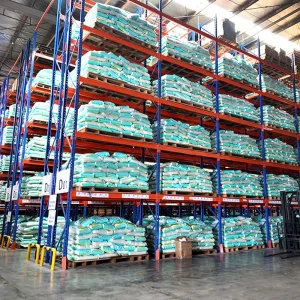
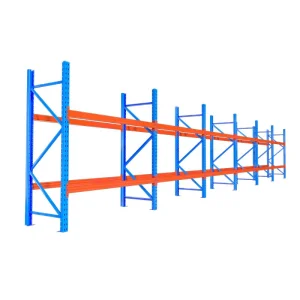
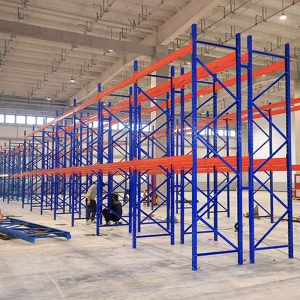
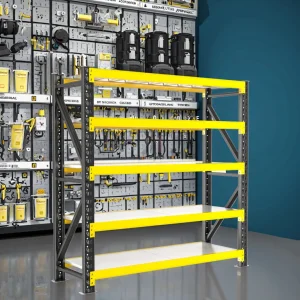
The most common layout design globally. Using multi-level heavy-duty steel selective racking, it provides 100% immediate accessibility to every single pallet. It is highly versatile, easy to install, and supports a broad mix of low-volume, high-variety SKU profiles. Perfect for distribution hubs requiring immediate stock rotation and flexible forklift handling.
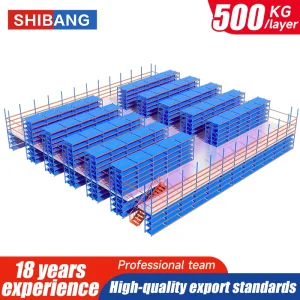
For warehouses facing space constraints, mezzanine layouts offer vertical space multiplication. By constructing heavy-duty structural steel platforms, factories double or triple their operational floor space. These platforms support light assembly zones, manual pick-to-belt stations, or administrative offices without increasing the facility's footprint.
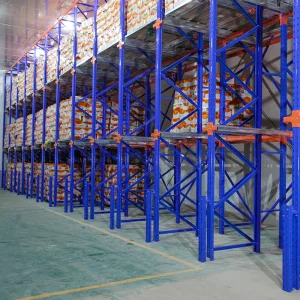
Specially engineered for high-density storage of homogeneous goods. Forklifts enter the racking structure itself to place or retrieve pallets. Drive-in uses LIFO (Last-In, First-Out) logic, whereas Drive-Through utilizes dual access points to implement FIFO (First-In, First-Out). Best suited for cold-storage environments and raw material buffer stores.
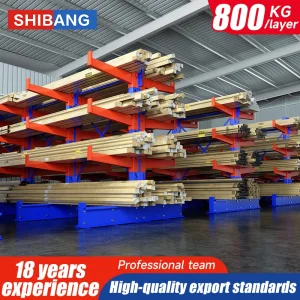
Engineered for storing long, heavy, or irregularly shaped loads such as steel pipes, lumber, sheet metal, and industrial machinery parts. With no front-column obstructions, cantilever arms provide continuous horizontal space, allowing heavy-duty sideloaders or overhead cranes to execute safe lifting cycles.
VNA layouts reduce aisle widths down to 1.5 - 1.8 meters, redirecting up to 40% of wasted aisle floor space back into storage volume. Utilizing wire-guided or rail-guided turret trucks, VNA configurations allow extremely fast vertical travel and high-altitude pallet stacking, representing the peak of high-density mechanical storage.
Utilizing slightly inclined gravity roller tracks, pallets or cartons flow automatically from the loading side to the retrieval side. This creates a strictly controlled, high-density FIFO system. Best applied in fast-moving e-commerce packing zones and food distribution centers where product expiration control is critical.
The layout of the future. Stacker cranes, AGVs (Automated Guided Vehicles), and automated shuttle carts navigate ultra-dense storage racks. A completely digital-twin-optimized layout that eliminates human error, maximizes speed, operates in 24/7 dark-warehouse conditions, and minimizes overall labor dependencies.
A globally trusted manufacturer delivering precision-engineered storage racking systems.
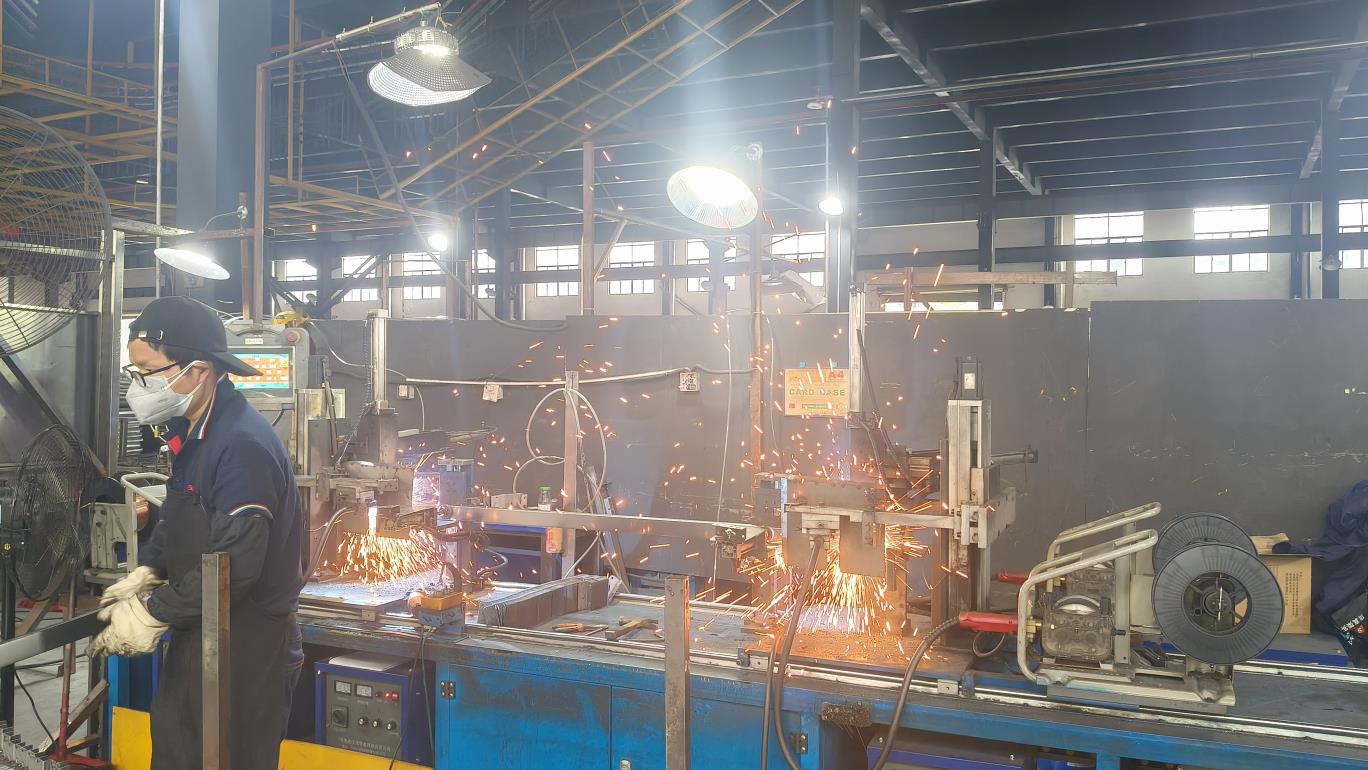
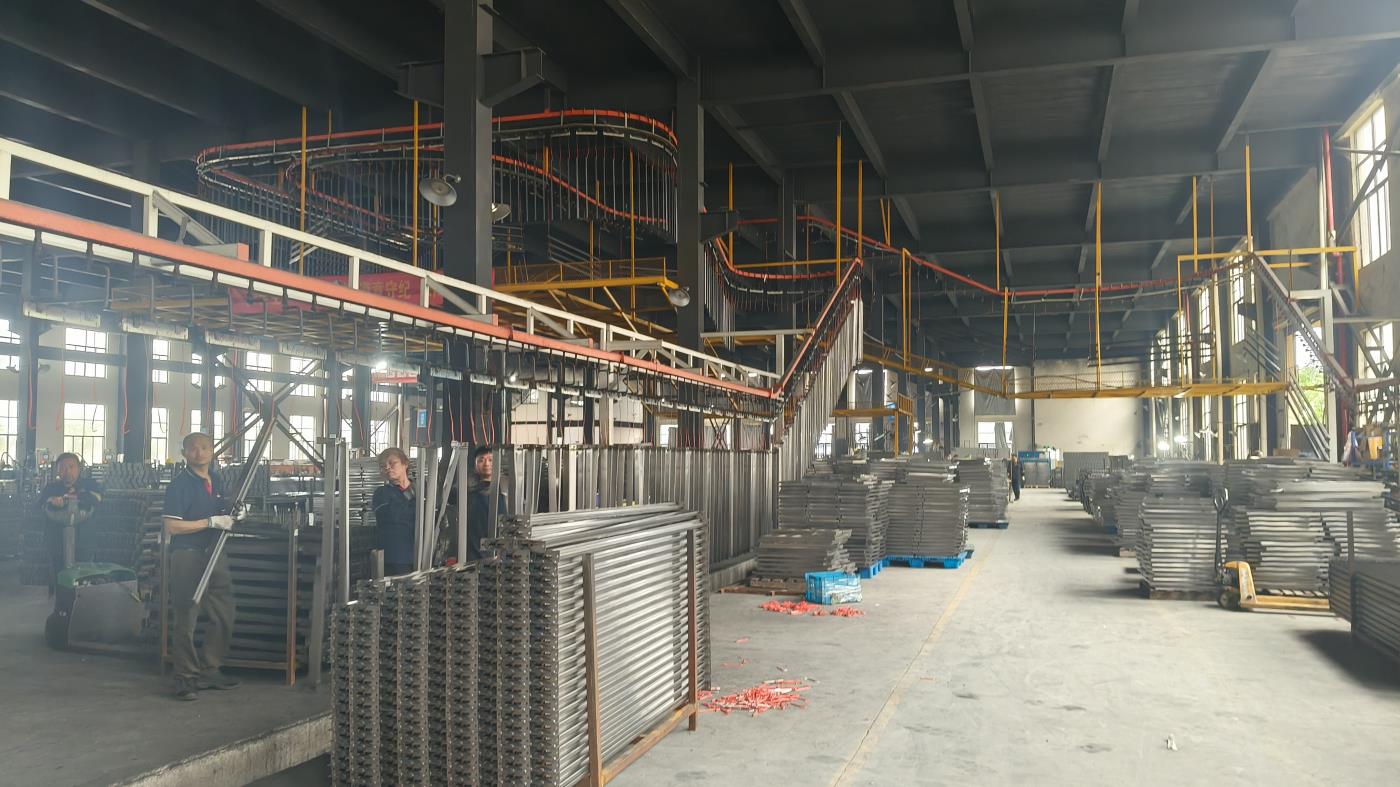
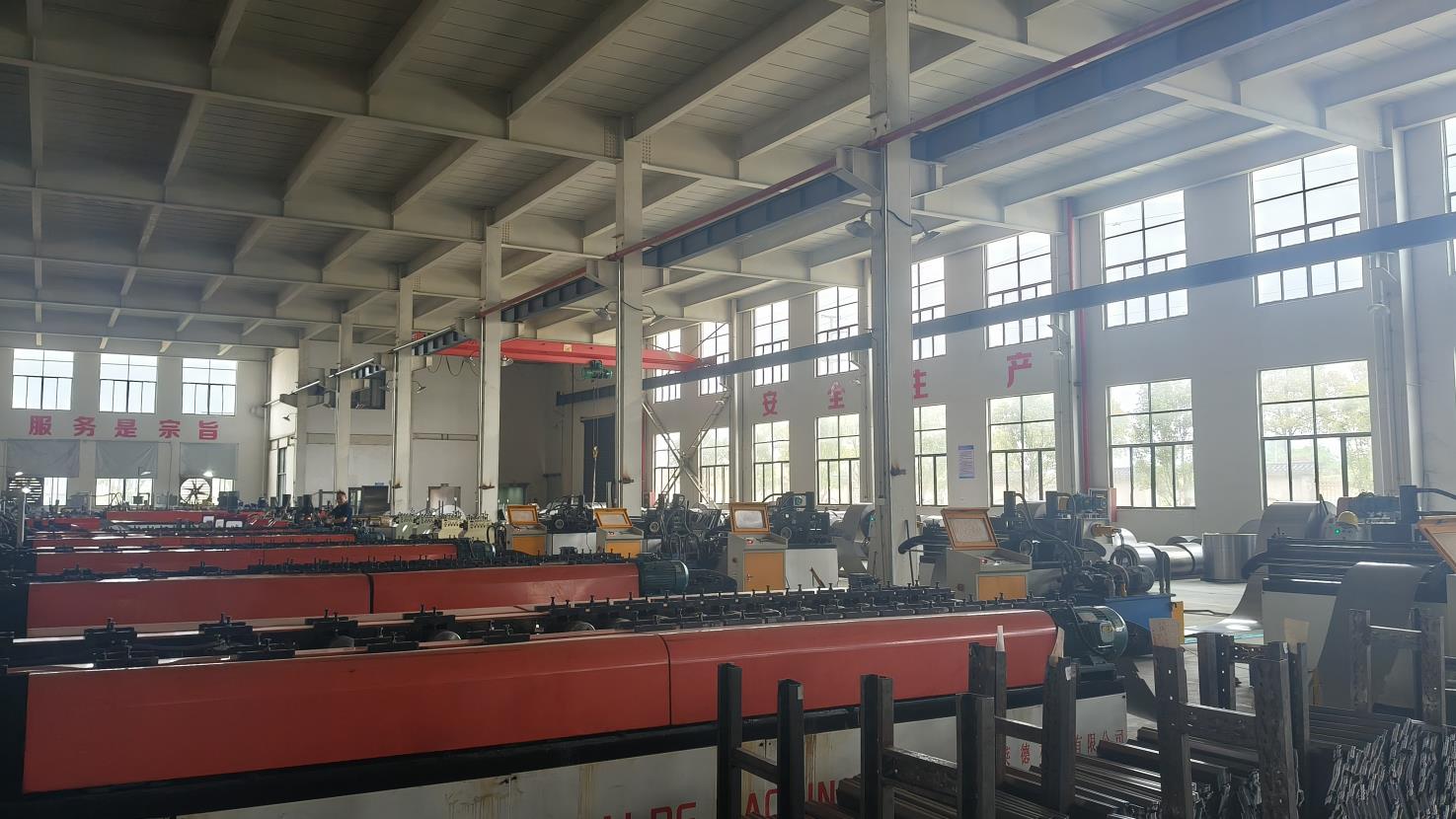
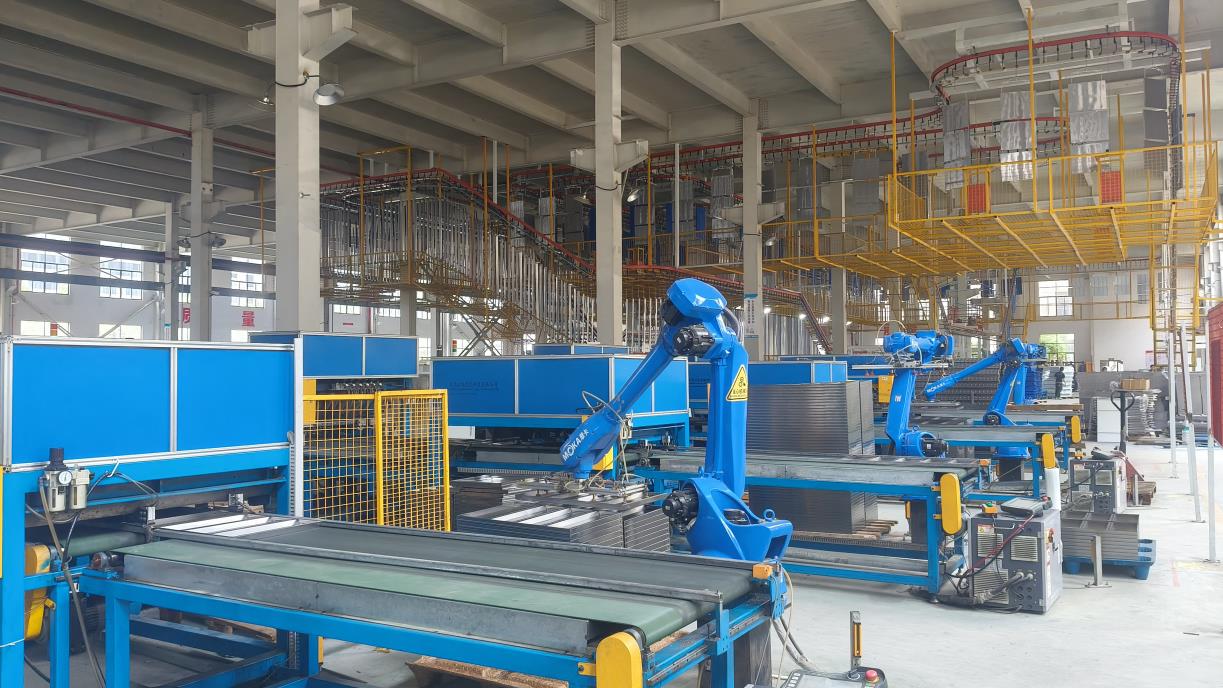
Established in 2015, Shenzhen Shibang Storage Rack Co., Ltd. is a leading manufacturer specializing in industrial racking systems and customized warehouse storage solutions. Operating from a modern production facility spanning 32,000 square meters, we integrate structural design, precision manufacturing, and international trade to serve a diverse global client base.
With over 12 years of industry expertise and 8 years of dedicated export experience, our products are distributed across North America, Europe, Australia, and Southeast Asia, generating over $18 million in annual export revenue. We primarily partner with industrial distributors, third-party logistics (3PL) providers, e-commerce fulfillment centers, and large-scale manufacturing enterprises. Supported by a robust network of over 800 supply chain partners, we ensure consistent raw material quality and efficient production timelines.
Quality control and technological innovation form the core of our operations. Our dynamic R&D team consists of 18 senior engineers, supported by 35 dedicated QC professionals. We implement rigorous product inspection protocols—including raw steel tensile testing, automated ultrasonic weld checking, static and dynamic load testing, and powder-coating salt spray endurance tests—ensuring compliance with international safety and durability standards. In the past year alone, our R&D unit successfully introduced 45 new product designs and structural optimizations.
We offer full structural customization options, providing tailored loading capacities, height configurations, beam profiles, and surface finishes (powder coating and hot-dip galvanizing) to meet exact warehouse specifications. Guided by engineering precision and trade reliability, Shenzhen Shibang Storage Rack Co., Ltd. continues to deliver safe, scalable, and optimized storage solutions for modern global supply chains.
Discover our high-precision machinery and advanced production lines powering global supply chains.
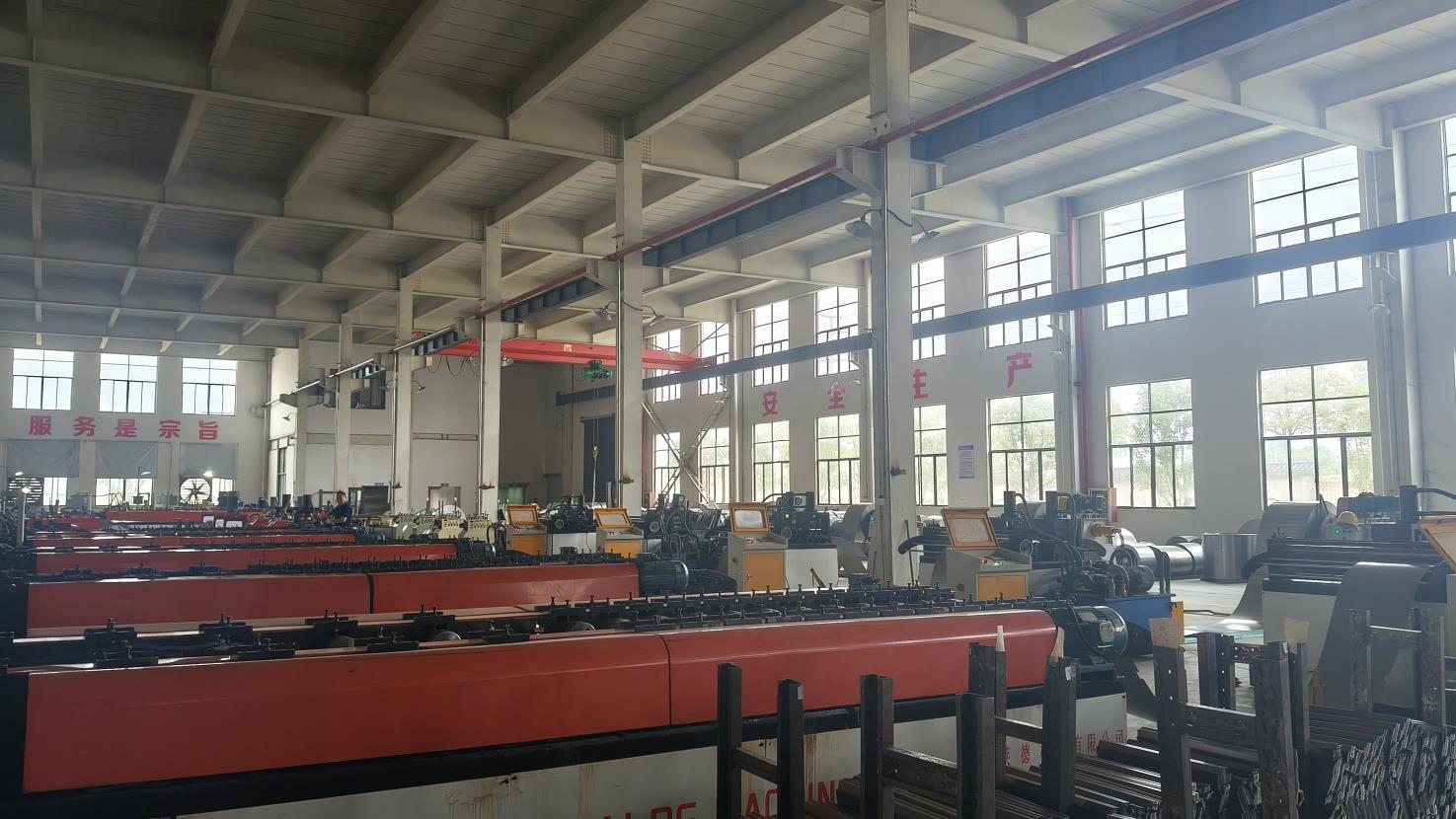
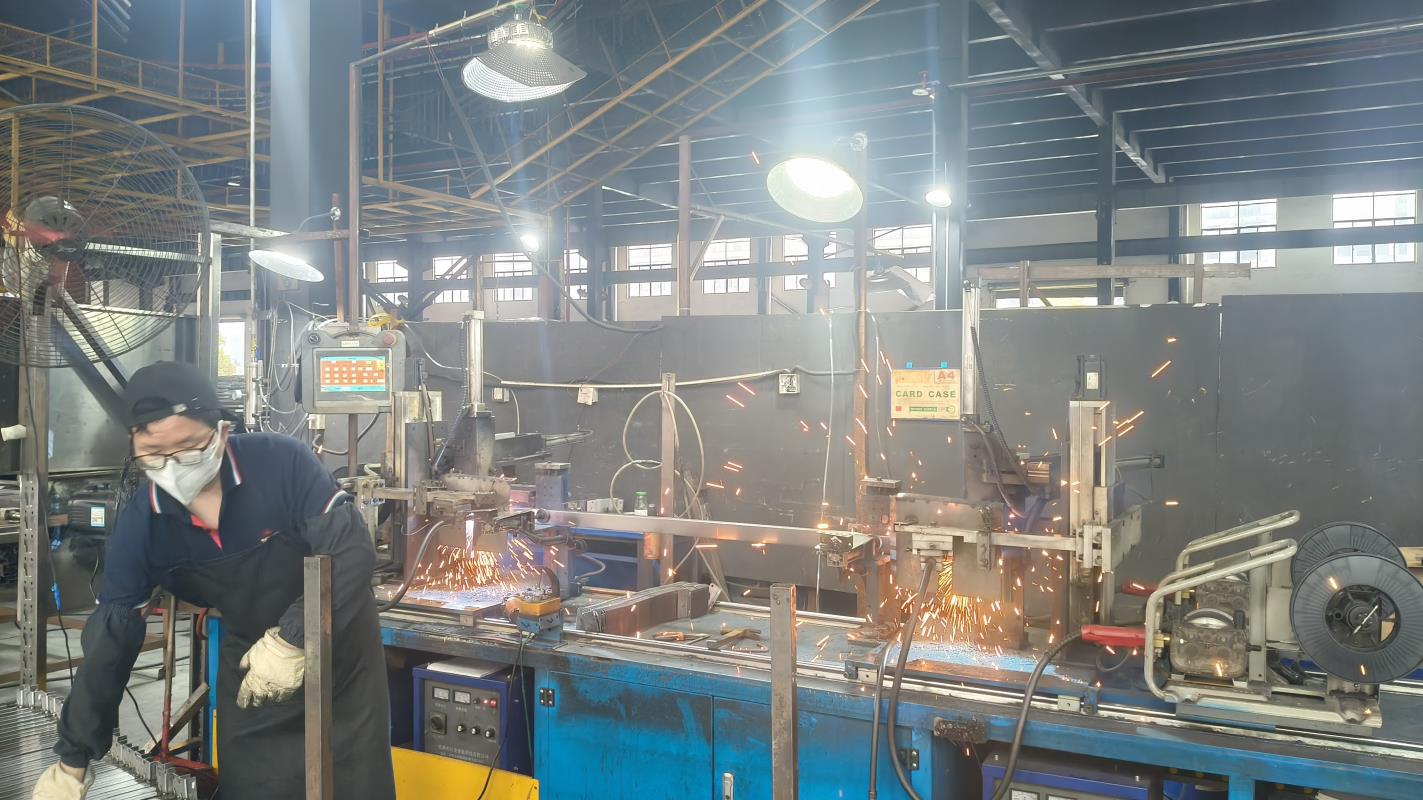
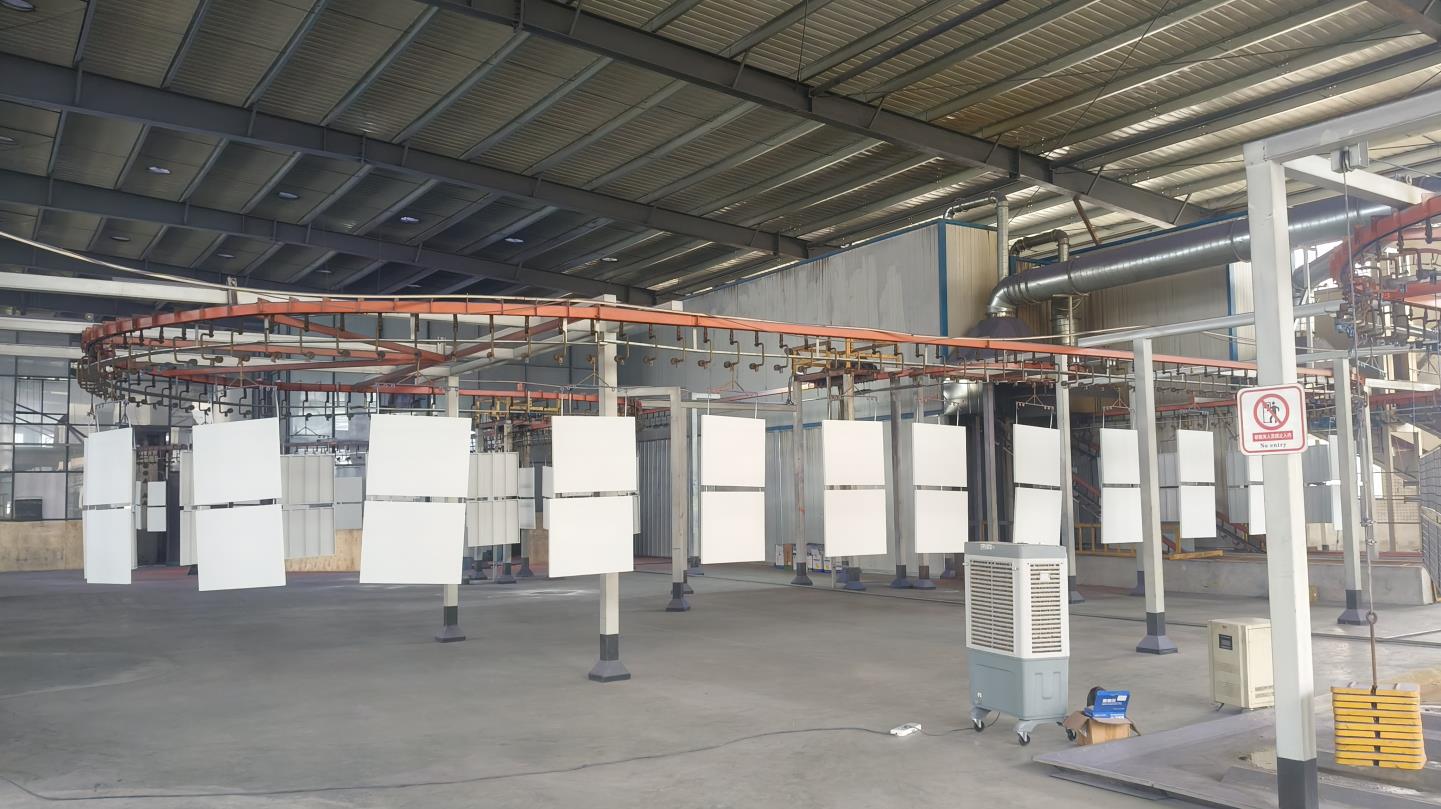
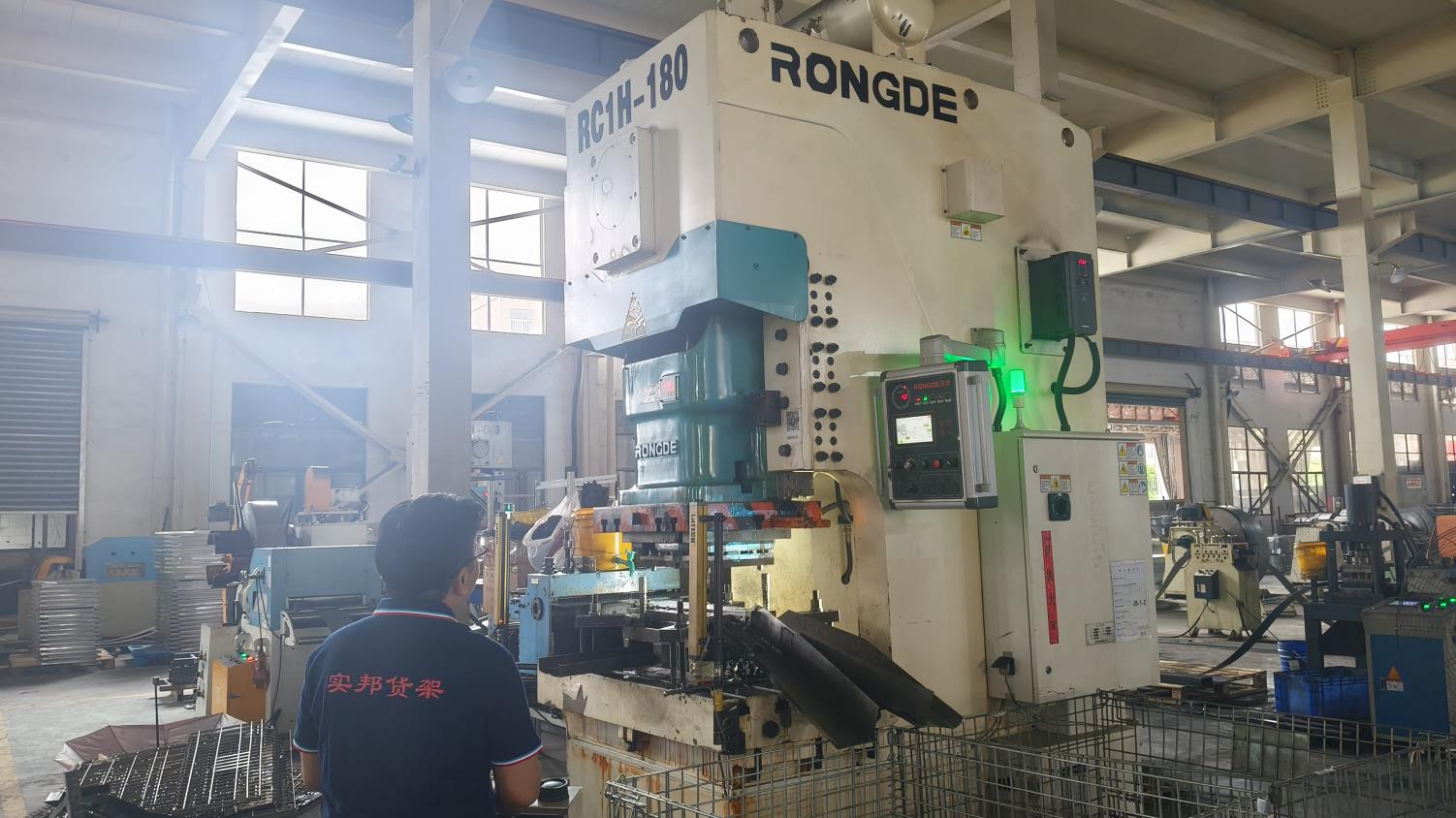
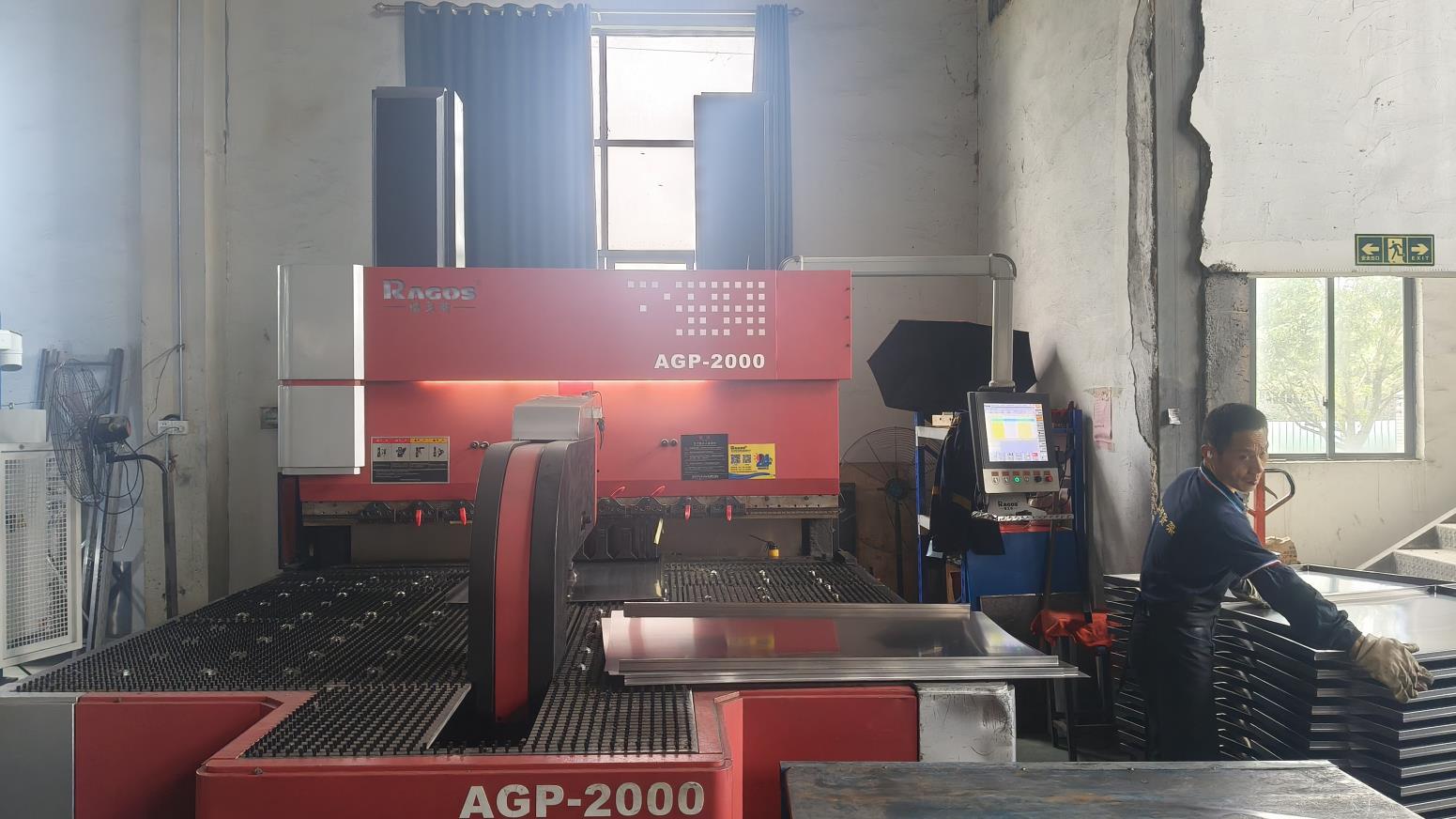
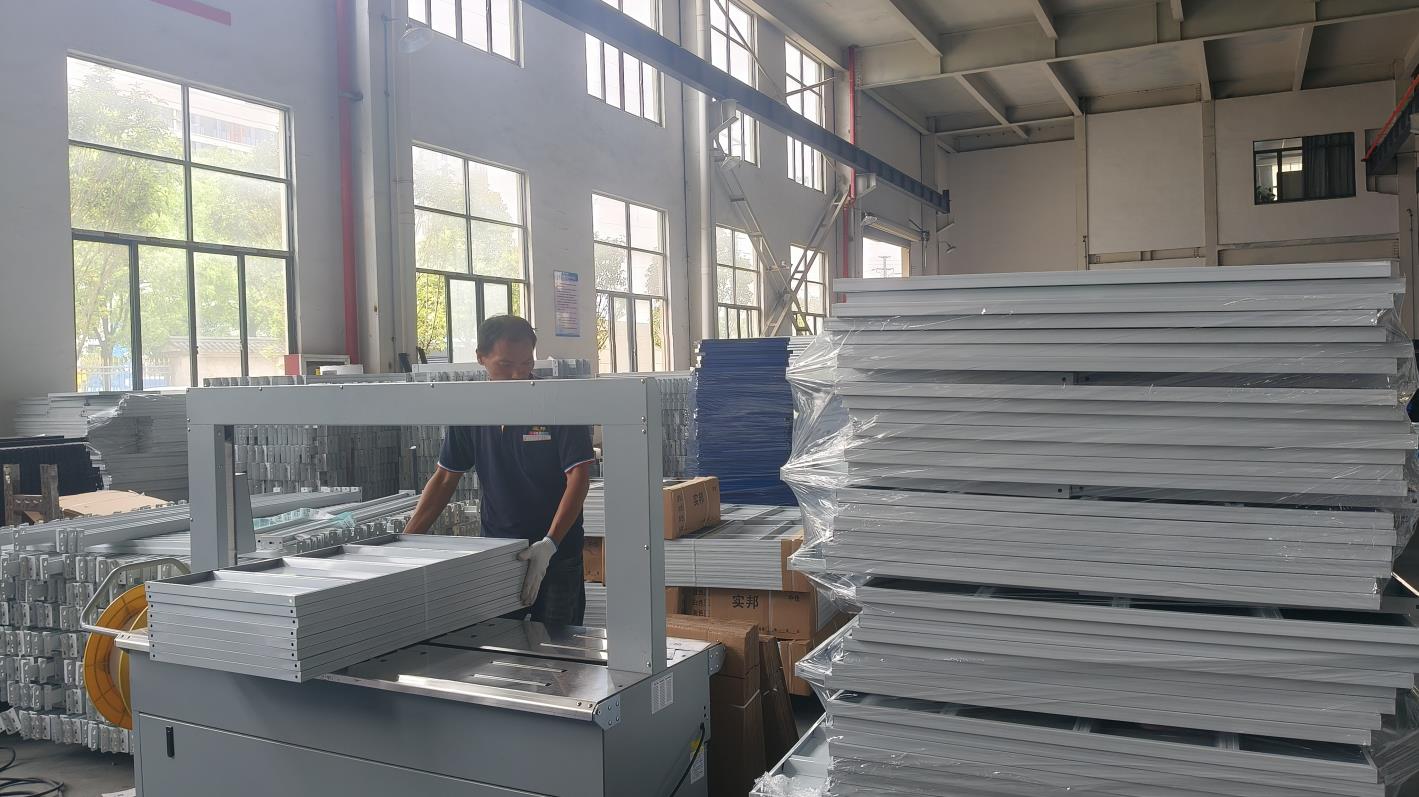
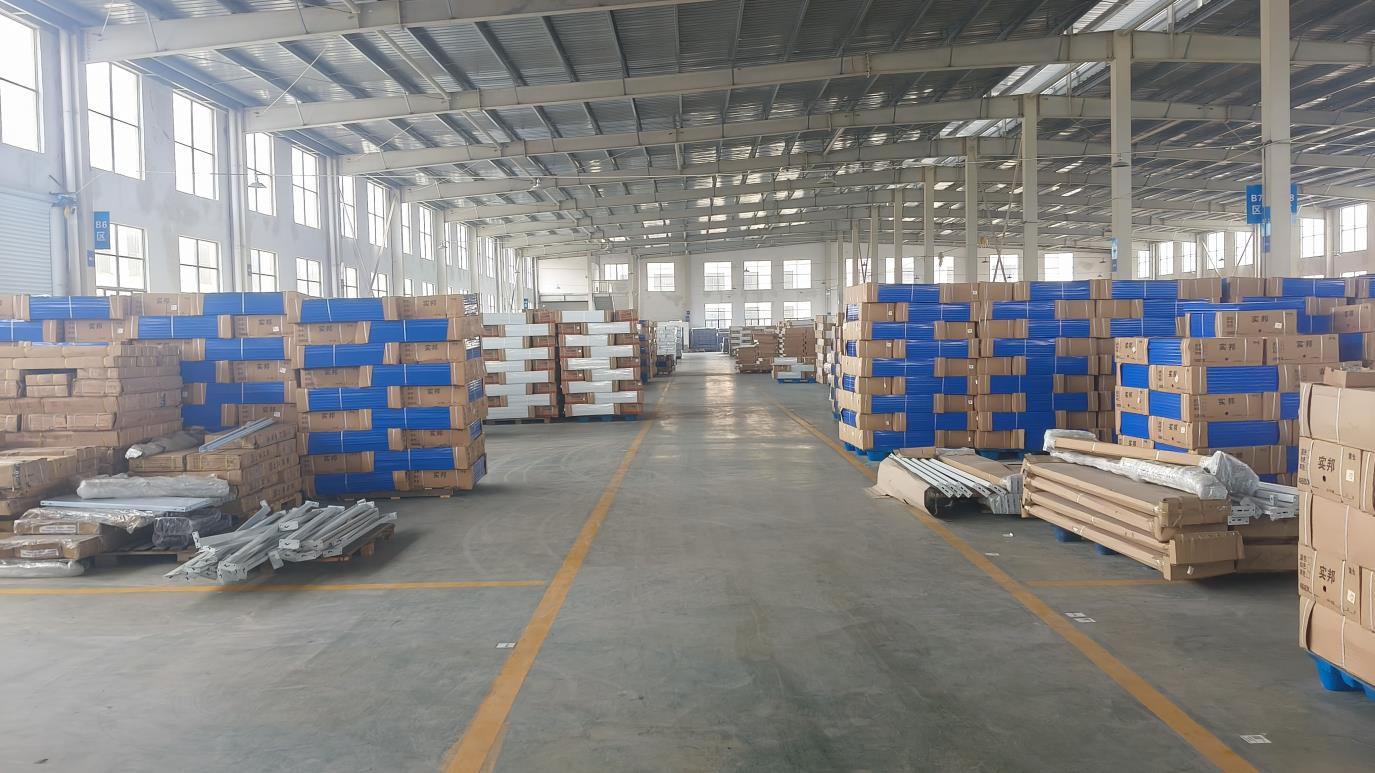
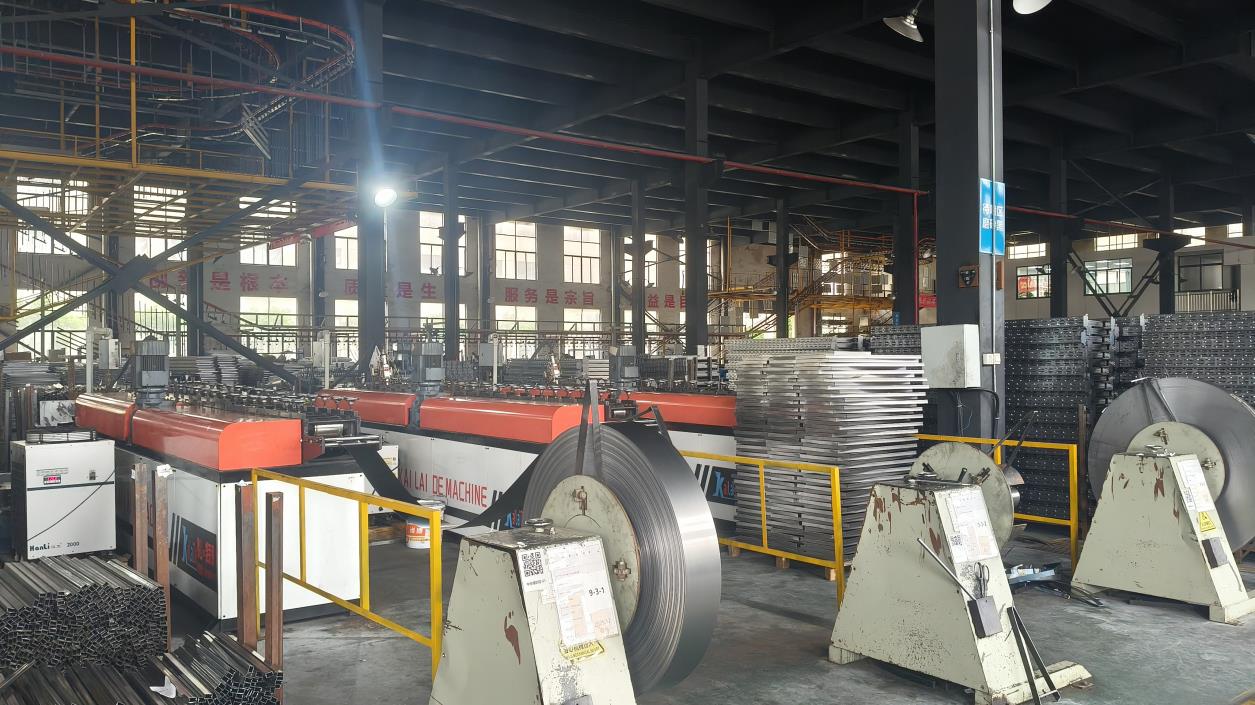
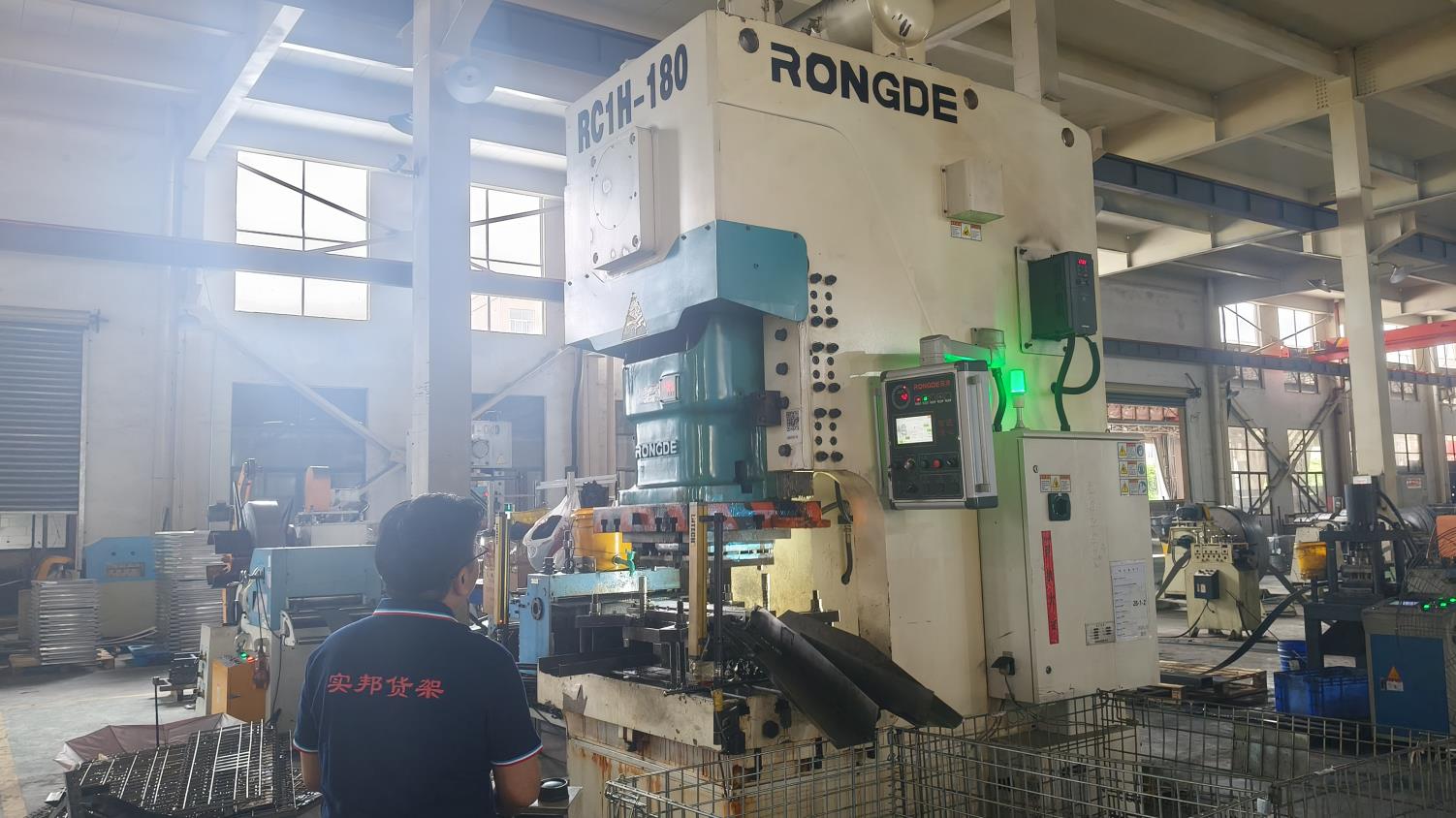
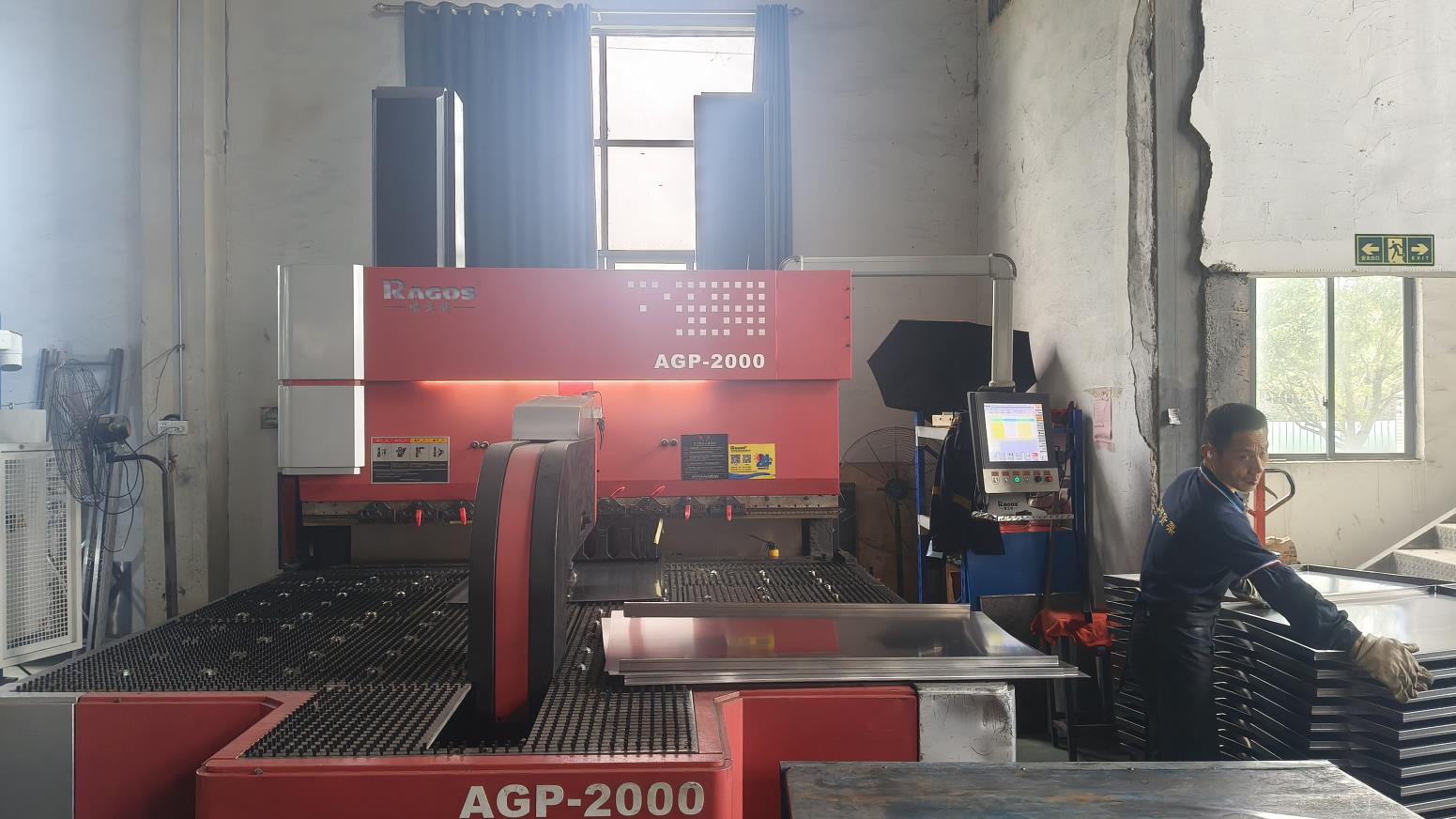
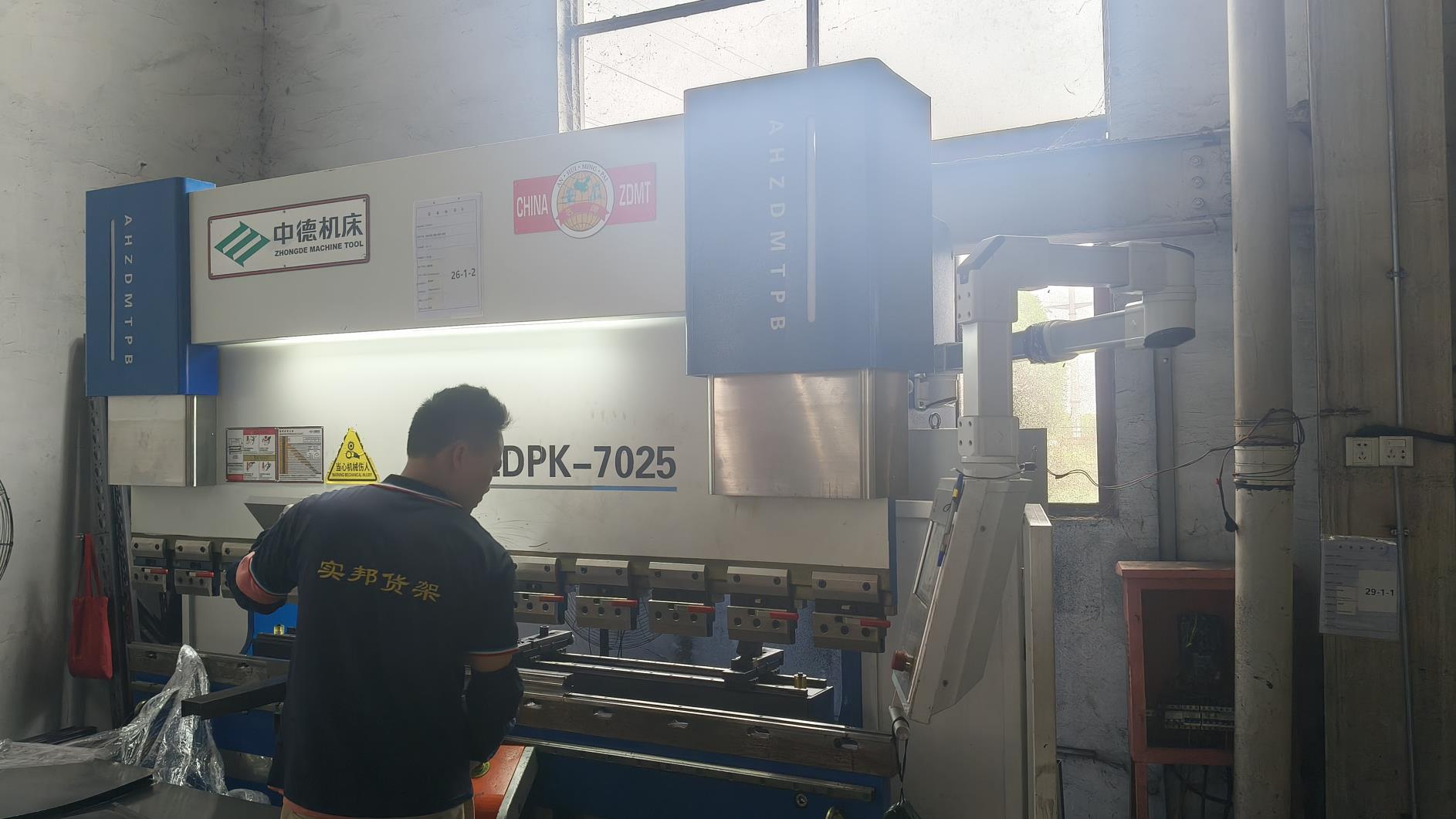
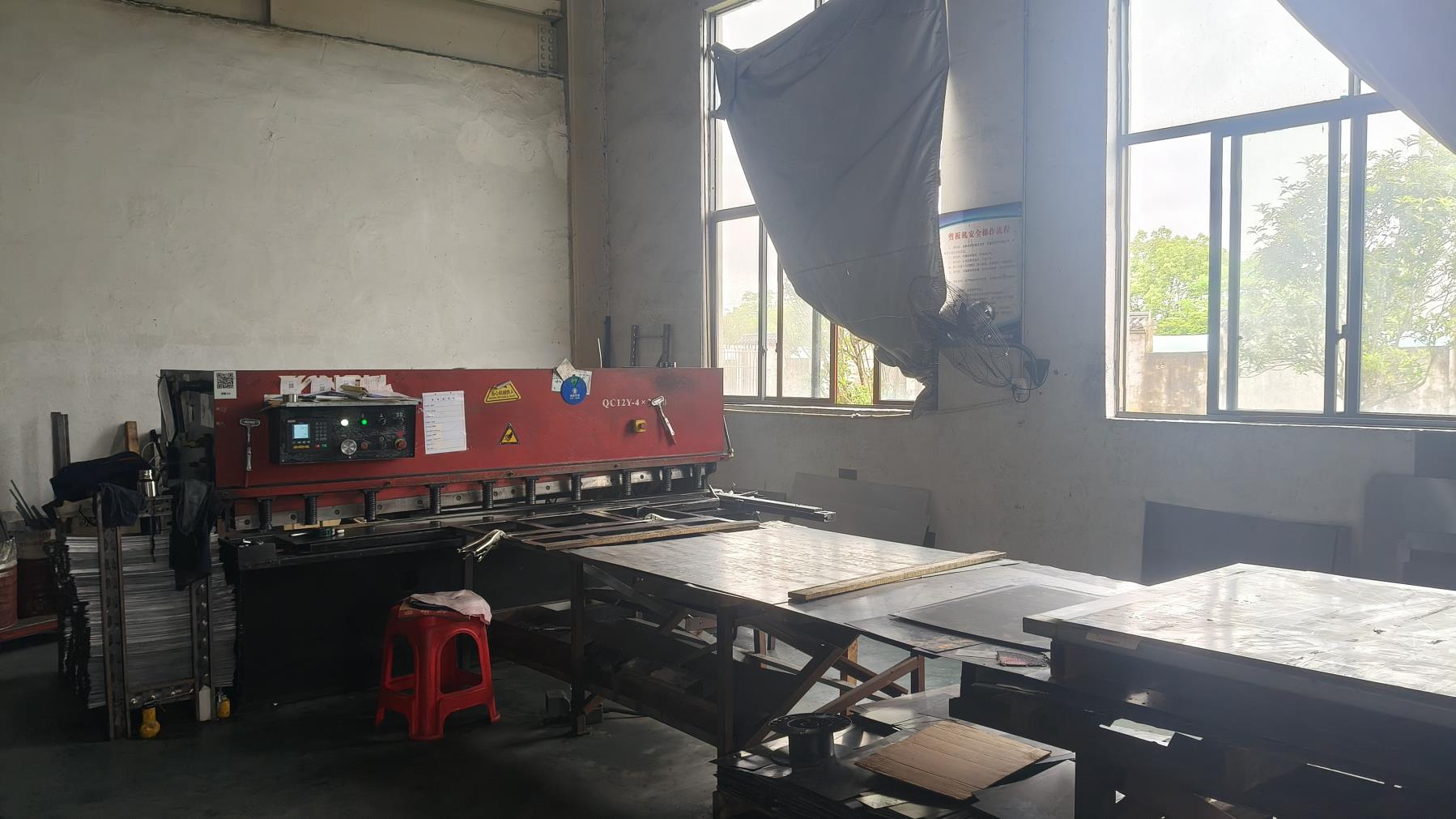
The industrial warehouse design landscape is shifting from passive static storage to dynamically reconfigurable smart environments. Driven by global e-commerce demands and labor shortages, three core trends have emerged:
Skyrocketing land costs have pushed structures to heights exceeding 30 meters, utilizing advanced high-bay selective racking and structural mezzanines to make full use of overhead volume.
Designing physical racking layouts around the flow path of Autonomous Mobile Robots (AMRs) and automated conveyors, shifting layout logic from picking-by-person to goods-to-person.
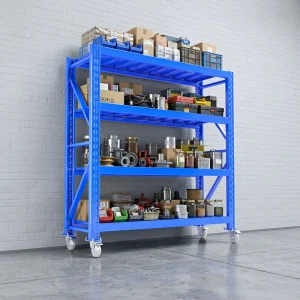
Using modular, boltless racking systems that can be rapidly adjusted, reconfigured, or expanded without requiring structural welding or permanent modifications to the concrete slab.
Utilizing high-tensile steel alloys to reduce raw material usage while maintaining strict loading ratings, paired with eco-friendly electrostatic powder coatings that eliminate VOC emissions.
Procuring warehouse racking systems on an international scale requires deep alignment on safety and engineering specifications. Sourcing teams must prioritize structural certification over raw pricing. Key requirements include:
A layout is only as good as its compatibility with the specific product flow. Different industrial sectors demand highly specialized solutions:
Utilizes ultra-high-density systems like Drive-in, Shuttle, or Mobile Racking. Minimizes ambient volume to reduce cooling energy consumption, keeping operating costs low.
Relies on multi-tier mezzanine floor platforms and dynamic carton flow racks to streamline high-volume, small-item piece picking and packing workflows.
Utilizes custom heavy-duty cantilever racking for engines, steel pipes, and chassis. Provides direct overhead crane access for quick, safe material handling.
Requires clean, dust-free shelving designs, with precise FIFO batch code tracking. Systems must integrate seamlessly with cold-room HVAC air flows.
Looking ahead, the integration of physical racking with digital systems will reshape how facilities are managed. The next generation of warehouse engineering is driven by:
Expert answers to the most common structural engineering and procurement questions.
Explore our fully customizable, industrial-grade storage racks and shelving units.
 Shibang Steel