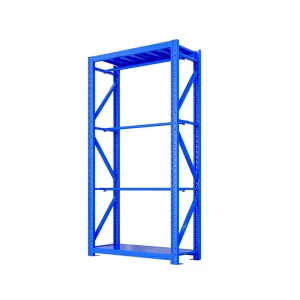
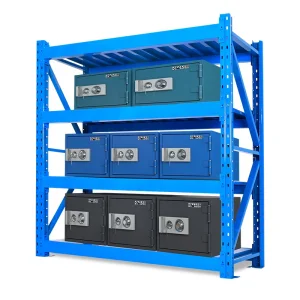
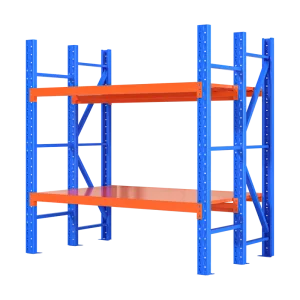
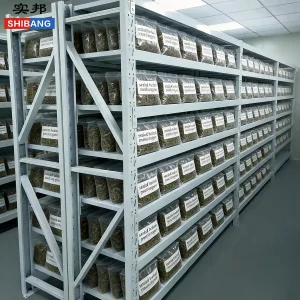
Explore our premium structural configurations designed for versatile warehousing, high loading capacities, and streamlined inventory access.
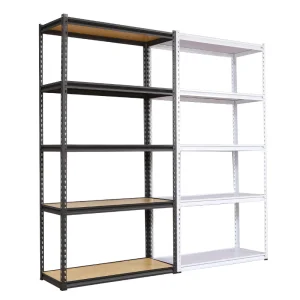
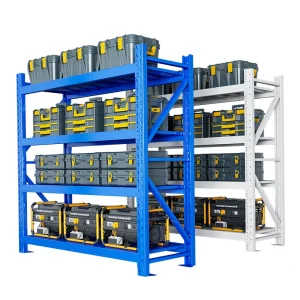
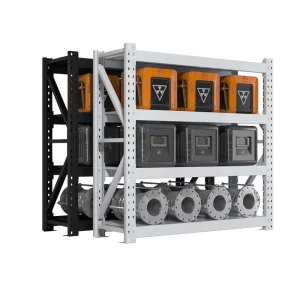
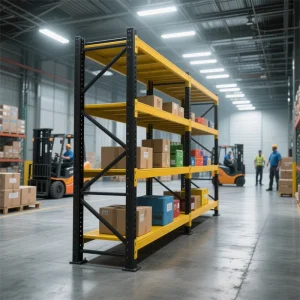
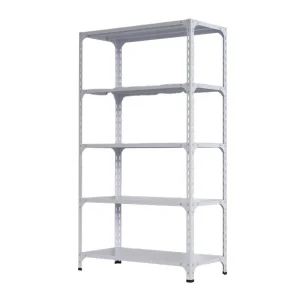
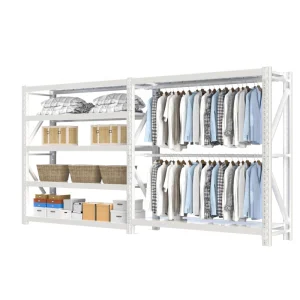
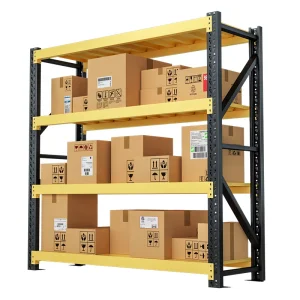
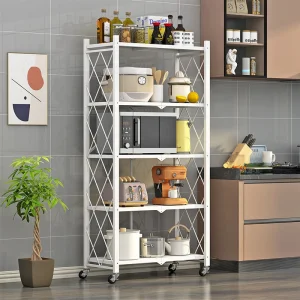
A comprehensive examination of supply chain advantages, metallurgical specifications, and precision production capacities in the global warehouse storage market.
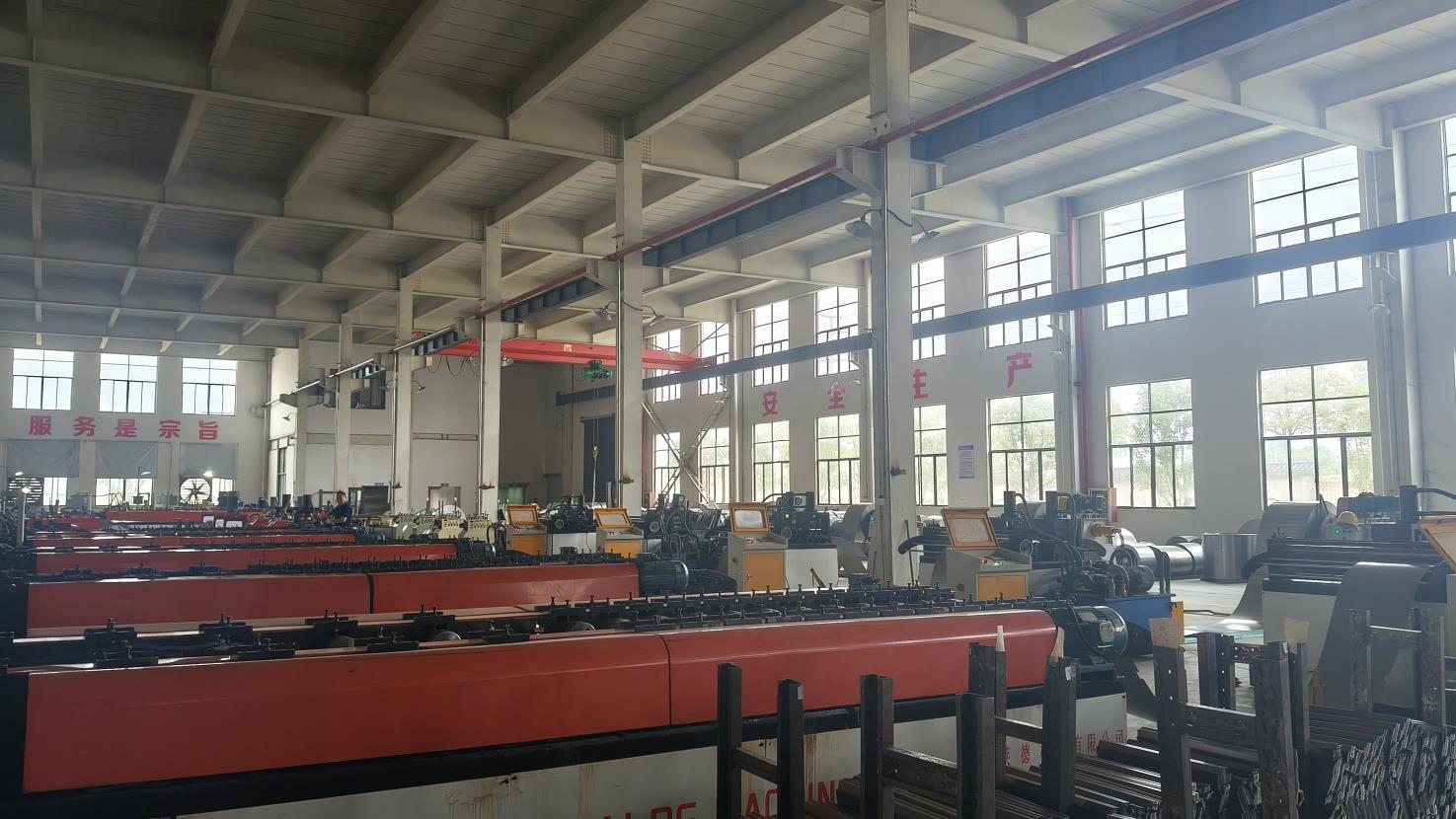
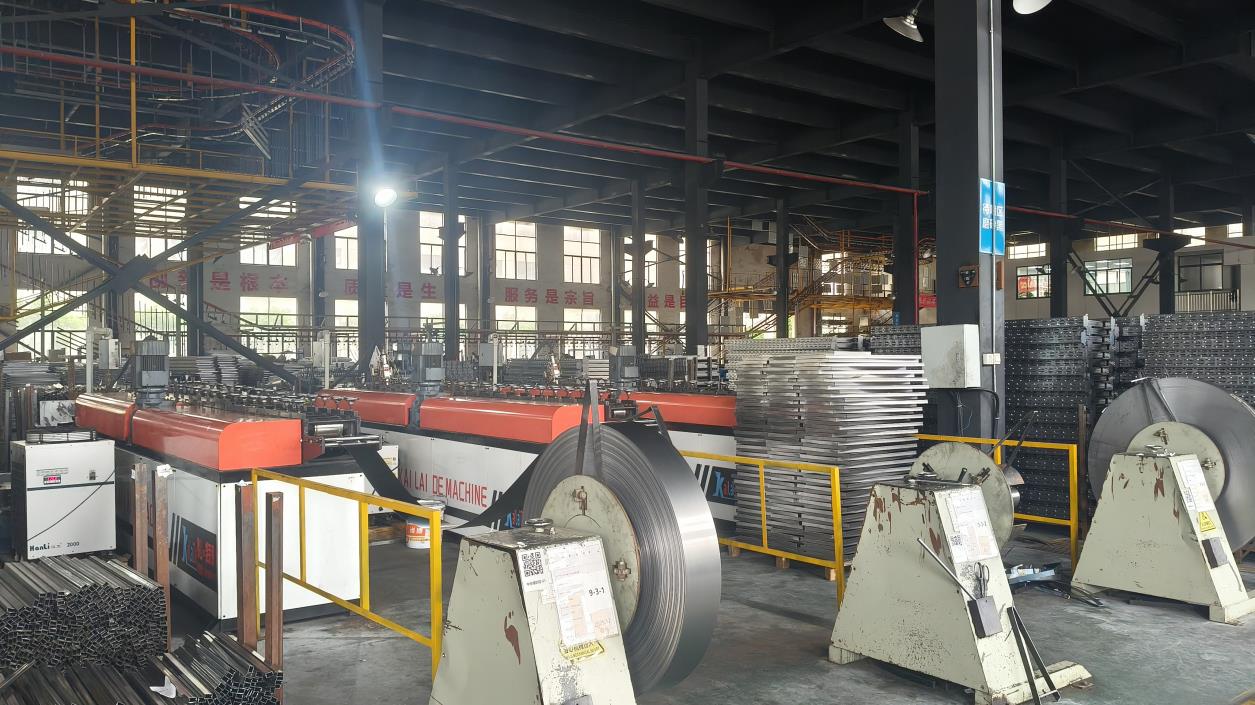
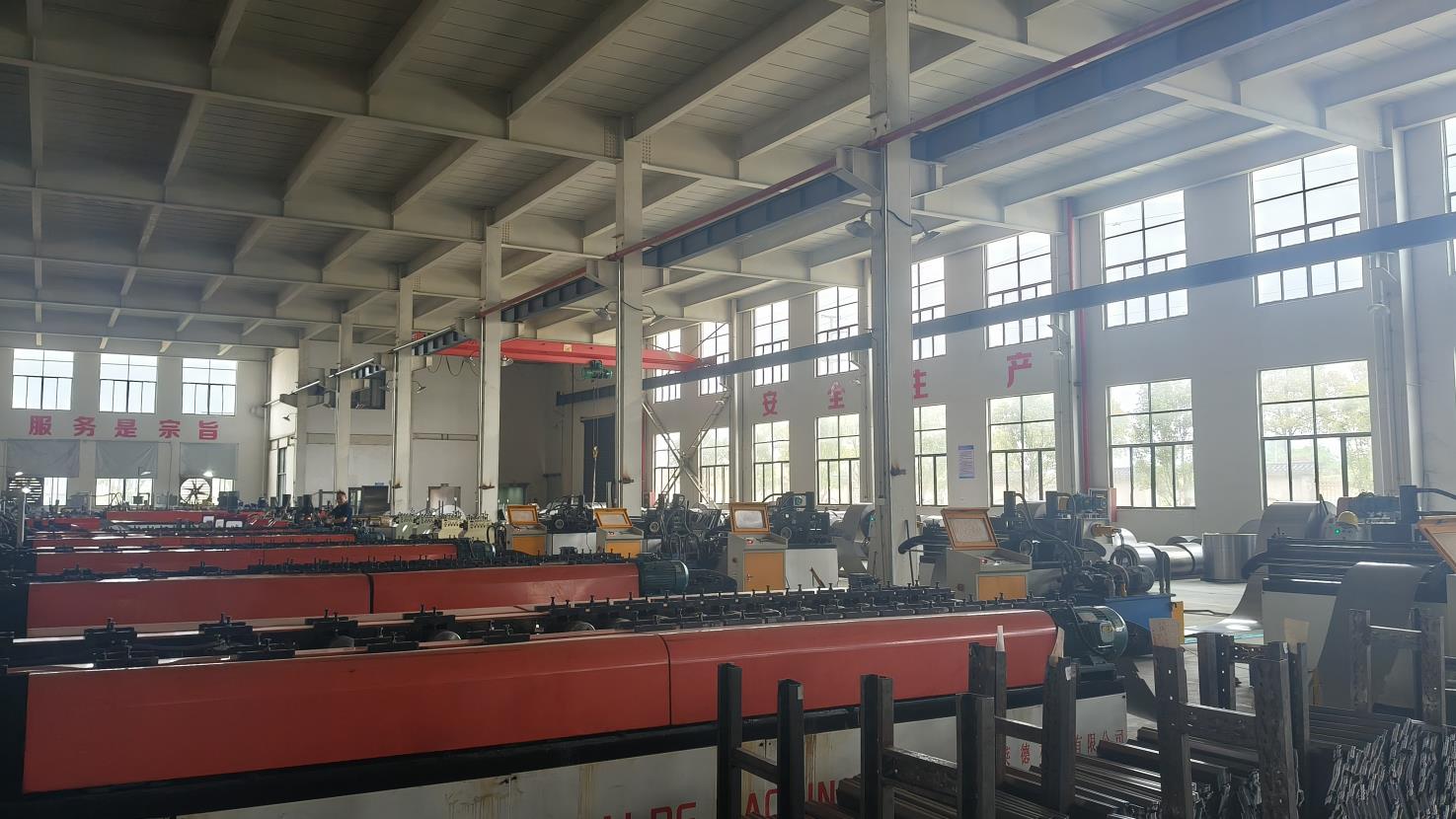
The core of any durable functionality racking system lies in its metallurgical foundation. Chinese manufacturers utilize high-tensile carbon steel, specifically Q235B and Q355, which match global structural steel grades such as ASTM A36 and S235JR. By applying continuous cold-rolled forming processes, the raw steel is converted into load-bearing profiles with high strength-to-weight ratios. This ensures minimal deflection and structural safety under heavy loads.
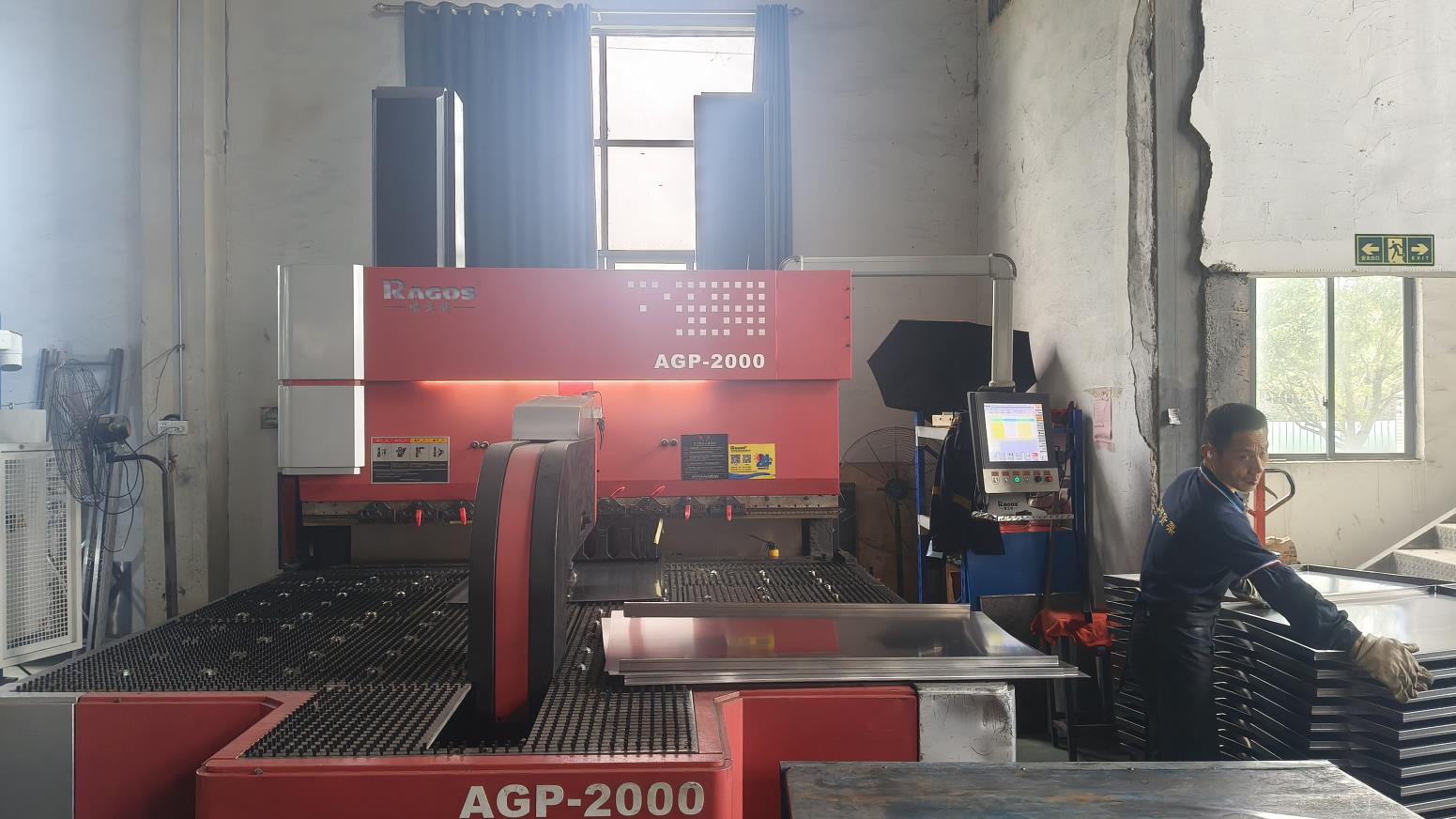
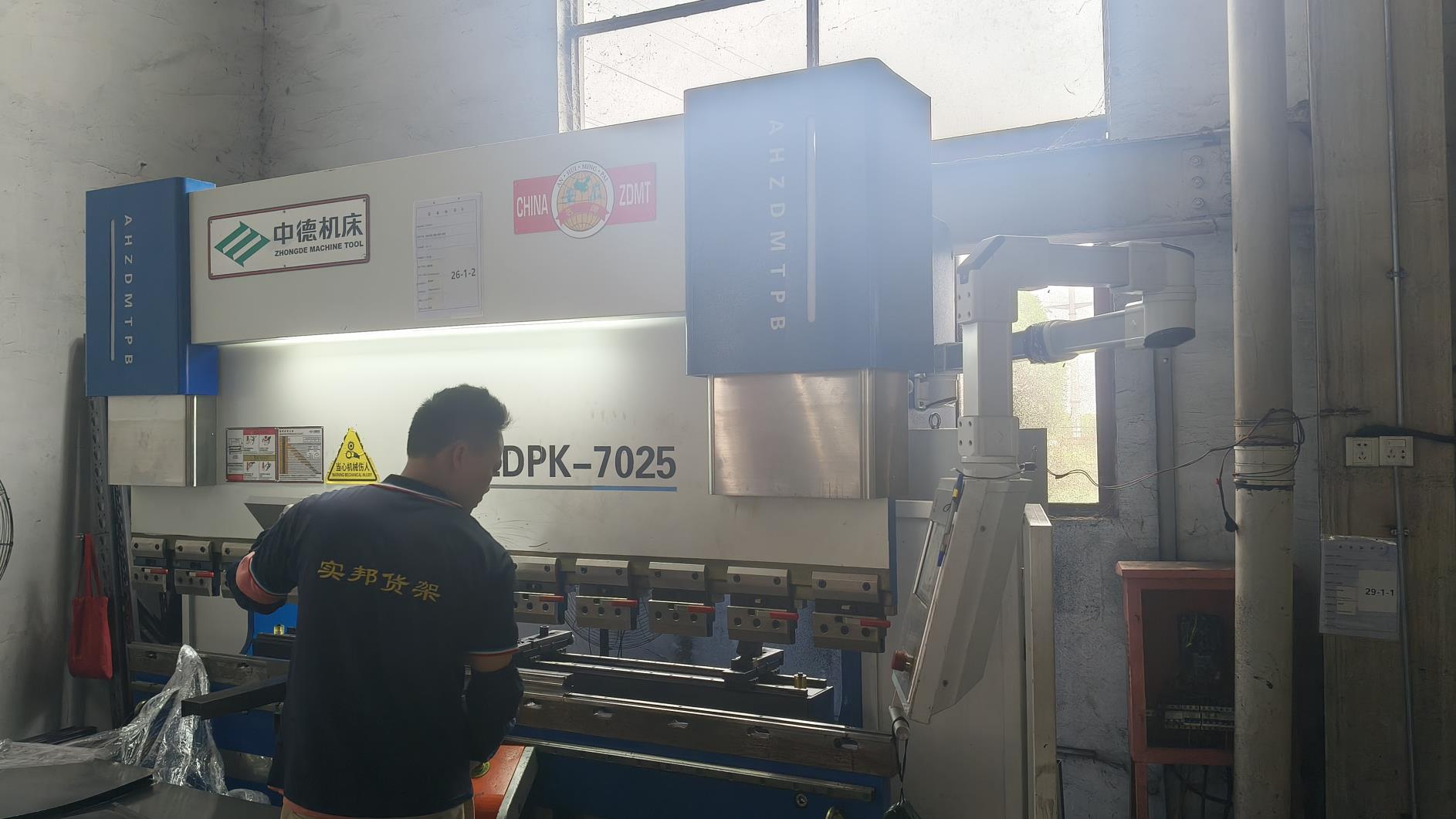
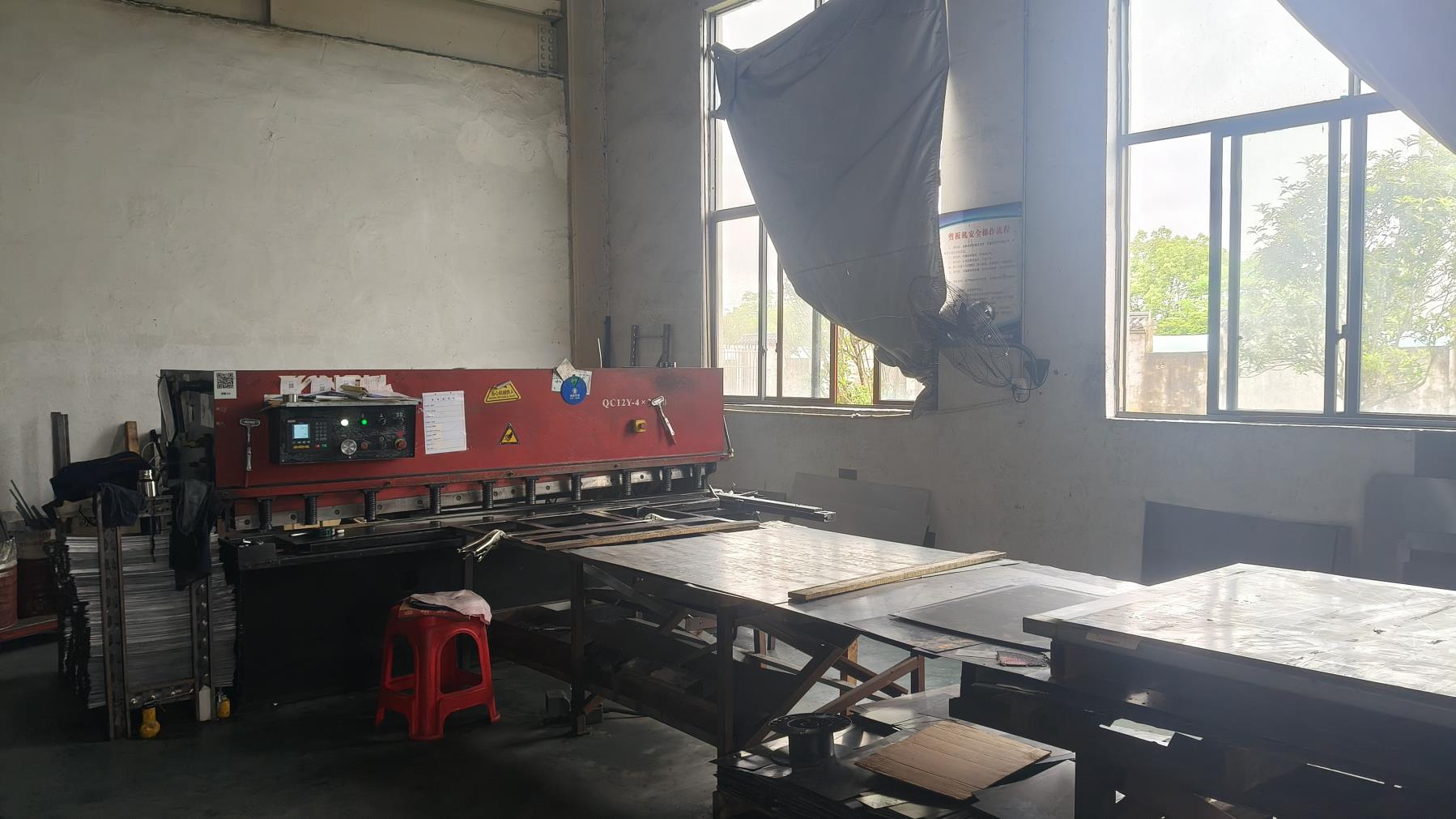
Additionally, advanced roll-forming machinery ensures precise thickness tolerances of +/- 0.05mm. This consistency in material sizing ensures even load distribution across all support points, minimizing stress concentrations that could lead to structural failure.
China's industrial regions, particularly around Shenzhen and Guangdong, benefit from highly integrated supply chain ecosystems. This layout provides manufacturers with direct access to raw steel mills, specialized tooling workshops, robotic welding suppliers, and eco-friendly surface treatment providers. As a result, factories can shorten production lead times and offer cost efficiencies that are difficult to match elsewhere.
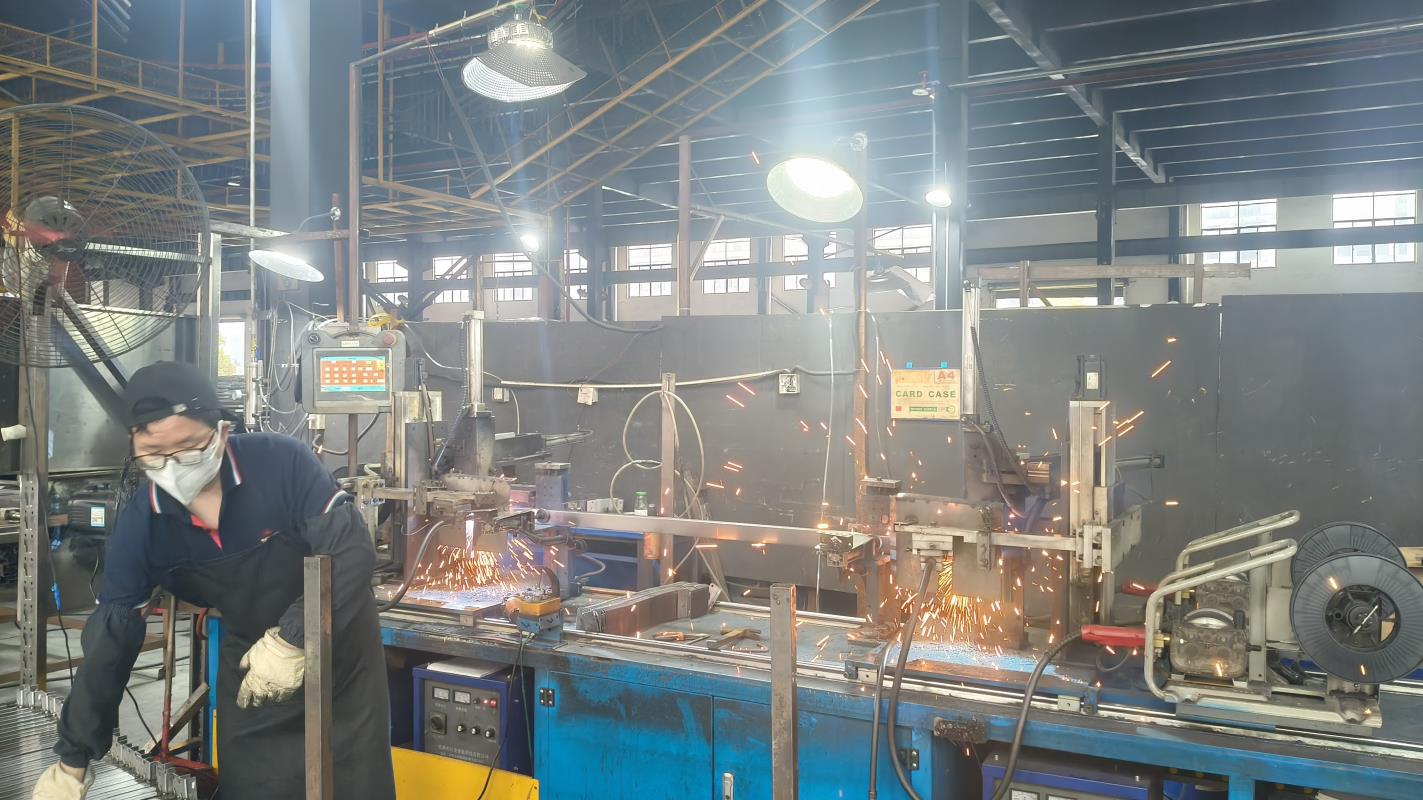
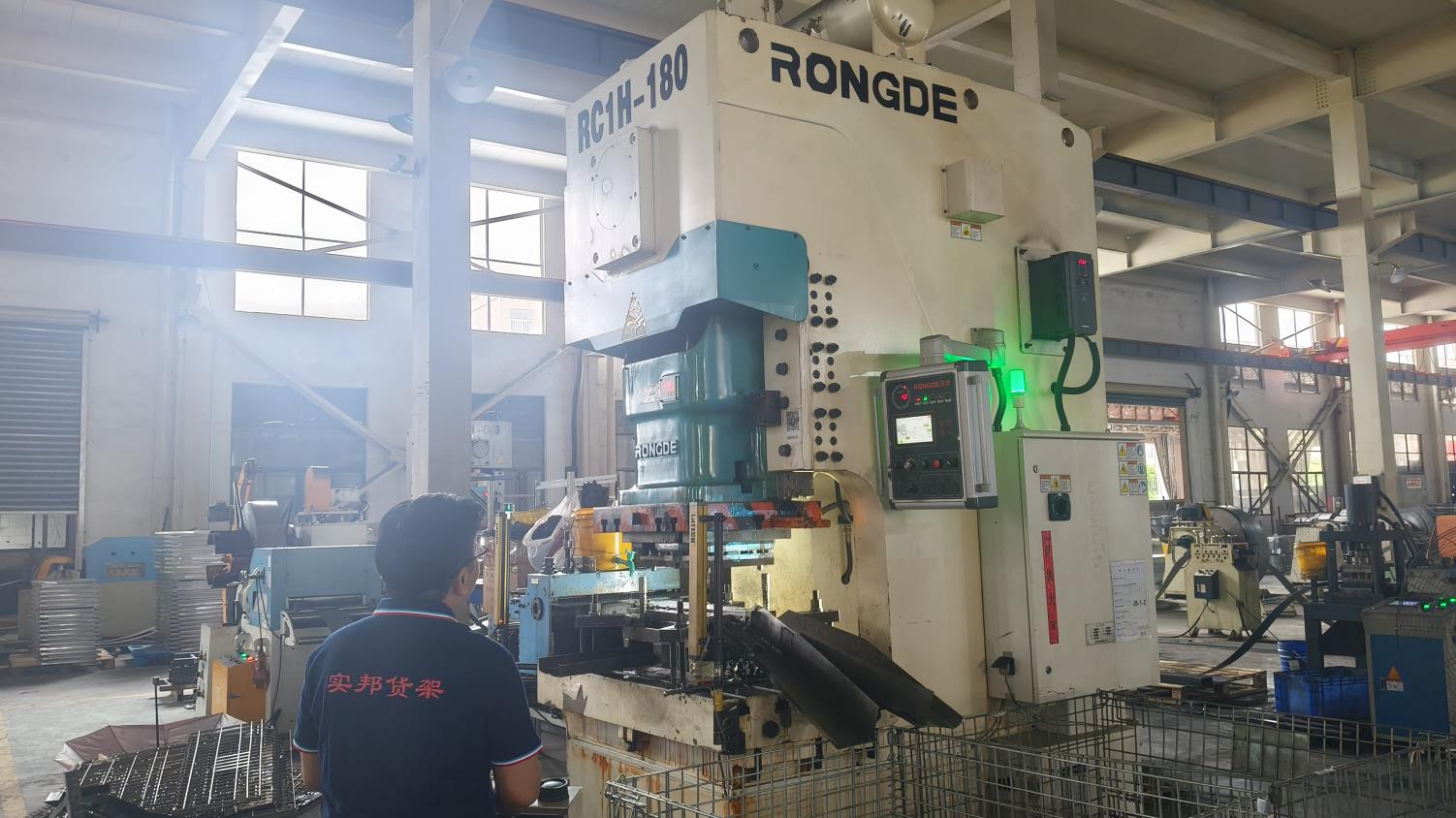
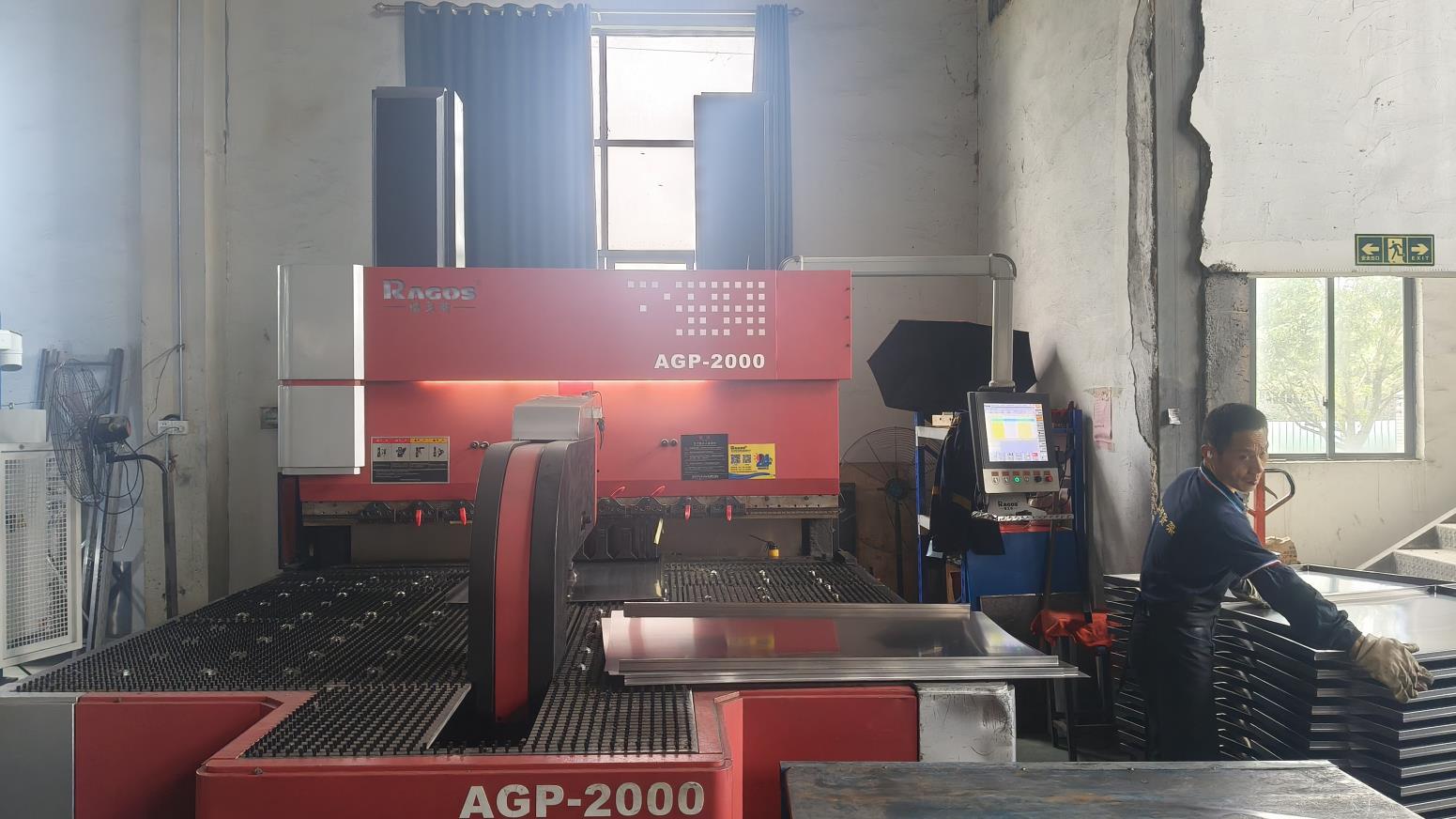
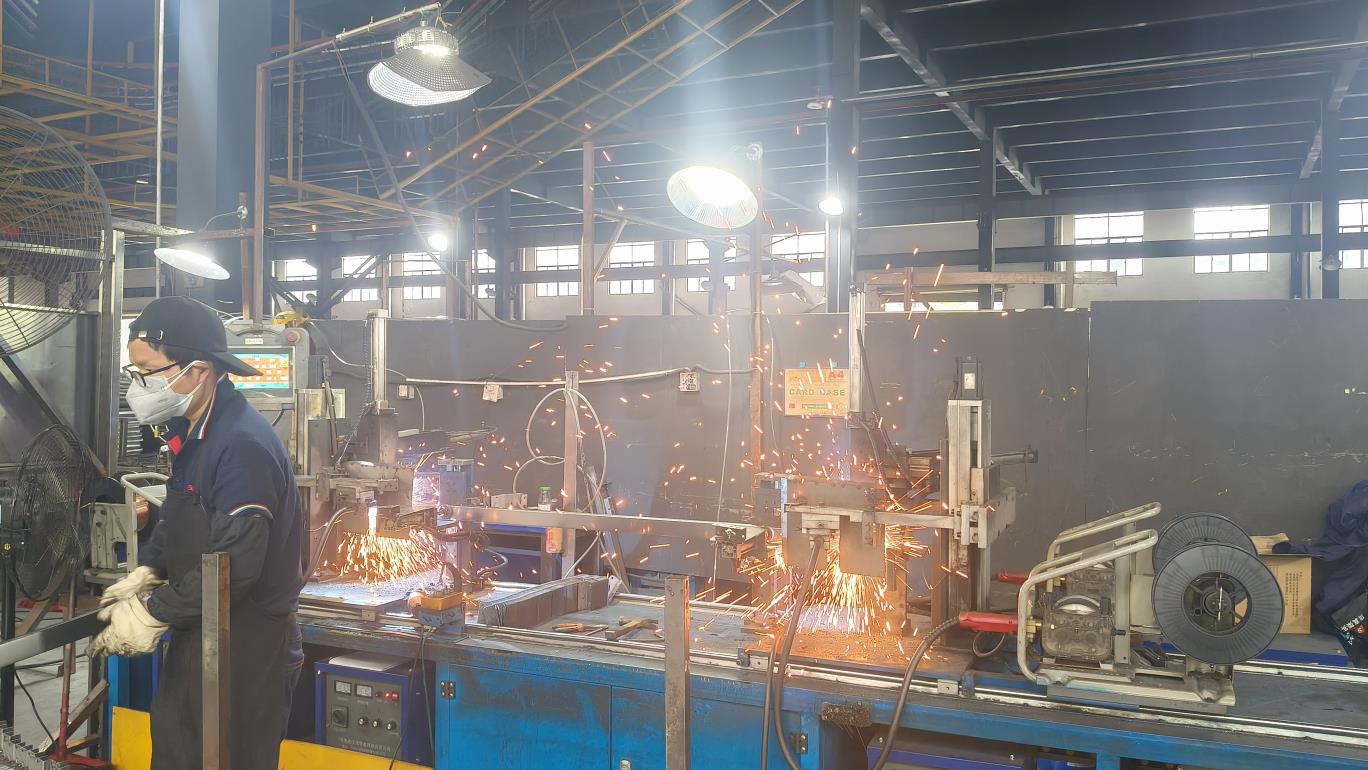
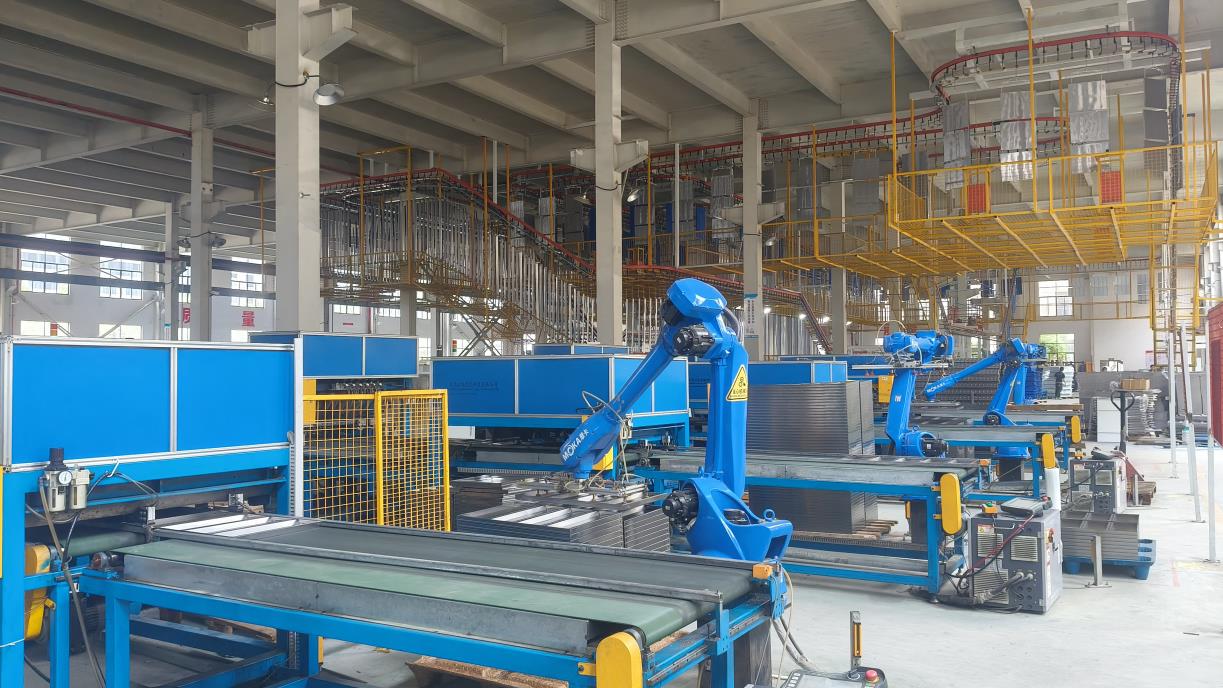
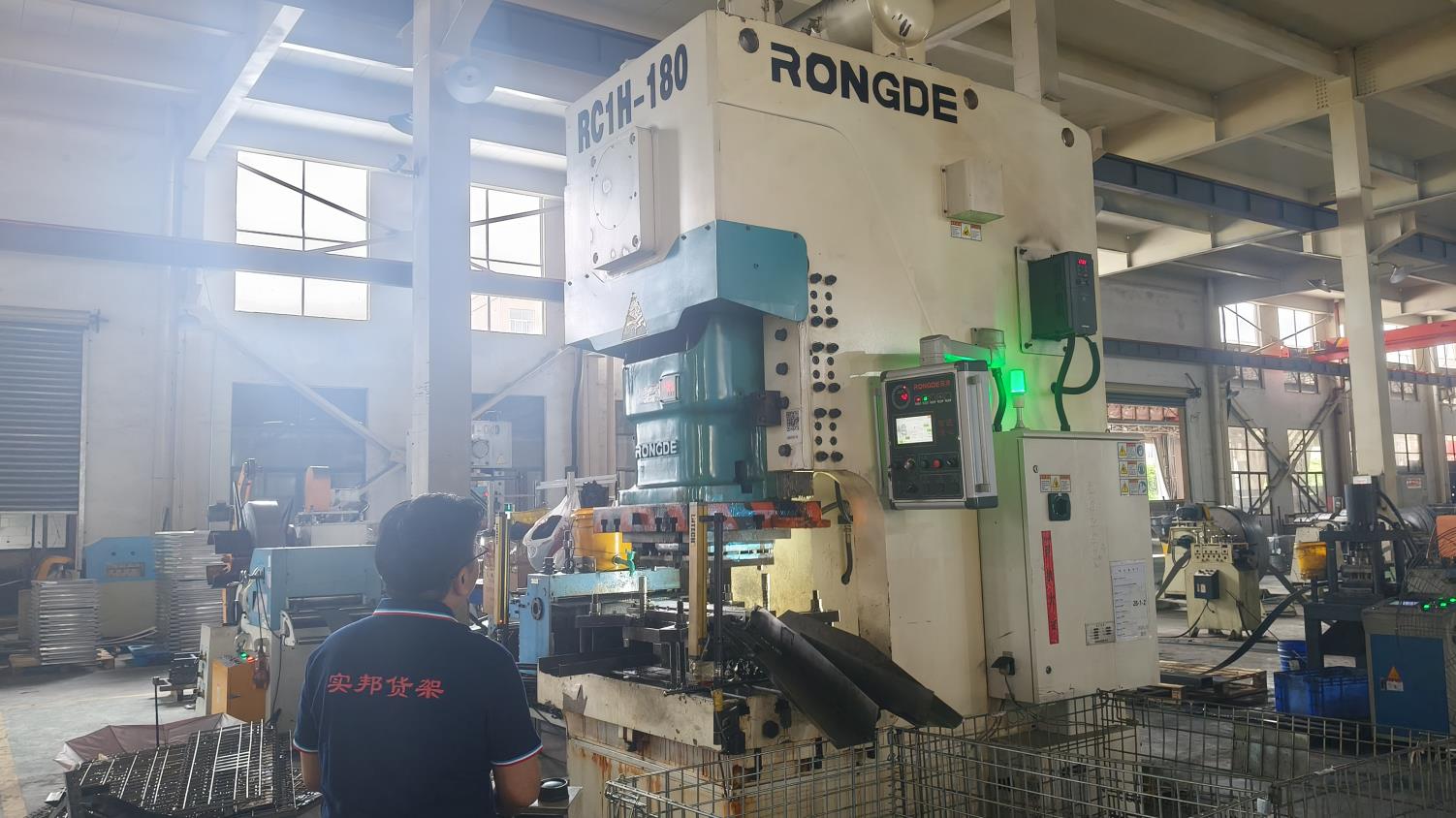
Modern Chinese factories have transitioned from manual operations to fully automated, robot-assisted production lines. Computer-controlled punch presses perform precise punching along upright columns to support adjustable shelving levels. Robotic arms manage continuous seam welding on load-bearing components like step beams, box beams, and support brackets.
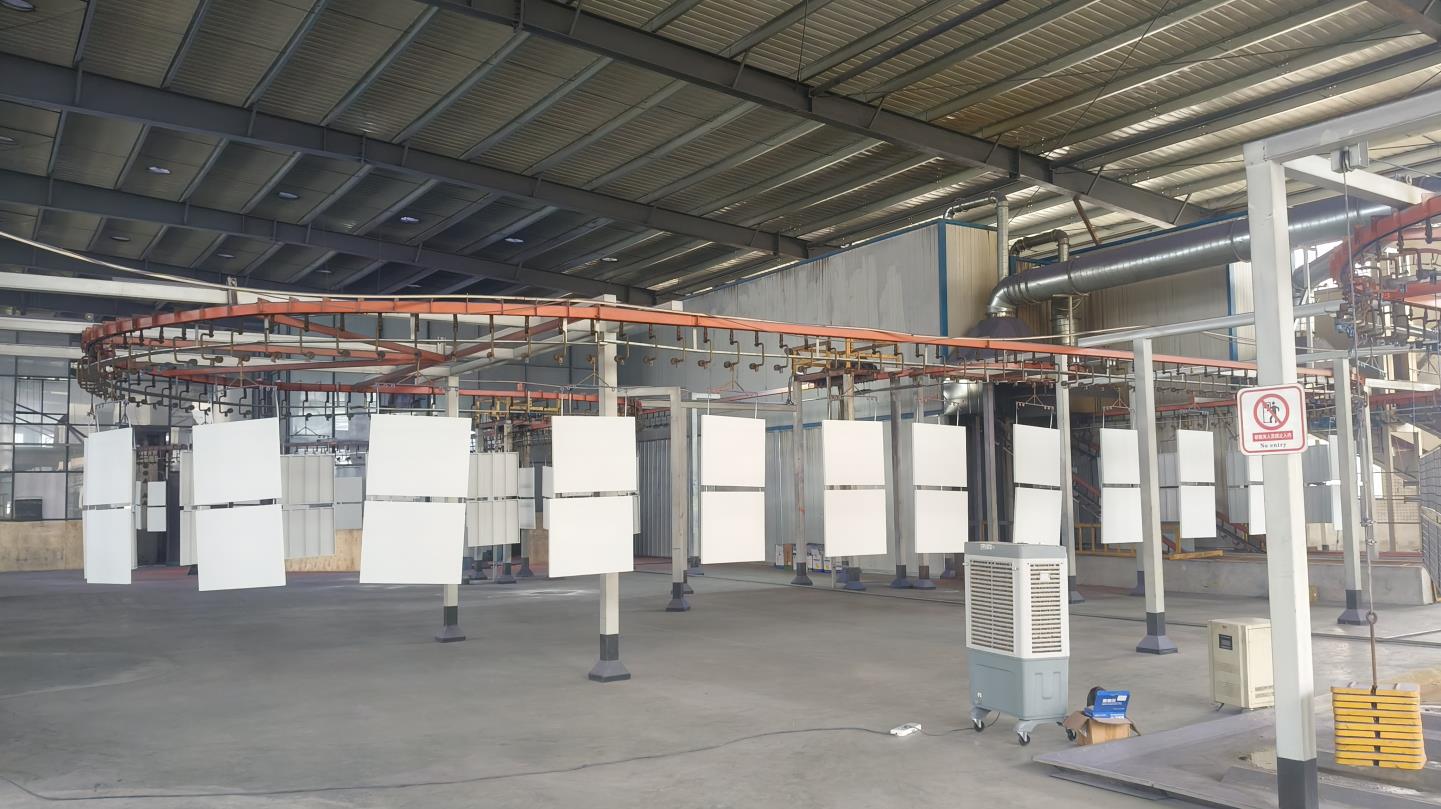
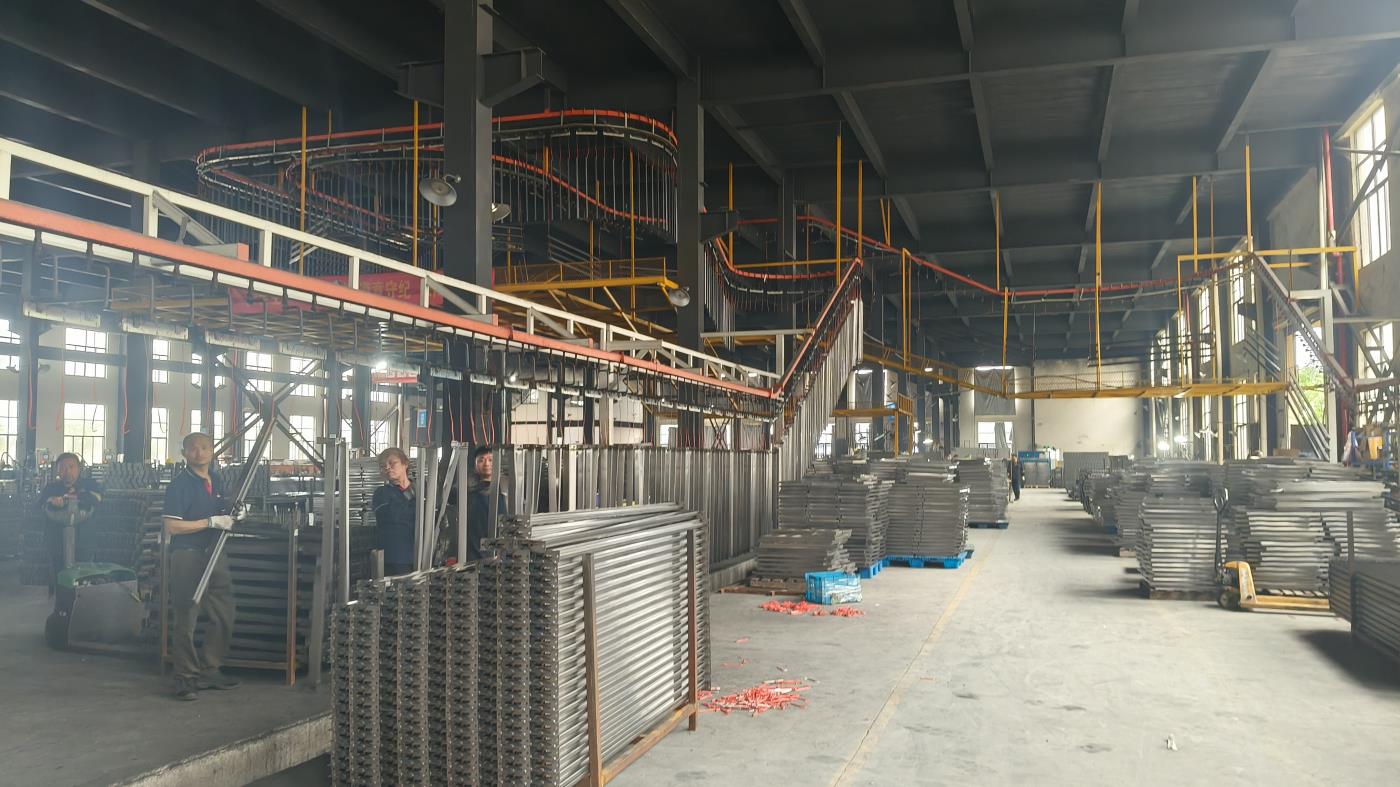
Automated powder coating lines apply electrostatic coatings uniformly, ensuring the finish bonds securely to the steel. This automated approach ensures that every racking component meets consistent quality standards, matching the engineering drawings exactly.
Established in 2015, Shenzhen Shibang Storage Rack Co., Ltd. is a leading manufacturer specializing in industrial racking systems and customized warehouse storage solutions.
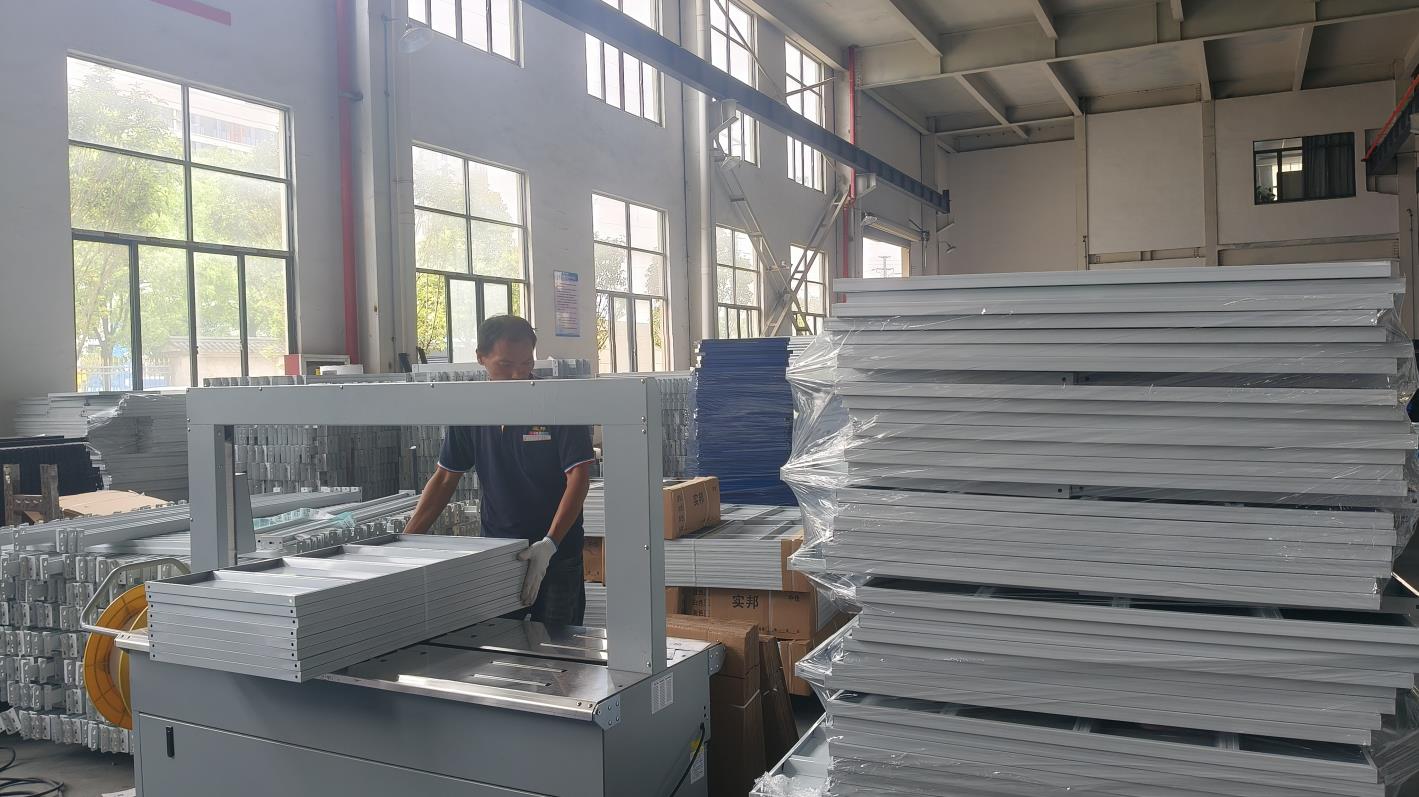
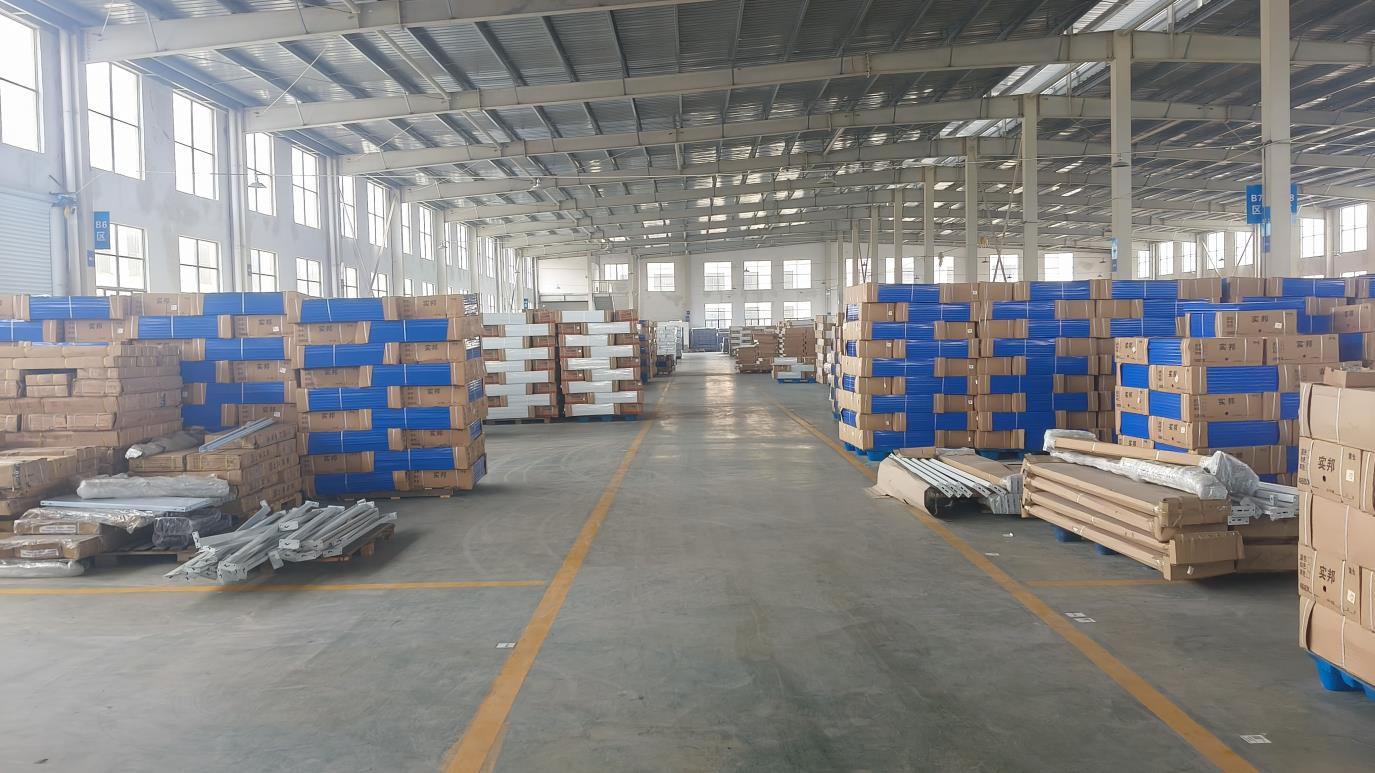
Operating from a modern production facility spanning 32,000 square meters, Shibang integrates structural design, precision manufacturing, and international trade to serve a diverse global client base.
With over 12 years of industry expertise and 8 years of dedicated export experience, their products are distributed across North America, Europe, Australia, and Southeast Asia, generating over $18 million in annual export revenue. They primarily partner with industrial distributors, third-party logistics (3PL) providers, e-commerce fulfillment centers, and large-scale manufacturing enterprises. Supported by a robust network of over 800 supply chain partners, they ensure consistent raw material quality and efficient production timelines.
Quality control and technological innovation form the core of Shibang's operations. Their dynamic R&D team consists of 18 senior engineers, supported by 35 dedicated QC professionals.
They implement rigorous product inspection protocols—including raw steel tensile testing, automated ultrasonic weld checking, static and dynamic load testing, and powder-coating salt spray endurance tests—ensuring compliance with international safety and durability standards. In the past year alone, the R&D unit successfully introduced 45 new product designs and structural optimizations.
The warehousing industry is transitioning from static shelving to dynamic, smart, and highly adaptable storage solutions. Key trends reshaping the industry include:
Today's supply chains require flexible configurations. Modern functionality racks use boltless connectors, teardrop punch holes, and drop-in support beams. This allows facilities to adjust rack profiles and shelf levels rapidly without specialized tools, adapting quickly to changes in inventory profiles.
As Automated Guided Vehicles (AGVs) and Autonomous Mobile Robots (AMRs) become more common, racking systems must be built to interact with them. This requires flat baseplates, precise dimensional tolerances, and integrated guidance tracks, allowing robotic systems to retrieve pallets and totes with high precision.
For demanding environments like cold-chain storage (-30°C) or outdoor hubs, hot-dip galvanized and dual-layer epoxy powder coatings are becoming the industry standard. These finishes protect against rust and oxidation, extending the service life of structural components.
Industrial storage represents more than physical shelving; it is a critical component of material flow and space utilization. Racking systems address complex logistics challenges through tailored engineering solutions:
Traditional selective racking layouts utilize only about 40% of a warehouse's total floor area, with the remainder dedicated to forklift aisles. By transitioning to High-Density Solutions—such as Double-Deep Racking, Drive-In Racking, or Mezzanine Platform Systems—operations can increase spatial utilization to 65%–85% without expanding their building footprint.
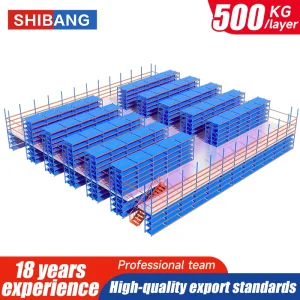
For example, Shibang's Mezzanine Platform Systems feature galvanized flooring with a load capacity of 500 kg/sqm. This turns vertical airspace into usable storage, doubling floor area for light assembly, sorting, or fulfillment tasks.
Racking configurations should support your warehouse flow strategies. For perishable goods or inventory with high turnover rates, FIFO (First-In, First-Out) setups using gravity-fed flow racks ensure proper stock rotation. For bulk commodities with lower rotation needs, LIFO (Last-In, First-Out) drive-in systems optimize storage density by packing identical pallets into deep lanes.
Additionally, placing barcode placards and RFID tags directly on the racking beam profiles supports accurate WMS tracking, reducing picking errors and speed up cycle counting.
Functionality racks are engineered to perform across a variety of industrial, commercial, and residential settings:
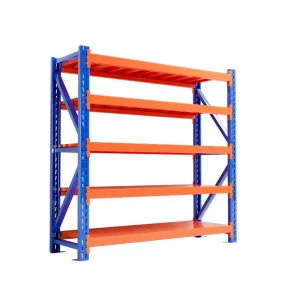
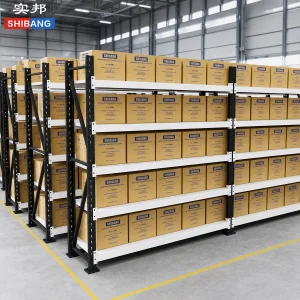
In fast-paced e-commerce facilities, picking efficiency is critical. Adjustable, multi-tier shelving units organize a wide variety of small SKUs. Incorporating dividers, picking bins, and open-wire decking helps maintain high pick rates, while boltless designs allow for easy modifications as inventory lines change.
Automotive assembly lines, machinery workshops, and steel fabricators require high load capacities. Heavy-duty pallet racks made from structural steel can carry 1,500kg to 2,000kg per level. Row spacers, upright protectors, and wire mesh decking provide added structural support and safety.
In cold chain environments, racking must handle extreme temperatures without steel embrittlement or coating failure. Hot-dip galvanized surfaces provide durable corrosion protection, while mobile wide-span racks with wheels allow for compact storage inside temperature-controlled rooms.
For procurement directors and project engineers, selecting a racking supplier requires evaluating specific technical criteria to ensure long-term structural safety and compliance:
Verify that your supplier's designs comply with regional safety standards, such as ANSI/MH16.1 (Racking Manufacturers Institute in the USA), EN 15512 (Europe), or AS 4084 (Australia). Compliance confirms the racking has been analyzed for vertical load capacities, structural deflection limits, and seismic resistance.
Ask for documentation on material traceability, mill test certificates for steel coils, and independent testing validation from organizations like SGS or TÜV.
Racking systems should be tailored to the specific warehouse layout. A reliable manufacturer will provide complete CAD layouts and Finite Element Analysis (FEA) models to evaluate structural performance under load. This process determines the correct steel thickness, beam sizing, and frame configurations required for the site's layout and concrete floor capacity.
Get answers to common technical and structural questions when designing and ordering industrial functionality racks.
Review our specialized configurations, including industrial platforms, heavy-duty racking, and custom garment storage systems.
 Shibang Steel