Industrial grade structural frameworks designed to integrate seamlessly with automated systems
An in-depth whitepaper on automated warehouse density, efficiency, and system scalability.
In today's fast-moving distribution environment, commercial space costs are rising rapidly while labor pools are shrinking. Traditional forklift-based warehousing faces limitations in travel time, safety, and height usage. Because of this, global industries are adopting Automated Storage and Retrieval Systems (AS/RS).
Unlike older systems that move in only two directions, 4-way shuttle systems move along both longitudinal and lateral rails. This allows them to change lanes dynamically without needing additional cranes or transfer cars. They navigate multi-level racking networks to retrieve pallets with high precision. By using this technology, companies can increase storage density by up to 60% compared to standard selective racks, while also lowering energy costs compared to traditional stacker cranes.
Reclaims up to 90% of unoccupied air space with a compact grid design.
Adding more shuttles to the rack increases system throughput without requiring structural modifications.
Several global logistics trends are shifting warehouses toward automated 4-way shuttle systems:
Industrial procurement managers, logistics consultants, and Third-Party Logistics (3PL) providers look at several key criteria when choosing 4-way shuttle rack systems:
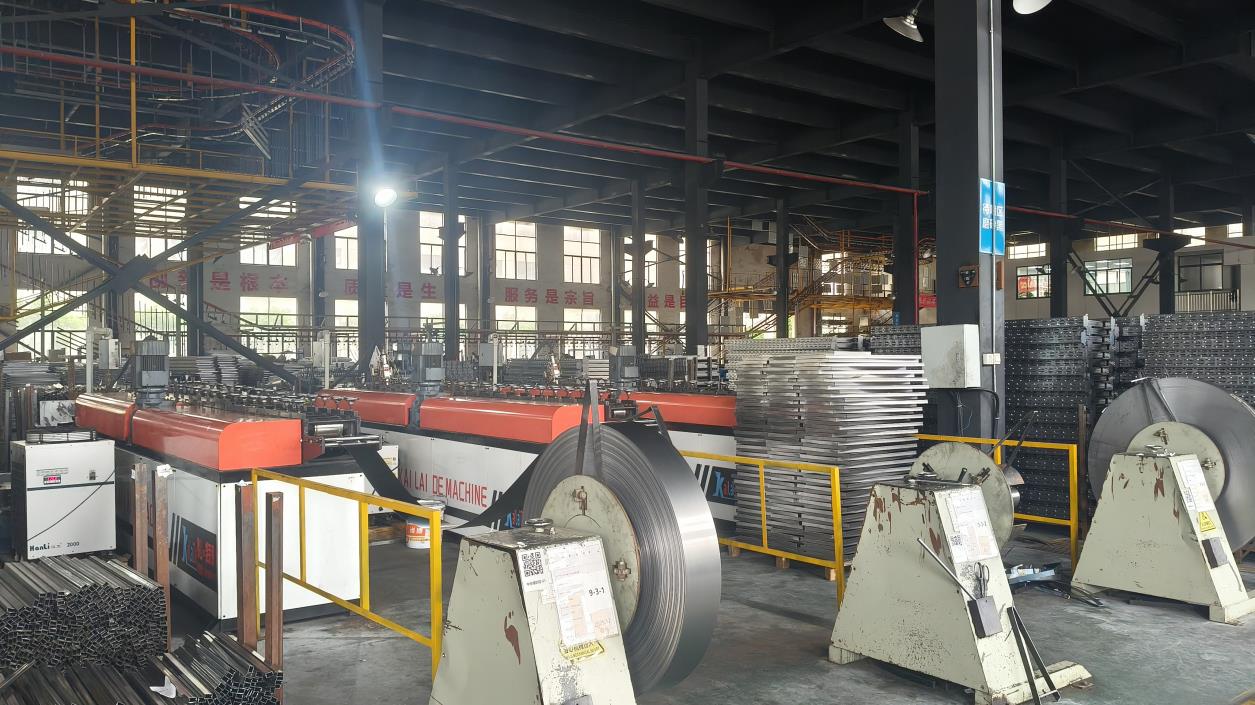
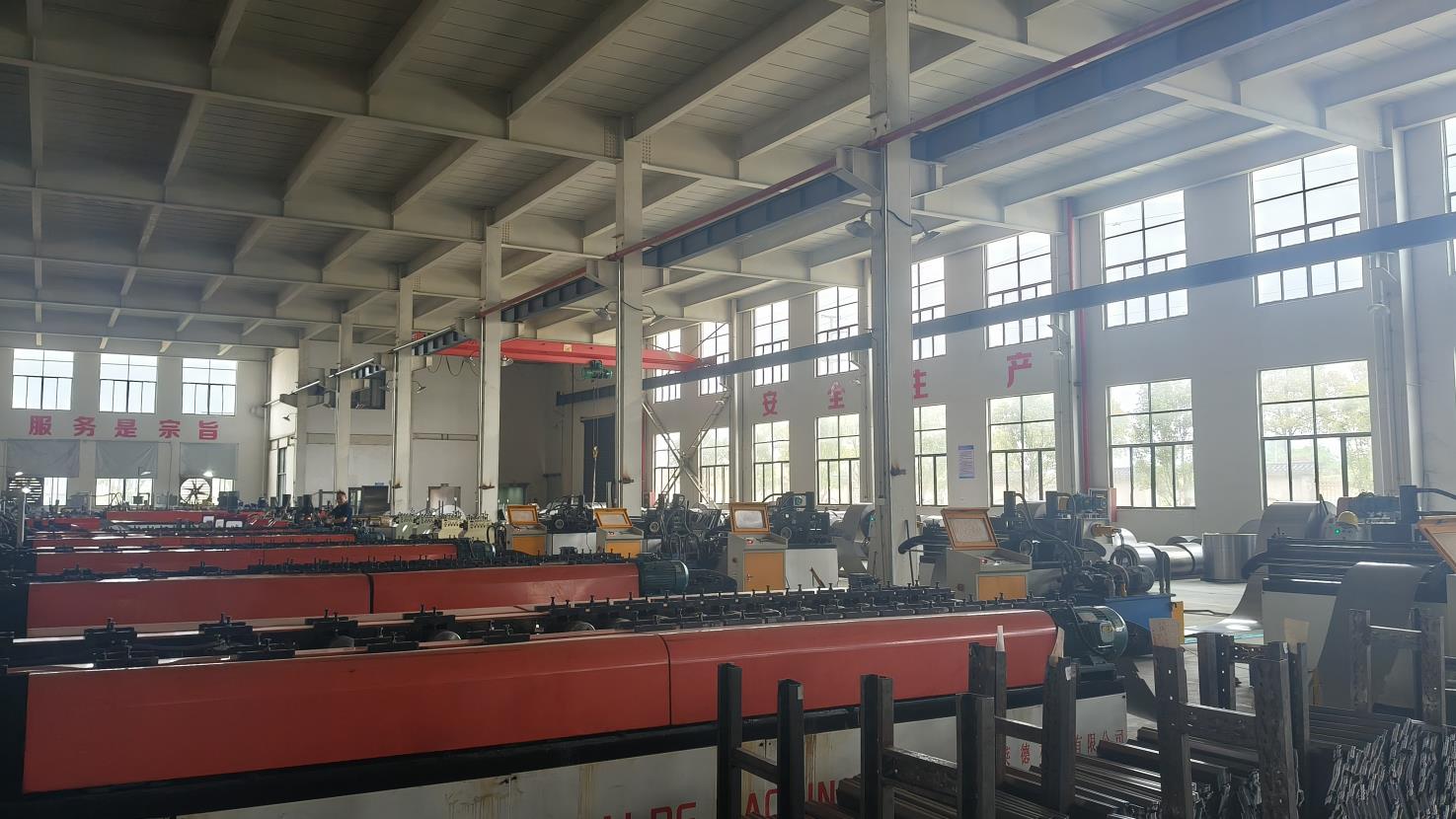
Automated shuttles travel at speeds up to 2.0 m/s. Even minor millimeter-level rail deviations can trigger emergency stops. Standard warehouse racks do not meet these requirements. Suppliers must use high-precision cold-rolled steel profiling to ensure exact dimensional accuracy.
Racking must integrate with diverse Warehouse Control Systems (WCS) and Warehouse Management Systems (WMS). Safety features like end-stops, anti-collision sensors, and seismic anchoring are also essential to protect the high-value cargo and automation equipment.
Precision Engineering & High-Tolerance Racking Manufacturing since 2015
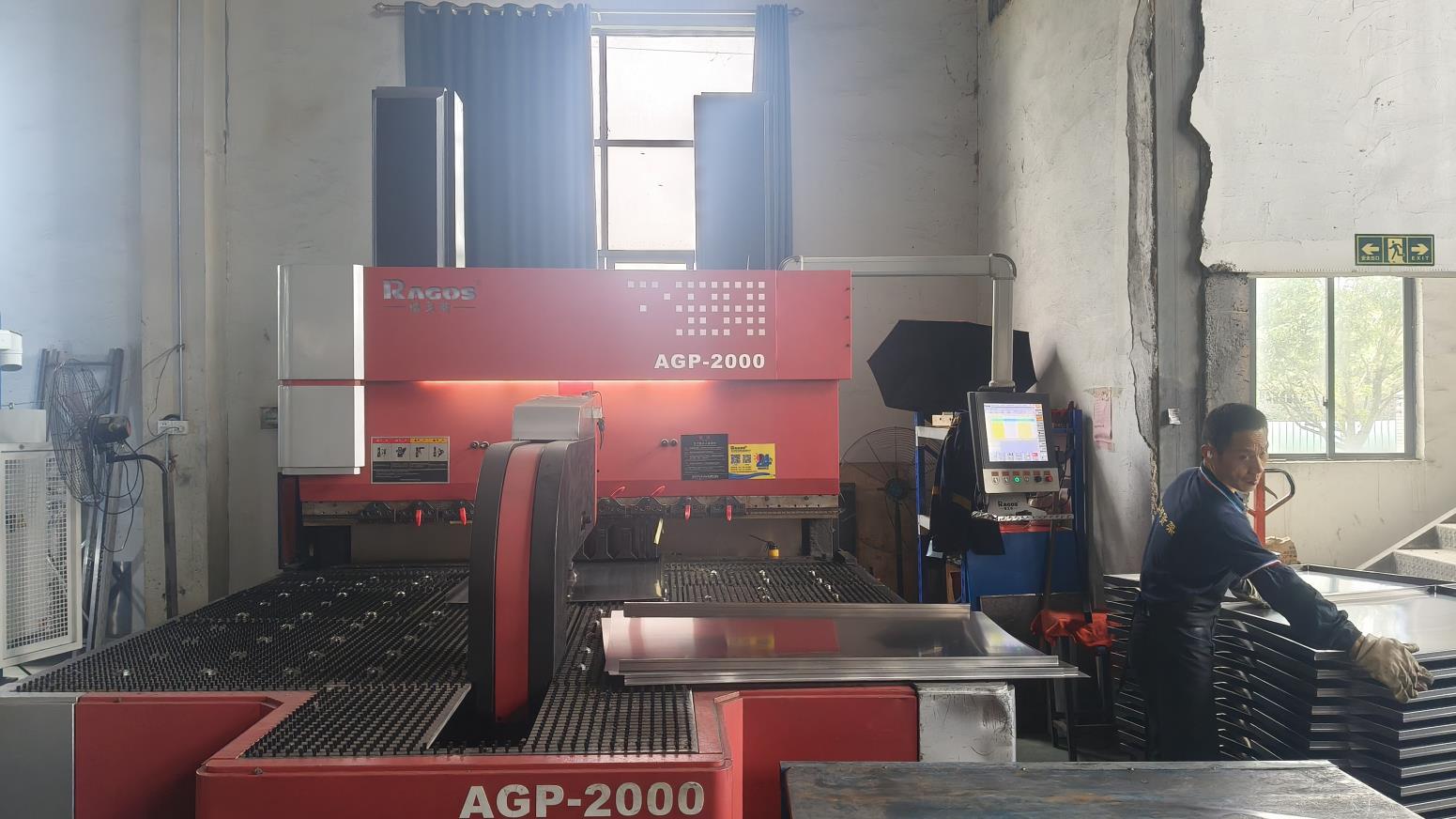
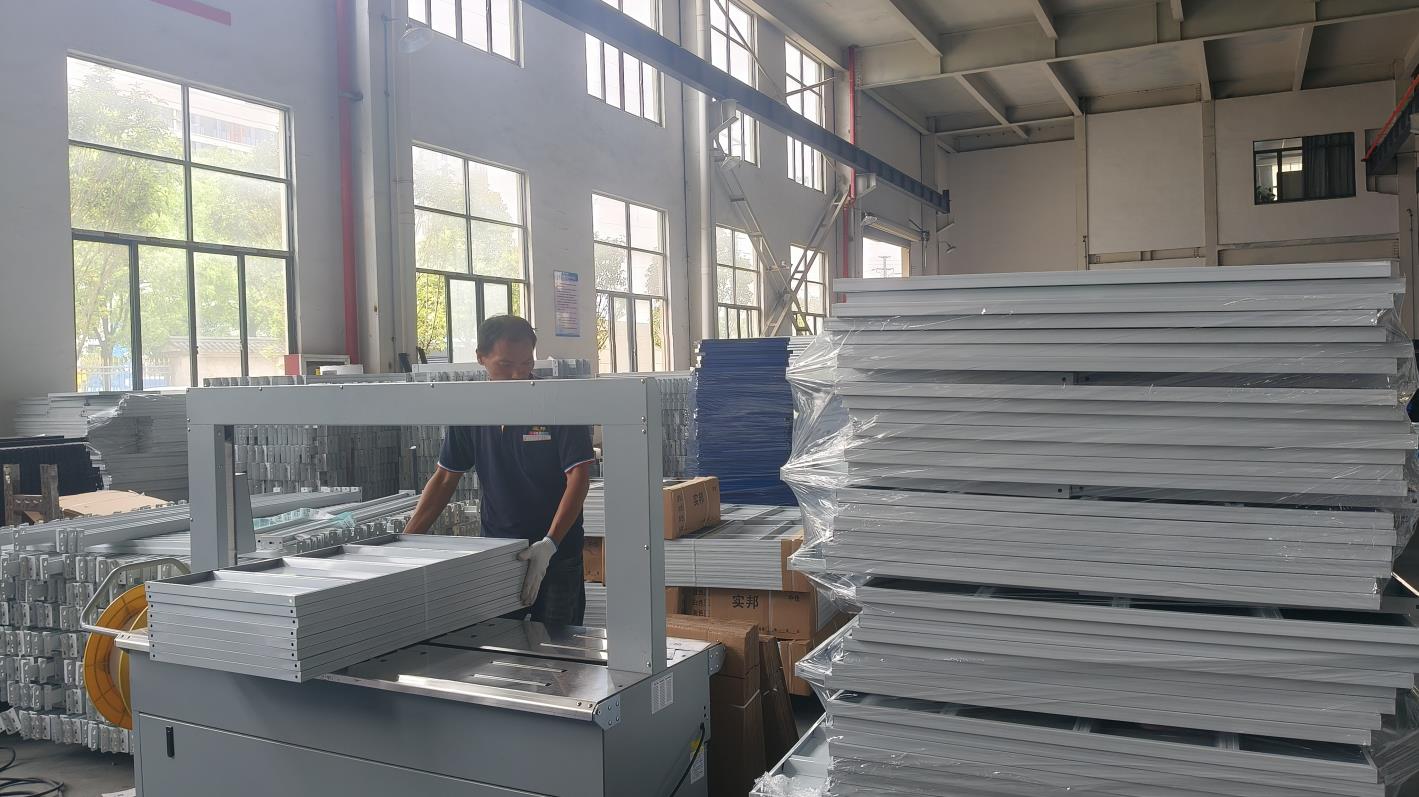
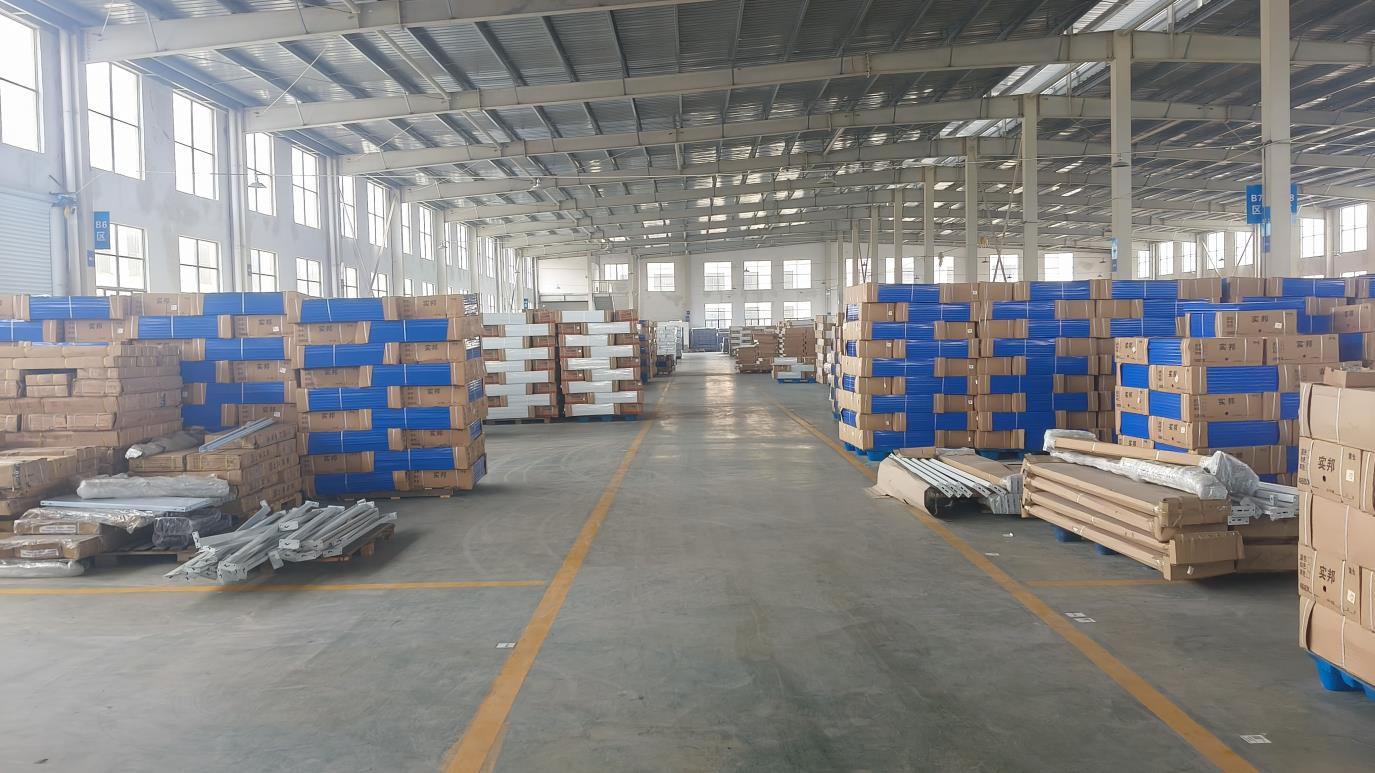
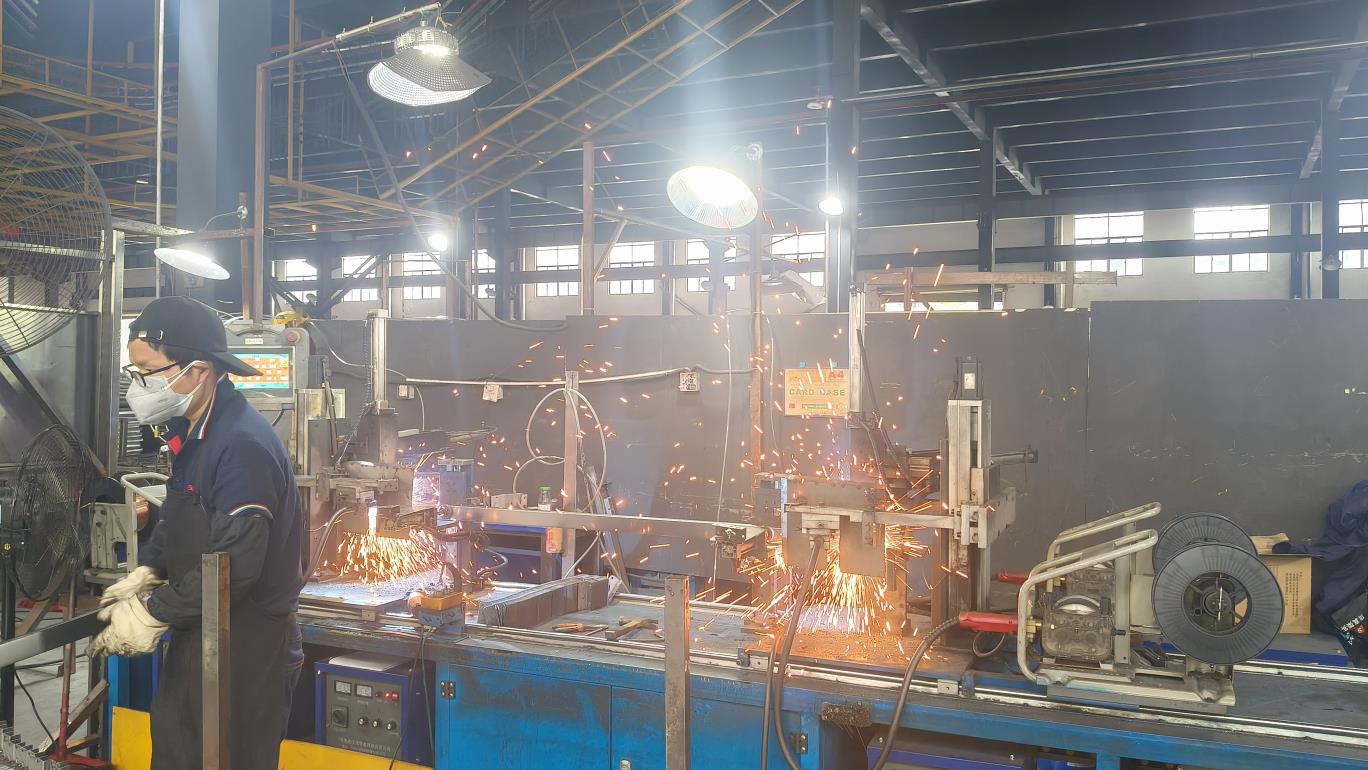
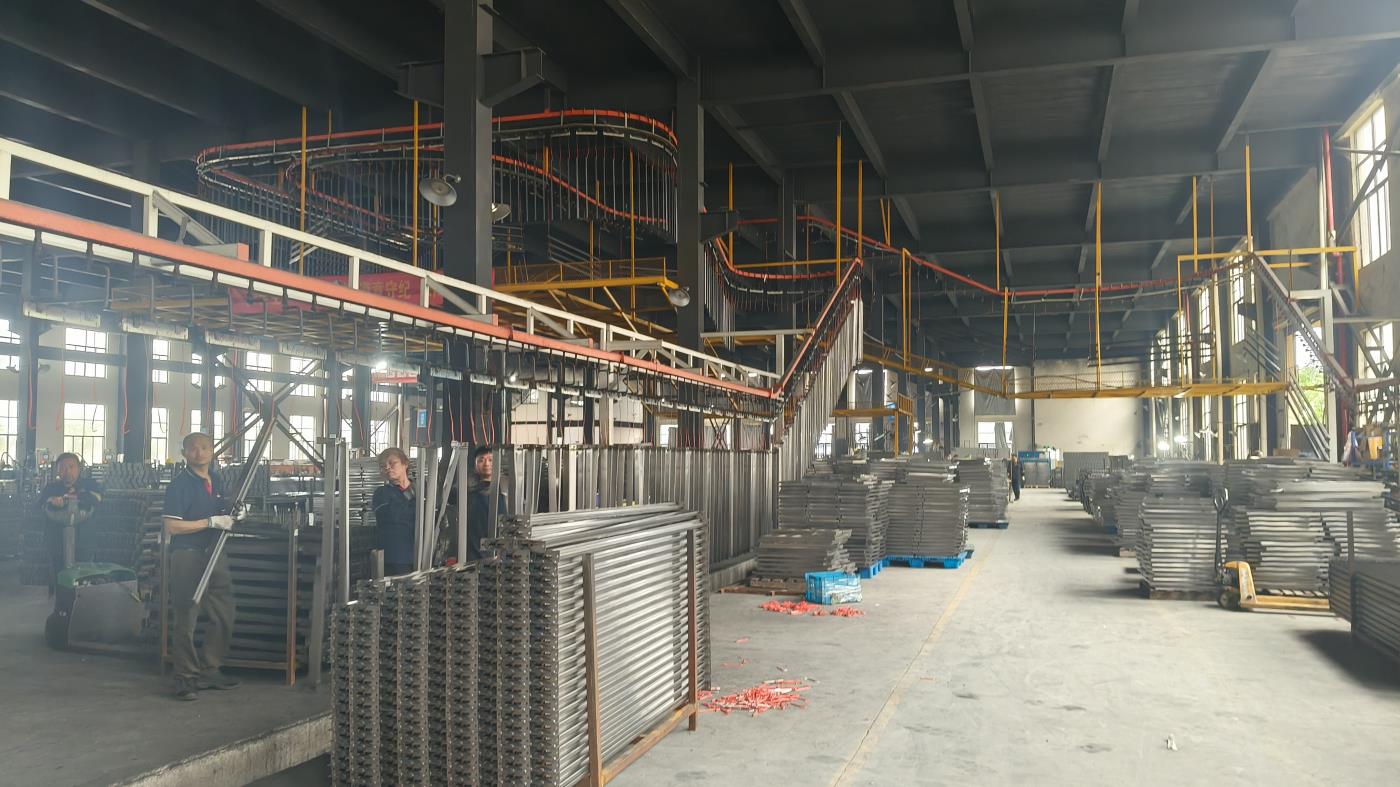
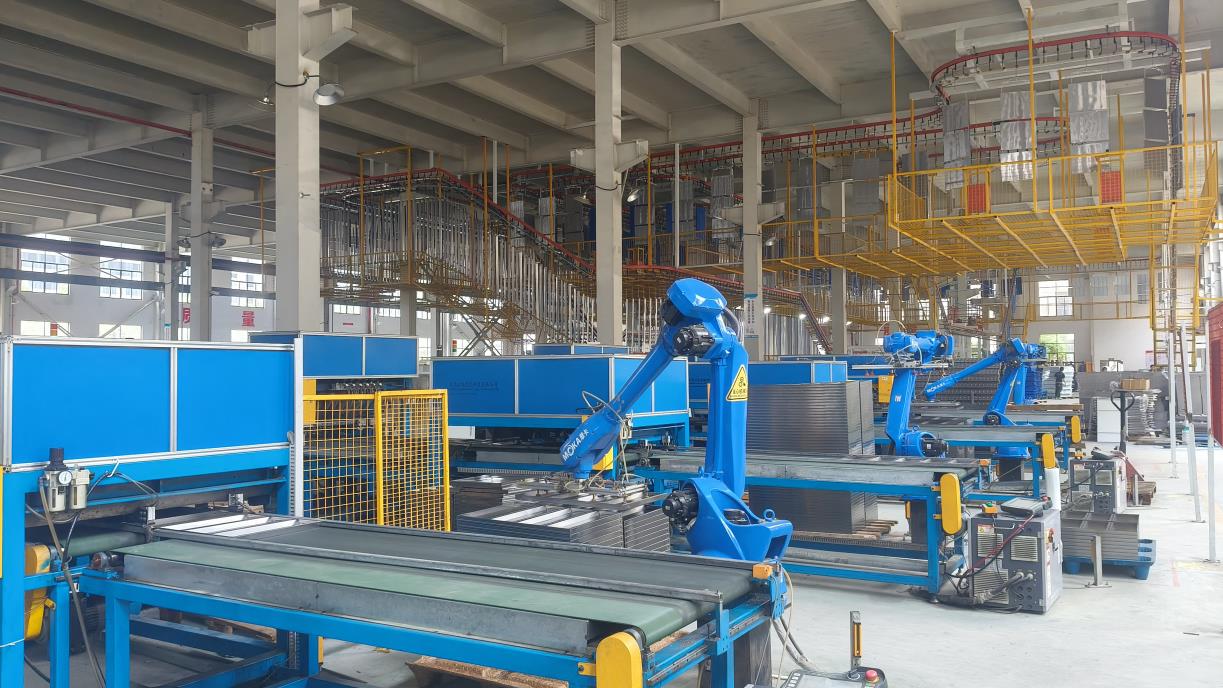
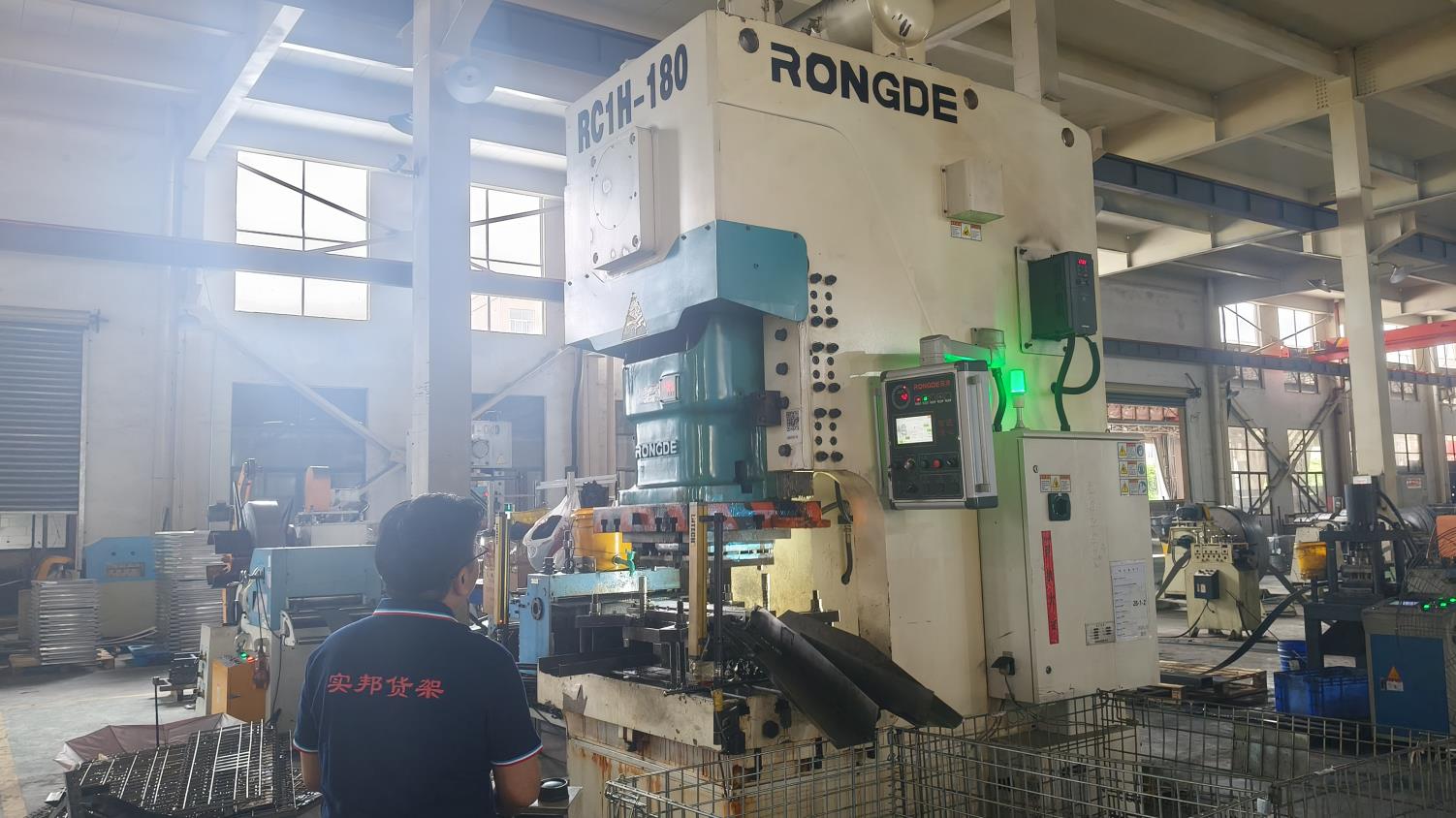
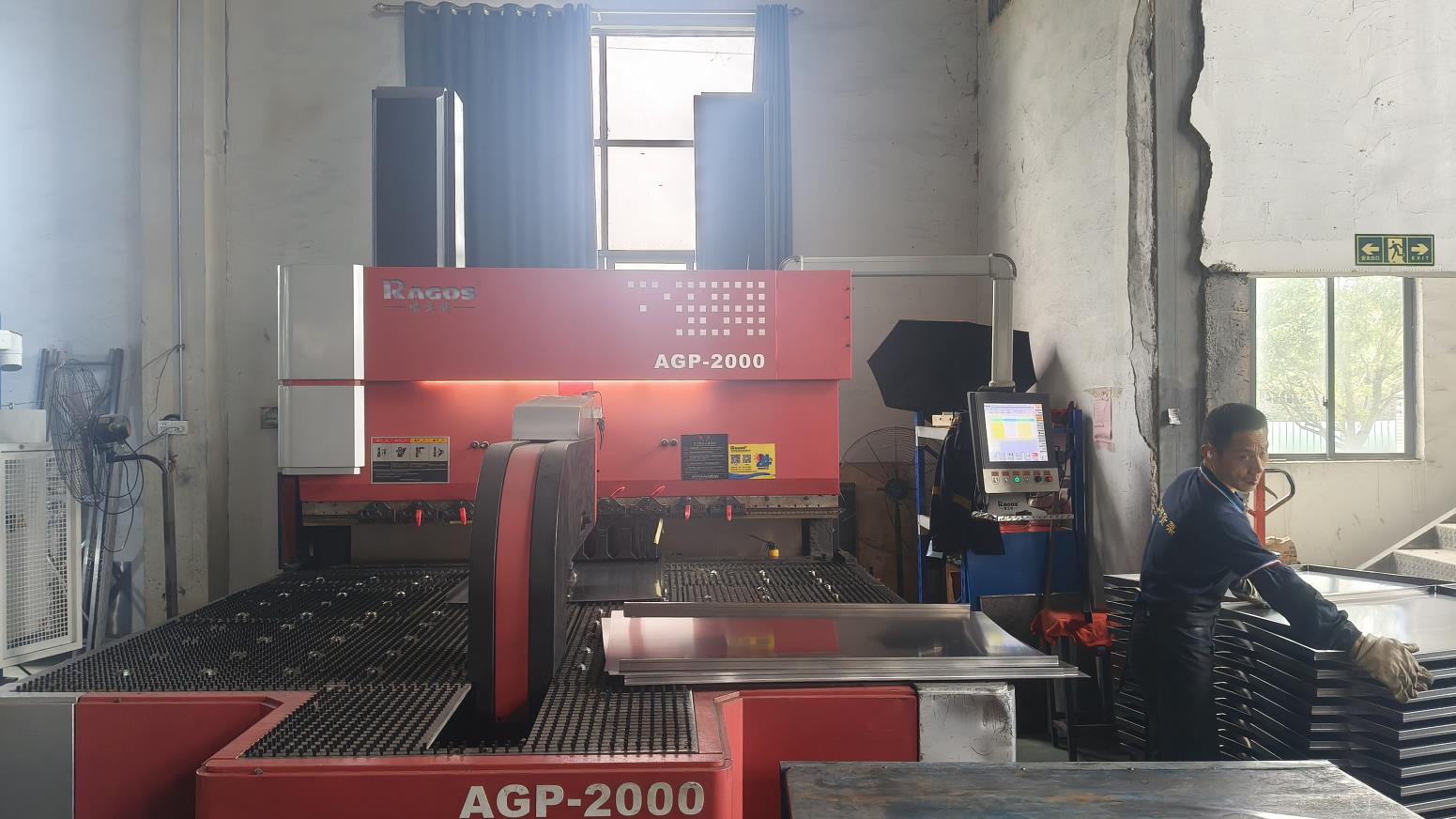
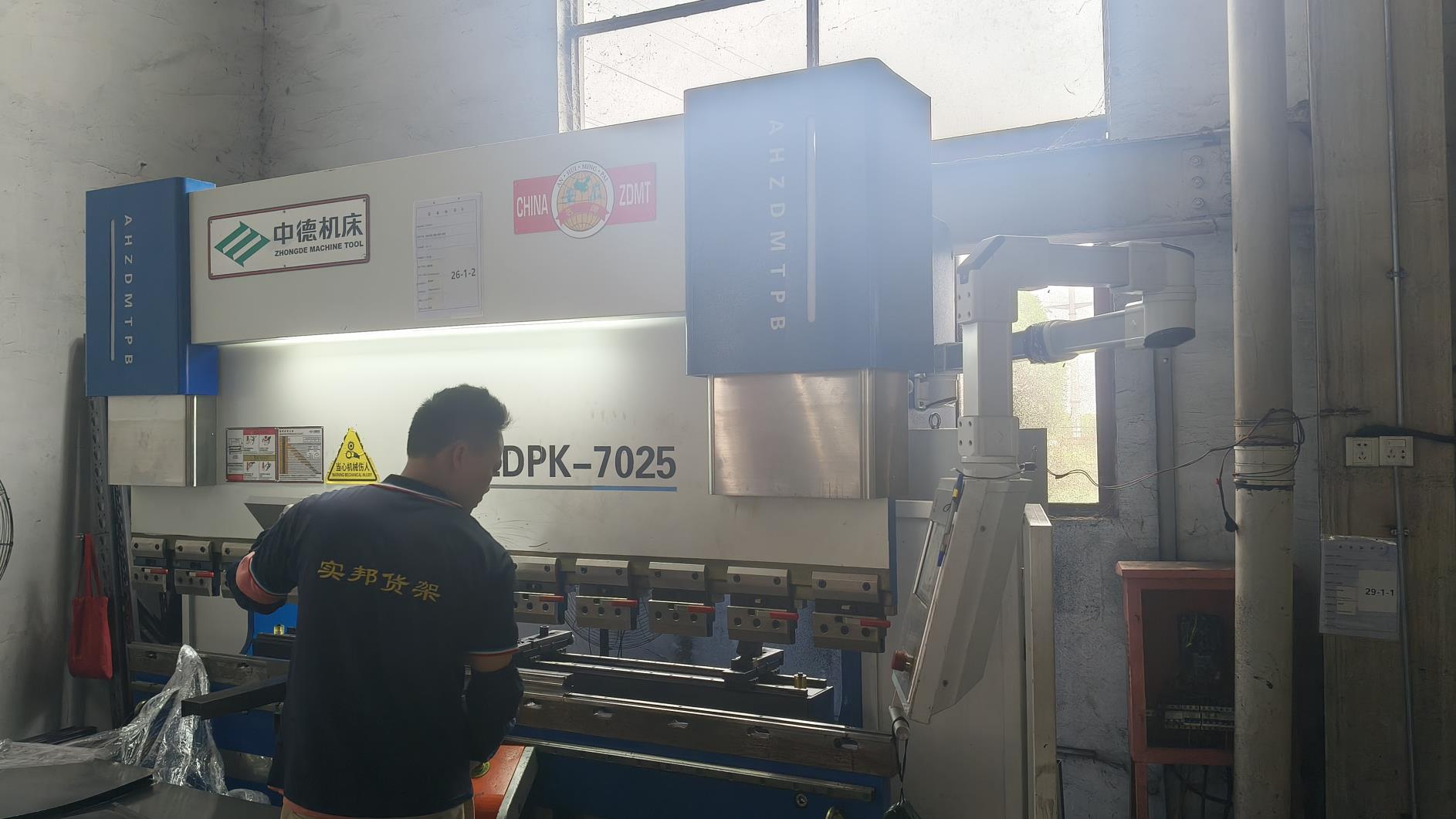
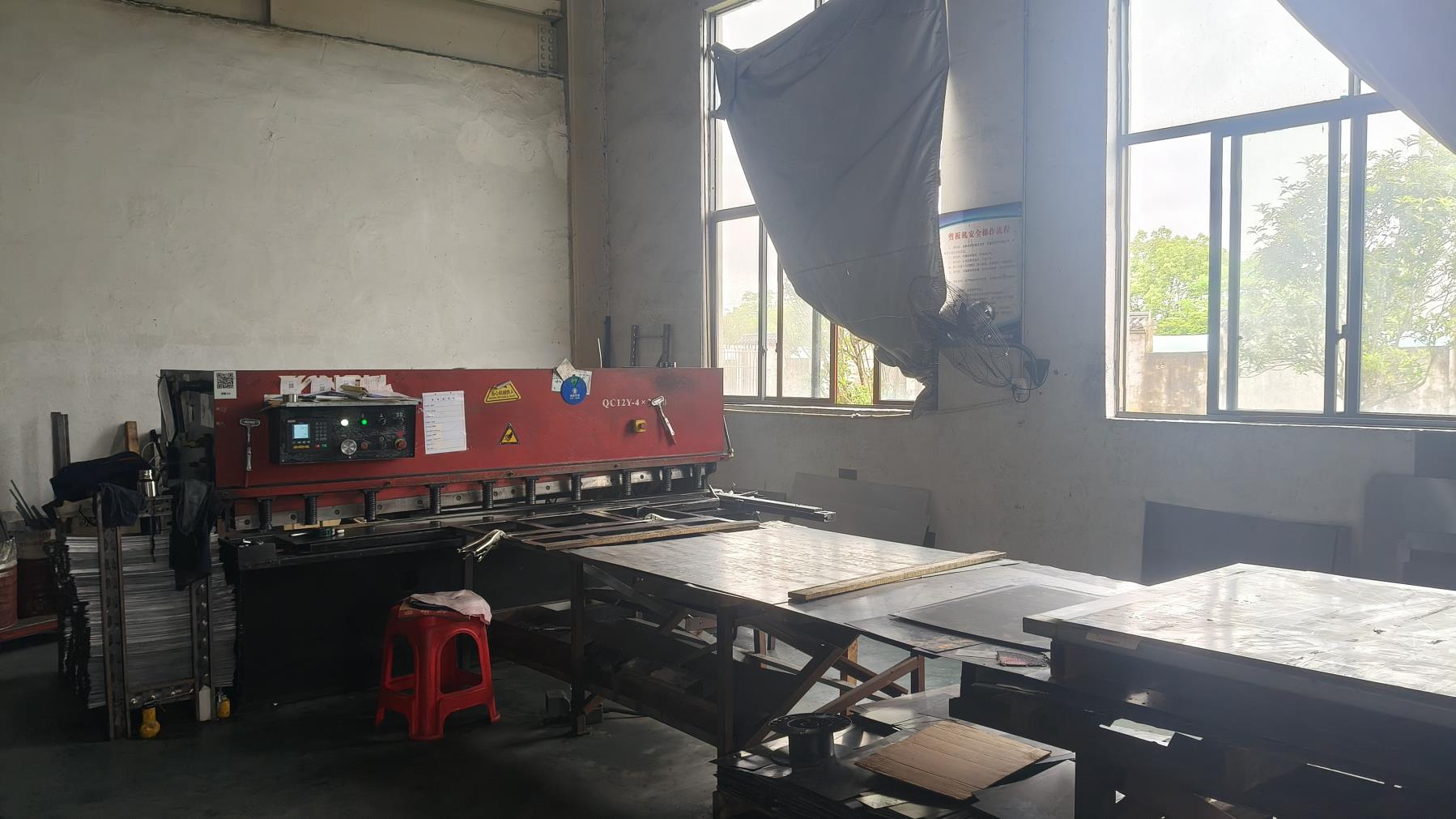
Established in 2015, Shenzhen Shibang Storage Rack Co., Ltd. is a leading manufacturer specializing in industrial racking systems and customized warehouse storage solutions. Operating from a modern production facility spanning 32,000 square meters, we integrate structural design, precision manufacturing, and international trade to serve a diverse global client base.
With over 12 years of industry expertise and 8 years of dedicated export experience, our products are distributed across North America, Europe, Australia, and Southeast Asia, generating over $18 million in annual export revenue. We primarily partner with industrial distributors, third-party logistics (3PL) providers, e-commerce fulfillment centers, and large-scale manufacturing enterprises. Supported by a robust network of over 800 supply chain partners, we ensure consistent raw material quality and efficient production timelines.
Quality control and technological innovation form the core of our operations. Our dynamic R&D team consists of 18 senior engineers, supported by 35 dedicated QC professionals. We implement rigorous product inspection protocols—including raw steel tensile testing, automated ultrasonic weld checking, static and dynamic load testing, and powder-coating salt spray endurance tests—ensuring compliance with international safety and durability standards. In the past year alone, our R&D unit successfully introduced 45 new product designs and structural optimizations.
We offer full structural customization options, providing tailored loading capacities, height configurations, beam profiles, and surface finishes (powder coating and hot-dip galvanizing) to meet exact warehouse specifications. Guided by engineering precision and trade reliability, Shenzhen Shibang Storage Rack Co., Ltd. continues to deliver safe, scalable, and optimized storage solutions for modern global supply chains.
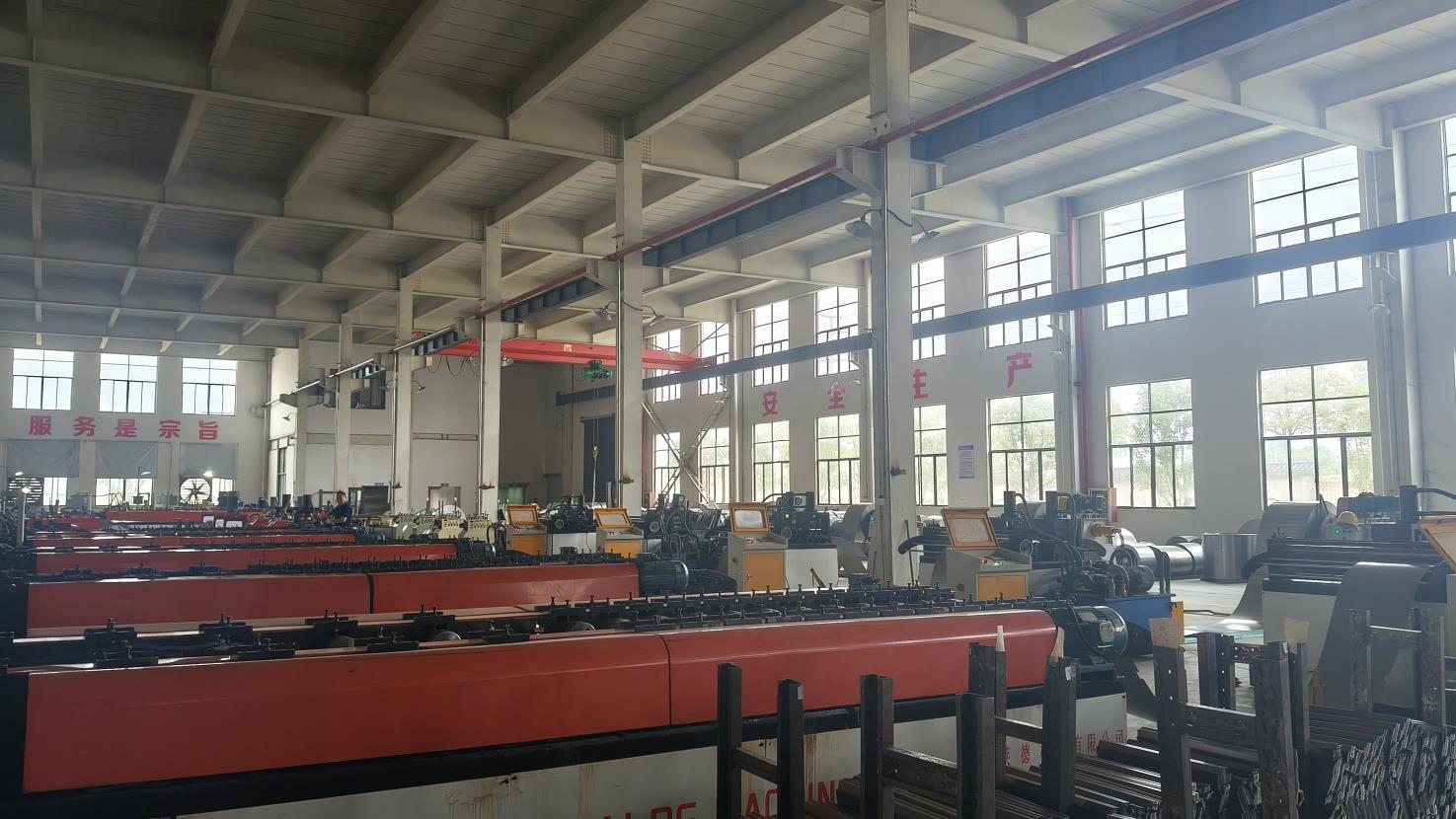
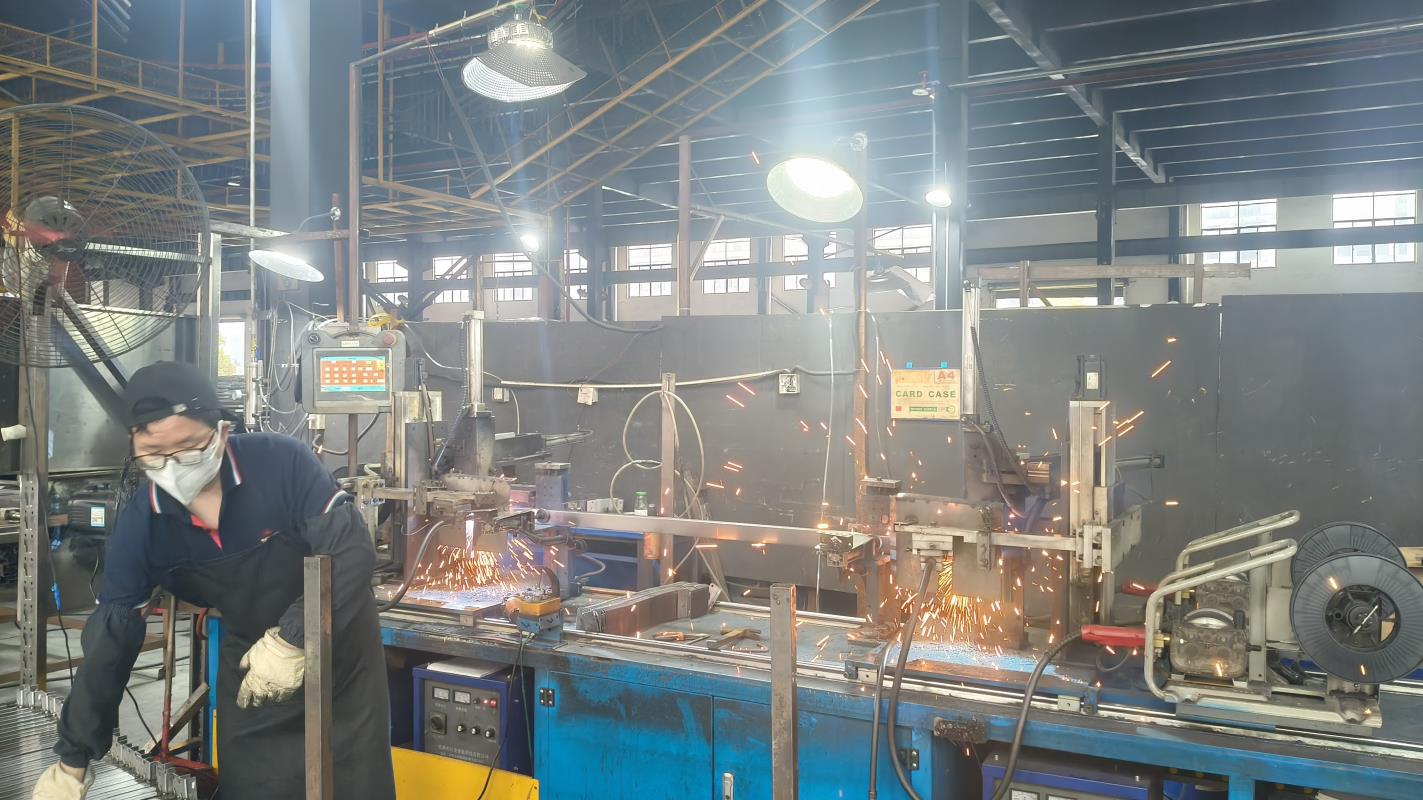
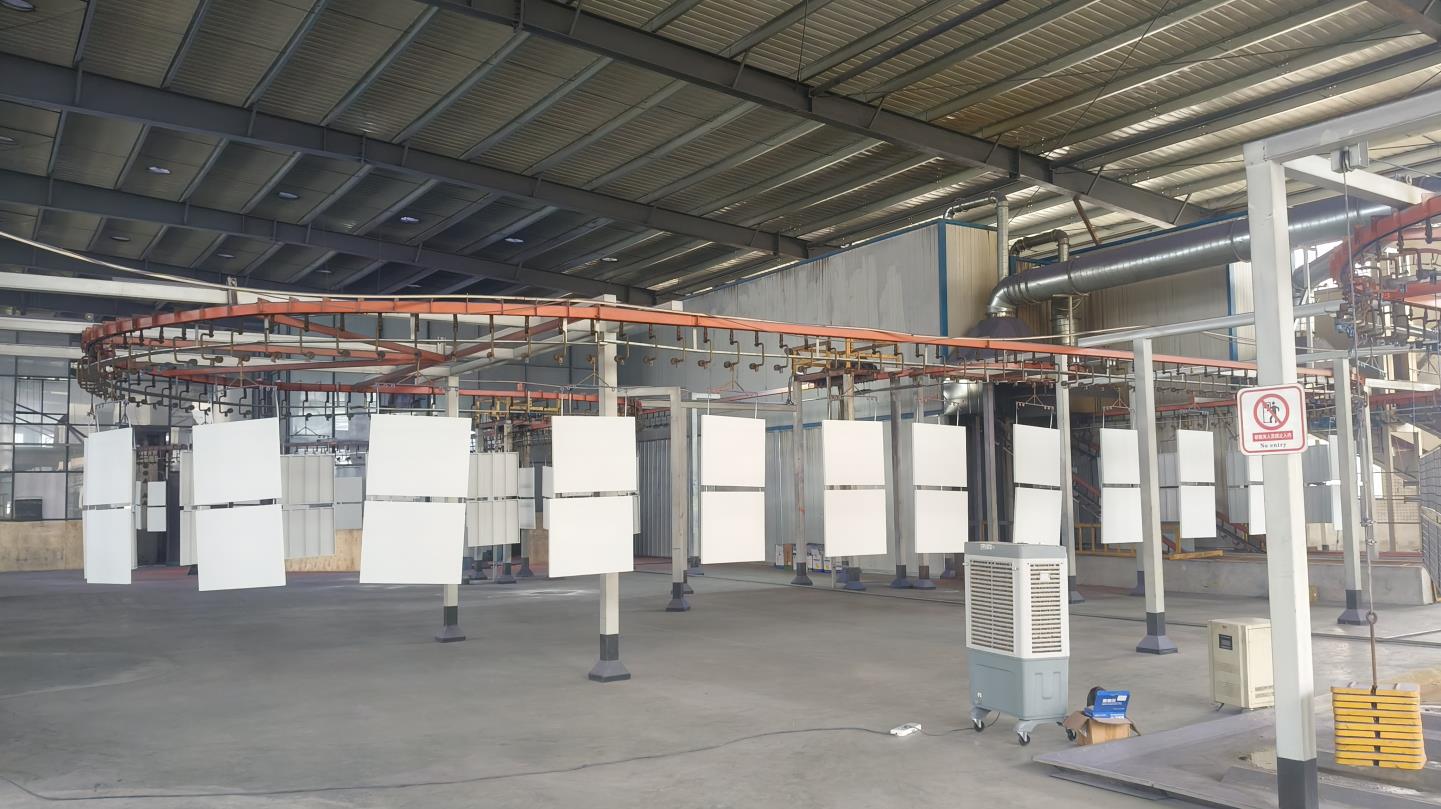
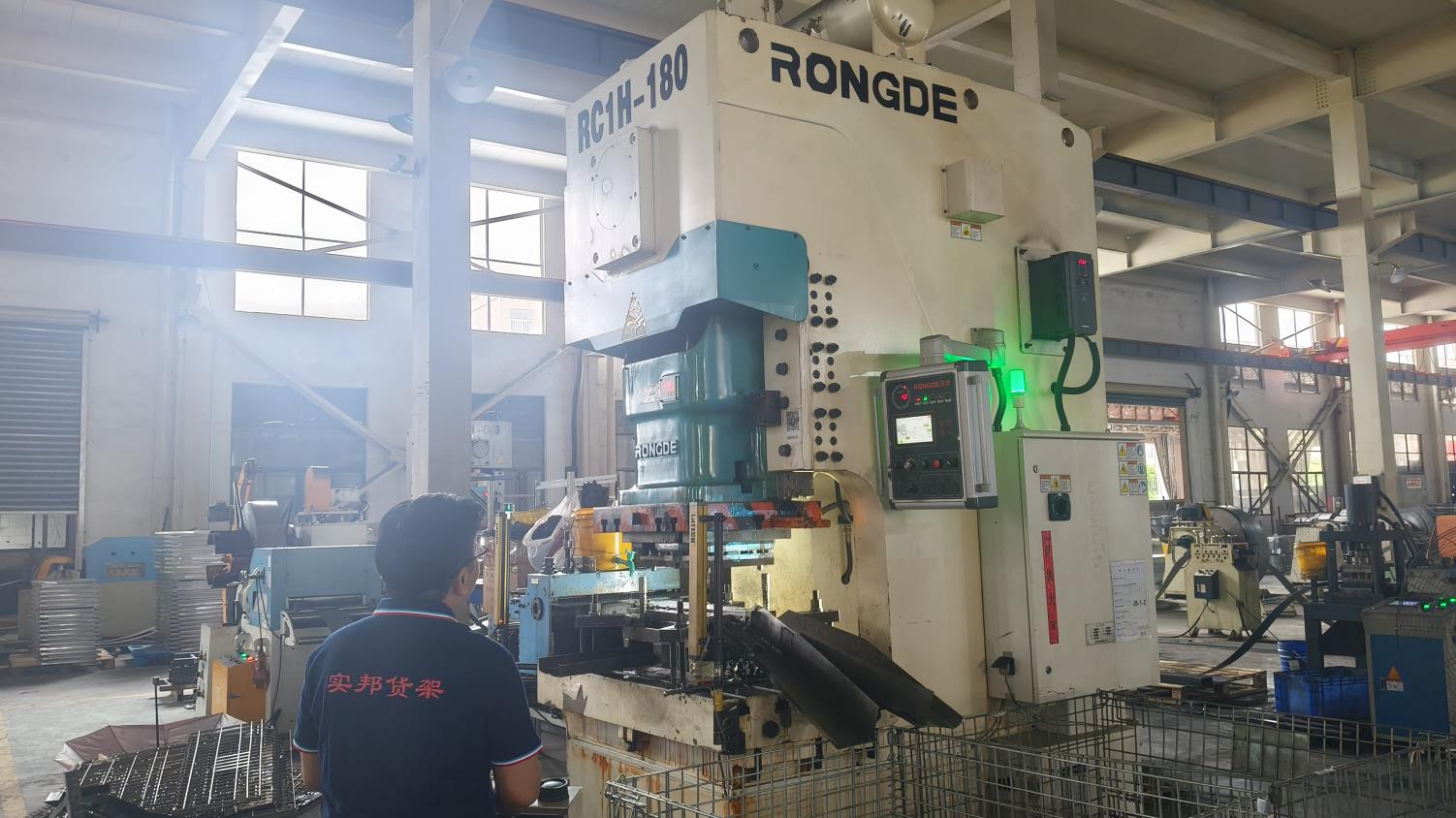
Racking design for automated 4-way shuttles requires higher standards than standard pallet racks. Below is an engineering comparison of the tolerances required for successful operation:
Modern automated racking systems are adapted for different environmental conditions:
Key technical insights on automated shuttle storage systems
A 2-way shuttle moves back and forth down a single deep storage lane, requiring a forklift to move it to other aisles. A 4-way shuttle can travel in four directions, changing lanes independently on the racking grid. This reduces the need for forklift travel and automates retrieval.
4-way shuttles are automated vehicles. If the storage rails are unlevel, warped, or improperly spaced, the shuttle may slip, lose its position, or stop. We manufacture racking systems with strict dimensional tolerances (±1mm) to ensure safe and continuous automated operation.
Standard industrial setups handle load capacities ranging from 500kg up to 1,500kg per pallet position. The racking profiles and thickness are engineered to match the weight limits of the shuttle vehicles and cargo.
Yes, specialized low-temperature configurations are designed for cold rooms and freezers down to -30°C. These systems use cold-resistant steel grades, heaters for onboard electronics, and special batteries to maintain performance.
From heavy-duty industrial shelving to retail displays and home organization options
 Shibang Steel