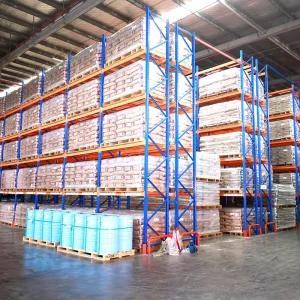
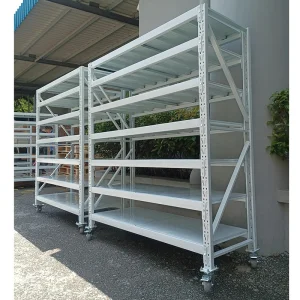
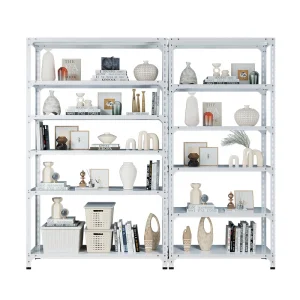
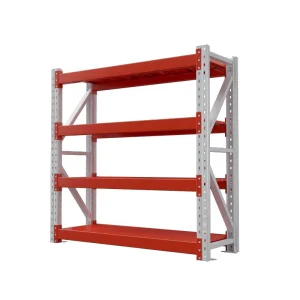
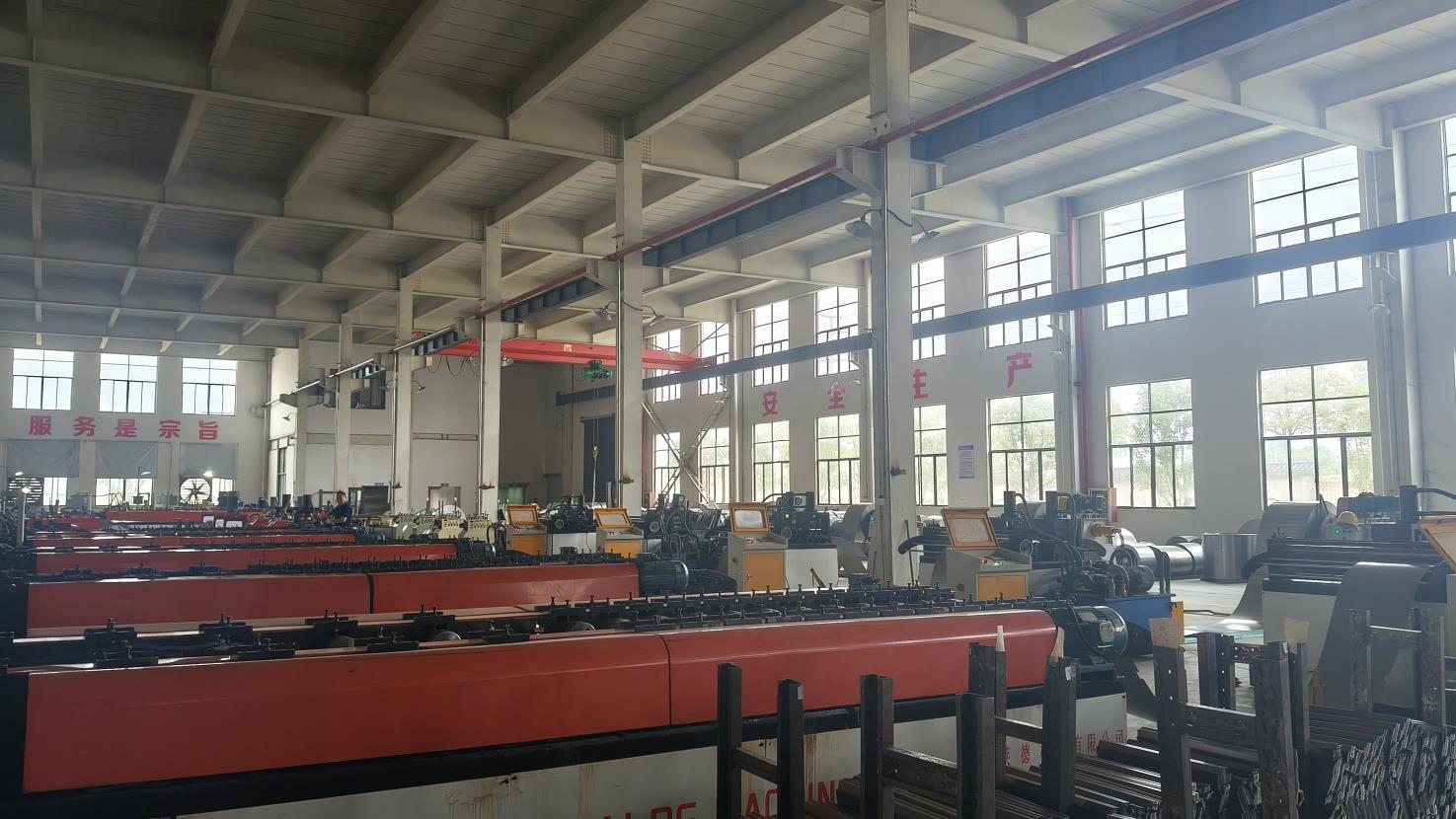
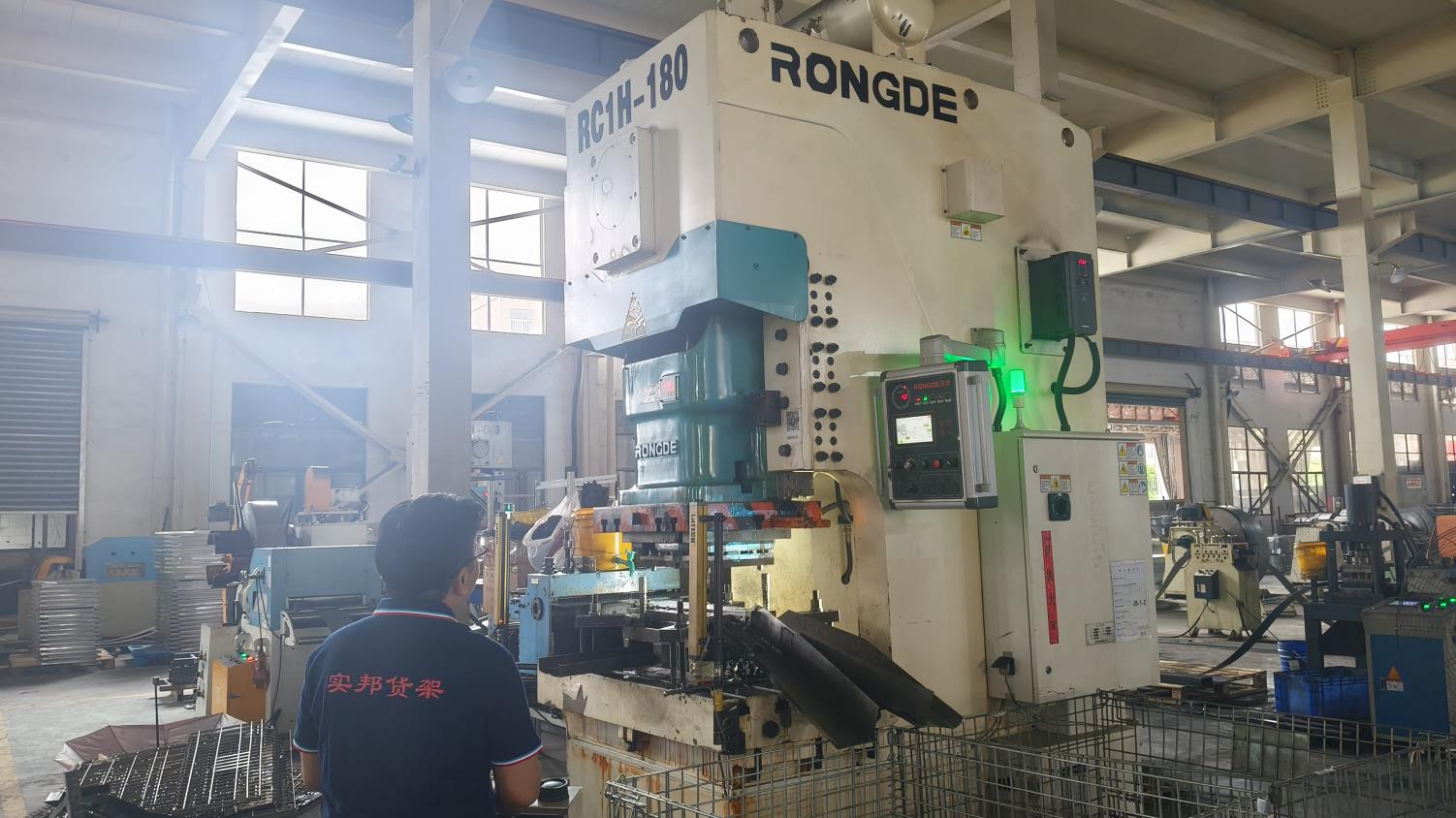
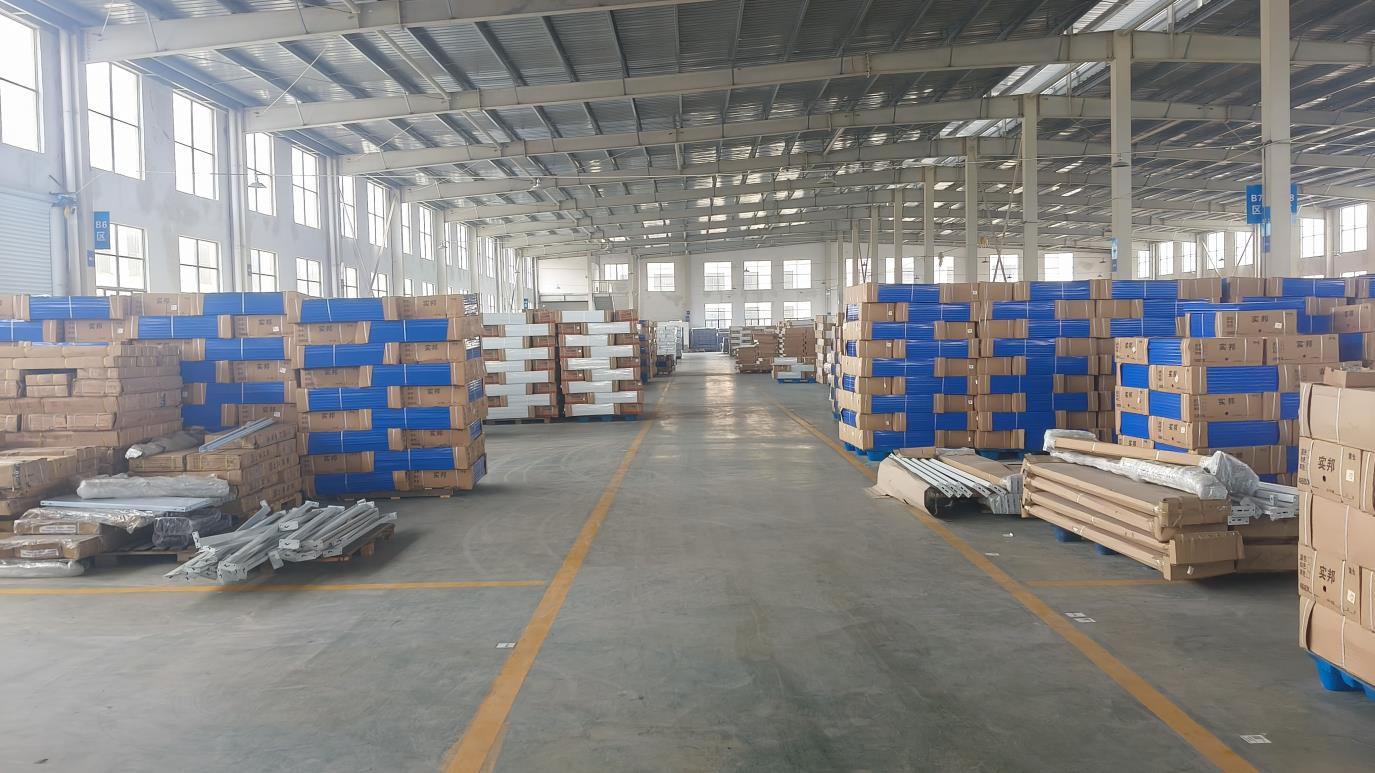
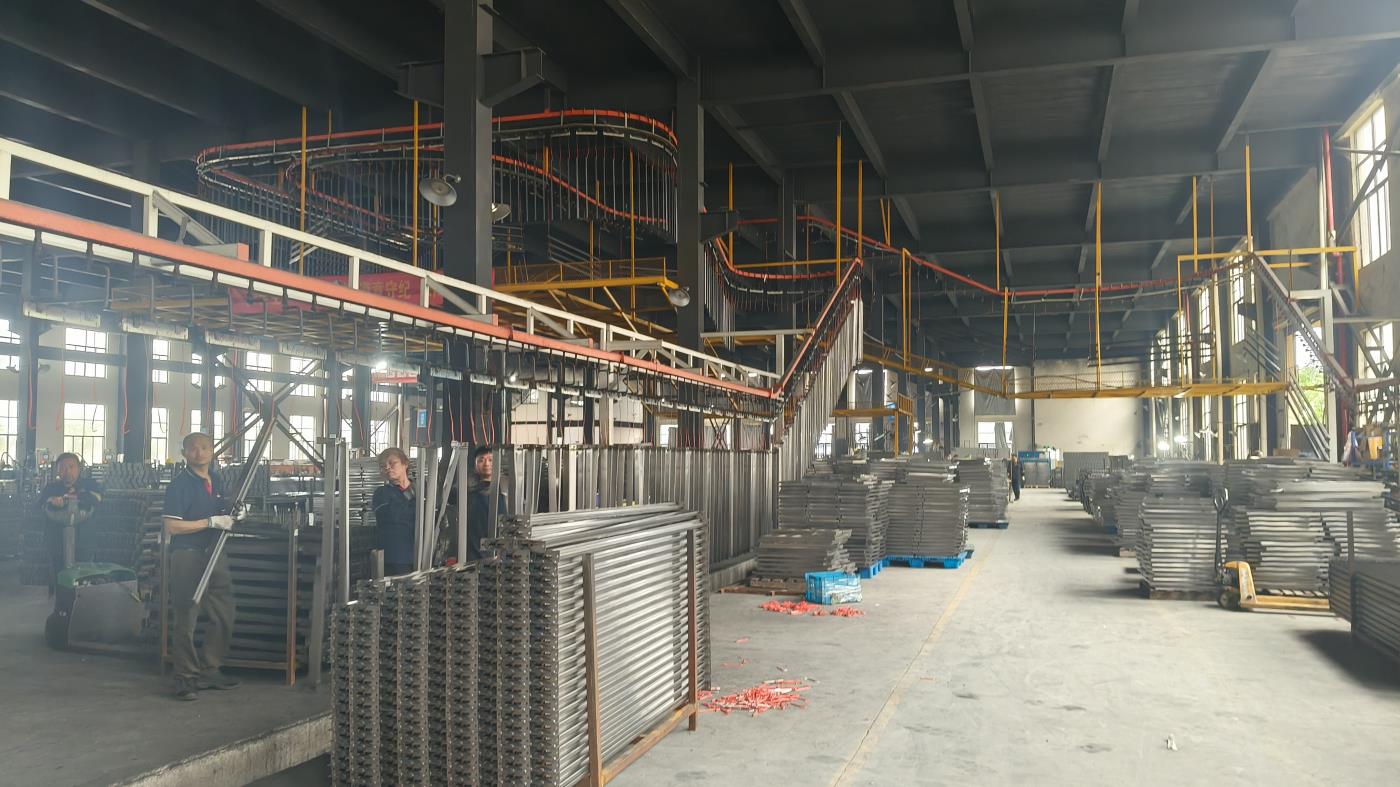
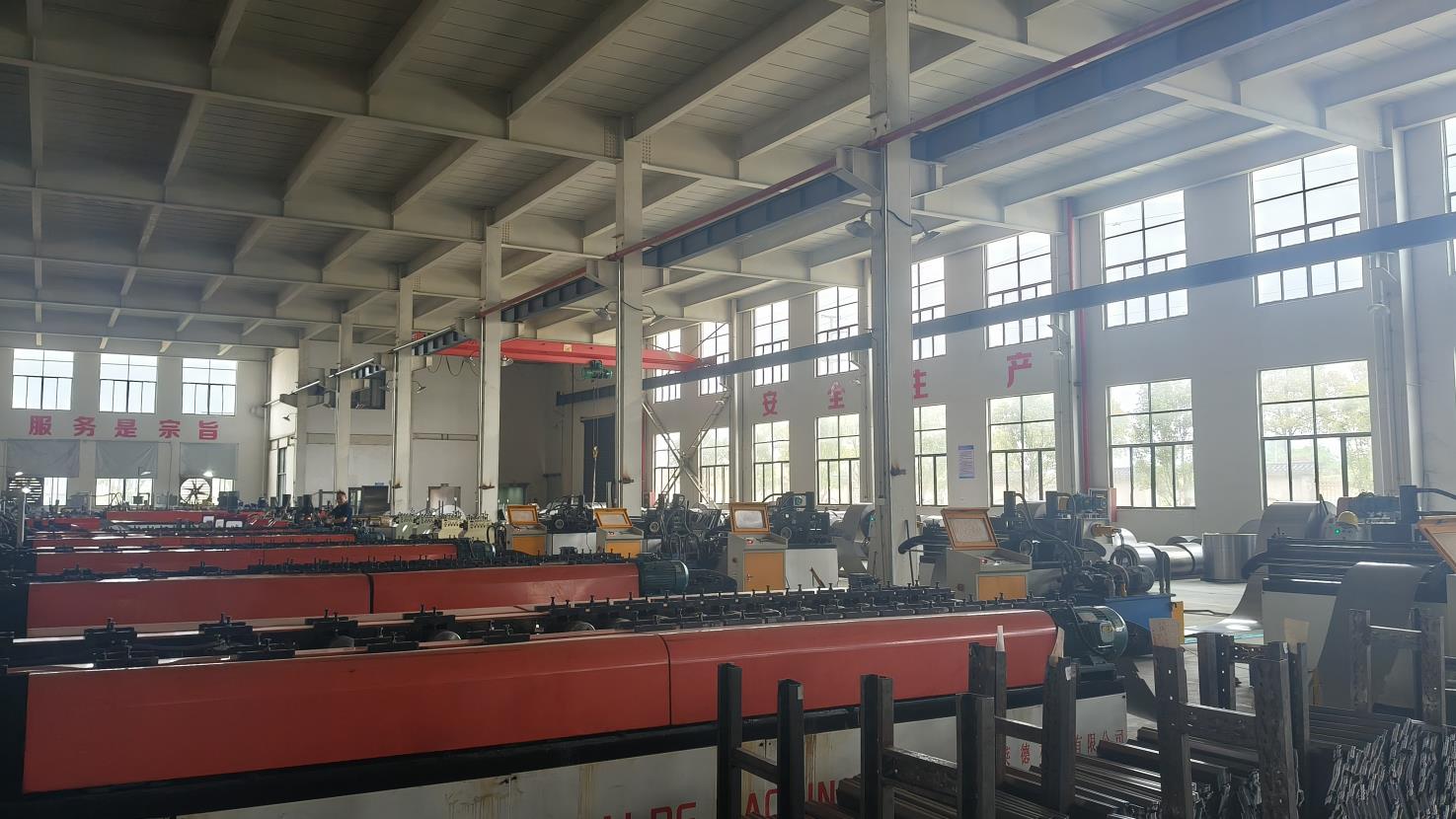
Established in 2015, Shenzhen Shibang Storage Rack Co., Ltd. is a leading manufacturer specializing in industrial racking systems and customized warehouse storage solutions. Operating from a modern production facility spanning 32,000 square meters, we integrate structural design, precision manufacturing, and international trade to serve a diverse global client base.
With over 12 years of industry expertise and 8 years of dedicated export experience, our products are distributed across North America, Europe, Australia, and Southeast Asia, generating over $18 million in annual export revenue. We primarily partner with industrial distributors, third-party logistics (3PL) providers, e-commerce fulfillment centers, and large-scale manufacturing enterprises. Supported by a robust network of over 800 supply chain partners, we ensure consistent raw material quality and efficient production timelines.
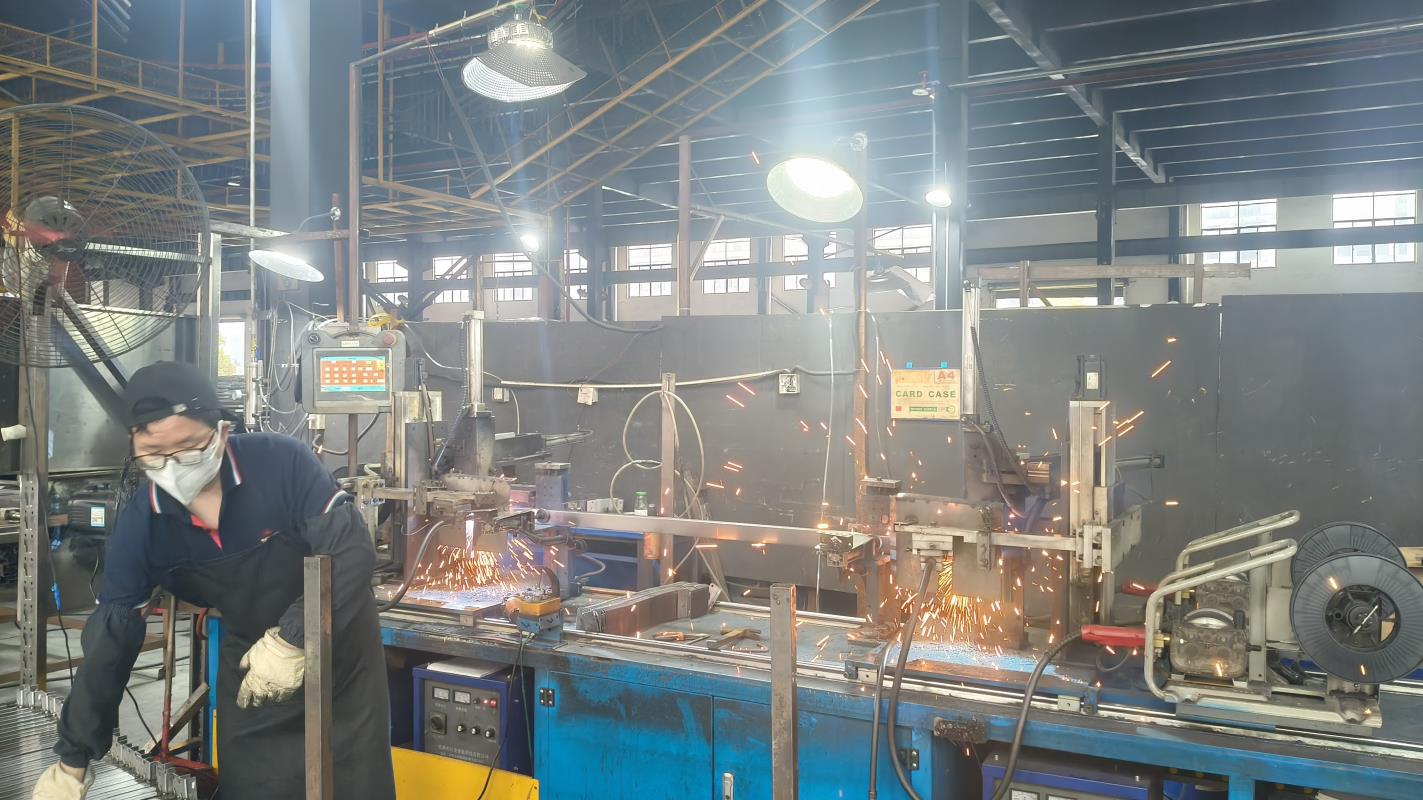
Quality control and technological innovation form the core of our operations. Our dynamic R&D team consists of 18 senior engineers, supported by 35 dedicated QC professionals. We implement rigorous product inspection protocols—including raw steel tensile testing, automated ultrasonic weld checking, static and dynamic load testing, and powder-coating salt spray endurance tests—ensuring compliance with international safety and durability standards. In the past year alone, our R&D unit successfully introduced 45 new product designs and structural optimizations.
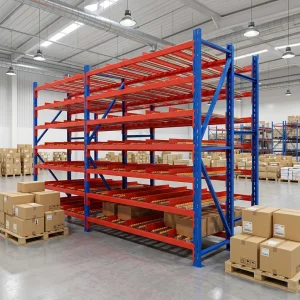
Push-back storage racking operates on a Last-In, First-Out (LIFO) material handling principle. Unlike standard selective pallet racking, push-back storage systems store pallets nested on structural carts that ride on inclined rails. When a forklift pushes a new pallet into a lane, it pushes the existing pallets backward. Gravity then drives the next nested cart forward to the loading aisle when a pallet is removed.
From an engineering perspective, push-back systems optimize spatial volume by eliminating the multiple access aisles required by selective setups. By allowing pallets to be stored 2 to 6 deep, space utilization can increase by up to 75% compared to conventional storage configurations. For facilities looking to manage high-density inventory while retaining rapid access to a larger number of distinct SKUs than drive-in racking permits, custom OEM push-back storage presents a highly competitive mechanical solution.
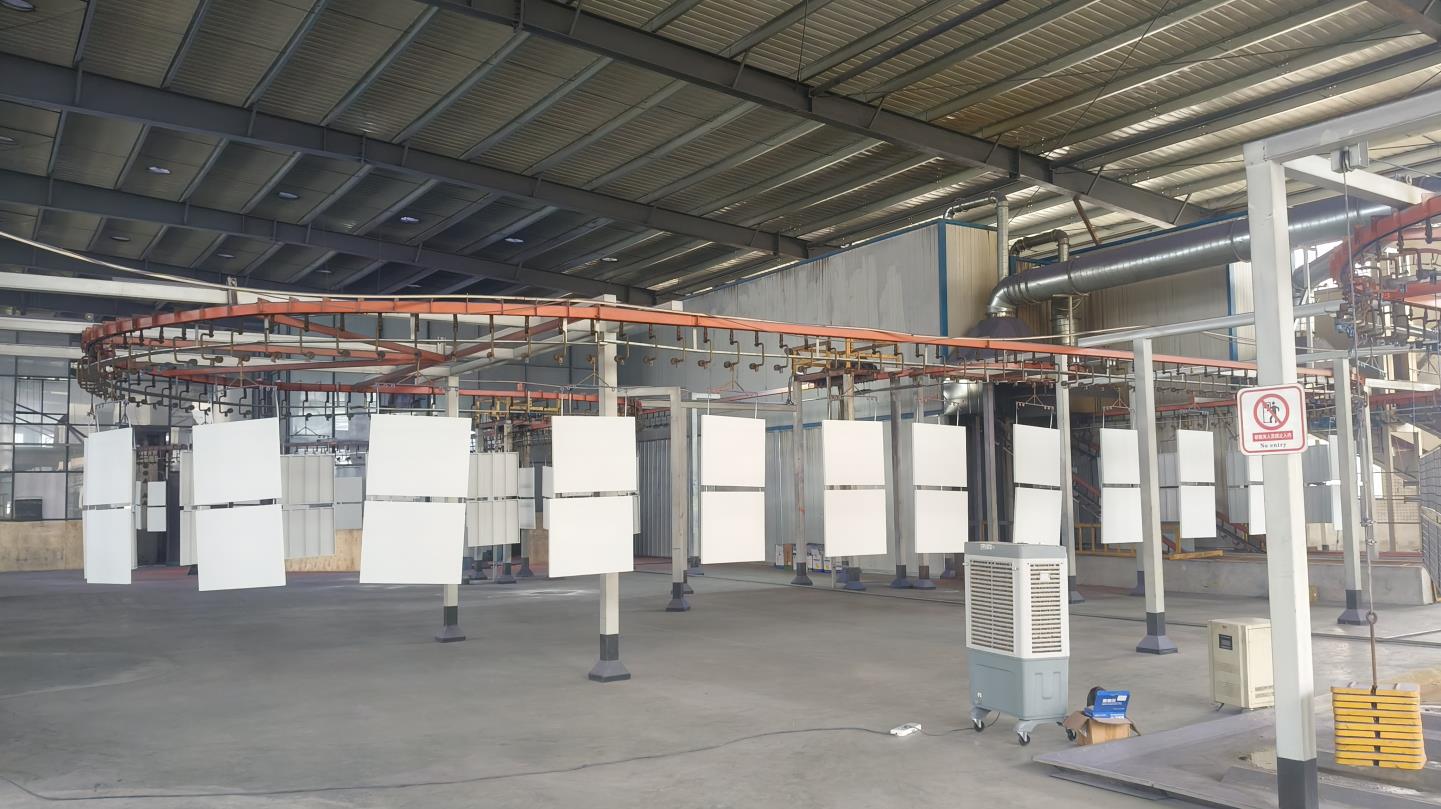
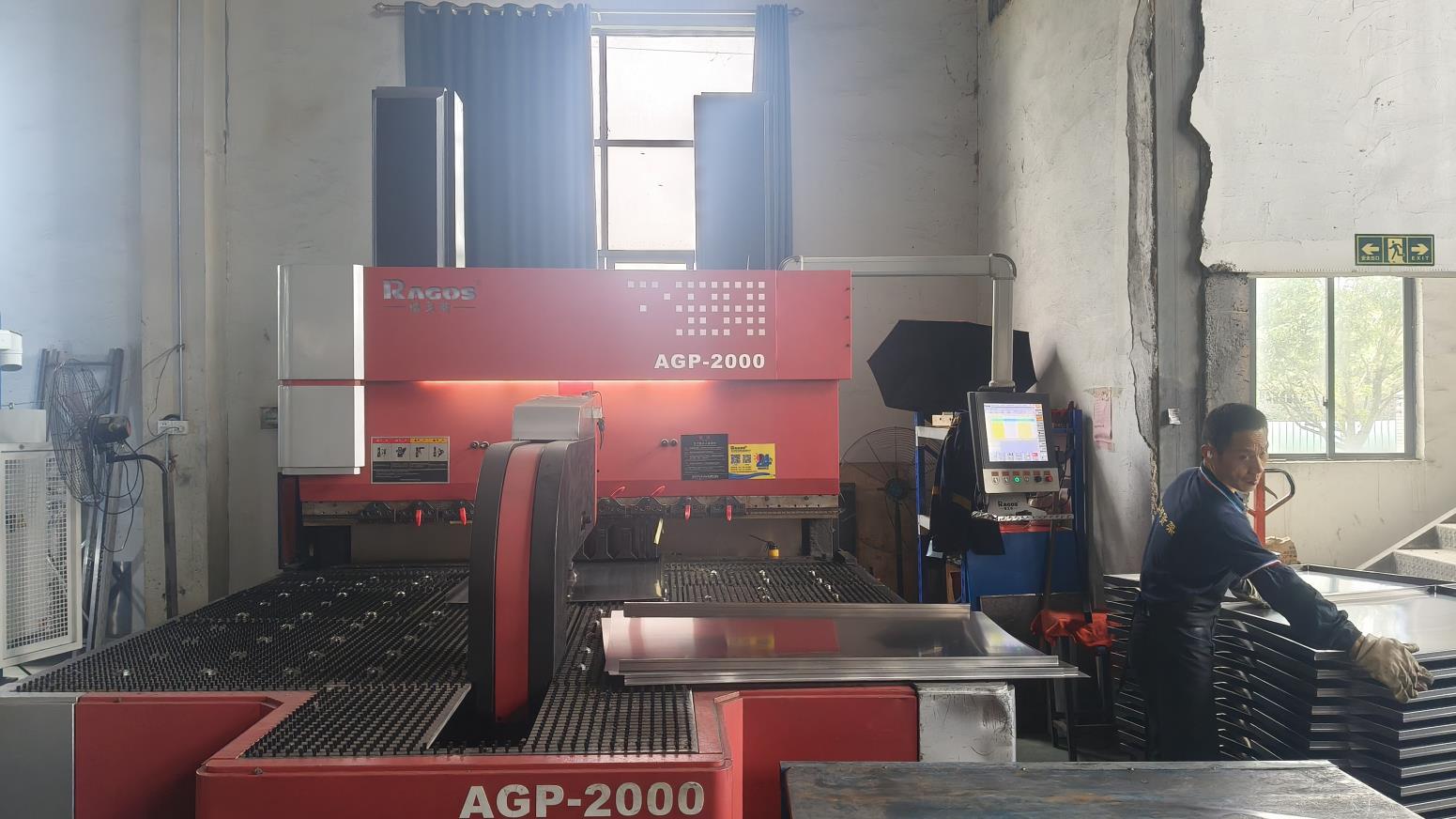
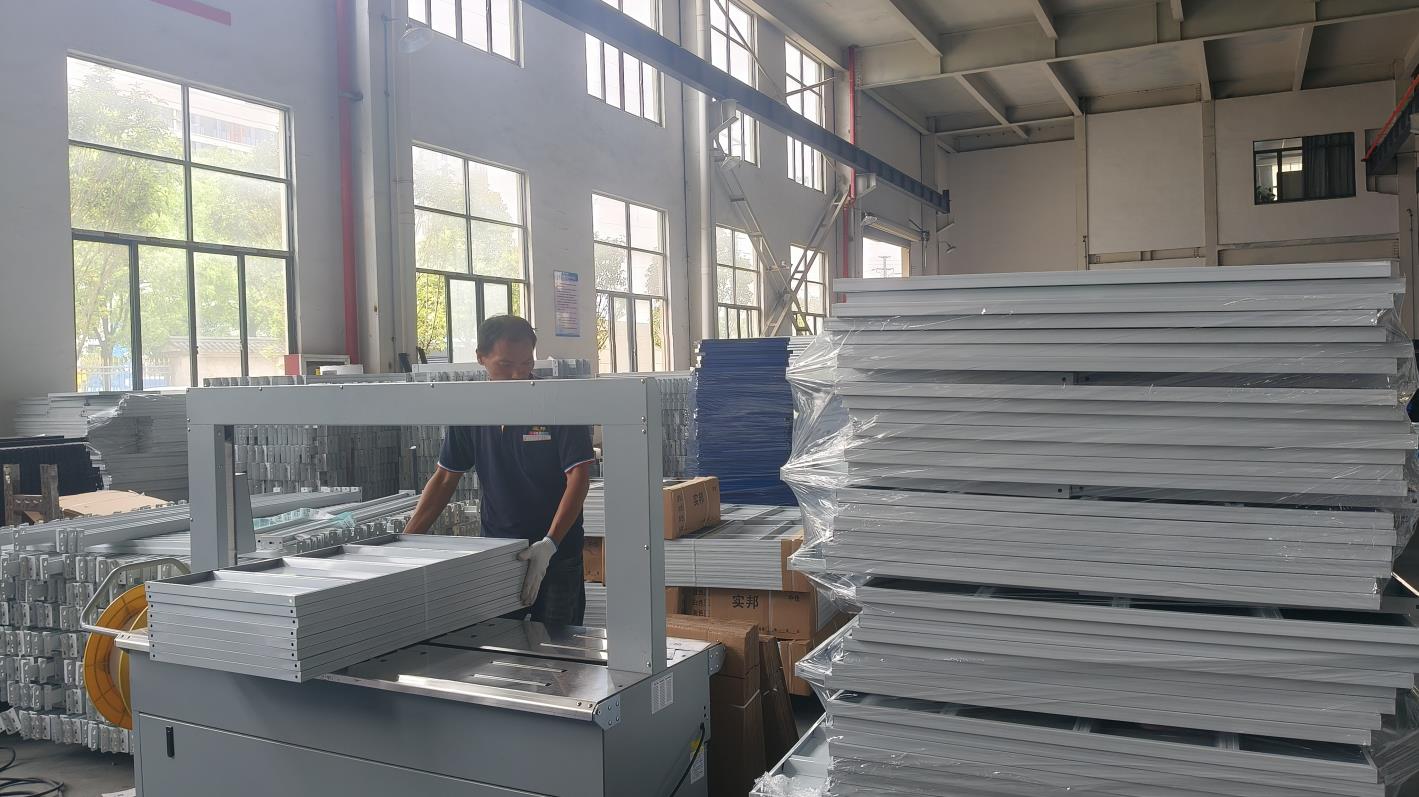
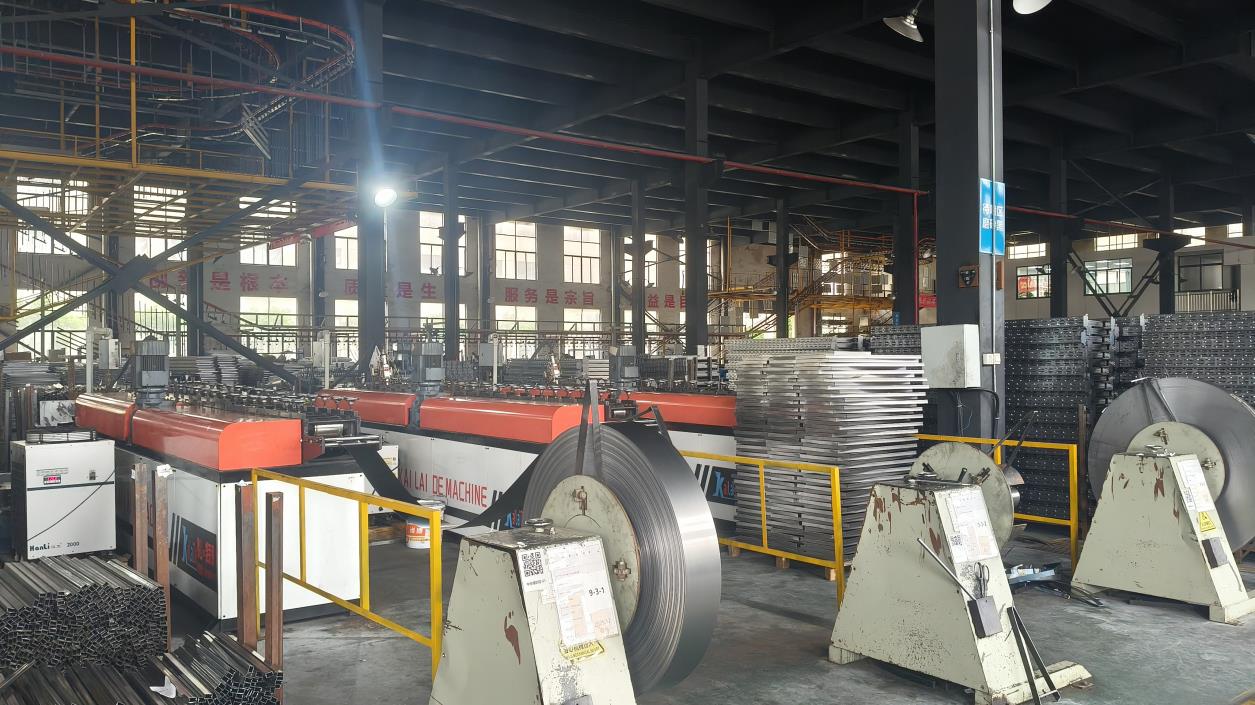
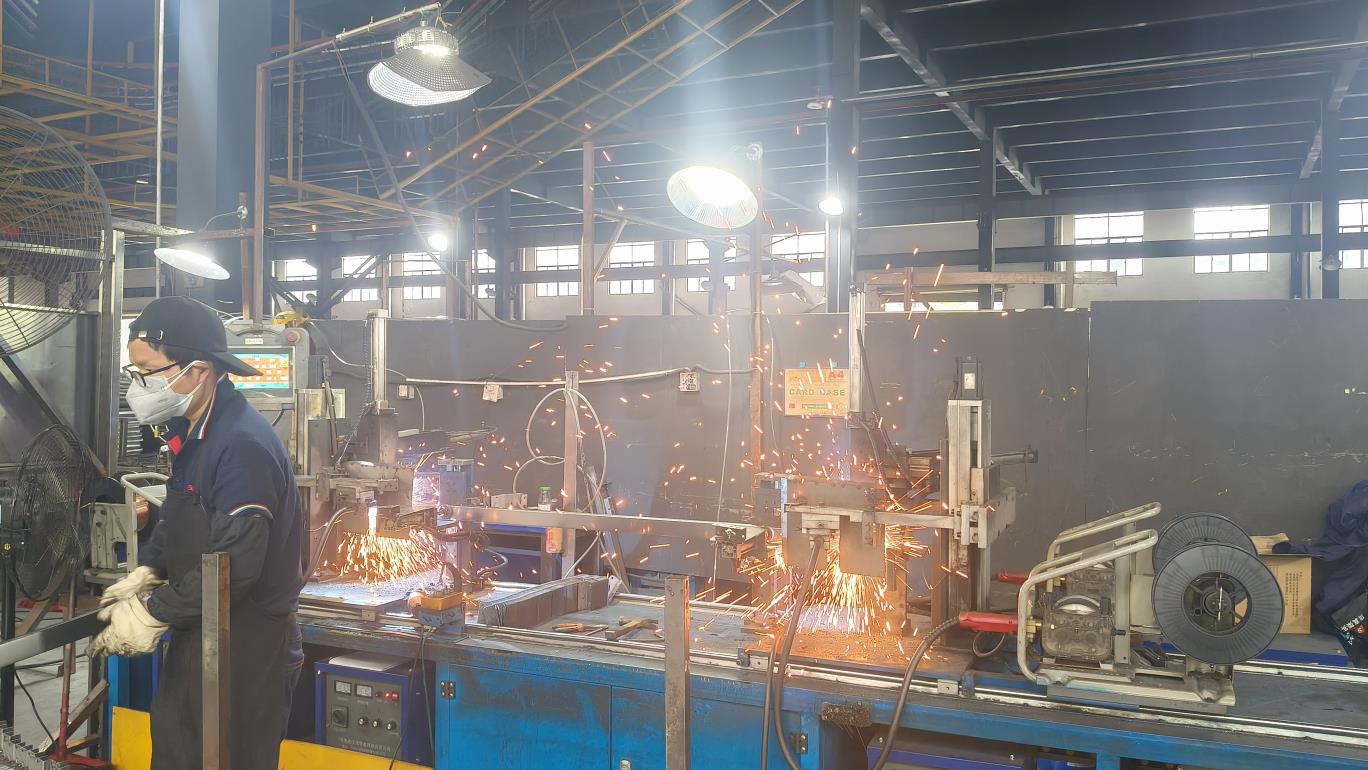
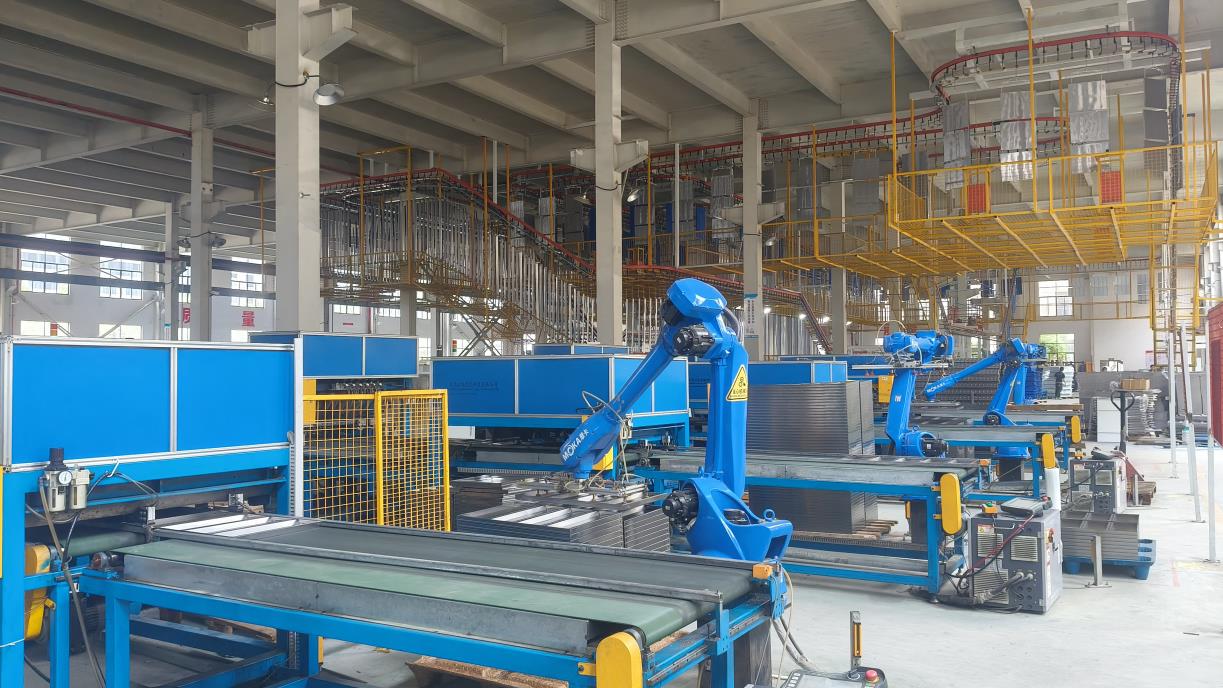
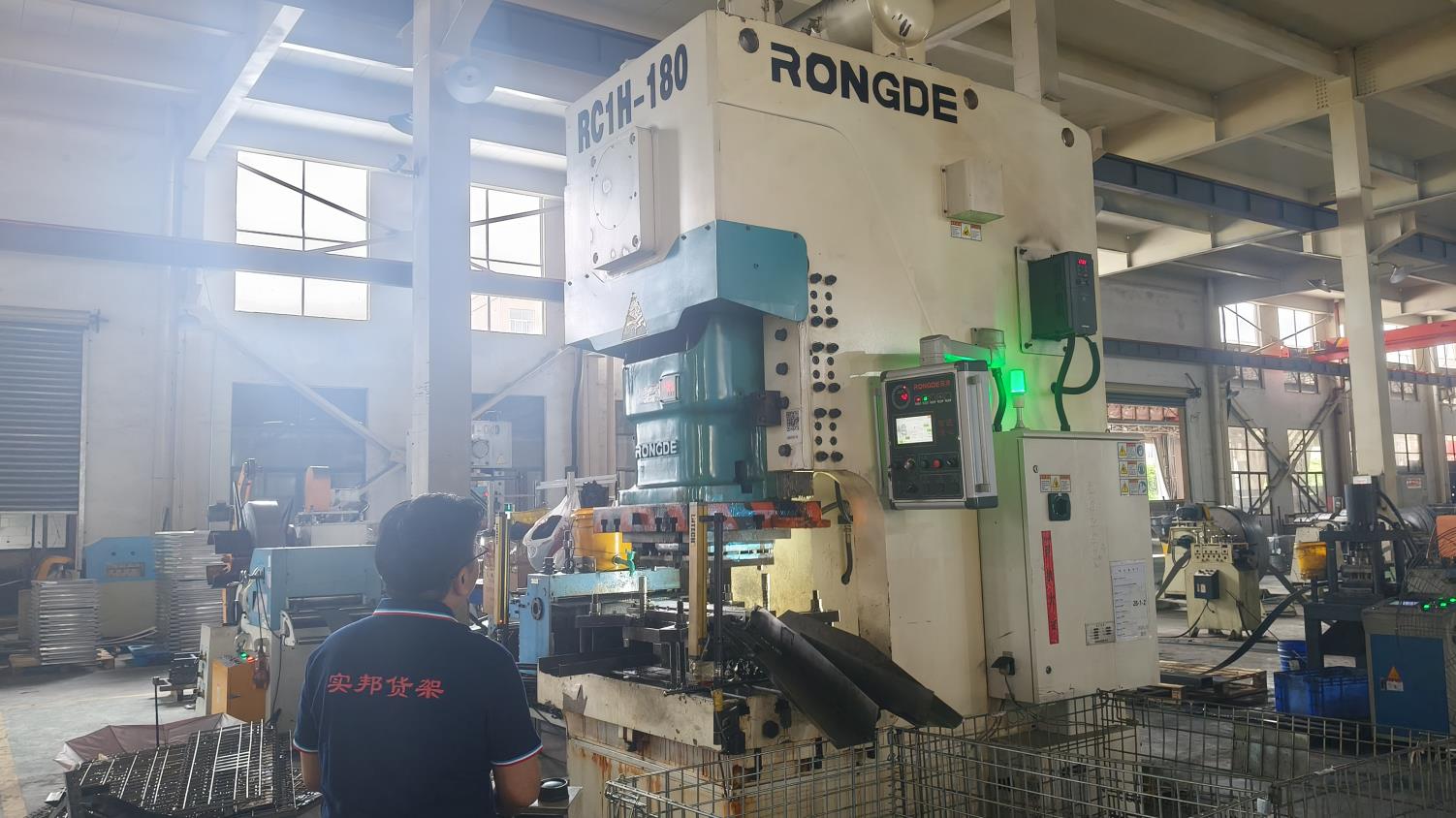
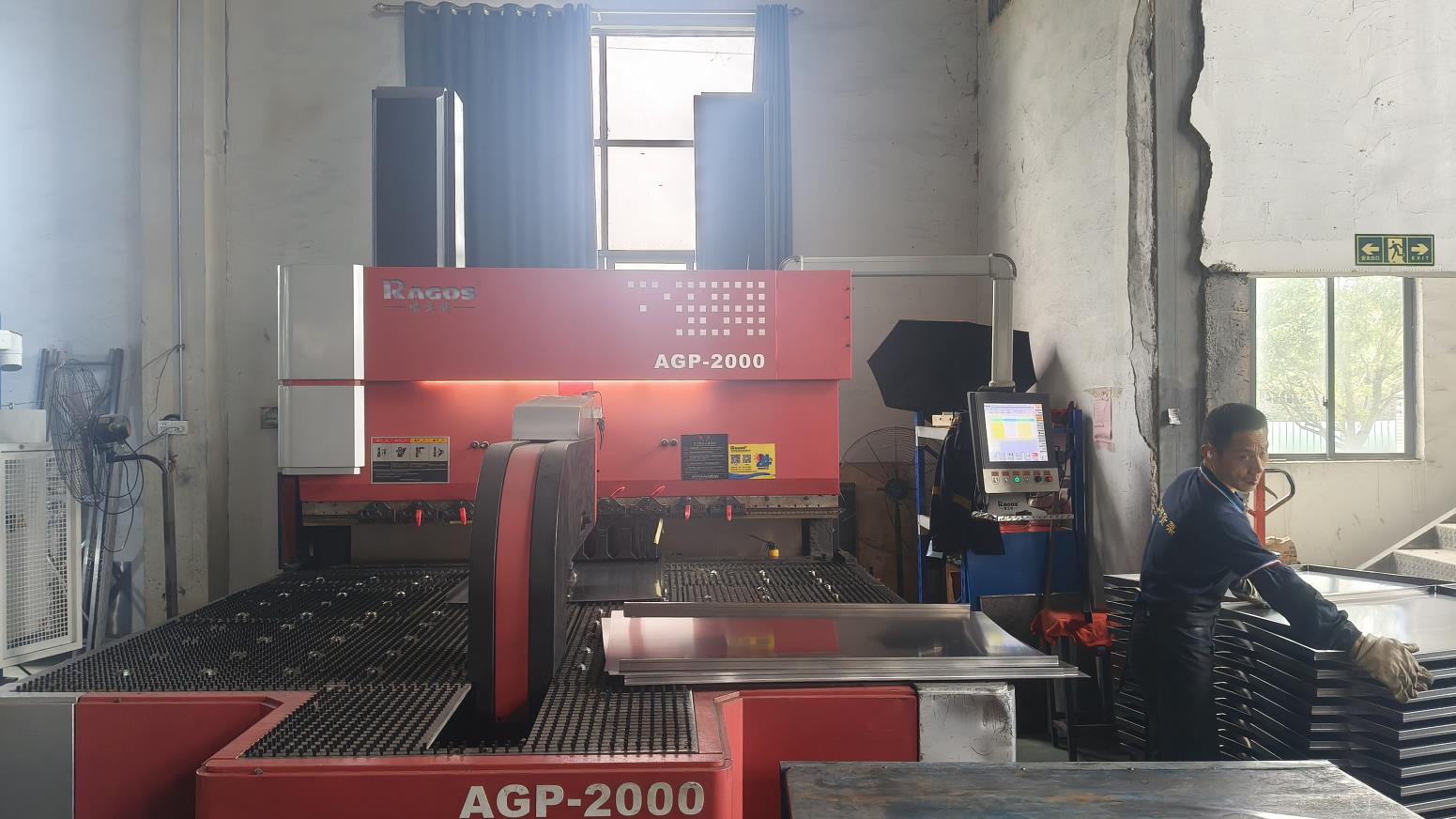
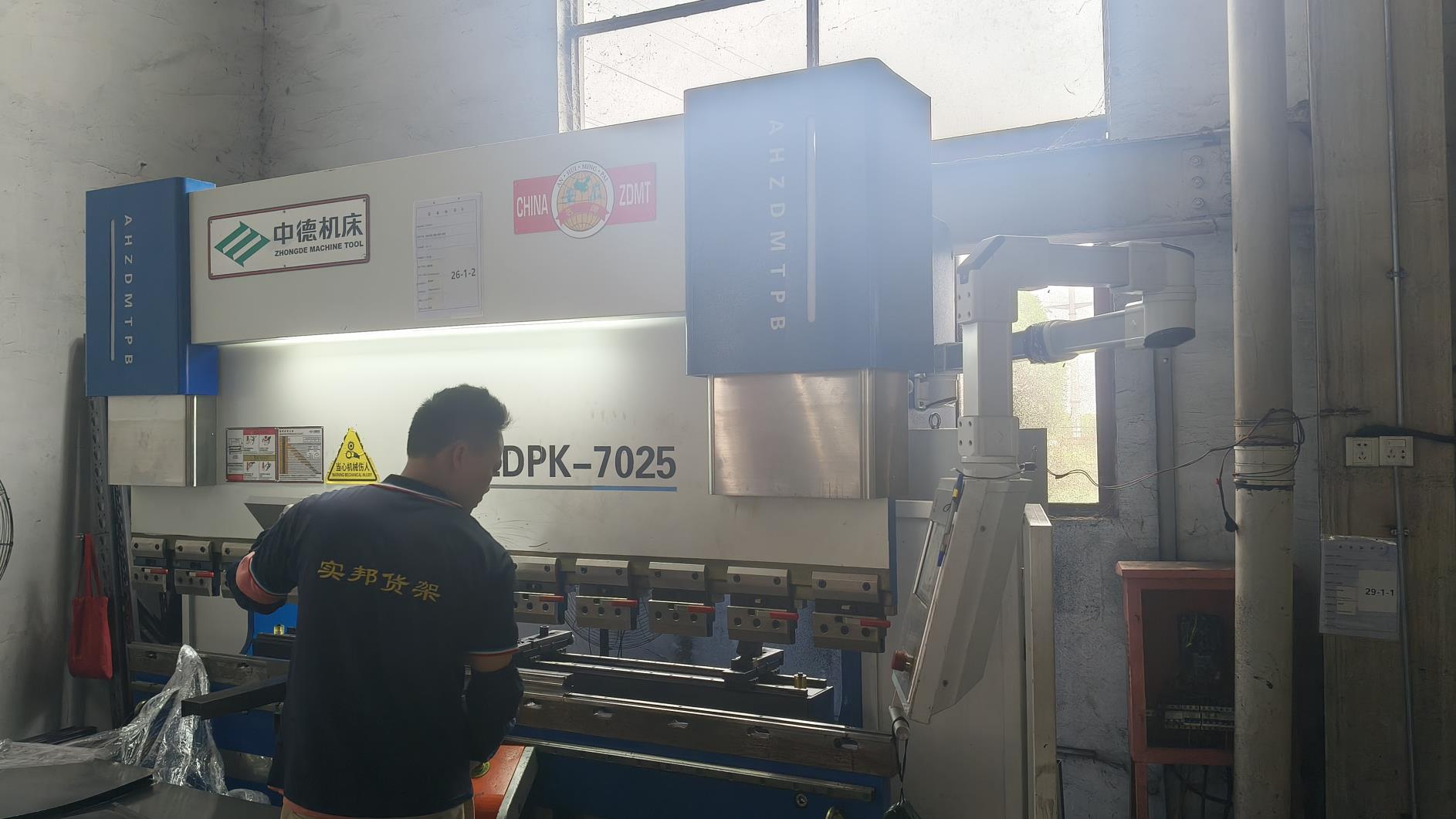
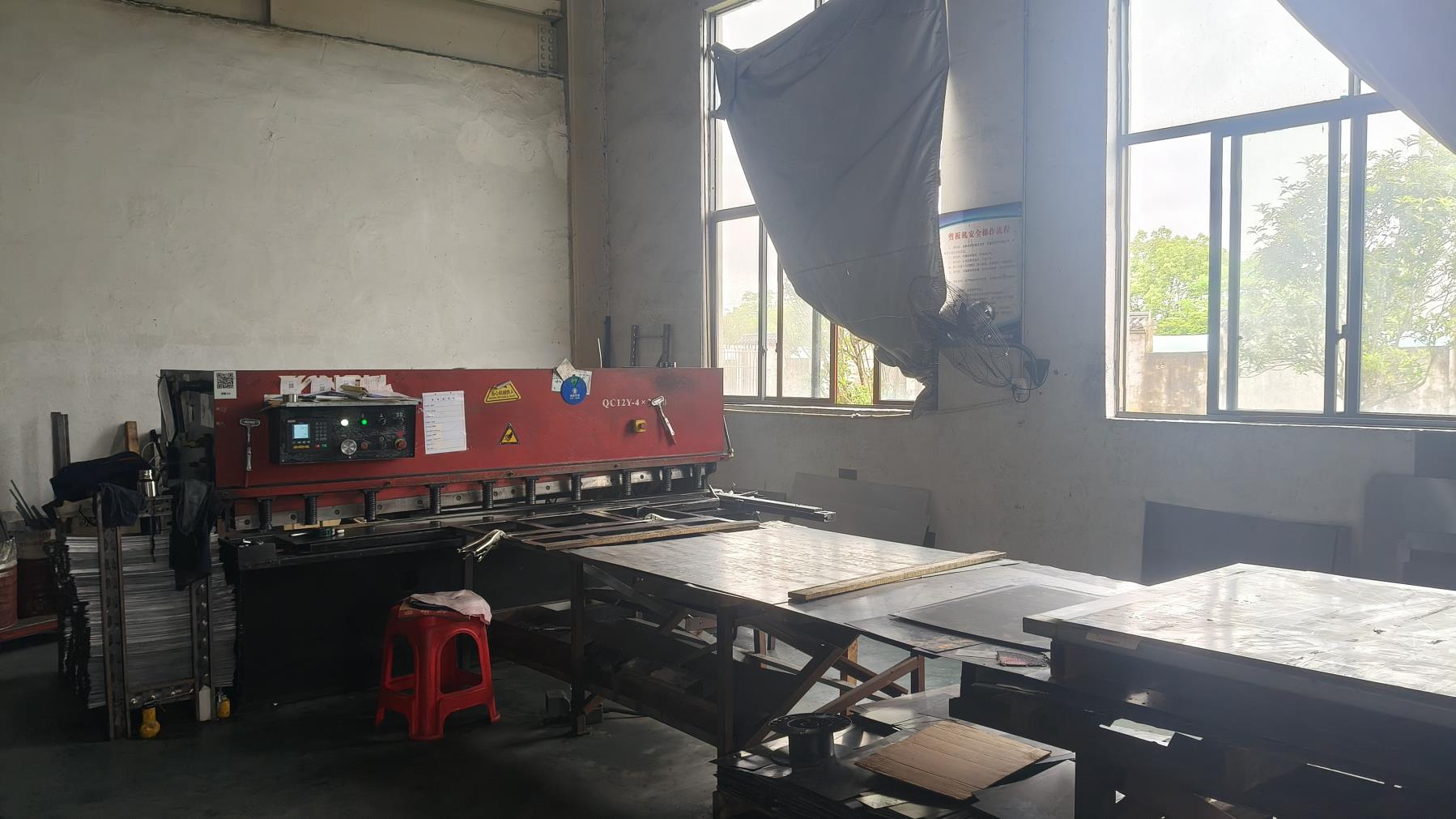
Our ISO 9001:2015 certified production lines incorporate high-precision forming, robotic welding, and automated powder coating processes to deliver durable, structurally sound industrial storage systems.
Modern global logistics networks face rising commercial land costs and operational overhead. In cold-chain distribution, grocery storage, pharmaceutical warehouses, and consumer goods fulfillment centers, space optimization directly affects profitability.
Custom OEM push-back storage systems act as a critical solution here. Designed with heavy-duty structural steel and integrated flow tracks, they enable dense SKU arrangement without sacrificing selectability.
Maximizing volumetric space inside low-temperature facilities to lower refrigeration and energy utility costs.
Supporting high turnover of medium-rotation products with flexible, multi-cart nested structural layouts.
Designed to support tooling parts and dynamic raw material pallets with layer capacities up to 1,500 kg.
The rise of global multi-channel fulfillment has pushed manufacturing companies toward modular, relocatable warehouse setups. Structural engineers and procurement officers now prioritize durability and high load capabilities over simple static racks.
European and North American regulatory bodies demand compliance with specific safety certifications (such as FEM 10.2.02 and RMI guidelines). As a result, exporters must supply verified, certified structural steel configurations. Shenzhen Shibang meets these dynamic global demands by utilising high-tensile Q235B structural steel, which handles high cyclic loading and resists buckling under seismic forces.
Shenzhen Shibang operates with a clear focus on local building codes and structural requirements. Our engineering team utilizes custom Finite Element Analysis (FEA) software to model rack behavior under seismic forces (including FEMA and ASCE 7 load combinations).
Whether your installation is located in seismic zone 4 in California or needs to meet wind load challenges in coastal Australian facilities, our products are engineered to comply with AS4084-2012, RMI MH16.1, and EN 15512 standards.
Dynamic warehousing technologies are changing the industrial landscape. Standard gravity-fed push-back systems are increasingly integrated with electronic sensors, photo-eye detectors, and automated guided vehicles (AGVs).
By adding smart tracking capabilities to nested pallet carts, operators can gain real-time visibility into inventory depth and movement within the racks. Our engineering roadmap includes researching low-friction, high-durability polymer rollers and magnetic braking systems. These additions help control the descent speed of heavy pallets, ensuring safe operation at heights exceeding 10 meters.
Push-back racking operates on a LIFO (Last-In, First-Out) principle, loading and unloading from a single aisle using nested carts on inclined tracks. Gravity flow racking functions on a FIFO (First-In, First-Out) basis, requiring separate loading and unloading aisles with rollers spanning the depth of the system.
We use high-grade Q235B hot-rolled structural steel. Every structural upright and beam undergoes Finite Element Analysis (FEA) to confirm safety margin capacities. Additionally, we conduct ultrasonic weld inspections, tensile tests, and dynamic load stress tests.
Yes. Our standard rail slope is set between 2.5% and 3.5% for typical operational weights. For custom OEM systems, our engineers can calculate and adjust the slope to match lighter plastic pallets or heavier dynamic steel pallets, preventing runaway velocity or stalling.
For cold environments and high-humidity areas, we offer hot-dip galvanized (HDG) finishes and specialized epoxy powder coatings. These treatments pass a 500-hour salt spray test, preventing rust and maintain structural integrity down to -30°C.
 Shibang Steel