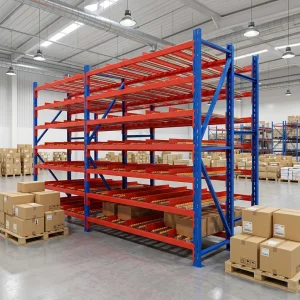
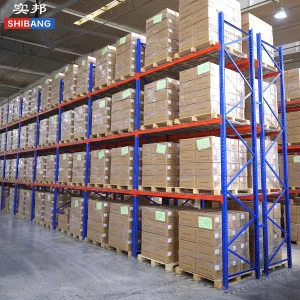
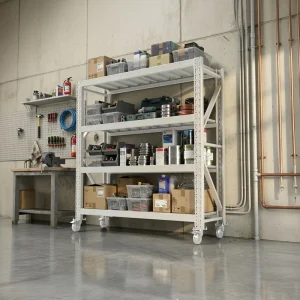
Explore our specialized industrial rack configurations designed for high load capacity, adaptability, and harsh operating conditions.
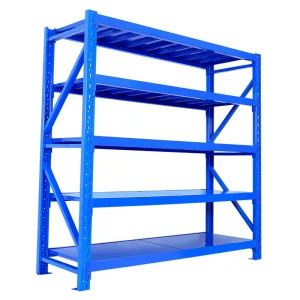
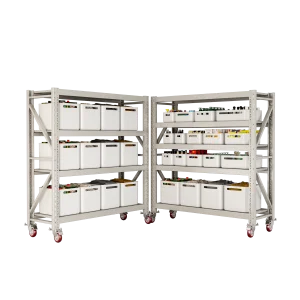
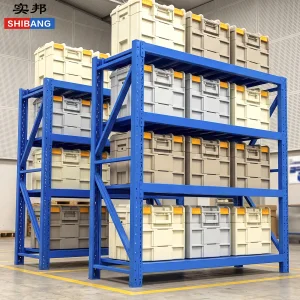
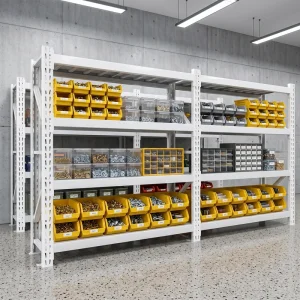
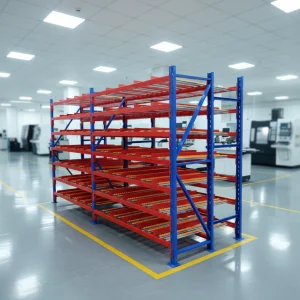
Cold storage warehousing represents one of the most operationally challenging domains in modern supply chain logistics. Operating in environments that range from 0°C down to -30°C, these facilities face unique mechanical, structural, and chemical challenges. Standard storage systems fail prematurely under deep sub-zero conditions because structural steel becomes prone to low-temperature embrittlement, coatings crack, and condensing humidity accelerates electrochemical corrosion.
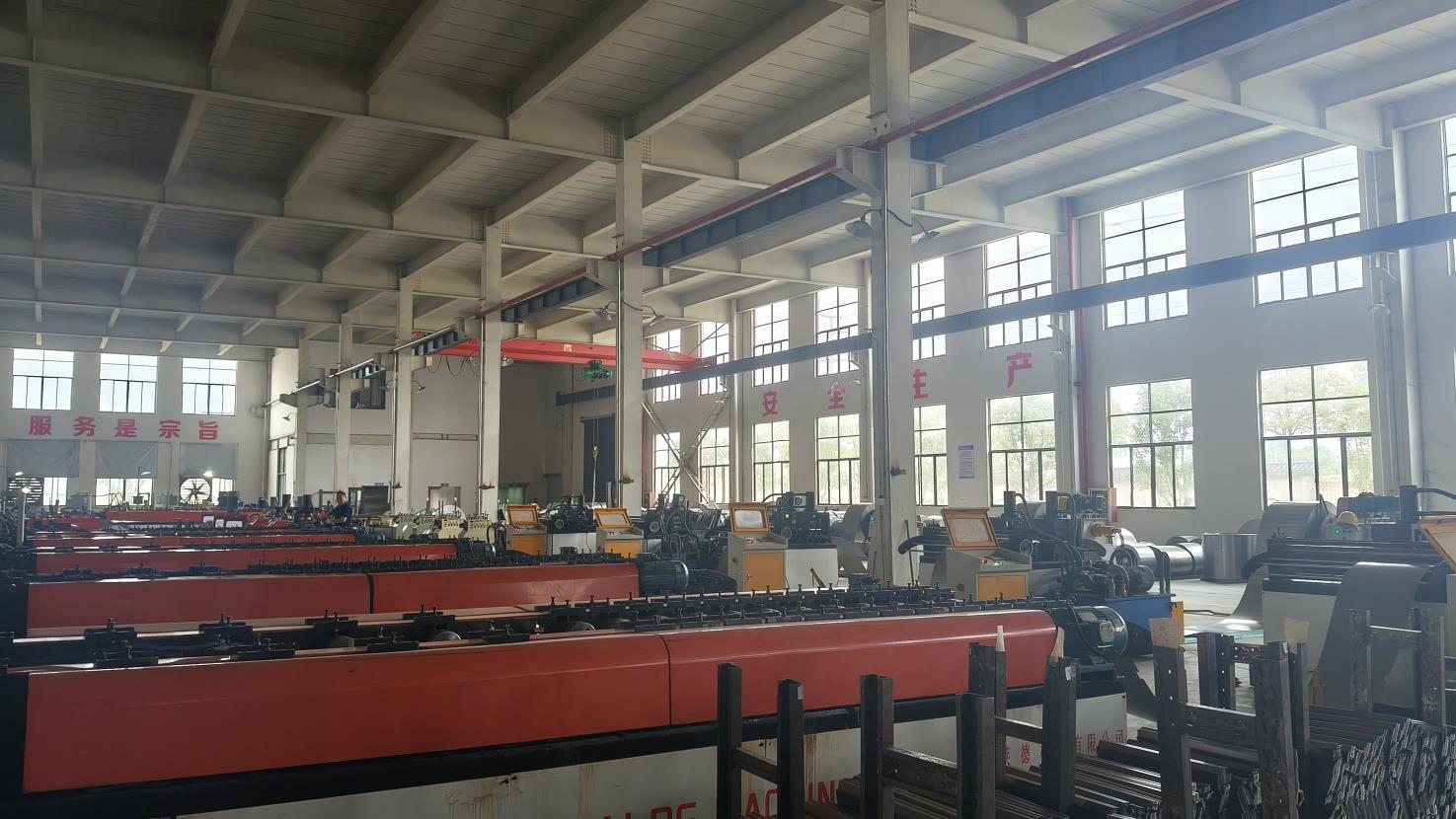
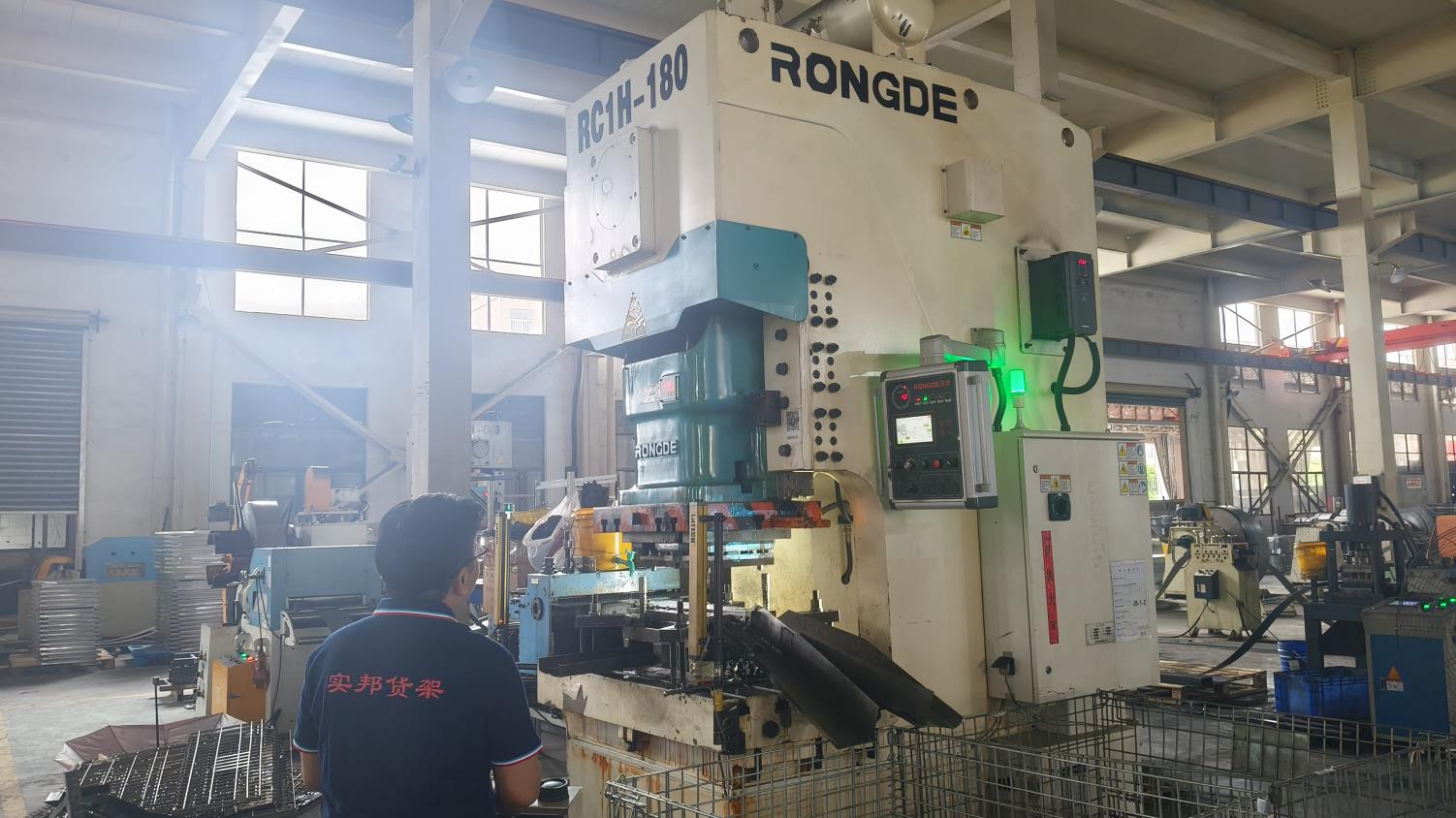
As a premier global Custom OEM Cold Storage Racks Factory & Exporter, Shenzhen Shibang Storage Rack Co., Ltd. integrates metallurgy, structural engineering, and automated logistics to design racking systems that withstand these thermal stresses. With a modern 32,000-square-meter facility, over 12 years of industry experience, and a robust team of 18 R&D engineers and 35 QC professionals, Shibang delivers structural safety and volume optimization to global industries.
Selecting structural materials for cold storage environments requires rigorous compliance with thermodynamic principles. In sub-zero temperatures, carbon steel undergoes a physical transition known as the ductile-to-brittle transition. Standard grade steels like basic Q235B can lose their impact toughness rapidly below 0°C, increasing the risk of structural failure from forklift impacts.
To mitigate this risk, Shibang utilizes premium steel grades, including Q355D and Q345D, which contain specific alloying elements (such as manganese and low carbon equivalents) that maintain impact energy ratings down to -20°C and -40°C. Our raw steel undergoes strict tensile testing and Charpy V-Notch impact testing to ensure safety compliance.
Alloying chemistry designed for deep cold. Prevents brittle fracture propagation under high load at temperatures as low as -30°C.
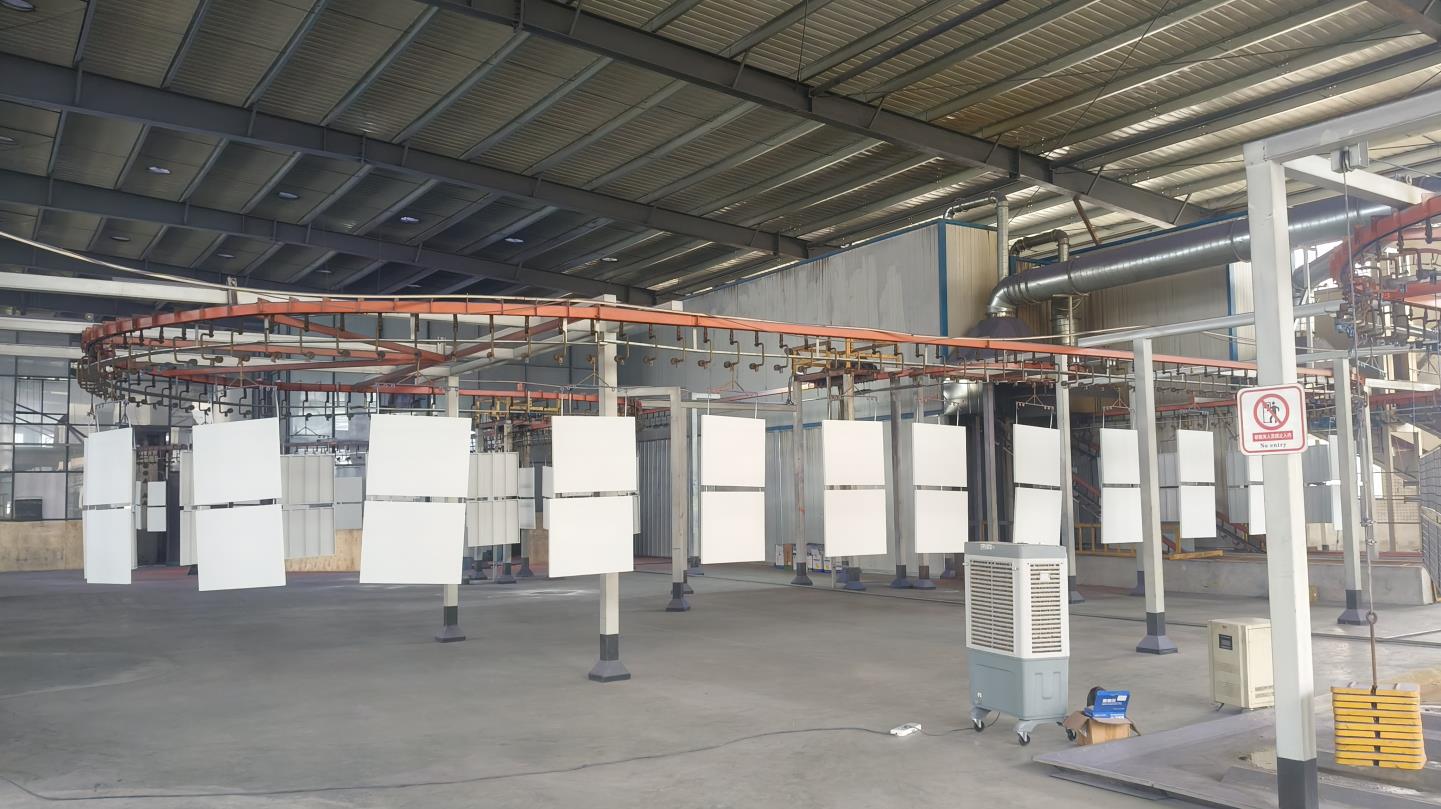
Electrostatic thermosetting powder coating and hot-dip galvanizing (ISO 1461) to resist condensation-driven oxidation.
Dynamic finite-element modeling (FEM) calculating beam deflection and frame buckling factors for heavy load capacities.
Operating a cold storage room is energy-intensive; cooling empty space is expensive. Maximizing storage density is essential to reducing operational overhead. Depending on your throughput requirements, several structural systems can be deployed:
Provides LIFO (Last-In, First-Out) or FIFO (First-In, First-Out) management. Forklifts enter the rack columns directly to place pallets on continuous rails. Eliminates operating aisles, maximizing density in high-volume, single-SKU environments.
Uses nested carts or rollers on inclined rails. Gravity pushes the next pallet forward to the picking aisle when the front pallet is retrieved. This system maintains high storage density while improving picking speeds.
Automated Storage and Retrieval Systems (AS/RS) use shuttle cars to handle pallet placement without manual forklift operations, reducing human errors and minimizing heat exchange through door openings.
Sourcing custom warehouse racking from a Chinese factory like Shenzhen Shibang Storage Rack Co., Ltd. offers structural precision, advanced manufacturing technologies, and supply chain efficiency.
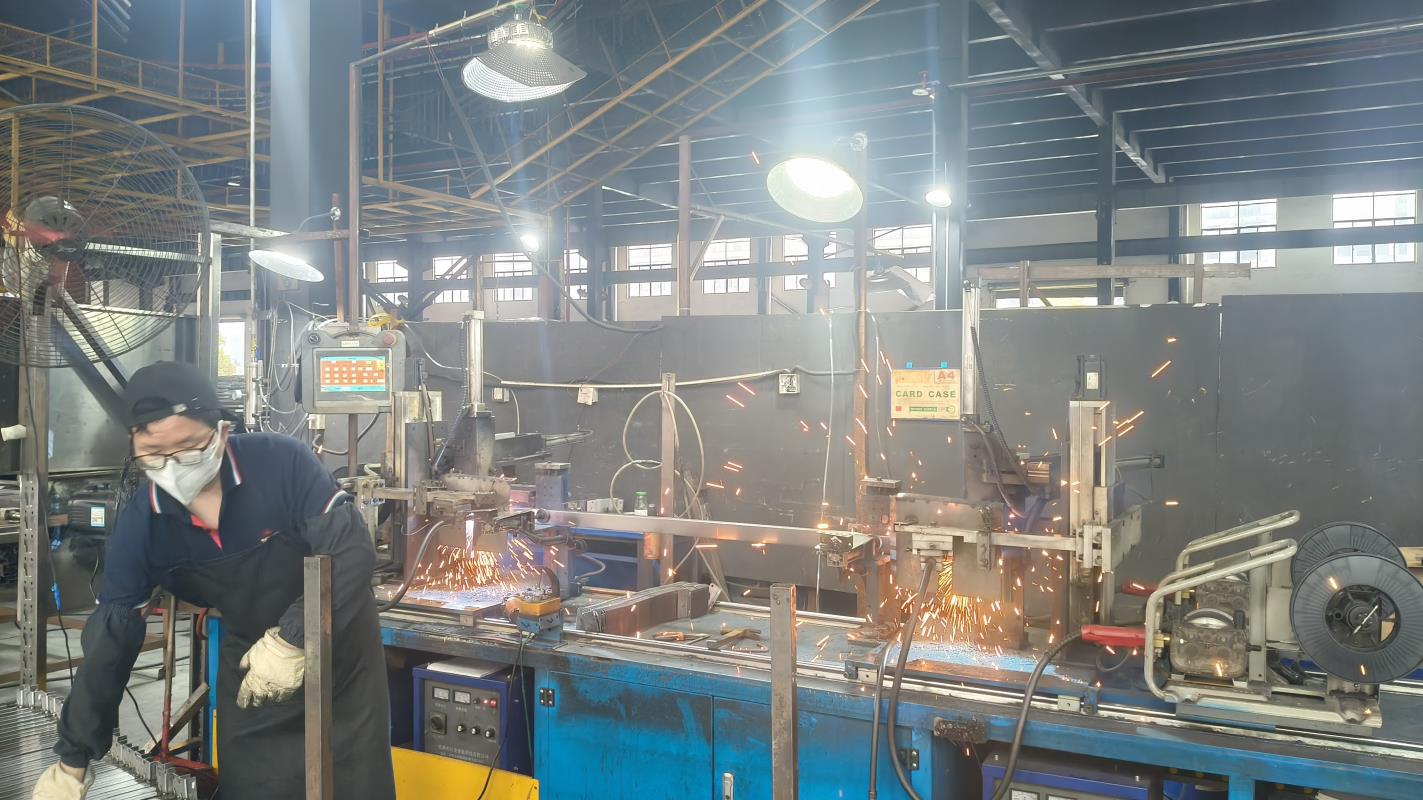
A visual tour of our production facility, showcasing our precision machinery, roll-forming lines, and quality control workflow.
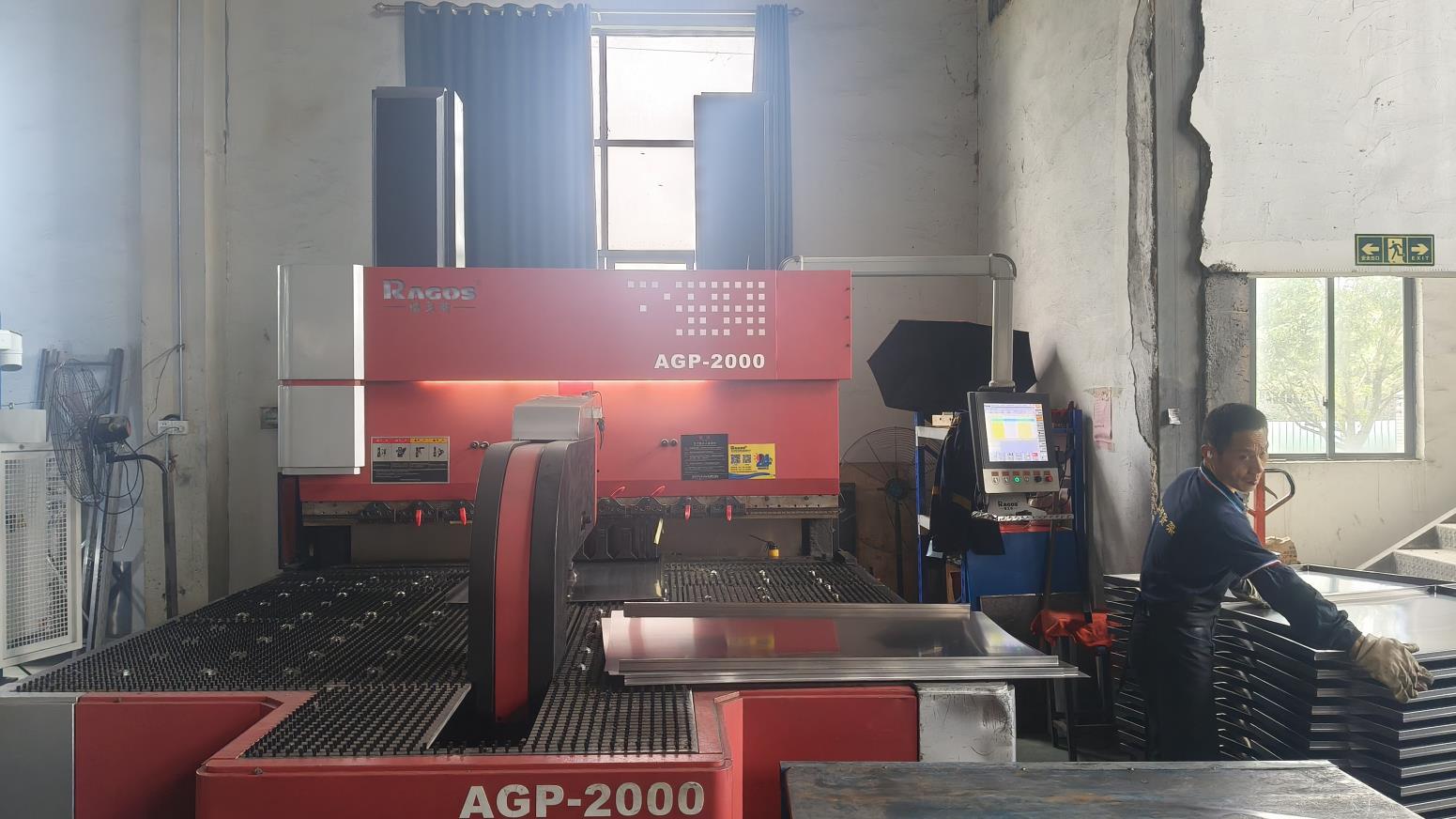
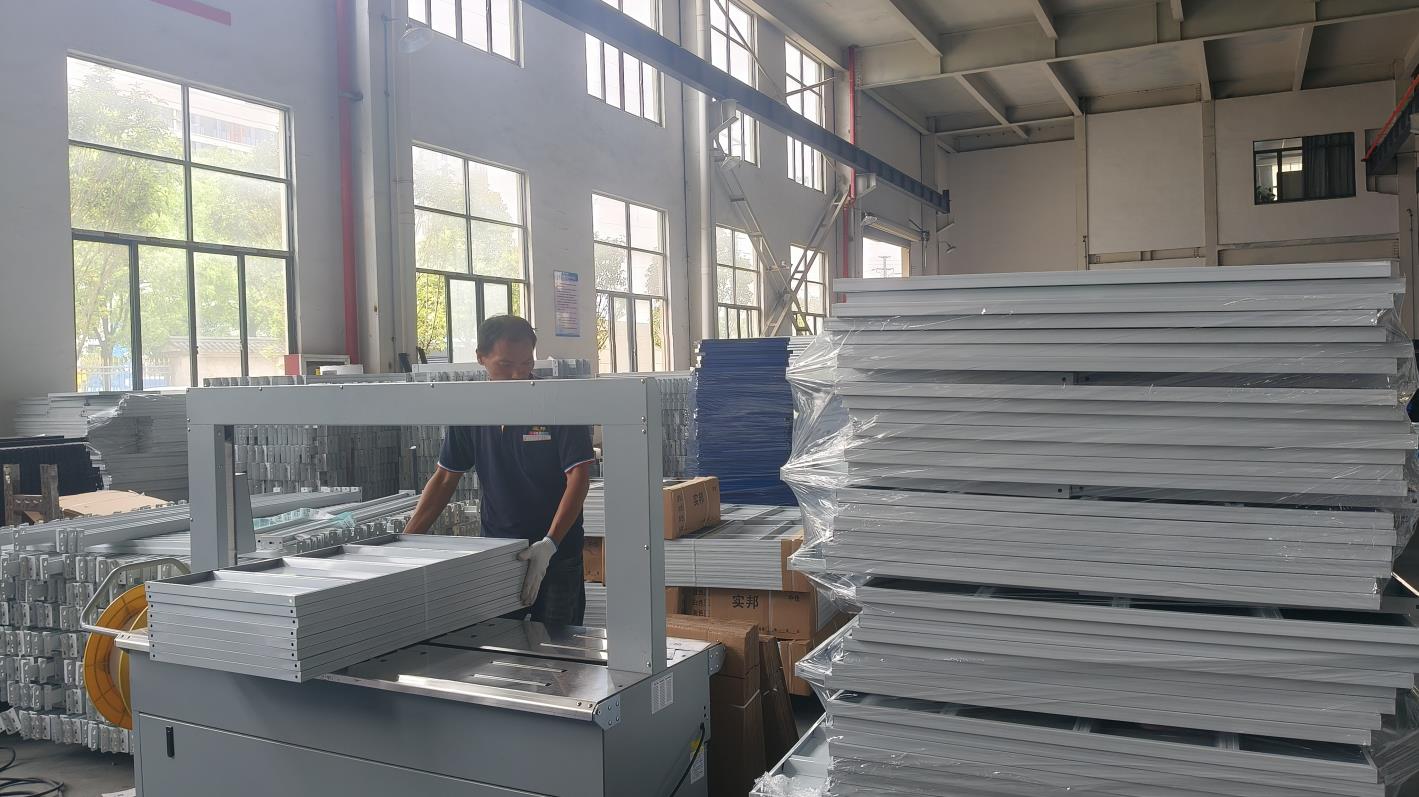
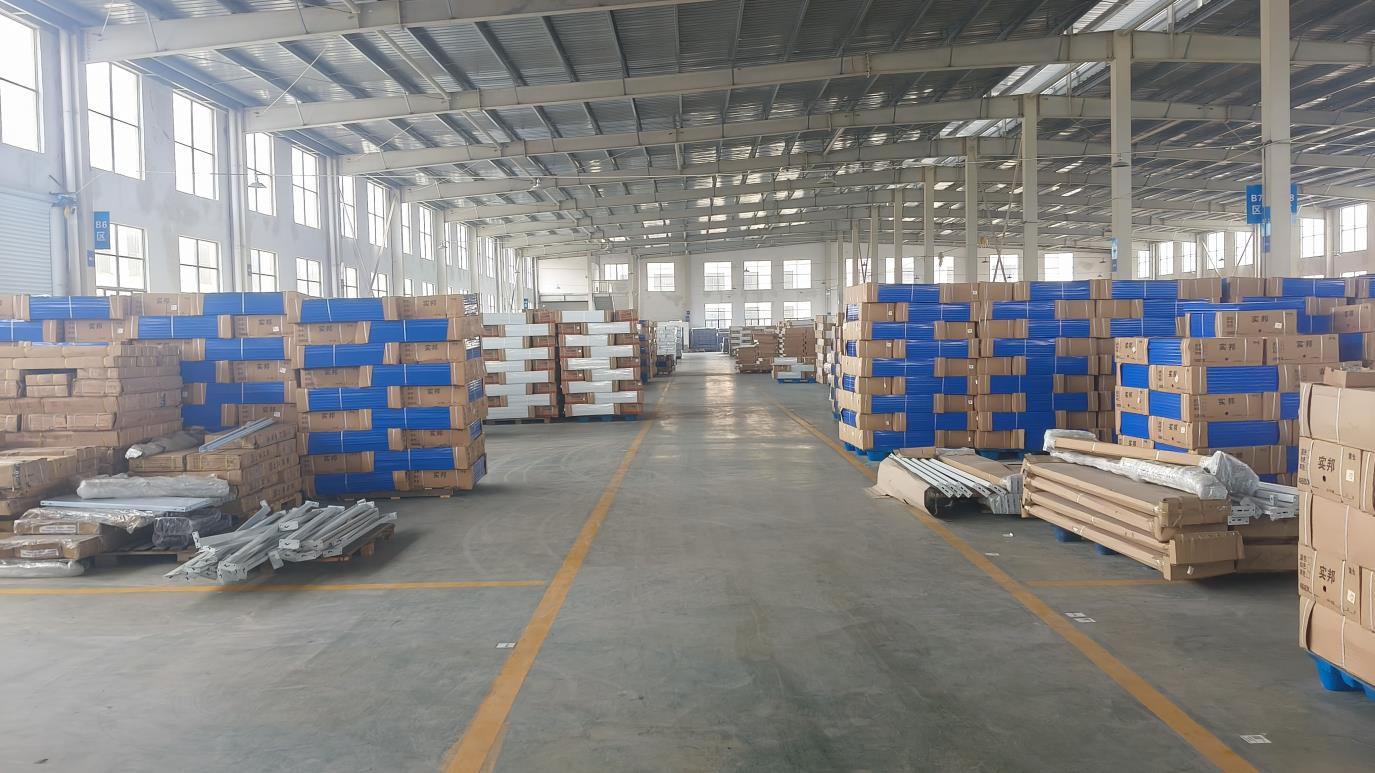
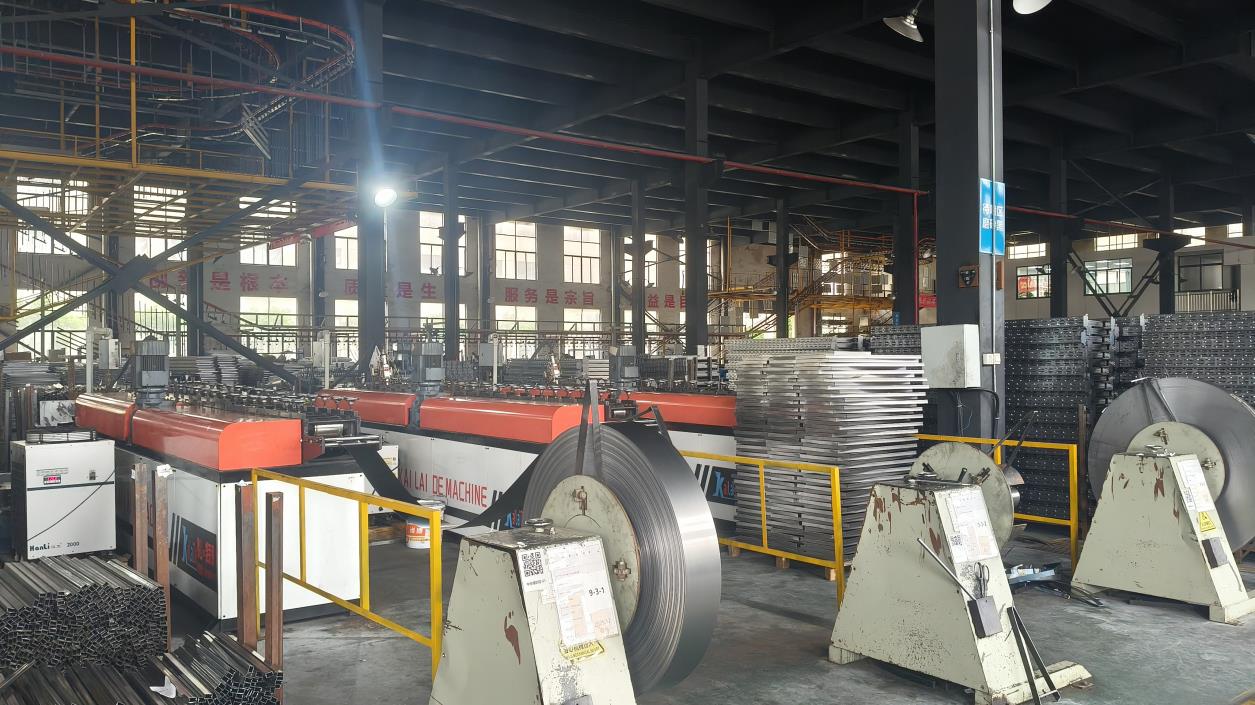
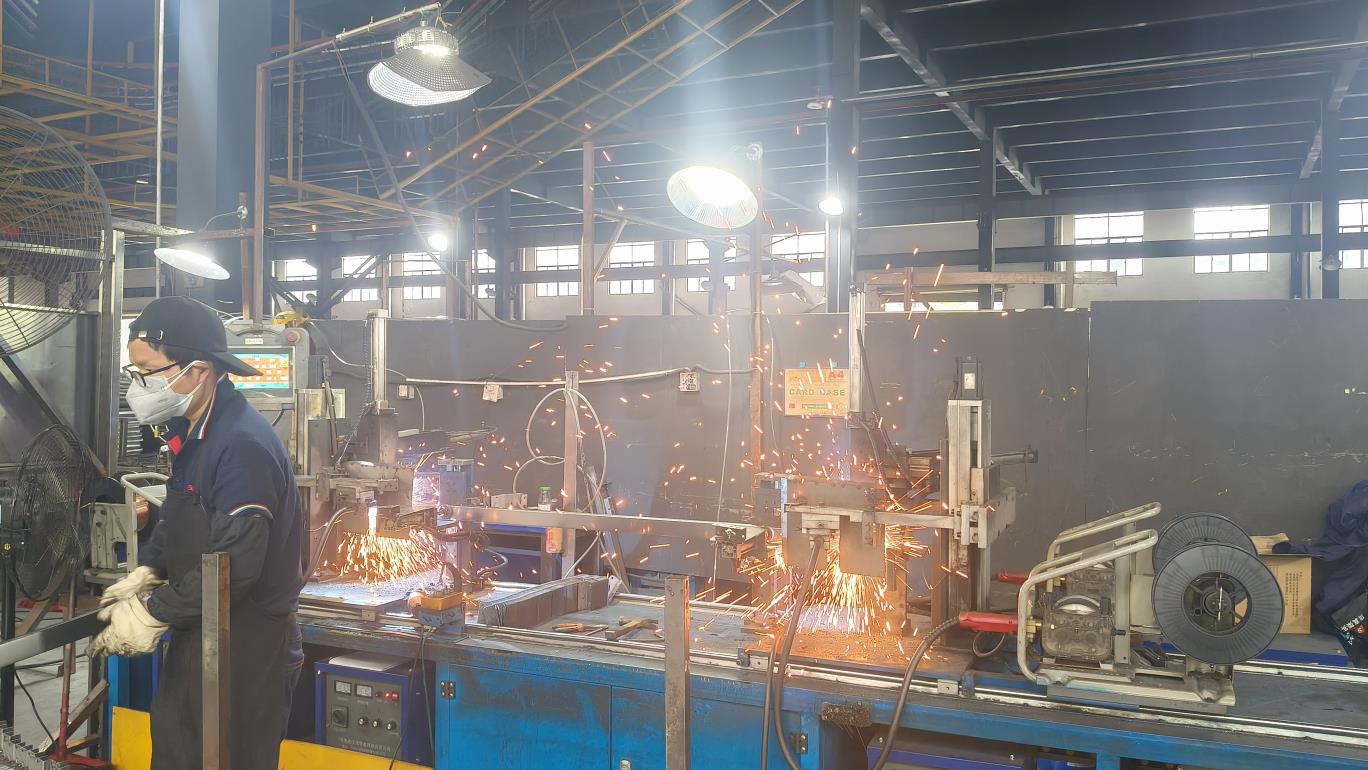
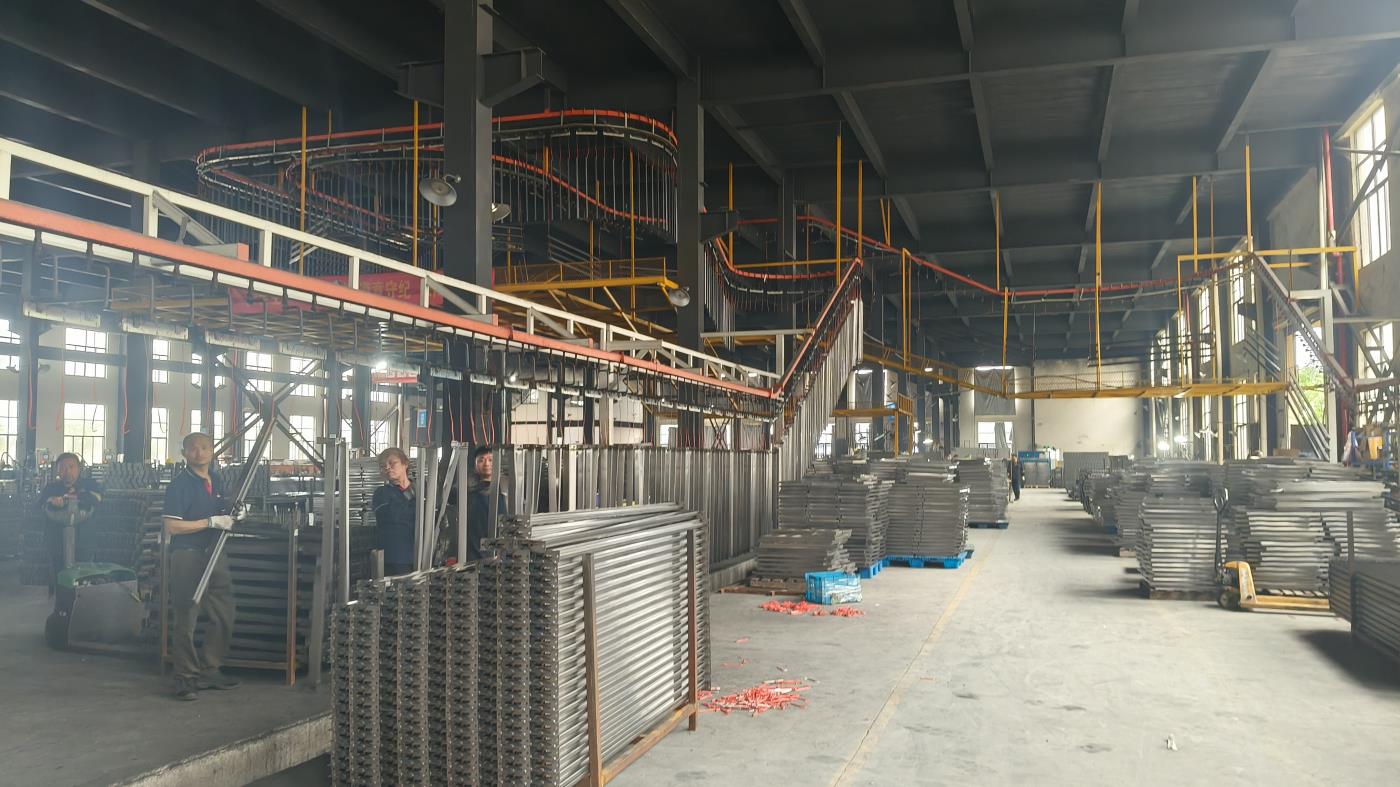
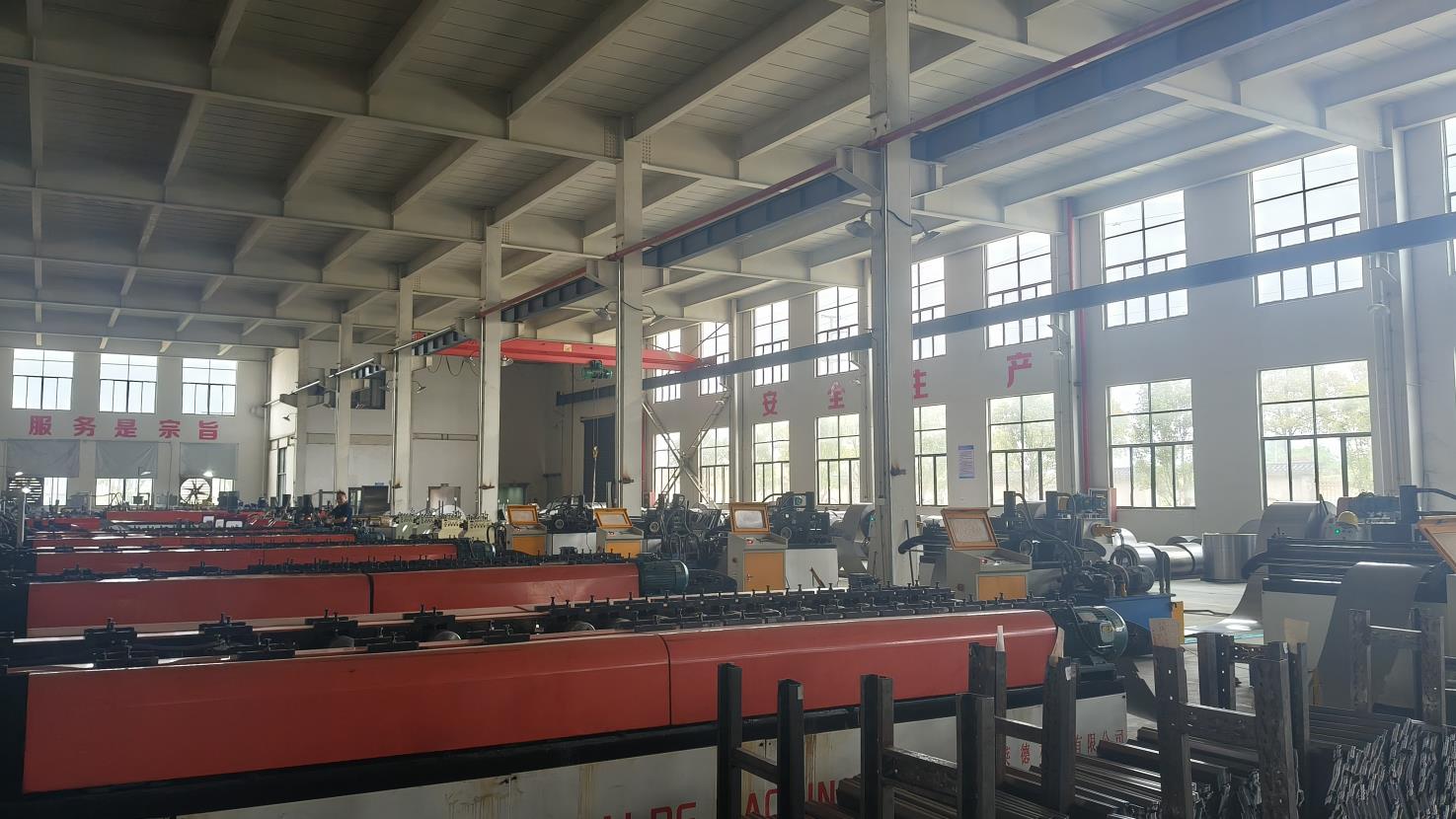
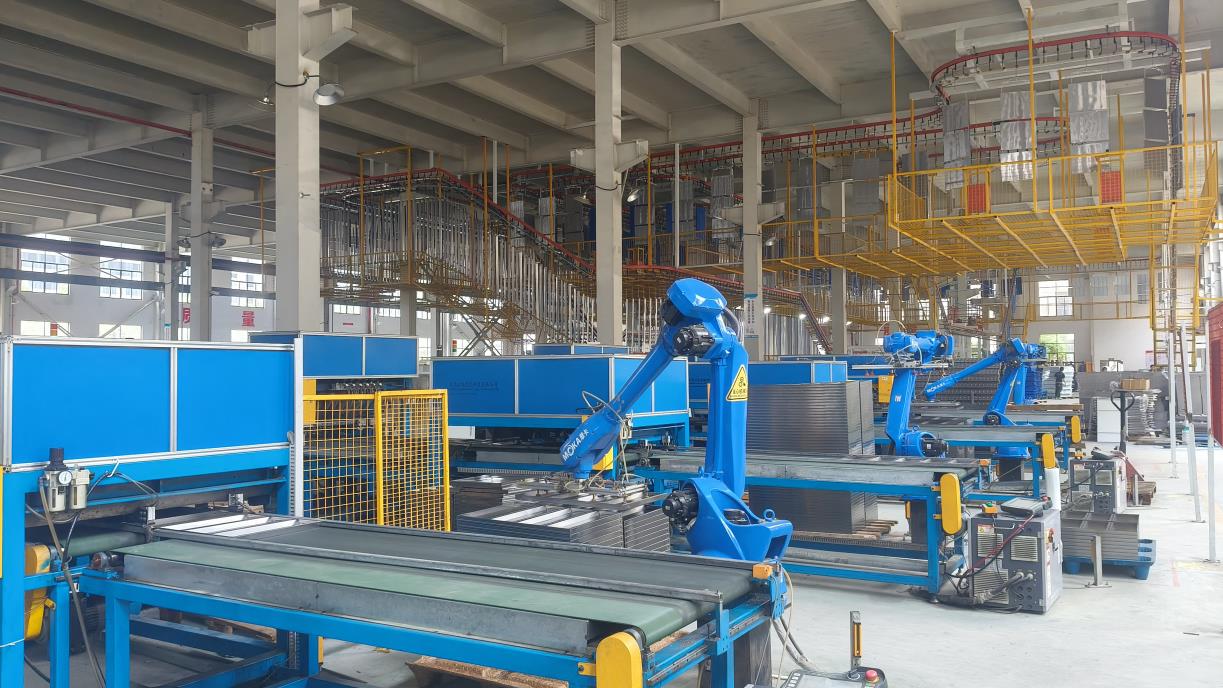
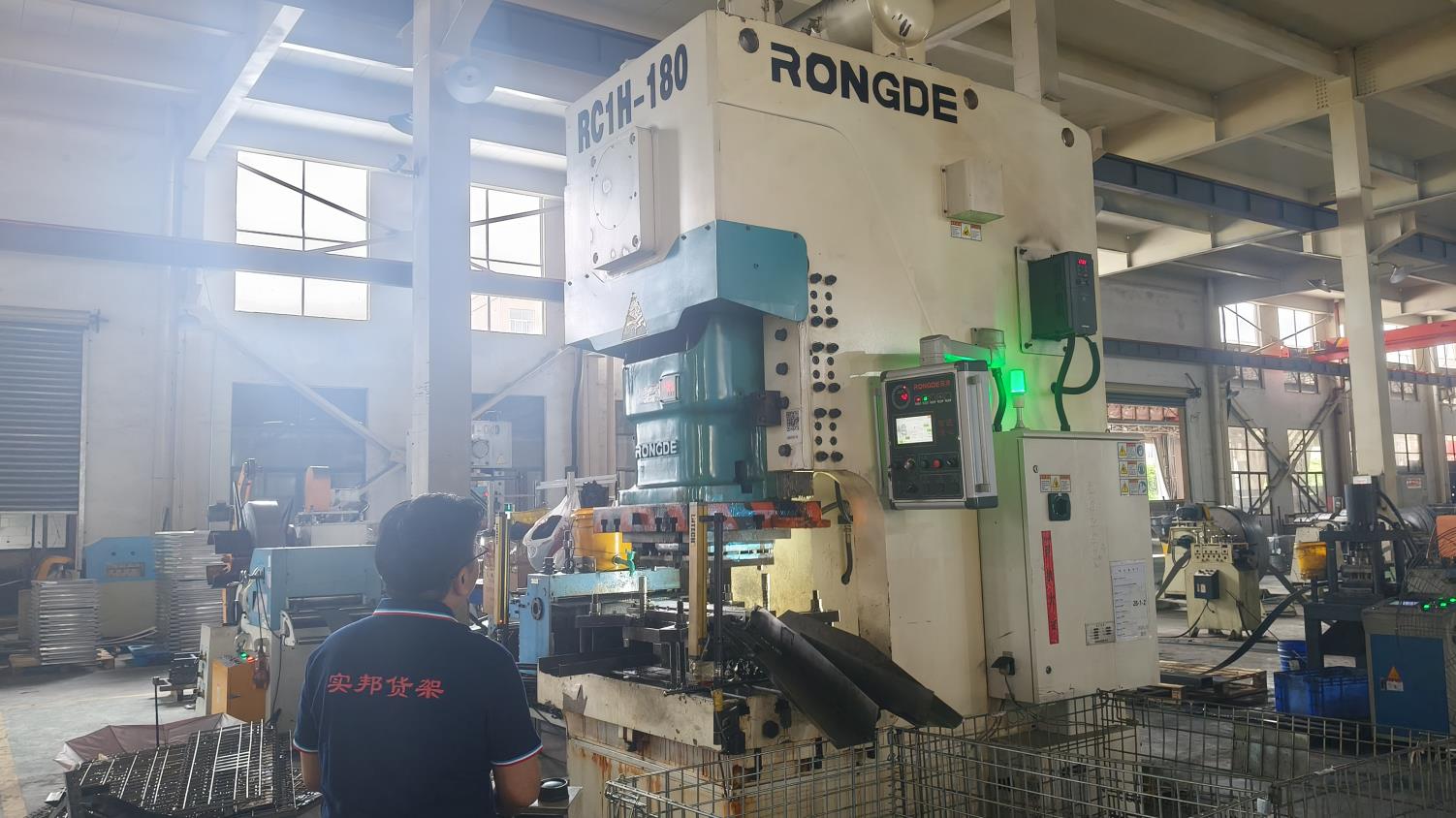
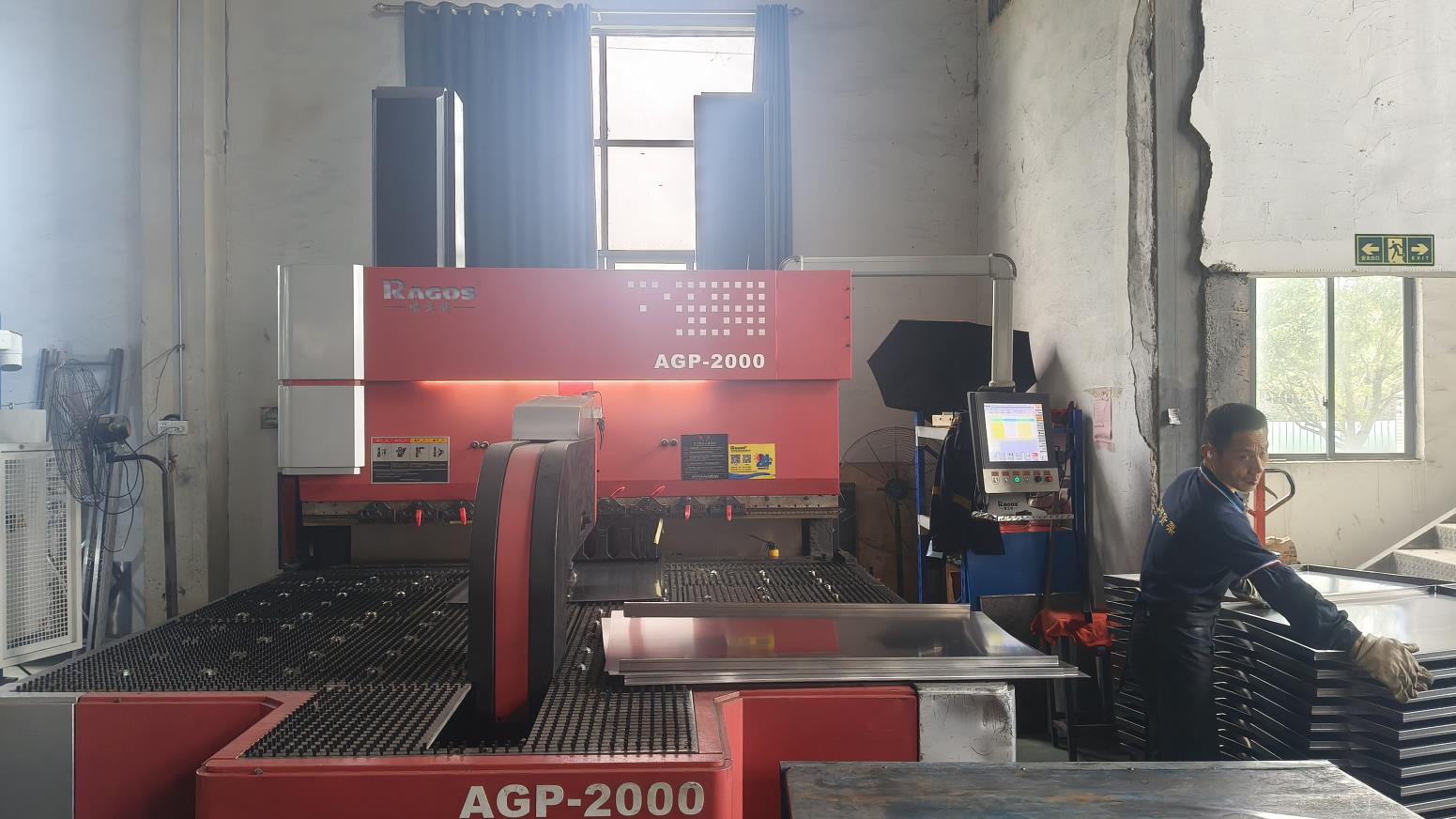
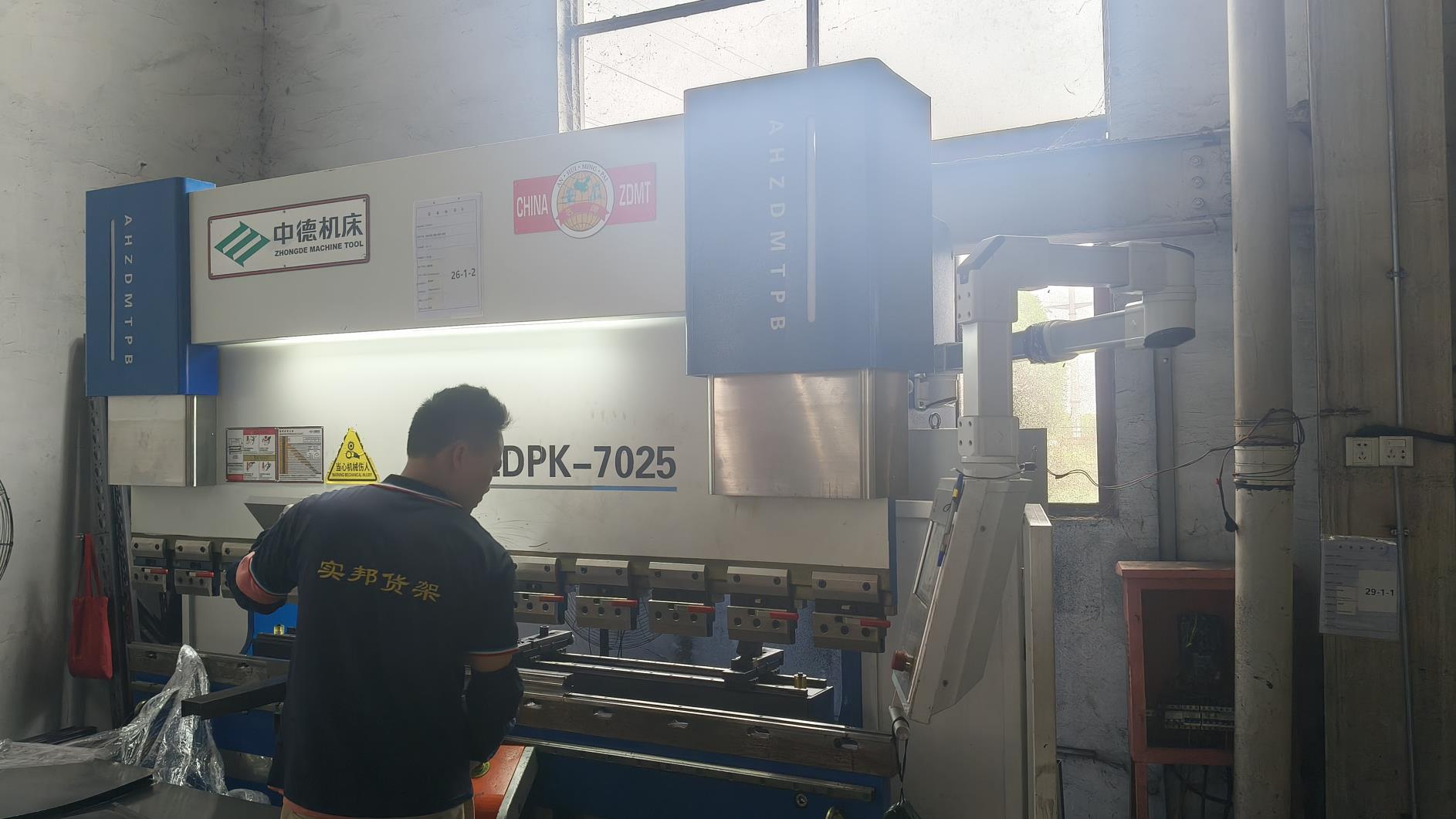
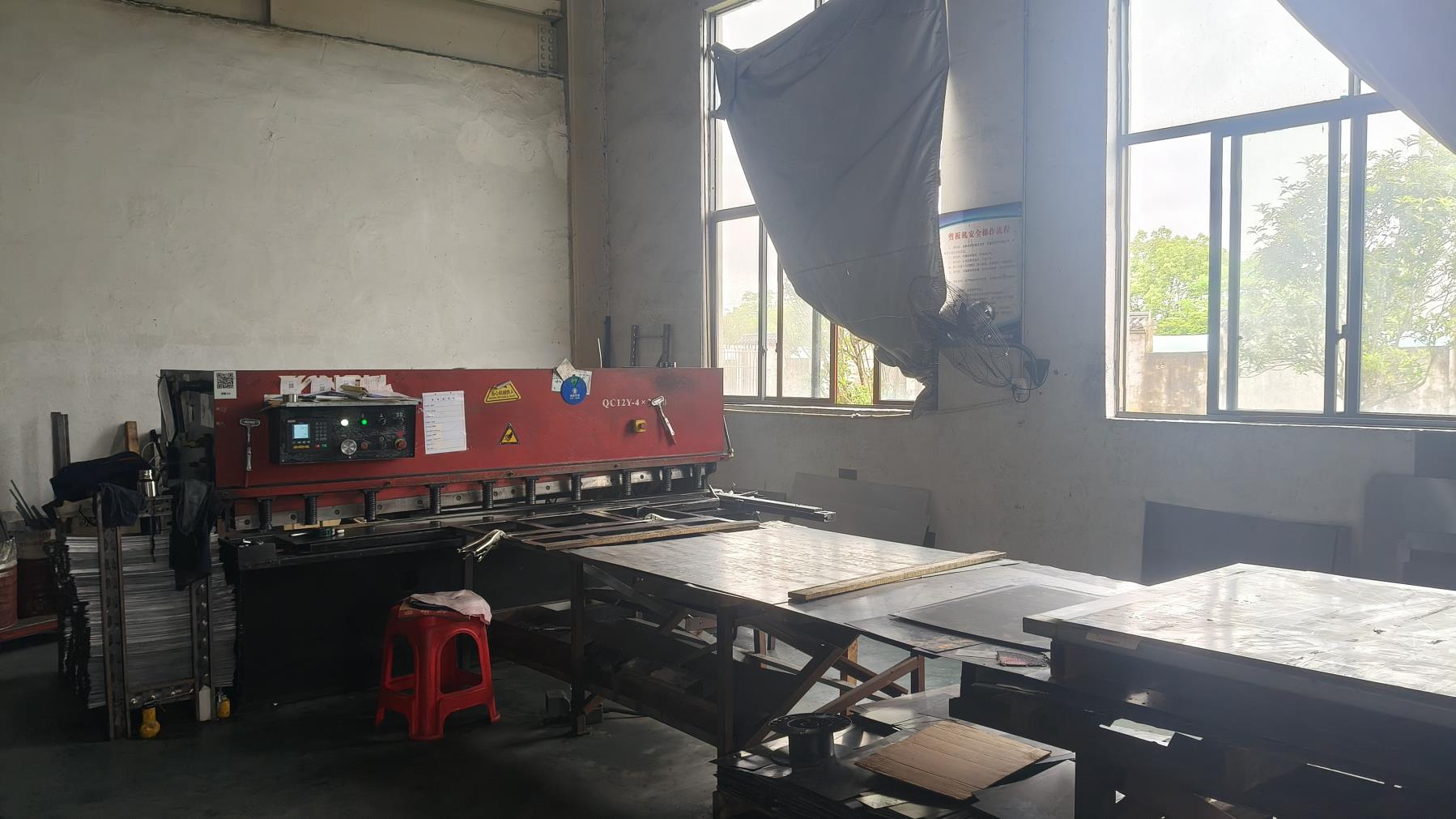
Enterprise procurement departments require structural verification and compliance with international standards before selecting a logistics partner. All engineering designs and calculations at Shibang are evaluated under key global racking codes:
Our 35 QC professionals conduct dynamic load tests, ultrasonic weld checks, material tensile testing, and salt spray testing. This process ensures structural stability, weld integrity, and corrosion resistance under demanding operational loads.
Different cold-chain industries require tailored configurations. Our customized racking systems are designed to meet the distinct operational needs of various sectors:
Compliance with GMP standards, utilizing corrosion-resistant racking layouts. Open rack frames facilitate clean airflow, maintaining uniform temperature control to protect sensitive pharmaceutical stock.
FIFO-optimized gravity flow and push-back systems designed to handle rapid rotation. Racks are built to withstand intensive sanitization routines and washdowns without corroding.
Configurable selective pallet racks designed to accommodate varying pallet heights, weights, and SKU volumes. Provides high flexibility for diverse client inventory profiles.
Technical answers to key structural and procurement questions about cold storage racking.
High-capacity warehouse structures, dynamic gravity-flow options, and versatile storage configurations.
 Shibang Steel