Maximize your vertical space with our advanced steel structure systems designed for heavy industrial use, complete with compliance testing for European standards.
How nearshoring and e-commerce growth in Poland demand smart vertical warehouse optimization.
Poland has firmly established itself as the logistics powerhouse of Central and Eastern Europe (CEE). Positioned strategically at the intersection of Europe’s major transport corridors—linking East and West, North and South—the Polish logistics and warehouse sector has experienced unprecedented expansion over the last decade. Key regions such as Upper Silesia, Warsaw, Central Poland (Łódź), Poznań, and Wrocław continue to draw massive investments from third-party logistics (3PL) providers, global e-commerce platforms, and high-tech manufacturing firms.
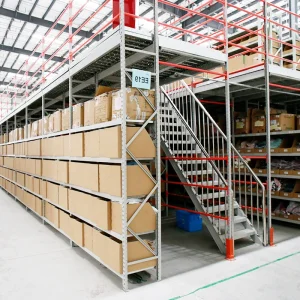
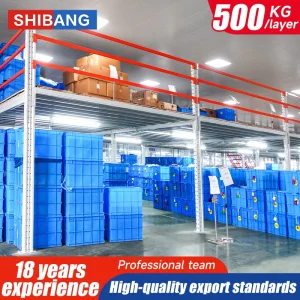
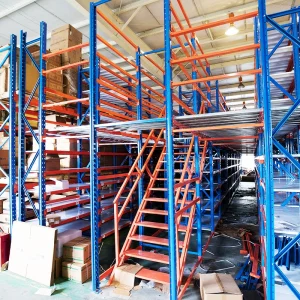
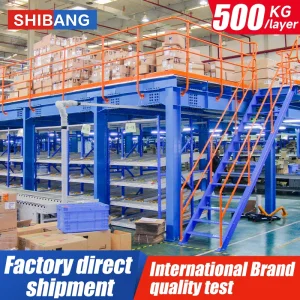
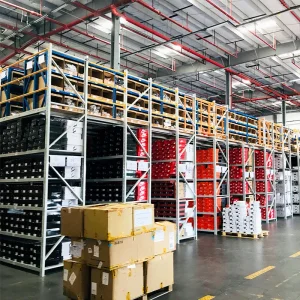
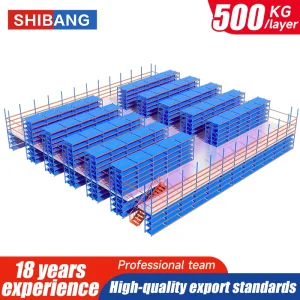
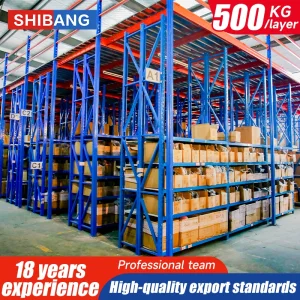
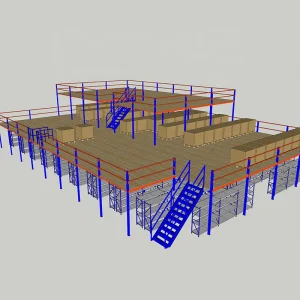
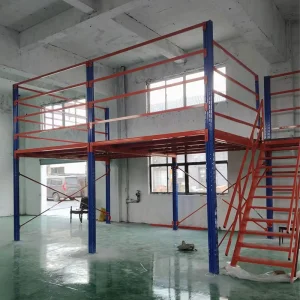
However, this rapid growth has introduced a severe challenge: rising industrial land acquisition costs and escalating rental fees for warehouse facilities. Building horizontally is no longer the most cost-efficient method for business expansion. To stay competitive, companies operating in the Polish market must look upward. This is where heavy-duty steel structure mezzanine racks become a critical, strategic infrastructure choice, effectively doubling or tripling storage capacity within the same footprint.
Driven by Poland's proximity to Germany and other Western European consumer markets, Western brands are routing their CEE inventory directly through multi-tier Polish fulfillment centers.
Polish labor safety (BHP) and construction laws (Prawo Budowlane) impose strict limits on structural deflection, fire evacuation lanes, and overhead sprinkler system integration.
Expanding the vertical footprint with a self-supporting steel mezzanine bypasses the lengthy and expensive administrative processes required to secure building permits for facility extensions.
For any warehouse racking system built in Poland, compliance with local and European structural integrity and health and safety requirements is mandatory. At Shenzhen Shibang Storage Rack Co., Ltd., we execute our static and dynamic calculations in strict accordance with the Eurocode 3 (EN 1993) standards for structural steel design and the specialized EN 15635 guidelines for the application and maintenance of storage equipment.
A safe mezzanine installation must carefully balance raw steel characteristics, structural spacing, and floor load capacities. Our standard engineering phase includes calculating deflection limits (not exceeding L/300 under full load) to guarantee that platforms remain perfectly stable even under intense forklift, pallet jack, and pedestrian traffic. We customize the steel grade according to the requirements: typically employing high-tensile S235JR or S355JR hot-rolled steel profiles for structural upright columns, and cold-formed, galvanized steel profiles for primary and secondary support beams.
Our quality control unit runs continuous protocols to verify structural performance before dispatching containers to the Baltic ports of Gdańsk or Gdynia:
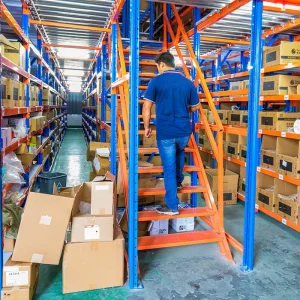
Our localized engineering considerations for Poland include structural adaptation for fire escape regulations. We ensure stairways are configured to the required width (typically 1000mm to 1200mm) and spacing, featuring non-slip perforated steel gratings. Our handrail designs incorporate standard 1100mm height levels with an integrated 150mm toe board (kickplate) to comply fully with Polish BHP (Safety and Hygiene at Work) audits.
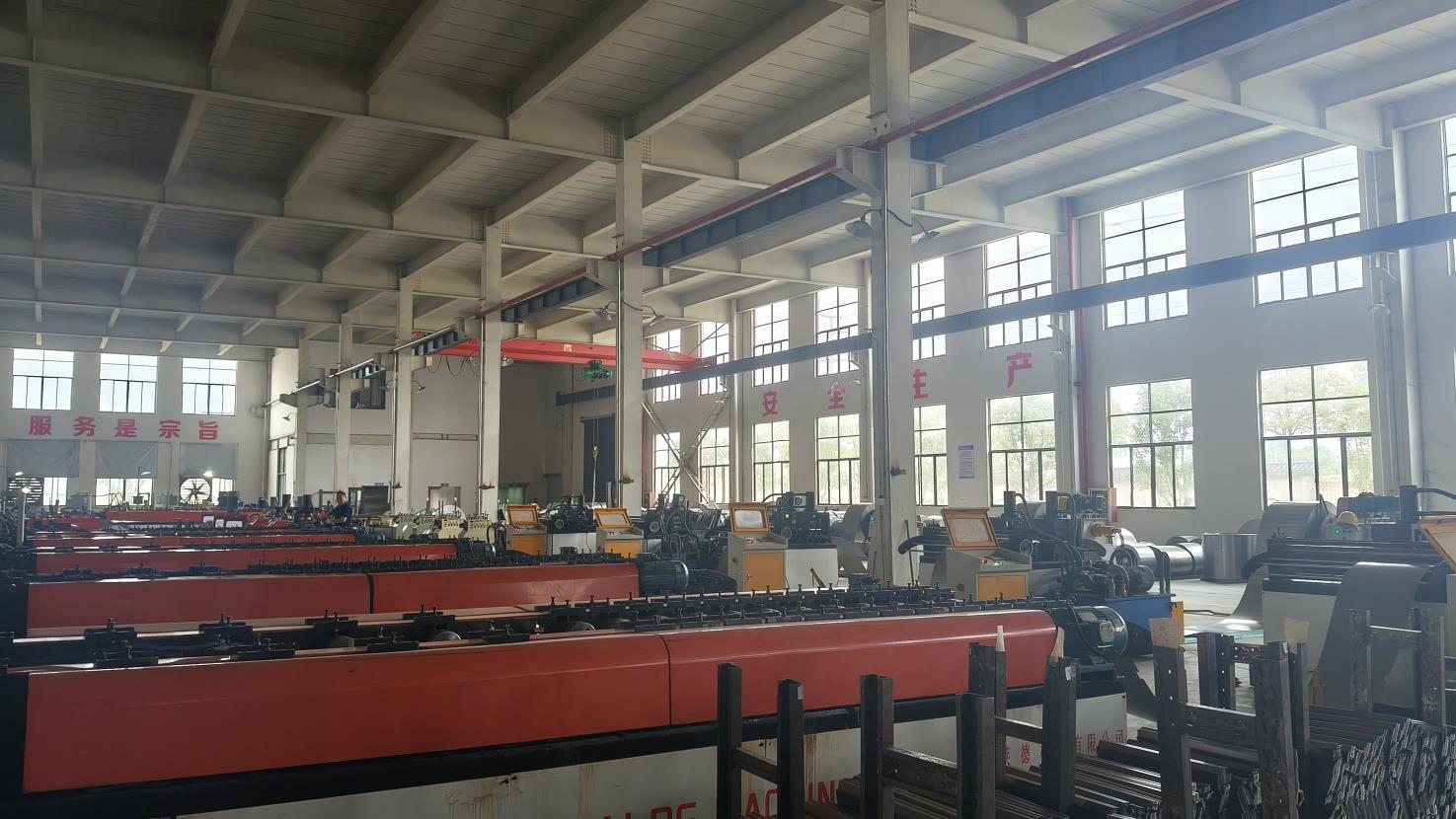
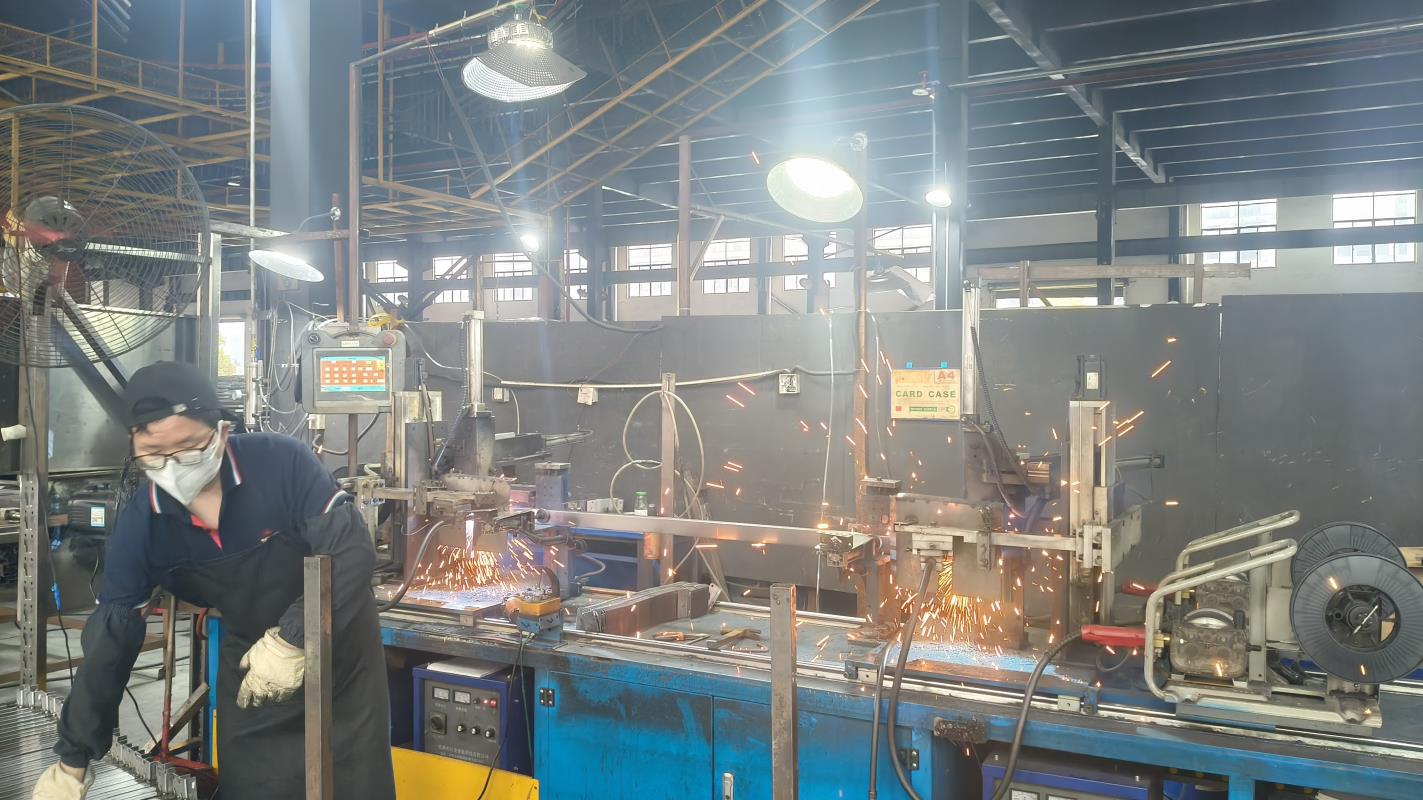
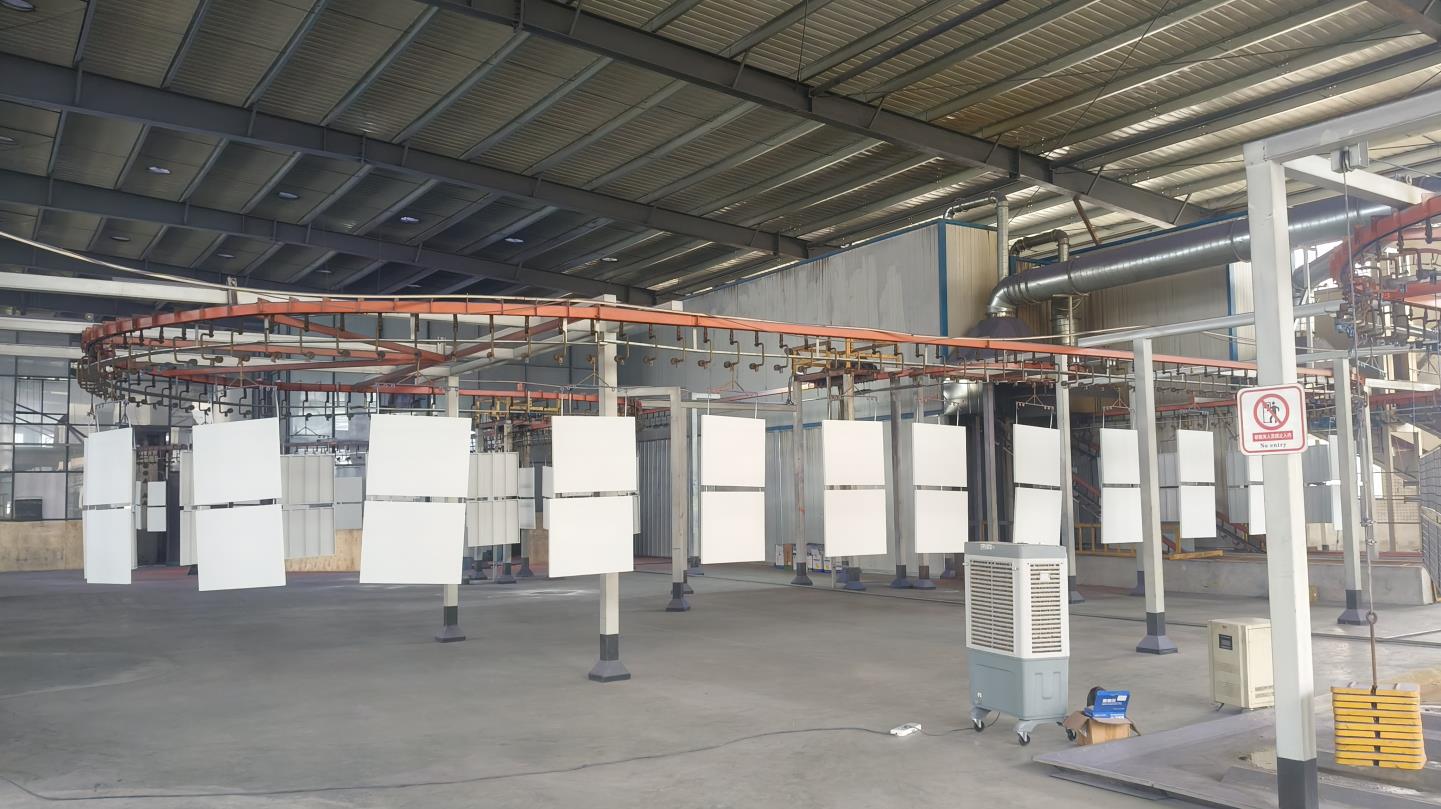
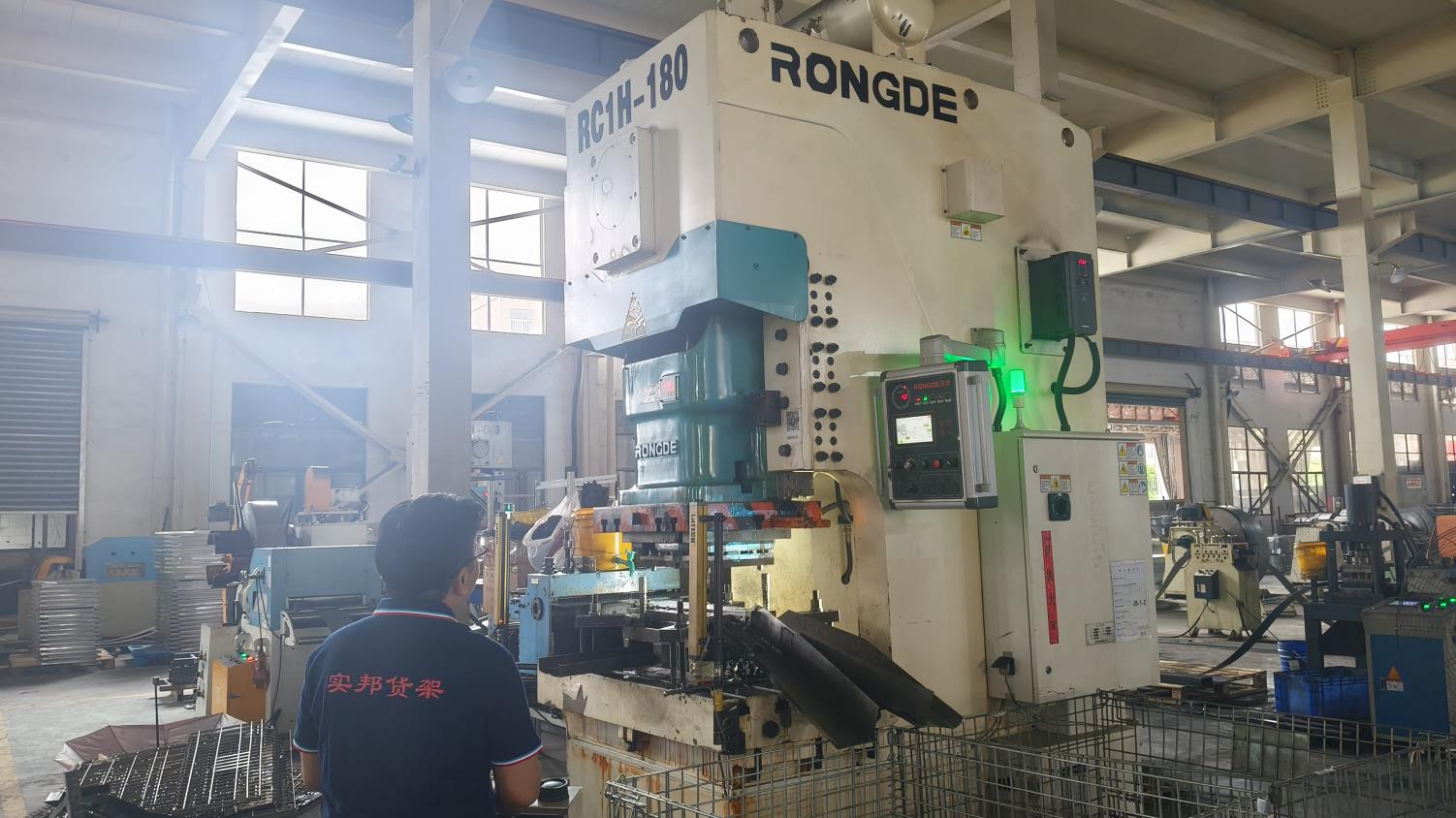
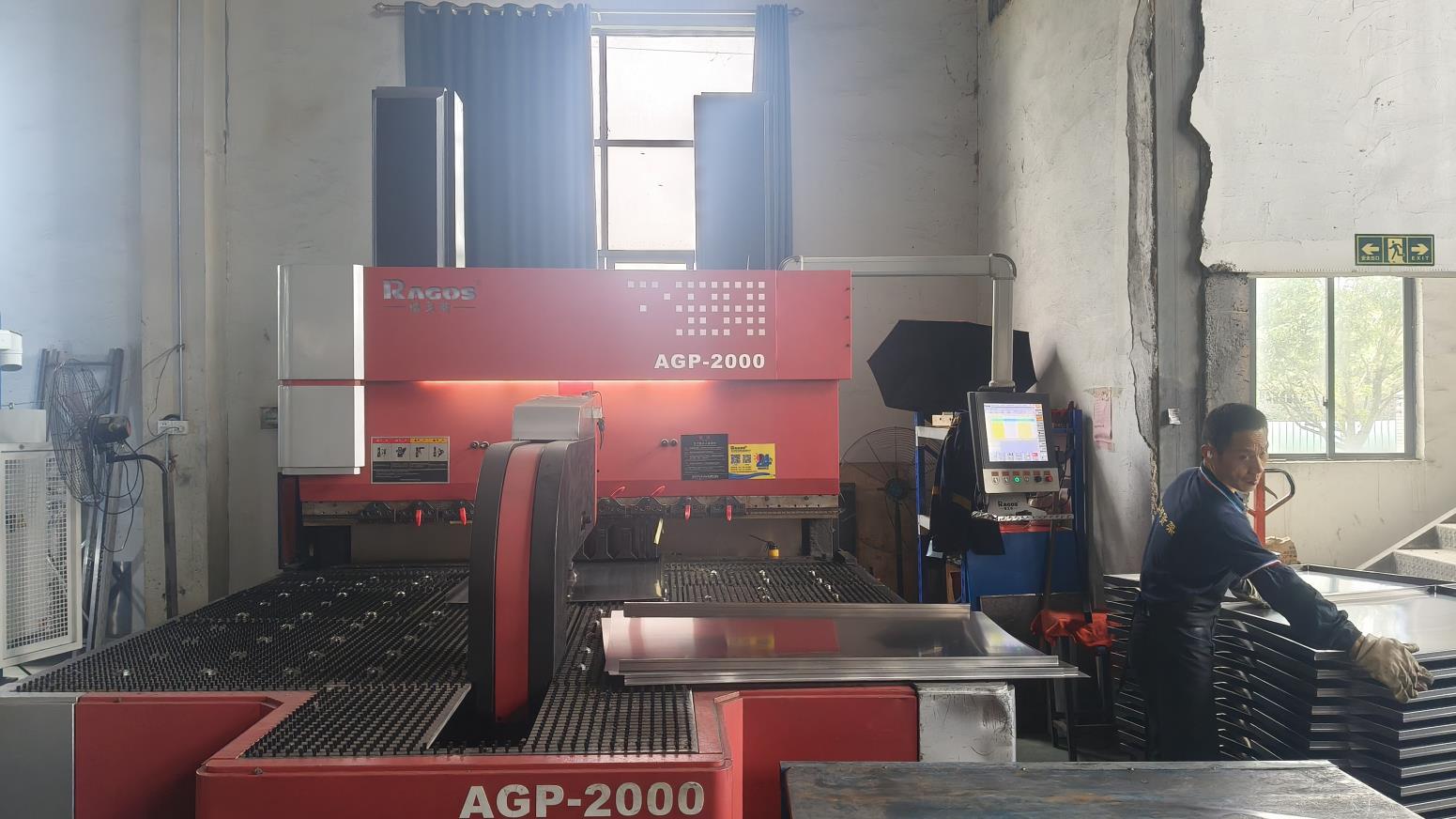
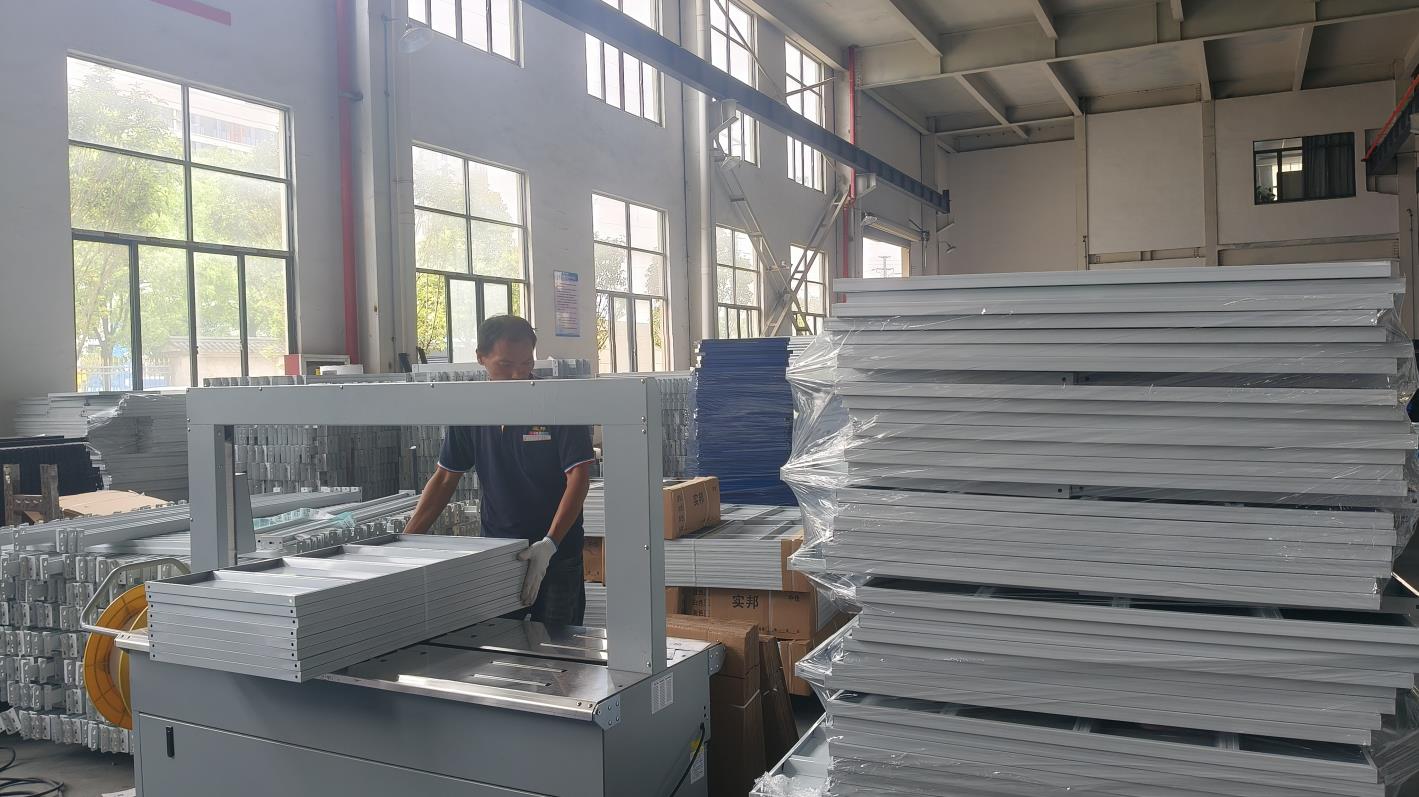
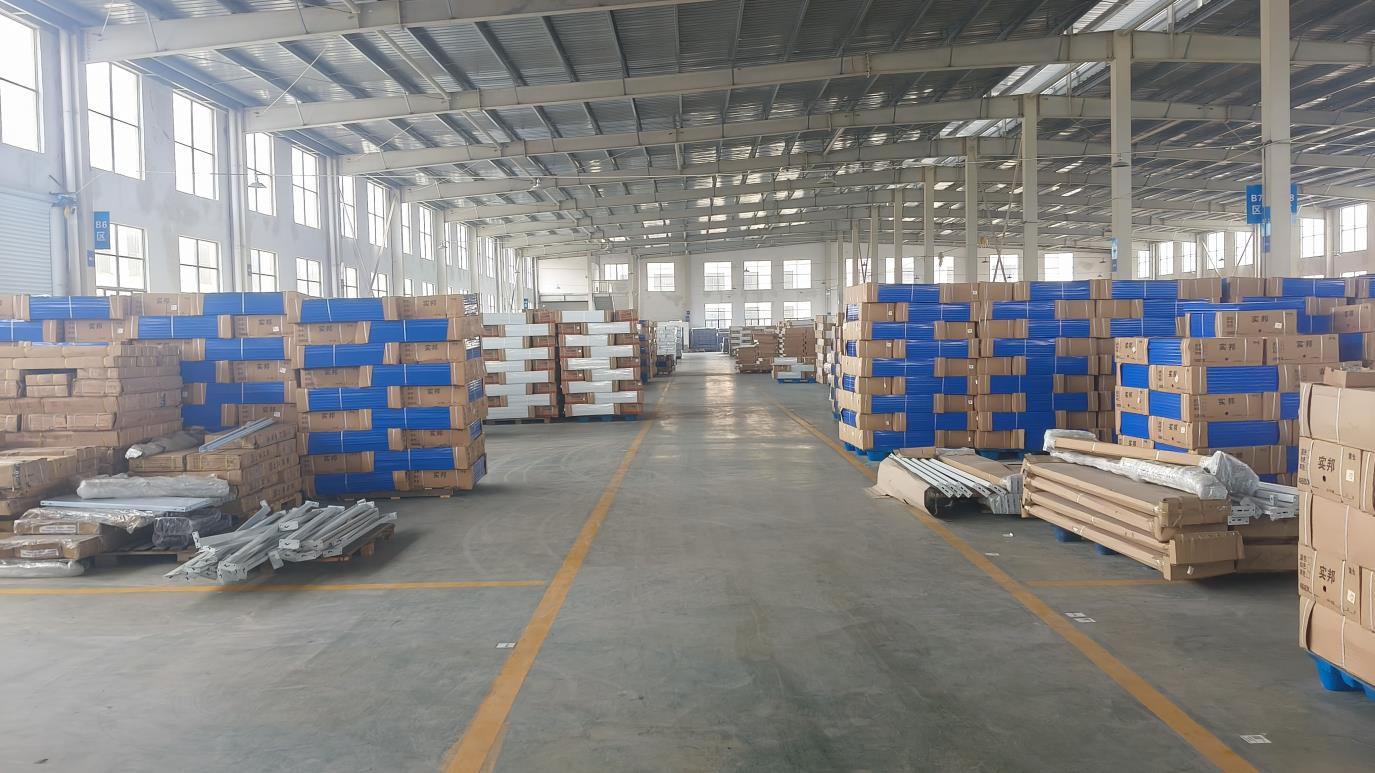
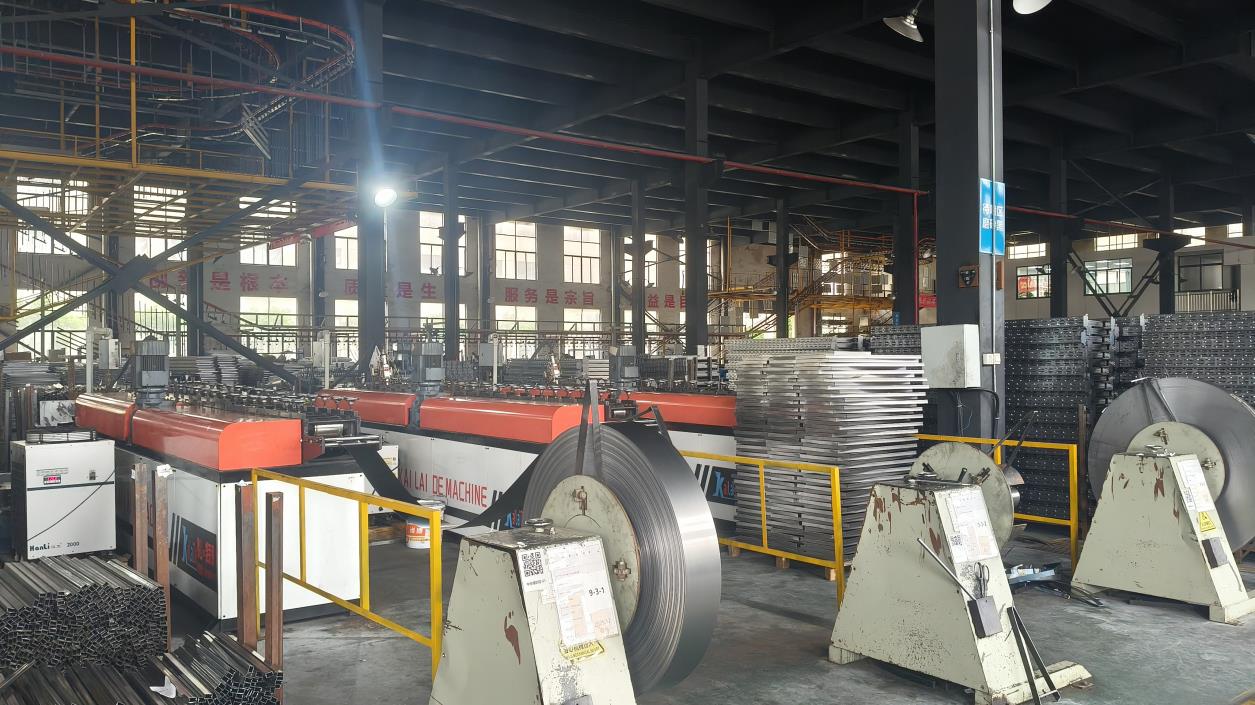
Inside our 32,000㎡ modern production facility. Our automated lines and robotic systems ensure structural uniformity, precise tolerances, and reliable quality control.
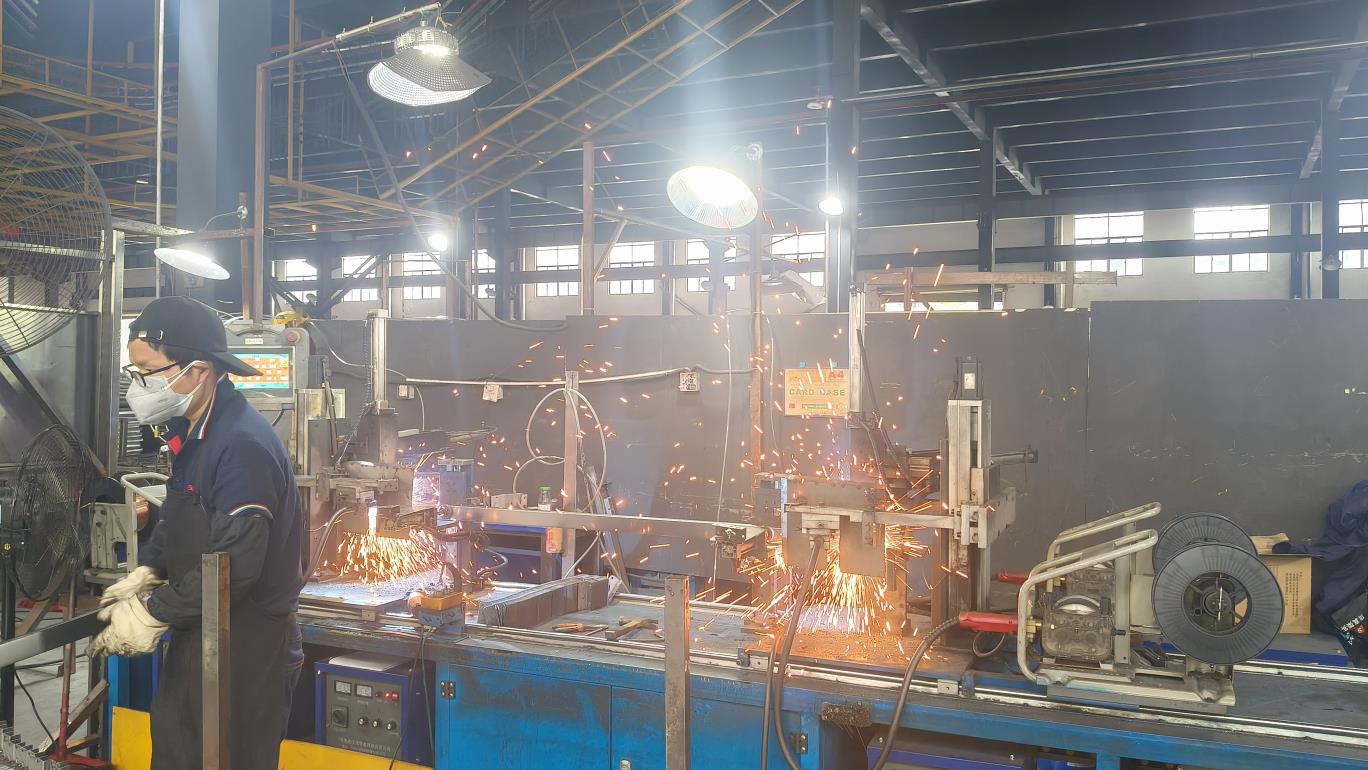
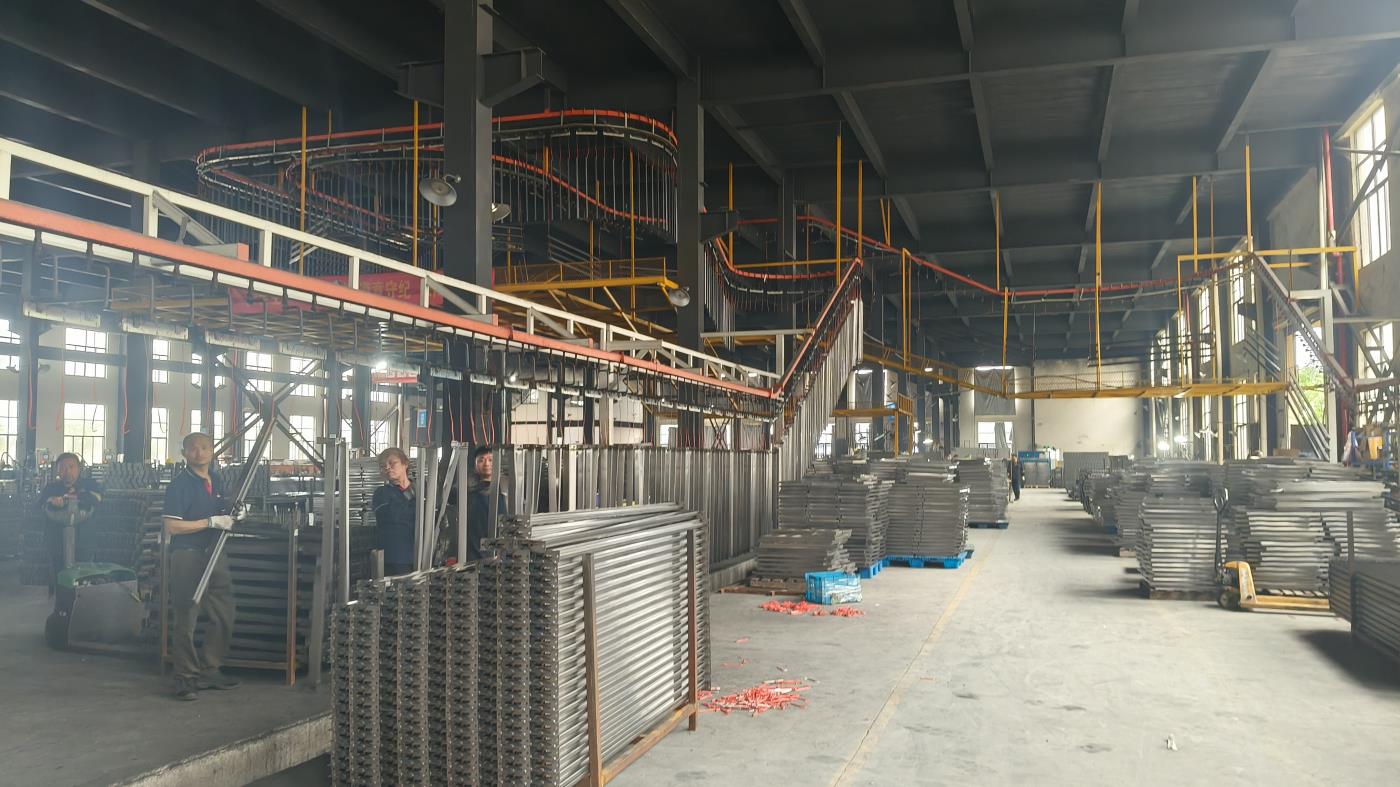
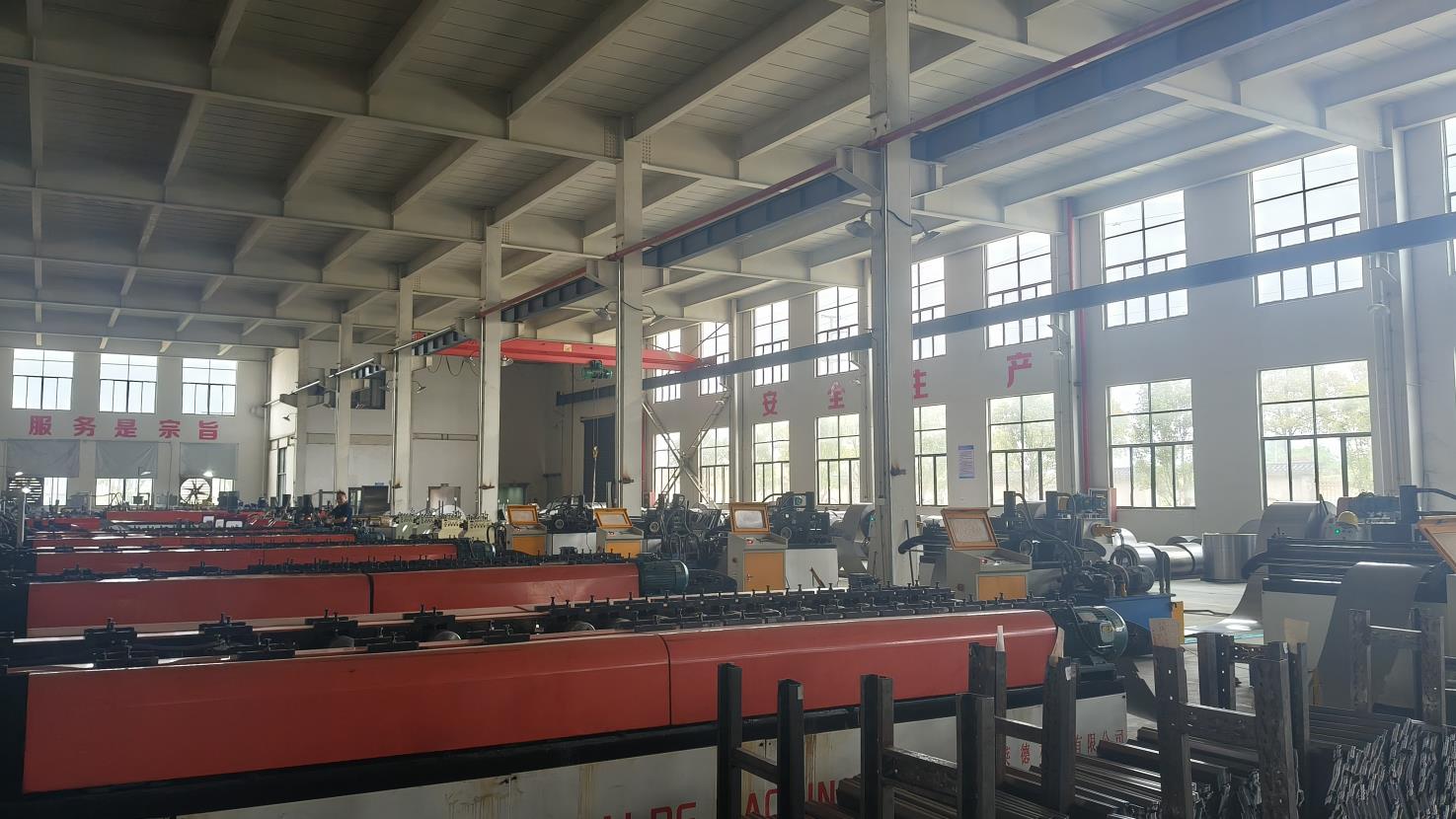
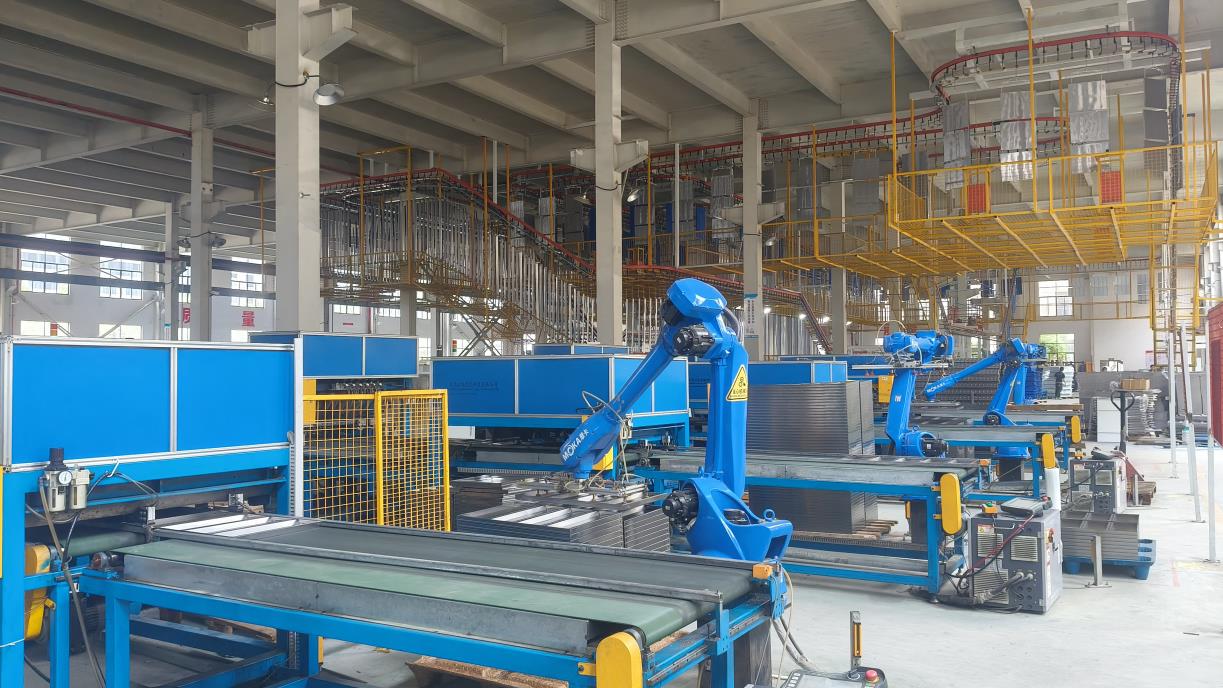
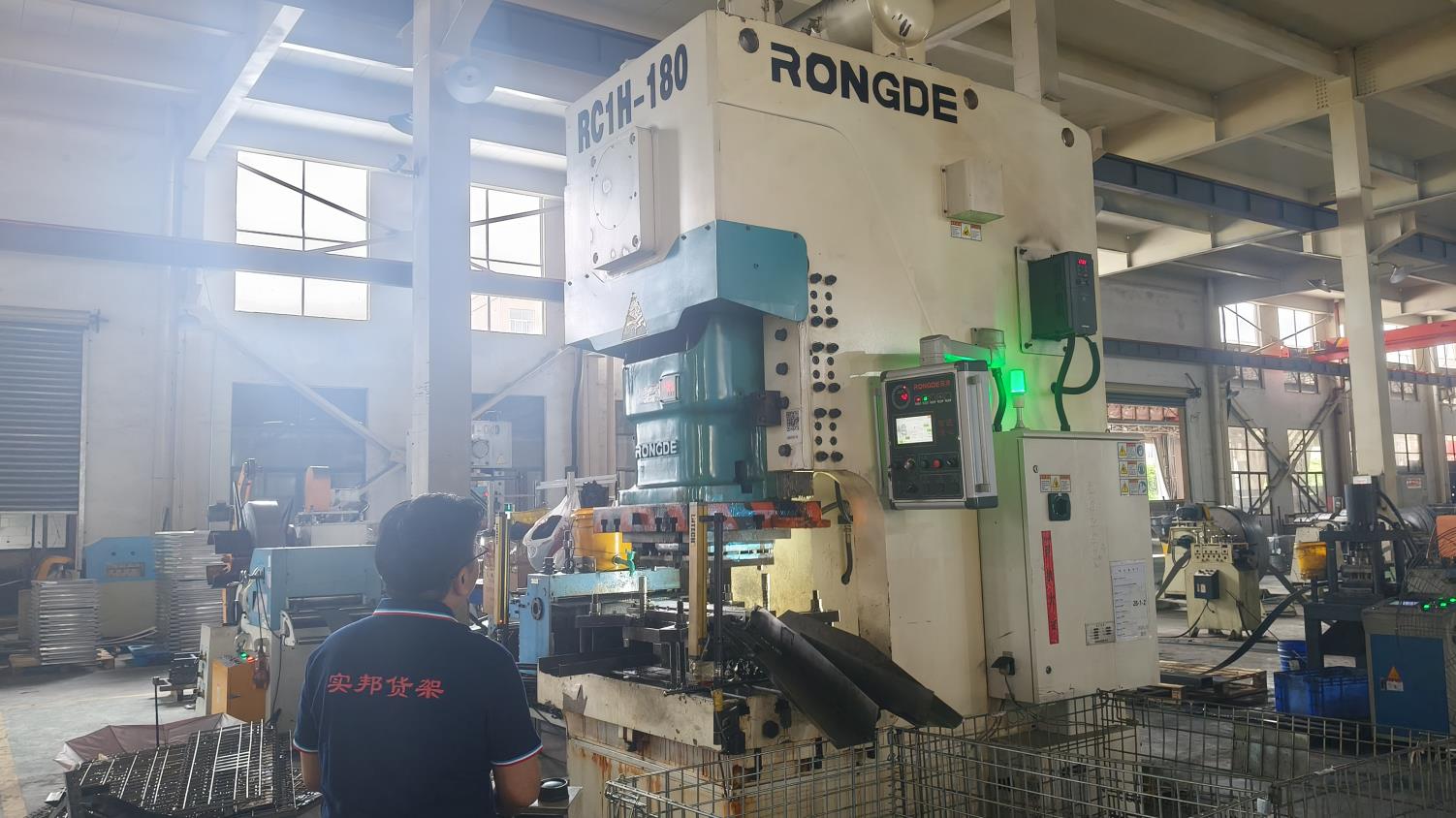
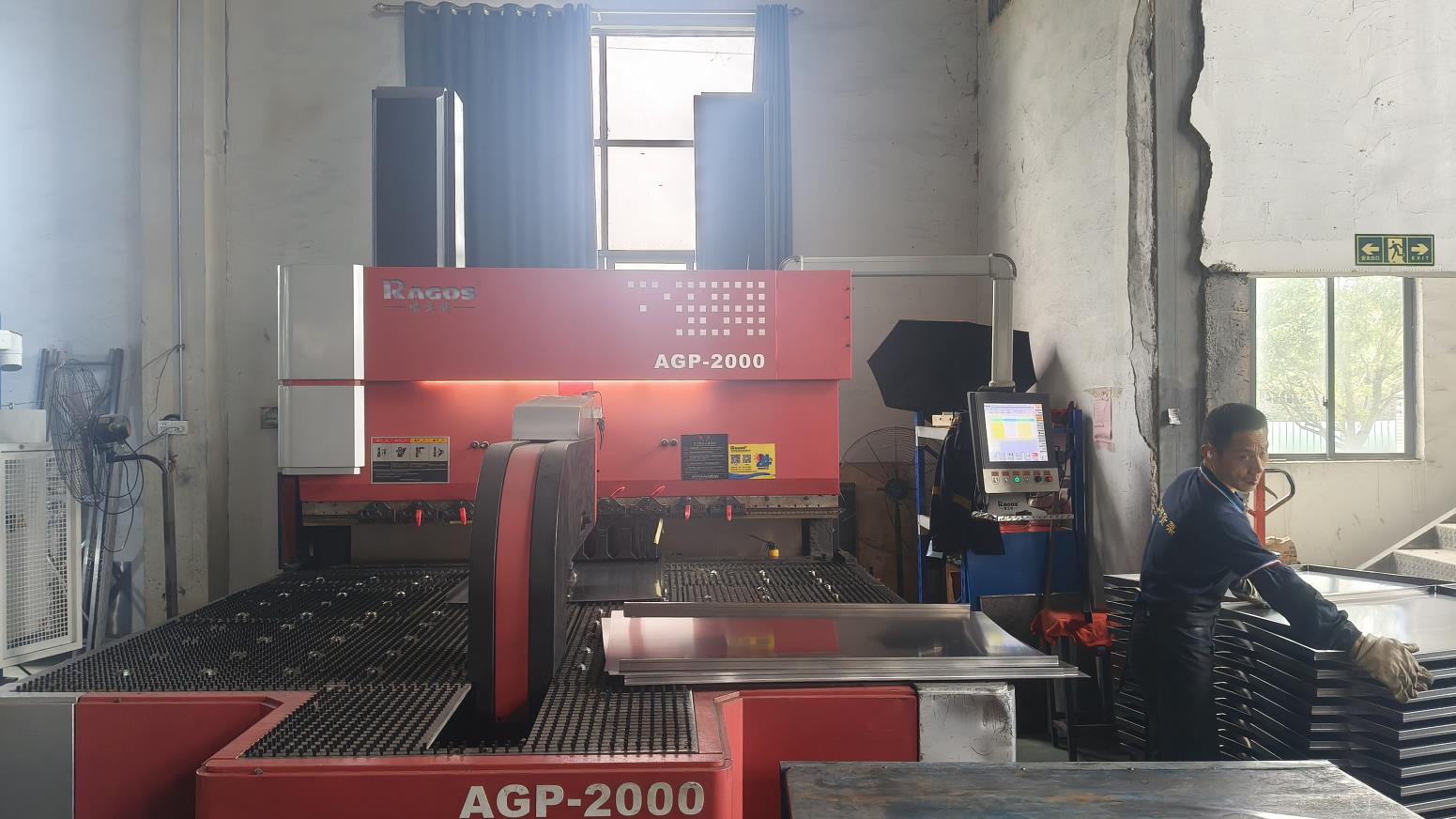
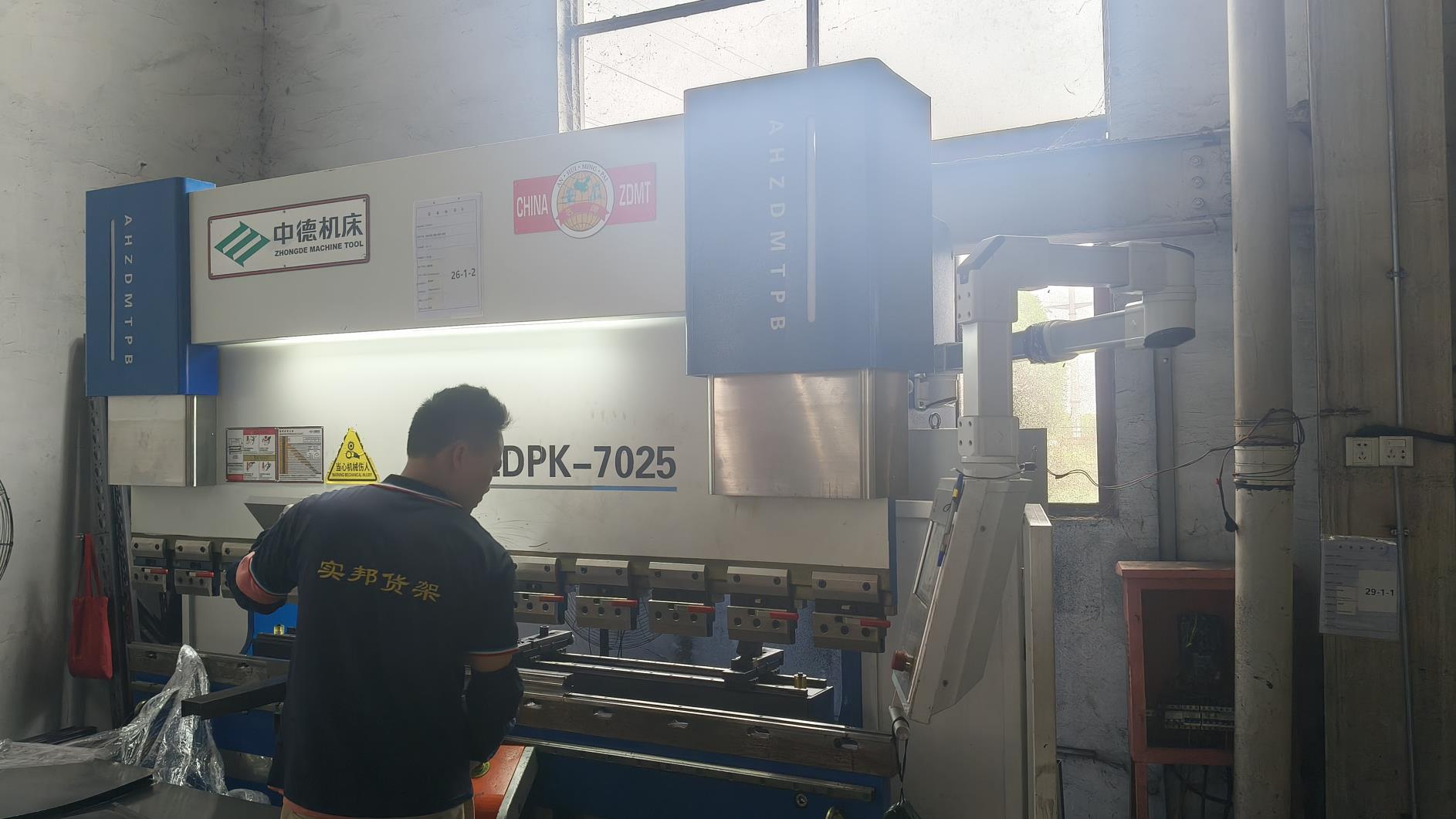
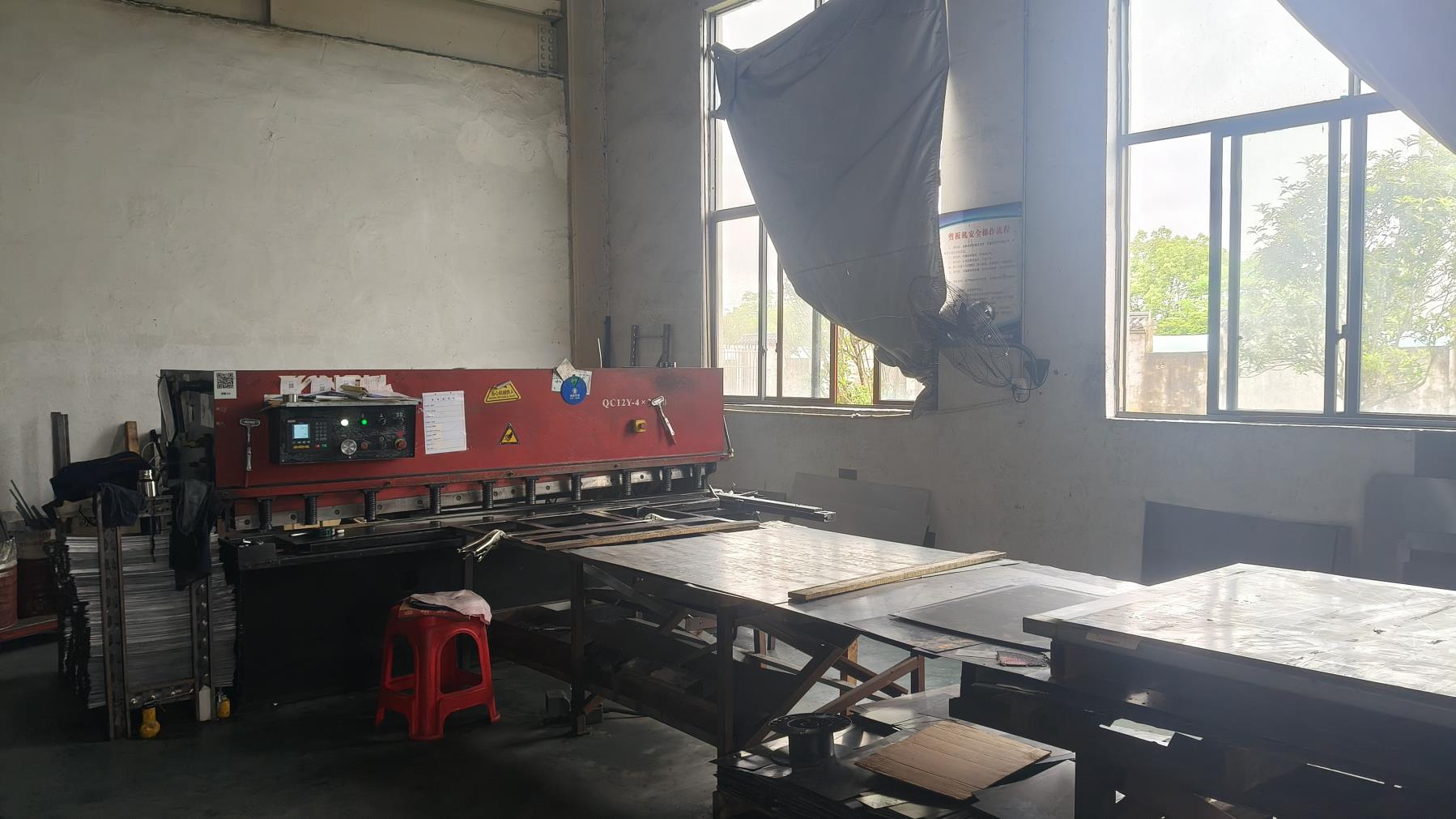
Procuring warehouse racking internationally can raise valid concerns regarding transit damage, customs clearance delays, and design alignment. Shenzhen Shibang Storage Rack Co., Ltd. addresses these bottlenecks through a proven and streamlined supply chain model tailored specifically for Polish importers and industrial project managers.
Our proximity to Shenzhen’s deep-water ports allows for efficient container planning and loading. We construct robust timber-crated packaging systems and secure all uprights and beams with high-tensile steel strapping to ensure structural profiles arrive without bends, surface scratches, or powder-coating abrasion. Standard shipping timelines from Shenzhen to Gdańsk generally range from 35 to 45 days. Alternatively, for high-priority logistics operations, we can coordinate transport via the New Silk Road rail network (terminating at the Małaszewicze container hub), shortening transport time to approximately 18 to 22 days.
To ensure a smooth handoff, we supply all necessary documentation required for straightforward customs clearance in Poland, including certificates of conformity, packing lists, raw material mill sheets, and structural test verification certificates. For the installation phase, we provide comprehensive 3D CAD visualization models, clear assembly blueprints, and video guidelines. We can also coordinate with local Polish installation teams to ensure the physical build-out complies with the precise load tolerances stated in the technical documentation.
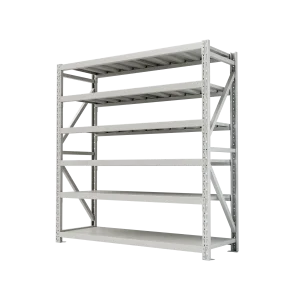
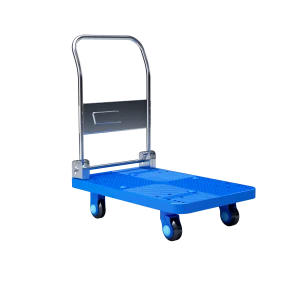
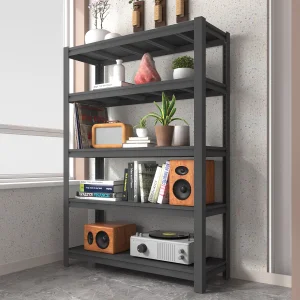
Explore our full line of mezzanine floors, shelving systems, and material handling gear designed for high-density warehouse optimization.
Technical guidance and compliance answers for warehouse managers and logistics directors planning structural additions in Poland.
A: In Poland, structural safety is governed by European standards (Eurocodes). Steel mezzanine floor designs must comply with EN 1993 (Eurocode 3) for the structural design of steel elements and EN 15635 for the proper operation and maintenance of storage systems. Materials should carry mill testing certificates verifying the steel grades (such as S235JR or S355JR). Selecting racking certified to these standards ensures safety and simplifies compliance audits by local authorities like the Państwowa Inspekcja Pracy (PIP).
A: Generally, freestanding, rack-supported steel mezzanine platforms do not require a formal building permit (Pozwolenie na budowę) in Poland if they are classified as removable, non-permanent interior steel structures. However, it is essential to ensure that the building's concrete slab can handle the concentrated point loads exerted by the mezzanine columns. We strongly recommend consulting with a structural engineer to review the technical details before proceeding with installation.
A: We configure the system's structural columns, main support beams, and secondary purlins based on your target weight requirements. Standard options include:
• Light Duty (300 kg/m²): Ideal for manual picking and lightweight carton storage.
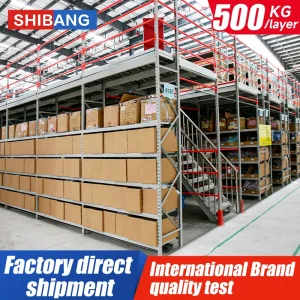
• Medium Duty (500 kg/m²): Suitable for standard storage and pallet jack operations.
• Heavy Duty (1000 kg/m² to 1500 kg/m²): Engineered for heavy machinery, manufacturing workstations, or dense pallet positioning.
A: We offer two primary surface treatments. For typical climate-controlled distribution warehouses, we apply an electrostatic powder-coating finish, which provides a durable, impact-resistant surface in custom RAL colors. For unheated warehouses, cold storage facilities, or outdoor loading zones prone to moisture, we provide hot-dip galvanizing (complying with EN ISO 1461) to deliver long-term protection against rust and corrosion.
A: We ship directly from our production plant. Sea freight shipments are routed to northern Polish ports (Gdańsk or Gdynia) with an average transit window of 35 to 45 days. Alternatively, for urgent projects, we can route cargo via the China-Europe railway network to the Małaszewicze rail terminal, reducing total shipping times to 18–22 days. We prepare and provide all necessary customs documents, such as commercial invoices, detailed packing lists, and certificate files, to ensure a smooth clearance process.
Contact our structural engineering team for a customized mezzanine floor layout proposal. Receive a detailed CAD layout plan, Eurocode compliance verification, and an itemized factory-direct quote.
Send Inquiry Now Shibang Steel