Engineered for immediate configuration, durability under load, and maximum space optimization in high-turnover logistics centers across the Osaka Bay Area.
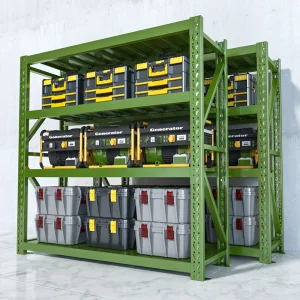
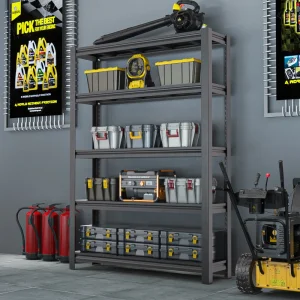
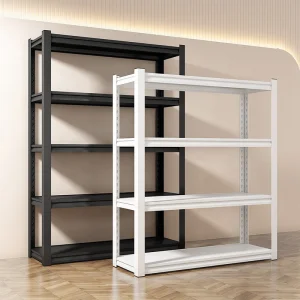
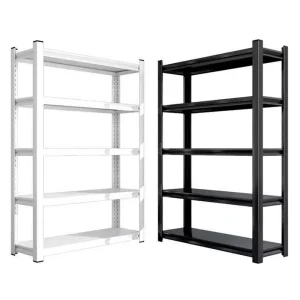
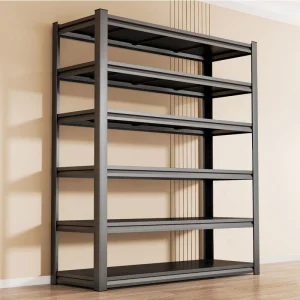
Osaka, traditionally known as the merchant capital of Japan, remains a pivotal engine for the Kansai economic region. Characterized by high-density industrial zones such as Higashiosaka, Sakai, and the waterfront logistics parks surrounding the Port of Osaka, space optimization is not merely an operational goal; it is a financial necessity. Real estate costs in the Kansai area command high premiums, driving logistics operators and manufacturing facilities to exploit vertical space. The gourd hole rack (widely referred to as boltless rivet shelving) has emerged as the standard infrastructure for light-to-medium duty warehousing in Japan, offering quick tool-free assembly, structural scalability, and superior space-to-load ratios.
"In urban distribution hubs like Nanko Port and Sakai, where throughput velocity is high and facility reconfiguration cycles are short, traditional bolted racking systems present costly downtime. The modular, boltless design of the gourd hole interlocking system allows for rapid adjustment to accommodate shifting SKU dimensions without specialized labor."
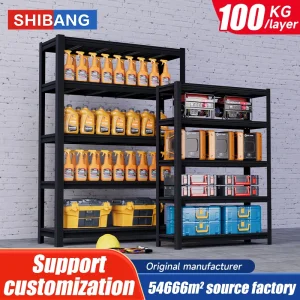
Many warehouses in the Osaka metropolitan area operate under multi-tenant logistics frameworks (3PL). These facilities demand storage configurations that can adapt to changing tenant requirements in real time. Standard configurations must support load ratings of 100 kg to 200 kg per shelf level while meeting stringent Japanese safety standards. Furthermore, Osaka's geographical location exposes facilities to seismic activity. This necessitates racking designs with low centers of gravity, robust cross-bracing potential, and high steel tensile strength to withstand physical vibration without joint failure. Gourd hole racks, with their interlocking post-and-beam connections, dissipate lateral forces more dynamically than rigid, brittle bolted connections, providing a key safety advantage.
Globally, the supply chain is moving toward rapid-deployment, flat-packed storage components to reduce shipping volumes and assembly complexity. The European and North American markets have increasingly adopted the gourd hole (or teardrop-rivet style) rack for micro-fulfillment centers, e-commerce storage, and domestic applications. Because Shenzhen Shibang Storage Rack Co., Ltd. controls the production lifecycle—from structural engineering to powder coating—we supply globally verified storage solutions that seamlessly integrate into localized logistics operations from Osaka to Rotterdam. High-grade Q235B cold-rolled steel serves as our baseline, ensuring compliance with international tensile standards and reliable load capacities.
The interlocking structural design of the gourd hole rack is based on gravity-lock friction mechanics. The keyway slot—shaped like a gourd—features a wide upper entry point and a tapered lower slot. The structural beam is fitted with shoulder rivets that insert into the wider portion of the keyway and slip down into the narrow slot when downward force is applied. As load is added to the shelf level, the taper pin wedges deeper into the vertical upright. This design transforms vertical load into a self-locking force, eliminating the need for nuts, bolts, or locking pins.
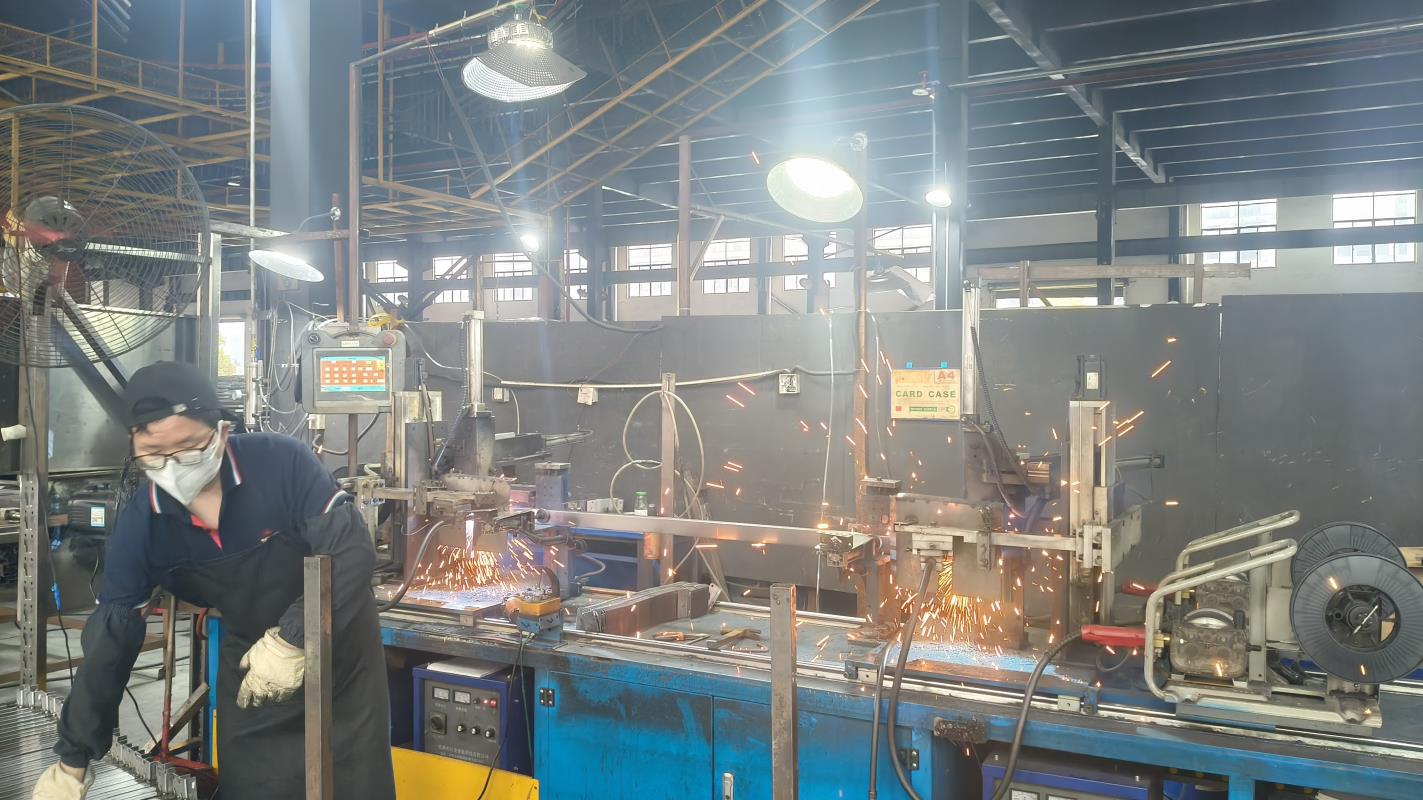
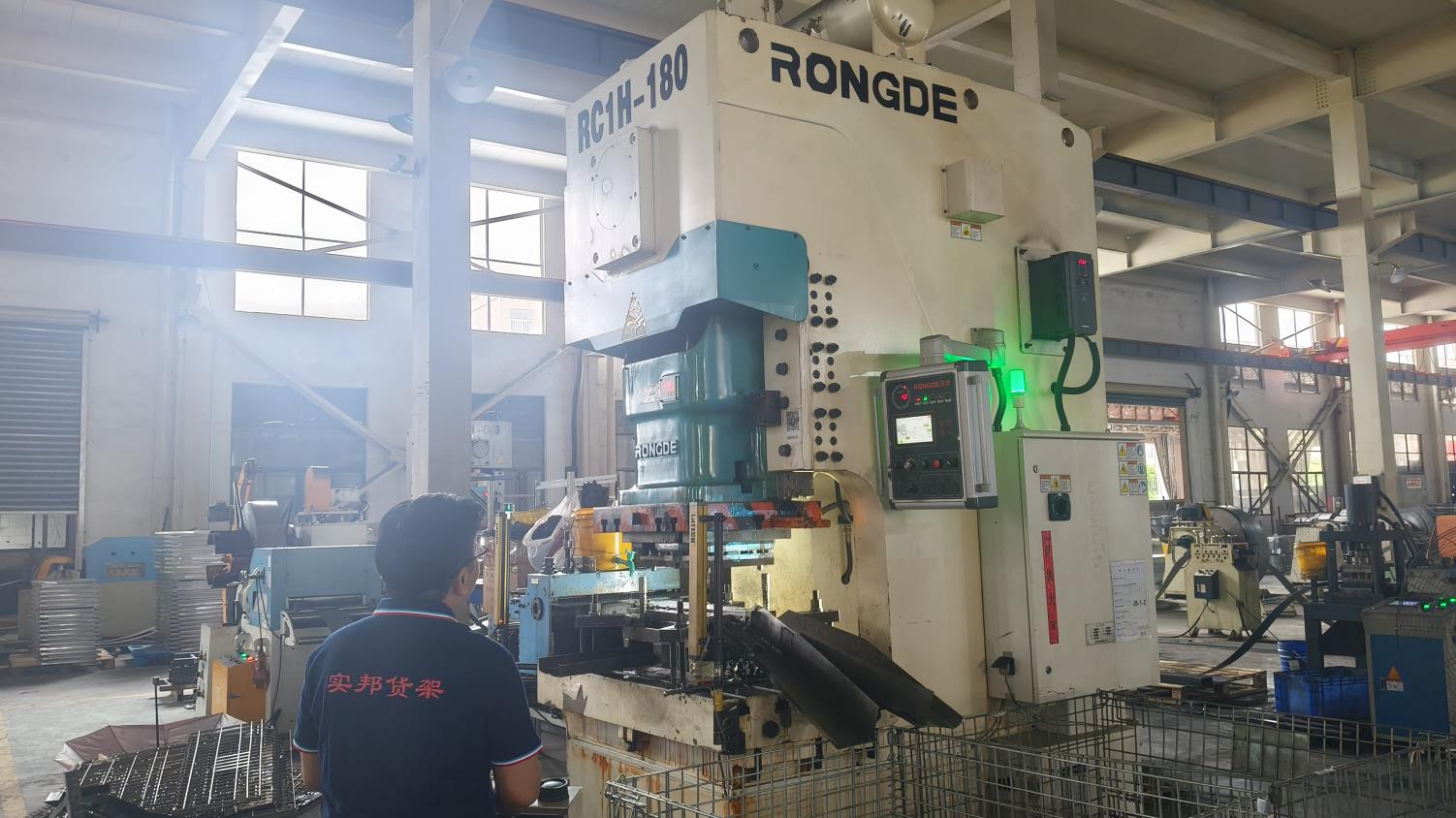
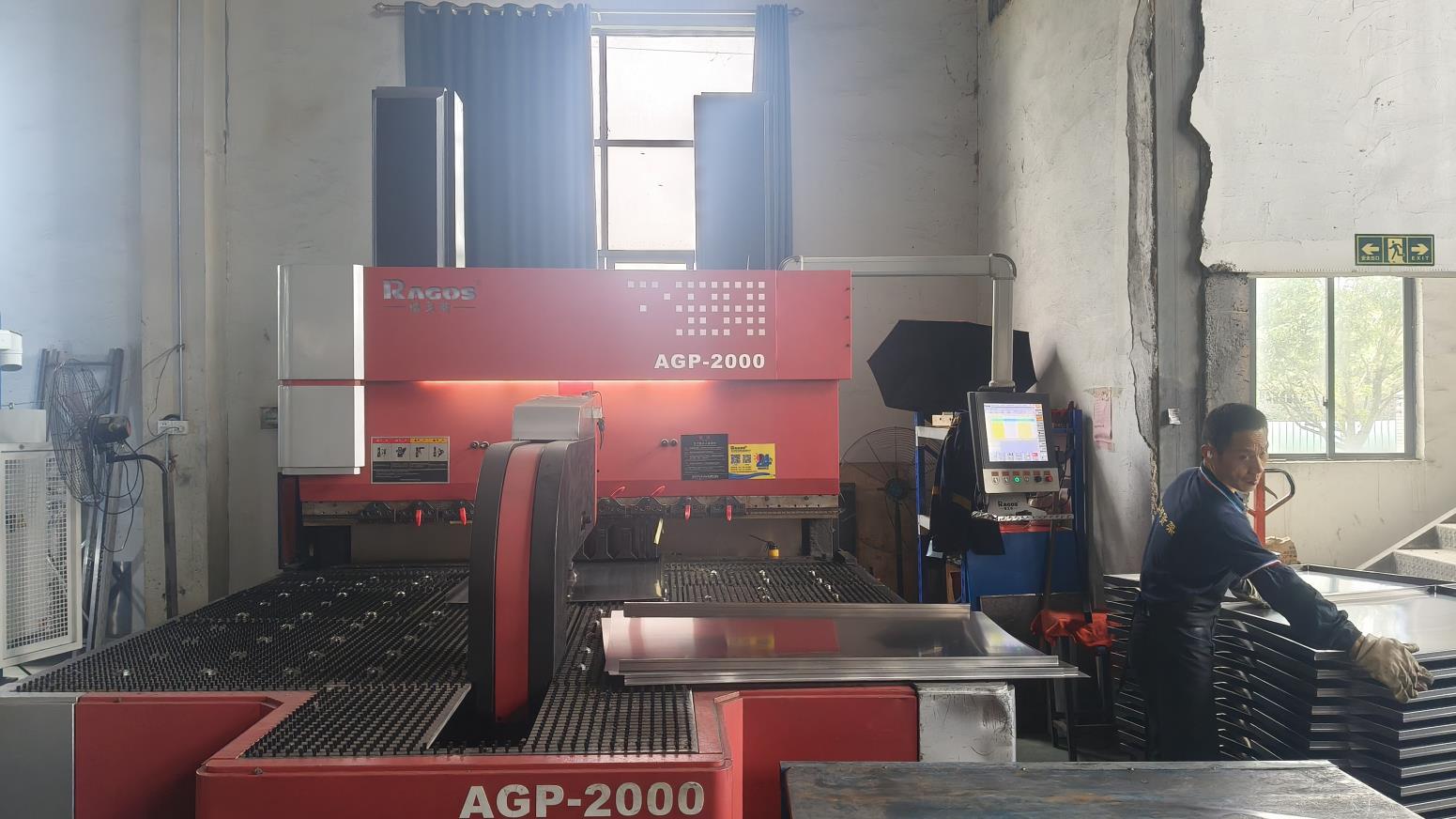
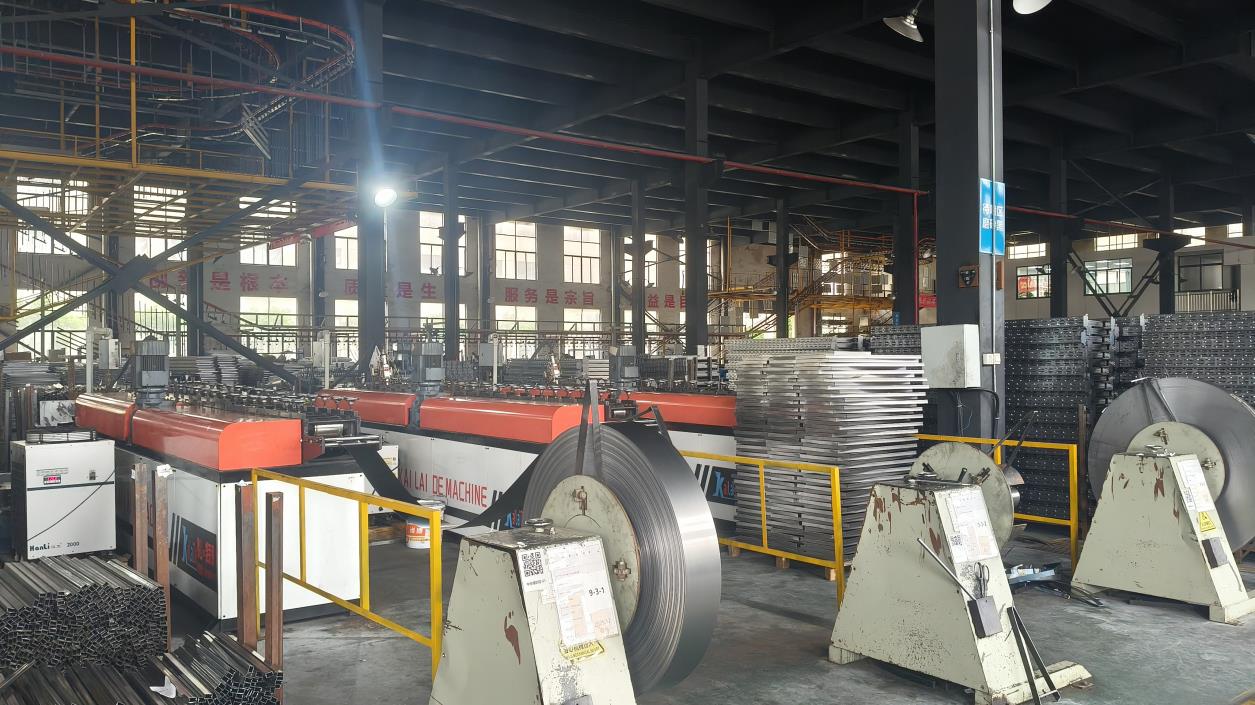
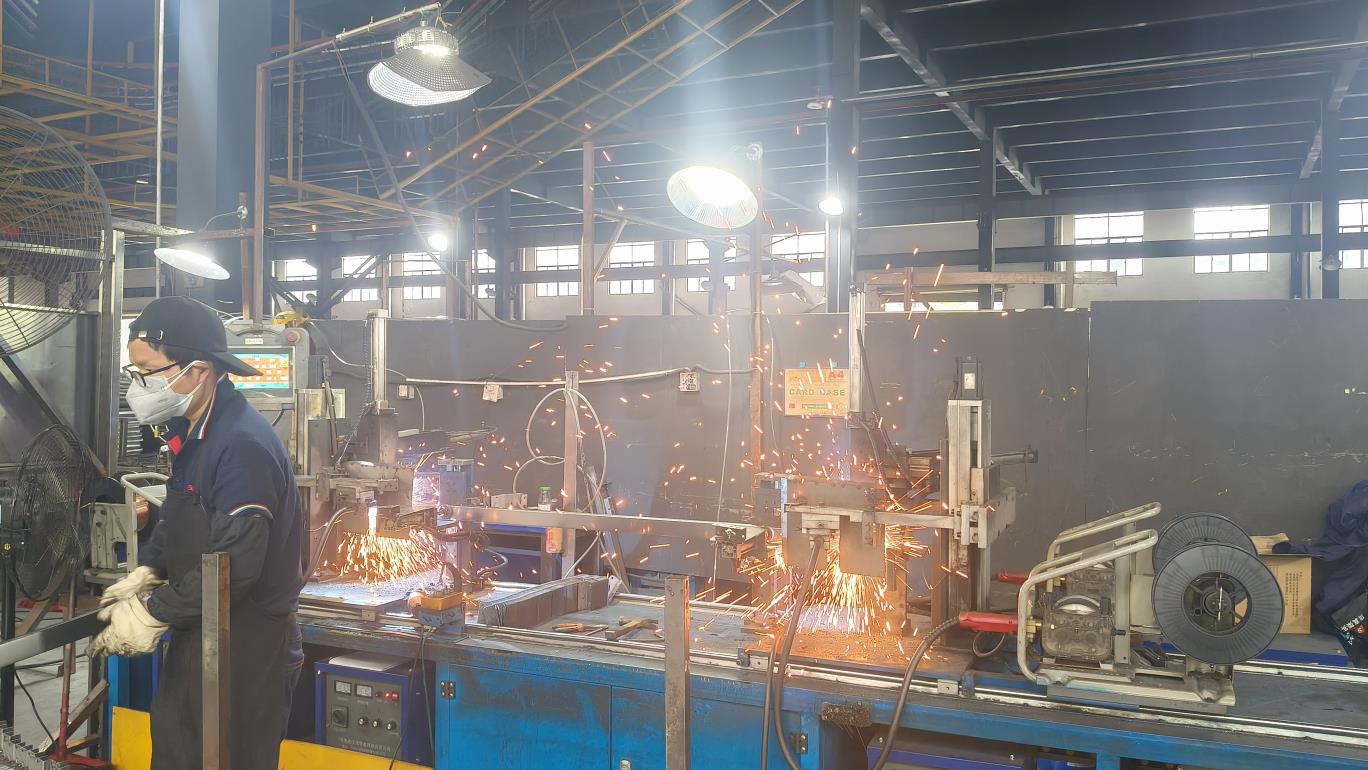
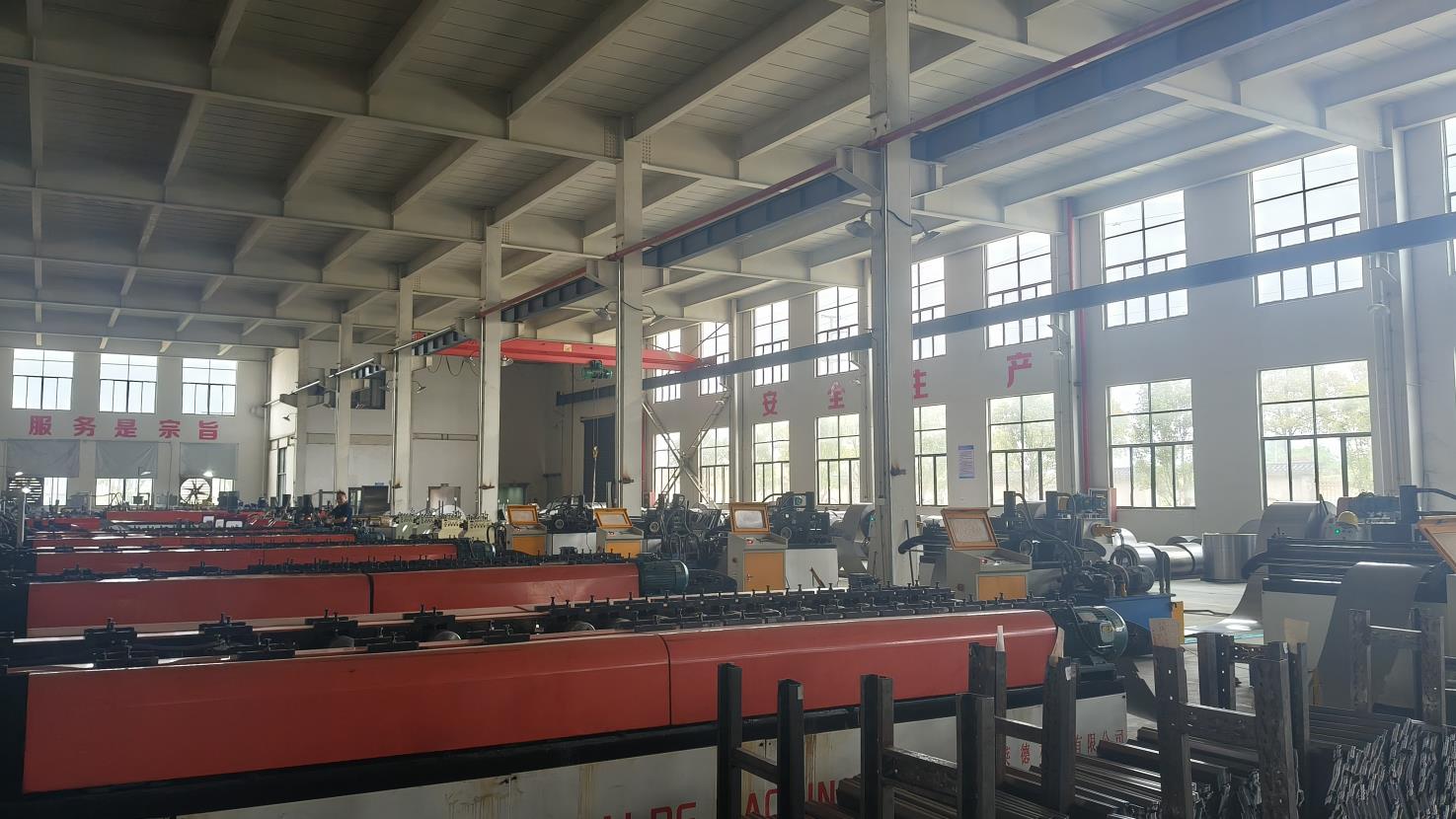
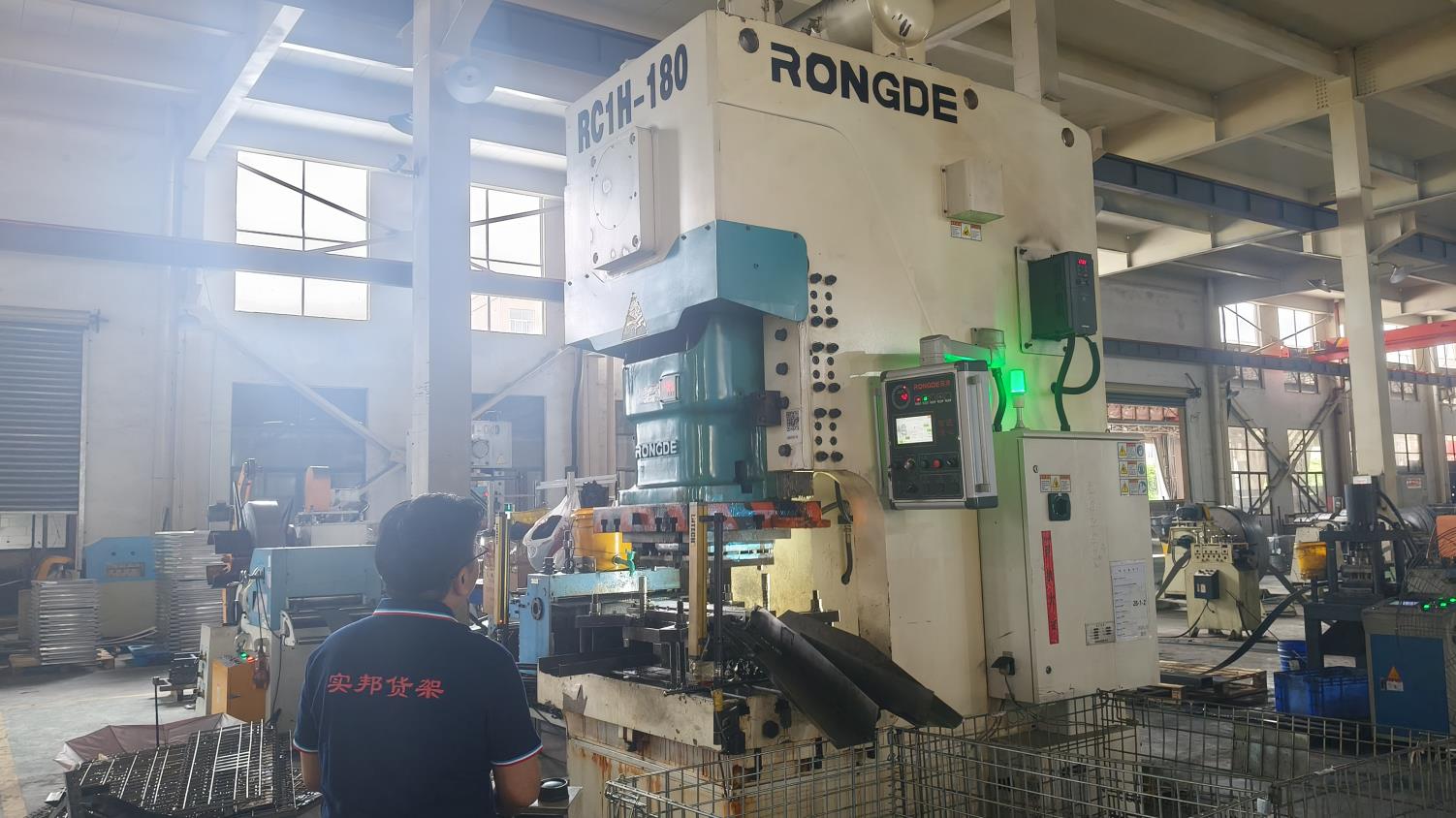
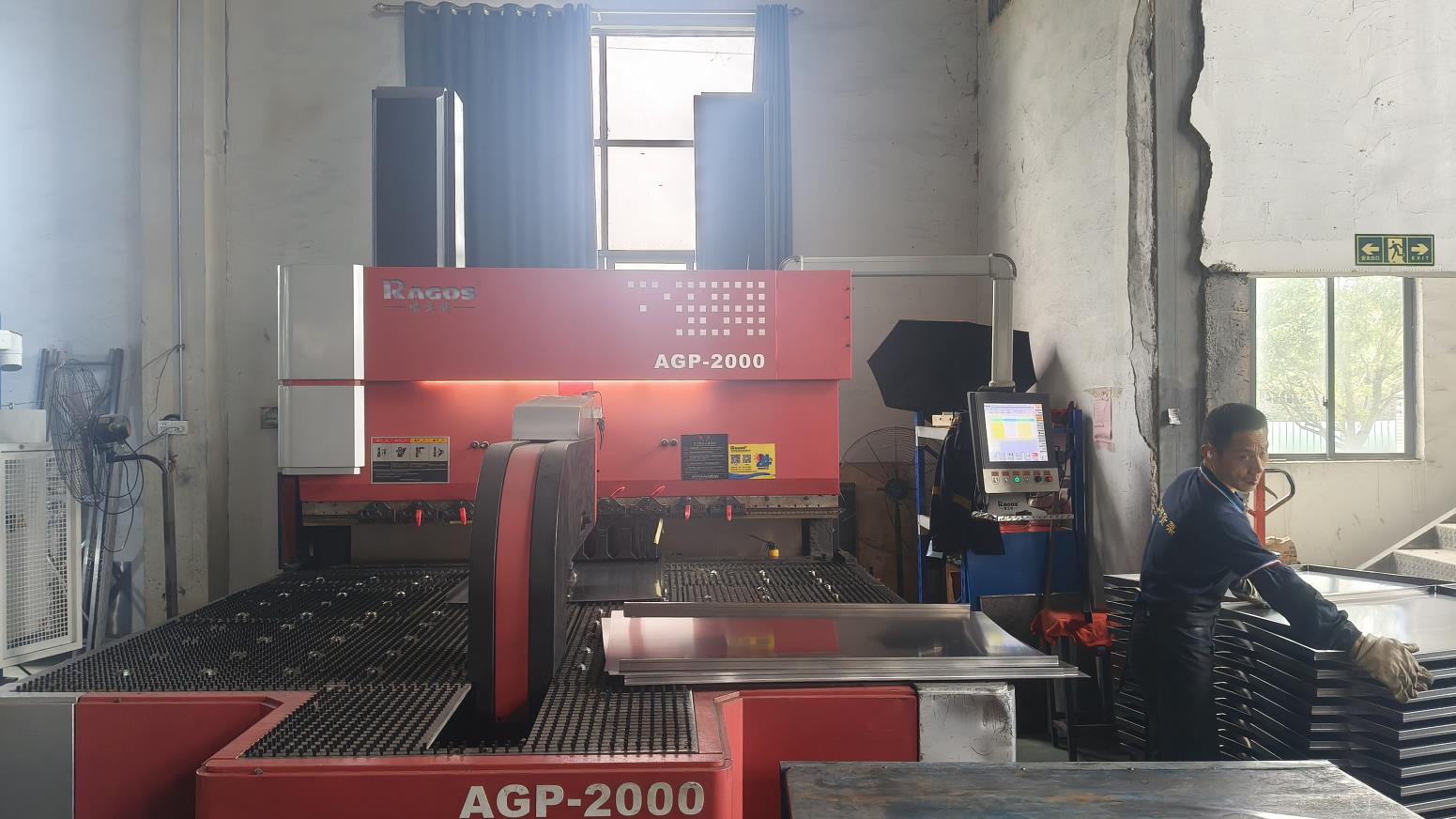
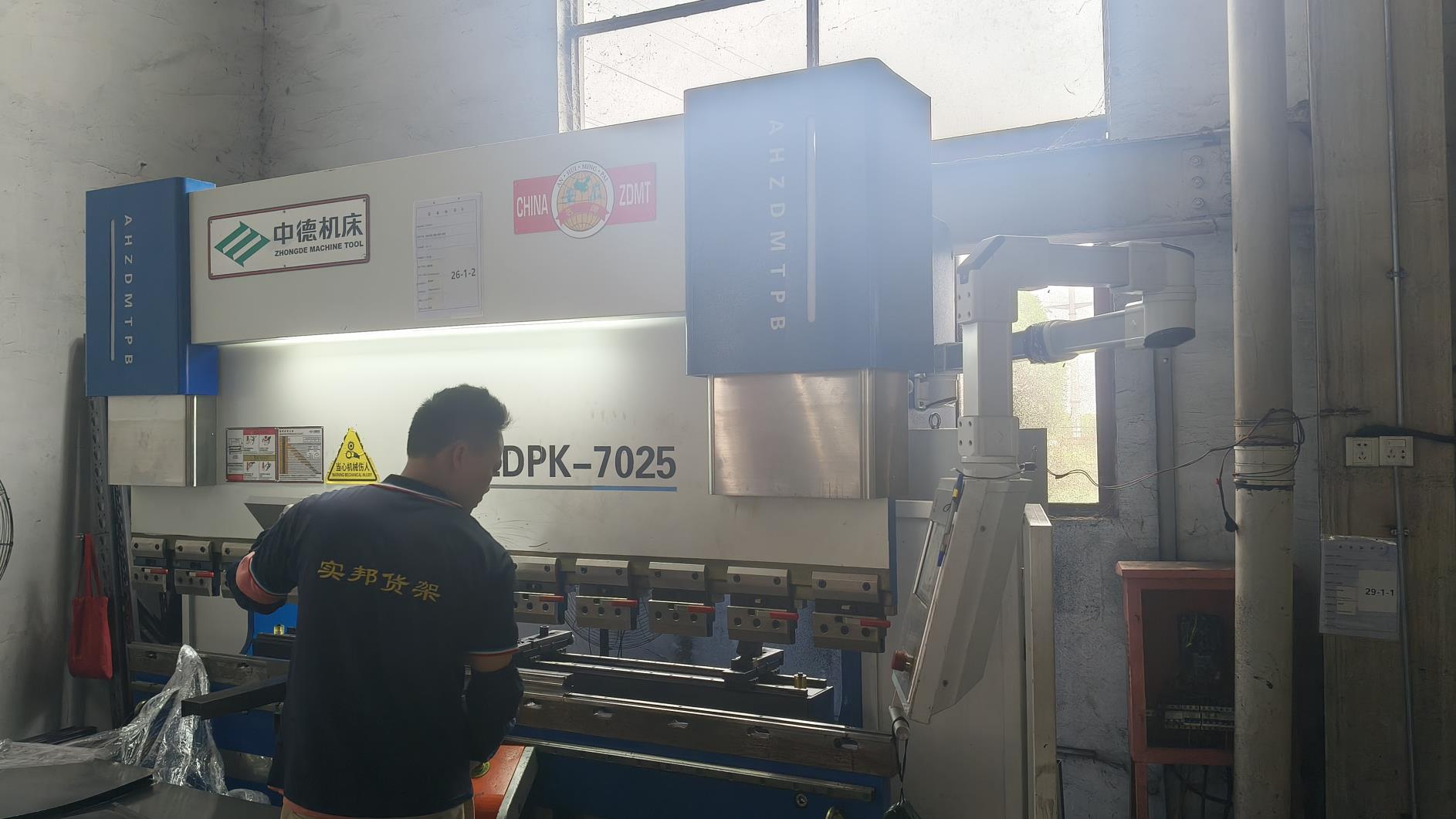
From a manufacturing standpoint, achieving the correct tolerance is critical. A deviation of just 0.1 mm in the pitch of the gourd holes or the taper angle of the rivets can result in structural instability, difficulty in assembly, or catastrophic failure under load. Shibang utilizes automated CNC punching and forming equipment to maintain tolerances within a 0.05 mm limit, ensuring that every rack assembled in an Osaka warehouse matches our engineering models.
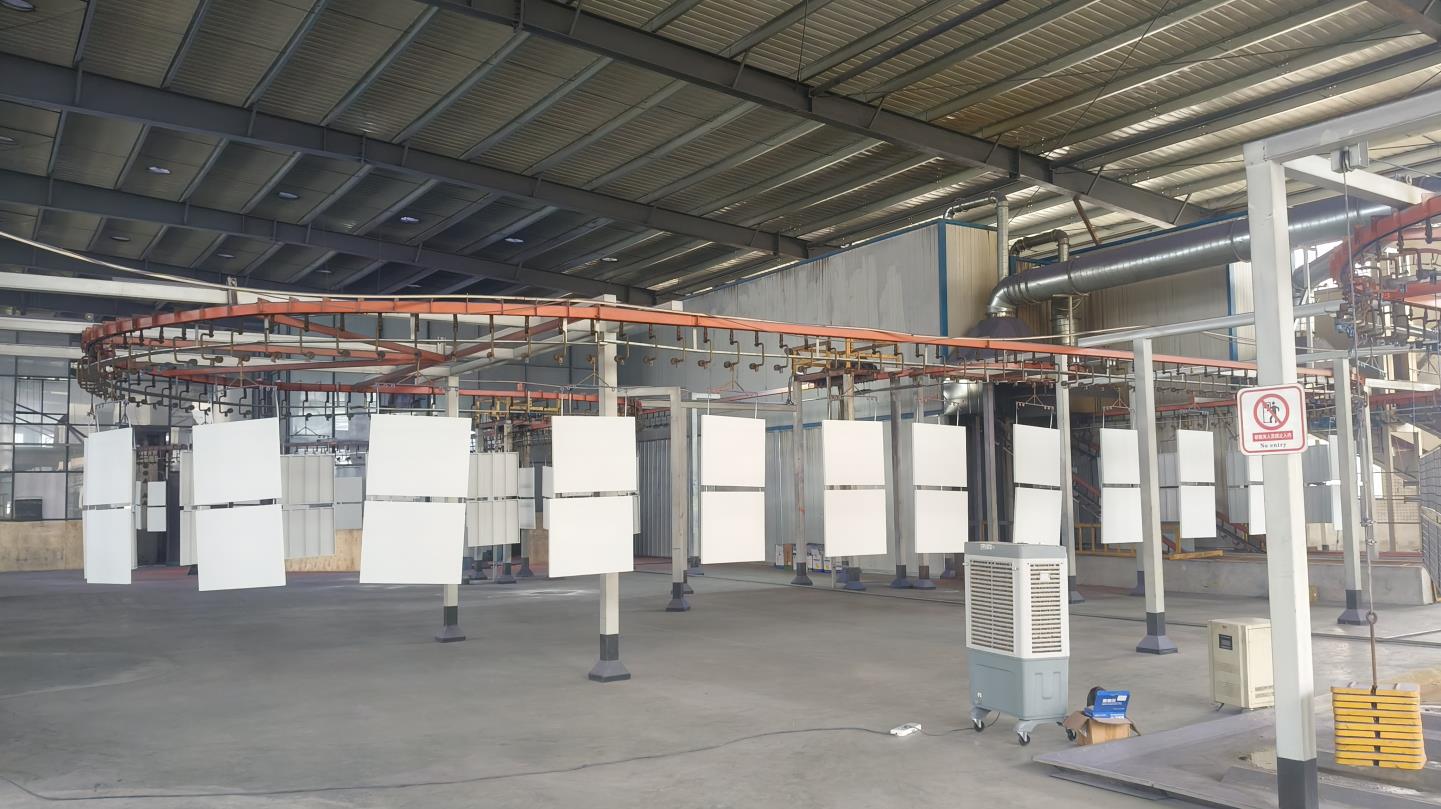
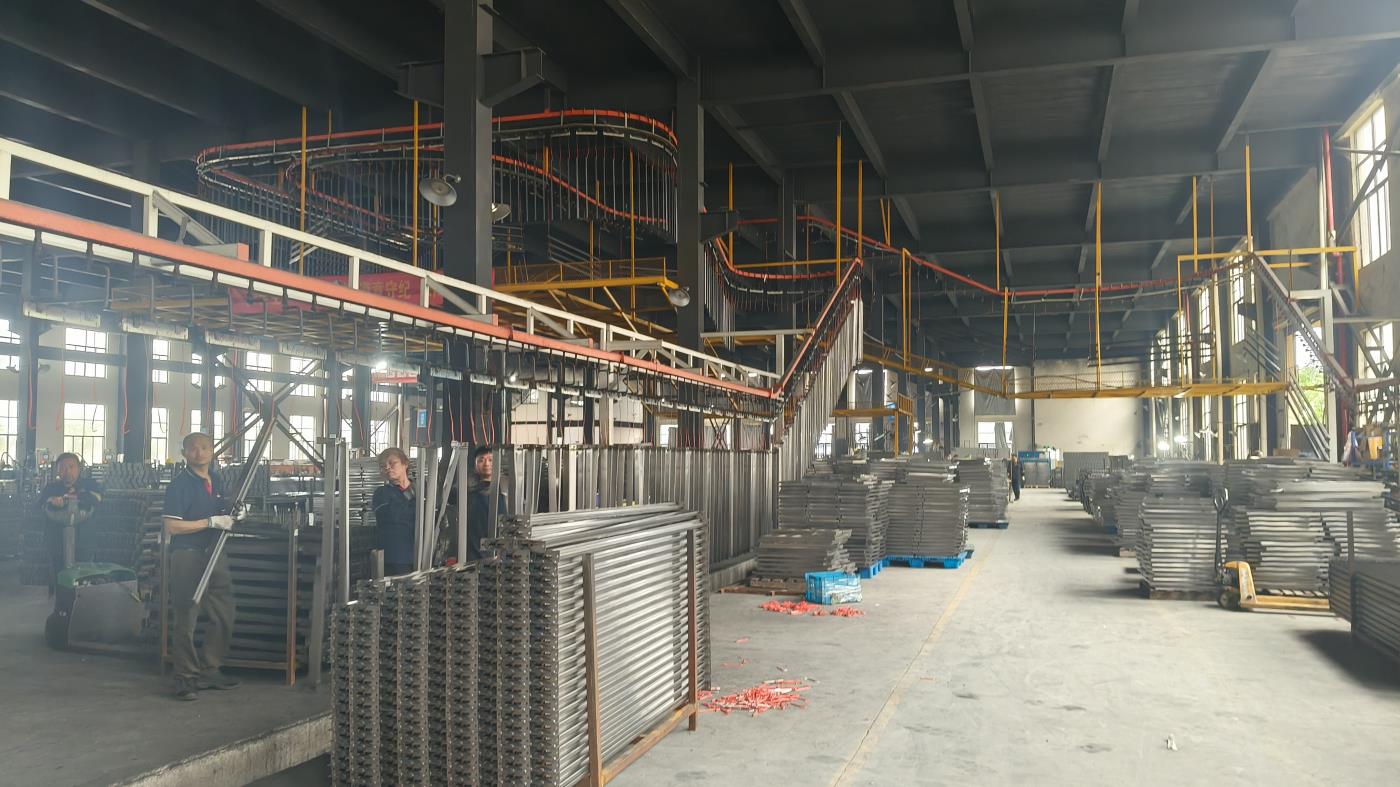
Osaka’s proximity to Osaka Bay exposes local logistics hubs to humid, saline marine environments. This atmospheric moisture can accelerate rust on untreated steel. To prevent corrosion, Shibang utilizes a multi-stage electrostatic powder coating process. The steel substrate undergoes a chemical pre-treatment, including zinc phosphate coating, before powder application. The thermo-set epoxy-polyester powder is then cured at 200°C, producing a dense, cross-linked protective barrier. This surface treatment is tested to withstand salt spray tests of up to 500 hours, preventing rust and keeping the racking structures functional in humid environments.
In accordance with the Japanese building codes (Building Standards Act), storage equipment of certain heights must feature seismic countermeasures. While light-duty racks are freestanding by nature, Shibang offers engineering adjustments including heavy-duty steel base plates, floor anchors, and wall tie brackets to stabilize racking units in high-density environments. This minimizes structural sway and prevents tipping during low-frequency ground movements.
Established in 2015, we are a leading manufacturer specializing in industrial racking systems and customized warehouse storage solutions, integrating structural design, precision manufacturing, and international trade.
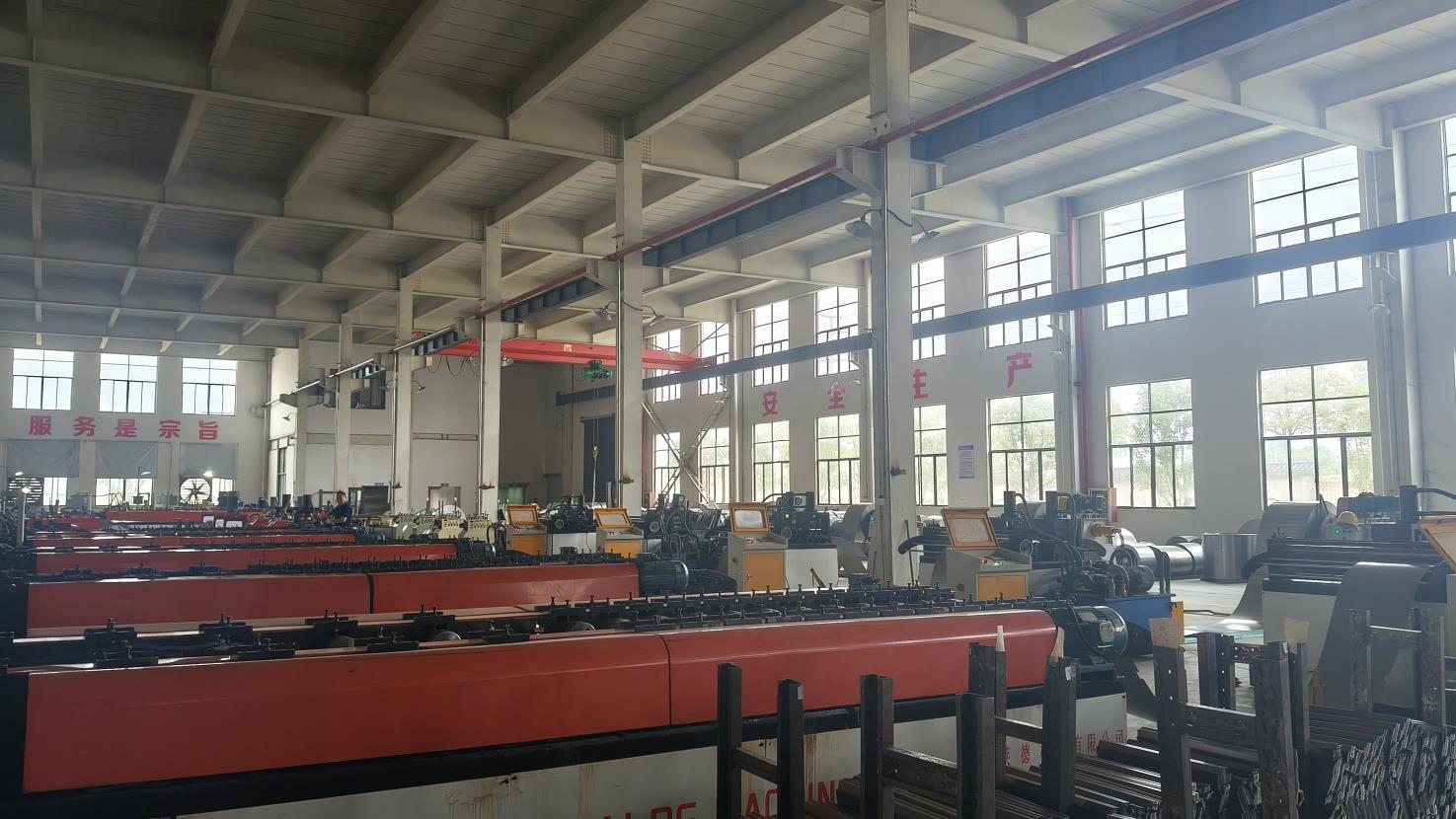
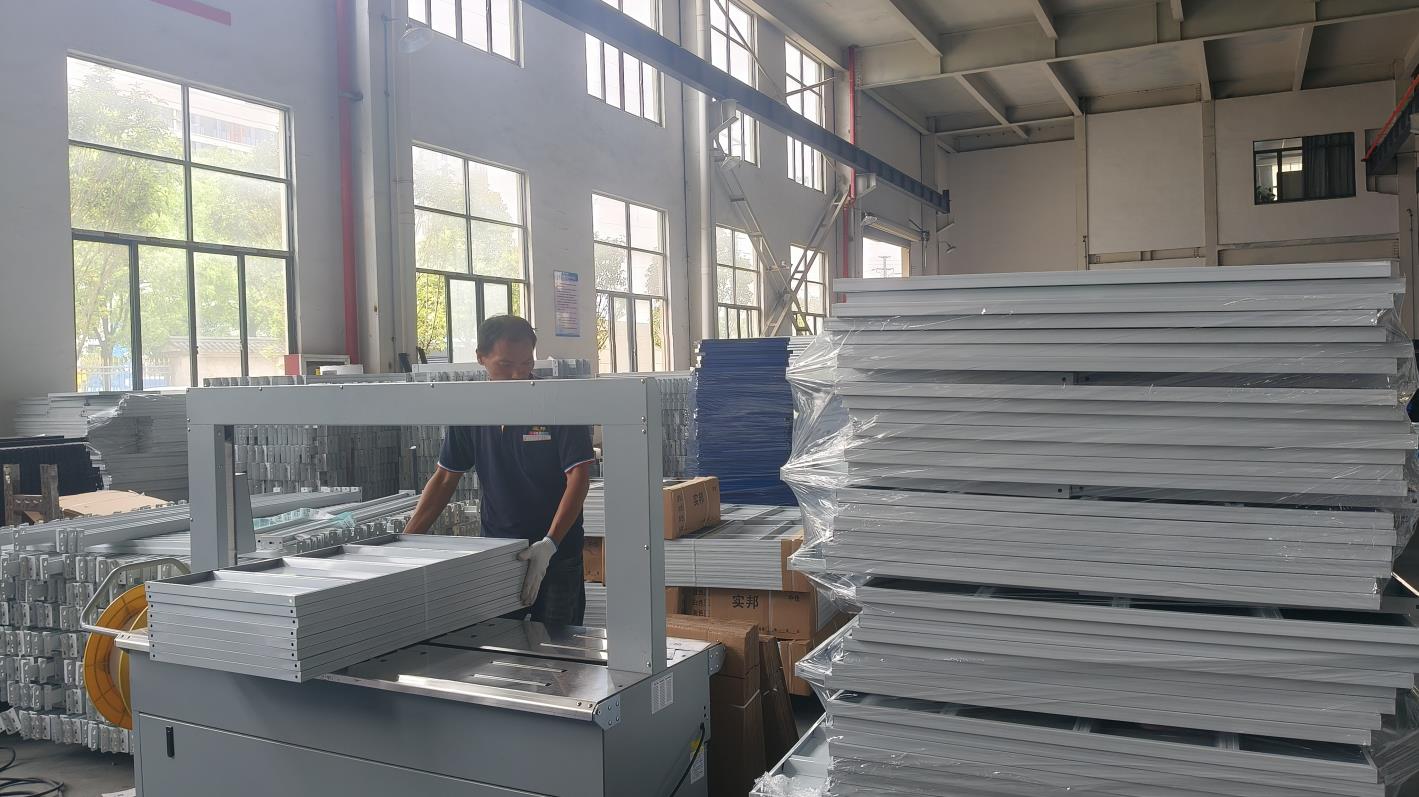
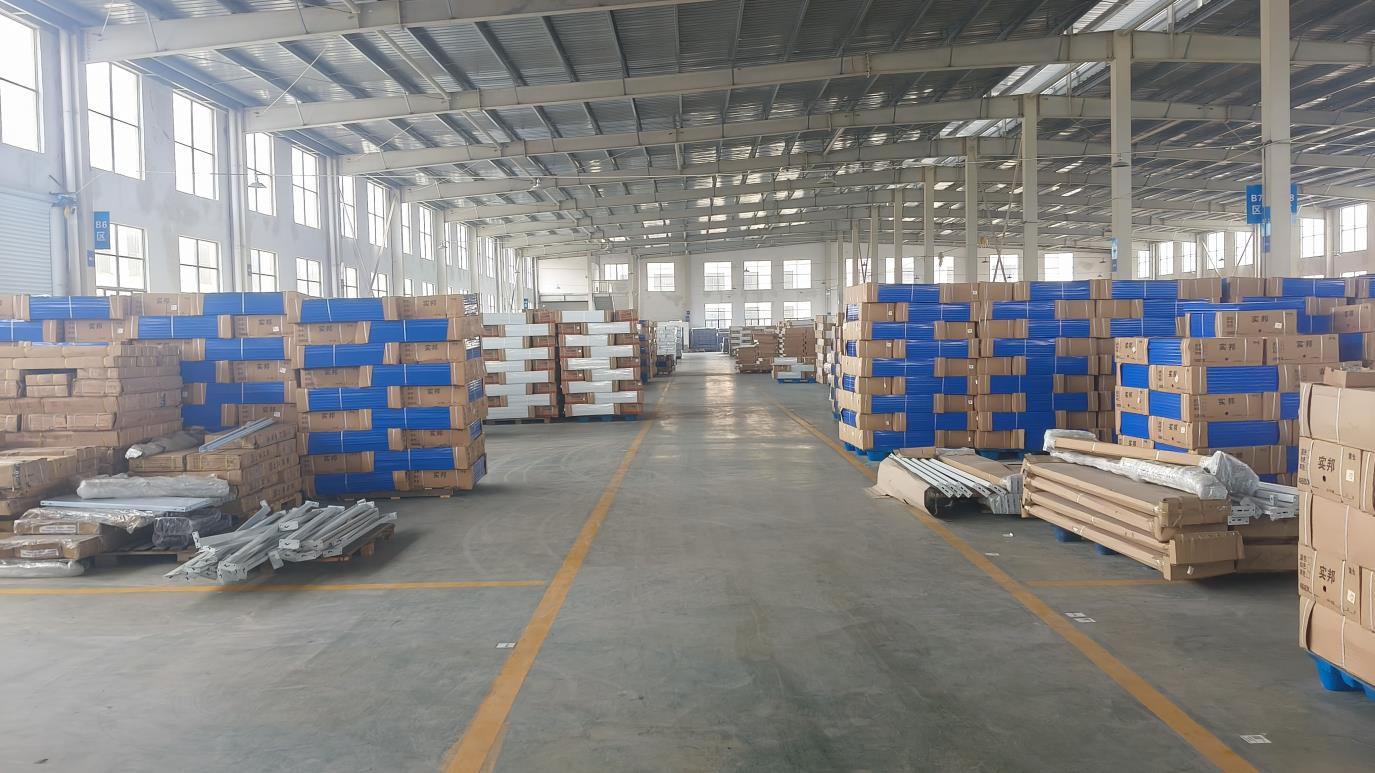
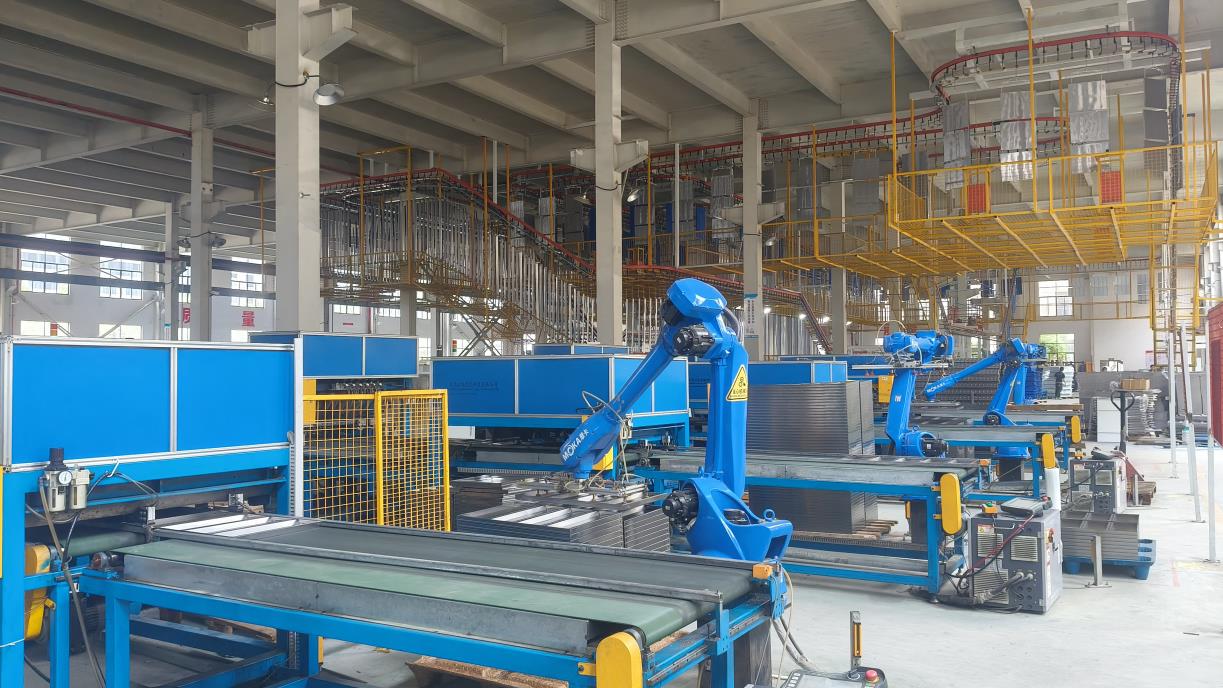
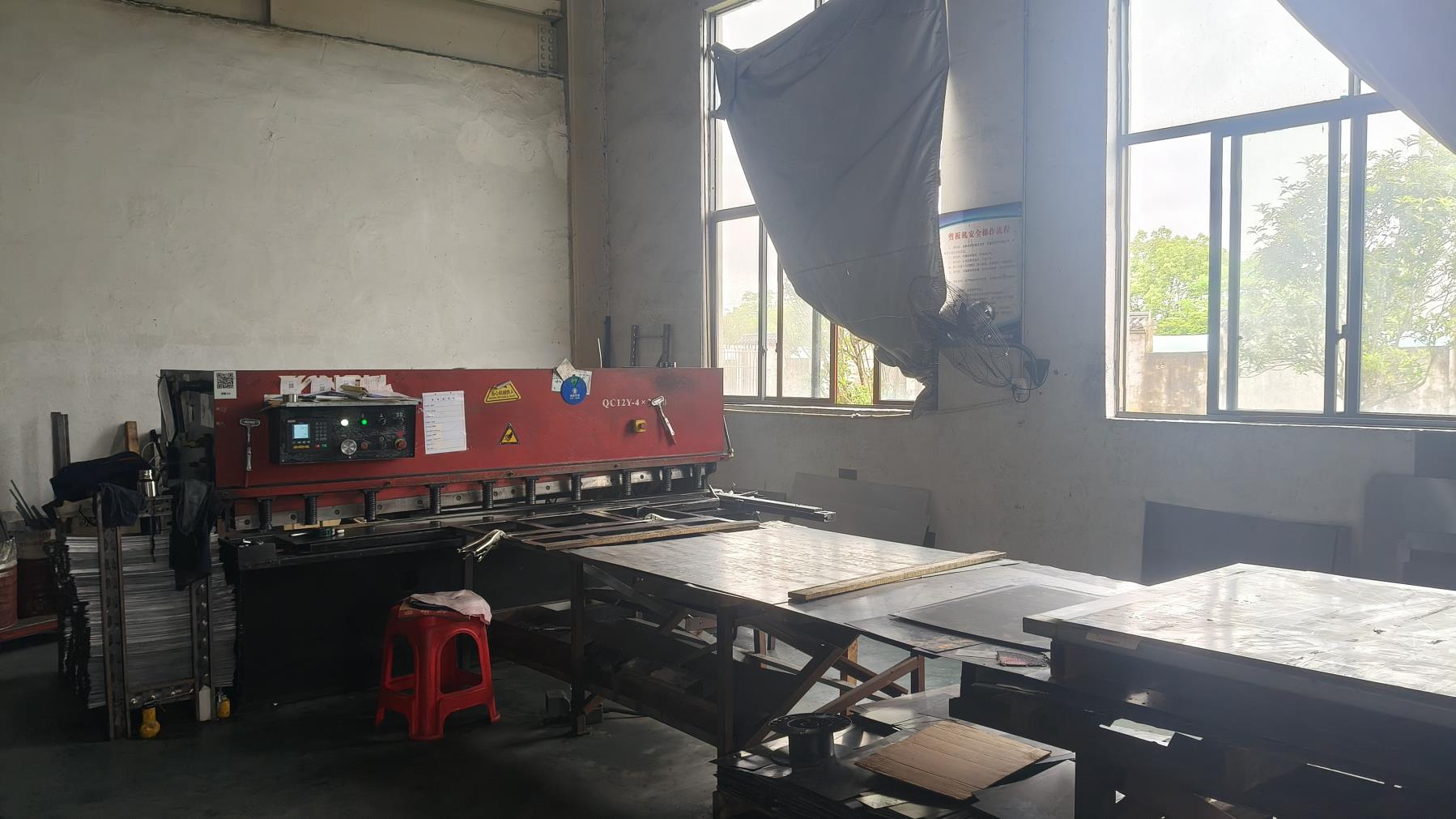
Operating from a modern production facility spanning 32,000 square meters, Shibang integrates structural design, precision manufacturing, and international trade to serve a diverse global client base. With over 12 years of industry expertise and 8 years of dedicated export experience, our products are distributed across North America, Europe, Australia, and Southeast Asia, generating over $18 million in annual export revenue. We primarily partner with industrial distributors, third-party logistics (3PL) providers, e-commerce fulfillment centers, and large-scale manufacturing enterprises. Supported by a robust network of over 800 supply chain partners, we ensure consistent raw material quality and efficient production timelines.
Quality control and technological innovation form the core of our operations. Our dynamic R&D team consists of 18 senior engineers, supported by 35 dedicated QC professionals. We implement rigorous product inspection protocols—including raw steel tensile testing, automated ultrasonic weld checking, static and dynamic load testing, and powder-coating salt spray endurance tests—ensuring compliance with international safety and durability standards. In the past year alone, our R&D unit successfully introduced 45 new product designs and structural optimizations.
We offer full structural customization options, providing tailored loading capacities, height configurations, beam profiles, and surface finishes (powder coating and hot-dip galvanizing) to meet exact warehouse specifications. Guided by engineering precision and trade reliability, Shenzhen Shibang Storage Rack Co., Ltd. continues to deliver safe, scalable, and optimized storage solutions for modern global supply chains.
Modern material handling is shifting toward sensor-integrated, modular systems. In our R&D pipeline, Shibang is developing technologies that align with this future, focusing on three core areas:
Future iterations of our heavy-duty gourd hole shelves will feature optional integrated strain gauges. These low-power, Bluetooth-enabled sensors can monitor real-time beam deflection. In large-scale logistics operations in Higashiosaka, this data can feed directly into warehouse management software, alerting operations staff if a shelf is overloaded or experiencing uneven weight distribution before deformation occurs.
While cold-rolled Q235B steel remains the cost-effective standard, we are experimenting with micro-alloyed steels containing niobium and vanadium. These alloys provide higher yield strength with reduced sheet thickness, decreasing the total dead weight of the shelving units. This weight reduction lowers transport costs and reduces shipping emissions, aligning with global green supply chain initiatives.
As automated guided vehicles (AGVs) and autonomous mobile robots (AMRs) become more common in Osaka fulfillment centers, the lower levels of racking systems must accommodate automated picking access. Shibang is optimizing the clearance dimensions of our base frames to allow robotic lifters to slide under the racks for automated relocation of entire shelving blocks.
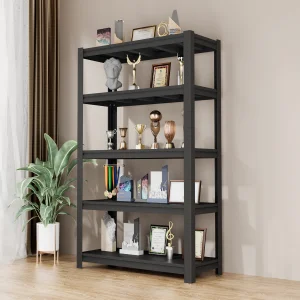
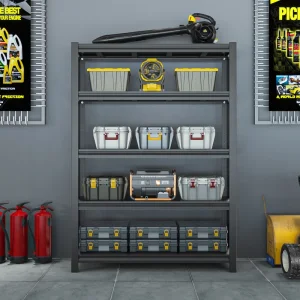
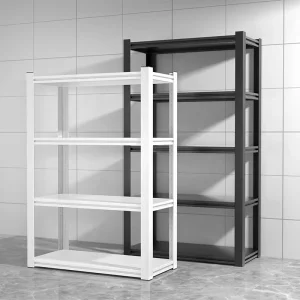
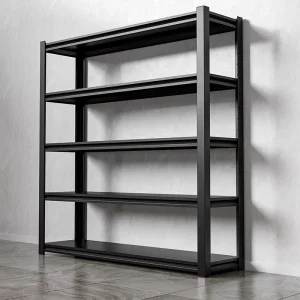
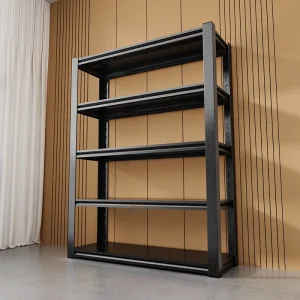
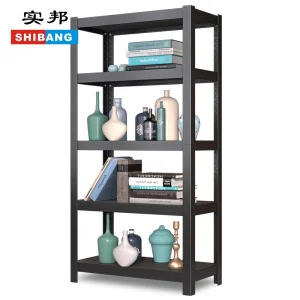
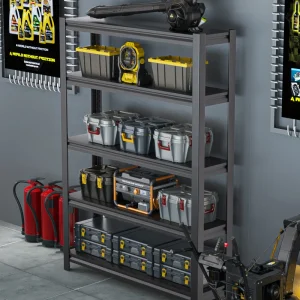
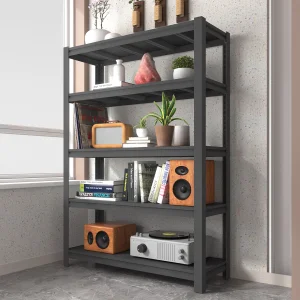
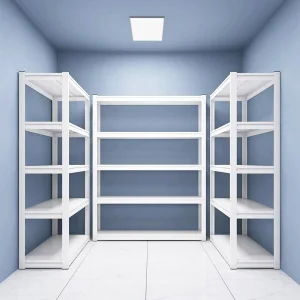
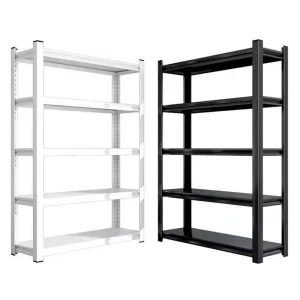
Explore our complete catalog of modular, boltless gourd hole racks. Configured for commercial, garage, office, and heavy industrial applications.
In-depth answers to key architectural, logistical, and import questions for procurement managers in Osaka and globally.
Contact our technical sales team for tailored volume quotes, CAD layout assistance, and direct factory container shipping details.
Send Inquiry Now Shibang Steel