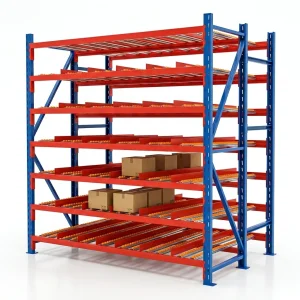
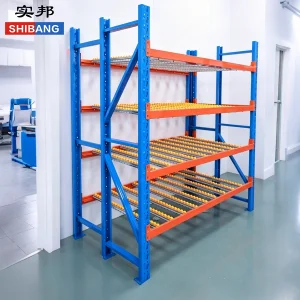
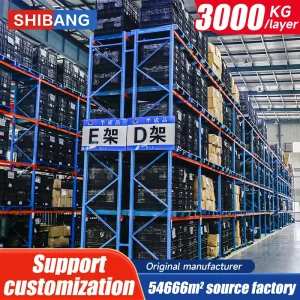
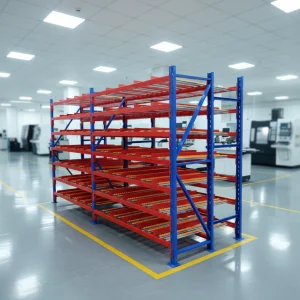
Engineered for high-volume picking, dynamic inventory rotation (FIFO), and seamless integration with existing warehouse footprints.
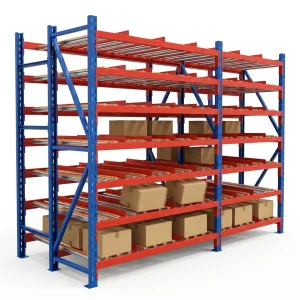
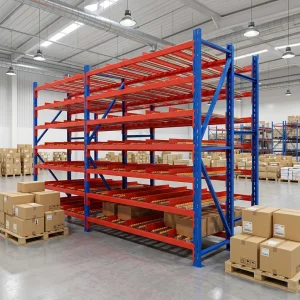
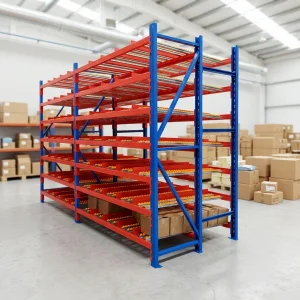
Analyzing the constraints, trends, and throughput imperatives in Southern California's supply chain corridor.
The Greater Los Angeles area, encompassing the Inland Empire, Orange County, and the Port of Los Angeles, represents the largest logistics and distribution gateway in North America. With real estate vacancy rates near historic lows and cost-per-square-foot metrics forcing maximum cubic utilization, logistics managers can no longer afford static shelving. Carton flow racks serve as a critical infrastructure component, transforming traditional static storage into dynamic, gravity-driven throughput zones.
By leveraging Carton Flow Racks, Los Angeles-based 3PLs, cold-storage operators, and retail fulfillment centers achieve up to a 150% increase in SKU density and a 60% reduction in travel time for picking personnel. The local reliance on rapid last-mile delivery—fueled by regional hubs in Carson, Ontario, Redlands, and the City of Industry—means that order cycle times must be measured in minutes, not hours. Gravity-fed roller tracks ensure that product replenishment operates autonomously, supporting continuous order picking without structural downtime.
Managing surge capacity requires dynamic racking systems that support rapid pallet break-down and case-picking workflows.
Maximize overhead clearances and vertical density rather than expanding physical warehouse square footage.
Southern California's active fault zones require certified, engineered steel designs compliant with RMI and local LADBS codes.
How global supply chain volatility drives the adoption of modular and gravity-assisted material handling.
Across the globe, supply chain architectures are shifting toward decentralized warehouse networks and micro-fulfillment nodes. This structural change demands racking layouts that can easily adapt to evolving SKU dimensions and changing seasonal velocities. Carton flow racking solves this challenge globally by offering modular bed widths, adjustable roller tracks, and variable lane dividers that require zero tools for adjustment.
Furthermore, carton flow is increasingly deployed as the pick-face component within larger Automated Storage and Retrieval Systems (AS/RS). By bridging the gap between automated crane bulk storage and manual split-case picking, these systems provide a continuous buffer zone that maintains processing speeds even during peak demand shifts.
| Storage Type | Space Utilization | FIFO Compliance | Initial Investment Cost | Picking Efficiency |
|---|---|---|---|---|
| Standard Selective Racking | Low (approx. 40%) | LIFO (Requires manual management) | Low | Moderate (High operator travel time) |
| Carton Flow Racking (FIFO) | High (approx. 85%) | Automatic FIFO (Gravity Feed) | Moderate | Excellent (Zero travel for replenishment) |
| Push Back Racking | High (approx. 75%) | LIFO Only | Moderate to High | Moderate |
| Pallet Flow Racking | Very High (approx. 90%) | Automatic FIFO | High | High (Pallet units only) |
A trusted global manufacturer delivering engineered structural steel racking systems with certified safety standards.
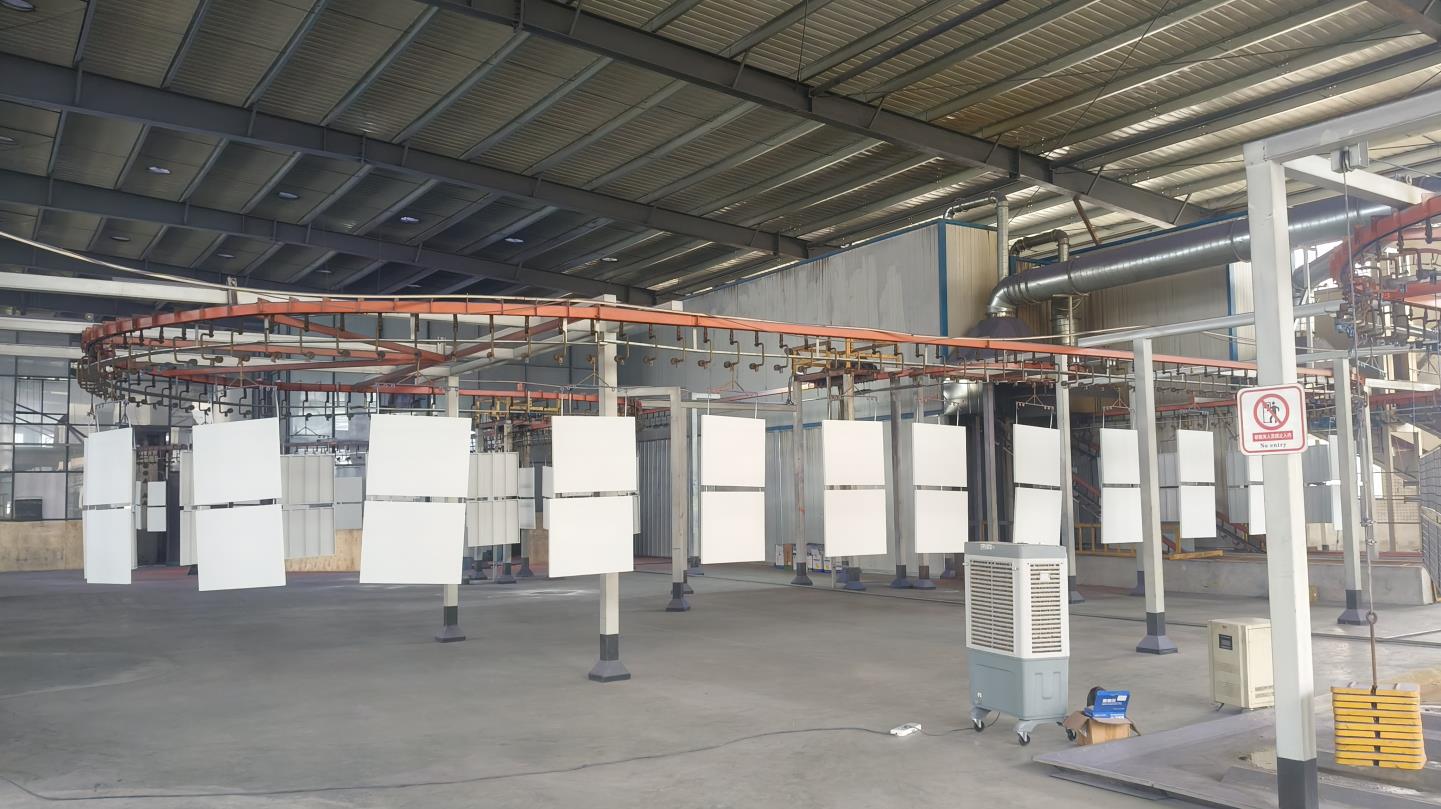
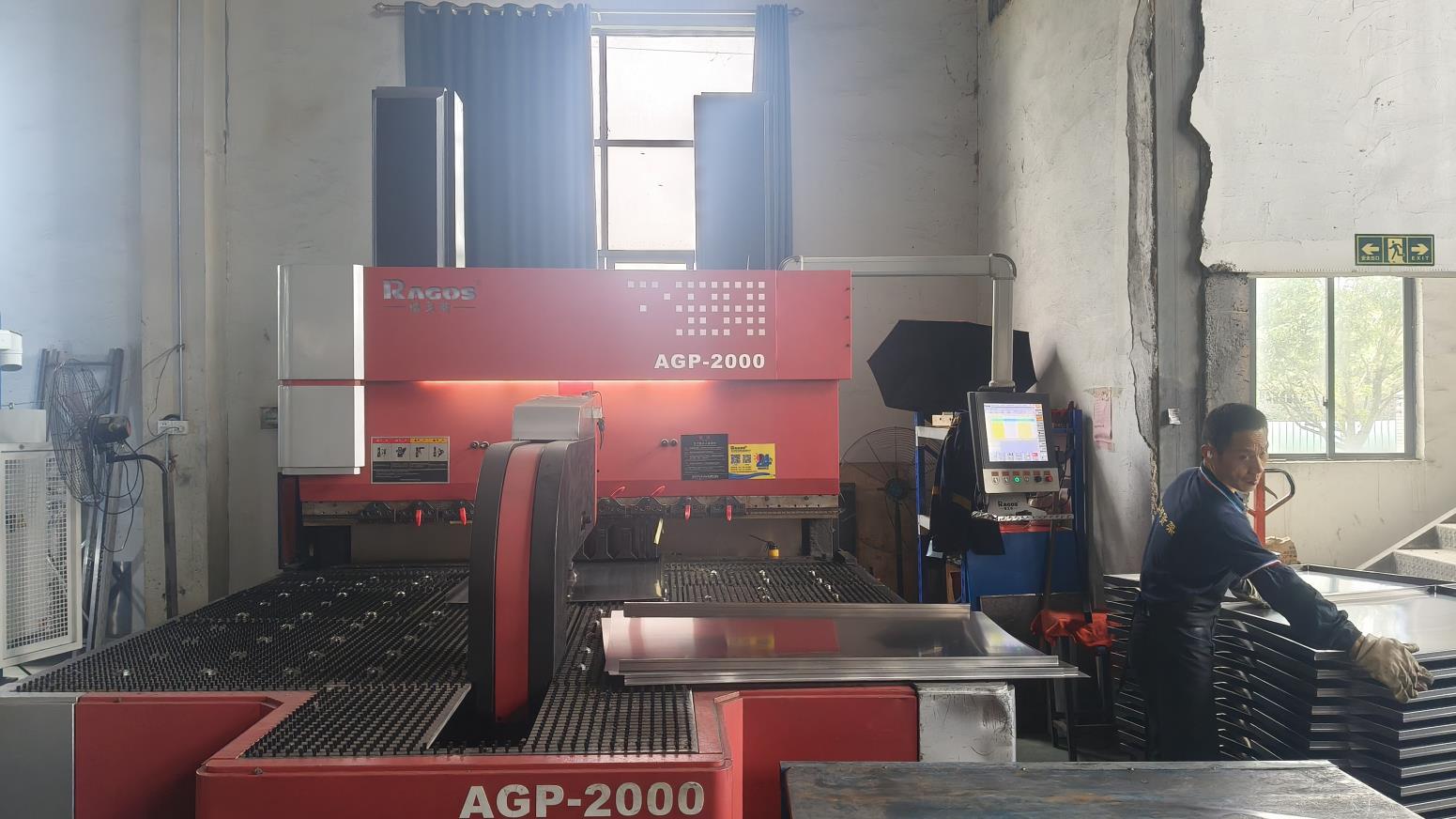
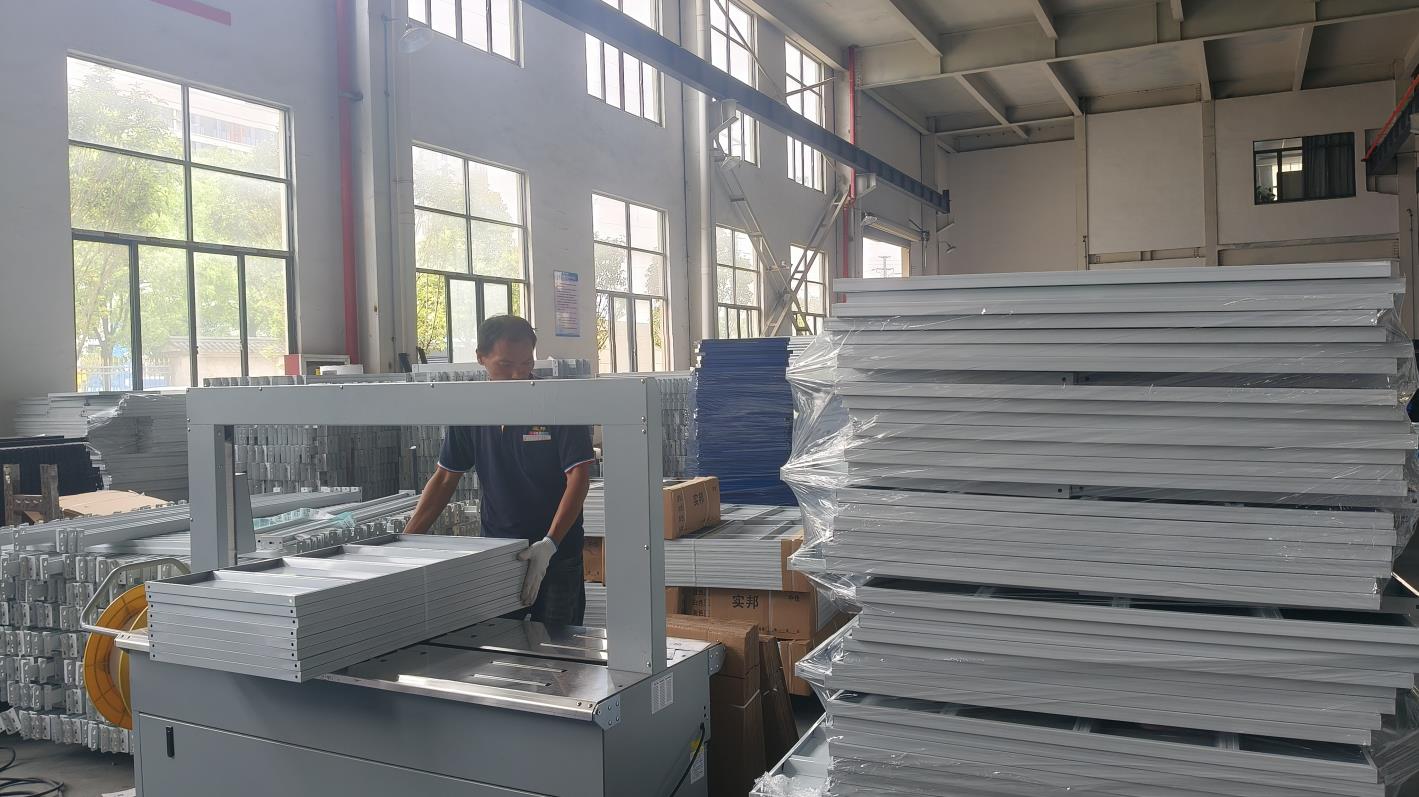
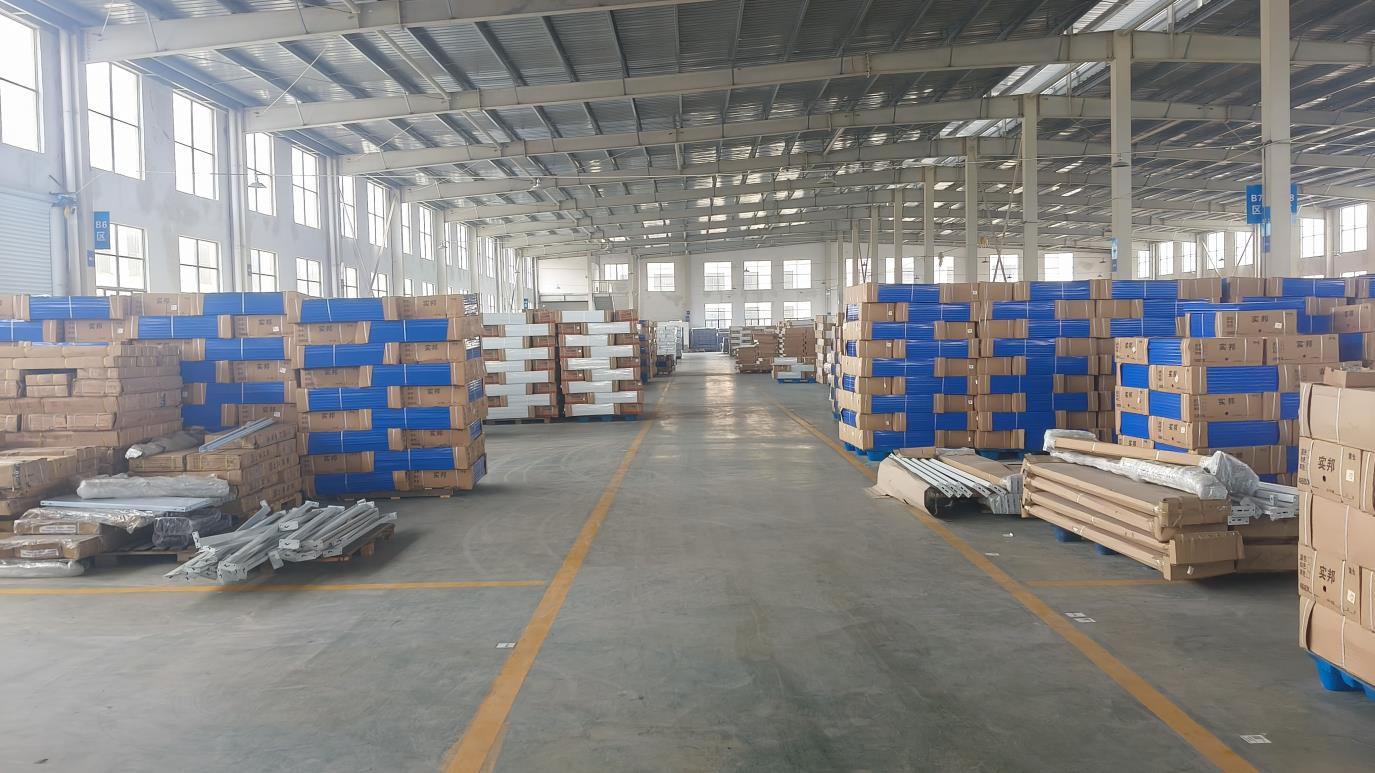
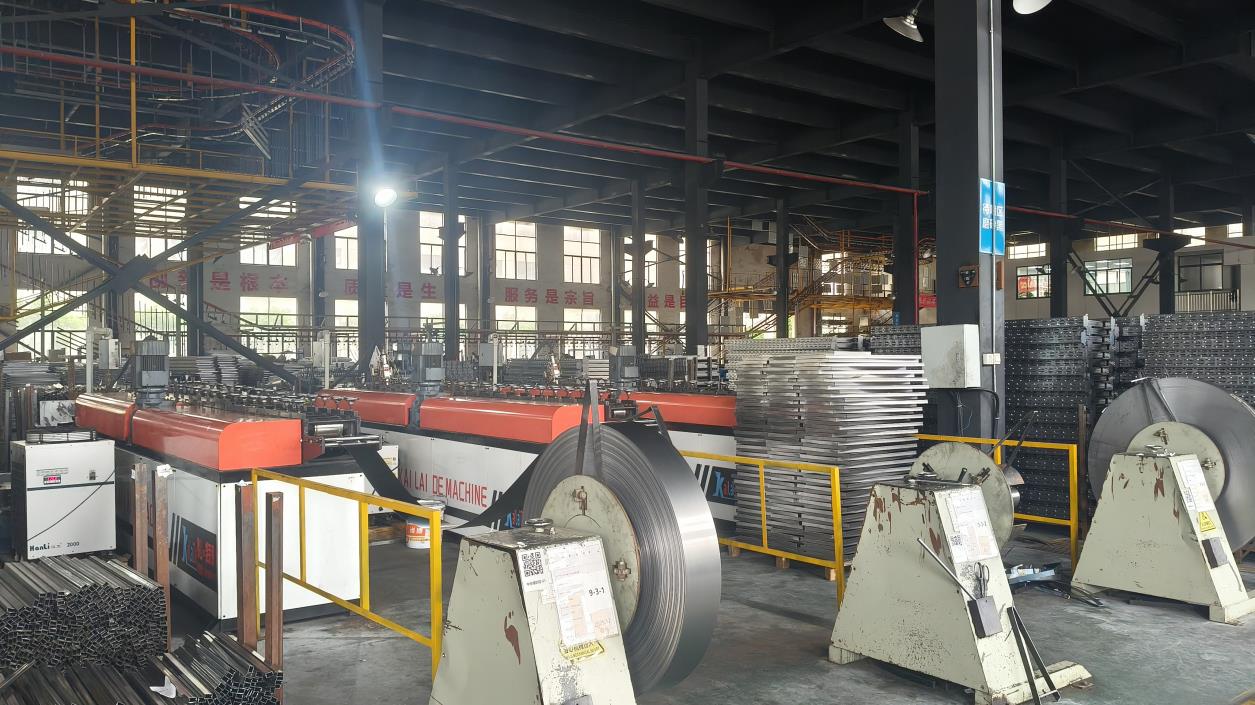
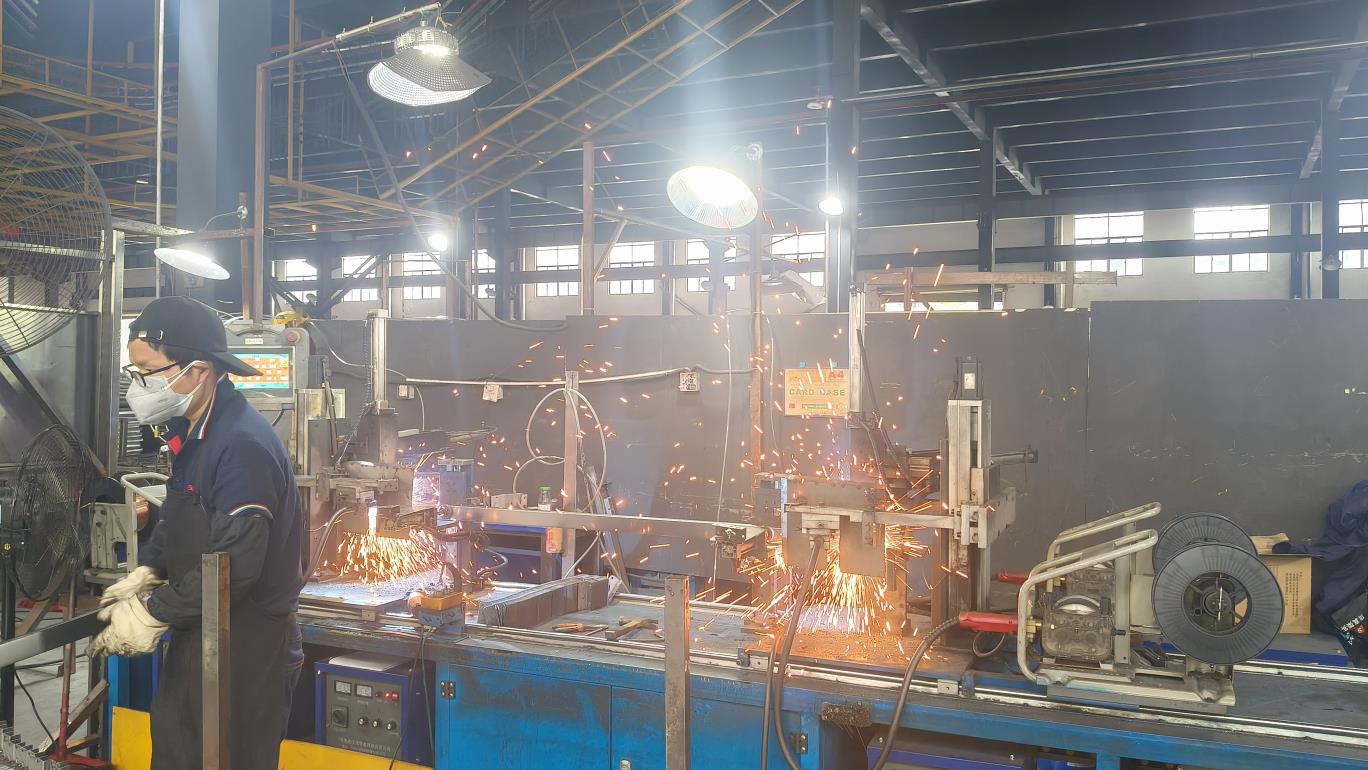
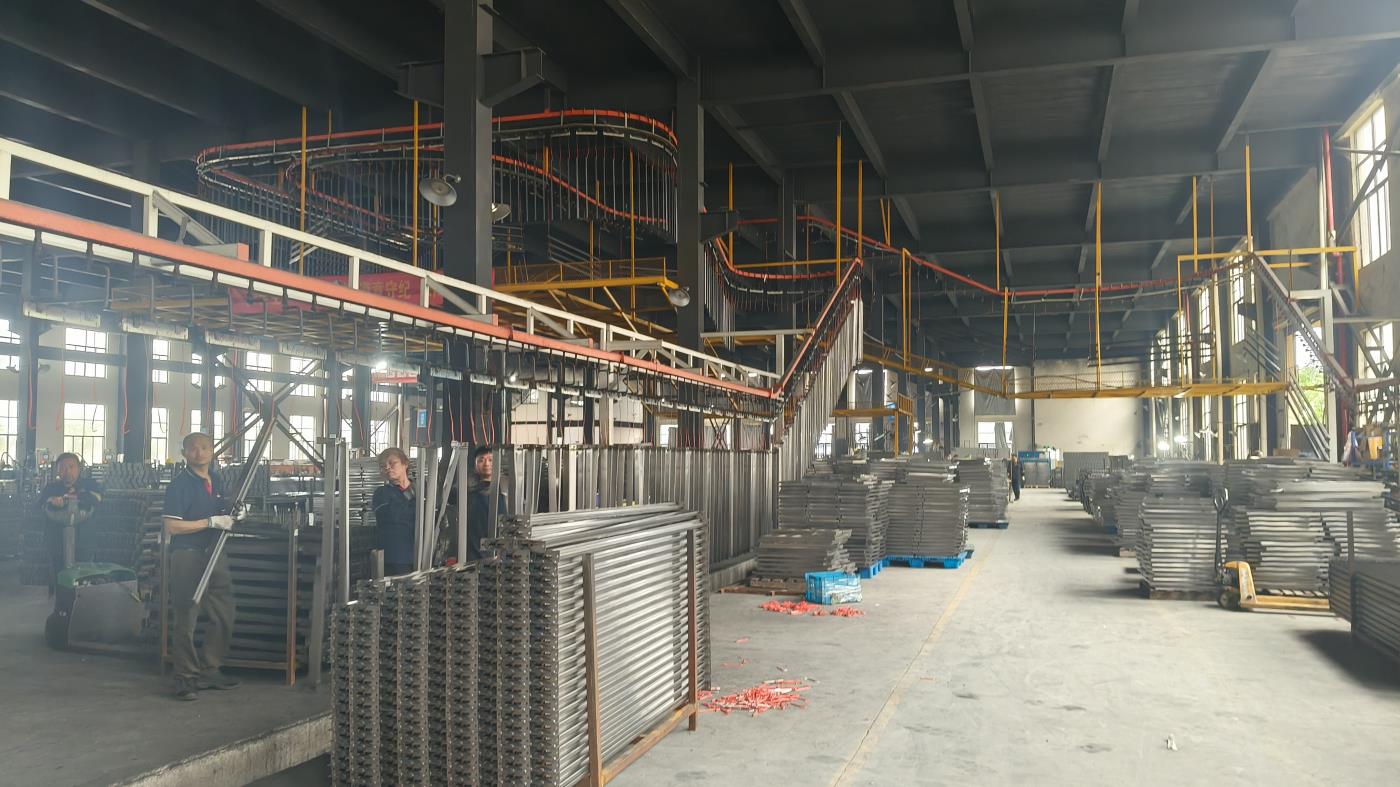
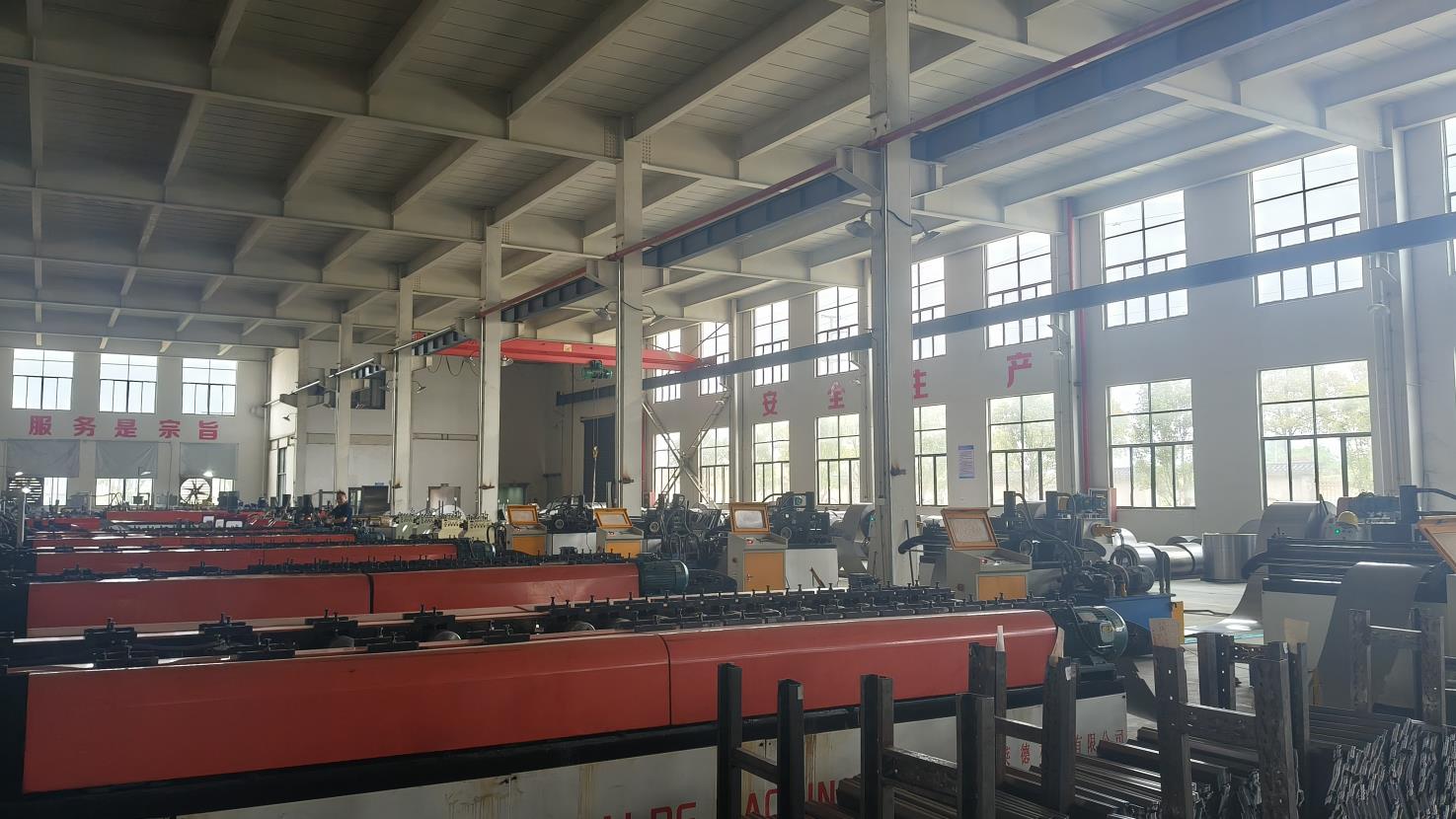
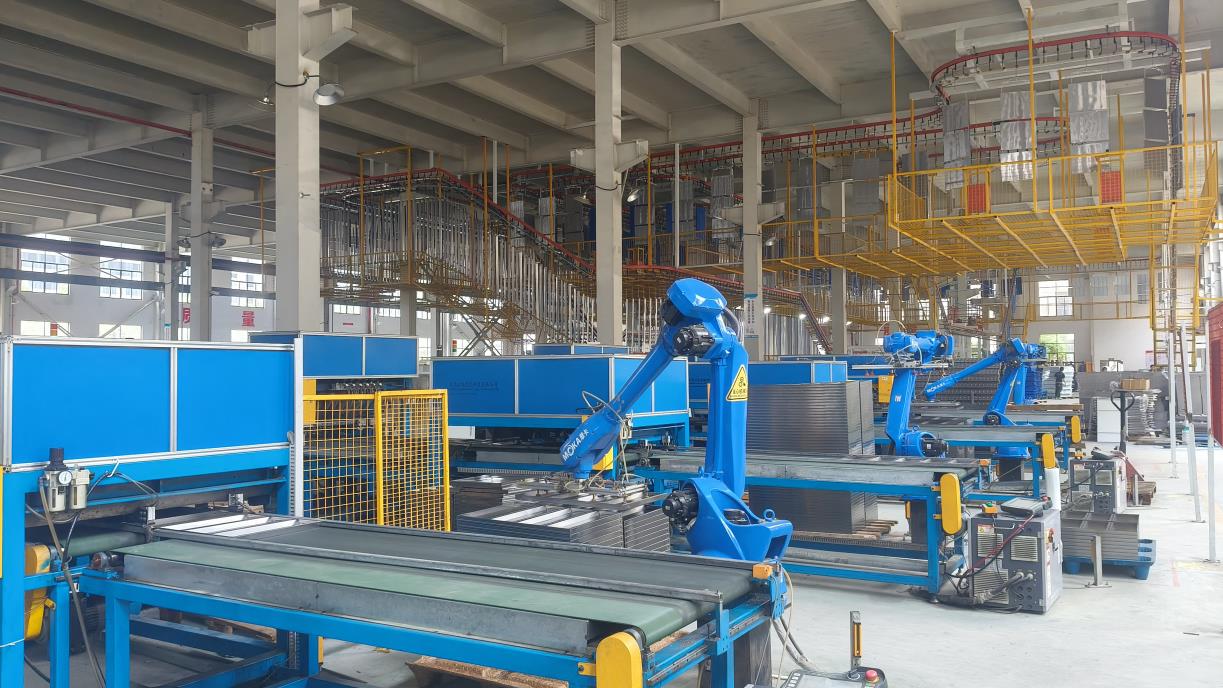
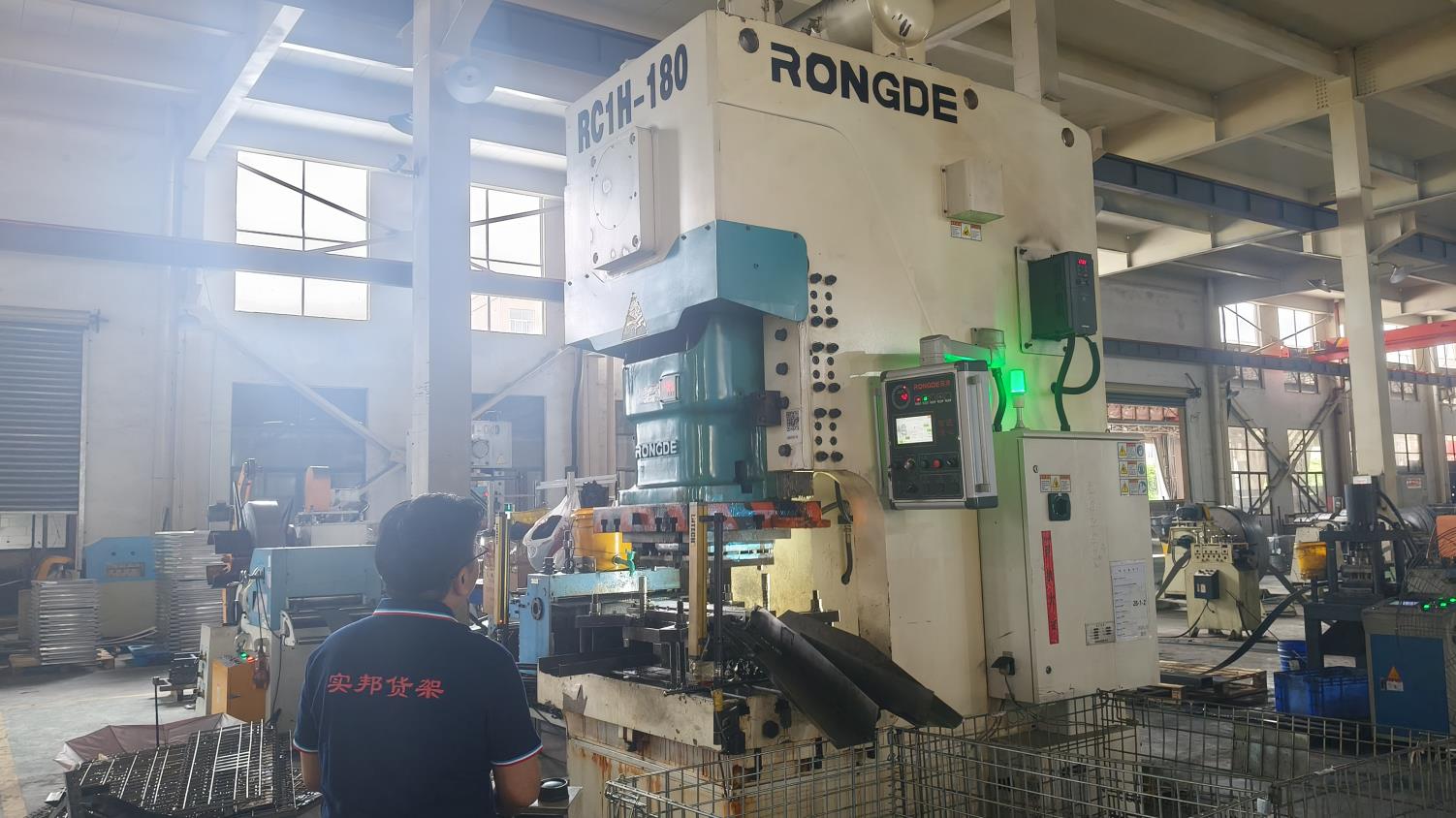
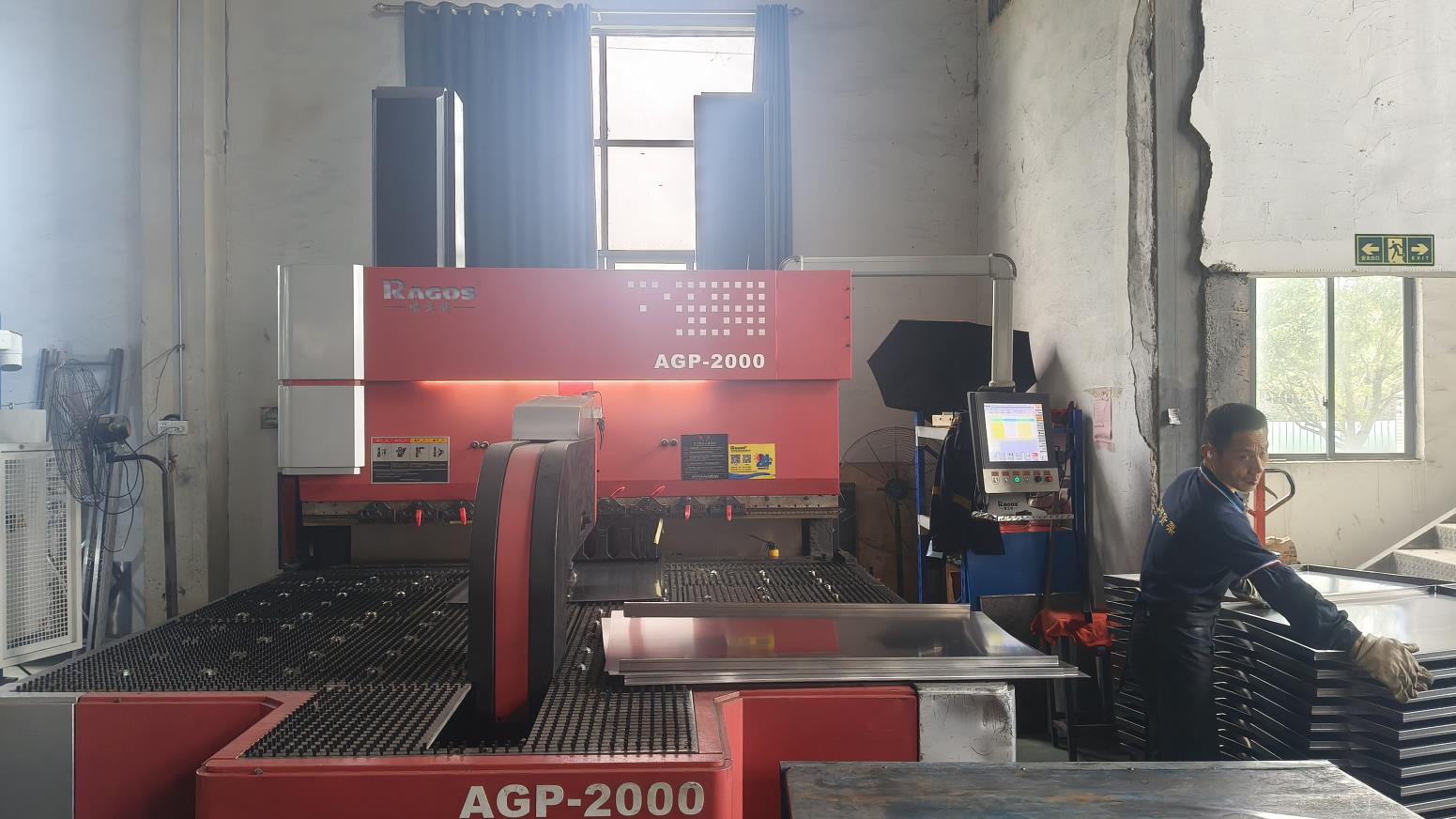
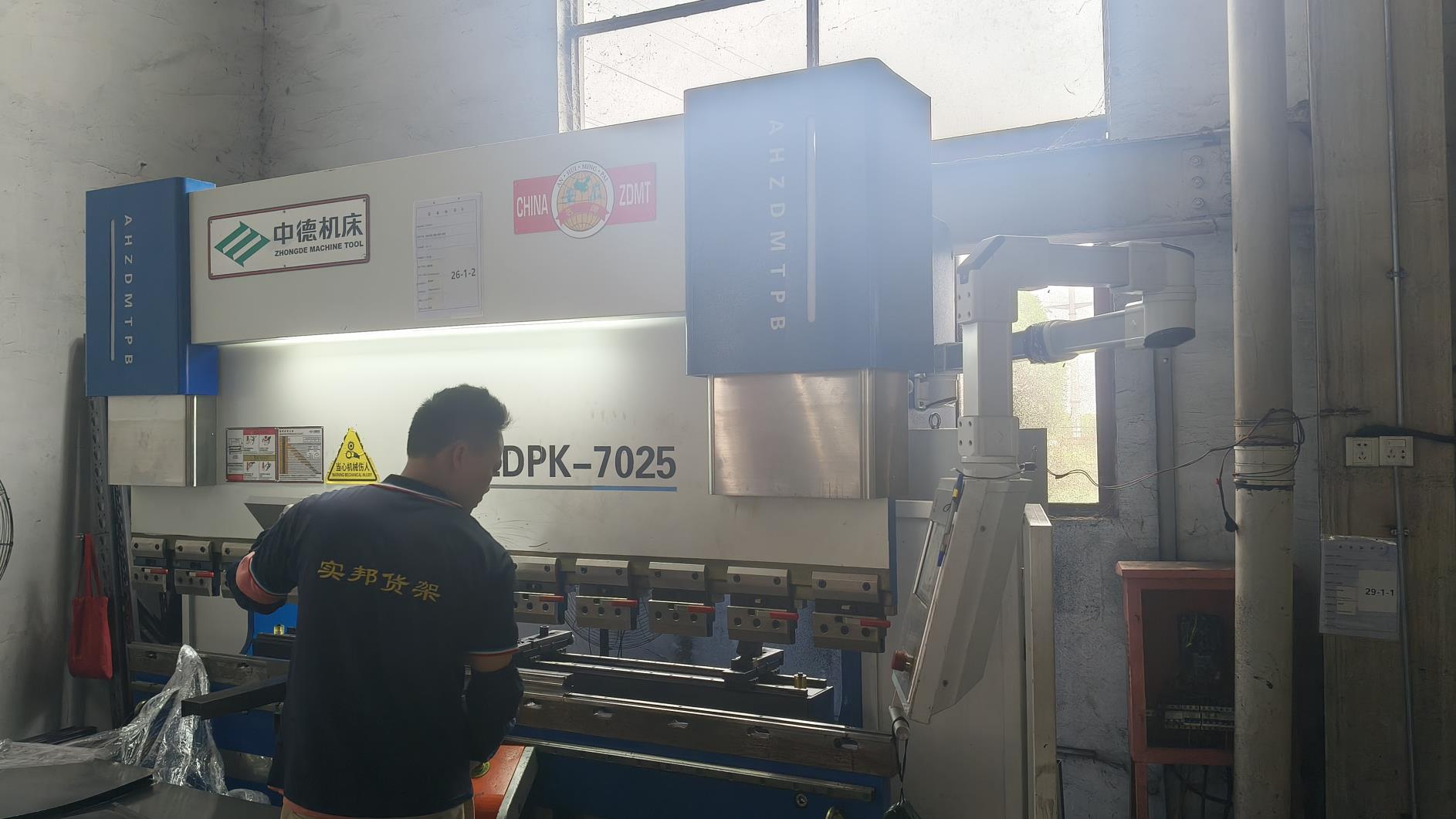
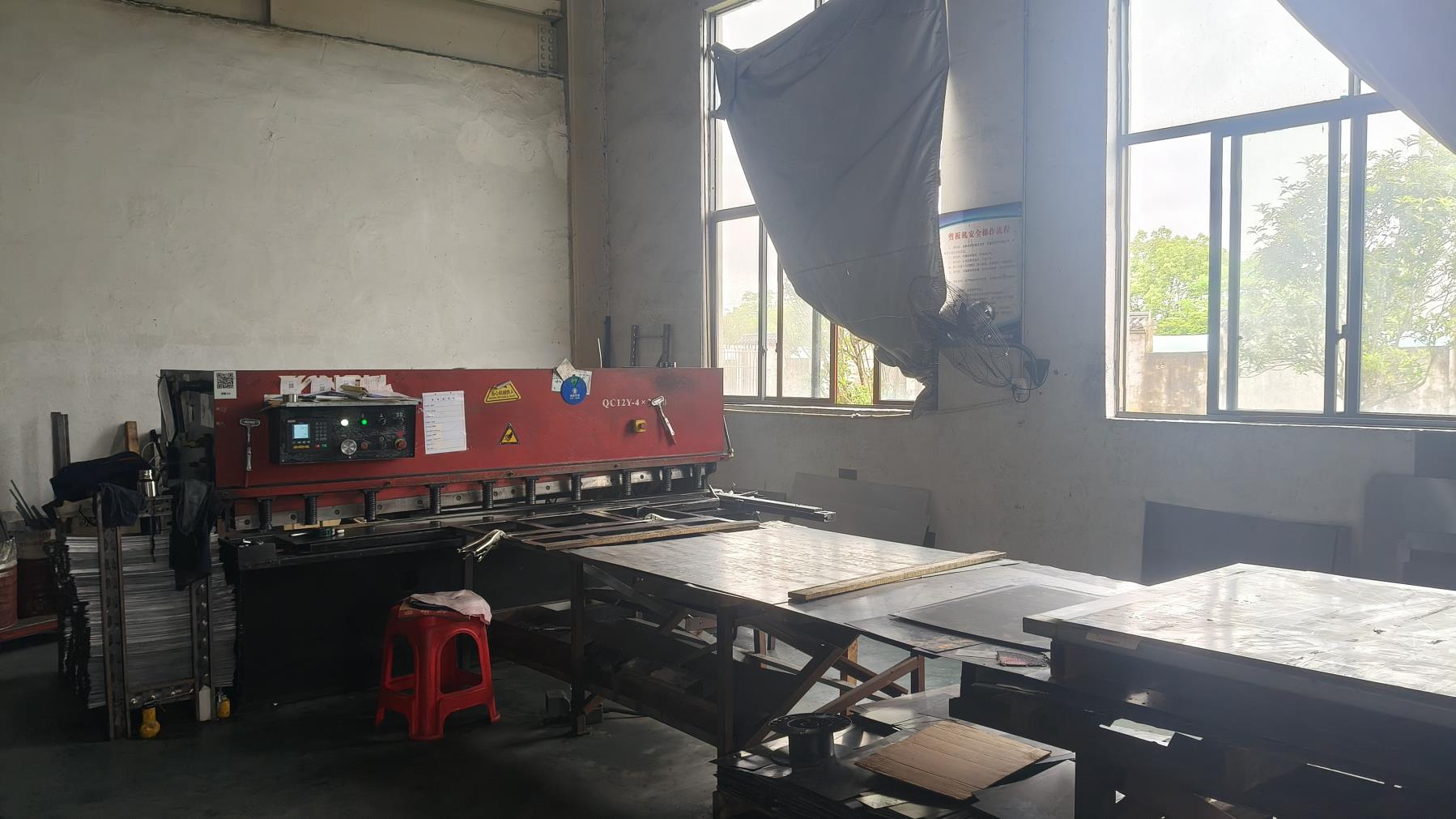
Established in 2015, Shenzhen Shibang Storage Rack Co., Ltd. is a leading manufacturer specializing in industrial racking systems and customized warehouse storage solutions. Operating from a modern production facility spanning 32,000 square meters, we integrate structural design, precision manufacturing, and international trade to serve a diverse global client base.
With over 12 years of industry expertise and 8 years of dedicated export experience, our products are distributed across North America, Europe, Australia, and Southeast Asia, generating over $18 million in annual export revenue. We primarily partner with industrial distributors, third-party logistics (3PL) providers, e-commerce fulfillment centers, and large-scale manufacturing enterprises. Supported by a robust network of over 800 supply chain partners, we ensure consistent raw material quality and efficient production timelines.
Quality control and technological innovation form the core of our operations. Our dynamic R&D team consists of 18 senior engineers, supported by 35 dedicated QC professionals. We implement rigorous product inspection protocols—including raw steel tensile testing, automated ultrasonic weld checking, static and dynamic load testing, and powder-coating salt spray endurance tests—ensuring compliance with international safety and durability standards. In the past year alone, our R&D unit successfully introduced 45 new product designs and structural optimizations.
We offer full structural customization options, providing tailored loading capacities, height configurations, beam profiles, and surface finishes (powder coating and hot-dip galvanizing) to meet exact warehouse specifications. Guided by engineering precision and trade reliability, Shenzhen Shibang Storage Rack Co., Ltd. continues to deliver safe, scalable, and optimized storage solutions for modern global supply chains.
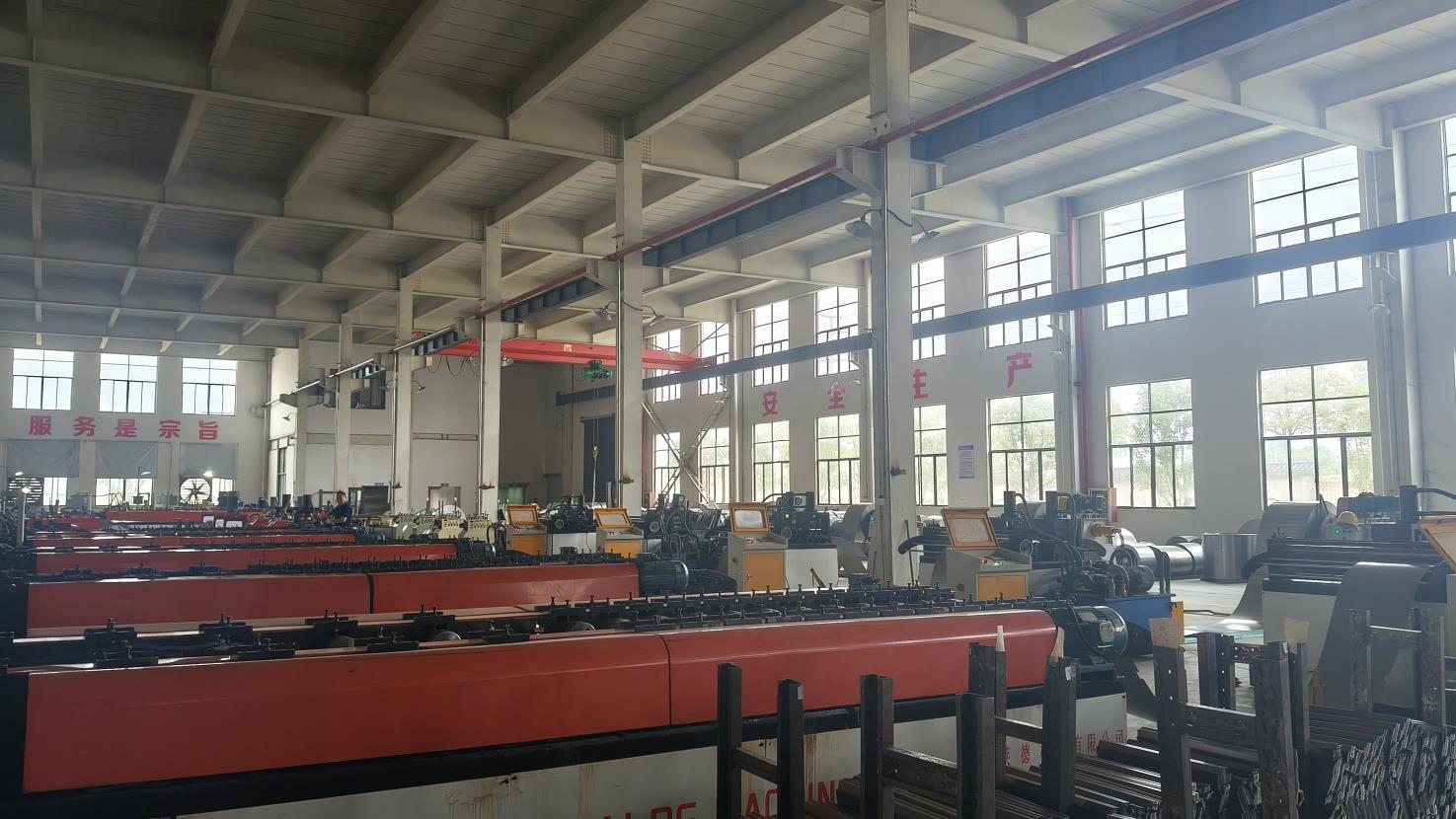
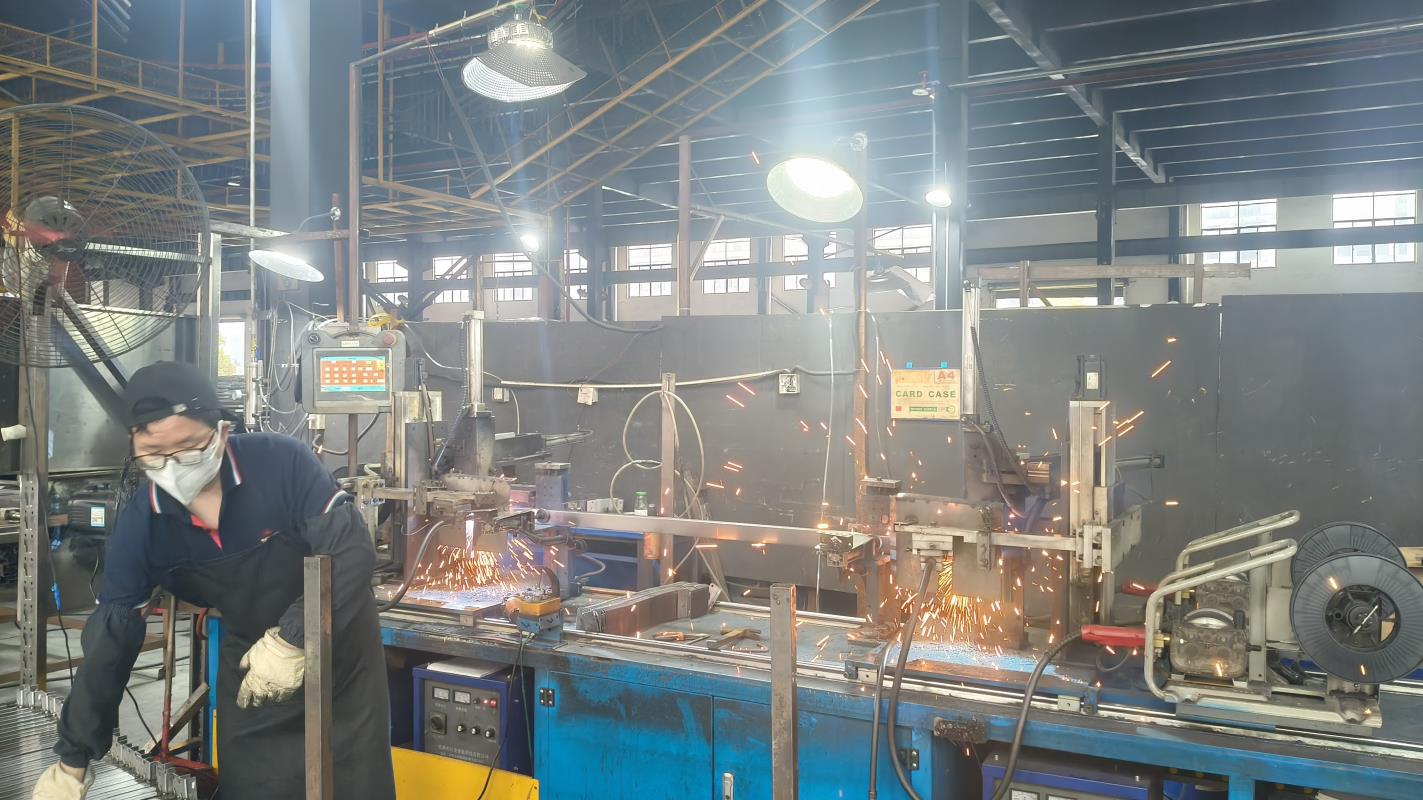
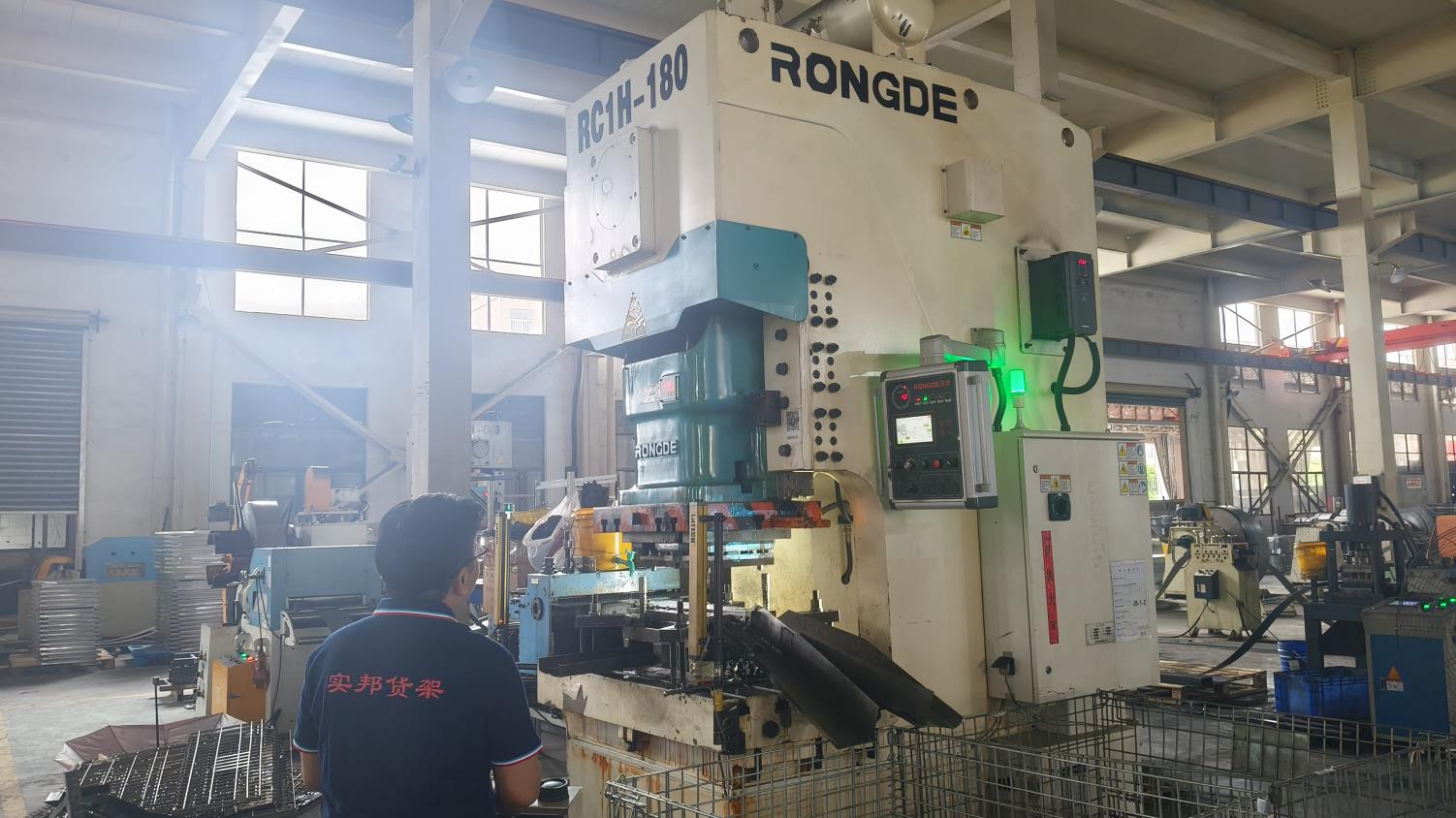
Ensuring physical structure integrity and safety under California building code Title 24.
In Southern California, particularly within Los Angeles County, structural racking installations must adhere to stringent building regulations governed by the Los Angeles Department of Building and Safety (LADBS) and the California Building Code (CBC Chapter 16 / Title 24). Racking structures are classified as non-building structures and must be calculated to withstand lateral forces under Seismic Design Category D, E, or F.
Shenzhen Shibang's engineering team collaborates with structural engineers registered in California to perform FEA (Finite Element Analysis) structural calculations. This ensures that every upright frame profile, baseplate dimension, floor anchor bolt, and beam connector conforms to RMI (Rack Manufacturers Institute) guidelines and local wind/seismic load criteria. Standard installations require heavy-duty 5"x5" seismic baseplates and dual-anchoring systems to secure the racking arrays against dynamic shifting during a seismic event.
We utilize high-tensile certified structural steel. Uprights and beams are cold-rolled to optimize structural mass-to-load ratios, preventing structural fatigue under heavy duty applications.
All structural drawings can be accompanied by calculation packages detailing beam deflection, baseplate sizing, and anchor shear load capacities required for local municipal permitting.
Our heavy-duty beam-to-column connections feature dynamic safety pins that prevent accidental beam displacement from forklift impact, meeting rigorous OSHA warehouse inspections.
How different industrial verticals leverage Shibang Carton Flow Rack systems to solve logistics challenges.
Depending on the sector, the performance expectations of gravity-fed flow lines vary. Carton flow racking systems from Shenzhen Shibang are configured with customized roller tracks (polycarbonate vs. steel rollers) and slope degrees tailored for specific load demands:
Concentrated in Vernon and Thousand Oaks, these operations require strictly controlled First-In, First-Out (FIFO) flow paths for vaccine, medicine, and critical care batch rotation. Quick-access configurations prevent product expiration losses.
Cold chain spaces in the Port corridor operate at high refrigeration costs. Carton flow increases storage density in sub-zero environments, utilizing low-temperature lubricant roller bearings that prevent freeze-locking.
Industrial centers in Redlands and Ontario process high split-case volumes daily. Carton flow racks integrated with pick-to-light systems ensure rapid, error-free order picking for major direct-to-consumer networks.
Designed for severe duty profiles, extreme density, and automated material handling integration.
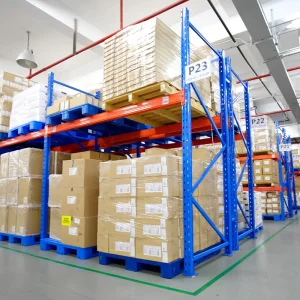
Exploring the next generation of dynamic storage structures and IoT integration.
Material handling is transitioning from purely mechanical configurations toward digital integration. The next evolution of carton flow racks incorporates inline sensors that track picking frequency and load weight in real-time. By feeding this data directly to the Warehouse Management System (WMS), operators can dynamically identify slow-moving stock or pick-face replenishment deficits before they cause processing bottlenecks.
Additionally, sustainable manufacturing processes are becoming standard. Shenzhen Shibang is leading this transition by integrating eco-friendly powder-coating formulations that emit zero volatile organic compounds (VOCs) and using 100% recyclable structural steel profiles, ensuring our international buyers achieve compliance with corporate ESG (Environmental, Social, and Governance) mandates.
Our electrostatic powder coating line complies with global eco-friendly standards, ensuring maximum corrosion resistance without environmental degradation.
Pre-engineered structural channels accommodate photoelectric pick sensors and automated line guidance brackets for dynamic picker feedback loops.
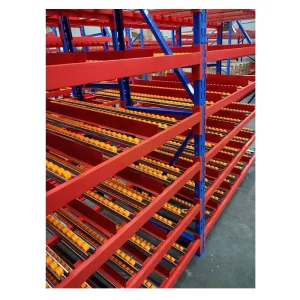
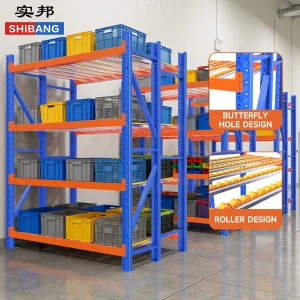
Heavy duty double-riveted steel tracks prevent roller twisting under variable load conditions, guaranteeing smooth box progression indefinitely.
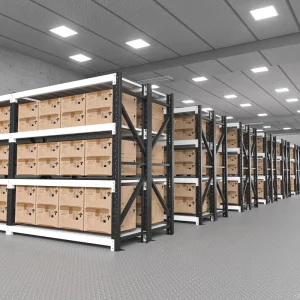
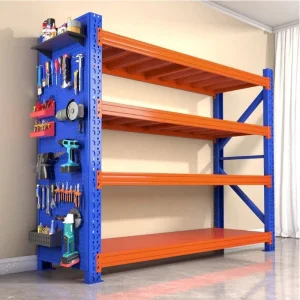
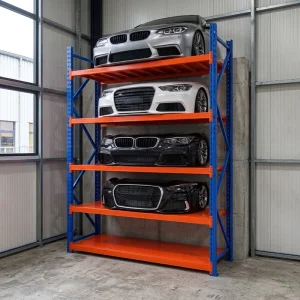
Complementary structural racking designs ensuring complete facility organization and safe high-capacity load profiles.
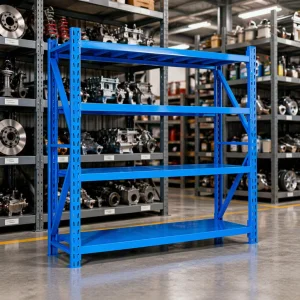
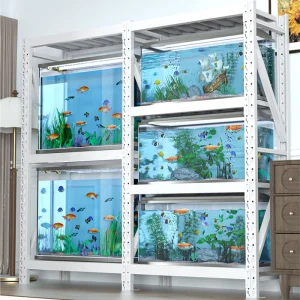
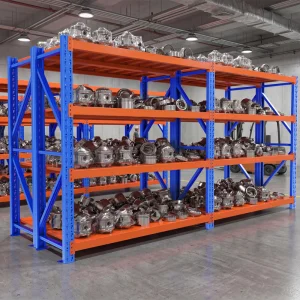
Technical answers to common engineering and installation queries regarding carton flow systems.
Typically, carton flow systems require a slope gradient between 3% to 6% (approximately 0.36 to 0.72 inches per foot). The precise angle depends on carton weight, carton material (corrugated cardboard vs. plastic bins), and the roller type. Heavy plastic totes flow more rapidly than light, soft-bottomed cardboard, which may require a steeper angle to prevent stalling.
LADBS seismic compliance requires rigorous engineering evaluations. The system must feature high-strength anchor bolts (such as Simpson Strong-Tie or Hilti), oversized footplates to distribute down-loads, and cross-bracing configurations configured to resist horizontal shear stress. Structural calculation packets signed by a California PE (Professional Engineer) must be submitted for building department verification.
Yes. Shibang Carton Flow beds are designed to sit directly on standard step beams of selective pallet racks using drop-in brackets. This allows operators to utilize the lower levels for high-density split-case picking, while reserving upper rack levels for bulk pallet storage, maximizing the utility of the vertical warehouse cube.
Q235B cold-rolled steel undergoes precision rolling at room temperature, which increases yield strength and improves surface finish consistency. This provides uniform thickness tolerances, enhanced load distribution capabilities, and a smoother surface profile, allowing high-adhesion powder coating finishes that resist chipping and corrosion.
Yes. Shenzhen Shibang provides full customization including roller types (polycarbonate wheels, steel roller tracks, or full-width steel rollers), adjustable track dividers, customizable load-bearing capacities (ranging from 100kg up to 1000kg per level), and bespoke powder coating color-matching to align with your corporate branding and facility safety protocols.
Contact our structural engineering team to receive a complimentary custom racking layout design, seismic safety assessment, and direct manufacturer pricing.
Send Inquiry Now Shibang Steel