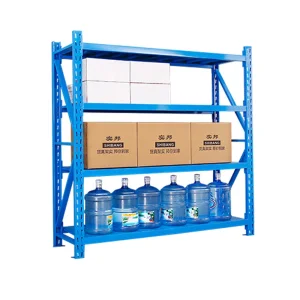
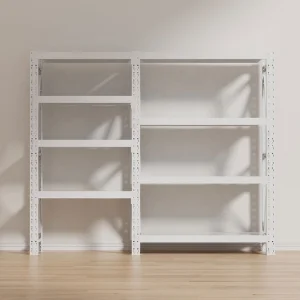
Heavy-duty engineered, modular steel racks featuring CE-compliant design, optimized for space efficiency and seismic stability across Tokyo's commercial zones.
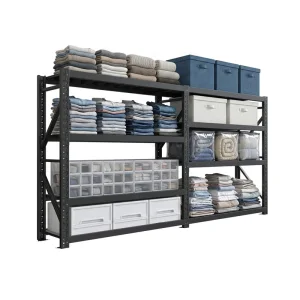
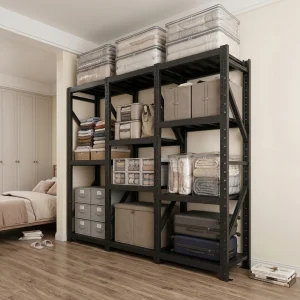
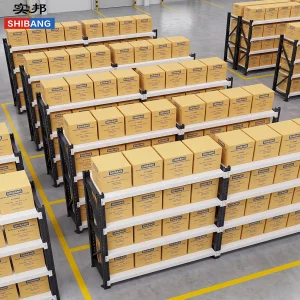
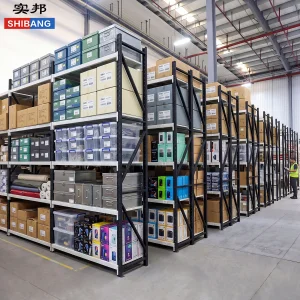
In modern industrial logistics, floor area efficiency is highly critical—particularly in metropolitan regions like Tokyo, where real estate premiums rank among the highest globally. Implementing structural storage solutions that provide a standard 300KG load-bearing capacity per tier requires a balance of metallurgical engineering, spatial design, and stringent safety criteria. This whitepaper analyzes the mechanical, environmental, and structural dimensions of 300KG medium-duty racking systems, specifically configured for urban supply networks and seismic stability.
The Tokyo Kanto logistics market operates under a unique framework shaped by geographical constraints, high land costs, and strict structural safety requirements. Fulfillment centers and distribution hubs located in districts like Ota-ku, Koto-ku, and the Tokyo Bay Area require storage configurations that maximize vertical volume while remaining compliant with Japanese Building Standards Law (Kenchiku Kijun-hō). The 300KG load-bearing racking system serves as a key standard for medium-duty applications, handling diverse goods from electronics to automotive components with high density and stability.
To safely handle dynamic loads during seismic activity, storage structures must be designed with calculated damping, anchor base configurations, and upright profile geometry that comply with JIS Z 0620 standards. This prevents structural deflection or failure under seismic acceleration.
Globally, supply chain organizations are shifting away from heavy, inflexible static storage configurations toward modular, medium-duty solutions. A 300KG load capacity per tier provides sufficient strength for industrial goods while maintaining the flexibility required for rapid warehouse reconfiguration. Shenzhen Shibang Storage Rack Co., Ltd. manufactures systems that align with global compliance frameworks, including the European FEM 10.2.03 standards, the Rack Manufacturers Institute (RMI) specifications in North America, and JIS standards in Japan.
Our raw materials are sourced from certified domestic steel mills, utilizing structural-grade steel (predominantly Q235B and SPCC cold-rolled steel). Cold-forming processes shape profiles with uniform thickness and high yield points. Automated powder coating systems apply electrostatic epoxy-polyester coatings, ensuring durability and corrosion protection in environments ranging from high-humidity coastal bays to cold-storage facilities.
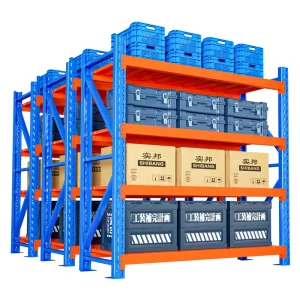
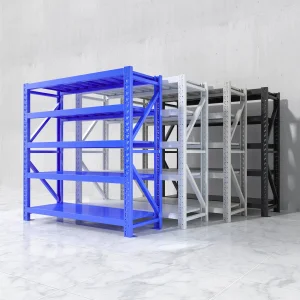
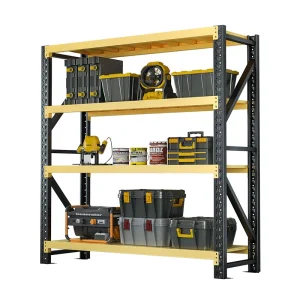
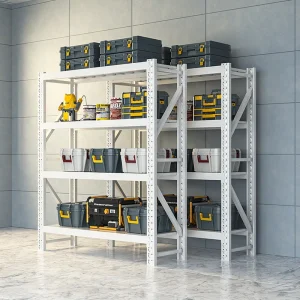
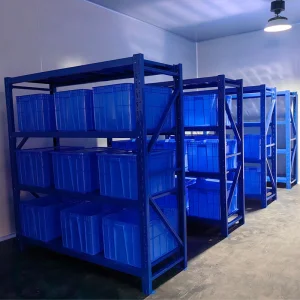
Our 300KG shelving systems feature structural configurations engineered for stability under load. Each level uses a combination of roll-formed Z-beams, step-beams, and reinforced steel shelf panels, redistributing point loads into distributed surface loads to prevent deflection. Features include:
Highly-configurable racking variants engineered to withstand vibration, moisture, and variable load configurations.
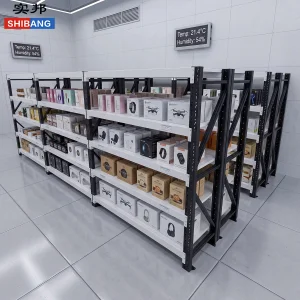
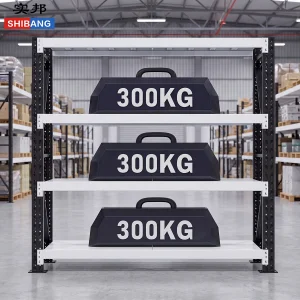
Established in 2015, Shenzhen Shibang Storage Rack Co., Ltd. manufactures industrial racking systems and customized warehouse storage solutions. Operating from a modern production facility spanning 32,000 square meters, we integrate structural design, precision manufacturing, and international trade to serve a diverse global client base.
With over 12 years of industry expertise and 8 years of dedicated export experience, our products are distributed across North America, Europe, Australia, and Southeast Asia, generating over $18 million in annual export revenue. We partner with industrial distributors, third-party logistics (3PL) providers, e-commerce fulfillment centers, and large-scale manufacturing enterprises. Supported by a robust network of over 800 supply chain partners, we maintain consistent raw material quality and project delivery timelines.
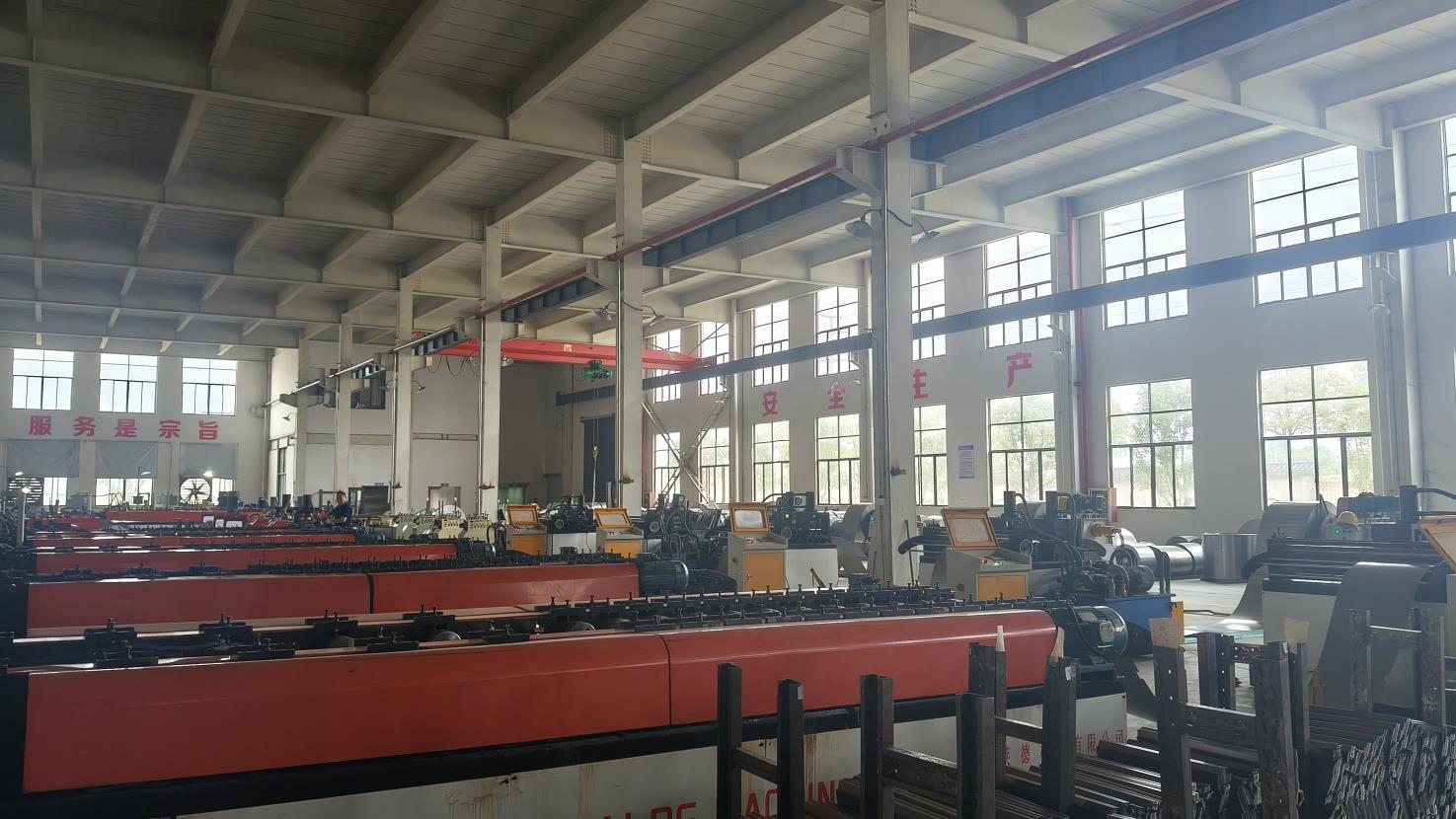
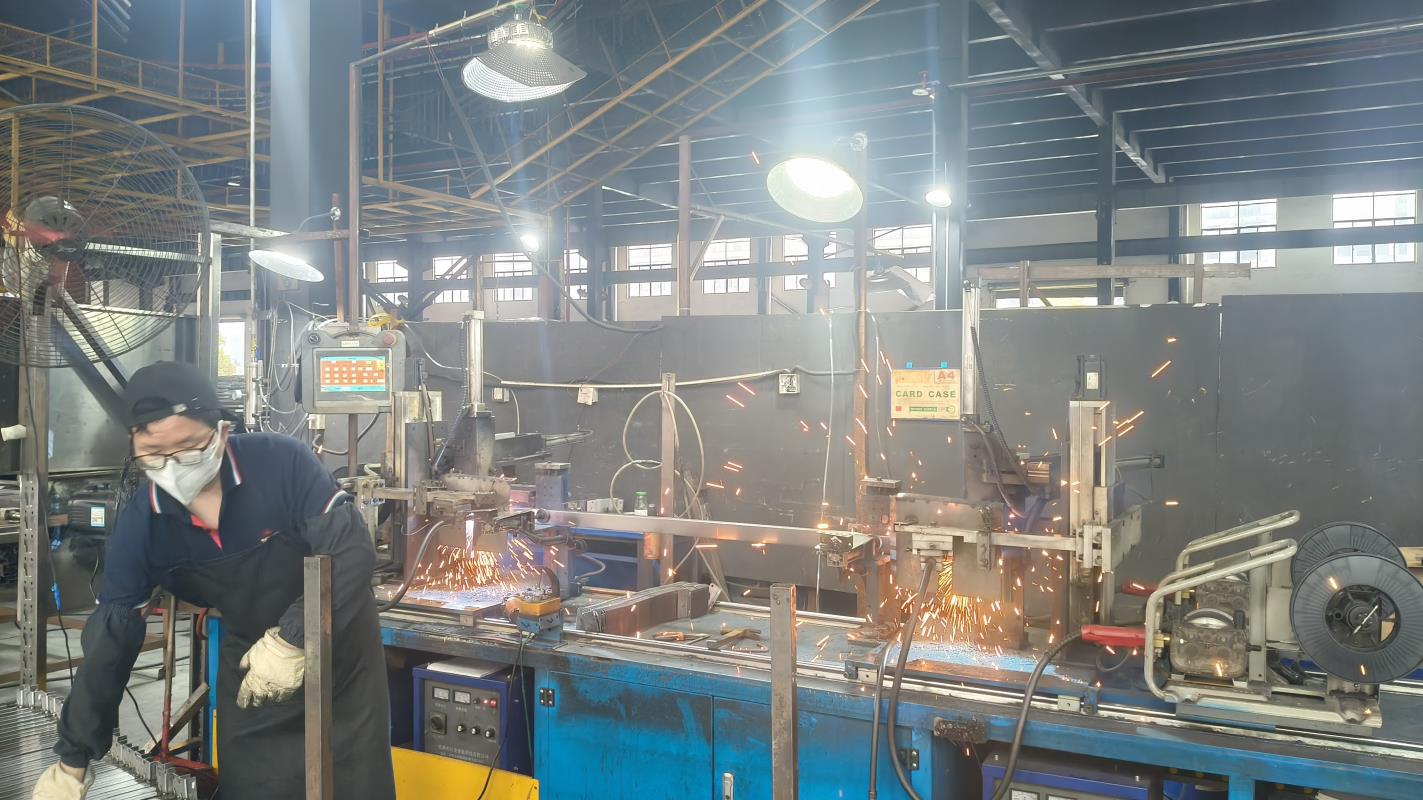
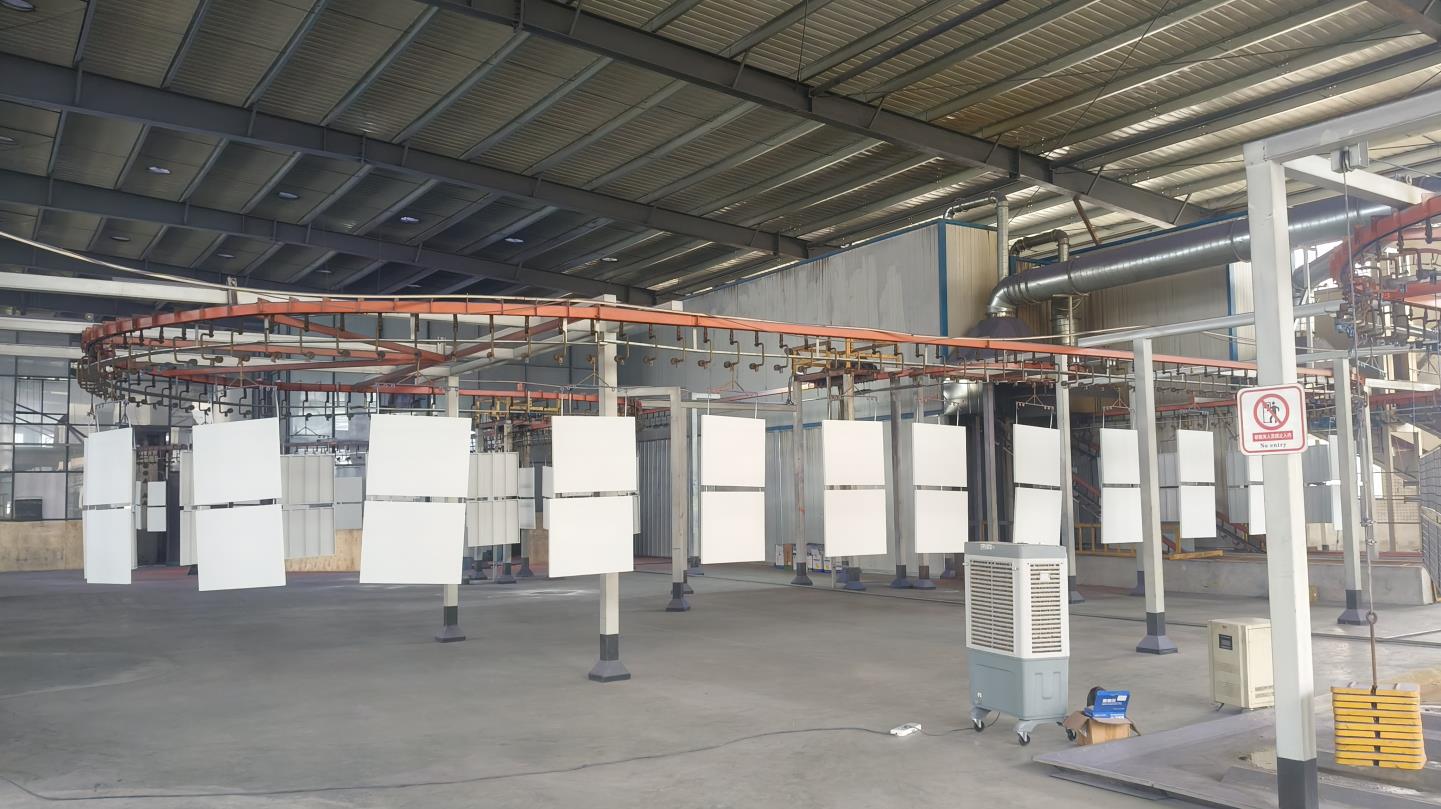
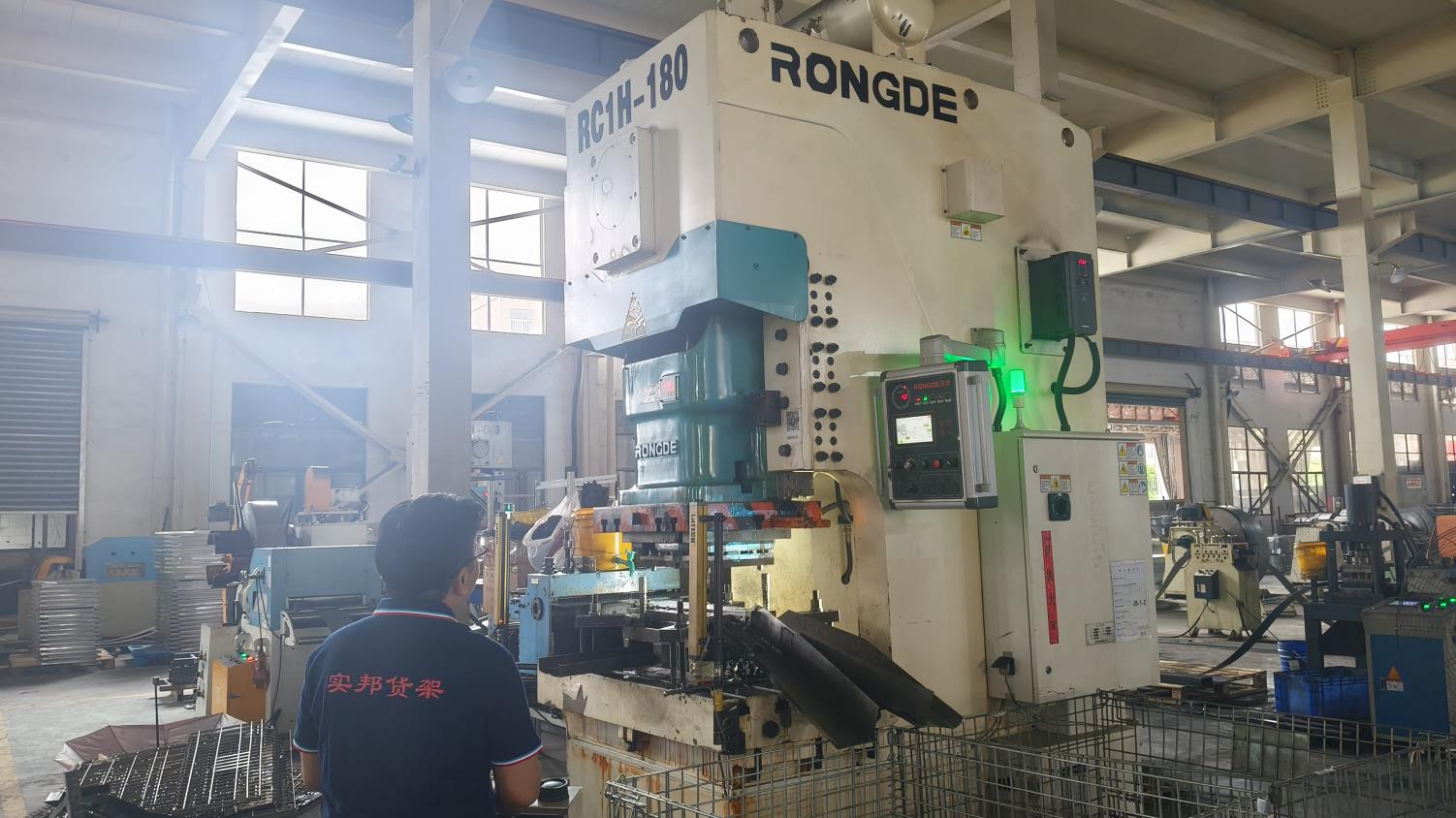
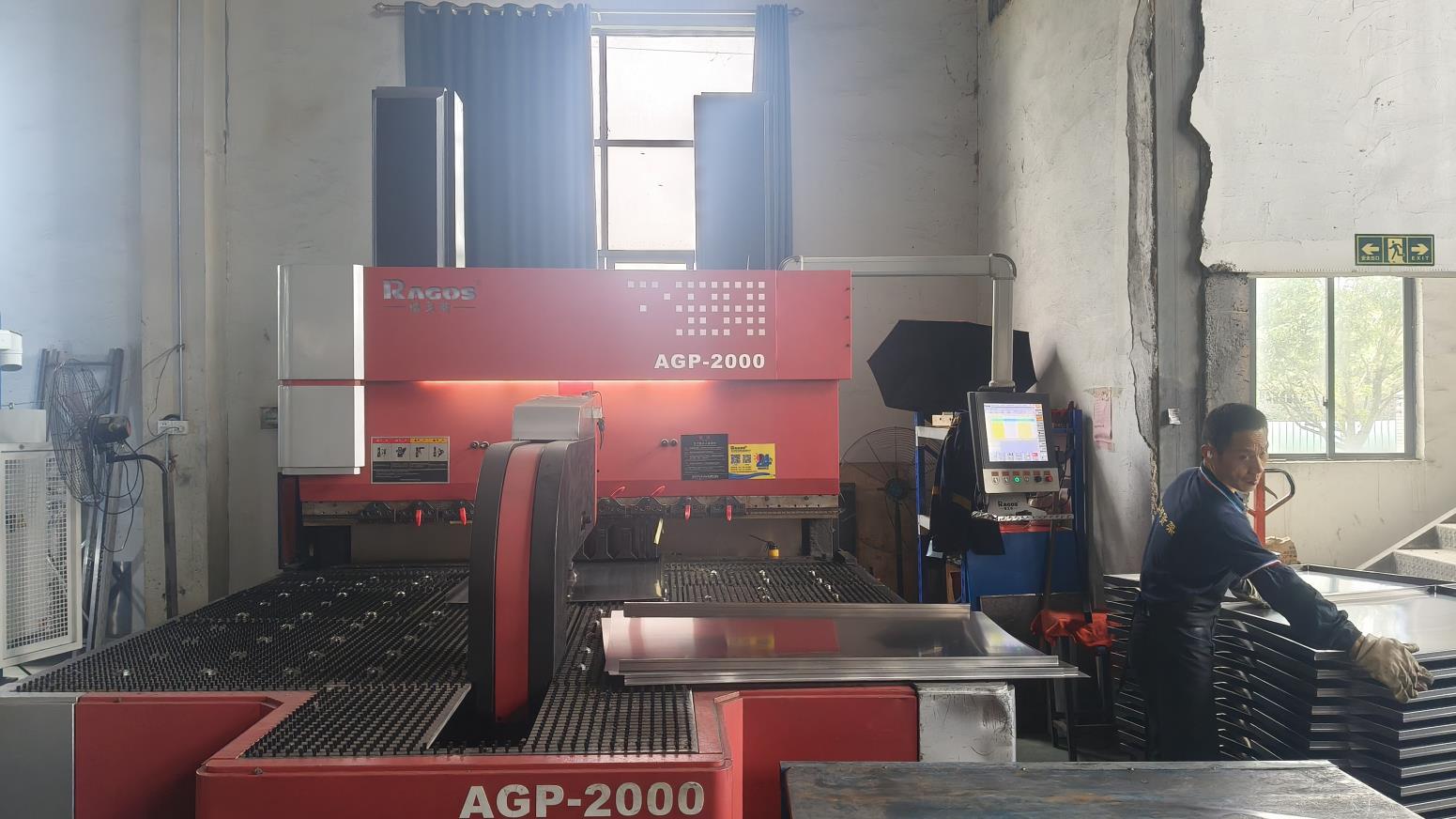
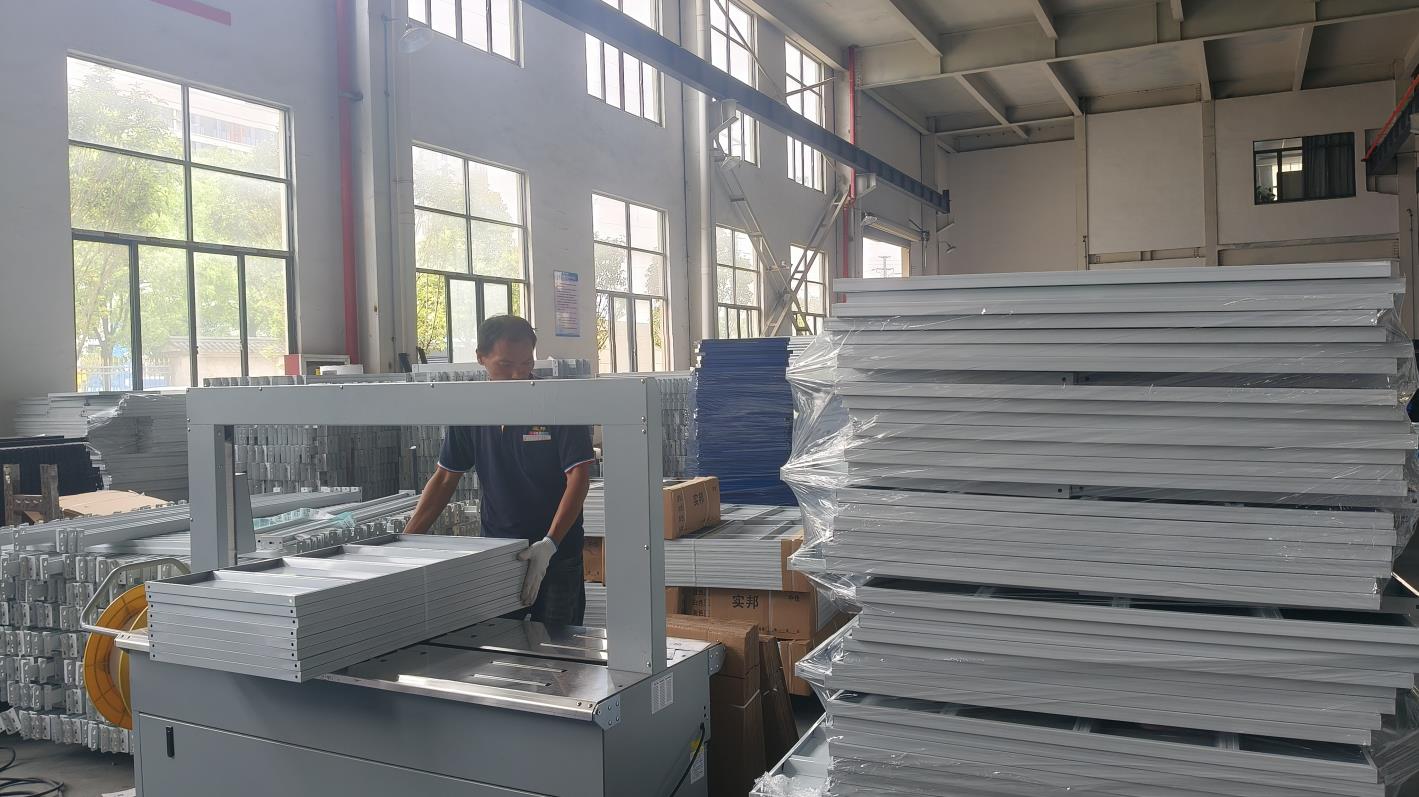
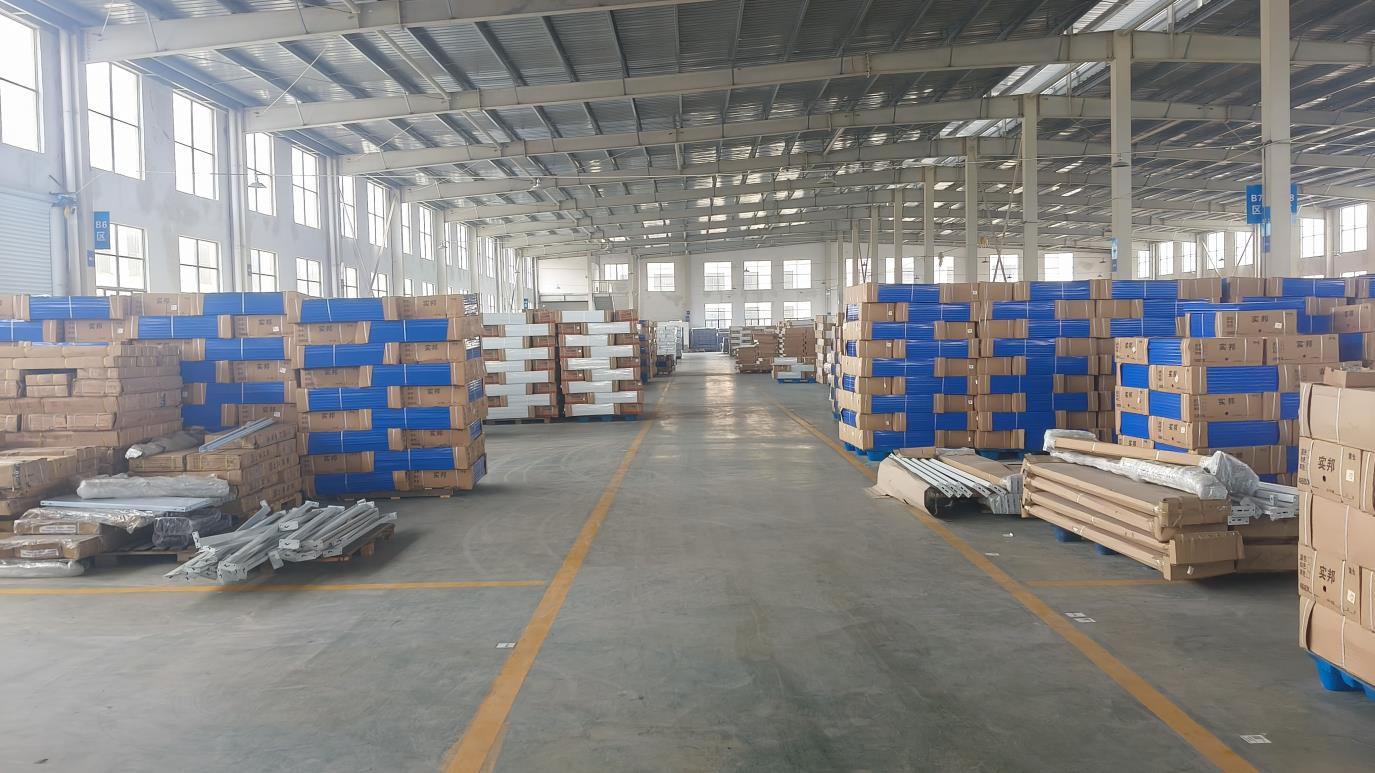
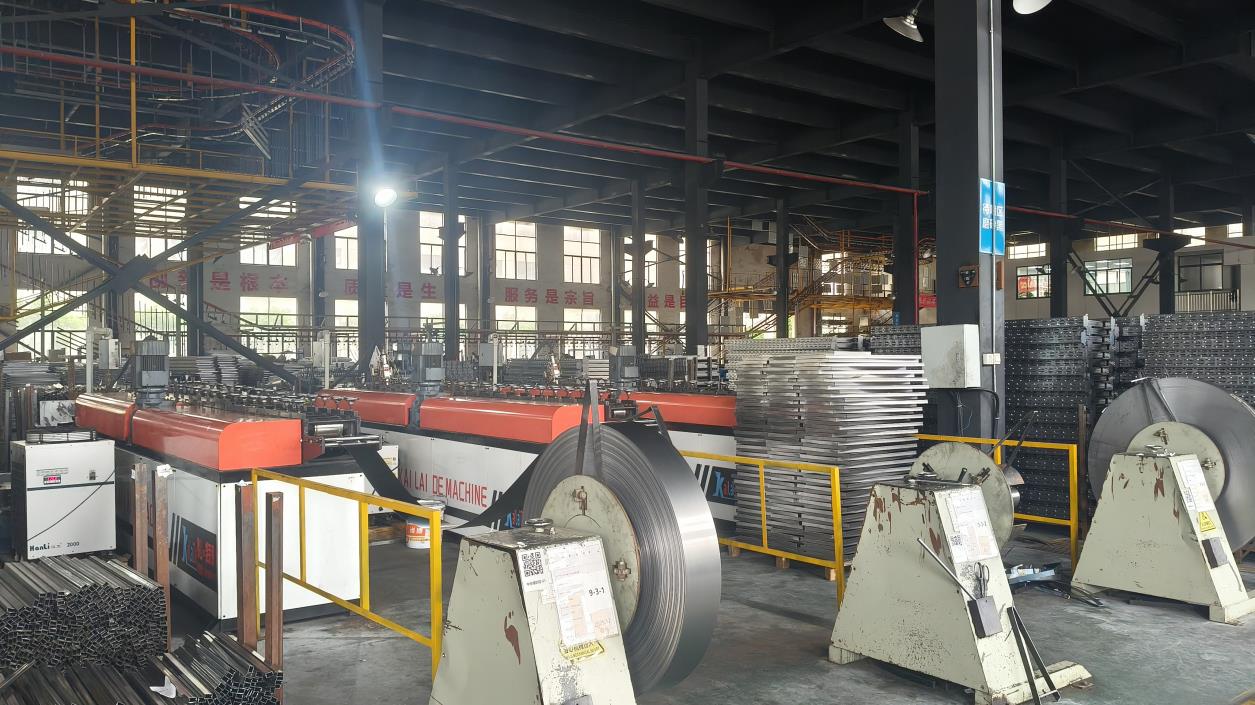
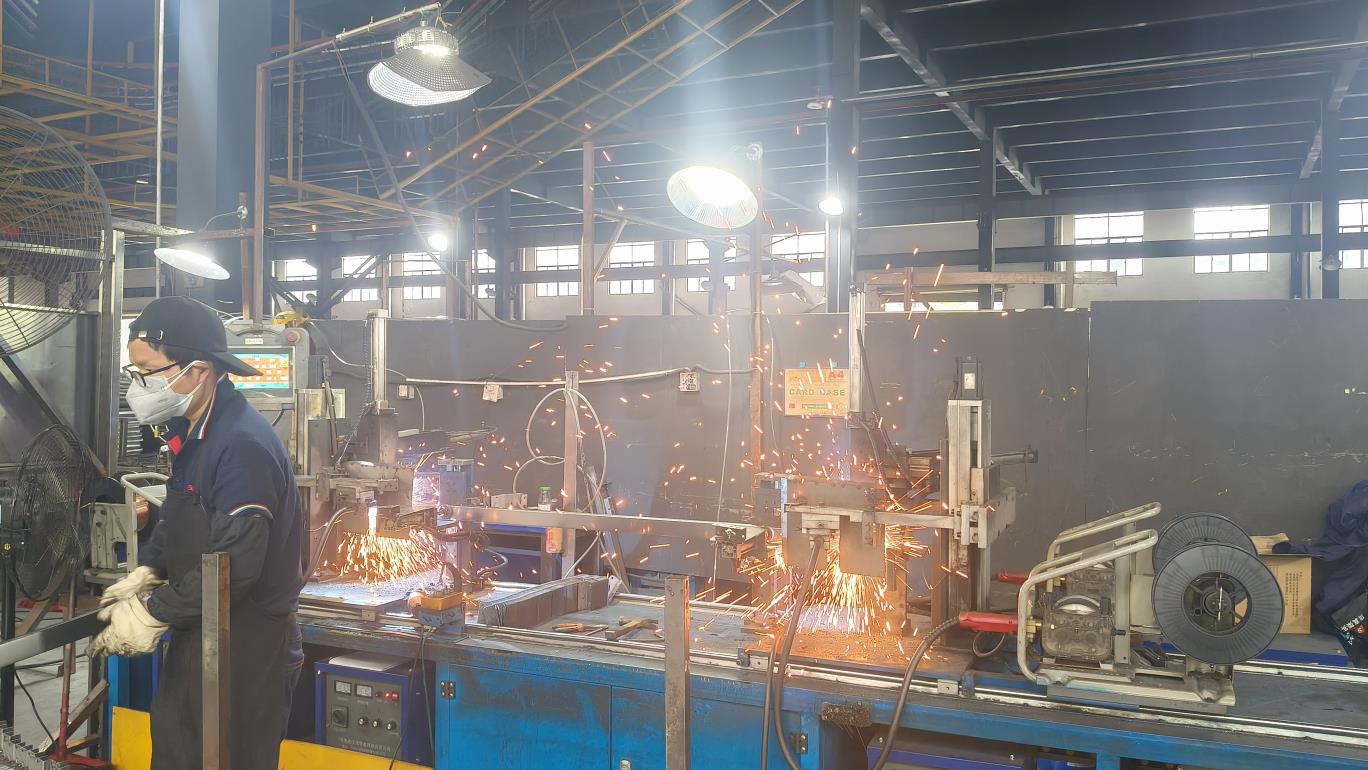
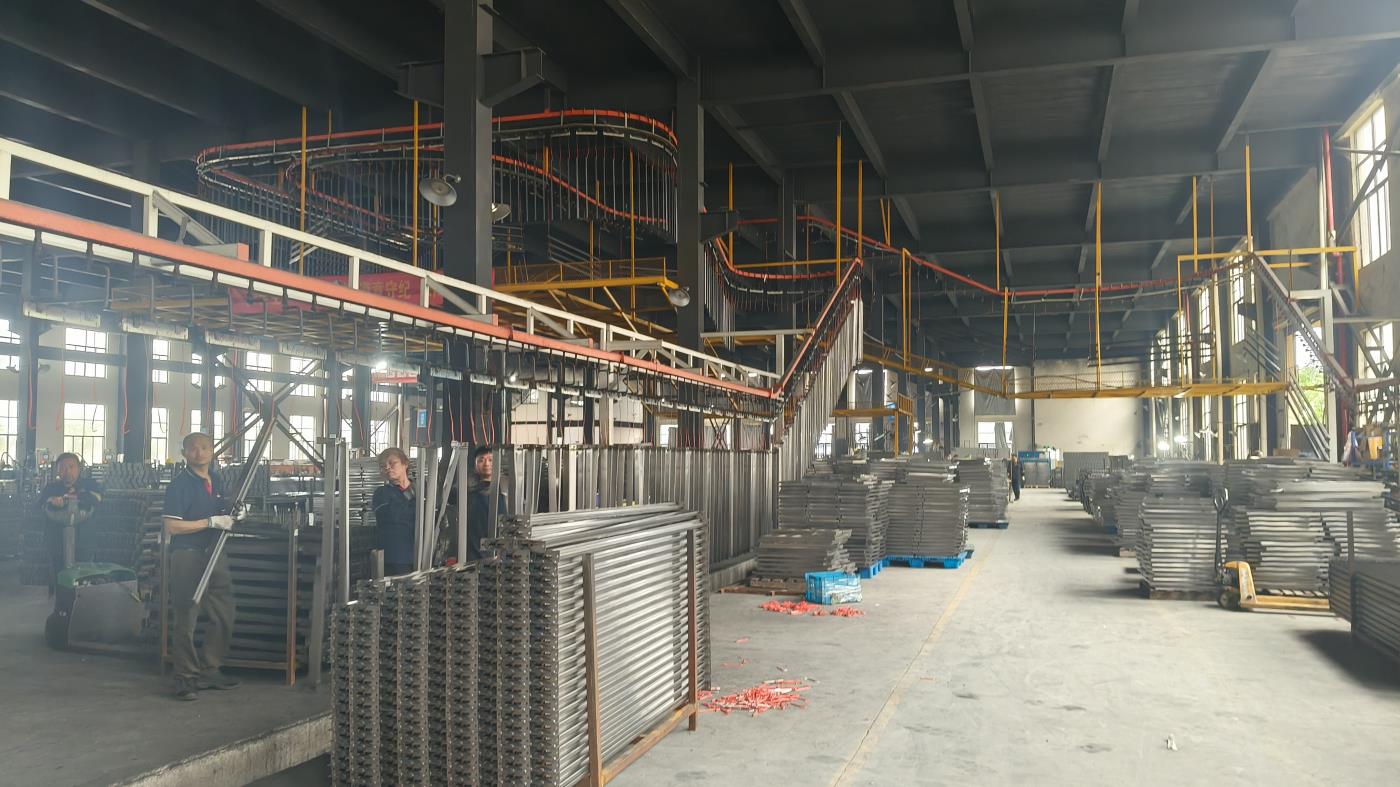
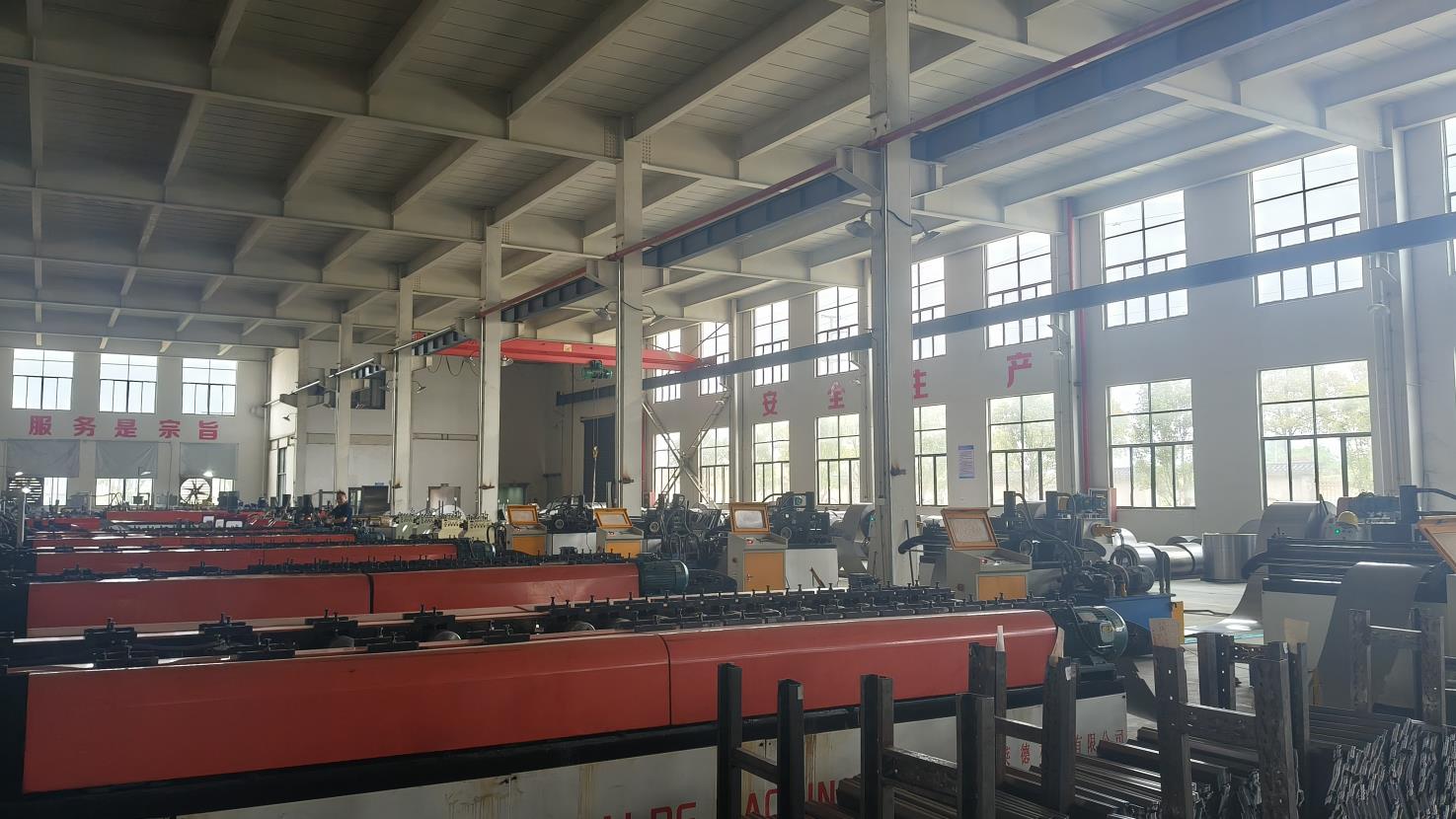
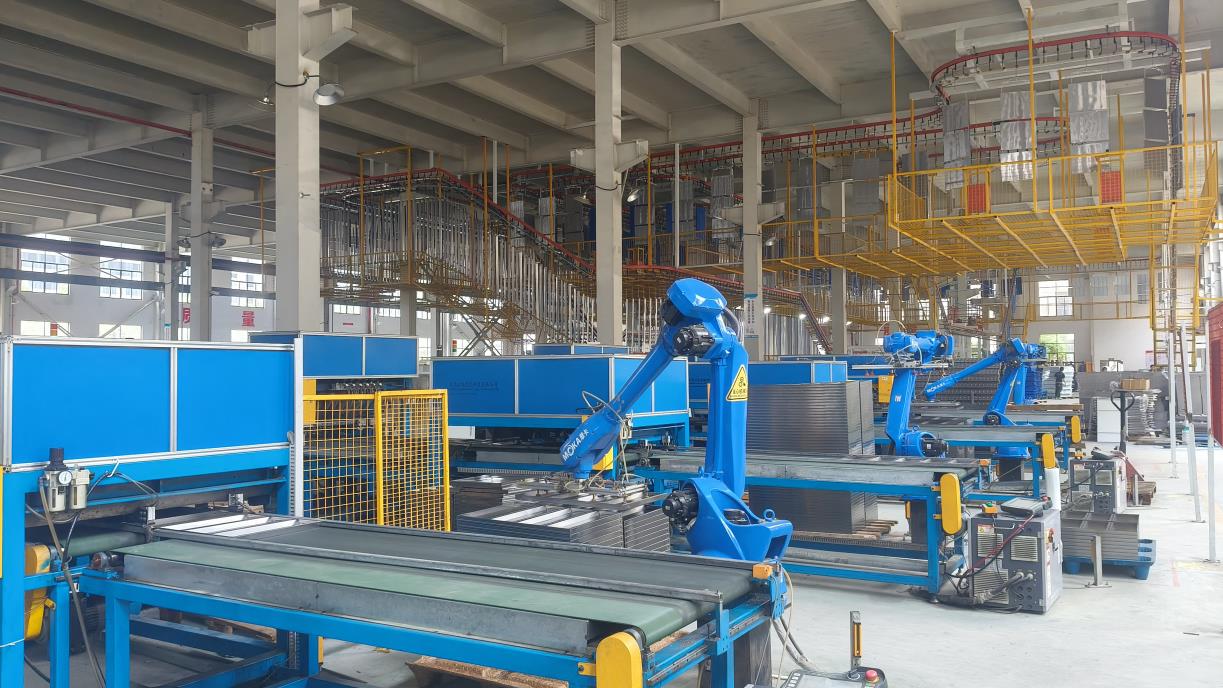
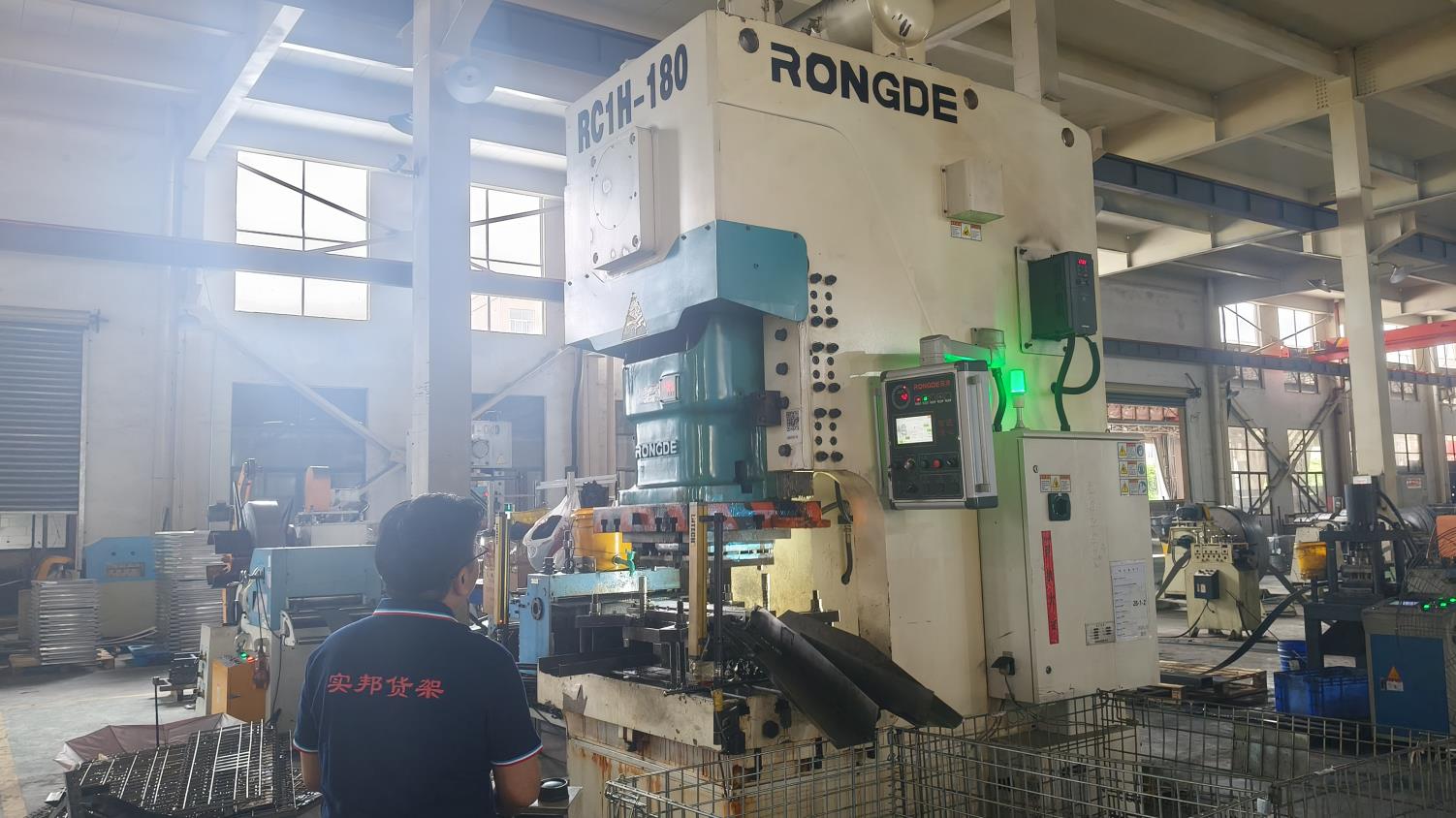
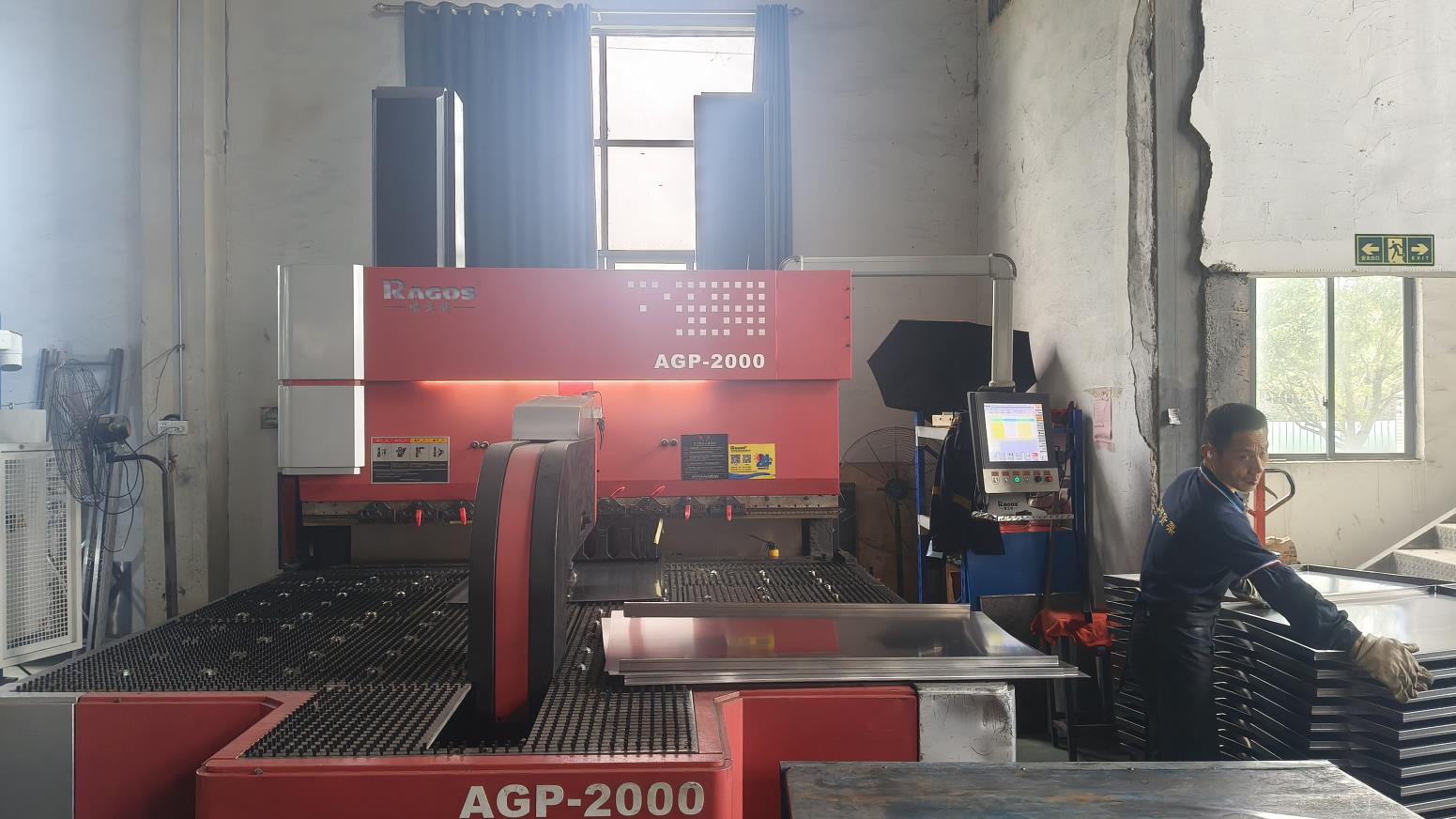
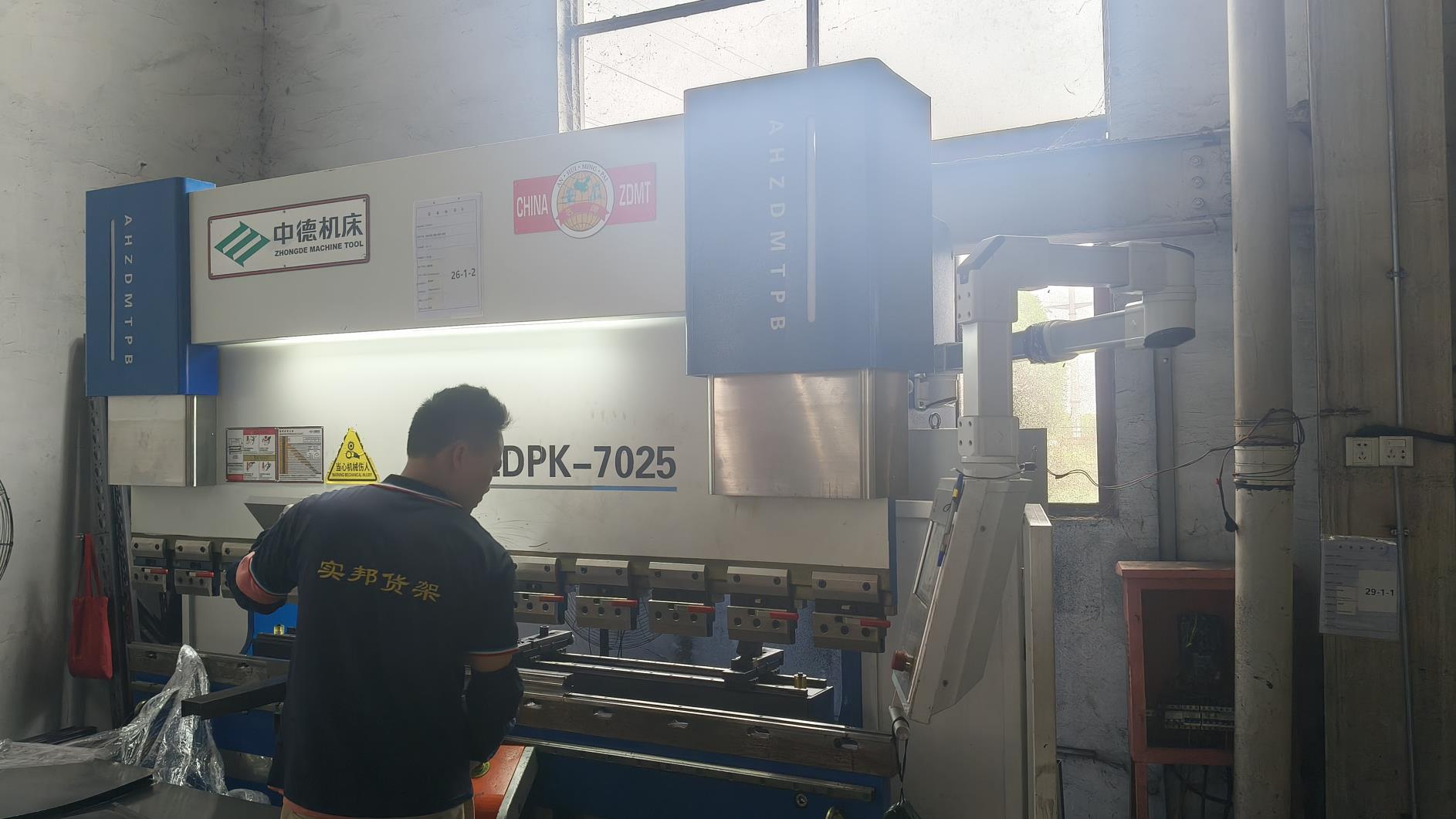
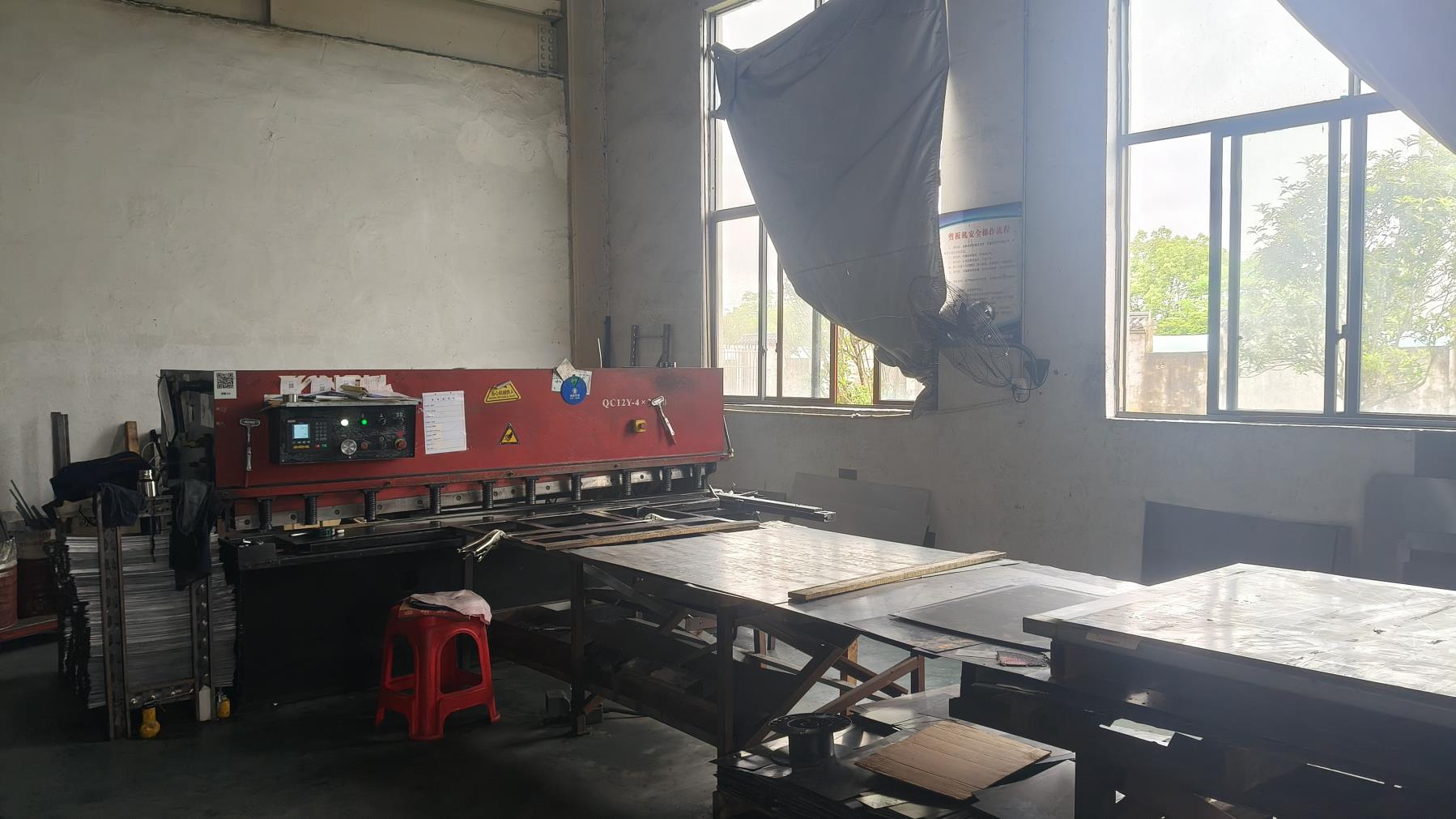
Quality control and technological innovation form the core of our operations. Our R&D team consists of 18 senior engineers, supported by 35 dedicated QC professionals. We implement structured product inspection protocols—including raw steel tensile testing, automated ultrasonic weld checking, static and dynamic load testing, and powder-coating salt spray endurance tests—ensuring compliance with international safety and durability standards. In the past year alone, our R&D unit successfully introduced 45 new product designs and structural optimizations.
We offer full structural customization options, providing tailored loading capacities, height configurations, beam profiles, and surface finishes (powder coating and hot-dip galvanizing) to meet exact warehouse specifications. Guided by engineering precision and trade reliability, Shenzhen Shibang Storage Rack Co., Ltd. continues to deliver safe, scalable, and optimized storage solutions for modern global supply chains.
Understanding local operational conditions allows us to tailor our 300KG structural shelving systems to meet the specific requirements of Tokyo-based enterprises:
As Tokyo logistics centers increasingly adopt automation, the physical storage racking system must evolve. Our design team focuses on integrating structural shelving with Autonomous Mobile Robots (AMRs) and Automated Storage and Retrieval Systems (ASRS). This requires tight tolerances, precision steel punch alignment, and high upright flatness, ensuring automated retrieval pickers can operate without misalignment.
Additionally, we study the integration of digital twin strain-gauge sensors into structural beams to monitor real-time deflection. This allows warehouse managers to receive instant alerts if load capacities exceed safe limits, preventing potential structural failures.
Direct factory-made steel shelving solutions featuring multi-tier configurations, powder-coated finishes, and structural load ratings.
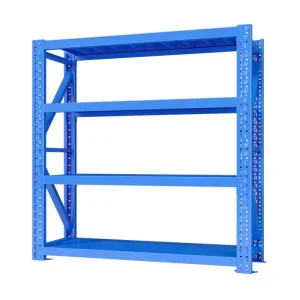
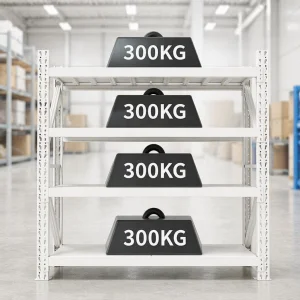
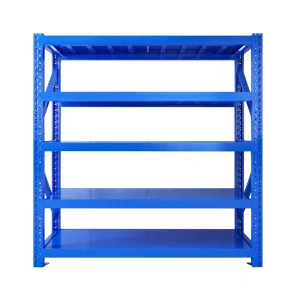
Technical details concerning structural testing, compliance, and custom orders for the Kanto industrial market.
 Shibang Steel