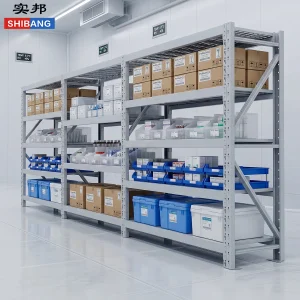
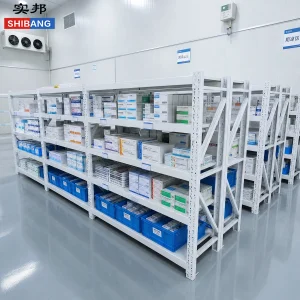
Engineered for extreme environments, heavy loading thresholds, and high-density warehouse efficiency.
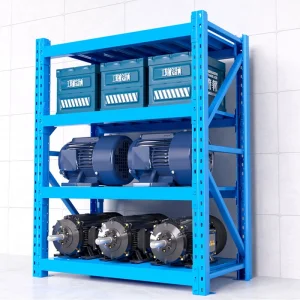
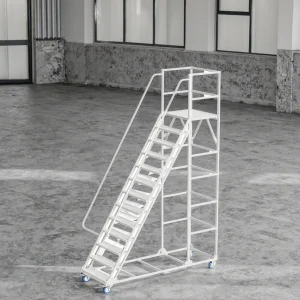
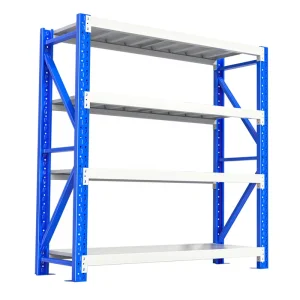
Modern industrial wire shelving has transitioned from simple utility structures to highly complex, specialized storage configurations integrated with smart warehouses, cold chains, and high-tech cleanroom facilities. Today's global supply chain relies on wire shelving to optimize vertical space while ensuring proper air circulation, minimizing dust collection, and maximizing ambient light visibility. These structural components are critical in cold-chain logistics, where restricted airflow translates to temperature fluctuations and increased energy expenditure.
Technological trends in material science have introduced high-tensile carbon steel alloys and specialized hybrid coatings, ensuring wire shelving systems withstand load capacities previously limited to solid steel racks while delivering superior rust mitigation.
Furthermore, the surge in global e-commerce and third-party logistics (3PL) centers has driven the requirement for modular, adjustable, and boltless structural designs. Quick adjustment mechanisms permit rapid reconfiguration of shelving levels to match varying product dimensions, reducing down-time in fast-paced fulfillment operations.
As warehouse facilities transition toward Autonomous Mobile Robots (AMRs) and Automated Storage and Retrieval Systems (AS/RS), the physical requirements of shelving systems have altered. Wire racks must now exhibit precise structural tolerances, perfectly level planar alignment, and predictable mechanical behaviors under dynamic load stresses. High-precision laser-welded frames have become the baseline standard for these automated environments.
Environmental compatibility is another vital evolution. While standard indoor storage utilizes bright chrome-plated surfaces, harsh cleanrooms, food processing plants, and pharmaceutical labs utilize electro-polished SUS304/SUS316 stainless steel or anti-microbial thermoset epoxy powder coatings. These specialized finishes inhibit the proliferation of bacterial contaminants and endure rigorous washdown procedures involving harsh chemical agents.
Established in 2015, Shenzhen Shibang Storage Rack Co., Ltd. is a leading manufacturer specializing in industrial racking systems and customized warehouse storage solutions. Operating from a modern production facility spanning 32,000 square meters, we integrate structural design, precision manufacturing, and international trade to serve a diverse global client base.
With over 12 years of industry expertise and 8 years of dedicated export experience, our products are distributed across North America, Europe, Australia, and Southeast Asia, generating over $18 million in annual export revenue. We primarily partner with industrial distributors, third-party logistics (3PL) providers, e-commerce fulfillment centers, and large-scale manufacturing enterprises. Supported by a robust network of over 800 supply chain partners, we ensure consistent raw material quality and efficient production timelines.
Quality control and technological innovation form the core of our operations. Our dynamic R&D team consists of 18 senior engineers, supported by 35 dedicated QC professionals. We implement rigorous product inspection protocols—including raw steel tensile testing, automated ultrasonic weld checking, static and dynamic load testing, and powder-coating salt spray endurance tests—ensuring compliance with international safety and durability standards.
In the past year alone, our R&D unit successfully introduced 45 new product designs and structural optimizations. We offer full structural customization options, providing tailored loading capacities, height configurations, beam profiles, and surface finishes (powder coating and hot-dip galvanizing) to meet exact warehouse specifications. Guided by engineering precision and trade reliability, Shenzhen Shibang Storage Rack Co., Ltd. continues to deliver safe, scalable, and optimized storage solutions for modern global supply chains.
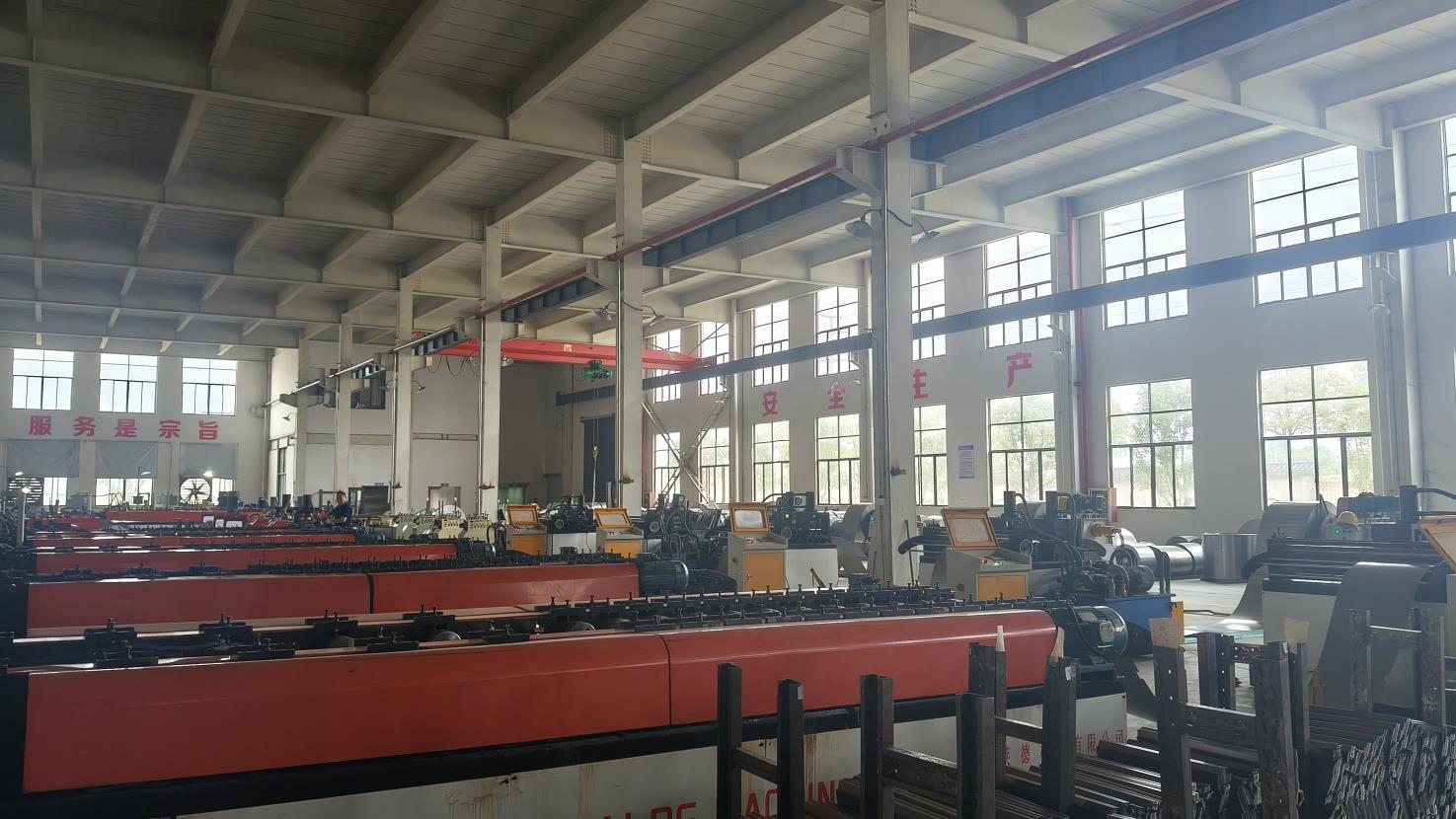
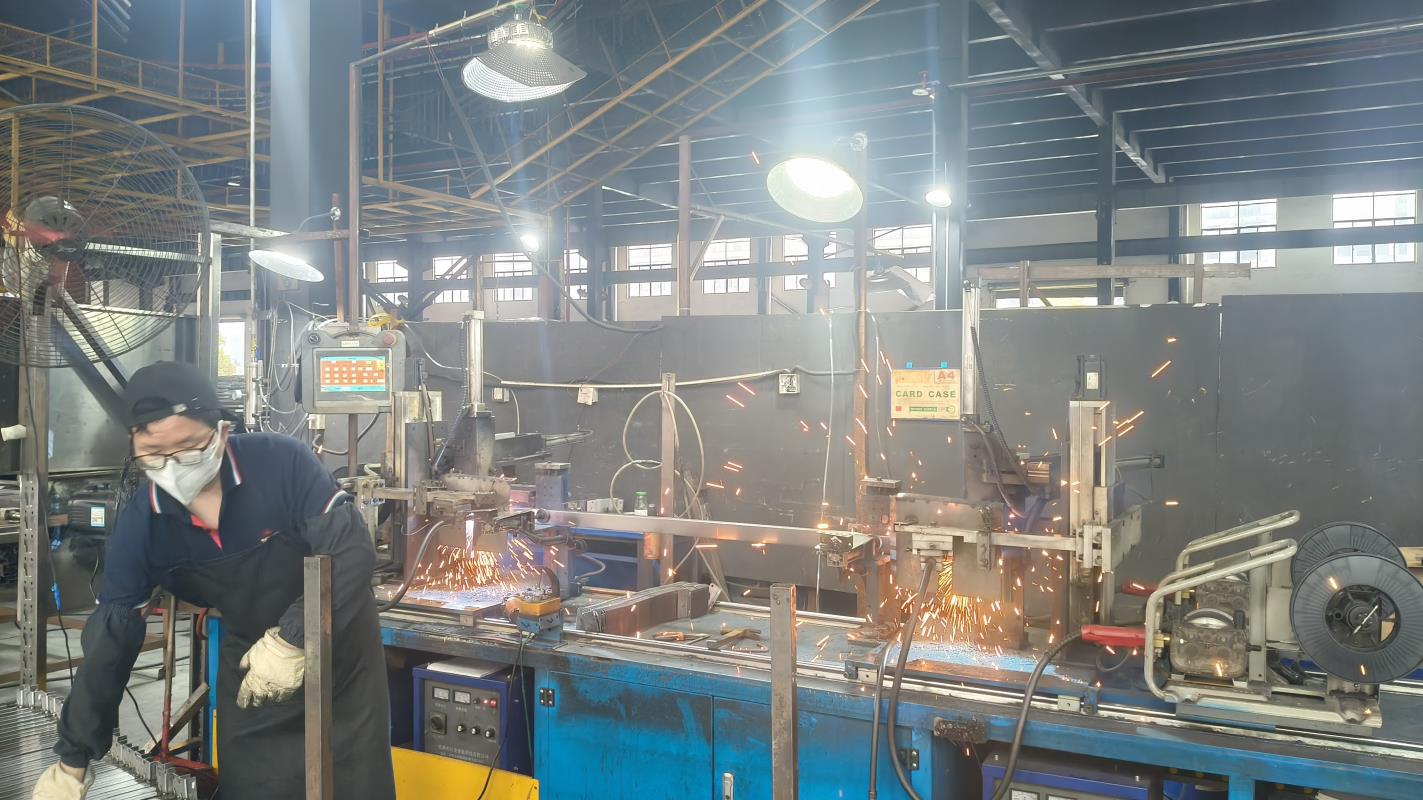
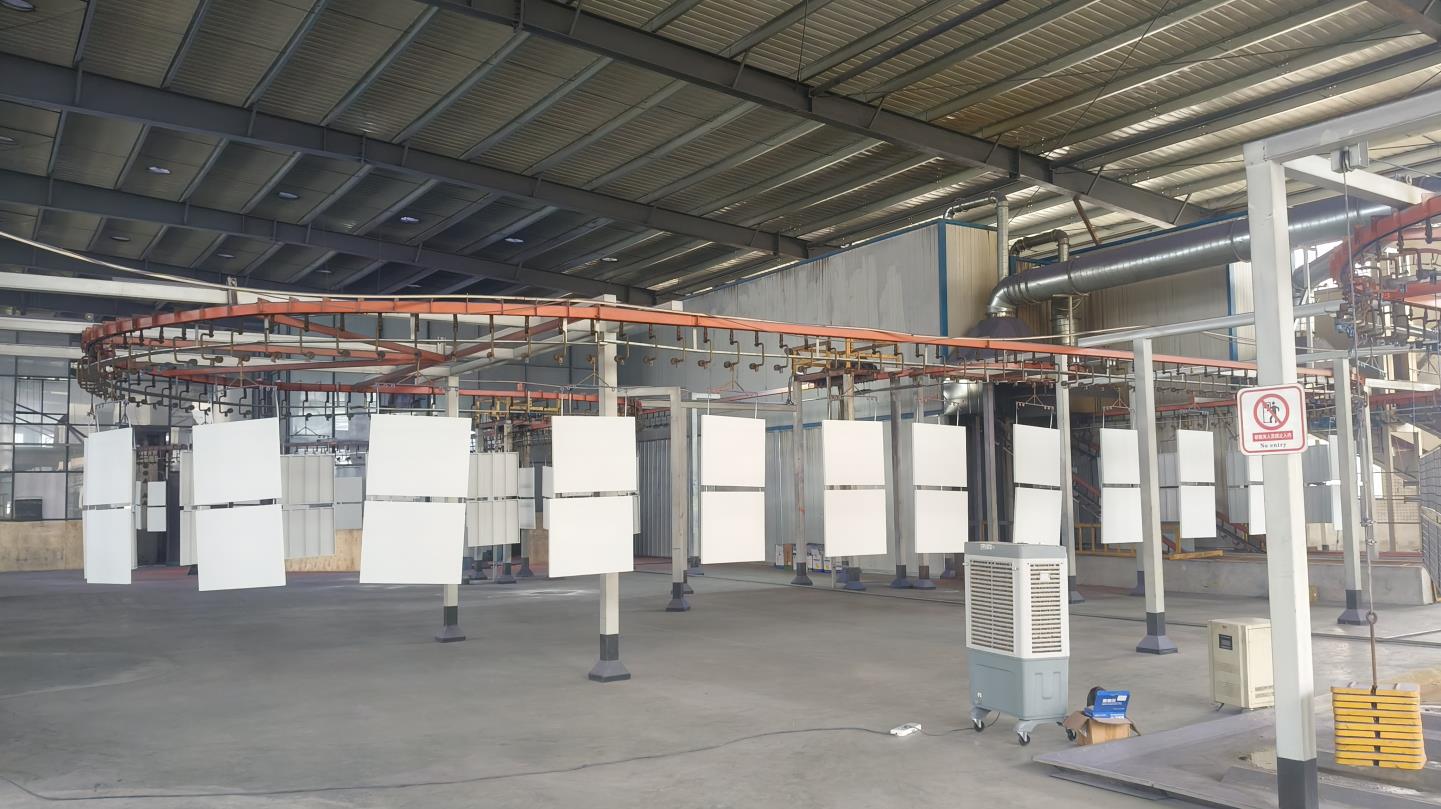
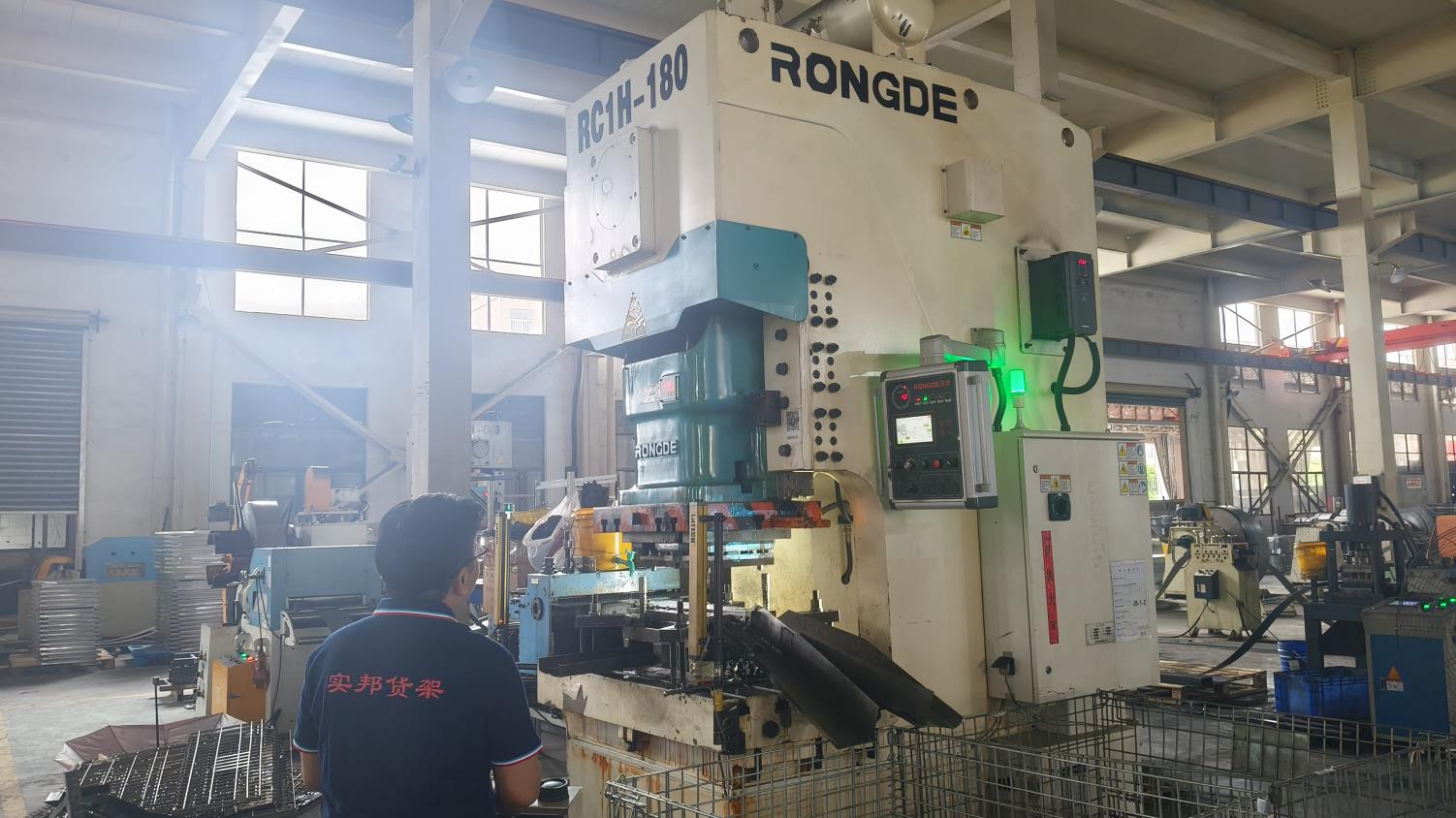
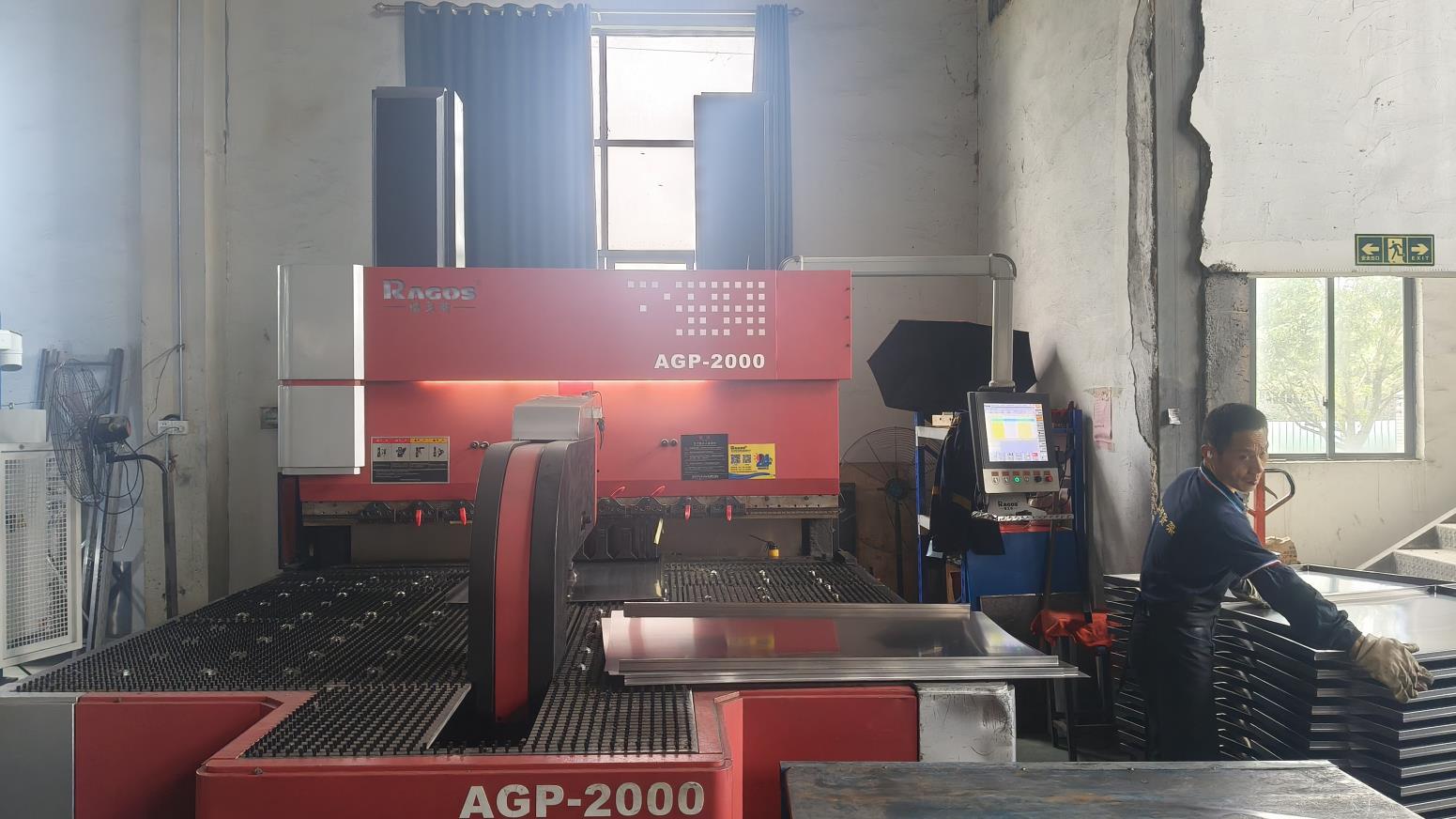
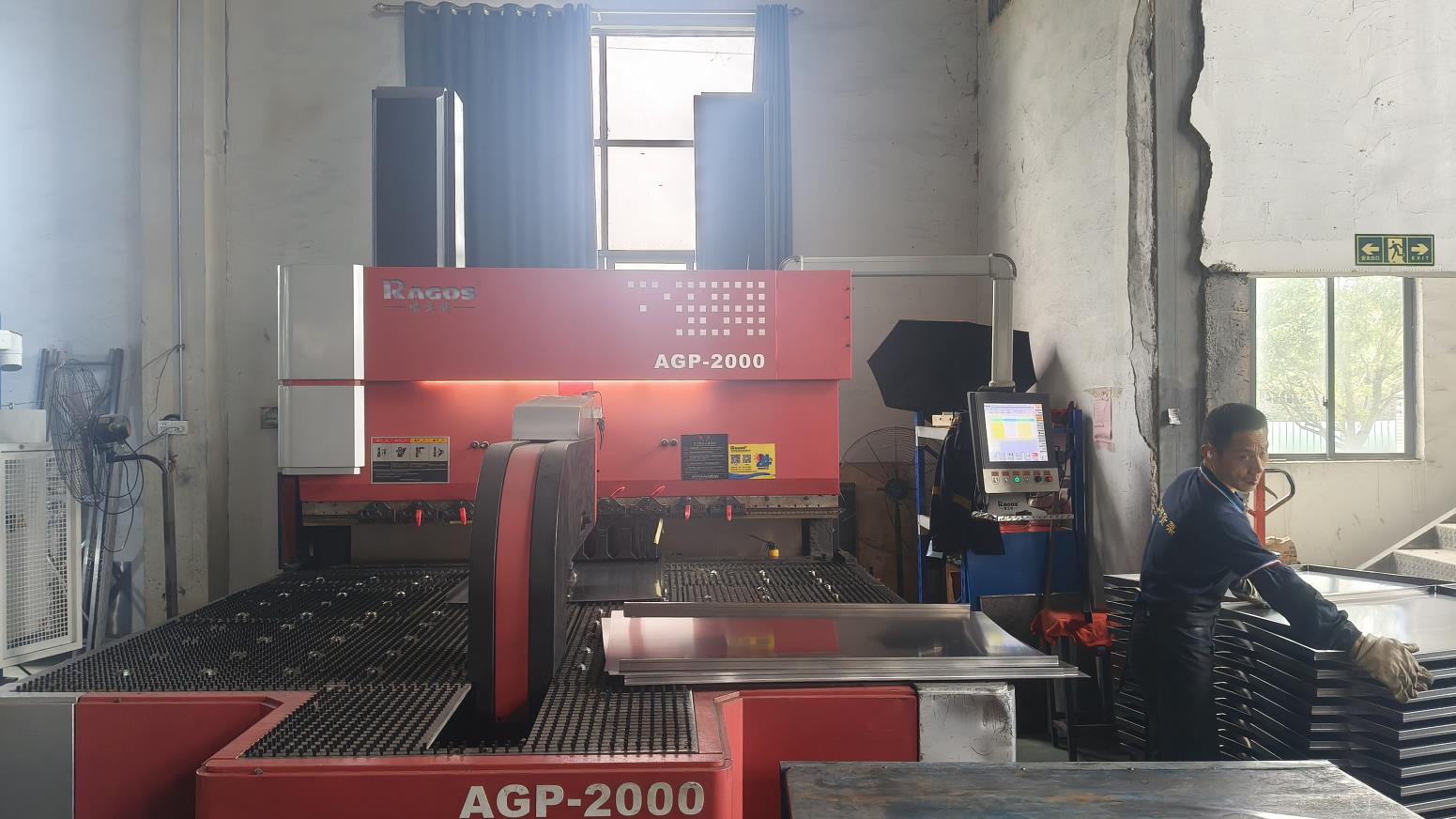
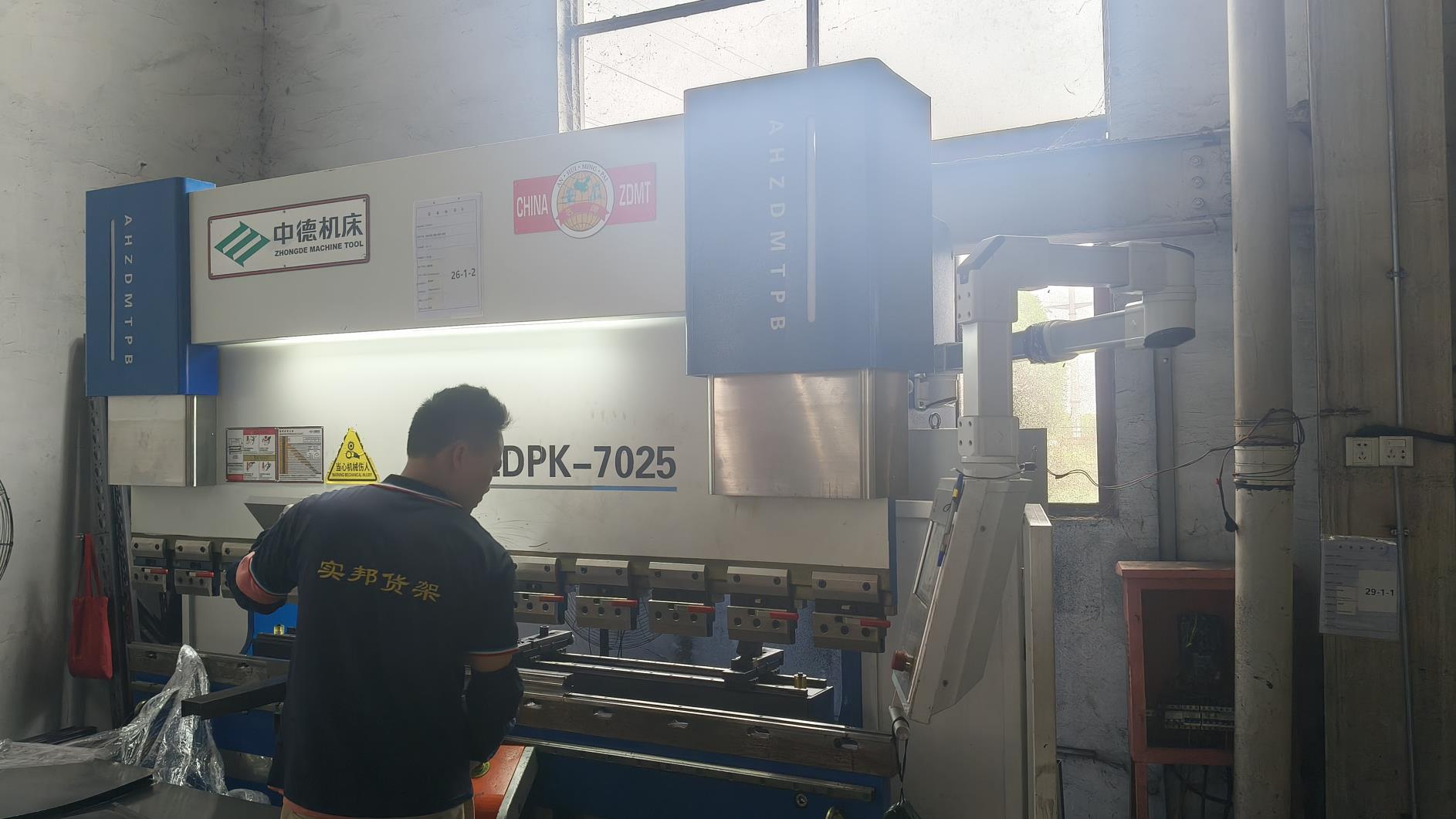
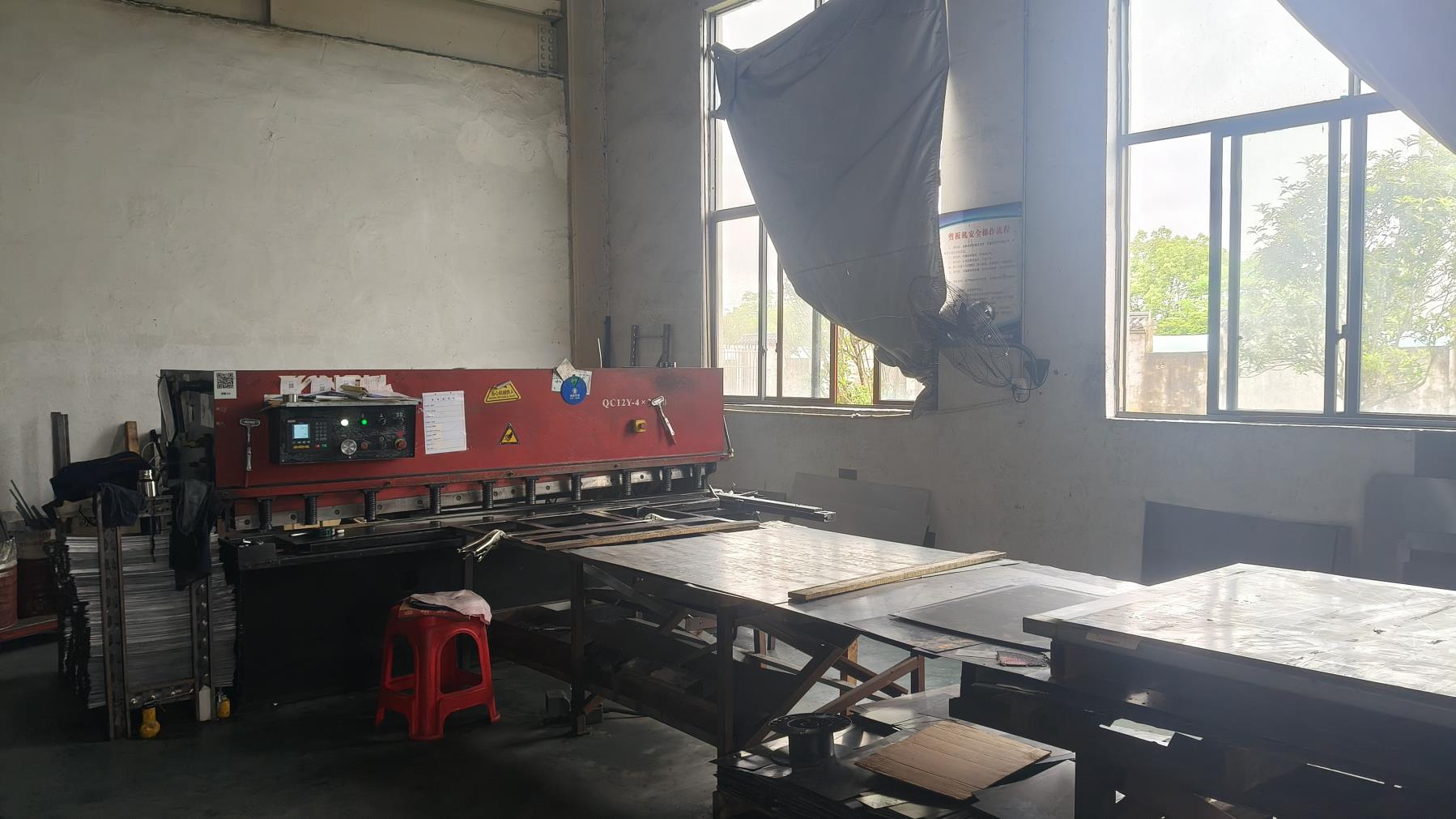
Every component undergoes stringent mechanical treatment within our end-to-end manufacturing workflow.
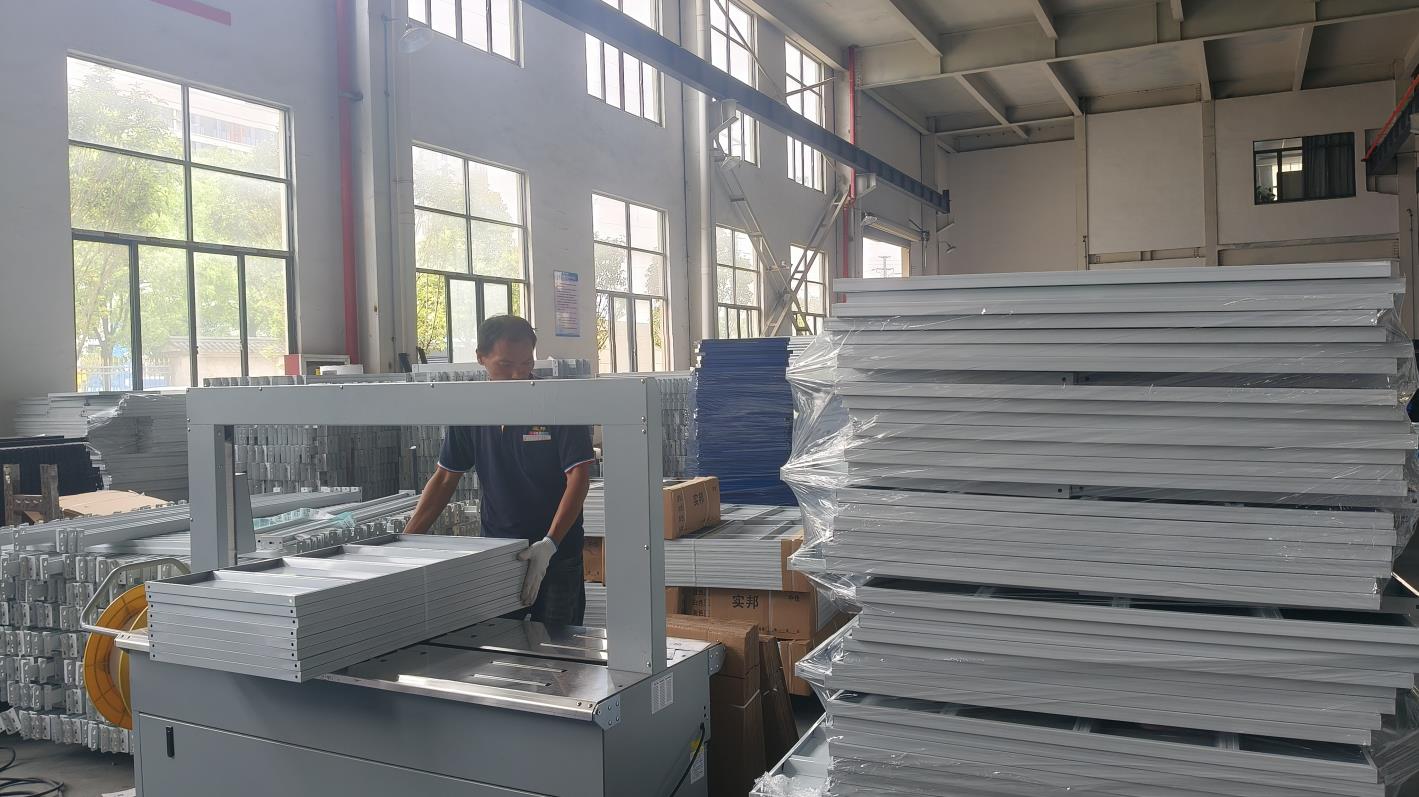
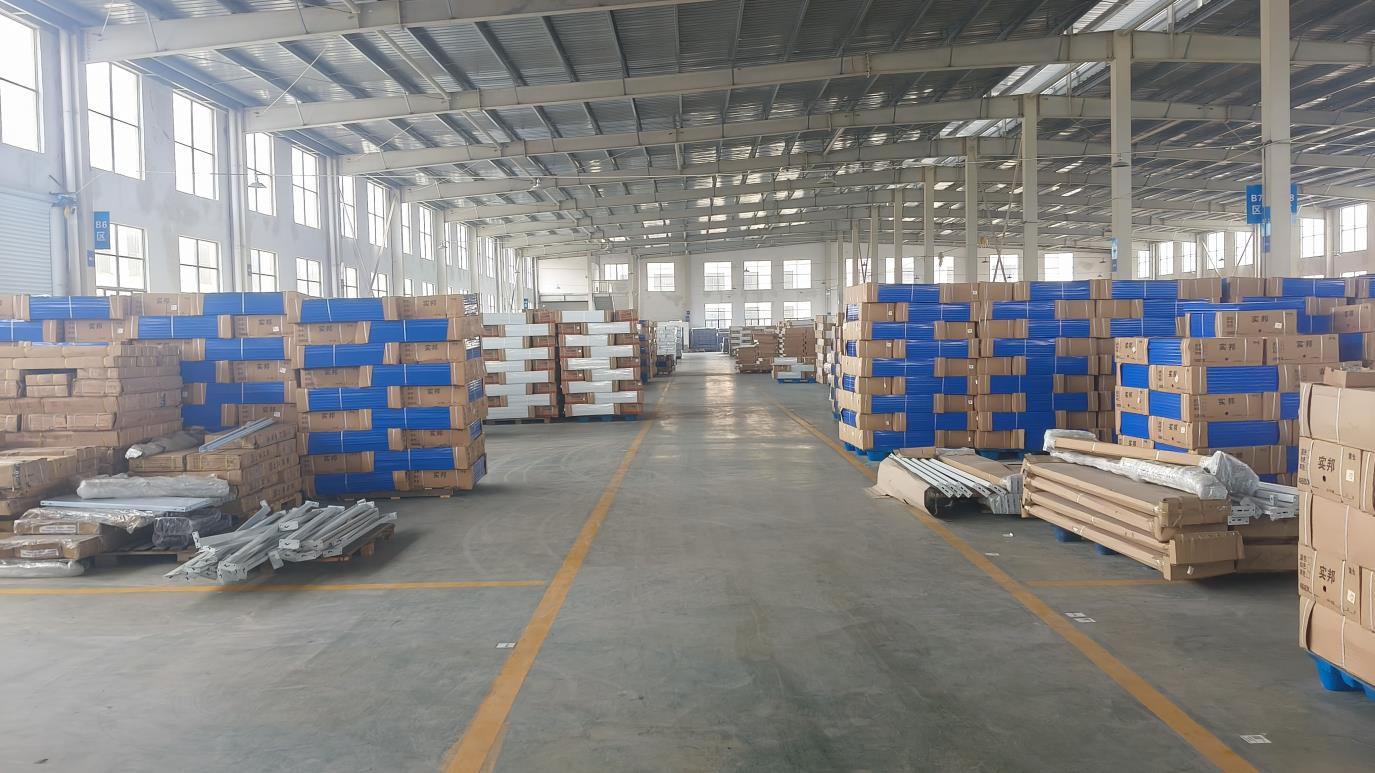
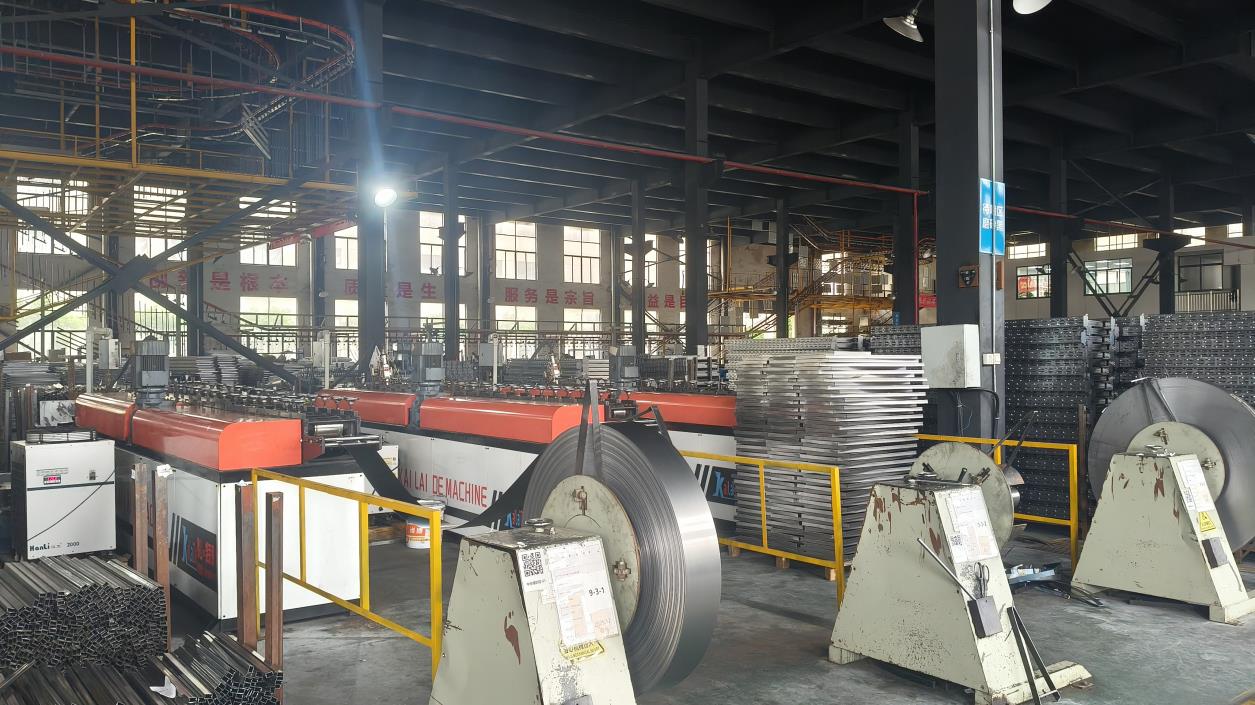
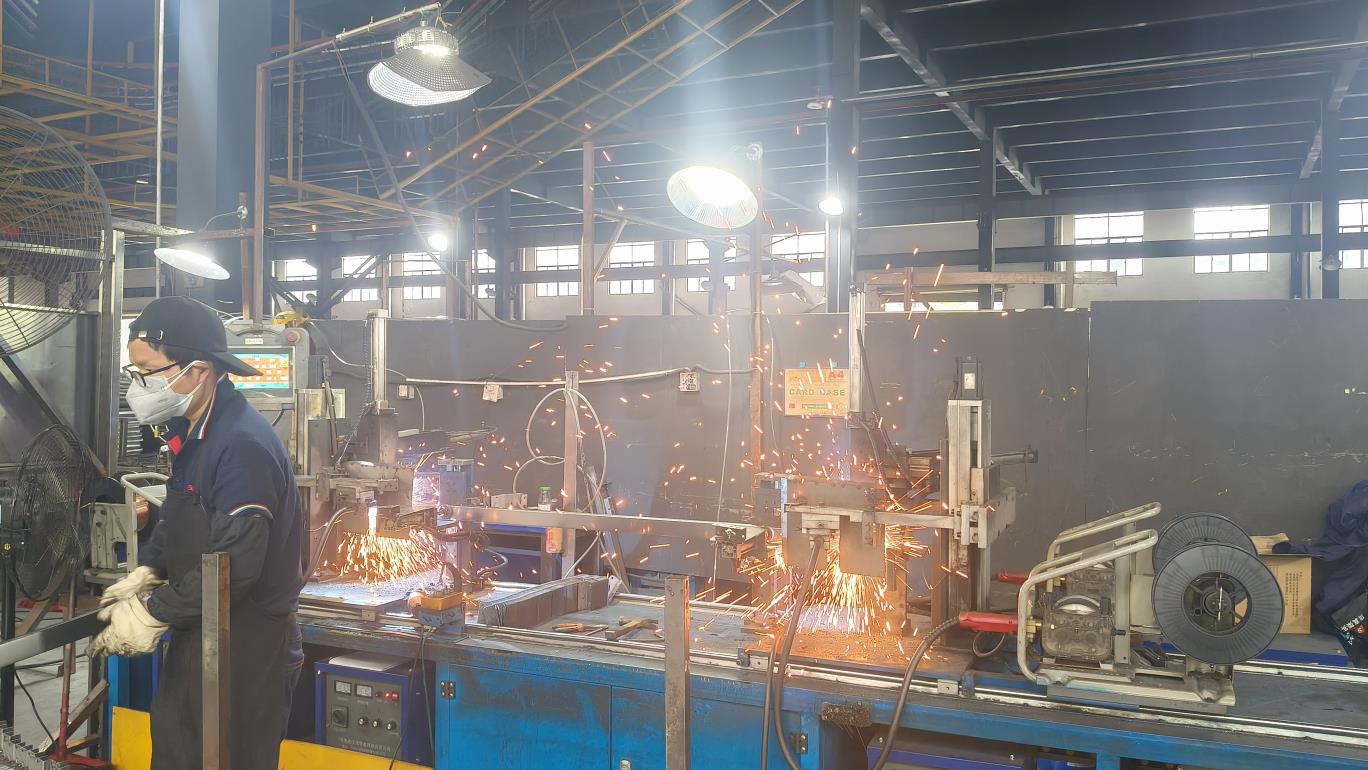
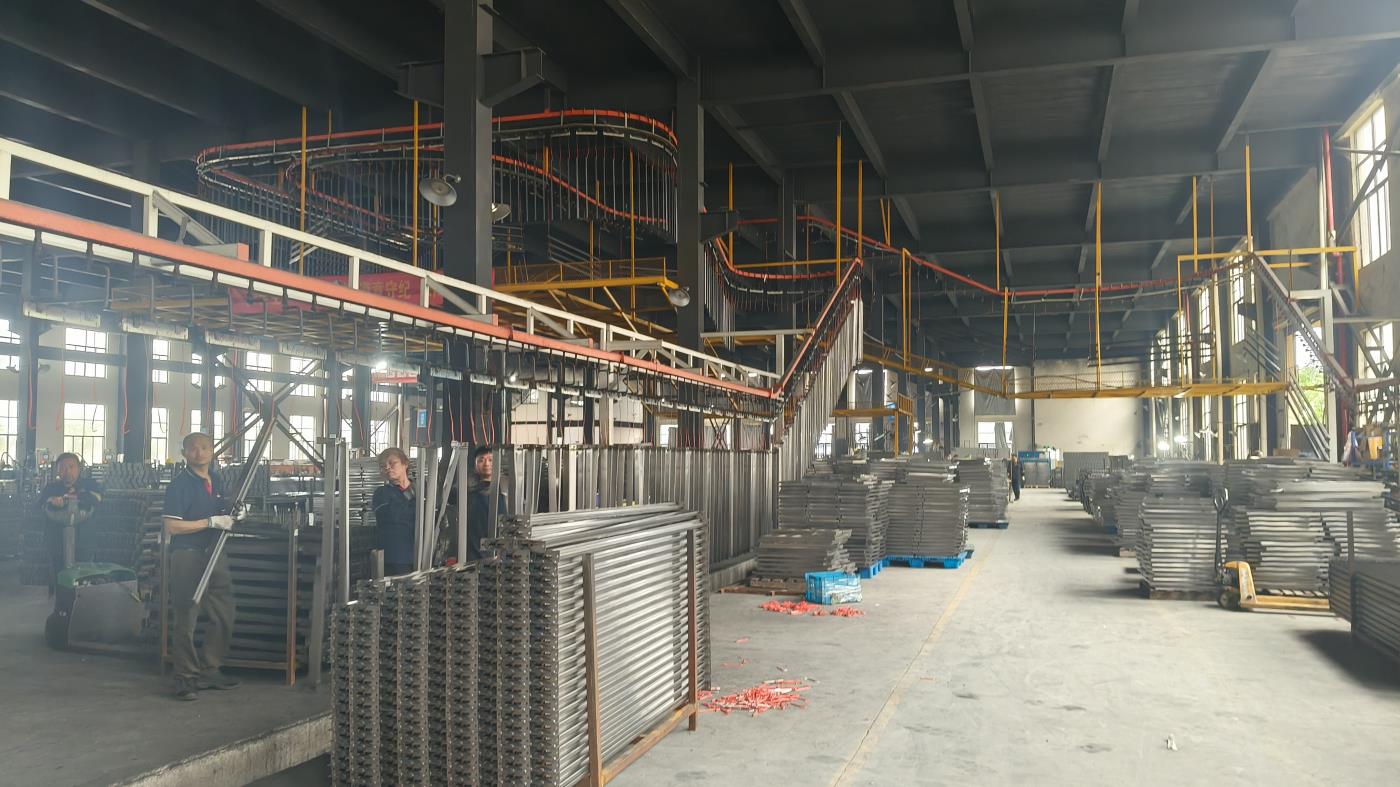
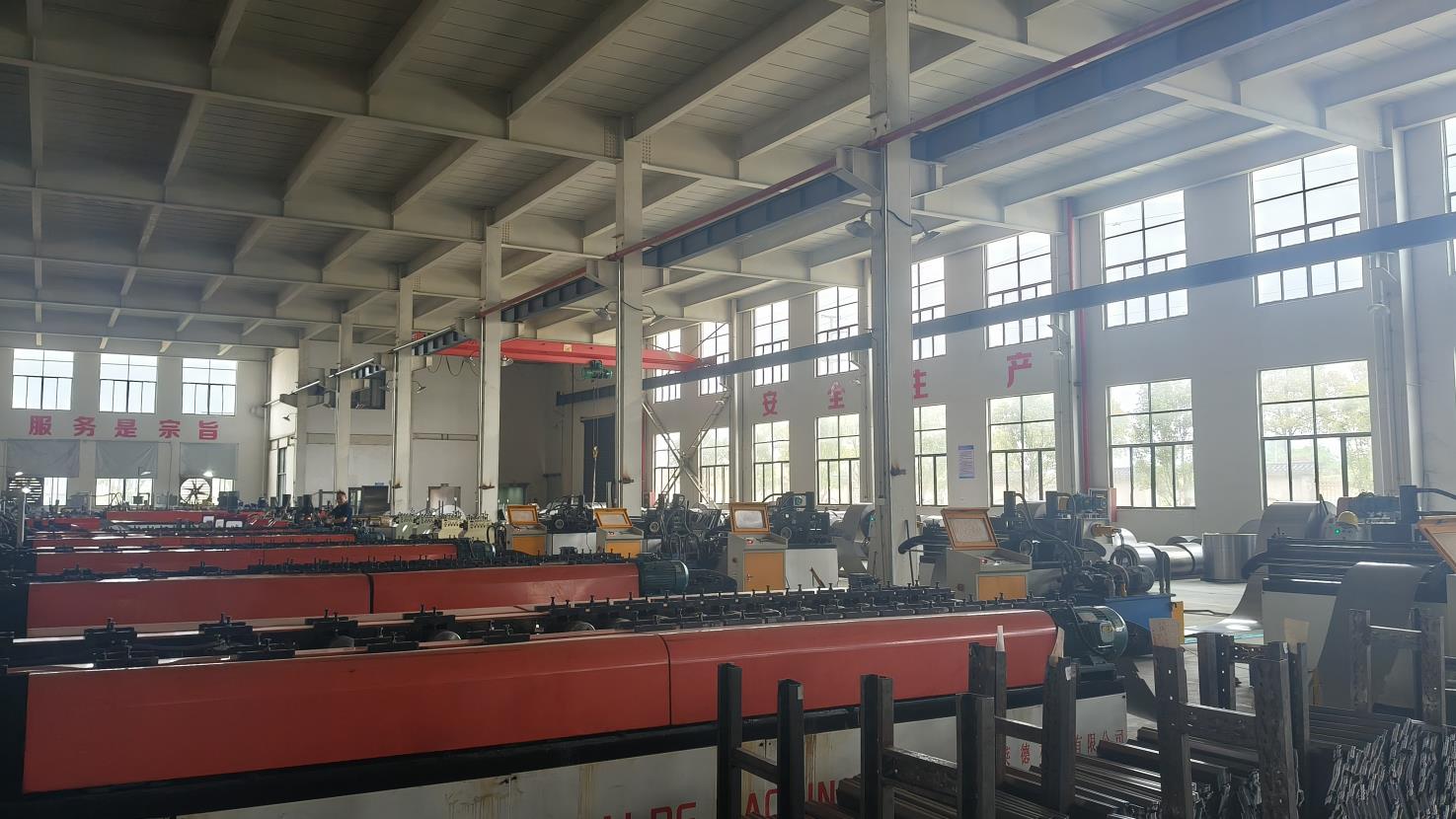
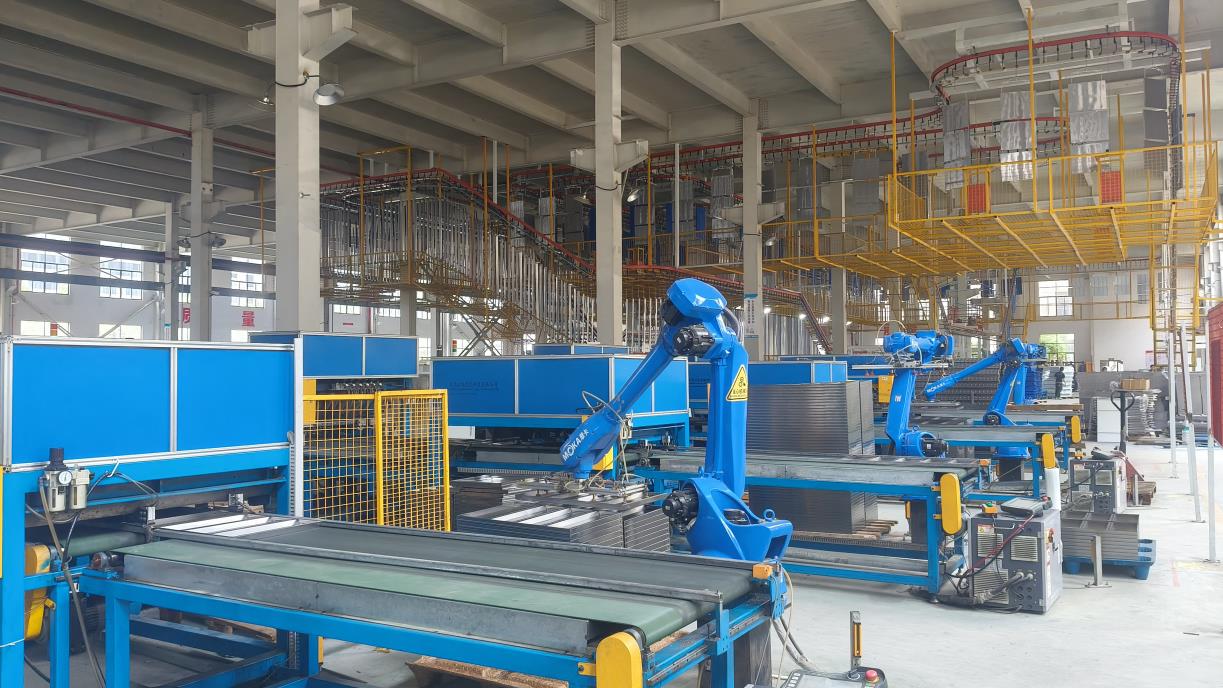
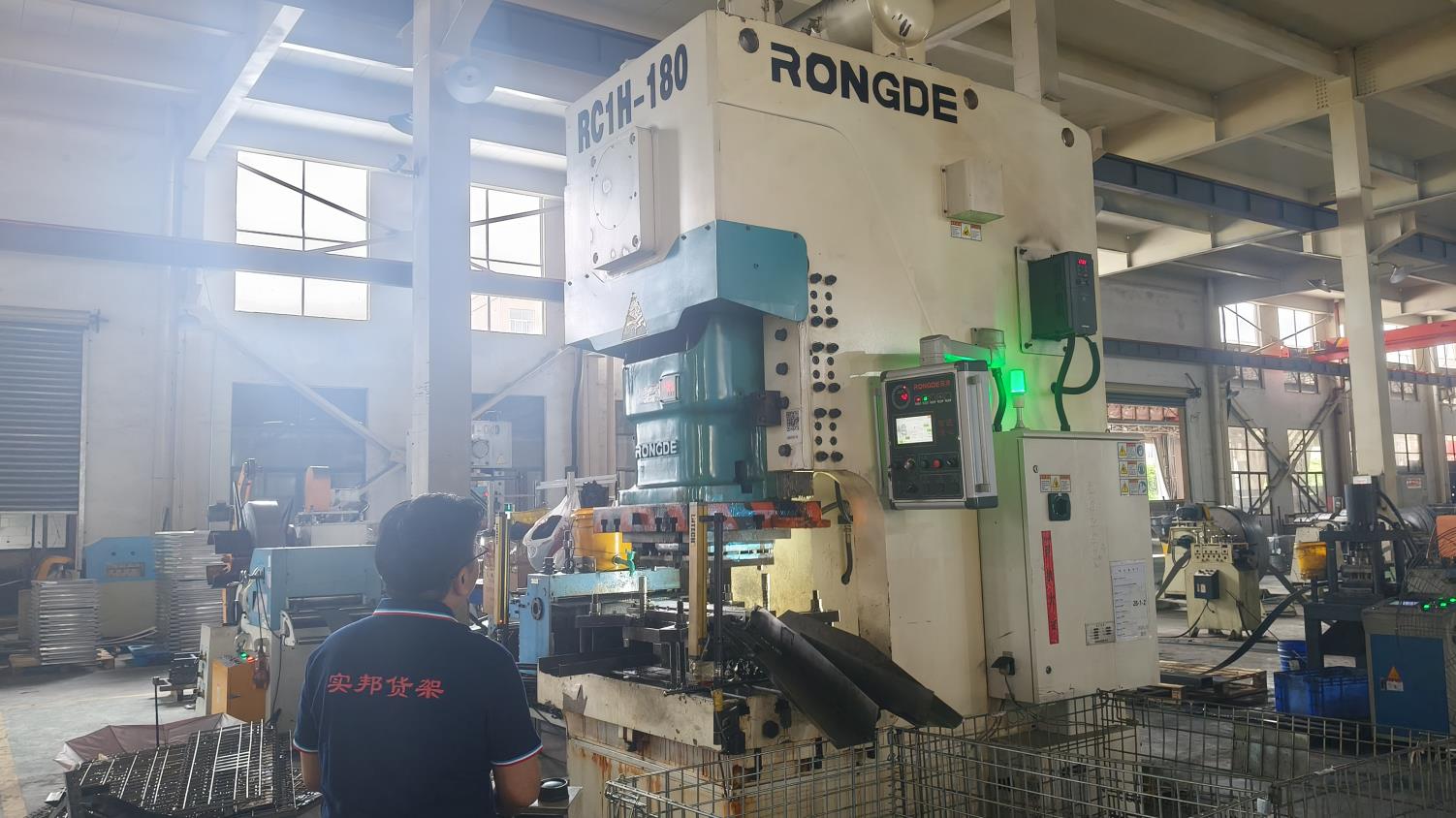
Industrial procurement departments faces multiple challenges when selecting global storage vendors. Key issues include verifying structural load declarations, guaranteeing dimensional consistency, securing supply chain resilience, and ensuring strict compliance with local regulatory frameworks. Many suppliers state safe load levels under optimal situations, but structural degradation under real industrial conditions can cause racking collapse.
Our engineering division addresses raw material variability by sourcing certified structural carbon steel. We execute continuous testing to verify mechanical parameters before starting cold-rolling and wire-drawing procedures.
Additionally, modern supply chains require fast delivery cycles and localized customer care. Procurement professionals look for vendors that offer end-to-end integration—from engineering drawing validation and customized prototyping to global freight navigation and documentation support.
Sourcing wire shelving systems requires focusing on the Total Cost of Ownership (TCO) rather than the raw acquisition cost. Substandard wire diameters, poorly applied plating, or inadequate welding points can lead to accelerated deformation, surface oxidation, and early system failure.
Shenzhen Shibang addresses these risks through structural optimizations. Utilizing finite element analysis (FEA), we calculate exact stress distributions on deck surfaces, wire intersections, and support trusses. This approach allows us to place reinforcement channels where load concentration peaks, optimizing material usage without compromising structural capacity.
Custom engineering applied to global sectors, addressing compliance and functional specifications.
High-density multi-level shelving with boltless layouts for rapid manual and robotic picking, adaptable to fast-moving SKU dynamics.
Specially formulated epoxy and hot-dip galvanized wire shelving configurations designed to resist moisture and prevent mold formation.
Electro-polished SUS304 stainless steel structures compliant with FDA and NSF requirements, preventing surface particulate accumulation.
Working with global markets requires adhering to local safety standards. Our product portfolios conform to regional specifications, including ANSI/RMI MH16.1 in North America, EN 15512 codes in the European Union, and AS 4084 guidelines in Australia. Keeping aligned with these regulations ensures that our industrial systems pass local workplace safety inspections.
Our quality management workflow is ISO 9001 certified. We enforce structural trace-ability from raw steel coil receipts to finished goods shipping.
We recognize the logistics requirements of our international partners. For this reason, Shenzhen Shibang coordinates container packing optimization to reduce shipping damage and lower freight expenses. We supply clear structural schematics and installation drawings, enabling smooth installation by local setup crews.
To support high-precision projects, we also provide CAD layout planning and engineering consultation services. This guarantees that before any steel components enter production, the shelving layout maximizes footprint utilization and integrates with overhead sprinklers, HVAC pathways, and lighting layouts.
As smart warehousing moves toward fully automated logistics hubs, Shenzhen Shibang is adapting our product designs for integration with robotic automation. We are developing wire shelving profiles with unified barcode and RFID integration channels, enabling automated sensors to track inventory positions down to the individual shelf bay.
Our long-term R&D plan prioritizes carbon reduction. By employing high-strength low-alloy (HSLA) steel, we can reduce overall steel volume by 12% while maintaining structural load capacities.
Our manufacturing facility continues to transition to fully automated robotic welding cells. Automated production minimizes welding variations and ensures that every deck seam exhibits uniform weld penetration and high shear strength. This reduces structural weak points and extends the service life of our racking under heavy cyclic loading.
Furthermore, we are testing nano-engineered coating materials. These surface coatings provide increased scratch resistance, maintaining their protective layers even when subjected to metal pallet friction, preventing oxidation in high-humidity storage spaces.
Technical insights to help procurement managers evaluate system configurations and performance metrics.
A: The wire mesh design allows for open air passage, facilitating uniform cooling across stored items. This pattern prevents temperature pockets and minimizes ice buildup, which helps reduce refrigeration power requirements compared to solid shelf decks.
A: We use finite element analysis (FEA) during design, followed by physical destruction and deformation testing at our facility. We test load capacities using uniformly distributed loads (UDL) to guarantee safe load tolerances in industrial settings.
A: For damp storage or cold rooms, we recommend either hot-dip galvanizing or anti-microbial epoxy powder coatings. For critical cleanrooms or chemical environments, we supply SUS304 or SUS316 stainless steel to ensure rust mitigation.
A: Yes. Supported by our 18-engineer R&D division, we customize loading configurations, dimensional footprints, wire diameters, and frame styles. We generate detailed CAD submittals for approval prior to starting volume production.
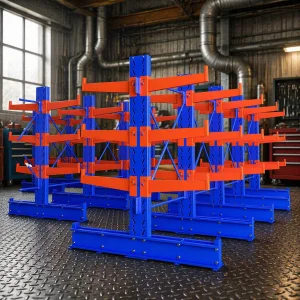
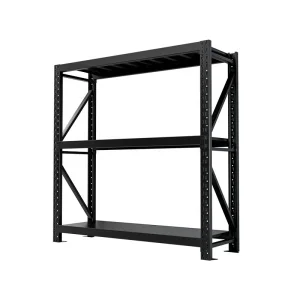
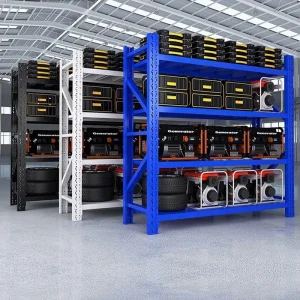
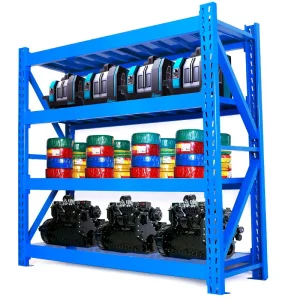
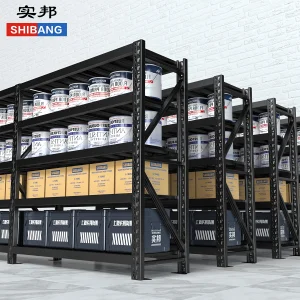
Browse our extended product portfolio, configured for industrial logistics and manufacturing facilities.
 Shibang Steel