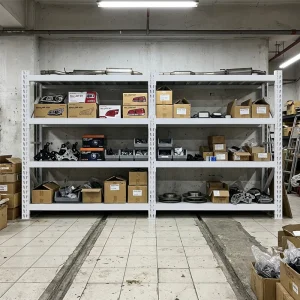
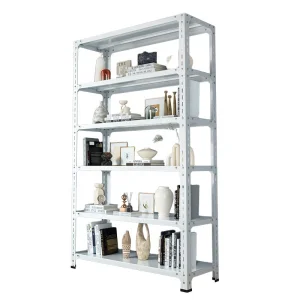
Top 10 Utility Platforms Manufacturer & Suppliers

Global Industry Report: Modular Storage Systems, High-Density Mezzanine Structurals, and Heavy-Duty Racking Solutions

Global Commercial & Industrial Status of Utility Platforms

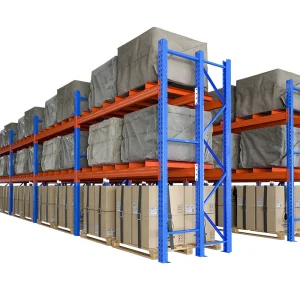
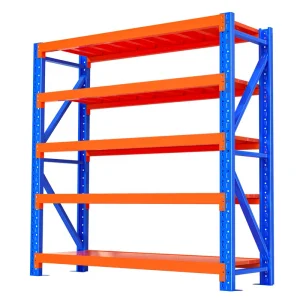
In the era of modern logistics, the commercial usage of utility platforms—encompassing structural steel mezzanines, high-rise storage frames, dynamic work platforms, and modular walkways—has undergone a critical evolution. As industrial real estate costs soar, global supply chain enterprises are shifting from horizontal footprint expansions to vertical volume maximization. In metropolitan logistical hubs, structural utility platforms are no longer simple metallic shelves; they serve as multi-level, load-engineered sub-infrastructures that sustain automation hardware, robotic automated guided vehicles (AGVs), and complex cross-docking operations.
Historically, warehousing relied on basic single-tier layouts. Today, industrial operators require smart space-utilization frameworks. With the explosion of e-commerce fulfillment and 3PL (third-party logistics), heavy-duty modular mezzanines have emerged as the industry's answer to footprint constraints. Modern material handling environments deploy multi-level steel structures to separate pick-pack zones from sorting conveyors. By integrating structural engineering calculations with cold-formed steel framing, these systems withstand massive static floor loads (often exceeding 1,000 kg/m²) and the dynamic structural harmonics of high-frequency forklift traffic.

Real Estate Efficiency

Multi-level utility decks effectively double or triple existing floor space without expanding the outer building envelope, optimizing capital expenditures.

Automation Integration

Enabling structural capacity for conveyor lines, dynamic sorting machines, automated packaging units, and industrial robotic cells.

Occupational Safety

Equipped with heavy-duty handrails, safety kickplates, and anti-slip grating, designed in strict compliance with global safety standards.

Authorized Manufacturer Profile: Shenzhen Shibang Storage Rack Co., Ltd.

Established in 2015, Shenzhen Shibang Storage Rack Co., Ltd. is a leading manufacturer specializing in industrial racking systems and customized warehouse storage solutions. Operating from a modern production facility spanning 32,000 square meters, the company integrates structural design, precision manufacturing, and international trade to serve a diverse global client base.
With over 12 years of industry expertise and 8 years of dedicated export experience, their structural utility systems and heavy-duty storage assemblies are distributed across North America, Europe, Australia, and Southeast Asia, generating over $18 million in annual export revenue. They primarily partner with industrial distributors, third-party logistics (3PL) providers, e-commerce fulfillment centers, and large-scale manufacturing enterprises. Supported by a robust network of over 800 supply chain partners, they ensure consistent raw material quality and efficient production timelines.
32,000 m²
Production Facility
12+ Years
Racking Expertise
$18 Million
Annual Export Value
18/35
Engineers & QC Pros
Quality control and technological innovation form the core of their operations. The dynamic R&D team consists of 18 senior engineers, supported by 35 dedicated QC professionals. They implement rigorous product inspection protocols—including raw steel tensile testing, automated ultrasonic weld checking, static and dynamic load testing, and powder-coating salt spray endurance tests—ensuring compliance with international safety and durability standards. In the past year alone, the R&D unit successfully introduced 45 new product designs and structural optimizations.
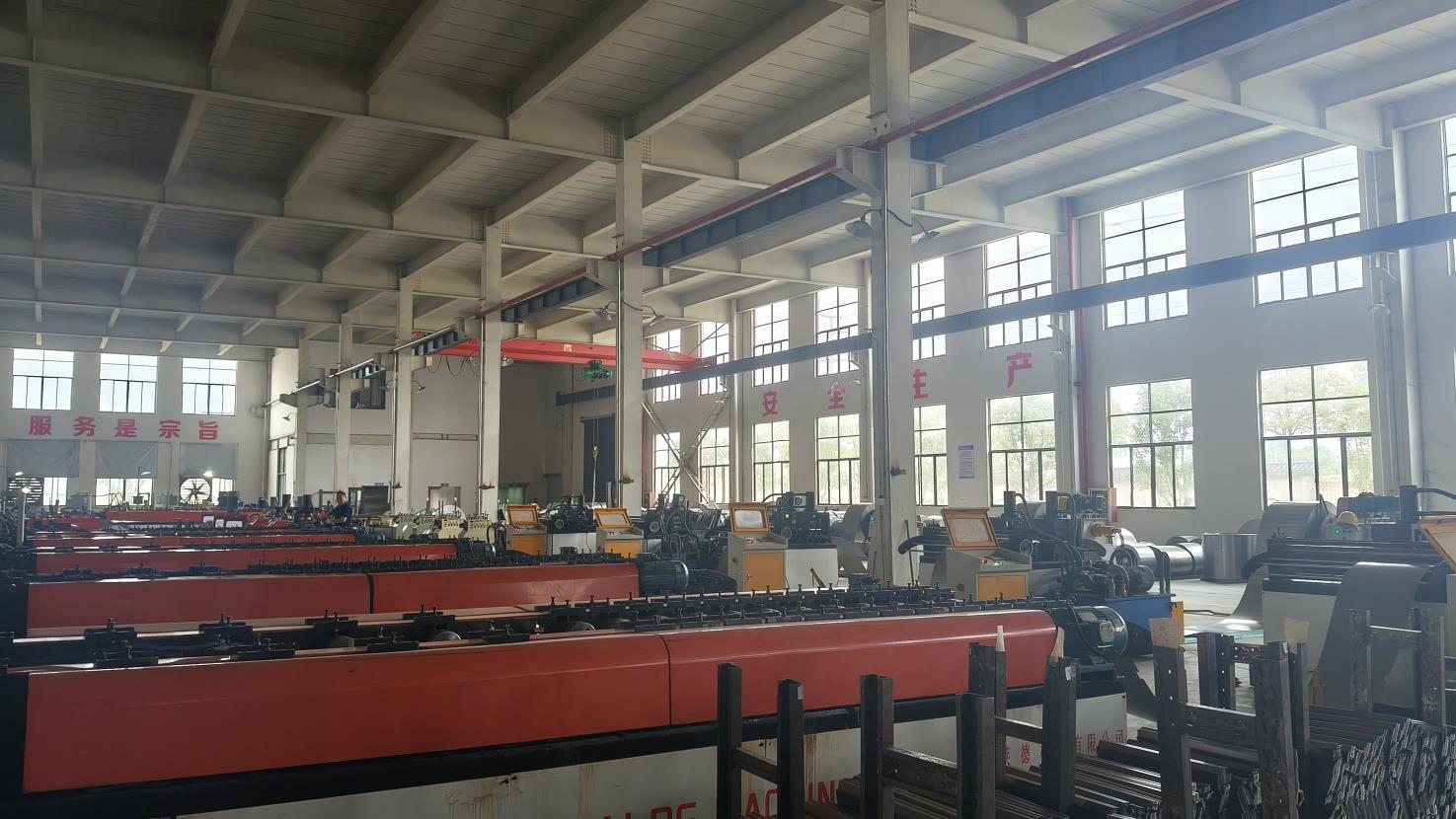
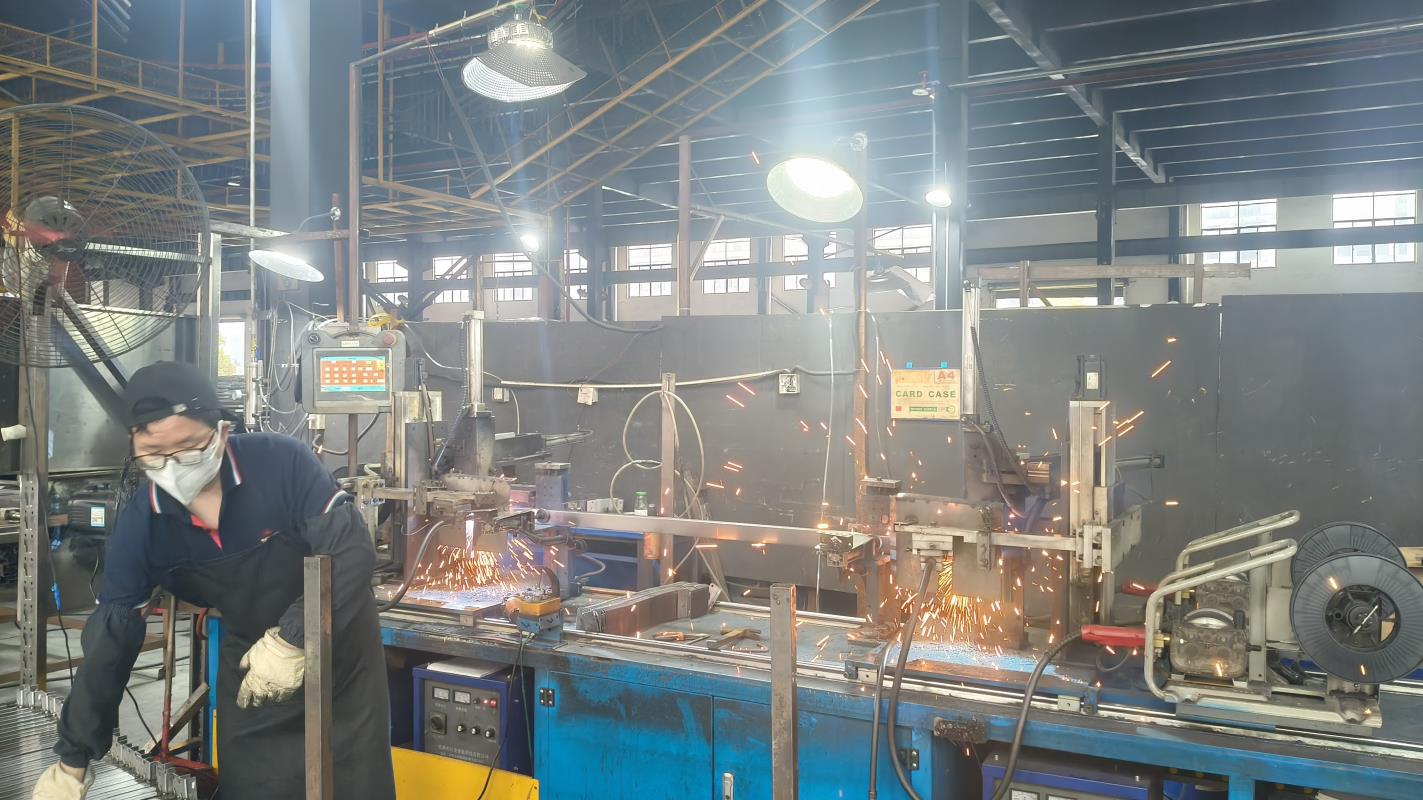
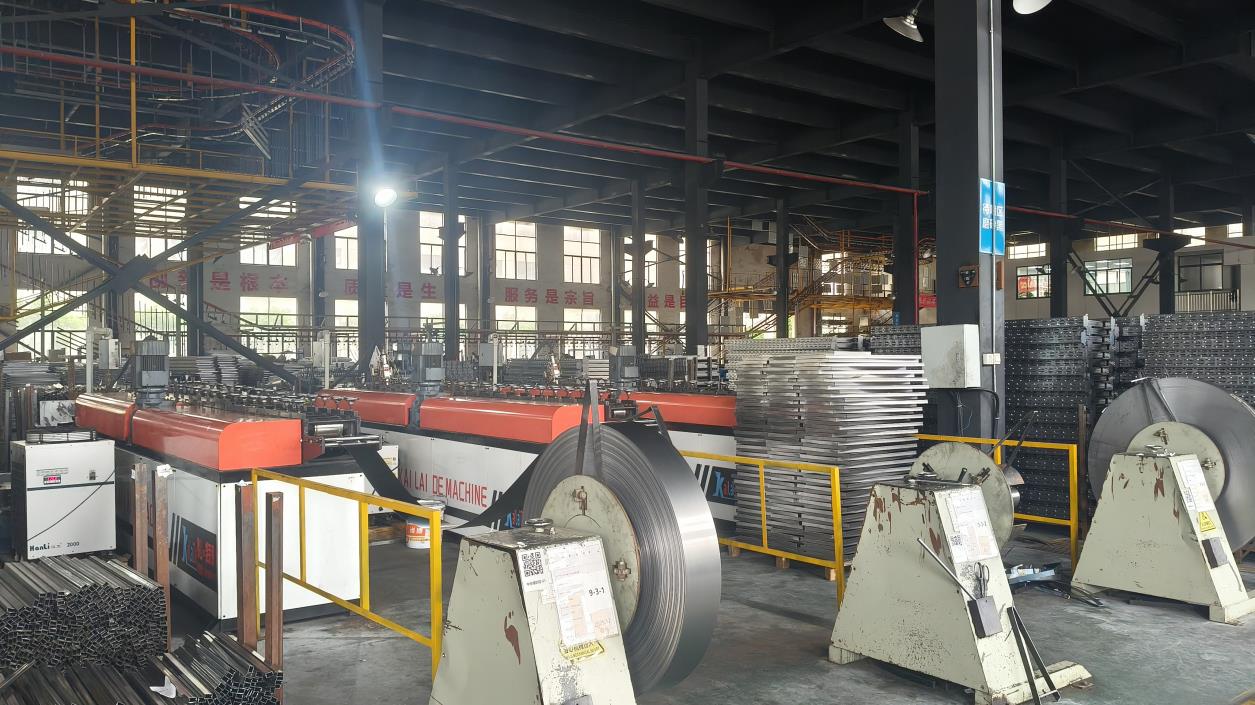
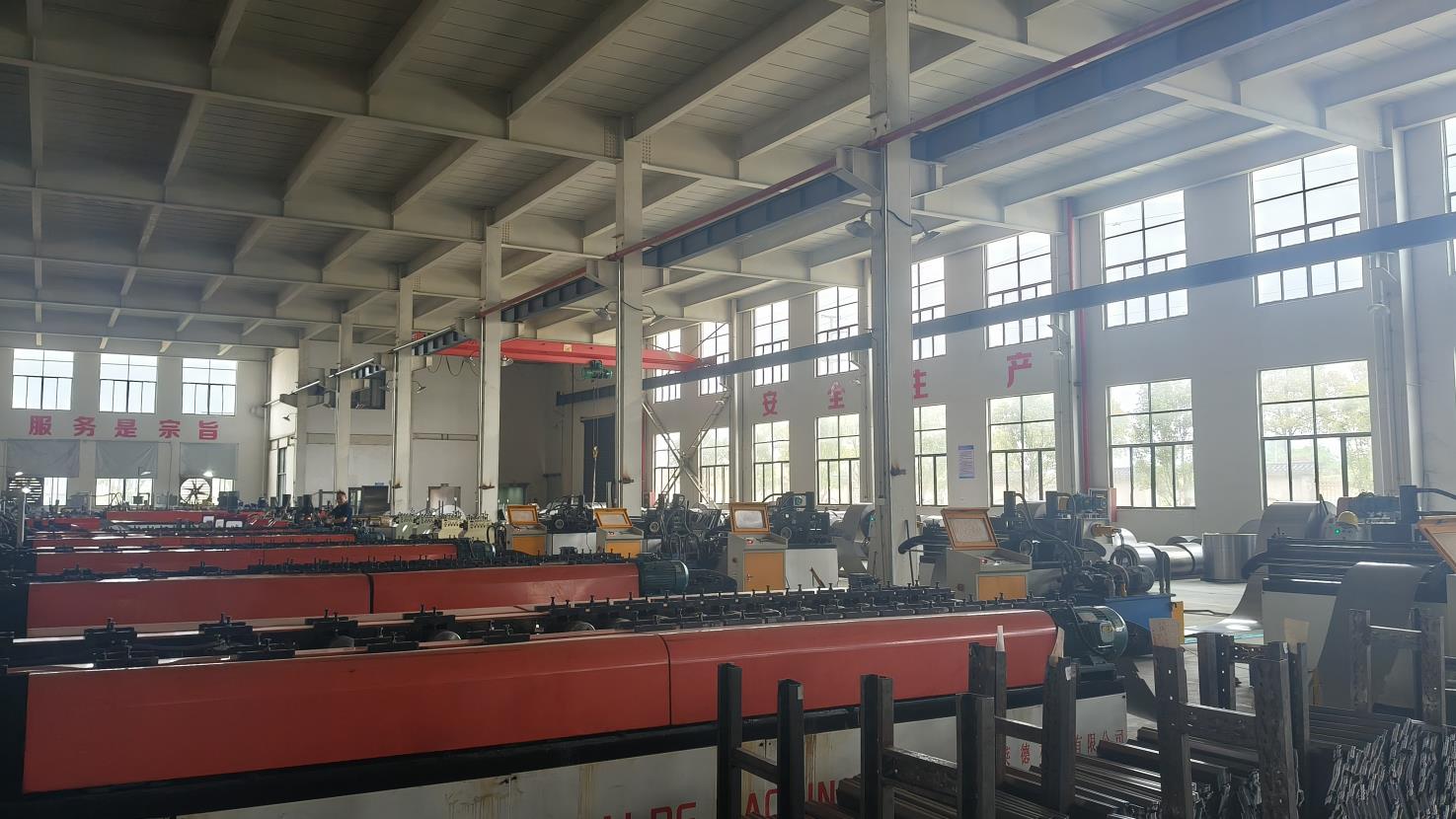
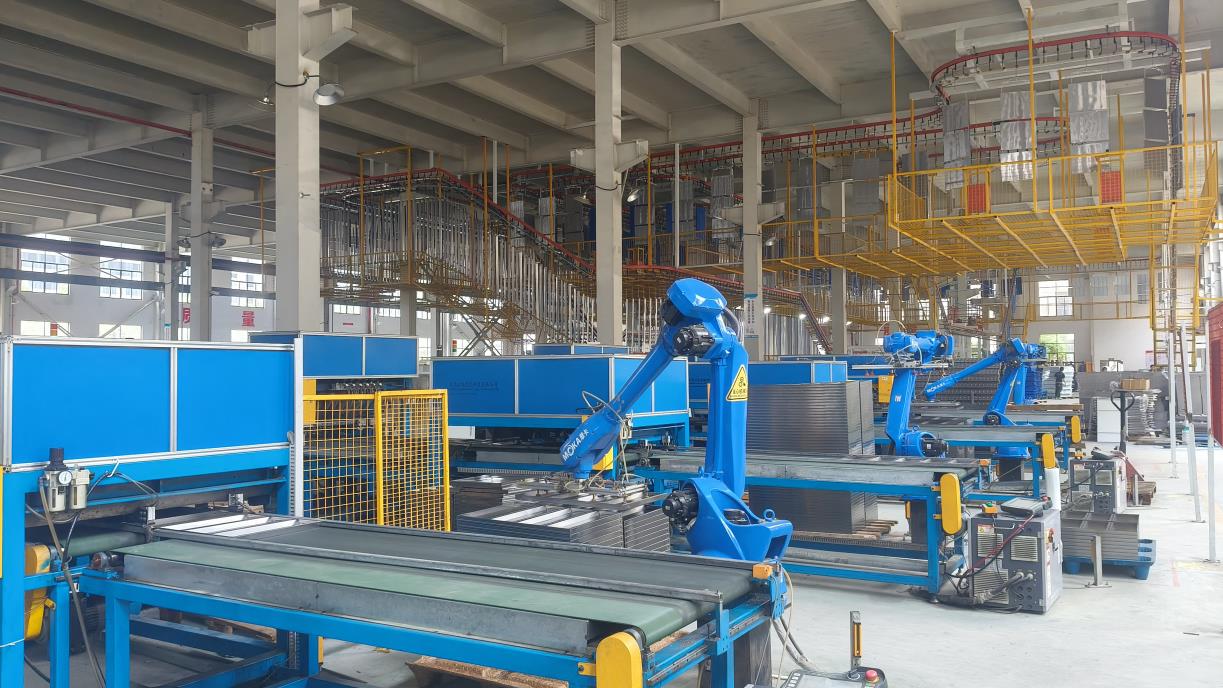
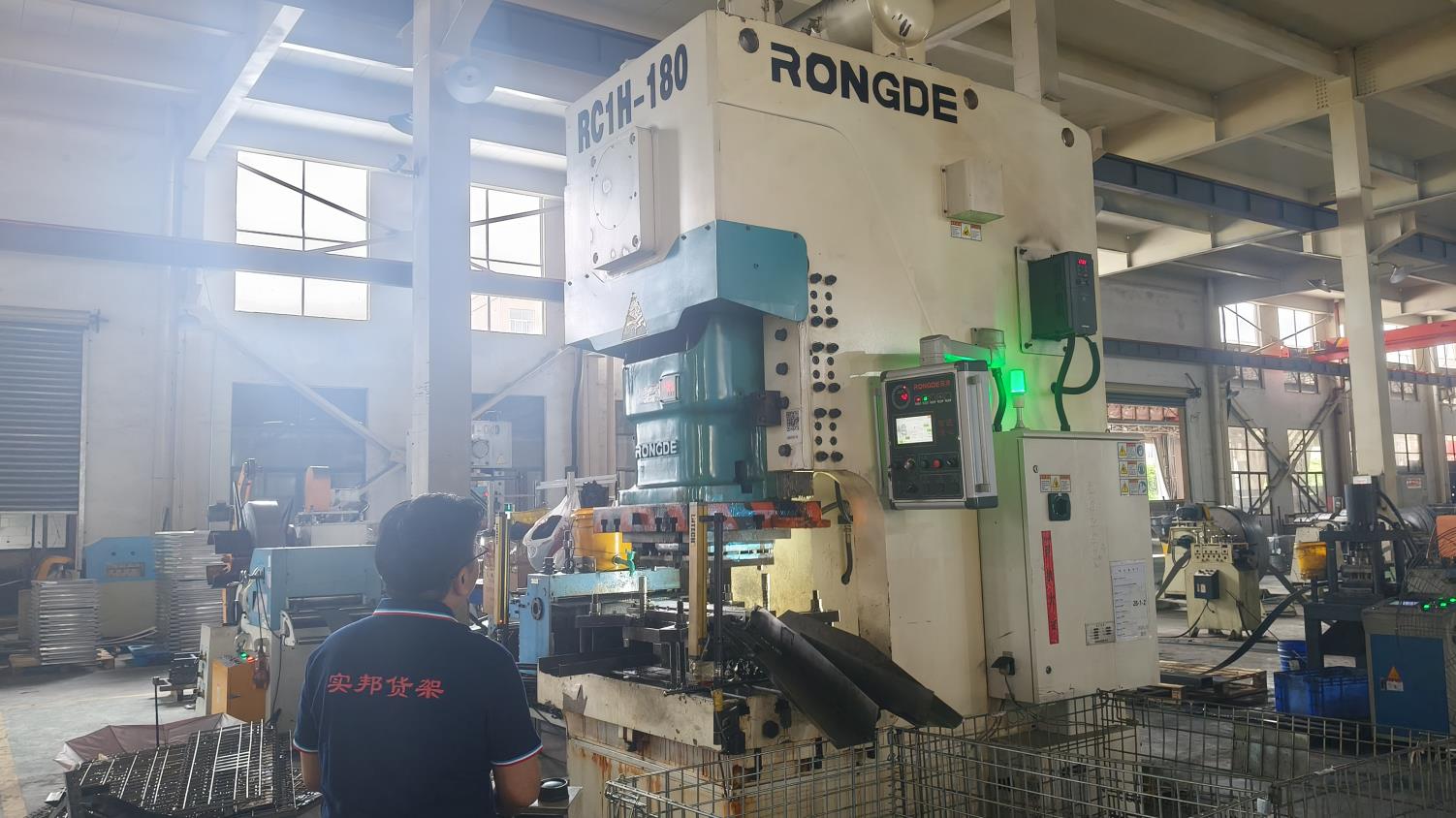
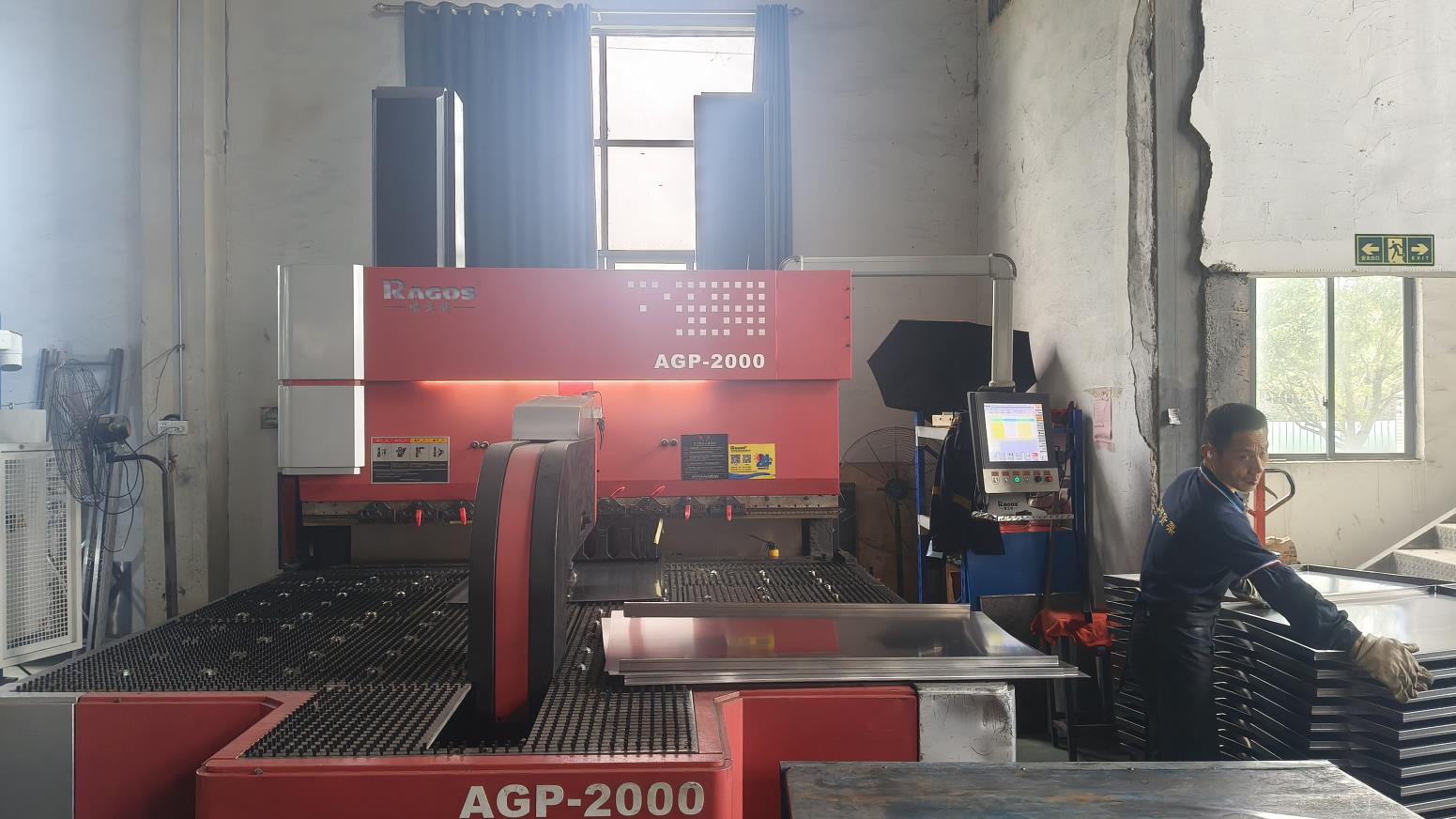
State-of-the-Art Manufacturing & Precision Machinery

Our state-of-the-art facility utilizes advanced, automated machinery to guarantee micro-level precision across every phase of fabrication, from forming to final packaging.
Forming Process
Forming
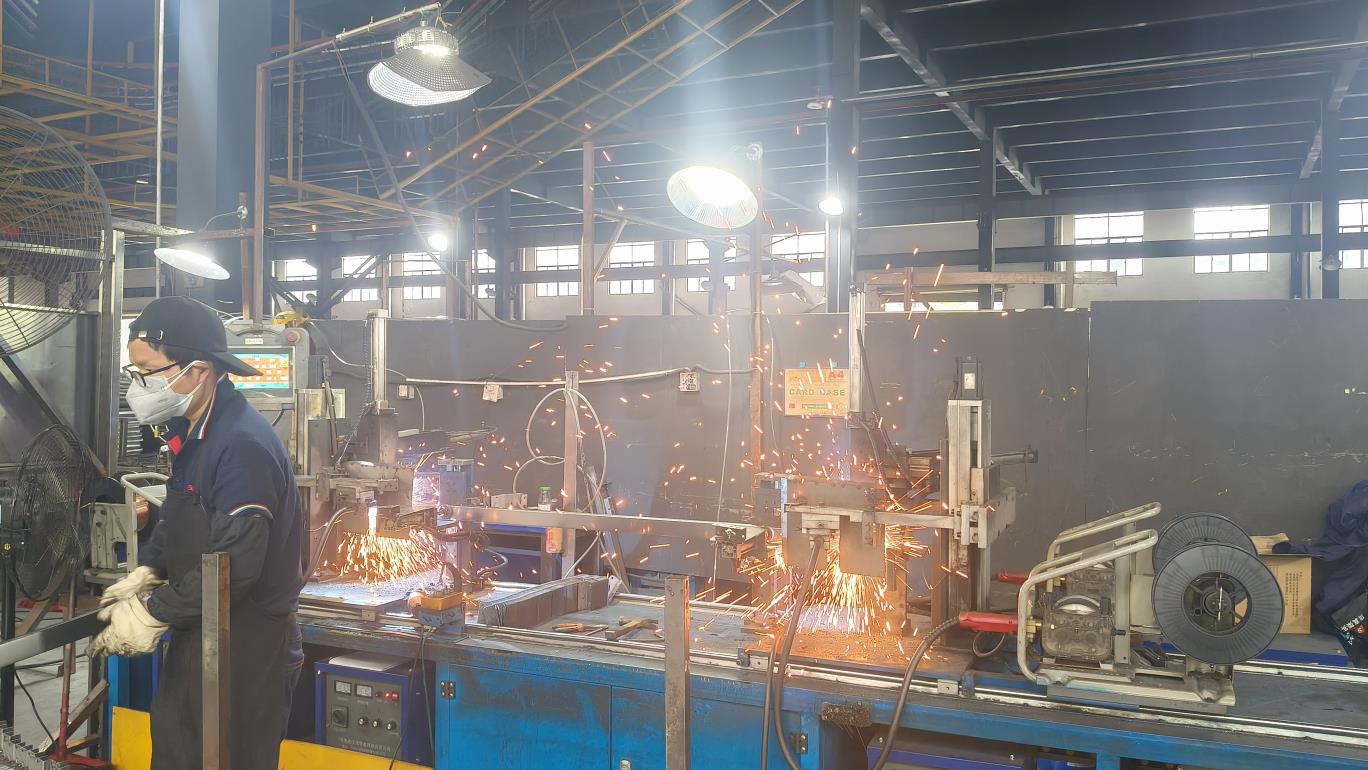
Bonding Process
Bonding
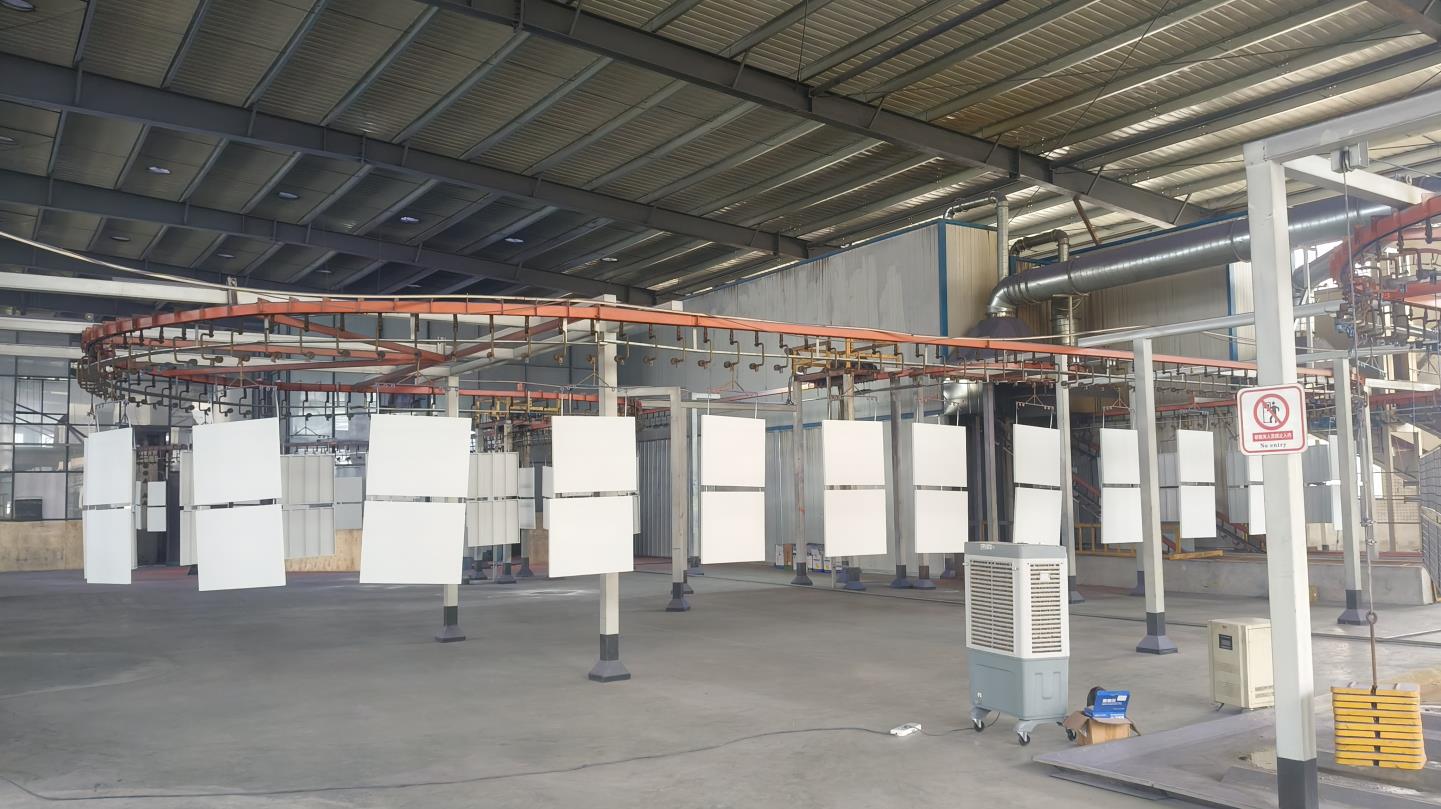
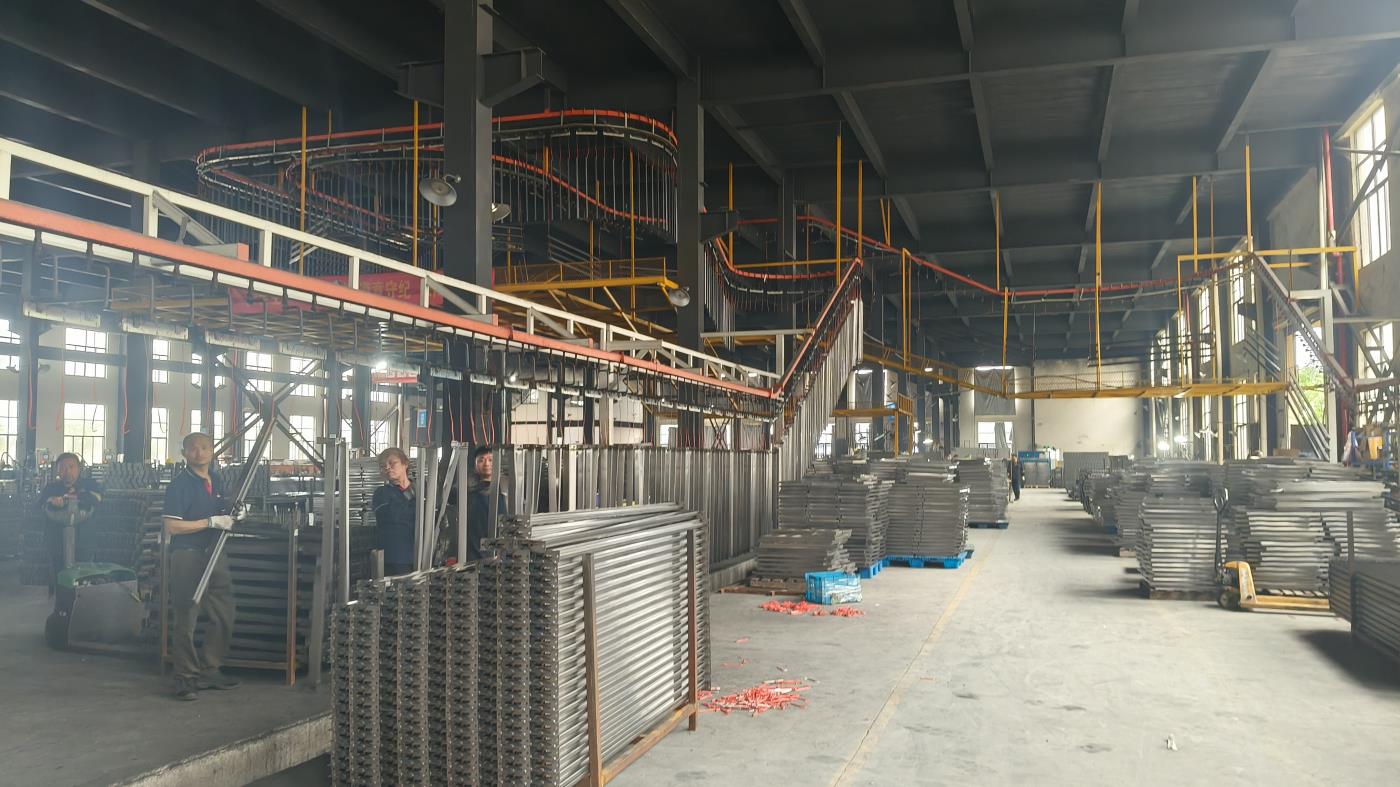
Spray Painting Process
Spray painting
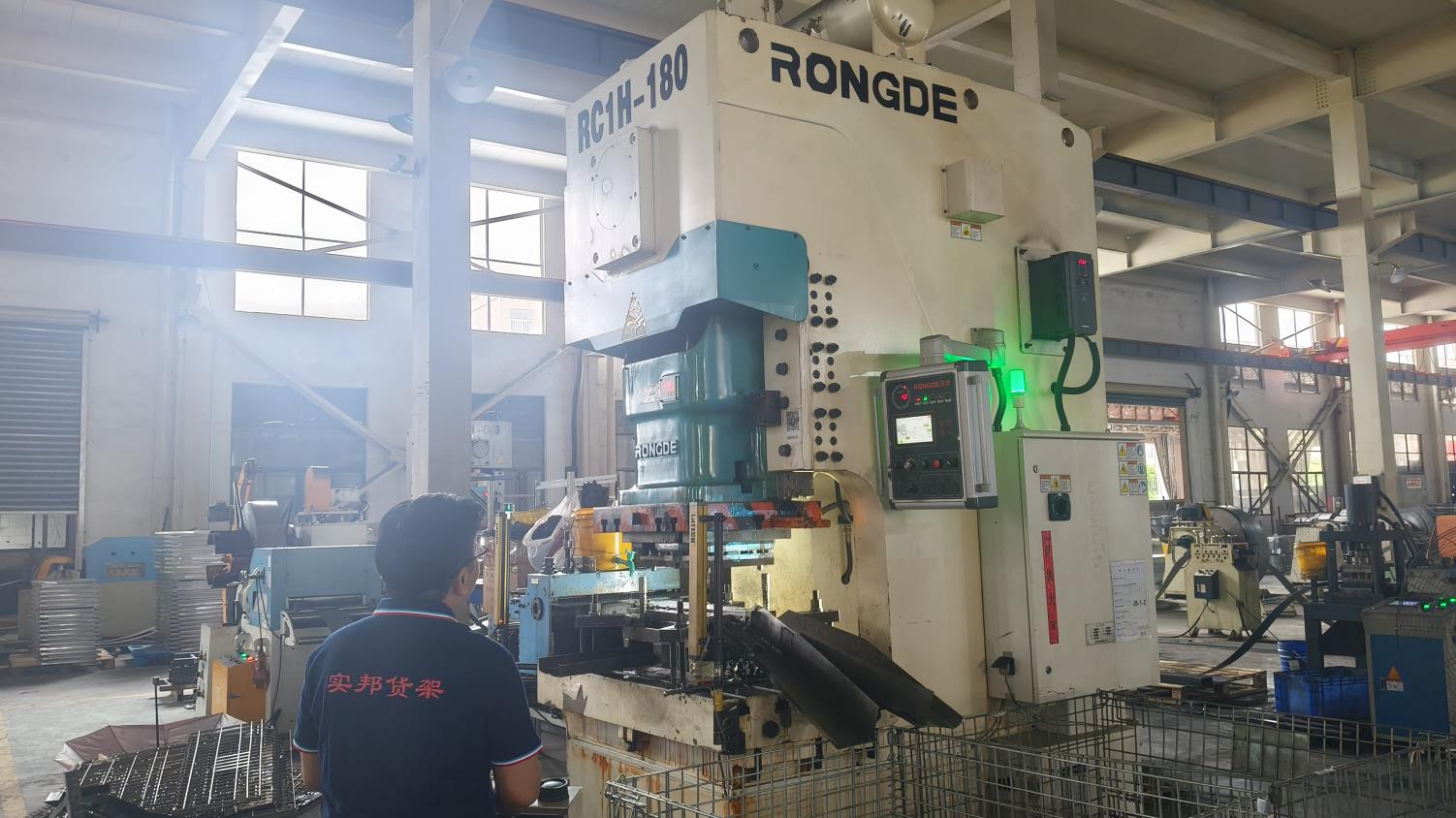
Punching Process
Punching
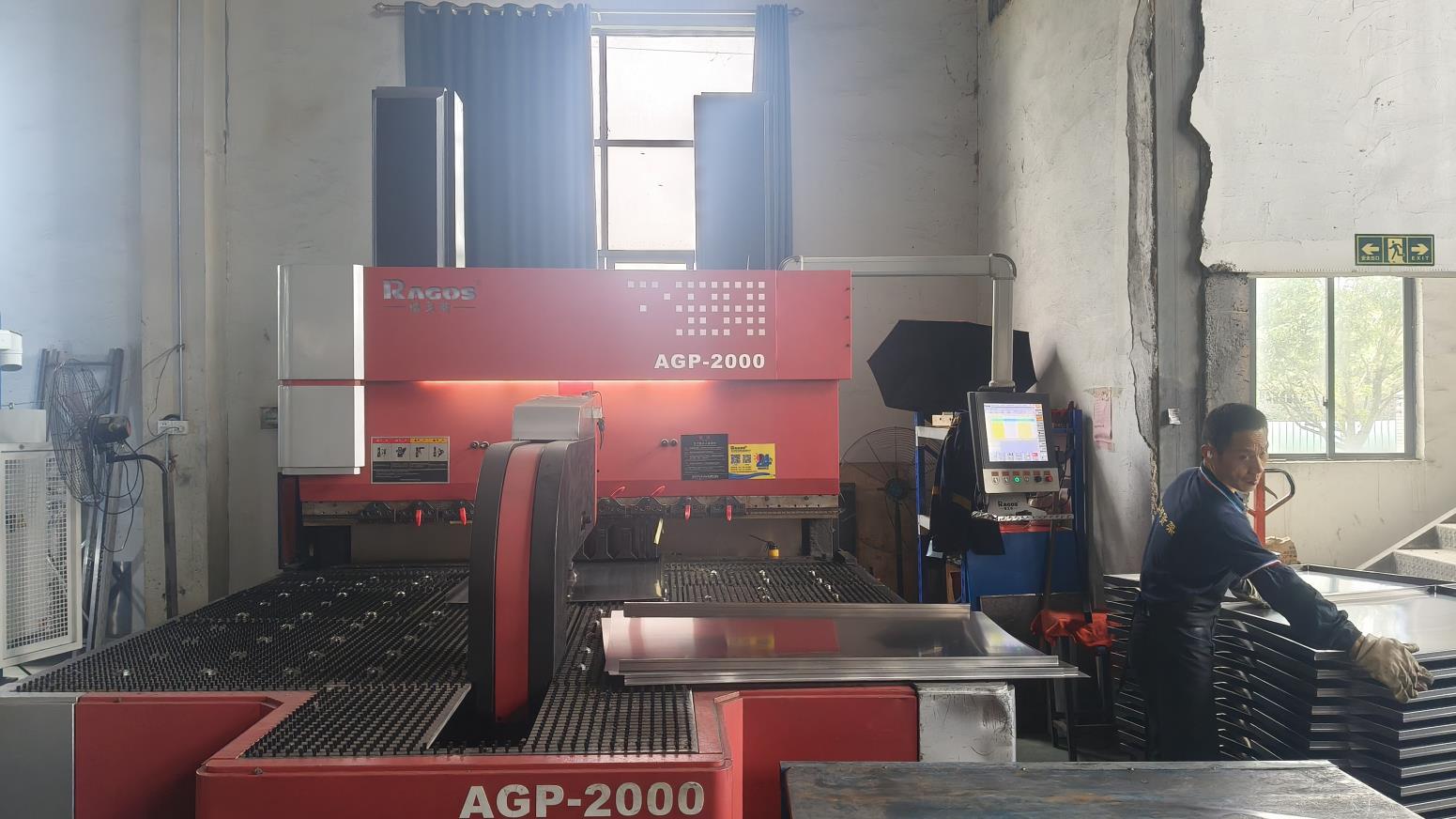
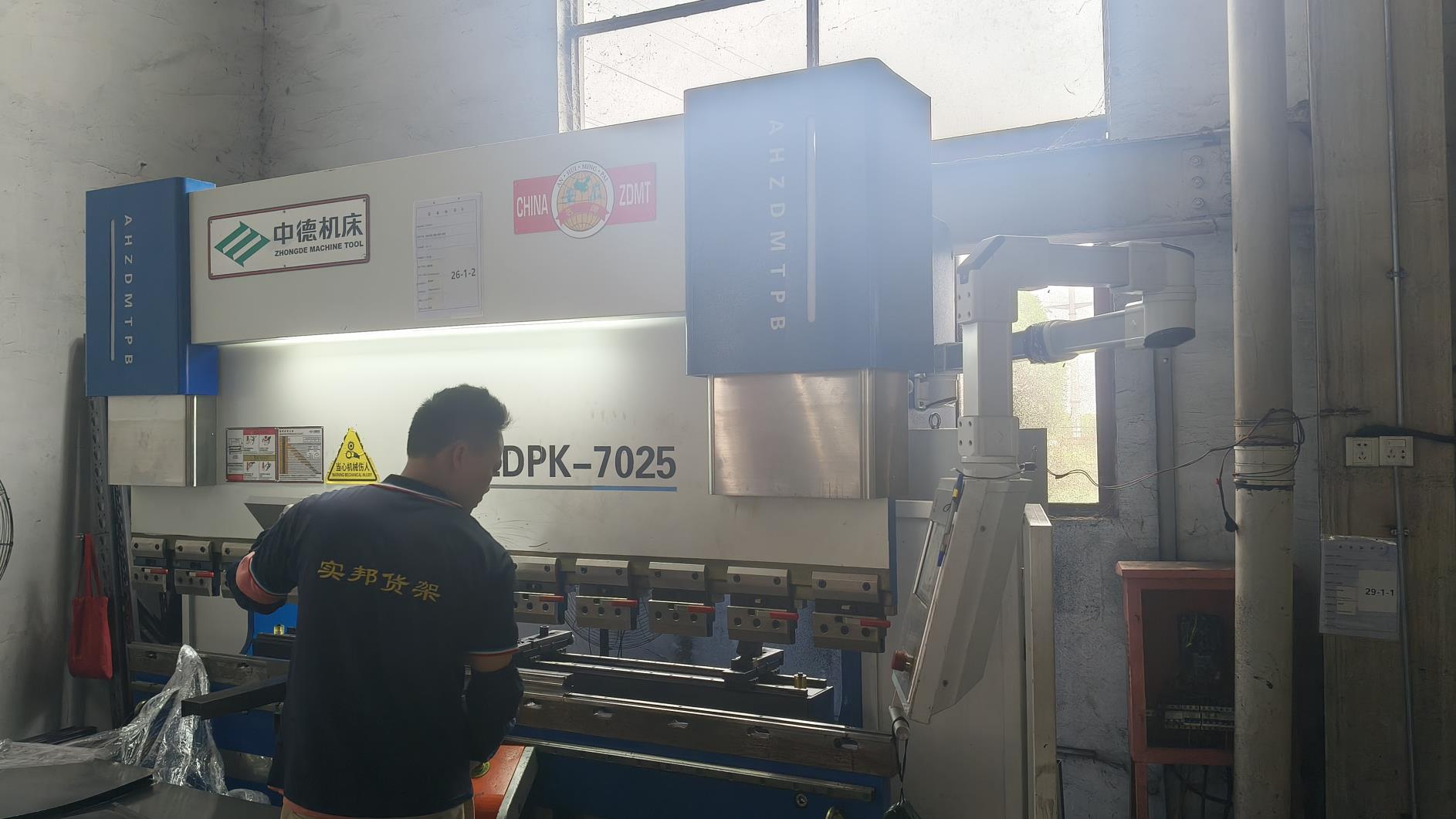
Bending Process
Bending
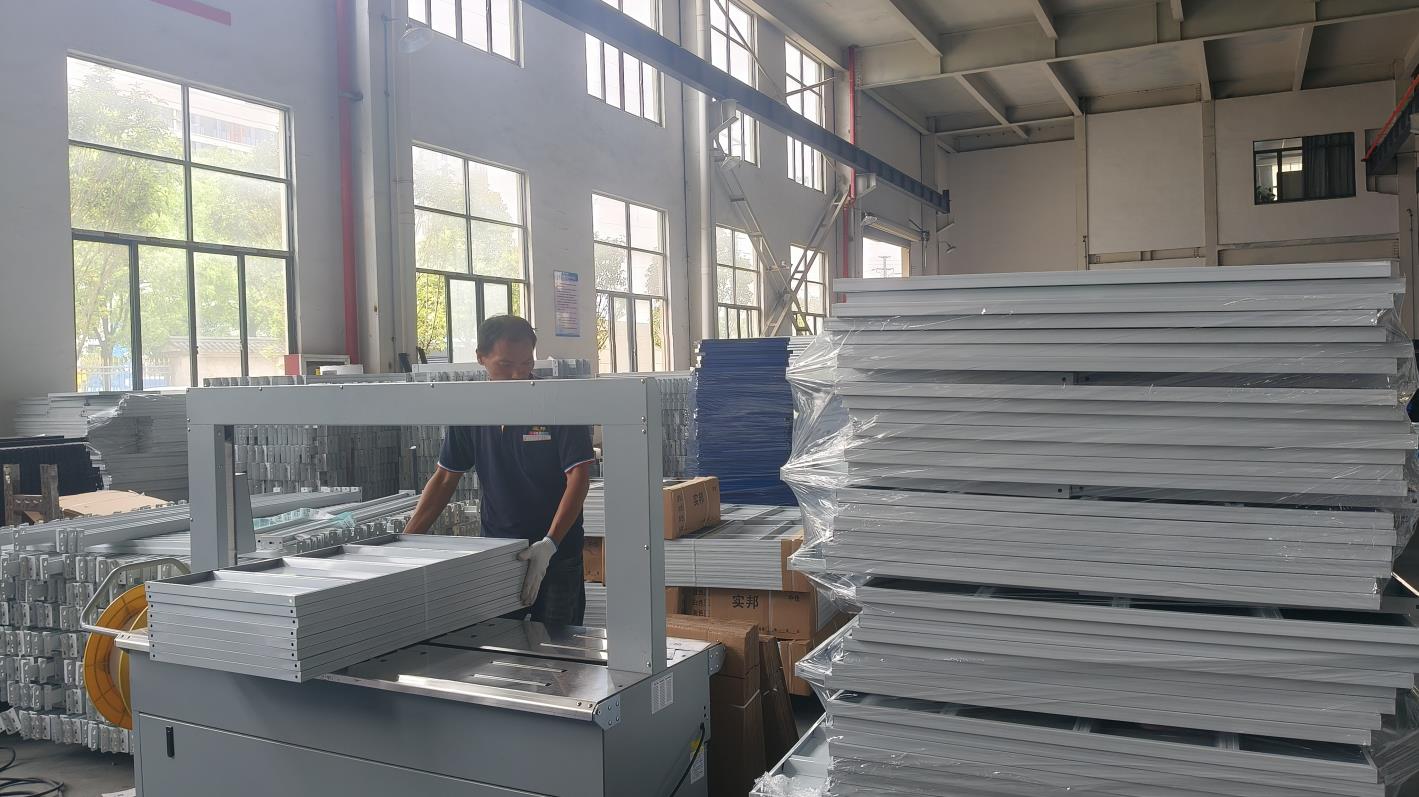
Packaging Process
Packaging
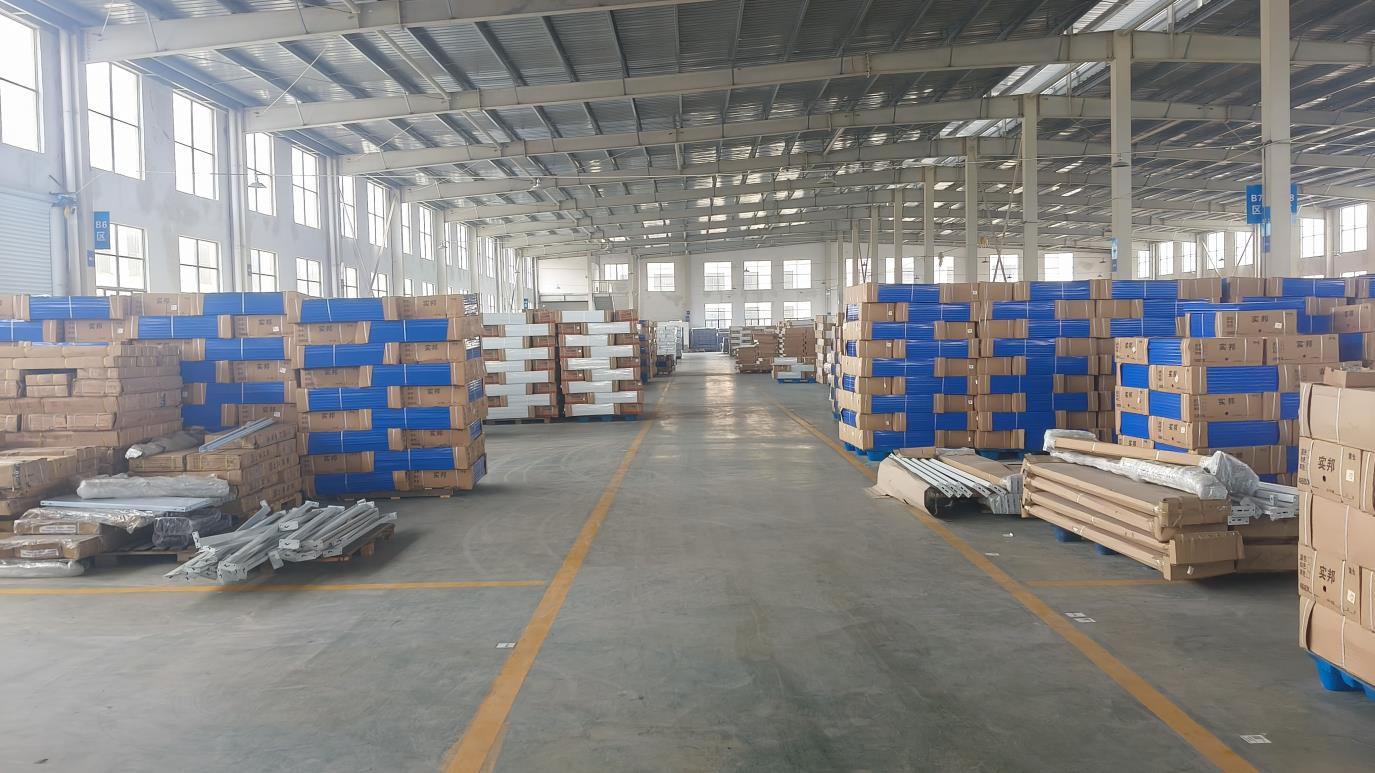
Finished Goods Warehouse
Warehouse
Forming Machine Unit
Forming machine
Bonding Machine Unit
Bonding machine
Automated Spray Painting Line
Spray painting line
Fully Automatic Roll Forming Machine
Fully automatic forming machine
Industrial Mechanical Robotic Arm
Mechanical arm
High Precision Punching Machine
Punching machine
Fully Automatic Steel Bending Machine
Fully automatic bending machine
Automatic Semi-Automatic Bending Station
Automatic semi-automatic bending machine
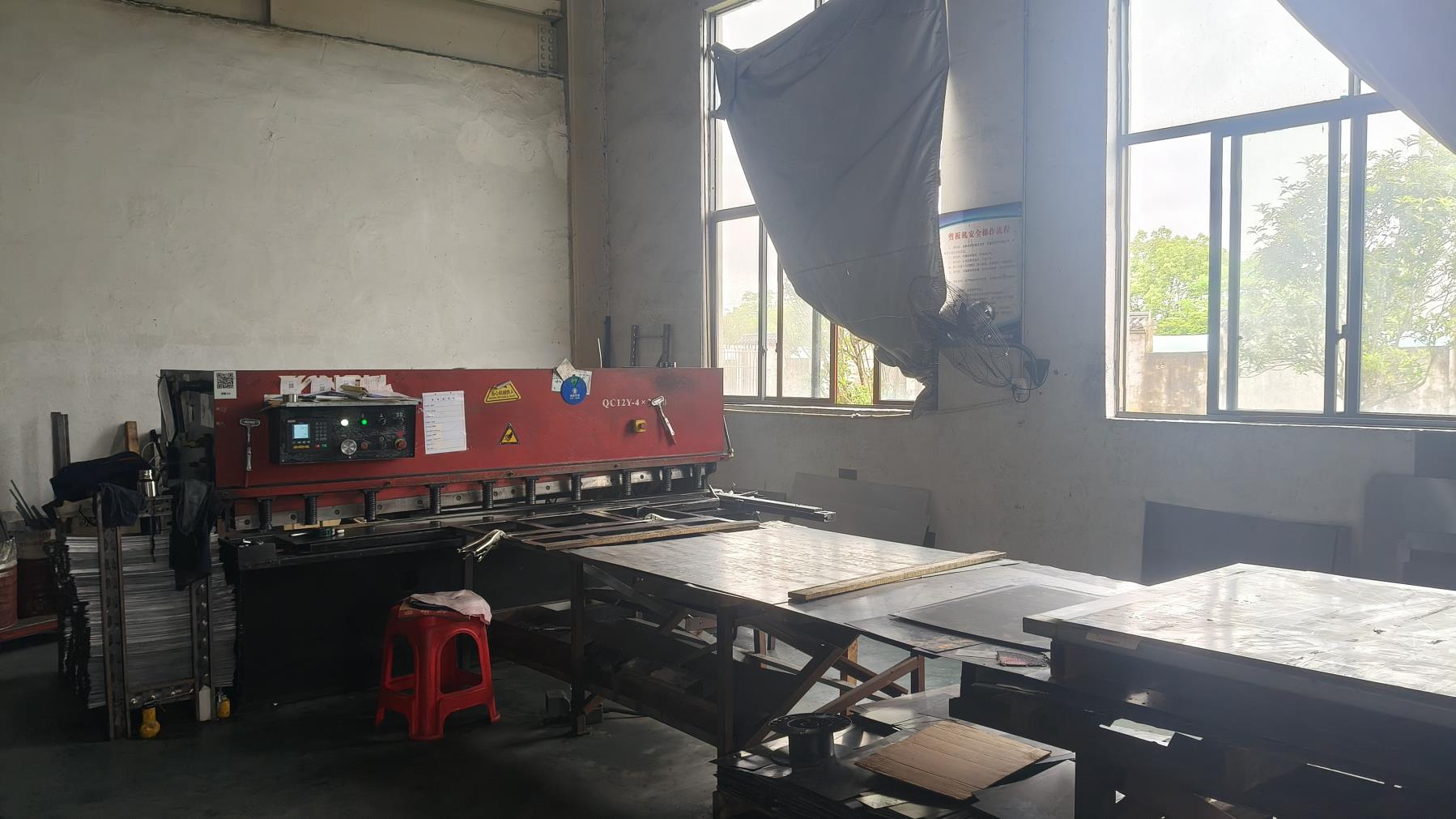
Heavy Plate Shearing Machine
Plate shearing machine

Macro-Industry Solutions & Architectural Frameworks

Every modern industry faces unique spatial constraints. Standard rack configurations cannot satisfy the architectural requirements of automated warehouses or heavy manufacturing facilities. This is where specialized macro solutions become essential, aligning physical design with operational workflows.

1. E-Commerce Multi-Tier Pick Modules

Designed specifically for fast-moving consumer goods (FMCG) and e-retail centers. By integrating walk-ramps, slide chutes, and multi-tier wire mesh decks, these platforms minimize walking distances for operators, maximizing picks per hour while complying with global safety standards.

2. Heavy-Duty Industrial Structural Mezzanines

Utilizing high-tensile hot-rolled columns and wide-flange beams, these platforms support overhead machinery, hydraulic power packs, and heavy tooling inventory, freeing up valuable ground-level workspace.

3. Automated Storage & Retrieval System (AS/RS) Platforms

High-precision steel racks engineered to micro-millimeter tolerances. These systems serve as the structural framework for automated stacker cranes, shuttle carts, and vertical elevators, ensuring zero-deflection operations.

Technical Roadmap & Materials Engineering

The durability of a steel utility platform is governed by the quality of its structural steel and precision engineering tolerances. Shenzhen Shibang relies on high-grade Q235B and Q345B carbon steel. Both grades are selected for their excellent yield and tensile strength, optimal weldability, and impact resilience.
Our engineering team leverages Finite Element Analysis (FEA) to simulate real-world static and dynamic load distributions, accounting for wind, seismic activity, and localized load impacts. To combat environmental wear, our steel platforms undergo a rigorous multi-stage surface preparation: acid pickling and phosphating to eliminate mill scale and rust, followed by electrostatic powder coating or hot-dip galvanization for corrosive environments.

Our Strict Quality Testing Protocols

Raw Steel Tensile Testing

Ensures raw materials match nominal yield stress values prior to roll forming.

Ultrasonic Weld Checking

Guarantees full weld penetration, identifying microscopic internal defects.

Static & Dynamic Loading

Validates physical deflection limits under worst-case loading configurations.

Salt Spray Endurance

Confirms corrosion resistance performance in coastal or chemical environments.

Global Compliance, Building Codes & Localization

Operating globally means designing products to meet varying regional regulations. An industrial platform designed for North America must comply with the ANSI/RMI MH16.1 Specification and local International Building Codes (IBC). In contrast, projects in Australia must meet the structural and safety requirements of AS 4084-2012 Steel Storage Racking.
In Europe, compliance with EN 15512 and FEM standard 10.2.02 is mandatory for design calculations, ensuring safe structural load distributions. The engineers at Shenzhen Shibang Storage Rack Co., Ltd. carefully customize racking baseplates, bracing configurations, upright profiles, and connection hooks to meet regional seismic and wind load parameters, securing rapid local municipal building permit approvals.

Global Industry Trends & Future Outlook

The future of utility platforms lies in the transition toward smart, modular, and sustainable structures. The industry is currently moving towards three core technological trends:

Automation-Ready Engineering

Mezzanine floors are designed to minimize floor vibration, facilitating smooth travel pathing for AGVs, AMRs, and sensor-guided mobile robots.

Modular Reconfigurability

Leveraging boltless connection mechanics that allow operators to disassemble, expand, or relocate structures as business requirements evolve.

Sustainable Materials

Adopting high-strength eco-friendly steel and ultra-low VOC powder coatings, helping global enterprises meet their carbon reduction and ESG targets.

Frequently Asked Questions & Technical Insights

Find expert answers to key technical questions concerning the configuration, engineering, and purchase of industrial utility platforms and heavy-duty storage racks.
Q1: What is the main structural difference between using Q235B and Q345B steel?
A1: Q235B has a nominal yield strength of 235 MPa, making it highly versatile, easy to form, and ideal for standard light to heavy-duty storage racks. Q345B is a low-alloy, high-strength steel with a yield strength of 345 MPa. It is selected for high-rise warehouse rack configurations, long-span structural mezzanine beams, and seismic areas where superior load-bearing strength is required.
Q2: How are static and dynamic load capacities defined for mezzanine utility platforms?
A2: Static load refers to the resting weight of stationary inventory, machinery, and equipment. Dynamic load represents transient loads, such as moving pallet jacks, workers, or vibrating machinery. When designing a platform, engineers apply a safety factor (typically 1.5x to 2.0x) to accommodate dynamic shocks without exceeding structural deflection limits (commonly L/240 or L/300).
Q3: Why is powder coating preferred over standard spray painting for industrial platforms?
A3: Electrostatic powder coating produces a thicker, more durable, and uniform protective layer than liquid spray paint. It offers superior resistance to impacts, scratches, abrasions, and chemical exposures. Furthermore, the powder coating process is environmentally friendly, emitting virtually zero Volatile Organic Compounds (VOCs).
Q4: How do automated storage configurations (like AS/RS) impact engineering requirements?
A4: AS/RS operations require extremely tight tolerances, often under ±2mm across a 15-meter vertical span, to prevent robotic shuttle collisions. Standard racking platforms are not built to these tolerances. AS/RS frames require specialized manufacturing fixtures, precision-punched connection holes, and reinforced bracing to minimize structural sway.
Q5: What certifications are needed for utility platform exports to Europe and the US?
A5: For the US, structural steel fabricators must comply with RMI (Rack Manufacturers Institute) standards and possess certified welding credentials (AWS D1.1). For Europe, compliance with EN 1090 (execution of steel structures) and CE markings are required, along with design conformity to Eurocode 3 (EN 1993) for structural steel design.