Engineered to international standards, optimizing spatial logistics for industrial and retail environments.
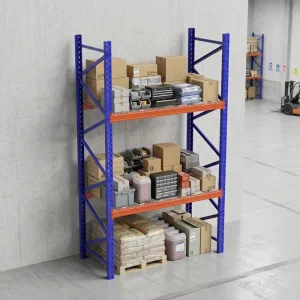
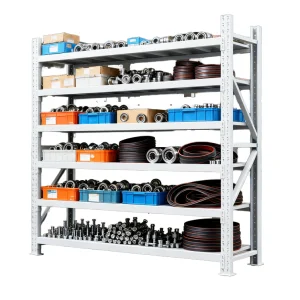
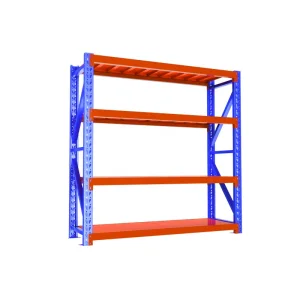
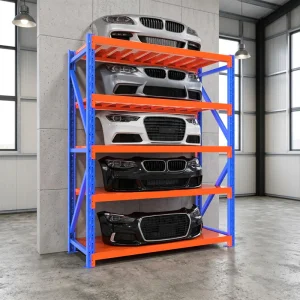
In the modern global supply chain, retail shelving and industrial storage systems have transitioned from mere physical supports to critical strategic assets. The rise of multi-channel logistics, e-commerce micro-fulfillment centers, and high-density warehouse solutions has redefined the requirements for strength, structural engineering, and space utilization. Today’s procurement professionals prioritize systems that offer rapid configuration modifications, long-term structural fatigue resistance, and compliance with strict regional building regulations (such as FEM, RMI, and AS4084).
Geographically, manufacturing expertise is concentrated in key industrial hubs. While European and North American factories focus heavily on custom projects with localized, high-cost supply chains, Chinese manufacturing hubs leverage massive scale, advanced steel processing technology, and complete supply chain integration to offer unmatched cost-to-capacity ratios. By sourcing directly from top-tier Chinese manufacturing operations, international distributors and 3PL enterprises can achieve significant savings while maintaining the highest product safety standards.
Evaluating potential factory partners requires looking beyond simple price-per-ton metrics. To ensure high reliability, purchasing agents must assess the technical and process capabilities of manufacturing facilities based on several key criteria:
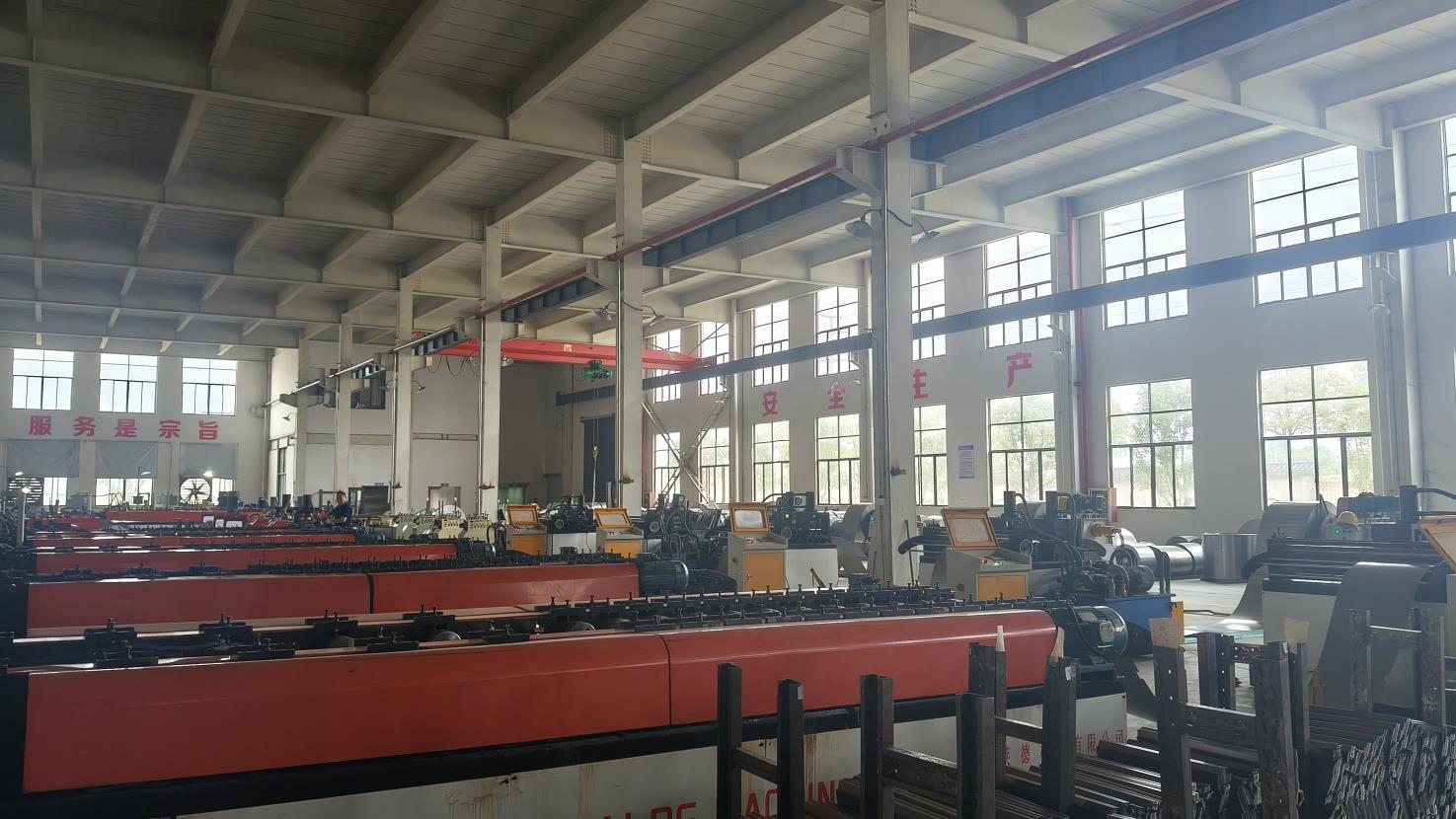
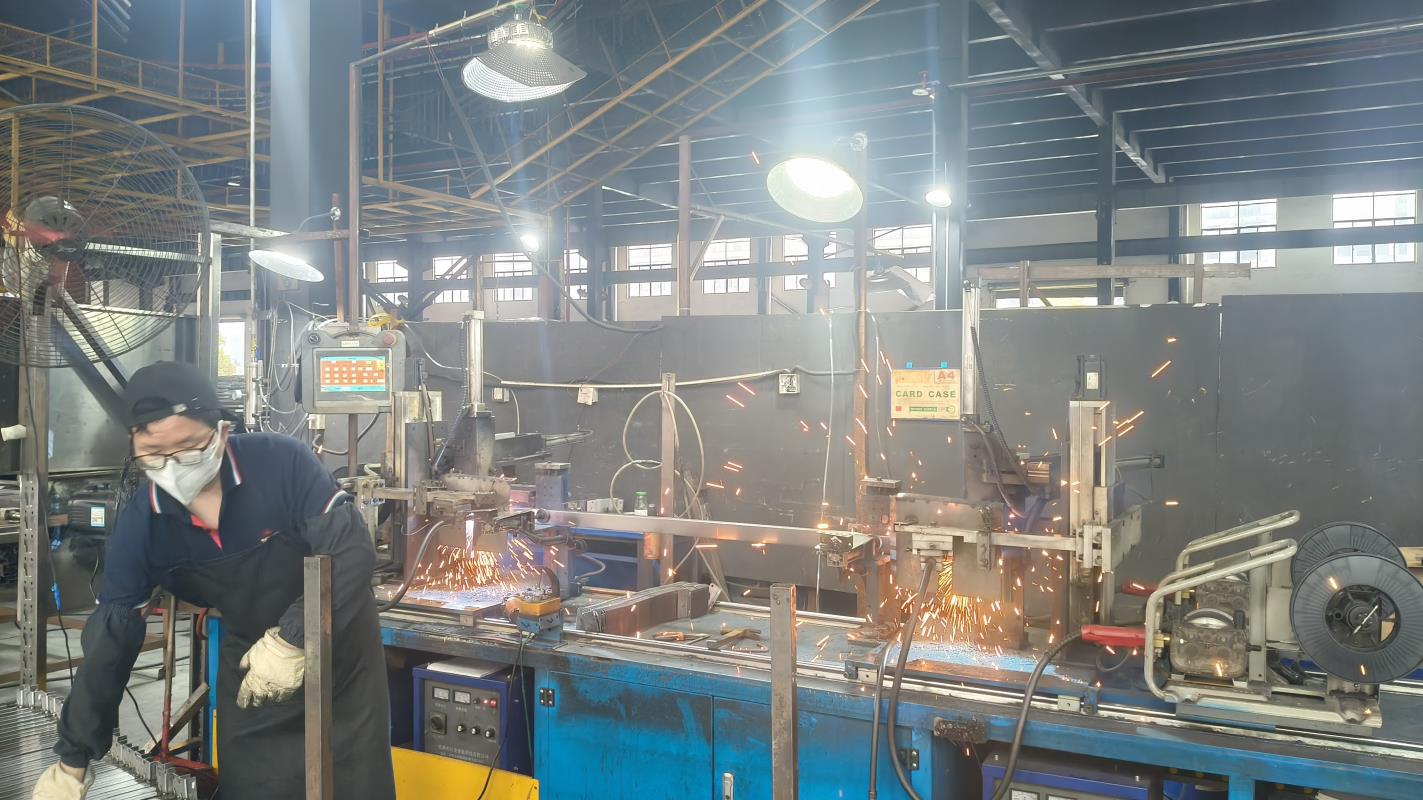
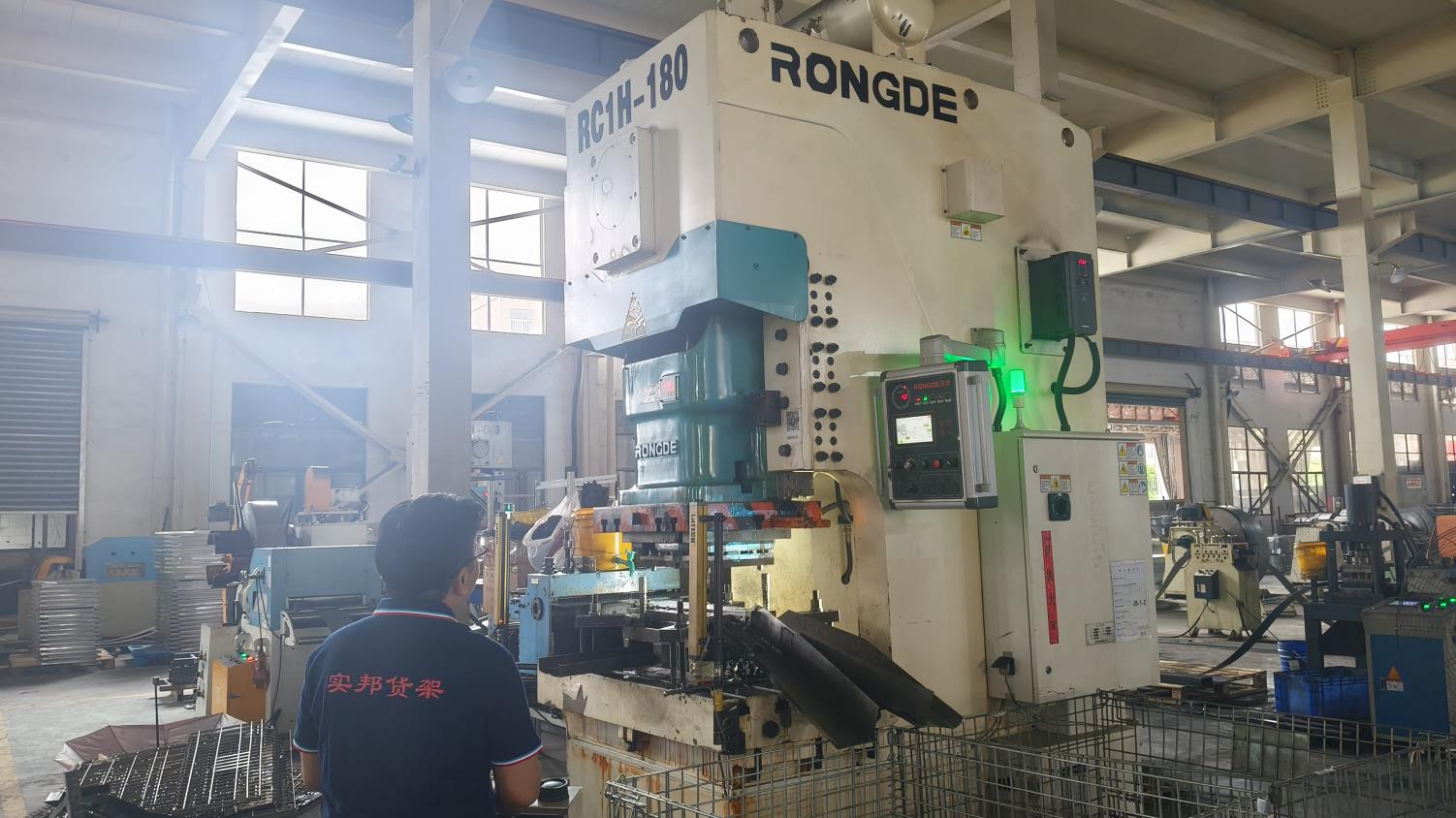
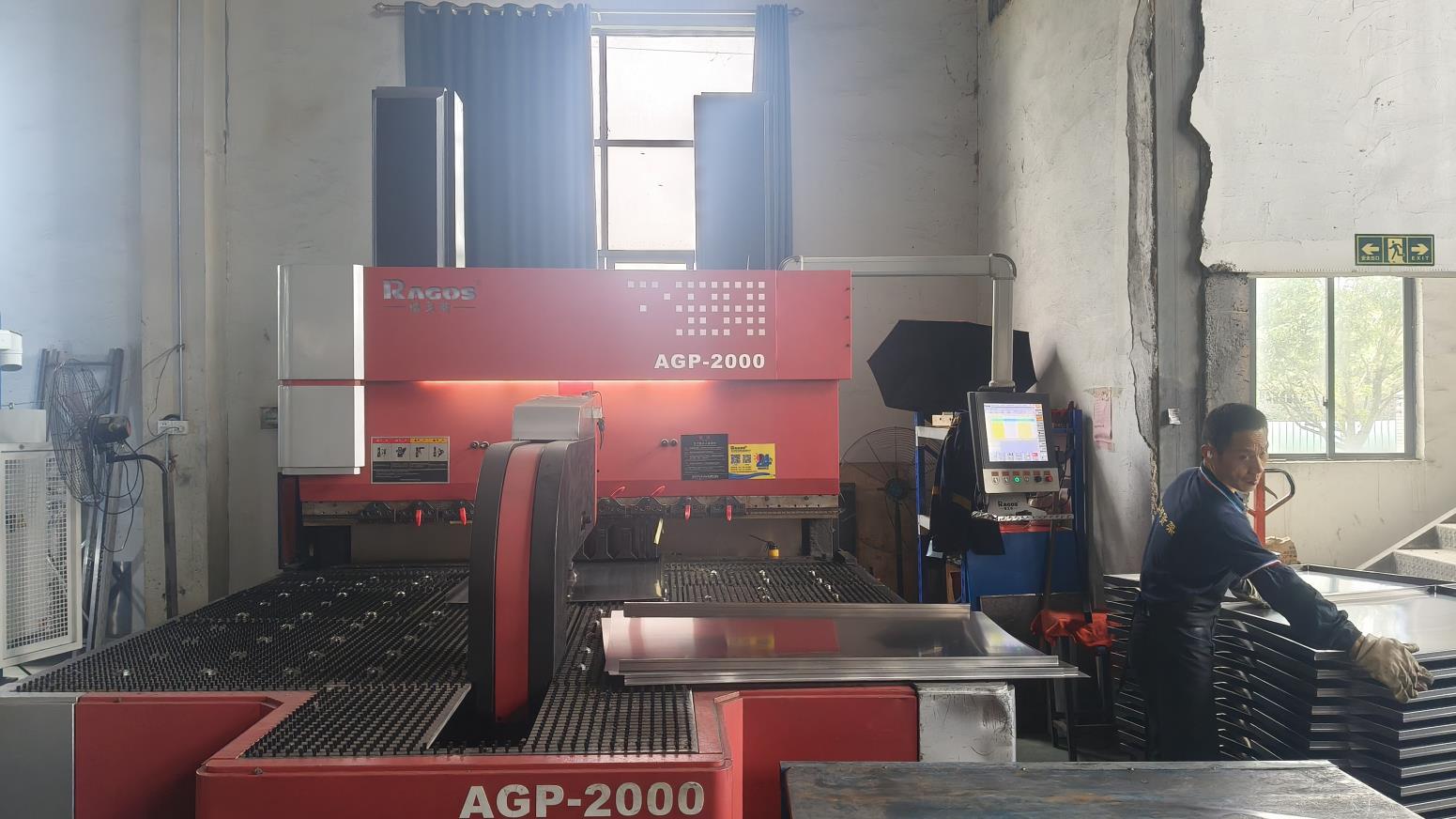
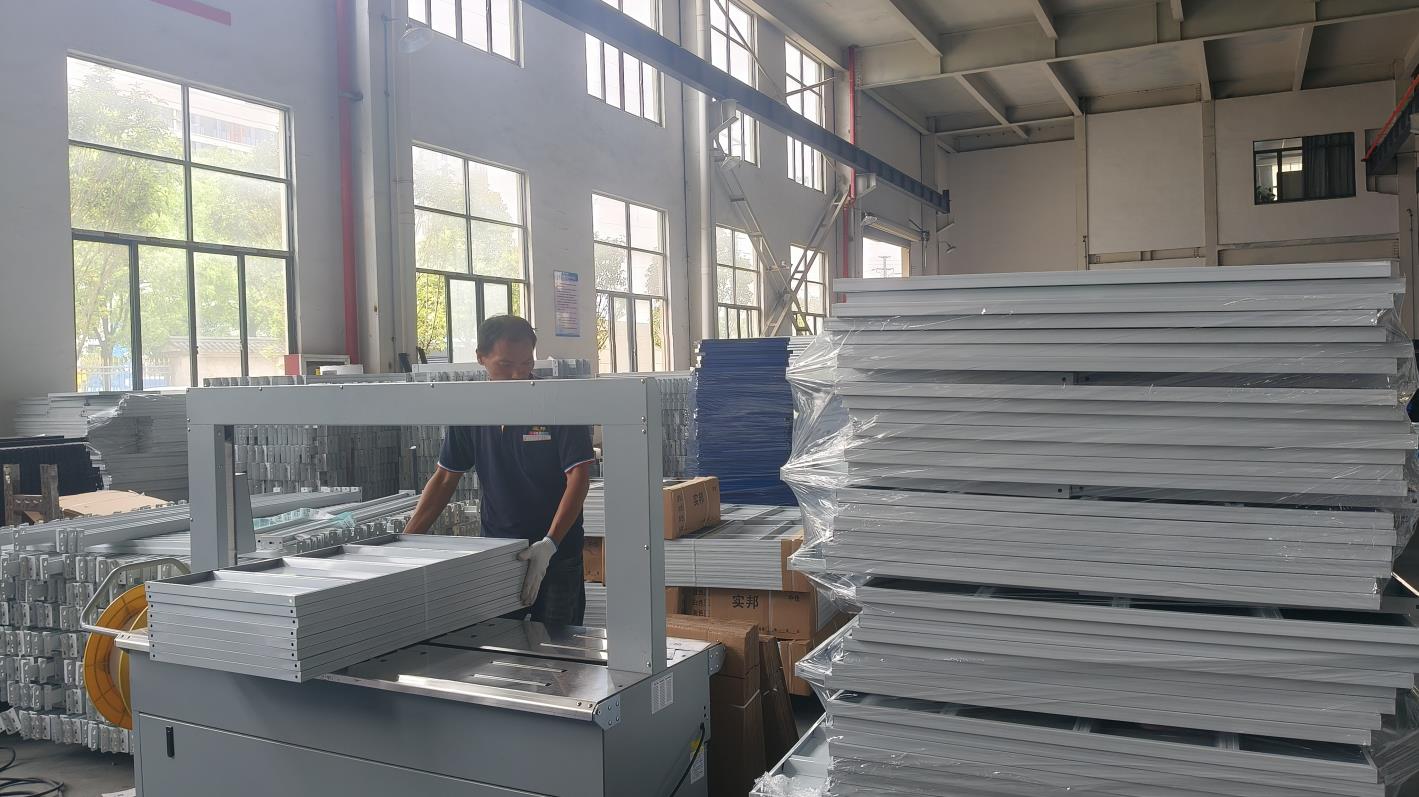
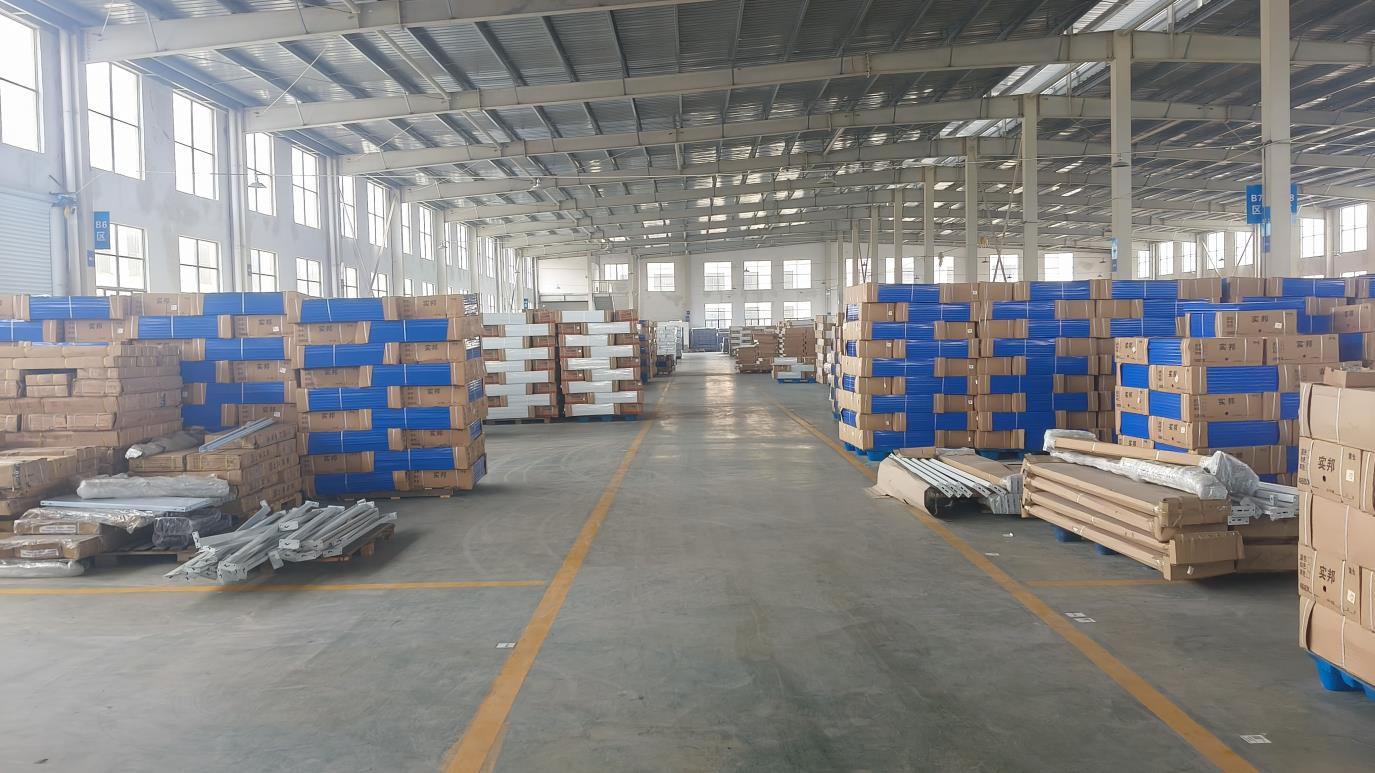
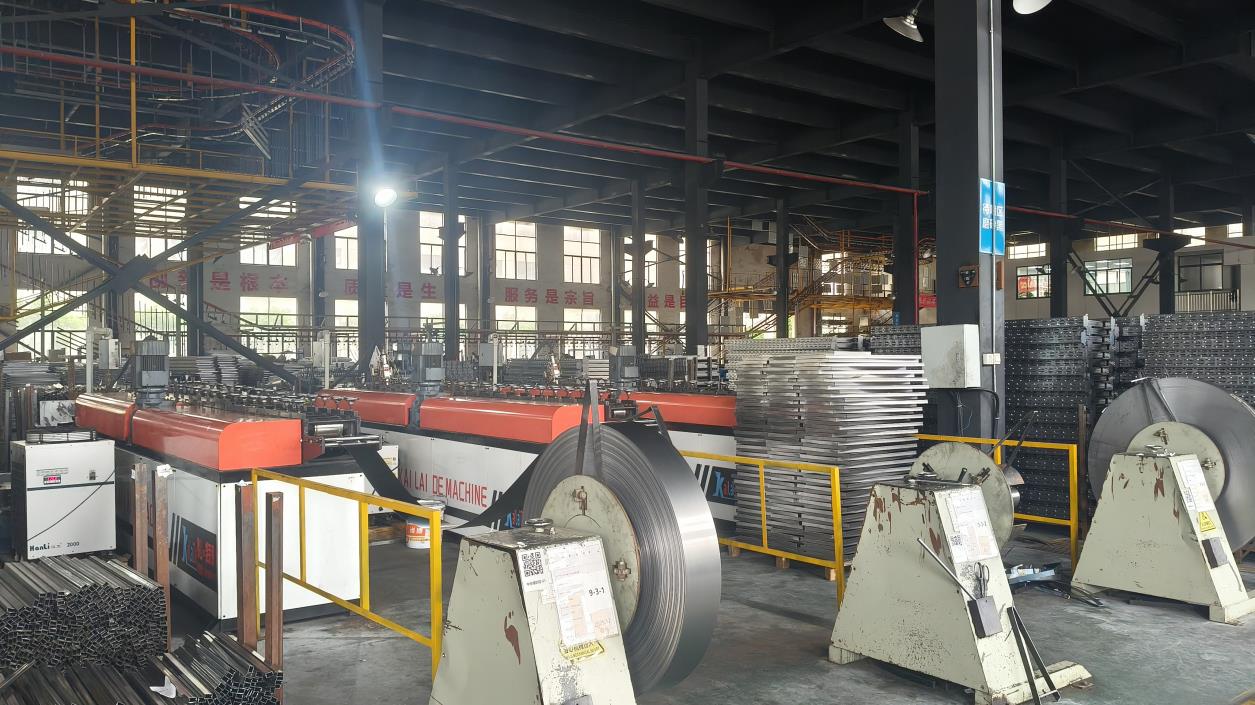
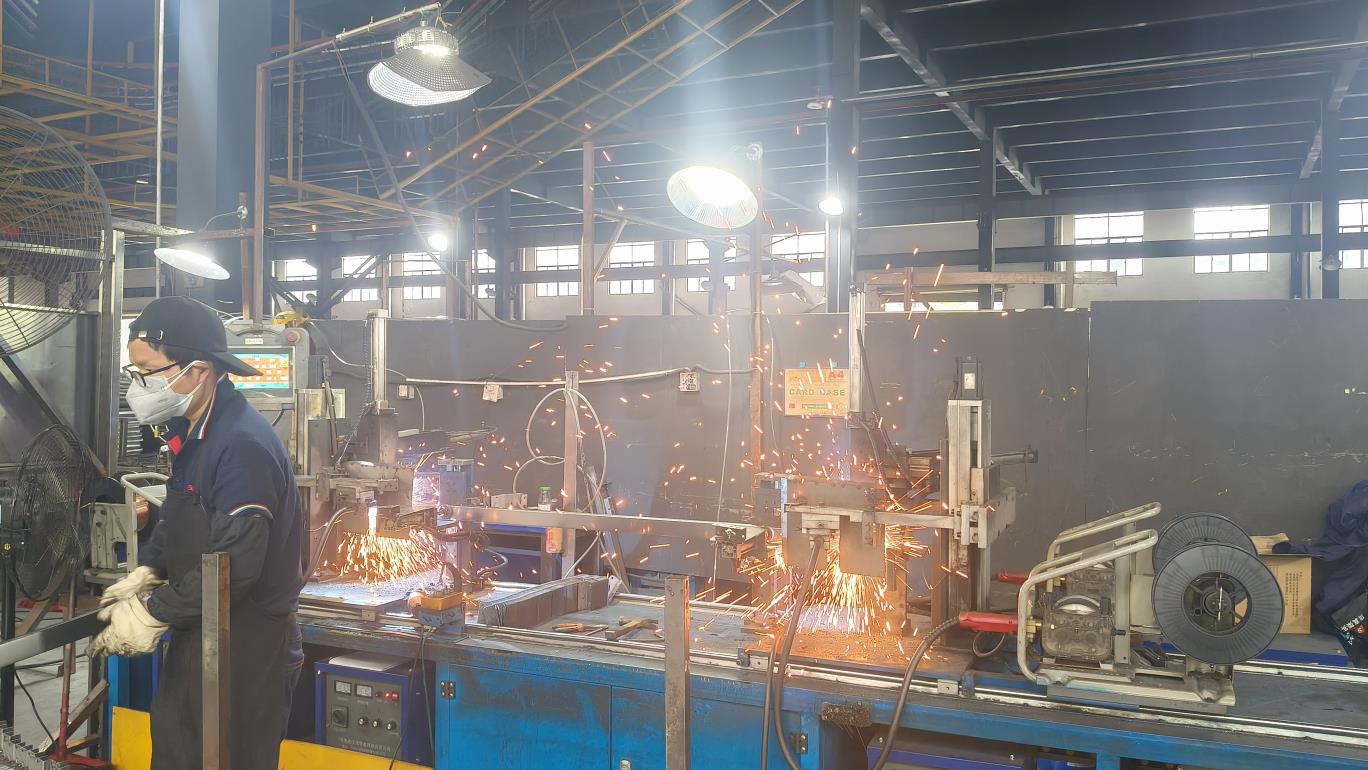
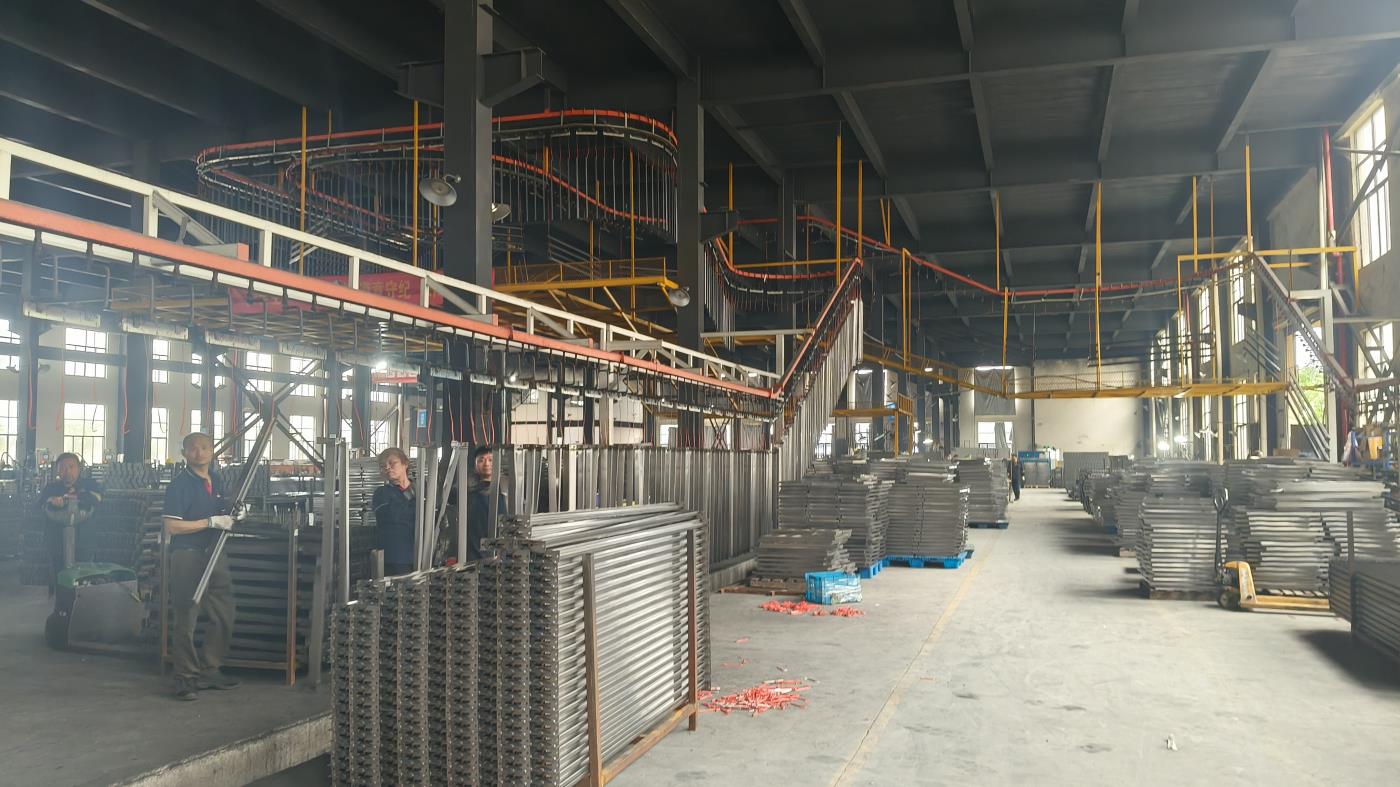
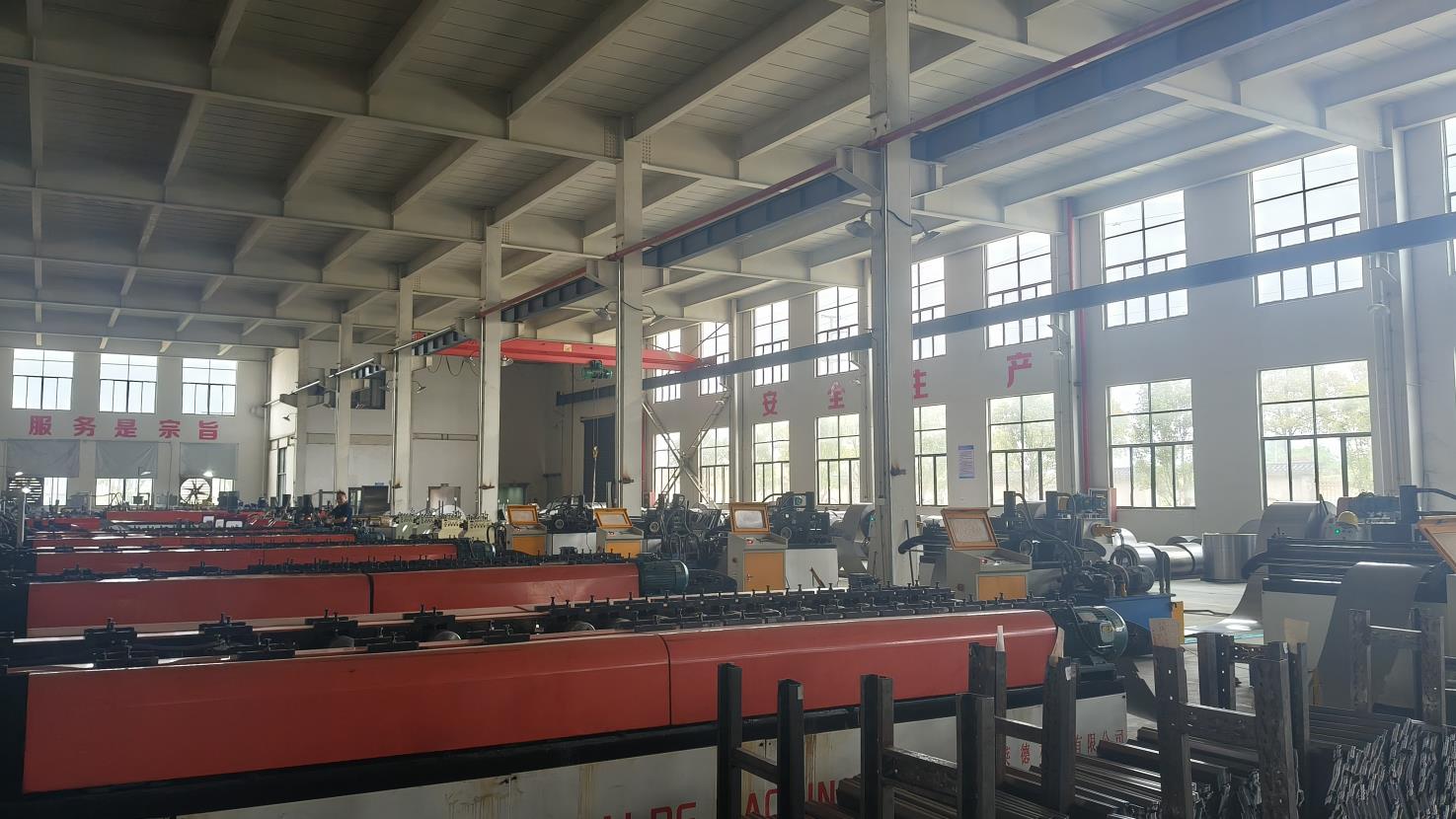
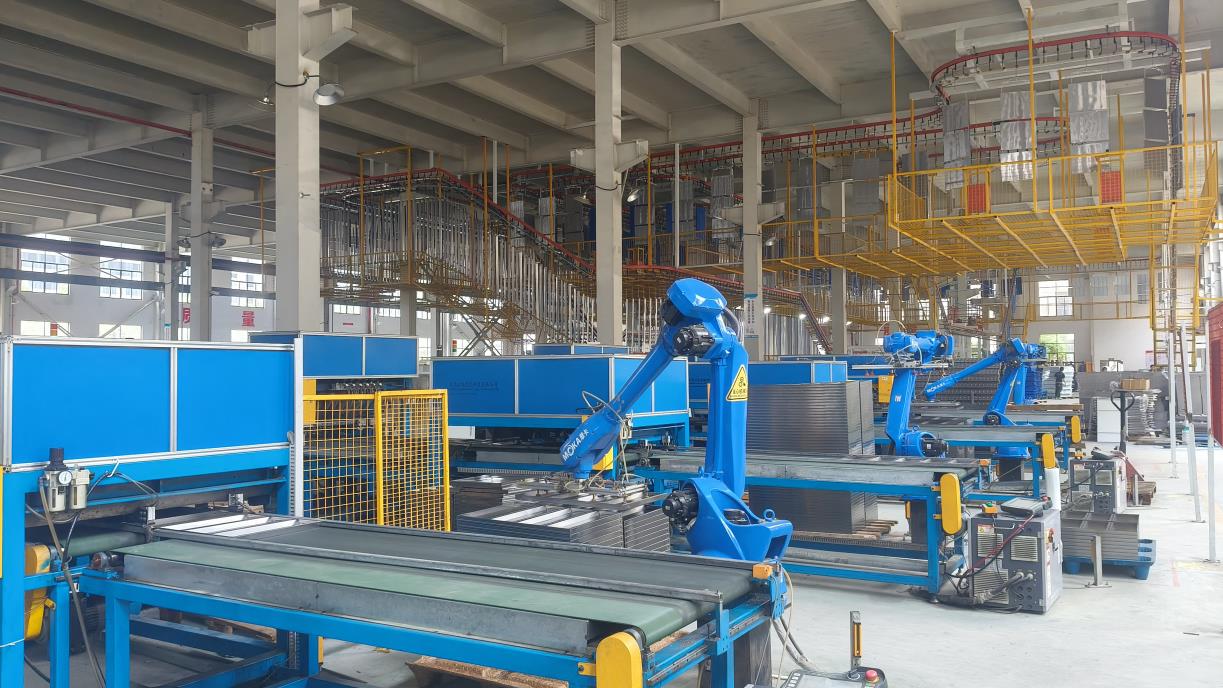
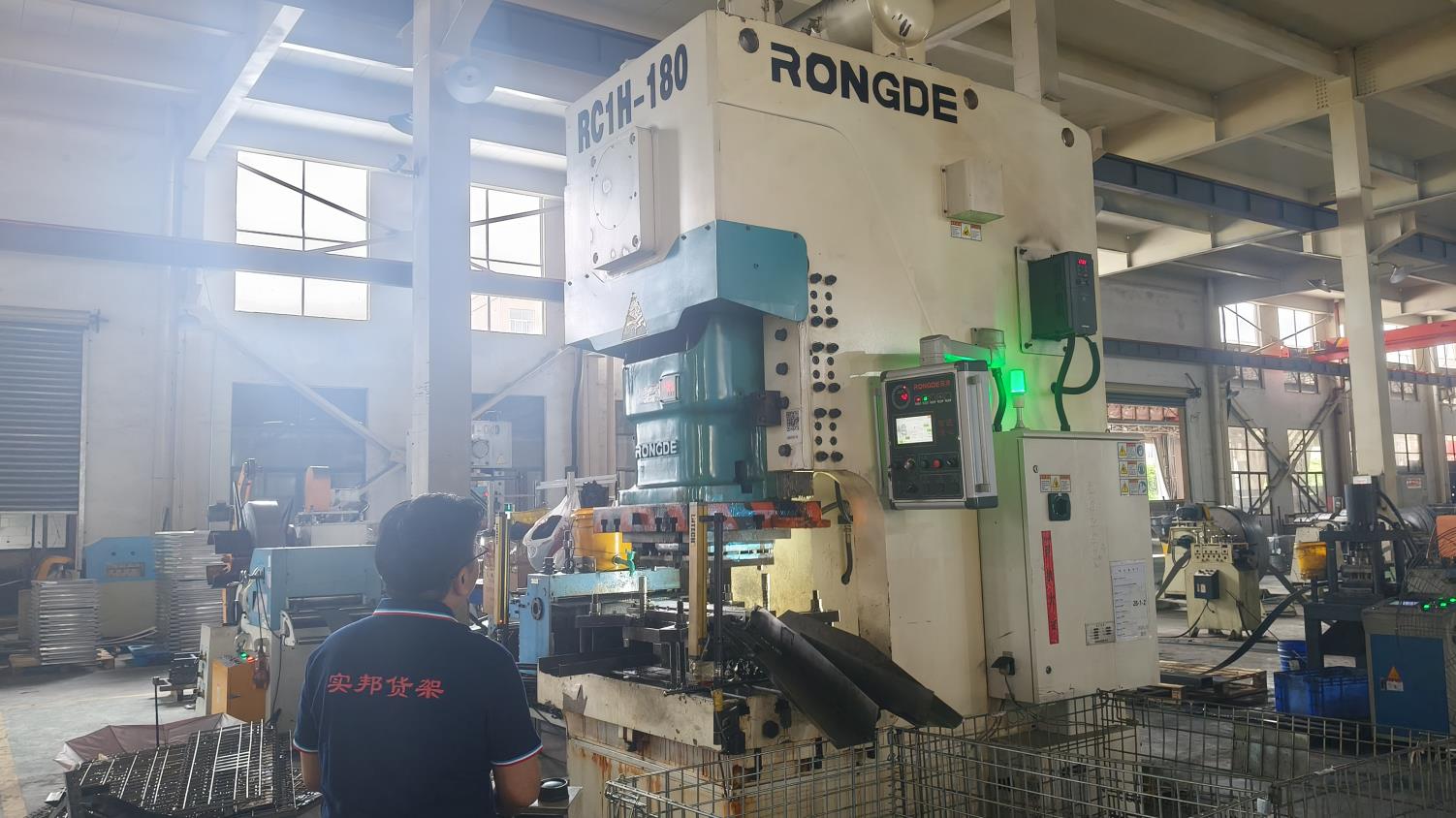
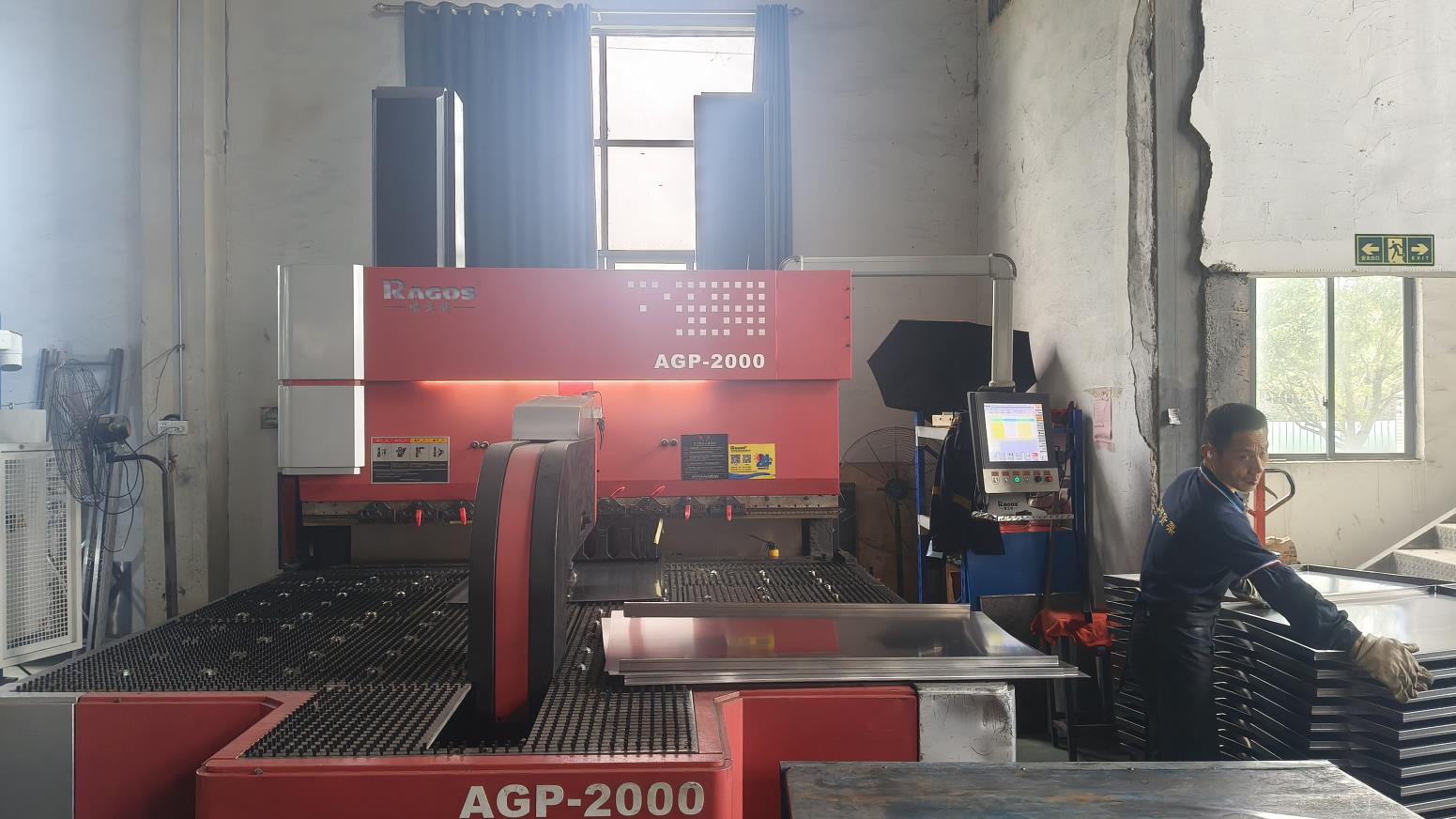
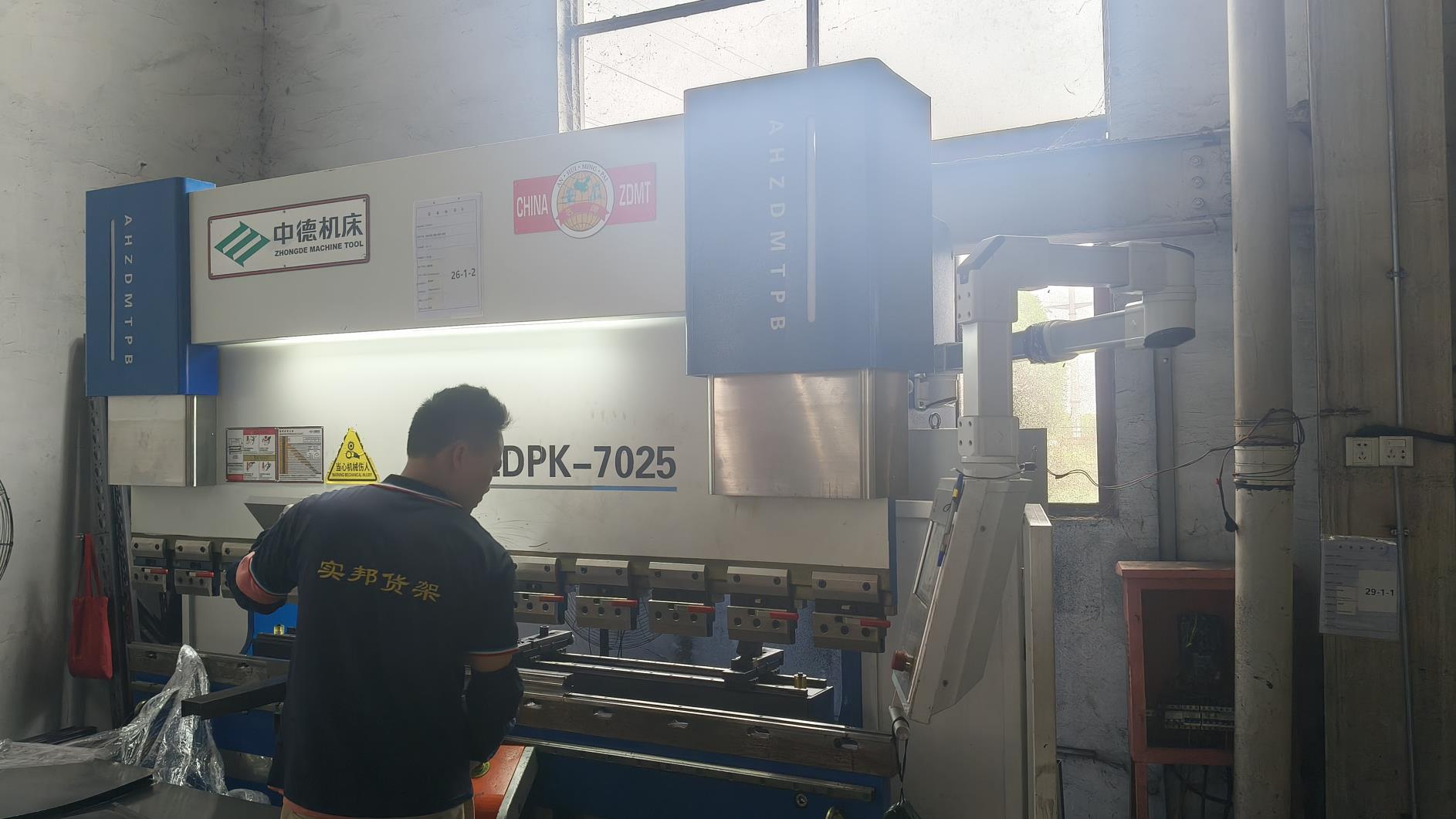
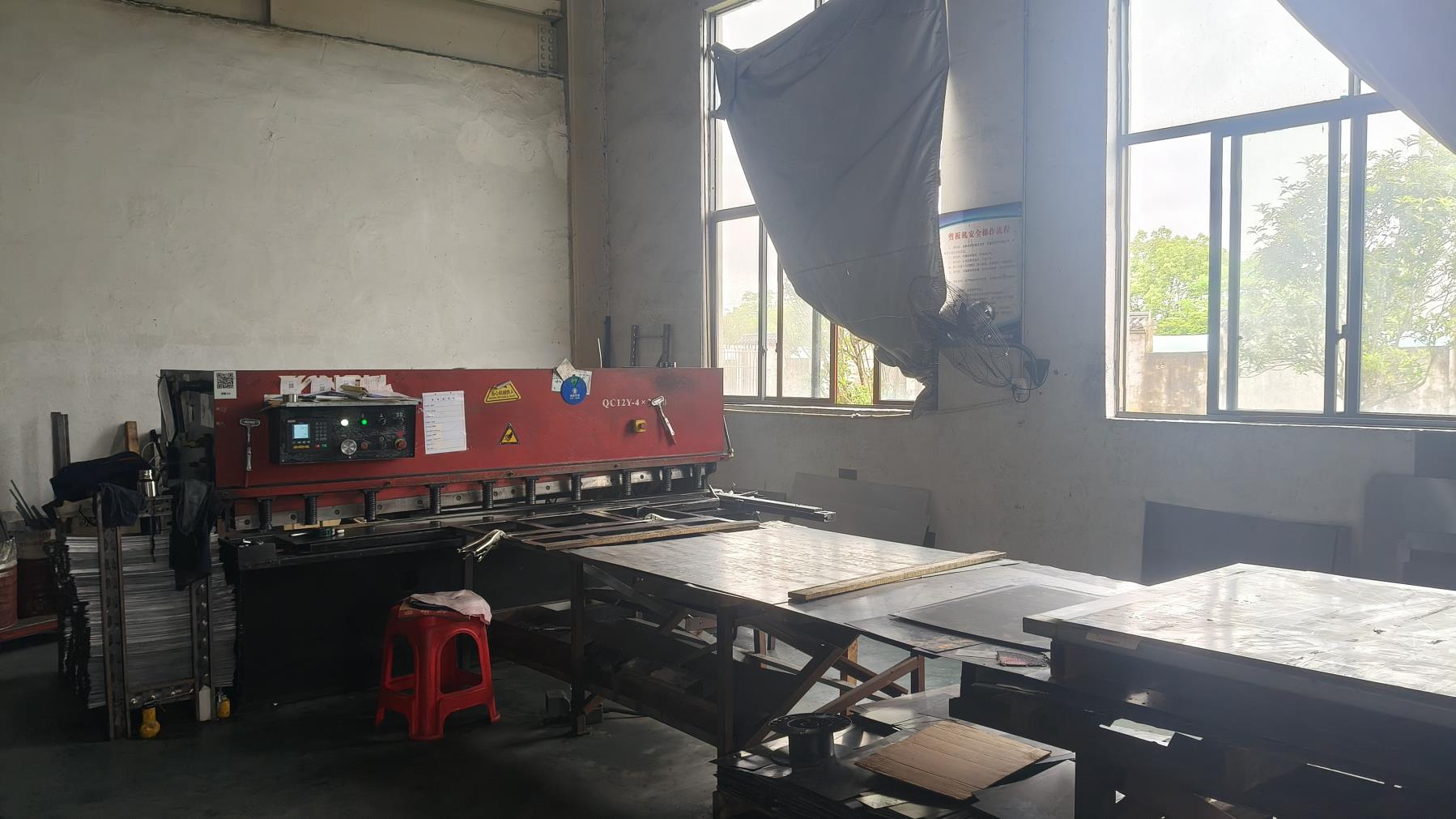
Established in 2015, Shenzhen Shibang Storage Rack Co., Ltd. is a leading manufacturer specializing in industrial racking systems and customized warehouse storage solutions. Operating from a modern production facility spanning 32,000 square meters, the company integrates structural design, precision manufacturing, and international trade to serve a diverse global client base.
With over 12 years of industry expertise and 8 years of dedicated export experience, Shenzhen Shibang's products are distributed across North America, Europe, Australia, and Southeast Asia, generating over $18 million in annual export revenue. The company primarily partners with industrial distributors, third-party logistics (3PL) providers, e-commerce fulfillment centers, and large-scale manufacturing enterprises. Supported by a robust network of over 800 supply chain partners, Shenzhen Shibang ensures consistent raw material quality and efficient production timelines.
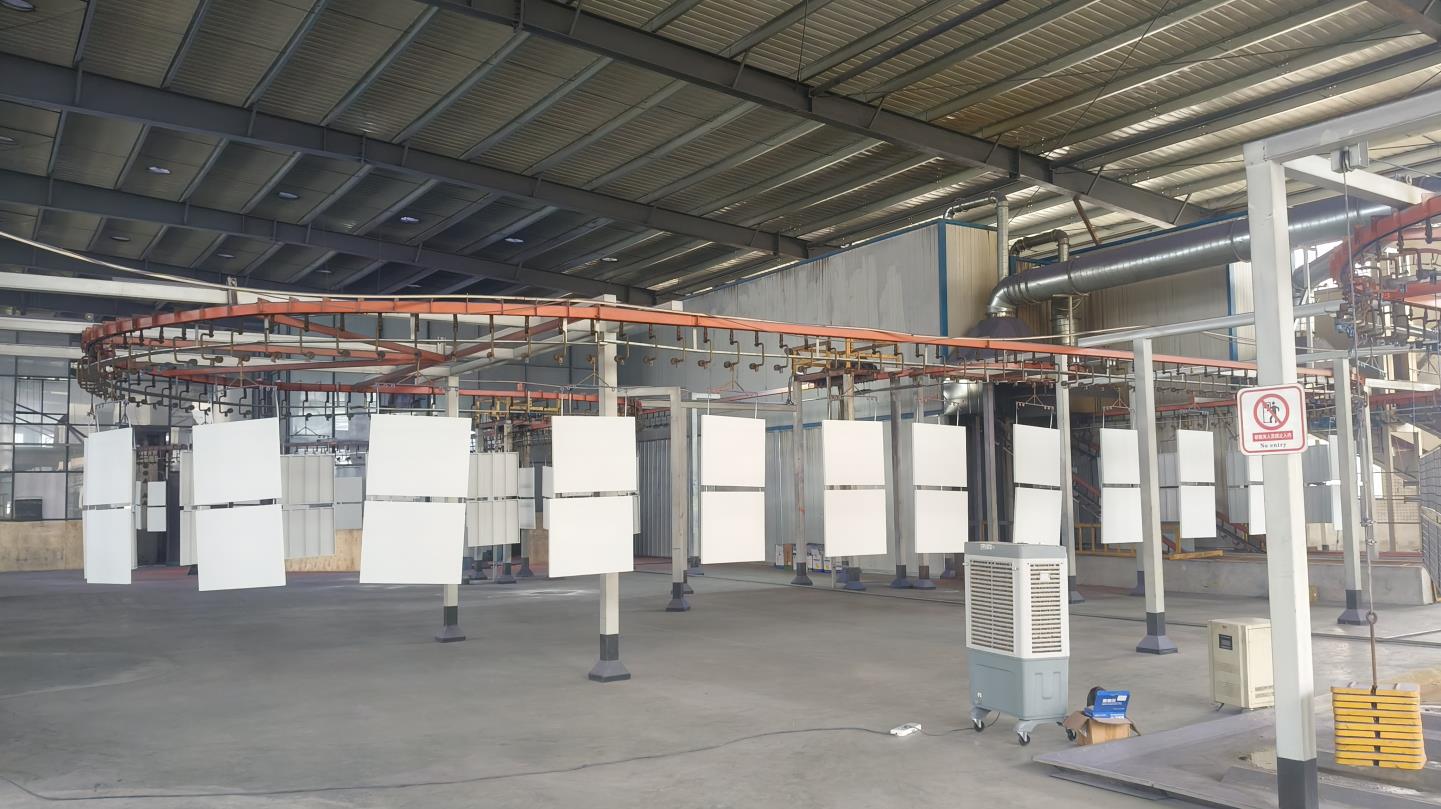
Quality control and technological innovation form the core of the company’s operations. A dynamic R&D team consisting of 18 senior engineers is supported by 35 dedicated QC professionals. They implement rigorous product inspection protocols—including raw steel tensile testing, automated ultrasonic weld checking, static and dynamic load testing, and powder-coating salt spray endurance tests—ensuring compliance with international safety and durability standards. In the past year alone, the R&D unit successfully introduced 45 new product designs and structural optimizations.
Shenzhen Shibang offers full structural customization options, providing tailored loading capacities, height configurations, beam profiles, and surface finishes (powder coating and hot-dip galvanizing) to meet exact warehouse specifications. Guided by engineering precision and trade reliability, the company continues to deliver safe, scalable, and optimized storage solutions for modern global supply chains.
A successful racking and shelving procurement strategy requires aligning design specifications with specific facility environments. Choosing the wrong configuration can lead to space underutilization or safety issues. Below are the key engineering specifications across primary storage applications:
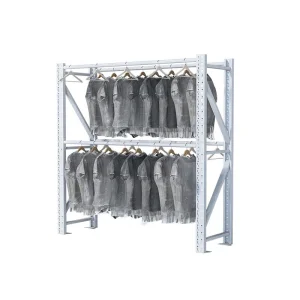
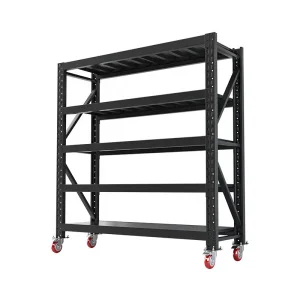
These dynamic environments require high-density, multi-level storage racking systems built from high-strength cold-rolled steel. Shelving solutions must integrate easily with warehouse management systems (WMS) and support fast manual picking workflows. Recommended configurations include high-hanging mobile shelving or modular multi-tier mezzanine racks that optimize vertical warehouse space.
Low-temperature facilities face constant condensation risk, which can quickly corrode standard metal racking. For these installations, hot-dip galvanized steel or specialized anti-rust treatments are essential. Materials must maintain structural integrity at temperatures below zero without becoming brittle.
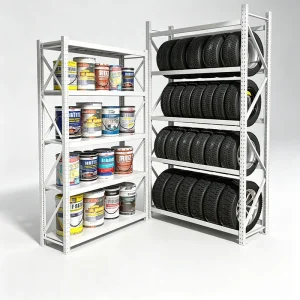
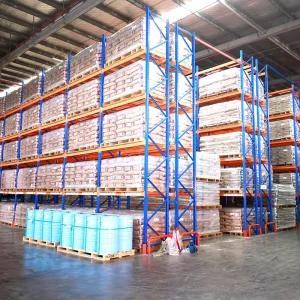
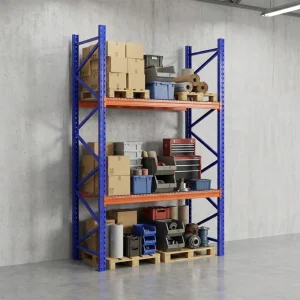
Heavy, non-uniform products (such as tires, machinery parts, and raw materials) require high weight capacities and specialized storage structures. Heavy-duty pallet racking systems with load limits from 1,000kg to 3,000kg per level, or dedicated steel tire racks with electrostatic powder coatings, protect stock and keep operations running safely.
The global storage equipment sector is evolving quickly, driven by new technologies and a growing focus on sustainability. Key trends to watch include:
Get answers to common queries regarding quality standards, custom designs, lead times, and global shipping policies.
Premium manufacturers primarily use high-grade structural steels like Q235B or SPCC cold-rolled steel. These grades provide predictable yield points and excellent load-bearing characteristics, ensuring the structural stability of high-bay racking systems.
Shenzhen Shibang maintains a dedicated team of 35 QC professionals who run systematic checks, including raw steel tensile testing, ultrasonic weld inspection, static/dynamic load simulations, and salt spray testing. Their designs comply with international standards such as FEM and AS4084.
Electrostatic powder coating is ideal for standard warehouse and retail environments, providing excellent wear resistance and visual customization. Hot-dip galvanization is recommended for outdoor use, chemical storage, or cold-temperature facilities, as it offers superior, long-term protection against corrosion.
Yes. Top-tier manufacturers like Shenzhen Shibang offer custom services to adjust upright frame heights, beam profiles, shelf materials, and loading capacities, ensuring the final system integrates perfectly with your facility's layout and equipment.
Production cycles generally range from 20 to 30 days, depending on the complexity of the design and order volume. Leveraging integrated local supply chains helps minimize delay risks during busy periods.
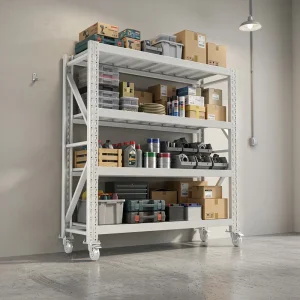
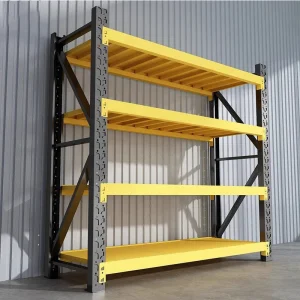
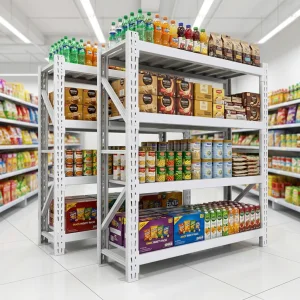
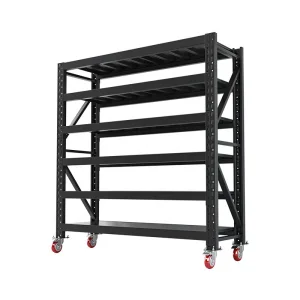
Designed for durability and easy configuration, supporting fluid inventory movement and safe handling.
 Shibang Steel