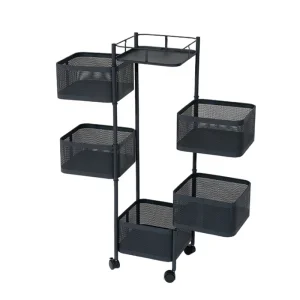
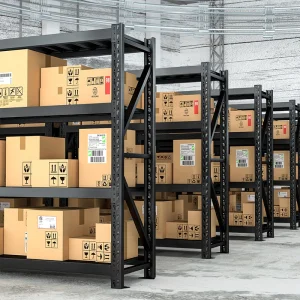
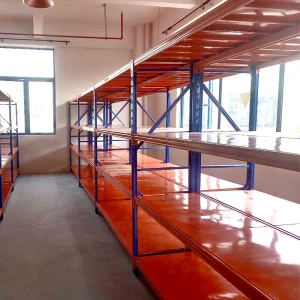
Explore our top-tier industrial storage solutions engineered to maximize warehouse vertical cube utilization, streamline pick speeds, and guarantee structural durability under severe load profiles.
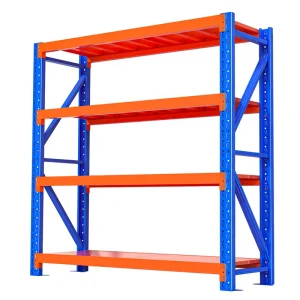
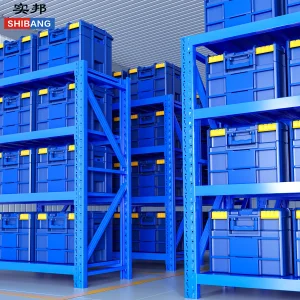
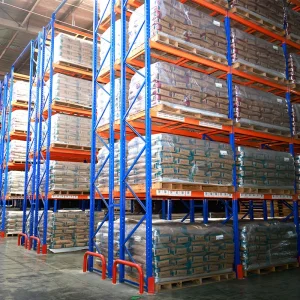
A premier Chinese manufacturing authority in high-density logistics storage design and OEM structural racking engineering.
Established in 2015, Shenzhen Shibang Storage Rack Co., Ltd. has evolved into a global leader specializing in industrial racking systems and customized warehouse storage designs. Operating from our advanced 32,000 square meter manufacturing center, we integrate engineering, structural design, automated precision manufacturing, and international trade to serve a diverse global client base.
With over 12 years of industry expertise and 8 years of dedicated export experience, our structural components are exported across North America, Europe, Australia, and Southeast Asia. We partner directly with industrial distributors, third-party logistics (3PL) providers, global e-commerce fulfillment centers, and heavy-duty manufacturing enterprises to deliver certified storage solutions.
Our dynamic R&D team introduced 45 new product designs and structural optimizations in the past year alone, validating safe structural limits via Finite Element Analysis (FEA).
We enforce rigorous raw steel tensile testing, ultrasonic weld inspection, static and dynamic load testing, and powder-coating salt spray endurance tests to ensure compliance with global safety standards.
We customize loading capacities, height configurations, beam profiles, and provide anti-corrosive powder coating or hot-dip galvanizing finishes to match any layout specification.
Understanding the transition from basic static iron shelving to high-performance, human-centric ergonomic rack systems in the global supply chain.
The modern industrial warehousing sector is undergoing a profound paradigm shift. Warehouses are no longer viewed merely as dead-storage repositories; they are active, fast-paced logistics hubs where throughput speed, space density, and operator safety directly dictate corporate profitability. This evolution has driven the demand for Ergonomic Rack Systems.
Ergonomic design in racking systems primarily focuses on two dimensions: human-machine interface safety (reducing repetitive strain, bending, and reaching injuries for order pickers) and handling efficiency (optimizing rack accessibility, shelf heights, pick-face dimensions, and compatibility with forklift machinery). Major distribution centers in North America and Western Europe now mandate compliance with stringent safety and ergonomics regulations (such as OSHA and EN standards), which require racking systems to prevent structural deflections that could compromise worker safety during manual picking.
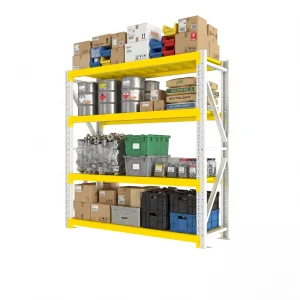
At the same time, high-density environments like e-commerce fulfillment centers require dynamic adjustments. Adjustable and boltless shelving systems allow warehouses to alter pick heights dynamically, ensuring operators work within their natural "strike zone"—the height between the shoulders and waist. This layout optimization reduces worker fatigue, speeds up picking cycles by up to 25%, and minimizes warehouse product damage.
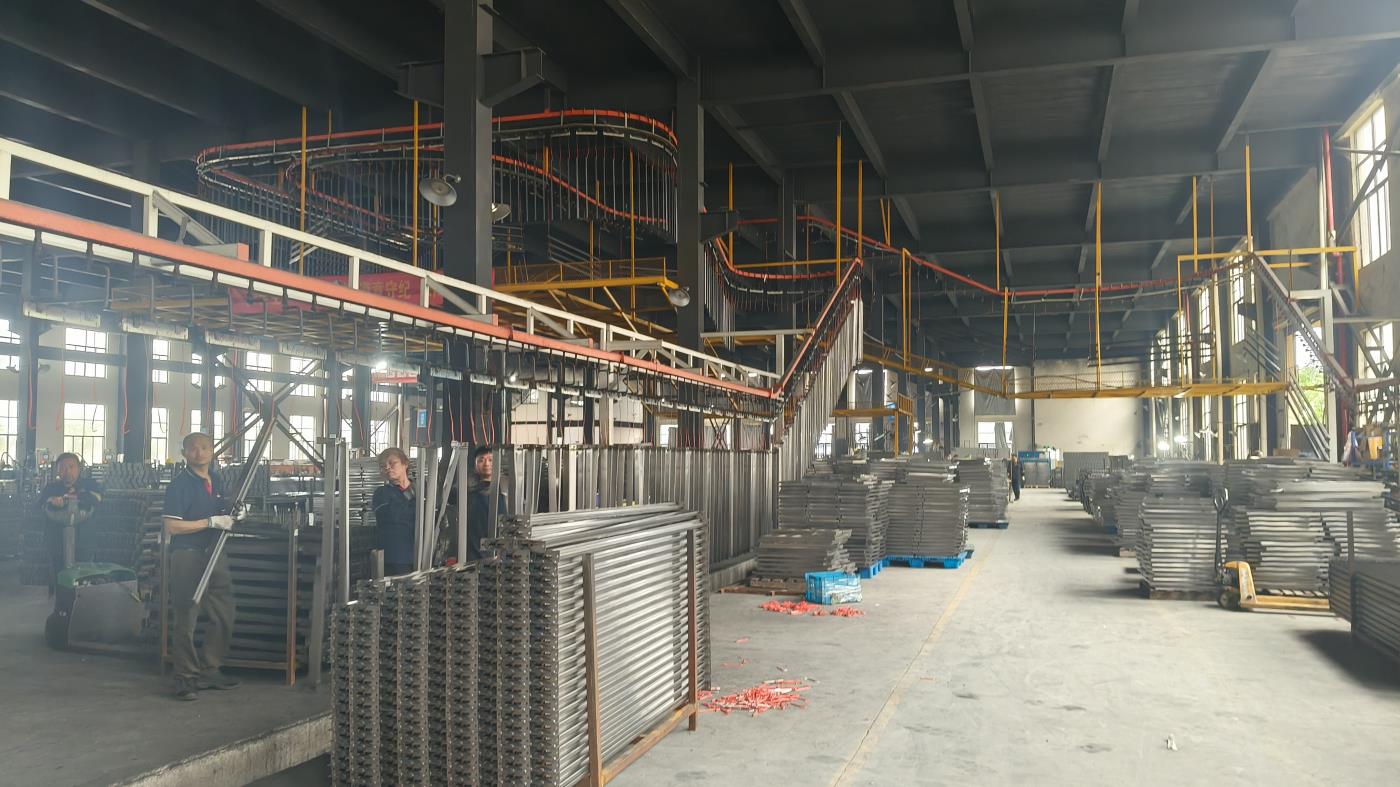
Step inside our 32,000 square meter ISO-certified manufacturing facility, where structural steel is forged into high-capacity racking systems using precision robotics and advanced surface chemistry.
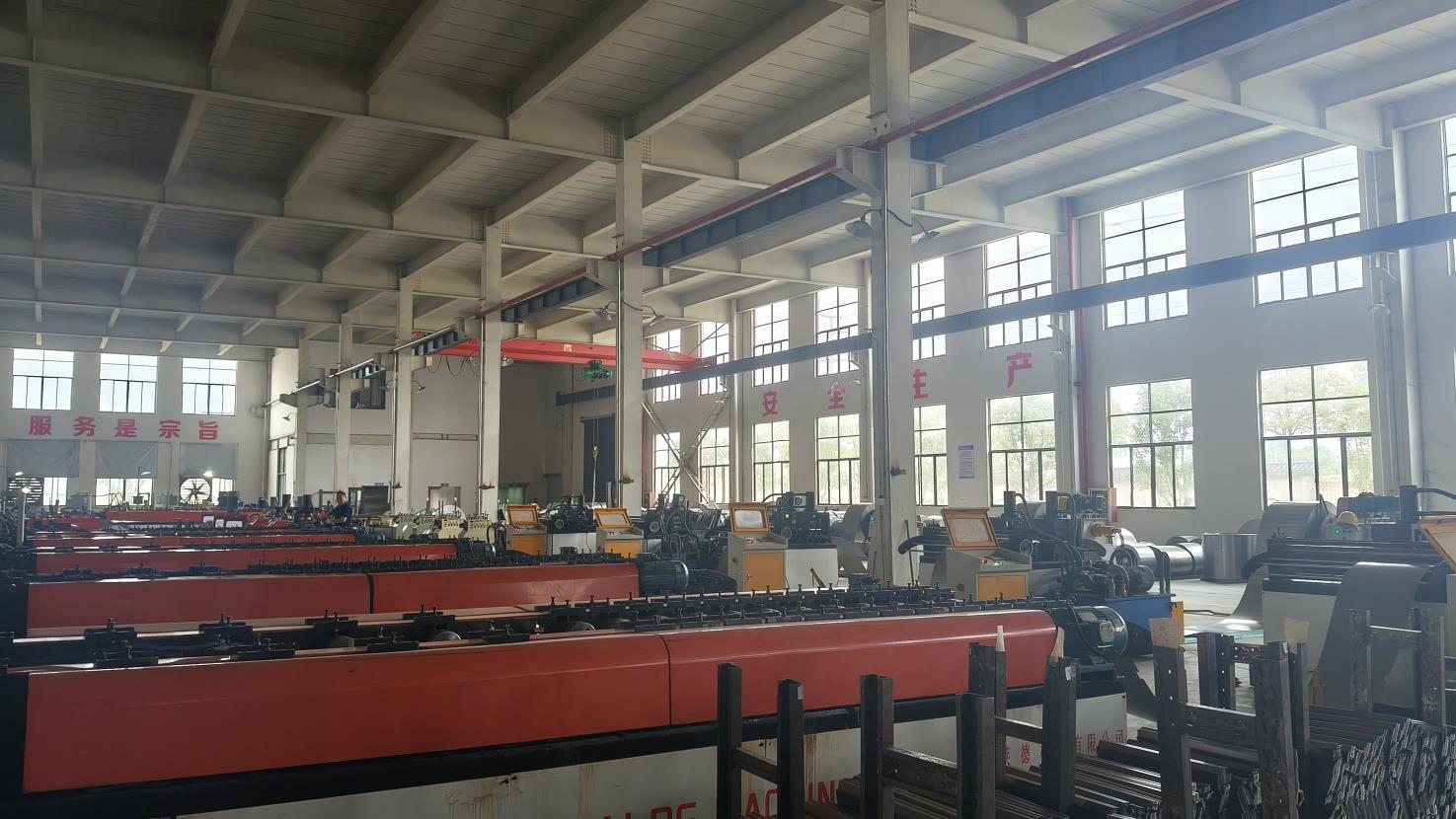
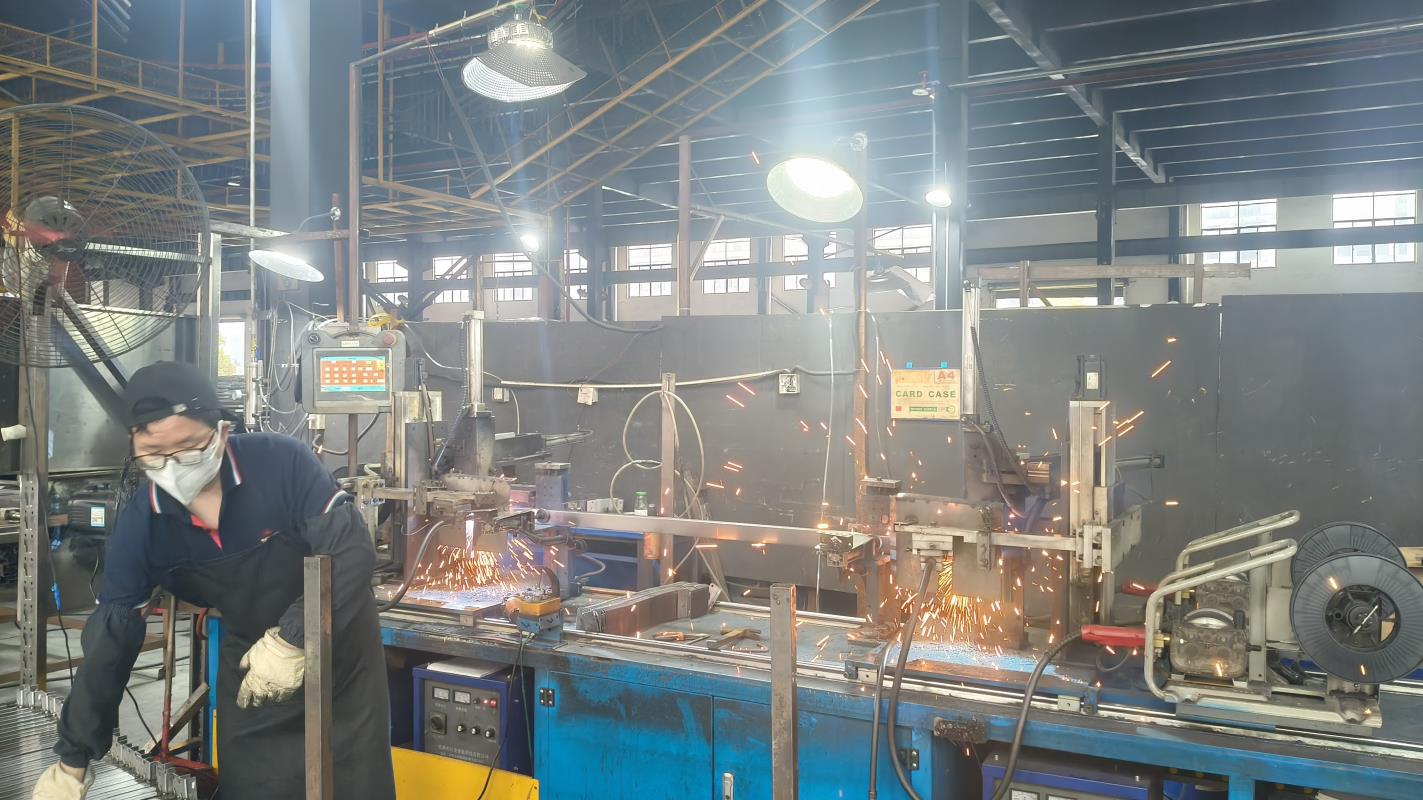
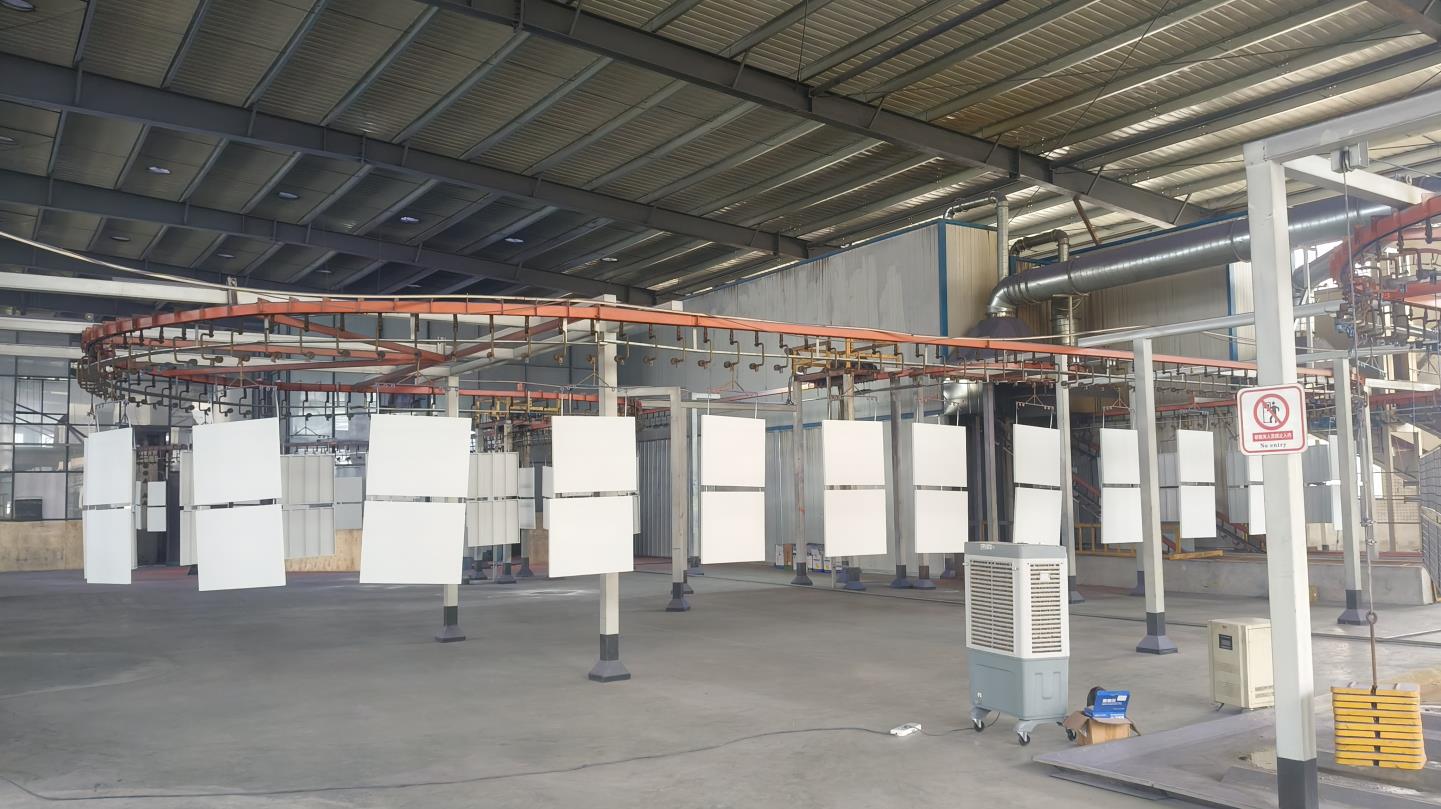
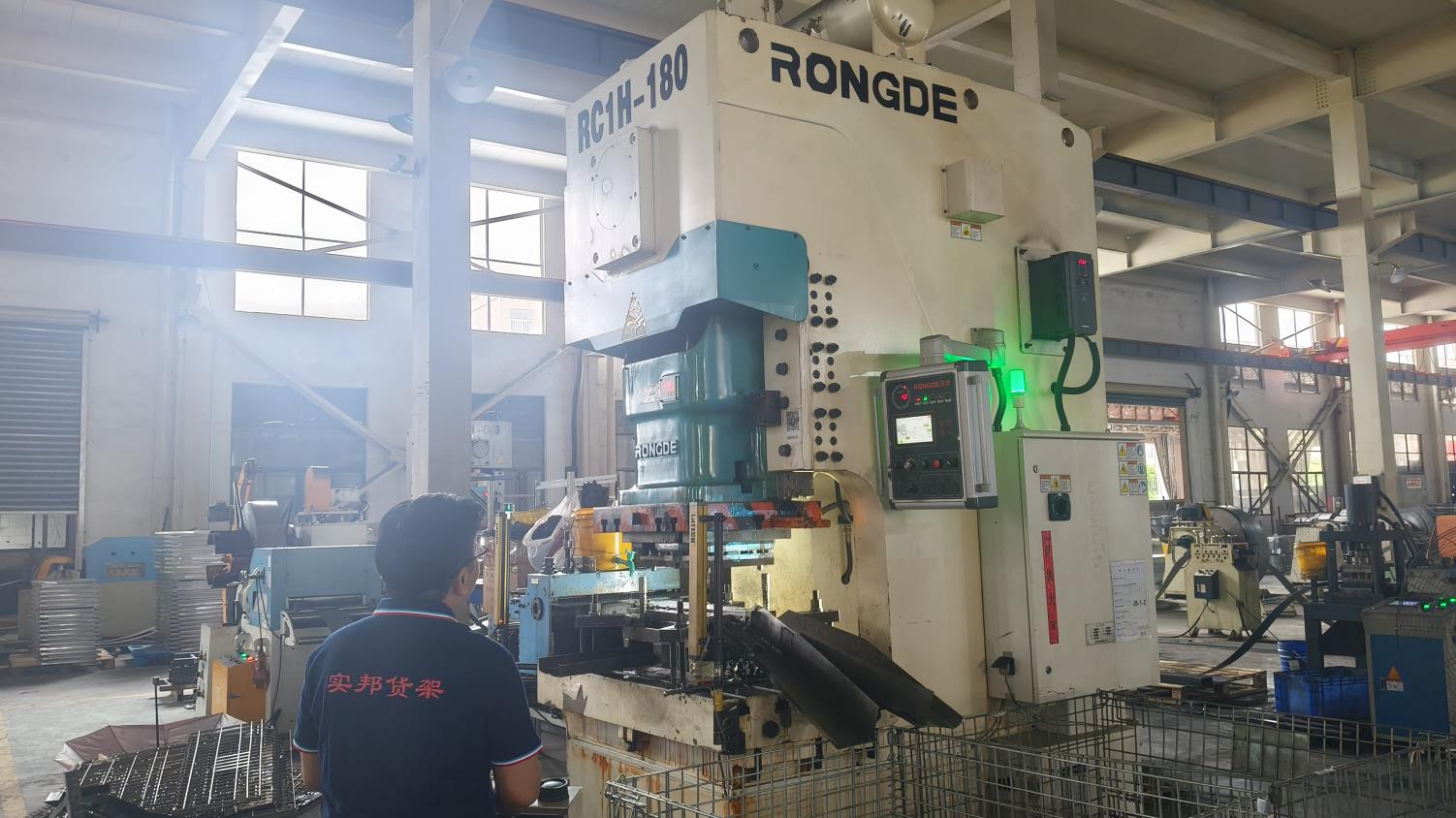
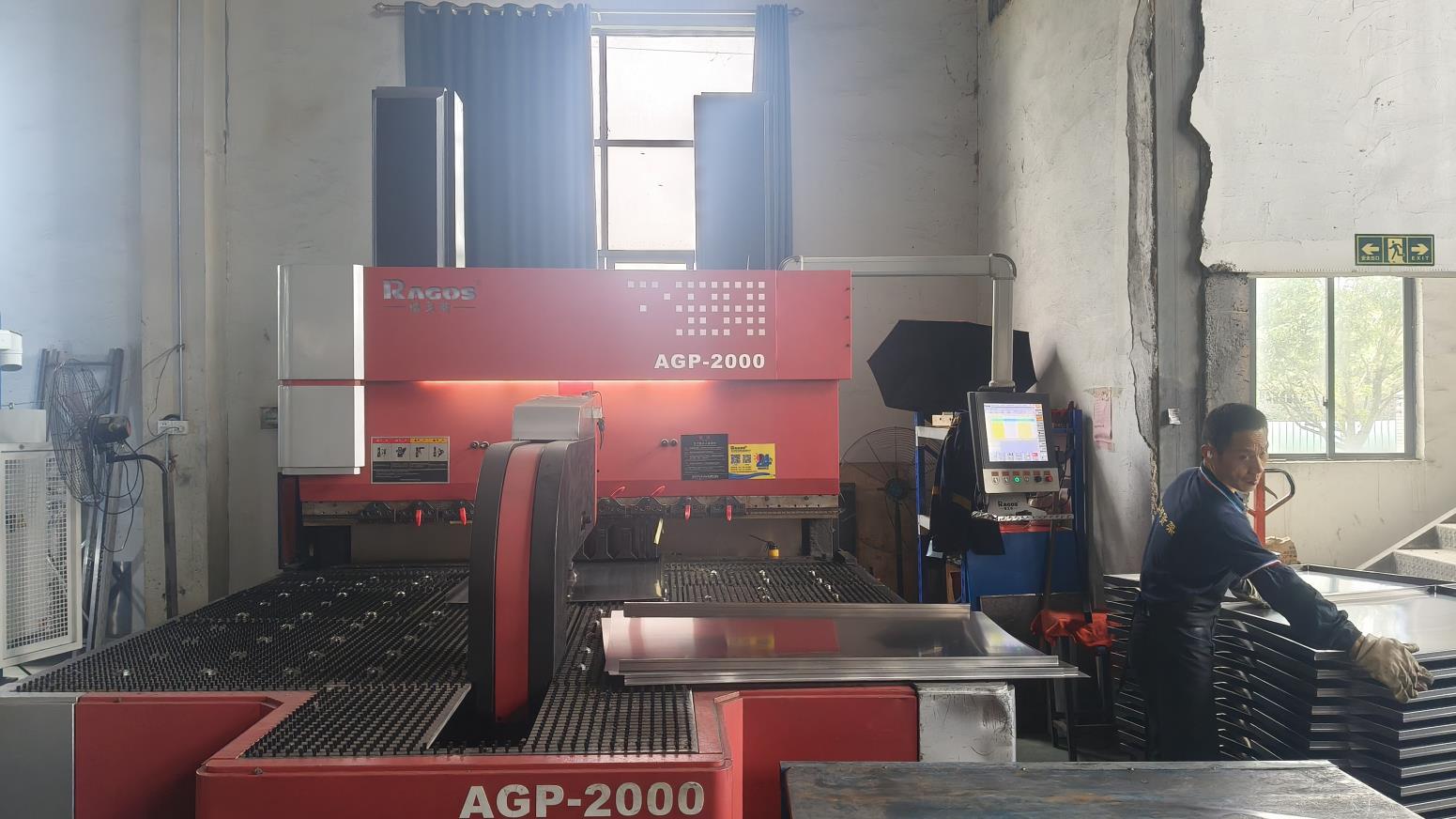
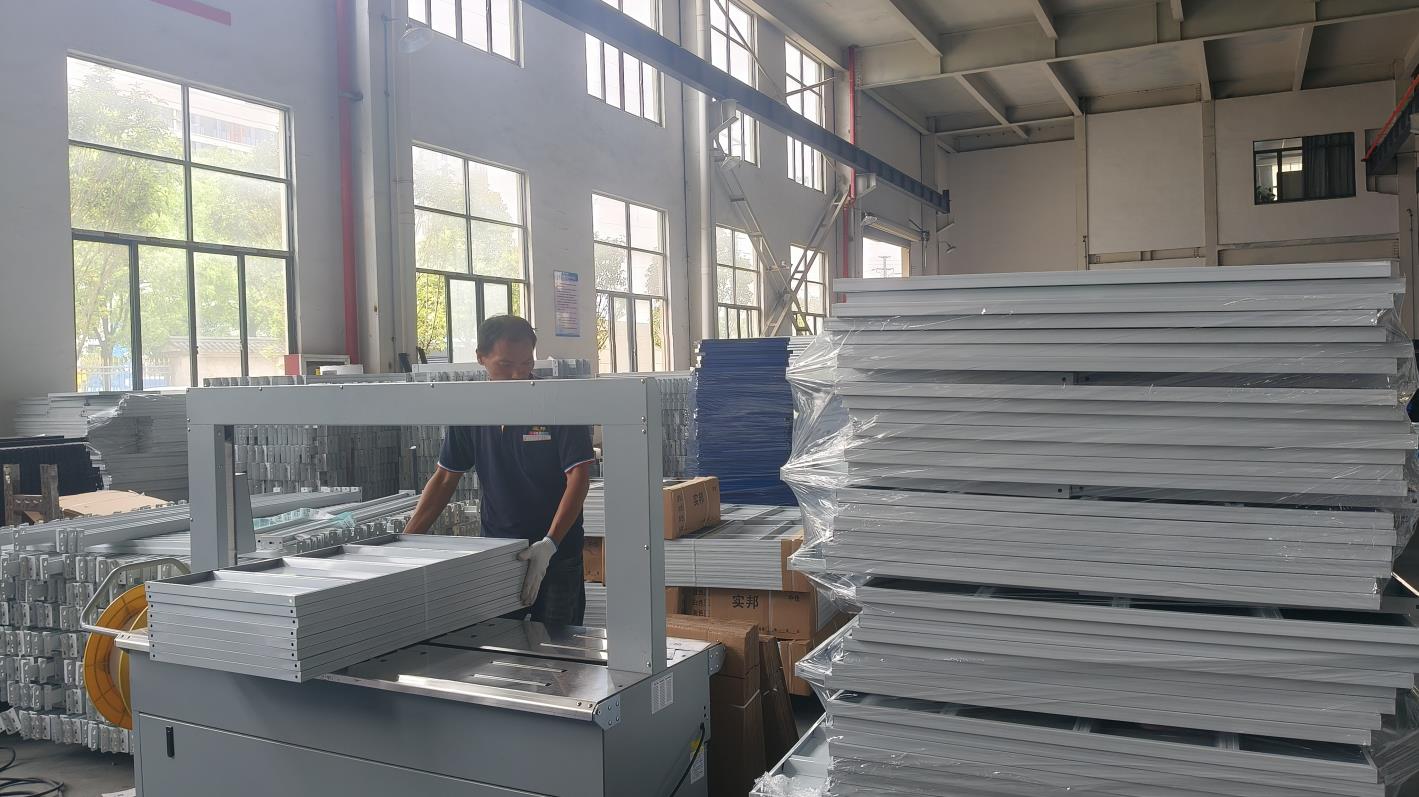
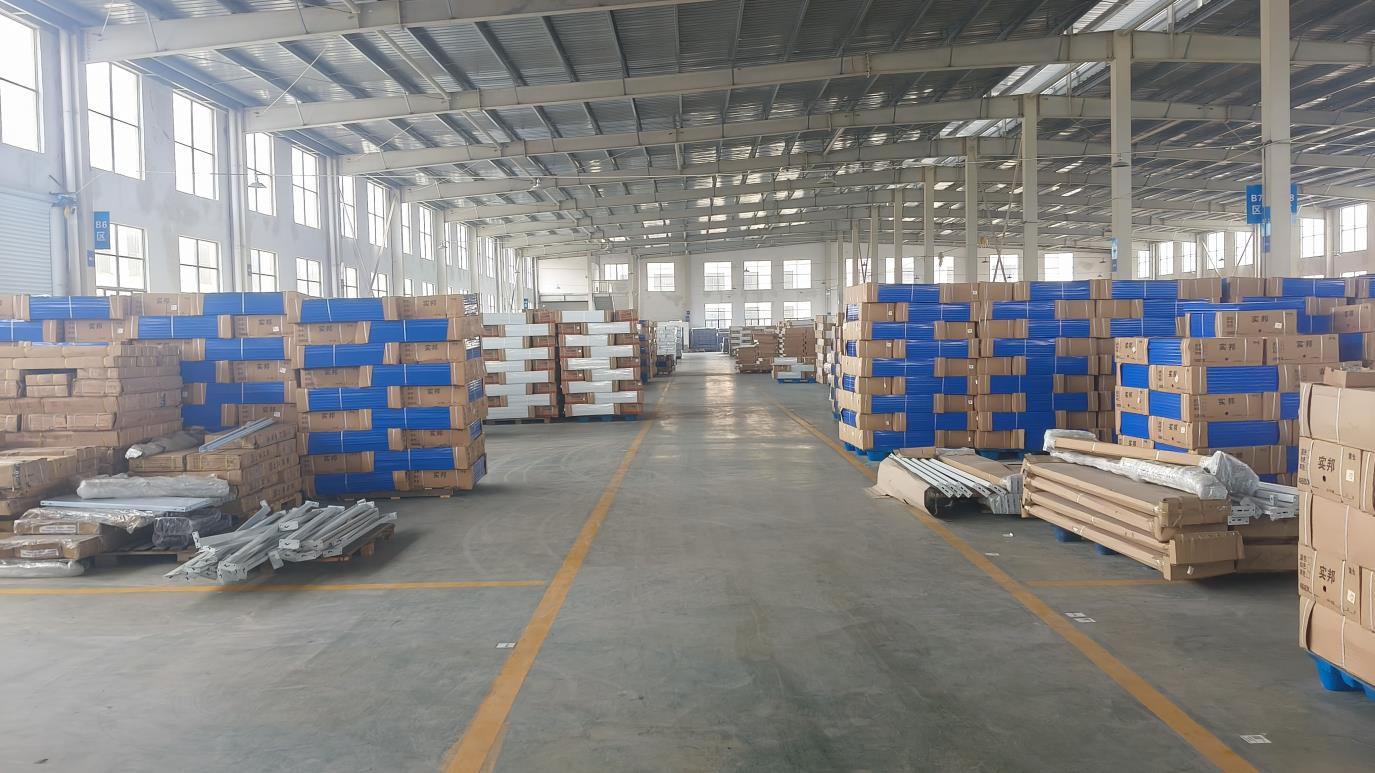
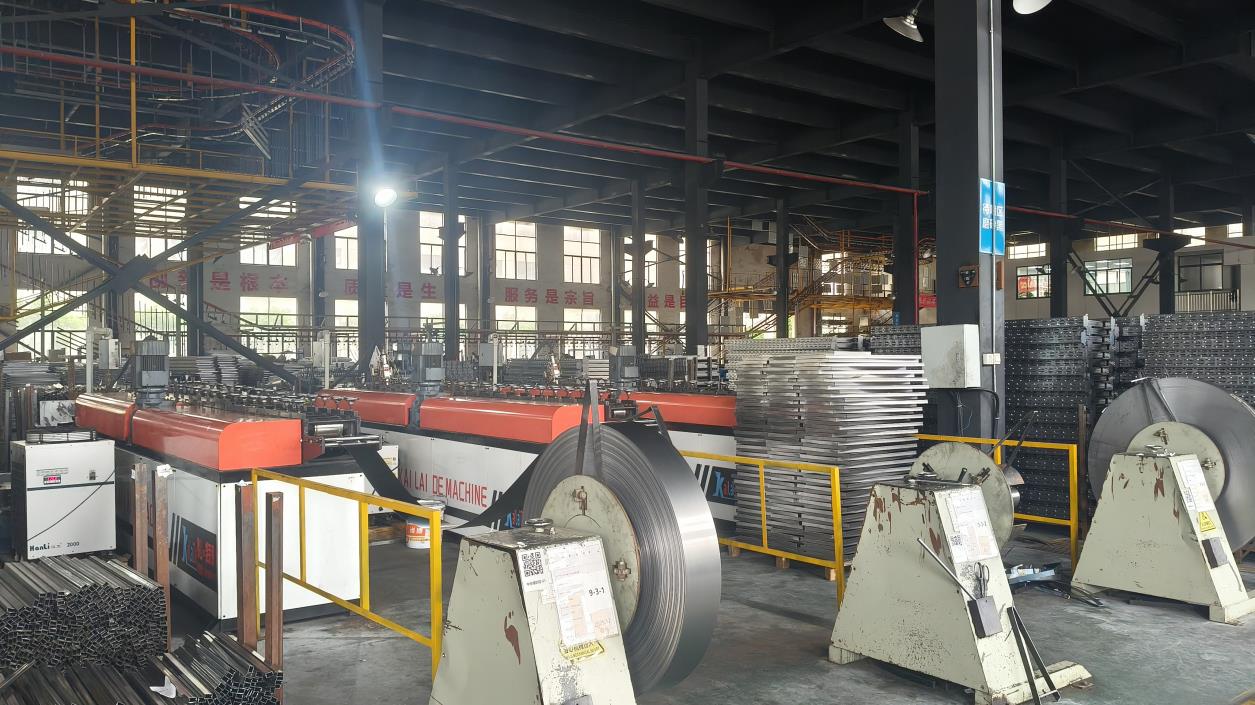
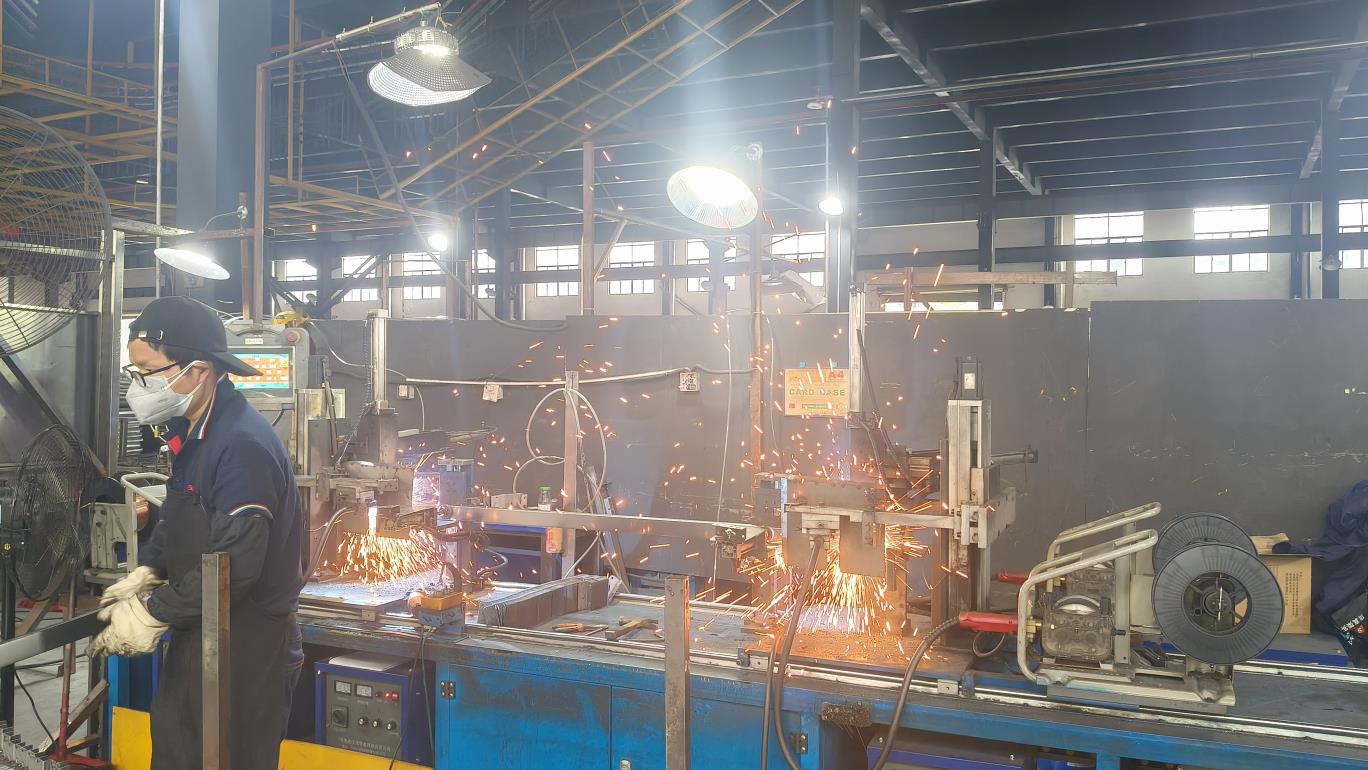
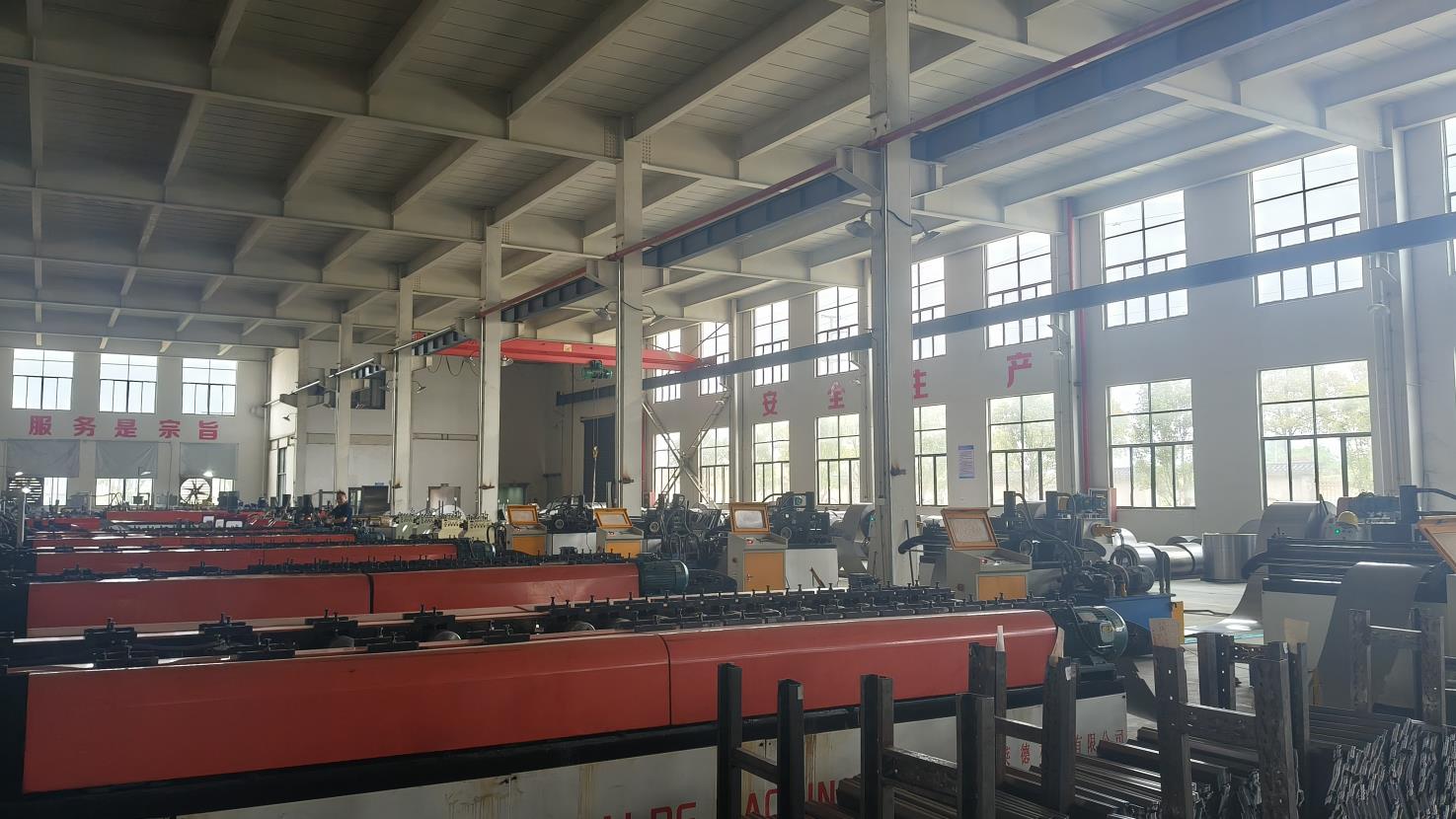
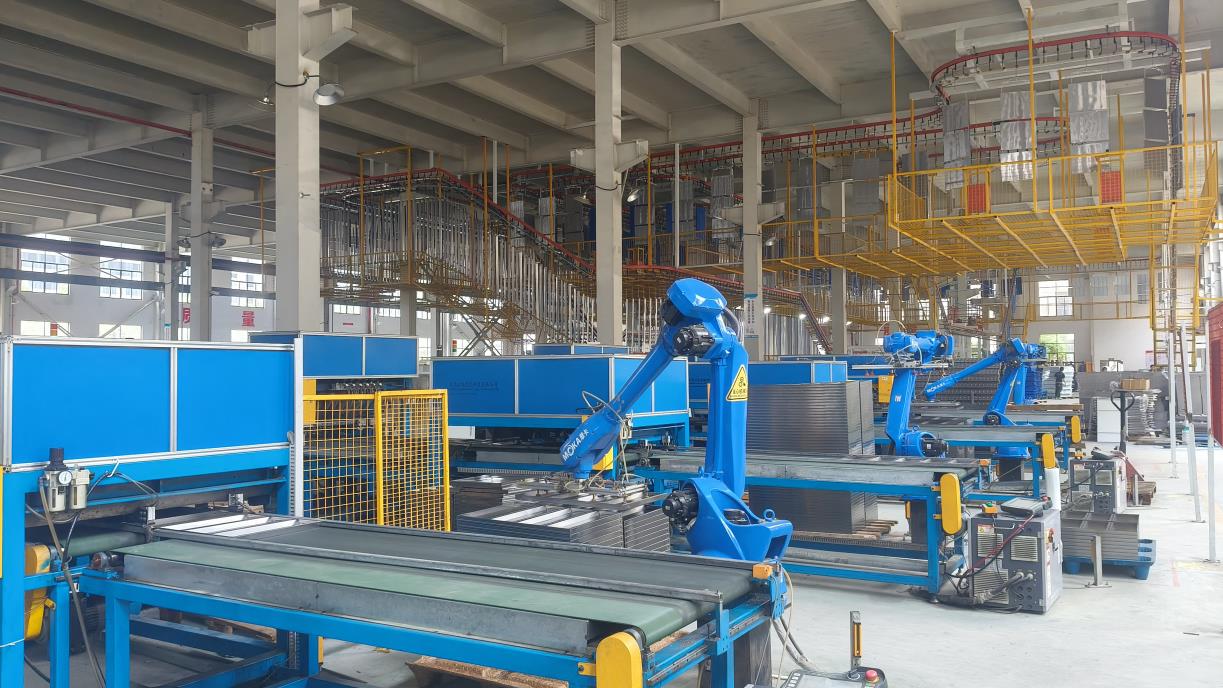
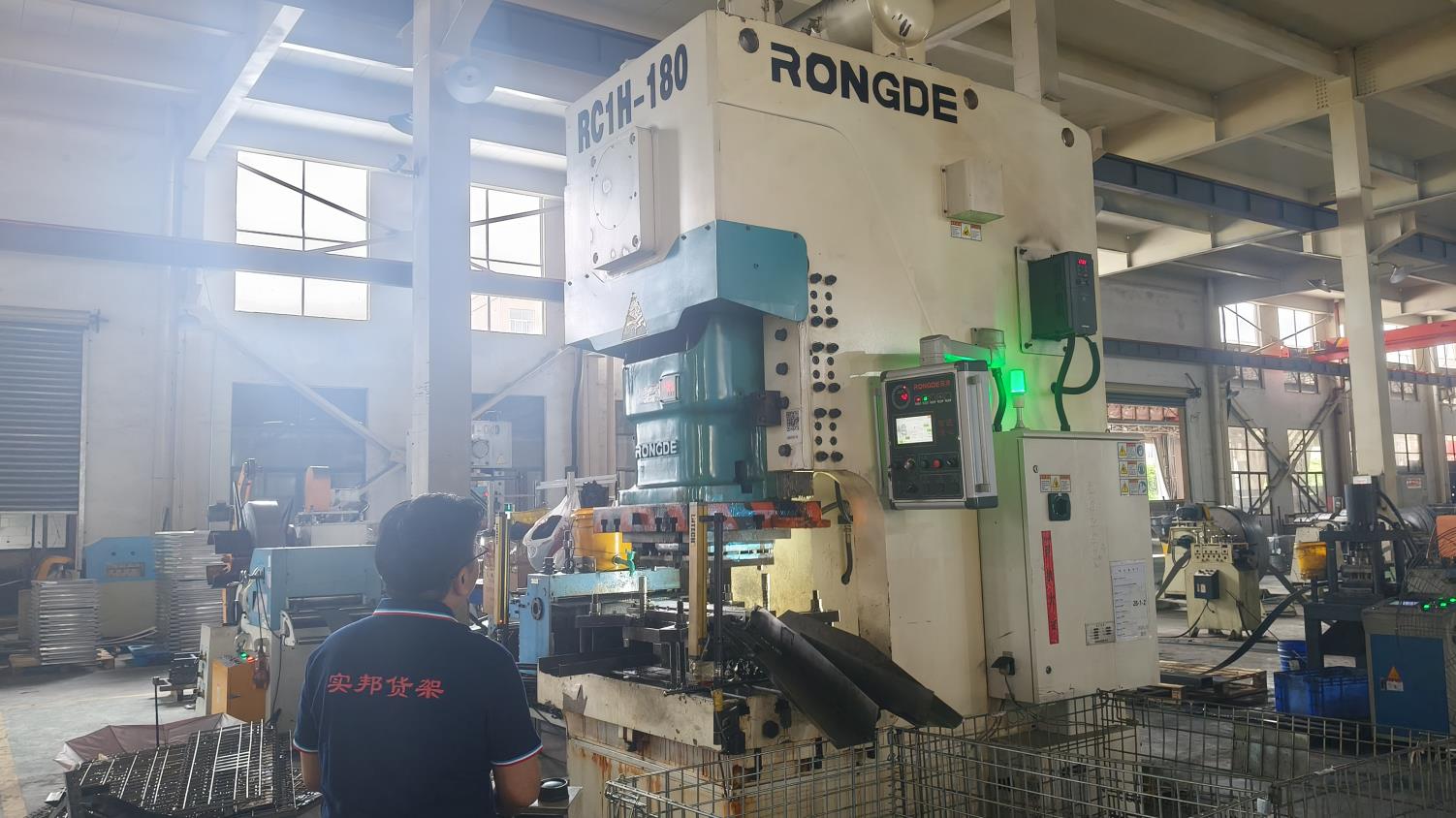
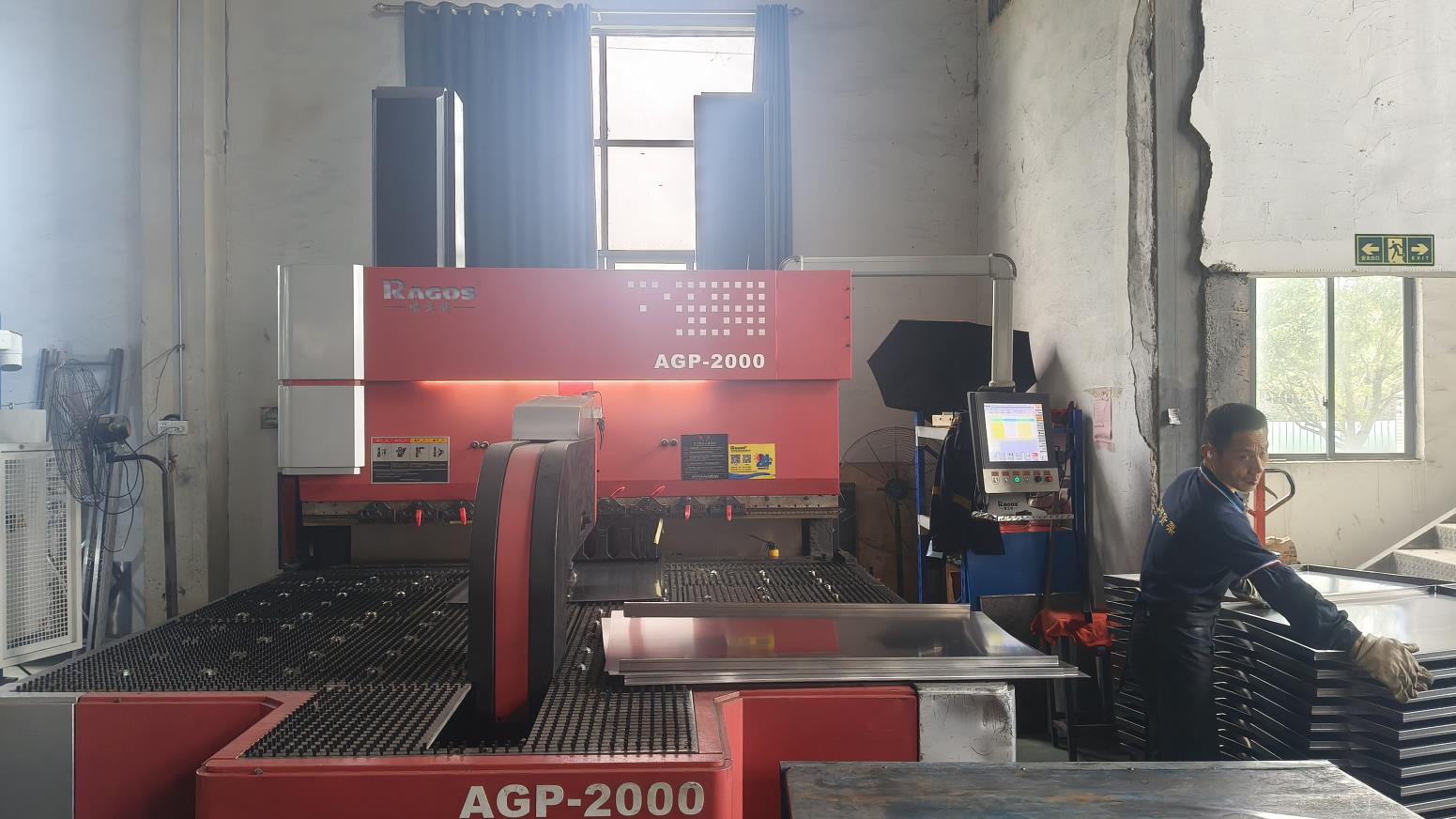
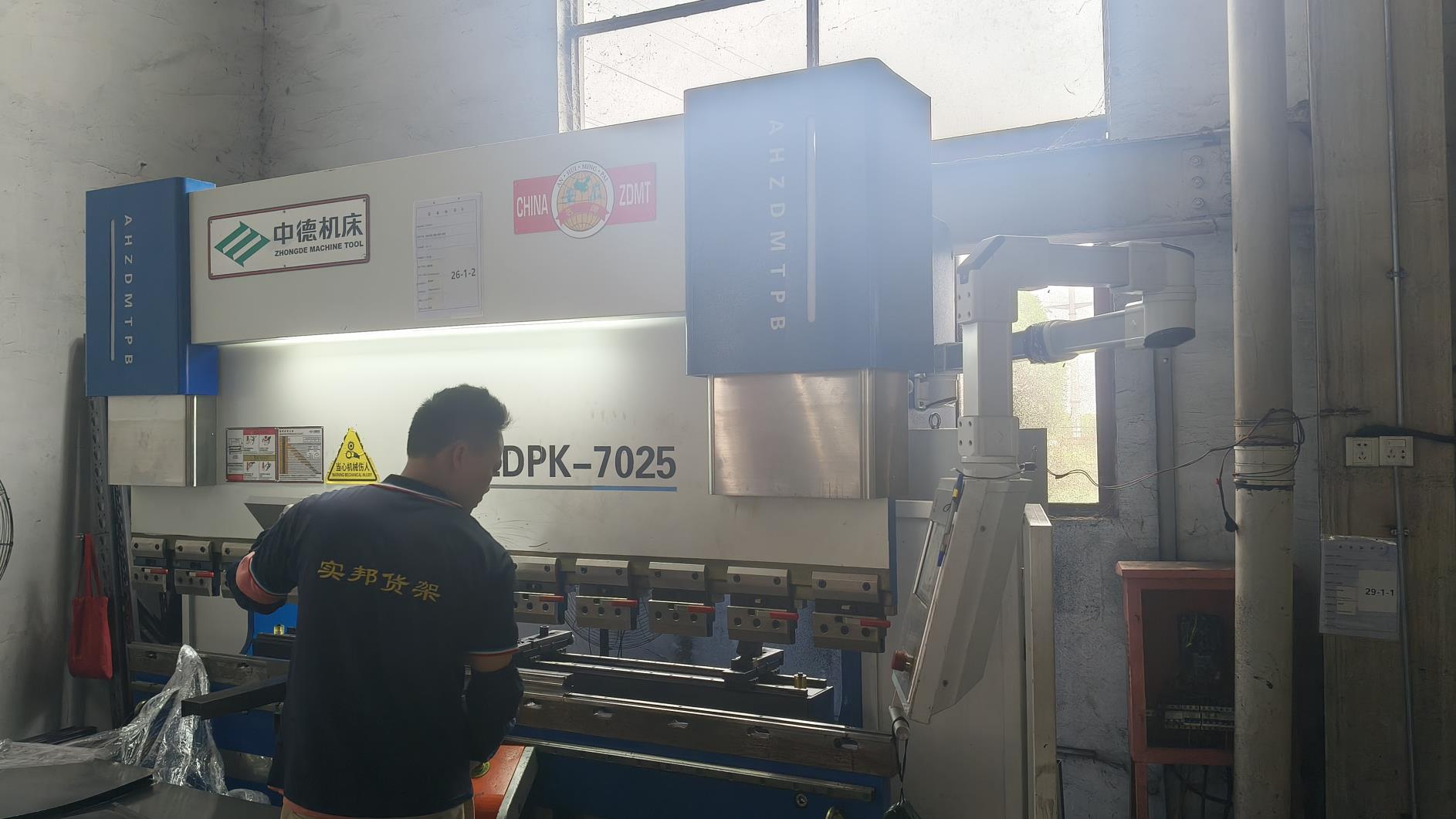
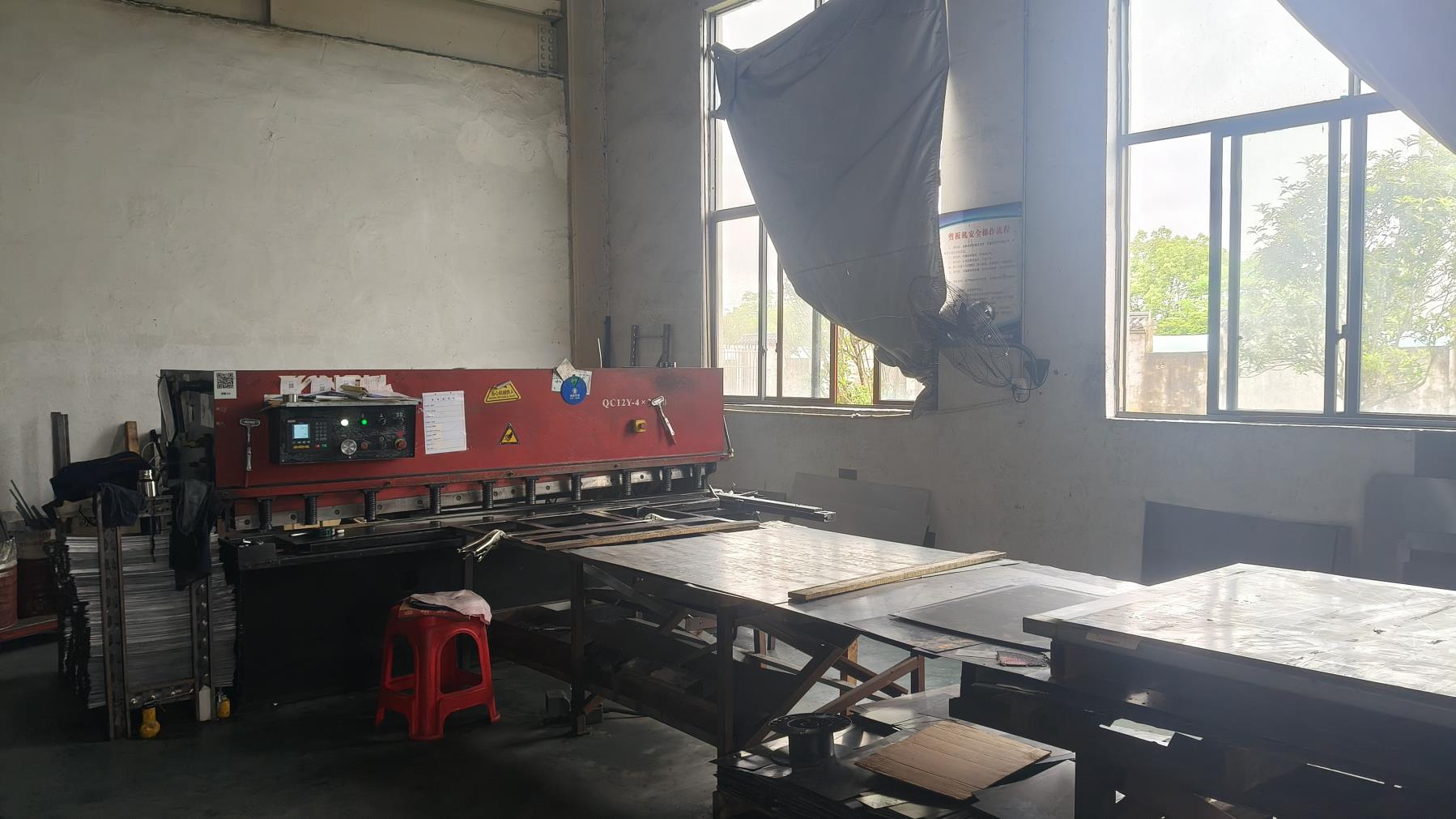
Our engineering roadmap integrates precision steel forming and advanced automated welding. Using high-grade Q235 cold-rolled steel, our cold-forming line shapes structural components to exact dimensional tolerances. Every column, diagonal brace, and pallet beam profile undergoes Finite Element Analysis (FEA) to simulate load distributions and establish maximum load-bearing thresholds before manufacturing begins.
Furthermore, our facility operates high-performance multi-stage robotic welding arms, ensuring clean, continuous, and defect-free joints. Our finishing lines employ automated electro-powder coating and hot-dip galvanizing technologies, producing a thick, uniform protective barrier that achieves outstanding salt-spray resistance. This coating prevents structural oxidation in challenging environments like refrigerated cold stores or high-humidity coastal facilities.
From dynamic 3PL centers to cold chains, Shibang supplies optimized configurations that conform to regional safety regulations and operation parameters.
High-throughput fulfillment facilities in North America require Narrow Aisle (VNA) racking systems. Shibang integrates custom beam heights, easy-adjust drop-in beams, and highly visible upright structures to speed up forklift navigation while ensuring the safety of ground-level order pickers.
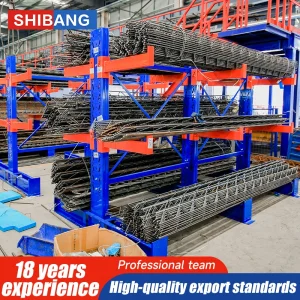
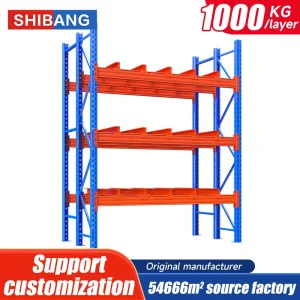
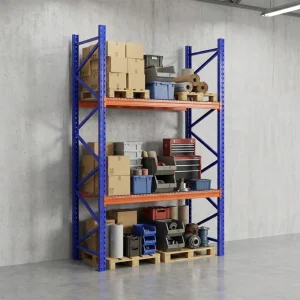
Storing bulk coils, steel plates, and mechanical components requires heavy-duty cantilever racks and multi-level pallet storage systems. Our systems utilize Q235 solid structural steel, providing load limits exceeding 5,000 kg per storage tier with structural factors of safety exceeding 1.5.
Operating in cold environments requires steel that resists low-temperature brittleness. Shibang provides specialized hot-dip galvanized finishes and alloyed steel configurations that maintain structural integrity down to -30°C, preventing micro-fracturing at critical joint sections.
The future of heavy-duty warehouse racking lies at the intersection of automated retrieval systems (AS/RS), intelligent structural monitoring, and sustainable manufacturing.
As automation drives warehouse transformation, racking systems are evolving from passive iron shelving into integrated components of high-speed robotic systems. The rise of Autonomous Mobile Robots (AMRs) and automated cranes requires upright columns and beams to be manufactured to tighter tolerances. Deviation limits that were acceptable under manual forklift operation can cause automated shuttles to stall. Consequently, Shibang continues to optimize its robotic assembly lines to guarantee structural tolerances within fractions of a millimeter.
Environmental sustainability is also shaping the future of global logistics. International supply chains now evaluate the embodied carbon footprint of warehouse fixtures. Shibang is leading this change by transition to energy-efficient powder coating lines that minimize volatile organic compound (VOC) emissions, and sourcing steel from mills that utilize scrap recycling systems. Our structural designs focus on minimizing material weight while maintaining maximum load capacity, reducing total logistics costs and overall environmental impact.
Additionally, smart racking systems equipped with real-time strain gauges are emerging. These sensors alert warehouse operations teams to overloading, structural impacts from forklifts, or seismic shifts. Integrating structural health monitoring with warehouse management systems (WMS) is set to become the standard for modern high-bay facilities worldwide.
Answers to common structural design, certification, and customization questions asked by system integrators, facility managers, and procurement officers.
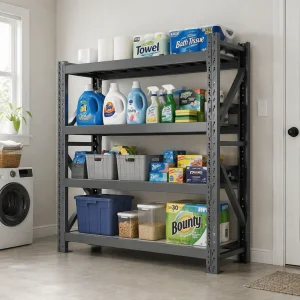
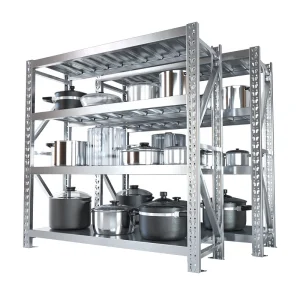
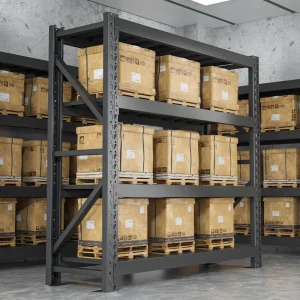
High-load cantilever configurations, multi-tier mezzanines, and adjustable boltless shelving systems for industrial facilities.
 Shibang Steel