Explore our high-performance industrial racking and heavy-duty shelving systems designed to optimize space and vertical cube efficiency.
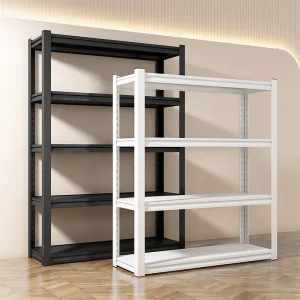
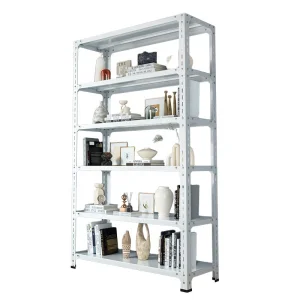
A premier manufacturer translating engineering excellence into highly scalable, certified racking platforms for global supply chains.
Established in 2015, Shenzhen Shibang Storage Rack Co., Ltd. is a leading manufacturer specializing in industrial racking systems and customized warehouse storage solutions. Operating from a modern production facility spanning 32,000 square meters, we integrate structural design, precision manufacturing, and international trade to serve a diverse global client base.
With over 12 years of industry expertise and 8 years of dedicated export experience, our products are distributed across North America, Europe, Australia, and Southeast Asia, generating over $18 million in annual export revenue. We primarily partner with industrial distributors, third-party logistics (3PL) providers, e-commerce fulfillment centers, and large-scale manufacturing enterprises. Supported by a robust network of over 800 supply chain partners, we ensure consistent raw material quality and efficient production timelines.
“We offer full structural customization options, providing tailored loading capacities, height configurations, beam profiles, and surface finishes (powder coating and hot-dip galvanizing) to meet exact warehouse specifications. Guided by engineering precision and trade reliability, Shenzhen Shibang Storage Rack Co., Ltd. continues to deliver safe, scalable, and optimized storage solutions for modern global supply chains.”
Quality control and technological innovation form the core of our operations. Our dynamic R&D team consists of 18 senior engineers, supported by 35 dedicated QC professionals. We implement rigorous product inspection protocols—including raw steel tensile testing, automated ultrasonic weld checking, static and dynamic load testing, and powder-coating salt spray endurance tests—ensuring compliance with international safety and durability standards. In the past year alone, our R&D unit successfully introduced 45 new product designs and structural optimizations.
We align our manufacturing capability with global industrial buyers' operational metrics, safety tolerances, and ROI requirements.
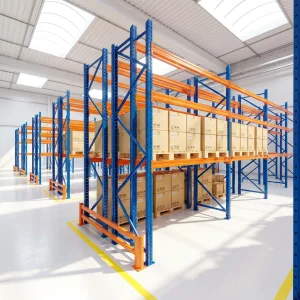
Every rack configuration goes through Finite Element Analysis (FEA) to confirm safety factors of up to 2.0. From light-duty 50kg household shelves to 4500kg heavy-duty pallet racks, our structural integrity remains compromised-free under maximum dynamic stress.
Tailor beam profiles, step heights, and upright widths to fit custom pallets, fabric rolls, or electronic bins. Choose powder-coated finishes for interior setups or hot-dip galvanization for highly corrosive, humid, or cold storage conditions.
Our products conform to major international engineering standards, including the European CE mark, AS4084-2012 (Australian Racking Safety Standards), RMI (Rack Manufacturers Institute in the USA), and FEM regulations for automated warehousing design.
In the era of modern logistics, warehouse operators are moving away from flat storage toward dynamic vertical density systems. Factors such as rising warehouse rental rates globally, labor shortages, and rapid growth in multi-channel fulfillment have compelled companies to maximize space utilization. Industrial utility racks and pallet systems are the foundation of this paradigm shift. From high-capacity selective pallet racking systems to lightweight boltless shelving, selecting a vendor is no longer a matter of procuring raw steel; it is a critical calculation of structural stability, configuration adaptability, and supply chain continuity.
Industrial operations in North America, Western Europe, and Asia-Pacific are increasingly adopting automated storage and retrieval systems (AS/RS). These technologies require tight manufacturing tolerances to ensure robotic shuttles, automated guided vehicles (AGVs), and stacker cranes run smoothly without structural interference. High-quality Chinese manufacturers like Shibang address this requirement by deploying cold roll-forming lines, computerized punching, and robotic welding stations. These advanced tools achieve structural straightness tolerances exceeding international norms, reducing mechanical wear on material-handling automation.
Different industrial sectors face unique warehousing challenges. A generic, one-size-fits-all rack design often leads to inefficient space usage, slow picking cycles, and potential safety risks. Below is an engineering analysis of how customized utility racks solve problems across major industry verticals.
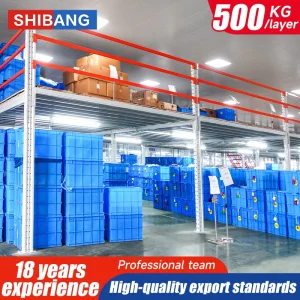
In fast-turnover warehouses, storage density must be balanced with direct access to individual stock-keeping units (SKUs). Adjustable boltless steel shelving and multi-tier mezzanine floor platforms allow operators to utilize their vertical clearance fully. By introducing high-density walkways, picking speeds can increase by up to 40% compared to traditional single-level layouts. Heavy-duty steel platform racks provide structured support, allowing offices, packing stations, or additional picking zones to sit directly above active pallet racks.
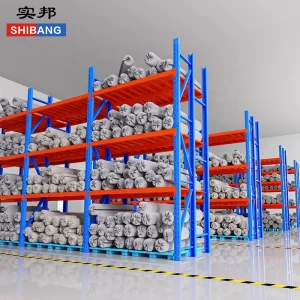
Textile fabric roll storage presents a specific engineering challenge: rolls are heavy, cylindrical, and prone to nesting or deformation if stored incorrectly. Standard flat shelving fails to use warehouse volume effectively. Our specialized multi-layer heavy-duty pallet shelves for fabric roll storage feature custom-profiled support beams and cradle fittings. This keeps rolls secure, prevents rolling hazards, and allows forklift operators to retrieve individual fabric rolls without disturbing adjacent inventory.
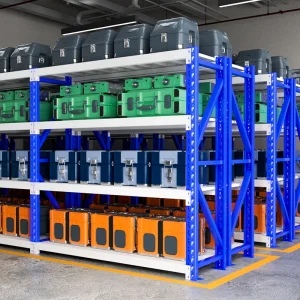
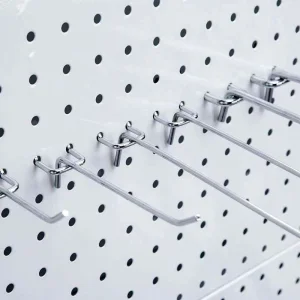
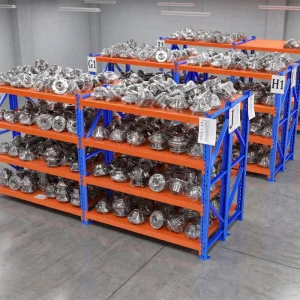
Automotive components range from lightweight electronic sensors to cast-iron engine blocks and stamping dies. To accommodate this range of weight and geometry, warehouses need mixed storage profiles. Heavy-duty pallet racks with loading capacities ranging from 1000kg to 4500kg per level provide the structural support needed for heavy steel dies. Meanwhile, integrated perforated board hooks and medium-duty garage shelves organize lighter components, ensuring clean workflows and efficient inventory sorting.
Operating in sub-zero temperatures (down to -30°C) alters the molecular properties of structural steel, making it susceptible to brittle fractures under load. Shibang's manufacturing engineering addresses this by utilizing impact-tested Q355B steel combined with low-temperature powder coatings. This prevents micro-cracking and delamination, keeping warehouse infrastructure safe, durable, and compliant with cold-chain standards.
Take a step inside our 32,000 square meter facility and explore the precision machines, automated tooling, and quality checkpoints behind every industrial racking component we deliver.
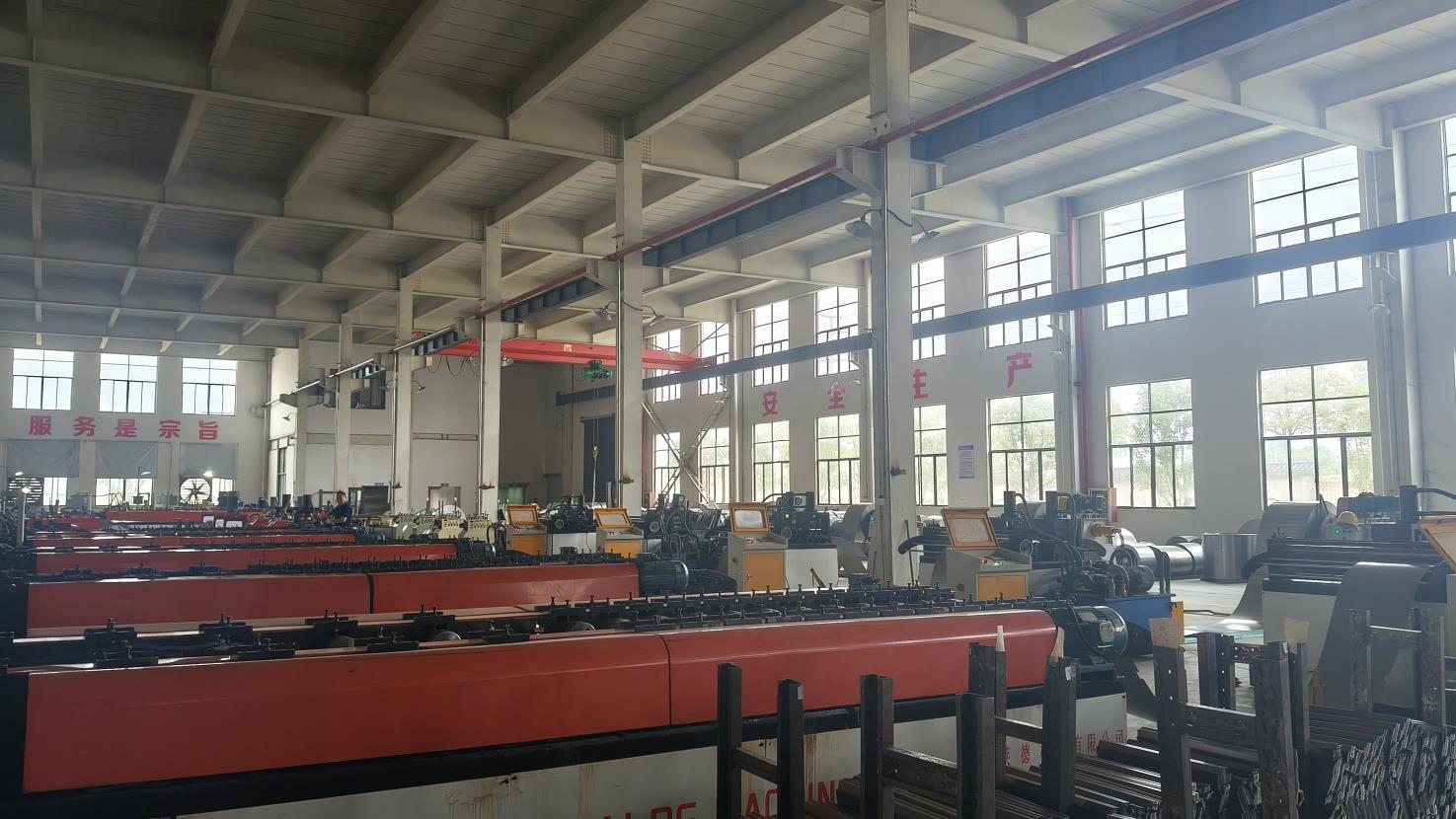
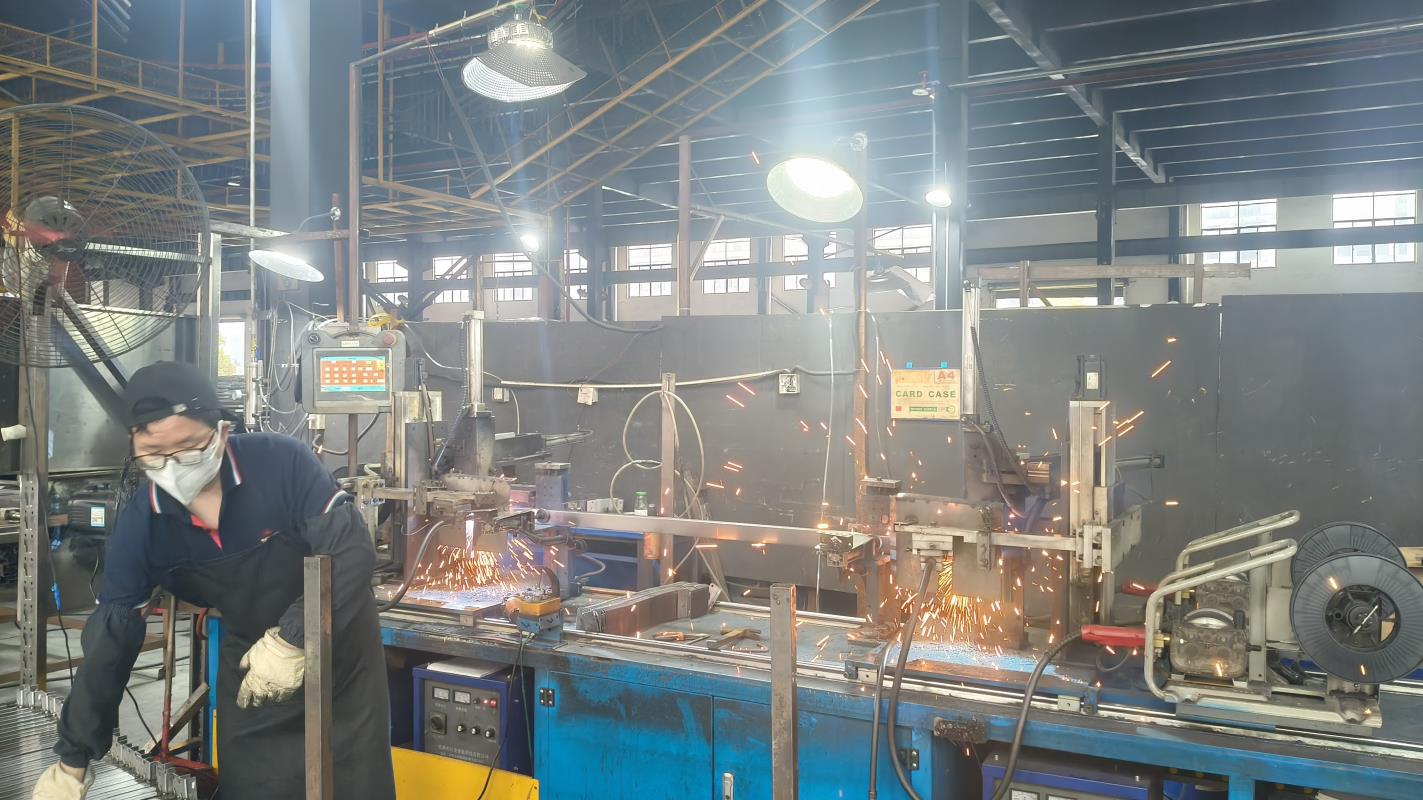
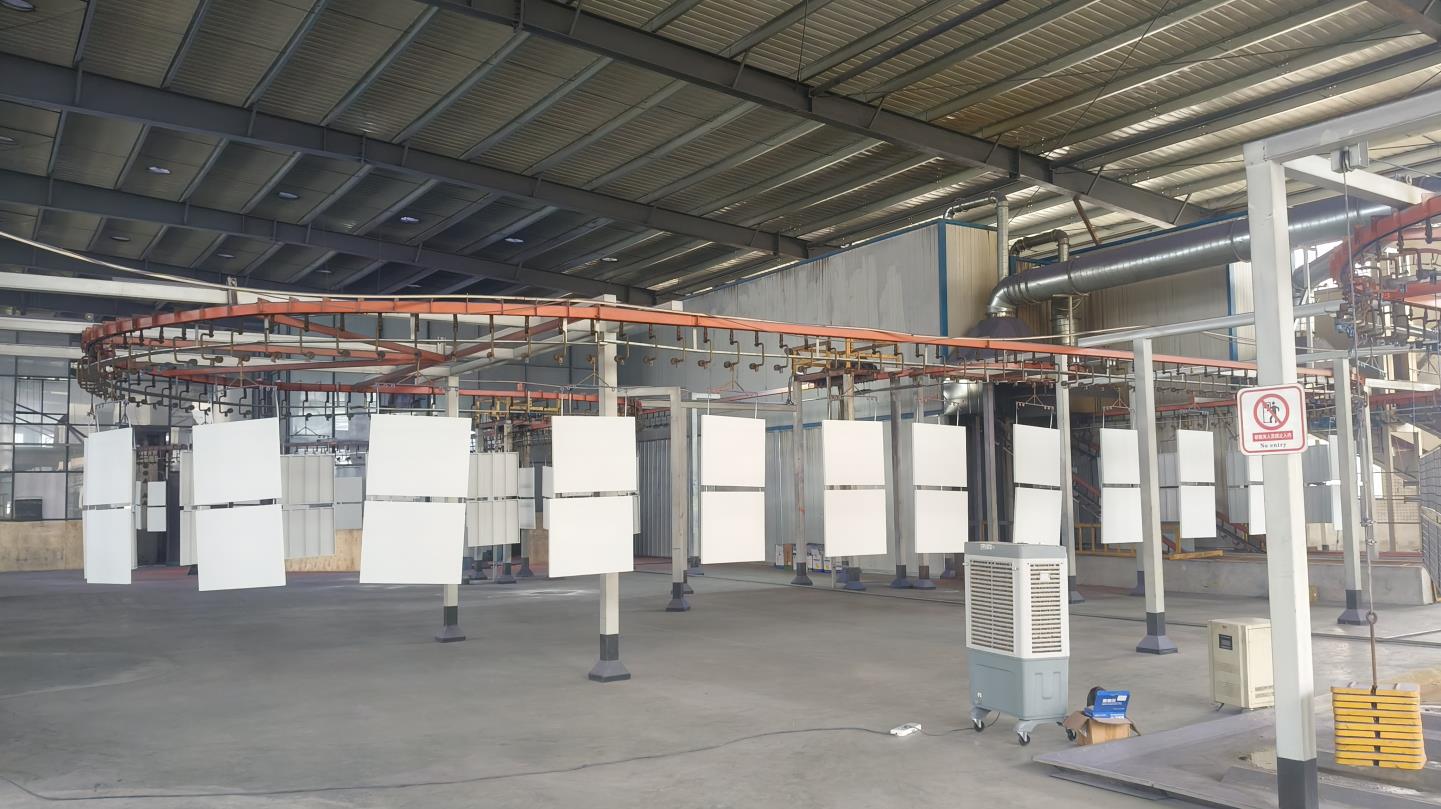
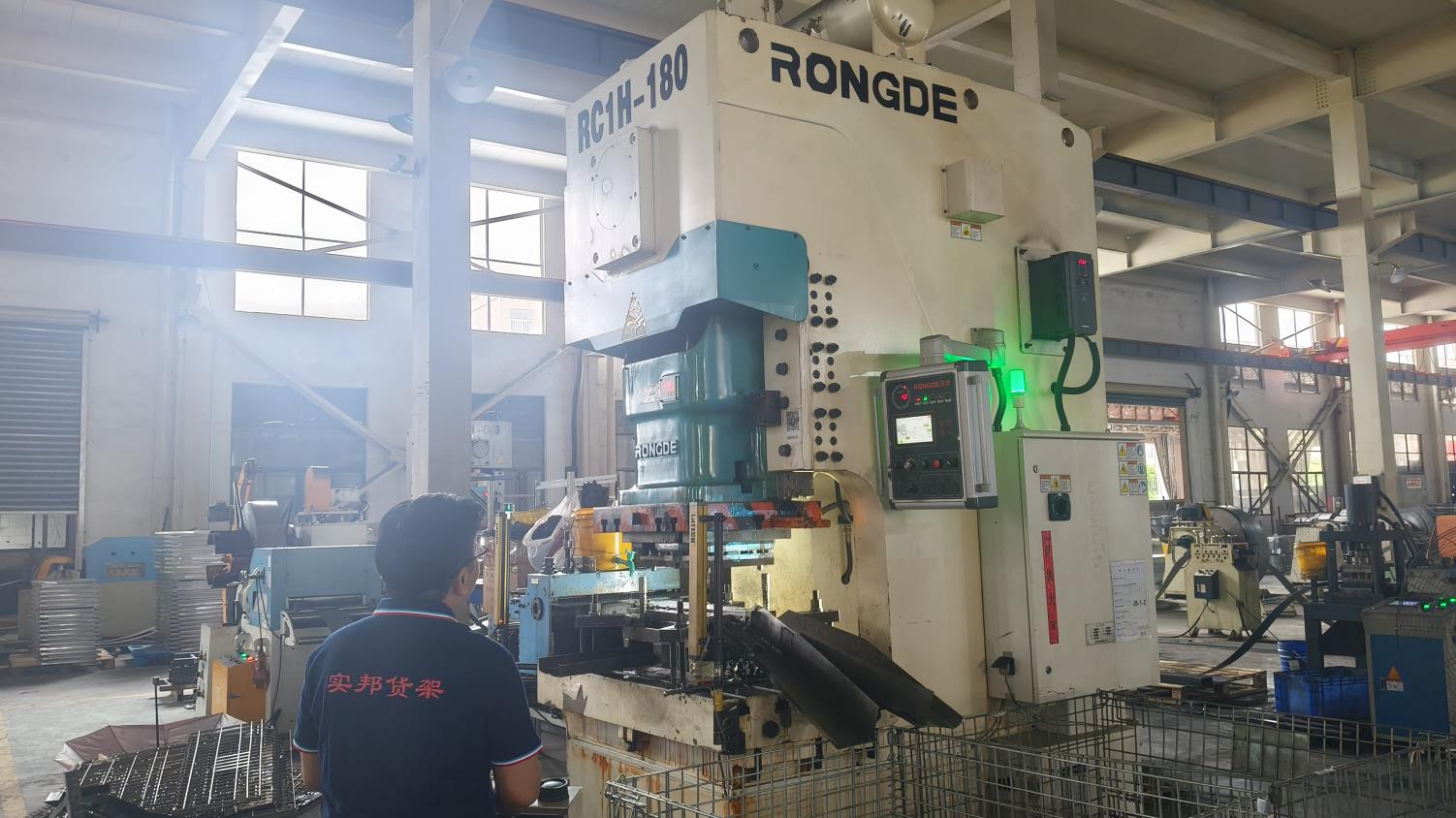
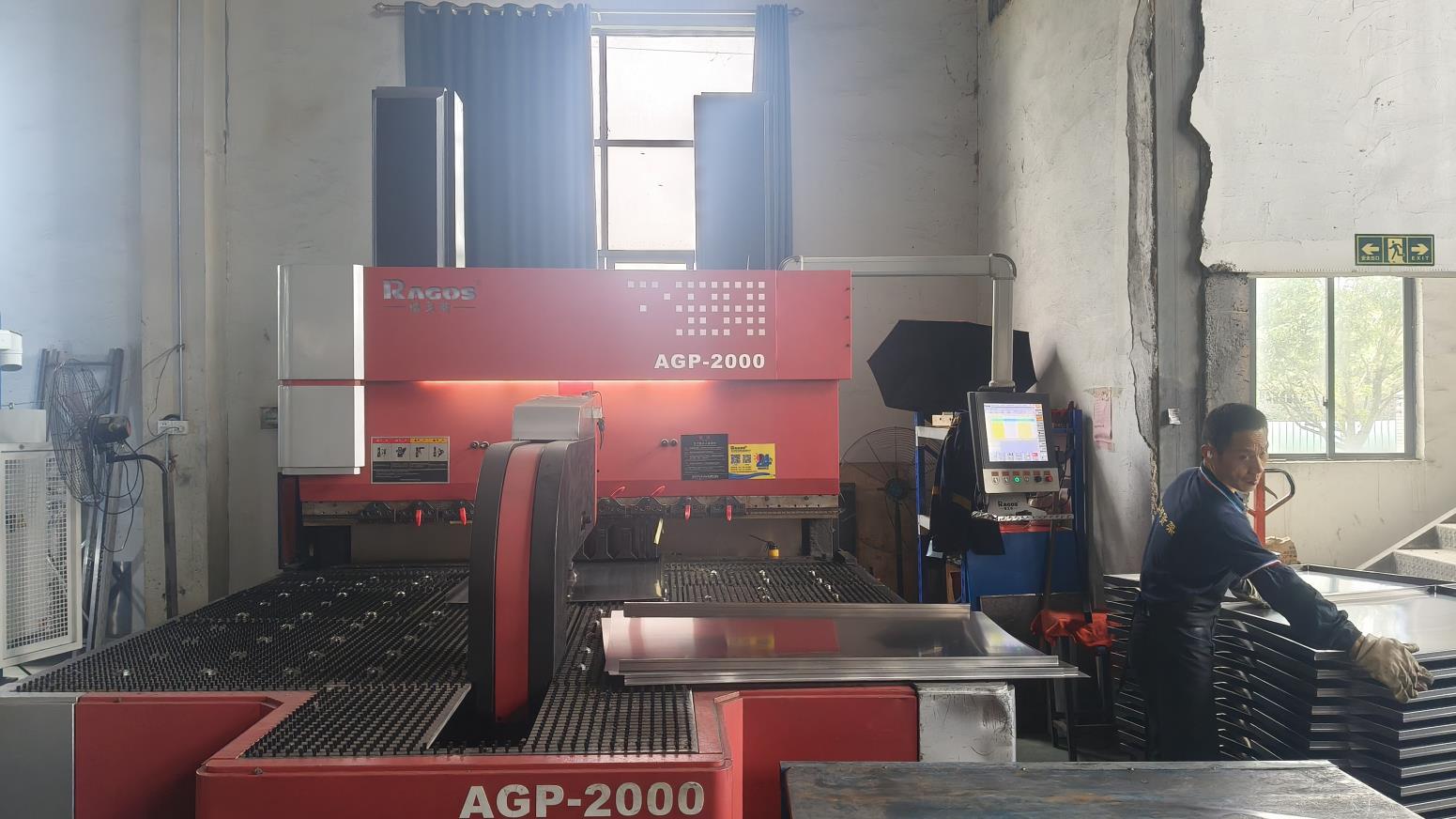
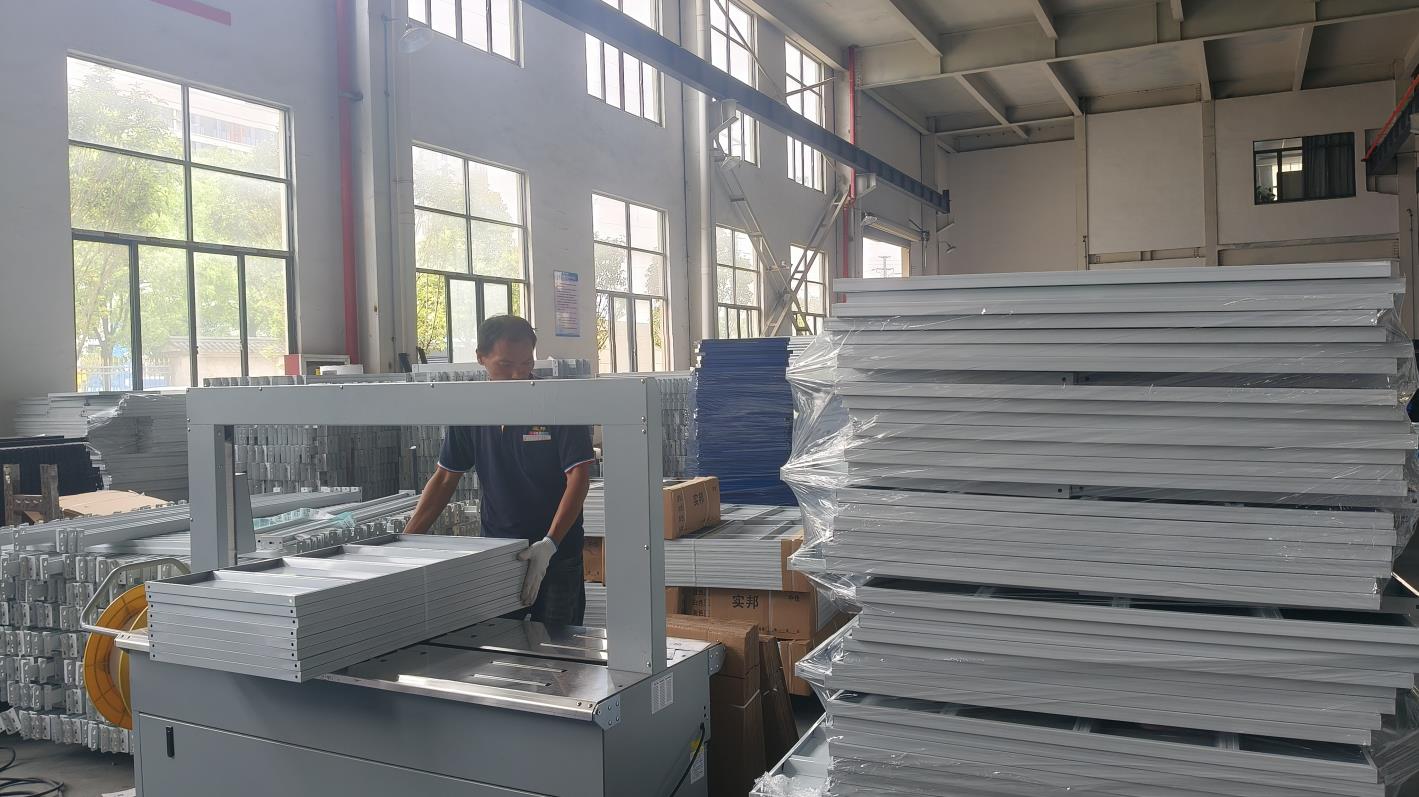
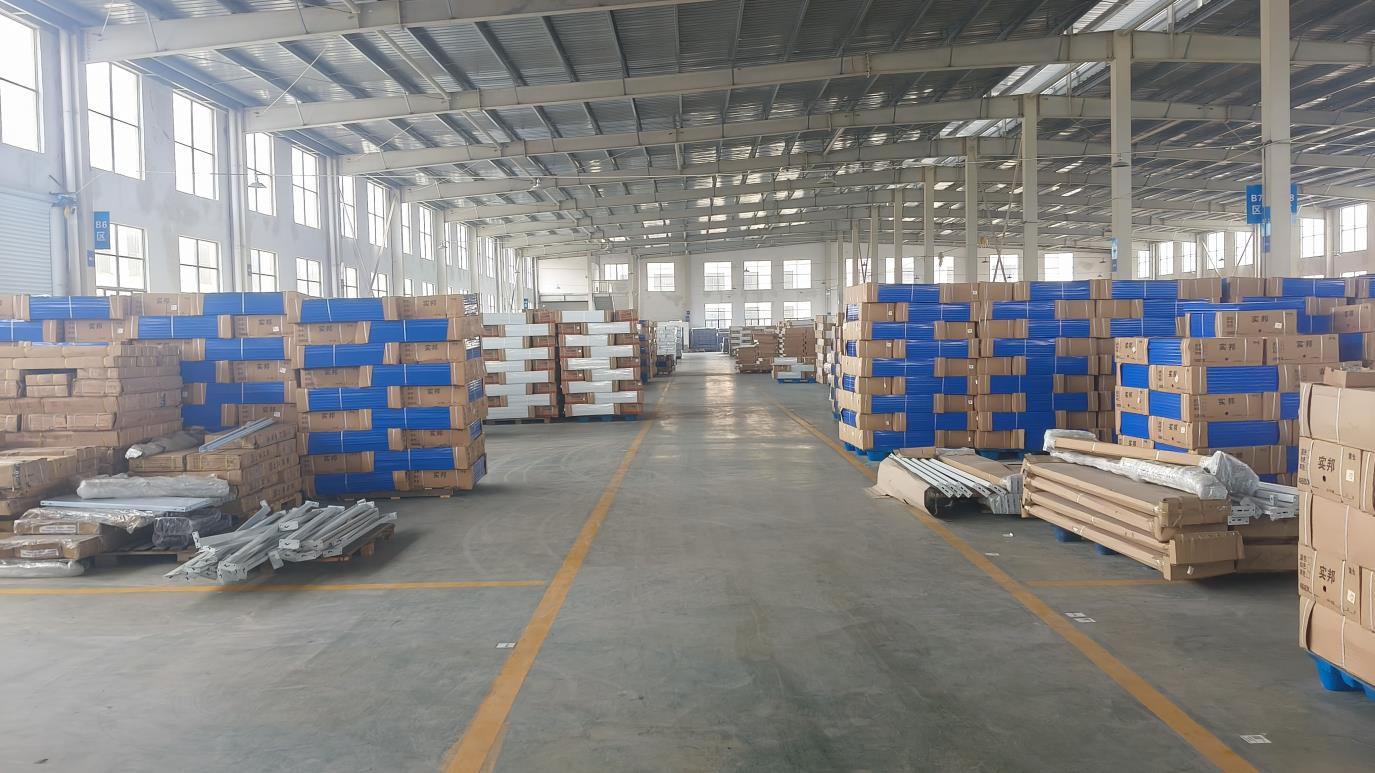
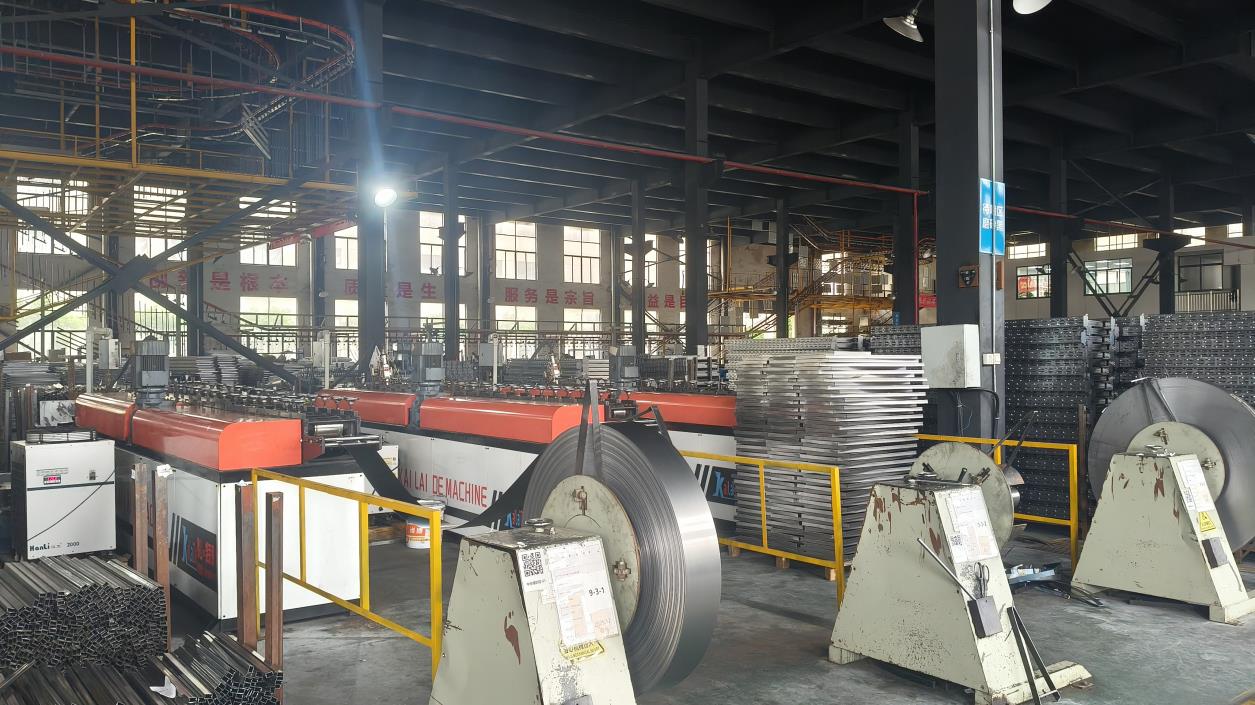
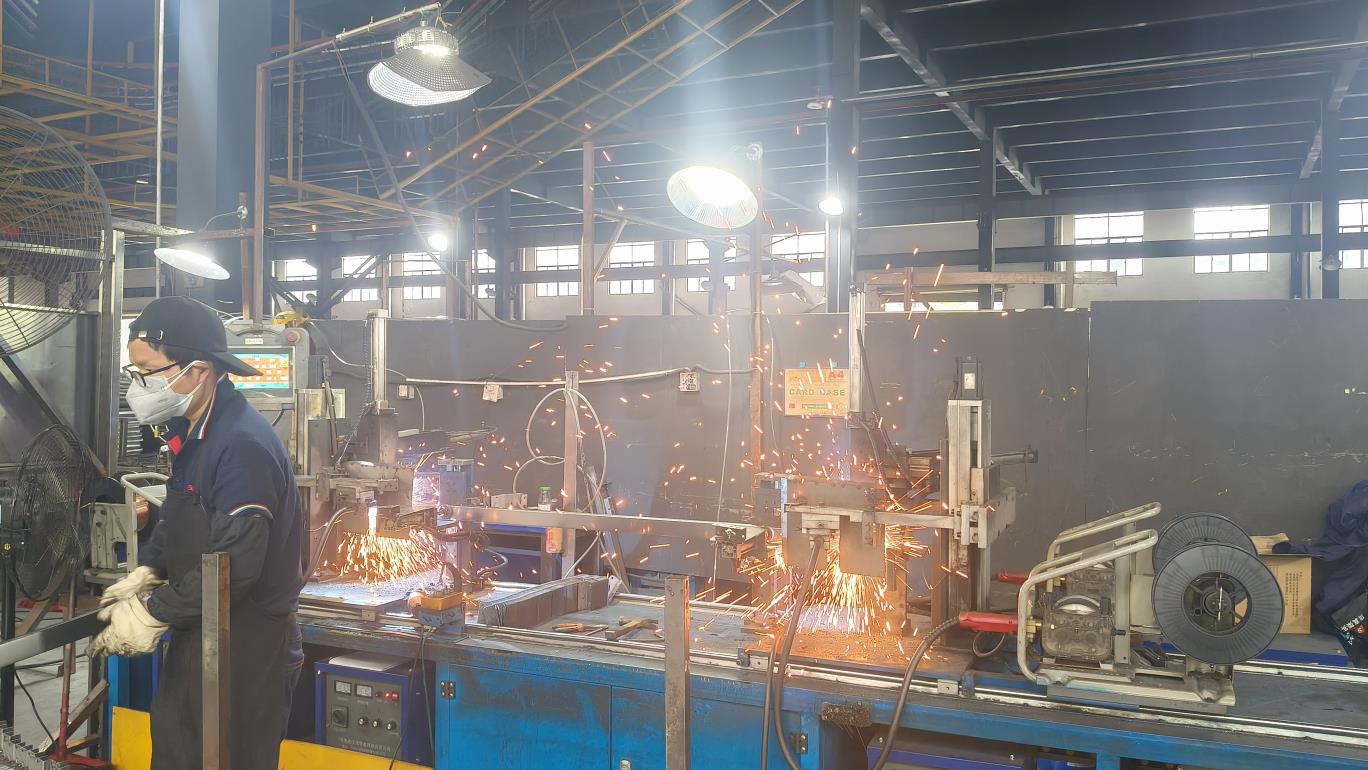
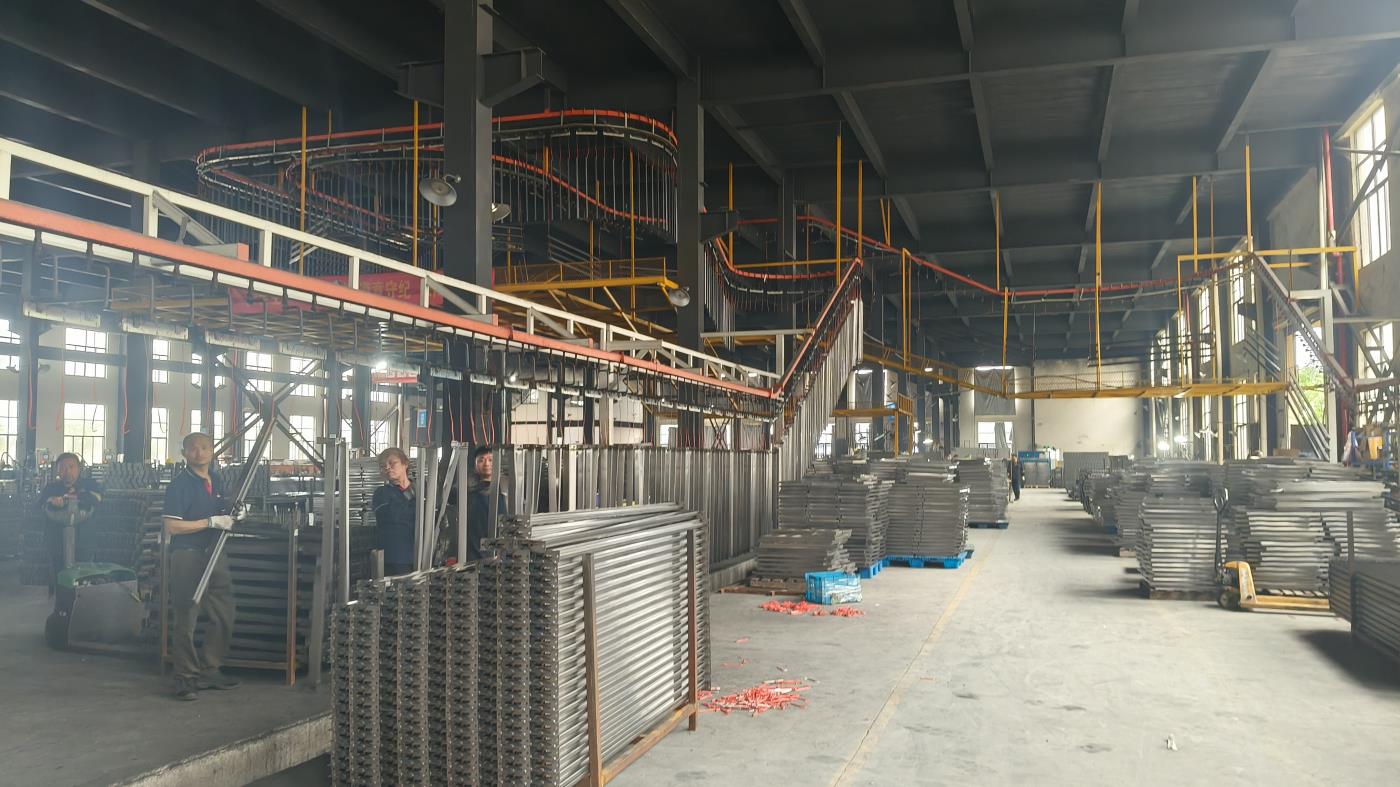
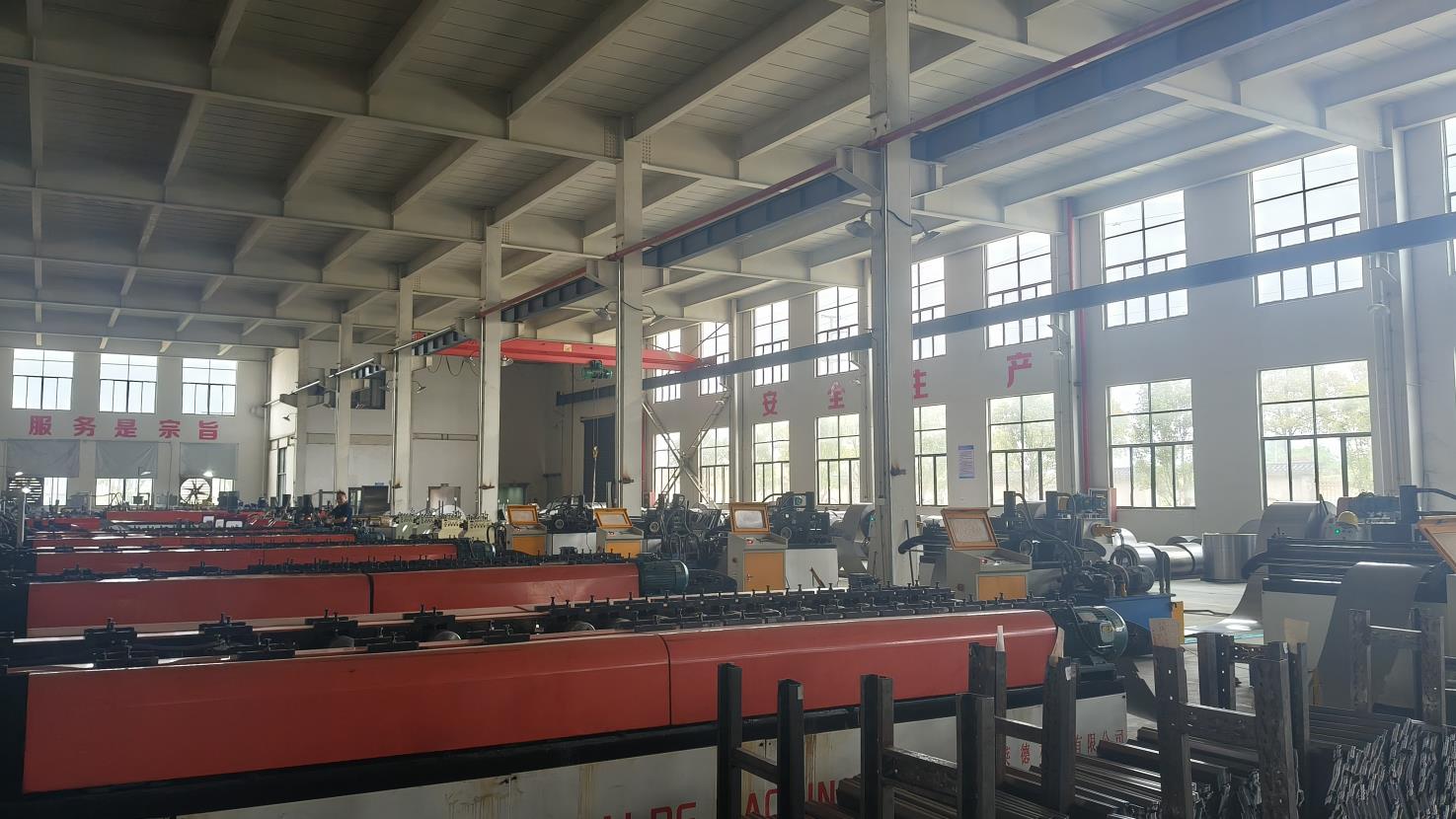
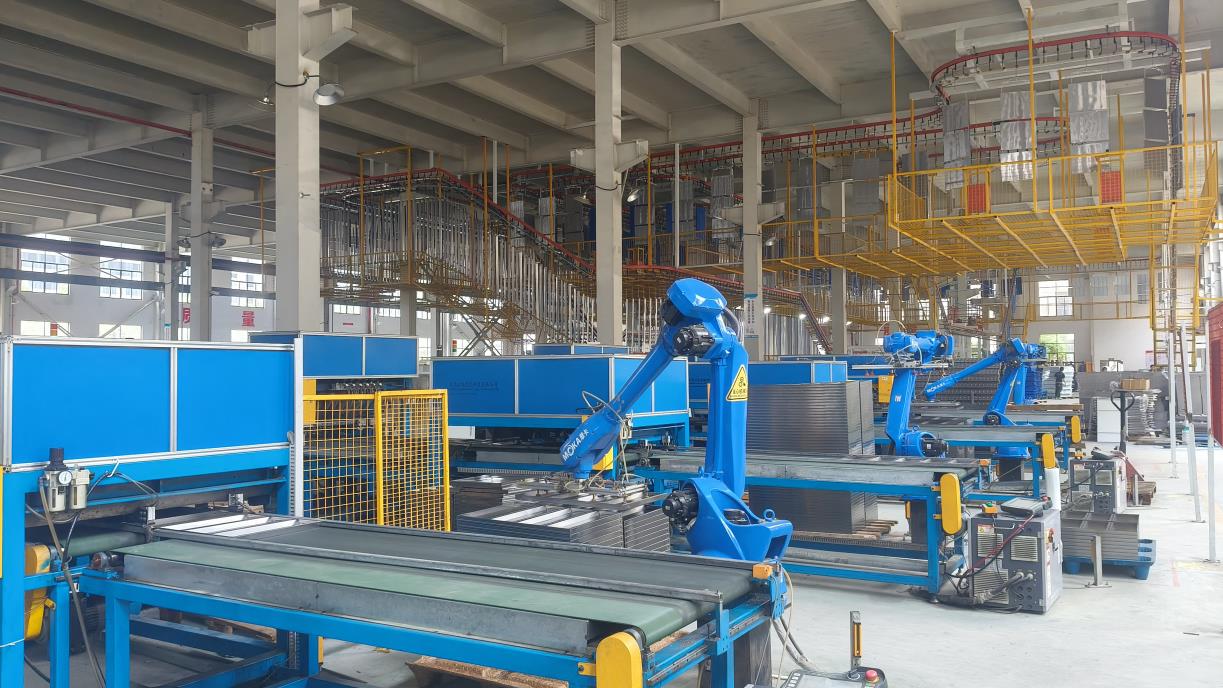
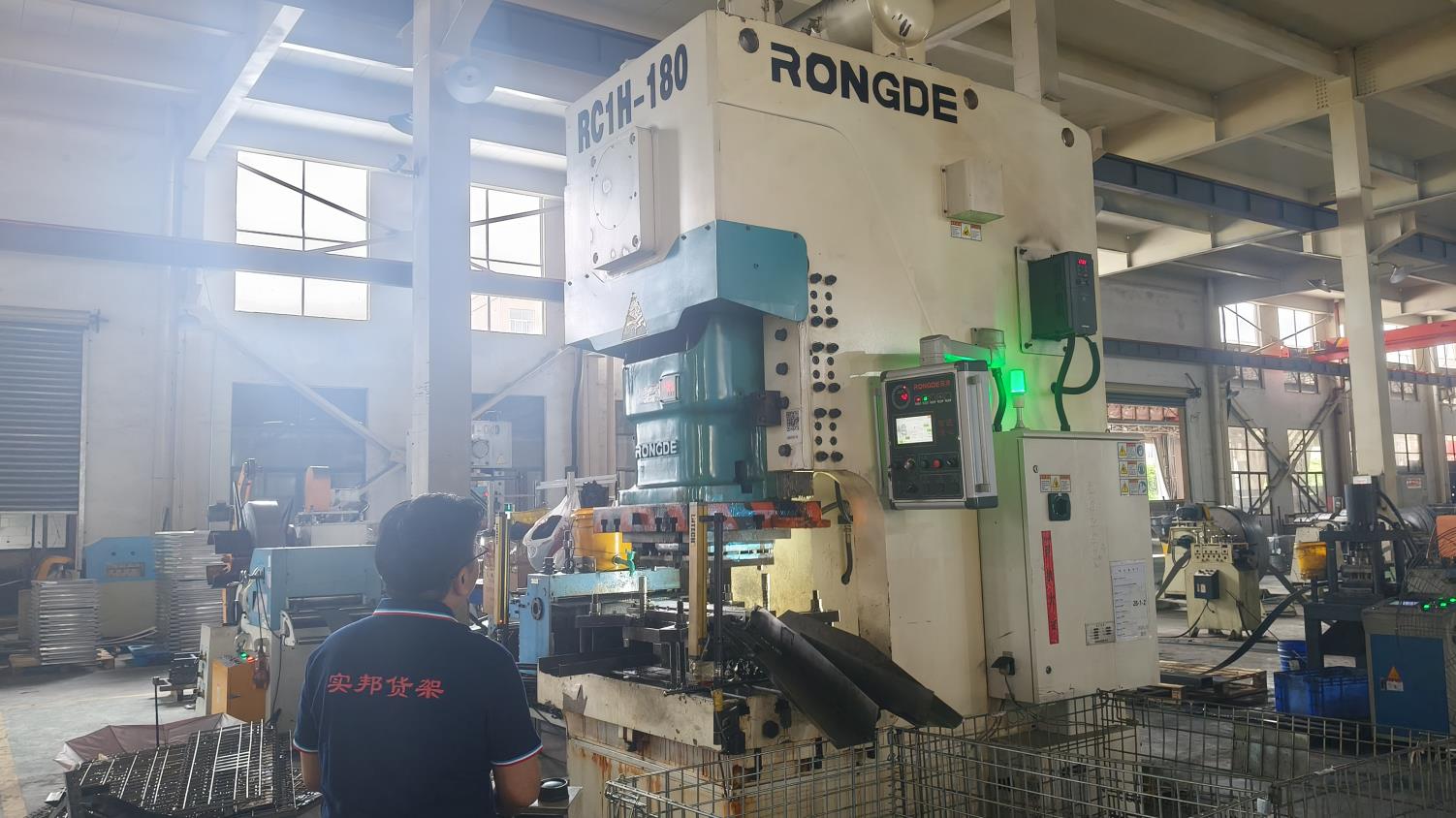
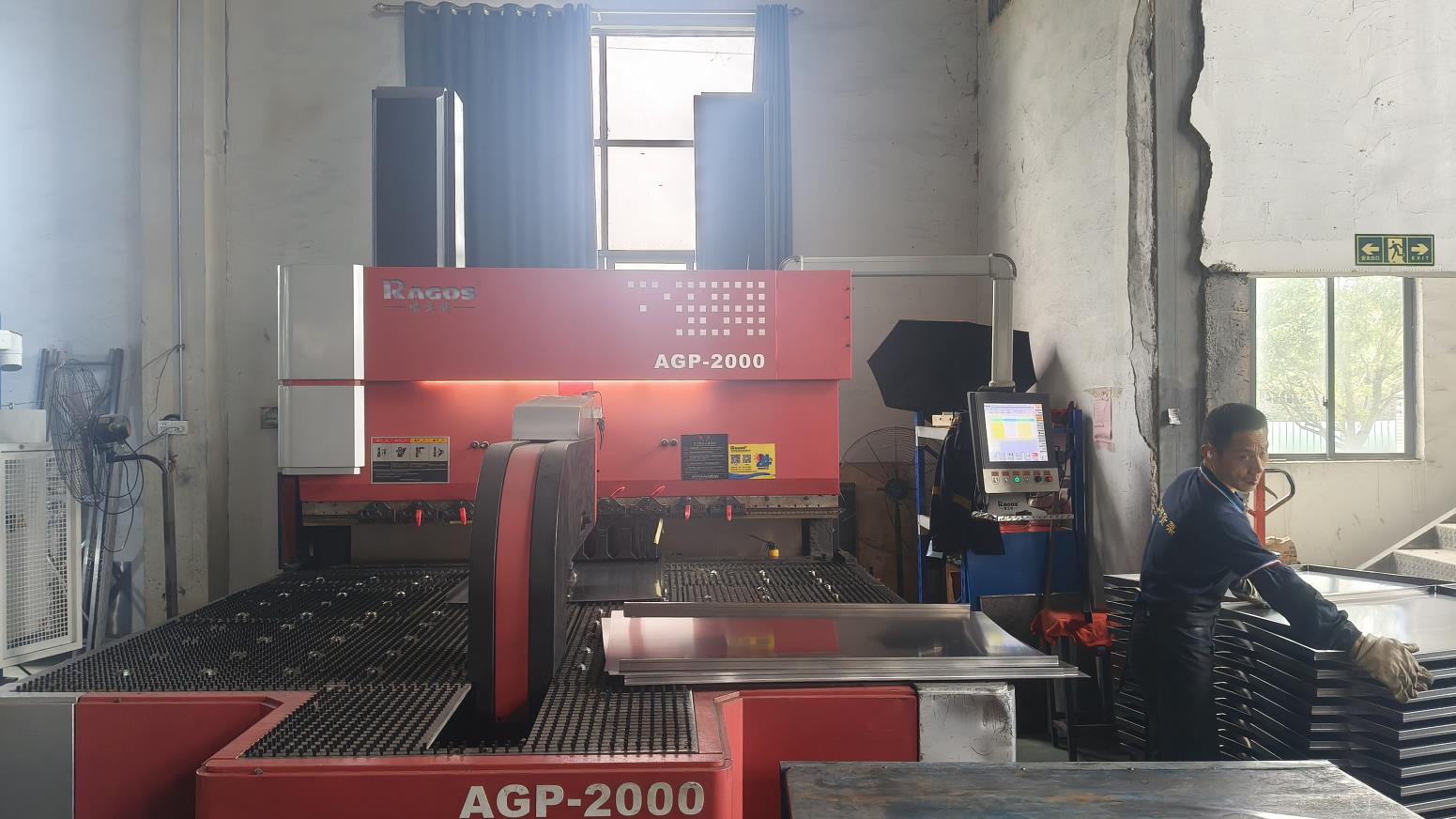
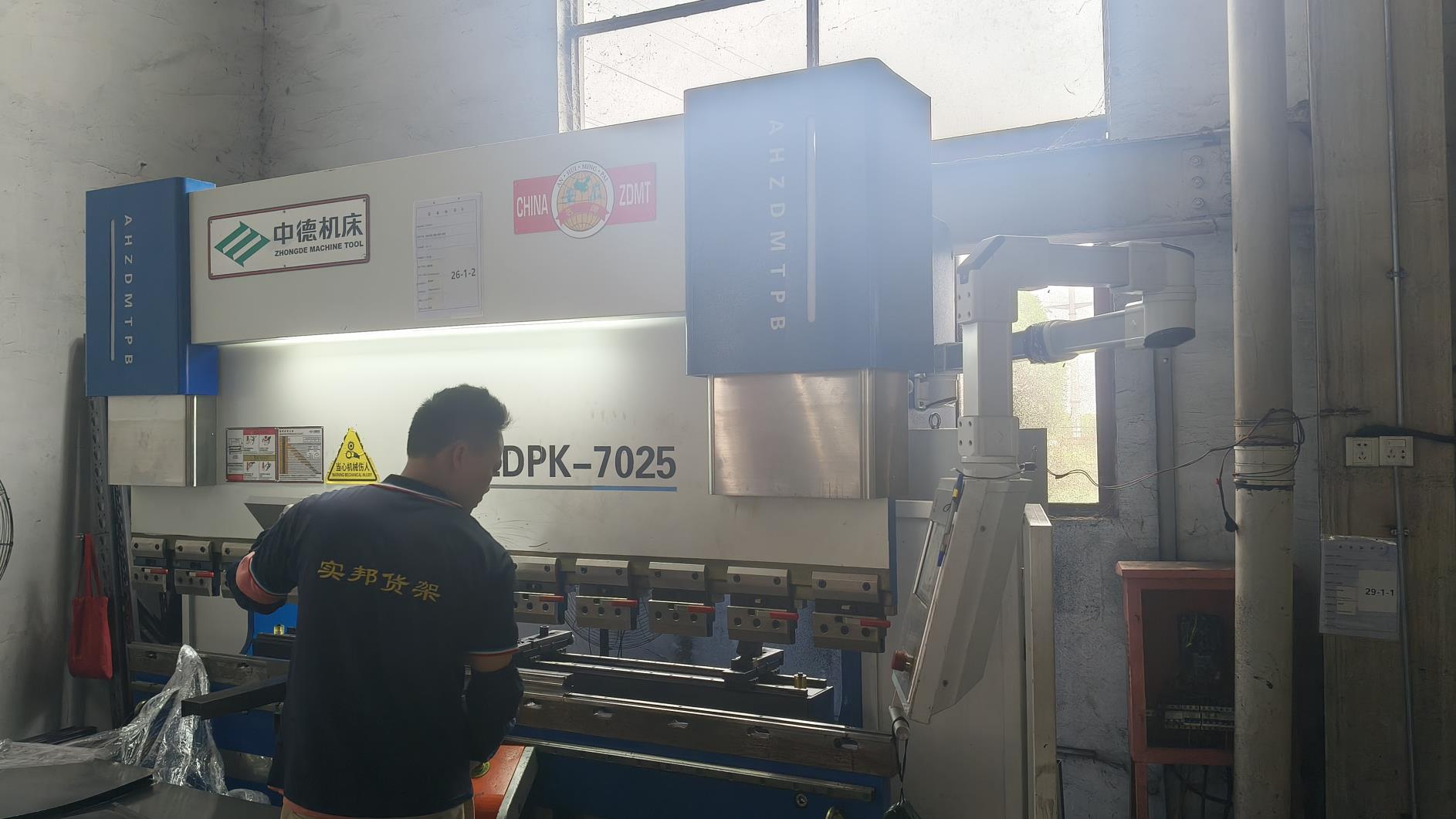
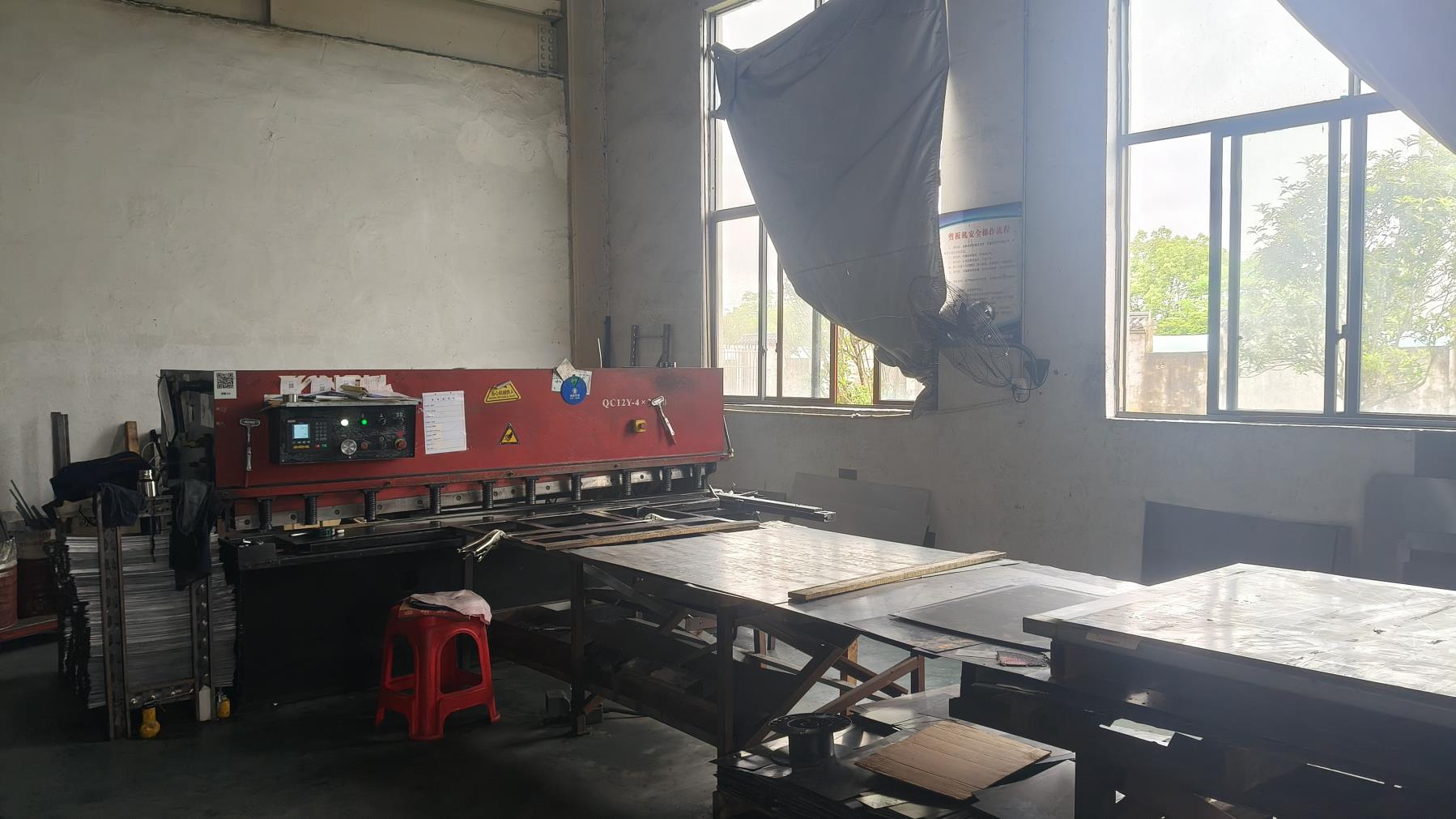
The manufacturing process for industrial racking is shifting from standard metal fabrication to a highly precise, software-driven process. To maintain high engineering and reliability standards, Shibang operates on an advanced technical roadmap structured around three core areas:
Before steel goes to the cold-rolling lines, our engineering team models every custom order using CAD and Finite Element Analysis (FEA) software. This process simulates mechanical stress, load distribution, and seismic activity (based on region-specific hazard ratings). This modeling helps us optimize the steel thickness profile—placing strength where it is needed most without adding unnecessary weight. This approach helps lower material costs for our clients and reduces shipping weight, making international transport more cost-effective.
Manual welding can introduce inconsistencies, including micro-voids and uneven heat-affected zones that may weaken under continuous heavy loads. We address this by routing structural components, such as pallet rack connector clips and base plates, through automated robotic welding arms. The result is deep, consistent weld penetration and minimal thermal distortion, keeping our racks strong and durable for years of active service.
Our electrostatic powder coating line applies a durable surface protection layer. Before coating, the steel undergoes a multi-stage pre-treatment wash to remove oils, scale, and surface contaminants. The powder is then electrostatically applied and cured in a tunnel oven at 200°C. This creates a finish that resists chipping, impacts, and scratches, keeping the steel protected from moisture and chemicals over years of active warehouse operations.
Importing large-scale structural steel racking systems requires navigating complex regional regulations, shipping logistics, and building safety codes. For procurement directors, managing risk in product delivery and compliance is just as important as structural load ratings.
Our structural solutions are engineered to meet the safety standards of our target markets. In the United States, our products conform to the Rack Manufacturers Institute (RMI) MH16.1 specifications. For Australia and New Zealand, our systems comply with AS4084-2012, which mandates specific testing protocols for frame shear and upright load capacities. In Europe, our designs meet the FEM 10.2.02 standard for safety and clearance tolerances, giving our clients confidence during municipal safety inspections.
Racking systems are heavy and bulky, making up a significant portion of total procurement costs. To address this, Shibang designs all upright columns, box beams, and wire decking to pack flat and nest efficiently within standard 40ft High Cube containers. This careful design reduces packing space, helps prevent shift damage during transit, and lowers ocean freight costs per unit.
To prevent corrosion from salt air during ocean shipping, all structural items are bundled with heavy strapping, padded with protective foam spacers, and fully wrapped in moisture-resistant plastic stretch film. Heavy base plates and custom hardware accessories are boxed in durable wooden crates. This ensures your order arrives organized, undamaged, and ready for immediate on-site assembly.
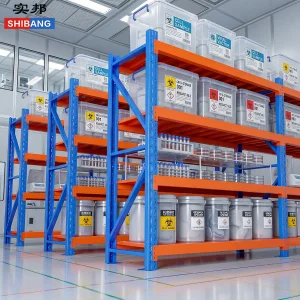
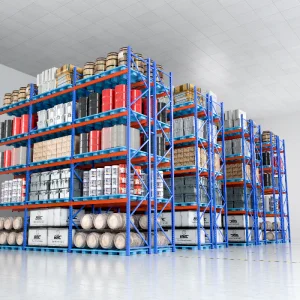
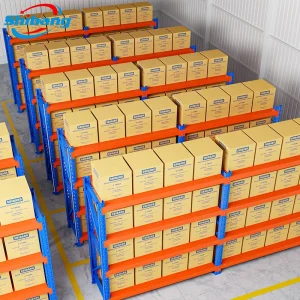
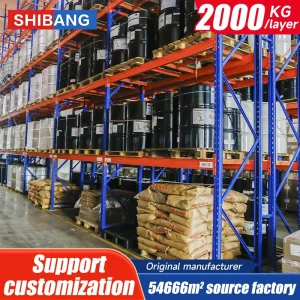
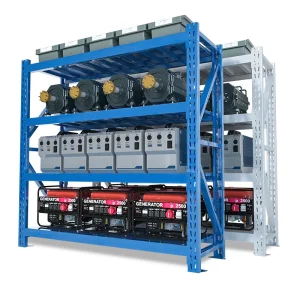
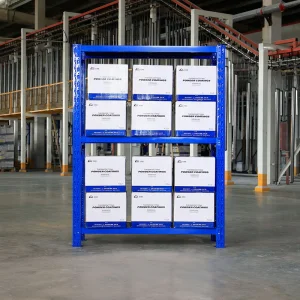
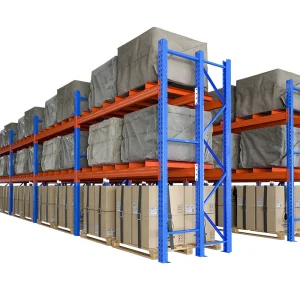
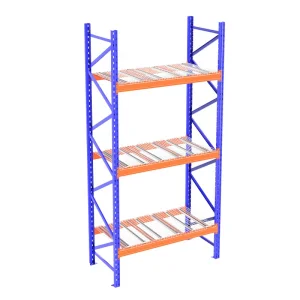
Select from our range of certified storage units, built to handle demands from heavy-duty distribution centers to medium-capacity garage setups.
Clear answers to common questions about specifications, custom options, manufacturing lead times, and structural safety standards.
 Shibang Steel