Engineered for extreme load-bearing, modular expansion, and high-density material handling
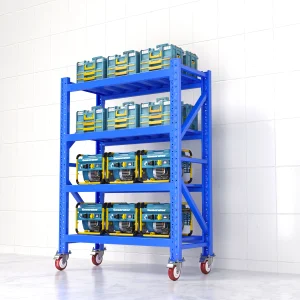
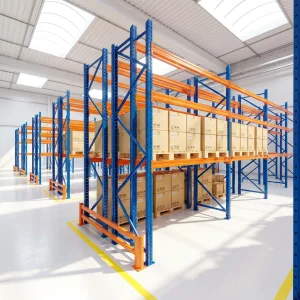
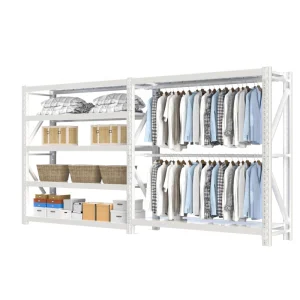
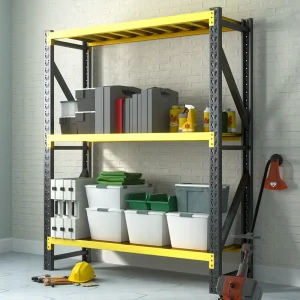
How structural steel shelving and modular systems power global logistics networks
In modern industrial warehousing, distribution engineering, and supply chain management, structural design is the bedrock of operational efficiency. The global bolt rack and modular shelving industry has entered an era of rapid transition. Driven by the explosive growth of global e-commerce fulfillment centers, third-party logistics (3PL) providers, and advanced manufacturing sectors, warehouse space optimization is no longer just a structural need—it is a critical commercial advantage.
Industrial bolt racks, including heavy-duty bolted frame configurations, high-tolerance pallet shelves, and boltless structural models, serve as the backbone of global material handling systems. By utilizing advanced metallurgy, automated welding, and modular connections, these systems are engineered to withstand massive static and dynamic loads. Across Europe, North America, and Asia-Pacific, regulatory safety updates (such as EN 15512 and FEM standards in Europe, and RMI standards in the USA) demand high compliance, load-integrity analysis, and seismic resilience. As companies seek to optimize vertical storage capacity, the demand for customizable, high-tensile structural steel shelving continues to grow.
Modular configurations allow distribution centers to dynamically adjust storage space to match seasonal demands and varying SKU heights.
Designed and engineered to align with global RMI and FEM specifications, ensuring structural stability under high-capacity loads.
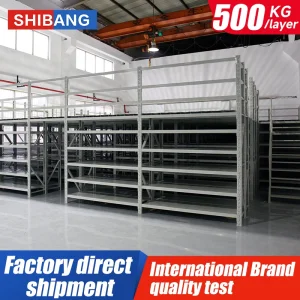
Vertical height optimization systems, such as industrial mezzanines, expand storage capacity within the same footprint by up to 200%.
Why global procurement departments choose Chinese industrial steel racking partners
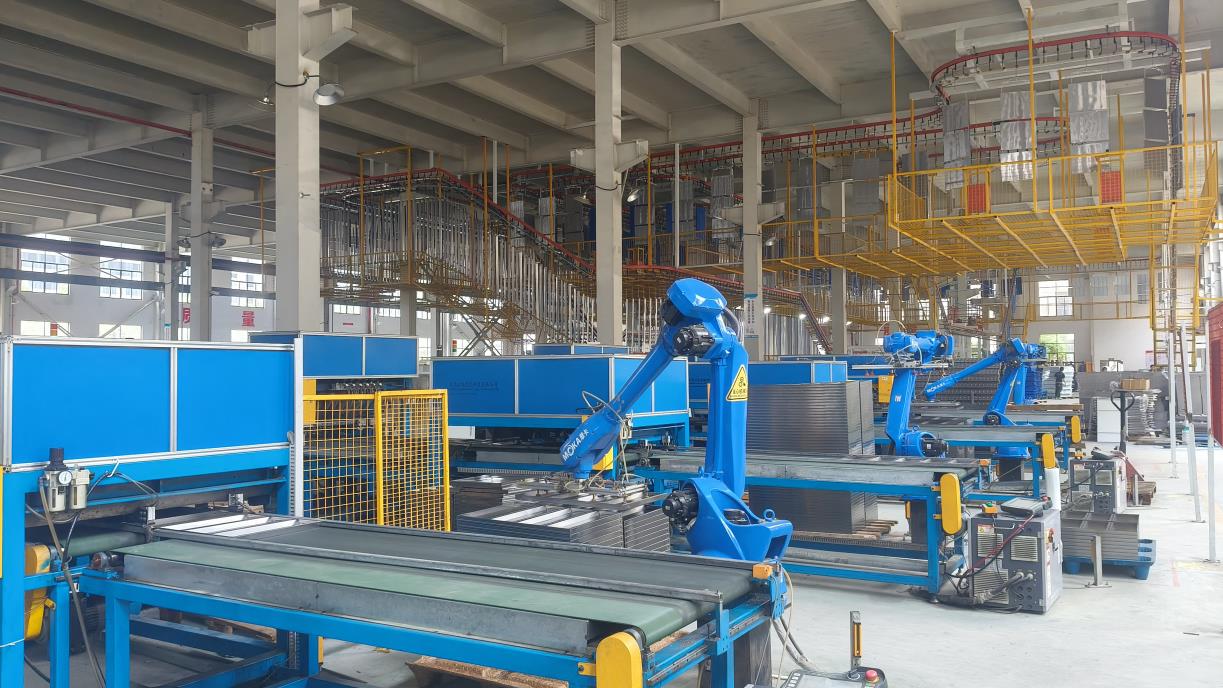
The global dominance of China-based storage rack manufacturers is rooted in deep structural advantages across the supply chain. In regions like Shenzhen, proximity to advanced steel mills, automated production lines, and high-efficiency deepwater ports creates an unparalleled manufacturing environment. China's industrial storage factories do not merely compete on cost; they deliver value through advanced processing technology and end-to-end quality control.
Key technological factors driving China's efficiency advantages include:
A Premier Manufacturer of High-Capacity Industrial Storage Systems
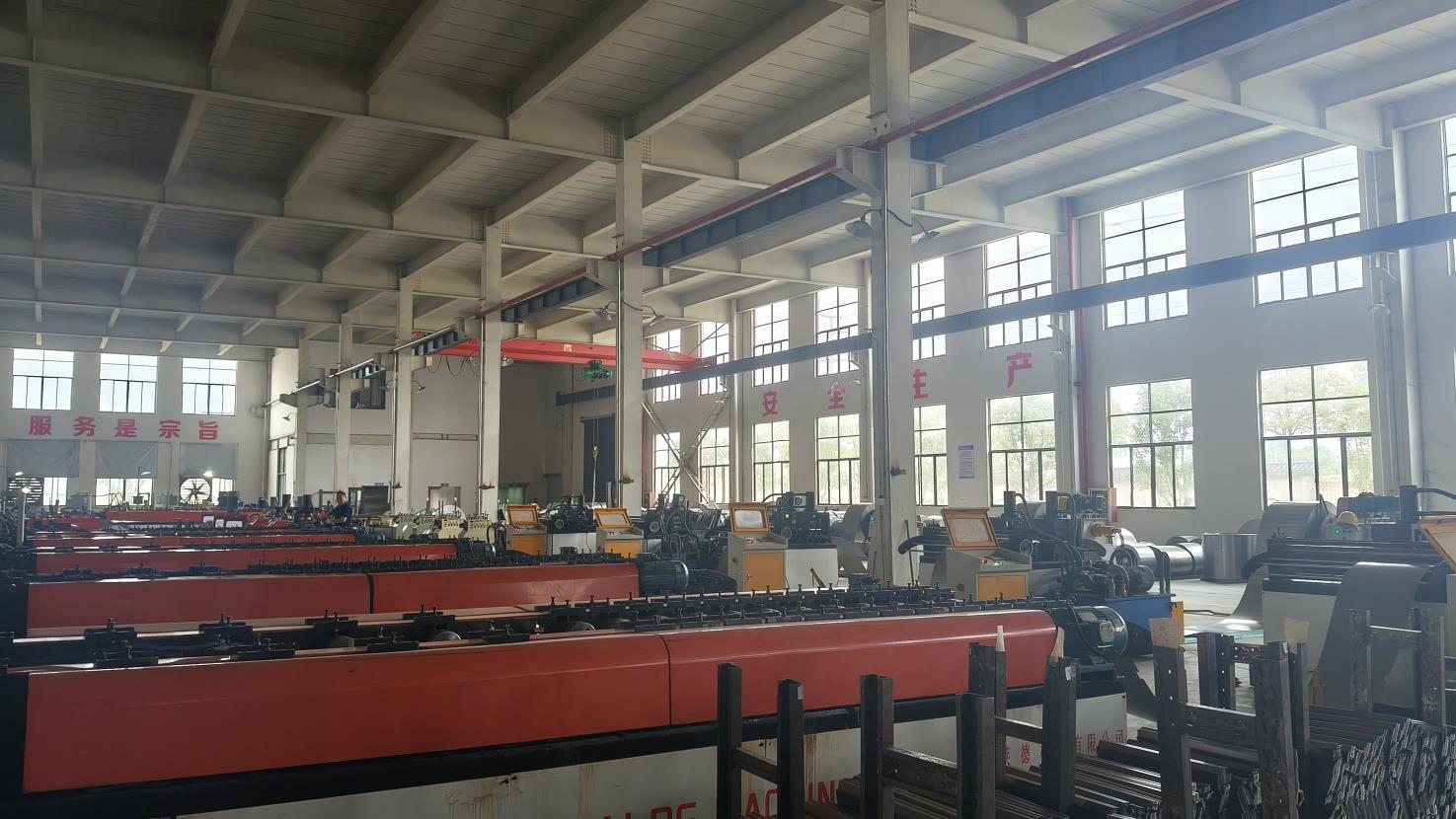
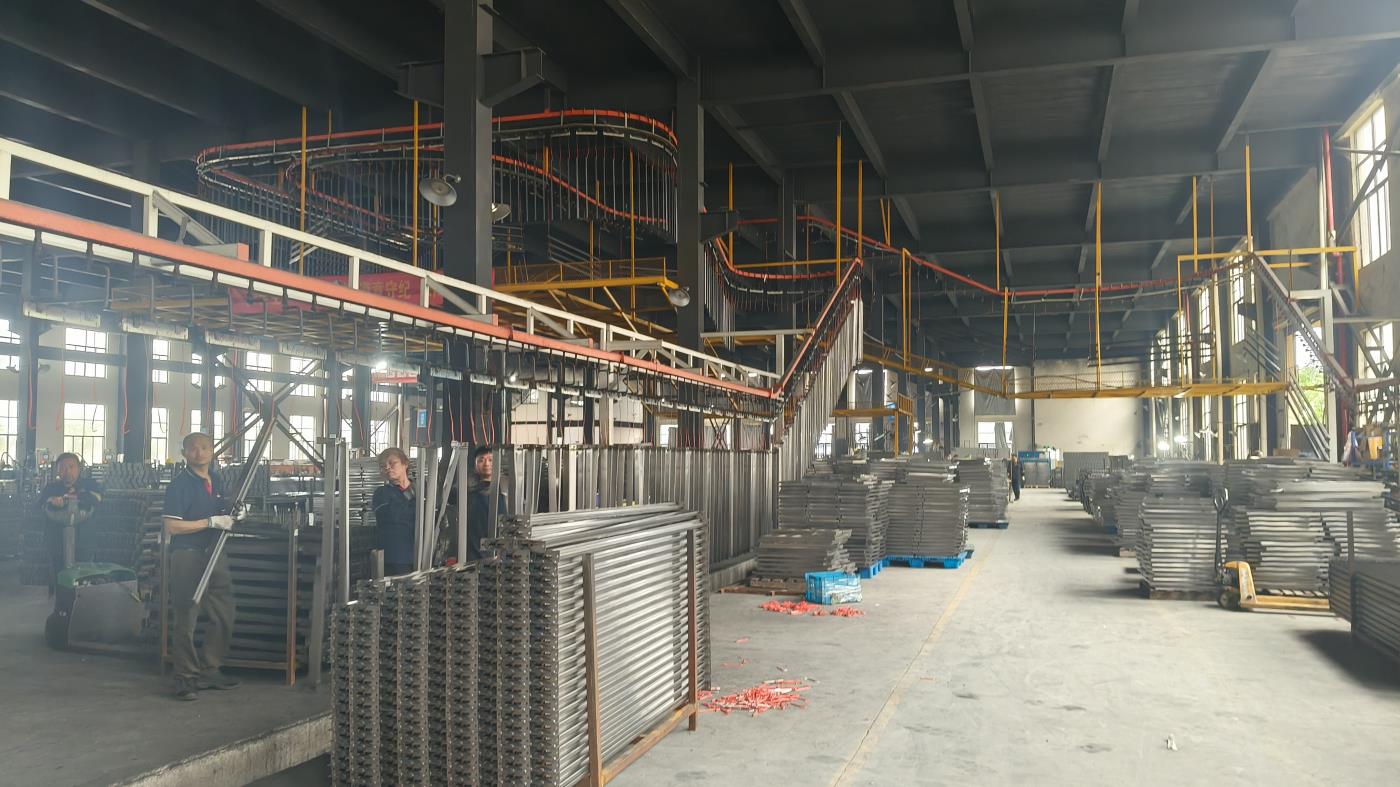
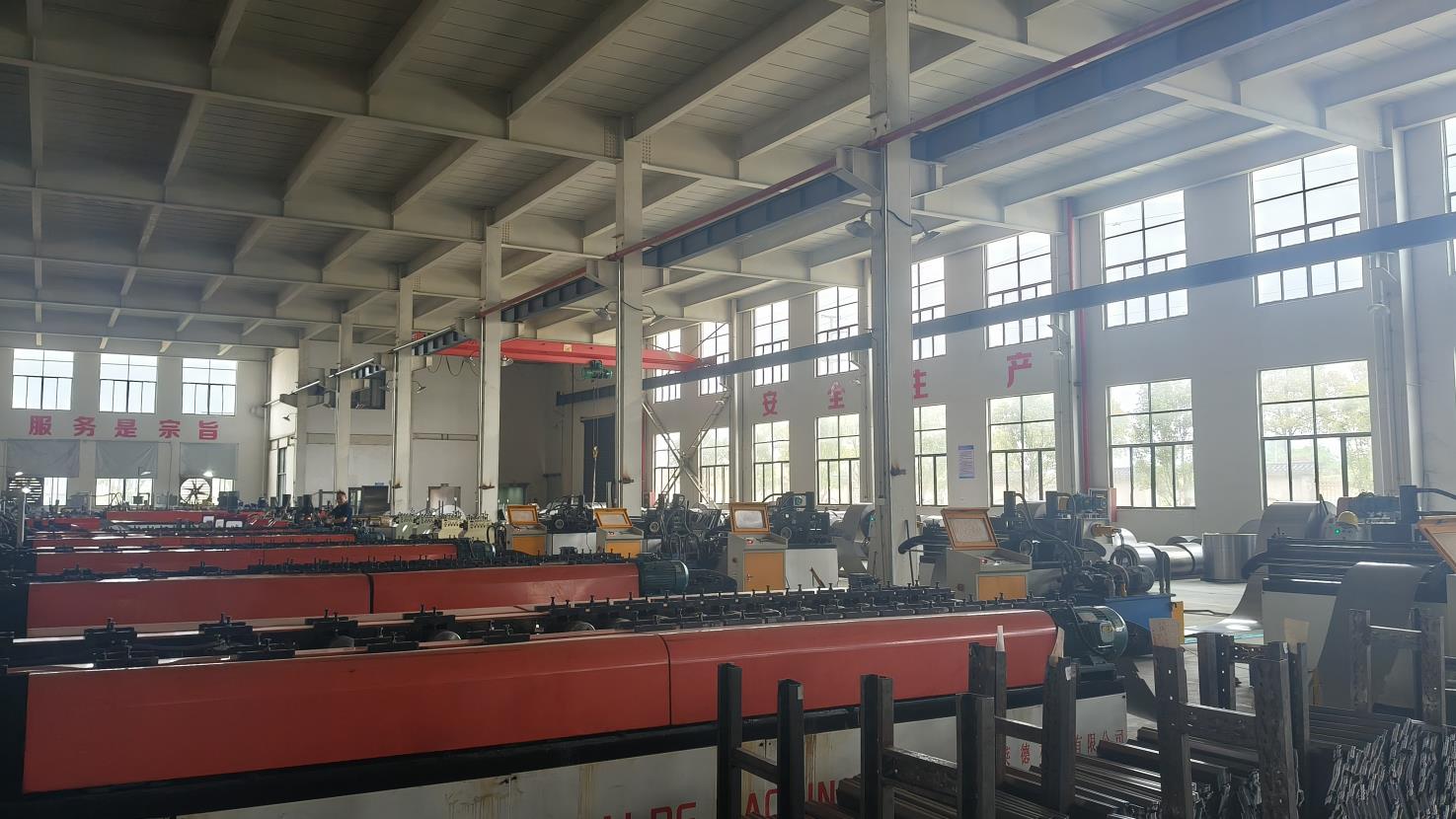
Established in 2015, Shenzhen Shibang Storage Rack Co., Ltd. is a leading manufacturer specializing in industrial racking systems and customized warehouse storage solutions. Operating from a modern production facility spanning 32,000 square meters, we integrate structural design, precision manufacturing, and international trade to serve a diverse global client base.
With over 12 years of industry expertise and 8 years of dedicated export experience, our products are distributed across North America, Europe, Australia, and Southeast Asia, generating over $18 million in annual export revenue. We primarily partner with industrial distributors, third-party logistics (3PL) providers, e-commerce fulfillment centers, and large-scale manufacturing enterprises. Supported by a robust network of over 800 supply chain partners, we ensure consistent raw material quality and efficient production timelines.
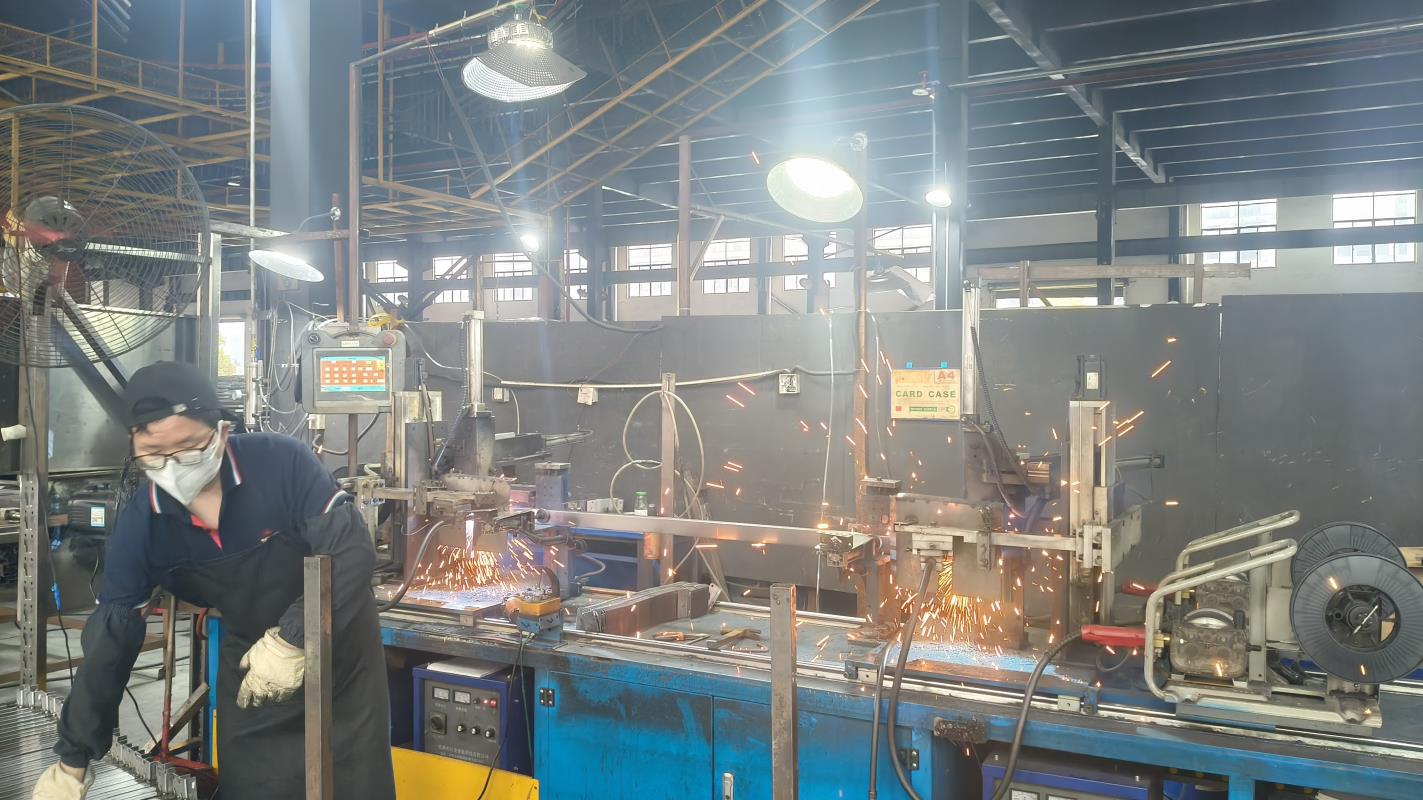
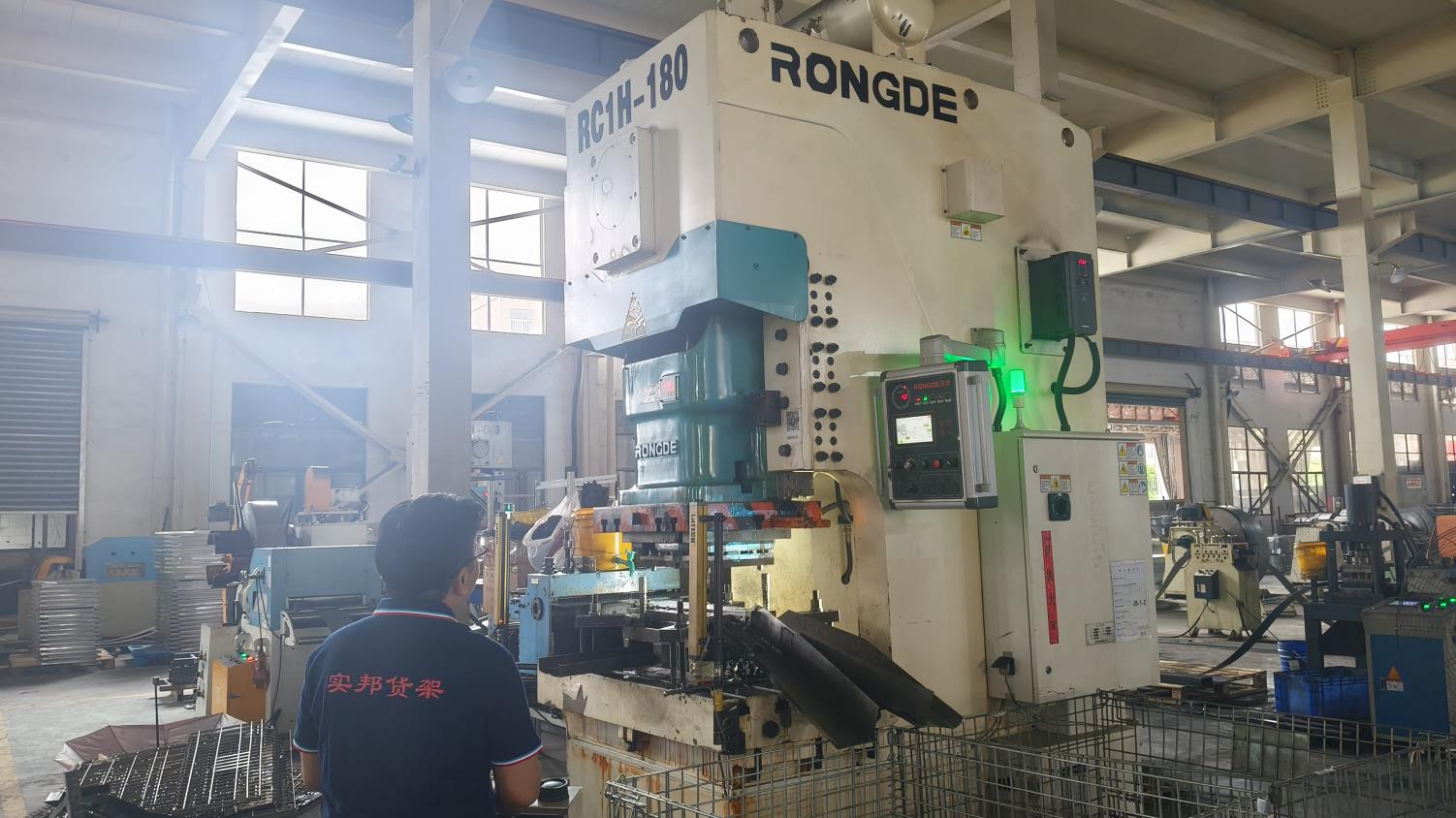
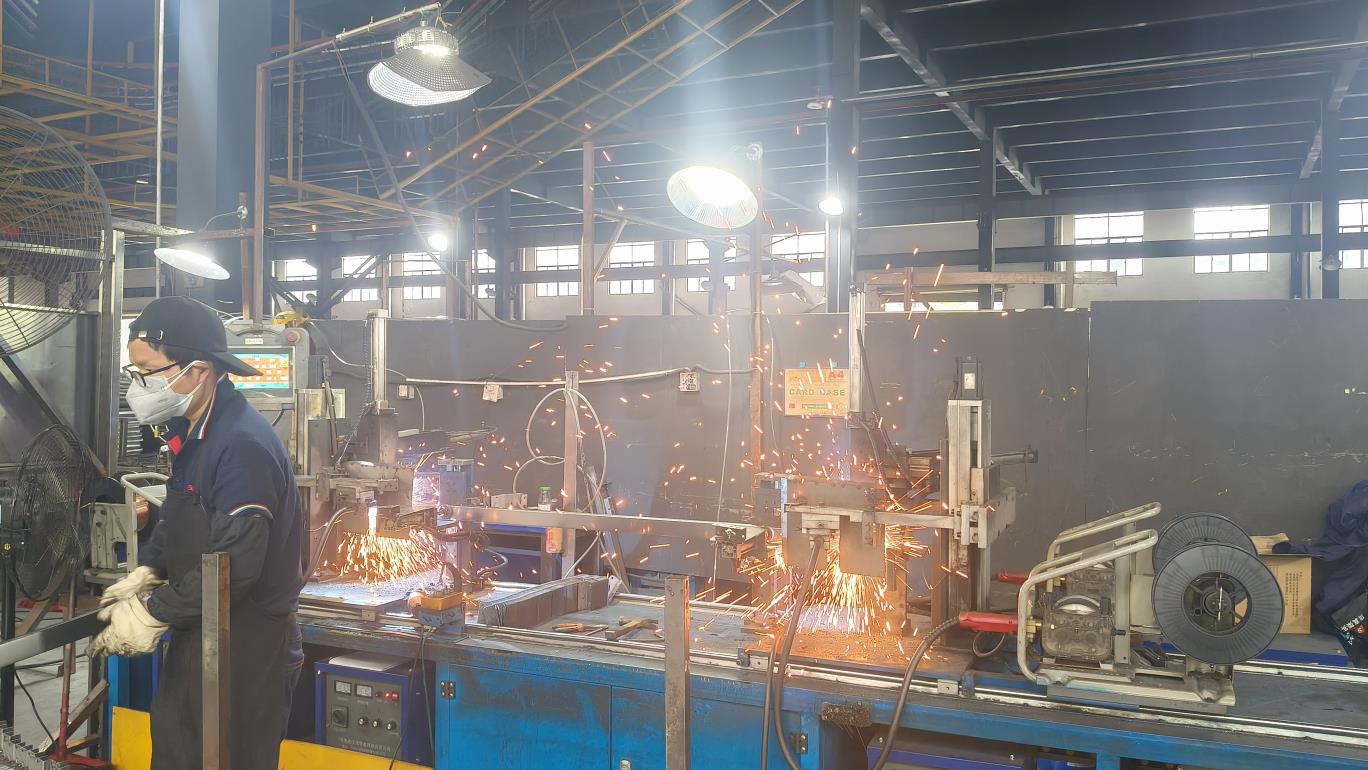
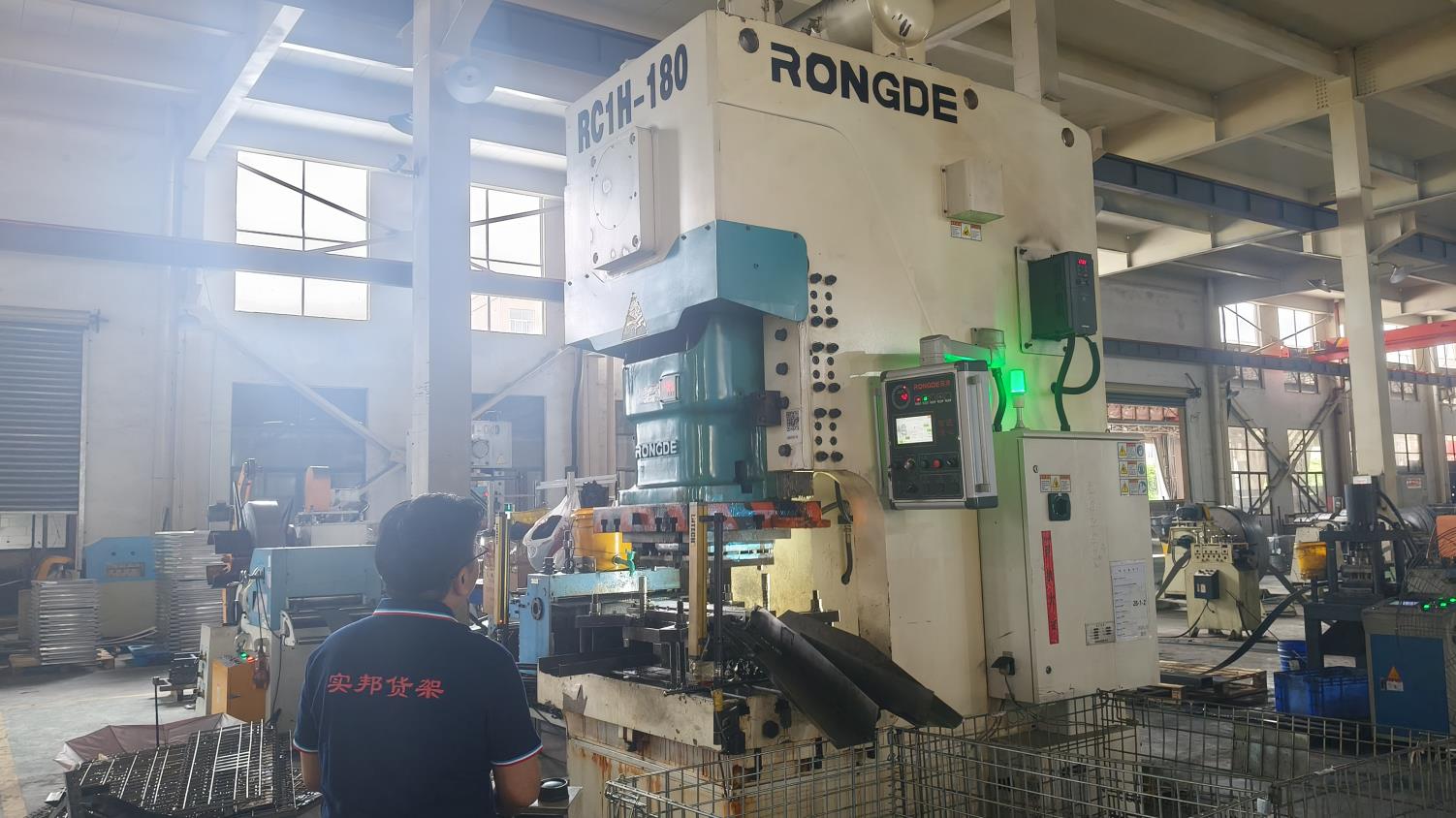
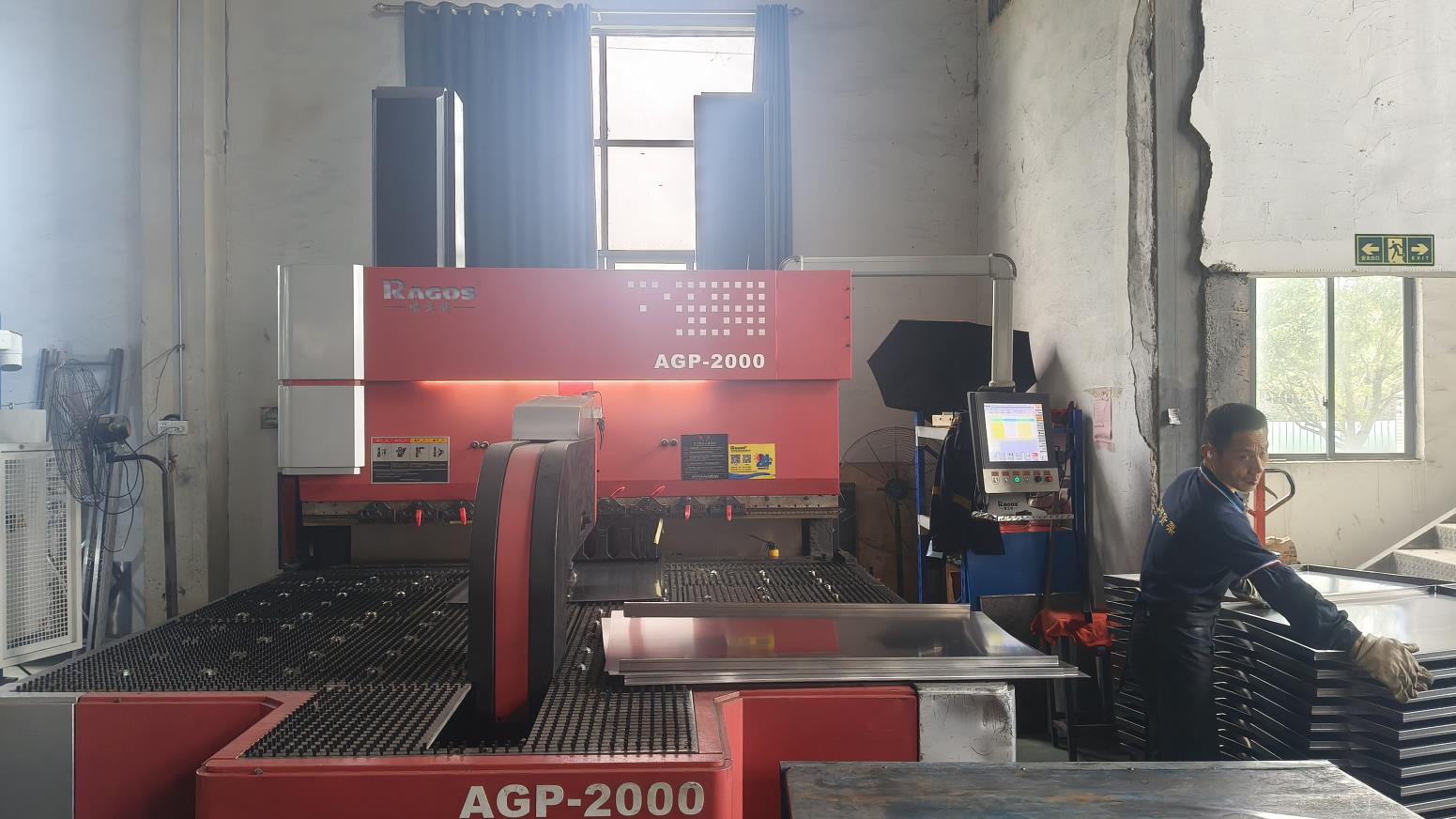
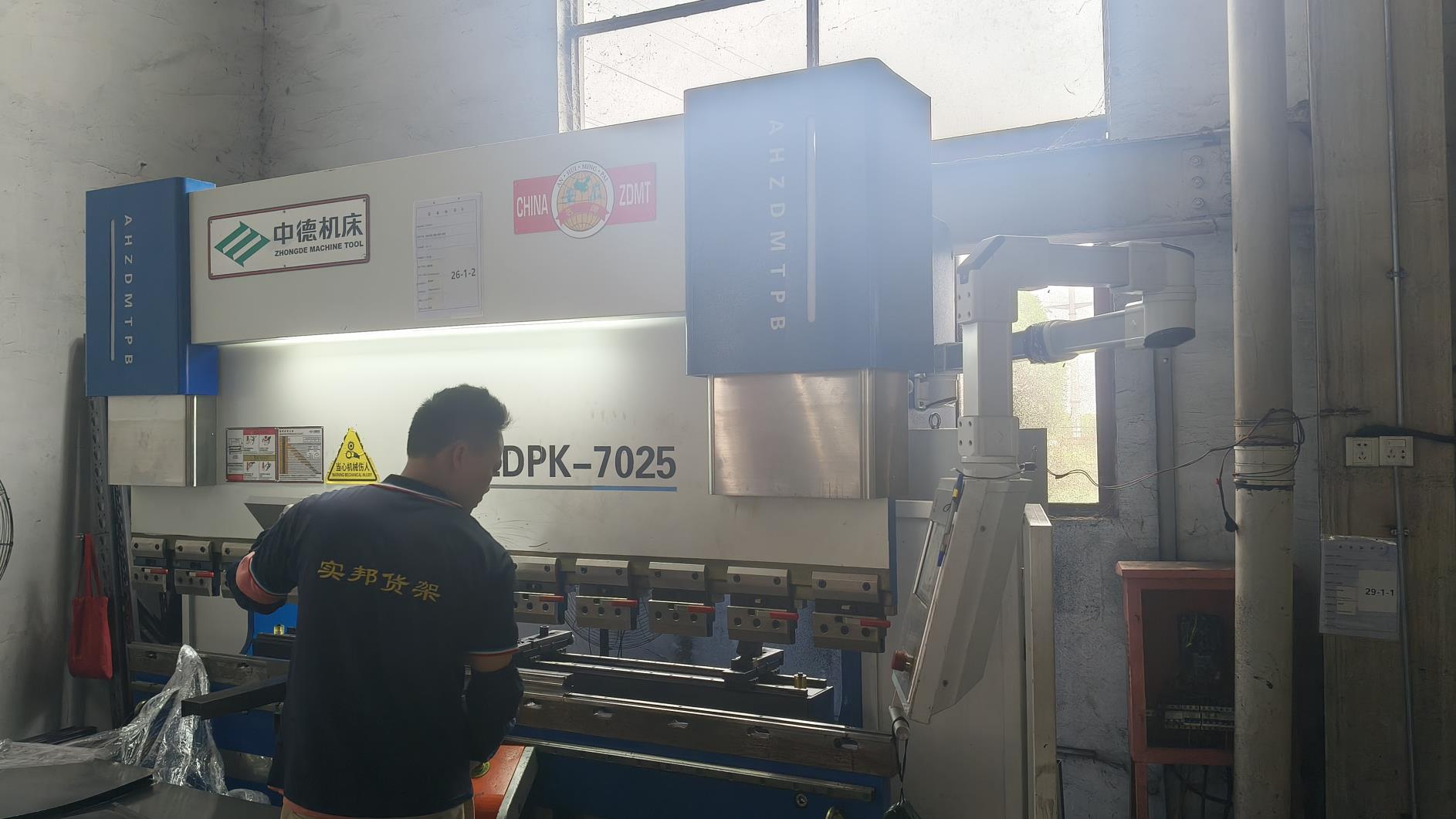
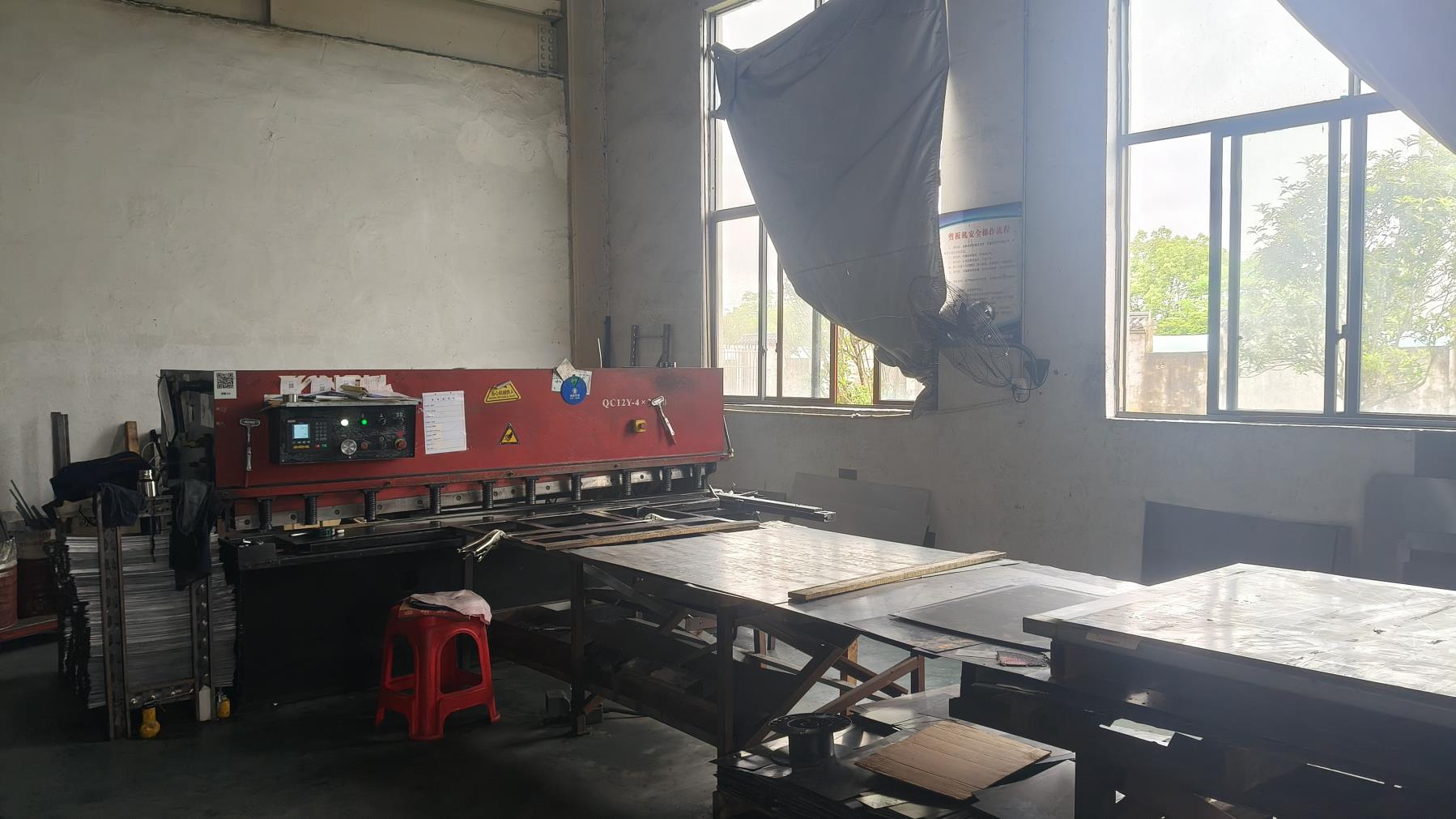
Quality control and technological innovation form the core of our operations. Our dynamic R&D team consists of 18 senior engineers, supported by 35 dedicated QC professionals. We implement rigorous product inspection protocols—including raw steel tensile testing, automated ultrasonic weld checking, static and dynamic load testing, and powder-coating salt spray endurance tests—ensuring compliance with international safety and durability standards. In the past year alone, our R&D unit successfully introduced 45 new product designs and structural optimizations.
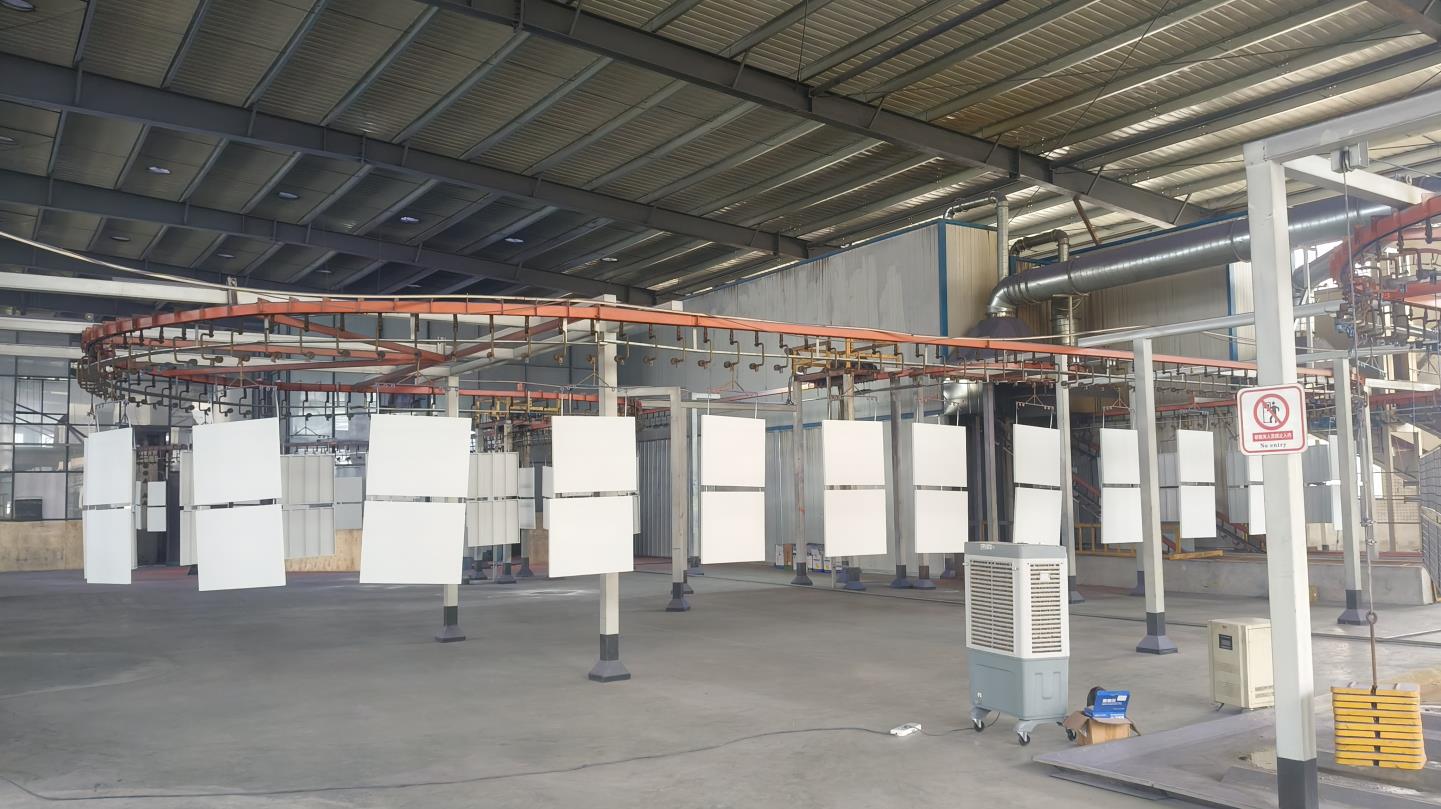
We offer full structural customization options, providing tailored loading capacities, height configurations, beam profiles, and surface finishes (powder coating and hot-dip galvanizing) to meet exact warehouse specifications. Guided by engineering precision and trade reliability, Shenzhen Shibang Storage Rack Co., Ltd. continues to deliver safe, scalable, and optimized storage solutions for modern global supply chains.
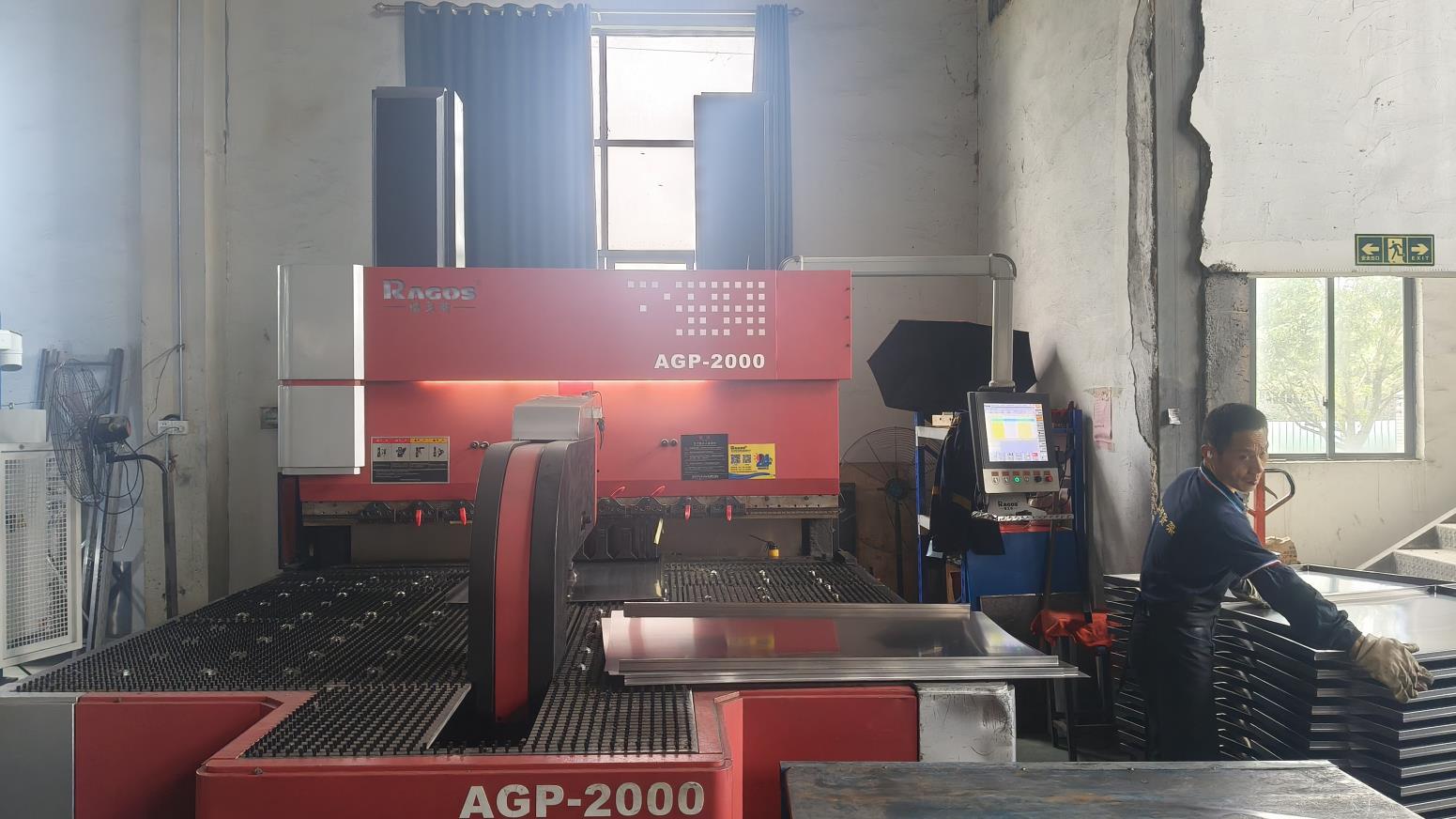
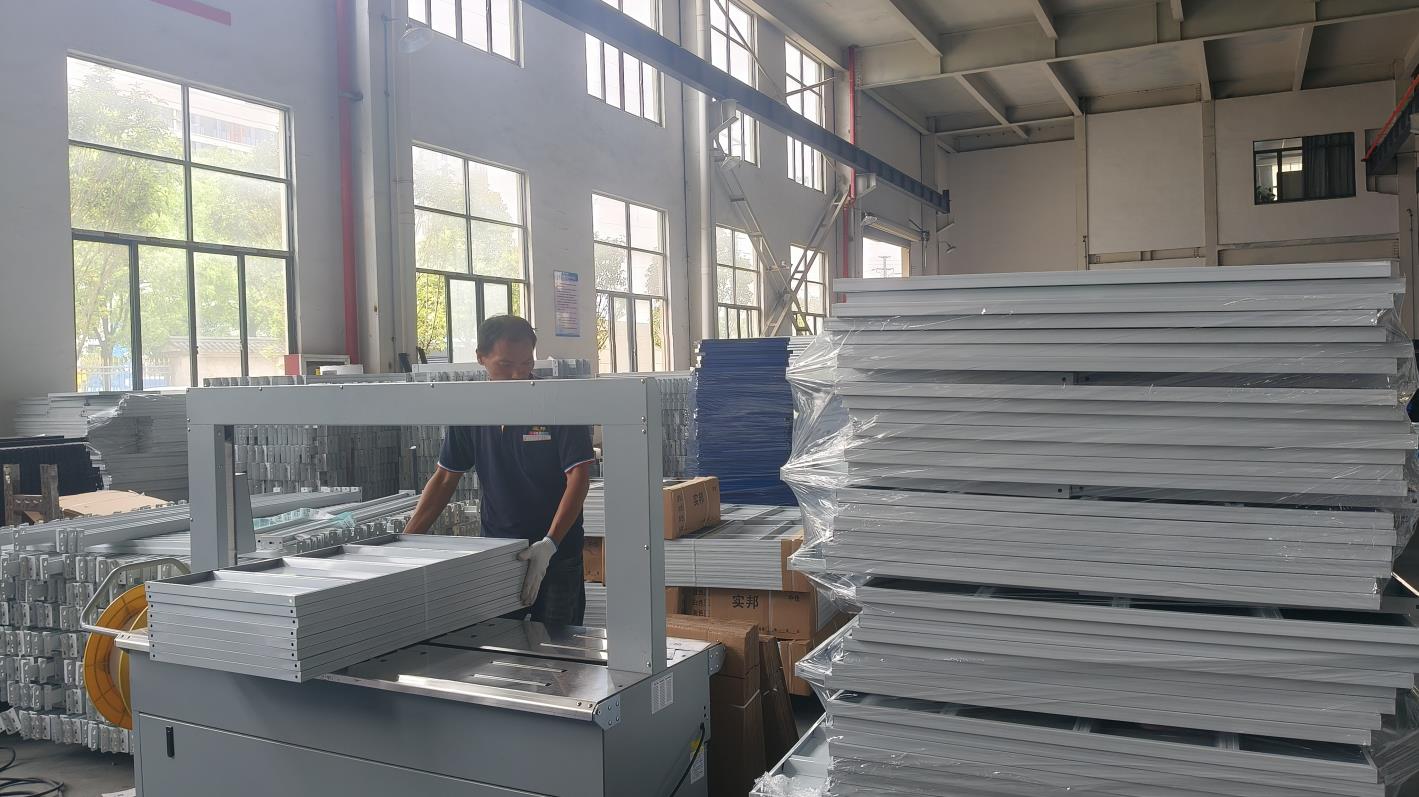
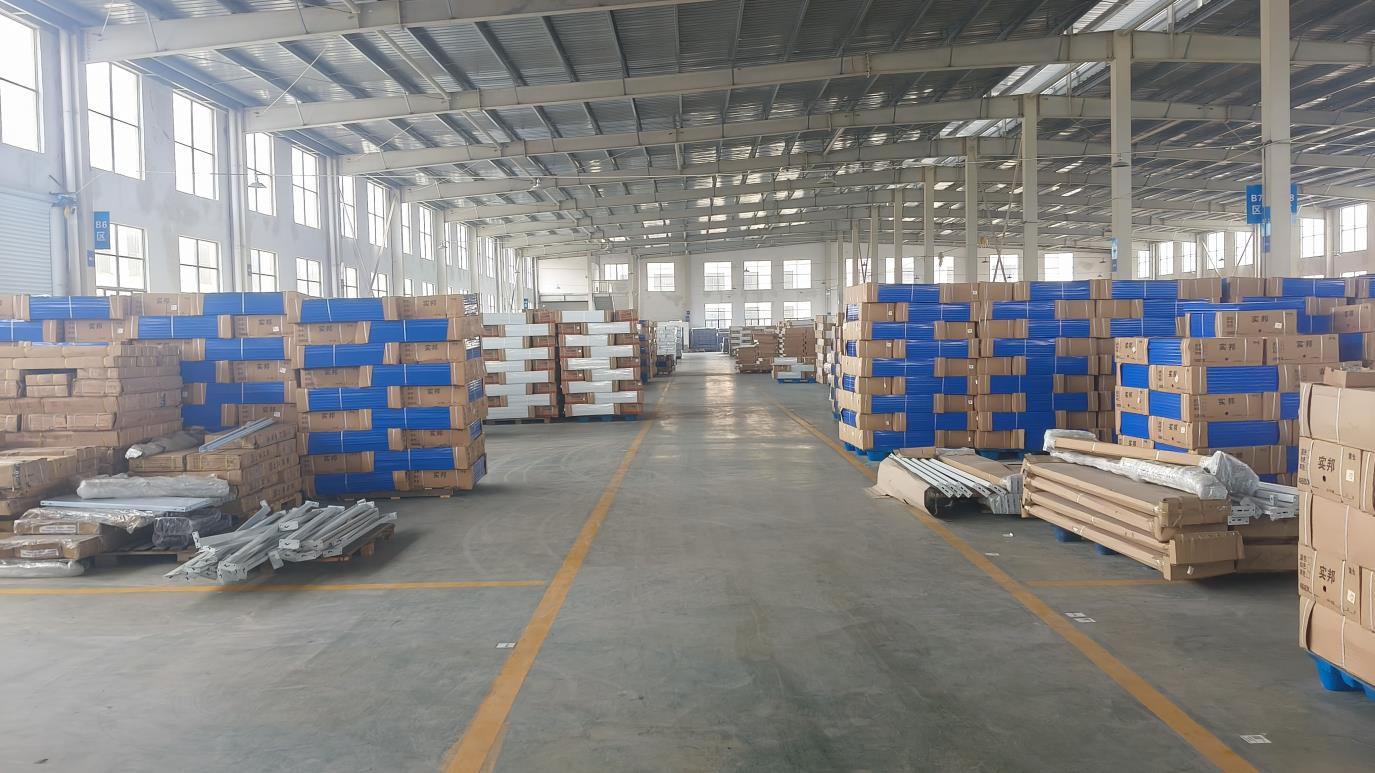
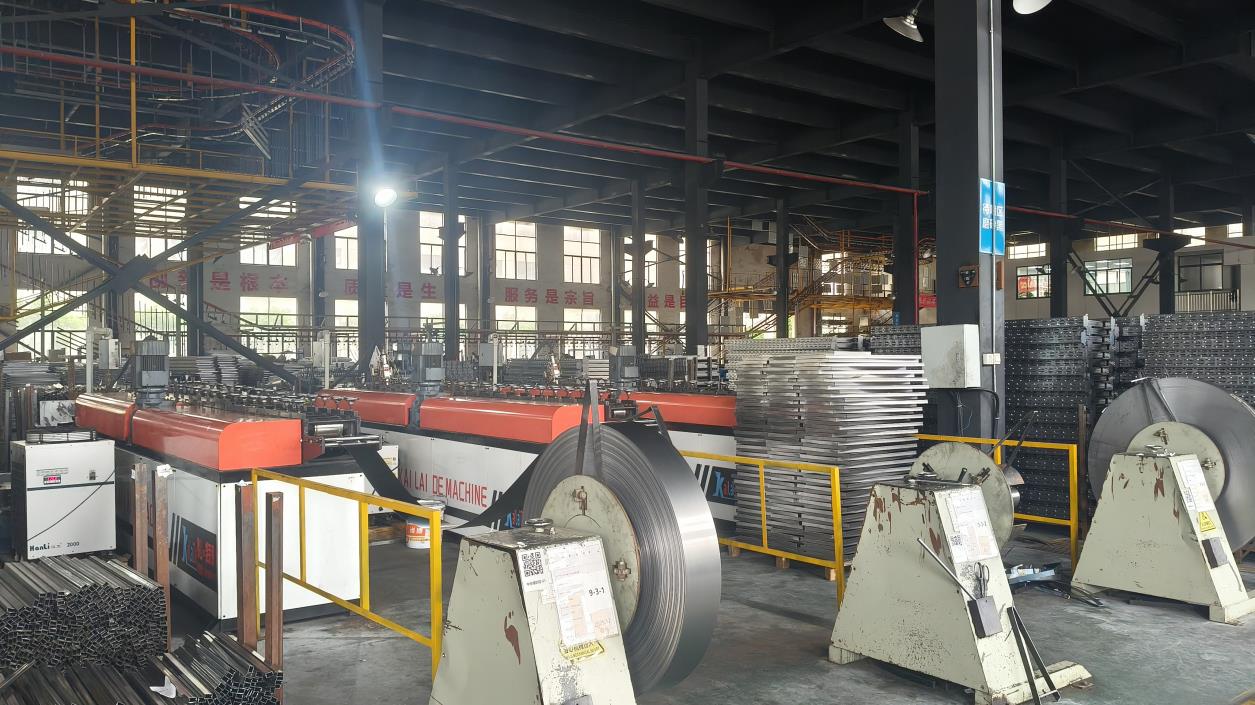
Exploring our integrated production line operations, precision metalworking, and quality assurance workflows
How our modular storage structures adapt to distinct global environmental and regulatory requirements
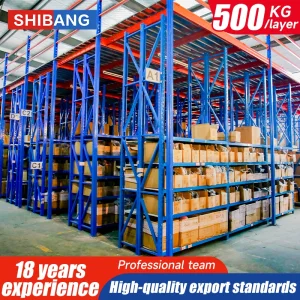
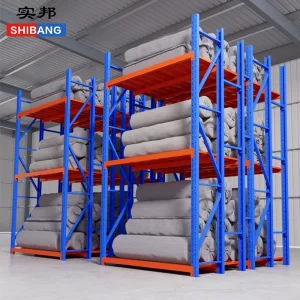
In high-velocity fulfillment environments, warehouse operations utilize a combination of heavy-duty pallet racks and mezzanine platforms to support multi-tier storage systems. Shibang's customized structural configurations, designed for quick adjustment, allow 3PL operators to easily reconfigure layouts. High-density storage requires upright frames and beam designs that meet local RMI standards. Our systems are engineered to prevent deformation and failure, ensuring stability even under continuous load stress from heavy forklifts and high turnover.
Cold storage facilities place unique demands on structural components. Steel subjected to sub-zero temperatures must retain its ductility and resist structural brittleness. Shibang provides racking options finished with hot-dip galvanized coatings or specialized cold-resistant powder finishes. These systems resist oxidation and micro-cracking caused by condensation and temperature fluctuations, ensuring long-term structural integrity and compliance with European food-grade storage regulations.
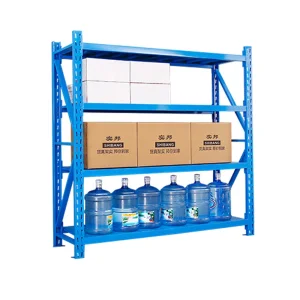
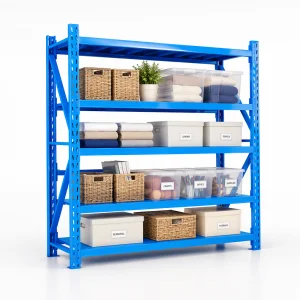
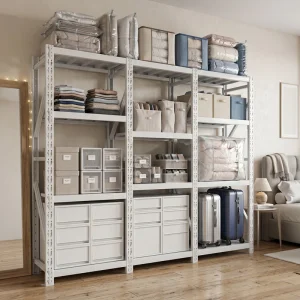
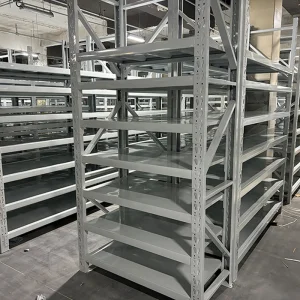
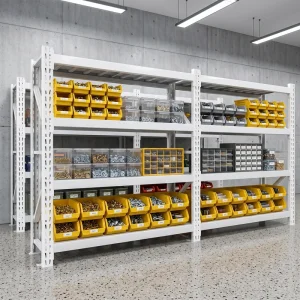
For retail showrooms and mixed-use commercial garages, space optimization requires high load-bearing capacity coupled with a clean, professional aesthetic. Here, boltless assembly systems are preferred due to their quick setup and visual appeal. Our medium-duty and boltless rack units allow retail operators and light industrial businesses to maximize floor space without specialized tool installations, offering flexible storage that can grow with the business.
Key considerations for supply chain leaders when evaluating industrial steel storage partners
Procuring industrial racking systems on a global scale requires detailed planning and adherence to strict safety standards. Enterprise procurement teams prioritize structural safety, supply chain transparency, and adaptability to future technologies. Current industry trends emphasize:
Technical explanations regarding structural design, quality testing, and import logistics
We primarily utilize high-tensile structural steel grades Q235B and Q355B (equivalent to ASTM A36 and ASTM A572 Grade 50). These steel grades offer optimal yield and tensile strength, ensuring our columns, beams, and upright frames maintain structural integrity under high-capacity loads without permanent deformation.
Traditional bolted frames use heavy-duty hardware to connect vertical columns and horizontal braces, offering excellent rigidity for heavy-duty, tall pallet racks. Boltless racking utilizes keyhole or butterfly slots with interlocking rivets. This design enables quick assembly and adjustment without tools, making it ideal for medium-duty warehousing and fast-paced retail or garage environments.
We offer two main protective options: a multi-stage electrostatic powder coating and hot-dip galvanizing. For high-humidity, outdoor, or cold-storage environments, hot-dip galvanizing is recommended, as it bonds zinc metallurgically to the steel to prevent rust. Our standard powder coatings undergo extensive salt spray testing to ensure durability in general industrial warehouses.
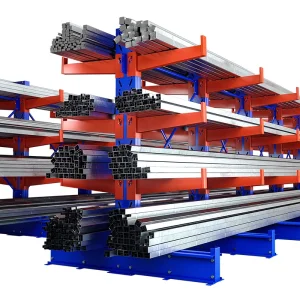
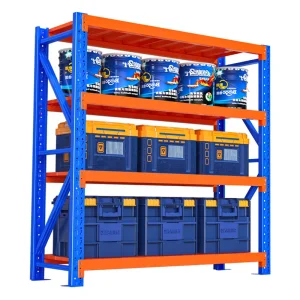
Our manufacturing capabilities cover a wide range of storage configurations: light-duty shelving (100kg to 200kg per level), medium-duty shelving (300kg to 800kg per level), and heavy-duty industrial pallet racking / cantilever systems (1,000kg to 4,000kg per level), tailored to the storage profile of the facility.
We package all components securely using high-strength bubble wrap, cardboard corner protectors, and steel strapping on heavy pallets. This protects the powder-coated surfaces and structural ends from damage during ocean shipping, minimizing handling wear.
High-capacity structural systems, industrial platforms, and custom-engineered racking units
 Shibang Steel