Engineered for durability, modular optimization, and structural integrity across global distribution networks.
A technical examination of industrial racking design, raw material standards, and modern warehouse optimization.
In modern logistics, warehousing, and high-density distribution frameworks, the physical structure of industrial racking represents the backbone of operational workflow and safety. Shenzhen Shibang Storage Rack Co., Ltd., established in 2015, stands at the engineering forefront of this sector. Utilizing a 32,000 square meter production facility, our operations integrate structural design, mechanical engineering, automated manufacturing, and international trade protocols to supply heavy-duty storage structures to North America, Europe, Australia, and Southeast Asia.
With more than 12 years of structural engineering design experience and 8 years of direct export trade compliance, we recognize that a storage rack is not merely bent sheet metal. It is an active load-bearing frame subject to static pressure, dynamic material handling impacts, and potential seismic activities. Our engineering department (comprising 18 senior engineers) and quality management unit (35 dedicated QC professionals) implement rigorous quality control measures, ensuring our steel profiles consistently satisfy international structural criteria, including CE marking protocols.
Our quality assurance workflow dictates that no steel batch leaves our factory without undergoing: tensile strength testing, automated ultrasonic weld line verification, physical static and dynamic load testing, and powder coating salt spray endurance tests. In the previous fiscal year, our R&D team successfully executed 45 engineering optimizations, reducing overall system weight while maintaining load ratings.
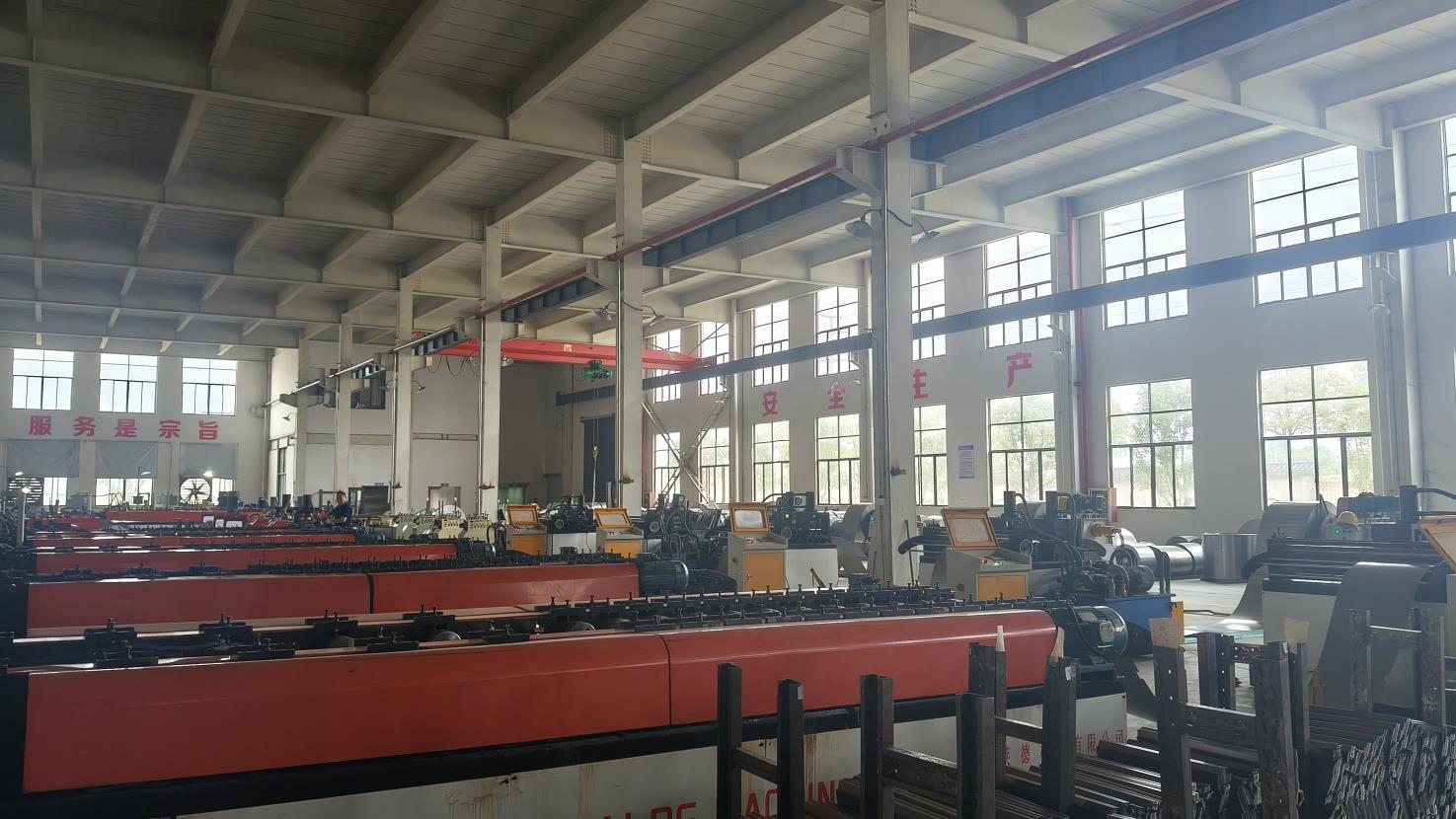
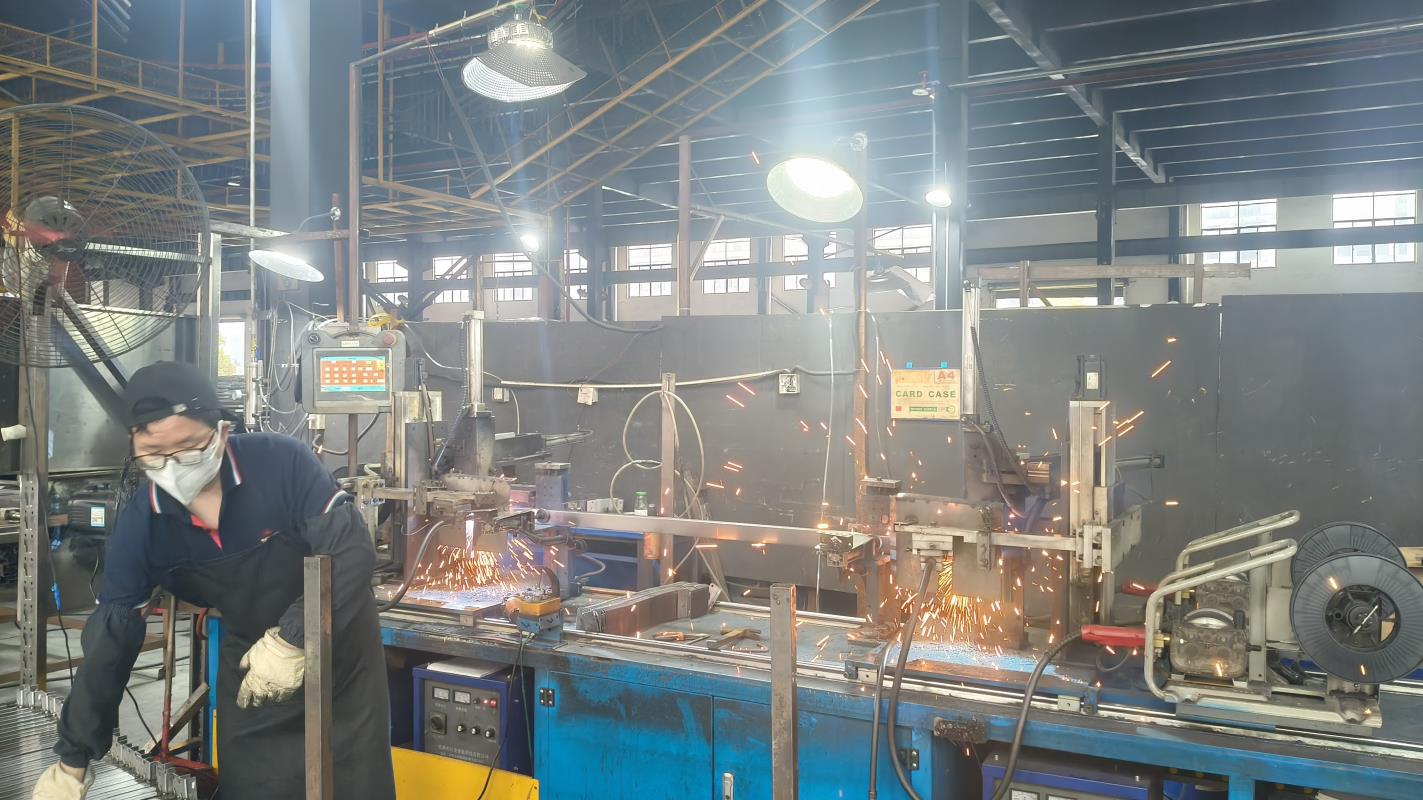
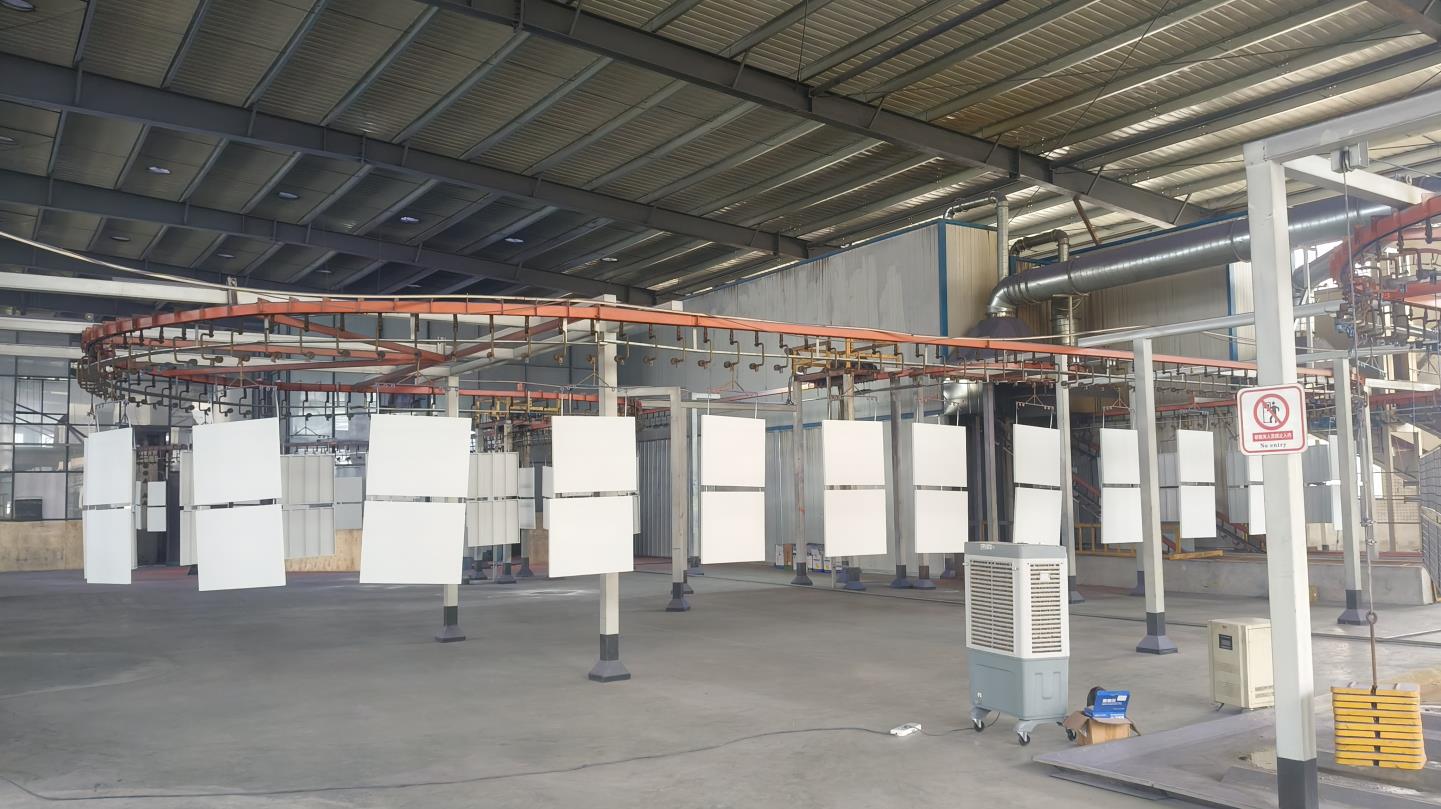
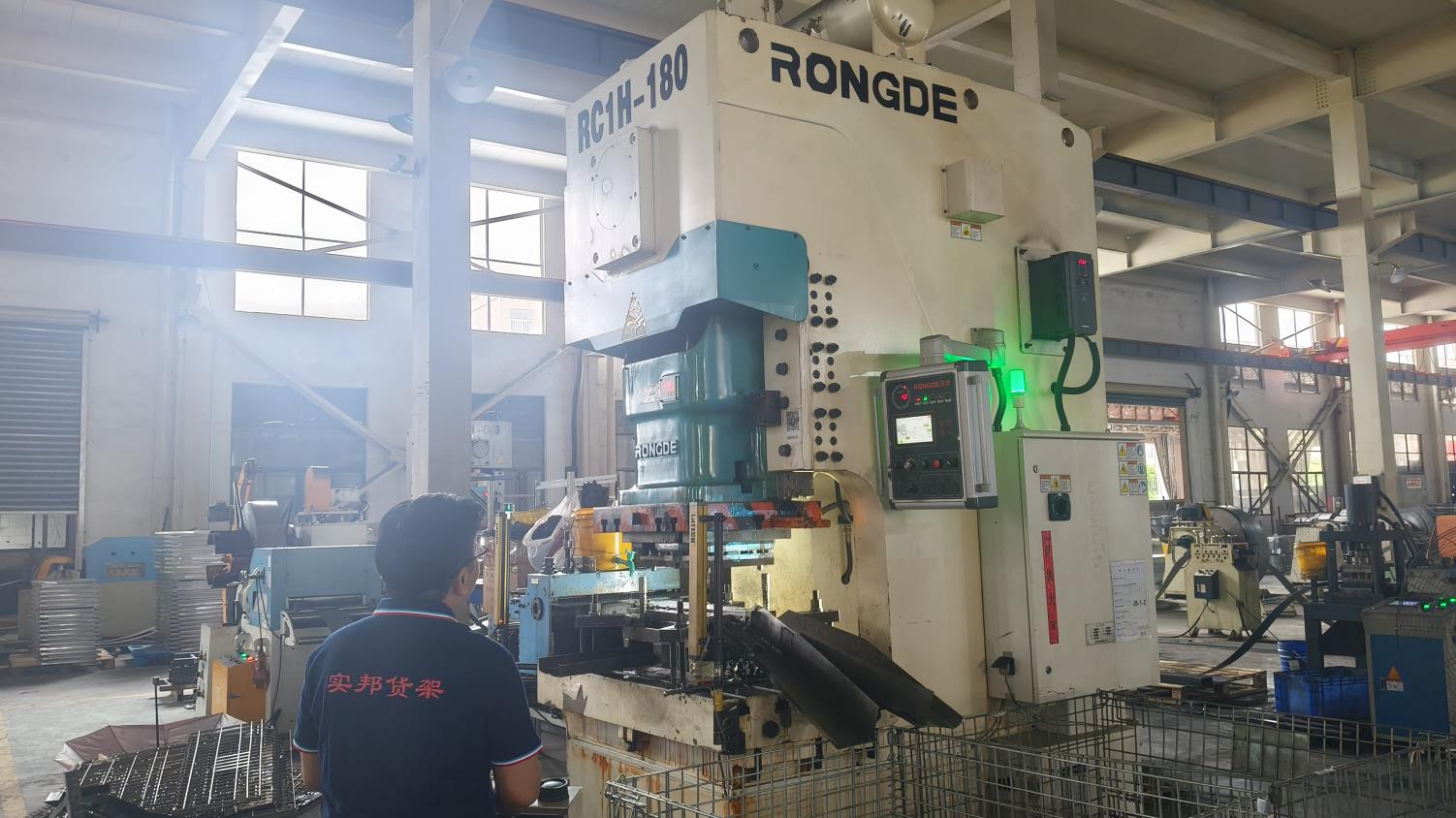
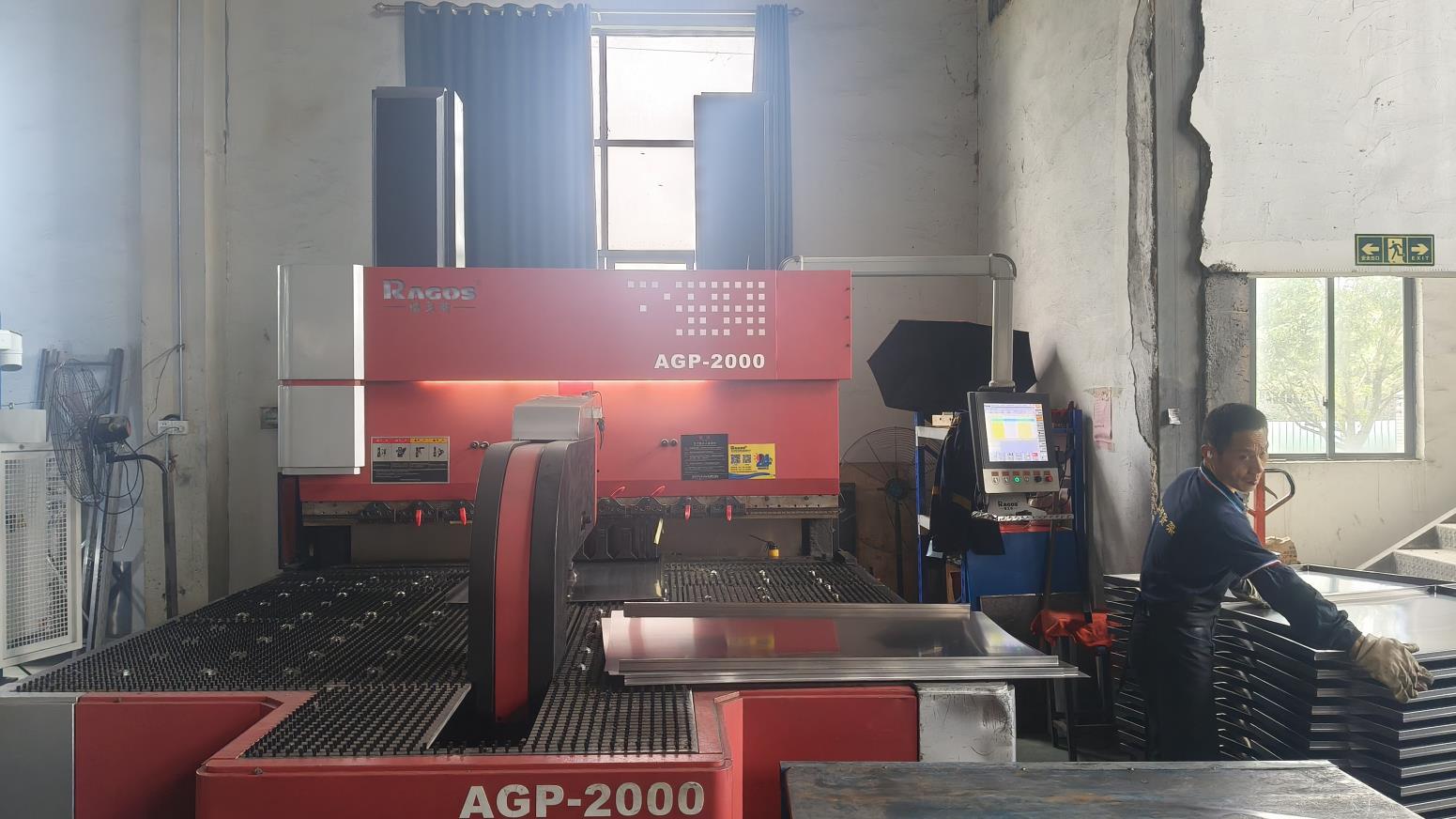
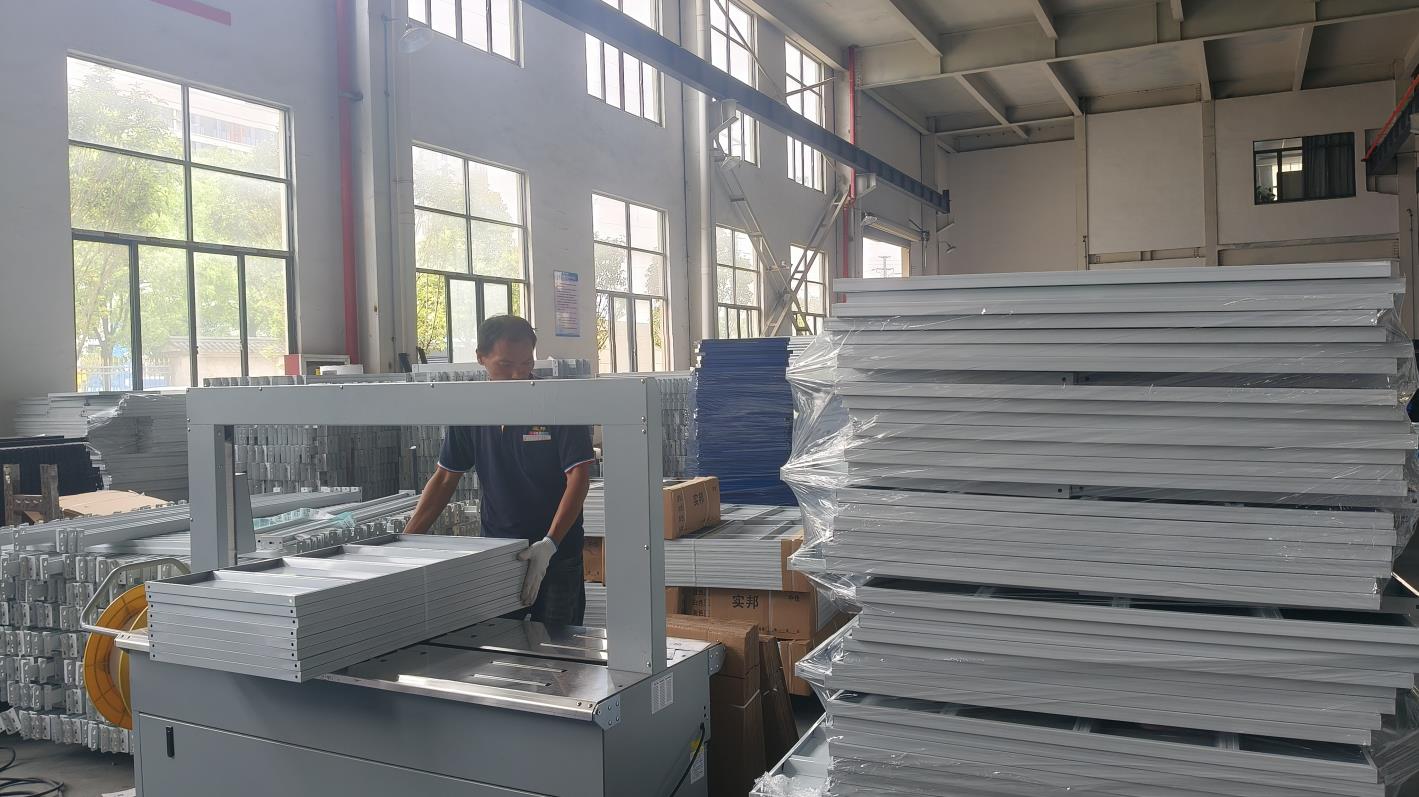
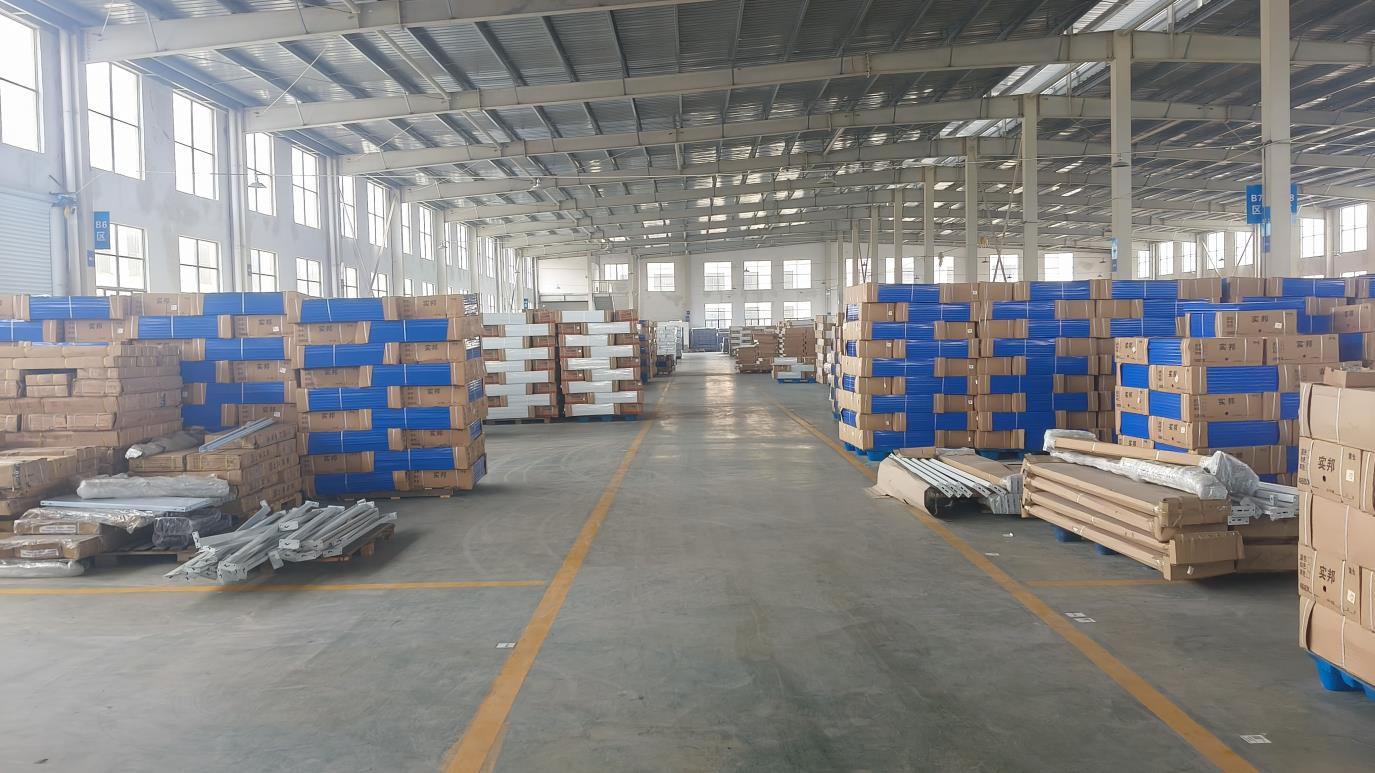
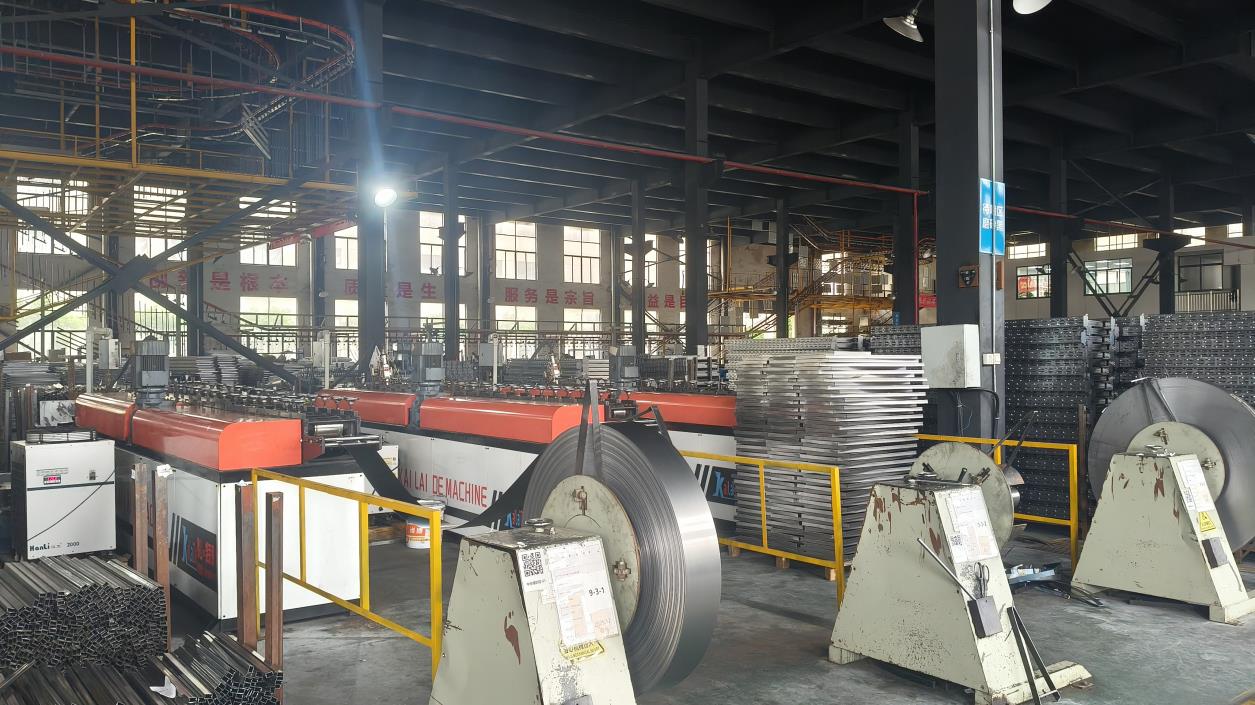
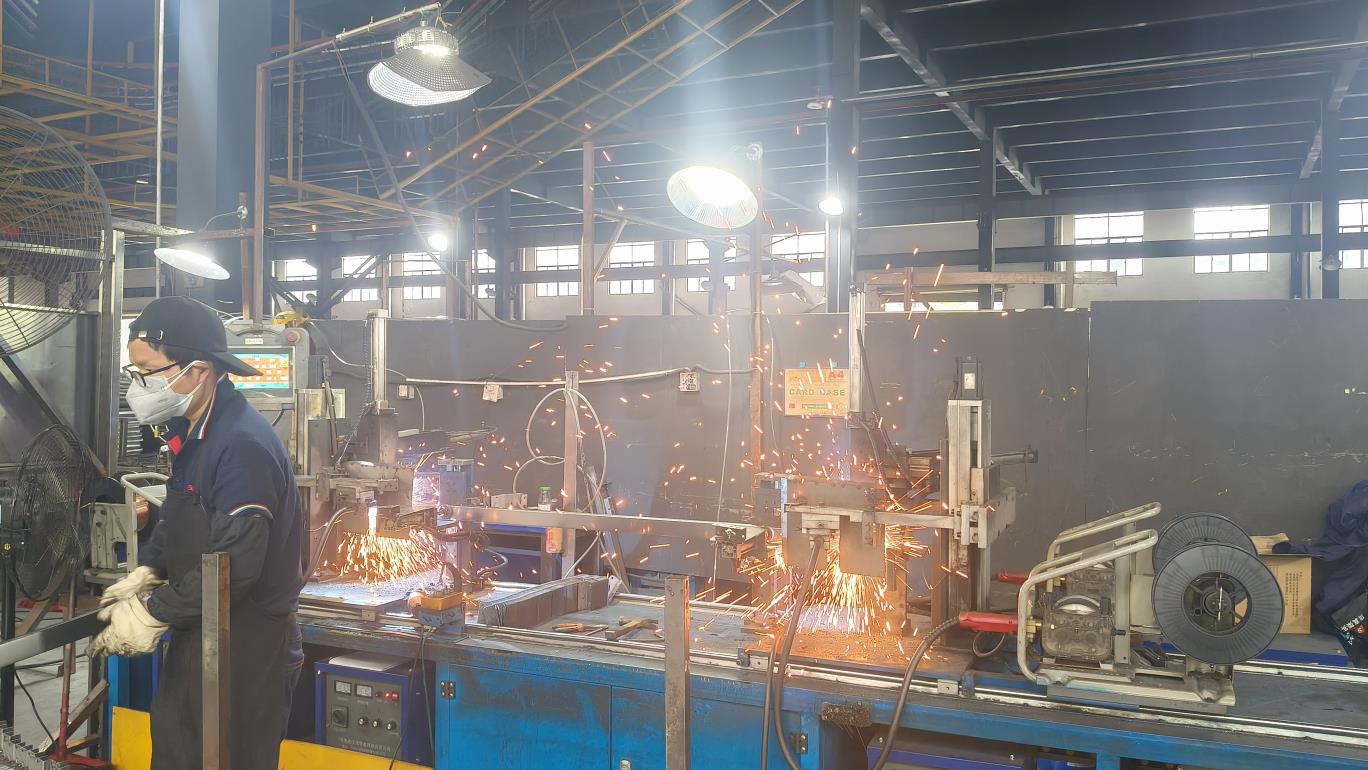
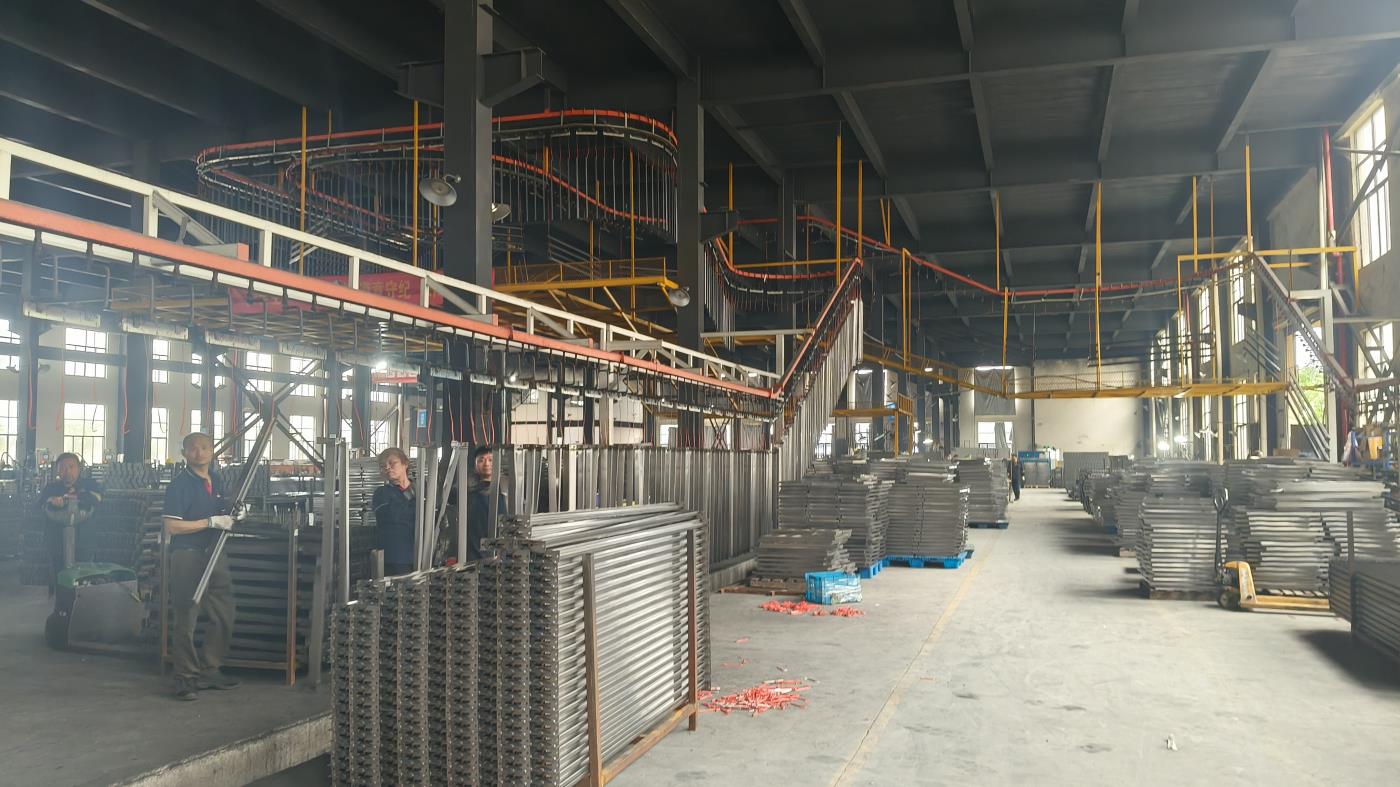
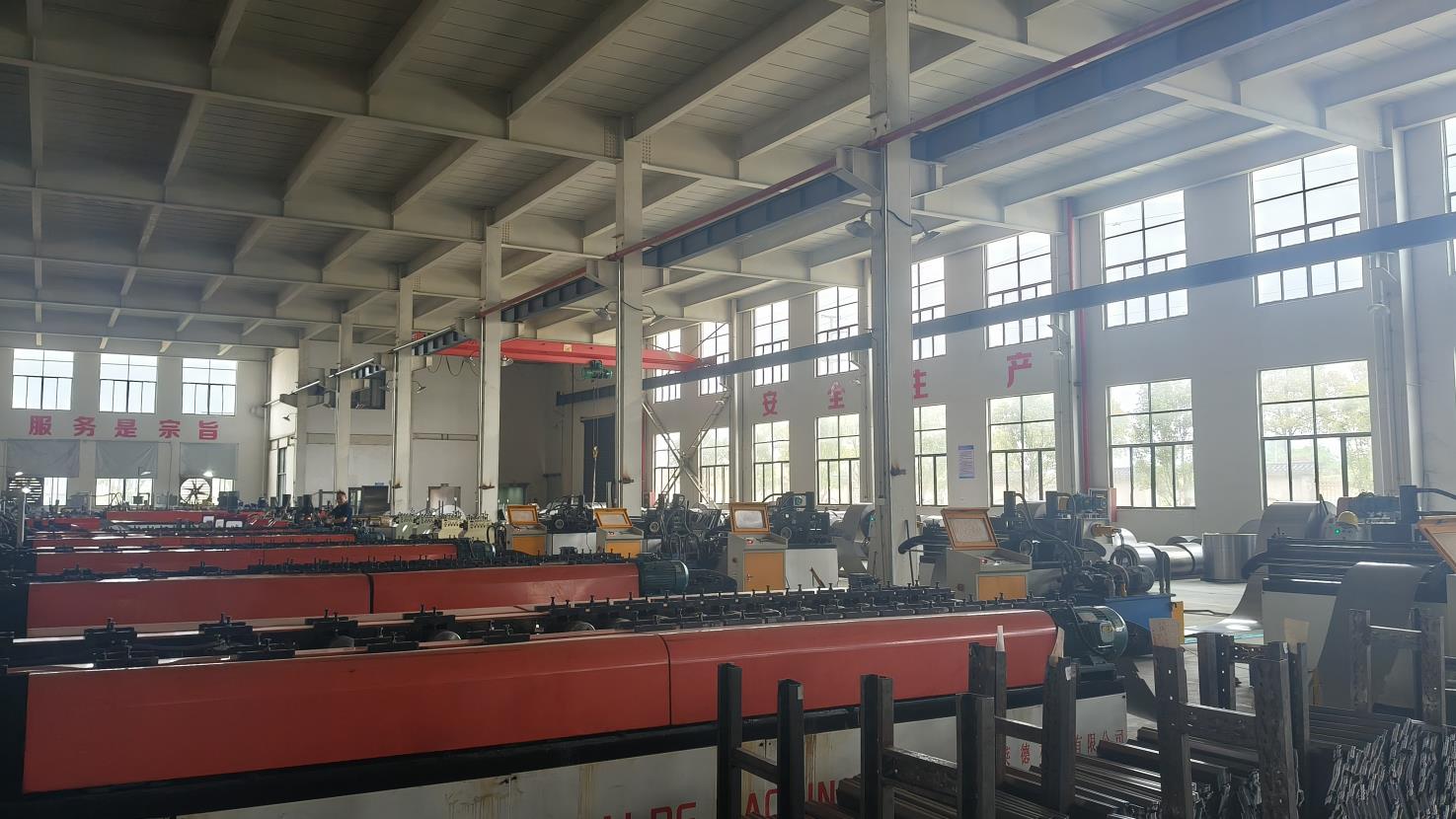
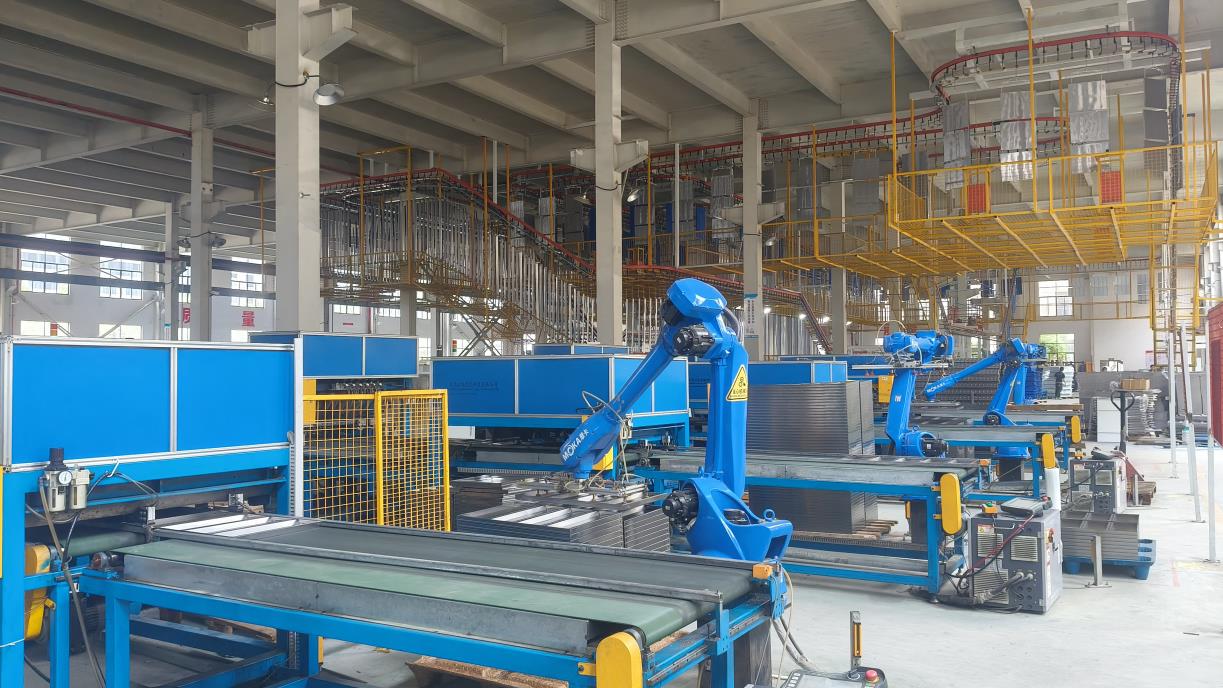
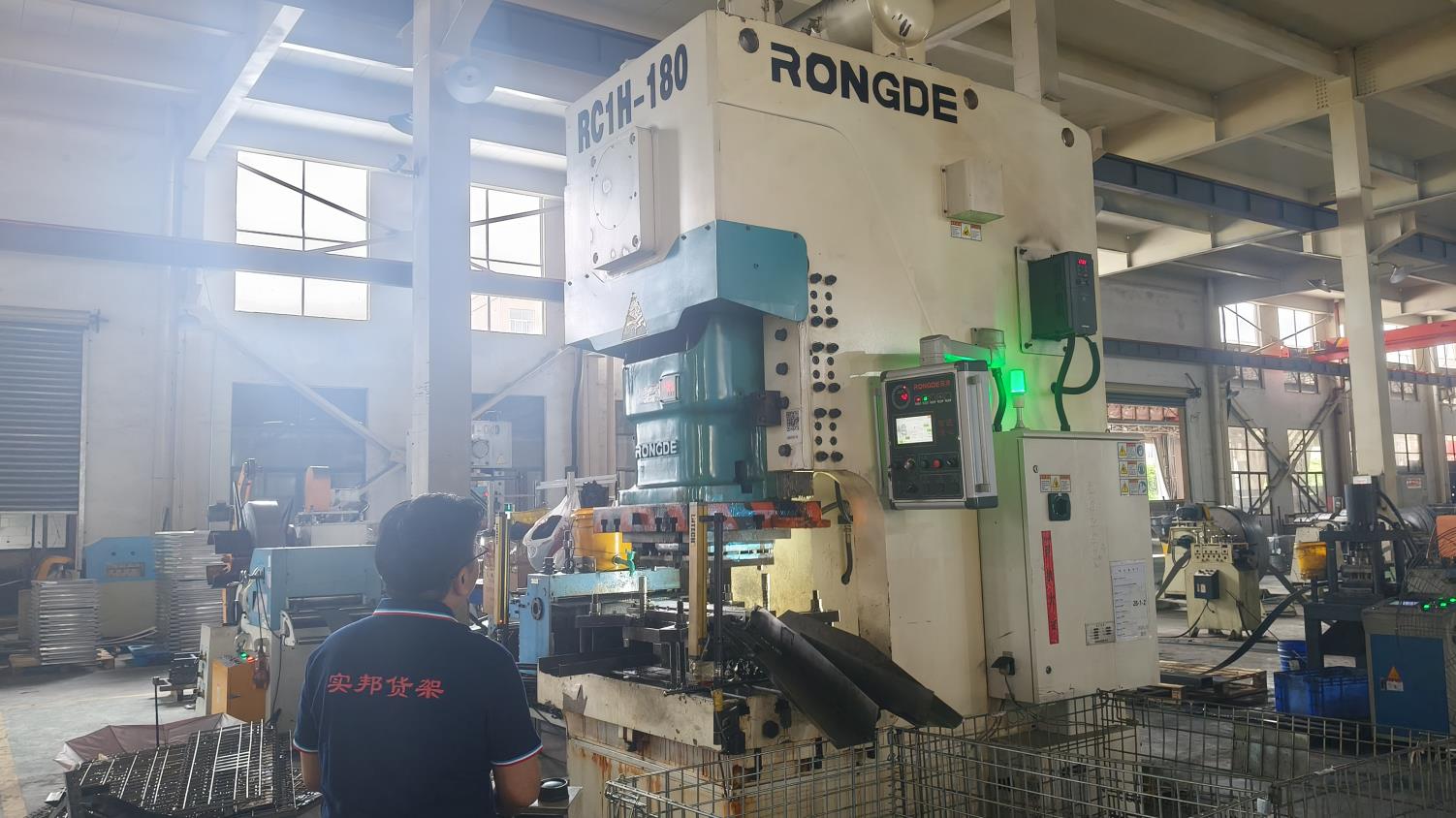
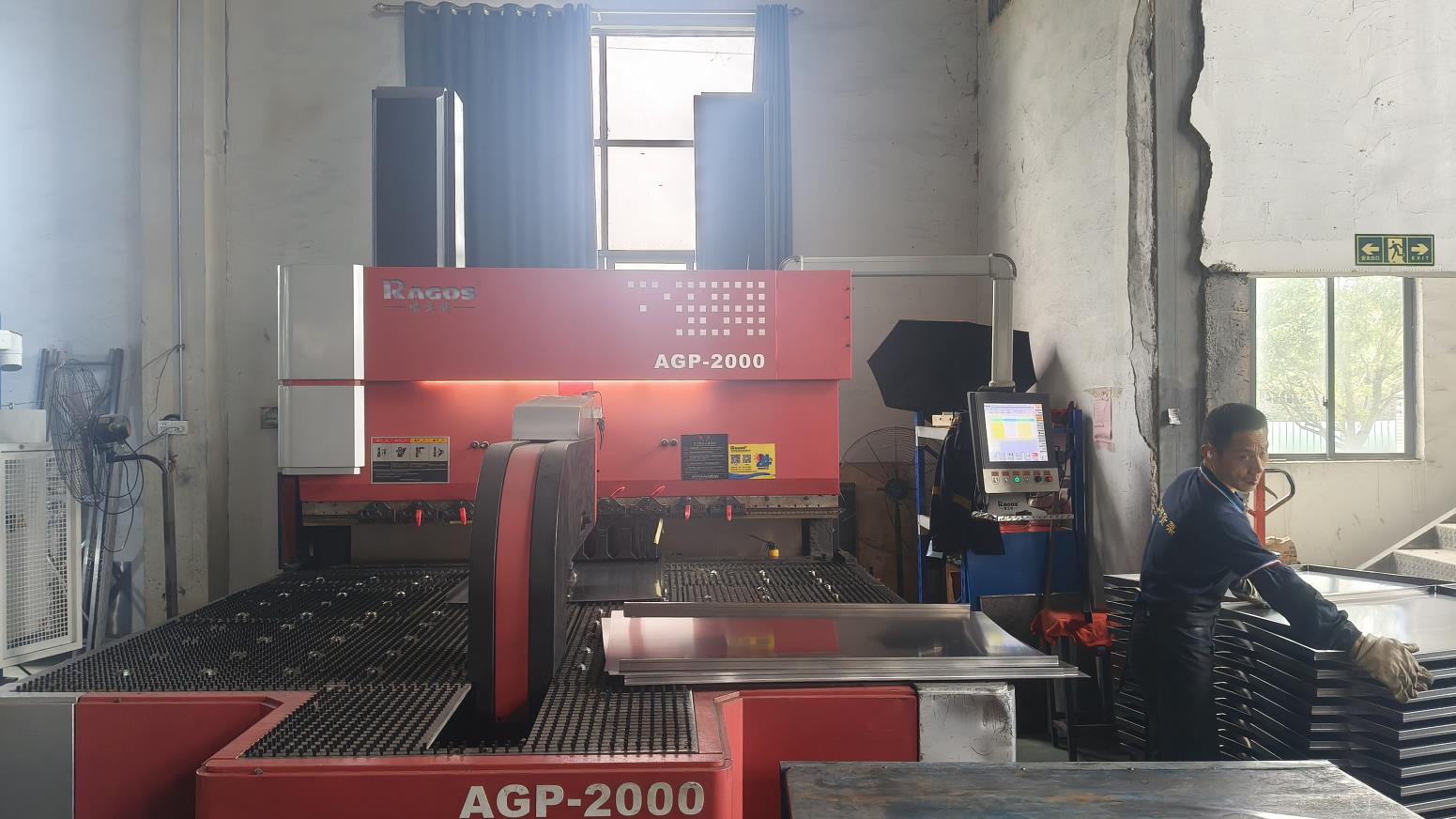
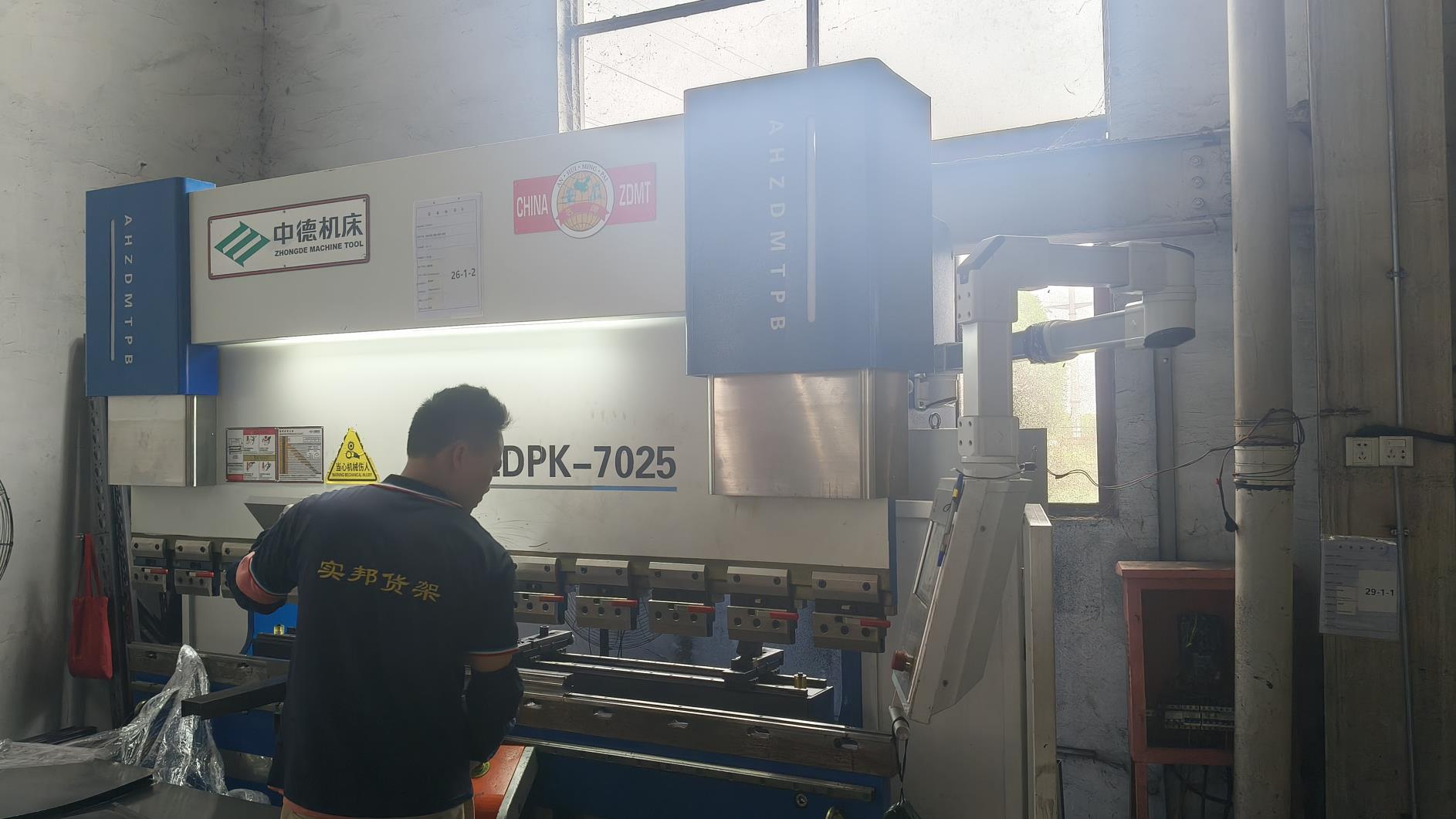
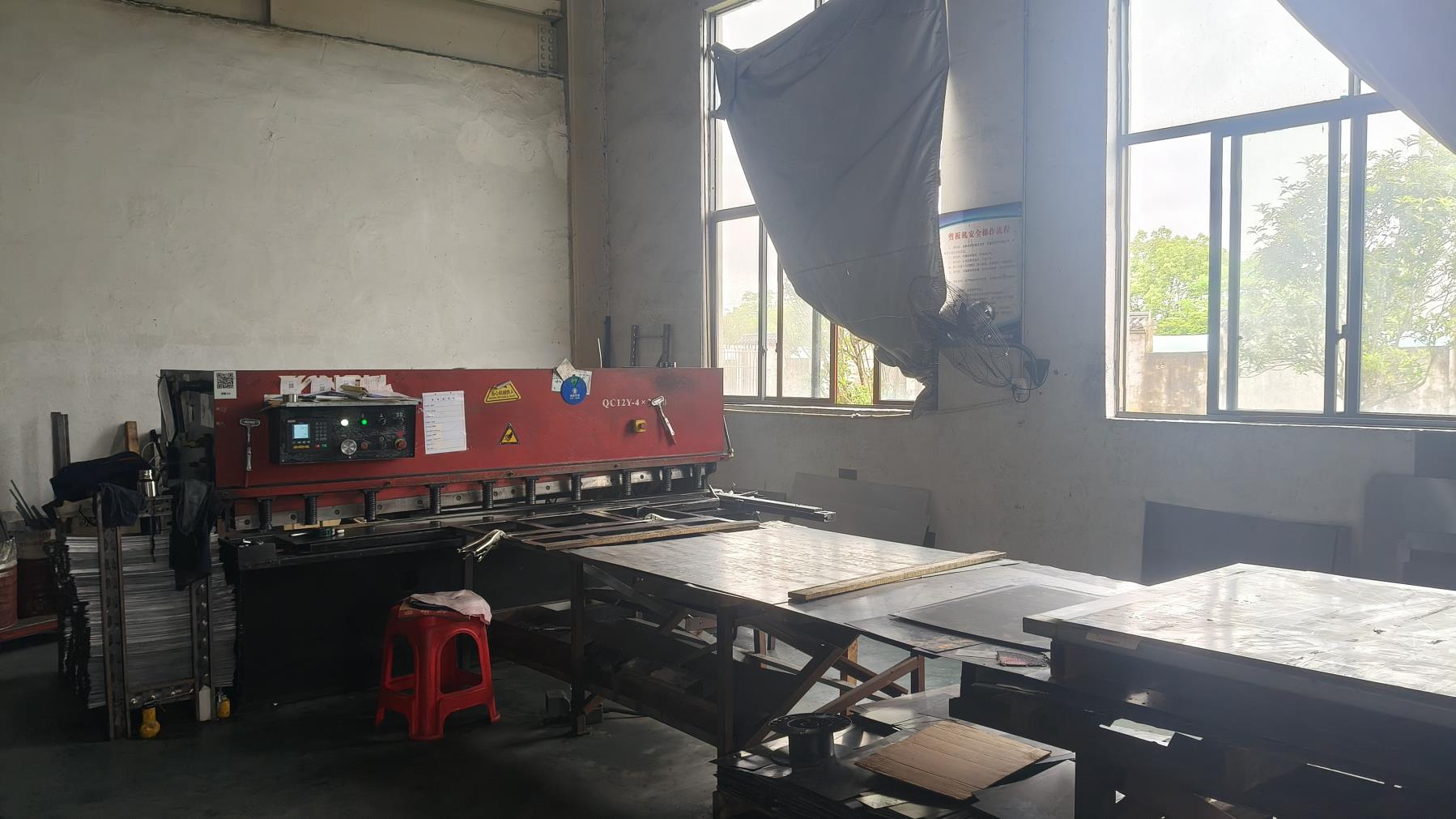
Visualizing the manufacturing precision, automated machinery, and quality control checkpoints at Shenzhen Shibang.
In global industrial equipment markets, regulatory compliance is a key requirement for product procurement. In the European Economic Area (EEA), industrial storage racks and display solutions must conform to structural stability, human safety, and material transparency standards. CE certification signifies that the storage equipment satisfies European standards, primarily governed by EN 15512 (Steel static storage systems - Adjustable pallet racking systems - Principles for structural design) and EN 15620 (Steel static storage systems - Tolerances, deformations, and clearances).
Compliance requires structural calculations under European codes (Eurocode 3 for steel design). Each upright profile, beam connector, and bracing assembly is analyzed using Finite Element Analysis (FEA) to determine yield points under maximum load states. CE marking verifies that raw carbon steel complies with structural specifications (such as S235JR or S355JR under EN 10025) and that automated welding procedures adhere to ISO 3834 (Quality requirements for fusion welding of metallic materials).
For international procurement agents, CE-certified systems minimize corporate liability. It ensures the storage infrastructure is designed to resist critical failure modes: column buckling, beam-to-column connection shear, and frame overturning under asymmetrical load distributions. Shenzhen Shibang manufactures components in strict compliance with these European benchmarks, alongside US Rack Manufacturers Institute (RMI) guidelines and Australian AS4084-2012 criteria, validating our systems for high-throughput logistics hubs.
The structural capacity of an industrial rack depends on cold-rolled steel profiling. Heavy-duty pallet racks require specialized geometries to maximize the moment of inertia without using excessive material. At Shenzhen Shibang, we employ advanced multi-stage roll-forming machinery to transform flat steel strips into complex, multi-fold upright profiles. This increases the structural stiffness of the member and enhances its resistance to localized torsional buckling.
The selection of raw materials is critical. We use structural carbon steels with certified yield strengths (such as Q235B and Q355B). To ensure structural performance, we conduct standard coupon testing on each incoming coil to confirm elongation characteristics and ultimate tensile limit metrics. The thickness of upright columns varies from 1.5mm up to 2.5mm for heavy load demands, while load beams use box-profile welds or step-beam configurations designed to prevent lateral deflection. Our box beams feature a dual-thickness steel profile on the top and bottom flanges where bending stress is concentrated, optimizing the material distribution.
Beam-to-column connections use multi-claw tapered connectors that engage with precision-punched teardrop or diamond upright patterns. When loaded, gravity wedges the connector tighter into the upright slots, creating a secure connection that minimizes rotational deformation. Safety locks prevent accidental beam displacement by material handling machinery, conforming to occupational health and safety standards.
Adapting structural layout designs to meet the distinct operational demands of different industrial sectors.
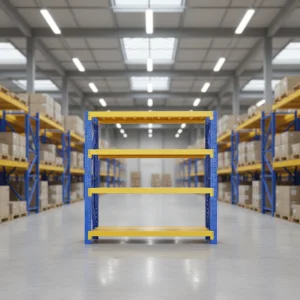
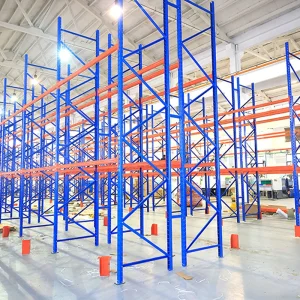
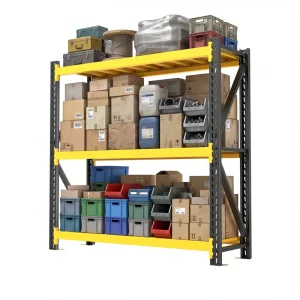
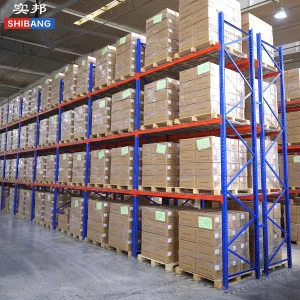
Designed for high-rotation warehouses that require adjustable beam heights, multi-tier pallet systems, and clear height paths to accommodate diverse cargo sizes.
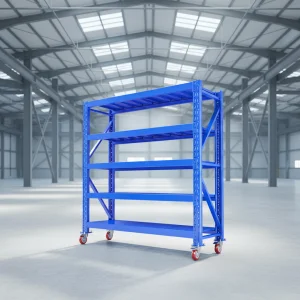
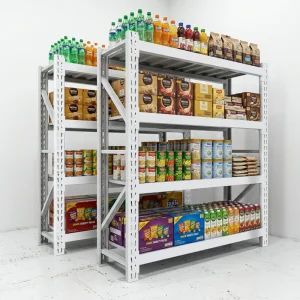
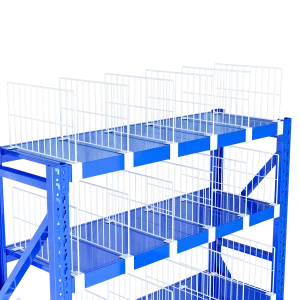
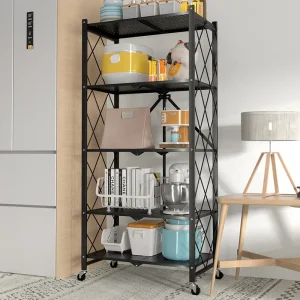
High-density pick modules utilizing boltless shelf lines, multi-tier mezzanine frameworks, and wire mesh decks to enable quick, manual access to goods.
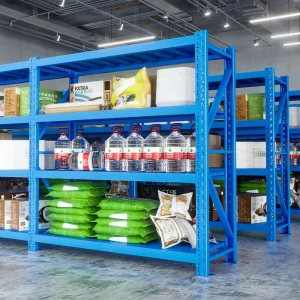
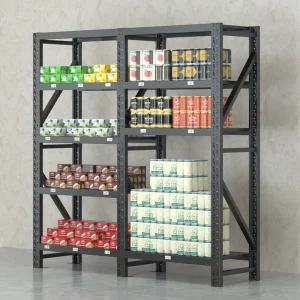
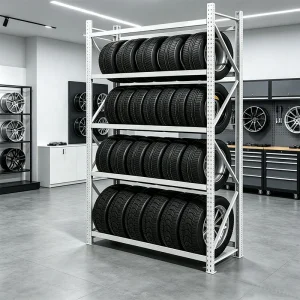
Custom-configured heavy-load structures, such as cantilever racks for raw stock and heavy tire-handling shelves, engineered to carry loads up to 3000 kg per bay.
Optimized manufacturing processes are critical for global supply chain consistency. Shenzhen Shibang integrates automated manufacturing systems within our 32,000 square meter factory to ensure high dimensional accuracy and short lead times. By linking our raw material procurement with over 800 supply chain partners, we secure high-grade steel coils at competitive pricing, insulating our clients from sharp price fluctuations.
Our automation workflow starts with automated de-coiling and leveling lines, feeding directly into multi-station continuous roll-forming mills. Punching operations are integrated inline: hydraulic CNC presses punch vertical patterns before final profile forming, maintaining pitch alignment within a tolerance of ±0.1mm. This precision ensures that cross beams assemble square and level during field installation, preventing structural twist.
Our welding processes feature robotic gas metal arc welding (GMAW) units that perform consistent structural welds. By automating our welding operations, we eliminate manual variation, producing penetration profiles that resist fatigue and impact stress. Our finishing line utilizes a multi-stage pretreatment wash followed by electrostatic powder coating. Components are baked at 200°C to cure the polyester powder, creating a scratch-resistant, impact-absorbing barrier with excellent chemical resistance. This finish is suitable for temperature-controlled storage and light-industrial environments.
The material handling industry is shifting from static storage to dynamic, semi-automated, and intelligent systems. As automation and e-commerce growth shape the industry, Shenzhen Shibang is updating its engineering design frameworks to support these advanced applications. Our R&D team focuses on developing low-tolerance components that integrate with Automated Storage and Retrieval Systems (AS/RS).
High-bay automated warehouses require much tighter straightness tolerances than manual fork-lift operations. While manual systems allow for slight dimensional variances, robotic cranes and shuttle systems demand structural tolerances under 1/1000 of the total height. Our technical development plan includes retrofitting our cold roll-forming lines with online laser monitoring systems. These sensors measure structural profiles in real time, adjusting roll stations to maintain cross-sectional consistency.
We are also testing hybrid storage frames that combine high-yield carbon steels with wear-resistant alloys, reducing structural dead loads while maintaining load ratings. In line with environmental standards, we are transitioning to chrome-free chemical conversion coatings on our pre-treatment lines, helping our global clients meet scope-3 carbon reduction targets.
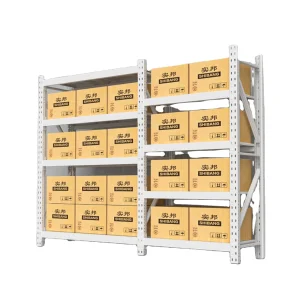
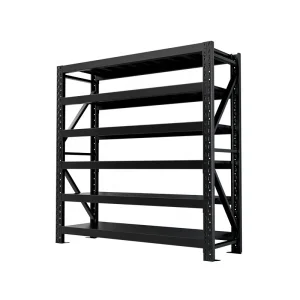
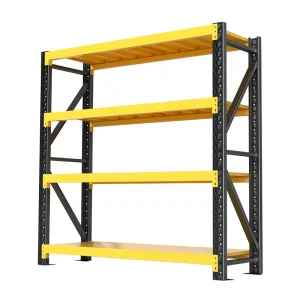
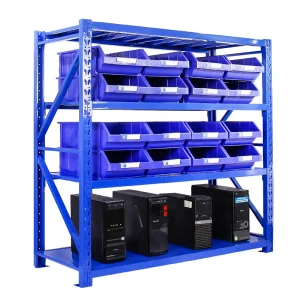
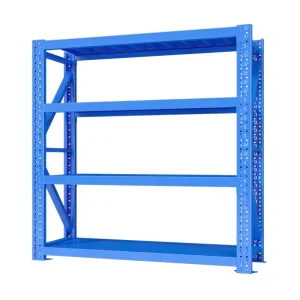
Heavy-capacity configurations built for distribution centers, manufacturing units, and workshop organization.
Managing international logistics for structural steel components requires careful cargo planning and container optimization. Racking frames are long, heavy, and susceptible to abrasion during transport if not packed correctly. Shenzhen Shibang implements standardized export packaging designs. We group upright frames in heavy steel bands and wrap them in multi-layer corrugated sheets, while beams are packed in nested structures to reduce internal volume inside container units.
Our proximity to major ports (such as Shenzhen and Guangzhou) allows us to optimize routes, ensuring reliable container loading and delivery schedules. To support local requirements, we provide comprehensive product documentation. This includes certified material mill sheets, loading test certificates, and CE declaration letters, helping shipping agents complete customs clearance smoothly.
Our engineering services enable full structural customization. We adjust racking configurations to meet exact site requirements: custom height profiles, varying bay loading designs, specific paint finishes (such as high-durability zinc coatings or hot-dip galvanizing for cold storage), and seismic baseplate configurations. Our design-to-delivery support ensures that global buyers receive racking solutions tailored to their operational needs.
 Shibang Steel