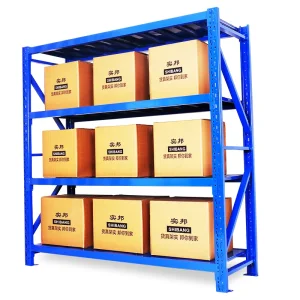
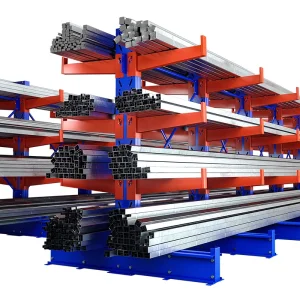
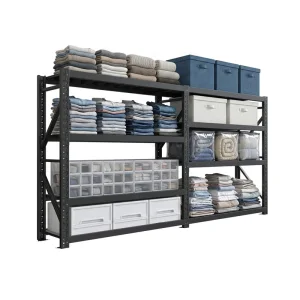
Explore our premium range of industrial warehouse racking, compartment storage, and customizable display systems engineered to demanding international load standards.
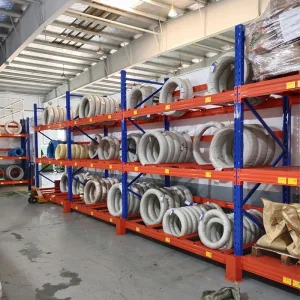
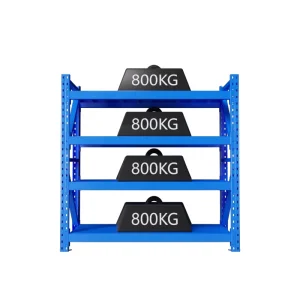
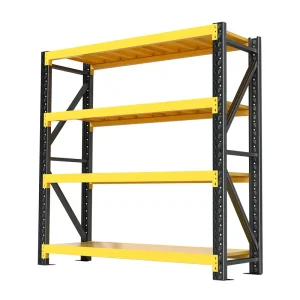
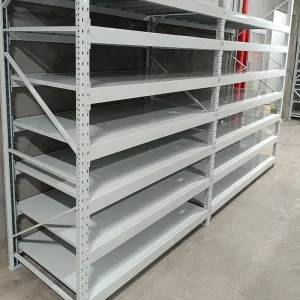
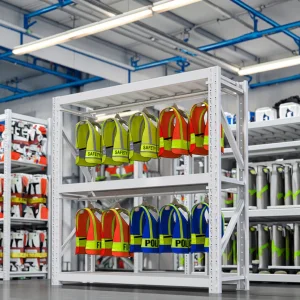
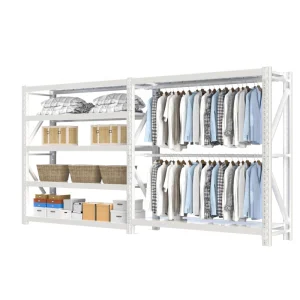
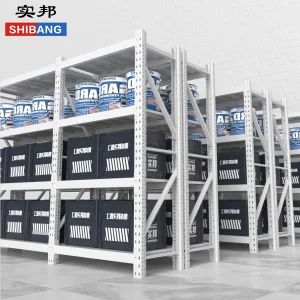
Within high-capacity logistics networks, Compartment Storage systems play a critical role in minimizing footprint while maximizing SKU accessibility. In the modern distribution paradigm, compartment shelving is no longer just static steel framework; it is an engineered node of the logistics network. To achieve safety and efficiency simultaneously, manufacturers must design frameworks that balance steel ductility, yield strength, and structural buckling resistance under varying load distributions.
By implementing compartmentalization designs, warehouses can reduce item selection path lengths by up to 34% and mitigate product damage rates during rapid forklift retrievals. At Shenzhen Shibang Storage Rack Co., Ltd., we execute comprehensive Finite Element Analysis (FEA) to simulate complex stress gradients. This ensures each compartment configuration functions within safe deflection parameters (such as the industry-recommended L/200 limit) under severe load conditions.
Our structures conform to international structural testing guidelines. Through rigorous manufacturing checks, we maintain precise tracking on mechanical material properties:
The convergence of Warehouse Management Systems (WMS) and steel infrastructure drives a new technical paradigm. Here is how compartment storage is changing.
Integration of low-power load cell matrices within partition brackets allows real-time weight sensing. The physical racking communicates directly with the WMS, flagging overload imbalances and tracking bin utilization continuously.
Toolless modular dividers enable swift shelf reconfiguration as package matrices shift. Slide-lock compartments accommodate seasonal demands without requiring skilled maintenance labor, lowering total lifecycle operating costs.
Transitioning toward micro-alloyed, ultra-high-strength steel grades. This technical shift maintains structural yield safety thresholds while reducing frame self-weight by up to 15%, reducing freight carbon emissions.
Industrial warehousing is not one-size-fits-all. We engineer customized storage systems optimized for distinct macro-logistics environments.
| Industry Sector | Core Storage Challenge | Compartment Storage Solution | Structural Benefit |
|---|---|---|---|
| Third-Party Logistics (3PL) | Extreme SKU volatility and rapid changeover cycles. | Adjustable compartment racks with boltless drop-in wire-mesh dividers. | Reduces SKU reconfiguration downtime by up to 60%. |
| E-Commerce Fulfillment | High-velocity picking, diverse package shapes, and intensive picking routes. | Multi-tier mezzanine compartment shelving with dynamic integrated separators. | Optimizes picking pathways; boosts pick-accuracy rates by 40%. |
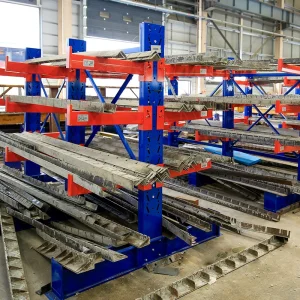
| Heavy Manufacturing | Substantial, highly concentrated loads; heavy tooling and components. | Heavy-duty roll-out cantilever compartment and structural steel double-deep racks. | Guarantees safety with up to 2,500KG per compartment loading profile. |
| Automotive & Aerospace | Irregularly shaped assemblies, scratch-sensitive finished components. | Customized dividers fitted with protective industrial polymer coatings (HDPE/PU). | Ensures high-value components remain free from surface friction and scratching. |
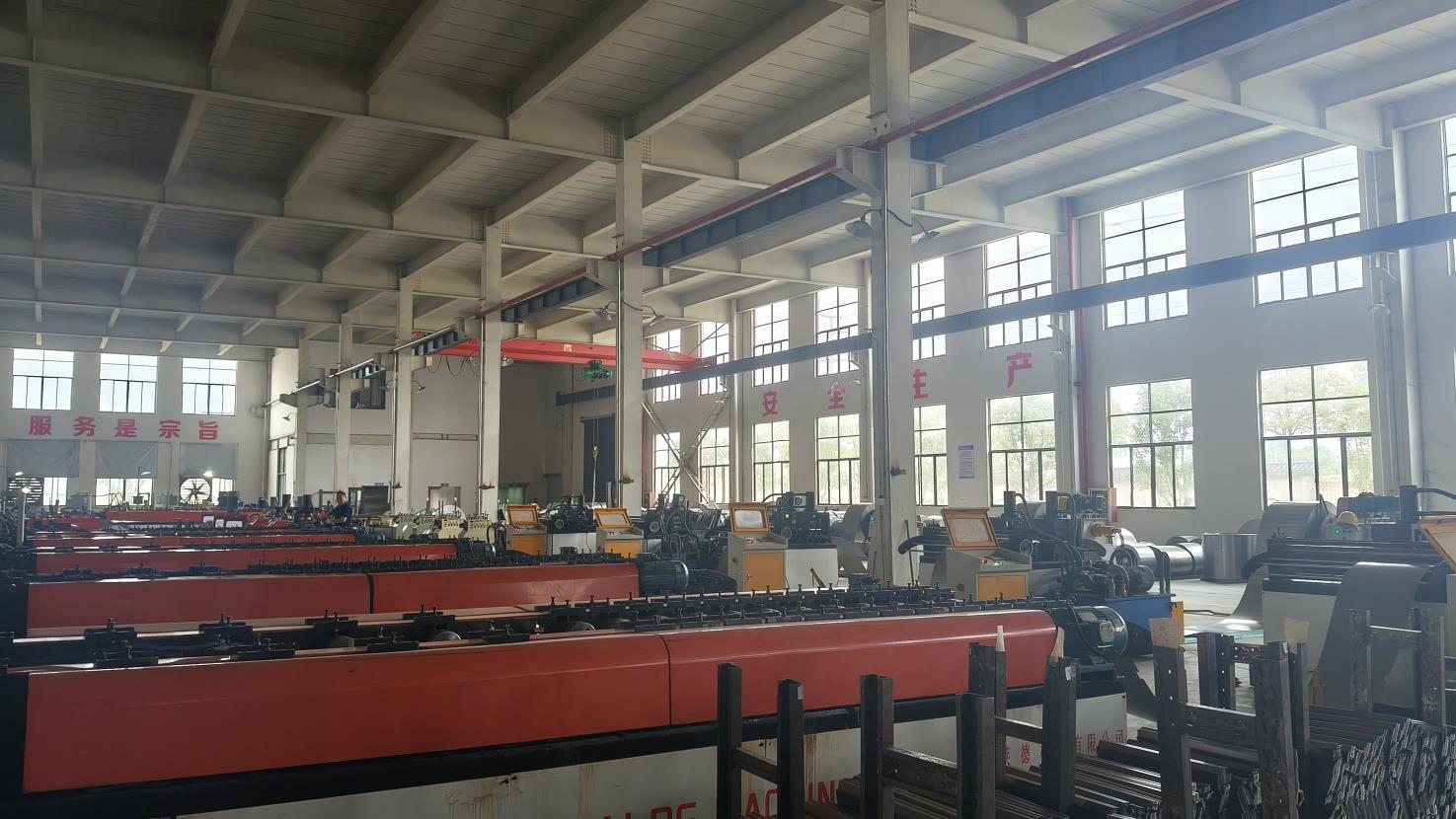
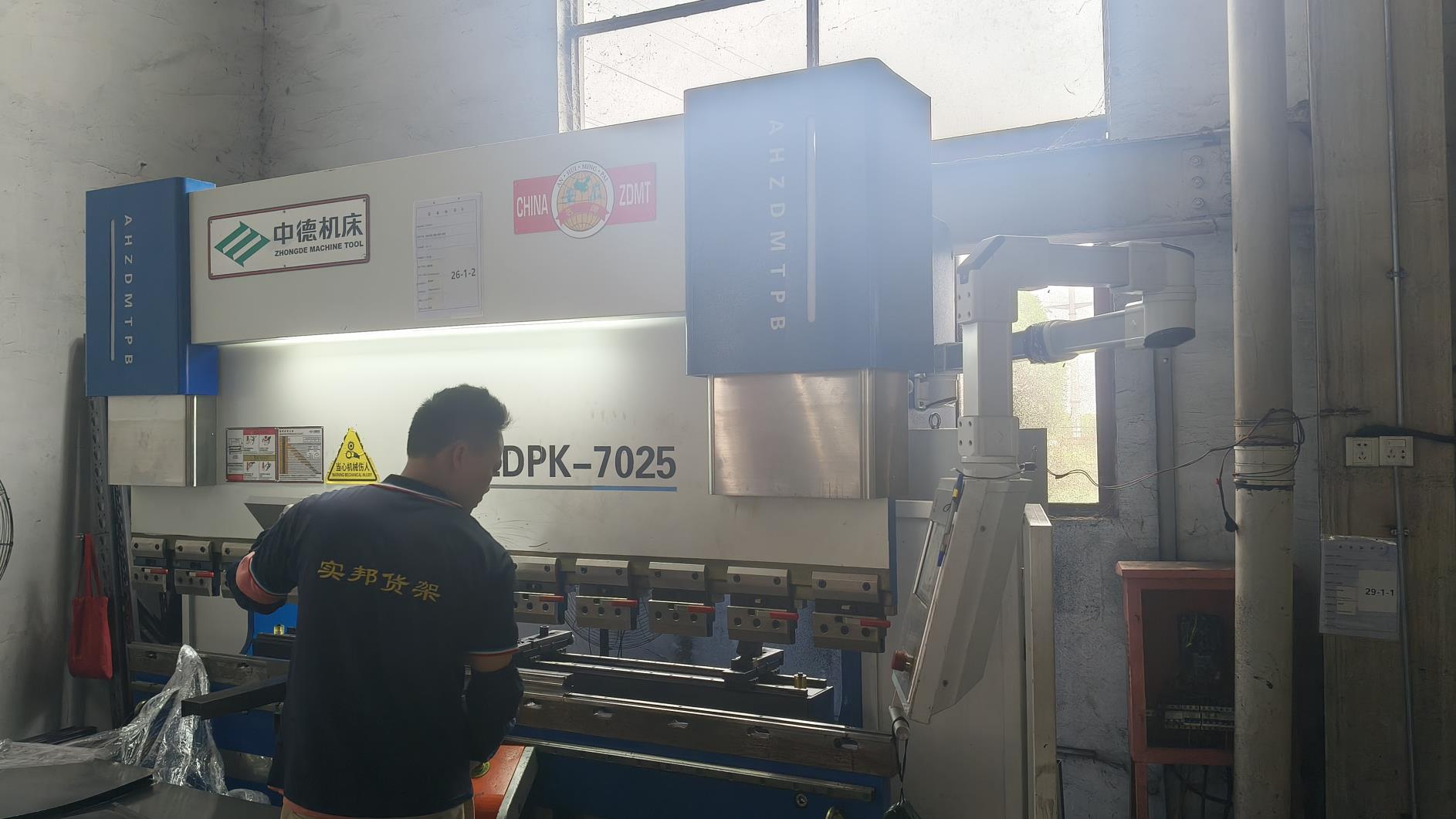
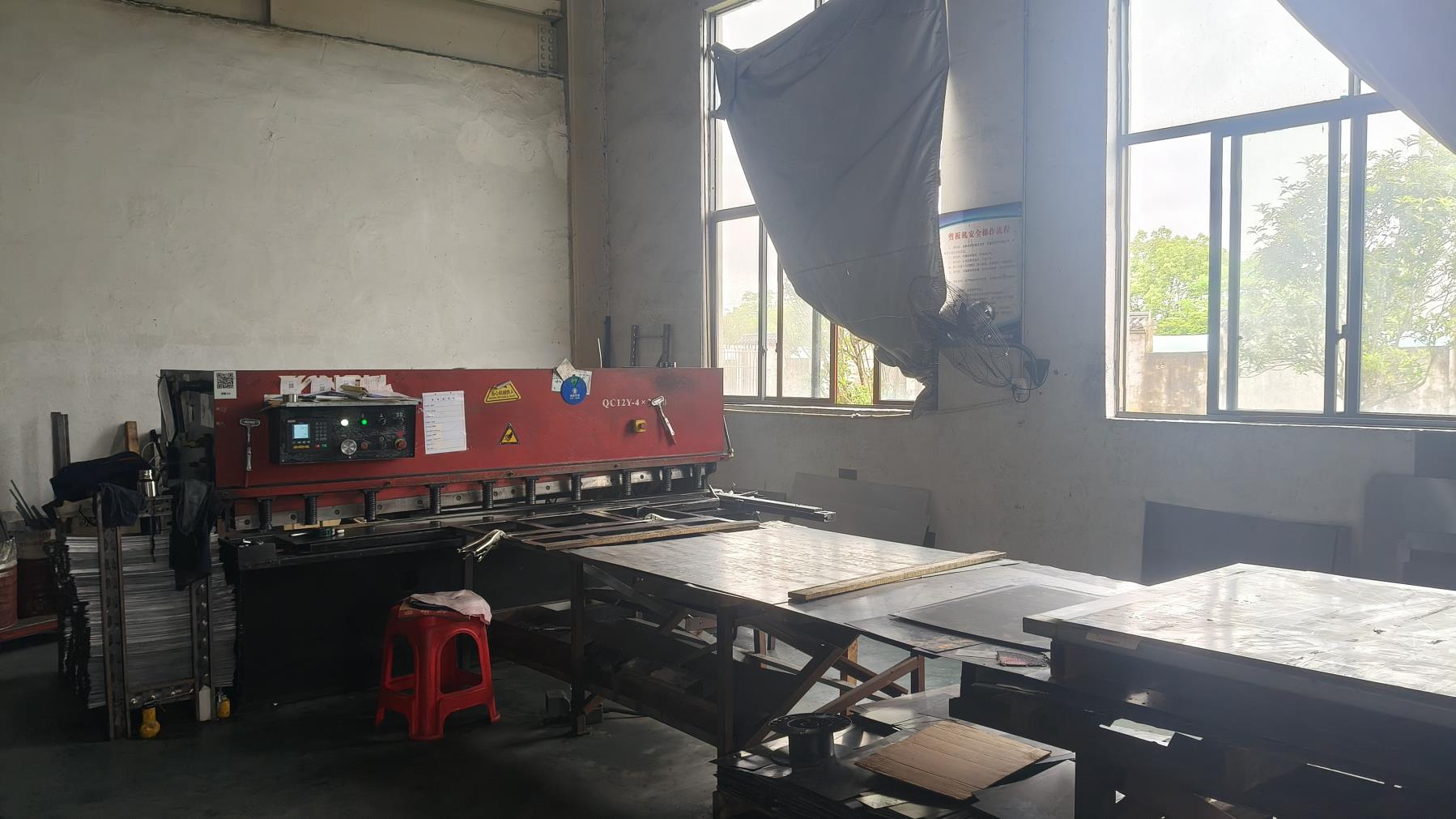
Step inside our 32,000-square-meter modern facility. We utilize state-of-the-art cold-forming, automated bending, robotic punching, and computerized electrostatic spray painting lines to deliver structural integrity at scale.
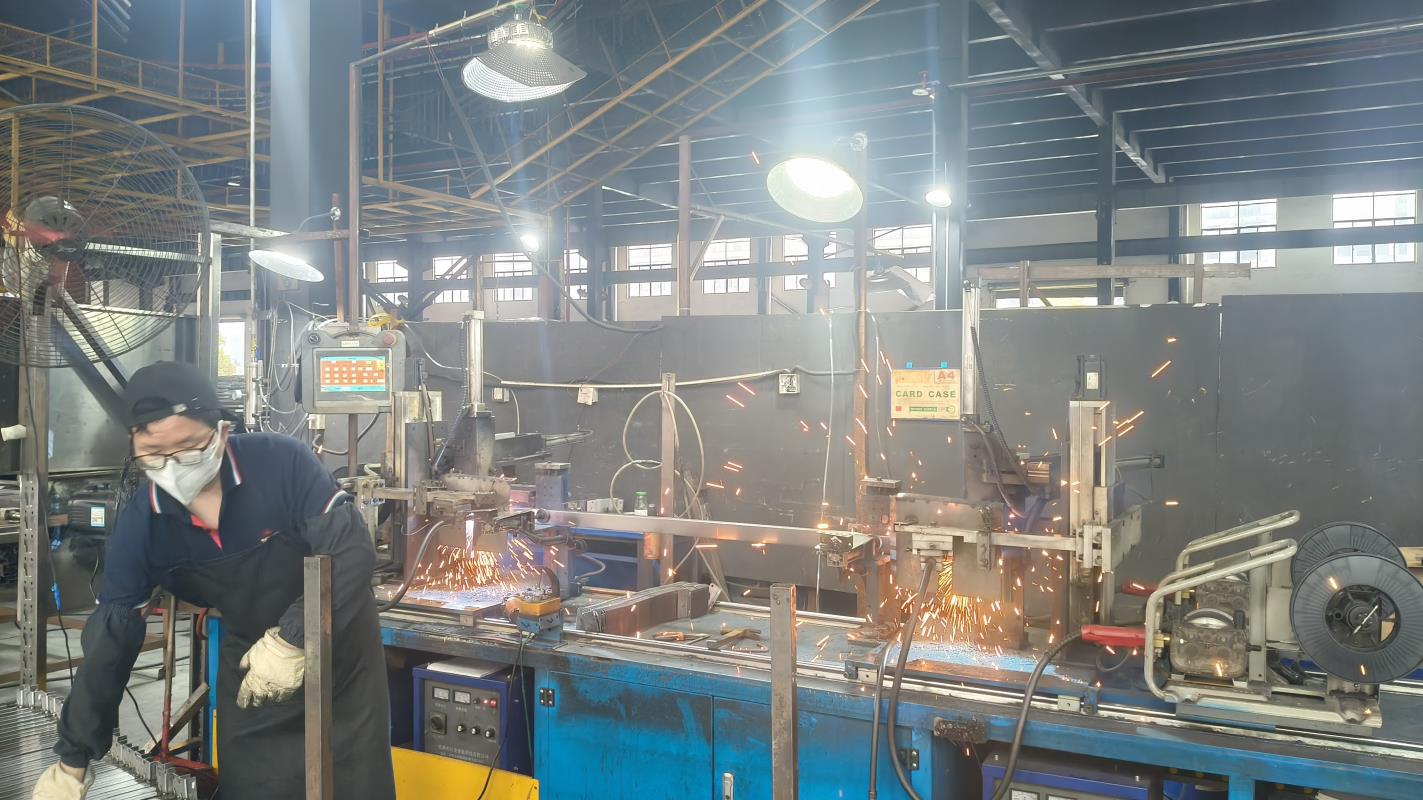
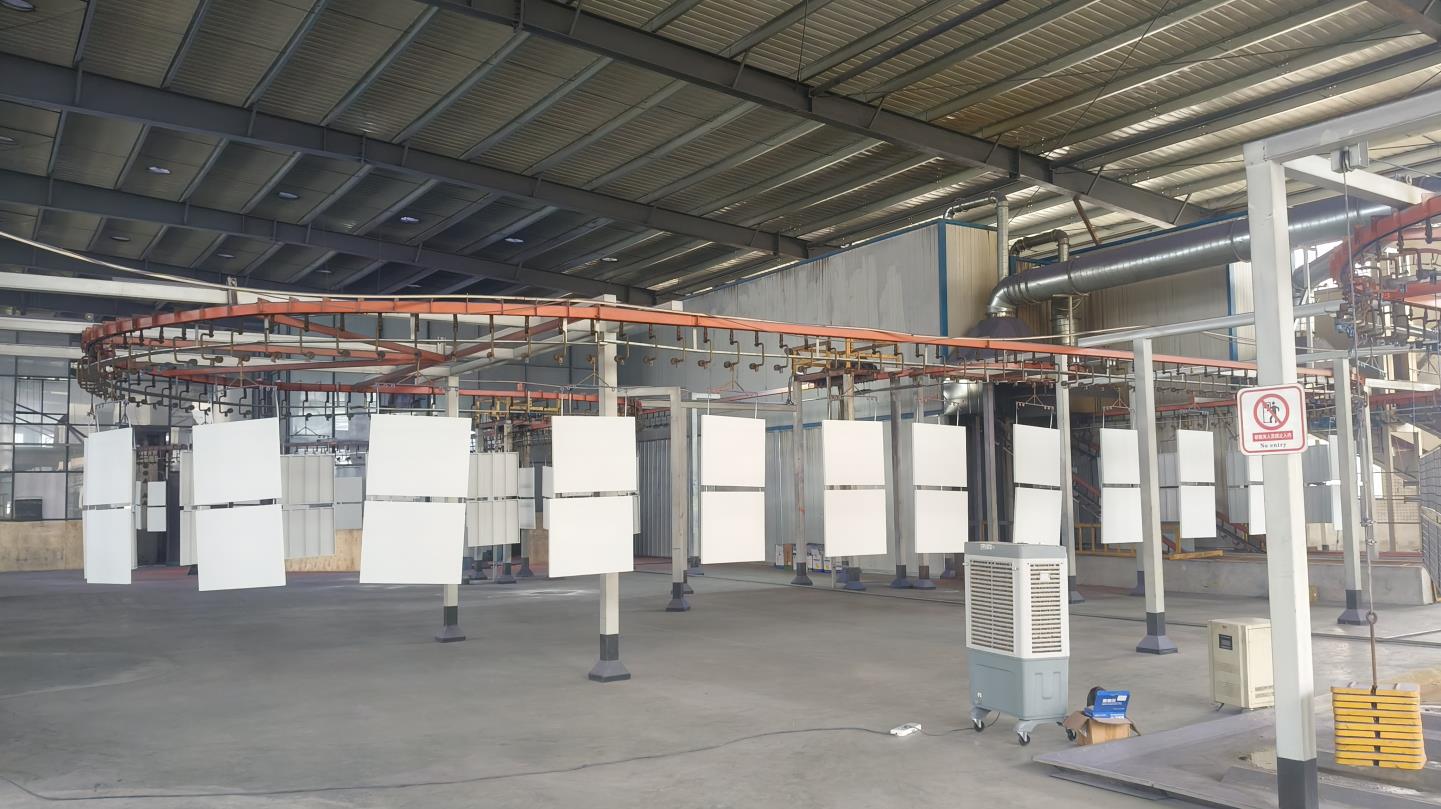
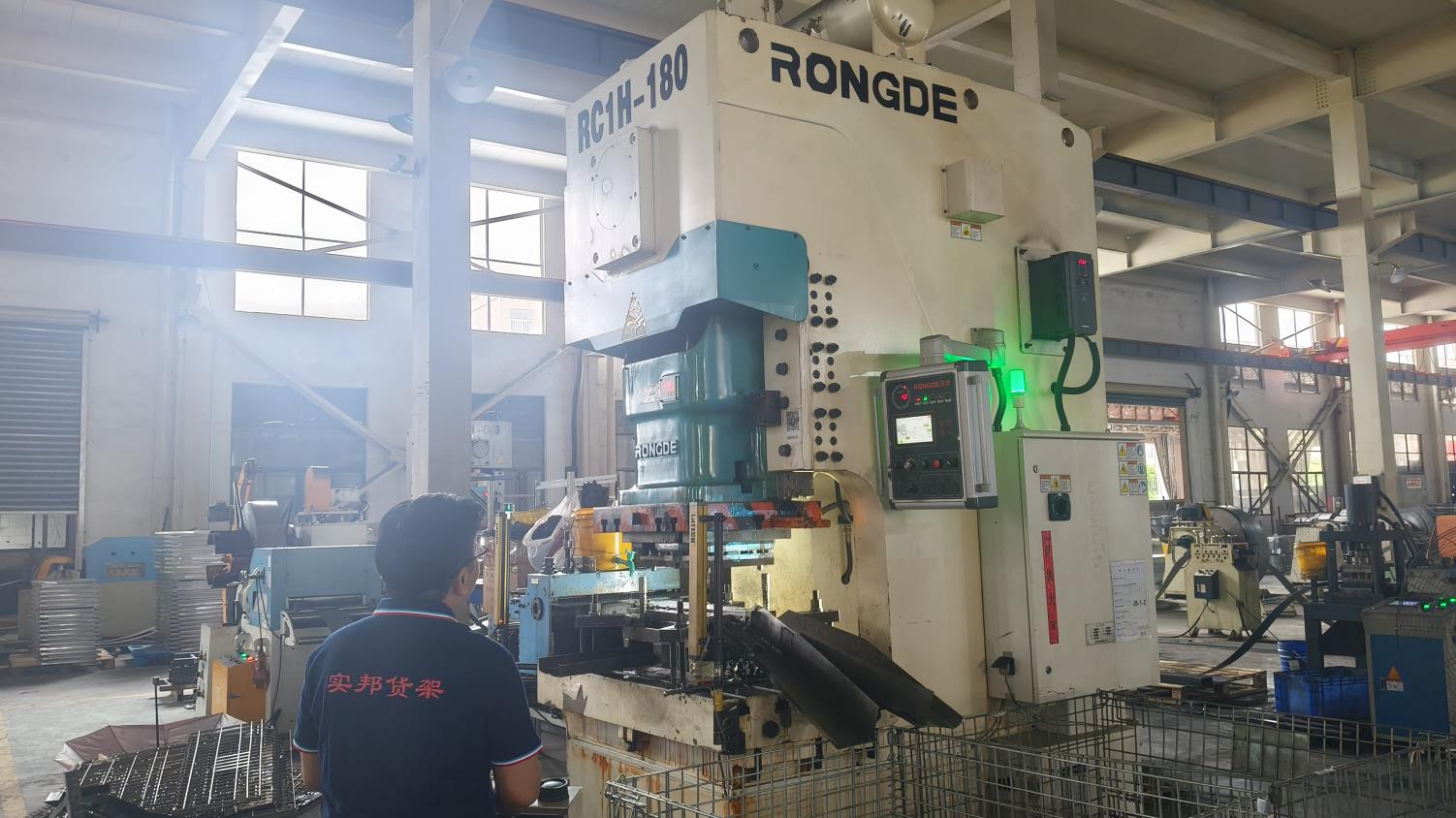
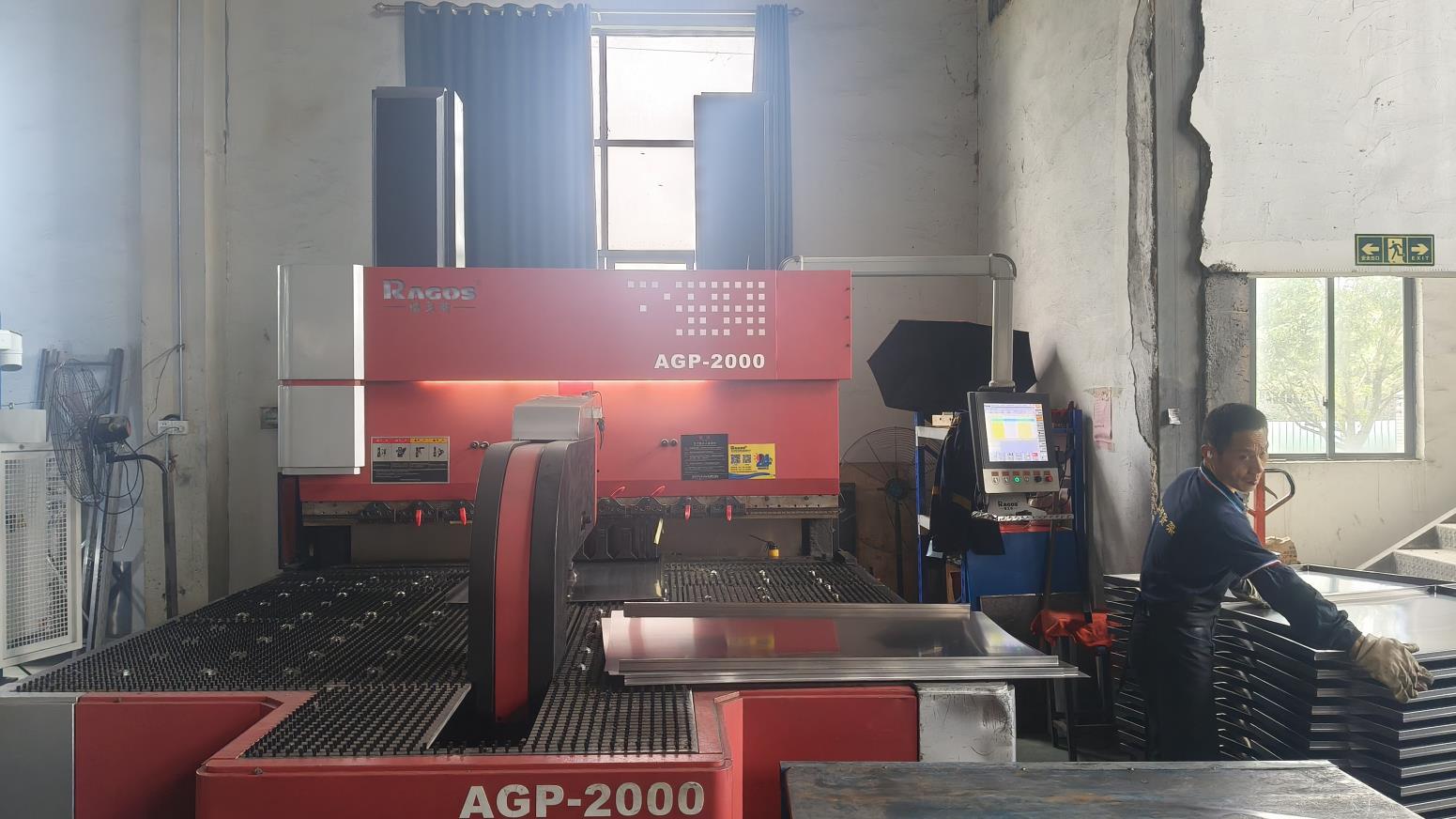
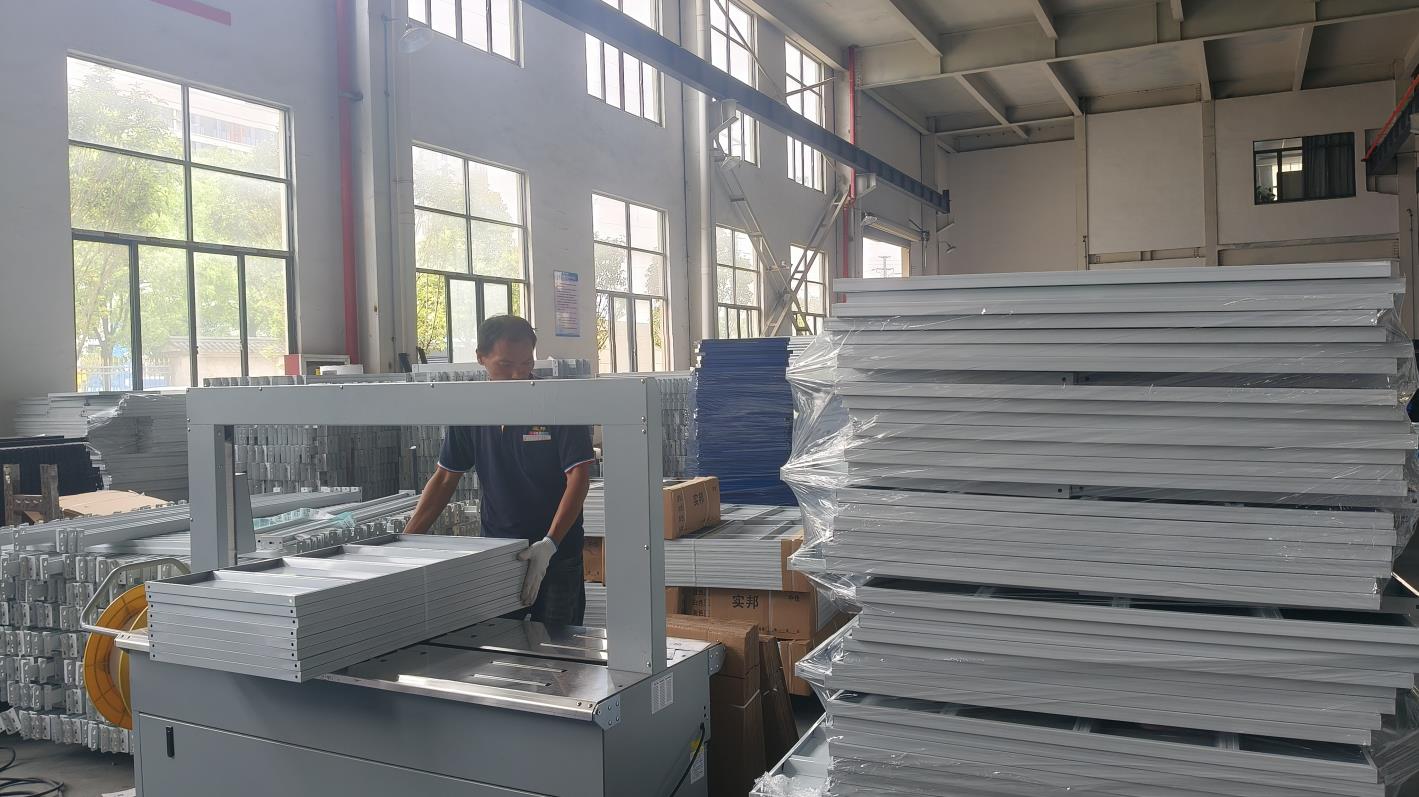
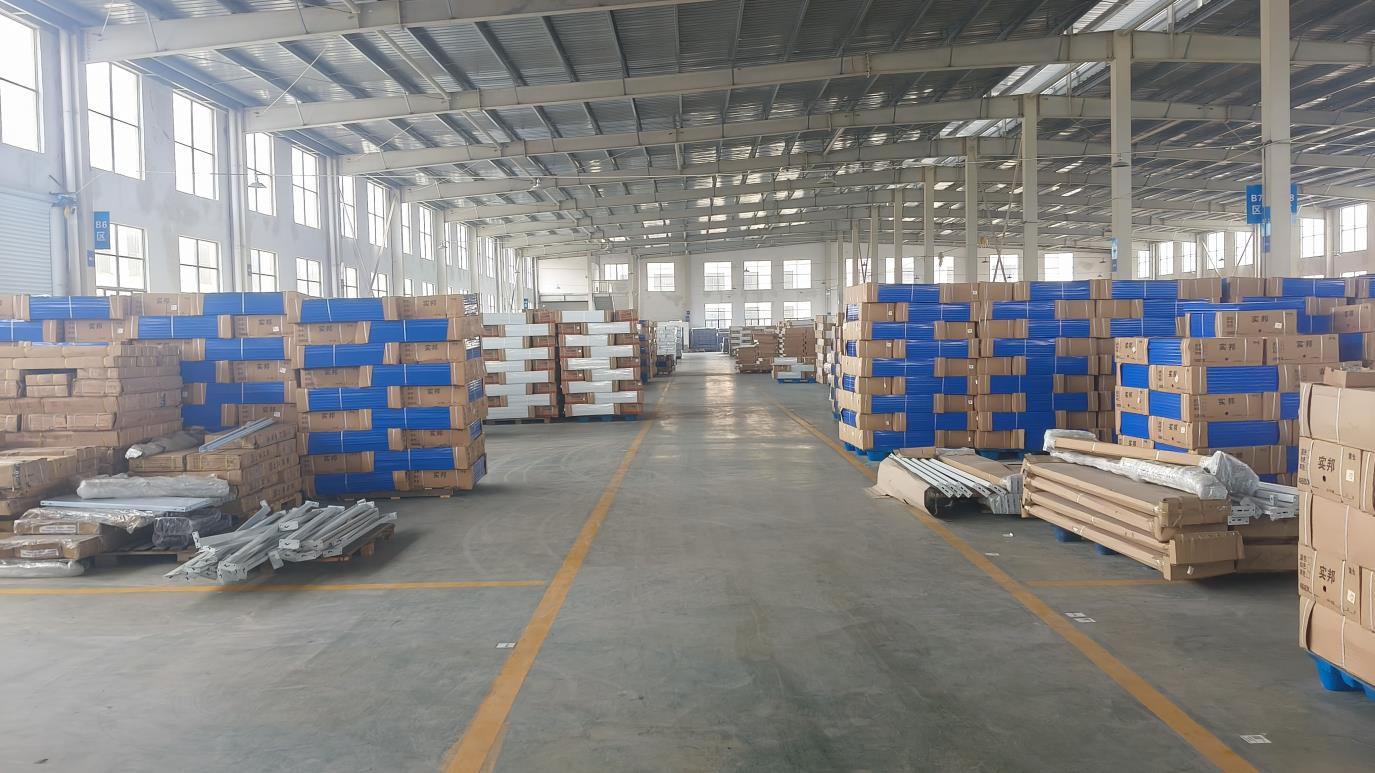
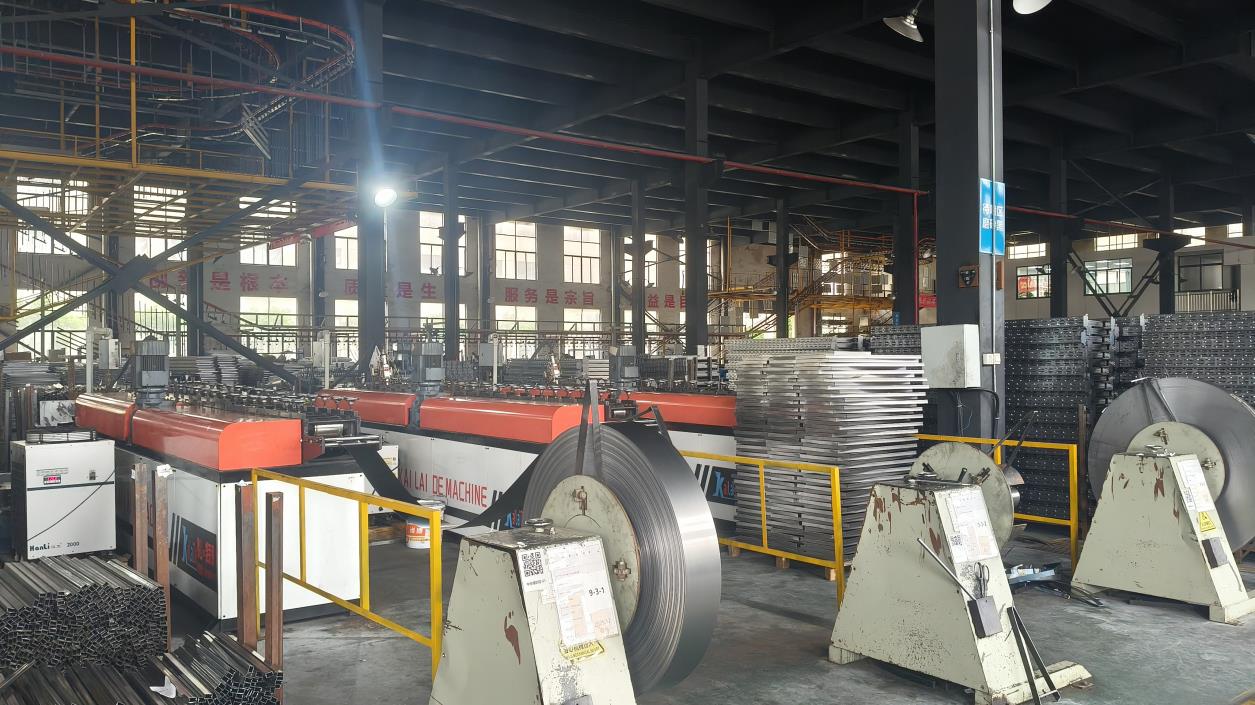
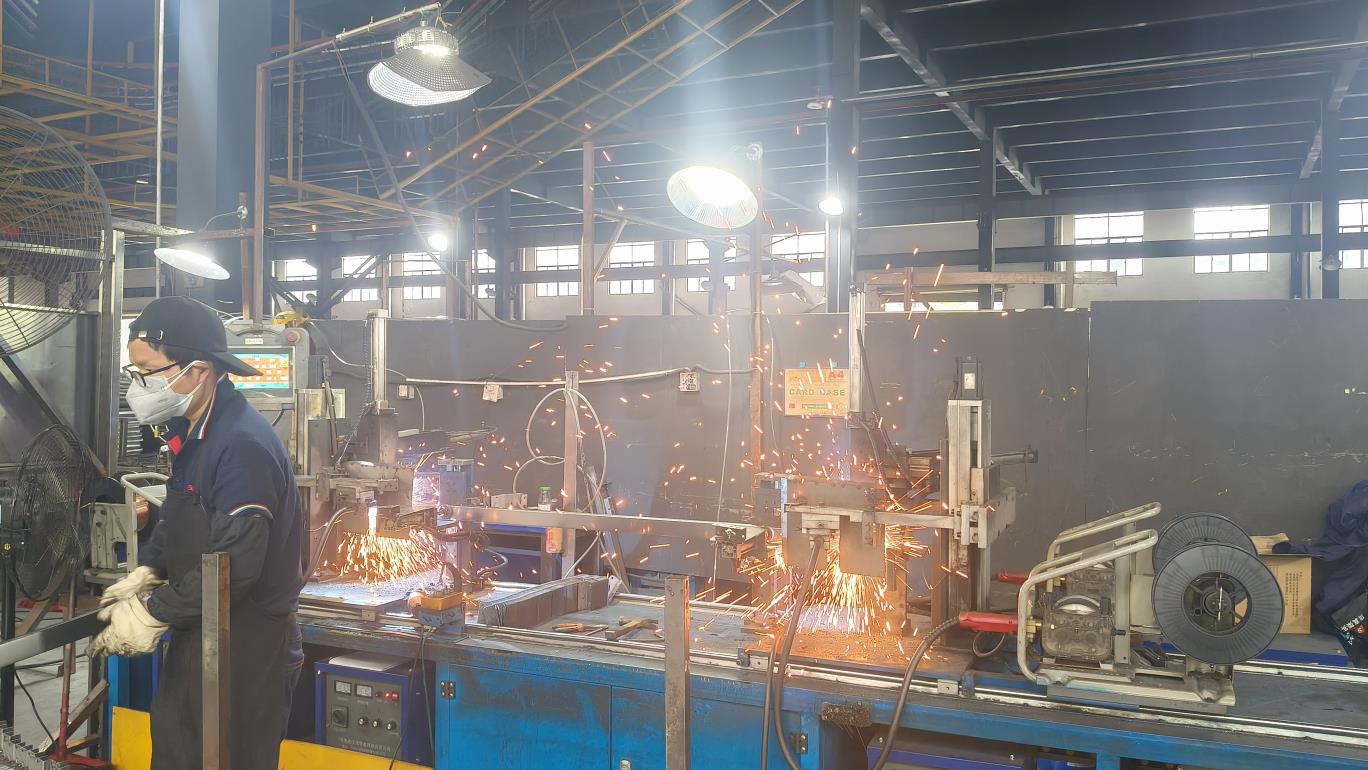
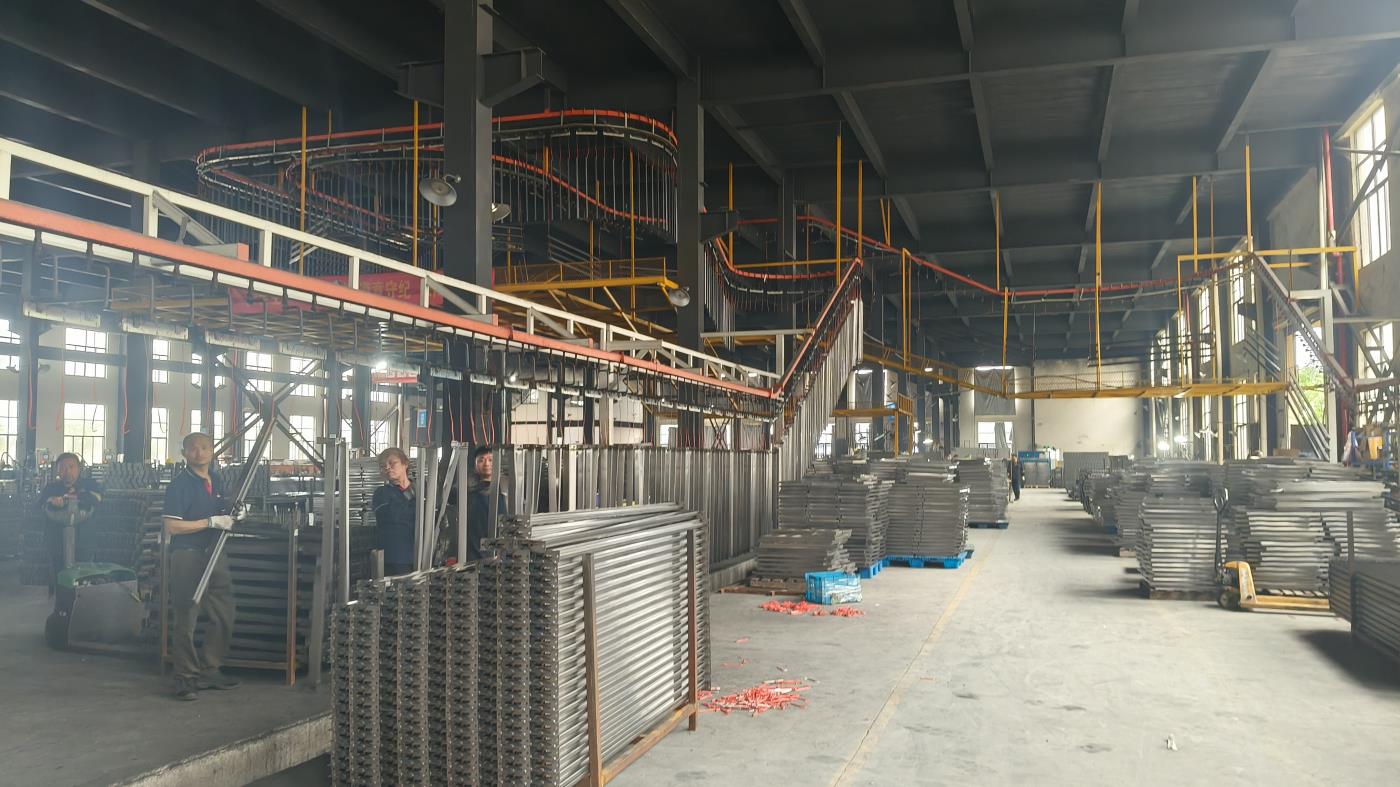
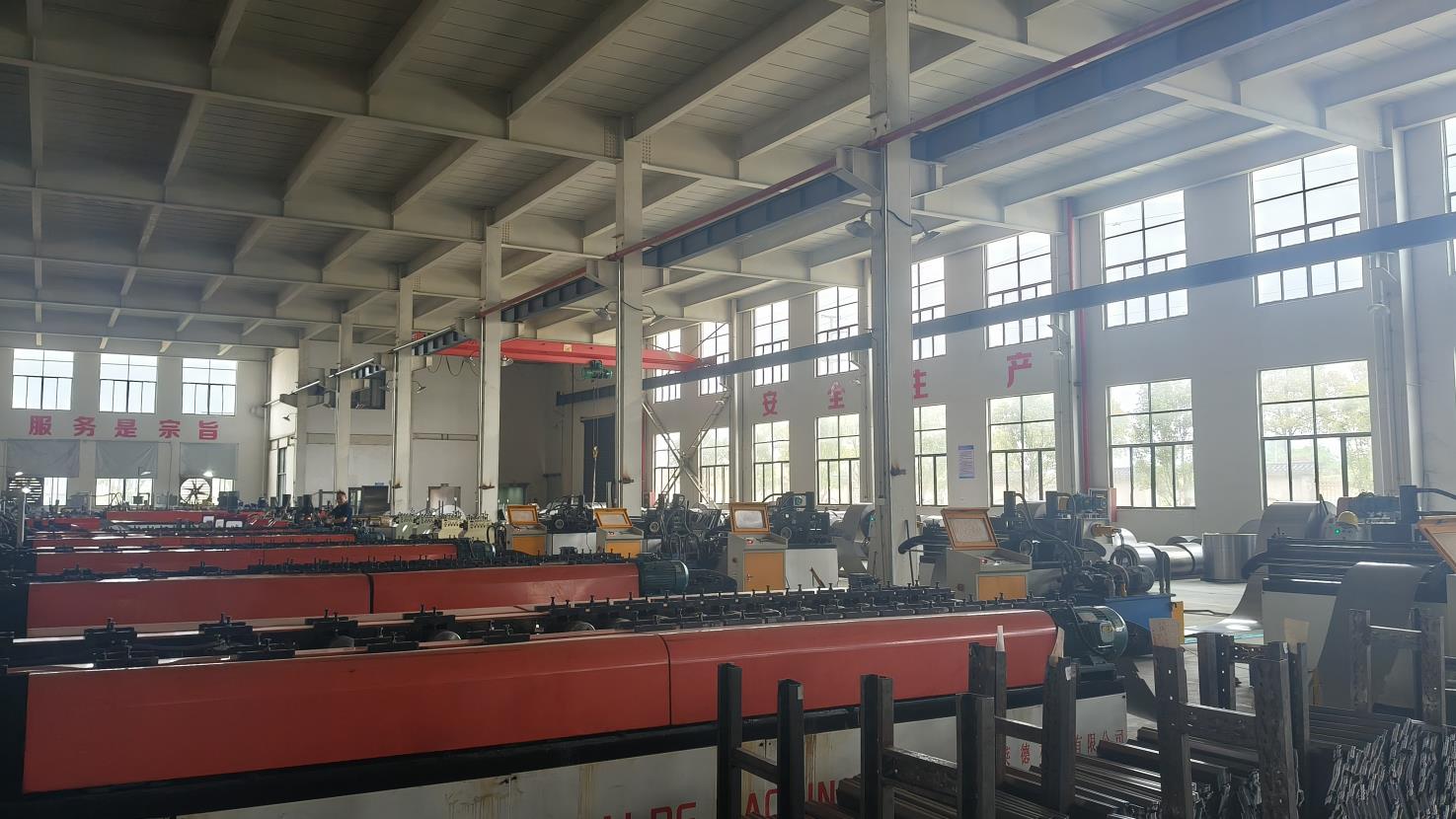
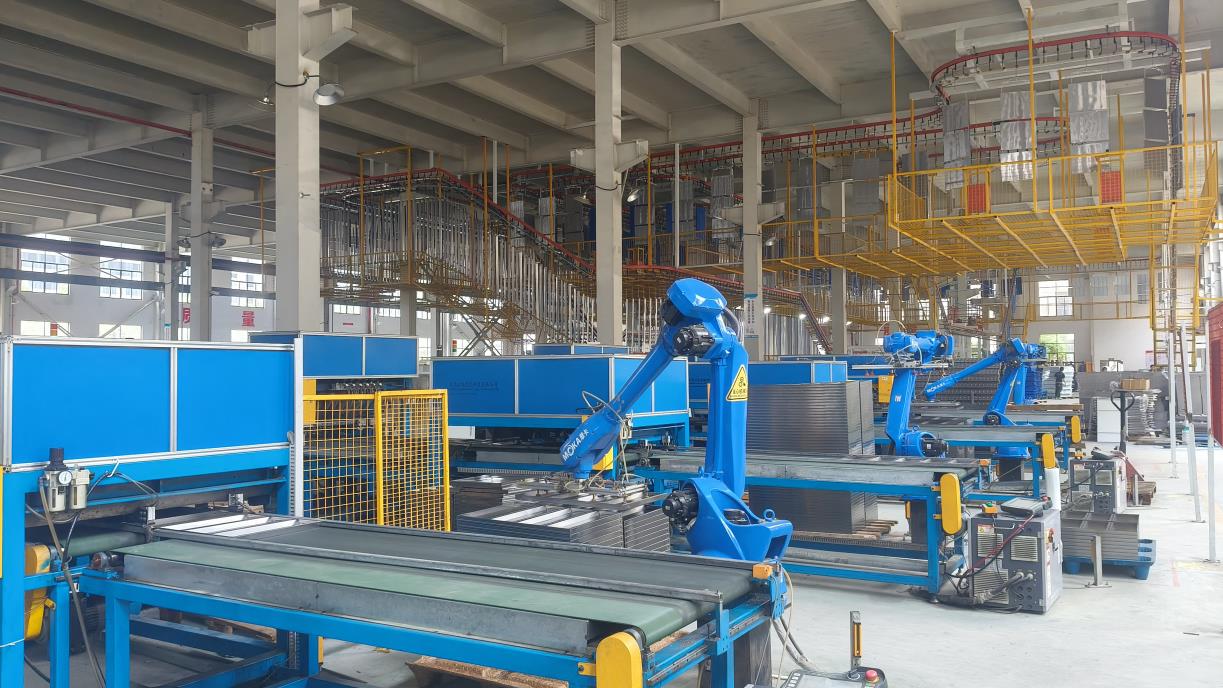
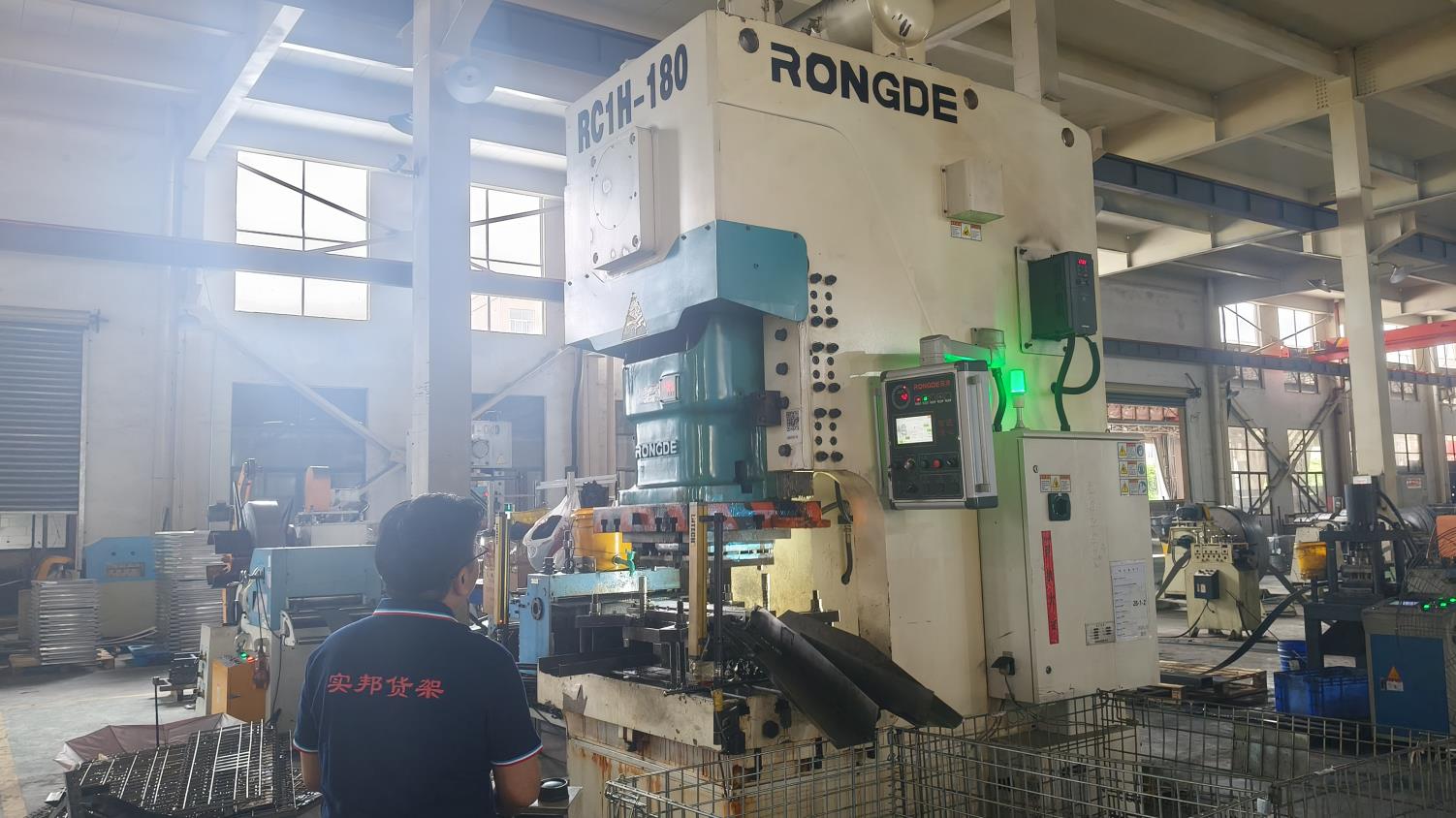
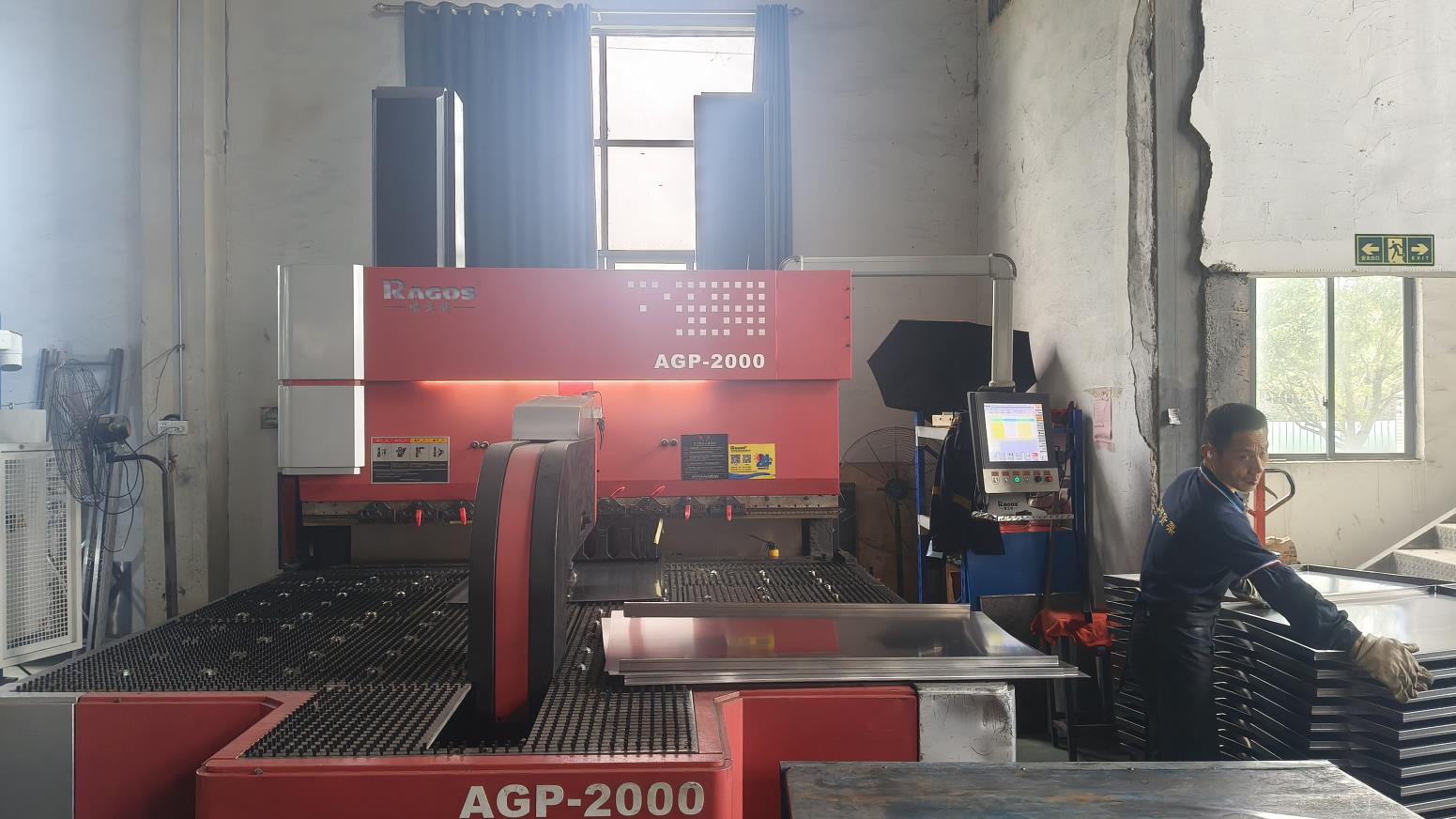
In safety-conscious procurement processes, certifications prove theoretical load values match structural performance. Under European Union safety directives, warehouse racking must comply with EN 15512 (Steel static storage systems – Adjustable pallet racking – Principles for structural design) and the global FEM guidelines.
CE certification indicates that our designs have undergone physical crush testing, elastic deflection modeling, and welding point integrity checks. This guarantees structural stability under stress, protecting workers and reducing product damage costs.
"Non-compliant storage infrastructure remains a primary cause of warehouse structural failures, resulting in significant operational and liability costs."
At Shenzhen Shibang, quality control is integrated throughout the manufacturing process, overseen by 35 QA specialists. Every manufacturing run undergoes standard material checks:
Evaluating global rack manufacturers requires analyzing design capability, raw material tracking, and supply chain resilience. Use this blueprint during the RFP process.
Verify raw material supply chains. Ensure mill test certificates accompany shipments to confirm nominal yield limits (e.g., Q235B minimum 235 MPa yield) and chemical composition specifications.
Request dynamic structural analysis reports, floor slab loading projections, and calculations for localized seismic forces. Calculations should follow structural design standards like EN 15512 or AS4084.
Check processing tolerances. Automated roll-forming systems ensure consistent column straightness and slot pitches, reducing structural stress concentrations during site assembly.
Common questions from logistics directors and procurement engineers regarding standards, customization, and structural safety.
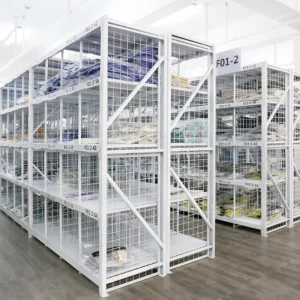
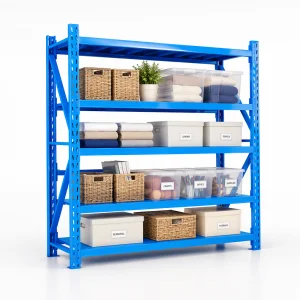
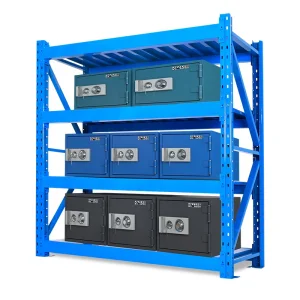
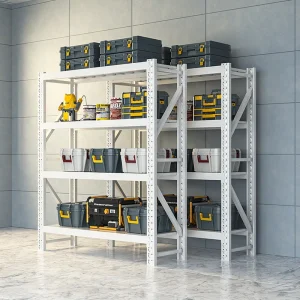
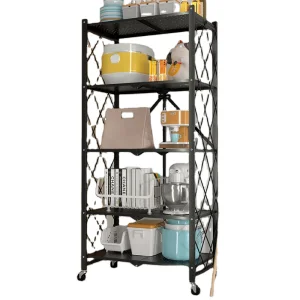
Complete product range including logistics-grade sort shelving, cantilever systems, boltless units, and multi-functional storage solutions.
 Shibang Steel