In the world of warehouse management, effective storage solutions are crucial. The 4-Way Shuttle Storage system stands out as an innovative approach to maximize space efficiency. This technology allows for seamless retrieval and storage of goods, which can significantly improve operational workflows.
Implementing 4-Way Shuttle Storage requires careful planning. Choosing the right layout is essential. Poor planning can lead to congestion and inefficiencies. In addition, understanding your inventory's dynamics is key. Not all products benefit equally from this system, and it can lead to missteps if applied universally.
However, implementing this storage solution does come with challenges. Operators may face a learning curve. This can hinder the initial benefits. Constant evaluation and adaptation are necessary for success. Balancing automation with human oversight is vital to ensure a smooth operation. By acknowledging potential pitfalls, businesses can better harness the full potential of 4-Way Shuttle Storage.
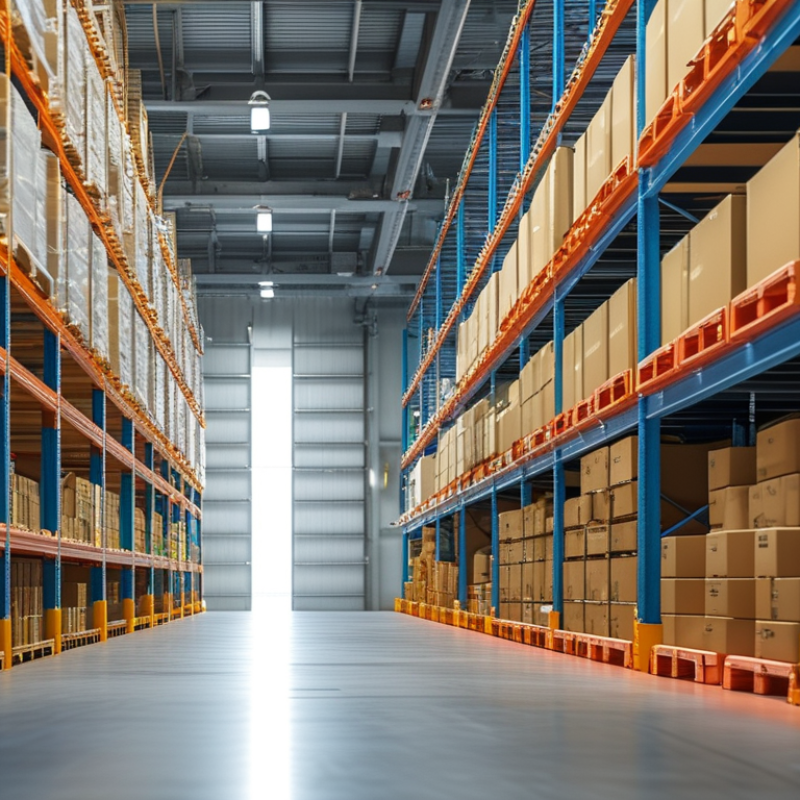
When considering a 4 way shuttle storage system, various factors are essential for optimal performance. First, assess your space. The layout should accommodate the shuttle's movement while maximizing storage capacity. Consider vertical space utilization as well. High ceilings can enhance storage solutions, but they require proper planning for accessibility.
Integrating technology is crucial. Automation can streamline processes, reducing manual handling. Implementing sensors and tracking systems can optimize inventory management. Without proper technology, even the best layout may fail to deliver efficiency.
Evaluate the shuttle's load capacity regularly. Overloading can wear down the system quicker, leading to costly repairs. Ensure that staff are educated on the proper usage of the system. Misuse can create bottlenecks, diminishing efficiency.
Reviewing these aspects will help maintain an effective 4 way shuttle storage system. Regular evaluations and adjustments are necessary for ongoing improvement.
Implementing 4 way shuttle storage solutions can significantly enhance warehouse efficiency. These systems maximize vertical space and allow for optimal organization. By using a 4-way shuttle, businesses can store more products without expanding their warehouse footprint. This is especially beneficial for companies facing space constraints.
Another clear advantage is the speed of retrieval. With automation, items are accessed quickly. This reduces the time workers spend searching for products. Efficiency in retrieval impacts order fulfillment positively. More orders can be processed in less time. However, investing in such a system requires careful planning. Companies must assess their specific needs and processes before implementation.
Integration challenges can arise when upgrading existing systems. Sometimes there may be compatibility issues or necessary training for staff. It is essential to address these potential pitfalls upfront. Regular evaluations after installation can help in fine-tuning the system. Continuous improvement ensures the shuttle system remains effective and reliable.
Designing an efficient layout for 4-way shuttle systems requires careful planning and thorough analysis. A study from the Warehouse Optimization Institute indicates that strategic layout planning can improve space utilization by up to 30%. This is particularly relevant in facilities where maximizing vertical and horizontal space is crucial. Utilizing a cross-docking approach may also enhance workflow efficiency, reducing travel time by as much as 20% in busy distribution centers.
An effective 4-way shuttle system layout leverages modular designs. This allows for flexibility in adapting to future needs. Factors to consider include aisle width, shuttle channel length, and accessibility for maintenance. Data shows that nearly 25% of operational downtime stems from layout inefficiencies. Continuous evaluation of the layout based on performance metrics is vital. Feedback loops help identify areas for improvement to reduce bottlenecks in operations.
Spatial constraints and workflow must align closely. Careful assessment of cargo size, weight, and frequency can inform shuttle positions. The right balance connects storage needs with retrieval efficiency. Research highlights that 40% of shuttles operate sub-optimally in oversized or inefficient systems. Regular reassessment of shuttle paths ensures alignment with operational changes, maintaining response capabilities in dynamic environments.
When maintaining 4 way shuttle systems, regular checks are crucial. Elements like roller tracks and drive motors require routine inspections. According to industry reports, proper maintenance can extend equipment life by up to 30%. Ignoring wear and tear can lead to failures. Delays in addressing small issues can escalate repair costs significantly.
A clean environment is vital for optimal shuttle performance. Dust and debris can compromise functionality. Studies suggest that a clean system takes 20% less time to operate effectively. This reflects on overall efficiency. Using appropriate cleaning methods ensures that all components remain functional. Neglecting to clean may seem minor but can have major repercussions.
Employees should receive training on best maintenance practices. Awareness of potential problems can improve response times. Reporting irregularities immediately can prevent larger issues. Communication about maintenance can foster a proactive culture within teams. As systems evolve, continuous education is key to keeping equipment in top shape.
The integration of technology in 4 way shuttle storage solutions revolutionizes efficiency and organization. Automated systems enhance operational speed and accuracy, allowing for seamless inventory management. Real-time data monitoring helps track items, reducing errors in storage. As organizations look to upgrade their facilities, understanding these technologies becomes crucial.
One key approach involves using automated guided vehicles (AGVs) for transporting goods. These vehicles navigate through the warehouse, reducing the need for human intervention. This minimizes risks but also raises job retraining challenges. Balance is necessary, focusing on technology without losing valuable human insight.
Additionally, incorporating RFID tags streamlines tracking. These small devices provide accurate real-time information about products. However, setting up such a system can be costly. Organizations must weigh these upfront costs against long-term savings that come from increased efficiency. Invest in staff training to fully utilize these technologies. Embrace a learning culture to adapt effectively.
| Feature | Description | Benefits | Technological Integration |
|---|---|---|---|
| High Density Storage | Maximizes vertical space usage for optimal storage. | Increases storage capacity without expanding footprint. | Integrates automated retrieval systems for efficiency. |
| Modular Design | Flexible layout that can be customized based on needs. | Adapts easily to changing inventory requirements. | Utilizes software for dynamic configuration adjustments. |
| Automated Guided Vehicles (AGVs) | Robots that transport goods within the storage system. | Reduces labor costs and minimizes human error. | Operates using real-time data navigation systems. |
| Inventory Management Software | System for tracking warehouse inventory in real-time. | Enhances visibility and control over stock levels. | Integrates with IoT for automated updates. |
| Energy Efficiency | Designs that reduce energy consumption. | Lowers operational costs and environmental impact. | Incorporates smart systems for energy monitoring. |
: You should ensure layout accommodates shuttle movement and maximizes storage capacity.
Technology streamlines processes and reduces manual handling, enhancing overall efficiency.
Overloading can wear down the system quickly, leading to costly repairs and inefficiency.
Regular checks of roller tracks and motors can extend equipment life by up to 30%.
Dust and debris can compromise functionality, reducing operation time by 20%.
Training raises awareness of problems, improving response times and communication in teams.
AGVs transport goods, reducing human intervention and minimizing operational risks.
Setting up RFID systems can be costly, requiring organizations to weigh long-term benefits.
Focusing on technology is vital, but maintaining human insight is equally important.
As systems evolve, ongoing training helps keep equipment functioning effectively and efficiently.
4-Way Shuttle Storage systems offer an innovative approach to optimizing warehouse management and logistics. When considering the implementation of these systems, it's essential to evaluate factors such as space utilization, load capacities, and inventory turnover rates. The benefits of 4-Way Shuttle Storage include increased efficiency, reduced labor costs, and improved overall productivity.
Designing an efficient layout is crucial to maximizing the potential of 4-Way Shuttle Storage, ensuring that materials are easily accessible while maintaining an organized environment. Regular maintenance practices are necessary to ensure optimal performance, minimizing downtime and enhancing reliability. Furthermore, integrating advanced technology into these solutions can streamline operations and facilitate real-time tracking, making 4-Way Shuttle Storage an effective choice for modern warehousing needs.

Shibang Steel