Choosing the right Stacking Systems can shape warehouse safety, storage capacity, and daily productivity. A rack may look efficient on paper, yet fail when forklifts turn sharply or pallets arrive in mixed sizes. The best choice must fit real working conditions.
Professor Martin Christopher, a respected logistics and supply-chain authority, wrote, “The mission of logistics management is to plan and coordinate all those activities necessary to achieve desired levels of delivered service and quality at lowest possible cost.” His insight applies directly to Stacking Systems. A low purchase price means little if installation, maintenance, or product damage creates hidden costs.
These 10 tips examine load capacity, available floor space, ceiling height, access frequency, and future expansion. They also consider aisle width, pallet dimensions, rack protection, and inspection routines. Measure the site carefully. Watch how workers move.
Safety comes before density.
Experience shows that a system supporting heavy pallets may not suit fragile cartons or frequent picking. Static racks, mobile solutions, and modular designs each offer different advantages. Still, no checklist can predict every warehouse challenge. That is an important limitation.
I would also question overly optimistic capacity claims. Manufacturer data needs verification under actual loading conditions. Independent assessments, trained installers, and documented inspections improve reliability. A practical decision combines engineering evidence with operator feedback.
The right Stacking Systems should support today’s workflow without blocking tomorrow’s growth. This guide offers a structured starting point, not a perfect formula. Conditions change, and responsible buyers should review their choice regularly.
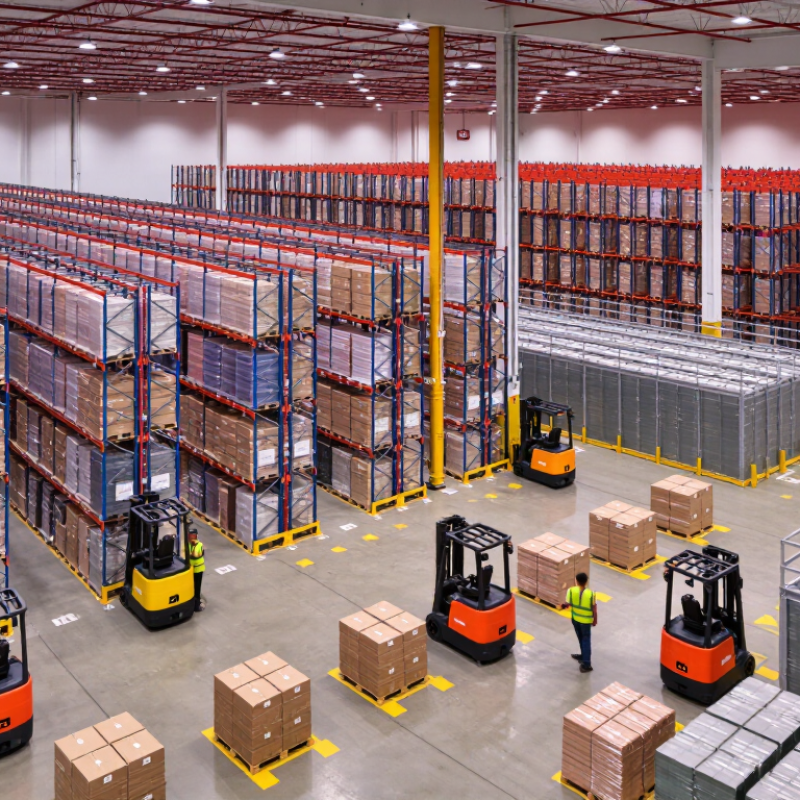
Define the Purpose and Requirements of the Stacking System
Before choosing a stacking system, define what it must accomplish.
A warehouse storing small cartons needs different support than one handling heavy pallets. Write down the product types, average load, peak load, and available floor space. Measure aisle width, ceiling height, doorway clearance, and floor strength. Small errors here can create expensive installation problems.
Consider the daily workflow, not only the storage capacity. How often will workers access each item? Will equipment load the system, or will employees handle products manually? A system for fast-moving goods may need wider access and simpler retrieval. A system for reserve stock can prioritize height and density.
Keep safety visible. Check stability, rated capacity, guarding, lighting, and emergency access against applicable workplace requirements.
I once saw a layout chosen only for maximum capacity. It looked efficient on paper. In practice, operators struggled with awkward turns and delayed picking. That mistake changed the evaluation process.
Test the proposed arrangement with sample cartons, loaded pallets, and realistic movement paths. Leave room for maintenance and future changes. Requirements often shift after installation, which is inconvenient but predictable. Record assumptions clearly, especially when product weight, packaging, or staffing may change. Cost matters, but a cheaper system can become costly when it slows work or increases handling risks.
Compare Available System Types and Structural Designs
Choosing a stacking system starts with comparing its operating logic, not its appearance. Selective pallet racking offers direct access to every load and suits varied inventories. Drive-in systems increase cube utilization but reduce selectivity. Push-back designs improve picking speed for several pallets per product. Mobile systems can release floor space, yet they need reliable controls and disciplined traffic planning. Automated storage and retrieval systems offer high density and repeatable movement, but they demand stronger data accuracy and maintenance skills.
Structural design decides whether that capacity remains safe. Check upright frames, beam spans, bracing, aisle width, floor loading, and clear height together. A tall structure may look efficient, but uneven slabs or weak anchors can undermine it. The 2024 MHI Annual Industry Report identified technology investment as a continuing supply-chain priority, with 55% of respondents increasing investment plans. That finding supports automation reviews, but it does not justify automation everywhere. Sometimes, simple selective storage performs better.
Real warehouse measurements matter. Record pallet dimensions, load weights, turnover rates, forklift turning paths, and sprinkler clearances. The U.S. Occupational Safety and Health Administration emphasizes stable stacking, maintained storage areas, and protection from falling materials. A 2024 report from Interact Analysis also projected continued expansion in warehouse automation, driven by labor pressure and throughput demands. Figures vary between reports. That is worth questioning. A system selected from market statistics alone may fail beside a busy loading door, where temperature, dust, and rushed operators expose design weaknesses. Pilot one aisle. Measure retrieval time, damage incidents, and replenishment effort before expanding.
Evaluate Load Capacity, Stability, and Safety Features
Choosing the best stacking system starts with its real working load, not its advertised appearance. Check the rated capacity for each level, then calculate the combined weight of boxes, tools, and handling equipment. Leave a practical safety margin. Loads shift.
Measure the storage area, ceiling height, aisle width, and floor condition before comparing designs. A level floor supports stability, while uneven concrete may require adjustment or professional assessment. Look for locking connectors, reinforced frames, anti-slip surfaces, and secure bases. Confirm that stacked units cannot slide, twist, or separate during normal use. Check the system’s center of gravity when heavier items sit above lighter ones. That arrangement often feels convenient but creates unnecessary risk. Inspect welds, fasteners, and protective finishes for visible damage. Ask whether replacement parts and clear inspection guidance are available.
From site experience, labels should show maximum loads clearly on every working level. Train users to distribute weight evenly and avoid climbing on storage frames. Keep access paths open. Never exceed a limit because the structure looks strong. One rushed decision can affect the entire stack. I once accepted a compact layout that passed a basic capacity check, yet it made loading awkward and encouraged uneven placement. That was a design mistake. Review stability after installation, after relocation, and whenever stored materials change. Written inspection records also improve accountability. When testing a system, use realistic loads and observe movement, noise, and connector behavior. A small amount of sway deserves attention, even if no damage appears.
Assess Space Efficiency, Accessibility, and Workflow Compatibility
Choosing a stacking system requires more than counting available floor space. Measure ceiling height, floor strength, aisle width, and clearance around doors. These details reveal whether vertical capacity is truly usable.
Match the system to your inventory. Record carton sizes, weights, turnover rates, and handling methods. Keep fast-moving items near the easiest access points. Place slower stock higher, but confirm that lifting equipment can reach it safely. Adjustable levels help when product dimensions change. Fixed layouts may look cheaper, yet they can waste space later.
Accessibility shapes daily performance. Walk the proposed route with a loaded trolley. Check turning areas, picking height, lighting, and emergency access. Separate replenishment traffic from picking traffic where possible. A system that fits perfectly on paper may slow workers during busy hours. I once approved narrow aisles to gain capacity. That assumption failed during peak movement.
Test one section before installing the full system. Watch real operators retrieve, restock, and inspect goods. Measure travel time instead of trusting estimates. Review labels, visibility, maintenance access, and cleaning requirements. Consider future growth, not only today’s stock. The best arrangement supports safe movement and consistent work, even when demand changes unexpectedly. unerquicklich
Review Materials, Costs, Maintenance, and Future Flexibility
10 Tips for Choosing the Best Stacking Systems
Review Materials, Costs, Maintenance, and Future Flexibility
Check the load rating before comparing prices. A crowded warehouse can hide serious weight differences. Choose steel for heavy, repeated use. Consider galvanized finishes where moisture is common. Wire decking improves visibility and airflow. Plastic components may reduce weight, but they can age faster under heat. Measure aisle width, ceiling height, and pallet dimensions carefully. Small errors create expensive rework.
Compare the full ownership cost, not only the purchase invoice. Include installation, floor preparation, inspections, repairs, and replacement parts. OSHA 29 CFR 1910.176 requires stored materials to remain stable and secure. That requirement makes engineering review essential. Ask how quickly damaged beams or connectors can be replaced. Keep common parts available. Maintenance should require simple visual checks, clear labels, and documented inspections. It should not depend on one specialist.
Design for tomorrow’s inventory. Adjustable levels can support changing carton sizes and seasonal demand. Removable modules may reduce future demolition costs. MHI’s 2024 Annual Industry Report reported that 55% of supply-chain leaders planned to increase technology investment within two years. Select systems that can accept sensors or inventory software later. Do not trust a spreadsheet alone. I have seen a cheaper system become costly after one layout change. Leave clearance for forklifts, lighting, sprinklers, and safe walking routes. Ask for load tests, drawings, warranty terms, and maintenance records before approval. Regret is expensive.
FAQS
Record product types, average loads, peak loads, floor space, aisle width, ceiling height, and doorway clearance. Small errors matter. Also consider access frequency, handling methods, maintenance space, and future changes.
Fast-moving goods need simple retrieval and wider access. Reserve stock can prioritize height and storage density. Manual handling needs different spacing than equipment-based loading. Test realistic movement paths before installation.
Selective storage provides direct access to each load and suits mixed products. Drive-in designs increase density but reduce selectivity. Push-back designs support several pallets per product. Mobile or automated systems may save space, but require reliable controls and better maintenance skills.
Measure pallet dimensions, load weights, aisle width, turning paths, ceiling height, floor condition, and sprinkler clearance. Check door openings too. Include loading-door conditions such as dust, temperature, and rushed traffic.
Confirm the rated capacity of every level. Include boxes, tools, and handling equipment in the calculation. Keep a practical safety margin because loads can shift. Never rely only on how strong the frame looks.
Look for reinforced frames, locking connectors, secure bases, anti-slip surfaces, and suitable bracing. Check whether units can slide, twist, or separate. Inspect welds, fasteners, and protective finishes for damage.
Place heavier items on lower levels and lighter items higher up. Distribute weight evenly across each storage level. An upper-heavy arrangement may feel convenient, but it can raise instability risks. That assumption deserves review.
Pilot one aisle using sample cartons and loaded pallets. Measure retrieval time, damage incidents, replenishment effort, noise, and movement. Watch connector behavior. A little sway still matters. Review the design after relocation or product changes, even if the first test appears successful.
Conclusion
Choosing the right Stacking Systems begins with clearly defining the purpose, storage needs, available space, and operational requirements. Consider what items will be stored, how frequently they must be accessed, and whether the system should support manual handling, equipment use, or future expansion. Comparing different system types and structural designs can help identify the best balance of capacity, flexibility, and ease of installation.
Before making a decision, carefully evaluate load capacity, stability, safety features, and overall durability. Space efficiency is equally important, but it should not reduce accessibility or disrupt daily workflows. Review the quality and suitability of the materials, along with purchase, installation, maintenance, and operating costs. A practical solution should also allow adjustments as inventory levels, workplace layouts, or business needs change. By assessing these factors together, organizations can select a reliable, efficient, and adaptable stacking solution that supports long-term performance and safe operations.

 Shibang Steel