In today’s competitive landscape, businesses are constantly seeking efficient solutions to optimize operations. One effective strategy is to implement pallet storage systems. According to the Material Handling Industry of America (MHIA), effective warehouse management can improve inventory accuracy by up to 30%. This highlights the importance of choosing the right storage solutions.
Pallet storage provides multiple advantages. It maximizes vertical space, enhances accessibility, and improves overall workflow. A report from the Warehousing Education and Research Council indicates that using pallet racks can increase storage capacity by as much as 50%. Consequently, businesses can reduce costs and improve productivity.
However, it’s crucial to consider the potential pitfalls. Not all pallet storage systems are suitable for every type of business. Factors such as load capacity, warehouse layout, and employee safety must be evaluated. Implementing pallet storage without proper planning could lead to inefficiencies and safety hazards, raising questions about the effectiveness of your investment. Therefore, careful assessment and strategic planning are essential for success in pallet storage solutions.
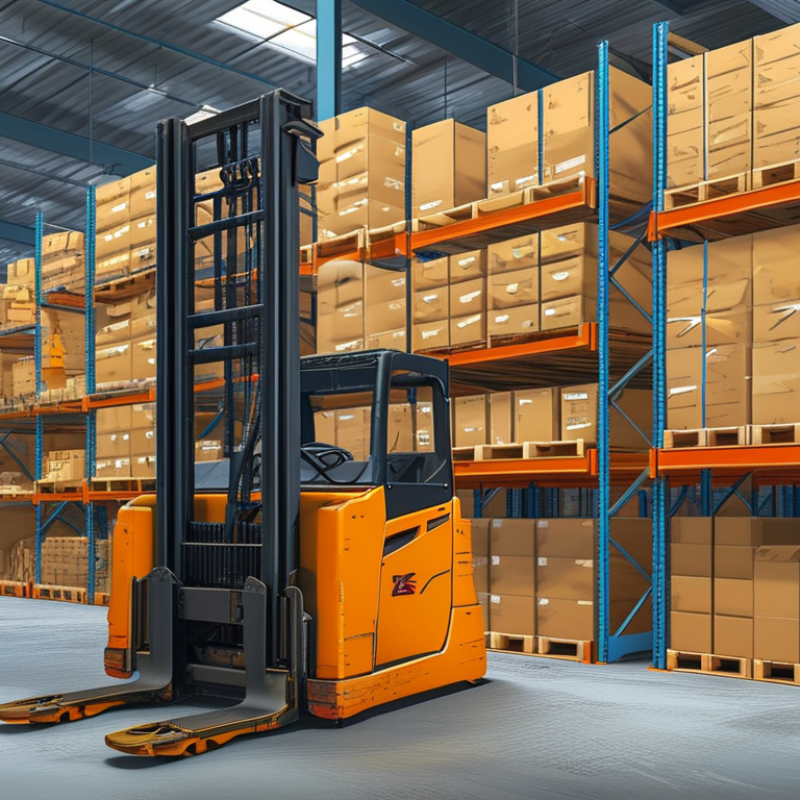
Pallet storage solutions offer numerous benefits for businesses looking to optimize their space and enhance efficiency. These systems help to maximize vertical space in warehouses, allowing for increased storage capacity without expanding the physical footprint. Efficient pallet rack systems enable quicker access to goods, streamlining the picking process for employees. In fast-paced environments, this speed can directly impact profitability and customer satisfaction.
When considering pallet storage, remember that proper organization is key. A systematic layout can prevent confusion and reduce the time spent searching for items. It’s essential to regularly assess the flow of inventory and make adjustments as needed. Inefficiencies often arise from outdated systems, so ensure that your strategy is flexible and responsive to changing demands.
Another aspect to consider is safety. Adequate training for employees handling palletized goods is critical. Without proper techniques, injuries can occur. Regular safety audits can help identify potential hazards within the storage area. Evaluate your current protocols and encourage feedback from staff to foster a culture of safety and improvement. Staying proactive in these areas can lead to better overall performance and workplace morale.
When considering pallet storage solutions, understanding the types available is essential. The market offers various systems, catering to different business needs. For instance, selective pallet racks are among the most common, providing direct access to every pallet. This type is ideal for businesses with a diverse range of products, promoting inventory efficiency.
Drive-in pallet racks allow for high-density storage. They enable forklifts to enter the rack structure, maximizing space. This system suits warehouses with large quantities of the same item. According to industry reports, implementing drive-in systems can increase storage capacity by up to 75%.
Another option is mobile pallet racks, which can be moved to create an aisle as needed. This flexibility is beneficial for businesses looking to optimize space. While mobile systems can be more costly, the potential savings in rent from reduced floor space can be significant.
Consider these tips: Analyze your inventory flow before selecting a system. Look at long-term benefits, not just initial costs. Regularly review your storage solutions to adapt to changing needs. Assessing these factors can lead to better efficiency and cost-effectiveness in the long run.
When selecting pallet storage solutions, several key factors come into play. First, consider your inventory size and type. According to industry reports, businesses that optimize their storage can reduce operational costs by up to 30%. This statistic emphasizes the importance of understanding your specific needs before making a choice. The weight and dimensions of your goods will guide the design and capacity of the pallet system.
Next, evaluate the available space in your facility. Warehouse layouts often dictate the efficiency of storage solutions. A well-allocated space can enhance accessibility and workflow. Research suggests that inadequate space management can lead to a 20% increase in handling times. It’s crucial to assess the area for potential expansions as your business grows.
Organizing your pallet storage thoughtfully can boost productivity. Ensure you have clear labeling and an inventory management system in place. Many companies underestimate the need for efficient tracking mechanisms. Regularly revisiting your setup to adapt to changes can yield significant returns. Creating a flexible storage environment allows for adjustments as demand fluctuates. Investing time in planning can set your business up for long-term success.
| Factor | Description | Importance Level |
|---|---|---|
| Space Efficiency | Utilizing vertical space effectively to maximize storage. | High |
| Accessibility | Ensuring products are easy to access for efficient operations. | Medium |
| Cost-effectiveness | Balancing cost with functionality to optimize the budget. | High |
| Durability | Quality materials that withstand heavy use and wear. | High |
| Flexibility | Adaptable to varying sizes and types of inventory. | Medium |
| Compliance | Meeting industry regulations and safety standards. | High |
| Scalability | Ability to grow with business demands without major changes. | High |
Pallet storage solutions are gaining traction for businesses aiming for cost efficiency and optimal space utilization. According to a report by the Warehouse Efficiency Association, companies can save up to 30% on storage costs by implementing pallet storage systems. These systems allow for higher density stacking, which maximizes vertical space. In warehouses, where every square foot matters, having the ability to stack products means you can fit more goods into the same area.
Moreover, efficient pallet systems facilitate quicker access to inventory. Studies show that businesses with organized pallet storage report a 25% increase in picking speed. This efficiency can lead to faster delivery times, enhancing customer satisfaction. An organized system also reduces the chances of errors during order picking, which can lead to costly returns or replacements.
However, not all pallet systems are created equal. Some may require a significant initial investment or complex configurations that can cause delays in setup. Businesses must weigh these factors to determine if the benefits outweigh the challenges. Understanding the specific needs of your operation is crucial before making a decision. Effective space utilization and cost efficiency must align with your operational capabilities to ensure a successful transition to pallet storage.
Pallet storage solutions can greatly enhance efficiency in a warehouse. Implementing these systems requires careful planning and execution. Start by assessing your space and inventory needs. Consider the height of your shelves and the weight of your goods. Choose a layout that optimizes movement and minimizes bottlenecks. Regular maintenance checks are essential. Inspect the pallets for wear and tear, ensuring they can safely support your items.
Adopting a robust maintenance schedule helps prevent accidents. Monitor load limits closely, as overloading can cause structural failures. Make sure staff are trained to handle pallet systems properly. They should understand the importance of balancing loads and placement. Regular training sessions will reinforce safe practices.
Using pallet storage may seem straightforward, but challenges can arise. It’s crucial to adapt your strategy as your business grows. Be open to adjusting your layout or upgrading your equipment. This adaptability can enhance productivity and safety in the long run. Frequent reviews of your storage system will help identify pain points. Implementing feedback from employees is vital. Their day-to-day experiences provide valuable insights for improvement.
: Pallet storage systems can save up to 30% on storage costs by maximizing vertical space.
They allow higher density stacking, leading to quicker access to inventory and a 25% increase in picking speed.
Careful planning of space and inventory needs is crucial. Optimize for movement and minimize bottlenecks.
Regular maintenance checks are essential. Inspect pallets to ensure they can safely support your items.
Overloading pallets can cause structural failures, leading to accidents or costly damages.
Proper training ensures staff can balance loads and handle equipment safely, reducing risk of accidents.
Regularly review your storage system and be open to layout adjustments or equipment upgrades.
Employees' day-to-day experiences can highlight pain points, helping to refine the storage strategy.
Some configurations may be complex, requiring significant investment and potential delays in setup.
Quicker order picking leads to faster deliveries, which enhances overall customer satisfaction.
Pallet storage solutions offer numerous benefits for businesses seeking to enhance their warehousing efficiency. By utilizing various types of pallet storage systems available in the market, companies can optimize their space utilization while ensuring easy access to stored goods. Factors such as the nature of the inventory, warehouse layout, and operational workflow must be carefully considered when selecting the appropriate pallet storage system, as these can significantly impact overall effectiveness.
Moreover, implementing pallet storage solutions can lead to significant cost efficiency by minimizing wasted space and improving inventory management. Ongoing maintenance and proper implementation are crucial to ensure the longevity and reliability of these systems. Overall, pallet storage is an essential strategy for businesses looking to streamline their logistics and maintain a competitive edge in the market.

Shibang Steel