Choosing the right Vertical Racks can free valuable floor space, but a poor fit can make daily work slower and less safe. The best option depends on what your team stores, how often it needs each item, and the clear height available. A rack for long steel bars will not suit boxed components or timber offcuts. Measure the goods, the aisle width, and the reach of your handling equipment before comparing designs.
For an illustrative expert voice, warehouse-storage specialist Daniel Reed offers this practical line: “A rack works only when its dimensions match the load and the way people retrieve it.” Reed is a fictional example, not a real or verified industry source; the quotation is original to this draft. That distinction matters. A credible buying decision should rely on verified load ratings, supplier specifications, and a site assessment—not an invented endorsement.
Look closely at the details. Can the longest item rest securely without blocking a walkway? Will workers reach frequently used stock without shifting other loads? Do the uprights, supports, and floor suit the expected weight? Small oversights add up. They can be easy to miss during a quick showroom visit. This guide explains how to compare rack types, assess capacity and layout, and ask suppliers useful questions. Some businesses may still need a professional site review; there is no universal rack for every warehouse.
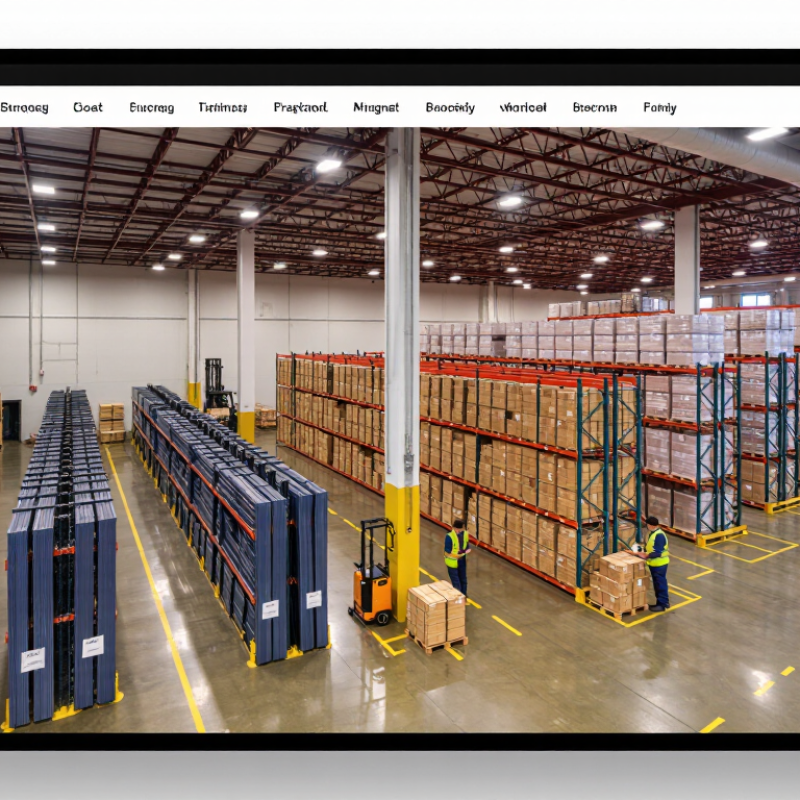
Before choosing vertical racks, record what your business stores and how often staff need it. Note each item’s dimensions, weight, packaging, and handling method. A box picked daily needs easier access than seasonal stock. Measure the tallest and heaviest items, including pallets or containers, rather than relying on estimates. That small detail can change the rack design.
Measure the storage area at floor level and overhead. Include doorways, columns, pipes, lights, and sprinkler clearance. A tape measure and a simple floor sketch are useful. Leave room to turn. Account for aisle width, equipment movement, and safe access to stored goods. Check the floor condition and confirm that the proposed rack’s rated capacity suits the actual loads. Ask a qualified installer or facility professional to review requirements when loads or layouts are uncertain.
My first space sketch is often too optimistic. It tends to ignore awkward corners and the space needed to retrieve bulky items. Walk the route from receiving to storage, then mark where people and equipment pass. Compare usable rack height with ceiling obstructions, not just the ceiling measurement. Keep some flexibility for changing inventory; a layout packed to every edge may look efficient but can become difficult to use. A short trial layout with taped floor outlines can reveal problems before racks are installed.
Cantilever racks suit long, awkward materials such as timber, pipes, and metal sections. Their open fronts make loading easier, especially when forklifts handle bulky stock. Check arm length, upright spacing, and rated capacity against the actual loads, not just a typical bundle. Long items can sway or overhang if the layout is poorly planned.
Vertical sheet racks are better for panels, doors, and sheet goods. Divided slots help separate sizes and reduce the need to move a whole stack to reach one sheet. A-frame racks offer a similar accessible layout, but they take floor space and may limit aisle movement. That matters in a busy shop. Vertical drawer-style systems keep smaller bars or profiles organized and protected, though drawers need clear access and regular checks.
Match the rack to how people retrieve materials, not only to the inventory list. Measure the tallest stock, lifting equipment, ceiling clearance, and turning space before choosing a configuration. I still find aisle clearance easy to underestimate. A rack can fit on paper and feel cramped in daily use. Ask staff to test the picking route with representative loads, then adjust the layout if access feels awkward.
| Vertical Rack Type | Typical Materials Stored | Best Uses | Access and Handling | Space and Layout | Key Selection Considerations |
|---|---|---|---|---|---|
| Vertical sheet and panel rack | Plywood, sheet metal, plastic panels, glass sheets, and other flat stock | Cabinet shops, fabrication areas, construction suppliers, and facilities that store sheets upright | Sheets are separated into slots or bays and retrieved individually. Handling aids may be needed for large or heavy sheets. | Uses floor space efficiently, but requires enough clearance to safely remove and maneuver sheets. | Check the sheet dimensions, rack depth, dividers, edge protection, and the manufacturer’s rated load. Store fragile sheets with suitable padding. |
| Vertical cantilever rack | Long, narrow stock such as lumber, trim, metal sections, and plastic profiles | Lumber yards, building-material stores, workshops, and production areas handling long items | Open-front arms or compartments provide access to stock without a full shelf face. | Can be positioned along a wall or arranged in rows; aisle width must allow safe loading and retrieval of long pieces. | Choose arm length and spacing to suit the stock. Verify load ratings, anchoring needs, and whether the rack is designed for the intended loading direction. |
| Vertical bar and pipe rack | Metal bar, pipe, conduit, tubing, and similar cylindrical or linear stock | Machine shops, maintenance departments, metal distributors, and plumbing or electrical supply areas | Separate compartments help organize stock by material, size, or length. Long pieces may require two-person handling or mechanical assistance. | Stores long stock upright in a relatively compact footprint, subject to ceiling height and safe access requirements. | Assess stock length, diameter, weight, compartment size, and retention features that prevent pieces from tipping or rolling out. |
| A-frame vertical rack | Panels, doors, windows, stone slabs, glass, and other large flat or framed items | Glazing, stone fabrication, construction, and assembly operations where loads need support on both sides | Items lean against or are supported by the frame; loading equipment may be appropriate for heavy or oversized products. | Usually freestanding and accessible from one or both sides, depending on its design and placement. | Confirm that the frame, supports, and restraints suit the item’s size and weight. Use protective contact surfaces for delicate or finished goods. |
| Vertical slot or compartment rack | Trim, moldings, profiles, small panels, and assorted long products | Retail back rooms, workshops, and picking areas where stock needs clear separation by type or size | Individual slots make visual identification and manual picking easier, especially for frequently accessed items. | Offers organized storage in a narrow footprint; compartment layout determines how much and what kind of stock fits. | Plan slot width and height around the product range, allow for safe removal, and avoid overfilling compartments. |
Selection note: Compare the rack’s stated load capacity, dimensions, anchoring requirements, and compatibility with your handling equipment. Actual capacity depends on the rack design, configuration, installation, and load distribution; follow the manufacturer’s specifications and applicable workplace safety requirements.
How to Choose the Best Vertical Racks for Your Business?
Evaluate Load Capacity, Stability, and Safety Features
A vertical rack should match the loads your team actually stores, not just the largest number on its label. Check the rated capacity for each level and for the full unit. Confirm whether the rating assumes evenly distributed weight; a heavy item resting near one edge can create a different strain. Measure the size and shape of typical stock, too. It is easy to focus on maximum capacity and overlook how awkward loads behave during daily handling.
Tips: Keep heavier items low. Read the load label. Leave room for safe access.
Stability matters when racks are tall or frequently loaded. Look for a wide, secure base, suitable floor anchoring, and clear installation instructions. Uneven floors can be easy to miss, so check the rack after installation and whenever its position changes. Safety features should suit the work area: end guards, locking components, and visible capacity labels can help reduce common handling risks. Inspect frames and connections regularly for loosened fasteners, bent sections, or impact damage. A rack may seem fine at a glance. Still, small defects deserve attention before loads are added again.
When choosing vertical racks, start with the material and the conditions around it. Steel suits heavy loads and frequent handling, but its coating matters in damp or dusty areas. Aluminum is lighter, though it may not fit every load or budget. Check welds, joints, and finish closely. Small details matter.
Durability is more than a thick frame. Compare the rated capacity with the weight and shape of the items you store, including uneven loads. Ask how the rack is anchored, and inspect floors for cracks or sloping spots. A rack can look sturdy and still wobble when loaded. That is easy to overlook.
Check local building and workplace requirements before installation. Depending on the site, you may need to confirm load signage, aisle clearance, anchoring, sprinkler access, and inspection procedures with a qualified professional. Keep the rack’s specifications and inspection records where staff can find them. Rules differ by location, and a supplier’s checklist may not cover every site condition. Leave room for that uncertainty when comparing options.
Choosing vertical racks starts with the building, not the catalog. Check clear height, slab condition, column spacing, sprinkler clearance, and aisle width before requesting quotes. A rack that fits on paper may still obstruct lift-truck turning or require costly floor repairs. Measure twice. Installation estimates should include unloading, anchoring, permits where applicable, and downtime during setup.
Total cost of ownership includes more than steel and labor. Compare installation, inspections, repairs, replacement parts, and the cost of changing layouts as inventory shifts. MHI’s 2024 Annual Industry Report, based on responses from more than 1,000 supply-chain professionals, found that 55% viewed innovation as a competitive advantage. That makes flexibility worth pricing—but not at any price. Ask vendors to itemize assumptions, including installation hours and service visits.
A practical comparison uses the same time period for every quote, such as five or ten years. Estimate labor saved through better access, but verify it with your own pick data; projected savings can be optimistic. Small details matter. A blocked sprinkler head or a narrow service aisle can add expense later. I would still leave room for uncertainty: product mix changes, and a perfect spreadsheet cannot predict every layout revision.
Measure each item’s height, width, weight, and packaging. Include pallets and containers, not just the boxes.
Keep frequently picked items easy to reach. Leave enough aisle space for people, equipment, and bulky loads to turn.
Check doorways, columns, pipes, lights, and sprinkler clearance. A first sketch can be too optimistic about awkward corners.
Measure overhead obstructions, not only the ceiling. Compare usable rack height with lights, pipes, and other fixed features.
Steel can suit heavy loads and frequent handling. In damp or dusty areas, inspect the coating, welds, joints, and finish.
Compare its rated capacity with the actual weight and shape of stored loads. Uneven loads matter too.
Look for cracks or sloping spots, and ask how the rack will be anchored. A sturdy-looking frame can still wobble when loaded.
Ask when loads, floor conditions, or clearances are uncertain. Confirm applicable site requirements and keep specifications and inspection records accessible.
Choosing the best Vertical Racks starts with understanding what your business needs to store, how often items are accessed, and how much floor and ceiling space is available. Compare rack types according to the size, shape, and weight of your inventory, as well as the way goods move through your workspace. A rack that suits long materials may not be the right choice for smaller items, so match the design to your daily operations.
Before deciding, check load capacity, stability, and safety features, and consider whether the materials can withstand your working environment. Confirm that the rack meets relevant requirements for your location and intended use. Include installation, maintenance, and any needed changes to the space when comparing total costs. Looking beyond the purchase price can help you select a durable, practical storage solution that makes efficient use of space and supports safe, reliable work.

Shibang Steel