10 Best Steel Platforms for Global Buyers?

Time:2026-10-15 Author:Mason
0%

Choosing the right Steel Platforms supplier can influence safety, delivery reliability, and long-term operating costs. Global buyers face more than a simple price comparison. They must examine load capacity, material grades, surface treatment, fabrication quality, and installation requirements.

This guide reviews 10 Best Steel Platforms for Global Buyers? It focuses on practical purchasing factors rather than impressive product descriptions. Each option should be assessed against its intended environment. A warehouse platform may need different features from an offshore maintenance deck. Coastal projects often require stronger corrosion protection. Heavy industrial sites may demand certified load testing and reinforced supports.

Details matter.

Experienced buyers should request technical drawings, material certificates, welding records, inspection reports, and clear warranty terms. Supplier experience also deserves attention, especially when projects involve different shipping routes, languages, and installation teams. A reliable manufacturer should explain tolerances, packaging methods, lead times, and after-sales support without hiding limitations.

Still, no ranking fits every project. Product availability can change. Published specifications may not reflect site conditions. Buyers should verify critical information with qualified engineers and independent inspectors before ordering. That step is sometimes overlooked.

The platforms discussed here are not universal answers. They are practical starting points for comparing design quality, supplier credibility, customization options, and total ownership value. With careful verification, global purchasers can reduce avoidable risks and select steel access solutions that perform consistently in demanding workplaces.
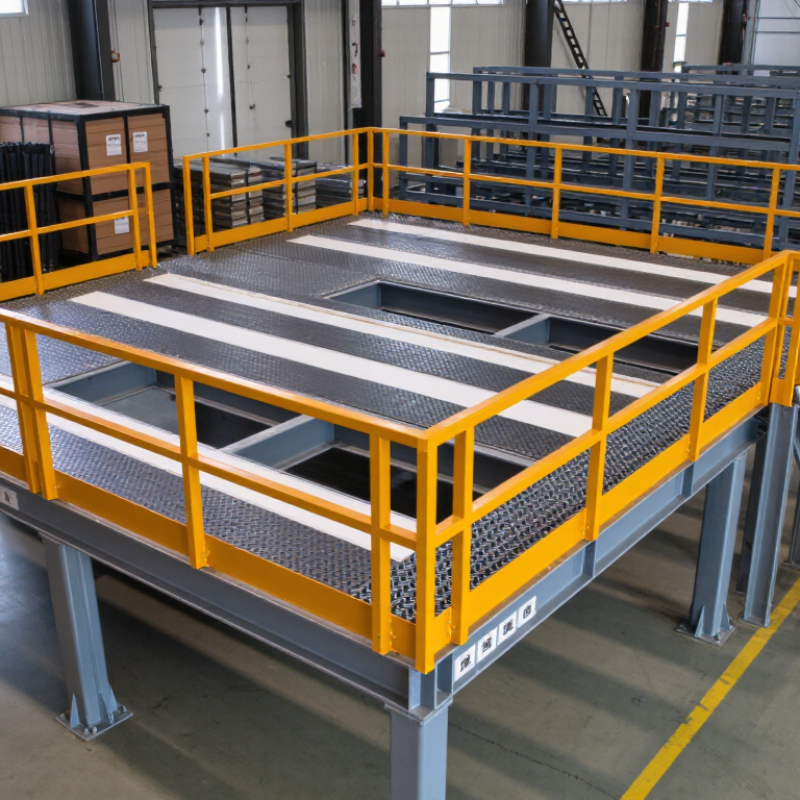
10 Best Steel Platforms for Global Buyers?

What Makes a Steel Platform Suitable for Global Buyers?

What Makes a Steel Platform Suitable for Global Buyers?

A suitable steel platform must perform reliably across climates, codes, and supply chains. Load capacity is only the starting point. Buyers should request design calculations, weld procedures, material certificates, and inspection records. ISO 14122-3 provides guidance for stairs, platforms, and guardrails around machinery. EN 1090 may also matter for structural fabrication in European projects. These references reduce uncertainty, especially when local engineers review imported equipment. A platform can look strong and still fail through poor drainage or weak connections.

Corrosion protection deserves equal attention. Hot-dip galvanizing, suitable coatings, and sealed details can extend service life in humid or coastal locations. The World Steel Association reported 1,892.6 million tonnes of crude steel production in 2023. Its climate reports also note that steelmaking creates about 7–9% of global carbon dioxide emissions. Therefore, global buyers increasingly request recycled-content data, environmental product declarations, and traceable mill records. A cheaper quotation may hide higher maintenance costs. No checklist catches every site surprise.

Tips: Confirm the target country’s structural and safety requirements before ordering. Ask for drawings in metric units and clear tolerance details. Check container dimensions, lifting points, packaging weight, and spare fasteners. Specify coating thickness and inspection methods. Verify whether replacement parts can be sourced locally. Request a sample quality dossier before production. It takes time, but missing paperwork can delay installation more than fabrication itself.

10 Best Steel Platforms for Global Buyers

Global Buyer Suitability Index based on supply breadth, international standards, customization, logistics support, documentation, and digital procurement capability.

The index uses a 100-point framework commonly applied in international steel sourcing. Higher scores indicate stronger overall suitability for cross-border buyers, especially those requiring traceability, export documentation, standards compliance, and reliable delivery coordination. The figures represent platform categories rather than individual companies or brands.

How to Classify Steel Platforms by Product and Application

Steel platforms should be classified by both product design and intended application. Product categories include fixed access platforms, maintenance walkways, mezzanines, loading platforms, tower platforms, and modular temporary decks. Each type serves a different operational need. A maintenance platform usually prioritizes safe access around machinery. A mezzanine adds storage or production space inside a building. A loading platform must manage vehicle movement, impact exposure, and repeated handling.

Application classification creates a clearer buying decision. Industrial plants often require galvanized or coated steel platforms for heat, moisture, and chemical exposure. Warehouses typically need modular structures with adjustable heights and forklift clearance. Construction sites may prefer transportable platforms with quick assembly. Marine and coastal projects need stronger corrosion protection. The World Steel Association reported approximately 1.89 billion tonnes of crude steel production in 2023, showing the scale of available material, but material volume alone does not prove platform quality. Buyers should verify load calculations, welding procedures, surface treatment, and inspection records. Standards such as ISO 14122 and EN 1090 can support safer technical comparisons, though local regulations still control final acceptance.

Tips: Define the application before comparing suppliers. Record working load, platform height, span, environment, and access frequency. Ask for drawings and test evidence. Pay attention to details. A platform that looks heavy may still have poor connection design. I have also seen specifications become too generic, especially when buyers copy old project files. That shortcut can create mismatched loads, unclear corrosion protection, and expensive revisions.

Which Quality Standards and Certifications Should Buyers Check?

When evaluating steel platforms, buyers should match certifications with the destination market and intended load. ISO 9001 shows that the supplier controls its quality processes, but it does not prove structural safety. Ask for EN 1090 execution certification where European construction rules apply. For welded components, ISO 3834 can provide stronger evidence of welding control.

Check the mill test certificate carefully. It should identify the steel grade, heat number, chemical composition, mechanical results, and inspection standard. The heat number must match markings on the delivered beams or plates. Look for traceability. A missing link creates real risk.

Load calculations should state working loads, safety factors, deflection limits, and support conditions. Request drawings with weld sizes, bolt grades, surface treatment, and dimensions. For corrosion protection, ISO 12944 may help assess coating durability, especially near coastlines or chemical exposure. An independent inspection can verify thickness, weld appearance, bolt torque, and dimensions before shipment.

Paperwork can mislead. I have seen purchasing teams accept attractive certificates without checking their scope, expiry, or issuing body. That approach is convenient, but weak. Confirm whether documents cover the exact factory, product type, and production date. Also review EN 10204 3.1 material certificates when traceable steel documentation is required. No certificate replaces a suitable design review. Underspecified loads, poor drainage, or careless installation can still cause failure. Buyers should record every discrepancy, even minor coating damage, because small omissions often become expensive corrections.

How to Compare Suppliers, Prices, and Delivery Capabilities

When comparing the 10 best steel platforms for global buying, start with supplier evidence, not attractive photographs. A reliable supplier should provide mill certificates, material grades, dimensional tolerances, and clear production records. Request recent project references from similar industries. Check the details.

Price comparisons often fail because buyers compare only the quoted steel price. Calculate the landed cost, including cutting, surface treatment, packaging, inland transport, insurance, duties, and port charges.

Ask whether the quotation uses metric tons, pieces, or finished square meters. These units can create misleading differences.

Confirm payment terms, minimum order quantities, quotation validity, and currency risks in writing. A low offer may become expensive after revisions.

I have seen buyers overlook packaging requirements, then pay more for damaged edges and delayed installation.

Delivery capability deserves equal attention. Ask for a production schedule with inspection points, dispatch dates, and estimated transit time.

Suppliers should explain their normal response to material shortages, port congestion, or failed inspections. Request photos of packing methods and verify whether loading plans suit your handling equipment.

Independent inspections can confirm dimensions, weld quality, coating thickness, and traceability before shipment. Do not rely on promises alone. A shared schedule and documented change process are stronger than a fast email.

My own comparison checklists are useful, but they are never perfect; local port conditions and seasonal demand can still change the final result.

How to Choose the Best Steel Platform for Your Market

Choosing the best steel platform depends on your market, not its advertised price. Your platform should match local grades, delivery routes, payment habits, and import procedures. In 2023, global crude steel production reached about 1.89 billion tonnes, according to World Steel Association data. That scale creates choice, but also inconsistency. A platform serving construction buyers may not suit automotive or energy projects. Check mill certificates, inspection records, production dates, and lot-level traceability before comparing offers.

Tips: Test one small order first. Ask for samples of certificates. Confirm Incoterms, port handling, and claim procedures. Compare delivered cost, not the headline price. Lead time matters. Also review the platform’s supplier screening process and data protection controls. OECD’s Steel Outlook 2024 warned that global excess capacity could rise sharply by 2026. Buyers should therefore question unusually cheap offers, unclear origins, and repeated stock availability. These signals may indicate weak quality control, although not always.

My experience suggests that regional support is often undervalued. A platform with local technical staff can resolve grade disputes faster than a cheaper foreign option. Still, local support does not guarantee reliability. I would measure response time with real questions, not promises. Some platforms look polished but provide incomplete documents. That is a warning. A practical scorecard should include quality evidence, supplier depth, logistics performance, currency exposure, and after-sales accountability. Recheck the score after the first shipment. Markets change. Your original choice may need revision.

10 Best Steel Platforms for Global Buyers? - How to Choose the Best Steel Platform for Your Market

Rank Platform Type Best for Typical Steel Products Common Standards Typical MOQ Indicative Lead Time Common Trade Terms Key Verification Documents Market Fit Score
1 Global Multi-Seller Marketplace Buyers comparing multiple origins, prices and specifications Carbon steel, stainless steel, galvanized products, plates, coils and sections ASTM, EN, JIS, ISO and national standards 1–25 metric tons 1–8 weeks EXW, FCA, FOB, CFR and CIF Mill test certificate, inspection report, certificate of origin and packing list 9.2/10
2 Regional Steel Service Center Fast delivery, cutting, slitting and local inventory requirements Sheets, plates, bars, beams, tubes and processed blanks ASTM, EN, JIS and local construction standards 0.5–10 metric tons 2 days–4 weeks EXW, FCA, DAP and local delivered pricing Material certificate, dimensional report, delivery note and invoice 9.0/10
3 Mill-Direct RFQ Platform Large-volume buyers seeking lower unit costs and production allocation Hot-rolled coils, cold-rolled coils, galvanized coils, plates and billets ASTM, EN, JIS, GB and ISO 100–1,000 metric tons 6–16 weeks FOB, CFR and CIF Mill test certificate, chemical analysis, mechanical test results and production schedule 8.8/10
4 Project Procurement Portal Infrastructure, industrial, energy and building projects Structural sections, plates, rebar, pipe, fittings and fabricated steel EN 10025, ASTM A36, ASTM A572, ISO and project-specific specifications 10–500 metric tons 4–20 weeks FCA, FOB, CFR, CIF and DAP Approved drawings, inspection and test plan, MTC, welding records and traceability documents 8.7/10
5 Stainless Steel Specialist Platform Food processing, chemical, medical and architectural applications 304/304L, 316/316L, 321, 430 sheets, coils, bars and tubes ASTM A240, ASTM A312, EN 10088 and JIS G4304 1–20 metric tons 2–10 weeks EXW, FCA, FOB, CFR and CIF Grade confirmation, PMI report, MTC, surface-finish report and dimensional inspection 8.6/10
6 Structural Steel Platform Construction contractors and fabricators requiring standardized sections H-beams, I-beams, channels, angles, hollow sections and plates EN 10025, ASTM A36, ASTM A572, JIS G3101 and ISO 630 5–100 metric tons 3–12 weeks FOB, CFR, CIF and DAP MTC, section-dimension report, coating certificate and loading photographs 8.4/10
7 Pipe and Tube Procurement Platform Oil and gas, water, mechanical and process-industry buyers Seamless pipe, welded pipe, ERW tube, line pipe and stainless tube API 5L, ASTM A106, ASTM A53, ASTM A312 and EN 10216 5–200 metric tons 4–16 weeks FOB, CFR, CIF and DAP Hydrostatic test, NDT report, MTC, coating report and dimensional inspection 8.3/10
8 Coil and Flat-Product Platform Automotive, appliance, fabrication and roll-forming manufacturers Hot-rolled, cold-rolled, galvanized, galvalume and pre-painted coils ASTM A653, ASTM A792, EN 10142, EN 10130 and JIS G3302 20–500 metric tons 4–14 weeks FOB, CFR and CIF Coil weight list, coating-mass report, MTC, surface-quality report and packing details 8.1/10
9 Surplus and Secondary Stock Platform Price-sensitive buyers accepting non-standard sizes or available stock Excess coils, off-cuts, overstock plates, beams and discontinued sizes Original product standard where available; buyer inspection is essential 0.5–50 metric tons 1 day–4 weeks EXW, FCA and local delivered pricing Stock photos, actual dimensions, available MTC, inspection report and condition statement 7.8/10
10 Public Tender and E-Procurement Portal Government, utility and compliance-driven institutional purchases Rebar, structural sections, pipe, plates and fabricated components National standards, ASTM, EN, ISO and tender-specific specifications 10–1,000 metric tons 6–24 weeks FCA, FOB, CFR, CIF and DDP where permitted Bid bond, compliance schedule, MTC, origin certificate, tax documents and inspection plan 7.6/10

Note: MOQ, lead time and trade terms are indicative global-market ranges. Actual conditions depend on grade, dimensions, quantity, origin, inspection requirements, destination and applicable import regulations.

FAQS

How should steel platforms be classified?

Classify them by design and intended use. Common types include access platforms, walkways, mezzanines, loading platforms, tower platforms, and temporary decks. Each type solves a different operational problem.

Which platform suits a warehouse?

A modular platform with adjustable height can fit changing storage needs. Check forklift clearance, span, working load, and access frequency. Measure the aisle carefully.

What should industrial buyers consider?

Plants may face heat, moisture, or chemical exposure. Choose suitable coatings or galvanized steel. Coastal projects need stronger corrosion protection. Appearance alone proves little.

What technical evidence should suppliers provide?

Ask for load calculations, drawings, welding procedures, material grades, and inspection records. Mill certificates and dimensional tolerances also matter. Request test evidence where relevant.

How can buyers compare prices fairly?

Calculate the landed cost, not only the steel price. Include cutting, coating, packaging, inland transport, insurance, duties, and port charges. Confirm the quotation unit. Tons, pieces, and square meters can mislead.

What payment and quotation details need written confirmation?

Confirm payment terms, minimum order quantities, quotation validity, and currency assumptions. Written details reduce later disputes. Cheap offers can change quickly.

How can delivery capability be evaluated?

Request a schedule with production milestones, inspection points, dispatch dates, and transit estimates. Ask how shortages, port congestion, and failed inspections are handled. Promises are not enough.

What should buyers inspect before shipment?

Independent inspectors can check dimensions, weld quality, coating thickness, and traceability. Review packing photos and loading plans too. Damaged edges are costly.

Why can copied specifications cause problems?

Old project files may contain mismatched loads or unclear corrosion requirements. A heavy-looking platform can still have weak connections. I sometimes trust checklists too much. Local conditions still need review.

Conclusion

Choosing the right Steel Platforms for global purchasing requires more than comparing product photos or quoted prices. Buyers should first assess structural strength, load capacity, corrosion resistance, safety features, customization options, and suitability for local operating conditions. Steel platforms can be classified by design and application, including work platforms, access platforms, storage platforms, industrial mezzanines, maintenance platforms, and specialized structures for construction, manufacturing, logistics, and energy facilities. Understanding these categories helps buyers match platform performance with their intended use.

Quality verification is equally important. Buyers should check material specifications, welding quality, surface treatment, dimensional accuracy, and relevant safety or quality certifications accepted in their target market. Supplier comparisons should include total cost, production capability, quality control procedures, packaging, lead times, export experience, and after-sales communication rather than unit price alone. The best choice balances dependable performance, compliance, delivery reliability, installation requirements, and long-term value, ensuring that the selected Steel Platforms are practical and suitable for the buyer’s regional needs.

Mason

Mason

Mason is a seasoned marketing professional with a deep expertise in the company's offerings and a passion for driving brand awareness. With a strong background in digital marketing strategies, he has an innate ability to connect with diverse audiences and effectively communicate product benefits.......