In today's rapidly evolving retail landscape, selecting the right shelving systems is essential for maximizing space and enhancing customer experience. A recent report from Market Research Future indicated that the global shelving systems market is projected to grow at a CAGR of 5.8% by 2026. This growth reflects an increasing demand for versatile and efficient storage solutions across various industries.
When considering shelving systems, factors such as material, design, and load capacity are crucial. Industry professionals often recommend customizable systems to ensure flexibility and adaptability. For instance, industrial shelving made from heavy-duty steel can support substantial weight, making it ideal for warehouses. Retail environments, however, may benefit more from aesthetically pleasing, lightweight options like wood or acrylic.
Despite the array of choices, common pitfalls persist. Many buyers may overlook the importance of proper installation, leading to safety hazards. Additionally, some systems may not accommodate future expansion, limiting their longevity. A thoughtful approach to selecting shelving systems can mitigate these issues and enhance operational efficiency. As global buyers explore their options, understanding both current trends and potential challenges is vital for making informed decisions.
Overview of Popular Shelving Systems Worldwide
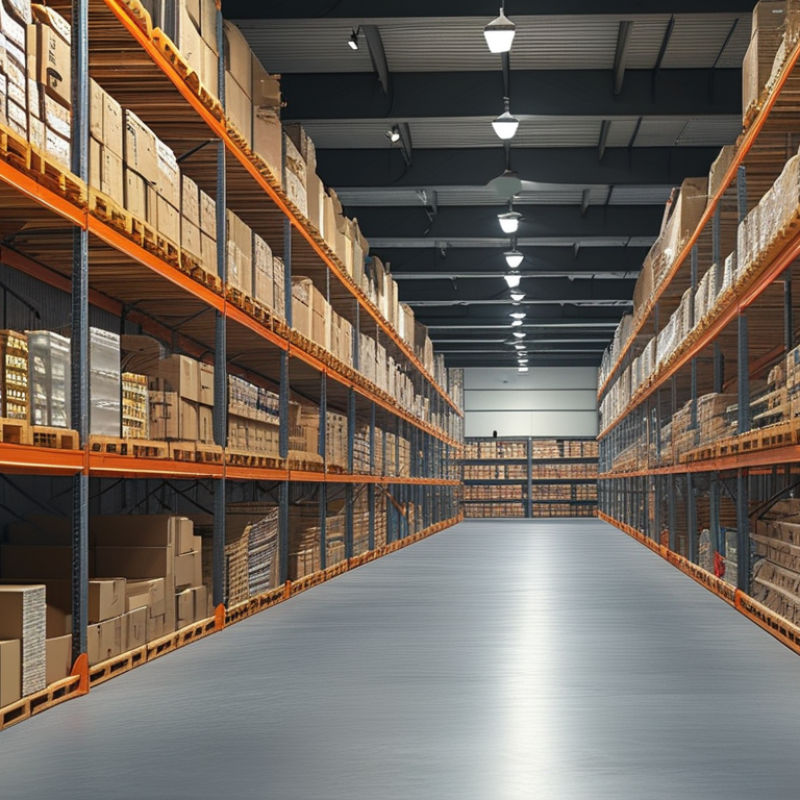
When it comes to shelving systems, various options cater to global buyers. One popular choice is the industrial-style shelving. Often made of steel, these units provide durability and strength. They are ideal for warehouses and retail spaces. However, they may not suit all aesthetic preferences. Some find their appearance too stark or utilitarian.
Another favored option is modular shelving. This design allows buyers to customize configurations based on their needs. It is versatile and can be adjusted for different spaces. Yet, the complexity of assembly can be daunting for some users. Ease of use is crucial, and not all modular systems are equally simple.
Floating shelves have gained traction for home settings. Their minimalist appearance enhances modern interiors. These shelves can be used for displaying decor or books. Still, maintaining stability is vital. Improper installation can lead to accidents, causing damage or injury. Each type of shelving system has its pros and cons, making careful consideration essential for buyers.
Popular Shelving Systems Worldwide
Factors to Consider When Choosing a Shelving System
When selecting a shelving system, several key factors come into play. One of the most crucial aspects is the material. Wood, metal, and plastic all offer unique benefits. Wood provides warmth and aesthetic appeal, while metal is known for strength and durability. Plastic, on the other hand, is lightweight and resistant to moisture. Consider where you will use the shelves. A damp environment like a garage may require more durable materials.
Load capacity is another important element. Assess what you plan to store. Heavy items necessitate a sturdy system with adequate support. If you have fragile items, adjustable shelving can help. This flexibility allows you to rearrange spaces for various sizes and weights. Measuring your space before buying is essential. Humble mistakes often come from miscalculating dimensions.
Style and design should not be overlooked. A well-chosen shelving system can enhance your decor. However, it is vital to balance aesthetics with functionality. Reflect on your personal preferences and needs. Sometimes we prioritize looks over practicality, leading to regret later. Choosing the right shelving requires careful thought and evaluation of your specific circumstances.
Top Shelving Materials and Their Benefits
When selecting shelving systems, the materials play a critical role.
Wood, metal, and plastic are the most common options, each with unique benefits.
Wood adds warmth and aesthetic appeal while providing sturdiness. According to a recent industry report, wooden shelves have a 25% higher customer preference due to their natural look.
Metal shelves offer durability and load capacity, ideal for industrial environments. Surprisingly, plastic shelves are becoming popular for their lightweight nature and corrosion resistance, especially in damp areas.
Proper maintenance of shelving materials is essential to maximize their lifespan.
For wood, regular polishing can prevent degradation. Metal shelves benefit from occasional rust protection treatments.
Plastic shelving should be cleaned regularly to maintain clarity and strength. A study found that investing in quality materials reduces the need for replacements by 30%.
Selecting the right material also affects the overall safety and reliability of the shelving system.
Be aware of potential weight limits for each material type. For example, wood has varying strength based on the species used.
It’s crucial to evaluate your needs before making a decision. Consider the environment where the shelves will be installed.
Each material has its advantages and disadvantages, and understanding these can help you make an informed choice.
Innovative Designs in Modern Shelving Solutions
Modern shelving solutions have transformed how we organize spaces. Innovative designs blend functionality with aesthetics, catering to diverse needs. Emerging trends indicate a shift towards modular systems that adapt to various environments. According to a recent industry report, the global shelving market is projected to grow by 4.5% annually. This growth emphasizes a rising demand for creative storage solutions.
An increasing preference for sustainable materials marks another trend. Bamboo and recycled metals are becoming popular choices. They reflect a commitment to eco-friendly practices. Alongside this, multifunctional designs are gaining traction. Shelves that serve as room dividers or incorporate lighting appeal to modern consumers looking for versatility. However, it’s vital to assess the intended use and load capacity of these designs to avoid failures.
Consider customizing shelving to fit unique spaces. This not only maximizes utility but also enhances visual appeal. When planning, allow room for adjustment. Not every design will suit every room perfectly. Experiment with different configurations before committing. Understanding the space can lead to better choices in shelving systems.
Cost-Effectiveness of Various Shelving Options
When considering shelving systems for global buyers, cost-effectiveness remains a significant factor. Different materials and designs can impact both the upfront price and long-term maintenance costs. Metal shelving tends to be more durable, ideal for heavy loads, but may come with a higher initial investment. On the other hand, wood shelves offer a classic aesthetic but may require more maintenance over time, impacting their overall cost-effectiveness.
Choosing the right shelving system requires a balance between budget and functionality. Understand your storage needs clearly. Measure your space accurately. This helps in selecting the best fit without overspending. Reflect on the weight of items you intend to store. Some affordable options may not hold heavier materials securely. Always calculate the total cost of ownership beyond just the purchase price.
Remember to explore adjustable shelving systems. They provide versatility, allowing you to change configurations as your needs evolve. This adaptability can lead to long-term savings by extending the shelf's useful life. Assess how often you will use these shelves for optimal placement. In some scenarios, less expensive options can work efficiently if strategically utilized. Keep in mind that the right system can streamline organization while being budget-friendly.
What are the Best Shelving Systems for Global Buyers? - Cost-Effectiveness of Various Shelving Options
| Shelving Type |
Material |
Cost per Unit ($) |
Weight Capacity (lbs) |
Durability (Years) |
Best Use Case |
| Metal Racking |
Steel |
150 |
2000 |
10 |
Warehouse Storage |
| Wooden Shelving |
Plywood |
100 |
500 |
8 |
Home & Office |
| Plastic Shelves |
Polyethylene |
75 |
300 |
5 |
Outdoor Storage |
| Wire Shelving |
Steel Wire |
120 |
600 |
7 |
Retail Display |
| Corner Shelves |
Wood |
80 |
200 |
6 |
Space-Saving Storage |
FAQS
: The most common materials are wood, metal, and plastic. Each has unique benefits.
Load capacity is vital for safely storing items. Heavy items need sturdy shelves to prevent collapse.
Always measure your space before buying. Miscalculating dimensions is a common mistake.
Wood needs polishing, metal requires rust protection, and plastic should be cleaned regularly.
Style can enhance decor, but practicality should not be overlooked. Balance aesthetics with functionality.
Adjustable shelving allows rearranging spaces, accommodating various sizes and weights of items.
Yes, certain materials have specific weight limits. Understanding this is crucial for safety.
Attractive shelves may not be practical, leading to frustration and wasted space.
Investing in quality reduces the need for replacements by about 30%. Quality matters in the long run.
Durable materials are essential. Metal and plastic perform better in moisture-prone areas.
Conclusion
In the quest for the best shelving systems, global buyers have a plethora of options to consider. Popular shelving systems worldwide are diverse, catering to different needs and aesthetic preferences. When selecting a shelving system, it is crucial to evaluate factors such as space requirements, load capacity, and style to ensure that it meets specific needs. Additionally, choosing the right materials—such as wood, metal, or plastic—provides various benefits including durability, aesthetics, and maintenance ease.
Innovative designs in modern shelving solutions continue to emerge, offering both functionality and creativity for storage needs. Furthermore, understanding the cost-effectiveness of various shelving options can guide buyers towards making informed decisions that balance quality and affordability. By carefully assessing these aspects, buyers can identify the optimal shelving systems that enhance their environments while meeting practical requirements.

 Shibang Steel