Global buyers are reassessing Boltless Systems as warehouses face higher space costs, faster inventory movement, and stricter safety expectations. The best 2026 solution will not simply offer more shelves. It must fit local warehouse conditions, product weights, assembly skills, and long-term operating plans.
Warehouse management author Gwynne Richards offers a useful principle: “Storage must serve the operation, not dominate it.” That idea matters when comparing boltless shelving, rivet racks, and modular steel systems across international markets. Buyers should examine load ratings, beam thickness, decking quality, corrosion resistance, and adjustment flexibility. They should also verify whether published capacities apply to evenly distributed loads. That detail is often missed.
Small details matter.
A reliable system should arrive with clear instructions, traceable components, and accessible replacement parts. Suppliers should explain packaging standards, estimated delivery times, installation requirements, and after-sales support. Global purchasing adds complexity. Freight damage, language differences, regional standards, and unavailable accessories can quickly reduce the value of a low initial price.
This guide evaluates leading Boltless Systems for 2026 through a practical buyer’s lens. It considers durability, assembly speed, configuration options, maintenance, total cost, and supplier credibility. No system is perfect. A lightweight design may improve handling but reduce capacity. A heavier frame may last longer but increase shipping costs. Buyers must question attractive specifications and test assumptions against real warehouse conditions. That is where informed selection begins.
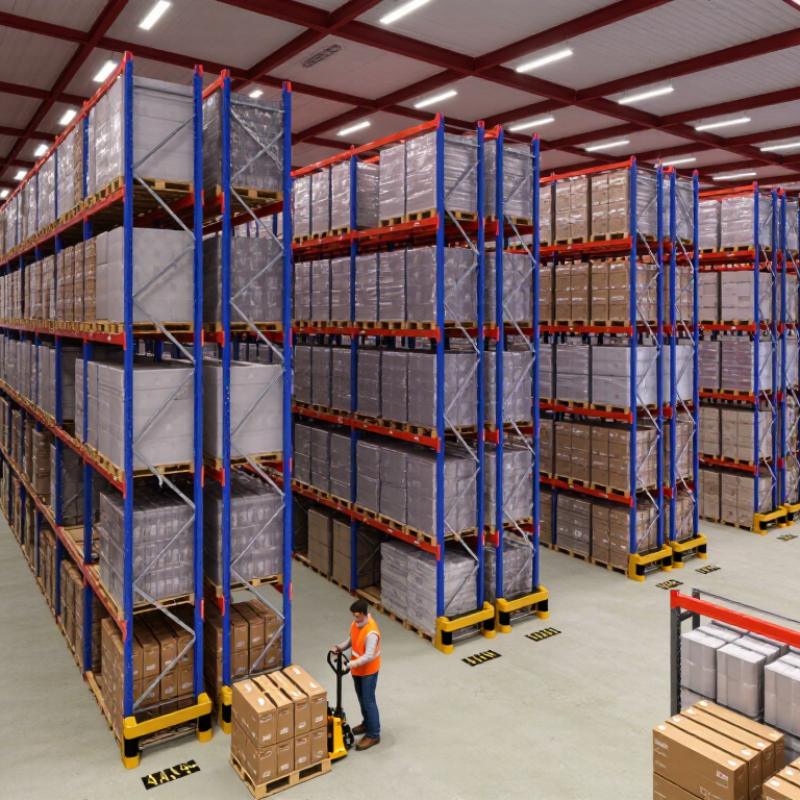
Boltless systems are storage or display structures assembled without traditional nuts and bolts. Their parts usually include upright posts, horizontal beams, shelves, braces, and locking connectors. A rubber mallet often secures the joints during installation. No bolts are required. That detail matters.
The frame transfers weight through connected posts and beams, while braces improve stability against movement. Shelves may use steel panels, wire decking, wood boards, or composite surfaces. In practical warehouse inspections, the strongest results come from level floors, correctly seated connectors, and evenly distributed loads. Load capacity must come from tested specifications, not appearance. A thick beam can still perform poorly when the joint is misaligned.
These systems serve warehouses, workshops, archives, retail backrooms, garages, and light industrial spaces. Buyers can reconfigure shelf heights as inventory changes, which reduces drilling and installation time. They also suit temporary layouts and facilities with frequent stock rotation. However, Boltless does not mean maintenance-free. Loose connectors, damaged braces, or overloaded shelves can create serious stability problems. The trade-off is real. Some systems feel less rigid than welded frames, especially on uneven floors. Global buyers should check dimensions, corrosion protection, floor conditions, replacement-part access, and local safety requirements before ordering. A careful trial assembly is useful, although it may reveal that the planned layout was too optimistic.
Boltless storage systems use interlocking frames, clips, or rivets instead of traditional fasteners. They support faster assembly and easier layout changes. Rivet shelving suits cartons, tools, and archive boxes. Its thick beams handle moderate loads, while plywood or steel decks create stable surfaces.
Clip-in shelving offers smooth adjustment for smaller goods and retail stock. Slot-in systems work well in workshops because shelves can move without special tools. For heavier warehouse loads, boltless pallet racking combines upright frames with locking beams. Mobile boltless units save floor space, but they require level flooring and careful load distribution. That detail is often missed.
In 2026, global buyers should compare performance data rather than attractive photographs. Product dimensions may look identical, yet frame stability can differ greatly. Measure aisle width with real pallets or carts in place. Also inspect connector tolerances before ordering large quantities. A small fitting problem can delay an entire installation. Some planning decisions may still need revision after the first layout test.
2026 Best Boltless Systems for Global Buyers?
How to Compare Load Capacity, Materials, and Assembly Features
Load capacity should be your first comparison point. Check the safe working load per shelf, bay, and frame. Do not compare only the largest advertised number. That figure may assume even loading, level floors, and ideal assembly. The ANSI MH16.1 standard emphasizes engineered design, testing, and proper installation for storage systems. A practical check includes shelf deflection, frame stability, brace spacing, and the effect of uneven cartons. A published rating is not the whole truth.
Materials reveal how a system may perform over time. Cold-formed steel offers efficient strength with relatively low weight. Galvanized finishes can improve corrosion resistance in humid storage areas. Powder coating may suit cleaner indoor environments, but damaged surfaces need inspection. The World Steel Association reported approximately 1.89 billion tonnes of crude steel production in 2023, showing the scale of steel supply. Yet steel grade, thickness, coating quality, and weld control still vary between suppliers. Ask for material certificates and independent load-test records.
Assembly features affect labor, safety, and future changes. Tool-free rivet or keyhole connections can speed installation. Locking pins, positive beam seating, and clear adjustment intervals reduce accidental movement. MHI’s 2024 Annual Industry Report found that 83% of respondents considered supply-chain innovation important. Modular storage supports that goal, although faster assembly can encourage careless installation.
Tips: Test one loaded bay before full deployment. Measure floor level, aisle clearance, and carton weight. Recheck connections after the first week. Small omissions become expensive problems.
This benchmark compares representative boltless shelving configurations commonly specified in international markets. Load capacity is shown per shelf level, steel thickness represents the primary upright material, and assembly time assumes two trained people using hand tools on a four-level unit. Actual performance depends on shelf span, beam profile, bracing, floor conditions, and the supplier’s tested specifications.
For global buyers, the best boltless system is not always the cheapest frame. It must meet local safety expectations, installation needs, and long-term load requirements. ISO Survey 2023 recorded more than 1.2 million ISO 9001 certificates worldwide, showing why documented quality controls matter. Ask for load tests, material certificates, coating details, and inspection records. A neat product sheet is not enough.
Logistics can change the real price. The World Bank’s 2023 Logistics Performance Index compared 139 economies and showed wide differences in customs, infrastructure, and delivery reliability. UNCTAD’s Review of Maritime Transport 2024 states that shipping carries over 80% of global merchandise trade by volume. One missing accessory can delay an entire warehouse project. Request carton dimensions, pallet counts, spare-part policies, and clear Incoterms before comparing quotations. Support matters after delivery. Assembly videos, multilingual manuals, and responsive technical teams reduce costly errors.
Tips: Test one bay first. Confirm beam deflection under real loads. Compare landed cost, not unit price. Check whether replacement clips ship separately. This is where many purchasing teams overlook risk. We also see a common mistake: buyers accept a perfect sample, then discover inconsistent batches. A pre-shipment inspection may feel excessive, but it can protect the installation schedule. Local code review remains essential, even when the system appears simple.
Selecting the best boltless system depends on the work, not the catalog photograph. For light cartons, choose narrow frames, adjustable shelves, and quick assembly. A small storeroom may need 900 mm shelves, while pallet areas require deeper bays and higher load ratings. Measure the available height first. Ceiling pipes can change everything.
For humid warehouses, coated or galvanized steel usually offers better resistance than untreated surfaces. Check the coating specification and inspect cut edges, where corrosion may begin. For offices, archives, and retail rooms, appearance and low noise matter more. Rubber feet, smooth shelf edges, and stable bracing improve daily use. In workshops, stronger decking handles tools, containers, and repeated impact.
Global buyers should request load tables, material thickness, assembly instructions, and independent test records. Verify whether the stated capacity applies to each shelf or the complete unit. It sounds obvious, but confusion is common. Keep floor conditions, earthquake exposure, and local safety requirements in the selection file. A system that fits one country may need different anchoring elsewhere.
No system is perfect. A cheaper frame may assemble quickly but flex under uneven loads. A stronger frame may waste space and increase shipping costs. Trial assembly helps reveal these compromises. Place a sample bay on the actual floor, load it gradually, and check movement after several days. Small details often decide the better choice.
It is a modular structure assembled without traditional nuts and bolts. Upright posts, beams, shelves, braces, and locking connectors form the frame. A rubber mallet often secures the joints. Simple, but not careless.
Connected posts and beams transfer weight through seated joints. Braces reduce movement and improve stability. Shelves may use steel panels, wire decking, wood, or composite boards. Load ratings must come from testing, not appearance.
They suit warehouses, workshops, archives, garages, retail backrooms, and light industrial areas. They also work in temporary layouts. Shelf heights can change as inventory changes. That flexibility saves drilling time.
Check the safe working load for each shelf, bay, and frame. Do not rely on the largest advertised figure. Ratings may assume level floors and evenly distributed cartons. Test shelf deflection and frame stability too. Numbers can mislead.
Cold-formed steel can provide strong support with lower weight. Galvanized finishes may resist corrosion in humid areas. Powder-coated surfaces suit cleaner indoor spaces. Inspect scratches and exposed metal regularly. Coating quality varies.
Tool-free rivet or keyhole connections can reduce installation labor. Locking pins help prevent accidental beam movement. Positive beam seating is essential. Clear adjustment intervals make changes easier. Fast assembly still requires careful checking.
The floor should be reasonably level before loading the structure. Uneven surfaces can make frames feel less rigid. Measure aisle clearance and check every connector. A thick beam cannot correct a misaligned joint. This is easy to overlook.
No. Inspect loose connectors, damaged braces, shelves, and coatings. Avoid overloading individual shelves. Recheck connections after the first week. Replace damaged parts before continued use. Maintenance is still necessary.
Boltless Systems are modular storage and support structures designed for fast assembly without traditional nuts, bolts, or specialized tools. This article explains their basic definition, structural components, and major applications in warehouses, workshops, retail spaces, offices, and home storage. It also reviews key system types available in 2026, including adjustable shelving, heavy-duty racks, multi-level platforms, and flexible display or archive solutions.
For global buyers, the most important comparison points include load capacity, steel quality, surface treatment, stability, adjustability, and ease of expansion or relocation. The guide also highlights practical purchasing criteria such as international safety standards, packaging, shipping efficiency, import planning, pricing transparency, spare parts, installation guidance, and after-sales support. By matching these factors with specific requirements, buyers can select the best Boltless Systems for light storage, industrial operations, commercial environments, or long-term organizational needs.

Shibang Steel